Uganda
Ugandan advocacy groups step up fight against mpox
More than 500 new cases reported in country over last two weeks
As mpox cases continue to surge in Uganda, LGBTQ rights organizations have raised concerns over its “troubling increase” among the queer community and have advised it to be on high alert.
The Uganda Key Populations Consortium, an LGBTQ rights organization, working closely with the Health Ministry and Kampala Capital City Authority and other government bodies to stem the spread of mpox, has warned that queer people in semi-urban areas are the most affected.
“These communities have expressed valid concerns regarding stigma and discrimination which may deter individuals from seeking necessary medical attention,” UKPC Director General Richard Lusimbo said.
Uganda has recorded 512 new mpox cases in the last two weeks, bringing the total number of cases to 2,127 and 12 deaths, as the Health Ministry confirmed on Tuesday. The World Health Organization’s latest multi-country report on the mpox outbreak, released on Jan. 11, indicates that Uganda has recorded 1,552 cases and 12 deaths since the disease was first reported last July..
The WHO report places the capital Kampala with the highest number of mpox diseases spread through community transmission with an infection incidence of 45 cases per 100,000 people, followed by the Wakiso and Nakasongola districts.
“Cases have been reported in at least 49 percent (71 out of 146) of districts in the country, but the epidemic remains largely concentrated in and around Kampala,” the WHO report reads. “So far, only clade Ib MPXV, linked to the outbreak in the eastern Democratic Republic of the Congo, has been detected in the country, and current evidence indicates that transmission of the virus is occurring exclusively through close, physical human-to-human contact.”
People between 20-29 are the most affected group, with sexual contact as a major mode of transmission among sex workers and men who have sex with men.
The UKPC has issued an urgent health advisory to the queer community as it collaborates with the Health Ministry and KCCA in responding to the mpox transmission through immediate and long-term actions, including integrating its response with ongoing HIV prevention and care strategies.
Lusimbo, whose organization has also partnered with WHO and the Most At Risk Populations Initiative, a local health NGO, to stem the spread of mpox stated a unified preventive approach that is inclusive and effective is vital for the health and safety of all Ugandans.
“The fear of stigma and discrimination can exacerbate the situation by hindering effective response and treatment efforts,” Lusimbo said.
He noted that the fight against mpox in Uganda is not just limited to managing a health crisis. It also offers the queer community an opportunity to advocate for the rights and dignity of the marginalized groups.
The UKPC last week unveiled an online survey on the mpox epidemic targeting queer people in Uganda to reliably understand its impact on them and their knowledge about the disease.
“Mpox continues to disproportionately affect mostly our community, especially female sex workers and their clients, and men who have sex with men,” the survey reads. “As the national secretariat and coordinating body for key populations, UKPC, in partnership with KCCA, has been leading important discussions on the disease’s public health implications in areas where the impact is most notable.”
The report states the survey data will help develop tailored, inclusive, and equitable interventions for the LGBTQ community. The survey also seeks to provide specific numbers of queer people who have contracted mpox and those who have died from the disease.
Uganda Minority Shelters Consortium Coordinator John Grace attributed the lack of data about queer people affected by mpox to privacy concerns, stigma, and discrimination against the community by the homophobic public and state authorities tasked with enforcing anti-homosexuality laws. He said the Anti-Homosexuality Law has created a significant barrier for queer people to report such abuses.
“This makes it difficult to ascertain the true extent of stigma and discrimination or the impact of misinformation about transmission methods,” Grace said.
Grace also noted the collaboration between LGBTQ organizations and healthcare providers in tackling mpox has been “inconsistent.”
“While some providers have been welcoming and supportive, others demonstrate a lack of awareness or sensitivity regarding the specific needs of the LGBTQ+ community,” he said.
Despite the homophobic climate in Uganda amid the fight against mpox, Grace noted many LGBTQ organizations have proactively disseminated accurate information to educate queer people about the disease’s prevention within their communities through educational campaigns and safer sex practices.




Uganda
Ugandan activist named Charles F. Kettering Foundation fellow
Clare Byarugaba founded PFLAG-Uganda
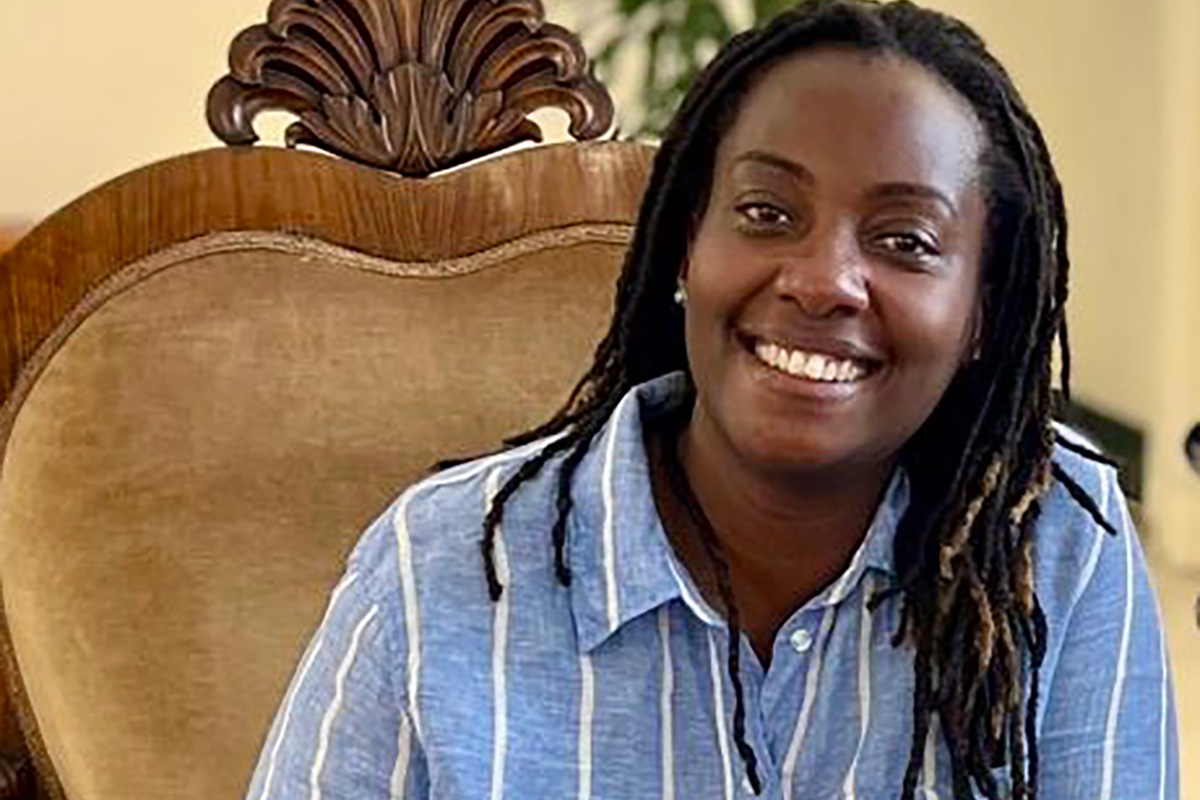
The Charles F. Kettering Foundation has named a prominent Ugandan LGBTQ activist as one of its 2026 fellows.
Clare Byarugaba, founder of PFLAG-Uganda, is one of the foundation’s five 2026 Global Fellows.
Byarugaba, among other things, has been a vocal critic of Uganda’s Anti-Homosexuality Act. Byarugaba in 2024 met with Pope Francis — who criticized criminalization laws during his papacy — at the Vatican.
The foundation on its website says it “is dedicated to bringing research and people together to make the promise of democracy real for everyone, everywhere.”
“Clare is the kind of hero who rushes toward the emergency to help,” said PFLAG CEO Brian K. Bond in a Feb. 27 statement to the Washington Blade. “She founded PFLAG-Uganda as the country pushed to criminalize homosexuality and those who support LGBTQ+ people. Yet, she never hesitated in her courage, telling us that families wanted to organize to keep their LGBTQ+ loved ones safe, and PFLAG was the way to do it. Clare Byarugaba not only deserves this honor, but she will use her compassion and experience to teach the world about LGBTQ+ advocacy as a Kettering Global Fellow.”
Uganda
LGBTQ Ugandans targeted ahead of country’s elections
President Yoweri Museveni won 7th term in disputed Jan. 15 vote
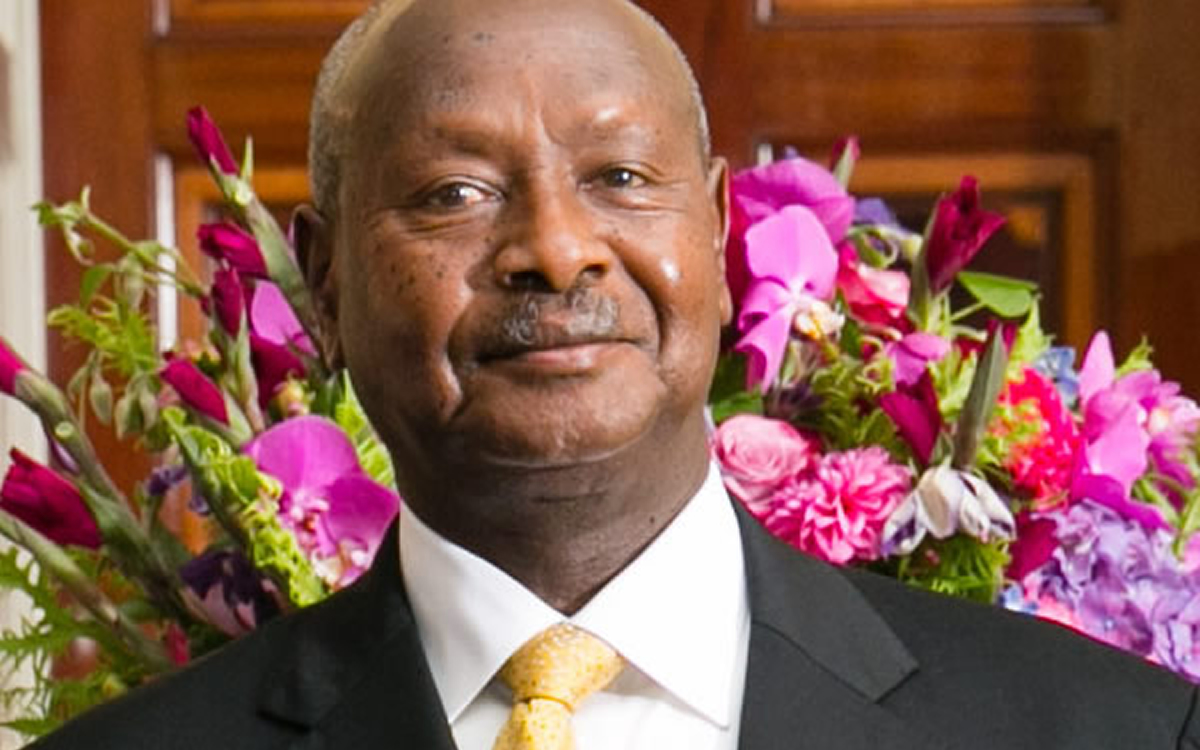
Barely a week after Ugandan President Yoweri Museveni secured a 7th term in an election marred by state violence, intimidation, and allegations of fraud, the country’s queer community spoke about how the election environment impacted it.
The LGBTQ lobby groups who spoke with the Washington Blade noted that, besides government institutions’ failure to create a safe and inclusive environment for civic participation by all Ugandans, authorities weaponized the Anti-Homosexuality Act to silence dissent and discourage queer voter engagement.
The rights groups note that candidates aligned with Museveni’s ruling National Resistance Movement — including Parliament Speaker Anita Among — during the campaigns accused their rivals of “promoting homosexuality” to discredit them while wooing conservative voters.
Queer people and LGBTQ rights organizations as a result were largely excluded from the formal political processes for the election as voters, mobilizers, or civic actors due to fear of exposure, stigma, violence, and legal reprisals.
“This homophobic rhetoric fueled public hostility and emboldened vigilante violence, forcing many queer Ugandans into deeper hiding during the election period,” Uganda Minority Shelters Consortium Coordinator John Grace stated.
Some queer people had expressed an interest in running for local council seats, but none of them formally registered as candidates or campaigned openly because of safety concerns and local electoral bodies’ discriminatory vetting of candidates.
“UMSC documented at least three incidents of election-related violence or intimidation targeting LGBTQ+ individuals and activists,” Grace noted. “These included harassment, arbitrary detentions, extortions by state and non-state actors, digital cat-fishing, and threats of outing.”
Amid such a militarized and repressive election environment, Let’s Walk Uganda Executive Director Edward Mutebi noted queer-led and allied organizations engaged in the election process through restricted informal voter education, community discussions, and documenting human rights violations.
“Fear of backlash limited visibility and direct participation throughout the election cycle,” Mutebi said. “But despite the hostile environment of work, Let’s Walk Uganda was able to organize a successful transgender and gender diverse youth training on electoral security and safety.”
Museveni’s government escalated its repressive actions during the Jan. 15 elections by shutting down the internet and suspending nine civil society organizations, including Chapter Four Uganda and the National Coalition of Human Rights Defenders, for allegedly engaging in activities that are prejudicial to the security and laws of the country.
The suspension of the rights organizations remains in force, an action both Mutebi and Grace condemn. They say it prevents queer Ugandans from accessing urgent services from the affected groups.
“For the LGBTQ community, the impact has been immediate and deeply harmful. Many of the suspended organizations, like Chapter Four Uganda, were critical partners in providing legal representation, emergency response, and documentation of rights violations,” Grace said.
This has compelled UMSC and its other partners to handle increased caseloads with limited resources, while navigating heightened scrutiny and operational risk.
“The suspension has disrupted referral pathways, delayed urgent interventions, and weakened collective advocacy for marginalized groups and minority rights defenders, which calls for urgent international solidarity, flexible funding, and protection mechanisms to safeguard the work of grassroots organizations operating under threat,” Grace stated.
Mutebi warned that such repressive actions are tyrannical and are indicative of shrinking civic space, which undermines democratic accountability as the promotion and protection of human rights is ignored.
With Museveni, 81, extending his tenure at State House from a landslide win of 72 percent, UMSC and LWU consider a bleak future in the protection of rights for queer Ugandans and other minority groups.
“Without significant political and legal shifts, LGBTQ persons will face continued criminalization, reduced civic space, and heightened insecurity, making sustained advocacy and international solidarity more critical than ever,” Mutebi said. “ It is unimaginable how it feels to live in a country with no hope.”
Grace, however, affirmed the resistance by local queer lobby groups will continue through underground networks, regional solidarity, and digital organizing.
The duo noted that a win by Museveni’s main challenger and rapper, Bobi Wine, who only managed 24 percent of the total votes cast, could have enabled the opening up of civil space and human rights protections in Uganda.
Wine, for his part, spoke in favor of the respect for the rule of law and human rights during his campaign.
“While Bobi Wine’s past stance on LGBTQ rights was inconsistent, his recent shift toward more inclusive rhetoric and international engagement suggested a potential opening for dialogue,” Grace said. “A win might have created space for policy reform or at least reduced state-sponsored homophobia, though structural change would still require sustained pressure and coalition-building.”
Mutebi stated that a change in Uganda’s leadership to a youthful leader like Wine could have offered an opening, but not a guarantee for progress on inclusion and human rights. Mutebi added existing institutionalized and societal homophobia remain in place.
Uganda
Ugandan government agrees to accept migrants deported from US
Anti-Homosexuality Act signed in 2023; White House mum on sanctioned officials
A White House spokesperson on Thursday did not say whether the Trump-Vance administration plans to lift sanctions against Ugandan officials responsible for human rights abuses against LGBTQ people and other groups as part of an agreement to accept migrants deported from the U.S.
Ugandan Foreign Affairs Ministry Permanent Secretary Bagiire Vincent Waiswa in a statement said the agreement between his country and the U.S. “is in respect of third country nationals who may not be granted asylum in the United States, but are reluctant to or may have concerns about returning to their countries of origin.”
Waiswa described the agreement as “a temporary arrangement with conditions, including that individuals with criminal records and unaccompanied minors will not be accepted.”
“Uganda also prefers that individuals from African countries shall be the ones transferred to Uganda,” added Waiswa. “The two parties are working out the detailed modalities on how the agreement shall be implemented.”
STATEMENT CONCERNING AGREEMENT ON MIGRATION ISSUES WITH THE GOVERNMENT OF THE UNITED STATES
As part of the bilateral cooperation between Uganda and the United States, an Agreement for cooperation in the examination of protection requests was concluded.
The Agreement is in… pic.twitter.com/dStdBSXtBN
— Ministry of Foreign Affairs – Uganda 🇺🇬 (@UgandaMFA) August 21, 2025
Ugandan President Yoweri Museveni in May 2023 signed the Anti-Homosexuality Act, which contains a death penalty provision for “aggravated homosexuality.”
The Biden-Harris administration imposed visa restrictions on Ugandan officials and removed the country from a program that allows sub-Saharan African countries to trade duty-free with the U.S. The World Bank Group in June resumed lending to Uganda after it suspended new loans in response to the Anti-Homosexuality Act.
The State Department’s 2024 human rights report that advocacy groups say “erased” LGBTQ people does not specifically mention the Anti-Homosexuality Act or the impact it has had on LGBTQ Ugandans. The report, however, does note Ugandan government officials “reportedly committed acts of sexual violence.”
“NGOs reported police medical staff subjected at least 15 persons to forced anal examinations following their arrests,” it reads. “Opposition protesters stated security forces used or threatened to use forced anal examinations during interrogations.”
“The Trump administration is committed to fulfilling President Trump’s promise to carry out the largest mass deportation operation of criminal illegal aliens in history, using all the tools at our disposal,” said White House spokesperson Abigail Jackson in response to the Washington Blade’s request for comment on the agreement.
Secretary of State Marco Rubio on Thursday spoke with Museveni.
“Secretary of State Marco Rubio spoke with Ugandan President Yoweri Museveni to discuss opportunities to deepen U.S.-Uganda cooperation on migration, reciprocal trade, and commercial ties,” said State Department spokesperson Tommy Pigott in a statement. “The secretary also thanked Uganda for providing a model of regional stability including its valuable contributions to peacekeeping in East Africa.”
A State Department spokesperson told the Blade the State Department does not “comment on the content of private diplomatic negotiations.”
“However, we would note that for decades, Uganda has hosted refugees from across Africa and has one of the world’s most comprehensive protection regimes for refugees,” added the spokesperson.

Advocate, Out parent company adds Trump supporter to board, prompting outrage

78th annual Emmy Awards recapped

Indonesia’s top Muslim clerical body proposes criminalizing LGBTQ people, advocacy

Hands Off the Arts to form ‘human chain’ around Kennedy Center

LGBTQ issues, attacks on Democrats dominate unusual RNC midterm convention

Multi-billion-dollar 9/11 Victim Compensation Fund to continue until 2090

LGBTQ Military Happy Hour set for Sept. 15

Calendar: September 11-17

Comings & Goings