National
World news in brief
White House, HRC applaud Malawi pardon & more
White House, HRC applaud Malawi pardon
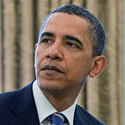
WASHINGTON — The White House and Human Rights Campaign welcomed the recent pardon of two gay Malawi men who were sentenced to 14 years in prison because of their sexual orientation.
In separate statements released May 29, both camps noted that Steven Monjeza and Tiwonge Chumbalanga are not criminals. Malawi President Bingu wa Mutharika issued the pardons.
“It is reprehensible to imprison anyone for who they are or who they love,” said Joe Solmonese, HRC’s president. “This is welcomed news that we hope will reverberate around the world in places — including our own country — where LGBT people are targeted for harassment and discrimination.”
White House Press Secretary Robert Gibbs said that “we must all recommit ourselves to ending the persecution and criminalization of sexual orientation and gender identity.”
“We hope that President Mutharika’s pardon marks the beginning of a new dialogue which reflects the country’s history of tolerance and a new day for lesbian, gay, bisexual and transgender rights in Malawi and around the globe.”
Malawi has faced international condemnation for the conviction and harsh sentencing. The Associated Press reported that Mutharika granted the pardon based on “humanitarian grounds only,” and that homosexuality remains illegal in the southeastern African nation.
Strict policing, no arrests at Moscow gay parades
MOSCOW — Two Gay Pride parades were held without arrests in Moscow on May 29, the first time Russian authorities have not intervened since the inaugural attempt to hold the event in the capital in 2006.
The Associated Press reported that an activists’ spokesman said that the absence of harassment, beatings and detentions was due to their “military planning” rather than any kind of warming toward non-traditional orientation among officials.
Moscow riot police typically disperse such gatherings with force, emboldened by declarations from city Mayor Yury Luzhkov that have equated LGBT people with the devil. Activists also blame Russia’s resurgent Orthodox Church, which publicly and sternly denounces gay culture, for fomenting homophobia.
About 25 activists held a short demonstration on The Arbat, a pedestrian street lined with shops and cafes that is one of Moscow’s main tourist draws.
They marched for about 10 minutes, holding banners and shouting slogans such as “No discrimination on the grounds of orientation.” Some observers waved and laughed, and there were no signs of hostility.
Police did not try to disperse the march, but when the demonstrators saw a line of uniformed officers blocking the street ahead of them, they scattered.
A few hours later in northwestern Moscow a smaller, international group including British activist Peter Tatchell unveiled a long rainbow flag and chanted “Russia without homophobes!” and “Equal rights, no compromise!”
Zimbabwe court frees 2 gay group employees
HARARE, Zimbabwe — A Zimbabwe court last week freed two employees of a gay organization after six days in jail on allegations of possessing indecent material and displaying a placard seen as insulting to President Robert Mugabe, an outspoken critic of homosexuality.
The Associated Press reported that Gays & Lesbians of Zimbabwe said May 27 that the two employees were assaulted by police while in custody.
Defense attorney David Hofisi said the two were also made to bend their knees into a sitting position with their arms outstretched for long periods and were struck with bottles when they weakened and fell.
According to the Associated Press, Magistrate Munamate Mutevedzi released the two on bail of $200 each until a trial set for June 10, where they will face penalties of imprisonment or a fine. Homosexuality is illegal in Zimbabwe and most African countries.




National
Queen Jean is Tony’s first transgender winner
Designer/activist wins for work on ‘Cats: The Jellicle Ball’
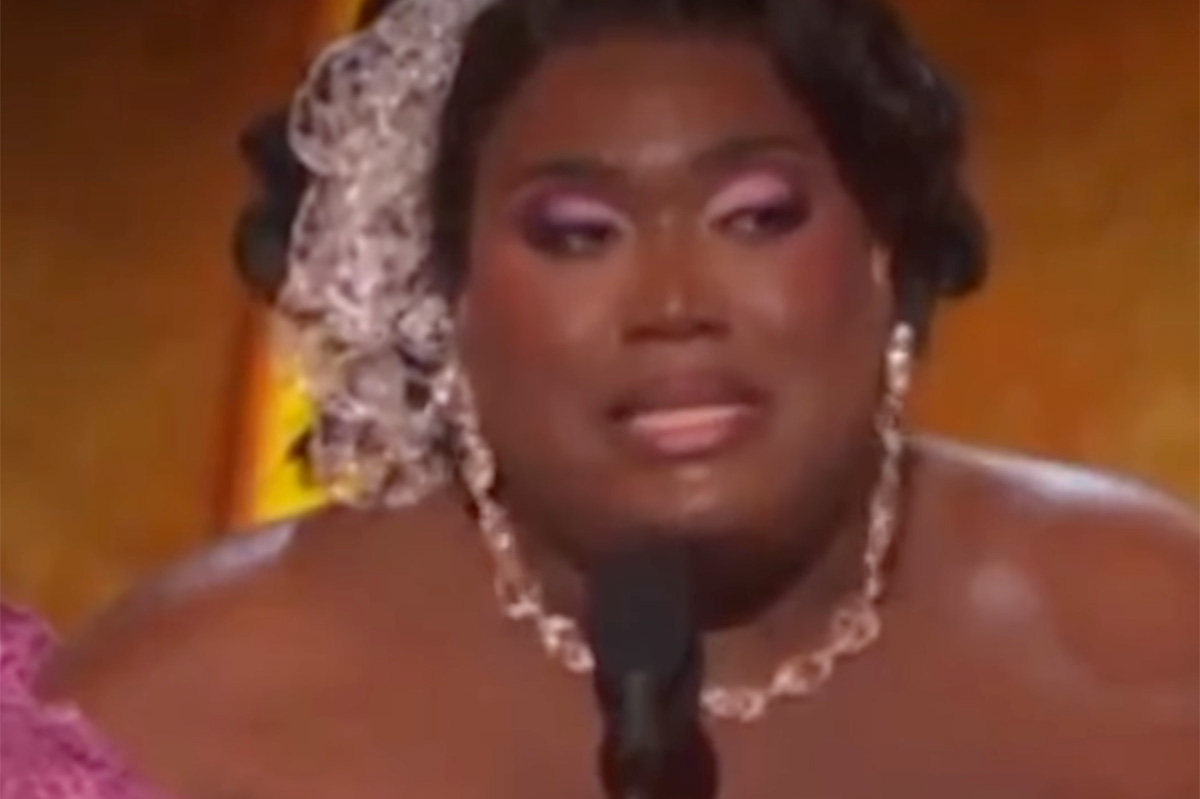
It was a historic night at the 79th annual Tony Awards on Sunday as Queen Jean won the award for Best Costume Design of a Musical, making her the first out transgender person to win a Tony.
“This experience has been monumental. We are here for the legacy of queer people, trans people,” she said. “We are taking up space in ways we have to take up space. We have to shift the paradigm. So I just want to say, thank you all so much for this incredible honor. The world right now is deeply, deeply combating so many ailments, and we know as a society that when we come together, we can make real, permanent change.”
She won the award for her work on “Cats: The Jellicle Ball” and was also nominated for best costume design of a play for “Liberation.”
In addition to her stage work, Queen Jean is the founder of Black Trans Liberation, an organization that supports trans and gender-nonconforming people in New York City.
National
Madonna turns Times Square into massive dance floor
Pop icon celebrates Pride month with surprise performance
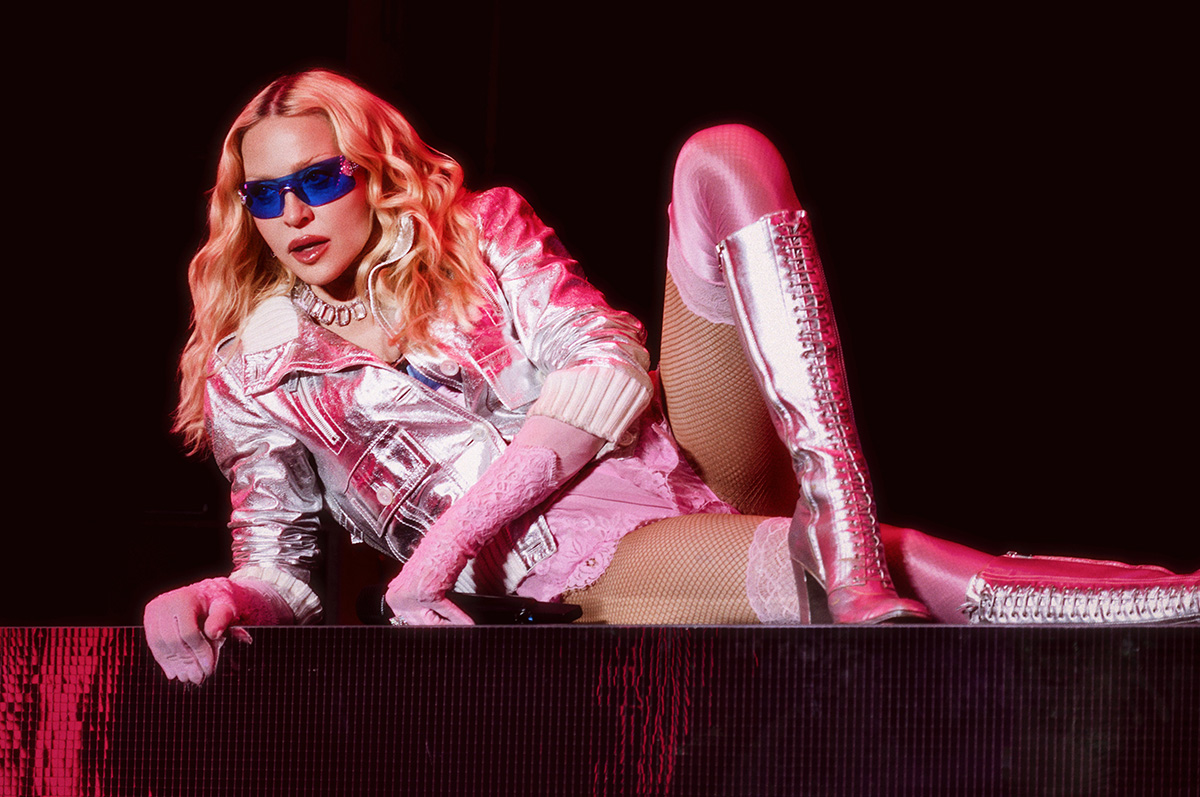
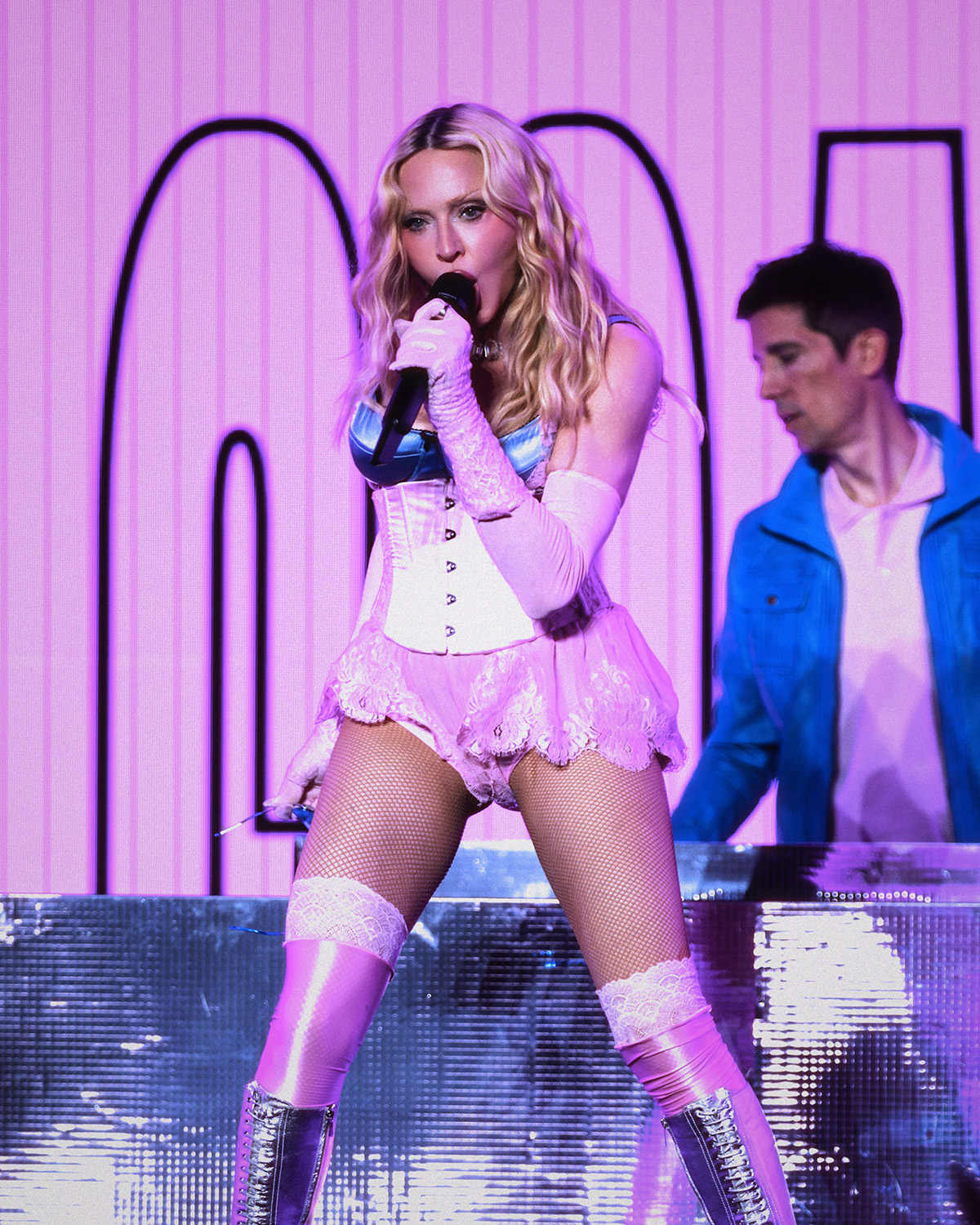
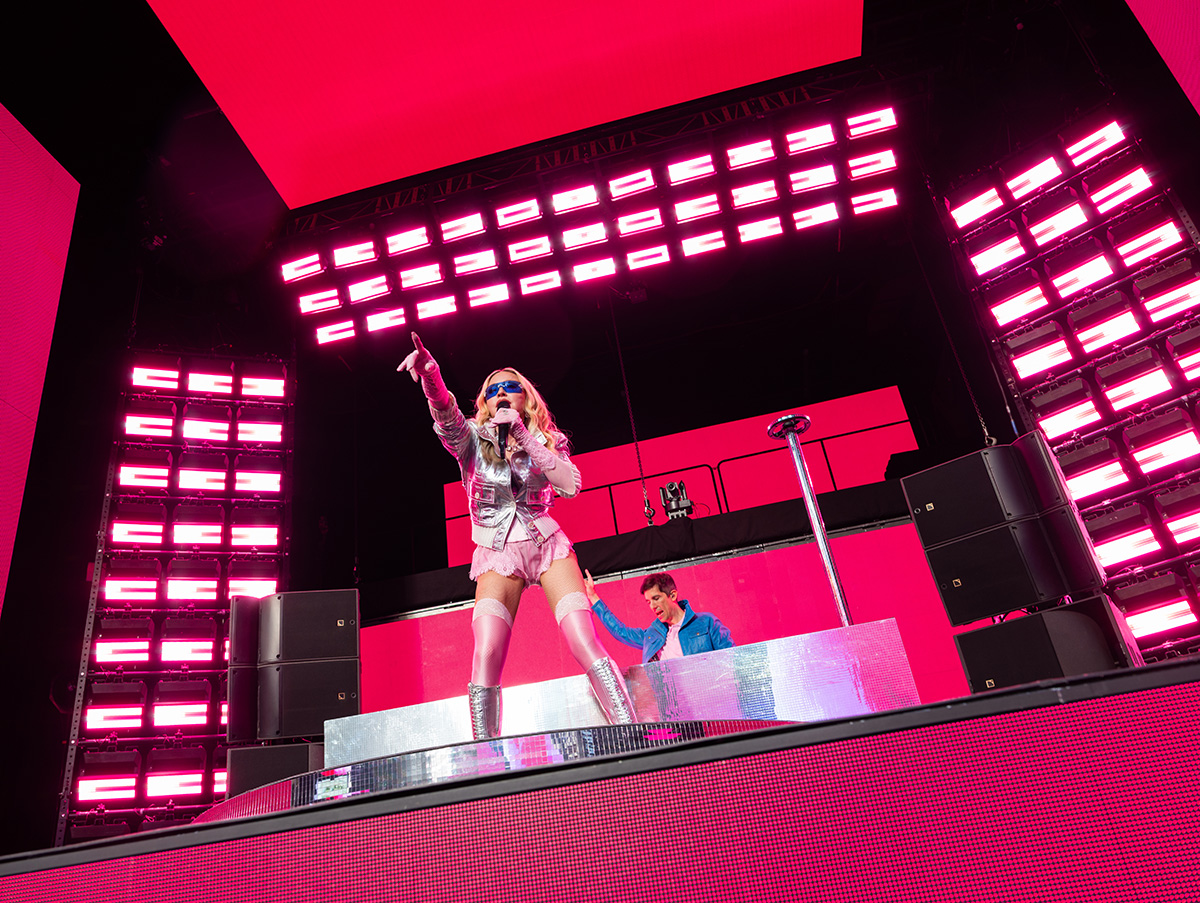
Pop icon Madonna celebrated Pride month with a pop-up performance in New York City’s Times Square on Thursday to the delight of 50,000 fans.
She performed for about 15 minutes high above street level, including several songs from her new album “Confessions II” due on July 3, along with a trio of songs from the first “Confessions on a Dance Floor.”
In addition to the brand new “Love Sensation,” she performed “I Feel So Free” and “Bring Your Love,” plus “Hung Up,” “Get Together” and “I Love New York.” She wished the crowd a happy Pride season; the event was shared with audiences through Grindr’s first-ever livestream.
National
Gallup finds LGBTQ support among Americans is dropping
Marriage equality support lowest since 2016
Gallup, one of the leading organizations in public opinion polling, has found that LGBTQ support among Americans is dropping.
The poll, whose data was collected using Gallup’s annual Values and Beliefs survey, was conducted in May and was published on Wednesday. The data was collected through telephone interviews from a sample of more than 1,000 adults living in all 50 states and D.C. using random digit dialing.
It highlights declining attitudes surrounding LGBTQ issues in multiple areas — from support for same-sex marriage to views on gender identity and the morality of one’s sexuality.
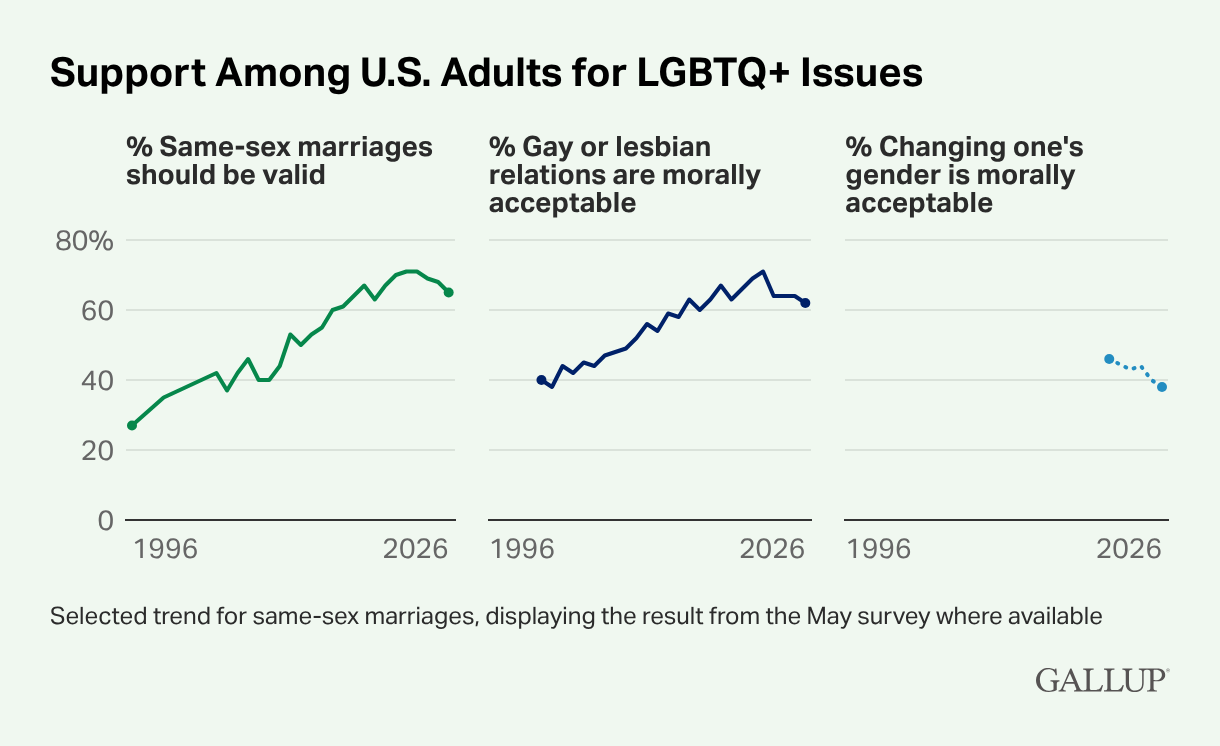
One of the most striking findings was that support for marriage equality fell six points from its 2022-2023 high.
The survey also found that 62 percent of Americans view gay and lesbian relations as morally acceptable, the lowest level since 2016 just after same-sex marriage was legalized nationwide by the U.S. Supreme Court.
One newer question on the poll found that the perceived morality of changing one’s gender has dropped eight points since 2021, indicating the American public is less supportive of transgender people.
The data attributes much of the decline to shifting Republican views alongside the party itself. Conservative leaders have pushed back against diversity, equity, and inclusion programs that were intended to foster greater acceptance of LGBTQ people and other historically disadvantaged groups.
President Donald Trump has been a guiding force behind waves of anti-LGBTQ sentiment, particularly when it comes to trans rights. The president has enacted multiple executive orders, including Executive Order 14168, “Defending Women from Gender Ideology Extremism and Restoring Biological Truth to the Federal Government,” which mandates that gender be defined by one’s sex assigned at birth. He also signed Executive Order 14183, “Prioritizing Military Excellence and Readiness,” which barred qualified trans applicants from joining the military and led to the removal of trans service members already serving in the armed forces.
Additionally, he signed Executive Order 14201, “Keeping Men Out of Women’s Sports,” which prohibits trans female athletes from participating on women’s and girls’ sports teams.
In February, Gallup found that an estimated 9 percent of Americans identified as part of the LGBTQ community in some form.
The organization also found that 23 percent of adults under age 30 identify as LGBTQ, compared with 10 percent of those ages 30 to 49 and 3 percent or less among those ages 50 and older.

Blade editor inducted into D.C. Society of Professional Journalists Hall of Fame

Pride in a new world order

McDuffie on LGBTQ support and standing up to Trump

PHOTOS: Fairfax City Pride