Arts & Entertainment
Wendy Williams apologizes for telling gays to ‘stop wearing our skirts and heels’
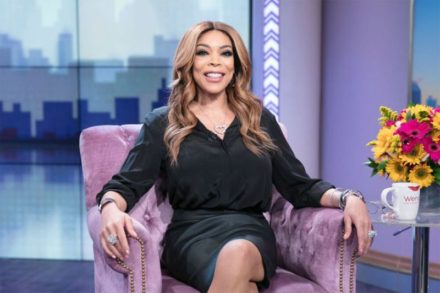
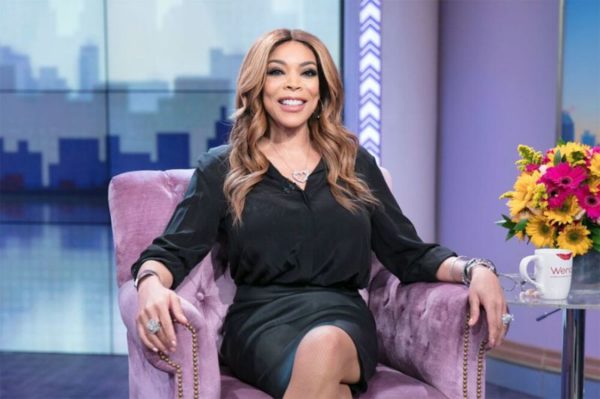
Talk show host Wendy Williams has apologized after snarky comments she made on her program about gay men drew heavy backlash this week.
On Thursday’s episode of her popular talk show, the 55-year-old Williams was using her popular “Hot Topics” segment to discuss “Galentine’s Day,” an unofficial holiday made popular by the long-running sitcom “Parks & Recreation” which is centered around women celebrating the other women in their lives.
Noting applause from a few men in her audience, the host said, “If you’re a man and you’re clapping, you’re not even a part of this. You don’t understand the rules of the day. It’s women going out and getting saucy and then going home. You’re not a part.”
She then added, “I don’t care if you’re gay. You don’t get a [menstruation] every 28 days,” Williams added. “You can do a lot that we do, but I get offended by the idea that we go through something you will never go through.”
Her final remarks on the subject were the ones that sparked the most controversy however. Williams finished by saying, “And stop wearing our skirts and our heels. Just saying, girls, what do we have for ourselves?”
“Looky here now, gay men, you’ll never be the women that we are,” she concluded, “no matter how gay.”
Though her comments garnered some applause from the audience, home viewers were quick to chide the talk show host.
“Really?” one commenter wrote. “What sort of ignorance is coming out of your mouth regarding gay men wanting to be women!! Really Wendy?”
“That was really uncalled for,” said another. “Gay men do not want to be women.”
Another wrote, “You’re not the decider of who can be a woman. Every person gets to decide who they are.”
There were also a few positive comments, such as one from a woman who wrote, “Thank you for saying what we as women want to scream everyday. Let us have something.”
On Friday, the beleaguered Williams issued a videotaped apology.
“I’ll start by saying I apologize. I did not mean to offend my LGBTQ+ community on yesterday’s show,” the talk show host began. “I did not realize until I got home and I watched the second running of our show here in New York, and I always watch when I can to critique my delivery or the cameras, the lights, the audience, the camera.”
Saying her comments did not come from “a place of malice,” Williams continued, “I’m very persnickety about how I do my show and one thing that I can tell you right now is that I never do this show in a place of malice. I understand my platform with the community from first grade to intermediate school to high school to college to radio and now to TV. And I didn’t mean to hurt anybody’s feelings. I’m just having a conversation.”
The popular host was visibly upset, holding back tears during the video. She went on to say she tries to “live and let live every day,” because “life is too short,” and admitted that her comments were “out of touch” before promising to “do better” in the future.
She concluded by saying, “I’m 55 years old, and maybe I sounded like your auntie, your mother, your big sister or somebody out of touch. I’m not out of touch, except for perhaps yesterday by saying what I said. So I deeply apologize and I deeply appreciate the support that I get from the community. I will do better. I appreciate you supporting me. Thank you.”
Williams’ video apology is below.
A message from Wendy. pic.twitter.com/aEpMvubJVJ
— Wendy Williams (@WendyWilliams) February 14, 2020




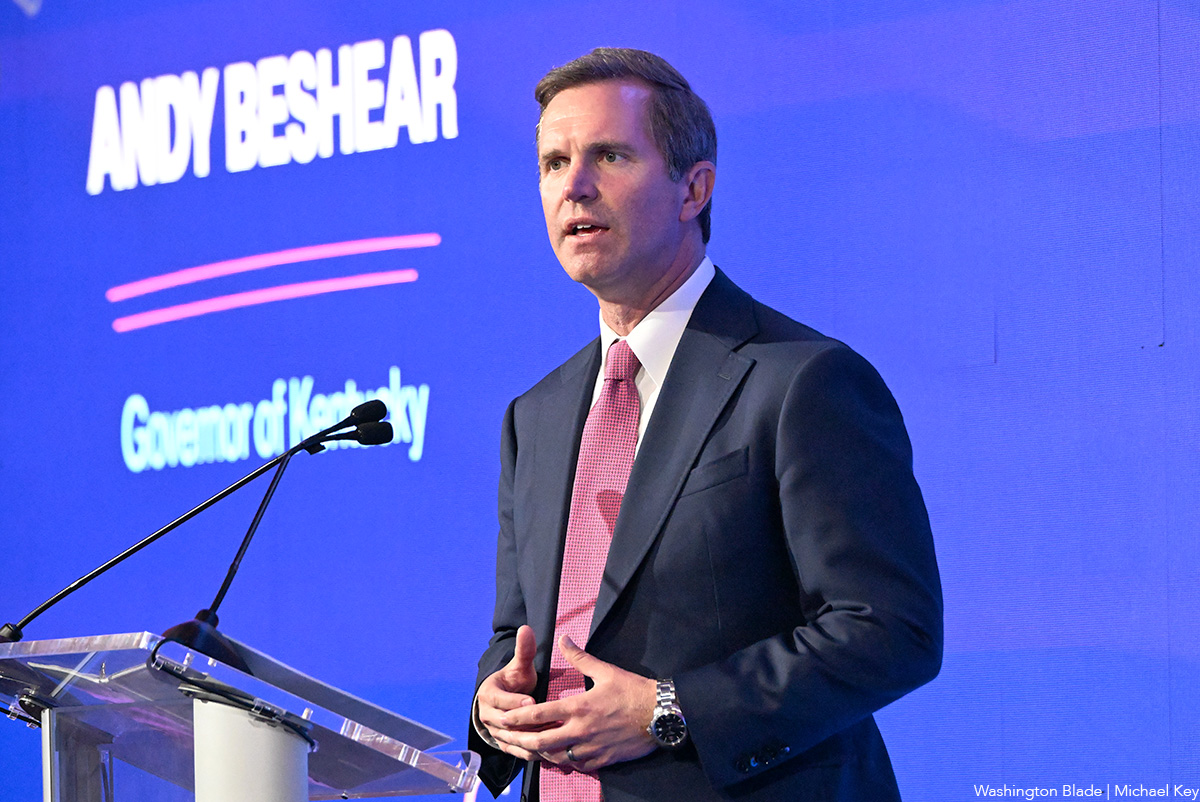
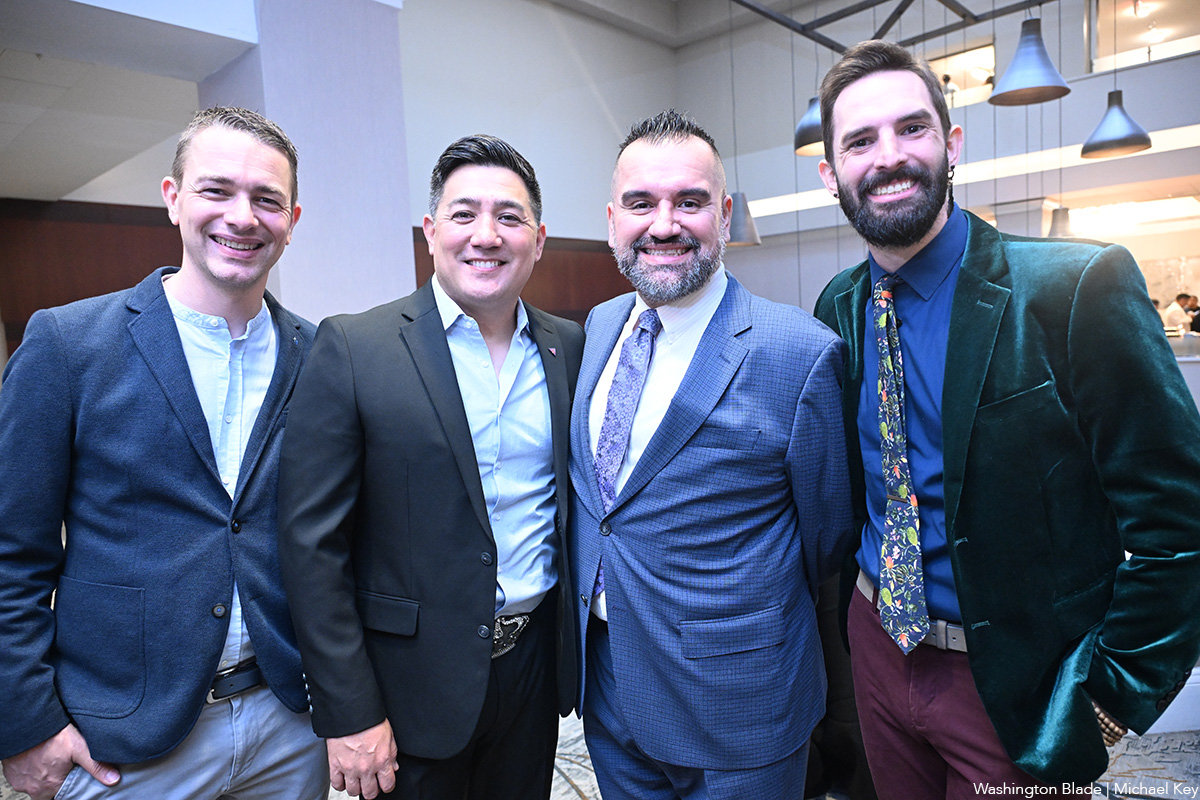
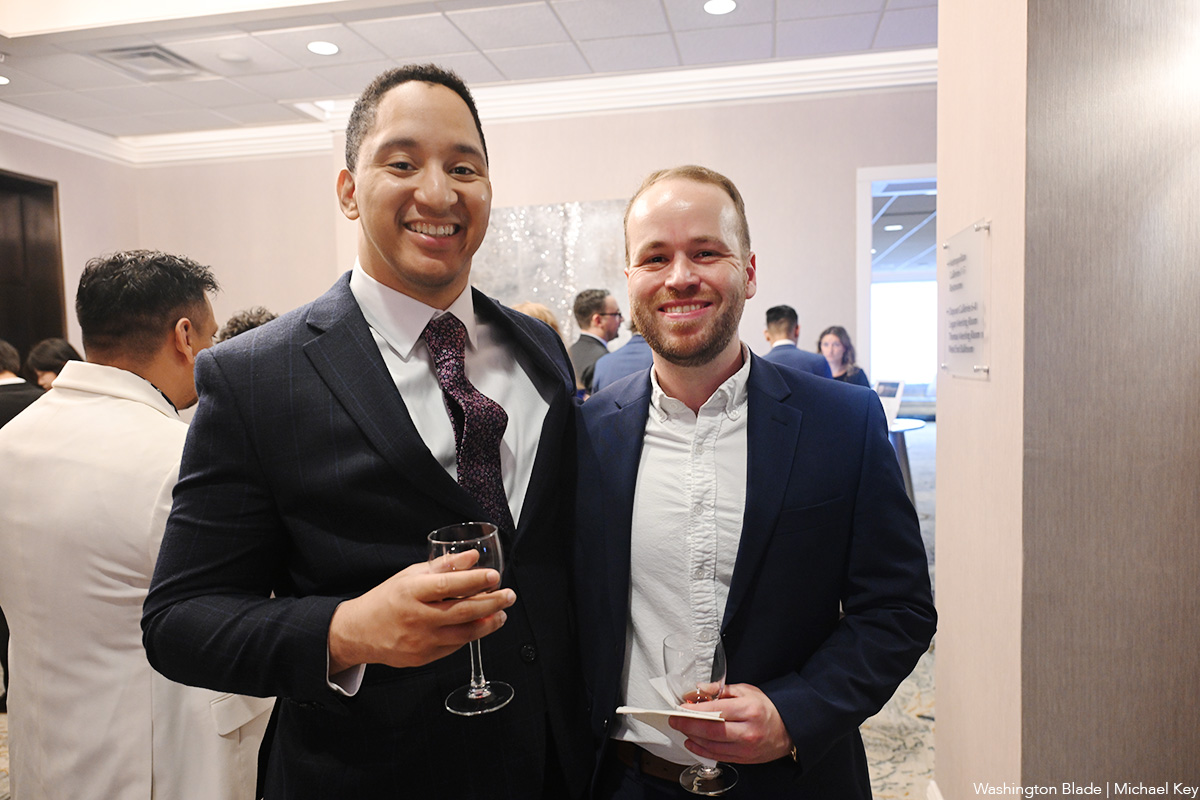
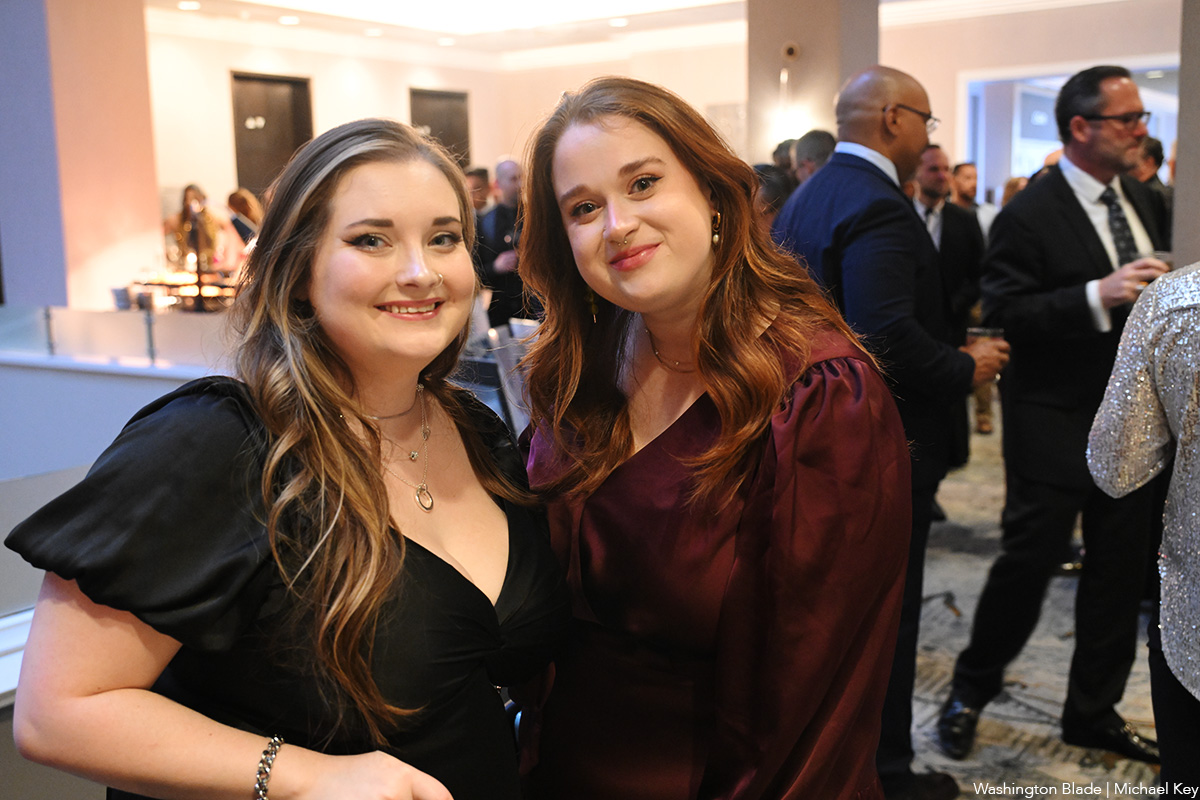
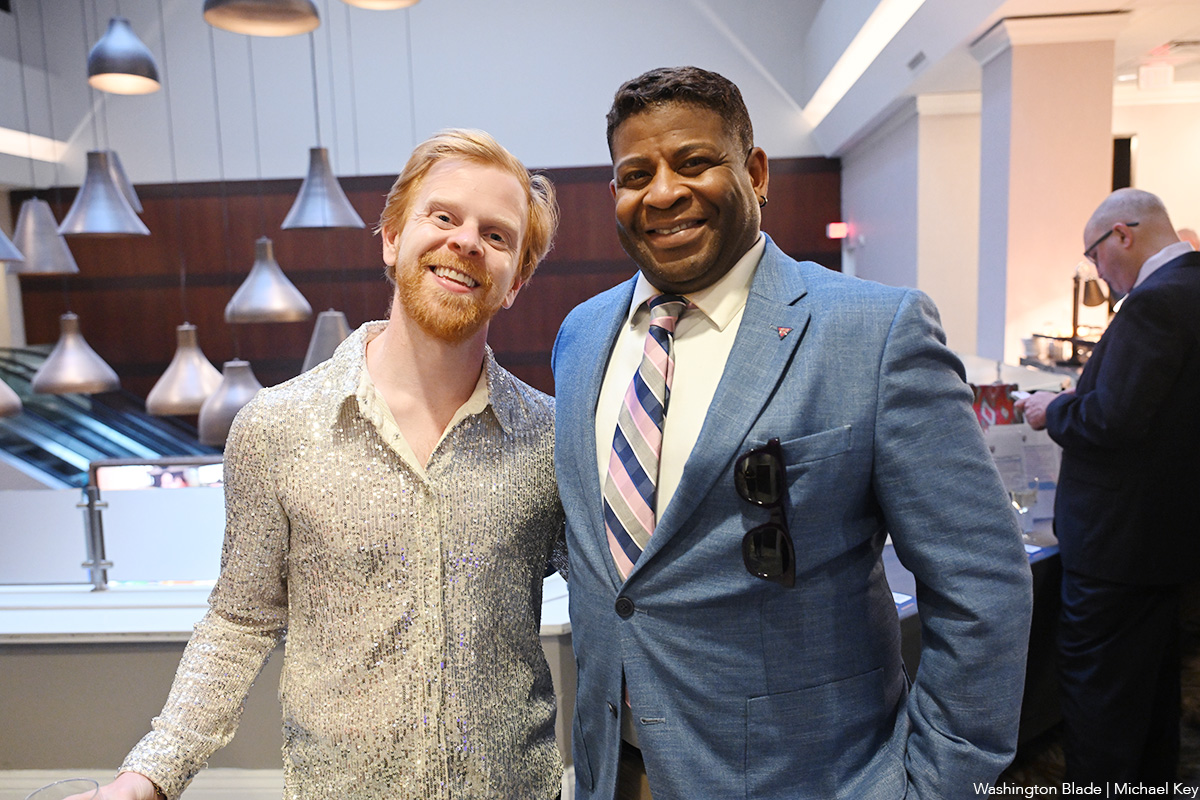
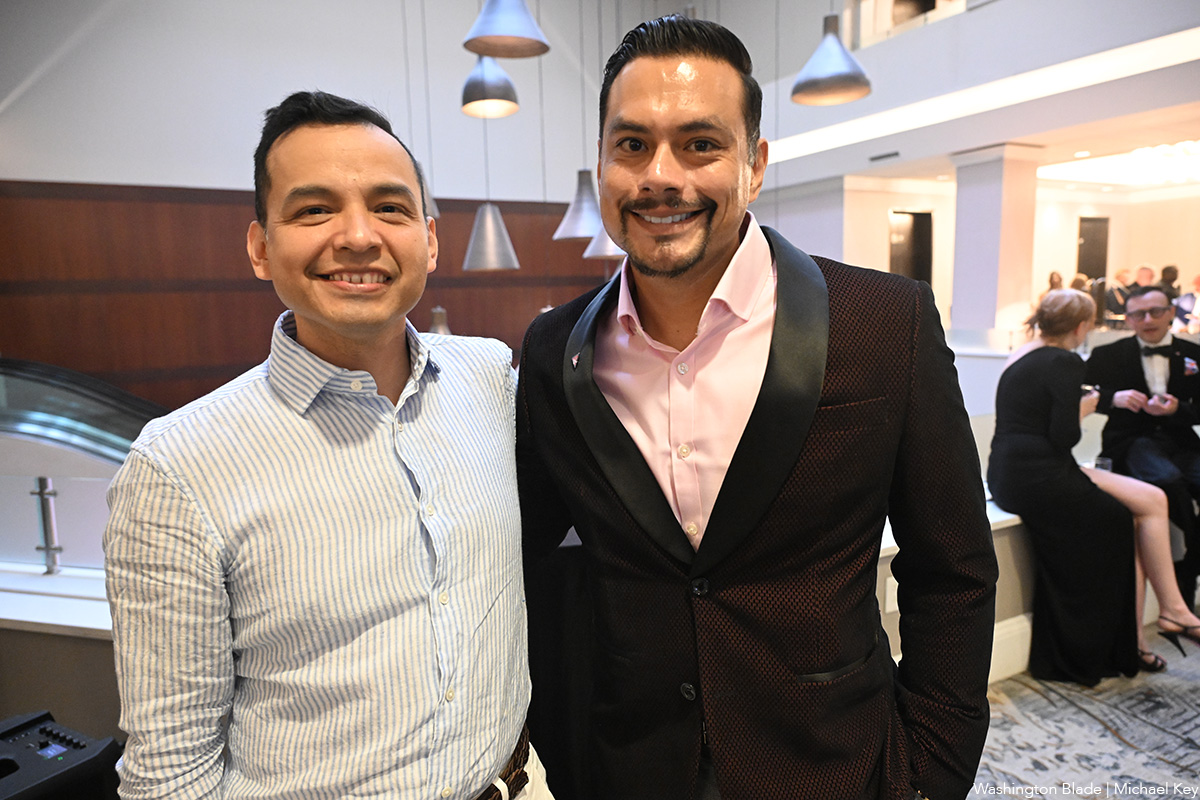
The LGBTQ+ Victory Fund National Champagne Brunch was held at Salamander Washington DC on Sunday, April 19. Gov. Andy Beshear (D-Ky.) was presented with the Allyship Award.
(Washington Blade photos by Michael Key)
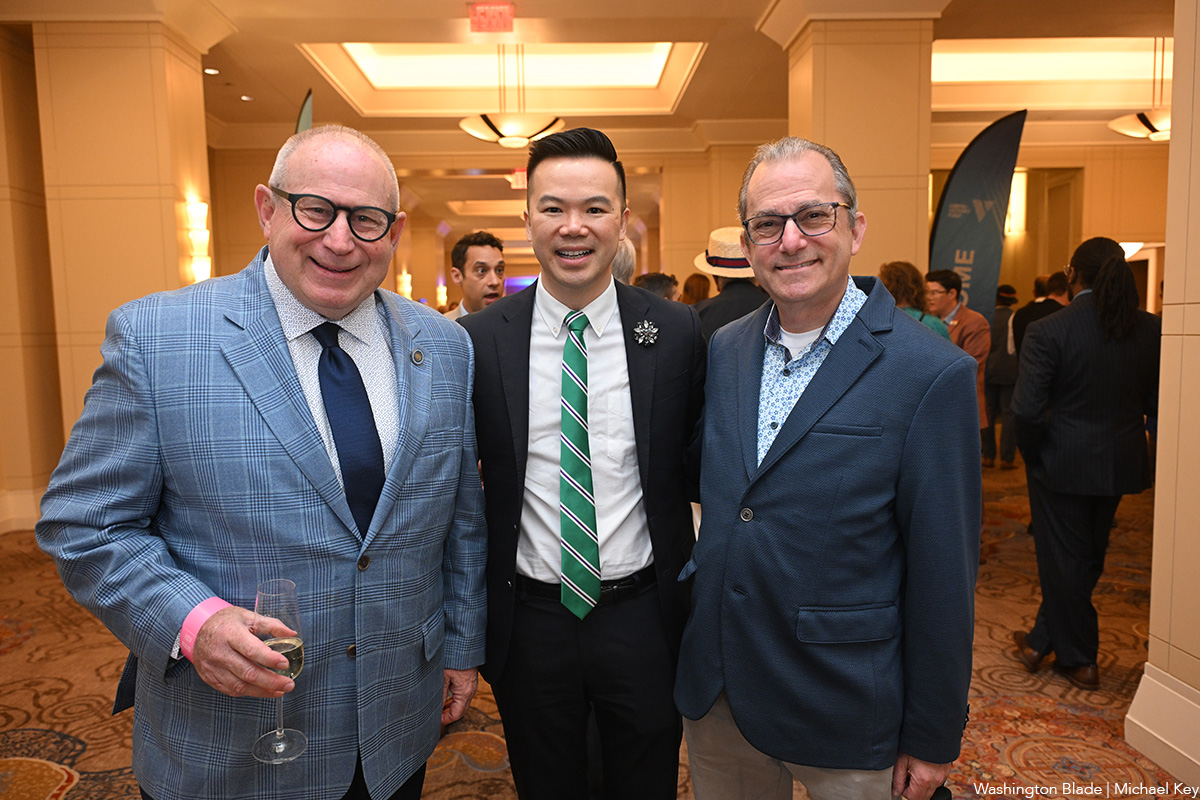


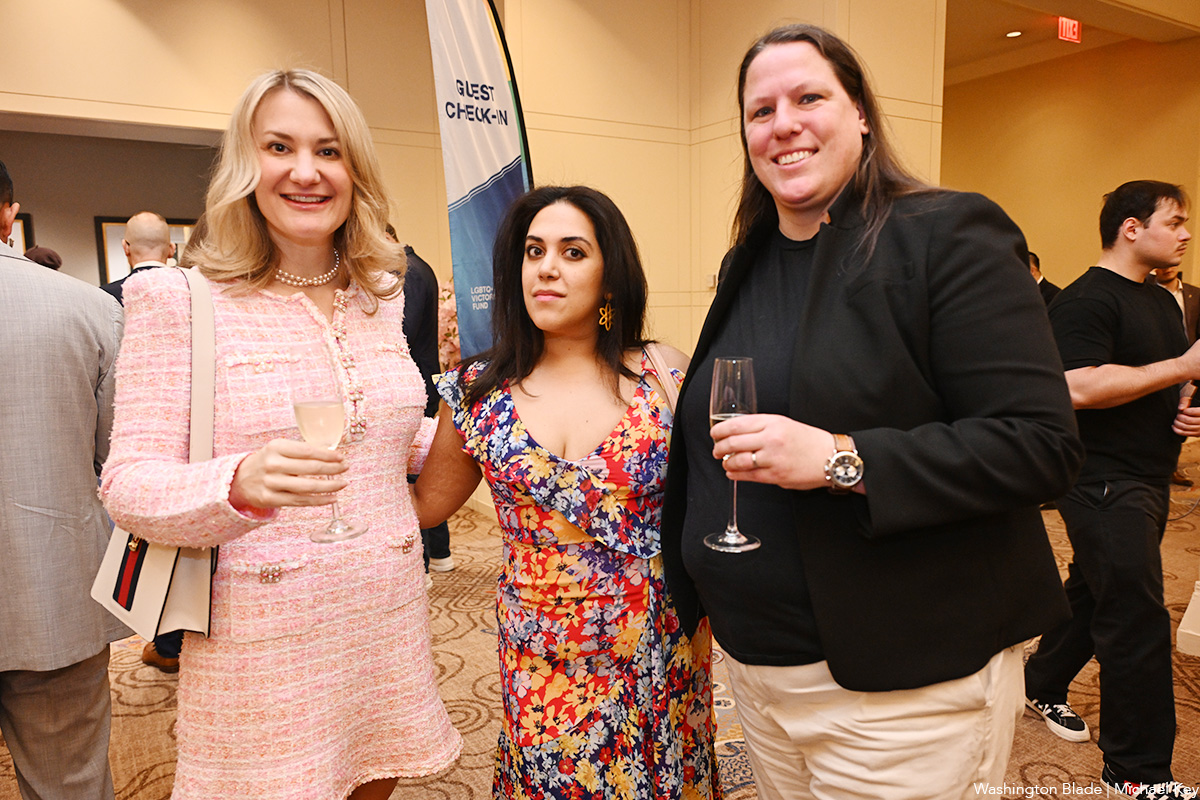


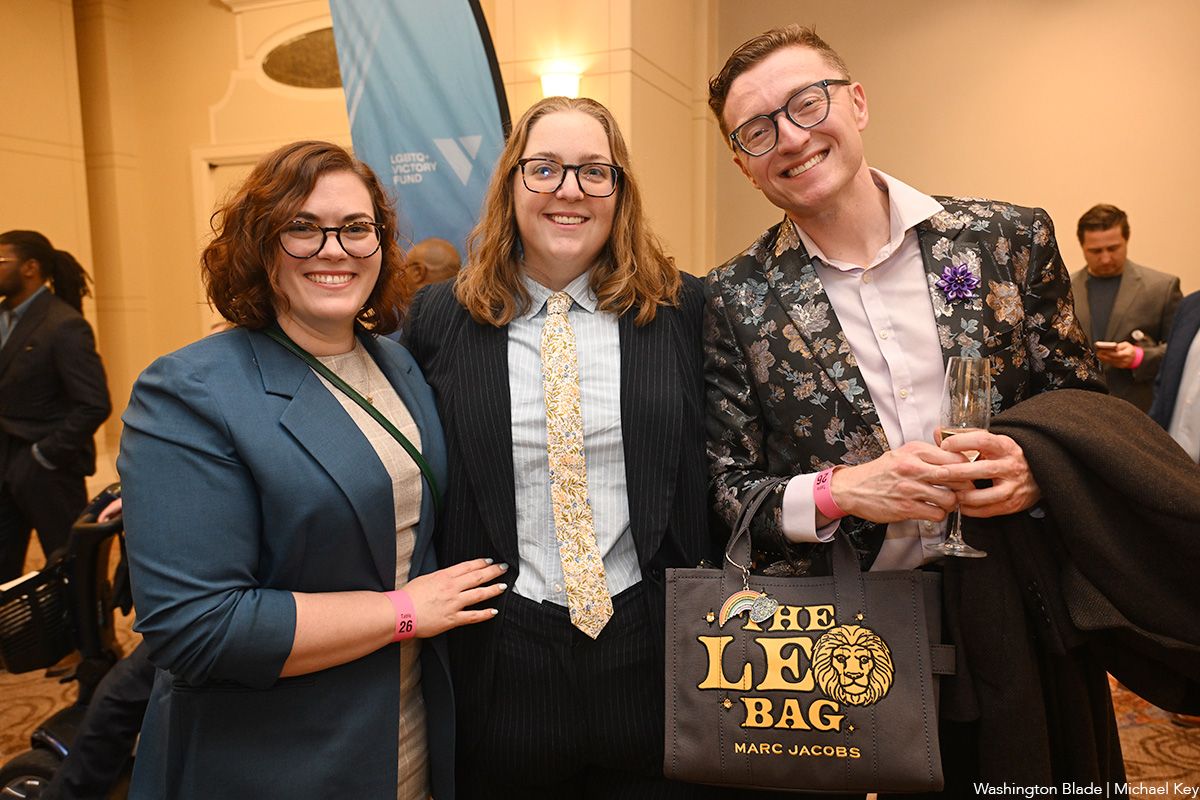


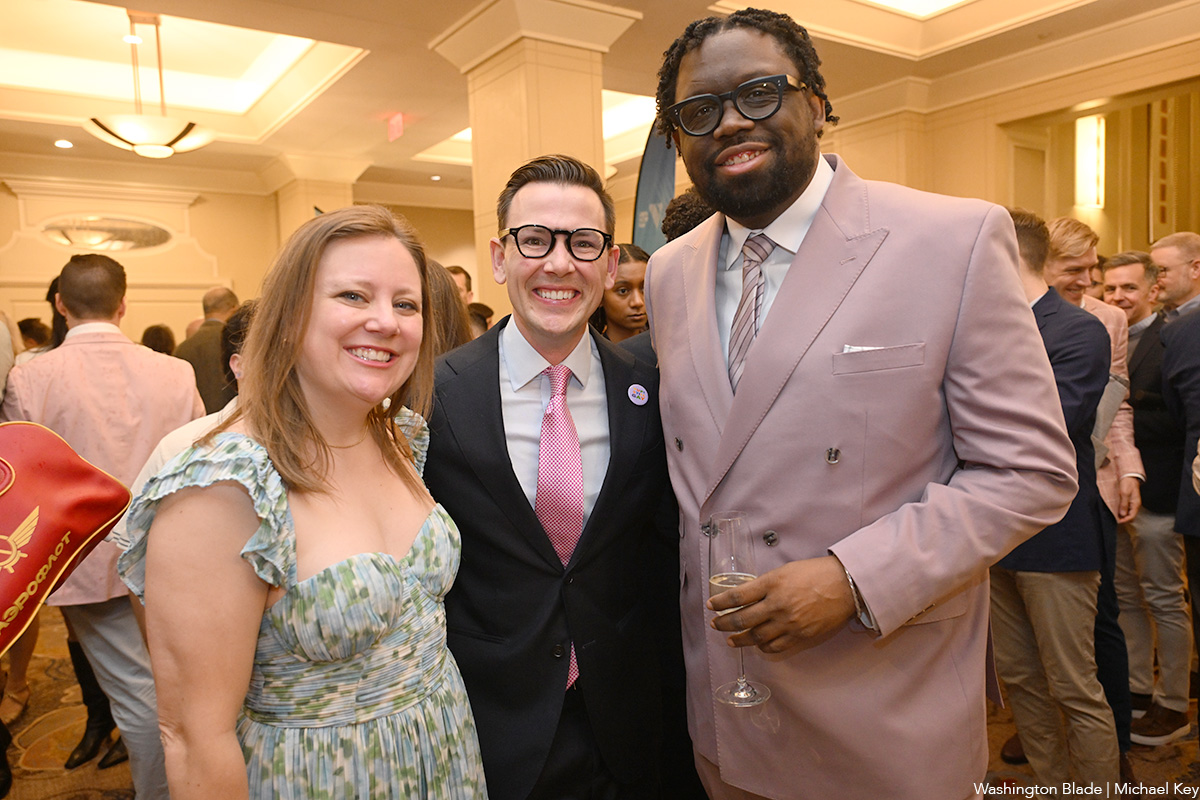

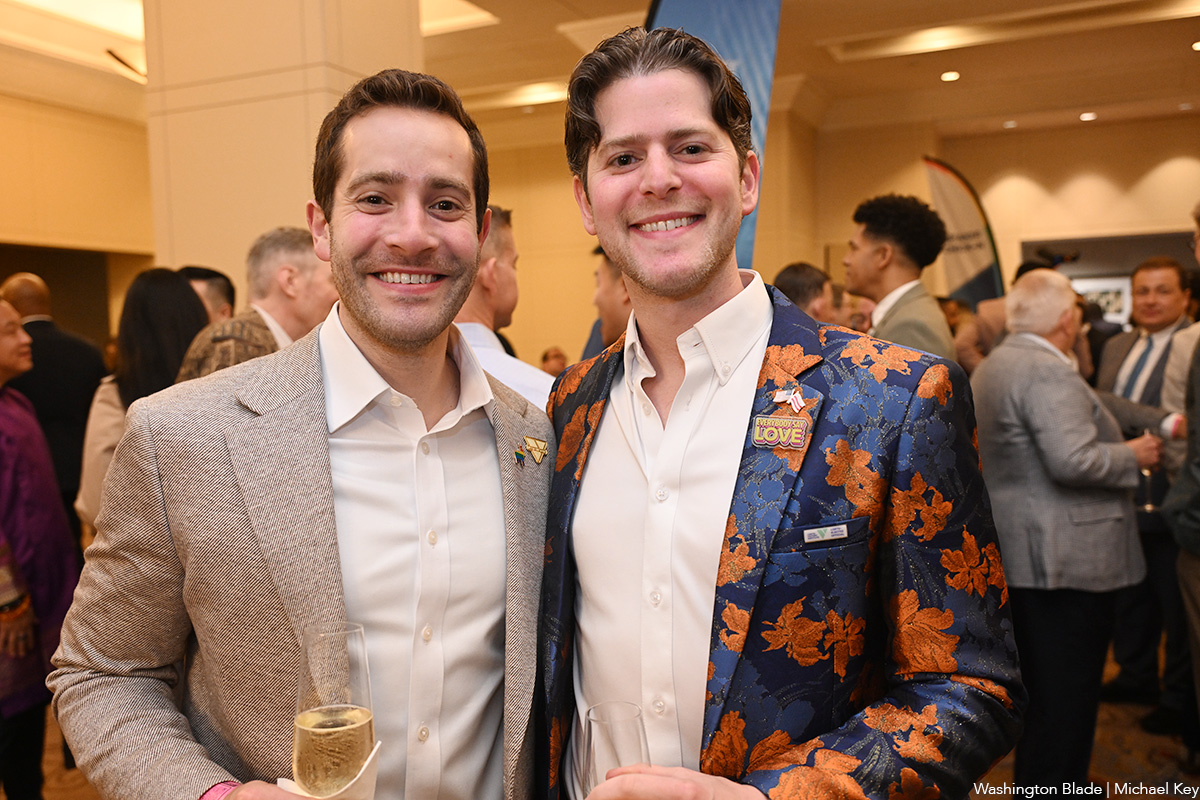

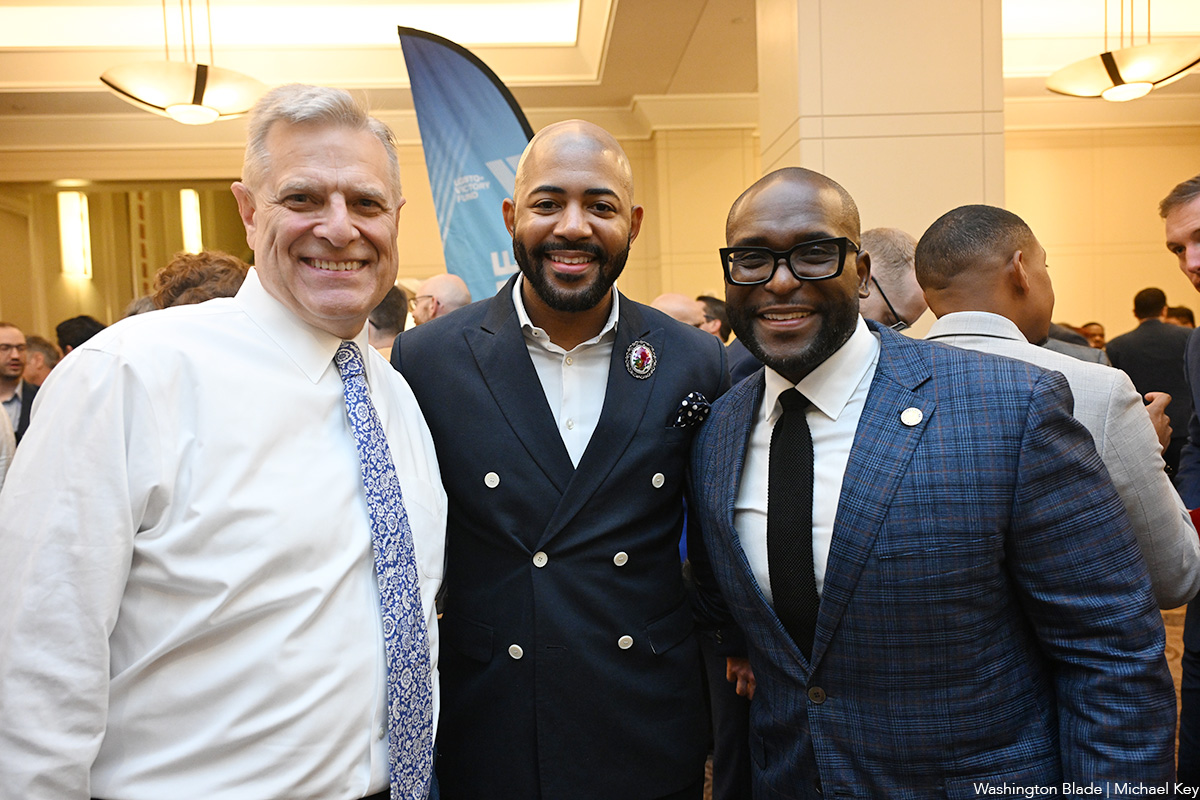
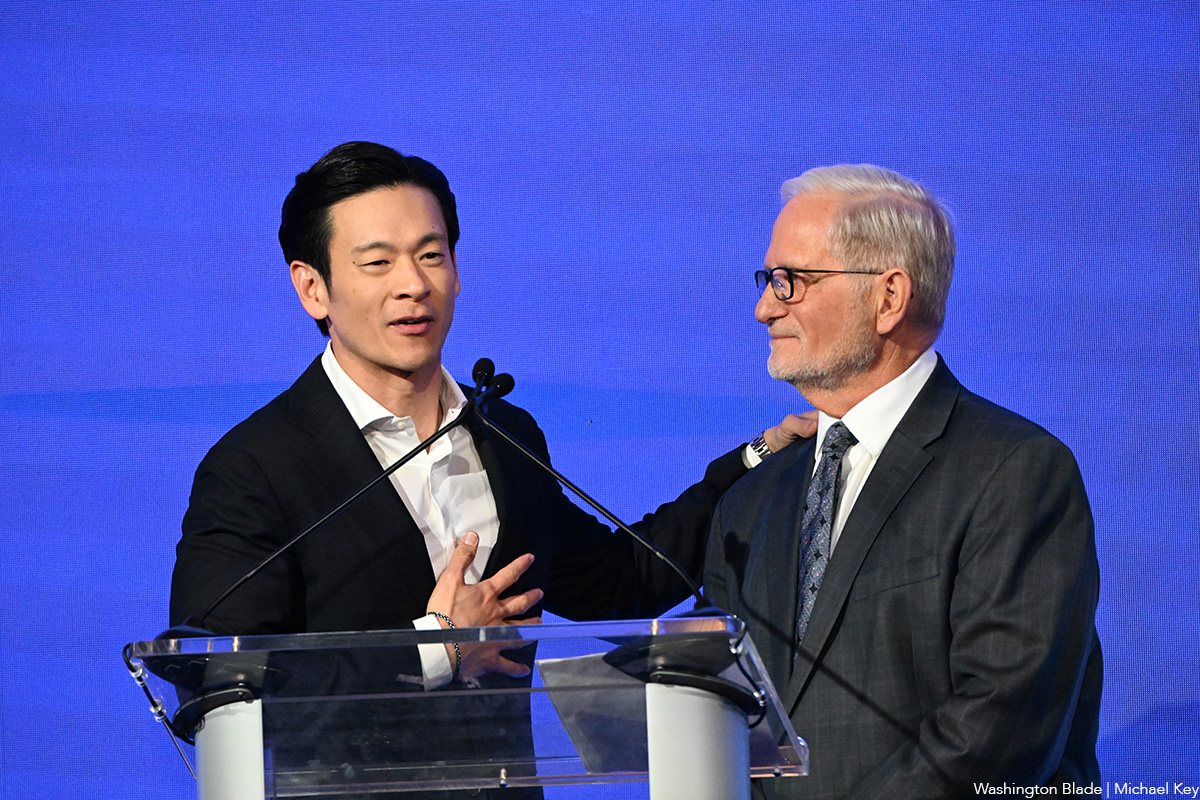

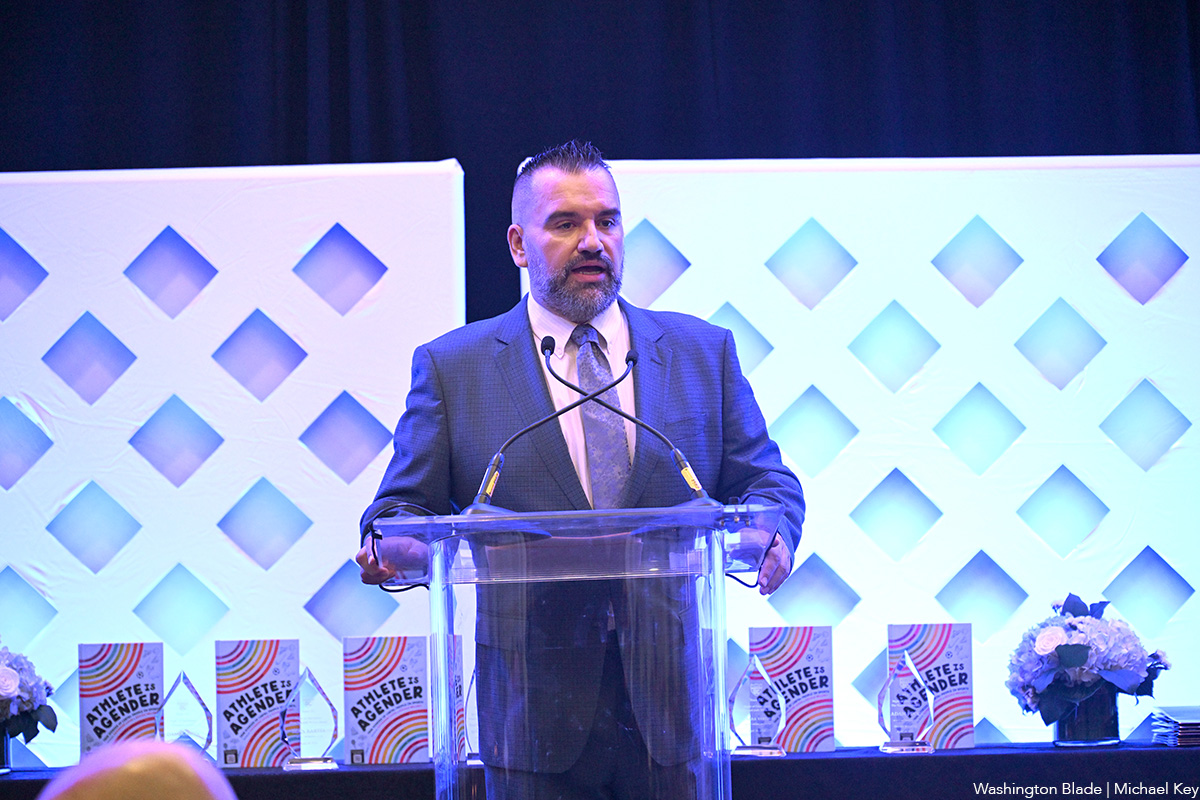
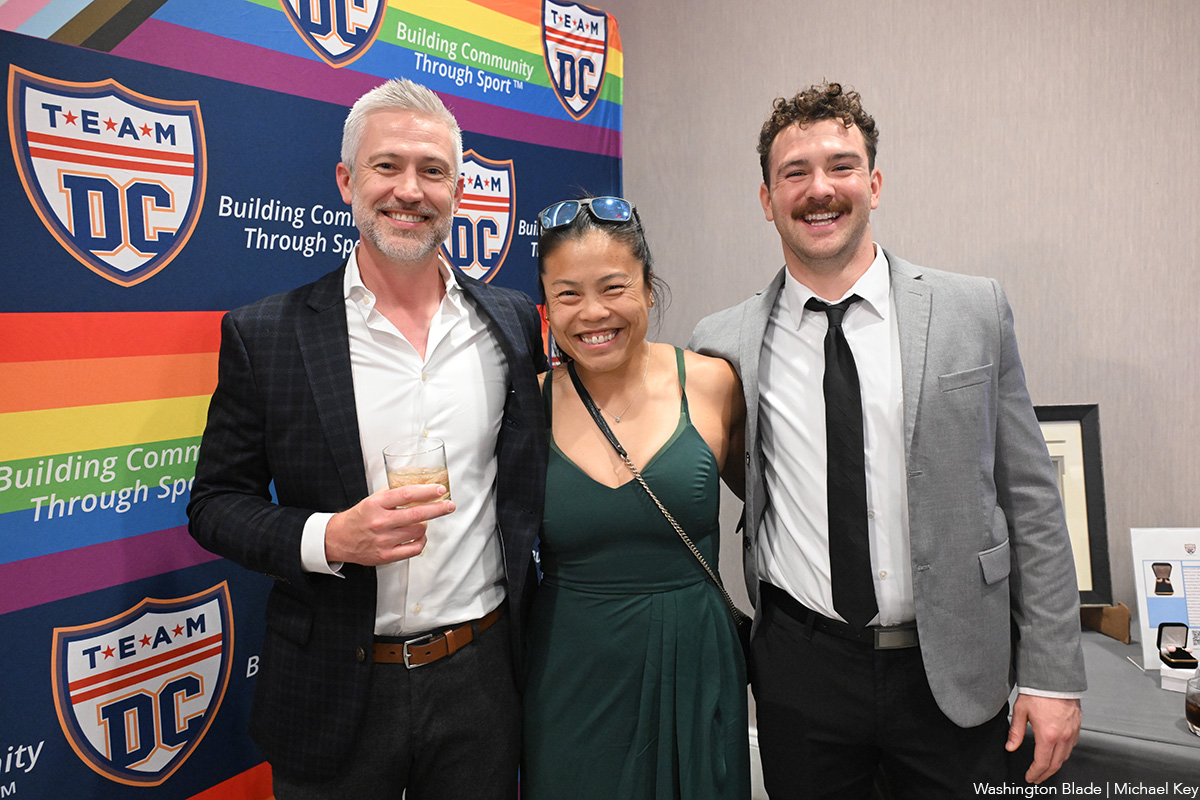
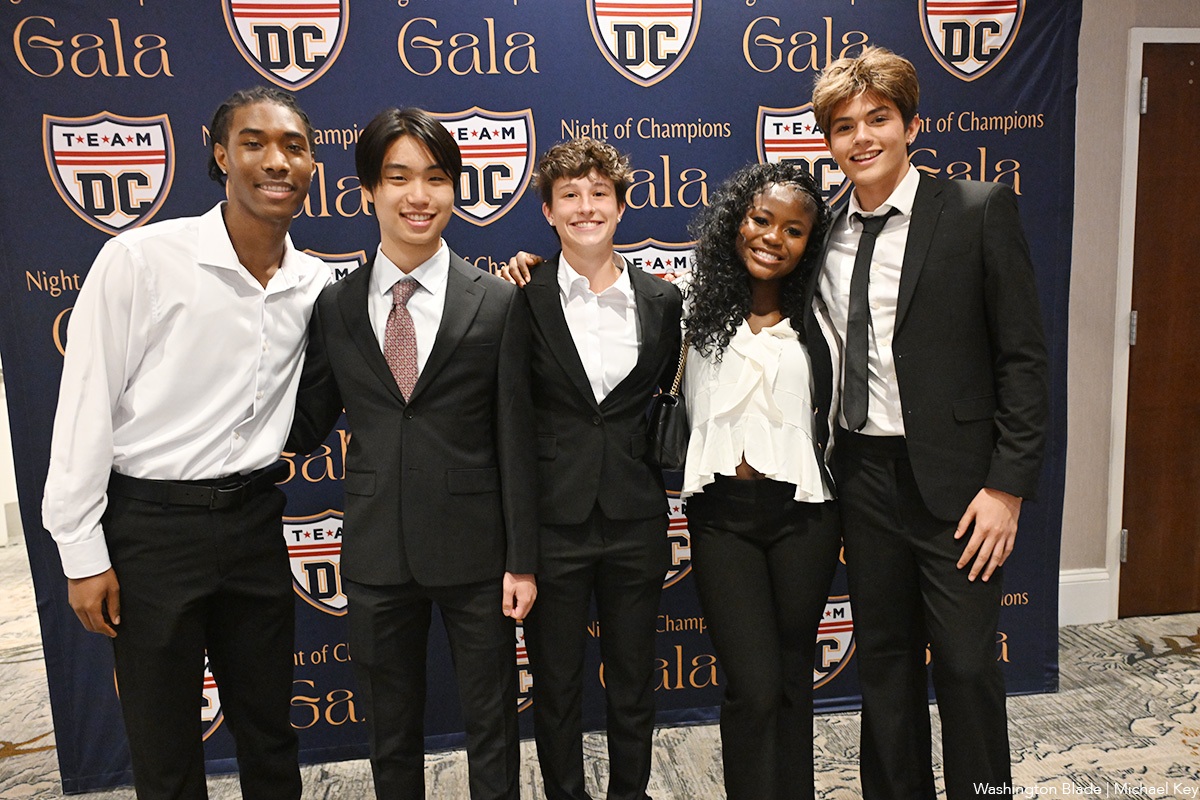
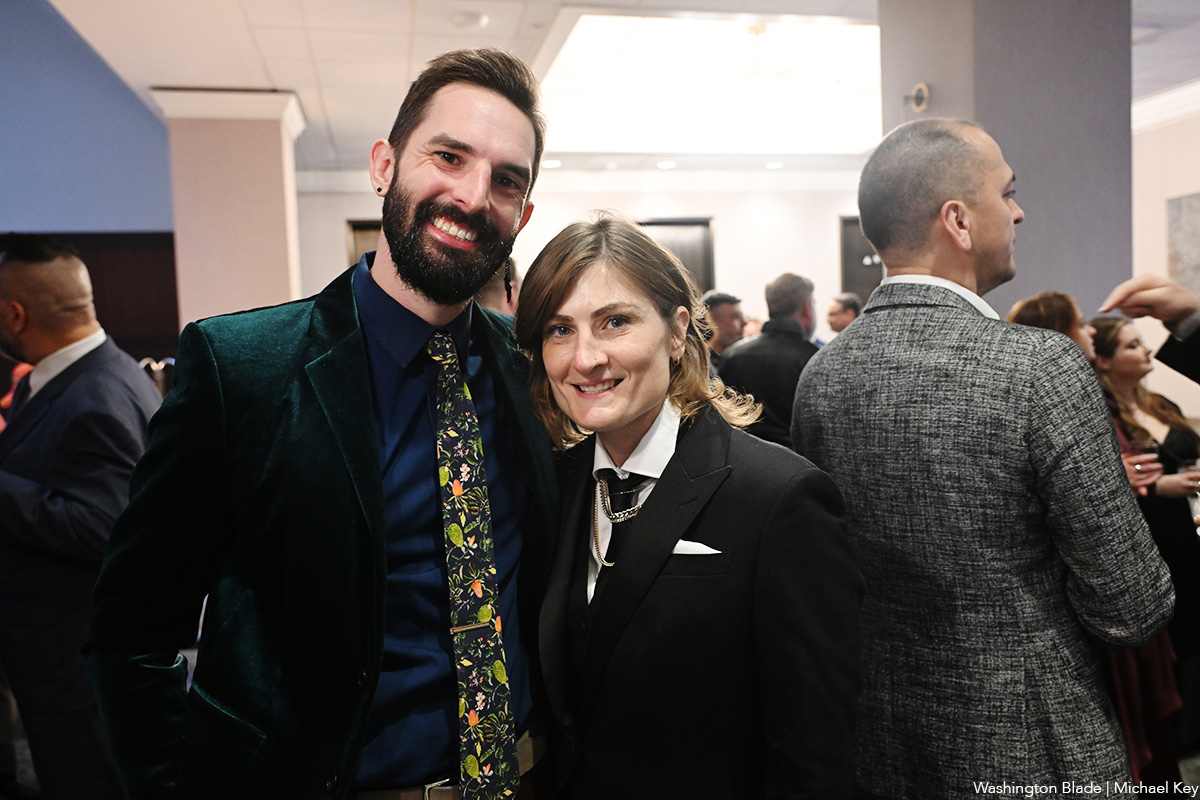
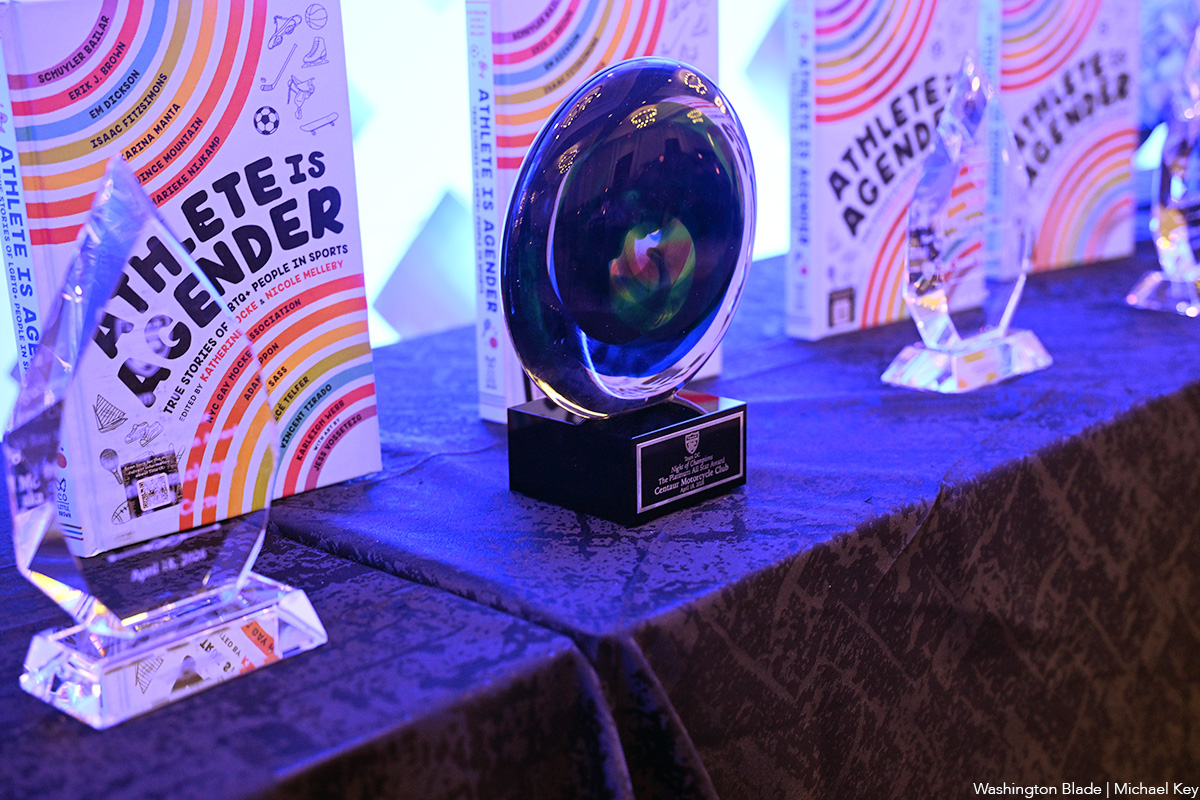
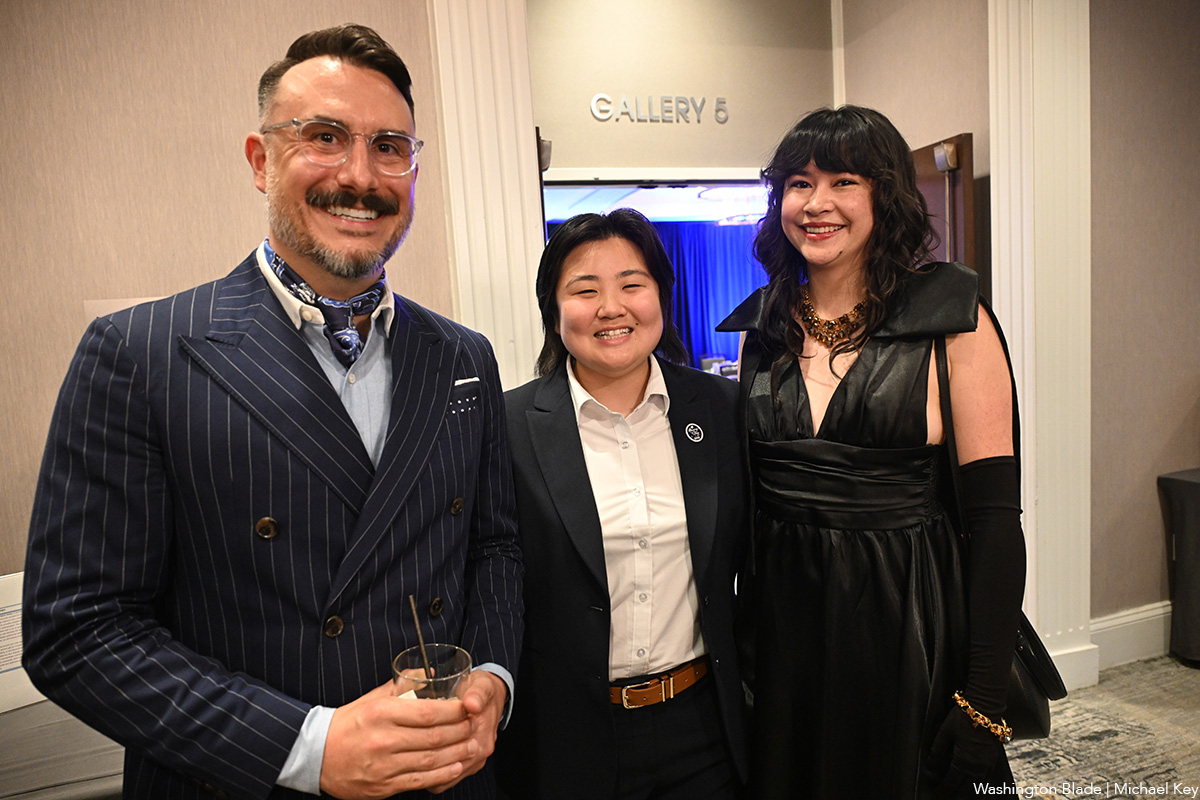
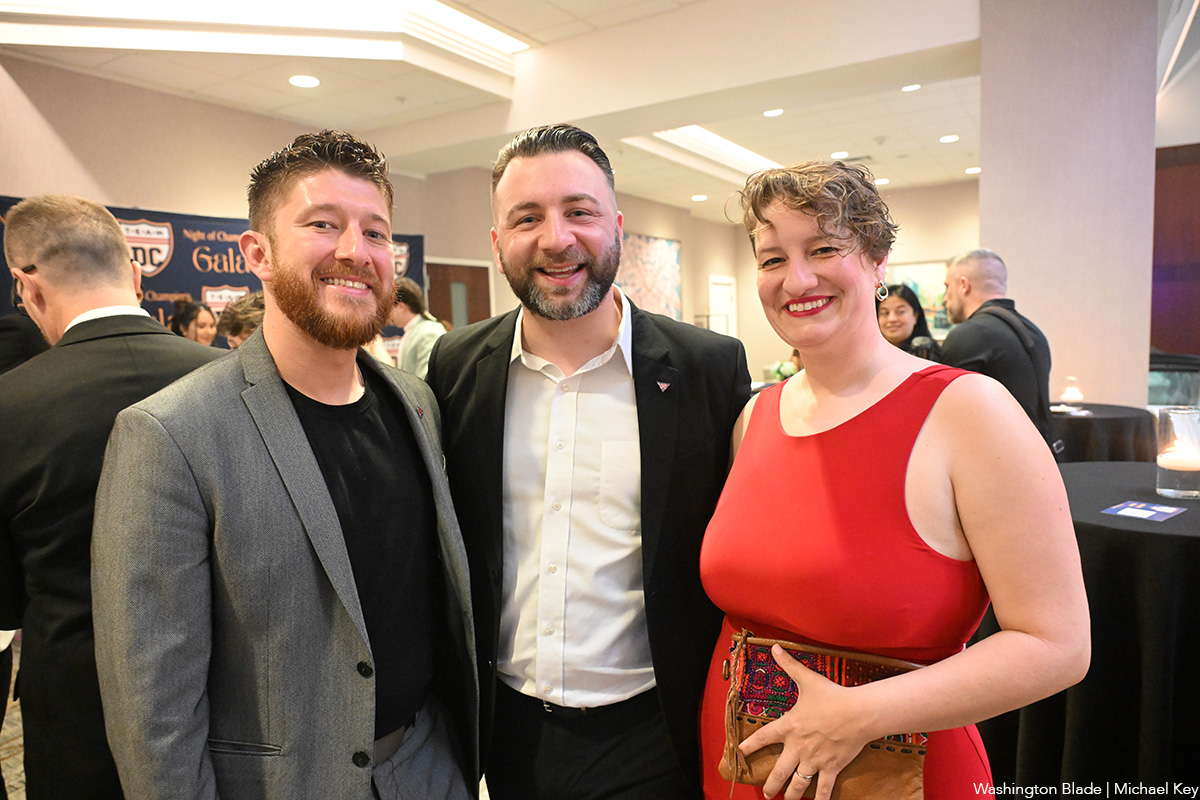
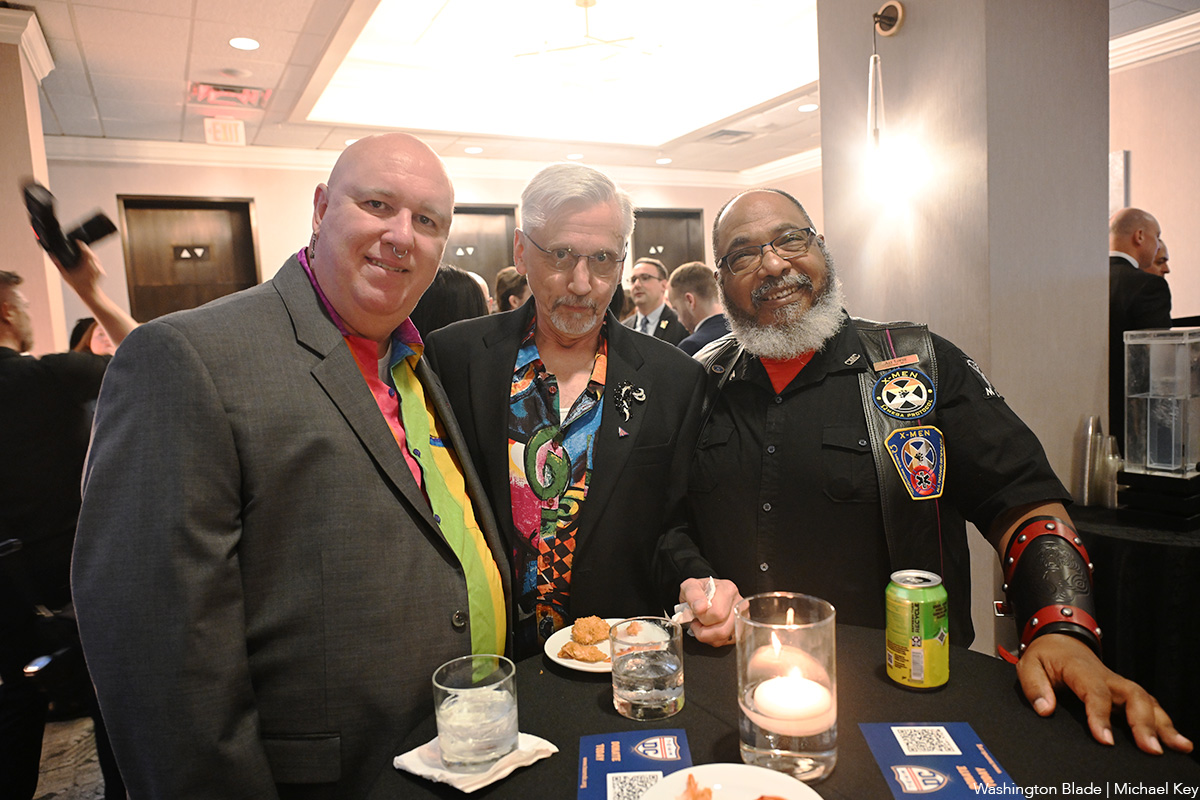
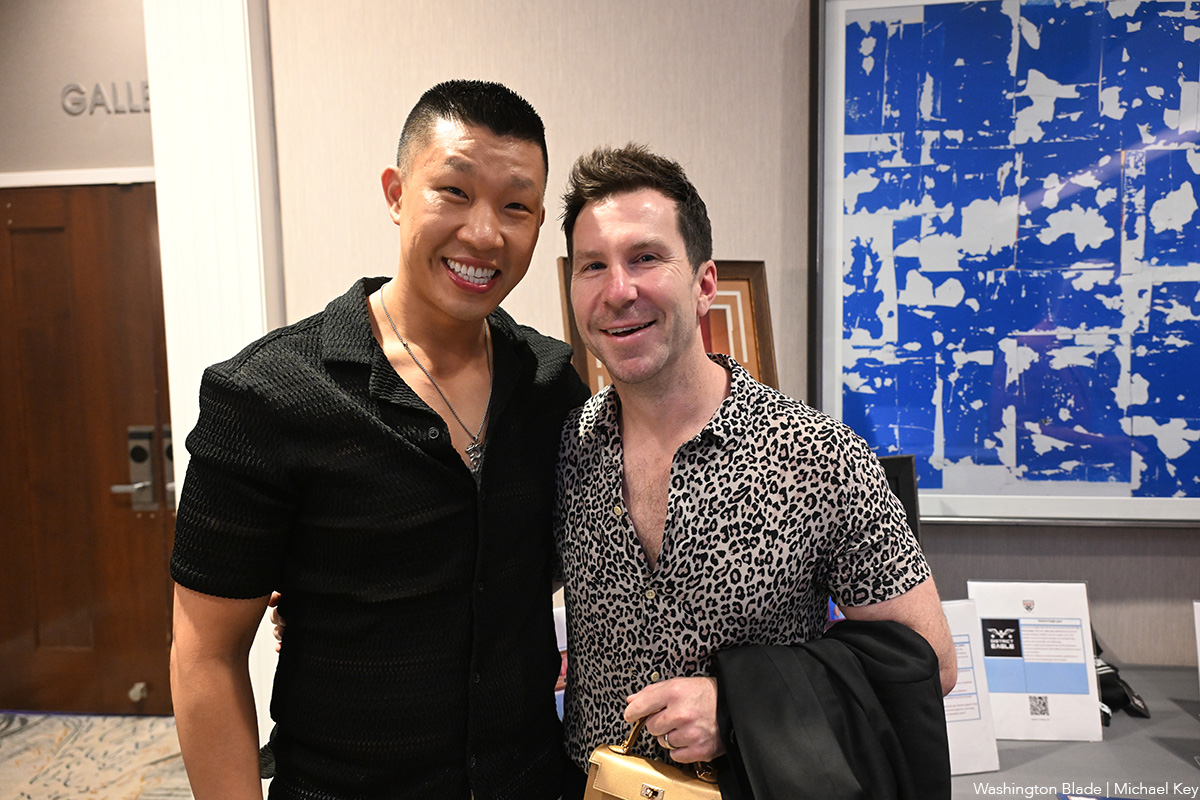
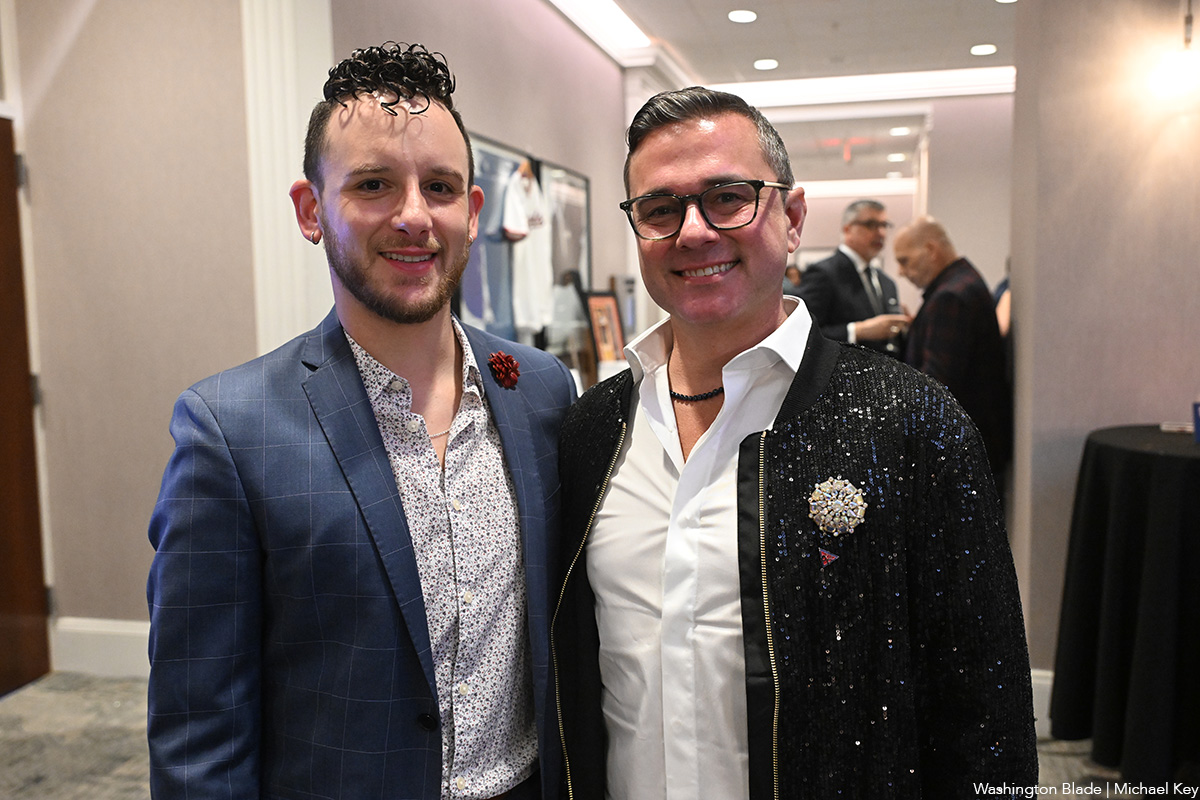
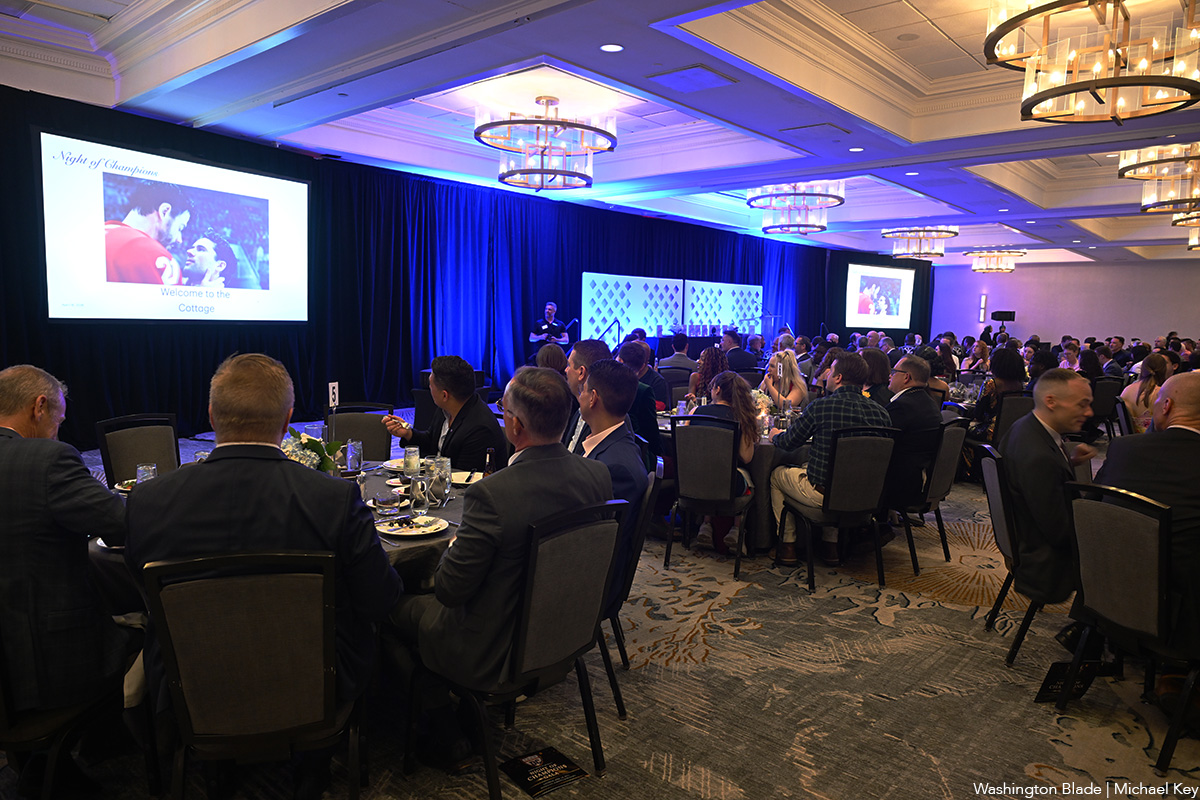
The umbrella LGBTQ sports organization Team D.C. held its annual Night of Champions Gala at the Georgetown Marriott on Saturday, April 18. Team D.C. presented scholarships to local student athletes and presented awards to Adam Peck, Manuel Montelongo (a.k.a. Mari Con Carne), Dr. Sara Varghai, Dan Martin and the Centaur Motorcycle Club. Sean Bartel was posthumously honored with the Most Valuable Person Award.
(Washington Blade photos by Michael Key)
Television
‘Big Mistakes’ an uneven – but worthy – comedic showcase
In the years since “Schitt’s Creek” wrapped up its six season Emmy-winning run, nostalgia for it has grown deep – especially since the still painfully recent loss of its iconic leading lady, Catherine O’Hara, whose sudden passing prompted a social media wave of clips and tributes featuring her fan-favorite performance as the deliciously daft Moira Rose. Revisiting so many favorite scenes and funny moments from the show naturally reminded us of just how much we loved it, even needed it during the time it was on the air; it also reminded us of how much we miss it, and how much it feels now like something we need more than ever.
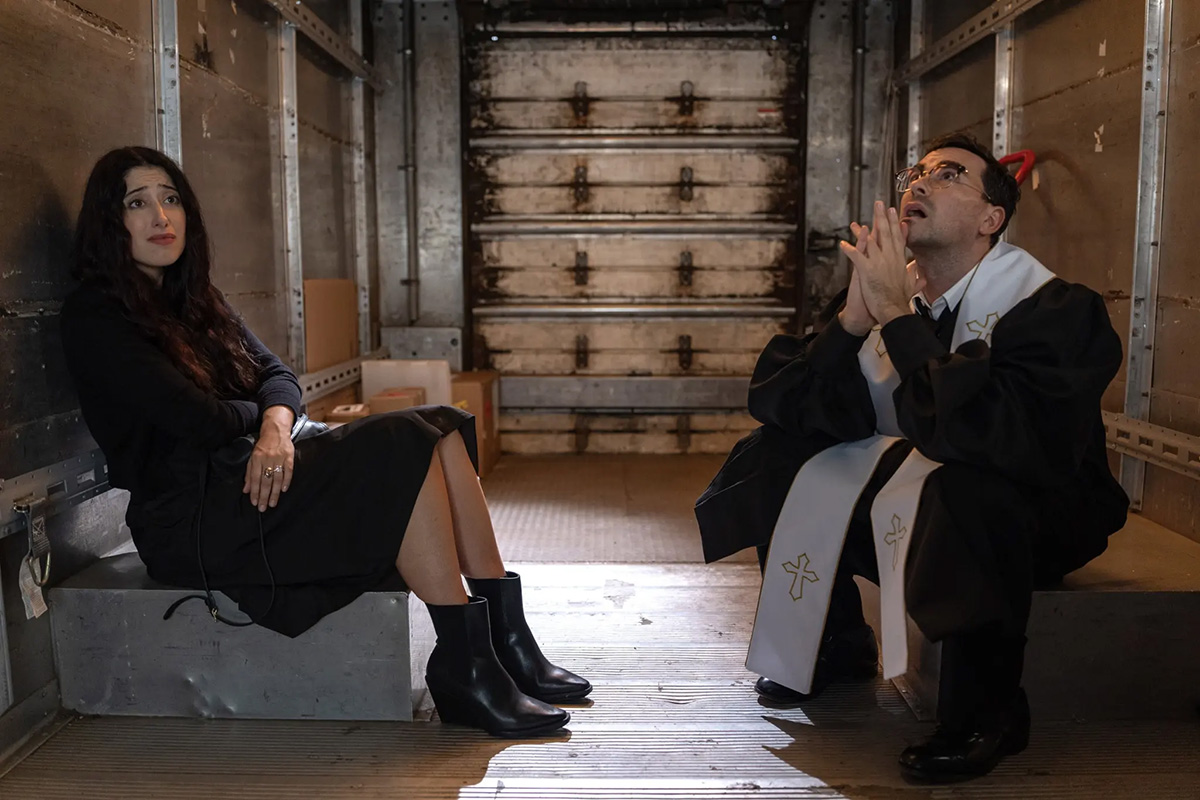
That, perhaps more than anything else, is why the arrival of “Big Mistakes” – the new Netflix series starring, co-created and co-written by Dan Levy – felt so welcome. We knew it wouldn’t be the Roses, but it seemed cut from the same cloth, and it had David Rose (or at least someone who seemed a lot like him) in the middle of a comically dysfunctional family dynamic, complete with a mother who gets involved in town politics and a catty sibling rivalry with his sister, and still nebbish-ly uncomfortable in his own gay shoes. Only this time, instead of running a charmingly pretentious boutique, he’s the pastor of the local church, and instead of a collection of kooky small town neighbors to contend with, there are gangsters.
As it turns out, it really does feel cut from the same cloth, but the design is distinctly different. Set in a fictional New Jersey suburb, it centers on Nicky (Levy) and his sister Morgan (Taylor Ortega) – he openly gay with an adoring boyfriend (Jacob Gutierrez), yet still obsessive about keeping it all invisible to his congregation, and she drudging aimlessly through life as an underpaid schoolteacher after failing to achieve her New York dreams of show biz success – who inadvertently become enmeshed in a shady underworld when a gesture for their dead grandmother’s funeral goes horribly awry.
They’re surrounded by a crew of equally compromised characters. There’s their mother Linda (Laurie Metcalf), whose campaign to become the town’s mayor only intensifies her tendency to micromanage her children’s lives; Yusuf (Boran Kuzum), the Turkish-American mini-mart operator who pulls them into the criminal conspiracy yet is himself a victim of it; Max (Jack Innanen), Morgan’s live-in boyfriend, who pushes her for a deeper commitment and is willing to go to couples’ therapy to prove it; Annette, his mother (Elizabeth Perkins), who lends her society standing toward helping Linda’s campaign against a misogynistic opponent (Darren Goldstein); and Ivan (Mark Ivanir), the seemingly ruthless crime boss who enslaves the siblings into his network but may really be just another slave himself. It’s a well-fleshed out assortment of characters that helps our own loyalties shift and adapt, generating at least a degree of empathy – if not always sympathy – that keeps everyone from coming off as a merely “black-and-white” caricature of expectations and typecasting.
To be sure, it’s an entertaining binge-watch, full of distinctive characters – all inhabiting familiar, even stereotypical roles in the narrative – who are each given a degree of validation, both in writing and performance, as the show unspools its narrative. At the same time, it makes for a fairly bleak overall view of humanity, in which it’s difficult to place our loyalties with anyone without also embracing a kind of “dog eat dog” morality in which nobody is truly innocent – but nobody is completely to blame for their sins, anyway.
In this way, it’s a show that lets us off the hook in the sense that it places the idea of ethical guilt within a framework of relative evils, as it permits us to forgive our own trespasses by accepting its “lovably” amoral characters, each of whom has their own reasons and justifications for what they do. We relate, but we can’t quite shake the notion that, if all these people hadn’t been so caught up in their own personal dramas, none of them would have ended up in the compromised morality that they’re in.
However, it’s not some bleak morality play that Levy and crew undertake; rather, it’s more an egalitarian fantasy in which even “bad” choices feel justified by inevitability. Everybody’s motivations make enough sense to us that it’s hard to judge any of the characters for making the choices – however unwise – that they do. In a system where everyone is forced to compromise themselves in order to achieve whatever dream of self-fulfillment they may have, how can anybody really blame themselves for doing what they have to do to survive?
Of course, all things considered, this is more a relatable comedy than it is a morality play. As a comedy of errors, it all works well enough on its own without imposing an ideology on it, no matter how much we may be tempted to do so. Indeed, what is ultimately more to the point is how well this pseudo-cynical exercise in the normalization of corruption – for that is what it really about, in the end – succeeds in letting us all off the hook for our compromises.
In the end, of course, maybe all that analysis is too deep a dive for a show that feels, in the end, like it’s meant to be mostly for fun. Indeed, despite its focus on being dragged into the shady side of life, the arc of its messaging seems to be less about a moralistic urge toward making the “right” choice than it is a candid recognition that all of us are compromised from the outset, often by choices we only force upon ourselves, and that’s a refreshing enough bit of honesty that we can easily get on board.
It helps that the performances are on point, especially the loony and wide-eyed fanaticism of Metcalf – surely the MVP of any project in which she is involved – and the directly focused moral malleability of Ortega; Levy, of course, is Levy – a now-familiar persona that can exist within any milieu without further justification than its own queer relatability – and, in this case, at least, that’s both the icing on the cake and substance that defines it. That’s enough to make it an essential view for fans, queer or otherwise, of his distinctive “brand,” even if he – or the show itself – doesn’t quite satisfy in the way that “Schitt’s Creek” was able to do.
Seriously, though, how could it?

Victory Fund brunch draws top LGBTQ officials, 2028 hopeful Andy Beshear

Inside the lonely world of MAGA gay men

PHOTOS: National Champagne Brunch

PHOTOS: Night of Champions

‘Big Mistakes’ an uneven – but worthy – comedic showcase

Response to a personal attack against me

Charlie Kirk Act advances in Tenn.

Queery: Meet artist, performer John Levengood

Project GLOW celebrates LGBTQ acts