Arts & Entertainment
Sam Smith shares new video as release date announced for album
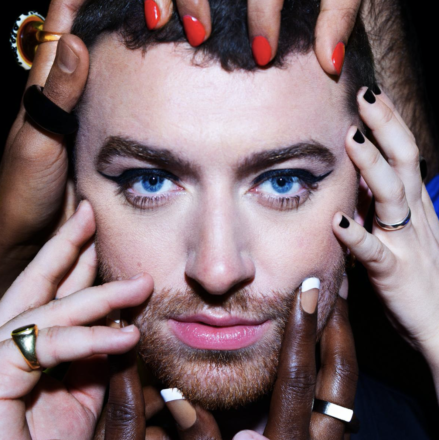
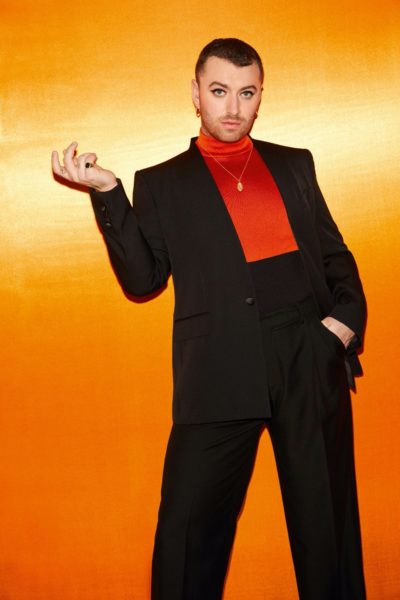
It’s been three years since Sam Smith’s last album, but they are back – with a Valentine’s Day surprise for their fans.
On Thursday, it was announced that Capitol Records will release Smith’s third album, “To Die For,” on May 1. To mark the occasion, the non-binary singer shared the title track, along with its accompanying video.
The new track opens with a sample from the 2001 cult film “Donnie Darko,” before enveloping listeners with the sounds of soaring strings and evocative piano, as Smith lends his distinctive vocals to the plaintive confession, “I just want somebody to die for.”Smithrecorded the song with Jimmy Napes and Stargate, also their collaborators on 2017’s 4x certified Platinum single, “Too Good At Goodbyes.”
For the official video, Smith recruited behind-the-camera help from Grant Singer (The Weeknd, Lorde), who also directed the video for 2019’s “How Do You Sleep?” The clip is set outside a Los Angeles wig shop, where amongst the many mannequin heads with perfectly coifed hair is a wigless one with Smith’s face. As the likeness sings “To Die For,” happy couples and families pass the shop over the course of several seasons, with most never even noticing the bald singing mannequin – until at last, left all alone, a twist of fate comes to break him free.
Smith explains the melancholy tune, “I wrote the song with Jimmy Napes and Stargate in L.A. during a time of self-discovery and heartbreak. This is for all the lonely hearts out there on another Valentine’s Day xx”
The album is now available for preorder at Smith’s website. Fans who pre-order it there in digital format will instantly receive the new single, as well as “How Do You Sleep?”, which has amassed over 600 million streams worldwide, “I Feel Love,” Smith’s celebratory cover of Donna Summer’s disco classic, “Fire on Fire” (from the “Watership Down” soundtrack) and Smith’scollaboration with Normani, “Dancing with a Stranger,” a number one UK and US hit which has achieved Platinum status in 19 countries, and been streamed over 2 billion times worldwide.
You can watch the video for “To Die For” below.




Arts & Entertainment
Vote now! Best Of LGBTQ DC readers’ choice awards
Halloween party set for Oct. 22 to celebrate the winners
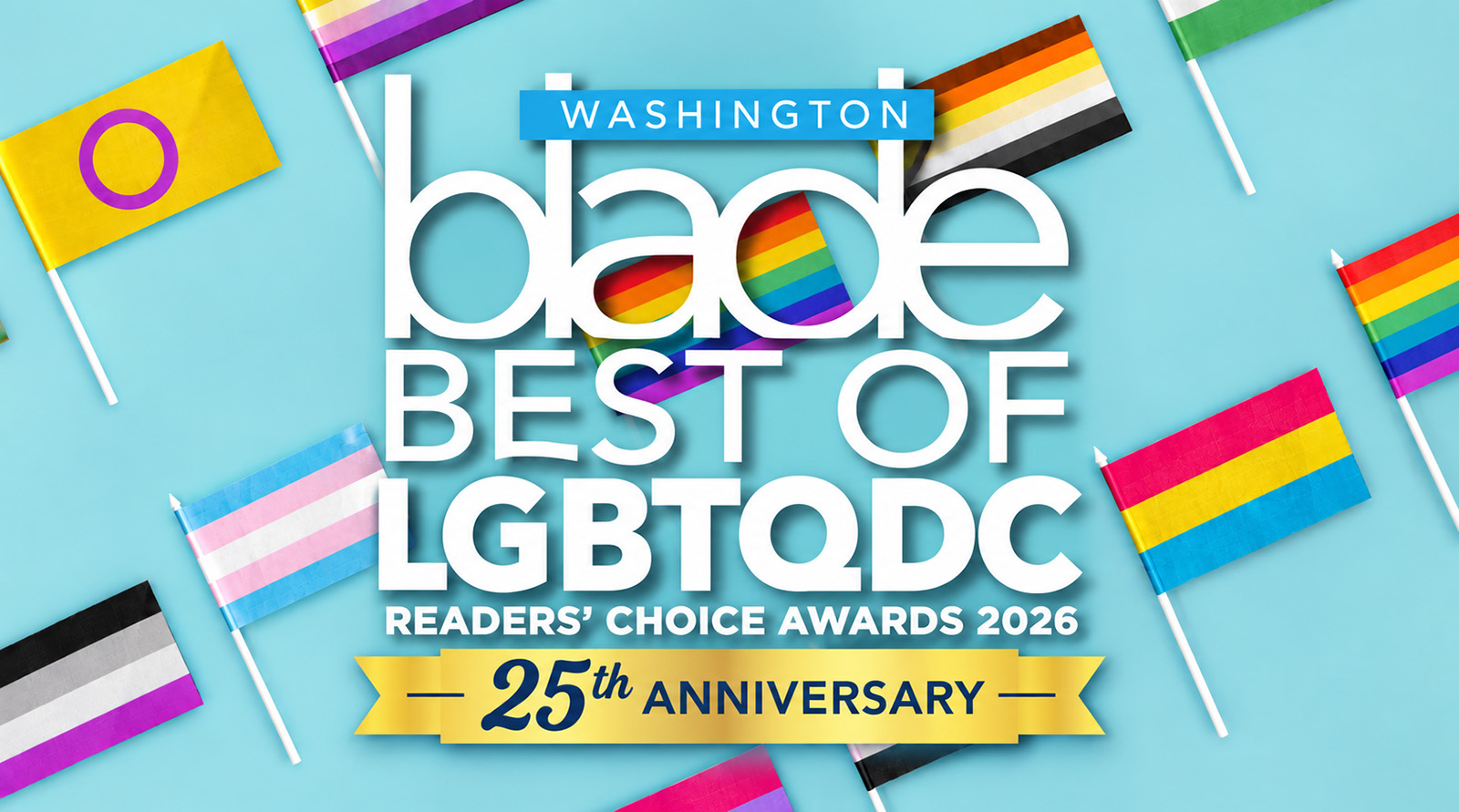
The Blade is excited to celebrate the 25th anniversary of our Best Of LGBTQ DC awards this year. We’re pulling out all the stops for our annual party with celebrity emcee Ashley Darby and acclaimed DJ Michael Navarro. The party is set for Oct. 22 at Longview Gallery with pop-up performances, cocktail and food tastings, open bar, and a Halloween costume contest with the theme, “Murder on the Dancefloor.”
But first, you have to vote. You nominated and now we have our finalists for the 2026 Best of LGBTQ DC Awards.
Vote for your favorites through Oct. 8.
We’ll honor the winners at the Best of LGBTQ DC Awards Party on Thursday, Oct. 22, and showcase them in our special issue released Friday, Oct. 23.
Bars & Parties
Lesbian Bar Project co-founder: purity politics could destroy our remaining spaces
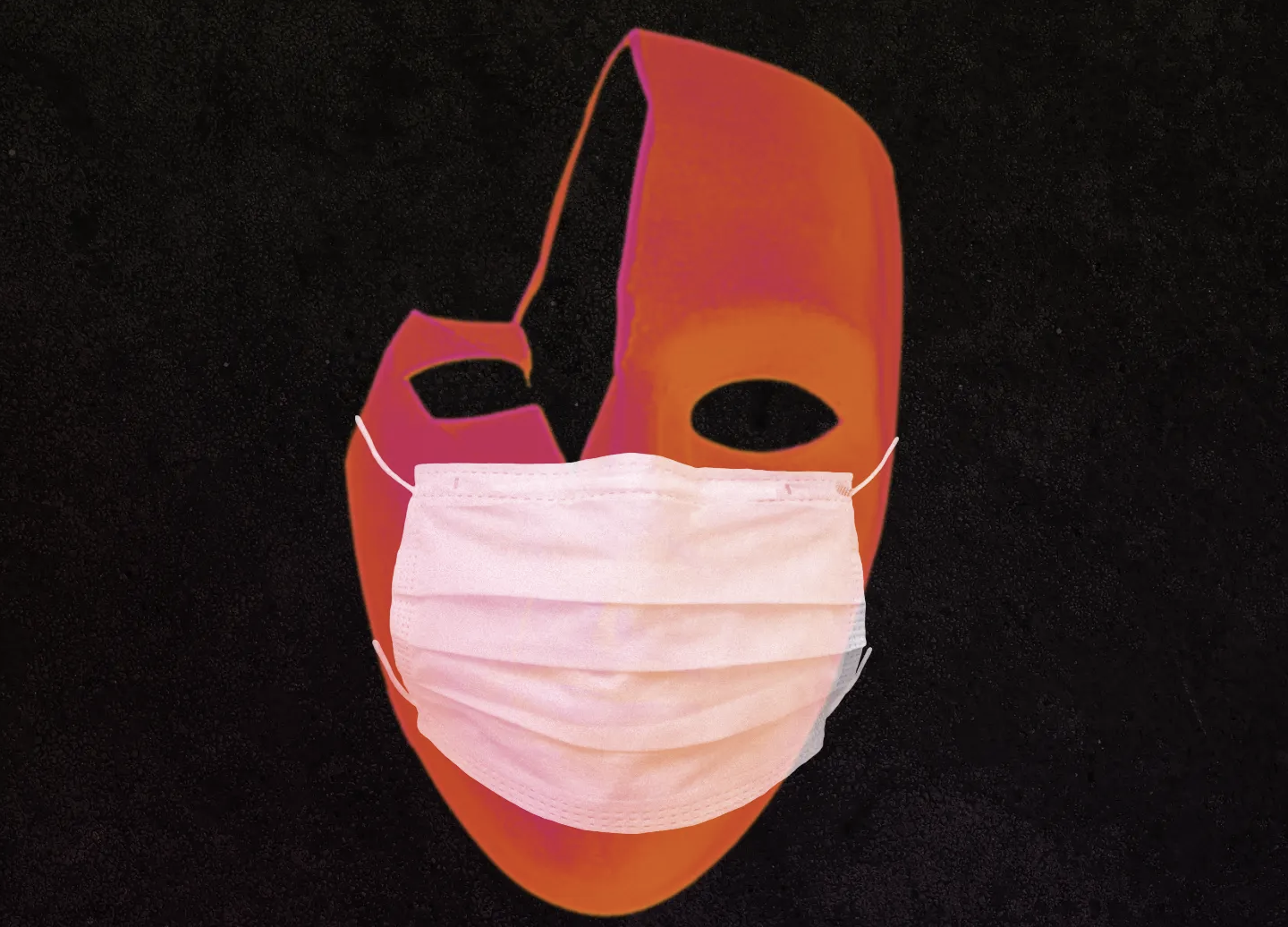
Last Ditch’s decision to lift its mask requirement for one night a week has sparked intra-queer controversy
Uncloseted Media published this story on Sept. 29
By ERICA ROSE and THE LESBIAN BAR PROJECT | As a professional lesbian and Massachusetts native, I’ve recently been asked by a lot of folks what I think about the saga unfolding at Last Ditch. The now-viral story, first reported by the Boston Globe, centers on a Western Massachusetts lesbian bar that lifted its mask requirement for one night a week to help drum up business.
The decision ignited an intra-queer controversy that has been feasted on by media outlets across the political spectrum — from the New York Post to LGBTQ Nation — and is even reportedly being eyed for a Hollywood adaptation. Apparently nothing is more entertaining than a bunch of lesbians and queers fighting with each other over KN-95s.
What has been lost in all of the chatter and media coverage is the very real possibility that Last Ditch, which just opened in April 2025, will have to close its doors. The venue’s one remaining founder, Jackie Matellian, revealed in a community Zoom meeting that she’s working four jobs, is now solely responsible for the bar’s $50,000 business loan and is struggling to keep up with the bills. So as we laugh about the controversy’s similarity to a “Portlandia” skit and how one of the bar’s founders left to enroll in clown school, we forget that yet another lesbian bar is facing an existential crisis — and this time the call is coming from inside the house.
In 2020, my friend Elina Street and I created The Lesbian Bar Project, an Emmy-, Webby- and GLAAD Media Award-winning docuseries and initiative that tells the stories of lesbian queer bars around the world. We were moved to act because at the time there were only an estimated 16 lesbian bars in the United States, and the pandemic threatened to bring that number down even further.
There are now more sapphic bars than there were just before the pandemic — about 36 of them in total — but this is down from approximately 200 in 1980. Maybe that doesn’t mean much to you, but for the millions of sapphics living in the U.S., this number is calamitous.
As the world laughs at lesbians and sapphics, I want to take a second and tell you what I feel when I walk into one of these bars, which are all unique and irreplaceable in their own way: I feel seen.
Sometimes I think Cubbyhole in New York City’s West Village neighborhood knew I was gay before I did. When I walked in there for the first time, before I was even out, I was transfixed by the colorful array of tchotchkes hanging from the ceiling and how the women standing next to me were completely unafraid to express their desire for one another. I knew the minute I was ready to come out, I had a home. I also felt the joy of a new couple falling in love at Seattle’s Wildrose, the quiet confidence of a short king lining up her shot at the pool table at Ginger’s in Brooklyn and the kick of cayenne pepper in Julie Mabry’s crawfish at Houston’s Pearl Bar.
Lesbian bars don’t just serve lesbians; they serve queer folks across the spectrum, including bisexual, pansexual and trans people. As Elina and I traveled across the U.S. and Europe and to parts of Latin America to document the bar owners, staff and patrons that make up the ecosystems of these spaces, we also became uniquely acquainted with the factors that threaten their existence: gentrification, wage gaps, sexism, environmental disasters, gun violence, rising insurance premiums and political administrations working to annihilate queer people and their families.
Lesbian bar owners, like all leaders and entrepreneurs, are imperfect. There have been significant issues over the years at lesbian bars: employee harassment, racism, lack of accessibility, sexual assault and transphobia. All bar owners should be held accountable and should listen to their communities to evolve into safer and more equitable spaces. I also acknowledge my privilege: I am able-bodied, white, cis and from a family system that loves me for who I am. Not everyone has that.
Queer people, especially trans and bisexual people, are suffering from disproportionately high levels of depression, and our mental health system isn’t equipped to support them. Immunocompromised people and long COVID are real, and many of my friends are suffering to this day. The people with the least safety net are often the ones for whom a bar closing costs the most. And yet, as we’re seeing with Last Ditch, the queer community often lashes out at each other. It’s also the mainstream media taking the internal conflict and making a mockery out of it, distracting from the real possibility that this bar could close due to financial pressures. A bar that many people loved and needed is facing extinction. Perhaps it’s safer to dissent with one another than with the larger forces trying to eradicate us, but in doing so, we risk destroying the few spaces we have left.
Due to the constraints of purity politics — some in good faith, some not so much — lesbian bar owners, almost all of whom are queer women themselves, are forced to be everything for everyone, similarly to how women are forced to be everything for everyone. By asking these bars to uphold impossible standards — standards very few other third spaces are asked to consider — we all end up losing.
I want to move as a community toward dialogue, compassionate dissent and collaboration to make our spaces better with the goal of keeping them OPEN and thriving, rather than destroying them from the inside with expectations that are arguably unattainable.
While I have your attention — for this fleeting second of the news cycle — may I urge us to spearhead a way to keep these small businesses afloat without attacking our own community along the way? Bar owners are left with an impasse: They want to be community-centered, but they also have to make money to keep their doors open. Sometimes they might make business decisions that don’t work for everyone — and that’s partly because different patrons have different priorities and want different things — but these owners deserve the opportunity for productive dialogue. We have to work with them and with each other to keep our spaces open, to keep them growing.
Lesbian bars raised me into the queer woman I am today. One thing I think about as I reflect on the six years of work we’ve done to document these spaces is that shared, unspoken language I have with a stranger the moment we both walk into one of these bars: the nod, the ease, the not having to explain ourselves. I don’t want to lose that, and neither should you.
Celebrity News
Debbie Allen shares on loss, love, and the power of speaking out
Actress directed groundbreaking ‘A Different World’ episode about HIV
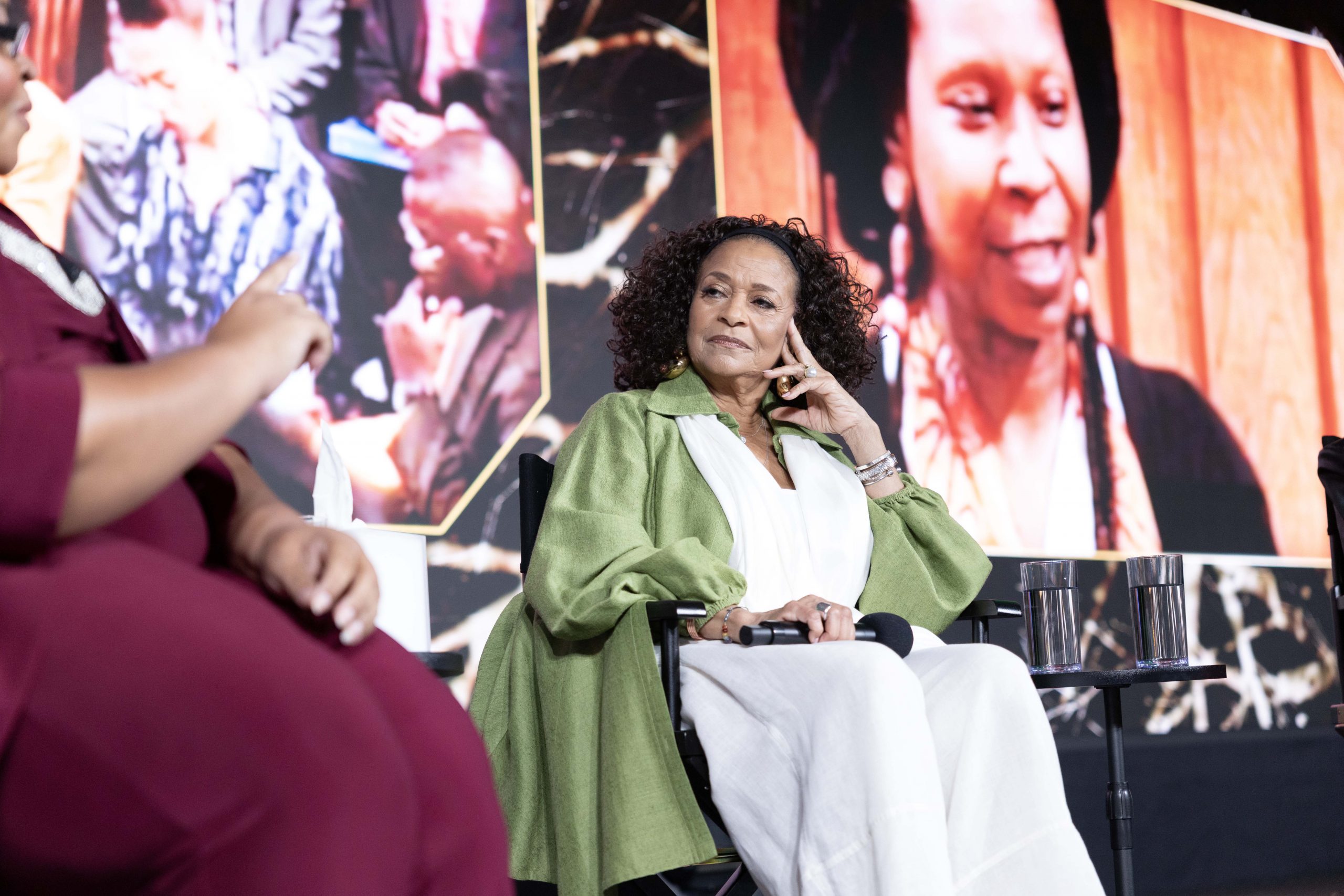
For somebody like Debbie Allen, HIV advocacy lies at the heart of their life and career. In the 1980s, at a time when HIV/AIDS devastated the performing arts community, Allen witnessed friends, performers, directors, and choreographers alike disappear. This experience turned her personal grief into a decades-long commitment to advocacy. From directing a landmark “A Different World” episode about HIV at a time when even just saying the word on television could make networks sweat, to continuing her work today, Allen has continuously utilized the biggest stage available to her to ensure that the conversation stays alive.
Now the conversation has changed from four decades ago, yet Allen believes it still needs to get louder. Medical advances have transformed HIV from the crisis it was into a manageable condition for many folks. Yet stigma, social challenges, and the significant need for mental, emotional, and community support still persist. In our conversation, Allen opens up about the losses that influenced her activism, the power of media and the arts to change public perceptions, and why “whole health” means looking beyond the virus to the full human person living with it. Her message is simple and solid — no one should have to navigate HIV alone.
You have stood alongside the HIV community for four decades, and counting. When you look back to the start of that journey, what first got you involved and what has kept you connected and dedicated for all of this time?
My fight against HIV began in the ‘80s, when the epidemic devastated the performing arts community, and I lost my entire world — my friends, dancers, directors, and choreographers. That profound grief fueled my mission to use my voice for advocacy — from directing the groundbreaking HIV episode on “A Different World” to fight stigma to standing on stages today to continue to raise awareness.
This is a mission that continues to stay near and dear to my heart so that all people impacted by HIV — whether they are living with HIV or supporting someone living with HIV — have the resources and support they deserve.
How have those experiences with your own personal losses due to HIV impacted the way you understand the virus?
If we look back to 40 years ago, HIV impacted an entire generation. We experienced incredible loss and heartache that I will never forget. This experience made me realize how vulnerable we are as humans and how much support we truly need in our healthcare journeys. And while incredible progress has been made, I also understand so much more needs to be done — from combating stigma, providing additional resources, and ensuring ongoing support for people who are living with HIV today.
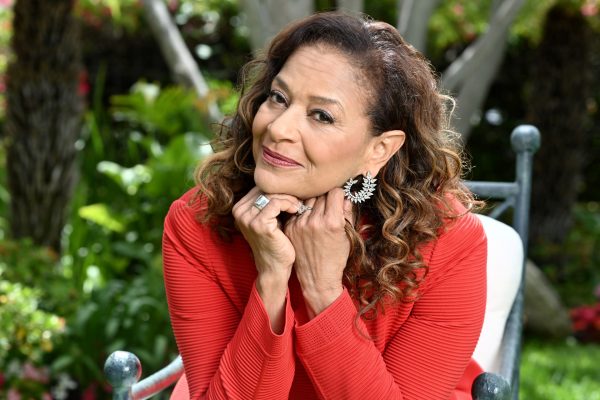
You’ve built an extraordinary career as a dancer, choreographer, director, producer, actor, educator, and advocate. How has each part of your career influenced the others? What have you learned about leadership from working with artists and performers?
Being a dancer, choreographer, director, producer, actor, and educator has helped shape the person I am today. Each experience has inspired another. What unifies each role is my ability to lead and learn from everyone I’m working with. It’s also these opportunities that have afforded me an incredible platform for my advocacy efforts. I strive to bring leadership approaches from my various stages — in a very literal sense — to a national stage as I support a variety of initiatives, such as HIV awareness.
The medical landscape around HIV has evolved dramatically since you first began your advocacy. What is one thing you wish younger folks understood about what the first years of the epidemic were really like?
Thanks to medical advancements, we can now look at so much more than HIV status and this is a tremendous step forward. As someone who has always believed in the power of mind, body, and spirit, I want today’s generation to understand that people living with HIV need integrated support for their mental, emotional, physical, and social well-being because all these elements are deeply connected.
We need to broaden the discussion around HIV management, and that’s why I’m proud to work with Merck on “Your Hive of Whole Health,” which addresses factors such as managing one’s mental wellness, co-occurring conditions, social drivers, and other life challenges.
Your Hive of Whole Health is built around the idea that health doesn’t happen in isolation. What does “whole health” mean to you in your own life?
Health doesn’t happen in isolation. People living with HIV need comprehensive support systems around them — whether that’s family, chosen family, neighbors, community or religious leaders, or care team members; they are a part of the whole health journey.
To me, whole health means looking beyond the virus to truly understand the unique challenges that people face so they have the full support they need. Having supported loved ones on their health journeys and managing my own well-being, I know that comprehensive support is key.
That’s the beauty of “Your Hive of Whole Health.” In fact, the idea behind the program is simple. Just as a hive depends on the strength of many bees working together, people living with HIV often rely on a network of support that includes healthcare providers, advocates, family, friends, and peers. “Your Hive of Whole Health” provides tools and resources to help individuals build and strengthen those connections.
For someone living with HIV, what kinds of support beyond medical treatment do you think can make the most significant difference in their lives?
As people are living longer with HIV and managing additional health conditions, like high blood pressure, high cholesterol, and diabetes, having the right support system in place can play an increasingly important role.
Understanding these other conditions, as well as navigating social challenges and other life challenges such as not having access to affordable or healthy food, not having support from family or friends, struggling with stable housing, or facing misconceptions about HIV is critical. It’s awareness, understanding, and a “Hive” of support that can make a difference.
People can go to HiveofWholeHealth.com to learn more, access resources, and build their own Hive.
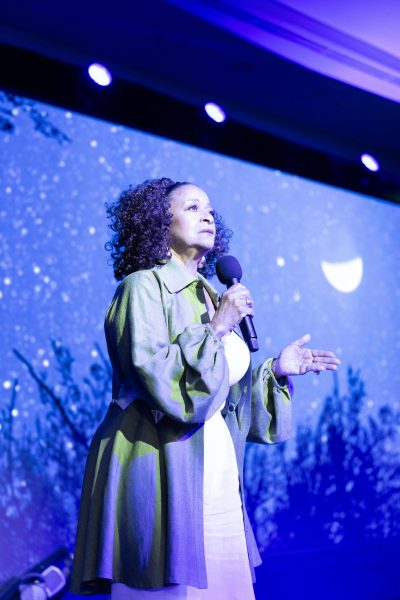
Many folks tend to talk about the HIV epidemic as if it is something of the past. What do you think we risk losing when we stop talking about HIV and the people whose lives have been affected by it?
This journey began for all of us in a time of intense fear, isolation, and crisis. As I reflect back to the early ‘90s, it was an honor to create the first network television show on “A Different World” to address the epidemic at a time when people were afraid to even say the word. The network and advertisers were very hesitant about talking about HIV on TV in this way at that time. It really hadn’t been done before. But I stood my ground and pushed forward. As a result, we were able to bring the epidemic into living rooms, confronting fear, stigma, and misinformation. It changed the conversation, especially in Black communities, where the impact was deeply felt. It also spotlighted how HIV impacted women, which was not formally recognized by health agencies until years later.
Today, we can truly celebrate the united and unbreakable spirit of 45 years of the HIV movement and champion a new era of whole health. But there is still so much more to be done. We must continue shining a light on issues that matter most. We must spotlight these across all forms of entertainment, media, and digital storytelling to drive awareness, understanding, and support. That’s why programs like Merck’s “Your Hive of Whole Health” are so important — we keep the community and their needs at the center and provide much-needed support.
If nothing else, what is one message you’d like for our readers to take away from this interview?
I want people living with HIV and the community around them to know they are not alone. There’s a whole community of support — a Hive — that can help them on their journeys with HIV.
Go to HiveofWholeHealth.com to learn more about the emotional, physical, social, and mental aspects of living with HIV. Build that Hive around you because whole health is better together.

Vote now! Best Of LGBTQ DC readers’ choice awards

Meet the LGBTQ candidates running for U.S. House, Senate

Ana Brnabić becomes world’s first openly lesbian head of state

529 openly LGBTQ candidates running in Brazilian election