Sponsored
Expanding the Definition of Care for HIV Long-Term Survivors
Honoring Resilience of the Community, Raising Awareness of Challenges Ahead

Jeff Berry didn’t choose a career in HIV advocacy, the career chose him. After being diagnosed with HIV in 1989, Berry stumbled upon Positively Aware, a magazine providing critical information on care and treatment options, during a support group meeting. Leafing through its pages, he realized how important it was to have a place to get information specifically tailored for survivors. Before long, he’d launch a career at the magazine for nearly 30 years, a position he held until a few years ago when he left to lead The Reunion Project, a national alliance of HIV long-term survivors that he co-founded in 2015 and is focused on addressing the unique care and treatment needs facing the growing community.
“We launched The Reunion Project when a lot of people were starting to gather and talk about the distinct challenges long-term survivors face,” Berry explained. “It hadn’t really been discussed previously. Many were still dealing with the trauma and loss of the epidemic, but enough time had passed where we could revisit and focus on the specific needs of those of us aging with HIV.”
As we mark Long Term Survivors Day on June 5, honoring the resilience of this community and raising awareness about the challenges they face becomes even more crucial. More than half of the adults living with HIV in the U.S. are over 50 years old, and by 2030, that number is projected to reach nearly 70% – a statistic unimaginable 30 years ago.
Despite this incredible progress, the increase has brought in its own set of challenges when it comes to supporting an aging population with distinct care and treatment needs. A study of individuals with HIV in South Africa showed that individuals living with HIV are more likely to develop age-related conditions like cancer or heart disease. Additionally, they often face social isolation, insufficient support and a service delivery system ill-equipped to meet their needs, making them less likely to access vital social services.
Recognizing these gaps, Gilead Sciences launched HIV Age Positively® in 2018, a grant program aimed at supporting community-based organizations focused on improving the quality of life and health for older Americans aging with HIV. Over the past five years, the initiative has awarded more than $35.8 million in grants to support 42 organizations that are working to address stigma, loneliness and better coordination of care for impacted individuals.
One such grantee is The Reunion Project, which organizes nationwide events to help long-term survivors navigate their unique challenges. The Reunion Project’s events often feature a day devoted to managing the unique social issues facing those aging with HIV. The first day of programming focuses on navigating employment opportunities, as many long-term survivors are returning to a workforce they’d never expected to live long enough to enter. The second day becomes more interactive, with community members providing feedback, participating in breakout groups and collaborating on priority-setting for their region.
Most importantly, The Reunion Project partners with local organizations to ensure programming is tailored to each city’s unique needs. “We don’t just want to do an event and then leave,” says Berry. “We make an effort to partner with the city. We really want to spark an ongoing network of long-term survivors beyond just the two days.”
With Gilead’s support, The Reunion Project has been able to expand their programming from one or two events per year to three, provide local organizations with funding to create their own long-term survivor events, and expand their services to include language interpretation for those not fluent in English, ensuring no one is left behind.
One particularly poignant moment for Berry occurred at an event last year, where a man who only spoke Spanish was able to share his story through interpreters, detailing his journey overcoming seemingly insurmountable stigma and barriers from care providers and his church.
“There wasn’t a dry eye in the house – it was an incredibly powerful moment,” said Berry. “None of that would have been possible if we hadn’t had the support of Gilead to provide interpretation services.”
Despite the challenges facing this population, Berry remains optimistic about the future. “When you’re talking about HIV and aging, it seems like there is a huge laundry list of things that can go wrong,” he admits. “What gives me hope is my memory of the era of the epidemic when there was seemingly no hope, and we as a community came together and changed things. We demanded to be heard, and as a result, we revolutionized how drugs were developed and how clinical trials were held. I think we can do the same thing now with our model of aging.”
(HIV AGE POSITIVELY, GILEAD, the GILEAD Logo, are trademarks of Gilead Sciences, Inc., or its related companies. All other marks are the property of their respective owners. © 2024 Gilead Sciences, Inc. All rights reserved. This story is part of a paid collaboration between Gilead Sciences and the Washington Blade and Los Angeles Blade.)





Sponsored
First gay underwear party? How to have fun nearly naked
Gatherings aren’t exclusively sex-focused events
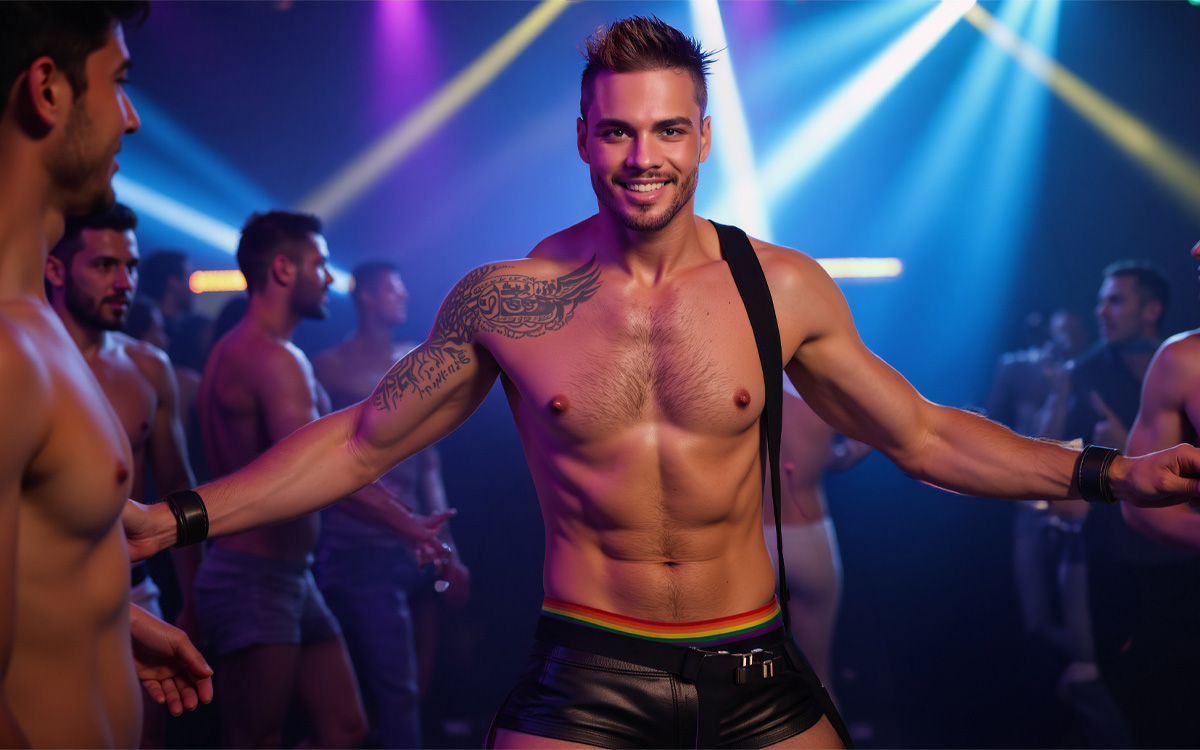
You’re at a new gay bar, mustering up the courage to leave all your clothes at coat check except for your briefs, socks, and sneakers. Through the door, you catch glimpses of pantless men laughing and grinding to house anthems, and somehow, everyone inside seems totally comfortable being nearly naked around strangers. Welcome to your first gay underwear party.
Although the air may feel thick with sexual tension, gay underwear parties aren’t exclusively sex-focused events like sex parties. In some ways, they’re similar to circuit parties on a smaller scale, but the dress code is really what differentiates them from other gay events. The atmosphere can range from a flirtatious club night to a heavier sexually charged scene, depending on the venue or even spaces within the venue (such as darkrooms.)
Similar to circuit party outfits, underwear parties require even less clothing, which is basically just gay underwear and shoes, often available at gay clothing stores like Differio. Some venues host dedicated underwear theme nights, like “Jockstrap Wednesdays” at The Eagle NYC, while other spots are totally fine with a casual mix of underwear, gear, and shorts.
If you’re feeling overwhelmed by all the “what to wear” and “what to bring” questions, here’s everything you need to know about maximizing your fun while wearing the least.
Research the venue’s dress code
Showing up confident starts way before you hit the door. Every gay underwear party has a vibe and a dress code. Check the venue’s website or social media accounts, so you can arrive looking like you understood the assignment. Some spots offer underwear-specific nights, while others are an open gay lingerie playground, allowing you to get creative with designer briefs, harnesses, or leather gear. Know the rules, find your look, and you’re already halfway there.
Actually commit to the dress code
No one is obligated to remove all of their clothing at a gay underwear party. Plenty of guys ease into the night by starting off with a tank top or micro shorts and peeling back layers as the night heats up.
However, you may draw attention to yourself for the wrong reasons if you remain completely clothed all night. Hanging out in jeans and a t-shirt just defeats the purpose of the event because you can easily do that at any other bar. If you find yourself uncomfortable for whatever reason, don’t feel pressured to stay.
Go with someone you trust
Nursing a drink by yourself in a crowded room is awkward enough when you actually have clothes on. Ease the first-time anxiety by bringing a close friend or partner you can trust, especially someone who’s already been to one before. That way, you always have someone to talk to and a second opinion on the crowd. It also gives you an immediate escape route if things get weird, like an awkward run-in from your Sniffies app history.
Find a style that works for you
Clueless about gay men’s underwear styles? Save yourself the last-minute outfit panic and try on a few styles ahead of time at home. A quick browse through different gay underwear stores will show you how far the options have come from basic cotton packs.
Thongs and jockstraps are the most booty-exposing, while square-cut trunks and boxer briefs offer the most front-and-back coverage. Briefs are a balanced middle ground for coverage and exposure that work on most body types. Jockstraps and briefs tend to be the more popular gay male underwear styles at these parties, but nothing is mandatory unless it’s specified in the dress code.
Leave the worn-out underwear at home
Leave the saggy seats and stretched-out waistbands in your dresser. Just like you wouldn’t show up to a club in a washed-out college t-shirt, you shouldn’t show up to a gay men’s underwear party looking sloppy.
With so many styles of underwear for gay men now, there’s really no excuse not to find something decent. That doesn’t mean you have to splurge on the most expensive gay underwear brands, but showing up in a well-fitting pair shows respect for both the event and yourself.
Coordinate from the ground up
Once you’ve found the right pair of sexy gay underwear, don’t forget that shoes are just as important. Stick to closed-toe shoes and leave the sandals at home. You can’t go wrong with sneakers and boots, but skip the premium suede or luxury leather (they’ll likely get scuffed or stained.)
You can pair them with knee-high or crew socks to balance your proportions. Plus, high-cut socks are great for discreetly stashing cash, ID, and condoms.
Find out if there’s a coat check
So, how do people get from point A to point B in just their underwear? Good news: they don’t. Gay underwear parties are usually held at locations with lockers or coat checks, so attendees can change at the venue. Sometimes they’re complimentary, or else you’ll have to pay a small fee.
More importantly, do not lose your coat check ticket. Treat that ticket like cash, or else you’ll be waiting nearly nude in a brightly lit lobby until the venue clears out at 4 a.m. Save it in your phone, write it on your wrist, just don’t lose it.
Wear clothes that aren’t too valuable
High-energy nightlife can be unpredictable. Personal items can easily get mixed up, lost, destroyed, or even stolen in a crowded venue. Wear an outfit you wouldn’t mind losing over your gay lingerie, and leave the expensive jewelry and high-end designer labels at home.
Even with lockers available, keep your highest-value items on you at all times, such as your ID and credit card. You can easily stash these items in a small bag or slip them down the side of your sock.
Carry a bag to stay hands-free
Wondering where to put all your things when all you’re wearing is sexy gay underwear? Bring a small bag for any essentials you’ll want to hold onto all night. Drawstring backpacks, fanny packs, or crossbody bags are all functional styles that won’t get in the way.
If you hate wearing bags, pocketed running armbands, wristband wallets, or cargo thigh harnesses are also compact styles that won’t weigh you down.
Give the respect you expect
A gay underwear party is still a sexualized space. While harassment is not tolerated, boundaries are often tested non-verbally. Guys will use a touch on the shoulder or a look to gauge your interest. Be aware that a polite smile can also be misread as an invitation for more.
If you aren’t feeling it, clearly state that you’re not interested and be obvious with your body language, such as putting a hand up or stepping away. If anyone refuses to respect your space or crosses the line, let the staff know immediately.
All bodies are welcome
Reminder: you do not need a model’s physique to attend a gay underwear party. In reality, the actual crowd is a diverse mix of body types, races, ages, and identities. Some venues will specify the types of crowds they typically draw, such as bears, jocks, or twinks, but no one is excluded from attending. Any pre-party anxiety in your head is always much worse than the reality inside the venue. Show up with an open mind and just enjoy the moment.
Real Estate
Introducing Next-Generation Assisted Living & Memory Support.
Now Available in Tysons: Kokua at The Mather
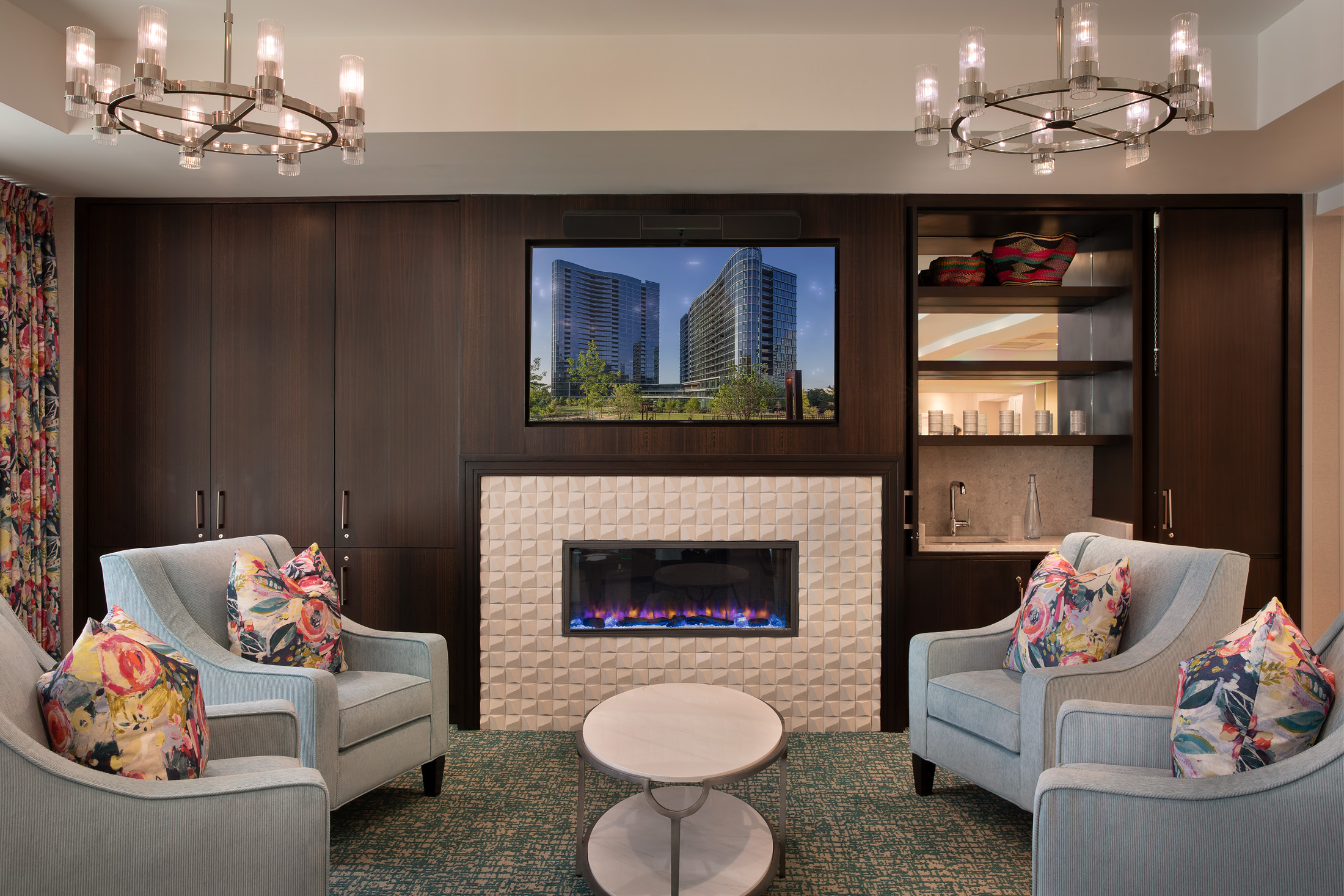
We have good news for those seeking assisted living or memory support for a loved one: a fresh, hospitality-driven approach to care is now available in the heart of Tysons, Virginia. Kokua at The Mather opened in fall 2025 and provides residents with collaborative care as well as everyday possibilities for creativity, purpose, and connection.
For a limited time, Kokua is welcoming new residents with exclusive move-in incentives.
“Kokua is a Hawaiian word meaning ‘To extend help to others without expecting anything in return,’” explains Brandon Davidson, Administrator. “If you’re seeking support for a loved one, Kokua is worth a closer look. We take an individualized approach to care, with evidence-based practices provided by a dedicated, interdisciplinary team.”
LIMITED-TIME OPPORTUNITY
“At Kokua, we focus on the individual. We blend care with our research-driven approach to deliver personalized wellness tailored to residents’ needs and preferences,” says Davidson.
Residents enjoy the freedom to choose from enriching programs, meaningful social opportunities with experiences such as sensory walks, meditation, acupuncture, Reiki, songwriting workshops, poetry readings, Sensory Symphony Swim, and more.
Assisted Living in Ādar
Ādar means “respect”, and Kokua delivers. Comfortable residential living is combined with caring assisted living services, enabling residents to remain as independent as possible. Each one-bedroom apartment home (ranging in size up to nearly 900 square feet) offers generous space and thoughtful design, complemented by assistance with daily living tasks and emergency response systems for peace of mind.
Memory Support in Miran
Miran means “peaceful”—another pillar in the Kokua way of life. Private suites are designed for those with mild to moderate Alzheimer’s disease, dementia, or similar cognitive conditions. “Our person-centered approach embraces individual strengths and needs, with an interdisciplinary team that includes a staff member in attendance 24 hours a day to assist with event reminders and activities of daily living,” says Davidson. “Residents have access to a variety of opportunities to connect, express, and explore their potential through social events, wellness programs, creative arts, and more.”
Kokua offers the next generation of care in these areas, with a commitment to highly personalized service.

INSPIRED AMENITIES & BOUTIQUE SERVICE
Nestled in a lively urban neighborhood, Kokua incorporates biophilic design that brings the outside in to enhance health and wellbeing.
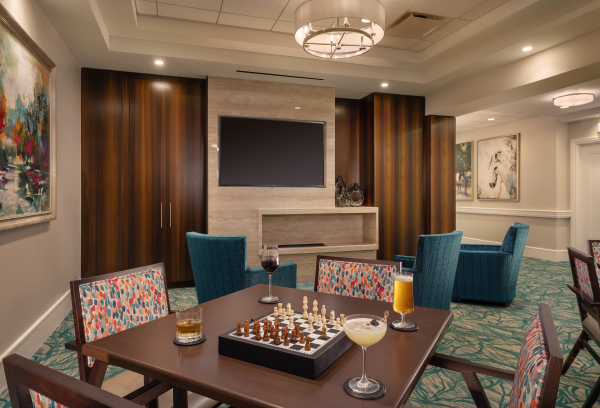
Throughout Kokua, residents enjoy a collection of thoughtfully designed spaces and top-shelf hospitality in an upscale community. Beautifully appointed gathering spaces create flexible opportunities for wellness, connection, and everyday enjoyment. A spacious outdoor terrace, demonstration kitchens, art and music studios, and more are used for an array of programs and are available to residents and their visitors. Multiple restaurants offer chef-prepared cuisine with flexible, open-hour service.
“Here at Kokua, we’re offering the next generation of care in Ādar and Miran, and it’s available to the public for a limited time,” says Davidson. Now is an ideal time to explore the personalized care and quiet luxury that Kokua at The Mather has to offer.
For more information, download a brochure at www.themathertysons.com/kokua. To schedule a visit or for additional details, contact Kokua at [email protected] or (571) 282.3650.
Sponsored
Elevated Living. Personalized Care.
Introducing Kokua at The Mather— Now Welcoming Residents
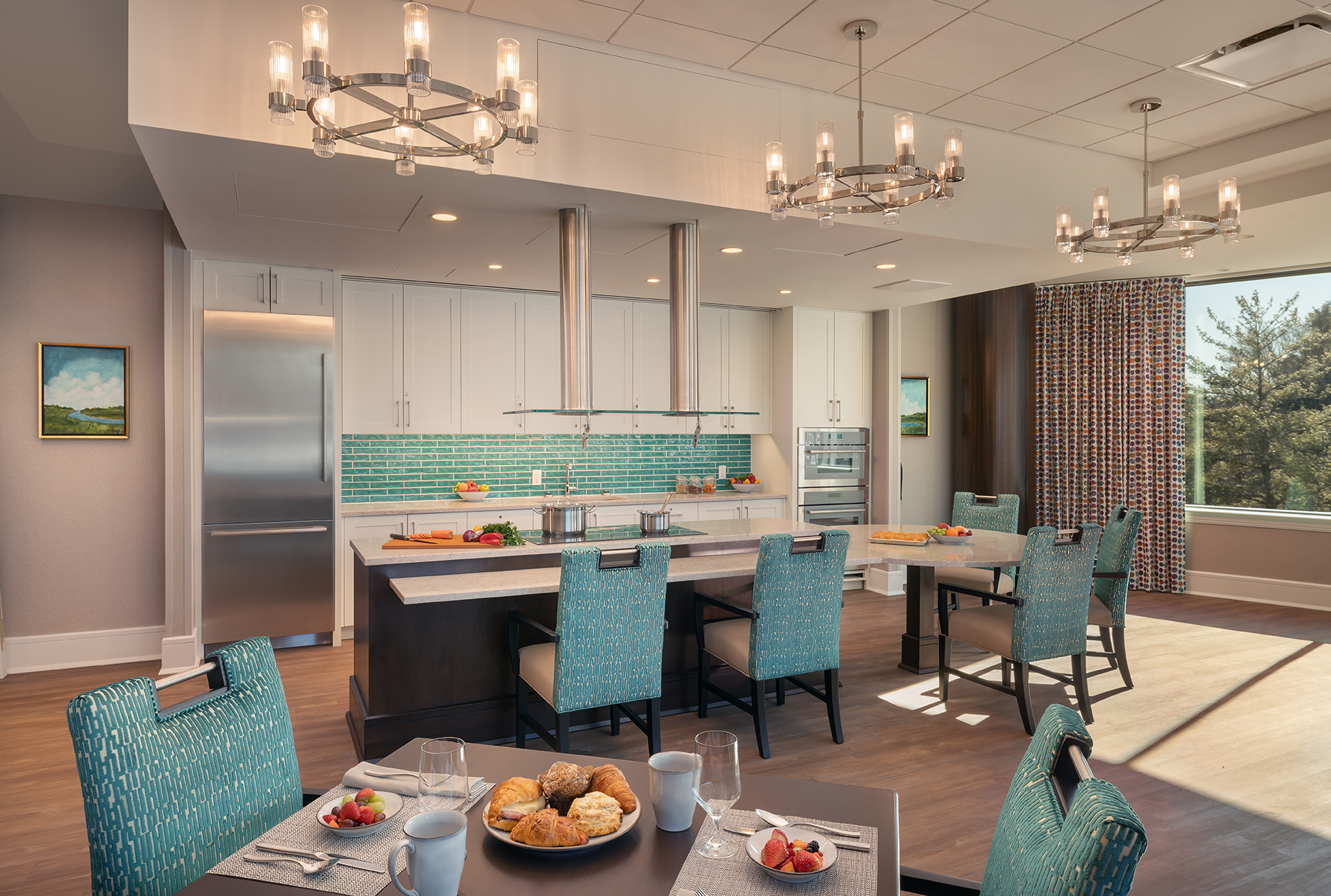
At Kokua, we believe that every stage of life holds possibilities for creativity, purpose, and growth. Located in the heart of Tysons, Virginia, Kokua offers a fresh, hospitality-driven approach to care developed by Mather, a nationally recognized pioneer in the senior living space with more than eight decades of experience. Newly opened in 2025, Kokua blends care with our research-driven approach to deliver personalized wellness tailored to individual needs.
For a limited time, Kokua is welcoming new residents seeking assisted living or memory support in the DC area with exclusive move-in incentives. Nestled in a lively urban neighborhood, our LEED-Gold certified community incorporates biophilic design that brings the outside in to enhance health and wellbeing.
THOUGHTFULLY DESIGNED SPACES
In our assisted living and memory support neighborhoods, residents enjoy a collection of thoughtfully designed spaces that feel like an upscale hospitality destination.
Multiple restaurants offer chef-prepared cuisine with flexible, open-hour service, complemented by demonstration kitchens, art and music studios, as well as gathering spaces. A spacious outdoor terrace, Marzenia Salon, and beautifully appointed amenity areas create opportunities for wellness, connection, and everyday enjoyment.
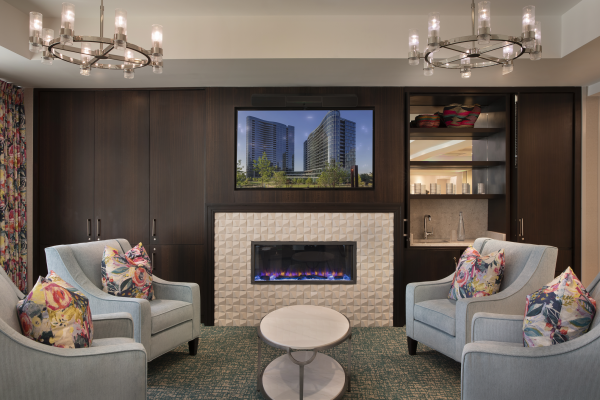
FOCUS ON PERSONALIZED WELLBEING
Residents enjoy opportunities to choose from enriching programs, meaningful social opportunities with experiences such as sensory walks, meditation, acupuncture, Reiki, songwriting workshops, poetry readings, Sensory Symphony Swim, and more.
Assisted Living in Ādar
Ādar means “respect”, and Kokua delivers. Here, our team encourages residents to be as independent as possible, for as long as possible. Each one-bedroom apartment home (ranging in size up to nearly 900 square feet) offers generous space and thoughtful design, complemented by assistance with daily living tasks and emergency response systems for peace of mind.
Memory Support in Miran
Miran means “peaceful”—another pillar in the Kokua way of life. Private suites are designed for those with mild to moderate Alzheimer’s disease, dementia, or similar cognitive conditions. Our person-centered approach embraces individual strengths and needs, with an interdisciplinary team and through social events, wellness programs, creative arts, and more.
Kokua offers the next generation of care in Ādar and Miran, true to our commitment to highly personalized service rooted in respect for each individual.
With a limited number of residences available and exclusive move-in incentives currently offered, now is an ideal time to explore the personalized care and quiet luxury that Kokua at The Mather has to offer.
Contact us today if you’re interested in learning more, download our brochure at www.themathertysons.com/kokua. You can reach us at [email protected] or (571) 282.3650.

Center Arts Gallery celebration, auction to take place on Oct. 17

Comings & Goings

‘Hidden in Plain Sight:’ The story of Odessa Madre

‘Governments that attack LGBTQ+ rights learn from each other’

Horror genre has evolved into space to explore queer identity

ICC unseals arrest warrants for Taliban officials accused of persecuting LGBTQ people, women

Physician: addiction doesn’t always look the way you think it does

Calendar: October 9-15

Solidarity beyond the parade: the actual cost of Pride

Essential queer horror classics for Halloween
-

 Afghanistan5 days ago
ICC unseals arrest warrants for Taliban officials accused of persecuting LGBTQ people, women
-
District of Columbia4 days ago
Physician: addiction doesn’t always look the way you think it does
-
Calendar4 days ago
Calendar: October 9-15
-
Opinions4 days ago
Solidarity beyond the parade: the actual cost of Pride