Arts & Entertainment
D.C.’s sandwich battles
Taylor Gourmet vs. SUNdeVICH in taste test showdown
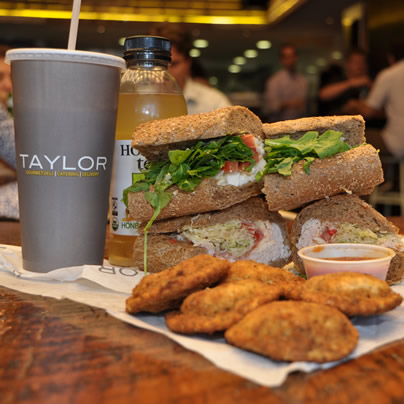
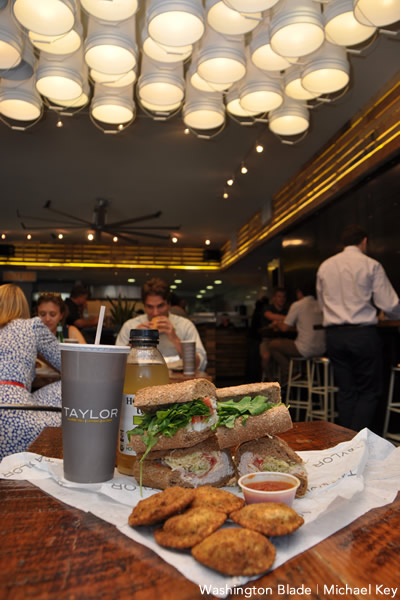
Taylor Gourmet features Philly-inspired sandwiches in a stylish setting. (Blade photo by Michael Key)
There is something about a perfect sandwich that makes me smile.
The crispy crust of the bread with a nice moist center, the freshness of quality meats, the smooth cheese that complements it, and the snap of the veggies that top off the sandwich perfection. Sandwiches seem simple but there are so many elements that can lead to their downfall. Two sandwich shops in D.C. promise to deliver high-quality sandwiches, so I set out to discover which would put a bigger smile on my face: Taylor Gourmet or SUNdeVICH.
I ventured into ultra-modern, industrial-styled Taylor Gourmet on 14th Street (1908 14th St., N.W.) a handful of times and the similarly stylish City Vista location (485 K St., N.W.) once. Longtime friends and owners Casey Patten and David Mazza brought the flavors of their native Philadelphia to D.C. by opening Taylor Gourmet when they could not find the hoagies they had grown to love anywhere in the city. Their first location opened in 2007 in the Atlas District (116 H St., N.E.).
The basis of a Taylor sandwich (unless you choose to have it on wheat) is the toasted sesame hoagie bread inspired by Sarcone’s Bakery in Philadelphia. I found the bread a good start for the sandwich, although on a couple occasions it was stale. My favorite sandwich was the Philadelphia Landfill, which has roasted turkey, roasted ham, Genoa salami, roasted red peppers and sharp provolone. Of course, this, and most sandwiches are topped with lettuce, tomato and onion. I opted for no lettuce since I despise crunchy water. You can taste the freshness of this meaty sandwich, and the toppings add a burst of texture and flavor. My husband enjoyed his 9th Avenue Italian sub, but I found the Girard Avenue pork sandwich bland and the Penn Quarter breaded chicken cutlet sandwich dry. The Callowhill spicy meatball sub was surprisingly flavorful and is an excellent option if you are craving a hot sub. I also recommend the fried risotto balls because their deep fried cheesy goodness is amazing, but be warned they do not fit into your weight loss plan.
SUNdeVICH (1314 9th St., N.W.) is a gem in the Naylor Court alley on Ninth Street between N and O streets, N.W. SUNdeVICH wants to deliver patrons non-traditional sandwiches with worldly flavors and local ingredients. The chalkboard menu is filled with sandwich names like the Capri, the Havana, the Isfahan, the Kingston and the Madrid, all of which I have now tried, and thoroughly enjoyed.
The Madrid has chorizo and chimichurri on SUNdeVICH’s crispy-crusted sub bread. The sandwich is complex with sweet, rich, and spicy flavors all dancing on your tongue in perfect harmony. I eventually stopped devouring it long enough to try the Isfahan, which is a soufflé of spinach, mushroom, walnuts and barberry with tzatziki (strained yogurt, garlic, cucumber, mint and dill). The soufflé is served sliced into thin strips and the subtle and exquisitely fresh house made tzatziki adds the perfect degree of tanginess. This option changes your expectations of a sandwich. Another favorite was the impeccable balance of spicy and sweet with the jerk chicken and pineapple salsa on the Kingston. Each sandwich at SUNdeVICH is crafted to give customers a unique flavor experience and each sandwich I tried delivered.
It is hard to compare these two sandwich shops; each one fills its own sandwich niche. In my opinion, SUNdeVICH won the head-to-head taste test with its unique and worldly offerings. Taylor Gourmet, however, delivers the best cold-cut sandwiches I have had so far in this city. Taylor Gourmet had me smiling, but SUNdeVICH altered my sandwich reality and had me grinning from ear to ear (even as I was finishing my leftovers two days later).
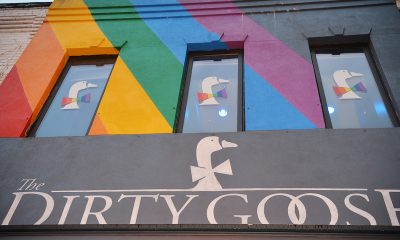

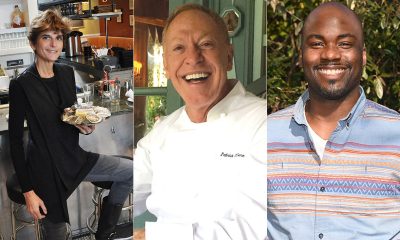



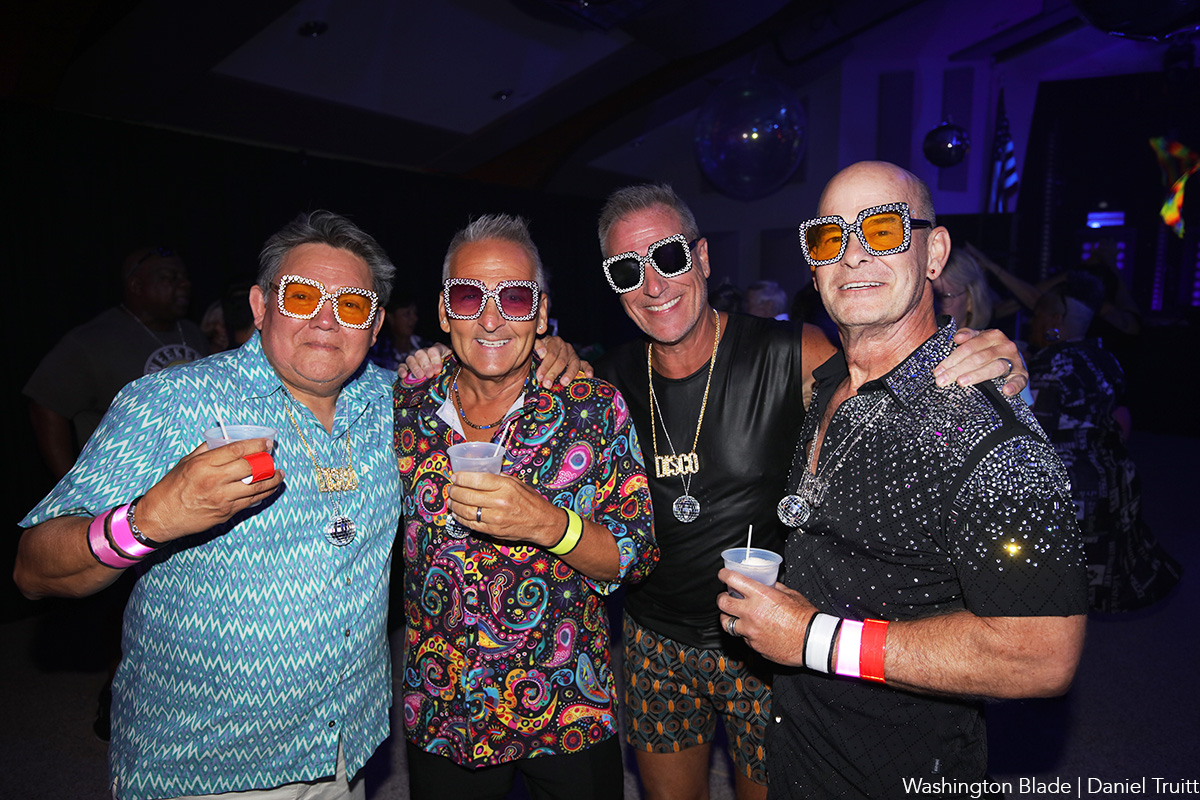
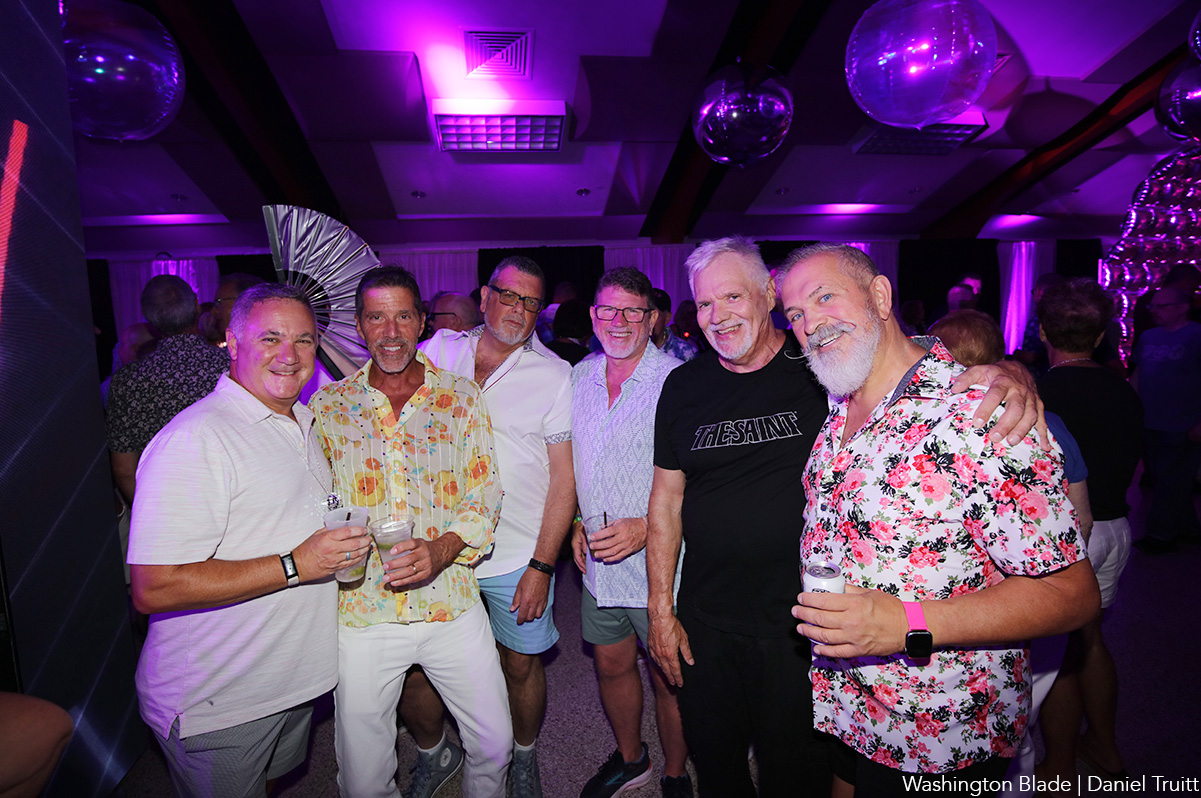
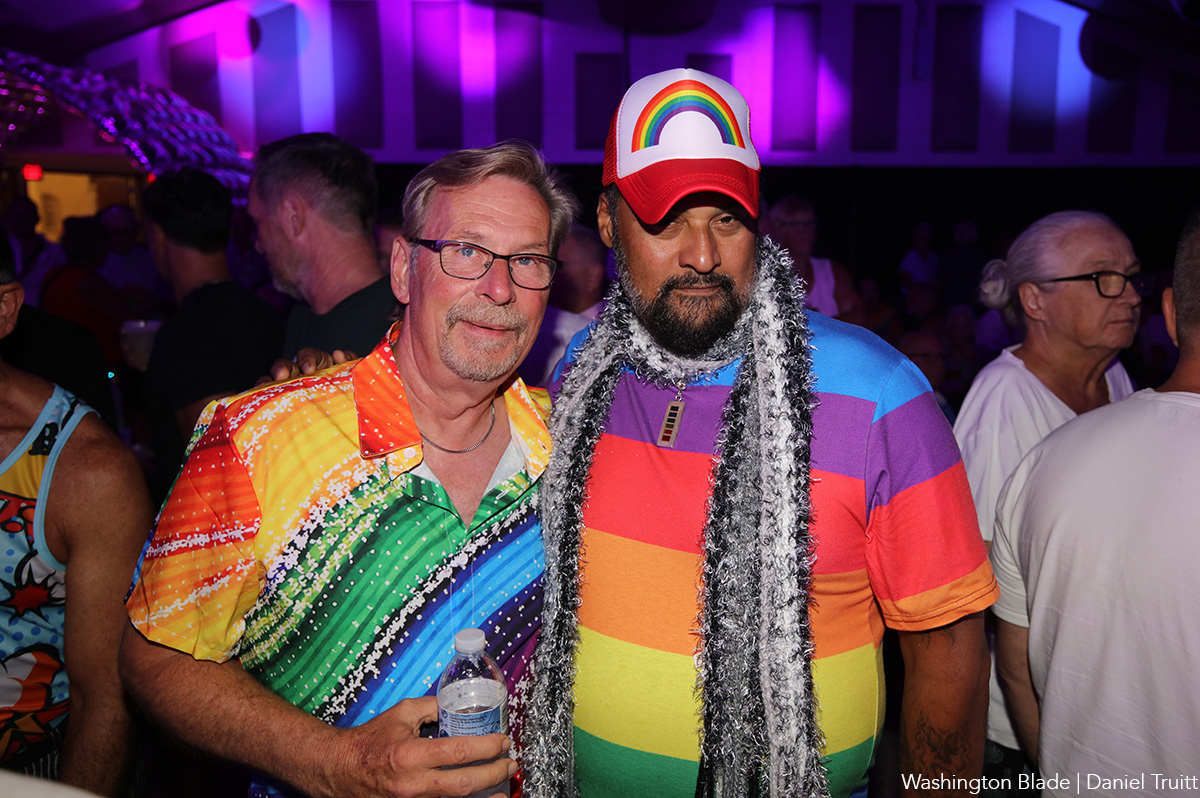
The annual CAMP Rehoboth fundraiser, SUNFESTIVAL, was held over Labor Day weekend in Rehoboth Beach, Del. The festival included a massive dance party at the Rehoboth Beach Convention Center on Sunday.
(Washington Blade photos by Daniel Truitt)




Arts & Entertainment
Nominate your favorites for the Blade’s 25th annual Best Of LGBTQ DC Awards
Submit your picks now; top 5 vote getters move to the finals

Nominate your favorites in our Best of LGBTQ DC categories through Sept. 24. The top 5 nominees from each category will become finalists with voting starting Sept. 28. Our 2026 Best of LGBTQ DC winners will be announced at the Best of LGBTQ DC Awards Party on Thursday, Oct. 22 and our special issue will come out on Friday, Oct. 23. One vote per email address per day. Good luck!
CLICK HERE TO NOMINATE OR USE THE FORM BELOW!
Out & About
Blade Foundation to host fundraiser in Rehoboth on Sept. 12
Mayor-elect Stewart, state Rep. Snyder-Hall to give remarks
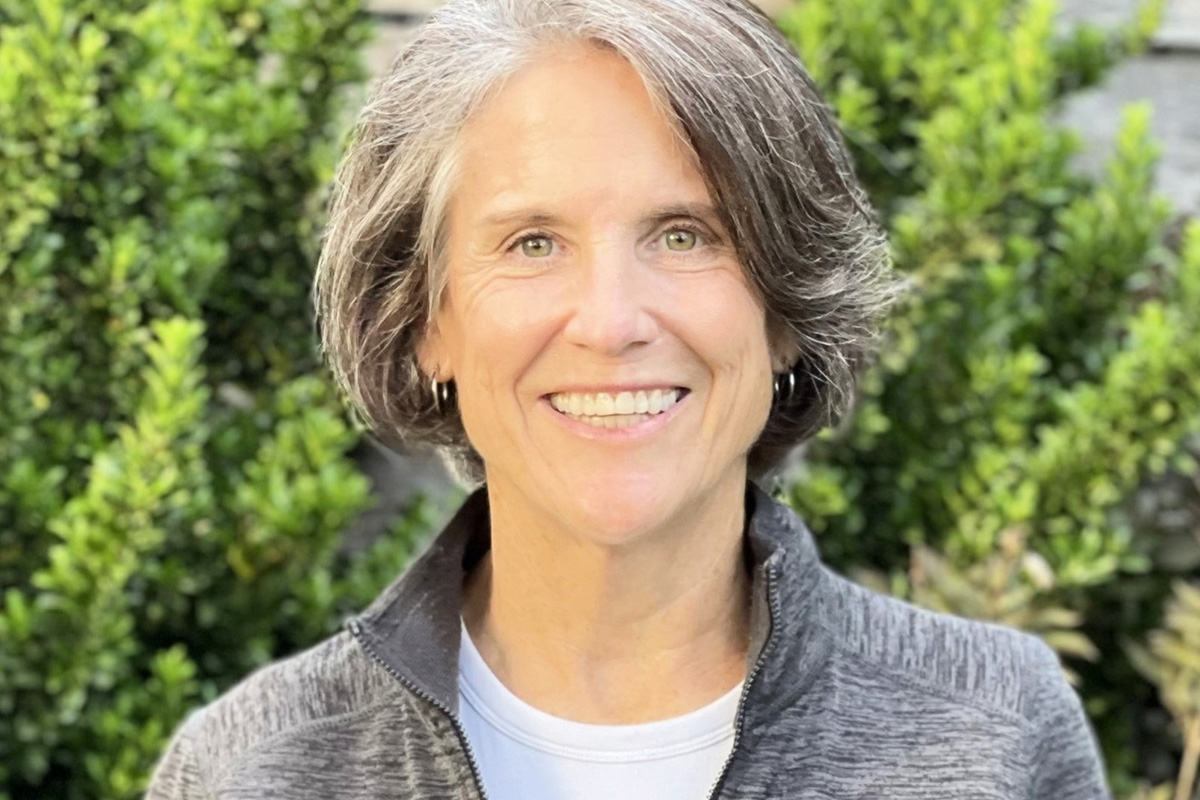
The Washington Blade Foundation will host a fundraiser on Saturday, Sept. 12 in Rehoboth Beach featuring remarks from Rehoboth’s Mayor-elect Susan Stewart and Delaware state Rep. Claire Snyder-Hall.
The Foundation funds fellowships for aspiring queer journalists and enterprise journalism projects.
The event will be held at a private home in Rehoboth. Tickets are $100 and include open bar from Diego’s, catered appetizers from the Blue Moon, entertainment, guest speakers, and an auction. Tickets are available here.

Report: 90 percent of LGBTQ groups around the world have lost funding since 2025

PHOTOS: SUNFESTIVAL

Gloria Steinem’s life of substance and consequence

Nominate your favorites for the Blade’s 25th annual Best Of LGBTQ DC Awards

Grindr settles UK lawsuit over claims it shared users’ personal information

‘Here the Whole Time’ delivers queer coming-of-age comedy

Blade Foundation to host fundraiser in Rehoboth on Sept. 12

Actress takes on bisexual ‘Ma’ Rainey in new Round House production

New book examines fashionista Audrey Smaltz’s fabulous life

Iceland implements gender-neutral blood donor rules
-

 Movies4 days ago
‘Here the Whole Time’ delivers queer coming-of-age comedy
-
Out & About3 days ago
Blade Foundation to host fundraiser in Rehoboth on Sept. 12
-
Theater3 days ago
Actress takes on bisexual ‘Ma’ Rainey in new Round House production
-
Books3 days ago
New book examines fashionista Audrey Smaltz’s fabulous life