Arts & Entertainment
Calendar: May 11
Parties, concerts, exhibits and more through May 17
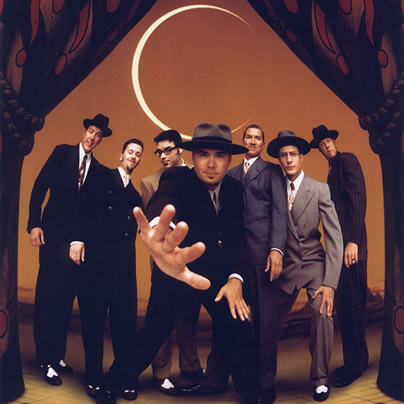
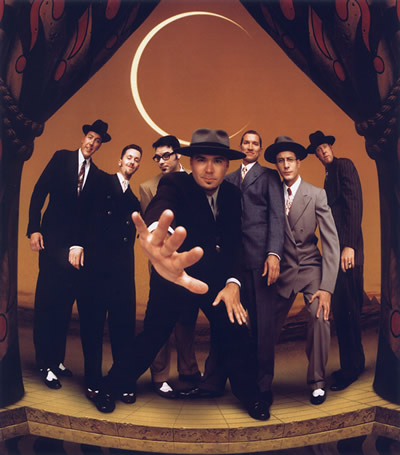
Big Bad Voodoo Daddy performs with the National Symphony Orchestra tonight at the Kennedy Center. (Photo courtesy Big Voodoo Daddy)
TODAY (Friday)
The HIV Working Group will be doing outreach tonight at Town (2009 8th St., N.W.) during Bear Happy Hour starting at 7 p.m. and continuing throughout the night until midnight. Volunteers are needed. For more information, visit thedccenter.org.
The National Symphony Orchestra presents Big Bad Voodoo Daddy and Steven Reineke tonight at the Kennedy Center (2700 F St., N.W.) at 8 p.m. Big Bad Voodoo Daddy will be performing its brand of retro-swing with the NSO Pops and principal conductor, Reineke. Tickets range from $20 to $85 and can be purchased online at kennedy-center.org. There will also be a performance on Saturday at 8 p.m.
Nellie’s (900 U St., N.W.) is hosting the welcome and registration event for Police Week 2012 today from 2 to 6 p.m.
Busboys & Poets presents “The 11th Hour” poetry slam hosted by “2Deep” the Poetess, tonight at 11 p.m. in the Langston room at its 14th and V streets location (2021 14th St., N.W.). There is a $5 admission at the door.
Comedian Will Durst is at Riot Act Comedy Theater (801 E St., N.W.) tonight at 8 and 10:30 p.m. Tickets range from $15 to $18 and are available online at riotactcomedy.com. Durst will also be performing on Saturday at 8 and 10:30 p.m.
Saturday, May 12
Green Lantern (1335 Green Court, N.W.) and 495 Bears presents “Bears Can Dance” tonight at 9 p.m. There is no cover for this event.
Town (2009 8th St., N.W.) presents Funkytown, a retro dance party on the main floor with DJ Ed Bailey playing music from the ‘70s, ‘80s and ‘90s. Doors open at 10 p.m. There is an $8 cover before 11 p.m. and $12 afterward. All attendees must be 21 or older.
Nellie’s (900 U St., N.W.) Superhero Pub Crawl is tonight at 10 p.m.
Busboys & Poets is hosting a Zumba block party with Vida Fitness tonight at its 5th and K location (1025 5th St., N.W.) from 5 to 7 p.m.
Mixtape D.C. is tonight at the Black Cat (1811 14th St., N.W.), a dance party for queer music lovers and their pals that features DJs Shea Van Horn and Matt Bailer playing an eclectic mix of electro, alt-pop, indie rock, house, disco, new wave and anything else danceable. There is a $10 cover for this event. Doors open at 9:30 p.m.
The Washington Ballet presents “¡Noche Latina!” today at 2:30 and 8 p.m. The show celebrates Latina American music, dance and culture. It includes two world premieres by Edwaard Liang and Annabelle Lopez Ochoa and the company premiere of Trey McIntyre’s “Like a Samba.” The tickets range from $20 and $125 and can be purchased online at kennedy-center.org.
Sunday, May 13
D.C.’s LGBT anti-violence task force GLOV (Gays & Lesbians Opposing Violence) is hosting a two hour introduction to self-defense class at the D.C. Center (1318 U St., N.W.) today at 5 p.m. There is a suggested donation of $10. For more information and to register for the class, visit thedccenter.org.
Nellie’s (900 U St., N.W.) is having its first Guil-Tea dance party of the season today at 3 p.m.
LGBT science fiction, fantasy and horror group Lambda Sci-Fi is having its monthly meeting today at 1425 S St., N.W., at 1:30 p.m. Attendees are asked to bring a snack or a non-alcoholic drink to share. For more information contact James at 202-232-3141 or Peter and Rob at 202-483-6369, email to [email protected], or visit the group’s website at lambdascifi.org.
Monday, May 14
Busboys & Poets presents Monday Night Open Mic Poetry hosted by Beny Blaq in the Robeson Room of its Shirlington location (4251 S. Campbell Ave., Arlington) at 8 p.m. Wristbands are $4 and will be sold in the Global Exchange store beginning at 10 a.m. They are also available for purchase online at busboysandpoets.com starting at midnight before the event.
Tuesday, May 15
The Black Cat (1811 14th St., N.W.) is hosting a launch party for “The New Professional: Issue Three” tonight at 8 p.m. The event will feature live performances from Tray Chaney of HBO’s “The Wire” and more special guests. Admission is $12. For more information, visit blackcatdc.com.
Busboys & Poets presents “Louder Than a Bomb” fundraiser and film screening tonight at its Hyattsville location (5331 Baltimore Ave., Suite 104) at 7:30 p.m. hosted by the D.C. Youth Slam Team. “Louder Than a Bomb” is a documentary about the poets of Chicago’s city-wide youth slam. There is a suggested $10 donation. For more information, visit busboysandpoets.com.
Wednesday, May 16
The D.C. Crystal Meth Working Group meets tonight at the D.C. Center (1318 U St., N.W.) at 7 p.m. The group, which has been dormant for about a year, is dedicated to education and treatment advocacy around methamphetamine. For more information, visit thedccenter.org or letstalkaboutmeth.org.
Studio Theatre (1501 14th St., N.W.) presents “The Big Meal” by Dan LeFranc tonight. The show follows a young couple through their life, from their first date to having kids and more at a single restaurant table. Tickets range from $46 to $59. For more information and to purchase tickets, visit studiotheatre.org.
Thursday, May 17
Professionals in the City and the D.C. Center are hosting a speed dating event for gay men in their 30s and 40s at Chi-Cha Lounge (1624 U St., N.W.) from 7 to 9 p.m. tonight. Attendees will date for about an hour and then be able to mingle with everyone. After the event, matches can be made online. Tickets are $30. For more information, visit thedccenter.org.
The Baltimore Symphony Orchestra SuperPops presents “The Beat Goes On!: The Music of the Baby Boomers” tonight at the Music Center at Strathmore (5301 Tuckermane Lane, North Bethesda) at 8 p.m. featuring music from television, movie themes and popular hits including music by Burt Bacharach and Frankie Valli.
Photos
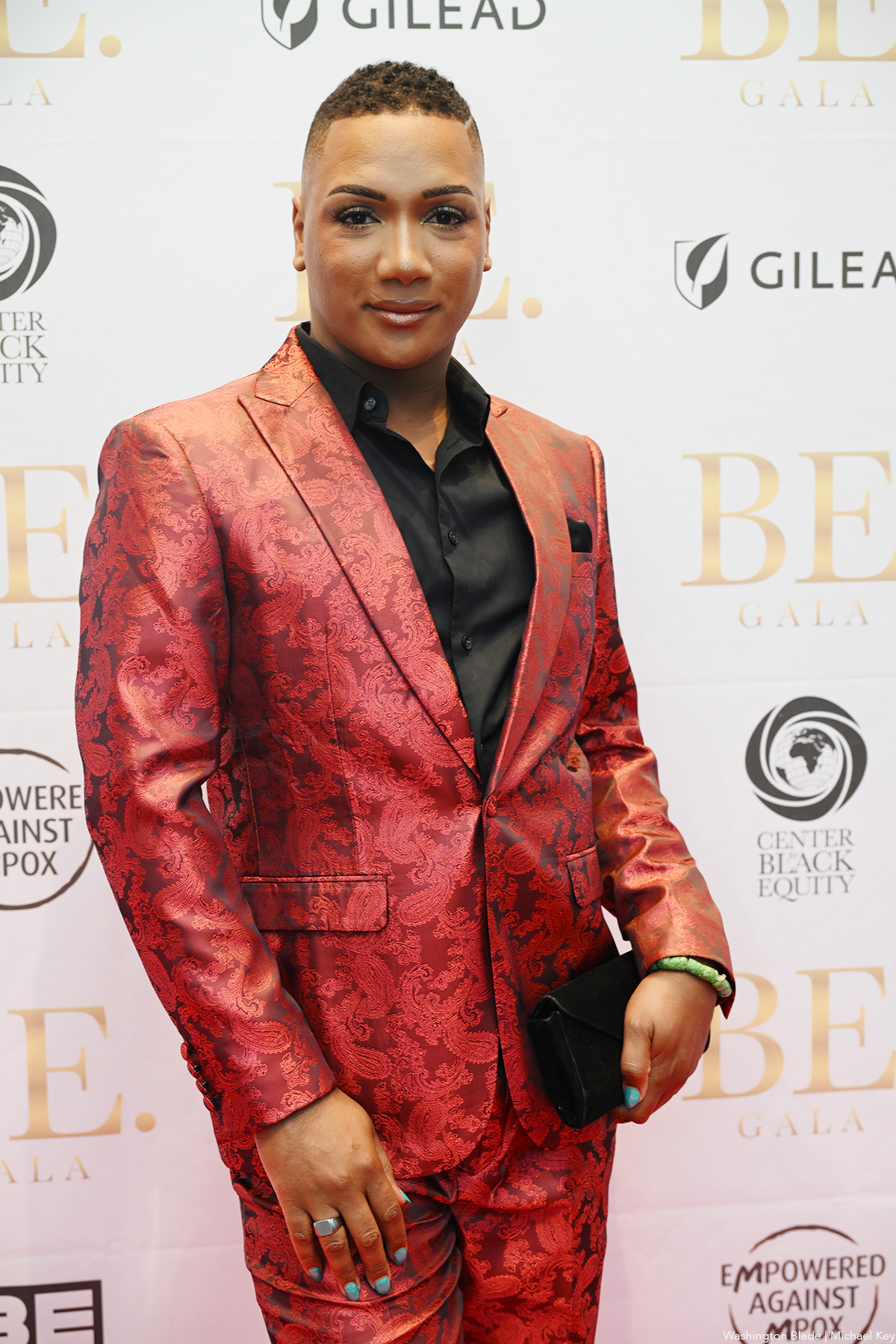
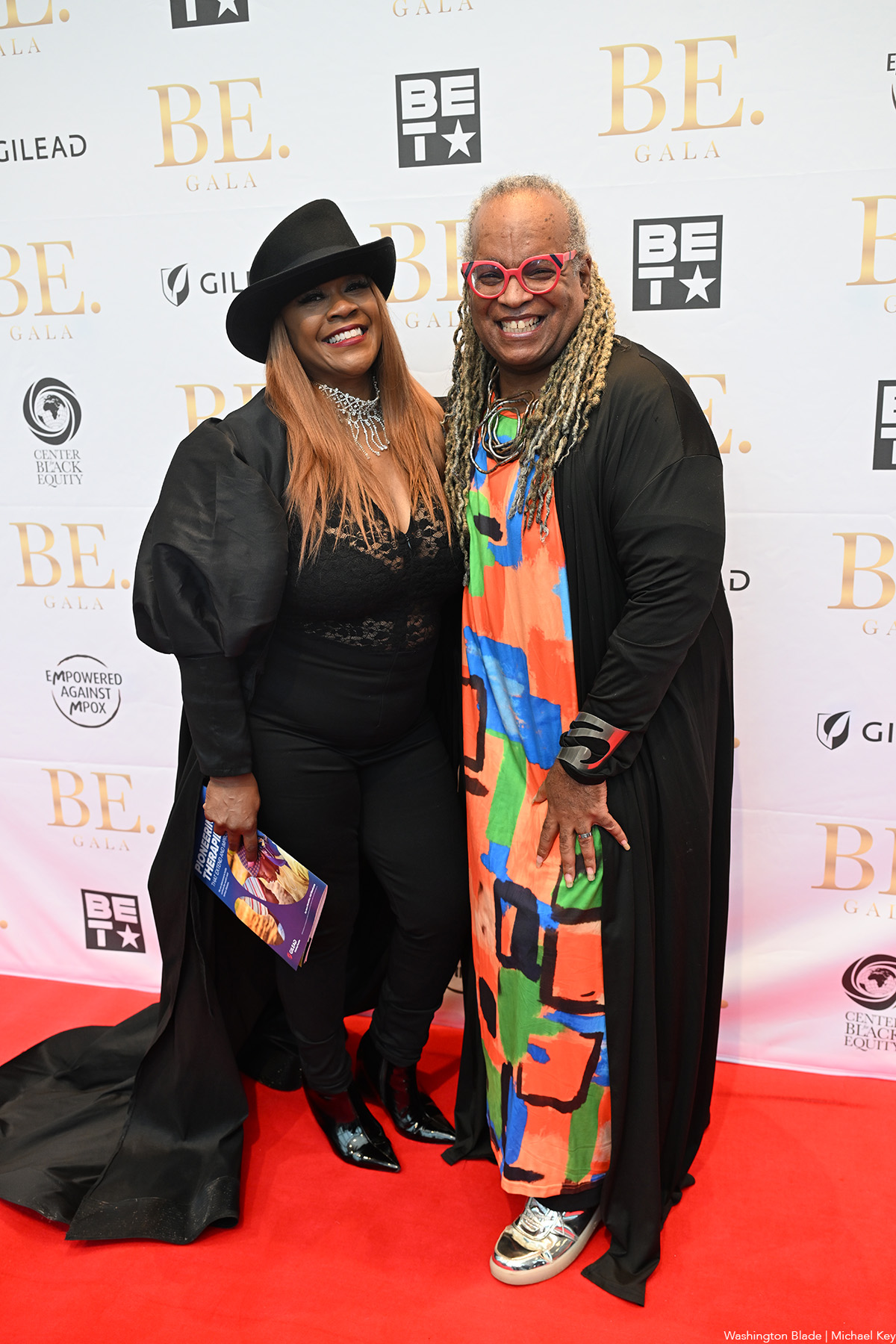
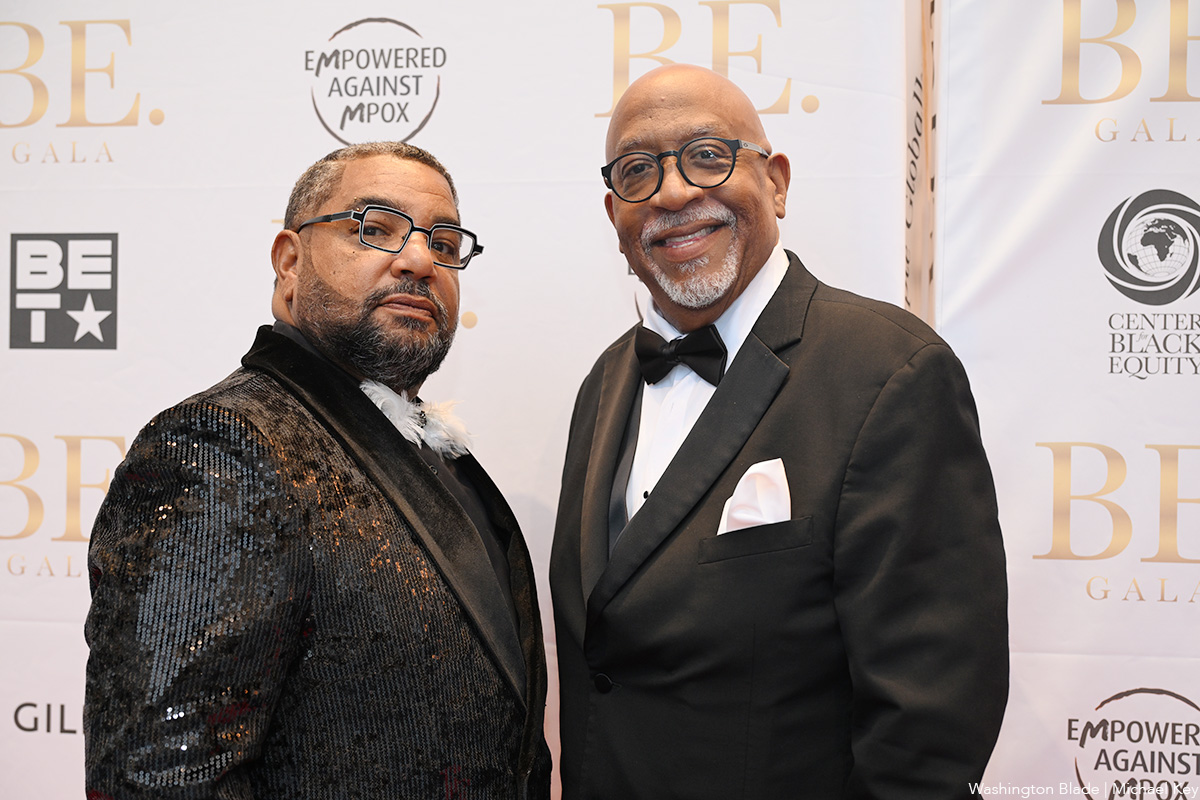
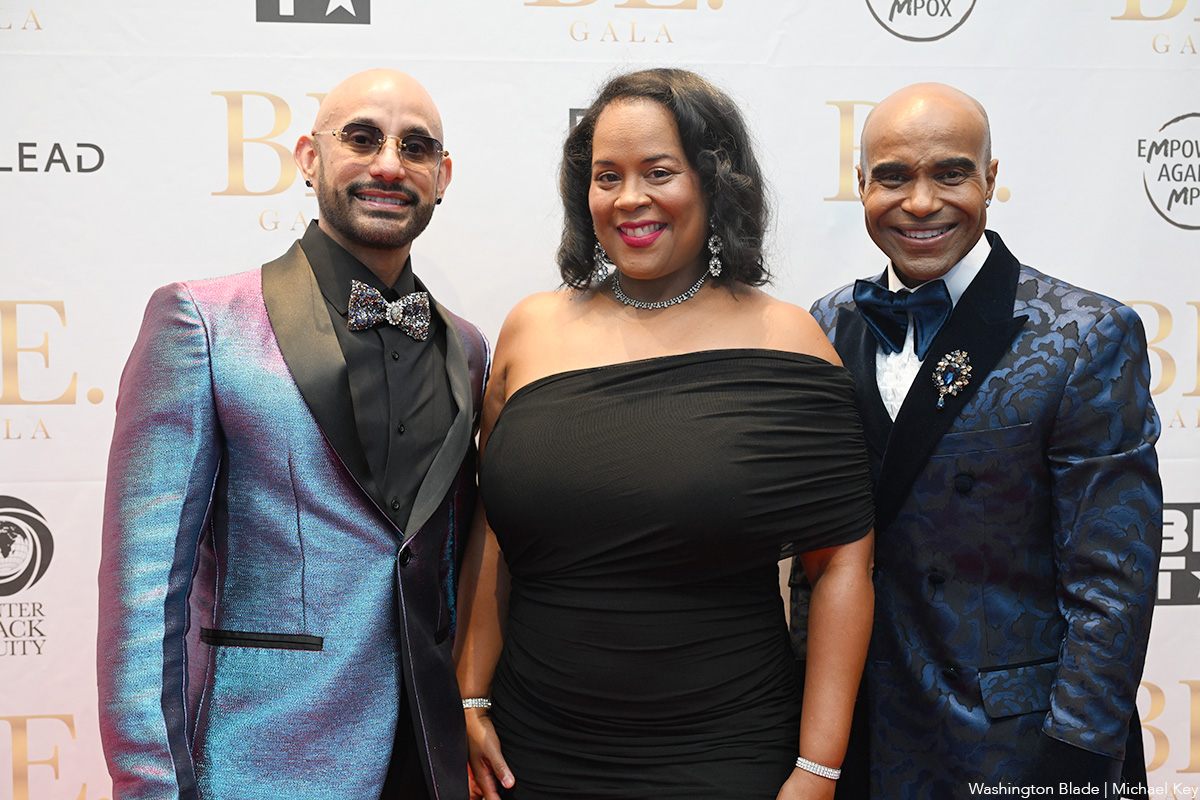
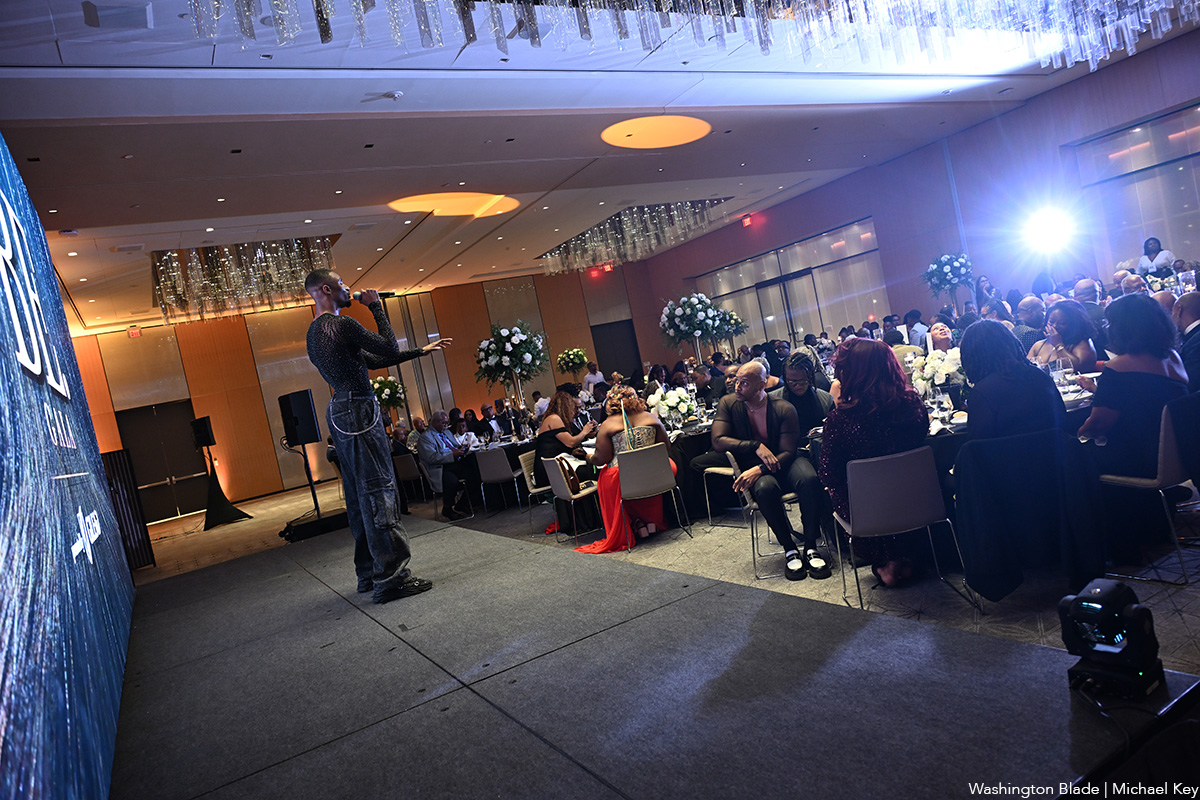
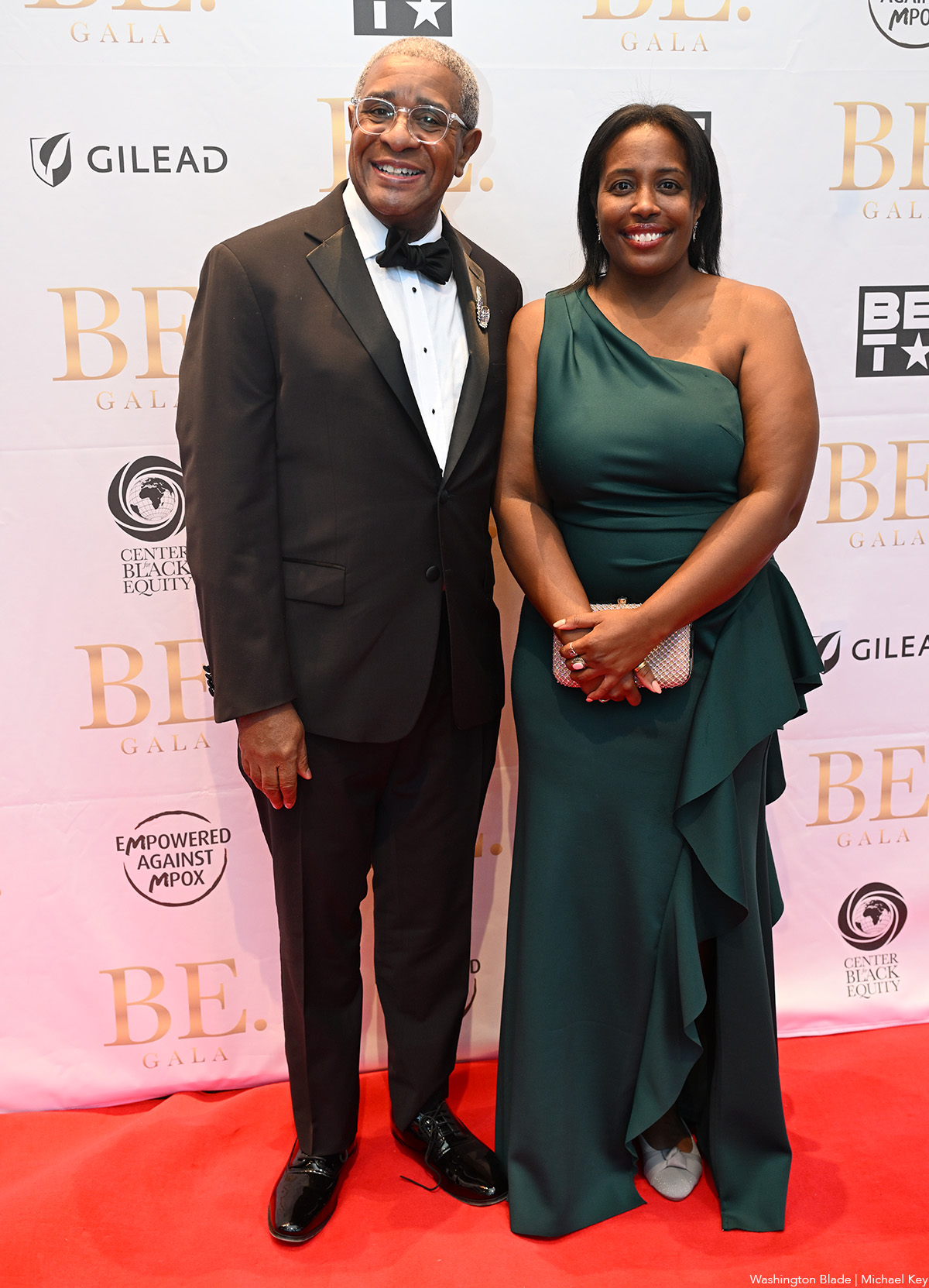
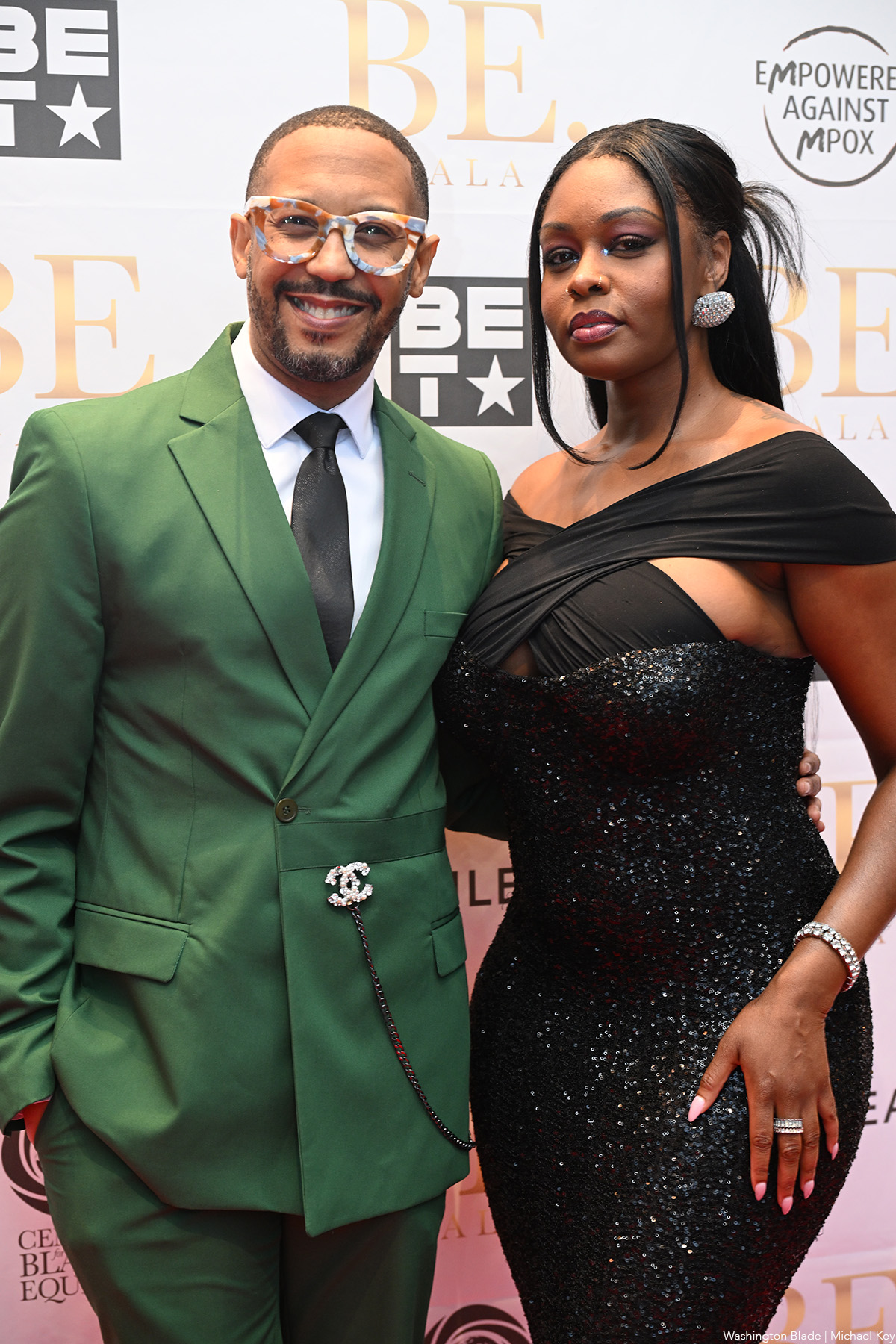
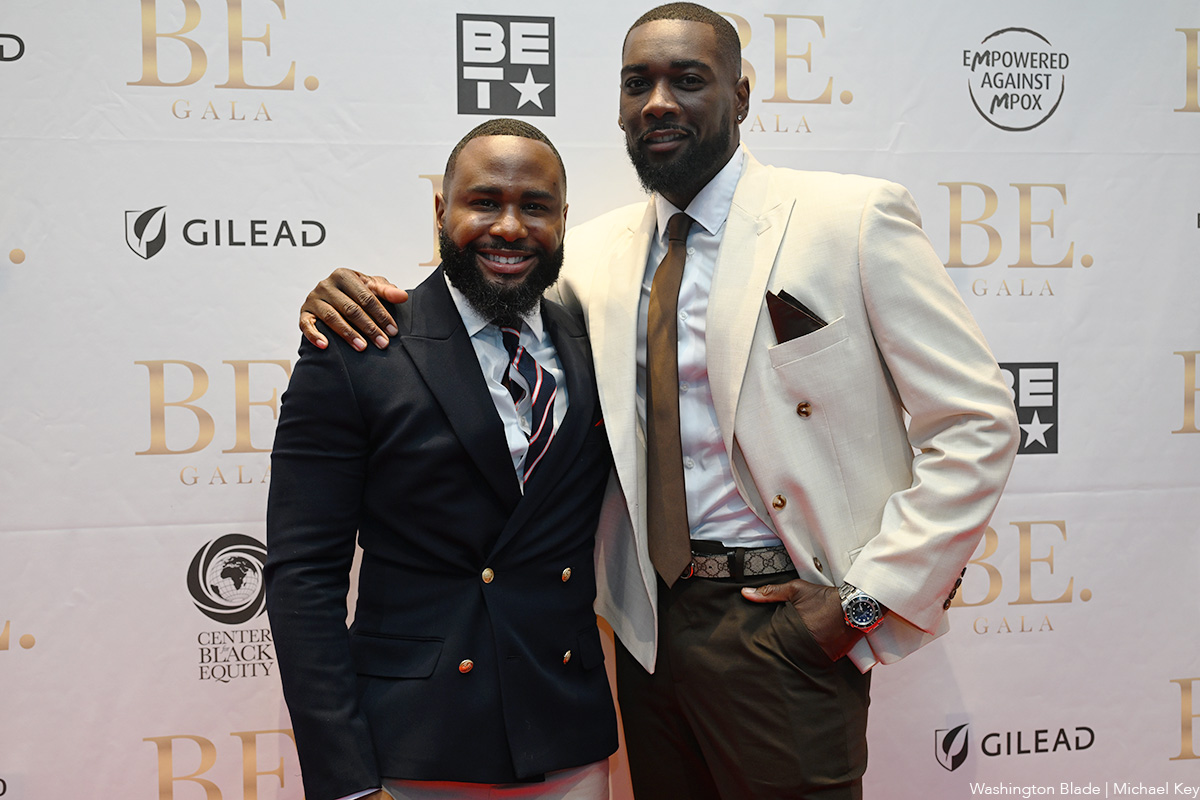
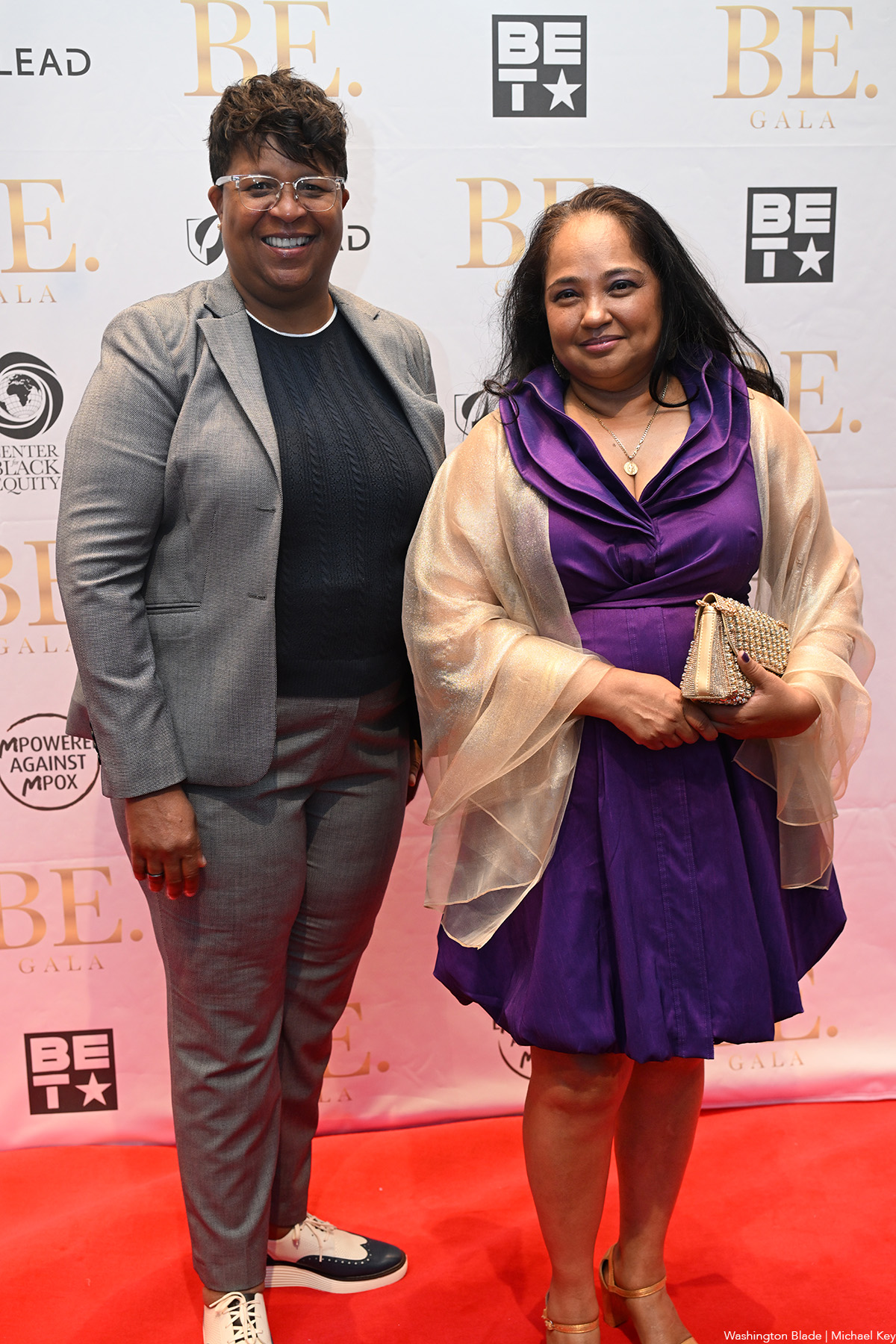
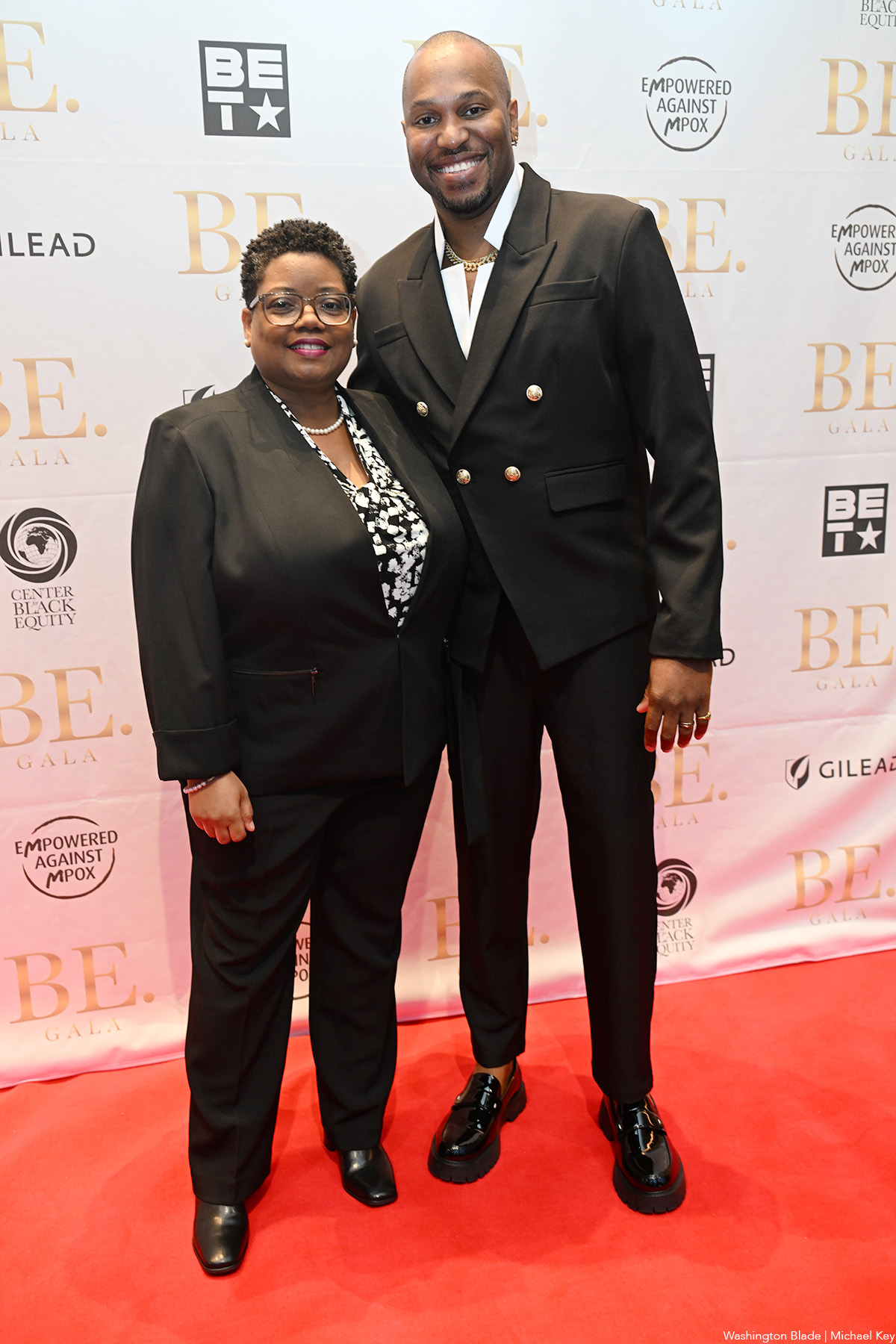
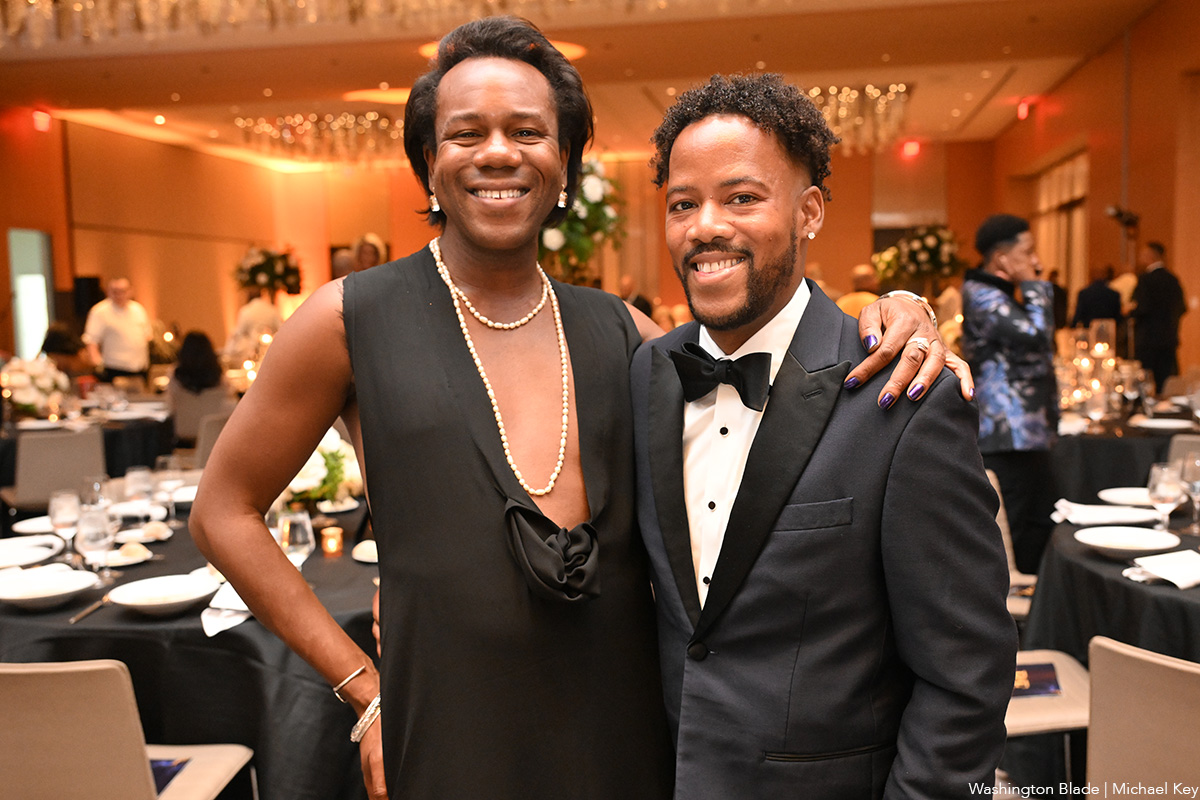
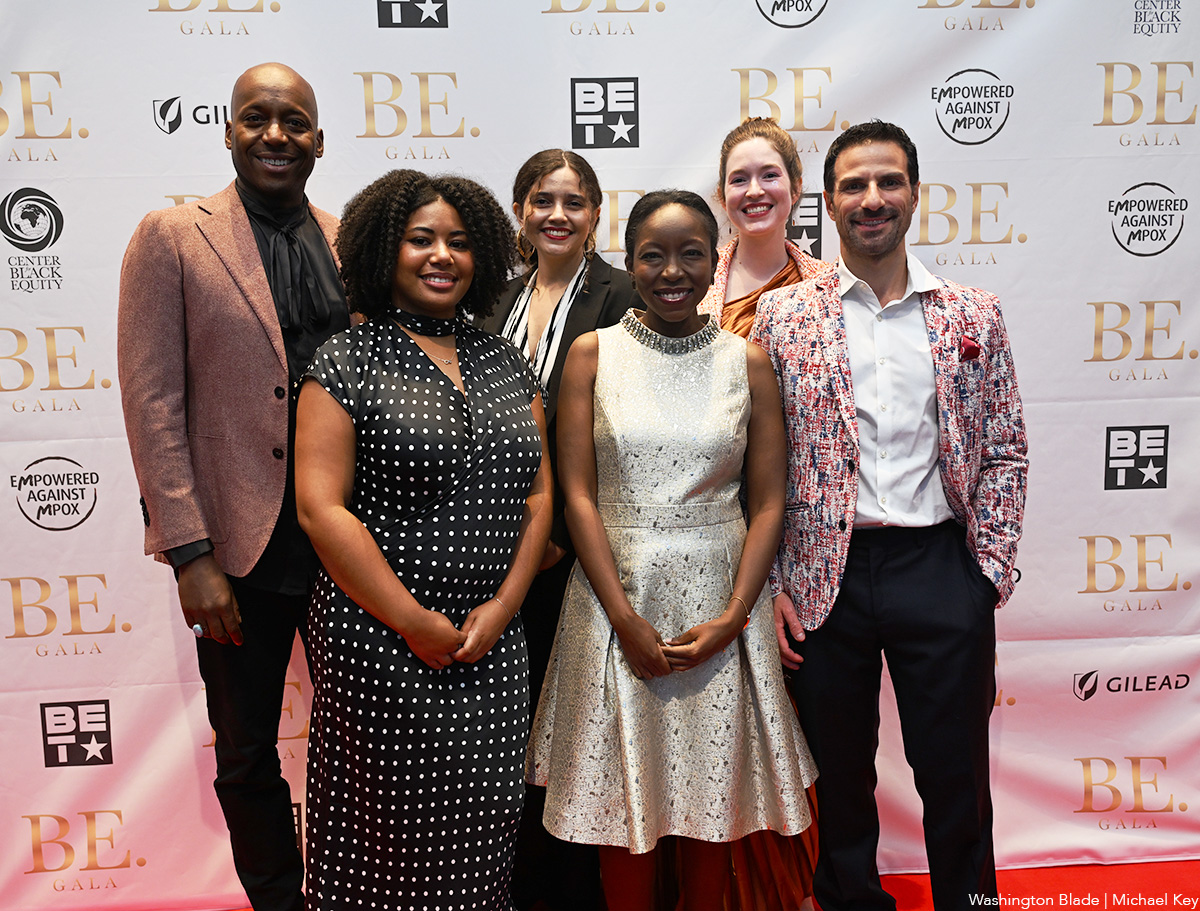
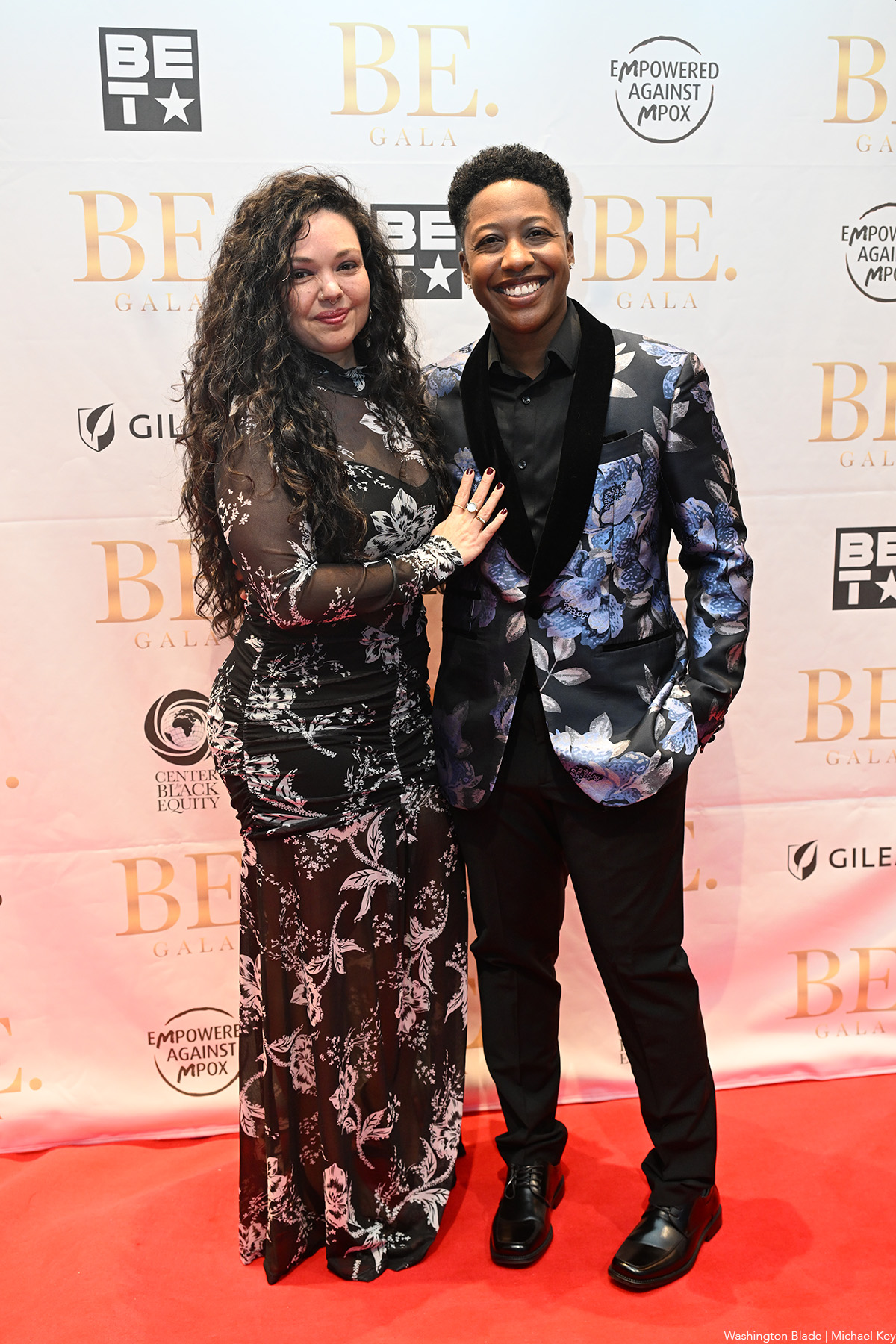
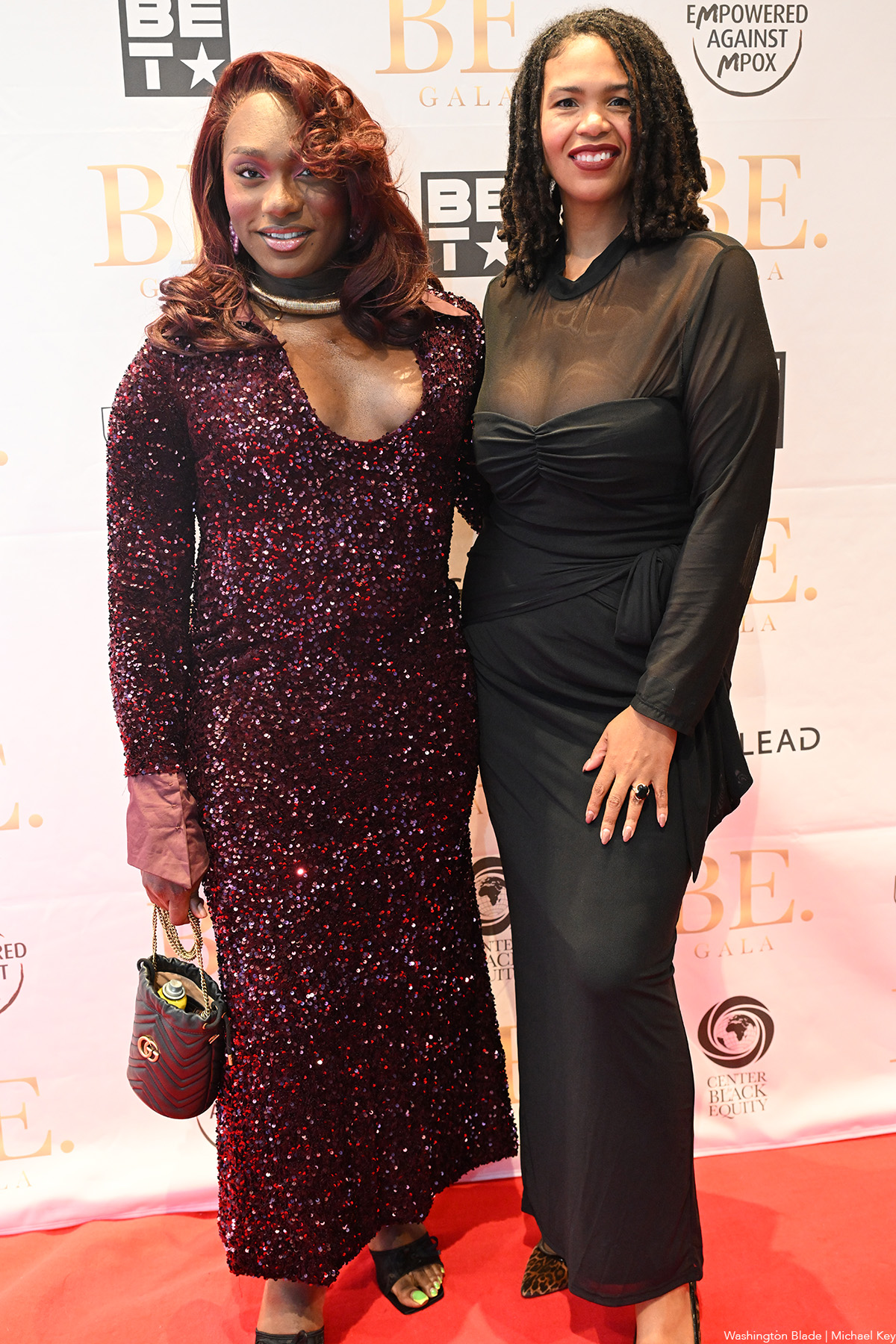
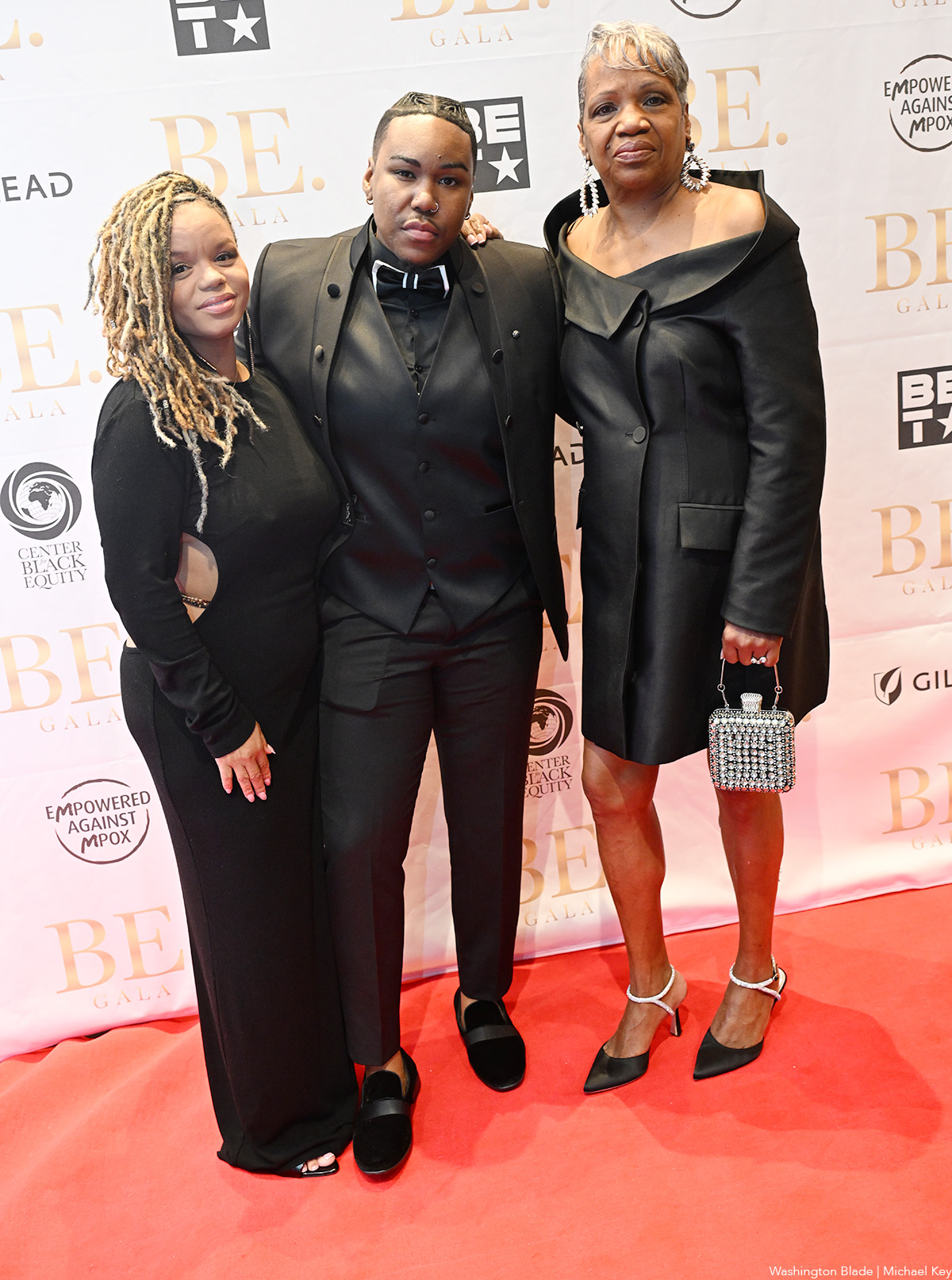
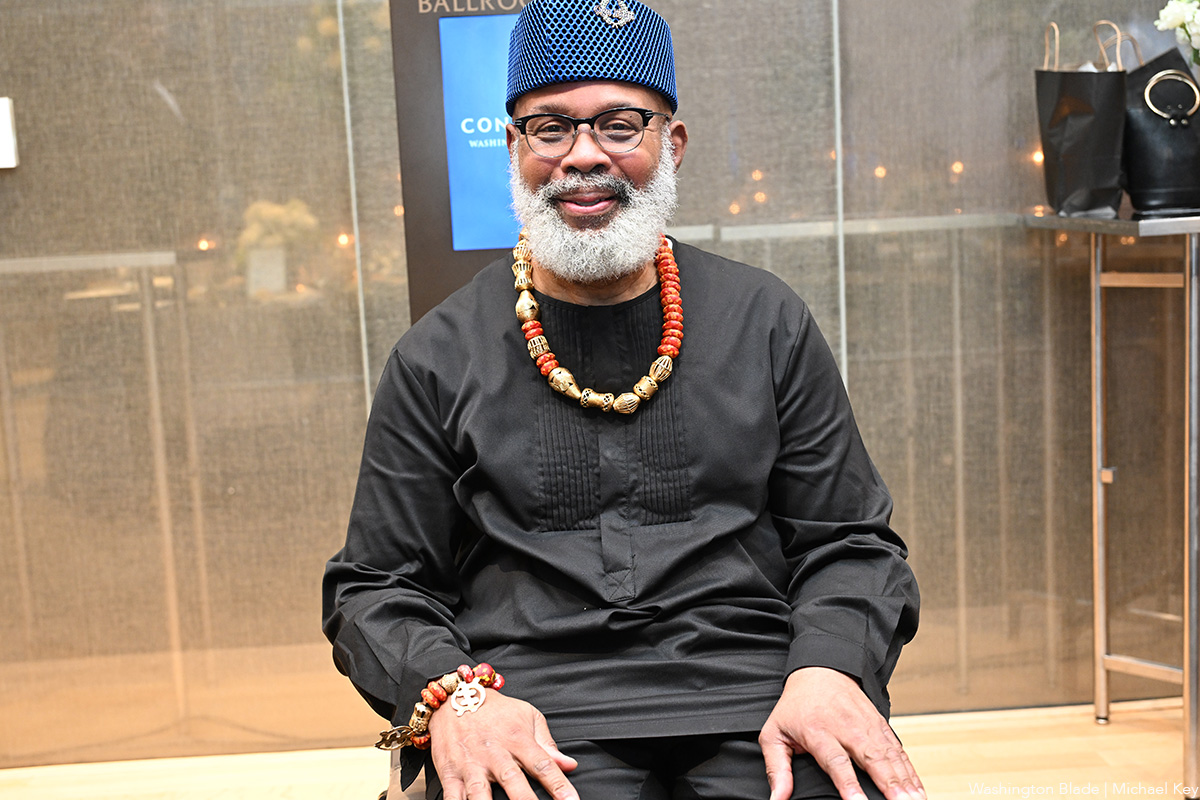
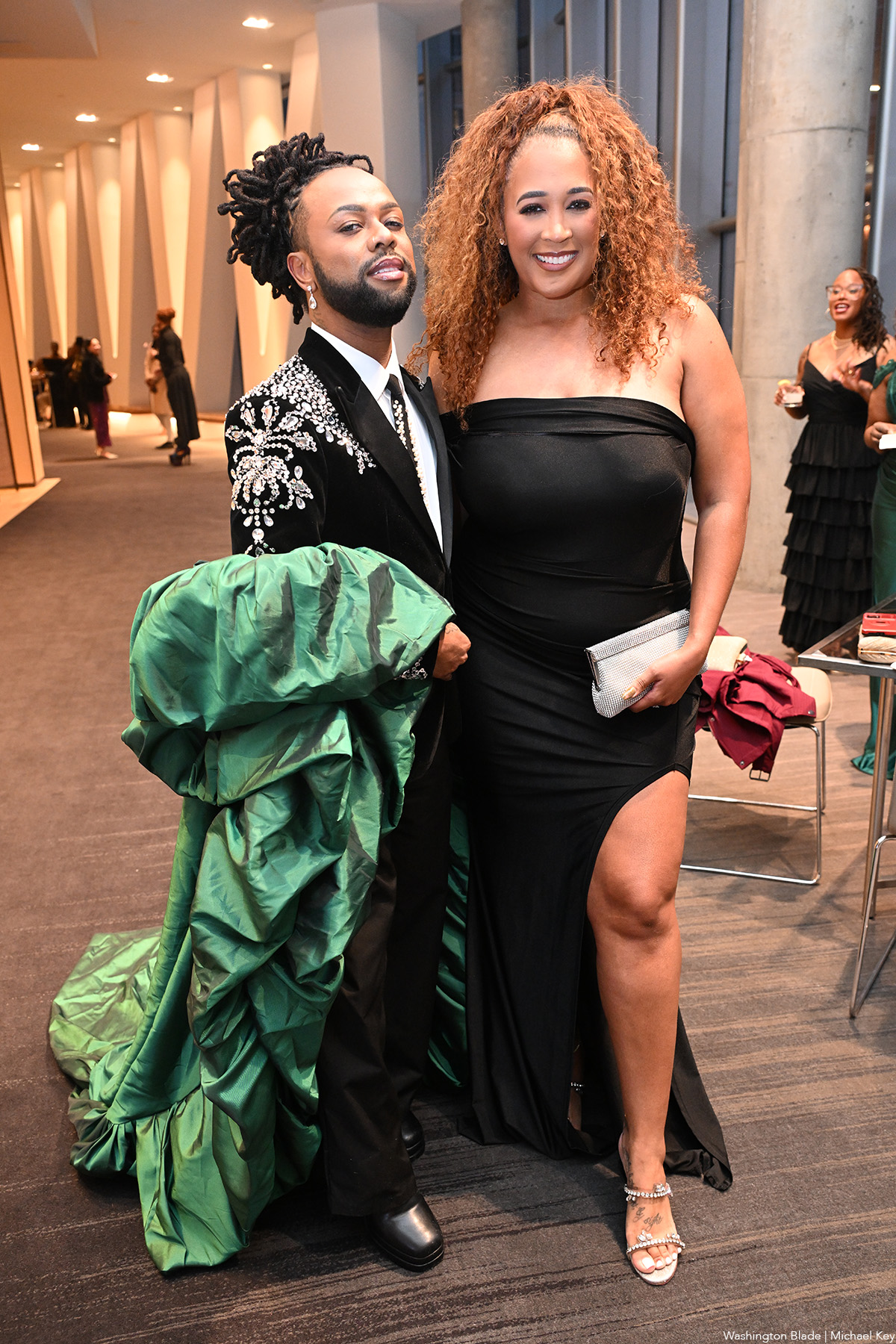
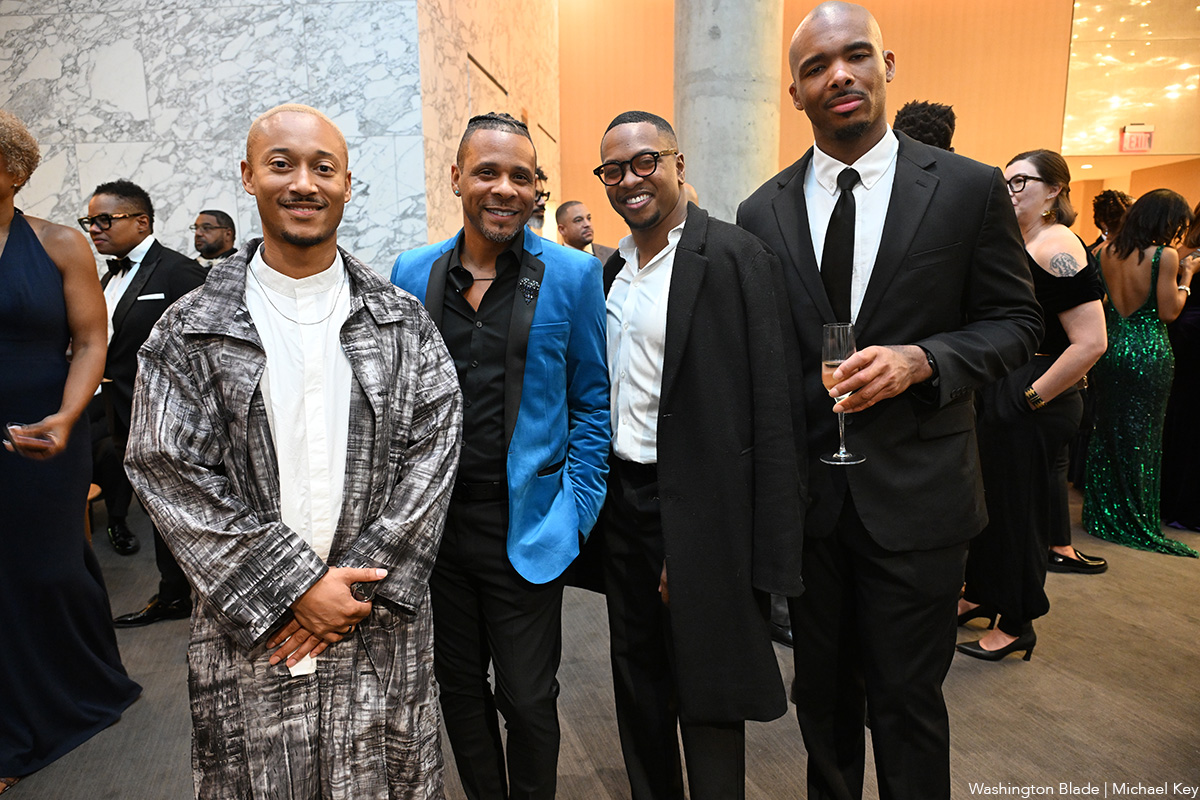
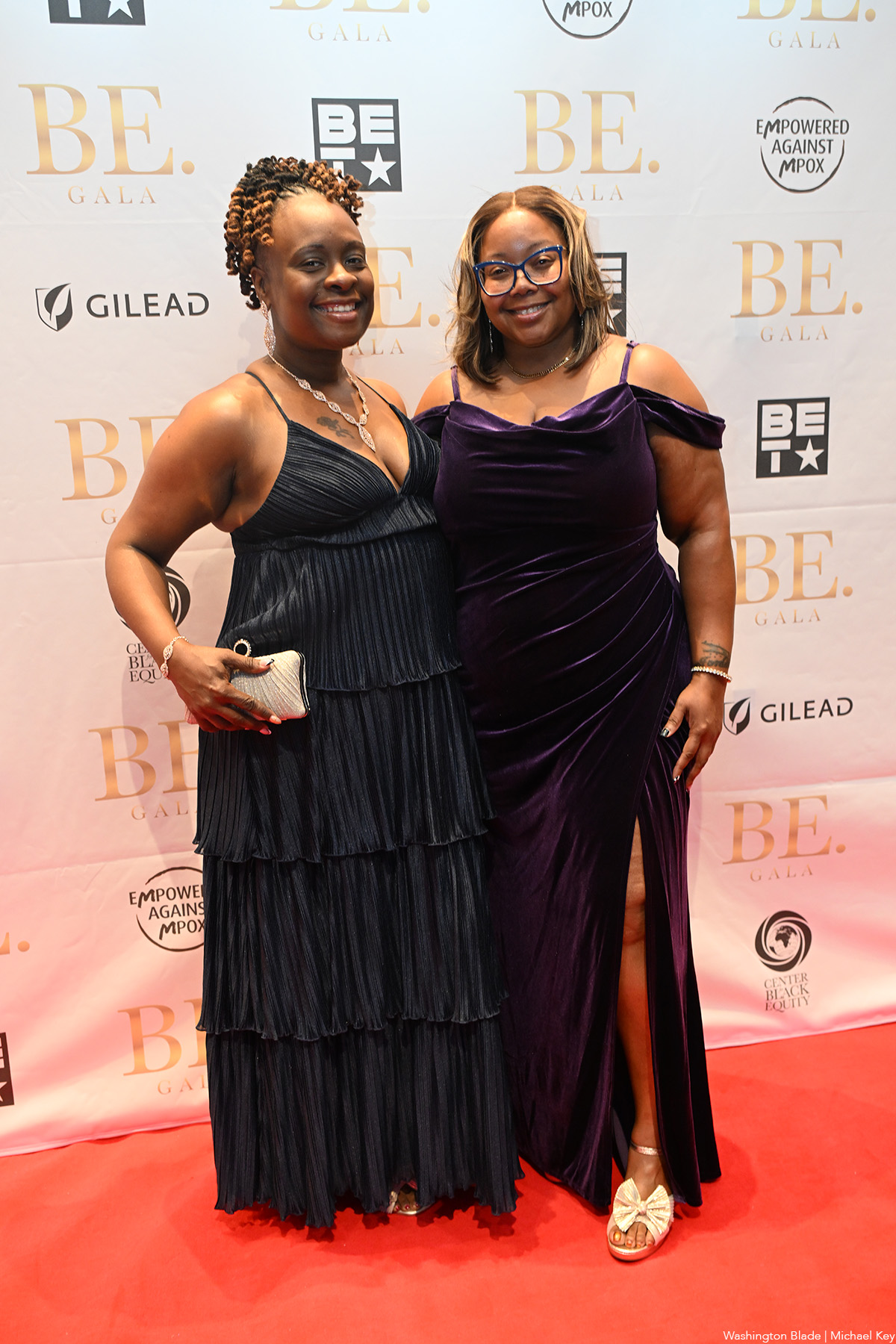
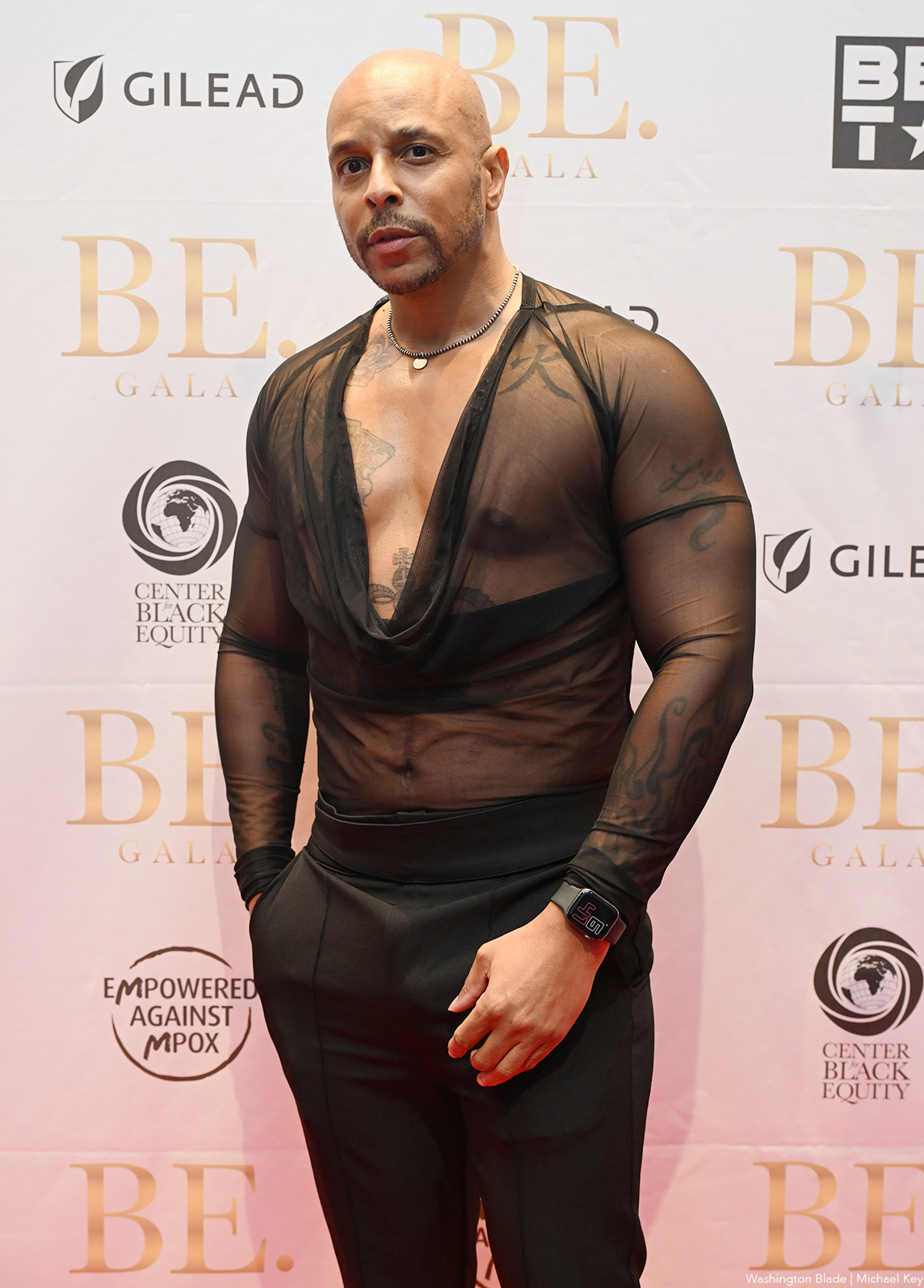
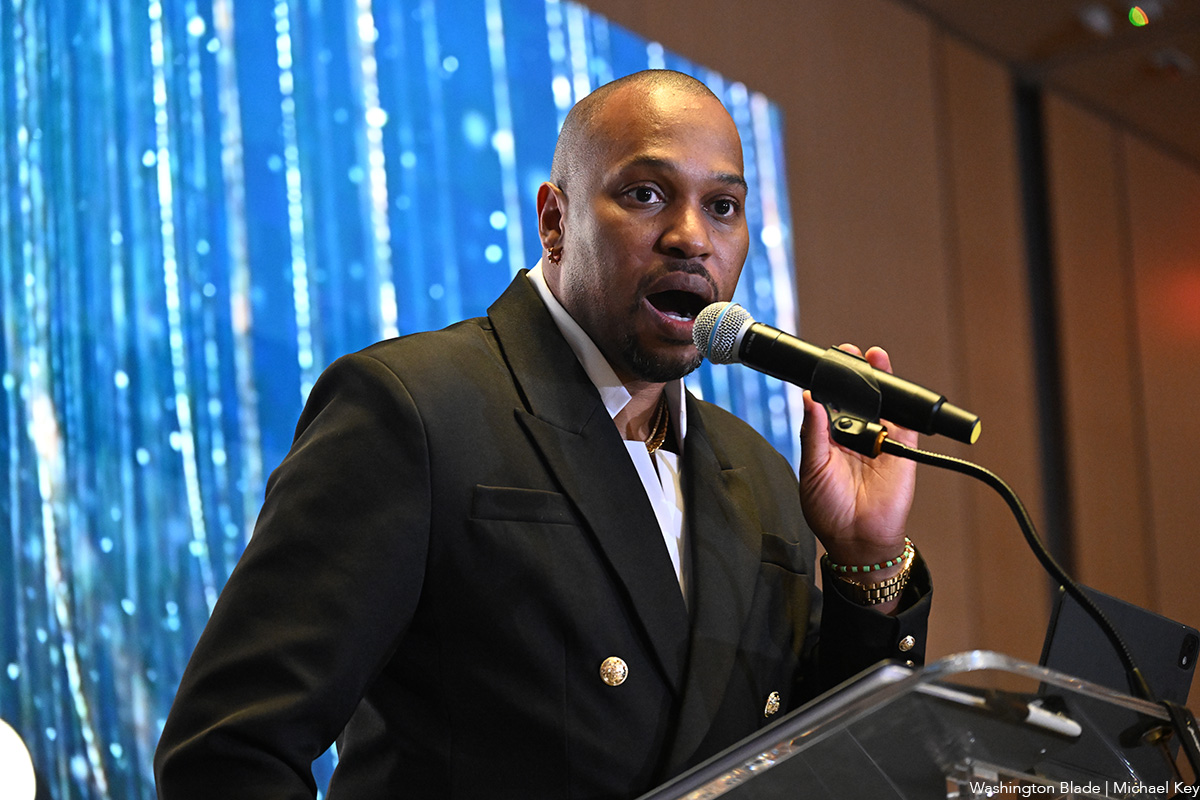
Center for Black Equity honors leaders, activists at BE. Gala
Miyake-Mugler, Oakes co-host annual awards ceremony
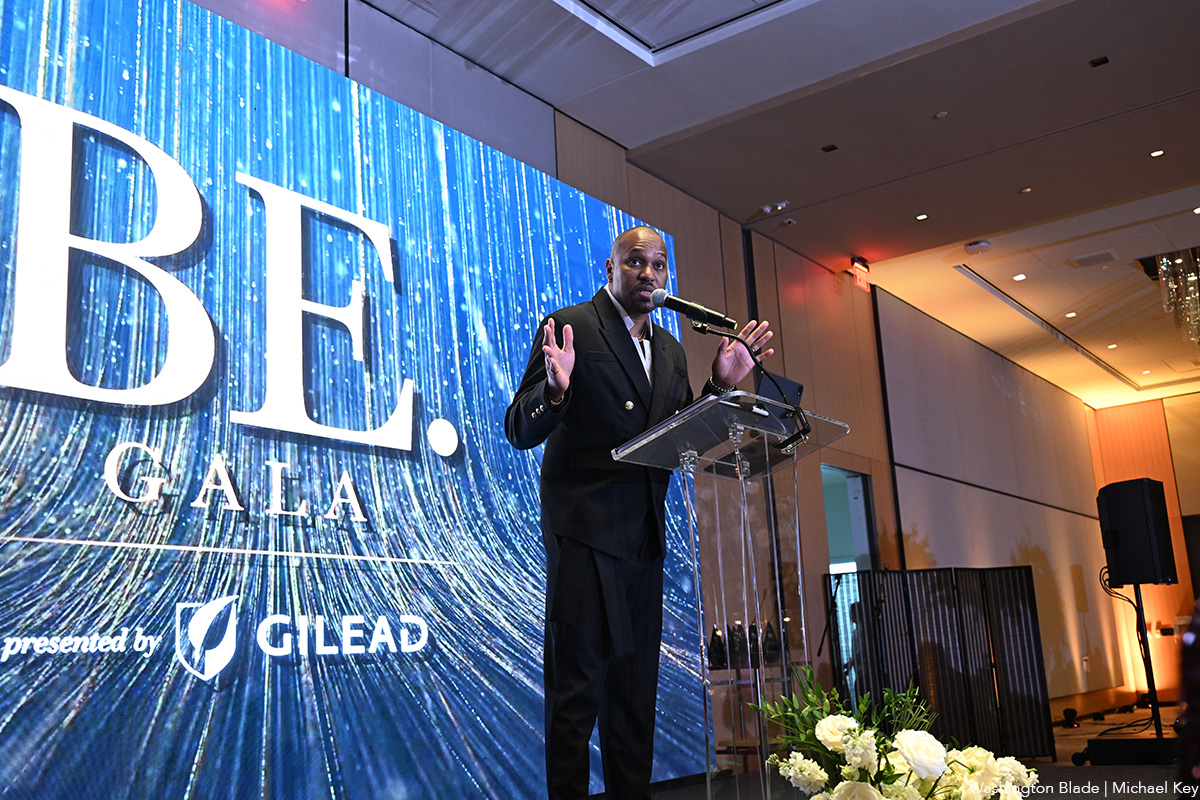
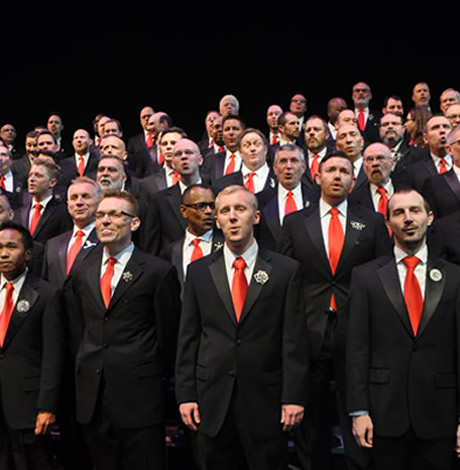
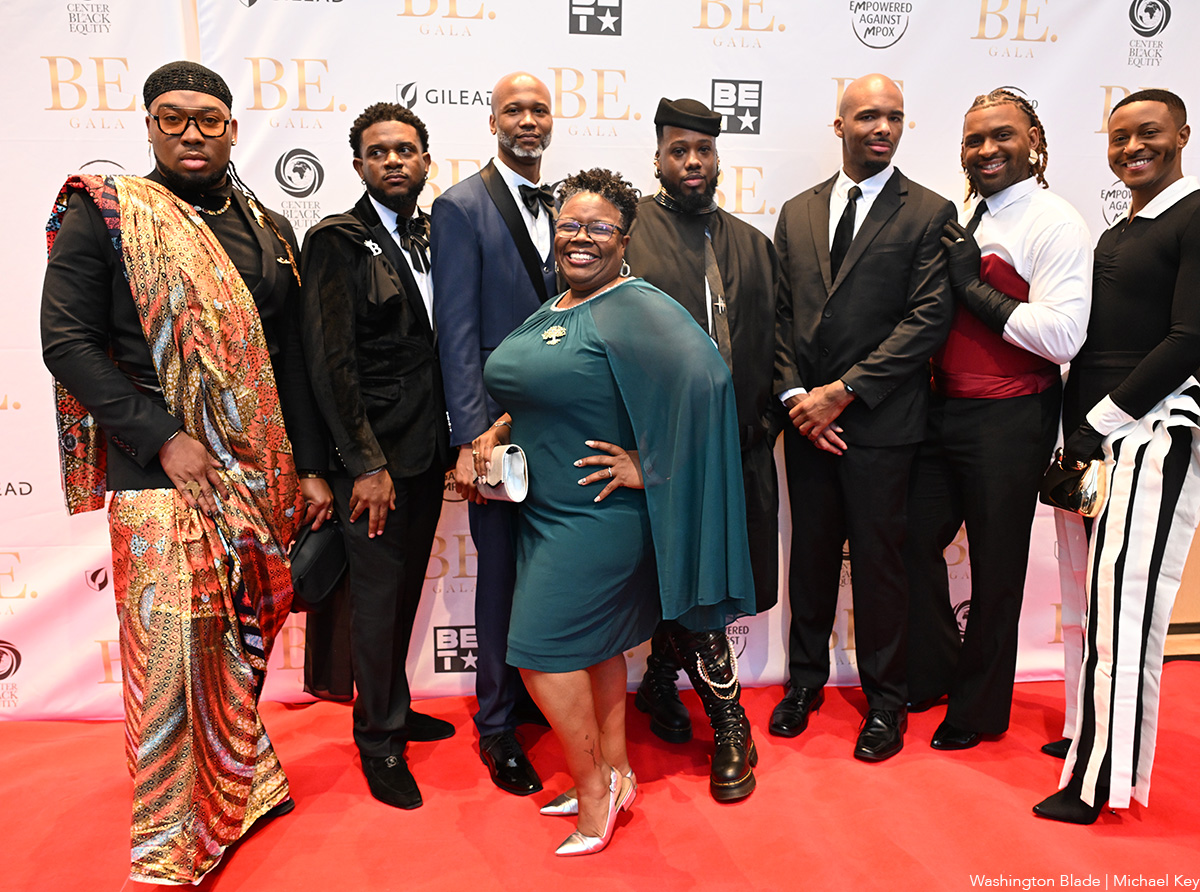
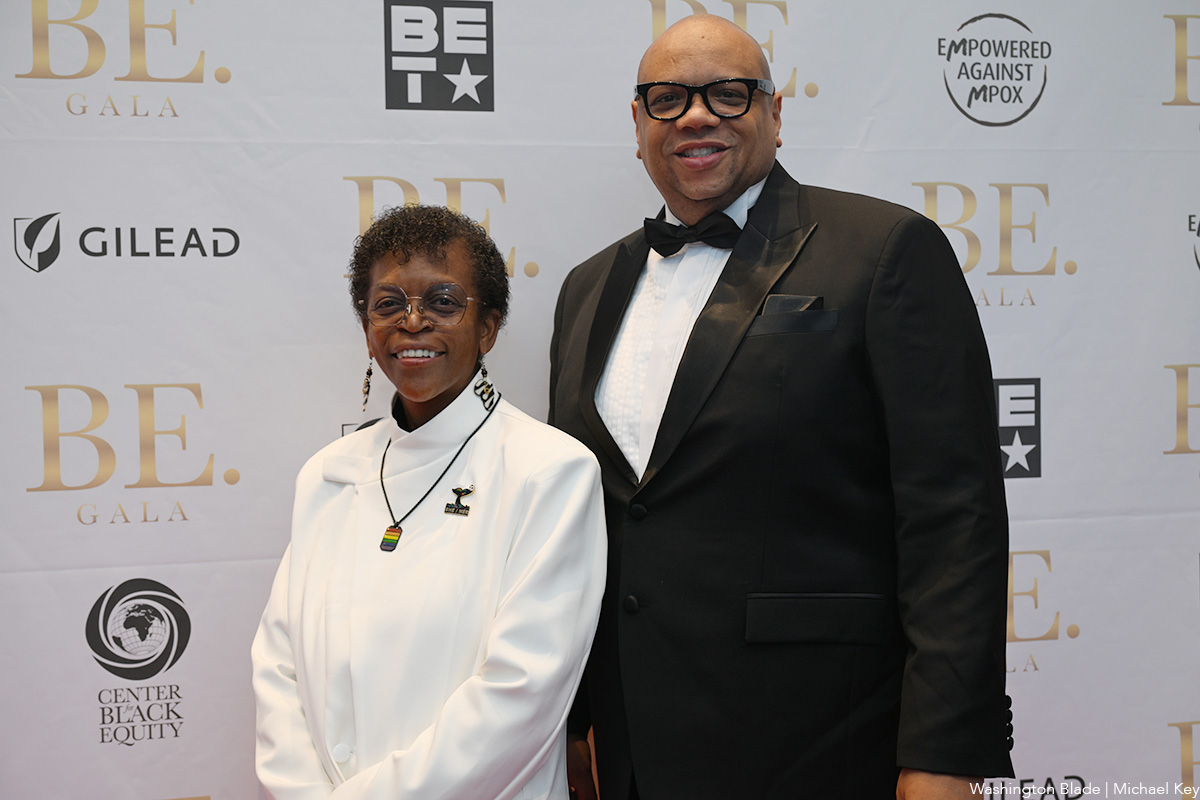
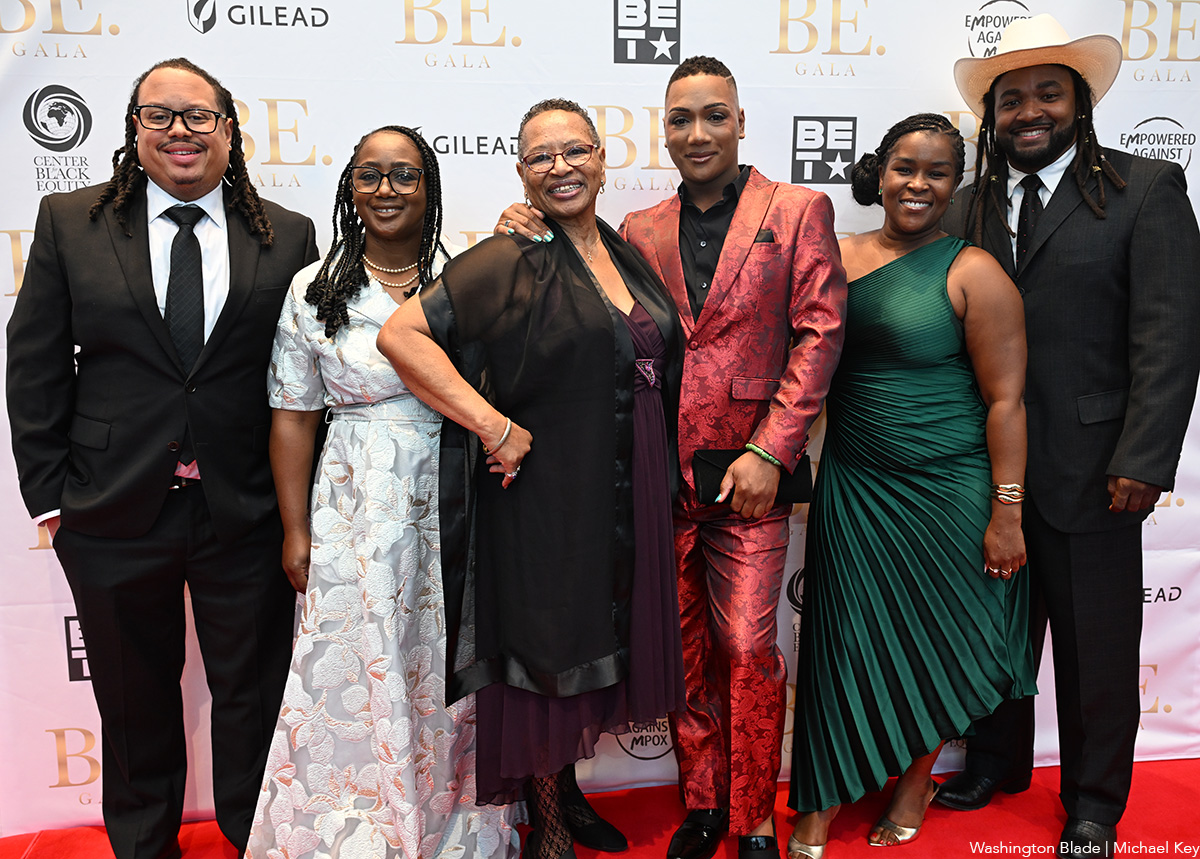
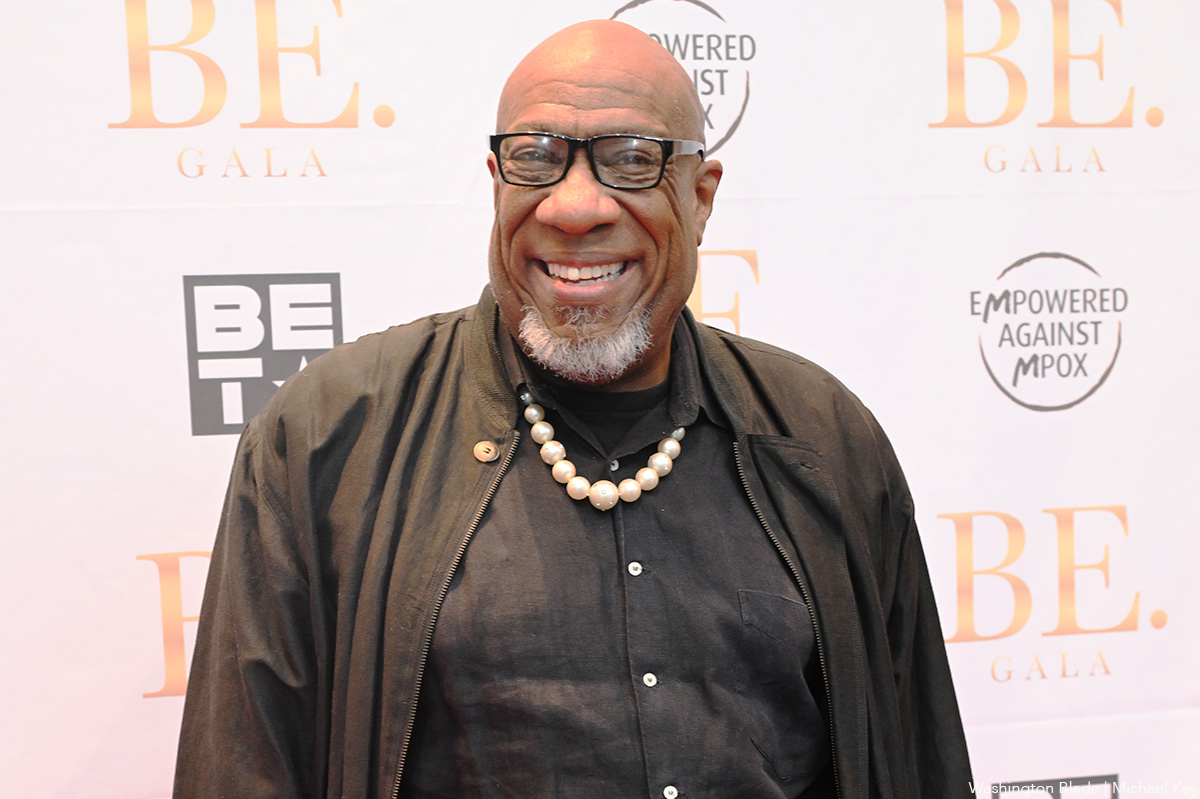
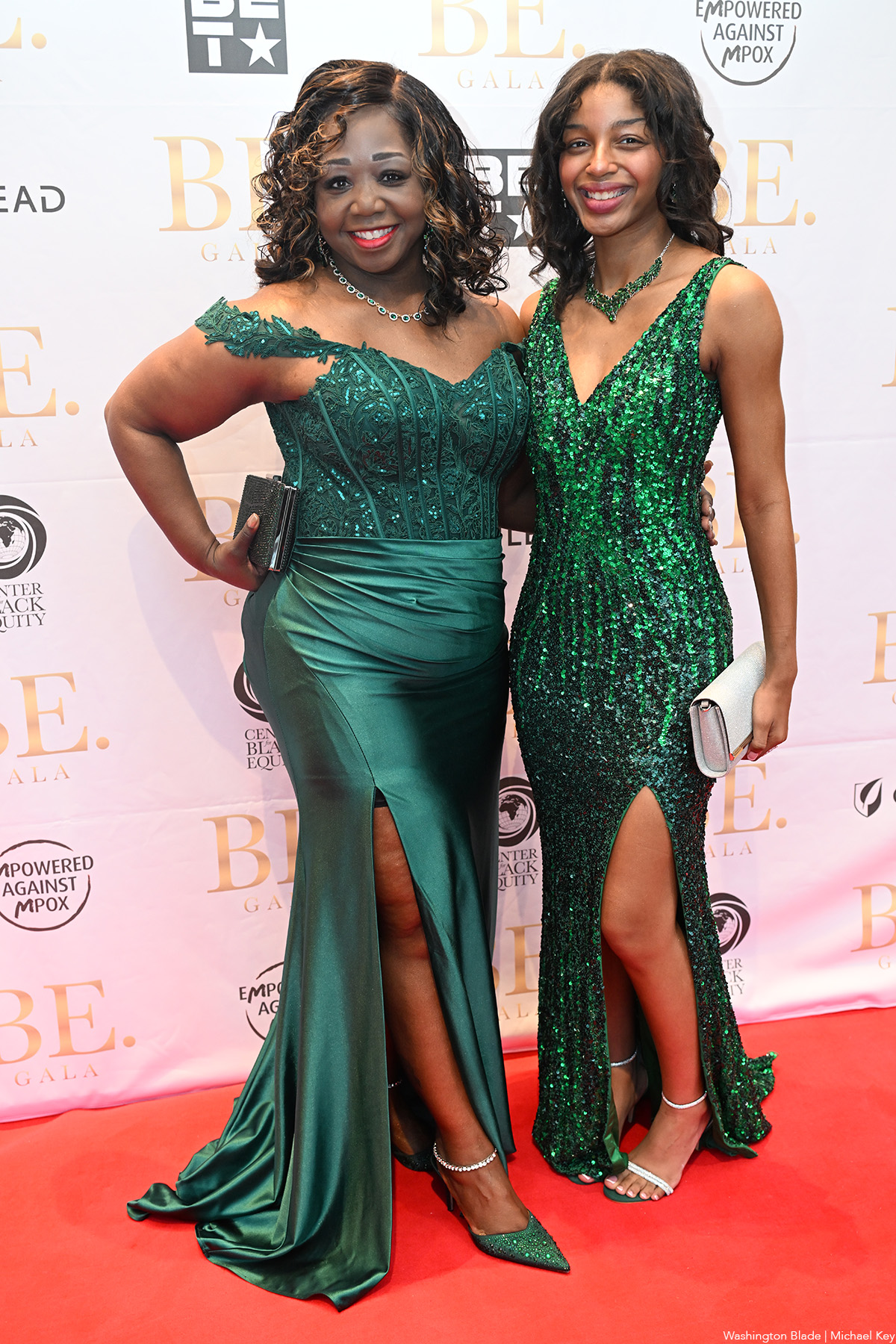
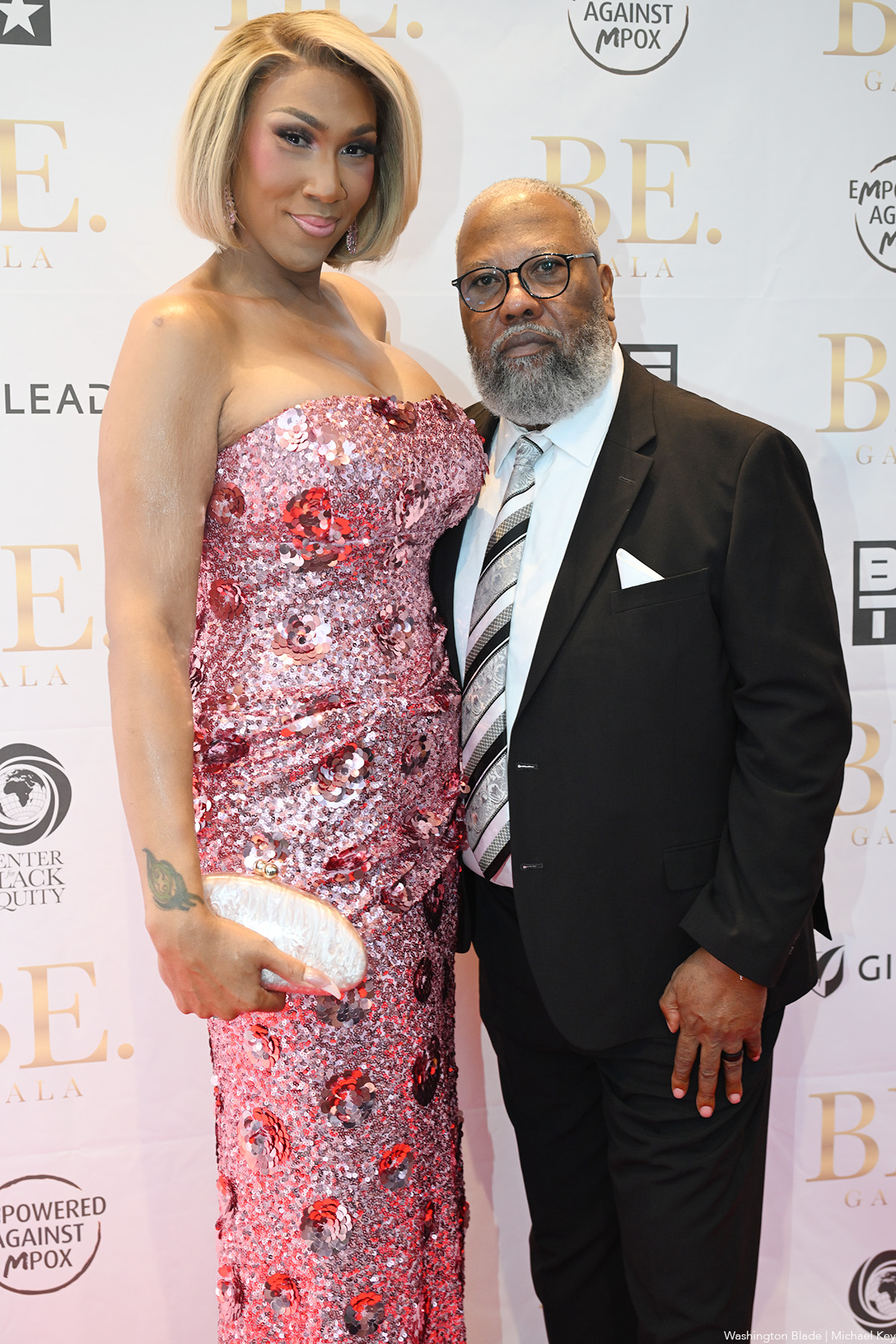
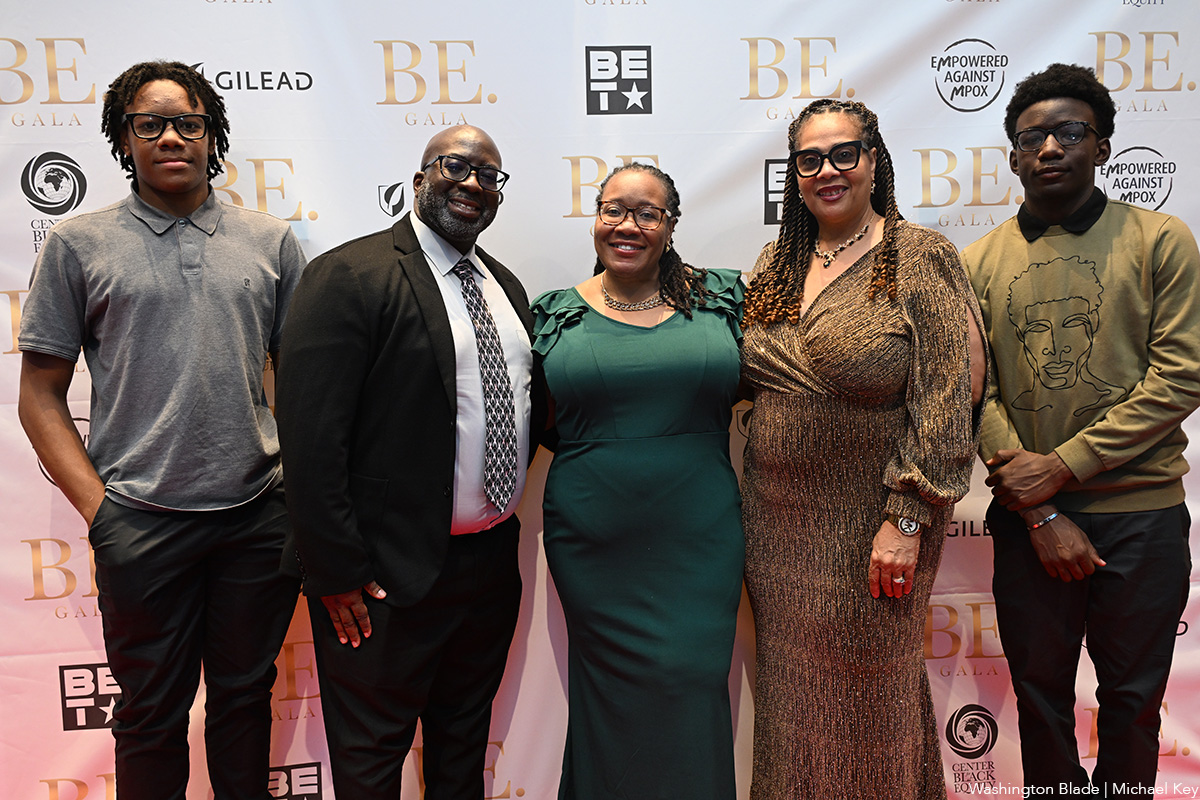
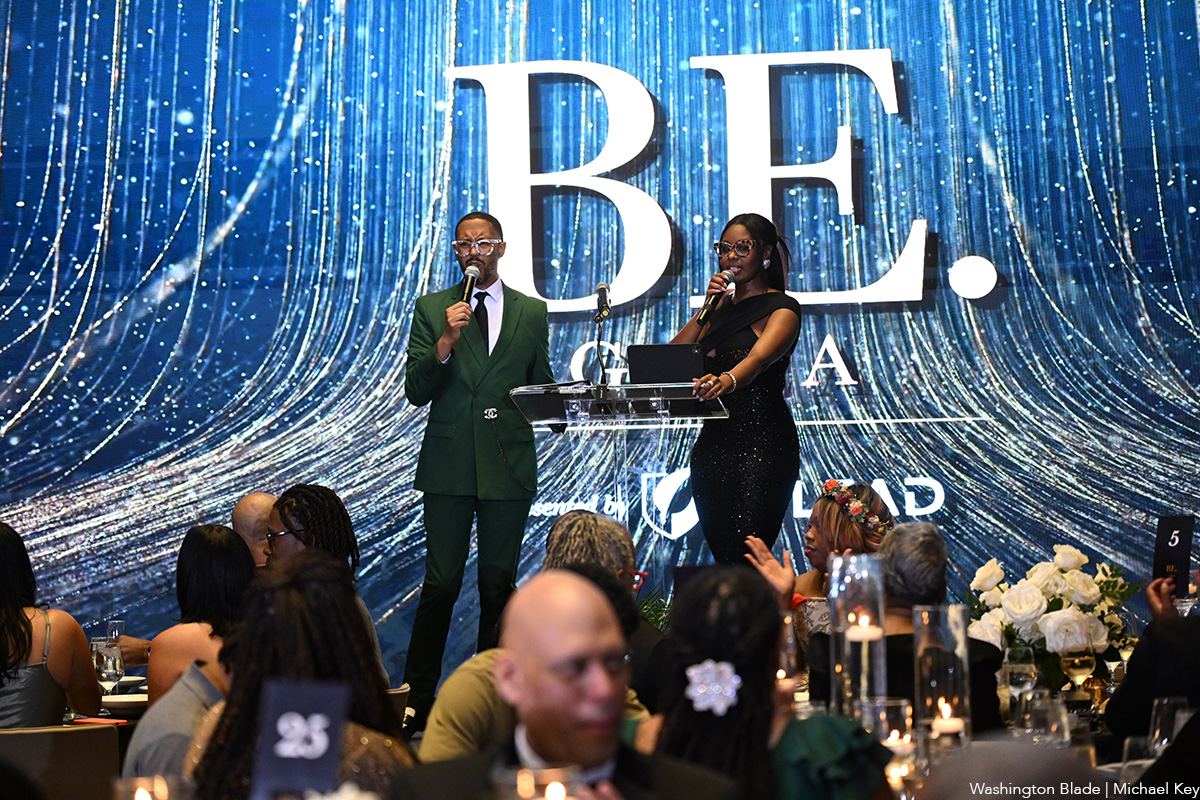
The Center for Black Equity held its annual BE. Gala at Conrad Washington, D.C. on Saturday, Oct. 5. Lolita Leopard Miyake-Mugler and Anthony Oakes co-hosted the awards ceremony.
Honorees included journalist and producer Justin Stewart; nonprofit leader Nikki Alexander; HIV advocate Marlene McNeese; the nonprofit organization FreeLux Project; actress Monroe Alise; public health advocate Tori Cooper; Manassas Park Vice Mayor Darryl G. Moore; Rev. Dr. Carmarion D. Anderson; Bishop Steven Sawyer; government relations professional Courtney Snowden; Senior Deputy Director of HAHSTA at D.C. Health, Clover Barnes; and Texas state Rep. Venton C. Jones.
The event was sponsored by Gilead.
(Washington Blade photos by Michael Key)

Books
In ‘The Lost Brontë,’ a complicated lie can lead to danger
New book features sweetly romantic girl-meets-girl twist
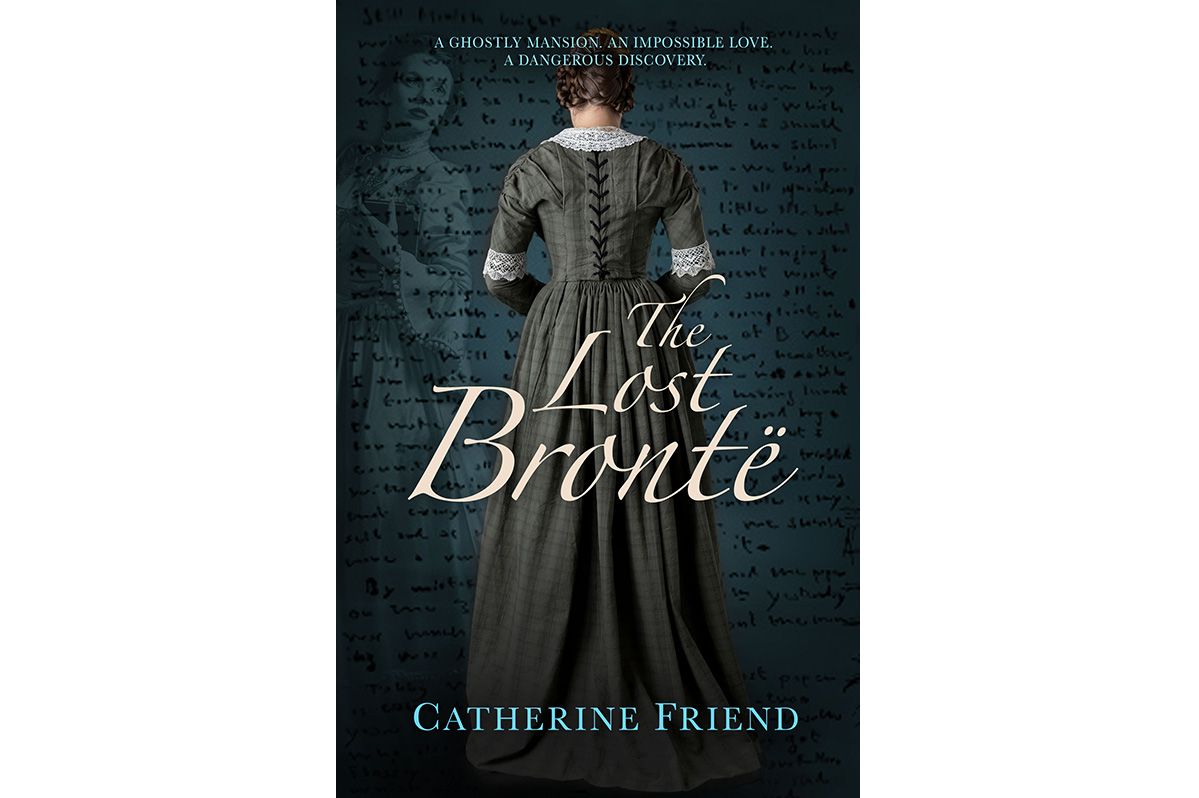
‘The Lost Brontë’
By Catherine Friend
c.2026, Bywater Books
$22.95/335 pages
Mom always said to tell the truth.
One lie leads to another and another and you have to remember them all until pretty soon, you’re caught. Fibs are hard, mistruths are messy, even little white social lies can destroy trust. Worst of all, as in the new novel, “The Lost Brontë” by Catherine Friend, a complicated lie can lead to danger.

Though Lilianne Loxley was very young when she lost her parents, she understood that her uncle didn’t really want her. As time passed, though, Lily made herself useful to Uncle, writing and signing letters for him and she became a good companion, helping him with his collection of Brontë memorabilia. Uncle was a keen enthusiast.
She had no idea that his obsession was out of control and he was deeply in arrears. The day Lily learned of his debt was the day she learned that he’d agreed to send her to his debtor’s home to work off the money owed.
It was so sudden. One minute, Lily was at Loxley House, happy and loved by Uncle’s staff … and five hours later, she was at Crag Thorn Manor, home of Lord Bexton, who informed her that she’d be working on his ledgers – work that seemed routine, but Lily tackled it.
Uncle always did say she was headstrong.
But would headstrong be enough to survive, when she was restricted from most of the Manor, when she was forced to dine with Brexton and his slimy friend, or – the worst! – when Brexton told Lily that her next task was to forge a letter from Emily Brontë? And then an entire manuscript?
Lily struggled to do what was right. She had to get Uncle out of debt but this last order horrified her. Did she dare refuse Brexton’s orders and commit a crime? It was unthinkable!
The only brightness in the whole situation was Wren, the ladies’ maid assigned to Lily’s room. Wren was adorable with freckles and the sweetest smile. But with everything else happening at Crag Thorn Manner, could Lily act upon her feelings?
This time of year, you may come to crave dark, spooky stories, and “The Last Brontë” fits those needs perfectly with its Gothic deliciousness. Think: Daphne du Maurier-type, stormy-night squirms with a dangerously chaste, sweetly romantic girl-meets-girl twist for fun.
If it’s been awhile since you’ve read a Gothic novel, you’re in for a nice reminder of why you love them here. You can almost tick off the must-haves: a novel like this is nothing without a foreboding stone manor with damp walls; stone steps to a dank basement; a mysterious portrait; and a nearby bog, and author Catherine Friend gives readers every one of them. You’d be disappointed if there was no ghost, wouldn’t you? Ha. You can practically feel the cold blow through the attic, right? Yeah, it’s that kind of book.
If you’re a fan of the Brontës, you’ll like this novel. If you love Gothic mysteries or Victorian romances, ditto. “The Lost Brontë” is good, no lie.
The Blade may receive commissions from qualifying purchases made via this post.
Out & About
CAMP Rehoboth Block Party returns Oct. 18
Expect performances, vendors and more at annual celebration

CAMP Rehoboth will host its annual Block Party celebration on Sunday, Oct.18 at 11 a.m. on the second block of Baltimore Avenue in downtown Rehoboth Beach.
CAMP Rehoboth invites all community members to join in the festivities and to expect magnificent performances and dozens of vendors, including artists, craftspeople, non-profits, businesses, and more.
The event started in 2015 in celebration of CAMP Rehoboth’s 25th anniversary. This year, attendees can expect to shop sea glass art, pottery, jewelry, Pride merch, body care, clothing, and learn more about local non-profit causes and businesses.
Attendance is free. For more details, visit CAMP Rehoboth’s website.

Annie Andrews denounces trans athletes after Trump targets her

On Republican Long Island, gay Democrat Chris Gallant bets on public service over politics

Report: LGBTQ exclusion costs Japanese economy billions a year

Center for Black Equity honors leaders, activists at BE. Gala

In ‘The Lost Brontë,’ a complicated lie can lead to danger

U.S. int’l trade negotiator, consultant James Bedore dies at 82

Campaign urges Virginia High School League to reverse stance on trans athletes

Calif. GOP gubernatorial candidate ad ‘disgusting attempt to exploit lesbian intimacy’

Center Arts Gallery celebrates 10 years with reception, auction

Trump, Netanyahu, and Putin are all war criminals
-

 Obituary5 days ago
U.S. int’l trade negotiator, consultant James Bedore dies at 82
-
Virginia5 days ago
Campaign urges Virginia High School League to reverse stance on trans athletes
-
California5 days ago
Calif. GOP gubernatorial candidate ad ‘disgusting attempt to exploit lesbian intimacy’
-
Commentary5 days ago
Center Arts Gallery celebrates 10 years with reception, auction