Arts & Entertainment
‘If’ out, ‘Then’ what?
Broadway vet lets go of fear at home and on stage


Actress Jenn Colella in rehearsal for ‘If/Then.’ (Photo by Matthew Murphy; courtesy National Theatre)
‘If/Then’
Through Dec. 8
National Theatre
1321 Pennsylvania Avenue, NW
$53-$93
800-514-3849
Early in her acting career, Broadway’s Jenn Colella was counseled that it would be unwise for her to be out professionally. When casting directors see you as lesbian, her advisors reasoned, they become less likely to cast you in straight romantic leads.
There was a time, Colella says, when she would have been reluctant to portray a lesbian on stage much less talk about her sexuality openly. But in recent years her outlook has definitely changed.
Today Colella is out and proud. She’s also playing one half of a lesbian couple in the hotly anticipated Broadway-bound musical “If/Then,” currently premiering at National Theatre. Created by Tom Kitt (music) and Brian Yorkey (book and lyrics), and staged Michael Greif (the creative team behind the Tony Award-winning “Next to Normal”), “If/Then” tells the story of Elizabeth (“Wicked’s” green-faced wonder Idina Menzel), a woman on the precipice of middle age who returns to New York City to reboot her life. The heady cast also stars LaChanze, who won a Tony Award for her portrayal of Celie in “The Color Purple, and out actor Anthony Rapp (“Rent”).
“I’m thrilled to have the opportunity to play a gay character in ‘If/Then,’ especially someone like Anne,” says Colella, 39. “She’s a sassy fun-loving girl not unlike myself who’s in a relationship with Kate [LaChanze’s character]. Anne is madly in love and very sincere about taking it to the next level and actually tying the knot. It’s a very real look at a contemporary lesbian relationship. You don’t see a lot of that in musical theater.”
She says changing attitudes overall helped her loosen up.
“As I became older and wiser, and began noticing straight comrades realizing it was no longer fair to discriminate against gay and lesbian actors, being out got easier,” Colella says. “Also, I began to feel a responsibility to be out. I used to think it was entirely a personal choice, but now I think being out is also taking responsibility for others who may not have the courage to do so.”
Last year Colella was involved romantically with a male actor, but she doesn’t identify as bisexual because the vast majority of her relationships have been with women. Currently she is in a committed relationship with a woman who is studying for her master’s degree in midwifery.
Growing up in Summerville, S.C., Colella began singing early. She and mother frequently sang Barbra Streisand around the house, and while there weren’t many theatrical training opportunities in town, Colella took advantage of what was available.
“There was a woman who taught out of her garage, but my mom was a teacher and couldn’t afford the fees, so I traded odd jobs for classes. I was scrawny at 15 but I painted that lady’s entire house. And it was worth it. The group did ‘Oklahoma,’ and I got to play to Gertie.”
Before leaving South Carolina for the West Coast, she graduated from college and did some professional acting at the respected Trustus Theater in Columbia. She earned a master of fine arts in acting from the University of California, Irvine, and remained in L.A. determined to go the sitcom route. During this time, she got into standup.
“It was challenging. If you fail in standup you can’t blame anyone but yourself. But it definitely increased my confidence and now there’s really nothing that scares frightens me in terms of performance. Scarier were the fellow comics. They can be a dark bunch.”
Next Colella smartly reconsidered musical theater. In a high profile Broadway debut, she was cast as Sissy opposite Matt Cavenaugh in the musical “Urban Cowboy” in 2003. She went on to star in “High Fidelity,” and as Hedda Hopper in “Chaplin.” Her Off-Broadway credits include, among others, “Closer Than Ever” and “Slut.” She played Daisy in “Sideshow” at the Kennedy Center.
Prior to taking on “If/Then’s” Anne, Colella was cast as a lesbian just once before. In 2008 she starred off-Broadway as the title character in “The Beebo Brinker Chronicles” based on Ann Bannon’s pulp fiction novel about a young lesbian’s adventures in 1950s Greenwich Village.
“Beebo was a real butch,” Colella says. “I wore batteries in my front pockets to alter my center of gravity. My male and feminine energies are pretty equally balanced and in that way I’m more like Anne. But like Beebo, I have been accused of being a bit of a womanizer.”
Typically Colella does new work. Not by design, she says. It just happens that way.
“I’m honored that creators trust me to collaborate on their babies. It touches me deeply. Plus I get to start from a blank slate and play. Of all the characters I’ve ever played, Anne is the closest to who I am in the world. It makes me feel very vulnerable but I love it. I’m wide open to this experience.”





Photos
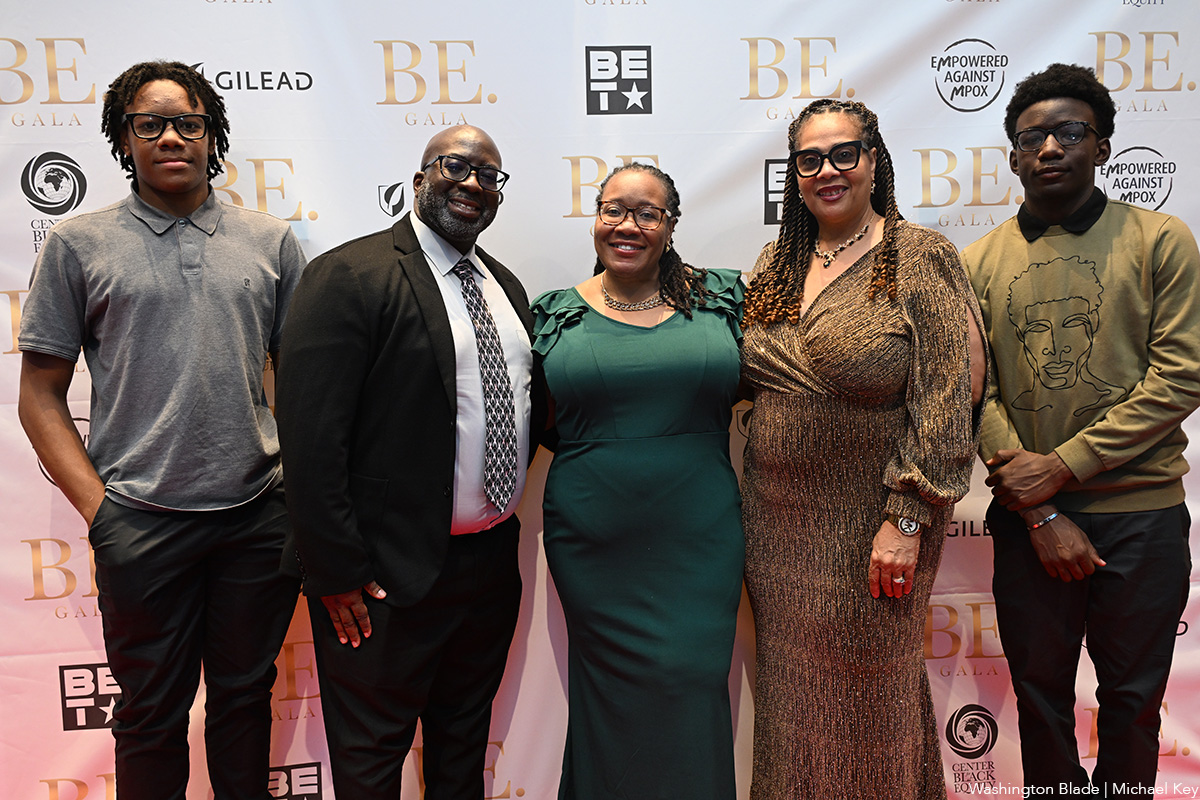
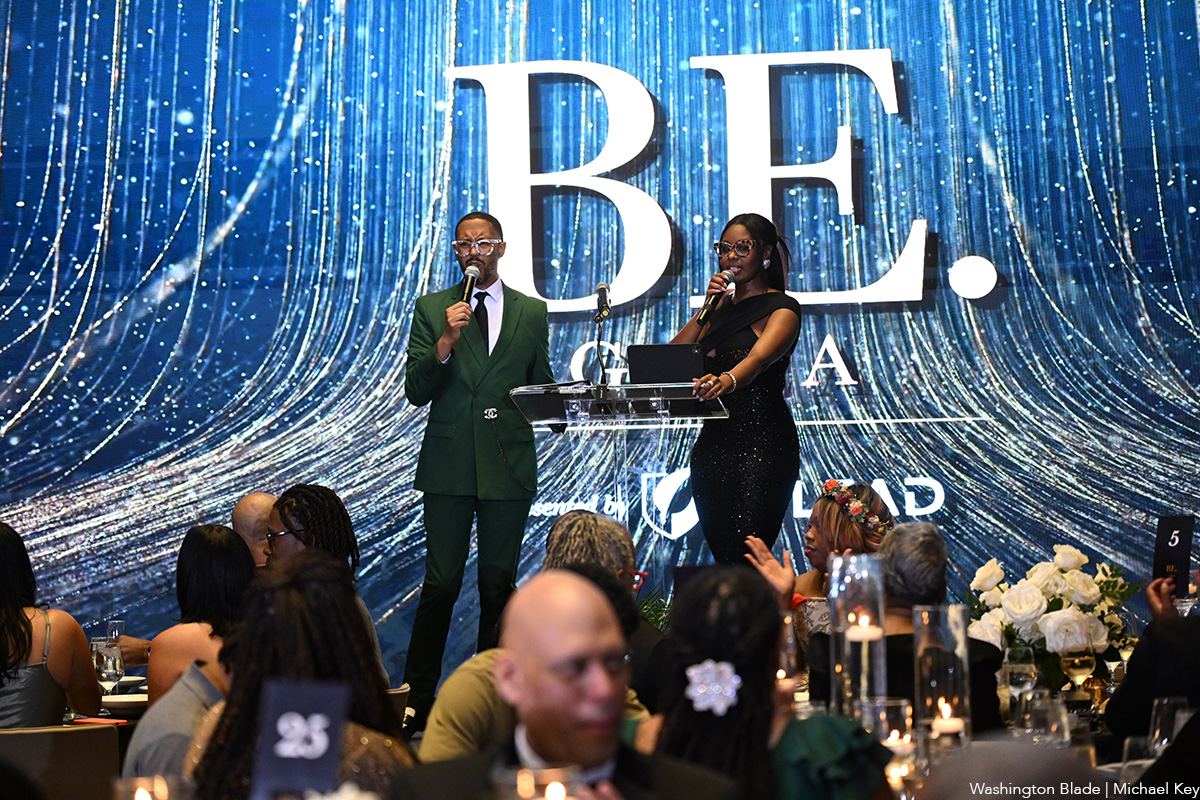
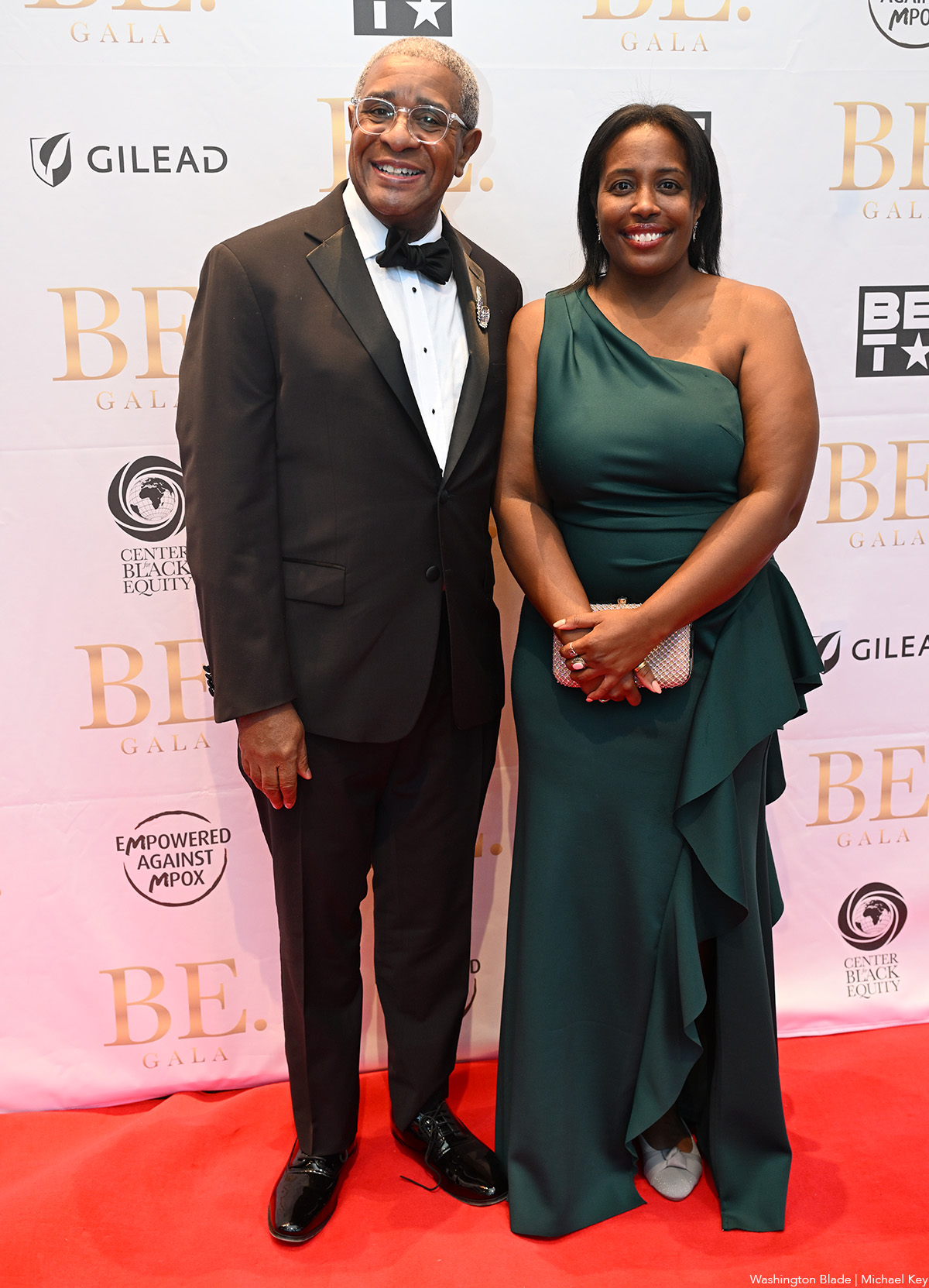
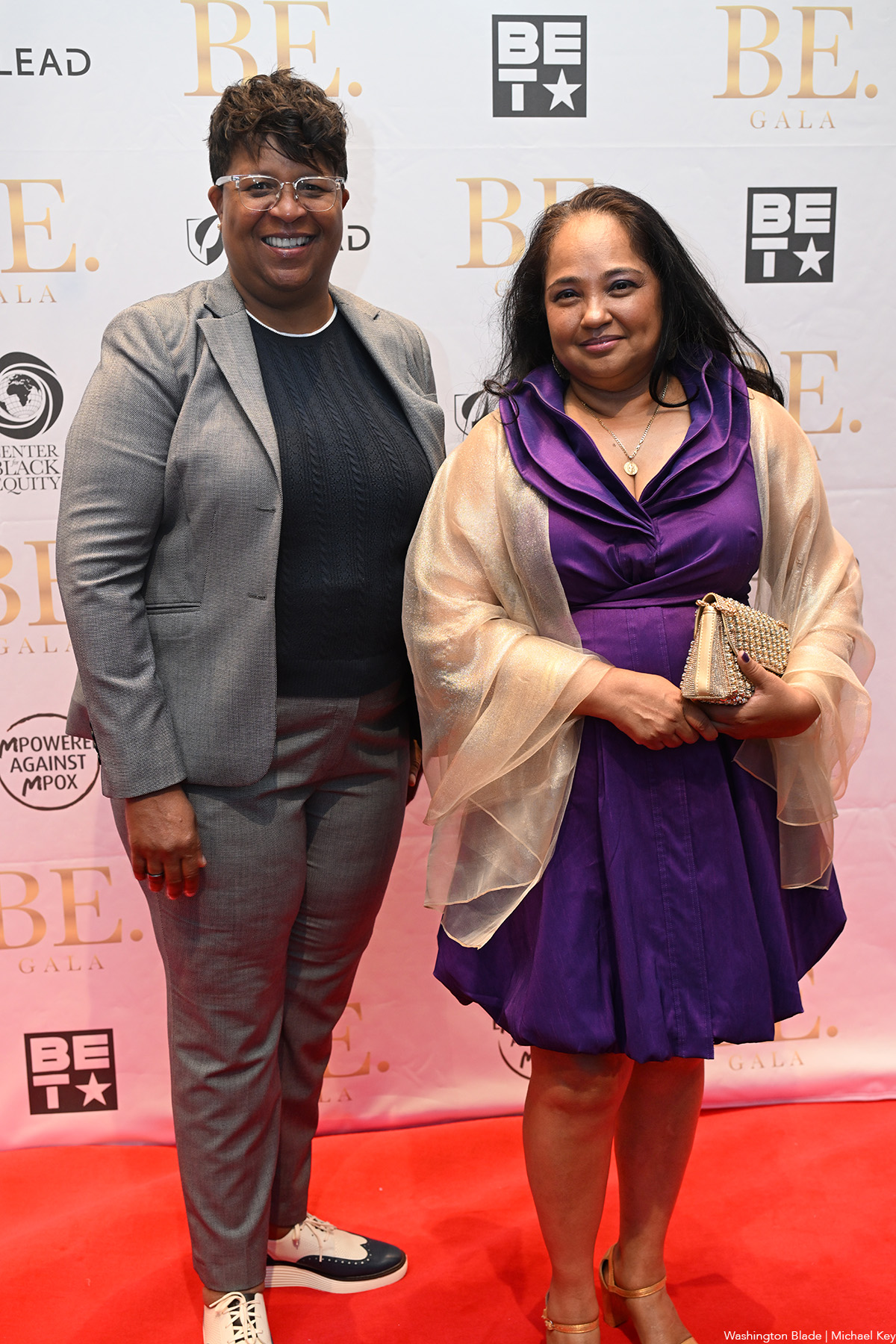
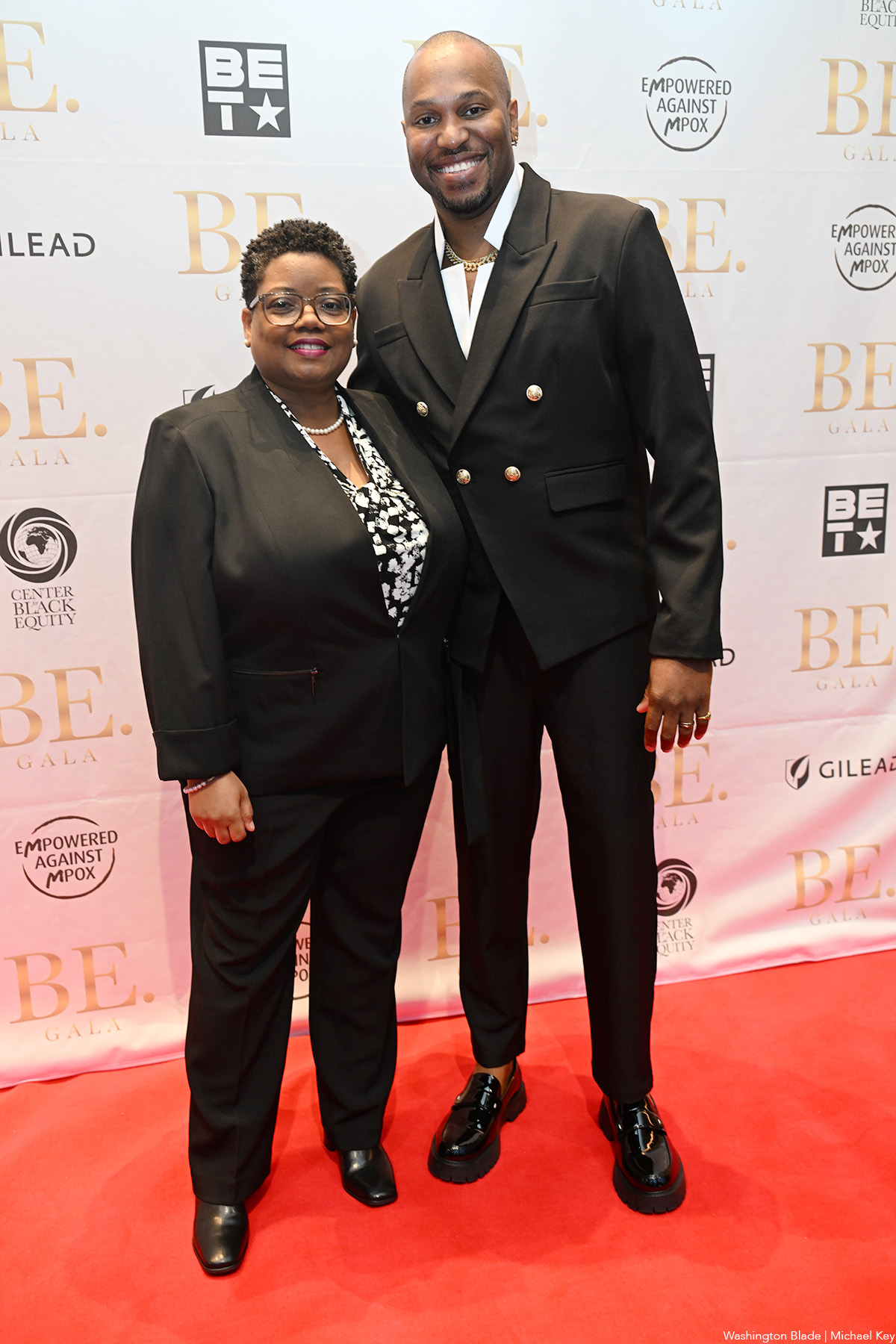
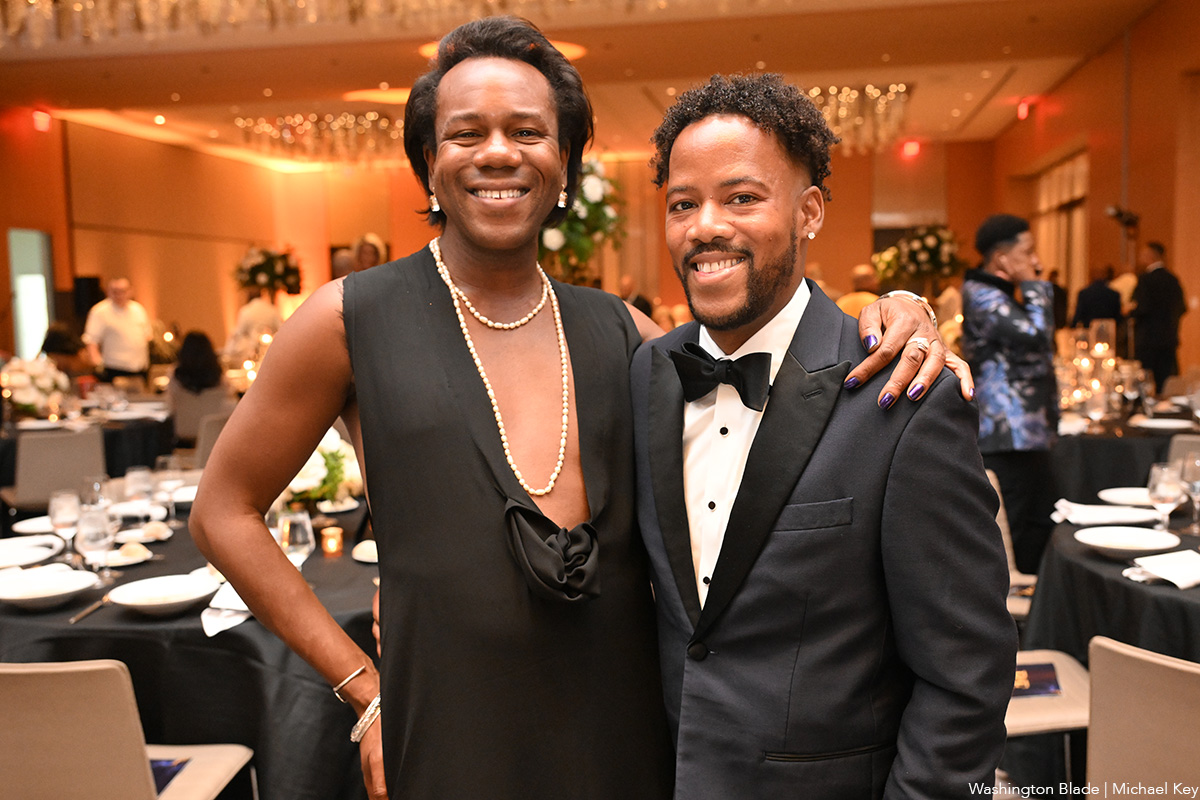
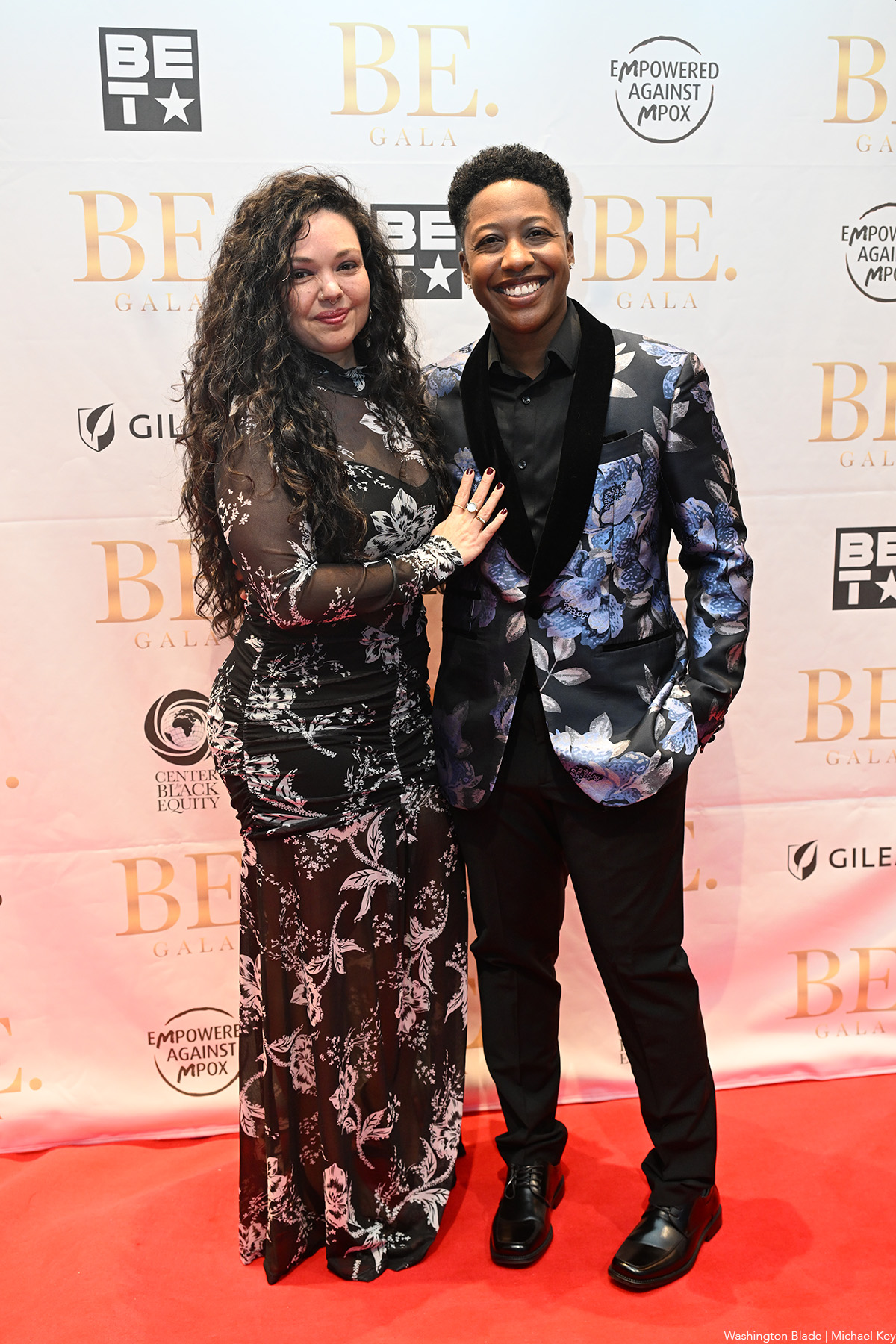
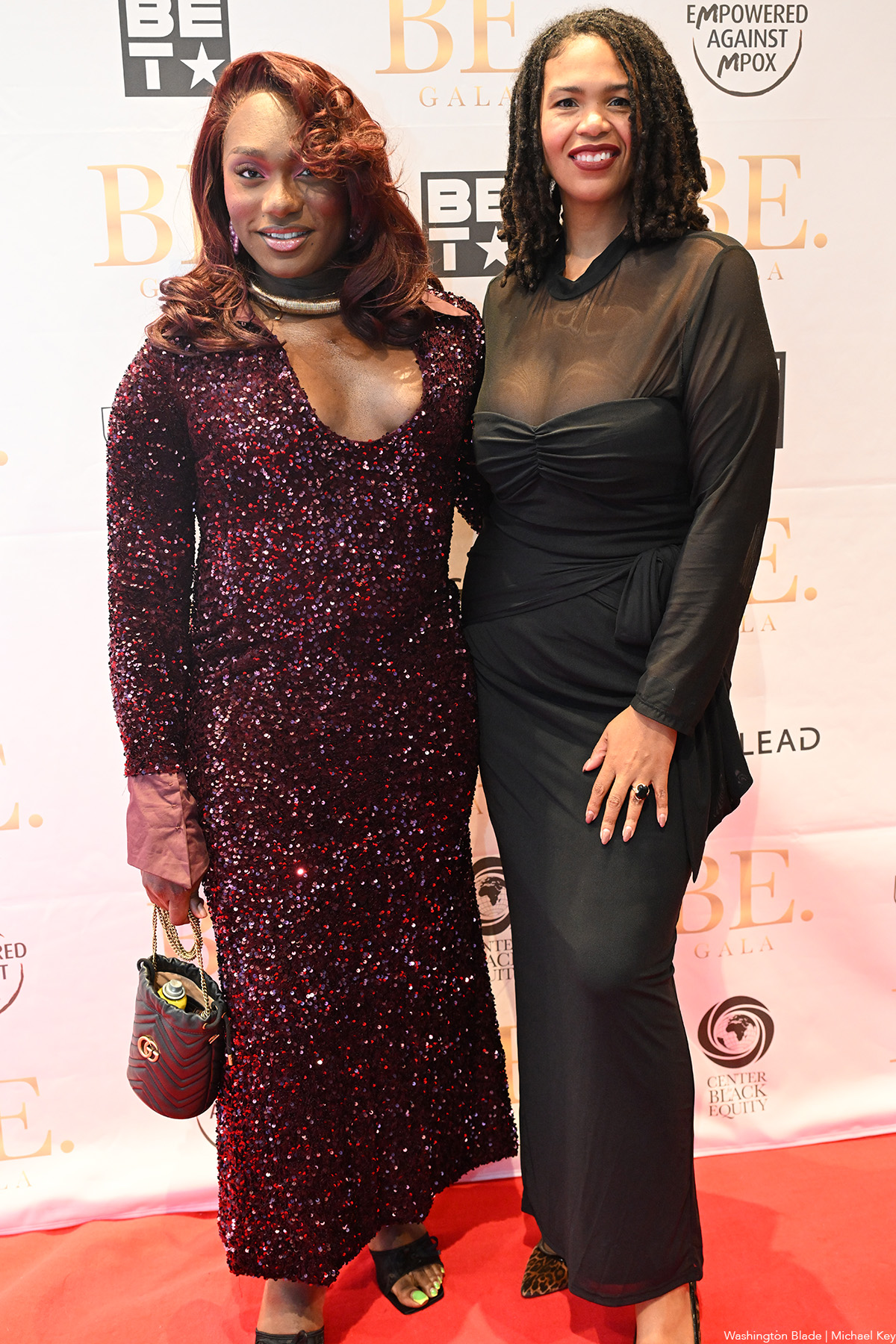
Center for Black Equity honors leaders, activists at BE. Gala
Miyake-Mugler, Oakes co-host annual awards ceremony

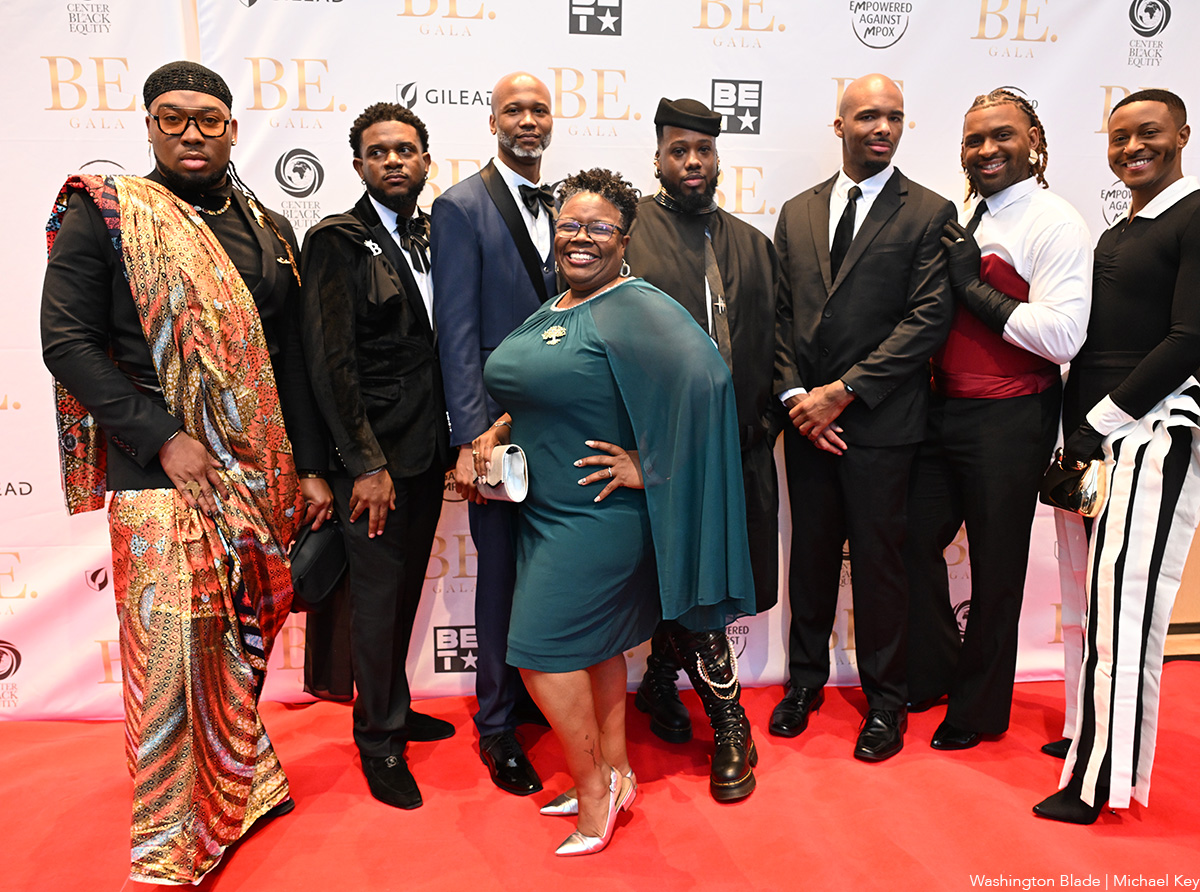
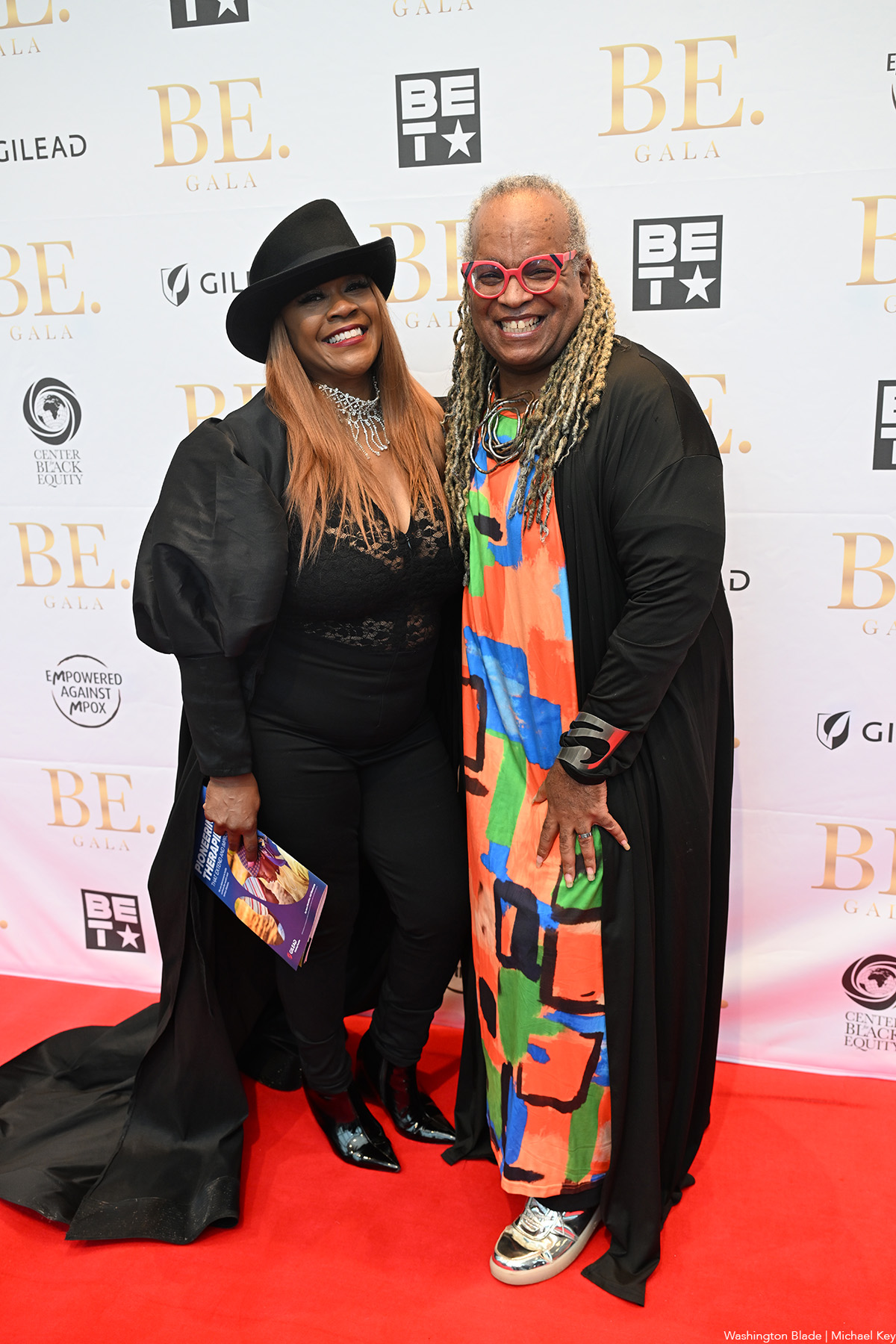
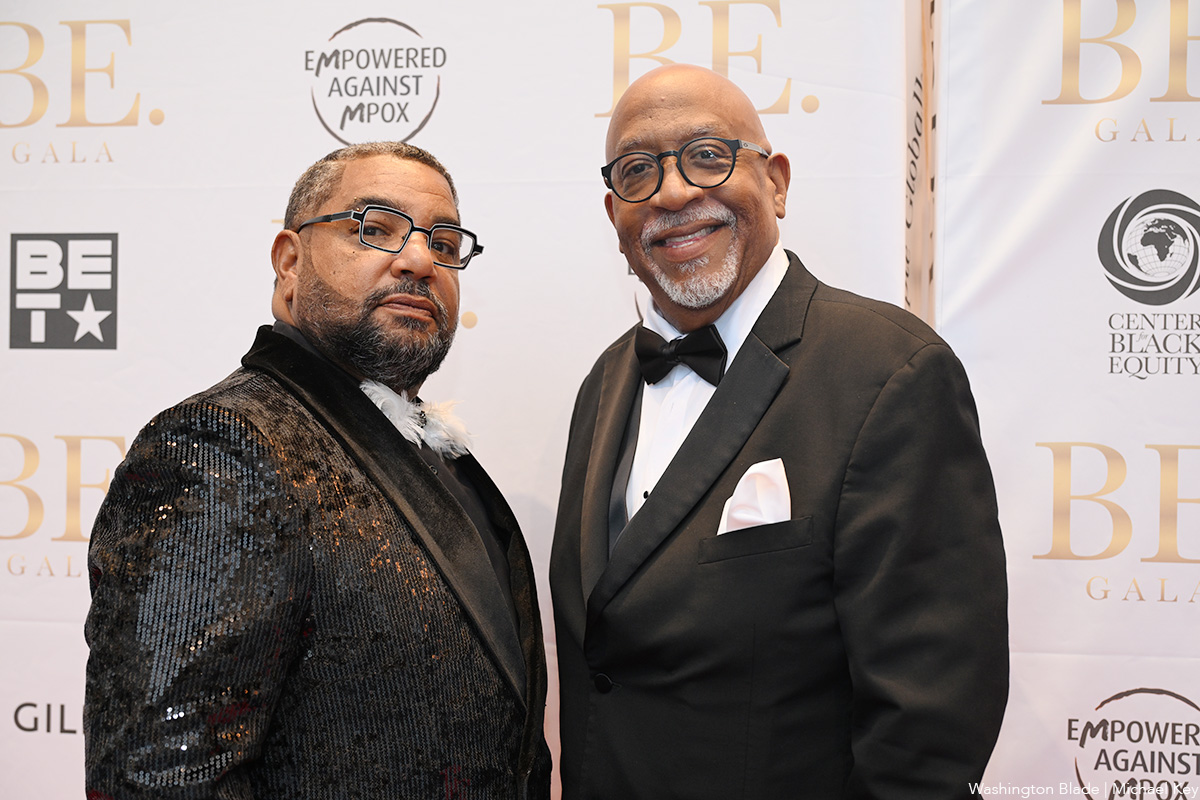
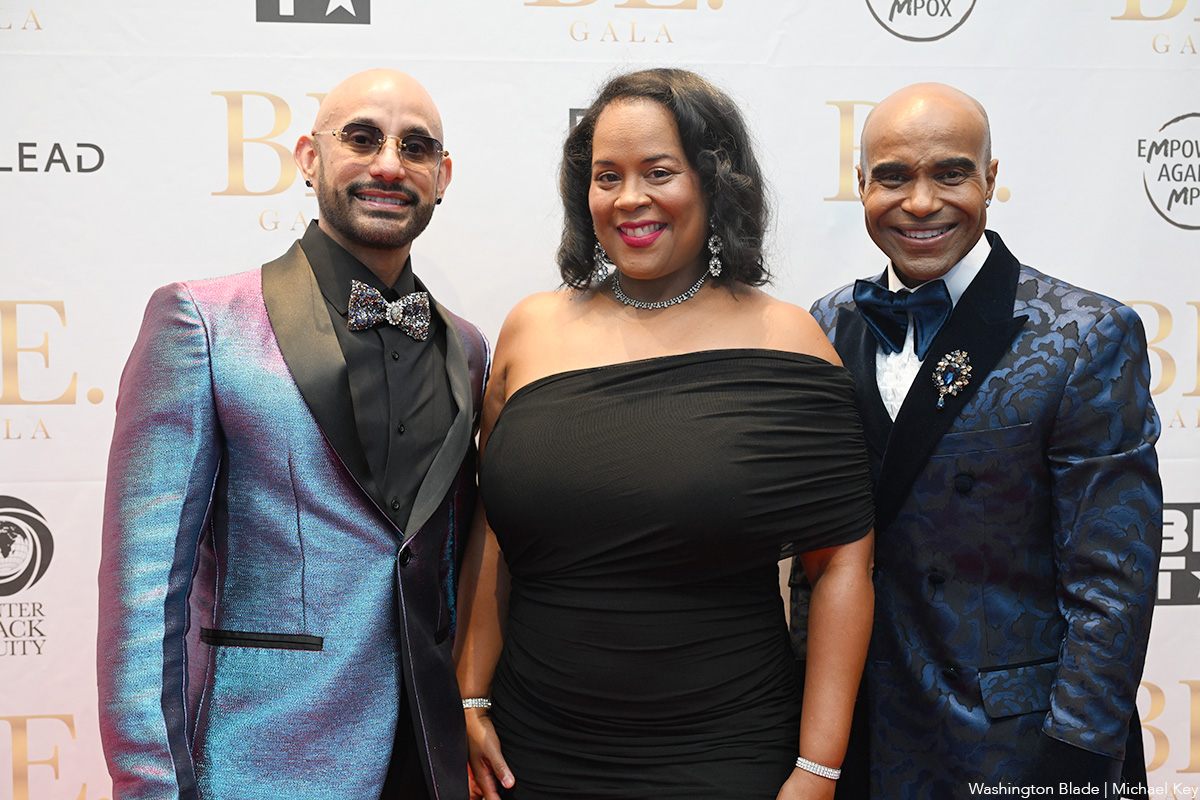
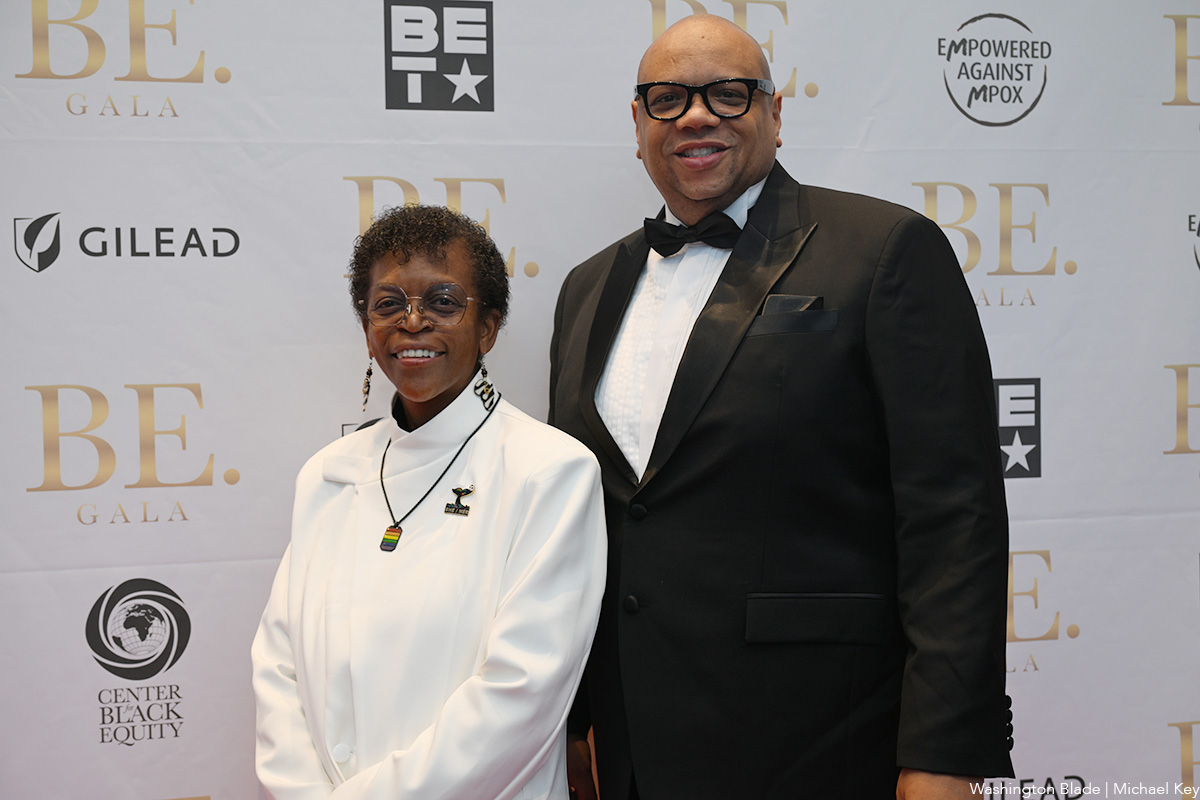
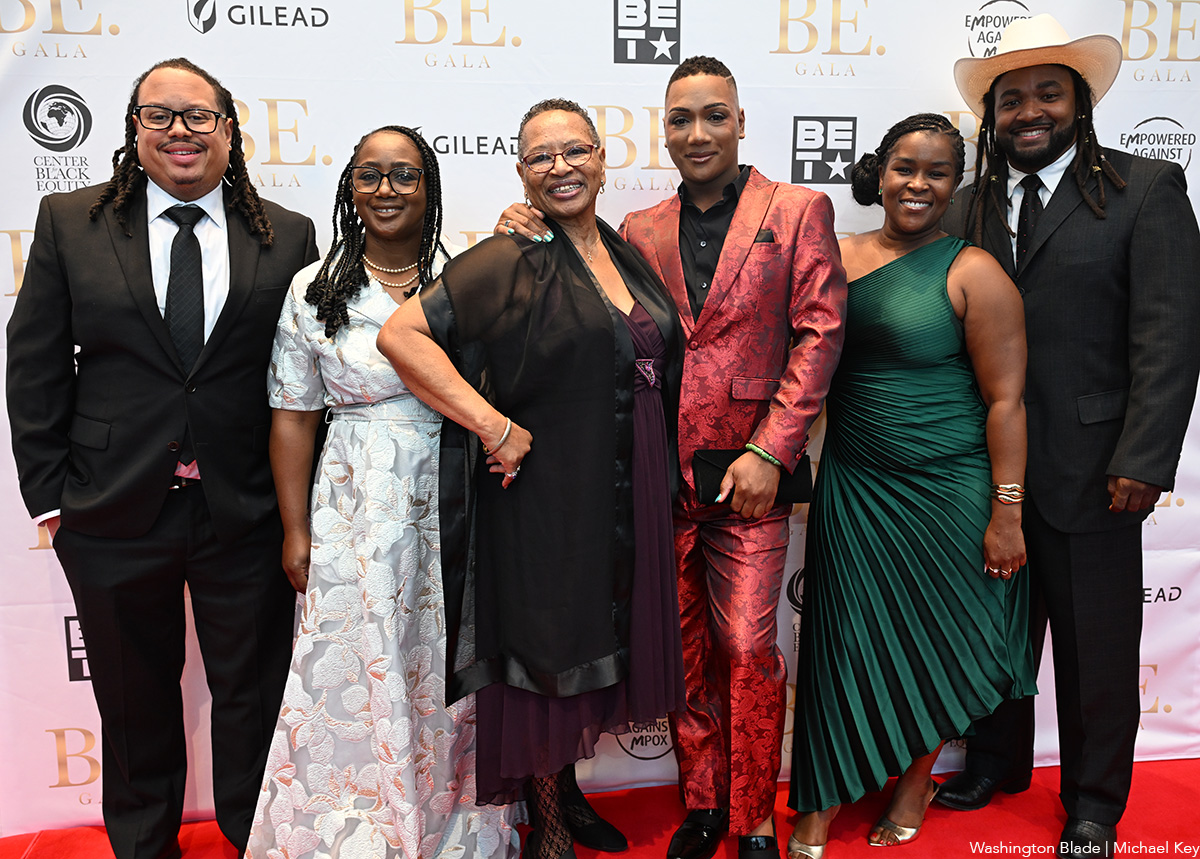
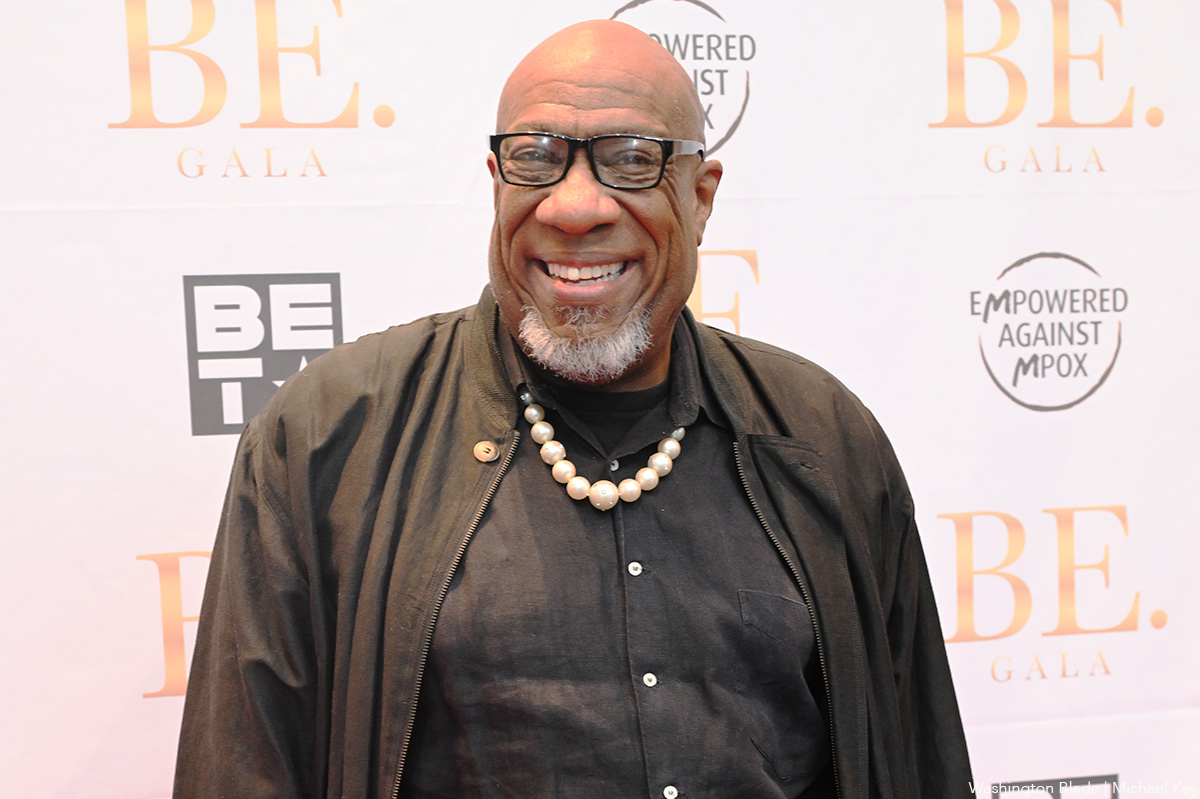
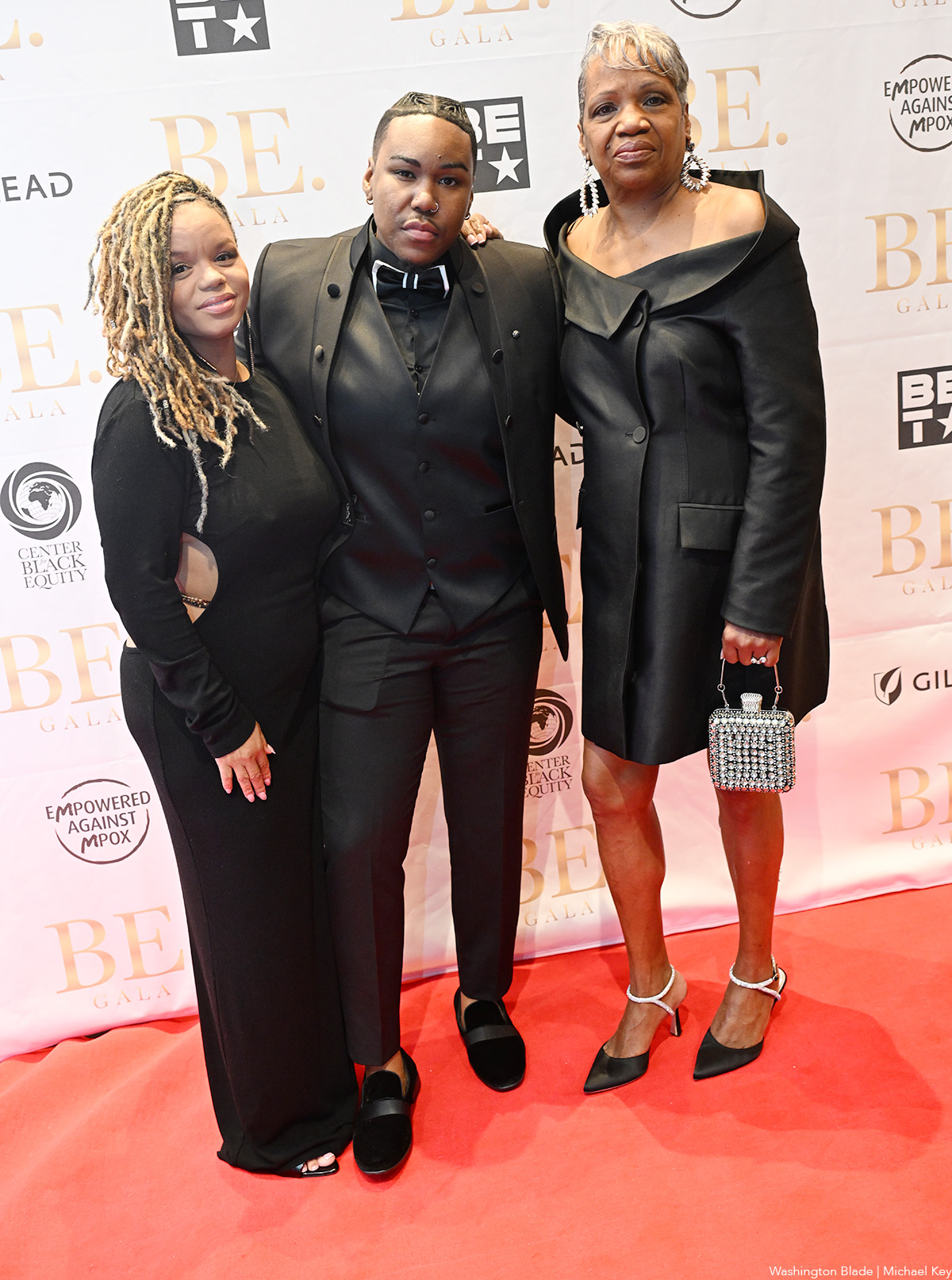
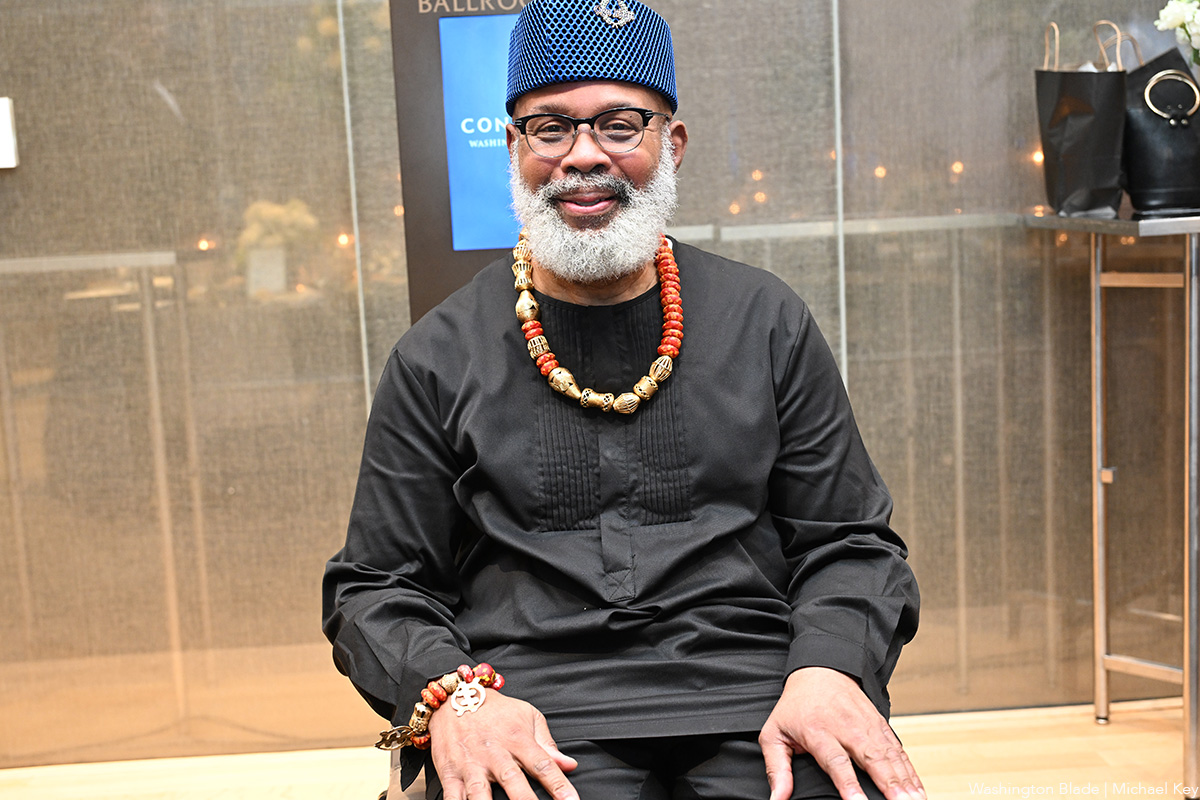
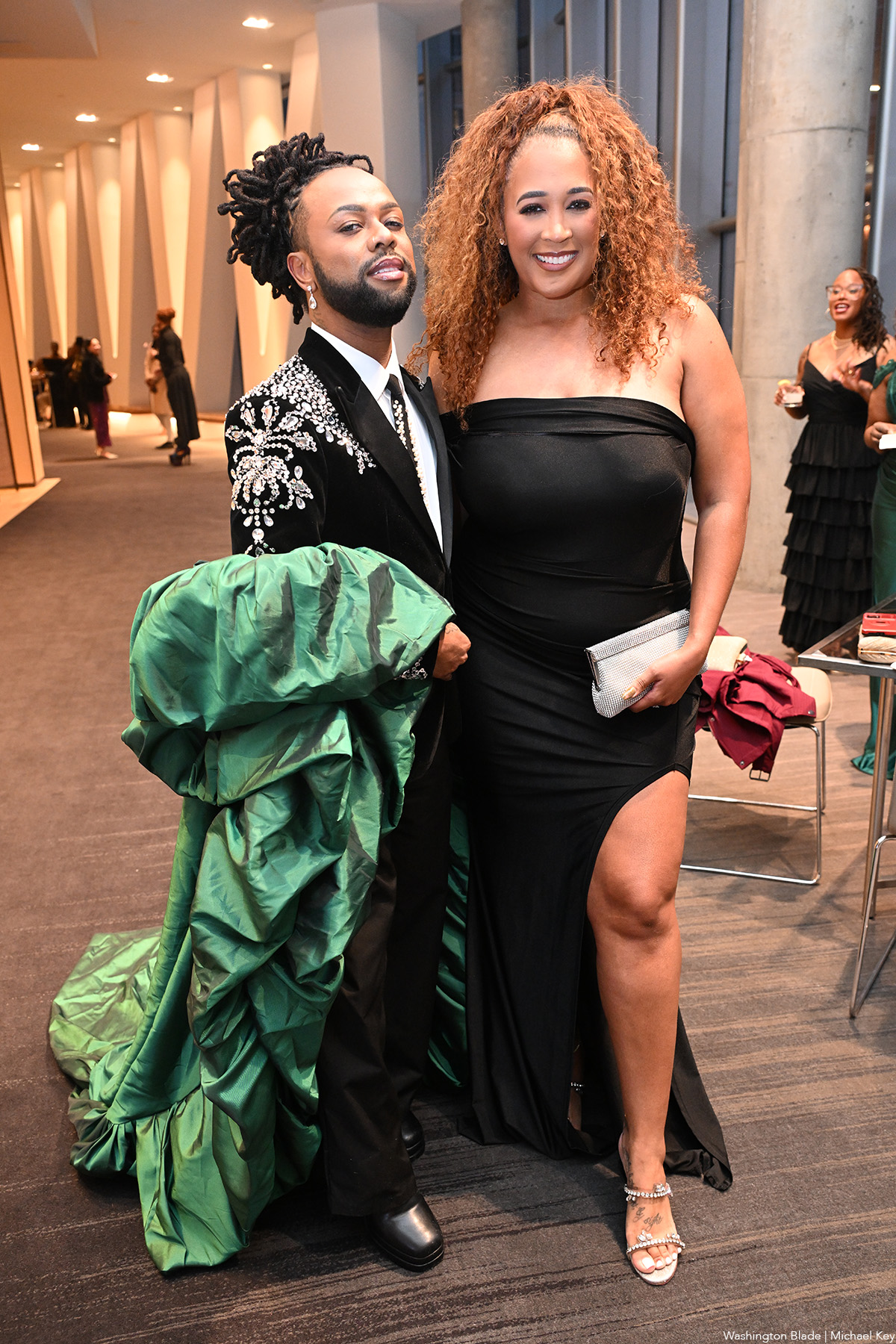
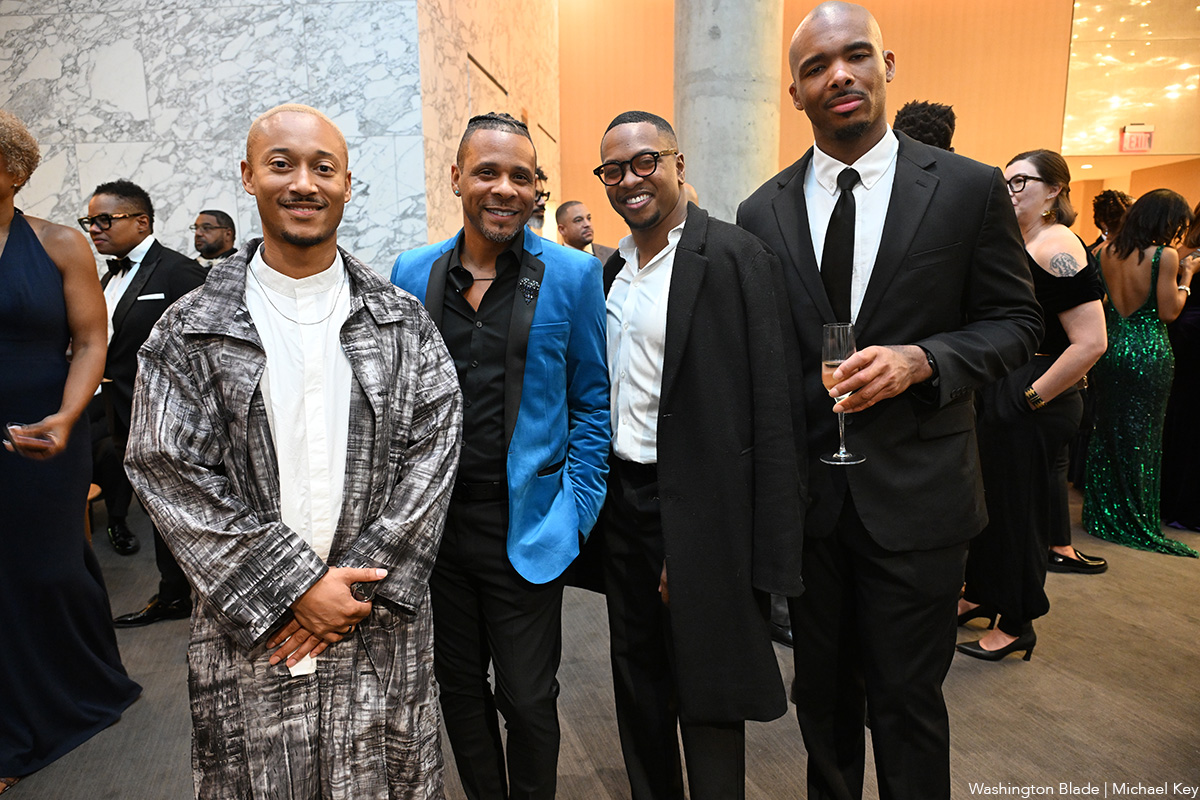
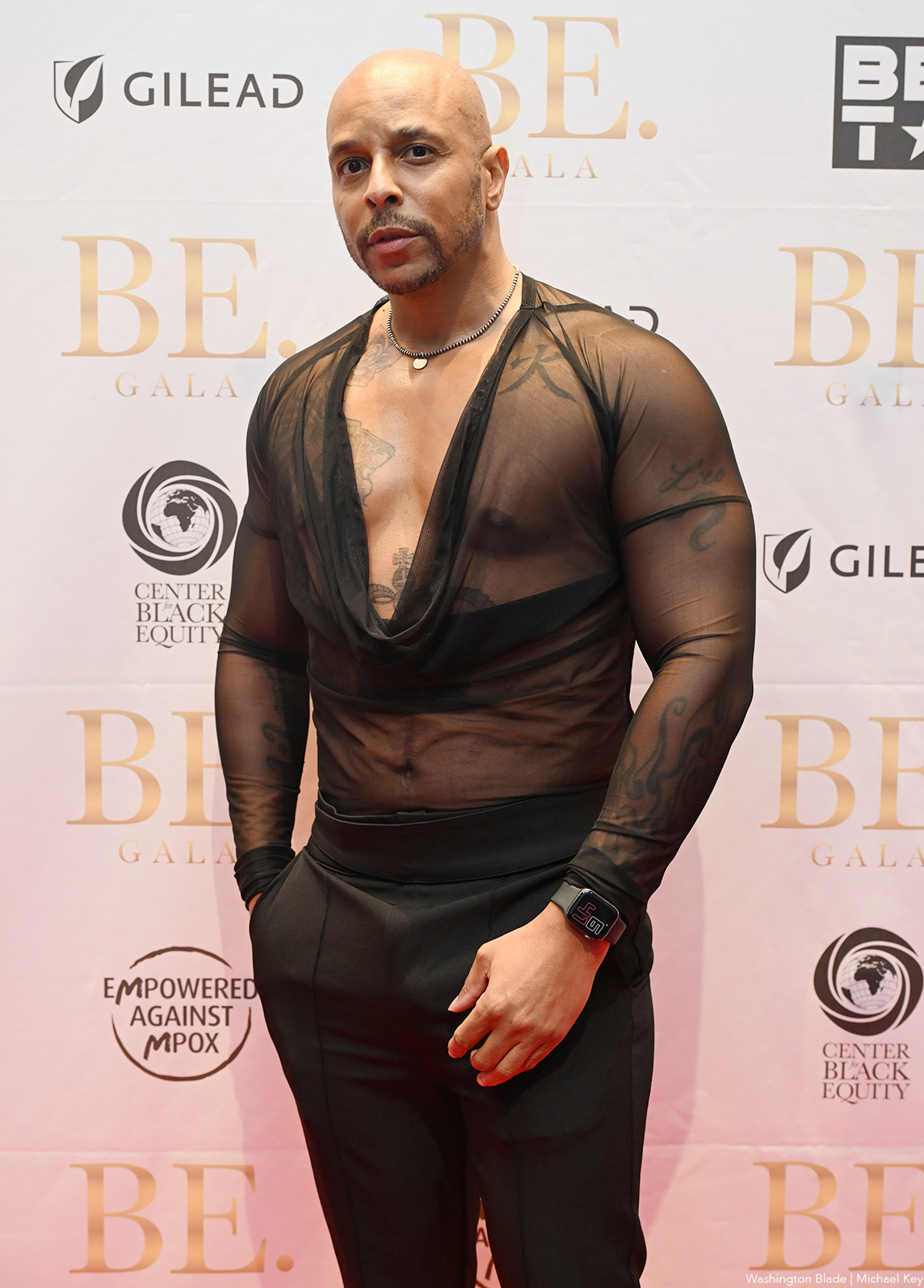
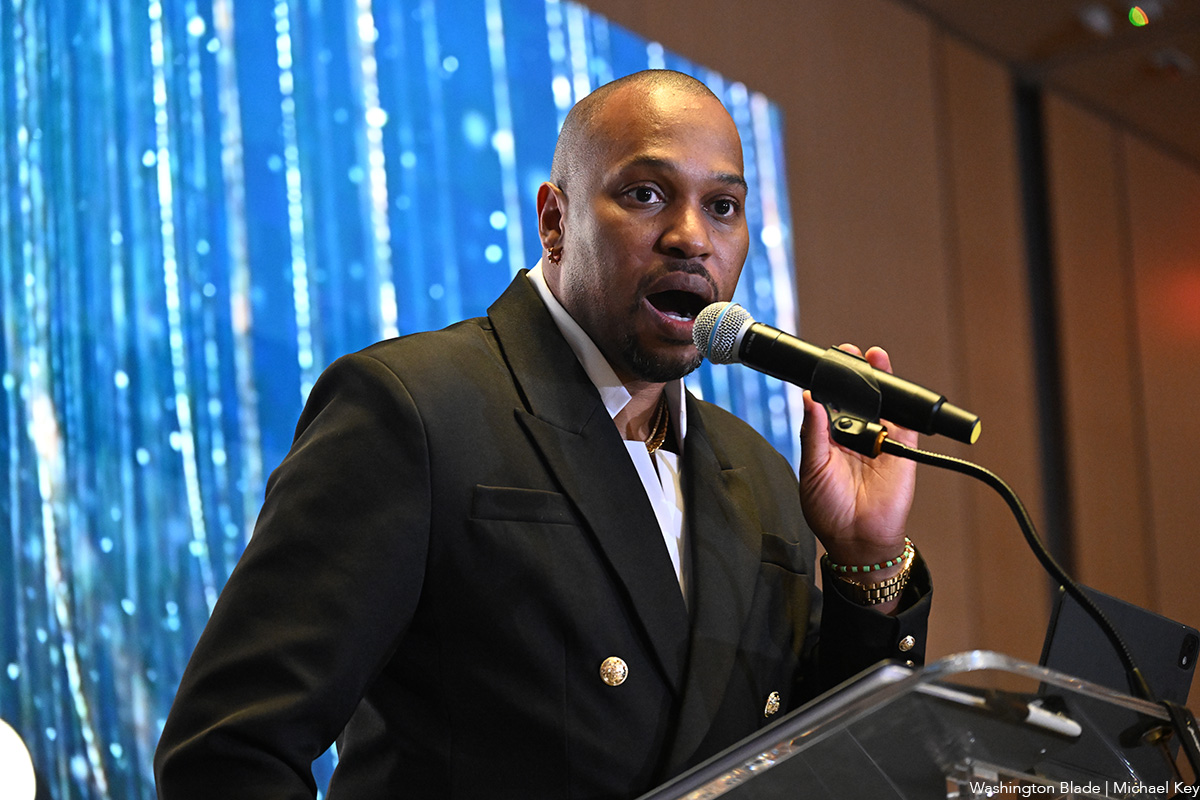
The Center for Black Equity held its annual BE. Gala at Conrad Washington, D.C. on Saturday, Oct. 5. Lolita Leopard Miyake-Mugler and Anthony Oakes co-hosted the awards ceremony.
Honorees included journalist and producer Justin Stewart; nonprofit leader Nikki Alexander; HIV advocate Marlene McNeese; the nonprofit organization FreeLux Project; actress Monroe Alise; public health advocate Tori Cooper; Manassas Park Vice Mayor Darryl G. Moore; Rev. Dr. Carmarion D. Anderson; Bishop Steven Sawyer; government relations professional Courtney Snowden; Senior Deputy Director of HAHSTA at D.C. Health, Clover Barnes; and Texas state Rep. Venton C. Jones.
The event was sponsored by Gilead.
(Washington Blade photos by Michael Key)









Books
In ‘The Lost Brontë,’ a complicated lie can lead to danger
New book features sweetly romantic girl-meets-girl twist
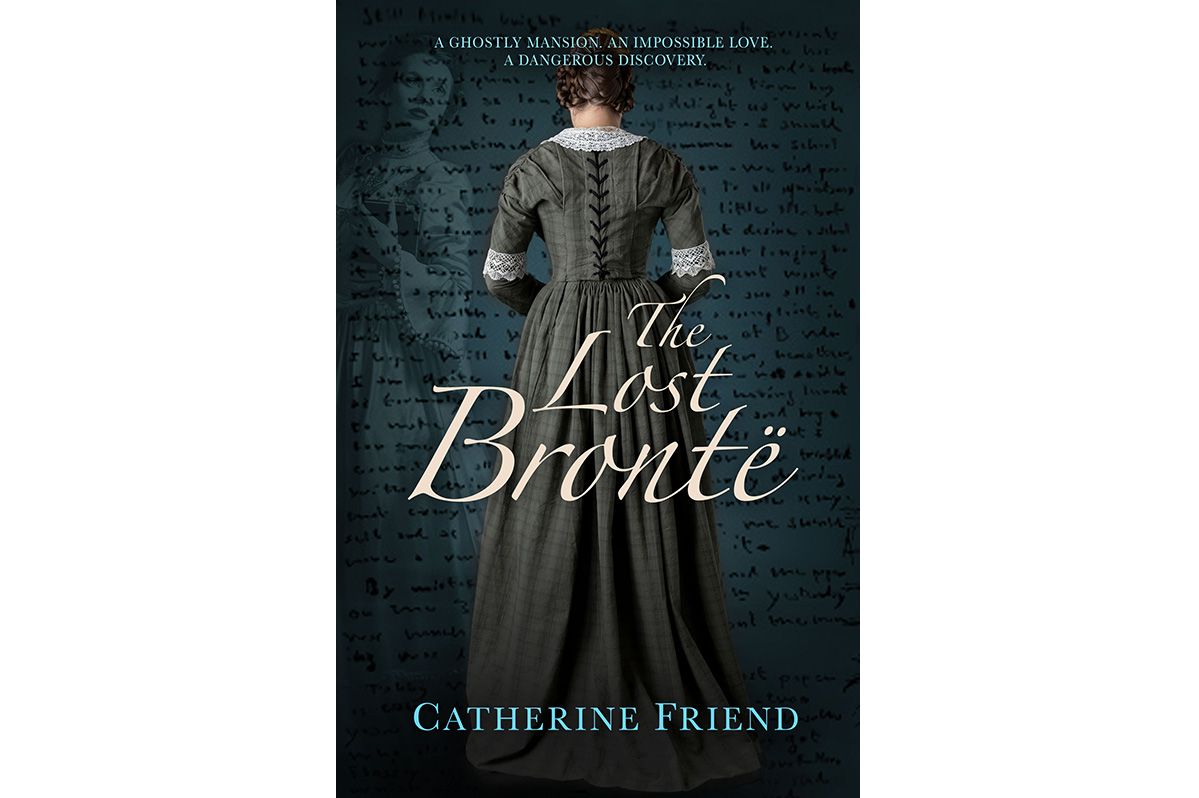
‘The Lost Brontë’
By Catherine Friend
c.2026, Bywater Books
$22.95/335 pages
Mom always said to tell the truth.
One lie leads to another and another and you have to remember them all until pretty soon, you’re caught. Fibs are hard, mistruths are messy, even little white social lies can destroy trust. Worst of all, as in the new novel, “The Lost Brontë” by Catherine Friend, a complicated lie can lead to danger.

Though Lilianne Loxley was very young when she lost her parents, she understood that her uncle didn’t really want her. As time passed, though, Lily made herself useful to Uncle, writing and signing letters for him and she became a good companion, helping him with his collection of Brontë memorabilia. Uncle was a keen enthusiast.
She had no idea that his obsession was out of control and he was deeply in arrears. The day Lily learned of his debt was the day she learned that he’d agreed to send her to his debtor’s home to work off the money owed.
It was so sudden. One minute, Lily was at Loxley House, happy and loved by Uncle’s staff … and five hours later, she was at Crag Thorn Manor, home of Lord Bexton, who informed her that she’d be working on his ledgers – work that seemed routine, but Lily tackled it.
Uncle always did say she was headstrong.
But would headstrong be enough to survive, when she was restricted from most of the Manor, when she was forced to dine with Brexton and his slimy friend, or – the worst! – when Brexton told Lily that her next task was to forge a letter from Emily Brontë? And then an entire manuscript?
Lily struggled to do what was right. She had to get Uncle out of debt but this last order horrified her. Did she dare refuse Brexton’s orders and commit a crime? It was unthinkable!
The only brightness in the whole situation was Wren, the ladies’ maid assigned to Lily’s room. Wren was adorable with freckles and the sweetest smile. But with everything else happening at Crag Thorn Manner, could Lily act upon her feelings?
This time of year, you may come to crave dark, spooky stories, and “The Last Brontë” fits those needs perfectly with its Gothic deliciousness. Think: Daphne du Maurier-type, stormy-night squirms with a dangerously chaste, sweetly romantic girl-meets-girl twist for fun.
If it’s been awhile since you’ve read a Gothic novel, you’re in for a nice reminder of why you love them here. You can almost tick off the must-haves: a novel like this is nothing without a foreboding stone manor with damp walls; stone steps to a dank basement; a mysterious portrait; and a nearby bog, and author Catherine Friend gives readers every one of them. You’d be disappointed if there was no ghost, wouldn’t you? Ha. You can practically feel the cold blow through the attic, right? Yeah, it’s that kind of book.
If you’re a fan of the Brontës, you’ll like this novel. If you love Gothic mysteries or Victorian romances, ditto. “The Lost Brontë” is good, no lie.
The Blade may receive commissions from qualifying purchases made via this post.
Out & About
CAMP Rehoboth Block Party returns Oct. 18
Expect performances, vendors and more at annual celebration

CAMP Rehoboth will host its annual Block Party celebration on Sunday, Oct.18 at 11 a.m. on the second block of Baltimore Avenue in downtown Rehoboth Beach.
CAMP Rehoboth invites all community members to join in the festivities and to expect magnificent performances and dozens of vendors, including artists, craftspeople, non-profits, businesses, and more.
The event started in 2015 in celebration of CAMP Rehoboth’s 25th anniversary. This year, attendees can expect to shop sea glass art, pottery, jewelry, Pride merch, body care, clothing, and learn more about local non-profit causes and businesses.
Attendance is free. For more details, visit CAMP Rehoboth’s website.

Center for Black Equity honors leaders, activists at BE. Gala

In ‘The Lost Brontë,’ a complicated lie can lead to danger

CAMP Rehoboth Block Party returns Oct. 18

Essential queer horror classics for Halloween

Solidarity beyond the parade: the actual cost of Pride

Trump uses anti-trans slur against Democratic Senate candidate

U.S. int’l trade negotiator, consultant James Bedore dies at 82

Calif. GOP gubernatorial candidate ad ‘disgusting attempt to exploit lesbian intimacy’

Campaign urges Virginia High School League to reverse stance on trans athletes

Center Arts Gallery celebrates 10 years with reception, auction
-

 2026 Midterm Elections5 days ago
Trump uses anti-trans slur against Democratic Senate candidate
-
Obituary4 days ago
U.S. int’l trade negotiator, consultant James Bedore dies at 82
-
California4 days ago
Calif. GOP gubernatorial candidate ad ‘disgusting attempt to exploit lesbian intimacy’
-
Virginia4 days ago
Campaign urges Virginia High School League to reverse stance on trans athletes