Arts & Entertainment
‘HTGAWM’ star Jack Falahee comes out as straight
the actor wants people to know he is an ally

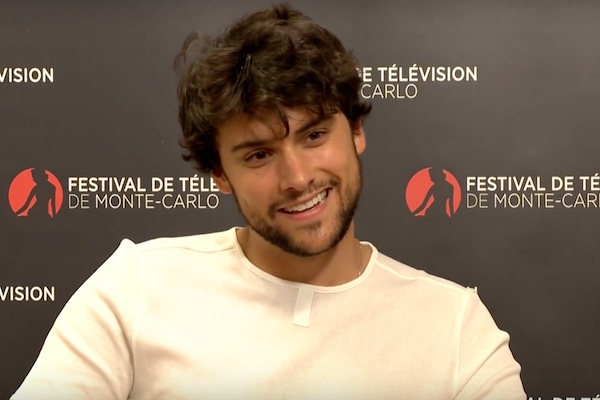
(Screenshot via YouTube.)
“How to Get Away with Murder” actor Jack Falahee is finally setting the record straight on his sexuality.
Falahee, 27, posted a long message on Twitter on Monday revealing that he identifies as straight and credits the election as to why he chose to “come out.”
“I spent election night with a few of my close friends, glued to the television,” Falahee began.
“By the end of the night a friend of mine, who is gay, was sitting on the floor under a table crying.”
“While I’m not gay, on HTGAWM I play a character who’s in an interracial relationship with an HIV positive man,” Falahee continued. “In the past I’ve declined to discuss my own sexuality in an attempt to try and dismantle the closet. Opponents to my ambiguous answers to questions surrounding my sexuality argued the importance of visibility. Ultimately I think my stance has been unhelpful in the fight for equality.”
“Now more than ever, I want to offer my support to the community as an ally,” Falahee writes.
Until now, the actor has been cagey about his sexuality choosing to keep mum on the topic in an interview with Out Magazine last year.
“I don’t think answering who I’m sleeping with accomplishes anything other than quenching the thirst of curiosity,” Falahee said.
Falahee plays gay law student Connor Walsh on the hit ABC show who in the midst of covering up a murder finds himself falling for nerdy computer tech Oliver.
“How to Get Away with Murder” returns to ABC on Jan. 19.
(1/2) sorry for the small font, but I wanted you all to read this. pic.twitter.com/9BAKHJMTdJ
— Jack Falahee (@RestingPlatypus) November 15, 2016






Movies
‘Leviticus’ demonizes homophobia for gripping queer horror yarn
A genuinely engaging and terrifying supernatural drama
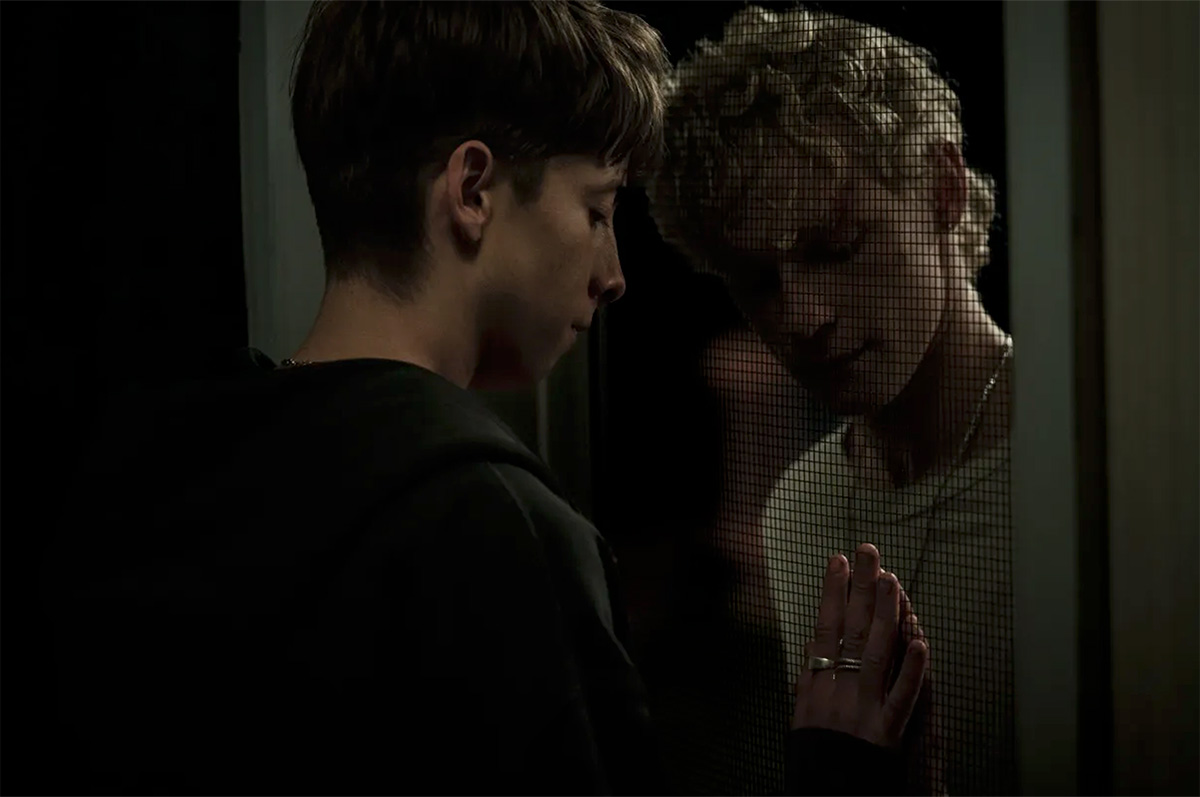
There’s something about horror films that makes them particularly apt as a vehicle for allegory. Vampires, zombies, ghosts, or seemingly death-proof serial killers can all easily be seen as metaphors for some lurking threat from the “dark side” of our own collective psyche, and stories about them are almost always cautionary tales that remind us that it’s the “dark side” of our own nature that we must confront in order for the danger to be eliminated.
This subtext has always been present in the genre, of course; but with the so-called “renaissance” of horror cinema that has taken place across the past decade or so, modern filmmakers in the genre have made increasingly bold choices with regard to how “sub” it is. “Get Out” or “Sinners” need no explanation to get across their allegorical points about racism, nor does “The Substance” require an expert to recognize its satirical observations about the toxic cultural obsession with youth and beauty. These are movies that wear their proverbial hearts on their sleeves, instead of masking them behind layers of cliched and “coded” plot tropes.
The same can definitely be said of “Leviticus,” the debut feature from Australian writer/director Adrian Chiarella, that not only hinges on a conceit that has obvious relevance to its not-so-hidden themes but tips off the whole thing by its very choice of title – a reference to the Old Testament book that is frequently cited by fundamentalist bigots as proof of God’s condemnation of homosexuality, and that sets up exactly what we are in for before the opening credits even begin to roll.
Set in a conservative rural town (in the Australian state of Victoria, though it will feel distinctly familiar to anyone who grew up in similar communities anywhere else in the world), it centers on Naim (Joe Bird), a teen boy newly transplanted there by his mother (Mia Wasikowska) – who has ties to a fundamentalist Christian enclave there – after the death of his father. Their new life – like seemingly everything else in the community – is tied directly to the church, which makes it doubly inconvenient when Ryan (Stacy Clausen), son of the town’s presiding preacher, invites him for an after-school “hangout,” which leads to a furtive make-out session in the town’s deserted mill.
Though the boys promise each other to keep it secret, they are both soon “outed” to their parents and subjected to a ritual performed by a mysterious “deliverance healer” (Nicholas Hope), intended to “protect” them from their “sinful” impulses. Soon after, a series of mysterious and violent encounters lead them to investigate local rumors around incidents involving other local teens – and the revelation that the ritual has summoned a malevolent entity, which appears to them as the person they are most attracted to (in this case, each other) and unleashes its murderous wrath when they give in to temptation. Their only chance of staying safe is to stay apart – unless they can find a way to defeat the supernatural force that has been turned loose against them.
Yes, it’s all very obvious. There is no attempt to mask what Chiarella’s movie is really about, though the word itself – like the biblical book with which it shares a title – is never spoken aloud in the film. It’s hardly a spoiler, though, to confirm that “Leviticus” is a story about homophobia. From its obvious evocation of real-life “conversion therapy” to its more subtle exploration of the secrecy and social shaming that surrounds same-sex love for so many teens growing up in an environment of fundamentalist religious tradition, every nuance of the film’s ingenious premise announces the clear intent of its messaging: homophobia is the true evil at work here, and its deadly power lies in its ability to make queer people afraid of being who they are.
While some might argue that presenting such an “on the nose” allegory in what is ostensibly “just” a horror film is a heavy-handed choice, we suggest – in this case, at least – that it’s exactly what makes the movie work so effectively.
From the very first scenes (after a prologue that ominously hints at the arcane evil that will soon come into play), we are invested in Naim and Ryan, whose tentative-but-joyous afternoon tryst is bound to trigger our own individual memories of adolescent sexual awakening, and whom we hope will be able to navigate their way through to the other side – even before the introduction of supernatural hate demons being summoned to kill them by using their own feelings for each other as a trap. They’re almost a definitive queer “coming of age” archetype, echoing generations of treasured “first time” memories and “what if“ fantasies about what might have been; we want them to be together, to overcome the otherworldly forces deployed to keep them apart – and when their romance is distorted, inverting their natural attraction to each other into fear and mistrust, it’s their own inability to abandon their feelings for each other that continues to put them in danger, making us pull to their side even more.
That emotional stake is the anchor of “Leviticus,” which lends an imperative to what might otherwise be a campy B-movie thriller and turns it into a genuinely engaging – and therefore terrifying – supernatural drama that is all the more powerful for playing to our hearts. Much of this effect hinges on the chemistry between its two young stars (which hits just the right pitch between irresistible hormonal urge and inseparable soul connection), but it’s also underscored by the irony of their being immersed within a culture that would rather destroy them than allow them to exist outside its traditional “norms.”
Nevertheless, while “Leviticus” succeeds by making us identify with its cult-crossed teenage lovers, it pays off by delivering not just a genuinely unsettling, profoundly disturbing, and unflinchingly brutal personification of religious bigotry at its most cruelly hateful, but by providing a tense and terrifying horror scenario that works on a pure “genre” level. Simply put, even setting aside any wider subtext about the deadly impact of homophobia, it’s a creepy, nerve-wracking ride.
A critical hit as part of the Sundance Festival’s “Midnight” section earlier this year, “Leviticus” went into theatrical release on June 19, the latest in a continuing trend of fresh and inventive films that has elevated the horror movie to new levels of critical appreciation. For us, it’s worth singling out as a boldly original expression of queer experience, elegantly constructed from the reinterpreted formulas of a genre that has always had particular draw for those in our community who knew how to read between the lines.
The difference is, this time we don’t have to – the message is spelled out loud and clear, and that in itself is enough to make it feel a little bit like empowerment, at a time when we could all use as much of it as we can get.
Friday, June 26
Trans Discussion Group will be at 7 p.m. on Zoom. This event is intended to provide an emotionally and physically safe space for trans people and those who may be questioning their gender identity/expression to join together in community and learn from one another. For more details, email [email protected].
DC Bird Alliance will host “Second Annual Ride for Pride” at 9 a.m. at the Yards Marina. This event is for celebrating community, belonging, and our shared connection to nature. Together, we’ll enjoy a guided one-hour boat ride departing from The Yards Marina, exploring the river’s wildlife, history, and ongoing restoration. Along the way, participants may spot Ospreys, herons, egrets, cormorants, Bald Eagles, turtles, and other species that call the Anacostia home. For more details, visit Eventbrite.
Saturday, June 27
Go Gay DC will host “LGBTQ+ Community Brunch” at 11 a.m. at Freddie’s Beach Bar & Restaurant. This fun weekly event brings the DMV area LGBTQ community, including allies, together for delicious food and conversation. Attendance is free and more details are available on Eventbrite.
“Sunshine: A Sapphic Pride Day Party” will be at 1 p.m. at Spark Social. This is a patio party for queer women & sapphics 35+. For more details, visit Eventbrite.
Sunday, June 28
Trap Laughsss Pride Comedy Night will be at 7 p.m. at Sid’s Gold Request Room. This in-person event is where comedy meets Pride, bringing you hilarious performances that’ll have you rolling in the aisles. Whether you’re here to celebrate or just enjoy some fantastic jokes, this night is all about fun, community, and laughs. Don’t miss out on the best comedy bash around! More details are on Eventbrite.
Monday, June 29
“Center Aging: Monday Coffee Klatch” will be at 10 a.m. on Zoom. This is a social hour for older LGBTQ+ adults. Guests are encouraged to bring a beverage of choice. For more information, contact Adam ([email protected]).
Tuesday, June 30
The DC Center for the LGBTQ+ Community will host a screening of “Swann Queen” at 7 p.m. This is a short film by Lcedeño Miller inspired by the true story of William Dorsey Swann – considered one of the world’s first drag queens. Billy Swann and their brother Dan are preparing to host their third masquerade ball. When the police raid the party, Billy must decide whether to run or resist. Swann Queen is a story about community, survival, and the legacy of LGBTQ+ resistance in Washington, D.C. Screening followed by conversation. For more details, visit the Center’s website.
Wednesday, July 1
Job Club will be at 6 p.m. on Zoom upon request. This is a weekly job support program to help job entrants and seekers, including the long-term unemployed, improve self-confidence, motivation, resilience and productivity for effective job searches and networking — allowing participants to move away from being merely “applicants” toward being “candidates.” For more information, email [email protected] or visit www.thedccenter.org/careers.
Thursday, July 2
The DC Center for the LGBTQ+ Community’s Fresh Produce Program will be held all day at the Center. People will be informed on Wednesday at 5 p.m. if they are picked to receive a produce box. No proof of residency or income is required. For more information, email [email protected] or call 202-682-2245.
Virtual Yoga Class will be at 7 p.m. on Zoom. This free weekly class is a combination of yoga, breath work and meditation that allows LGBTQ+ community members to continue their healing journey with somatic and mindfulness practices. For more details, visit the The DC Center for the LGBTQ+ Community’s website.
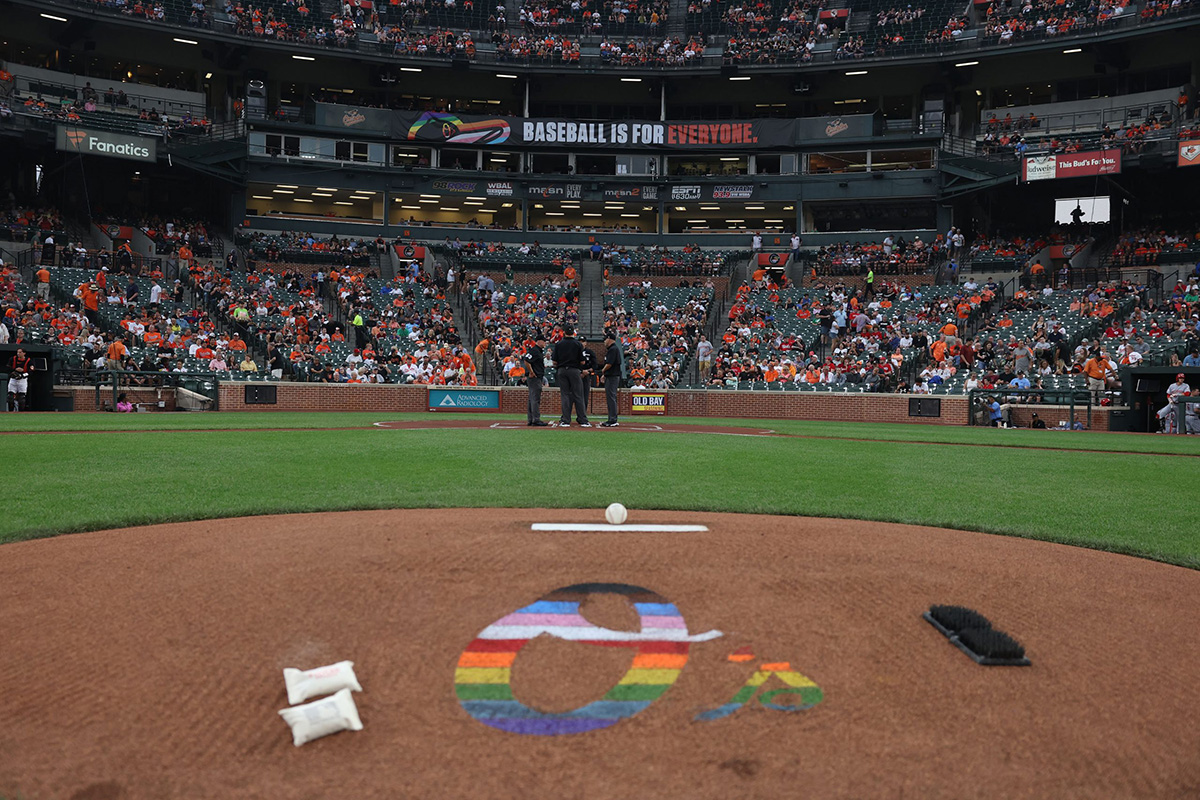
The Baltimore Orioles will take on the Washington Nationals on Friday, June 26 at 7 p.m. for Pride Night at Oriole Park.
The first 15,000 fans will receive an exclusive Pride Night Orioles jersey. The Washington Blade is a media sponsor of this event.
To purchase tickets, visit Orioles.com/Tickets.

Comings & Goings

‘Leviticus’ demonizes homophobia for gripping queer horror yarn

Calendar: June 26-July 2

Orioles take on Nats for Pride Night

My boyfriend is almost perfect

Abelardo de la Espriella elected Colombia’s next president

Capital Pride draws tens of thousands to D.C.

British Prime Minister Keir Starmer to resign

PHOTOS: Capital Pride Festival and Concert