Arts & Entertainment
Newseum discontinues ‘fake news’ T-shirts after media backlash
The museum also sells ‘MAGA’ merchandise

(Photo via Wikimedia Commons)
The Newseum has pulled its “You are very fake news” T-shirts after facing backlash especially from journalists who argued that the apparel was contradictory to the museum’s mission statement “to increase public understanding of the importance of a free press and the First Amendment.”
The “fake news” phrase struck a chord on social media with people criticizing the museum for promoting the phrase made popular by President Donald Trump to discredit journalists.
This t-shirt doesn’t belong anywhere. It particularly doesn’t belong at the @Newseum, a place that celebrates journalism and has the First Amendment etched in stone outside its building. https://t.co/7ecmjcGOyq pic.twitter.com/AhEgRVA7wE
— Matt Viser (@mviser) August 3, 2018
.@Newseum, as a reporter, you just lost my business.
— Tara Copp (@TaraCopp) August 3, 2018
In other words, the Newseum is selling merchandise designed to amplify the president’s attack on a specific network—attacks that are designed to chill free speech and punish a free press.
— Susan Hennessey (@Susan_Hennessey) August 3, 2018
.@Newseum has a memorial to journalists killed while reporting. So why are they selling “fake news” shirts? It’s one thing to sell political paraphernalia … it’s another to promote a phrase authoritarian regimes around the world use to stop a free press https://t.co/j30qEyttmJ
— Hadas Gold (@Hadas_Gold) August 3, 2018
A memorial at the @Newseum pays tribute to 2,323 journalists who died reporting the news, many of them at the hands of foreign regimes hostile the press. https://t.co/STwYX7NsBH
— Steve Reilly (@BySteveReilly) August 3, 2018
. @Newseum, you know better. No amount of revenue justifies this lapse in judgement and an about-face on your mission. https://t.co/LUNx5SEzuJ
— Emily Kuhn (@emkuhn) August 3, 2018
Newseum director of public relations Sonya Gavankar initially defended the decision to sell the “fake news” T-shirts as well as other Trump merchandise such as “Make America Great Again” hats and T-shirts.
“We recognize why you’re asking the question,” Gavankar said in a statement to Poynter. “As a nonpartisan organization, people with differing viewpoints feel comfortable visiting the Newseum, and one of our greatest strengths is that we’re champions not only of a free press, but also of free speech.”
Later, the Newseum released a statement that the shirts have been removed from online and in stores.
“We made a mistake and we apologize. A free press is an essential part of our democracy and journalists are not the enemy of the people,” the Newseum said in a statement.
However, the Newseum says it will continue to sell Make America Great Again merchandise.
“Questions have also been raised regarding other merchandise. As an organization that celebrates the rights of people from all political spectrums to express themselves freely, we’ve historically made all types of political merchandise available for our guests to purchase. That has included former and current presidential slogans and imagery and merchandise from all political parties. We continue to do so in celebration of freedom of speech,” the statement concluded.
Gavankar noted to Poynter that the MAGA hat is one of the Newseum’s best selling items.




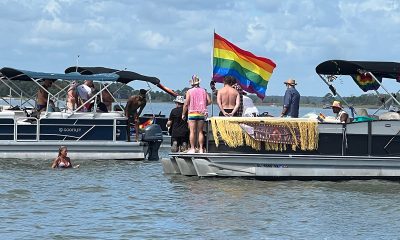
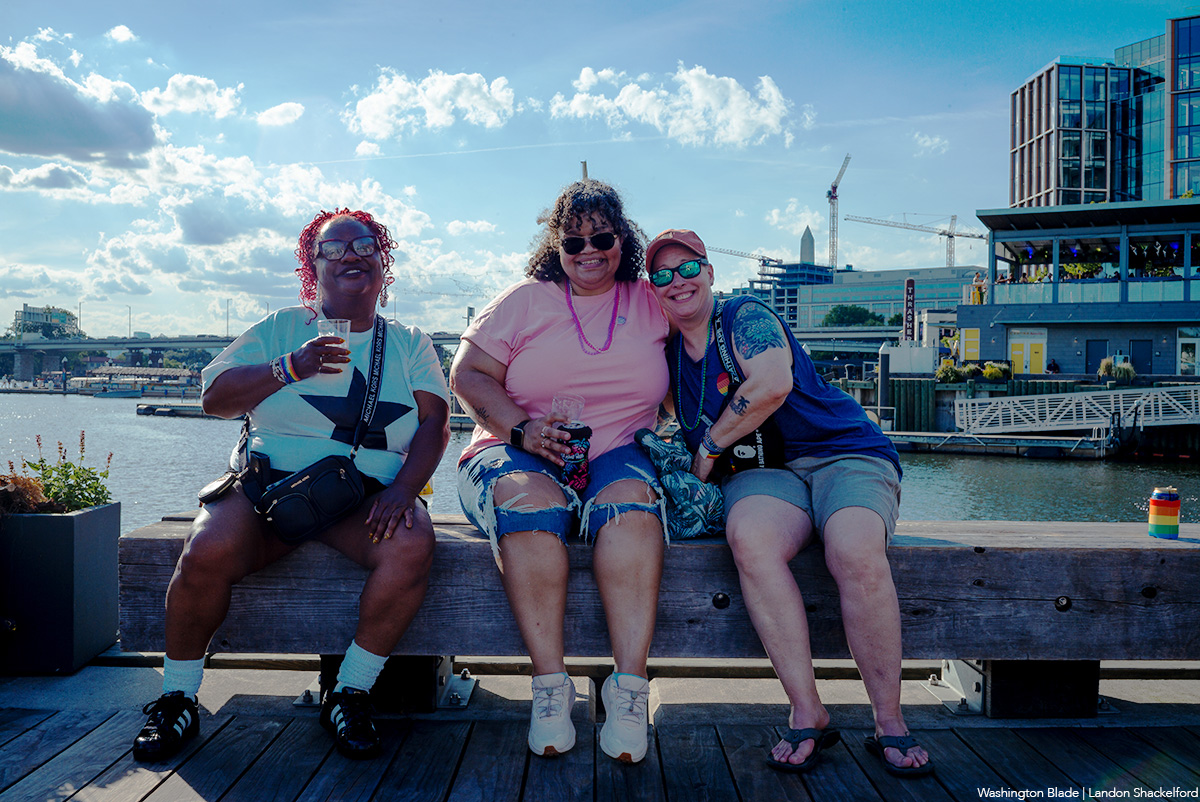
The Washington Blade held the seventh annual Pride on the Pier at The Wharf DC on Saturday, June 13.
(Washington Blade photos by Landon Shackelford)


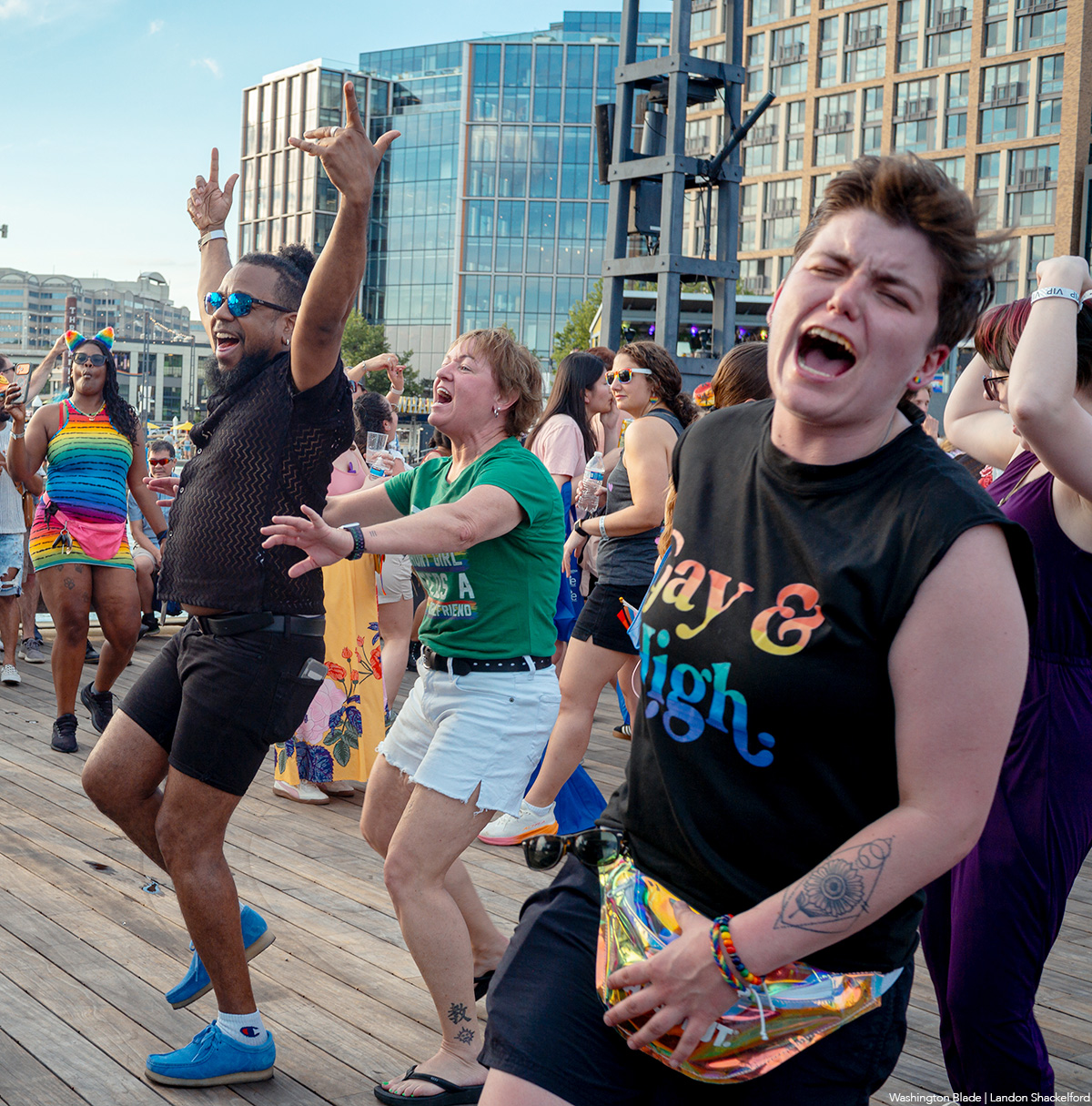


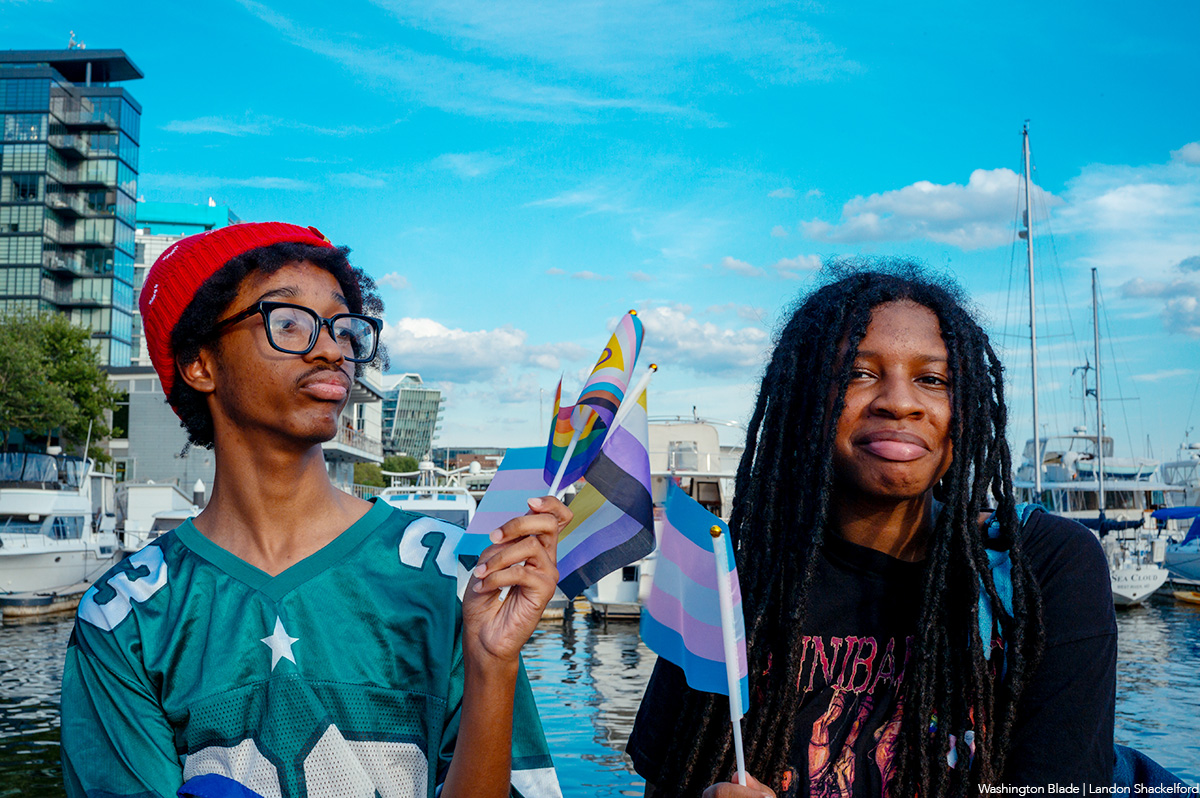


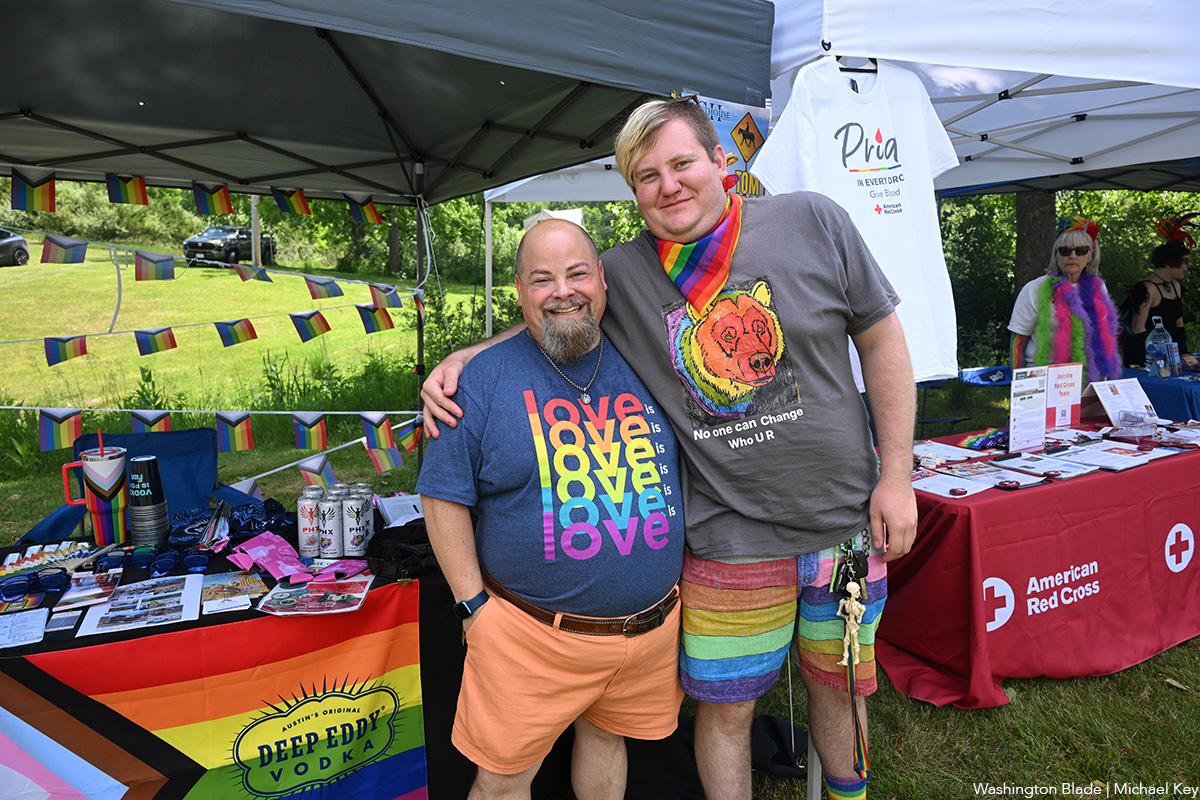
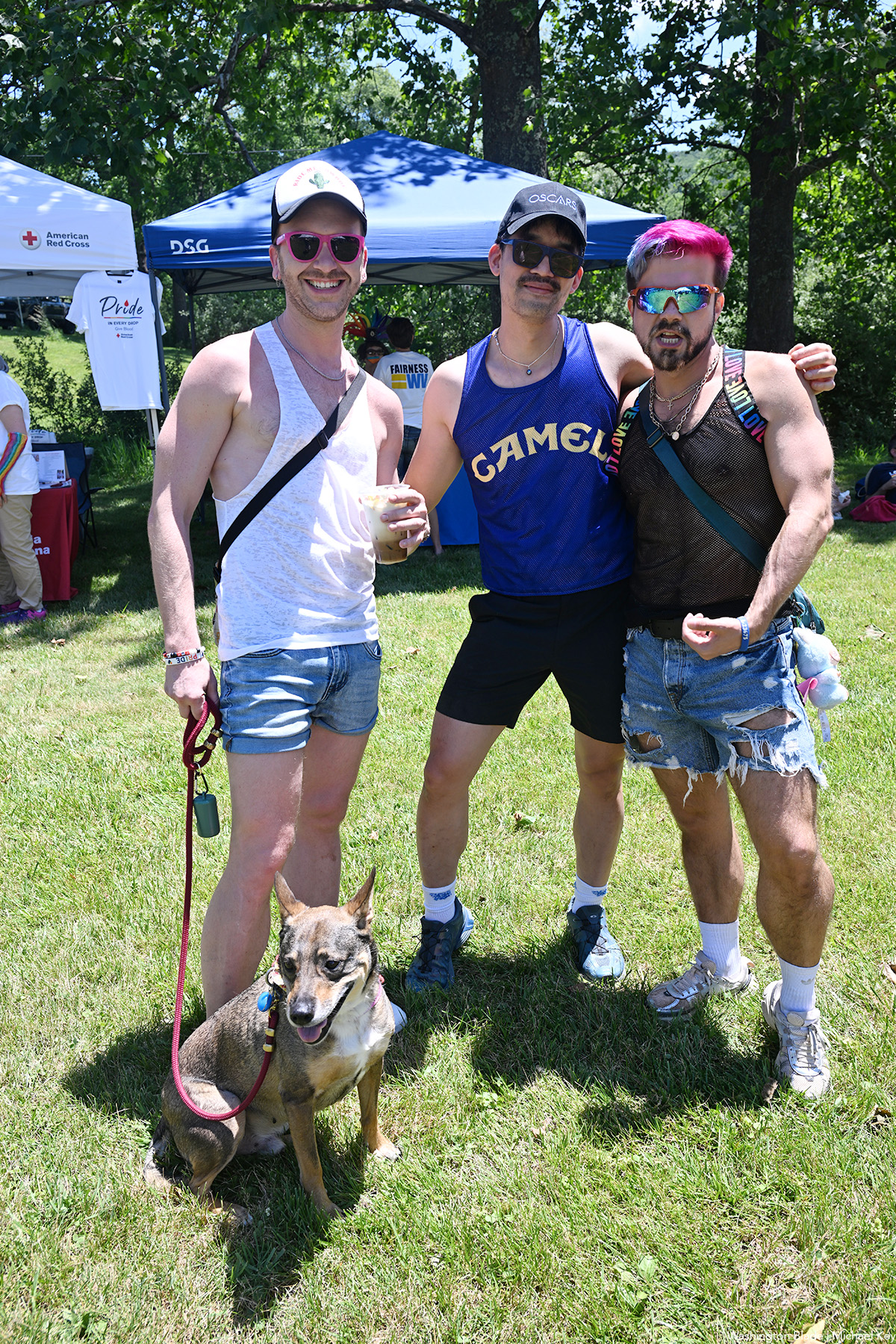
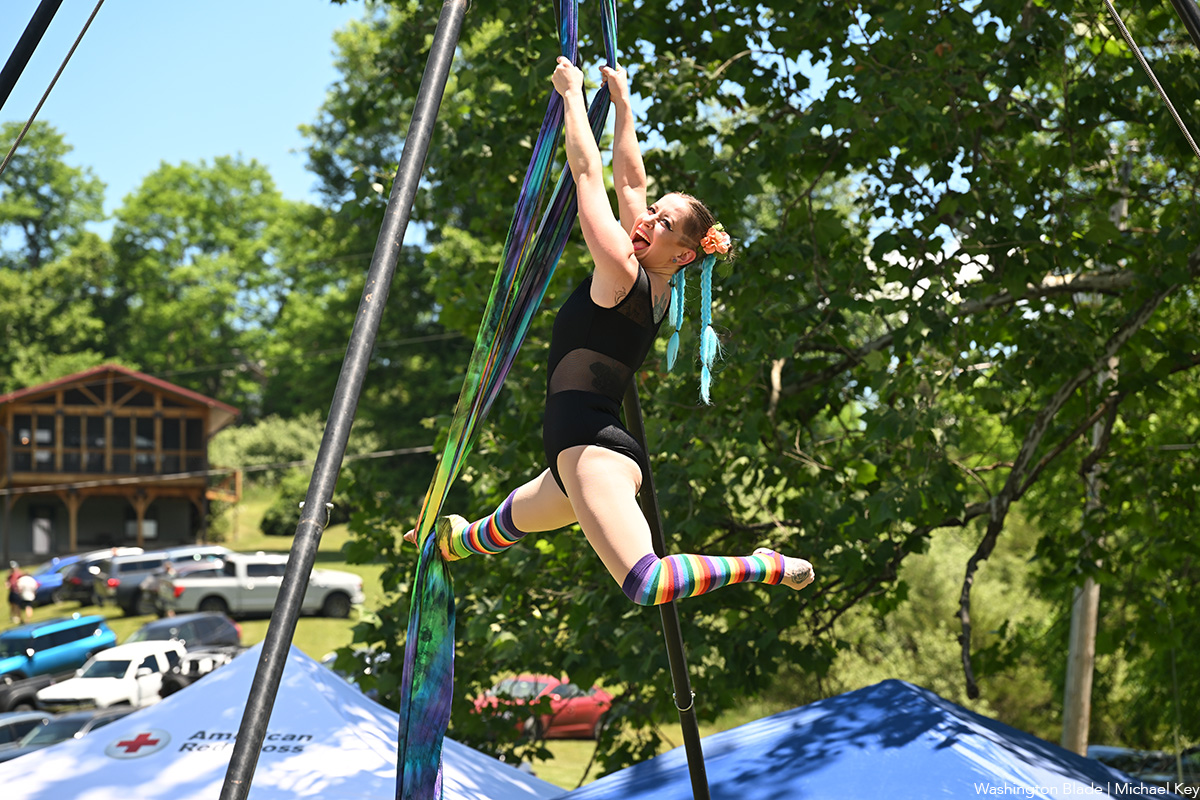
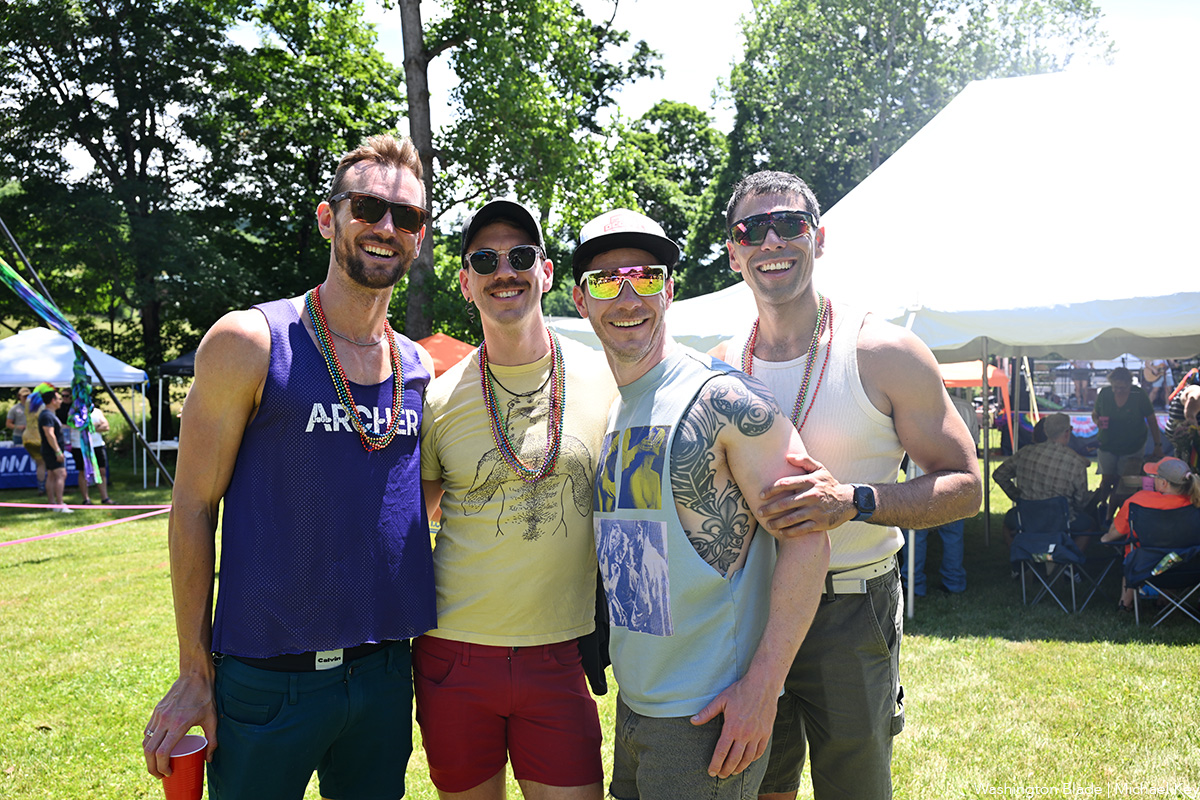
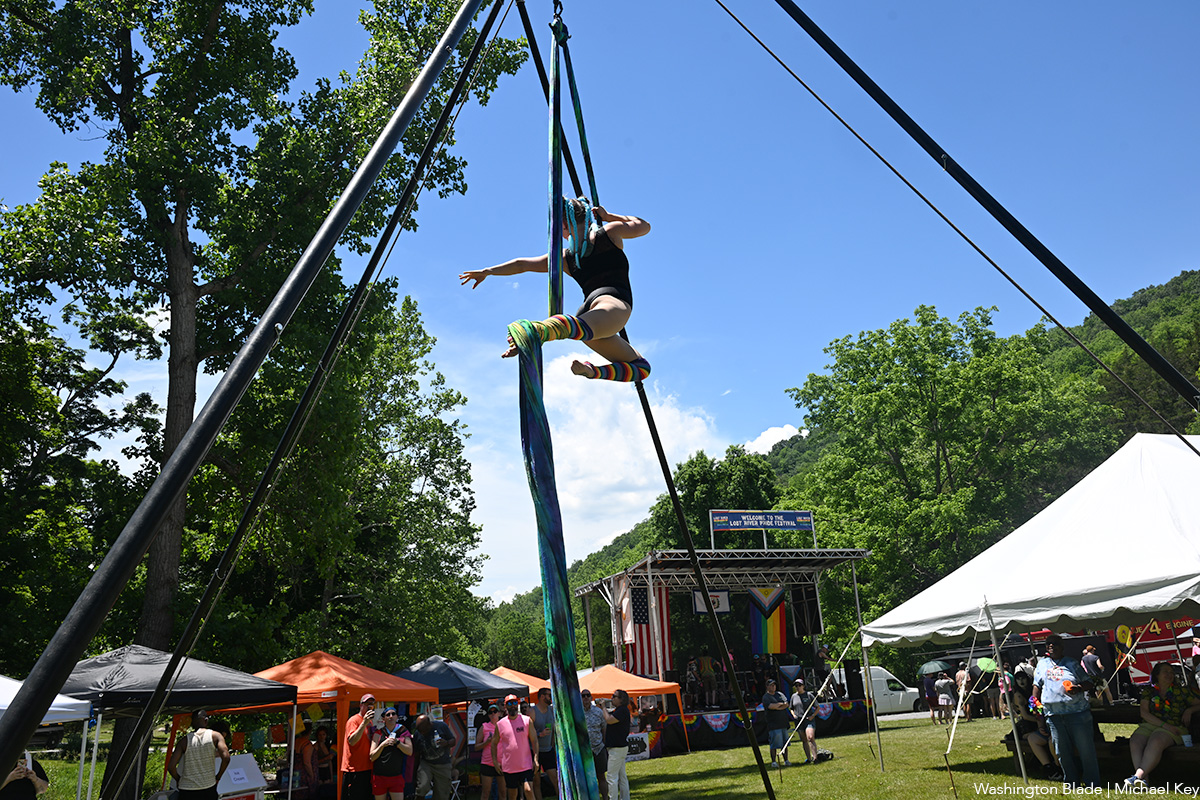
The 2026 Lost River Pride Festival was held on the scenic grounds of the Lost River Farmers Market in Lost City, W.Va. on Saturday, June 13. Headliner Tom Goss performed at the festival and gave a second performance at the nearby Guesthouse Lost River.
(Washington Blade photos by Michael Key)









View on Threads
Books
David Archuleta on Mormon faith, ‘Idol,’ more in new book
Unique memoir details religious upbringing, coming out
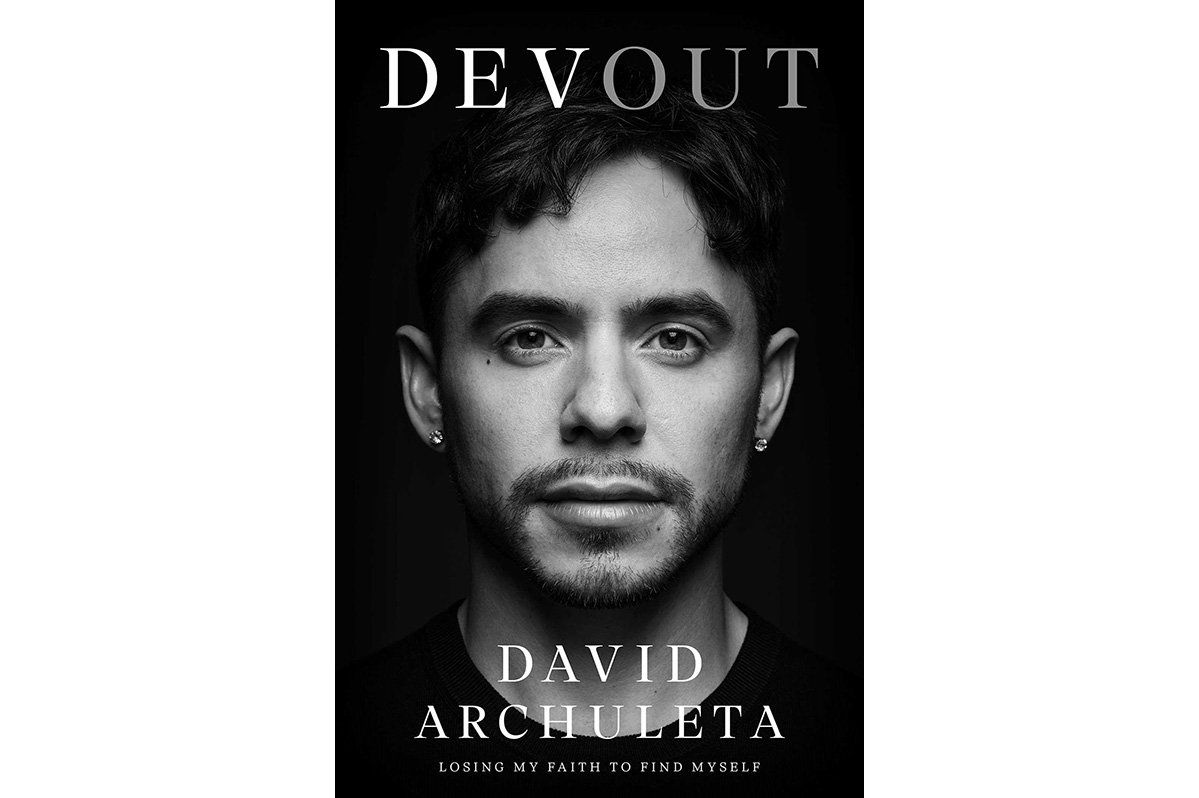
‘Devout: Losing My Faith to Find Myself’
By David Archuleta
c.2026, Gallery Books
$29/290 pages
So just make up your mind already.
The decision is very much in your control – or, at least that’s how it’s supposed to be. It’ll be your future, your path, and seizing it may not just be necessary, but mandatory. It’s your life, and no one can live it for you. As in the new memoir “Devout” by David Archuleta, that goes for career and for love, too.

Born to parents who both had musical careers before they wed, David Archuleta remembers an early childhood growing up in a Hispanic Mormon community in Florida, where kin was always nearby. He was six when his parents moved the immediate family to Utah; the first thing he remembers about that is the snow, and how it was so cold, it burned.
Because music was in his blood, Archuleta grew up singing and dancing, often with his mother whom he calls “my rock.” It was his father, however, who encouraged him to perform; first, with a gentle push, then a shove toward a career Archuleta didn’t really want.
But he did want to make his father happy, so he went along with the contests, embarrassing meet-and-greets with stars, and uncomfortable introductions. Slowly, though, performing became more fun, and Archuleta made friends.
Meanwhile, back home, everything was breaking apart. A “family friend” whom Archuleta refuses to name accused his father of abuse. He was exonerated, but it affected the family’s closeness and they stopped being affectionate.
That was a painful backdrop to Archuleta’s soaring career, his appearances on Star Search, friendships with other rising stars, his runner-up spot on “American Idol,” tours, and recording contracts. His father kept pushing him.
But there was one thing missing.
Since he was a boy, Archuleta had known that he was attracted to men, but his Mormon faith taught him that that was unacceptable. Kissing, his abuelita said, was wrong. He tried hard to date girls, in the most chaste way. Anything past that was against God – and anything at all with a man was unthinkable.
Though it absolutely favors his personal life and dwells on it a bit too much, “Devout” strikes an otherwise nice balance between that, author David Archuleta’s career, his sexuality, and his faith. The latter two are loaded with controversy.
You don’t need to be Mormon to fully understand the faith part; Archuleta offers non-Mormons a brief education, so readers can see the importance of the Church’s teachings in his life and why he felt the need to abandon it as his understanding of his bisexuality grew. It’s emotionally raw and honest, but also so respectful that it almost bears re-reading. Such candor and the heart-on-his-sleeve tone you’ll sense are features in the entire book, alongside Archuleta’s family’s struggles and his learning to strike out alone.
It’s harmonious in more ways than one, and fans will be happy.
So, too, will anyone who wants a unique memoir with a dose of faith, or someone who’s an “American Idol”watcher. Find “Devout” and be sure to share. You won’t mind.
The Blade may receive commissions from qualifying purchases made via this post.

PHOTOS: Pride on the Pier

PHOTOS: Lost River Pride

David Archuleta on Mormon faith, ‘Idol,’ more in new book

The advantages of owning your home

‘Suffs’ an entertaining chronicle of battle to pass 19th Amendment

McDuffie on LGBTQ support and standing up to Trump

Blade editor inducted into D.C. Society of Professional Journalists Hall of Fame

Pride in a new world order

Rehoboth’s Pride on the Bay set for June 27