Arts & Entertainment
Disney casts straight comedian as ‘effete’ gay character
The choice has critics asking questions
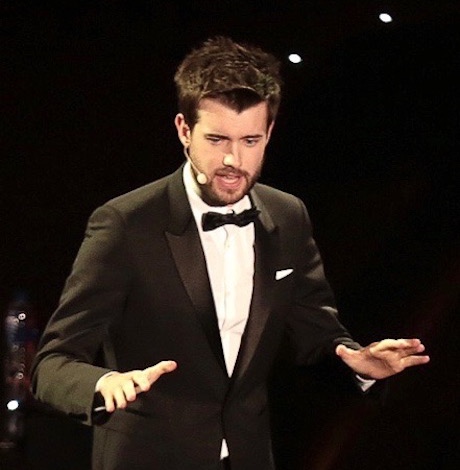
Jack Whitehall (Photo via Wikimedia Commons)
The choice by producers to cast Jack Whitehall, a straight 30-year old British comedian as Walt Disney Company’s first openly gay character, has critics asking questions.
In the film “Jungle Cruise,” Whitehall is “playing a gay man” and a character who is “hugely effete, very camp and very funny,” a film producer tells the Los Angeles Blade. Disney’s publicity staff says the film is “based on Disneyland’s theme park ride, where a small riverboat takes a group of travelers through a jungle filled with dangerous animals and reptiles, but with a supernatural element.”
Britain’s Sky News reported that fellow actor Chris Salvatore told Disney to “do better,” adding: “Such a dam [sic] shame it’s so hard to find gay actors to play gay roles in Hollywood.”
Actor and producer Emerson Collins added: “It’s too bad there weren’t any out actors who are regularly called some euphemism for ‘too camp’ by casting directors, studios, networks, executives etc. for literally any role who were available for this Disney ‘first.’”
Egyptian-Canadian actor and gay activist Omar Sharif Jr. asked Disney on Twitter: “Your first significant gay role will be played by a straight white man perpetuating stereotypes? Fail! This ship should sink.”
Really @Disney #JungleCruise ? Your first significant gay role will be played by a straight white man perpetuating stereotypes? Fail! This ship should sink. https://t.co/npPESNZaxD
— Omar Sharif Jr. (@OmarSharifJr) August 13, 2018
East London-based lesbian journalist Sophie Wilkinson also questioned Hollywood’s sense of casting:
If Scarlett Johansson wasn’t allowed to play a trans man then Jack Whitehall shouldn’t be allowed to play a gay man. Especially so when you consider there are absolute hundreds of out gay men in Hollywood who are better actors than him
— Sophie WilkINson (@sophwilkinson) August 13, 2018
The announcement, made public over the weekend, has amplified the ongoing critique that Hollywood Film Executives are continuing to marginalize LGBT actors and characters in films. This past May, in an annual report issued by the LGBTQ Media Watchdog group GLAAD —(The 2018 GLAAD Studio Responsibility Index )—the numbers for 2017 revealed that LGBT representation in major motion pictures are the lowest since 2012.
“We hope that next year’s report is able to paint a more promising picture than GLAAD’s 2017 findings,” GLAAD president Sarah Kate Ellis writes in the report, noting that 2018 has so far seen three well-executed, LGBT-inclusive films from major studios: “Annihilation,” “Blockers,” and “Love, Simon.”
“There’s not ample reasons to deny openly gay persons from appearing in those roles,” the film producer, who requested to not be identified, told the LA Blade. There are famous gay/queer actors who play straight roles “exceptionally well,” citing the examples of inimitable Sir Ian McKellen and New York actor Ezra Miller, the 25-year old who is gaining attention for his role as “Flash” in “The Justice League.”
“Speaking to Shortlist magazine, Miller said that he was warned not to share details of his sexuality – he has had romantic relationships with both men and women, and doesn’t identify as heterosexual – because it could hamper his chances of landing a leading film role,” The Telegraph of London noted last November.
“I was told by a lot of people I’d made a mistake,” Miller told Shortlist. “Folks in the industry, folks outside the industry. People I’ve never spoken to. They said there’s a reason so many gay, queer, gender-fluid people in Hollywood conceal their sexual identity, or their gender identity in their public image. I was told I had done a ‘silly’ thing in… thwarting my own potential to be a leading man.”
He added: “I was given a lot of stern talking-tos.”
Commenting on “Jungle Cruise” last week, Whitehall posted on Instagram: “Filming is underway and I am having the time of my life with my amazing co-stars.
The film is due to hit theaters in October 2019, with the cast also including Dwayne “The Rock” Johnson and British actress Emily Blunt.
Reporting by SKY News UK, The Telegraph of London, the staff of the Los Angeles Blade, and wire service reports.





Photos
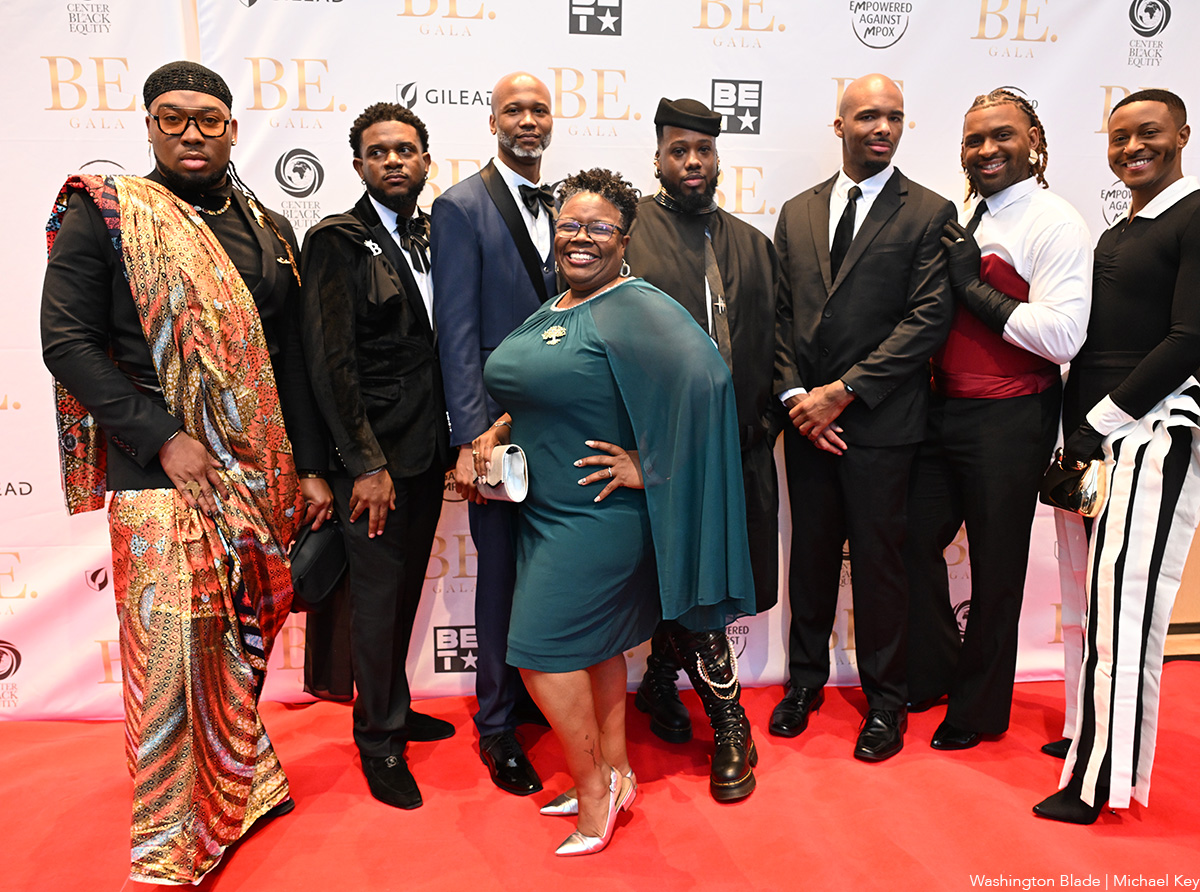
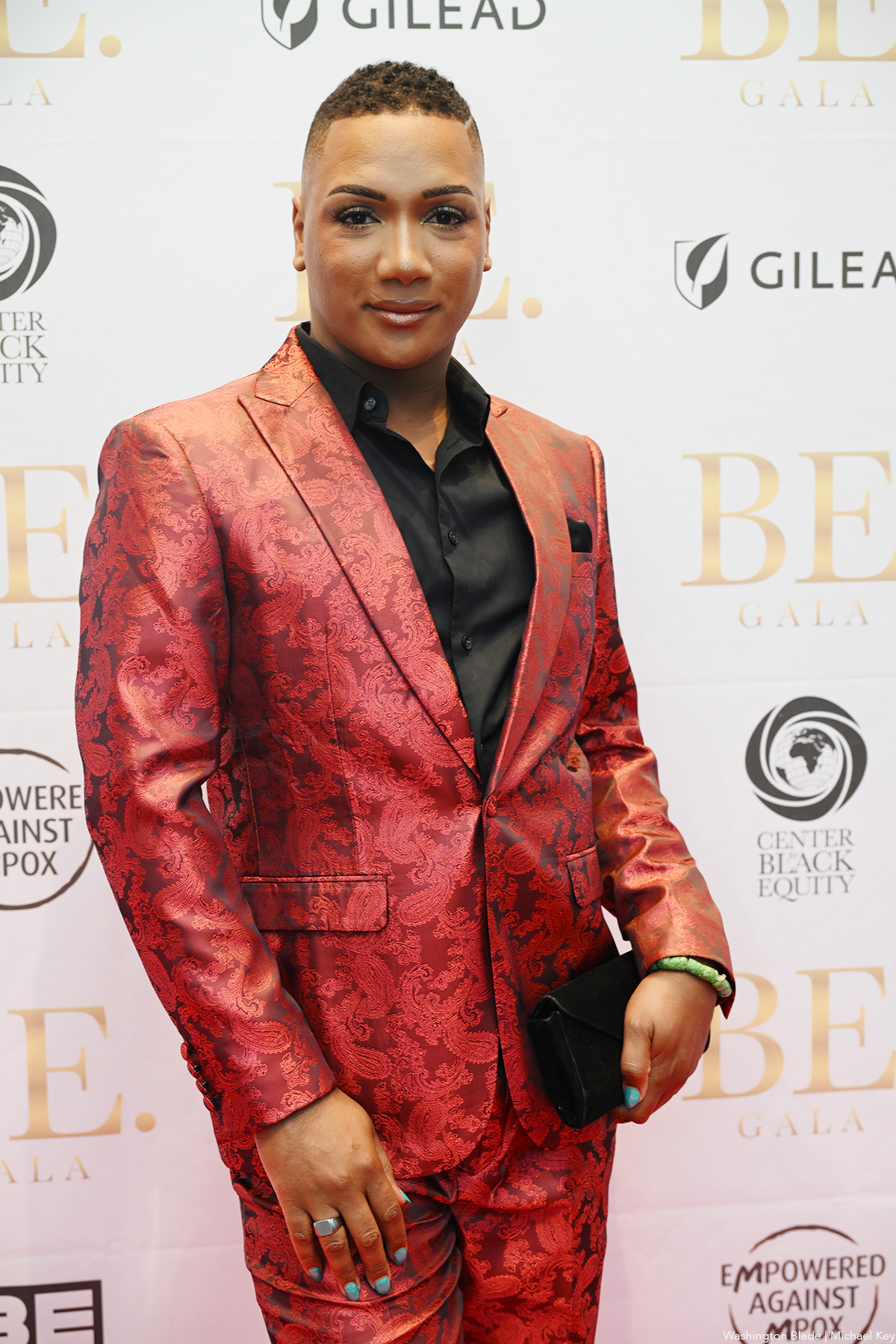
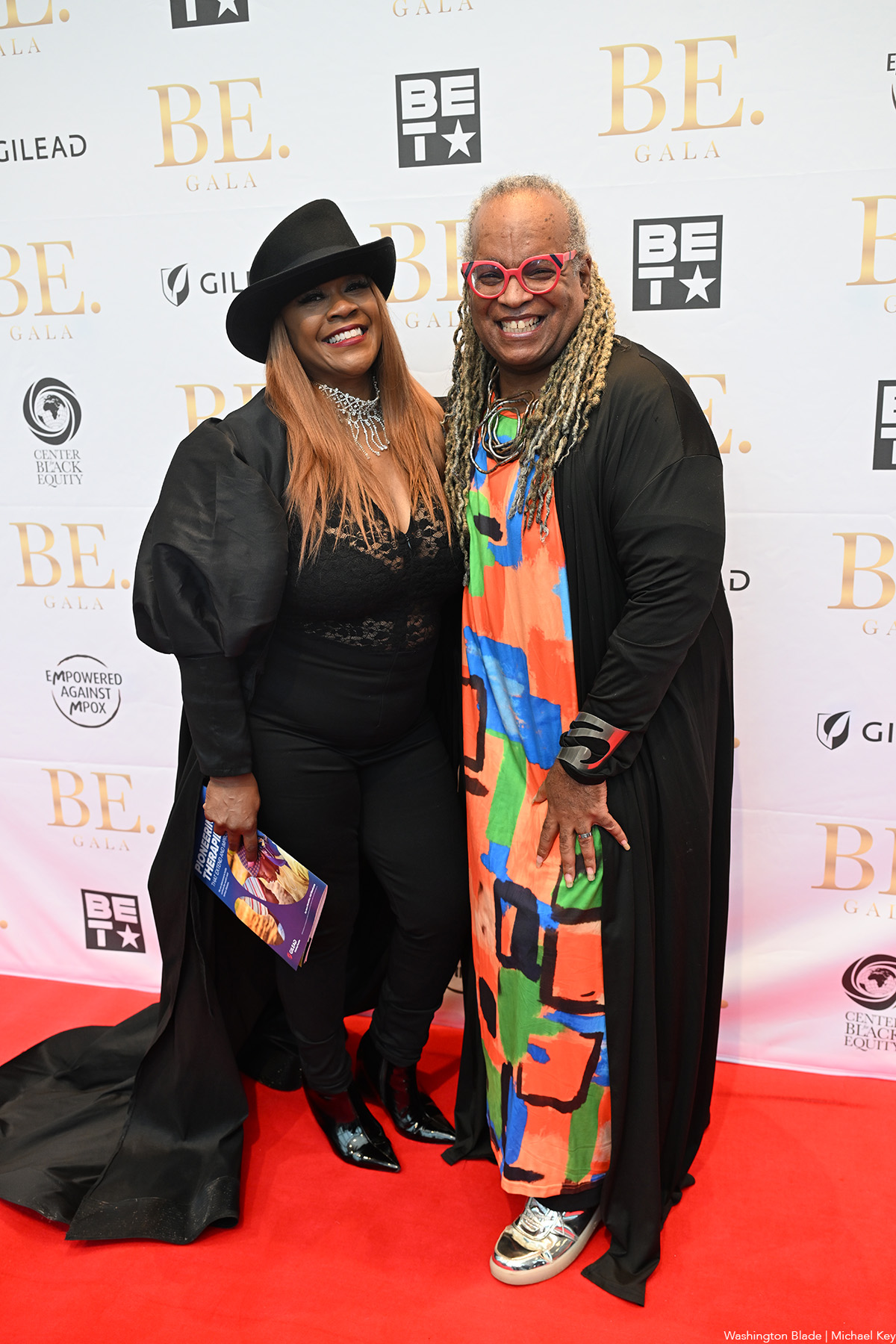
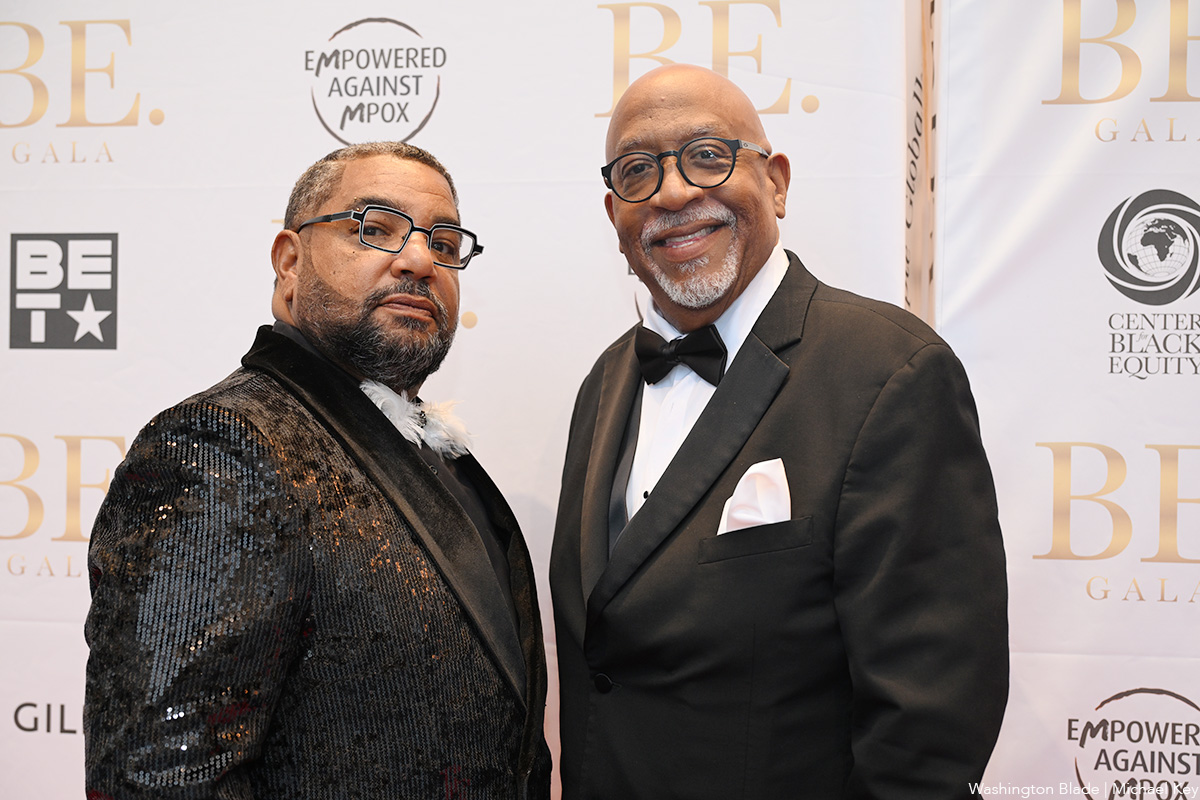
Center for Black Equity honors leaders, activists at BE. Gala
Miyake-Mugler, Oakes co-host annual awards ceremony
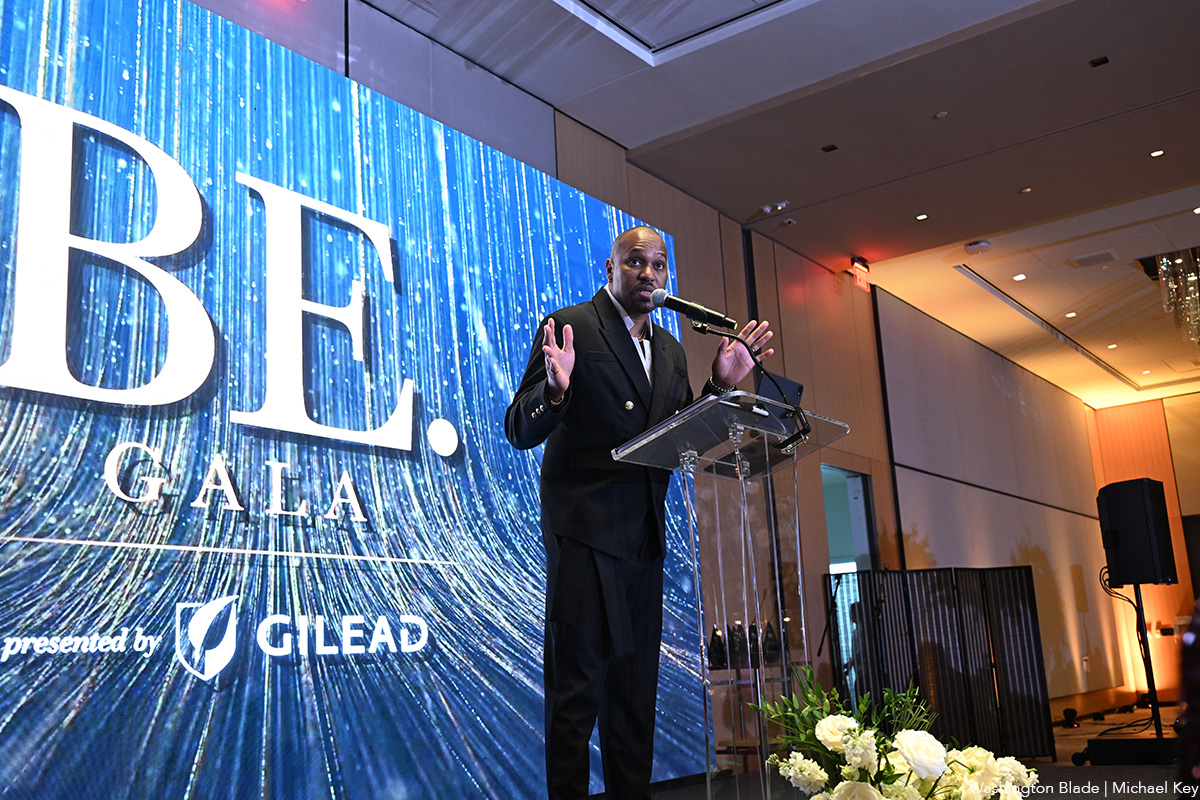
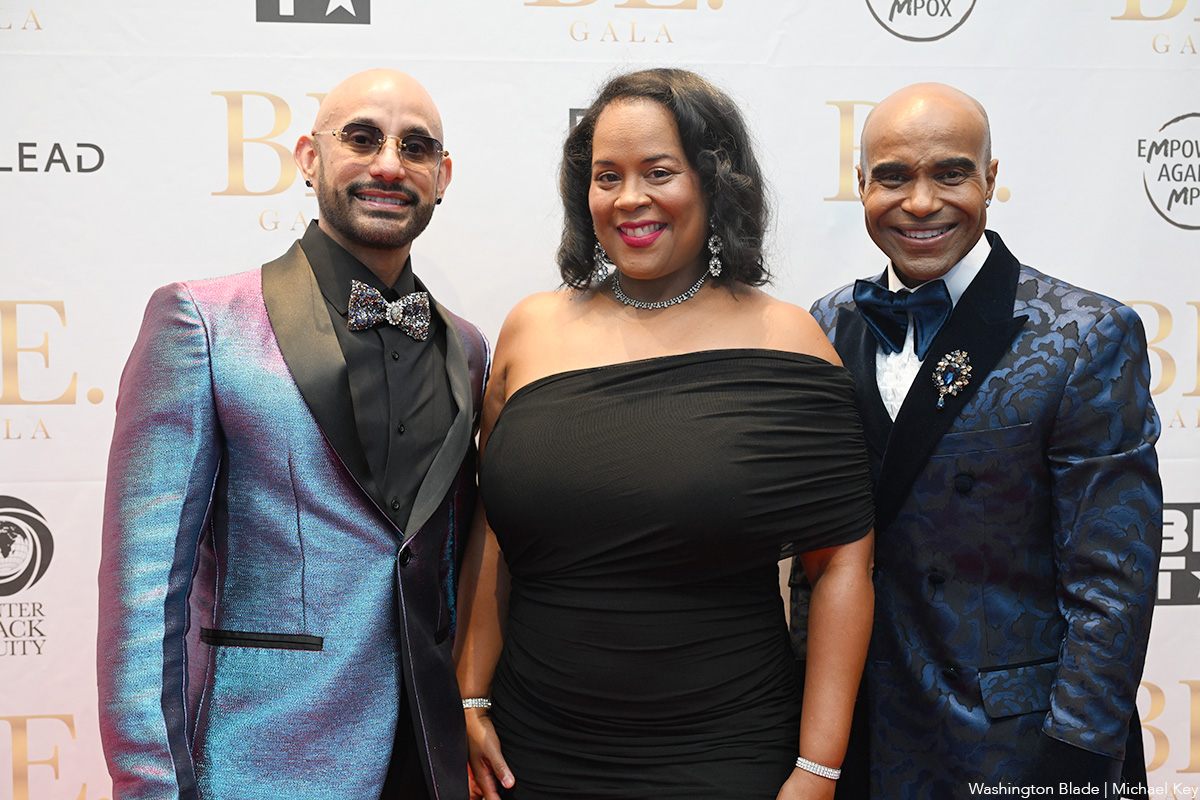
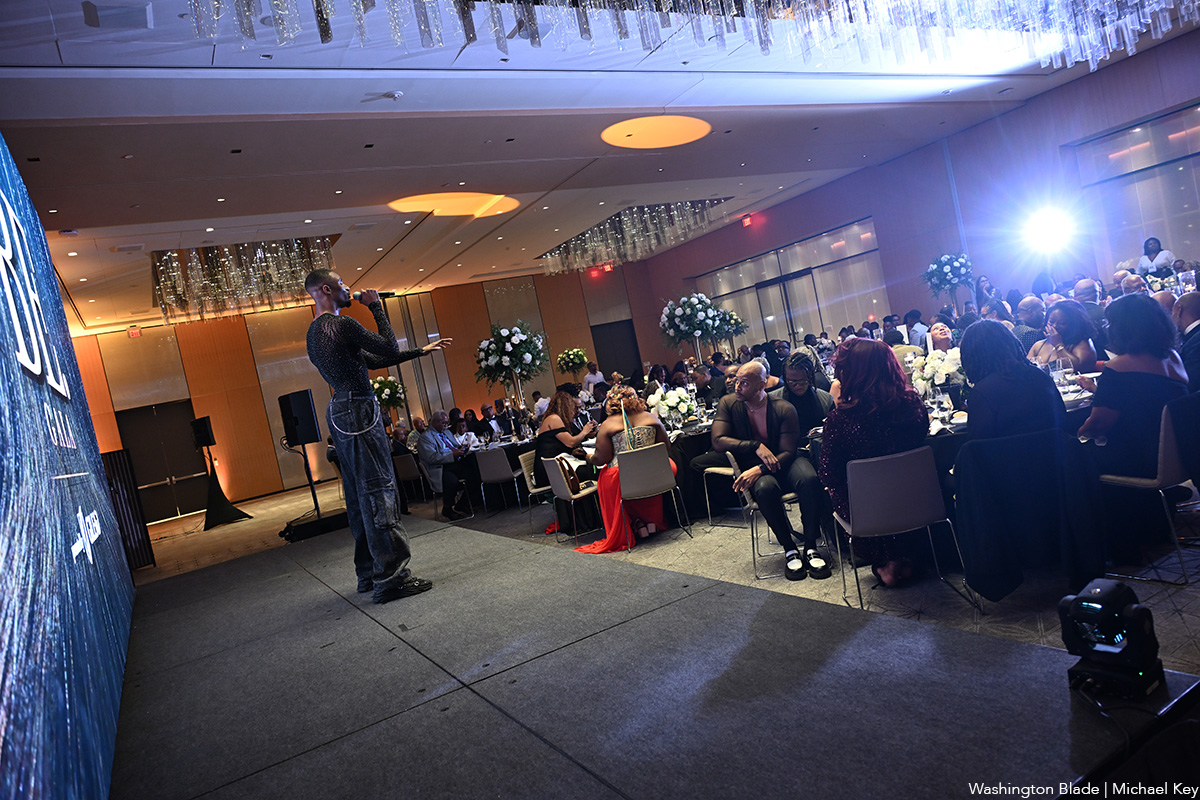
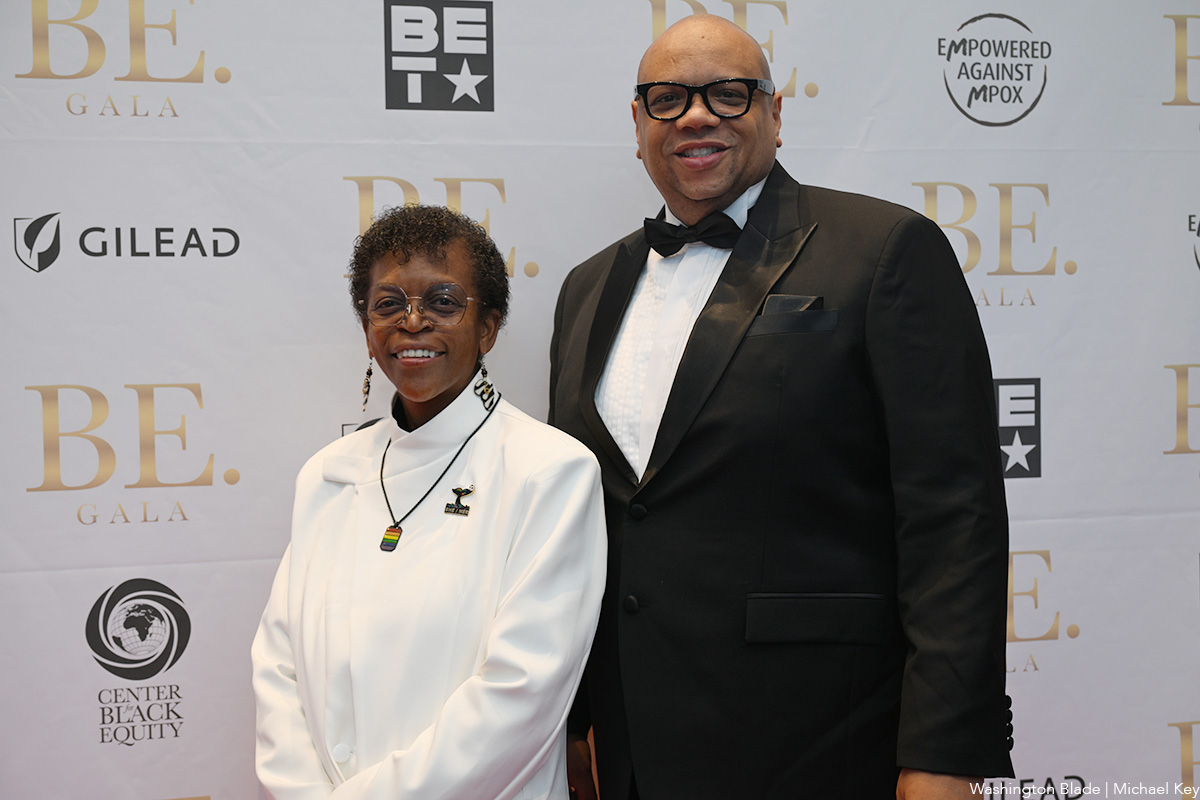
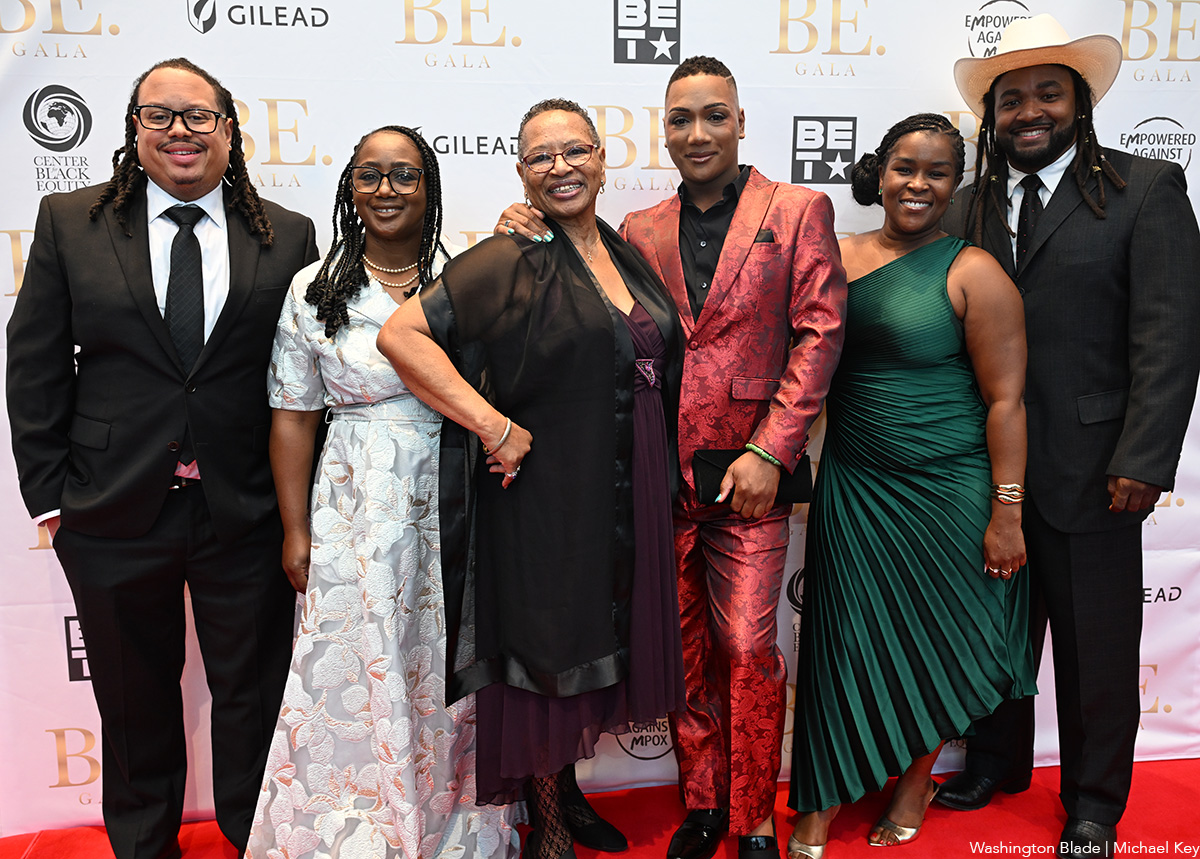
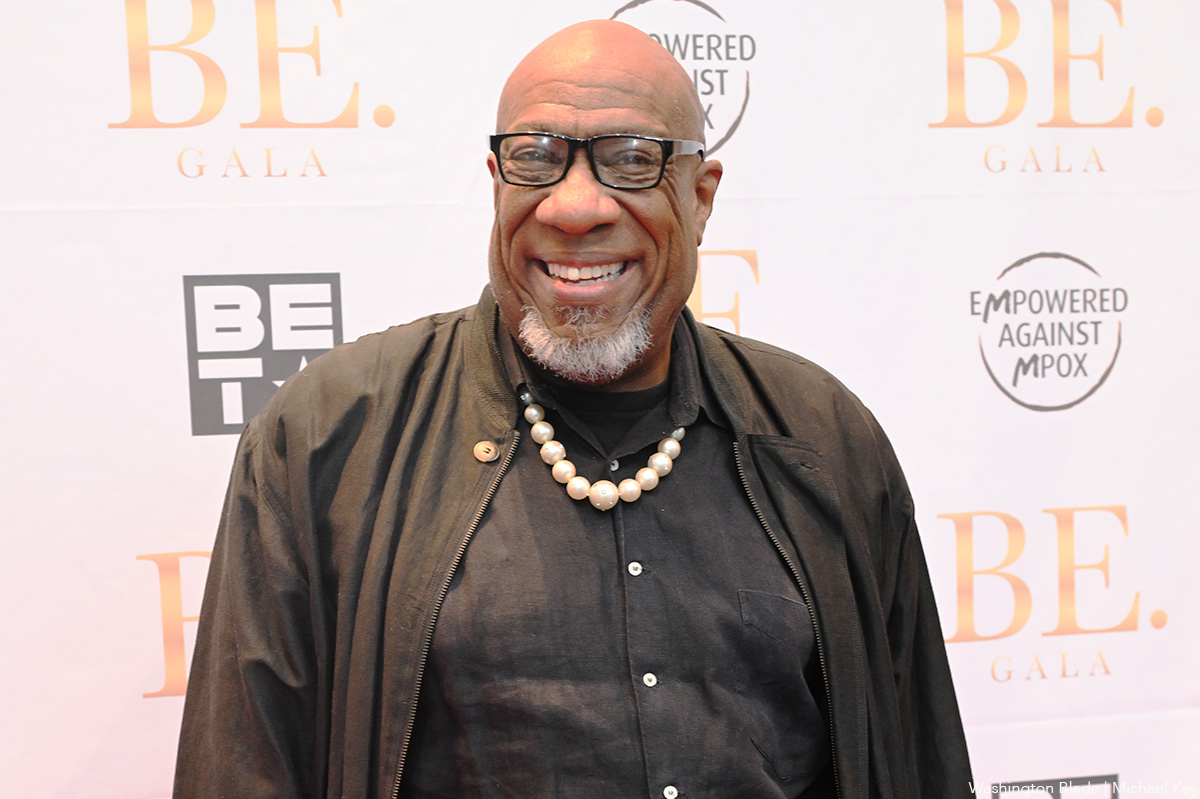
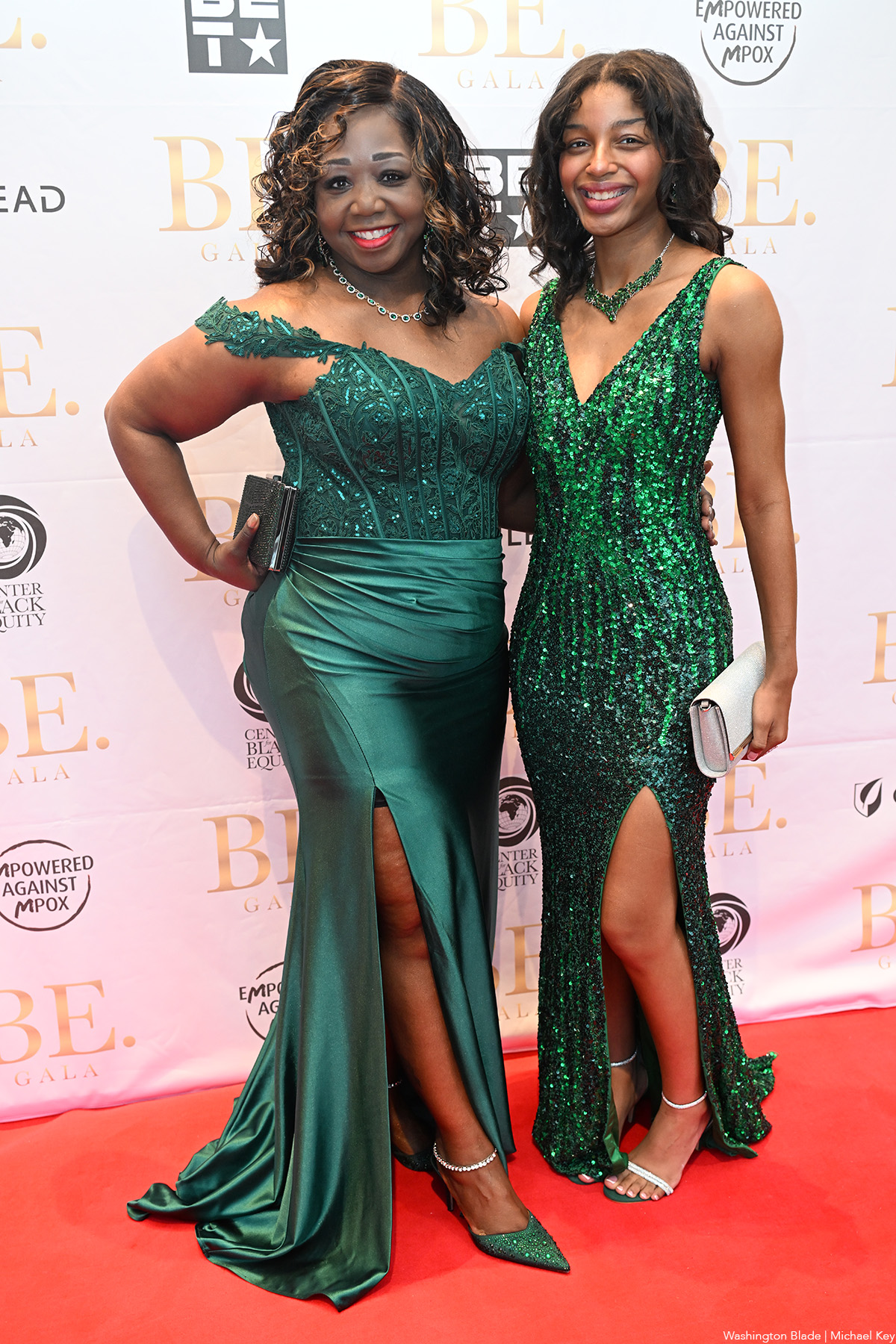
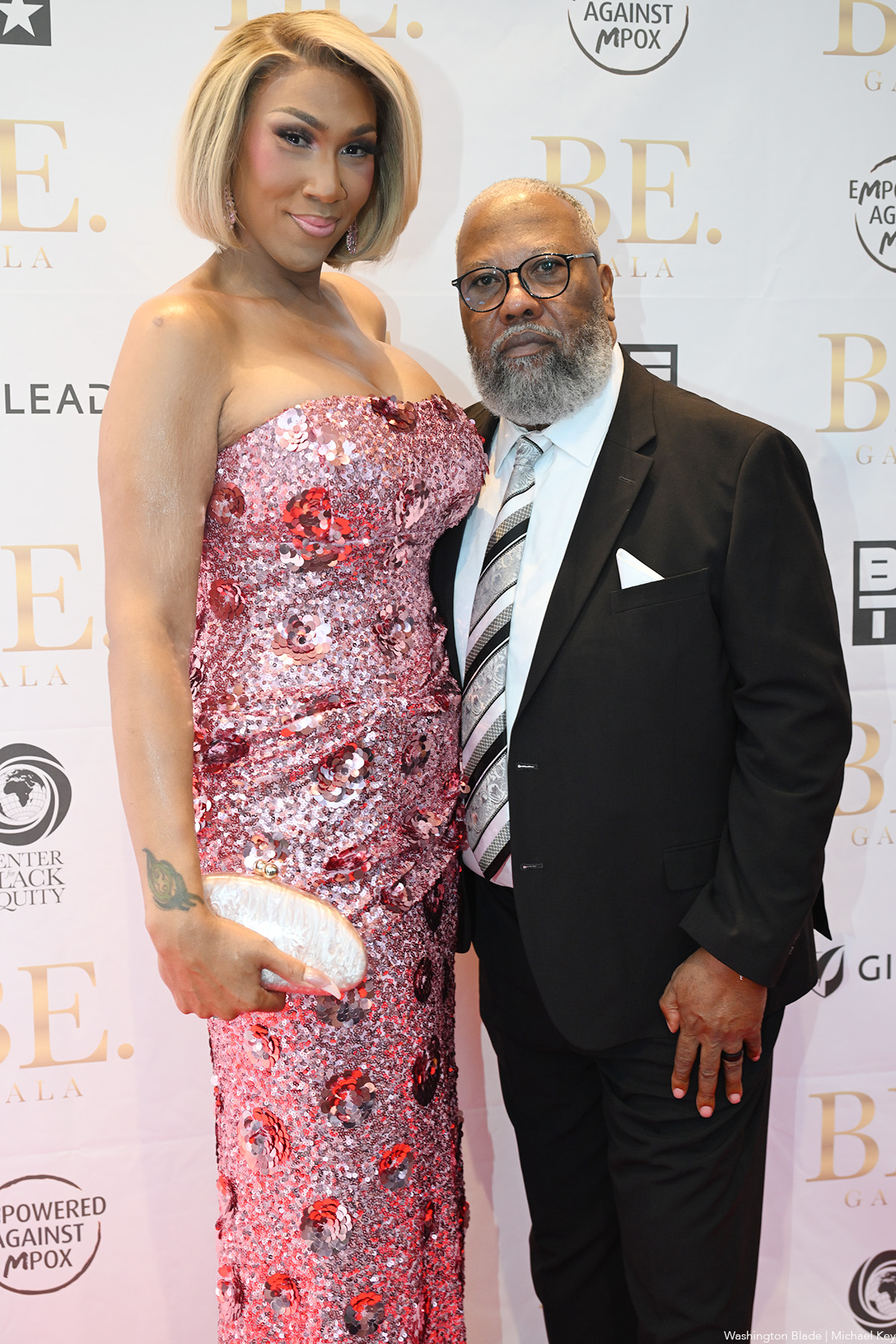
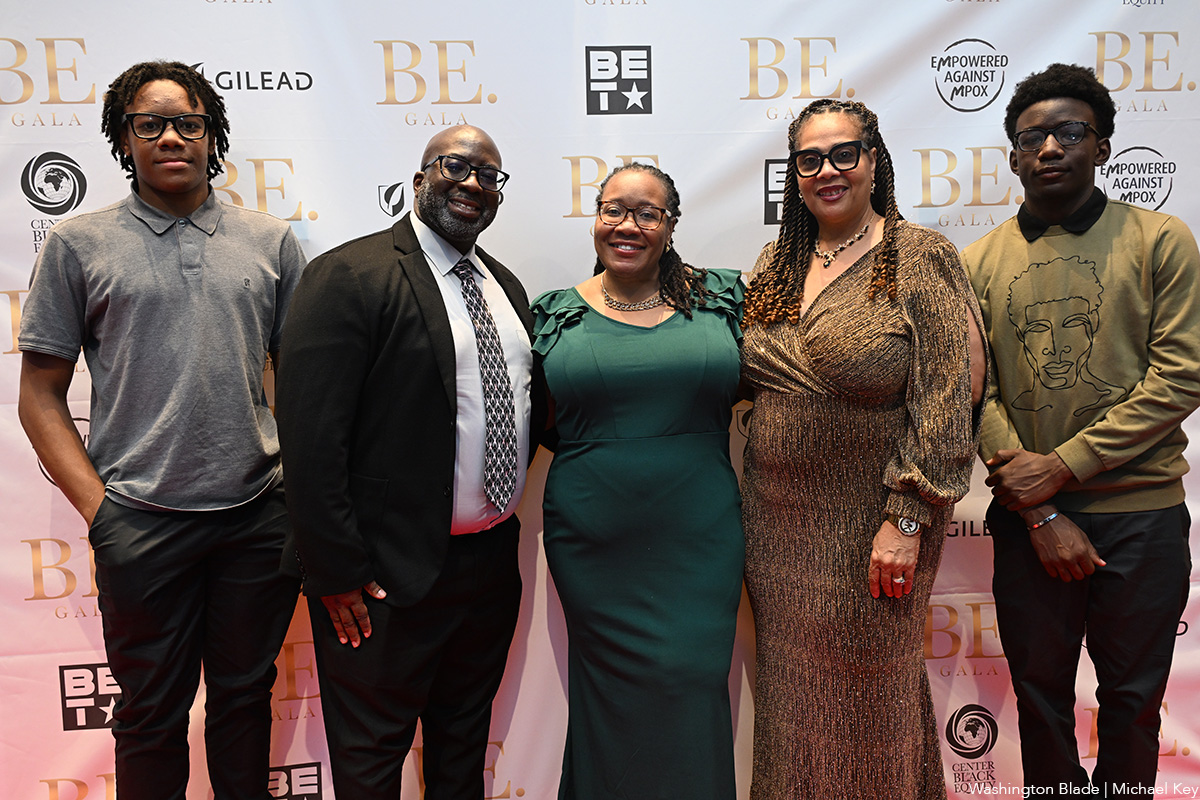
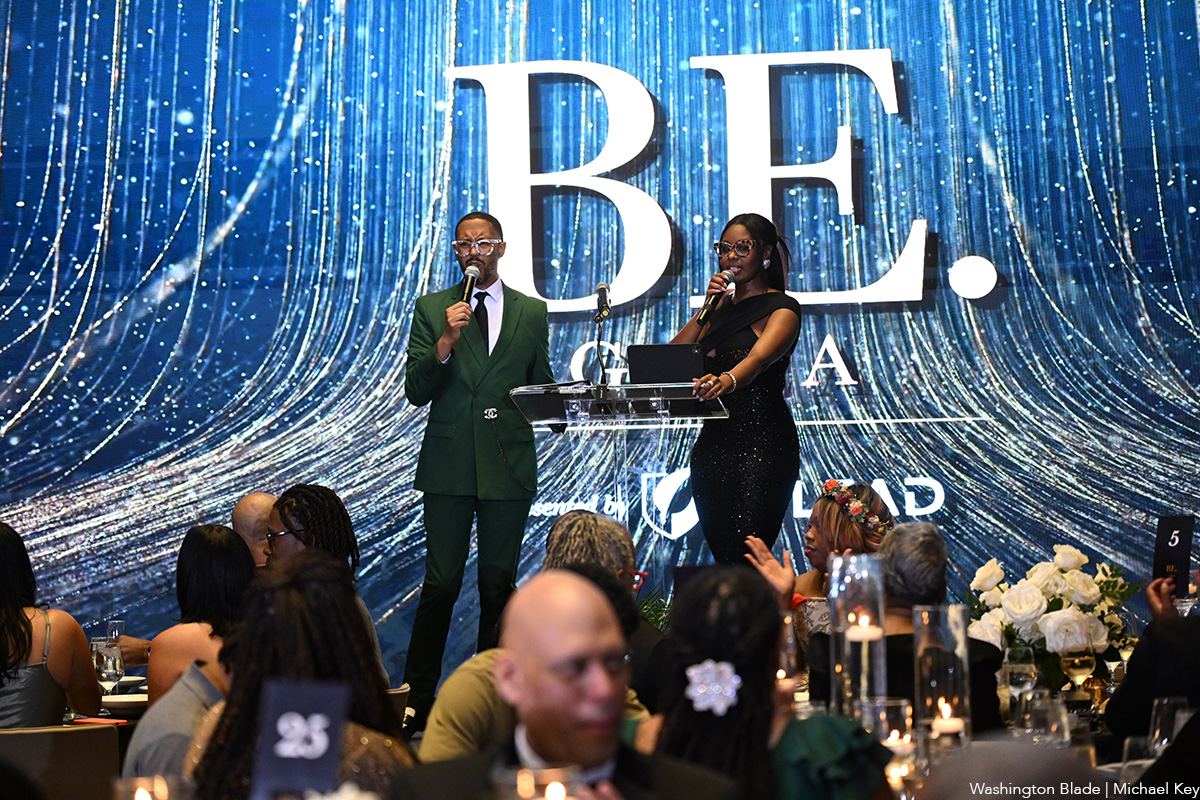
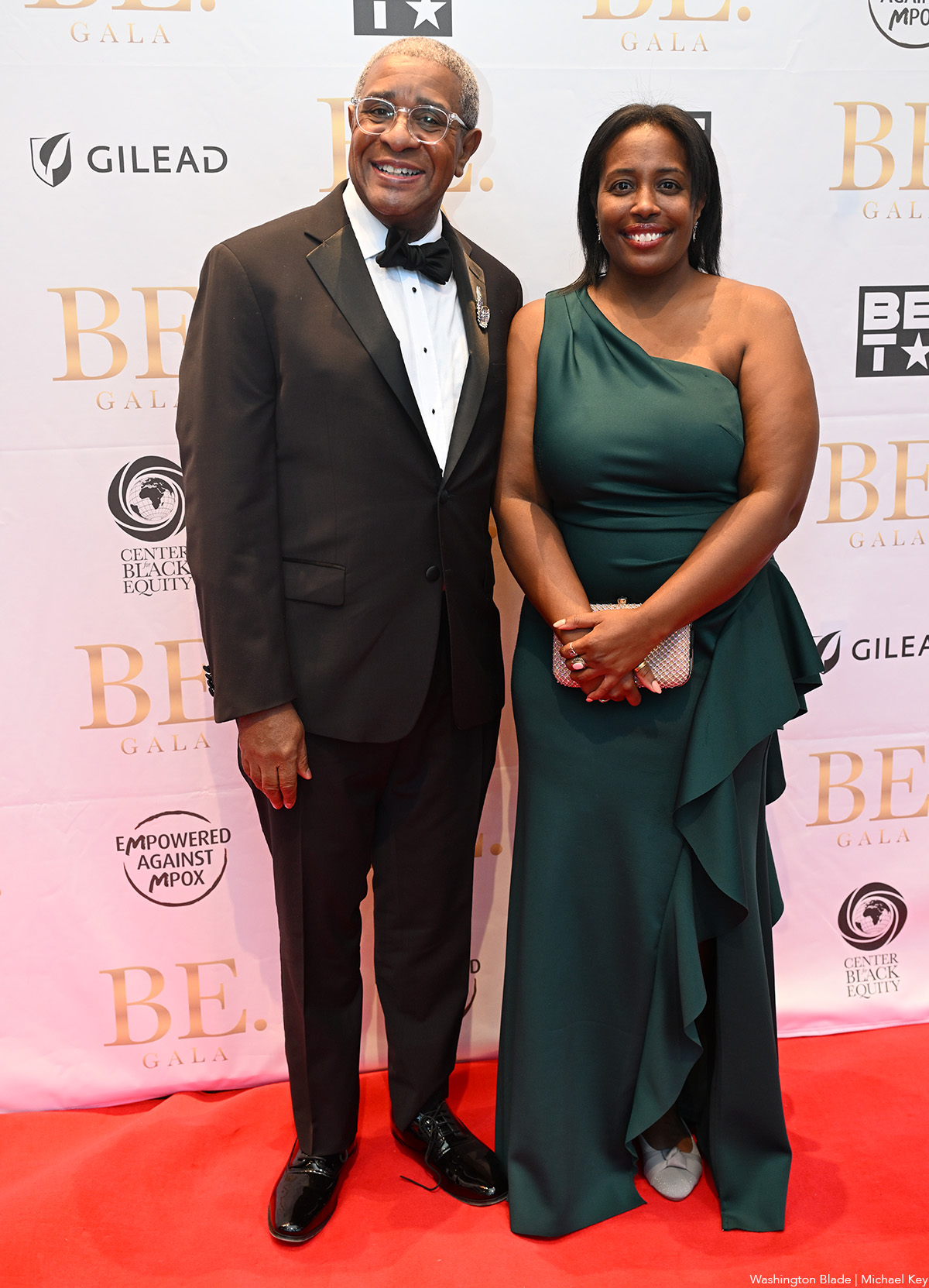
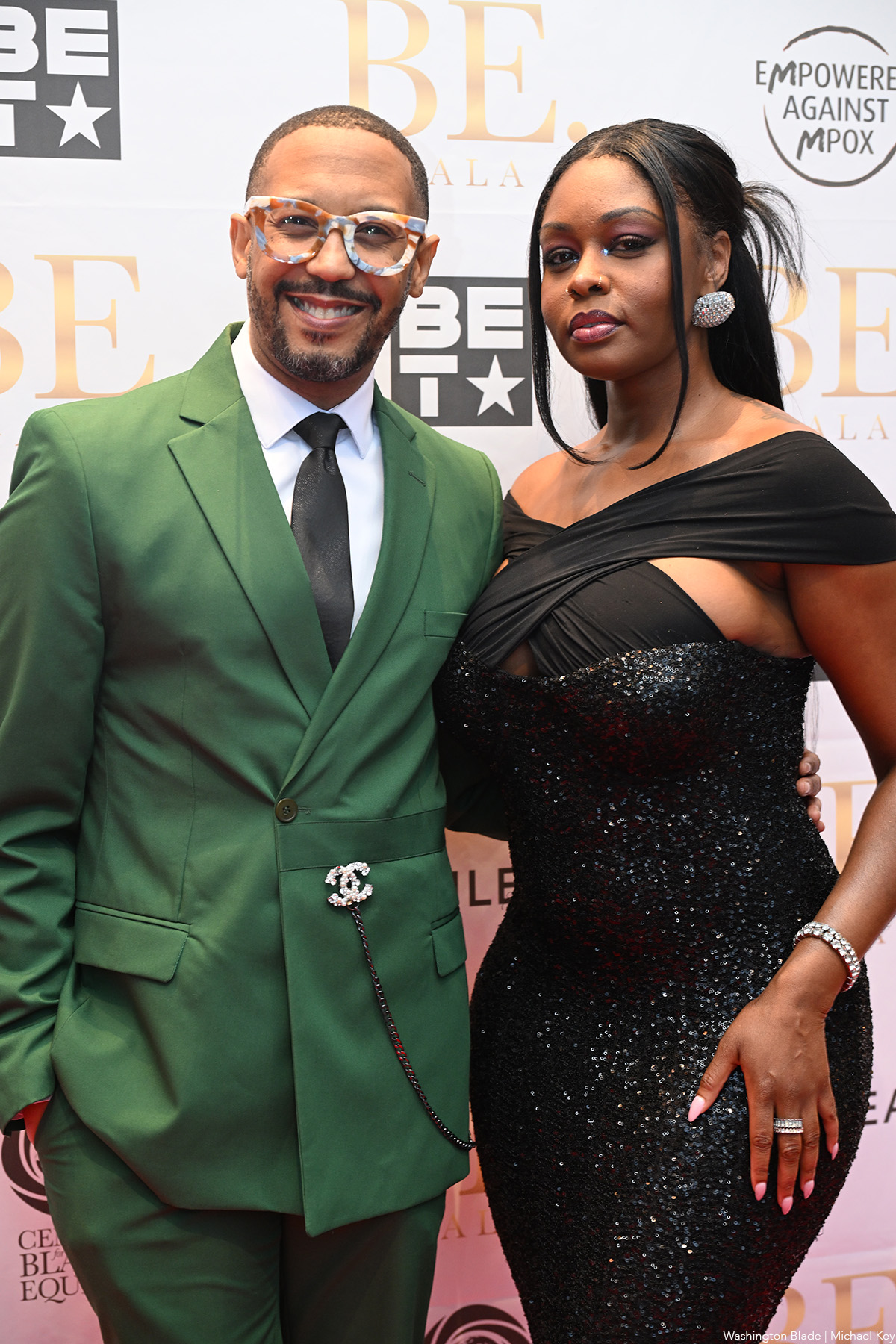
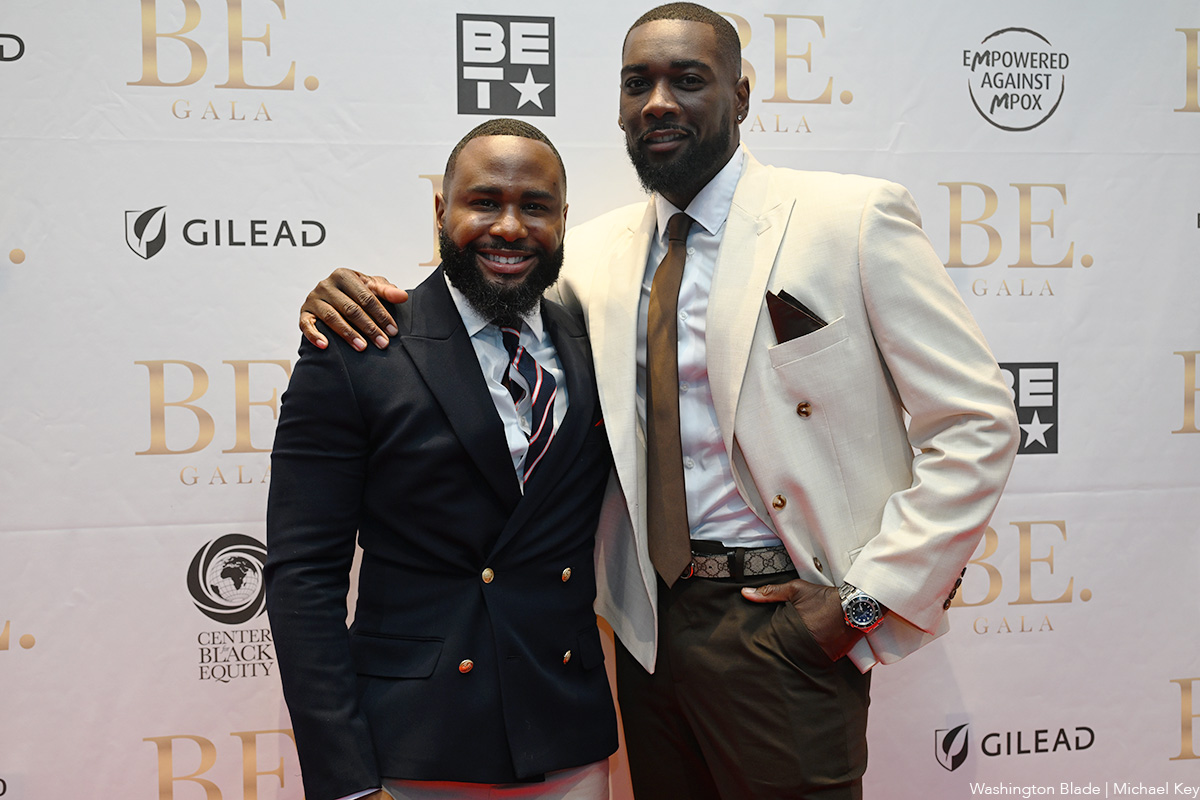
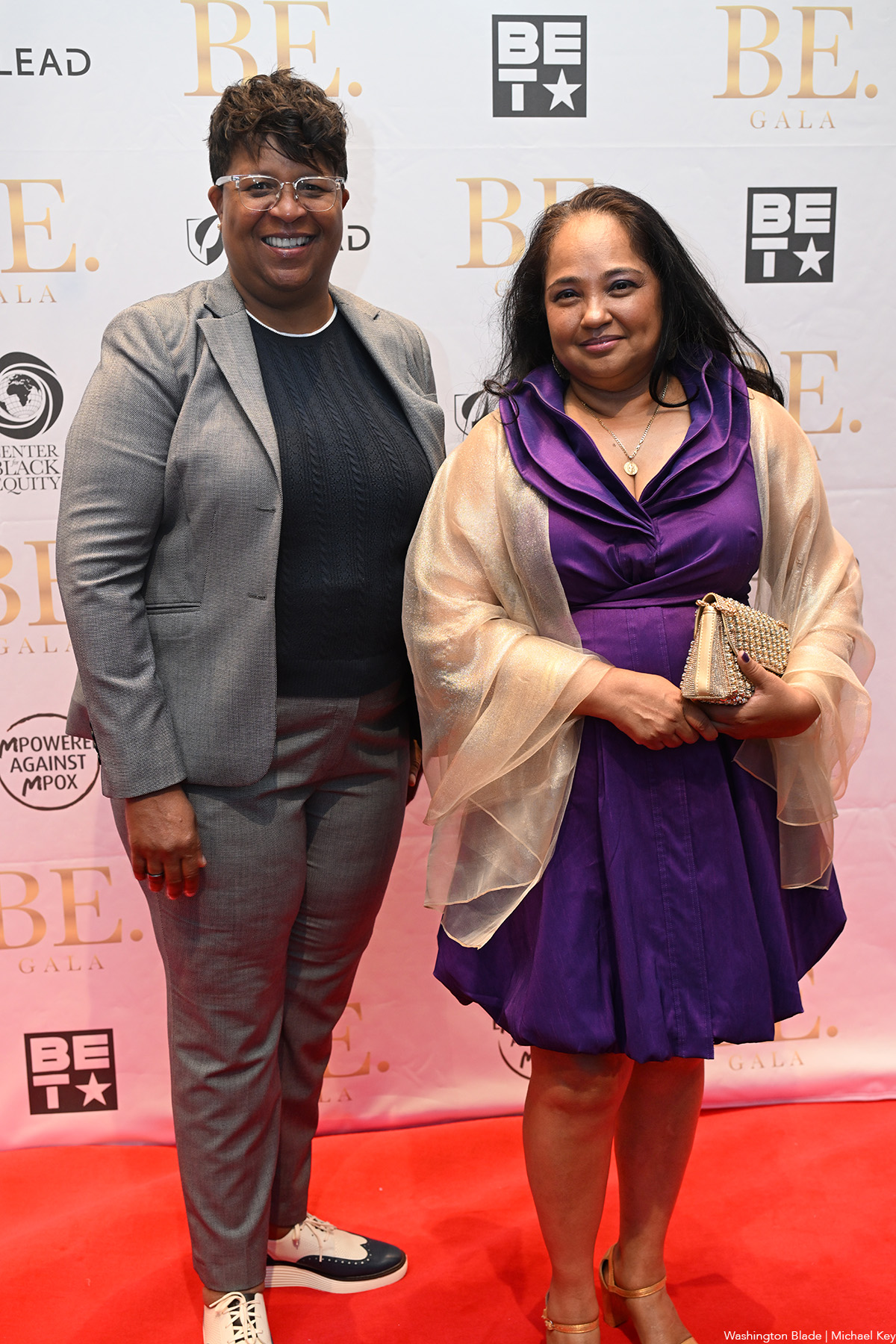
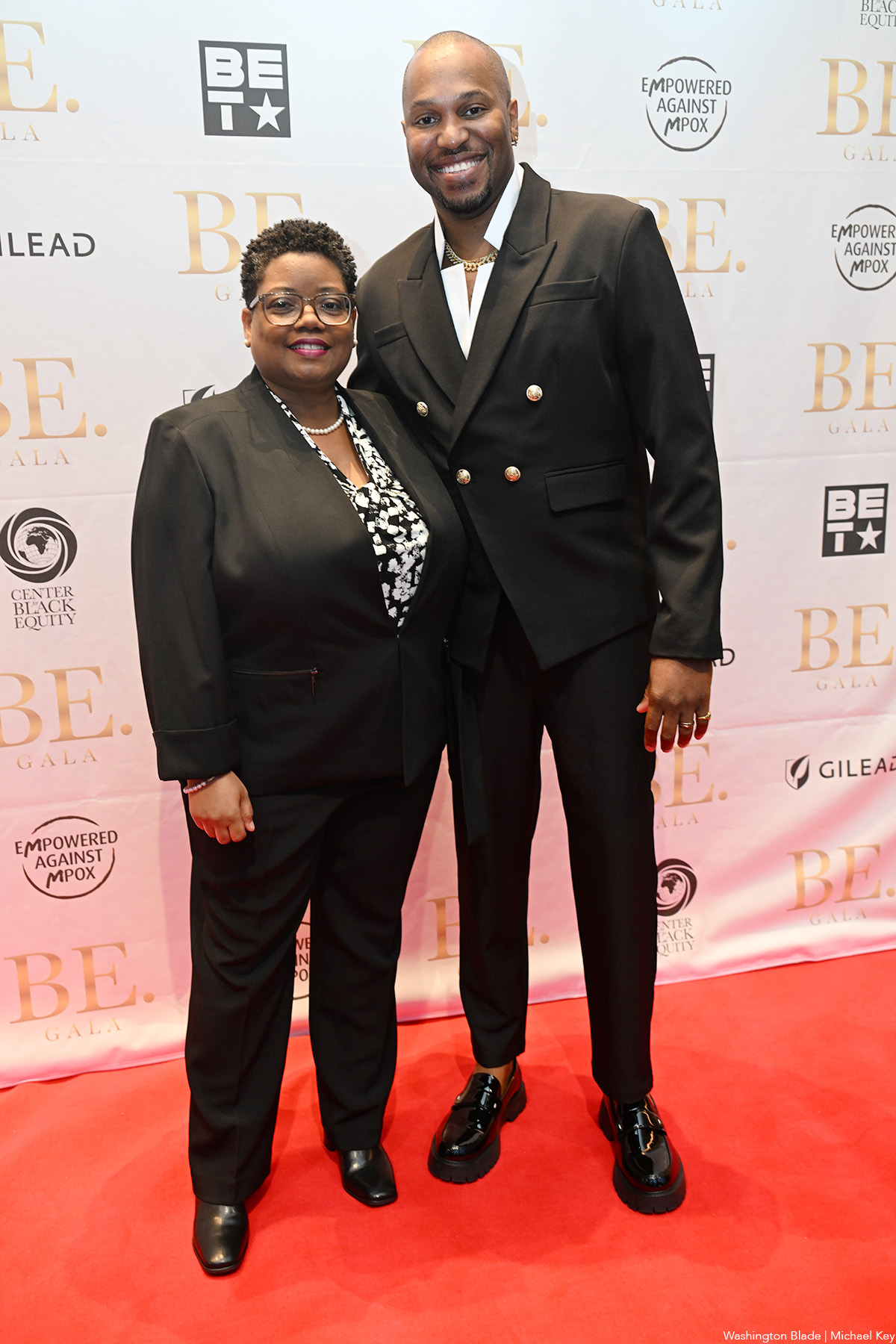
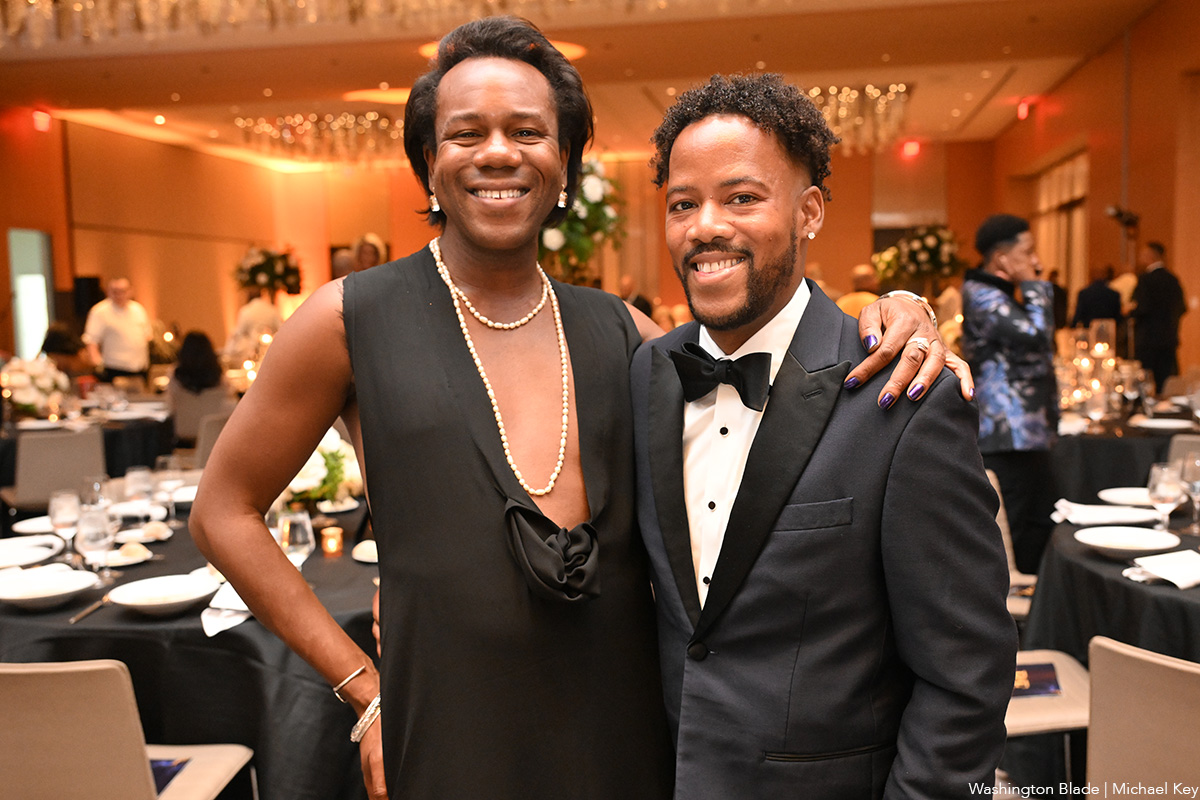
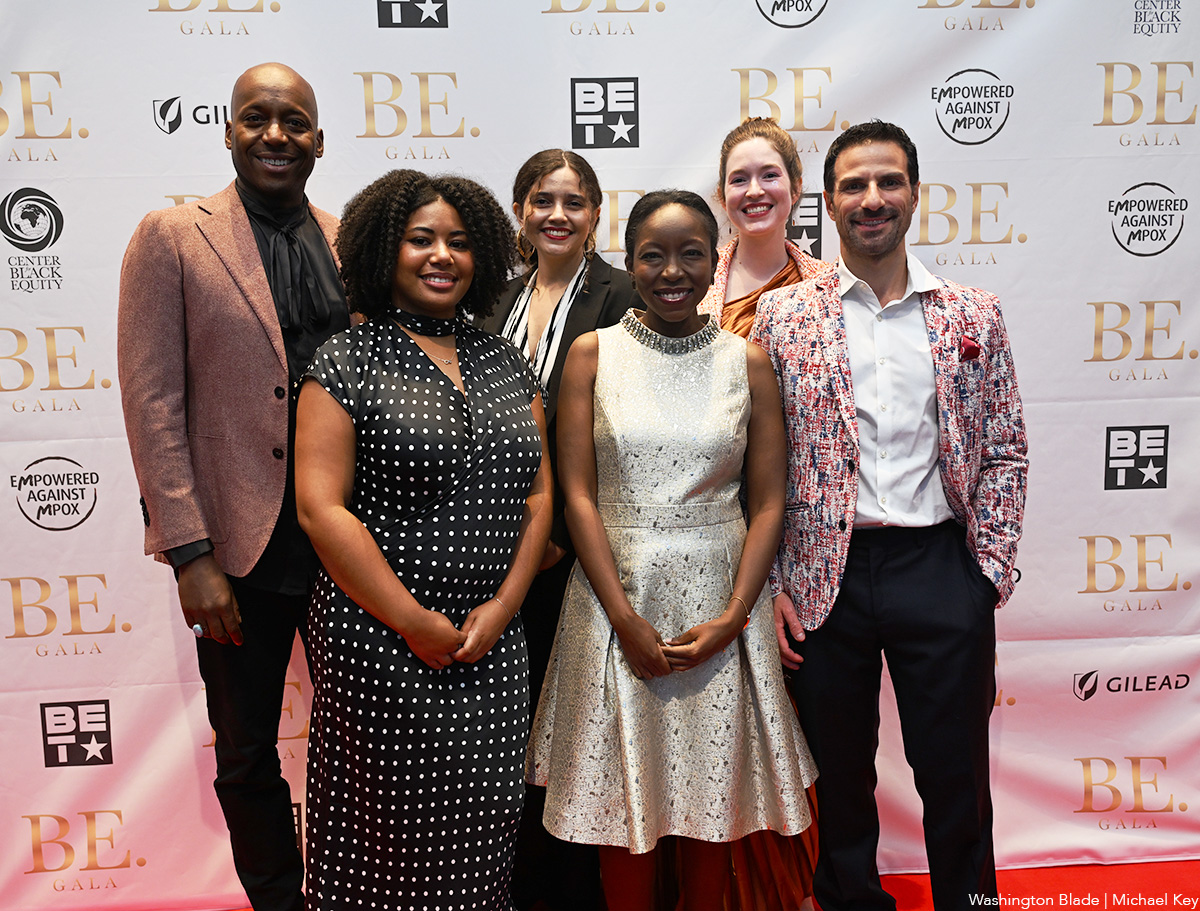
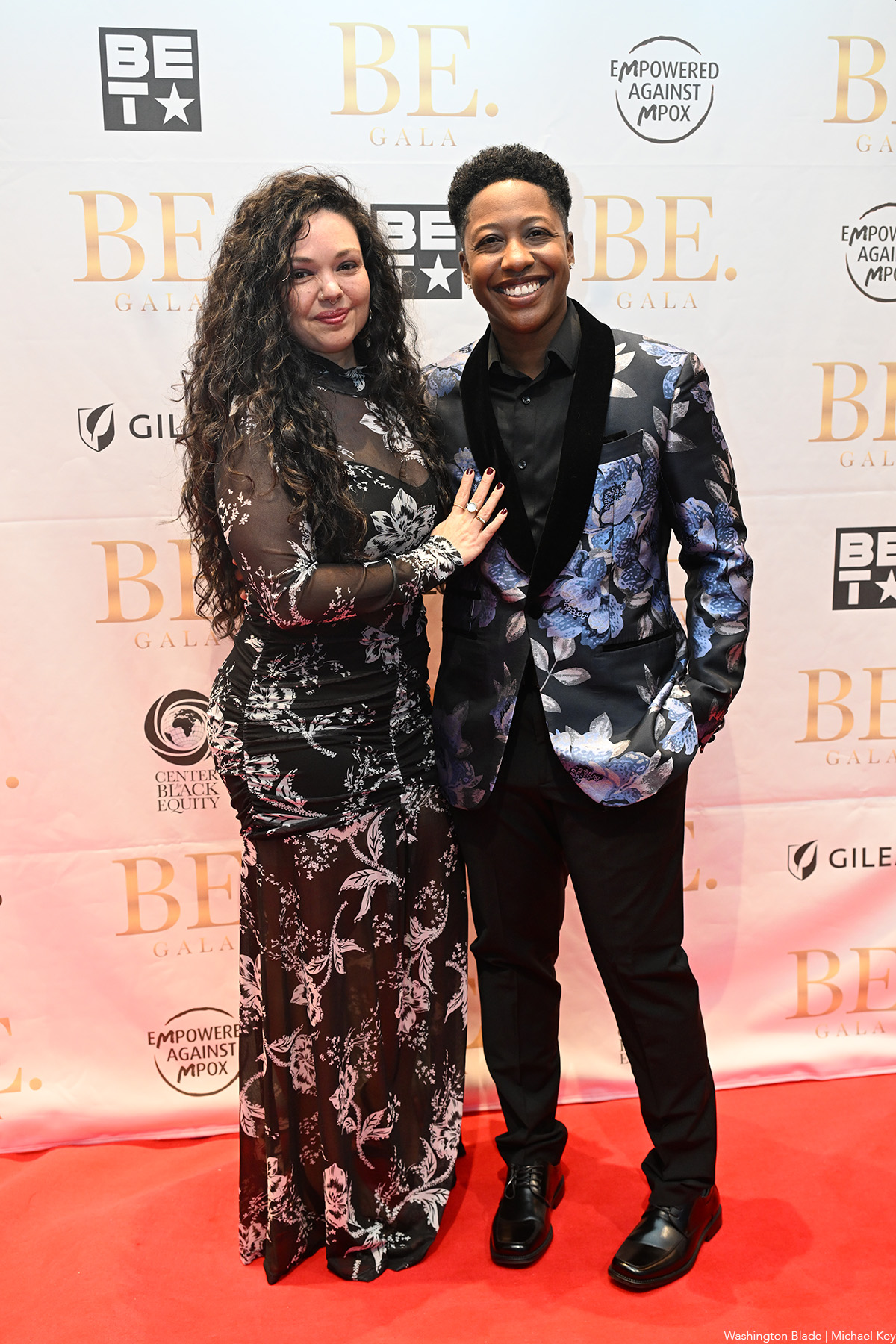
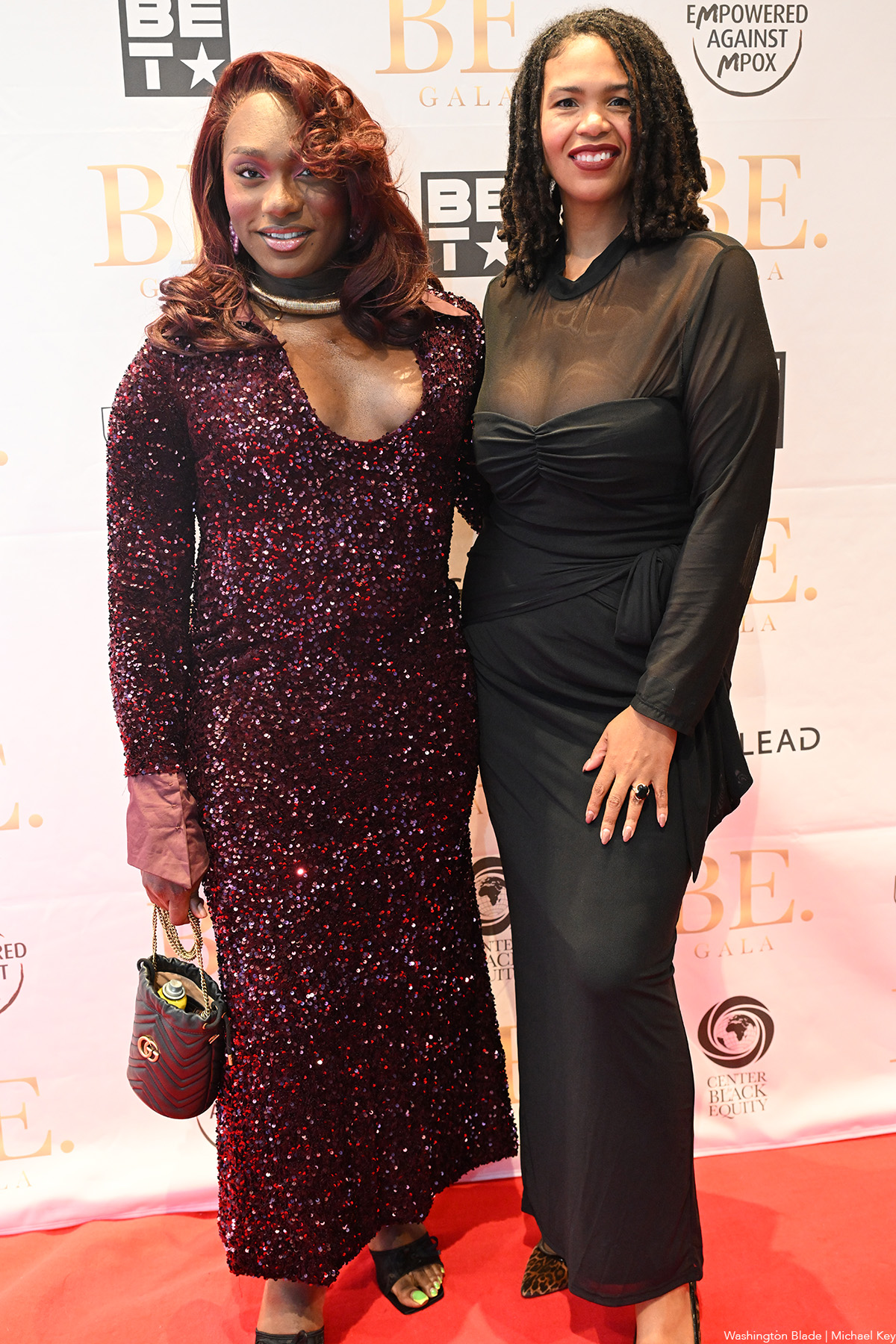
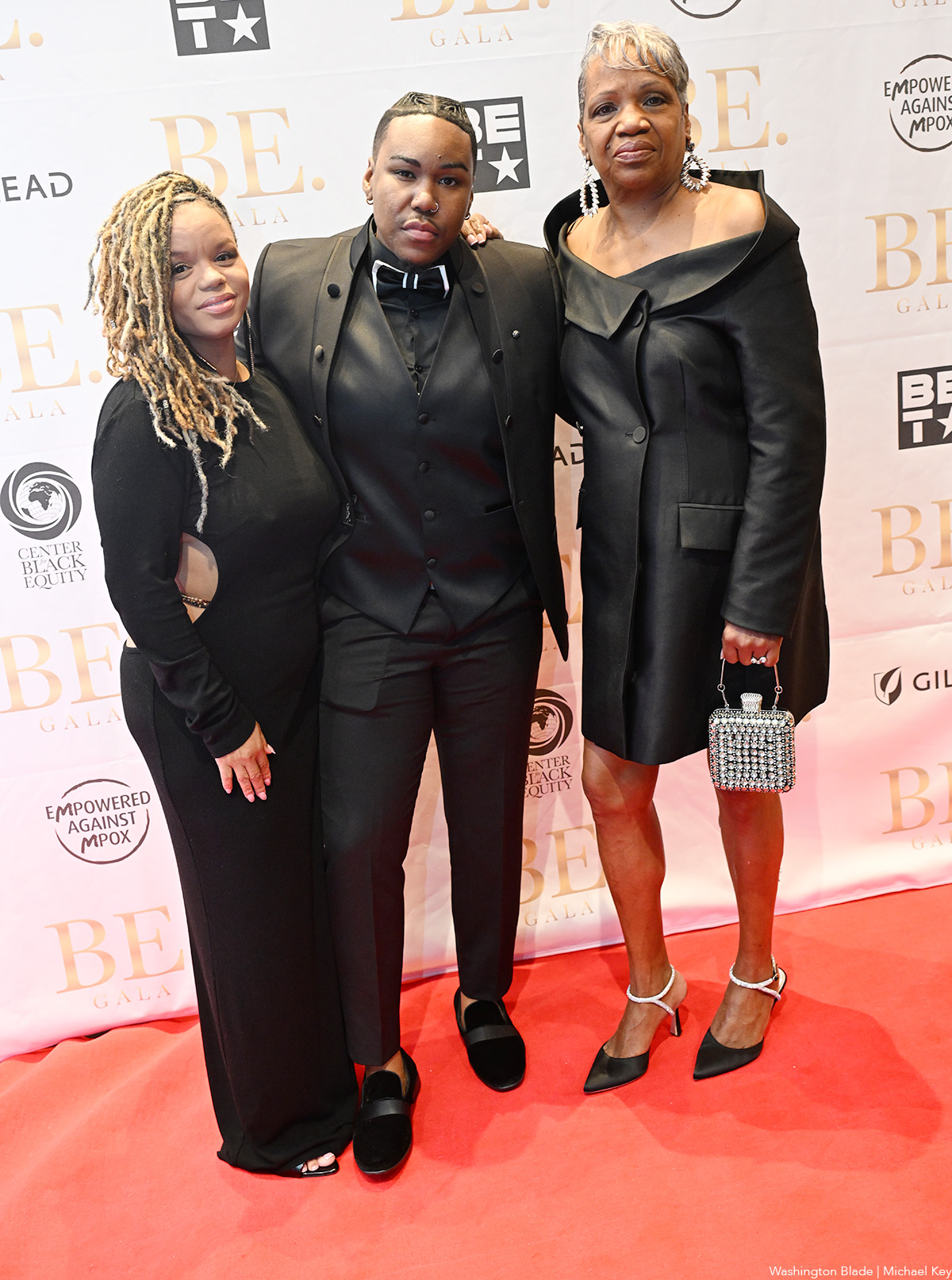
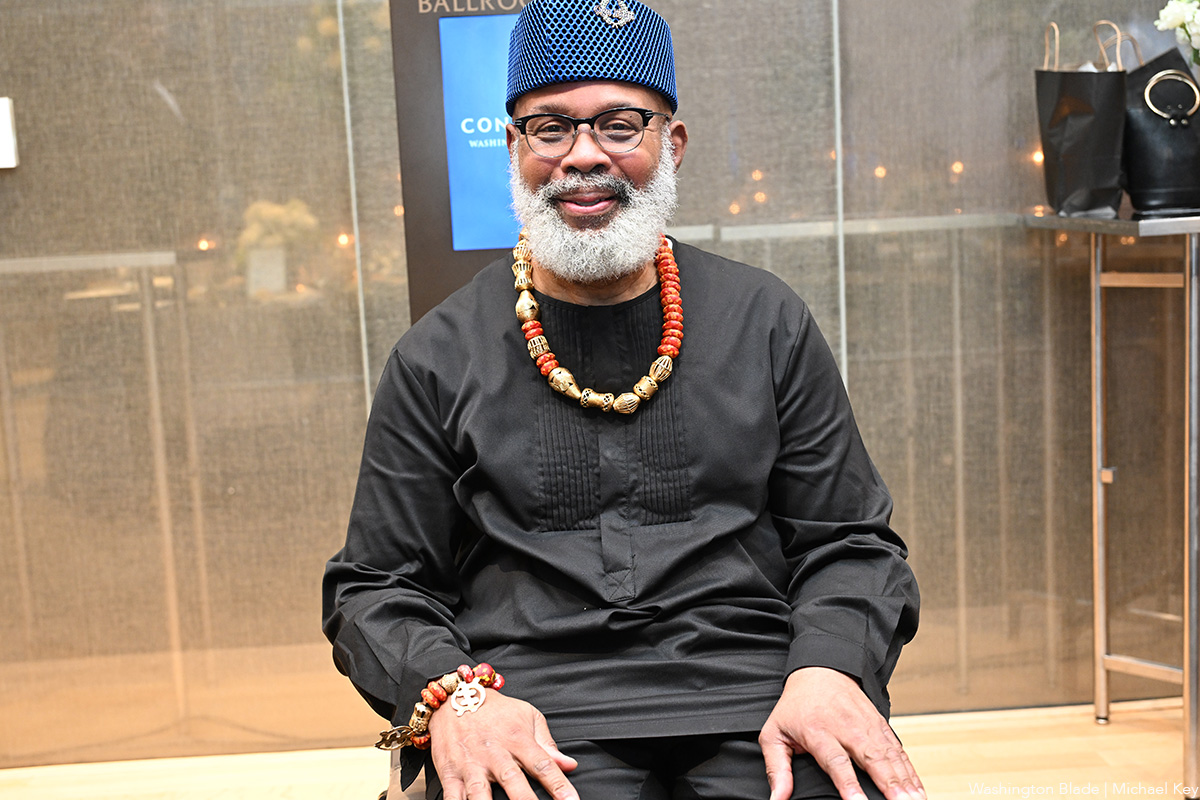
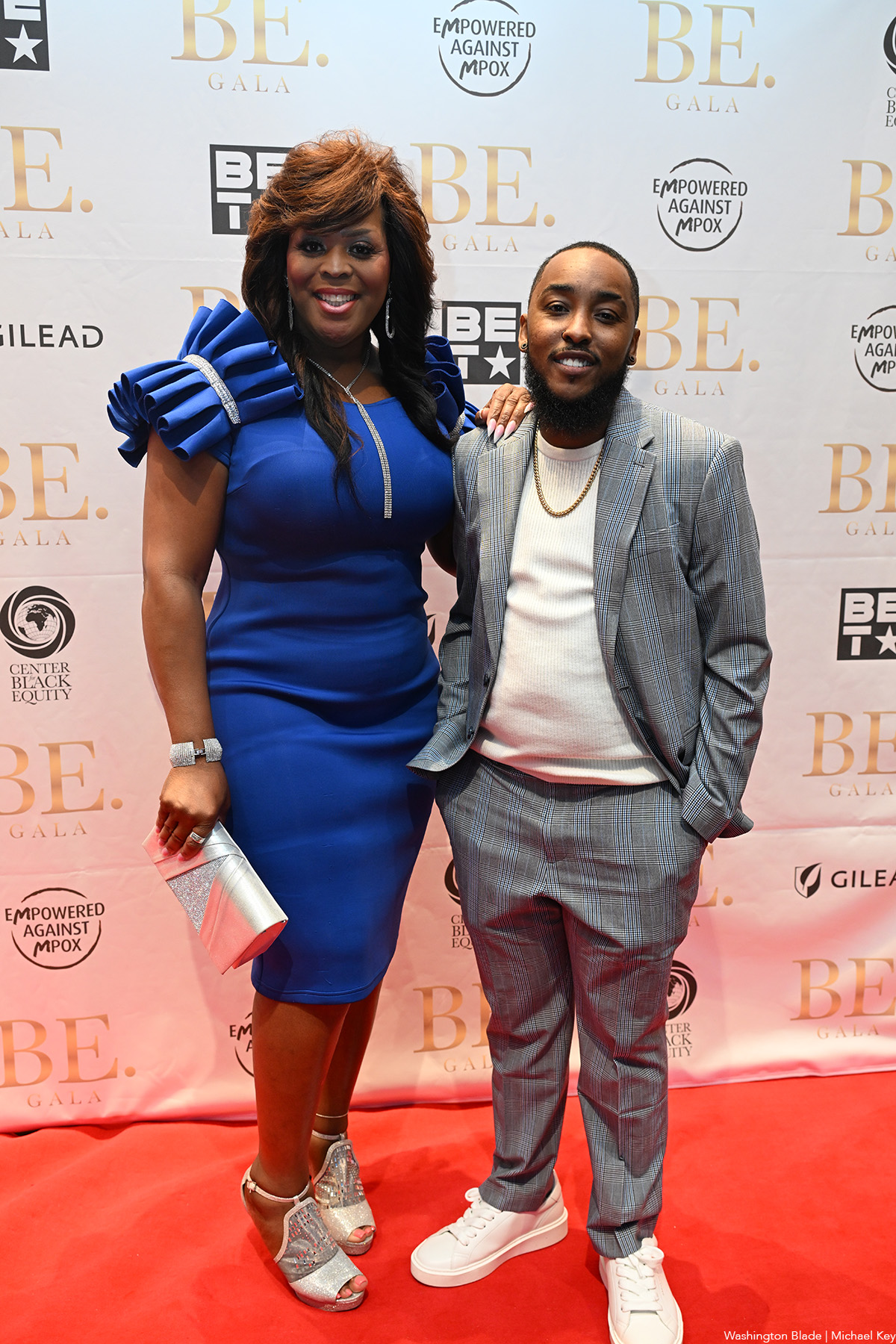
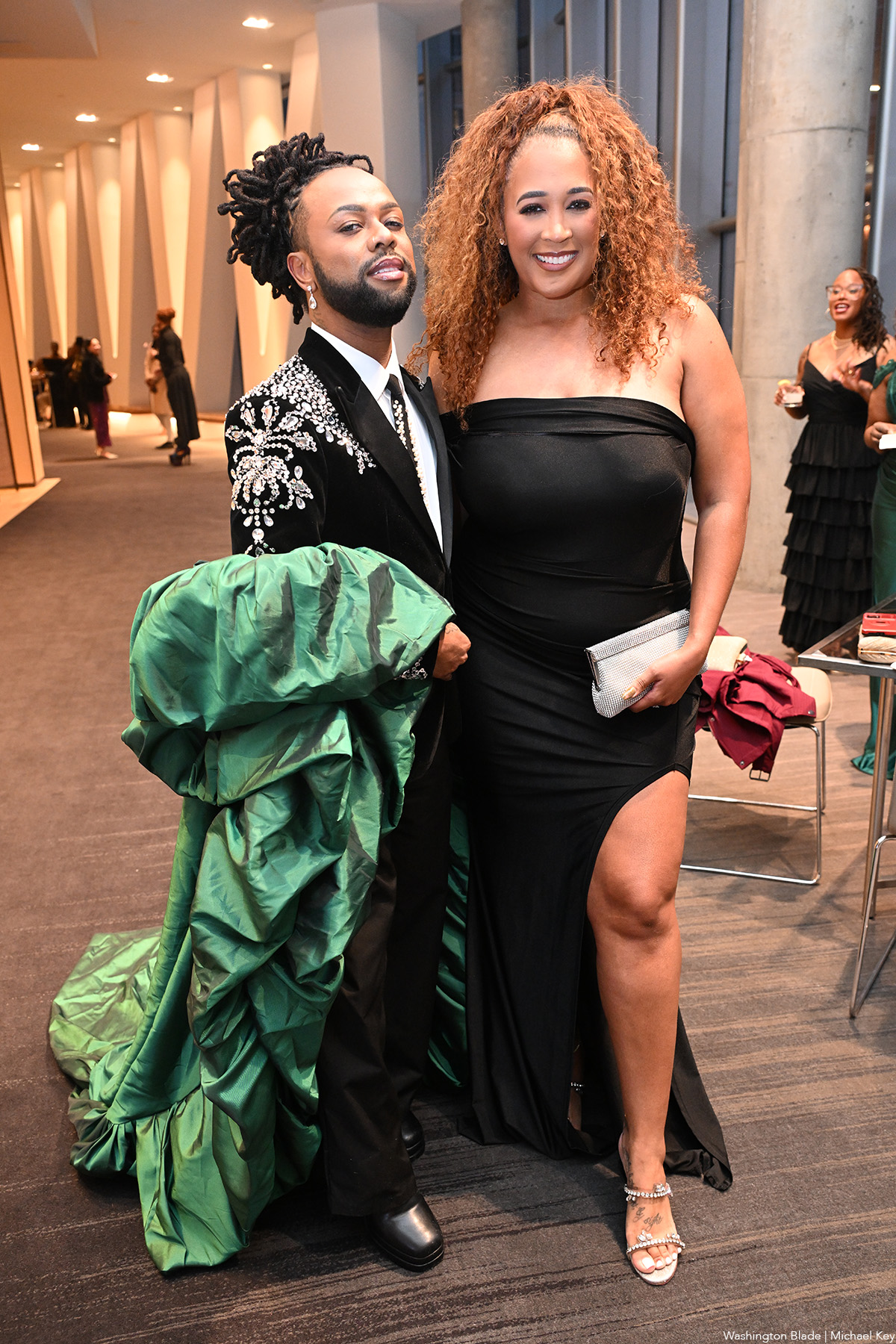
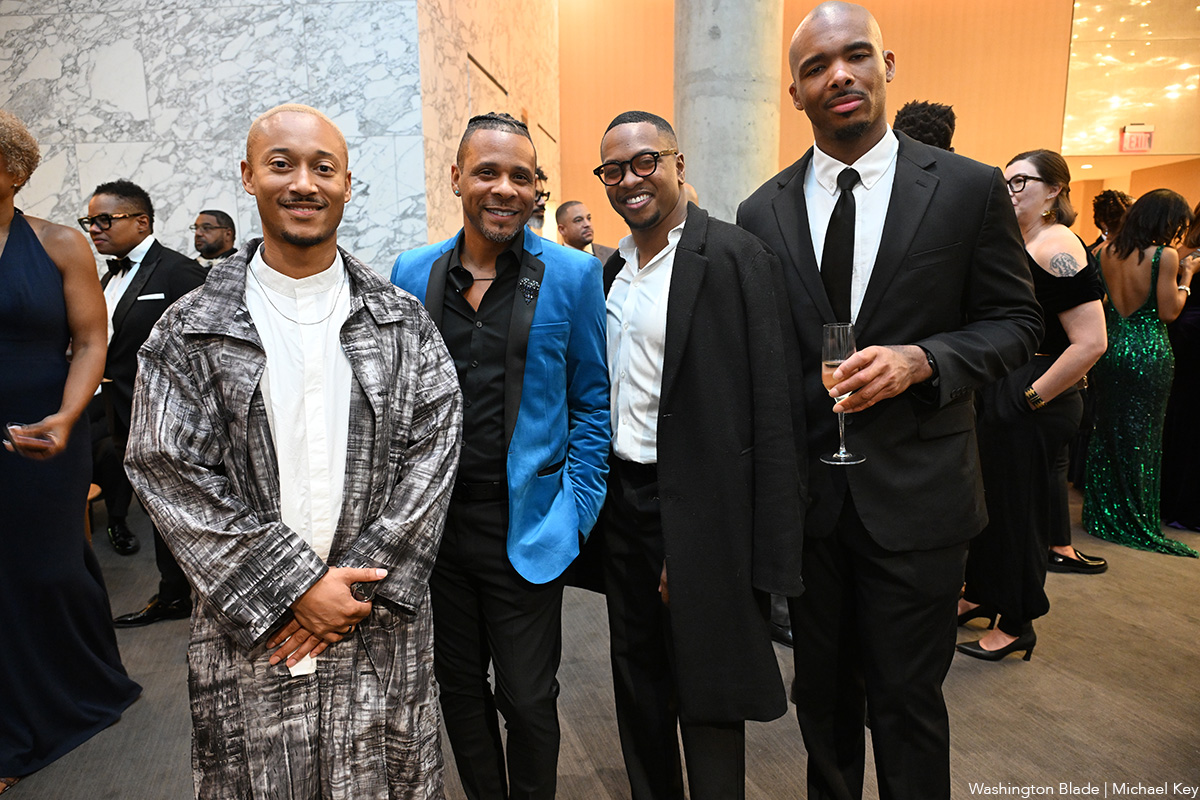
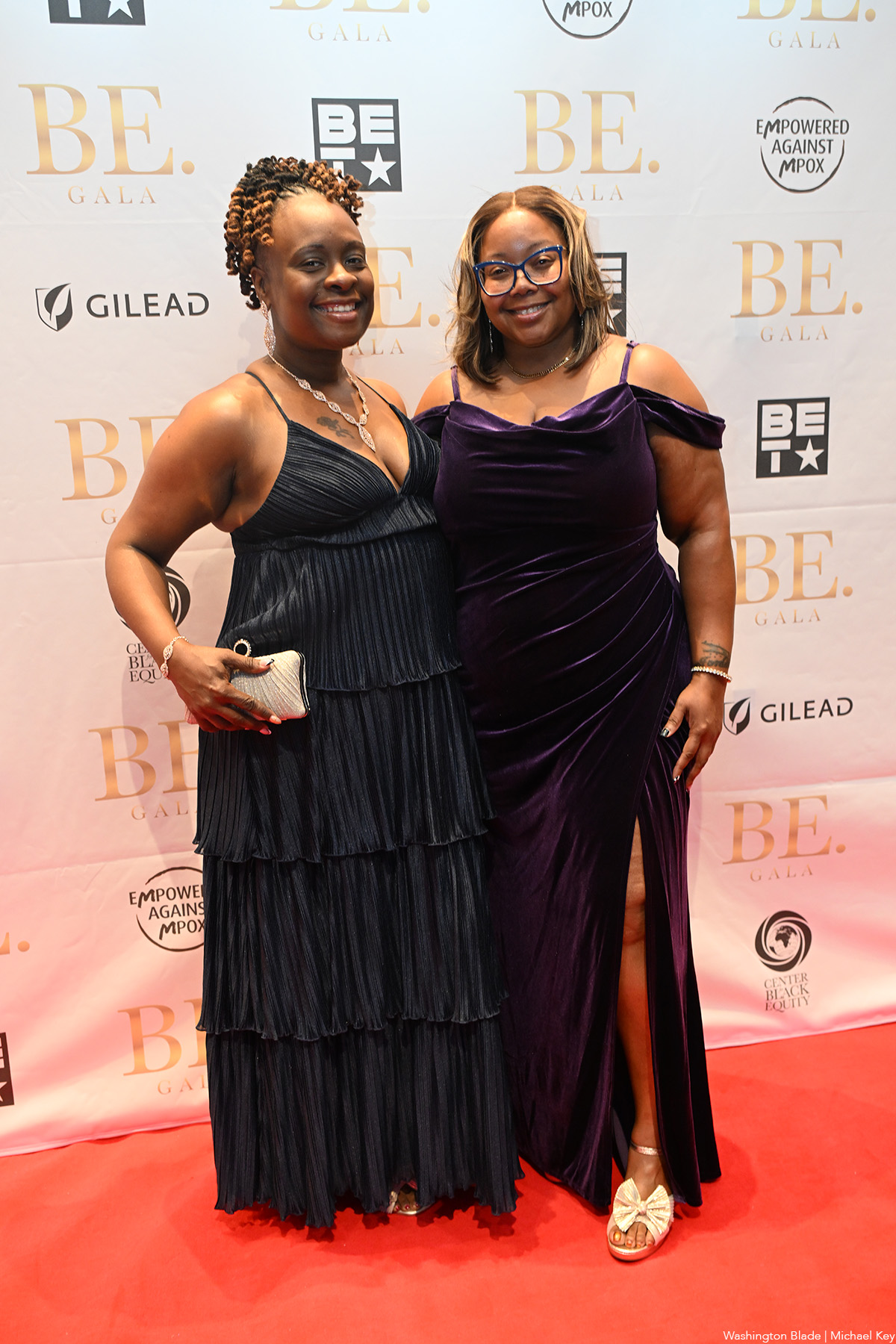
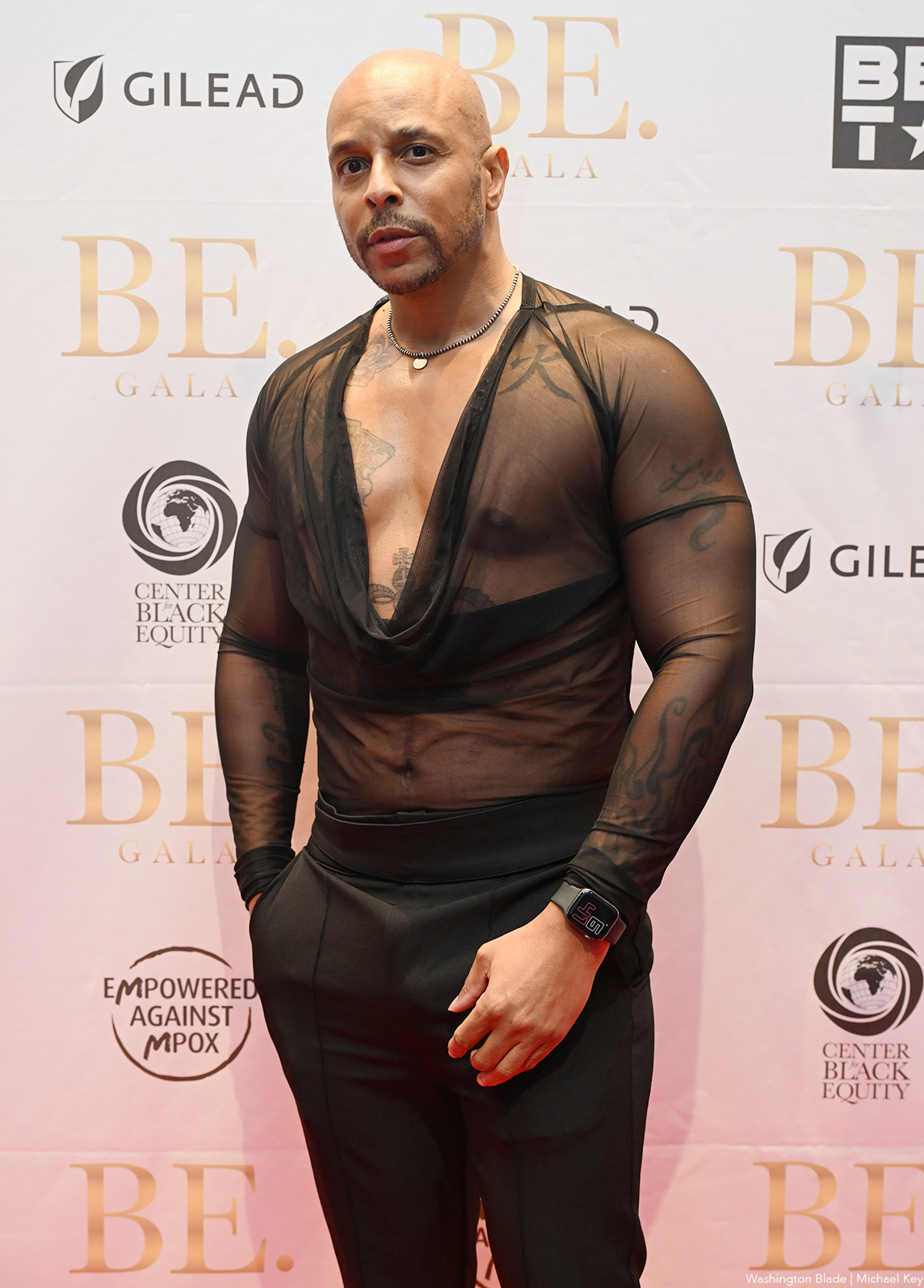
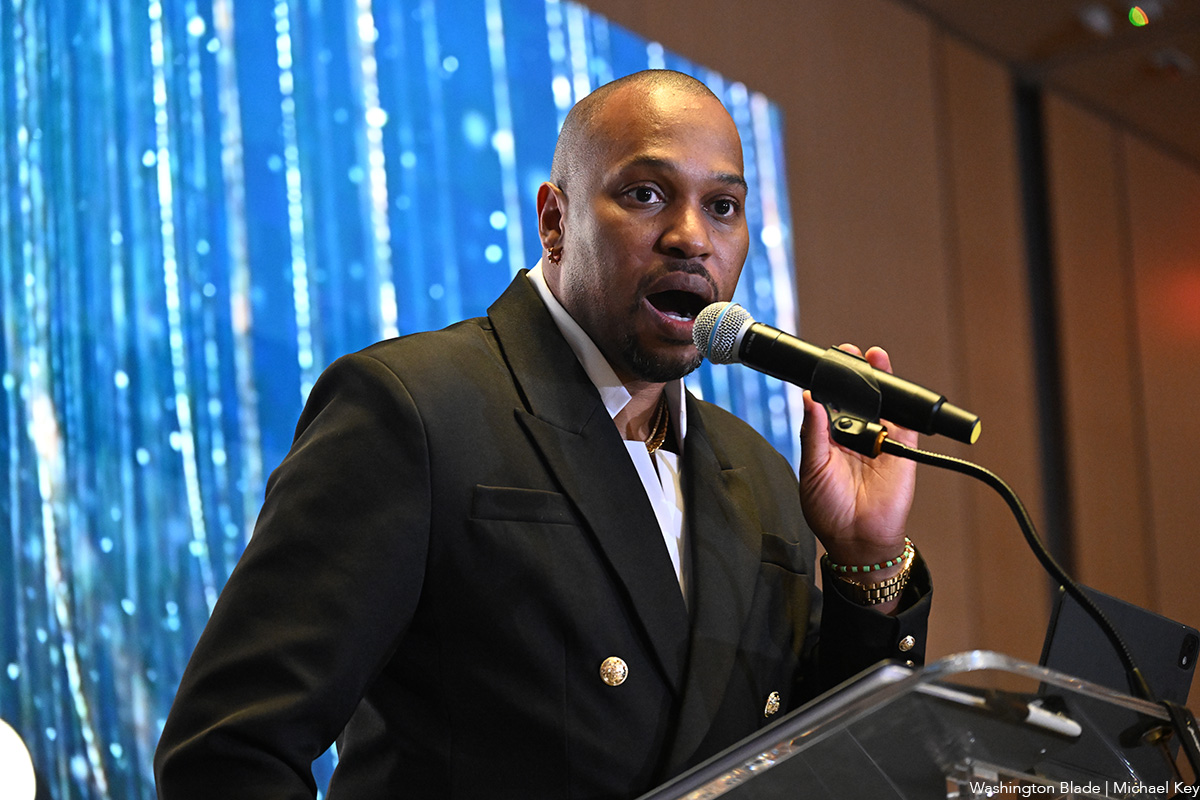
The Center for Black Equity held its annual BE. Gala at Conrad Washington, D.C. on Saturday, Oct. 5. Lolita Leopard Miyake-Mugler and Anthony Oakes co-hosted the awards ceremony.
Honorees included journalist and producer Justin Stewart; nonprofit leader Nikki Alexander; HIV advocate Marlene McNeese; the nonprofit organization FreeLux Project; actress Monroe Alise; public health advocate Tori Cooper; Manassas Park Vice Mayor Darryl G. Moore; Rev. Dr. Carmarion D. Anderson; Bishop Steven Sawyer; government relations professional Courtney Snowden; Senior Deputy Director of HAHSTA at D.C. Health, Clover Barnes; and Texas state Rep. Venton C. Jones.
The event was sponsored by Gilead.
(Washington Blade photos by Michael Key)
Books
In ‘The Lost Brontë,’ a complicated lie can lead to danger
New book features sweetly romantic girl-meets-girl twist
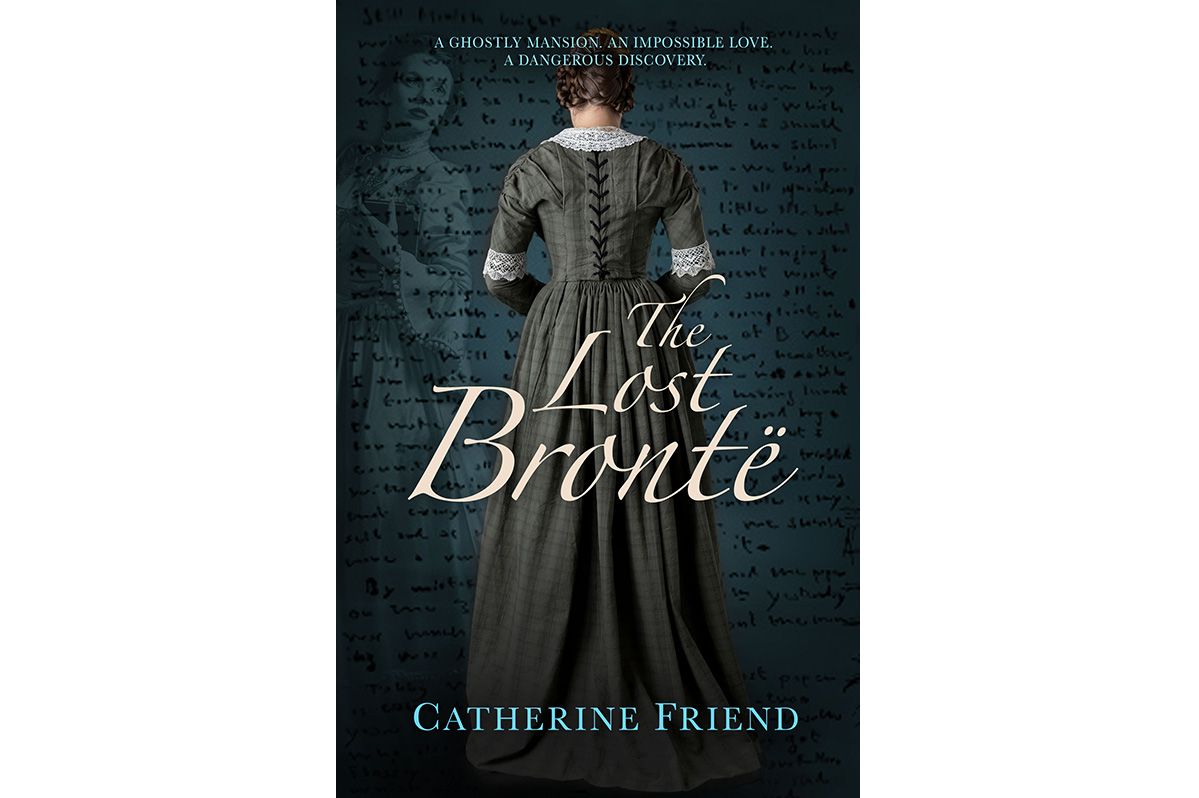
‘The Lost Brontë’
By Catherine Friend
c.2026, Bywater Books
$22.95/335 pages
Mom always said to tell the truth.
One lie leads to another and another and you have to remember them all until pretty soon, you’re caught. Fibs are hard, mistruths are messy, even little white social lies can destroy trust. Worst of all, as in the new novel, “The Lost Brontë” by Catherine Friend, a complicated lie can lead to danger.

Though Lilianne Loxley was very young when she lost her parents, she understood that her uncle didn’t really want her. As time passed, though, Lily made herself useful to Uncle, writing and signing letters for him and she became a good companion, helping him with his collection of Brontë memorabilia. Uncle was a keen enthusiast.
She had no idea that his obsession was out of control and he was deeply in arrears. The day Lily learned of his debt was the day she learned that he’d agreed to send her to his debtor’s home to work off the money owed.
It was so sudden. One minute, Lily was at Loxley House, happy and loved by Uncle’s staff … and five hours later, she was at Crag Thorn Manor, home of Lord Bexton, who informed her that she’d be working on his ledgers – work that seemed routine, but Lily tackled it.
Uncle always did say she was headstrong.
But would headstrong be enough to survive, when she was restricted from most of the Manor, when she was forced to dine with Brexton and his slimy friend, or – the worst! – when Brexton told Lily that her next task was to forge a letter from Emily Brontë? And then an entire manuscript?
Lily struggled to do what was right. She had to get Uncle out of debt but this last order horrified her. Did she dare refuse Brexton’s orders and commit a crime? It was unthinkable!
The only brightness in the whole situation was Wren, the ladies’ maid assigned to Lily’s room. Wren was adorable with freckles and the sweetest smile. But with everything else happening at Crag Thorn Manner, could Lily act upon her feelings?
This time of year, you may come to crave dark, spooky stories, and “The Last Brontë” fits those needs perfectly with its Gothic deliciousness. Think: Daphne du Maurier-type, stormy-night squirms with a dangerously chaste, sweetly romantic girl-meets-girl twist for fun.
If it’s been awhile since you’ve read a Gothic novel, you’re in for a nice reminder of why you love them here. You can almost tick off the must-haves: a novel like this is nothing without a foreboding stone manor with damp walls; stone steps to a dank basement; a mysterious portrait; and a nearby bog, and author Catherine Friend gives readers every one of them. You’d be disappointed if there was no ghost, wouldn’t you? Ha. You can practically feel the cold blow through the attic, right? Yeah, it’s that kind of book.
If you’re a fan of the Brontës, you’ll like this novel. If you love Gothic mysteries or Victorian romances, ditto. “The Lost Brontë” is good, no lie.
The Blade may receive commissions from qualifying purchases made via this post.
Out & About
CAMP Rehoboth Block Party returns Oct. 18
Expect performances, vendors and more at annual celebration

CAMP Rehoboth will host its annual Block Party celebration on Sunday, Oct.18 at 11 a.m. on the second block of Baltimore Avenue in downtown Rehoboth Beach.
CAMP Rehoboth invites all community members to join in the festivities and to expect magnificent performances and dozens of vendors, including artists, craftspeople, non-profits, businesses, and more.
The event started in 2015 in celebration of CAMP Rehoboth’s 25th anniversary. This year, attendees can expect to shop sea glass art, pottery, jewelry, Pride merch, body care, clothing, and learn more about local non-profit causes and businesses.
Attendance is free. For more details, visit CAMP Rehoboth’s website.

Annie Andrews denounces trans athletes after Trump targets her

On Republican Long Island, gay Democrat Chris Gallant bets on public service over politics

Report: LGBTQ exclusion costs Japanese economy billions a year

Center for Black Equity honors leaders, activists at BE. Gala

In ‘The Lost Brontë,’ a complicated lie can lead to danger

U.S. int’l trade negotiator, consultant James Bedore dies at 82

Campaign urges Virginia High School League to reverse stance on trans athletes

Trump, Netanyahu, and Putin are all war criminals

Center Arts Gallery celebrates 10 years with reception, auction

Calif. GOP gubernatorial candidate ad ‘disgusting attempt to exploit lesbian intimacy’
-

 Obituary5 days ago
U.S. int’l trade negotiator, consultant James Bedore dies at 82
-
Virginia5 days ago
Campaign urges Virginia High School League to reverse stance on trans athletes
-
Opinions5 days ago
Trump, Netanyahu, and Putin are all war criminals
-
Commentary5 days ago
Center Arts Gallery celebrates 10 years with reception, auction