World
Out in the world: LGBTQ news from Europe and Asia
Two teenagers sentenced to life in prison for murdering trans teenager in England
UNITED KINGDOM
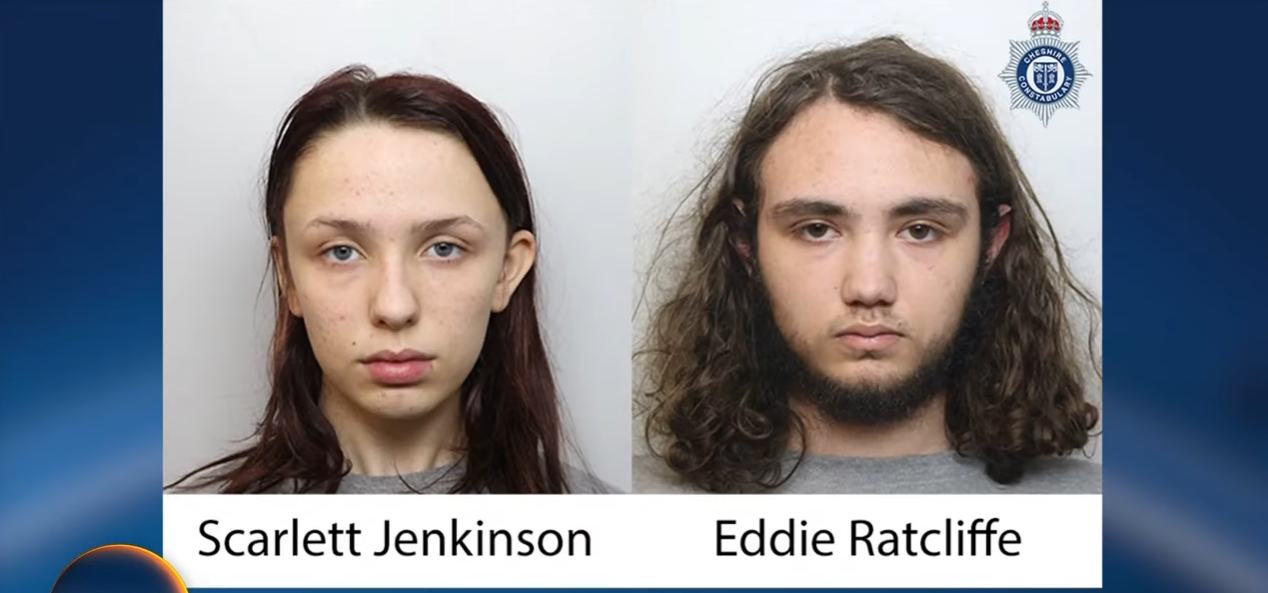
On Friday, the judge presiding over the trial of two teenagers convicted in the brutal stabbing death of transgender teenager Brianna Ghey, a crime that shook northern England, sentenced the pair to life in prison.
Manchester Crown Court Justice Amanda Yip sentenced Scarlett Jenkinson to life in prison with a minimum of 22 years and Eddie Ratcliffe to life with a minimum of 20 years, noting that the pair, both 16, took part in a “brutal, planned murder” that was “sadistic in nature” and motivated by “hostility towards Brianna because of her transgender identity.”
Ghey was a 16-year-old trans girl, TikTok creator and a “beacon of positivity,” according to her friends. She would often film videos set to music while showing off her makeup or walking in a park. It was in one of these parks that her life was taken in February of this year.
In the immediate aftermath of her murder, countless people mourned for her and decried the senseless violence. Her TikToks became makeshift memorials with millions of likes and views.
Many people considered the idea that anti-trans sentiment and rampant transphobia in the U.K. may have played a role in her murder.
PinkNewsUK reported that as he read his victim impact statement at Manchester Crown Court, Brianna’s father, Peter Spooner, described Jenkinson and Ratcliffe as “pure evil.”
“Now my world has been torn apart. Justice may have been done but no amount of time in prison will be enough for these monsters,” he said.
“I cannot call them children because that makes them sound naive or vulnerable, which they are not — they are pure evil. Brianna was the vulnerable one.”
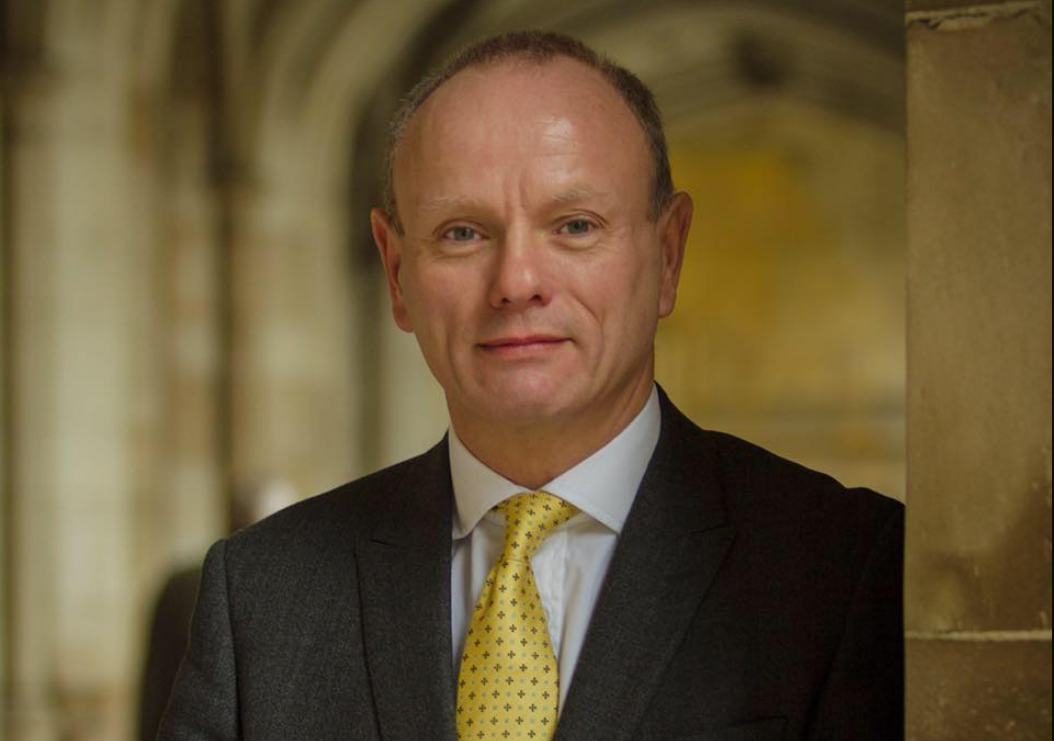
British Conservative Party politician Michael Freer announced he has decided to step down at the next general election after an arson attack on his constituency office and receiving death threats.
PinkNewsUK reported that the 63-year-old Tory, who currently also serves as Parliamentary Under Secretary of State for Courts and Legal Services, has faced a series of death threats and was even targeted by Ali Harbi Ali, the man who murdered Southend West MP David Amess in 2021.
Freer revealed that he and his staff began wearing stab vests at public events after they learned Ali had watched his Finchley office before stabbing Amess at a constituency surgery. An arson attack in December was the “final straw.”
Speaking to Sky News, Freer said: “There comes a point when the threats to your personal safety become too much. I was very lucky that actually on the day [of Ali’s attempted attack] I was due to be in Finchley, I happened to change my plans and came into Whitehall.
Otherwise, who knows whether I would have been attacked or survived an attack. He said he came to Finchley to attack me.”
There have been other threats the MP said including from a group calling themselves Muslims Against Crusades, “about coming to stab me.”
According to PinkNewsUK Freer joins a number of MPs who have said they will not be standing at the next general election, which is expected later this year.
FRANCE
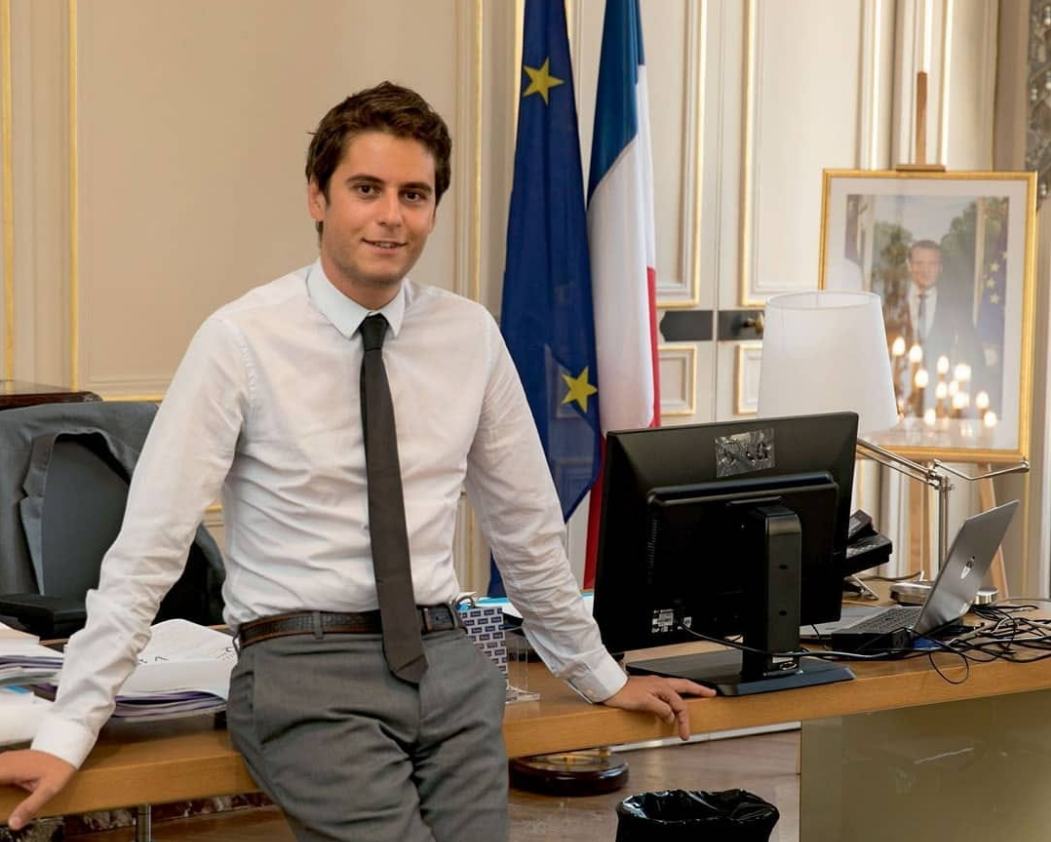
Prime Minister Gabriel Attal in a speech before the National Assembly, the lower house of France’s Parliament, told legislators that “mindsets are evolving” on LGBTQ issues in the country.
In his first keynote address Attal said that France was “tearing itself apart just 10 years ago over same-sex marriage,” he added, whereas “being French in 2024 means … being able to be prime minister and openly gay.” This was “proof our country is moving and mindsets are evolving,” the prime minister noted.
It was the first time the 34-year-old prime minister has referenced his sexual orientation so directly since his installation earlier this month, which was hailed by LGBTQ groups as “a powerful symbol,” Agence France-Presse reported.
But Attal’s sexual orientation has caused barely a ripple in wider French public debate that has more often seen him attacked as a carbon copy of his polarizing boss, French President Emmanuel Macron.
SPAIN
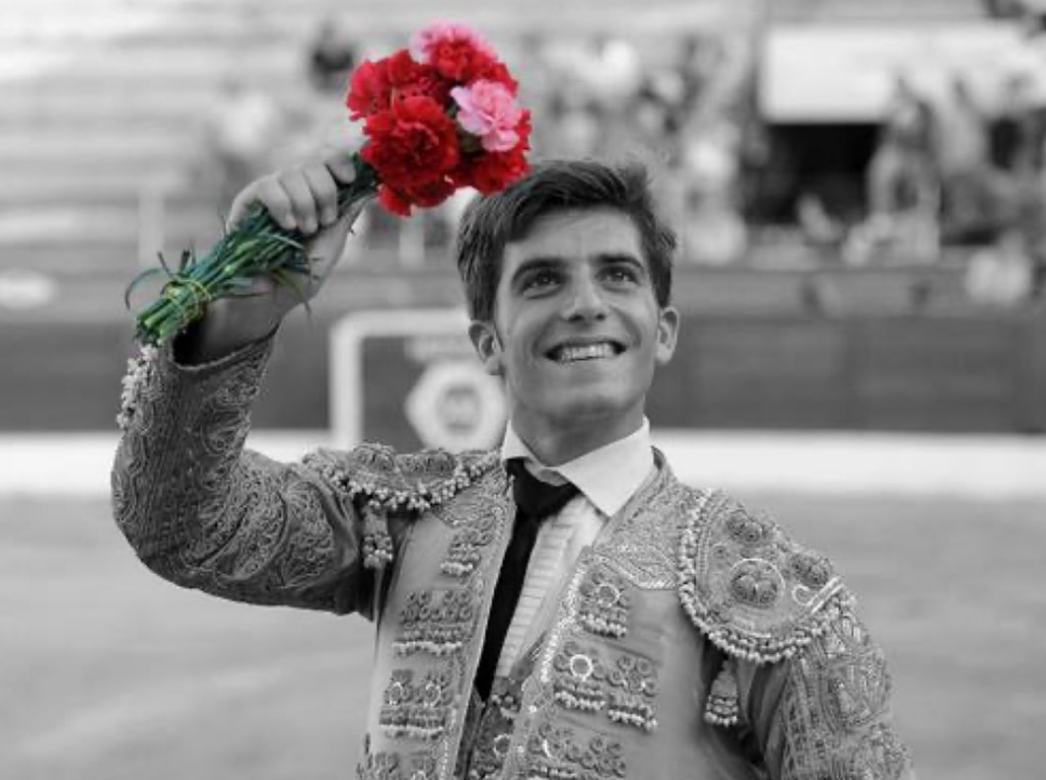
Mario Alcalde made history in the country’s bullfighting sport last month, but not as a matador. The 31-year-old native of Madrid’s Alameda de Osuna neighborhood, where he grew up, revealed in an interview with El Mundo that he identifies as pansexual.
“I’m pansexual. I identify strongly with the LGBTI+ flag. Every person has their taste. I fall in love with the person inside, not their gender,” he said adding, “I follow my own rhythm. My tastes, both political and sexual, are not normal in the bullfighting world.”
Alcalde declined to discuss the politics of being queer further, instead noting his decision to be open about his sexuality and being the first out LGBTQ matador in a sport known for its toxic masculinity occurred after being treated for a dislocated shoulder and broken clavicle after an accident in Madrid’s Las Ventas bullring.
He explained that after a doctor saw he was “wrapped in a rainbow flag dedicated to the Mario Alcalde LGBTQ+ Bullfighting Club” he decided to come out.
Despite confessing that he felt “everyone in the LGBTQ+ community is anti-bullfighting,” the pansexual matador is making it his life’s goal to start a bullfighting club in Madrid’s LGBTQ neighborhood, Chueca.
“Once you confess who you are and the person gets to know you, it’s nice because they begin to see it in a different light,” he said.
“I have to do things so that the community gets involved. They’ll come to watch me fight. At first, they’re very closed minded, there’s too much ignorance and they don’t know what bullfighting is all about.”
He hopes that coming out will not bring negative attention but claims “I don’t care what anyone else thinks.”
In addition to his endeavors in the ring as a matador, he also earns a living as a baggage handler at Adolfo Suárez Madrid–Barajas Airport. “I don’t depend on anyone, that’s why I also work in the airport,” he said.

A painting commissioned by Semana Santa Hermandades, a group of Catholic lay people who organize and perform public religious acts during Seville’s annual Holy Week observances, has drawn severe critique from Spanish conservatives.
The painting, unveiled at the end of January by renowned artist Salustiano García who told the media in attendance at the ceremony that his version of a resurrected Jesus painted against a flat red background was modeled after his son, Horacio.
Spanish social media users derided the work creating memes poking fun at the image or defended the artist, while political conservatives including Pablo Herfelder García-Conde of the ultraconservative Catholic organization Instituto de Política Social labeled the image an “aberration” and a “sexualized and effeminate” Jesus.
Javier Navarro of Spain’s far-right Vox party described the image as a provocation and “homosexual.”
In response to the criticism, the painter told the Spanish newspaper ABC that his portrayal of Jesus was “gentle, elegant and beautiful” and created with “deep respect.”
“To see sexuality in my image of Christ, you must be sick,” he said, insisting there was “nothing” in his painting that “has not already been represented in artworks dating back hundreds of years.”
PORTUGAL
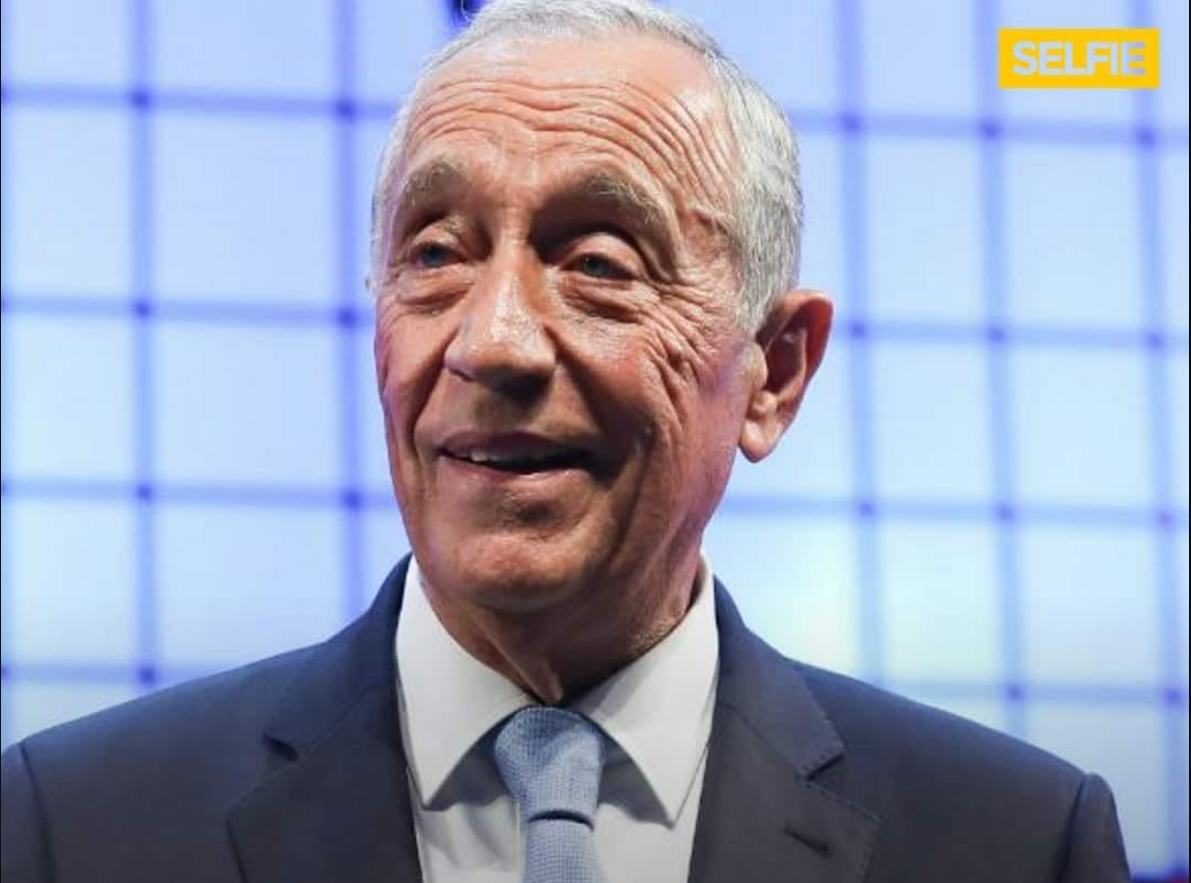
In a statement released on his official website at the end of January, Portuguese President Marcelo Rebelo de Sousa announced that he had vetoed the law that established the measures that schools had to apply to guarantee the right to self-determination of gender identity for students in schools.
De Sousa, a right-leaning conservative, said that he rejected the choice of a neutral name “because it considers that the decree does not guarantee a balance with respect to the essential principle of personal freedom.” He added that law which required schools to adopt to apply the law that establishes gender self-determination “do not sufficiently respect the role of parents, guardians, legal representatives and associations formed by them, nor does it clarify the different situations based on age.
The president returned the law to the Portuguese Parliament to “consider introducing more realism” in an issue in which there is little value in affirming principles that clash, due to their abstract values, with people, families and schools.”
FINLAND
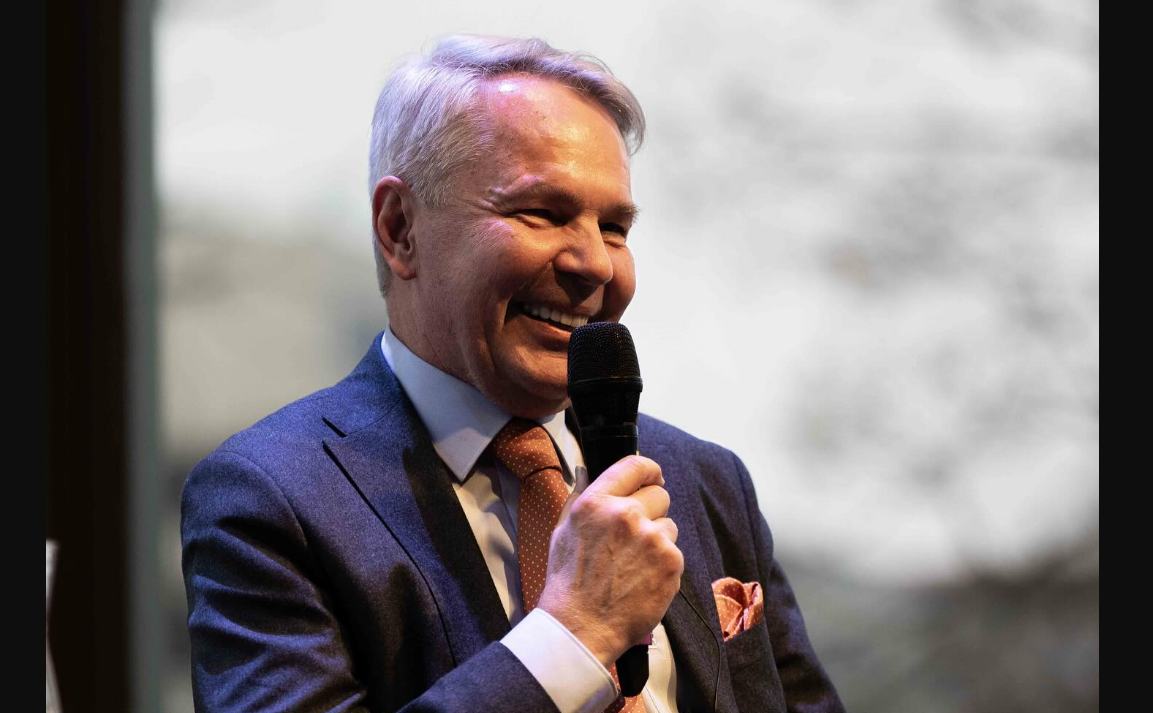
The 65-year-old former Finnish Foreign Minister Pekka Haavisto is now in a tight three-way run off race seeking to become the country’s next president. Haavisto, who is openly gay, has been running as an independent against former Prime Minister Alexander Stubb and Parliamentary Speaker Jussi Halla-aho.
The primary contest, according to Euronews, is between Stubb, who likely gained 27.3 percent of the initial voting and Haavisto at 25.8 percent, in the runoff elections on Feb. 11. Finnish public broadcaster YLE reported Stubb, 55, and Haavisto were the main contenders in the election. About 4.5 million eligible voters picked a successor out of nine candidates to hugely popular President Sauli Niinistö, whose second six-year term expires in March. He wasn’t eligible for re-election. The initial voter turnout was calculated to be 74.9 percent.
The Guardian UK reported that as a part of his campaigning across Finland, Haavisto has previously warned that country must crack down on hate speech against minorities — both as a pressing social issue and a national security issue — he said in other ways he has seen signs of progress during his time on the campaign trail.
“You could see that people could never imagine that gay men could be elected. But this has been changing.”
This is a critical time for the Nordic nation. Finland’s president holds executive power in formulating foreign and security policy. Euronews noted that abandoning decades of military nonalignment in the wake of Russia’s invasion of Ukraine, Finland became NATO’s 31st member in April, much to the annoyance of President Vladimir Putin of Russia, which shares a 832 mile border with the country.
NATO membership, which has made Finland the Western military alliance’s front-line country toward Russia, and the war raging in Ukraine a mere 621 miles away from Finland’s border have boosted the president’s status as a security policy leader.
As foreign minister, Haavisto signed Finland’s historic accession treaty to NATO last year and played a key role in the membership process along with Niinistö and former Prime Minister Sanna Marin.
RUSSIA
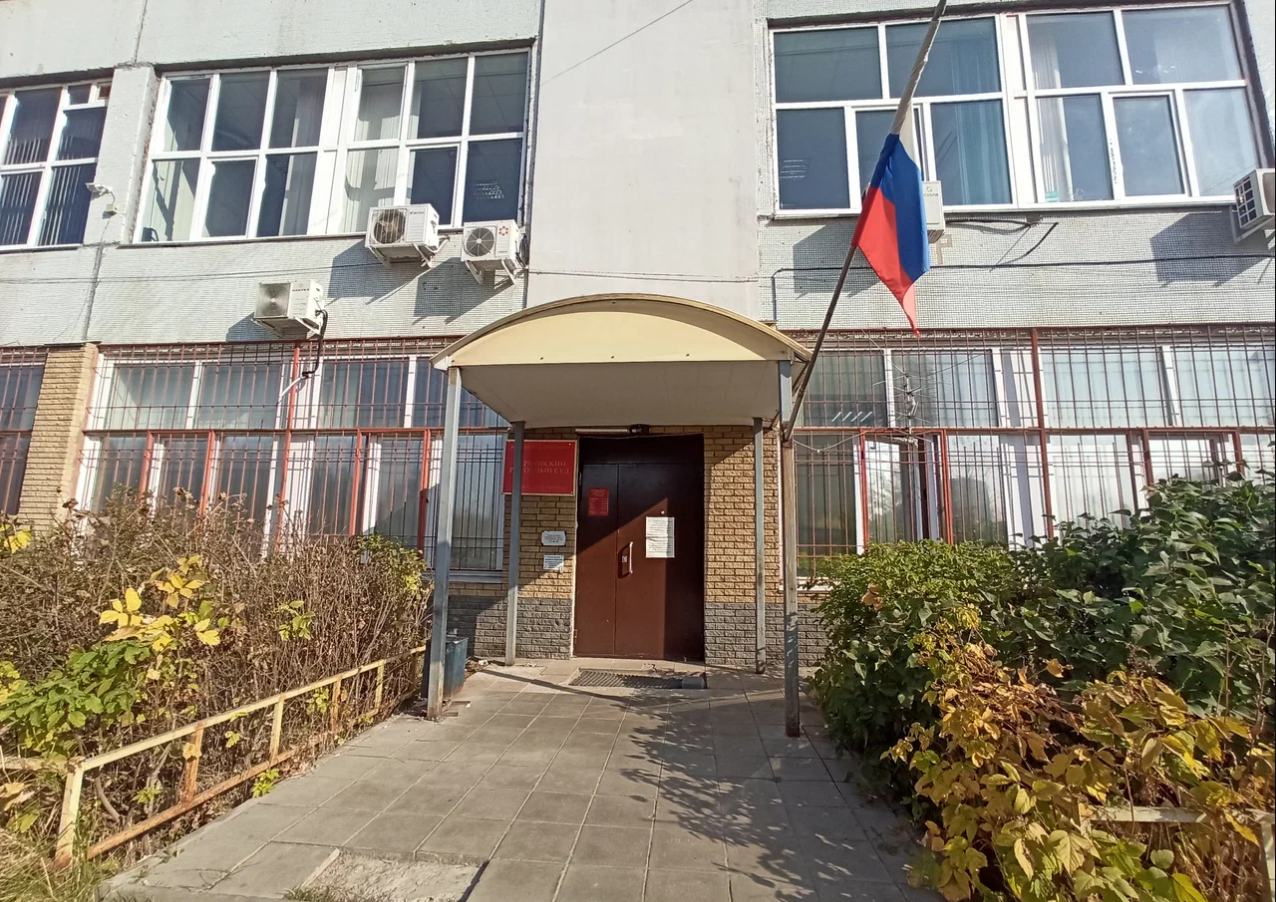
The Sormovskiy District Court in Nizhny Novgorod, a city on the Volga River that is 265 miles east of the Russian capital city, sentenced a woman to five days in jail for wearing earrings in the shape of a frog with a rainbow. This was one of the first two convictions since Russia’s draconian anti-LGBTQ ruling by the country’s Supreme Court
Anastasia Yershova was found guilty by a judge of publicly displaying symbols of an “LGBTQ extremist” organization prohibited under a ruling by Russia’s Supreme Court this past November that “the international LGBTQ movement” is “extremist,” and any symbols including Pride flags would be considered illegal. Yershova’s attorney noted to Shkulev Media that the judge didn’t define “symbol” in handing down his sentence.
According to multiple Russian media outlets, the case against Yershova was brought after an unidentified man threatened to turn her and a companion into the police for wearing a Ukrainian flag pin and rainbow earrings in a public cafe. After she refused the man filmed the encounter and then uploaded the video on Russian social media where it went viral.
Russian security police tasked with combating “extremism” arrested Yershova and brought charges. The press office for the Sormovsky District Court confirmed the account in the charging documents and the sentence but refused further comment.
The Krasnooktyabrsky District Court in Volgograd earlier last week found a man identified only as Artyom P. guilty of “exposing the symbols of an extremist organization” after he had shared a photo of the rainbow flag online in a social media post.
The court’s press office said that the man had pleaded guilty and said he had made a “stupid” gesture. The court stated that he was sentenced to pay a fine of 1,000 rubles ($11.04.)
MALAYSIA
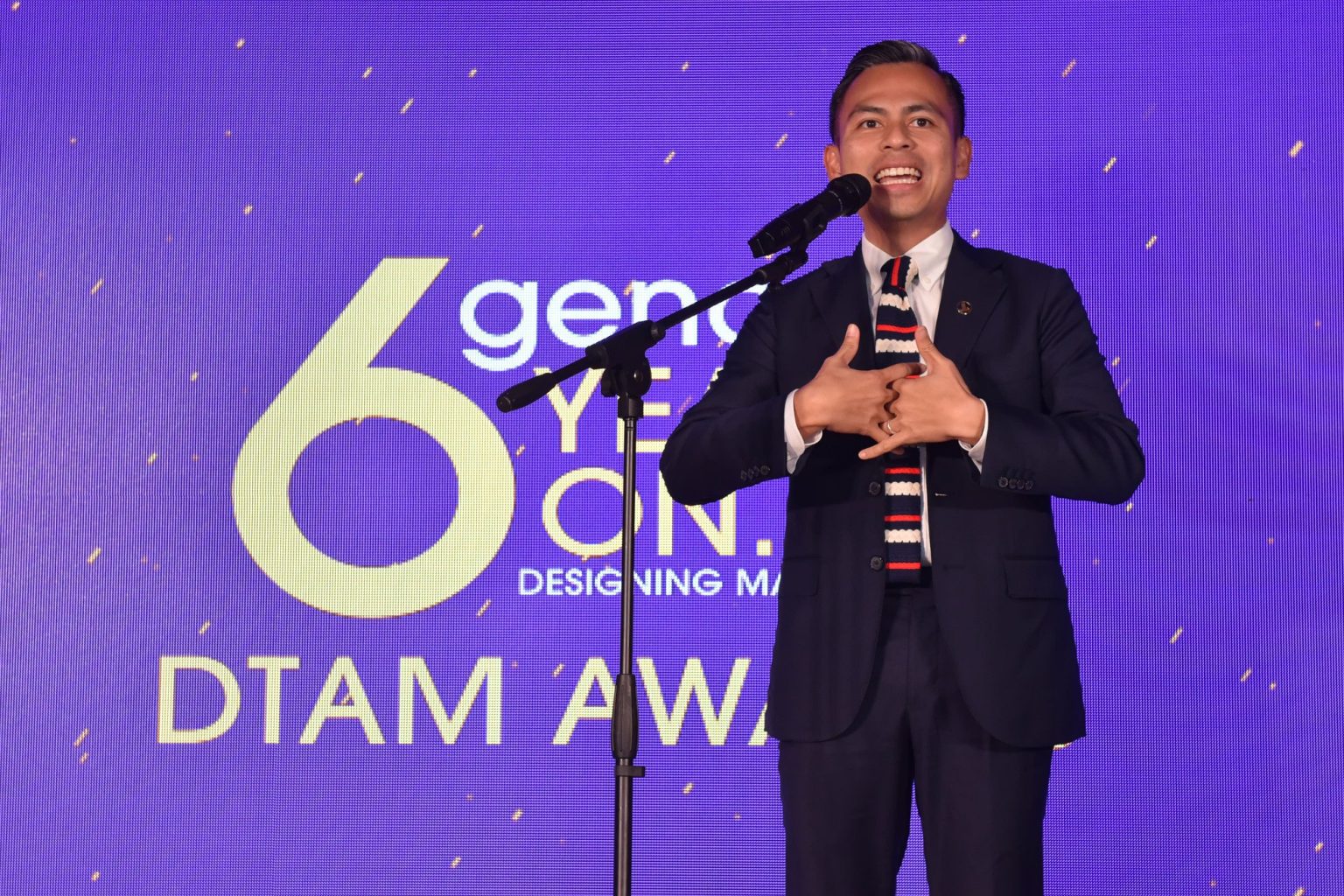
Malaysia’s Communications Minister Fahmi Fadzil told reporters during a press conference this past week that a scheduled concert by British singer-songwriter and musician Ed Sheeran would go on as planned at Kuala Lumpur’s Bukit Jalil National Stadium on Feb. 24.
A senior Muslim cleric and leader in the Malay Archipelago had publicly rebuked the government for issuing permits to Sheeran over the latter’s allyship for the LGBTQ community globally.
“As ‘mufti,’ it is my responsibility to urge the Malaysian government, through the relevant ministries (Communication Ministry and Digital Ministry) to revoke the permit for the concert immediately,” the South China Morning Post reported Wan Salim Mohd Noor said to Sinar Harian, a Malay-language daily newspaper.
Salim said Malaysia, as a nation with a predominantly Muslim population, should not allow concerts featuring artists who support “sinful” activities. He also urged all Muslims in the country to boycott the concert.
The minister told reporters the Islamic Development Malaysia Department and the Home Ministry are involved in discussions to grant approvals for concert permits by foreign acts.
“I have spoken about this to the Central Agency for Application for Filming and Performance by Foreign Artists (Puspal) and I take note of the suggestion by the mufti [Noor] on this,” Fadzil said.
“However, Jakim and the Home Ministry are among the 16 agencies involved in the discussions to approve applications for gigs by foreign artists, through the Puspal committee. Therefore, thorough vetting would have been done by all these agencies,” he said at a press conference on Wednesday.
“We take note of the views but we have a process. We will look into the matter if there is a need. At this time, there are no changes in the approval for the concert.”
Additional reporting by PinkNewsUK, Agence France-Presse, El Mundo/The Olive Press, Rádio e Televisão de Portugal, Euronews, The Guardian UK, Fontanka, the BBC and the South China Morning Post.




Turkey
‘Governments that attack LGBTQ+ rights learn from each other’
Turkish authorities on Sept. 12 launched anti-LGBTQ ‘My Family Is Safe’ campaign
Sept. 12 is a solemn day for the people of Turkey. It is the anniversary of the 1980 coup d’état — when members of the National Security Council, along with the armed forces, dissolved the Turkish parliament, arrested hundreds of thousands of people, and entered a three-year period of martial law.
On Sept 12, the 46th anniversary of the 1980 coup, the country faced another wave of arrests; this time they targeted the LGBTQ community. The government launched the national “My Family Is Safe” campaign, which triggered mass raids and arrests of LGBTQ organization leaders, advocates, academics, and sexual health treatment centers for people with HIV. (These include EU-funded organizations launched by the Turkish government in 2005.) Since the nation has seen a decline in birthrate and a swelling economic crisis, this has allowed authoritarian President Recep Tayyip Erdoğan and conservatives in Turkey to use the LGBTQ community as the ideal scapegoat.
“This is the cruelest part. It was Erdoğan’s own party that made it easier to found NGOs in 2005 as an EU accession process, and that is how many LGBTI+ groups came to be officially registered.” Ali Yildiz, a linguistics graduate student at the University of Cologne in Germany, told the Washington Blade. “Everything was legal, transparent and official. Now those same registrations are being used as arrest lists. The state is basically punishing those who trusted it. It sounds very much like the Nazis. They also used member lists of associations to persecute them later.”
Yildiz has witnessed the oppression of the Turkish government firsthand: in 2024, he moved to Germany. As one of the board members of a grassroots NGO that focuses on sexual health, Yildiz was at risk of arrest and prosecution.
As part of the “My Family Is Safe” operation on Sept. 12, police raided Yildiz’s family’s former home to find him.
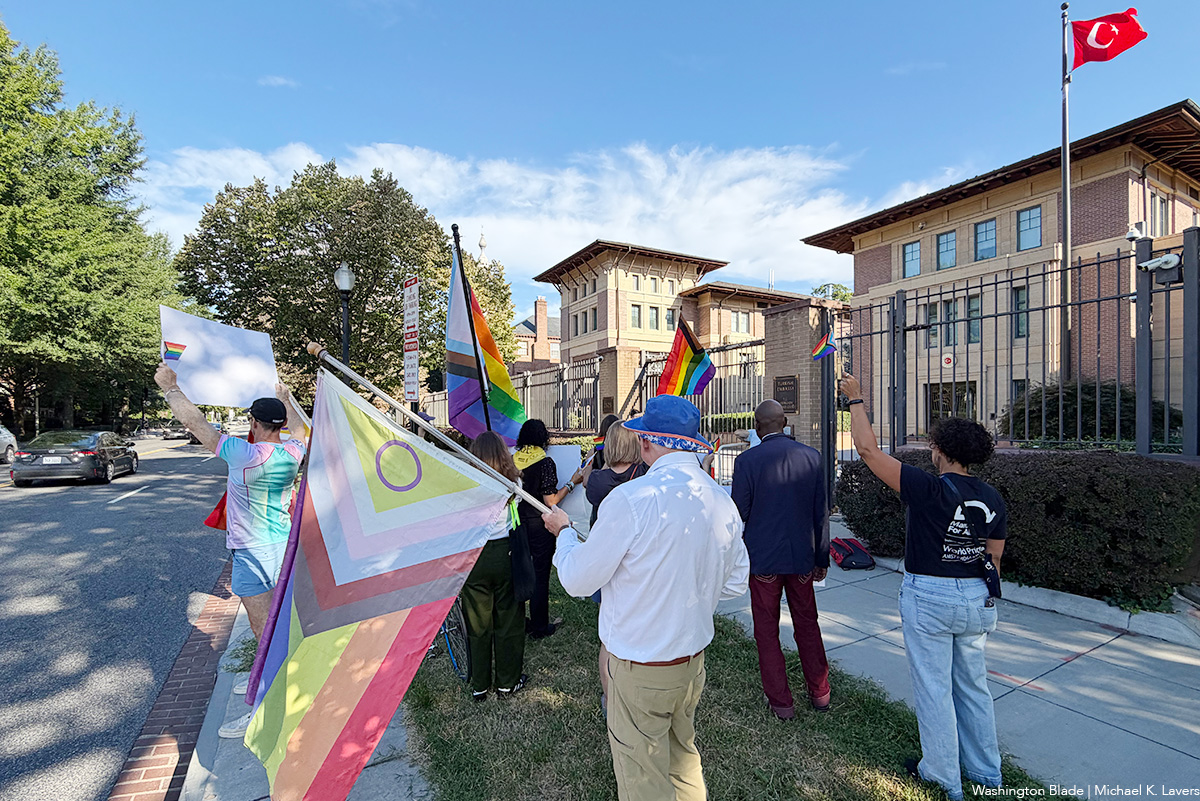
In the aftermath of these raids in Turkey’s major cities, protestors have gathered at Turkish embassies across Europe and the U.S.
A critical discourse has also emerged as a response to the crackdown across international queer media: how should the West cover oppressive regimes abroad?
“From what I see, the Western reading of Turkey’s crackdown on LGBTI+ people usually goes: it’s a conservative, Muslim country, so this is what you’d expect. I believe that framing is incomplete, and it lets the people responsible off the hook. The Erdoğan regime is also heavily relying on this contextualization,” said Yildiz. “The government is not simply reacting to existing conservatism but is actively shaping it. Look at how operations are presented: raids on LGBTI+ organizations and activists come packaged with claims about drugs, obscenity, sex work, or organized crime on other groups in the news. The evil strategy is to link LGBTI+ people with criminality in the public mind.”
The LGBTQ community is not the only group that has been under the weight of oppression. Political opponents and descendants whom Erdoğan deems criminals are also charged with treason.
Istanbul Mayor Ekrem İmamoğlu, who is the leading candidate for the upcoming 2028 presidential elections for the opposition center-left Republican People’s Party, was arrested on terrorism charges in 2024. On the same day, he was nominated as the CHP’s presidential candidate.
For a while, X served as a platform to express discontent with the government, but that changed recently when Elon Musk blocked nearly 500 accounts in Turkey. The Turkish government also banned Grok after the AI system responded to a user’s question about Erdoğan, which government leaders found offensive.
The visibility of these pages has decreased. With a VPN, citizens can still access the pages because they were banned only in Turkey, not internationally.
Discontent with the government is increasing, but so is government oppression.
Not only have LGBTQ pages been shut down, but many journalists and academics have also had their pages banned.
The Blade spoke to an anonymous academic living in Ankara, the Turkish capital, who said Erdoğan, U.S. President Donald Trump, and other authoritarian leaders are constantly learning from each other.
“These anti LGBTQ+ policies are being created in the name of preserving traditional family values and are not only a threat to Türkiye,” they said. “It is also a global issue that threatens people everywhere. It should be perceived as an international problem. That is why we LGBTQ+ people need to act in solidarity internationally.”
Because of the compounding human rights crisis happening simultaneously around the globe, visibility has been advocates in Turkey’s main challenge.
Since 2022 there have been a series of crackdowns against opposition parties, academics, labor unions, student organizations, journalist and advocates. Another anonymous academic in Istanbul told the Blade that after the 2022 crackdown, “people were intimidated, and most people did not feel encouraged to organize.”
In the weeks following this recent crackdown, discontent with the Erdoğan government has increased along with inflation and unemployment, not helped by the war in Iran.
“Our leaders do not say anything about the financial crisis,” said the Istanbul academic.
High inflation, high unemployment rates, many factories, and businesses have left Türkiye and transferred their businesses to other countries. And because of the timing of these recent crackdowns, during this financial crisis, many people haven’t been paying attention.
Though for many queer and transgender Turks, post-Sept. 12 life has been radically different.
“I stopped doing drag in order to protect myself, and many queer performance artist friends of mine have also given up this part of their lives,” said one source who asked the Blade to remain anonymous.
“Everybody is not scared, but they simply bring their fear with them to the march and march courageously, because they believe they are on the right side of history,” they added. “However, I think it is important that people in Turkey are not represented only through their experiences of victimization. There should also be spaces where artists, activists, journalists, and other queer people can express themselves in their own words.”
The justification for this crackdown has been preserving “traditional family and conservative values.” The Turkish government has persecuted these offenses with raids, trials, and arrests that have gone beyond just the LGBTQ community. It targeted last year musicians, performers, and artists whom they deemed obscene or offensive.
In September 2025, the K-pop-inspired girl band Manifest was investigated for three months. Footage from their shows was banned from the internet, and the remainder of their tour was canceled. All seven members of the group faced 3 1/2 months prison sentences before the charges were ultimately dropped.
“I believe there is no pride for only some of us. Governments that attack LGBTQ+ rights learn from each other.” Yildiz tells the Blade, “Erdoğan borrows from Putin’s playbook, and parts of the Western right eagerly adopt the same rhetoric. This is a call for our community to see how important international solidarity is. People show up every single year for the Pride March, even though they know the police are going to attack. What I see in our community is pure courage.”
Japan
Report: LGBTQ exclusion costs Japanese economy billions a year
Open for Business findings coincide with marriage equality fight
LGBTQ exclusion may be costing Japan as much as ¥16.42 trillion ($10.35 billion) annually, according to a new report by Open for Business, which argues that greater inclusion could help address the economic pressures facing a country with a shrinking population and workforce.
Japan’s population is projected to decline from 126.15 million in 2020 to about 87 million by 2070, according to the National Institute of Population and Social Security Research. As the country confronts a shrinking workforce; the economic stakes of retaining talent, improving productivity, and ensuring that LGBTQ people can participate fully in the economy are becoming increasingly significant.
Open for Business estimates that the costs extend beyond lost earnings.
The organization attributes between $25.1 billion to $75.1 billion annually to the excess economic burden associated with depression, suicide and self-harm, cardiovascular disease and HIV/AIDS, and another $12.2 billion to $26.2 billion to lost earnings linked to the LGBTQ wage gap.
A 2026 survey by Dentsu Japan, the Japanese arm of global advertising and public relations company Dentsu Group, found that 10.6 percent of respondents aged 20-59 identified as LGBTQ, up from 9.7 percent in 2023. The survey polled 46,658 people living in Japan.
The report argues that Japan already has the foundations for greater LGBTQ inclusion; pointing to public support, corporate leadership, and growing legal momentum. Progress on these fronts, it says, could reduce the economic costs of exclusion, strengthen workforce participation and help Japan remain competitive.
“For Japan, LGBTQ inclusion is not simply a question of fairness. It is part of the country’s economic resilience,” the report states.
Japan does not legally recognize same-sex marriages at the national level, but partnership systems have spread across local governments. As of 2024, municipalities operating such systems covered nearly 93 percent of Japan’s population. The certificates can help couples access certain services, but they do not carry the same legal status as marriage, including in areas such as inheritance and medical decision-making.
The absence of marriage recognition can leave same-sex couples facing uncertainty over hospital access, medical decisions, and survivor benefits. It can also complicate employers’ decisions about spousal health coverage, relocation assistance and family leave, particularly when policies depend on a marriage recognized under Japanese law.
Japan’s PRIDE Index, administered by the nonprofit Work with Pride since 2016, evaluates corporate initiatives related to LGBTQ employees across five categories, awarding Bronze, Silver or Gold ratings. In 2025, 931 companies headquartered in Japan were assessed, with 80 percent receiving the highest, Gold rating.
Despite progress in corporate inclusion, workplace practices remain uneven.
A 2026 workplace white paper by Nijiiro Diversity found that 55 percent of surveyed employees reported no concrete LGBTQ measures at their workplaces. A separate 2025 survey found that 30 percent of professionals had experienced workplace discrimination or bias based on sexual orientation, while 27 percent reported bias based on gender identity. Only about one-third said they felt comfortable disclosing their sexual orientation or gender identity at work.
The report also points to disparities in HIV and STI outcomes.
Men who have sex with men accounted for an estimated 82 percent of newly diagnosed HIV cases in Japan, according to the report. In a separate study at a Japanese gender-affirming clinic, researchers screened 275 transgender and gender-diverse patients and found that 6.2 percent tested positive for HIV or another sexually transmitted infection. All were asymptomatic when tested.
The report also estimates substantial losses from the LGBTQ wage gap.
It puts Japan’s total earned income at about $1.81 trillion, of which LGBTQ workers account for an estimated $175 billion, or 9.7 percent. Applying a wage gap of 7 to 15 percent, a range the report says is supported by OECD analysis, yields an estimated $12.3 billion to $26.3 billion in lost wages annually. Japanese research cited in the report also points to economic disparities among transgender workers, who are disproportionately represented in non-regular employment and lower-income groups.
“Public attitudes and many leading companies have moved considerably, but national frameworks and everyday workplace experience have not yet caught up. That creates both a challenge and an opportunity,” said Open for Business CEO Ken Janssens. “Japan’s population is projected to fall from roughly 125 million in 2020 to fewer than 87 million by 2070, while its working-age population is already contracting. The country ranks 14th globally for talent appeal but 55th for talent readiness, according to the report. In that context, Japan simply does not have talent to waste. Every worker who is less healthy, less productive, pushed into lower-paid work or unable to participate fully because of discrimination represents a cost that becomes harder to absorb as the labour force shrinks.”
Janssens further told the Washington Blade that the report’s ultimate message is that LGBTQ inclusion is a question of fairness, but in Japan, it is increasingly a question of economic resilience as well. The foundations for further progress are already there. The challenge now is to convert visible corporate leadership and social momentum into consistent practice and clearer protections.
Akira Nishiyama, a spokesperson for the Japan Alliance for LGBT Legislation, told the Blade that Japan’s business sector has pushed for stronger legal protections for sexual and gender minorities.
In 2017, the Japan Business Federation, known as Keidanren, announced a policy calling for nondiscrimination based on sexual orientation and gender identity. Its chairperson also stressed the importance of legislation explicitly prohibiting such discrimination in 2023.
Nishiyama added Japan’s laws addressing workplace power harassment cover harassment based on sexual orientation and gender identity, outing someone without their consent, and forcing or pressuring someone to disclose or conceal their identity. Employers and local governments are required to take measures to prevent such harassment.
“While such legal frameworks and social momentum continue to advance, a law prohibiting discrimination based on SOGI has still not been enacted,” said Nishiyama. “In other words, legal measures to address discriminatory treatment, such as discriminatory hiring refusals, unreasonable transfers, and coerced resignations, are still insufficient. When legislations are needed to bridge this gap, I believe that initiatives promoted by the business sectors as well as the issuance of clear policies aimed at prohibiting discrimination, will serve as one of the major driving forces in this effort.”
Makiko Terahara, co-representative and leader of the business collaboration team at Marriage for All Japan, told the Blade that the figures are estimates and that the report does not claim legal reform alone would eliminate the economic losses.
“But the connection is real. Without marriage, same-sex couples have no spousal status for inheritance, tax, social security or medical decision-making. Without anti-discrimination legislation, employees have no clear legal remedy. This insecurity drives the concealment, stress and wage gaps that the report quantifies. So yes, I believe stronger legal protections would have a measurable impact on health, retention and Japan’s ability to attract talent,” she said.
Terahara also noted to the Blade the report cites a study finding that living in a municipality with a partnership system was not associated with better mental health. She said symbolic recognition without legal rights is not enough.
“The report confirms that Japanese society and business are already ahead of national law,” said Terahara. “Public opinion and leading companies have moved, and the remaining gap is in legislation. The report shows that marriage equality is not only a human rights issue but also an economic one, and that the cost of inaction is being paid now.”
The Open for Business report can be read here.
Afghanistan
ICC unseals arrest warrants for Taliban officials accused of persecuting LGBTQ people, women
‘For LGBTIQ+ people, this matters enormously’
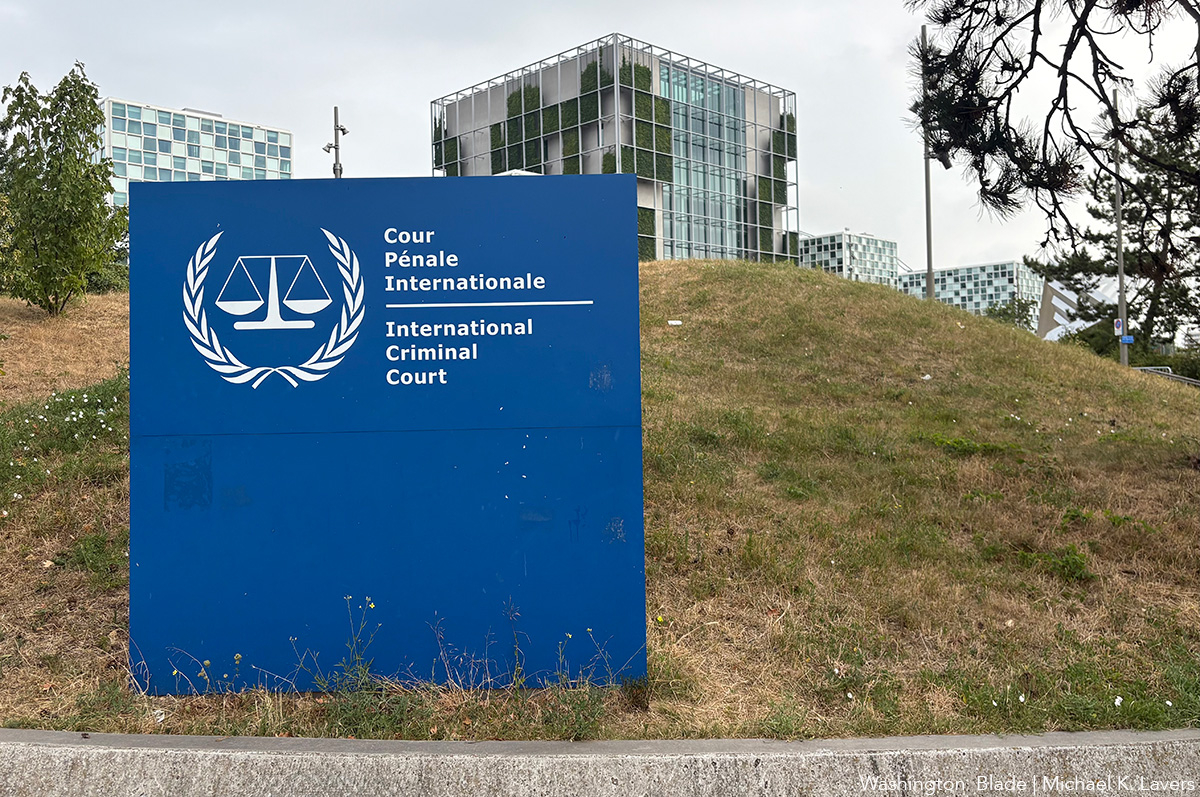
The International Criminal Court this week unsealed arrest warrants for four Taliban officials in Afghanistan accused of targeting LGBTQ people, women, and others who defy the group’s strict gender norms.
The warrants the ICC unsealed on Oct. 5 are for Hibatullah Akhundzada, the Taliban’s supreme leader, and Chief Justice Abdul Hakim Haqqani. The ICC also unsealed warrants for Education Minister Habibullah Agda and Higher Education Minister Neda Mohammad Nadim.
The ICC last year announced warrants for Akhundzada and Haqqani, as the Washington Blade previously reported.
“In the warrants of arrest, the (Pre-Trial) Chamber (II), in line with current developments in international law, found that the definition of ‘gender’ in the Rome Statute necessitates an interpretation that goes beyond a purely biological conception of sex,” reads the ICC’s Oct. 5 announcement. “It considered that it requires acknowledging the socially constructed roles, behaviors, expectations, and hierarchies traditionally associated with individuals on the basis of their sex. The Chamber considered that these societal constructs, commonly referred to as ‘gender norms,’ form part of the contextual lens through which acts amounting to gender-based persecution under article 7(1)(h) must be assessed.”
“It found that there are reasonable grounds to believe that the four suspects are criminally responsible for having ordered, induced or solicited the crime against humanity of persecution, under article 7(1)(h) of the Rome Statute, on gender grounds against girls, women, and other persons non-conforming with the Taliban’s policy on gender, gender identity or expression; and on political grounds against persons perceived as ‘allies of girls and women,’” it adds. “These crimes are believed to have been committed on the territory of Afghanistan since the Taliban seized power on Aug. 15, 2021, and have continued until at least Jan. 20, 2025.”
The Rome Statute established the ICC, which is in the Dutch city of The Hague, in 2002 after 60 countries ratified it.
The U.S. is among the countries that do not recognize the ICC. Secretary of State Marco Rubio on Friday announced U.S. sanctions against the ICC, which he described as a “rogue court.”
Then-ICC Chief Prosecutor Karim Khan in January 2025 announced a request for warrants against Taliban officials over their treatment of women and other groups since they regained control of Afghanistan in 2021. It marked the first time the ICC specifically named LGBTQ people as victims in a gender persecution case before it.
A report that Outright International released in 2023 notes Taliban officials have systematically targeted LGBTQ people — especially gay men and transgender women.
Taliban officials have subjected them to physical and sexual assault as well as arbitrary detention. The Outright International report also notes Taliban authorities have carried out public floggings for alleged same-sex sexual relations, and have collected intelligence on LGBTQ activists and community members.
Artemis Akbary, executive director of the Afghanistan LGBTIQ Organization, on Oct. 5 described the additional arrest warrants as “huge.”
“For LGBTIQ+ people, this matters enormously,” he said. “It strengthens the understanding that gender persecution can also capture persecution based on non-conformity with imposed gender roles, identities, and expressions.”
“This is an important development for accountability in Afghanistan, and potentially far beyond it,” added Akbary.

Center Arts Gallery celebration, auction to take place on Oct. 17

Comings & Goings

‘Hidden in Plain Sight:’ The story of Odessa Madre

‘Governments that attack LGBTQ+ rights learn from each other’

Horror genre has evolved into space to explore queer identity

ICC unseals arrest warrants for Taliban officials accused of persecuting LGBTQ people, women

Physician: addiction doesn’t always look the way you think it does

Calendar: October 9-15

Solidarity beyond the parade: the actual cost of Pride

Essential queer horror classics for Halloween
-

 Afghanistan4 days ago
ICC unseals arrest warrants for Taliban officials accused of persecuting LGBTQ people, women
-
District of Columbia4 days ago
Physician: addiction doesn’t always look the way you think it does
-
Calendar4 days ago
Calendar: October 9-15
-
Opinions3 days ago
Solidarity beyond the parade: the actual cost of Pride