Virginia
Virginia governor vetoes bill barring discrimination against PrEP users
Youngkin’s move disproportionately impacts LGBTQ community
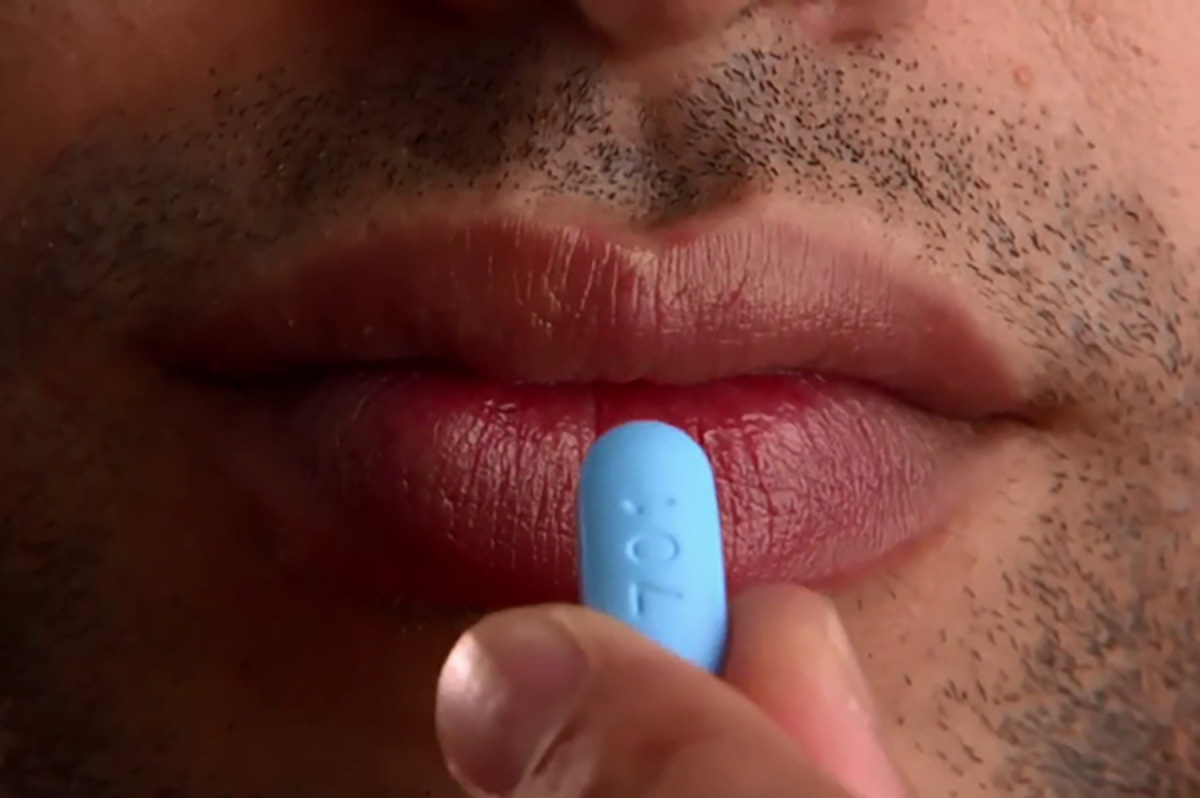
Virginia Gov. Glenn Youngkin this week vetoed a bill that would have made it illegal for health and life insurance companies to discriminate against individuals who have taken pre-exposure prophylaxis (PrEP) for HIV prevention.
House Bill 2769, titled Life or Health Insurances; Unfair Discrimination, Pre-Exposure Prophylaxis for Prevention of HIV, was passed by both chambers of the Virginia General Assembly. The bill cleared the Virginia House of Delegates with 53 yeas and 44 nays and the Senate of Virginia with 24 yeas and 15 nays.
Under the Affordable Care Act, PrEP is covered by most insurance companies, meaning the medication should be available through employer-sponsored private health insurance plans, individual healthcare plans purchased via HealthCare.gov or state-based marketplaces, as well as Medicaid expansion coverage.
If the Virginia General Assembly fails to override Youngkin’s veto, insurance companies operating in Virginia will be allowed to continue discriminating against PrEP users by charging them higher premiums or even denying them coverage altogether.
According to recent data from UNAIDS, gay men and other men who have sex with men are 7.7 times more likely to contract HIV. Since the first cases of HIV were reported, 78 million people have been infected with the virus, and 35 million have died from AIDS-related illnesses.
Currently, there are three FDA-approved forms of PrEP: Truvada (emtricitabine/tenofovir disoproxil fumarate), available for individuals of all genders; Descovy (emtricitabine/tenofovir alafenamide), approved for use by individuals assigned male at birth; and Apretude (cabotegravir), an injectable PrEP administered every other month by a healthcare professional.
According to the FDA, PrEP reduces the risk of acquiring HIV from sex by about 99% when taken as prescribed and lowers the risk by at least 74% among people who inject drugs. Since its approval, the World Health Organization (WHO) estimates that 3.5 million people received PrEP at least once in 2023.
Despite the bill’s passage in the Democratic-controlled General Assembly, Youngkin vetoed the legislation, a move that disproportionately impacts the LGBTQ community and others at higher risk of HIV.
The Washington Blade reached out to Youngkin’s office for comment but has not received a response.

Virginia
Virginia Anti-Violence Project struggles to fill federal funding gaps
Group has lost 54 percent of funding since 2020
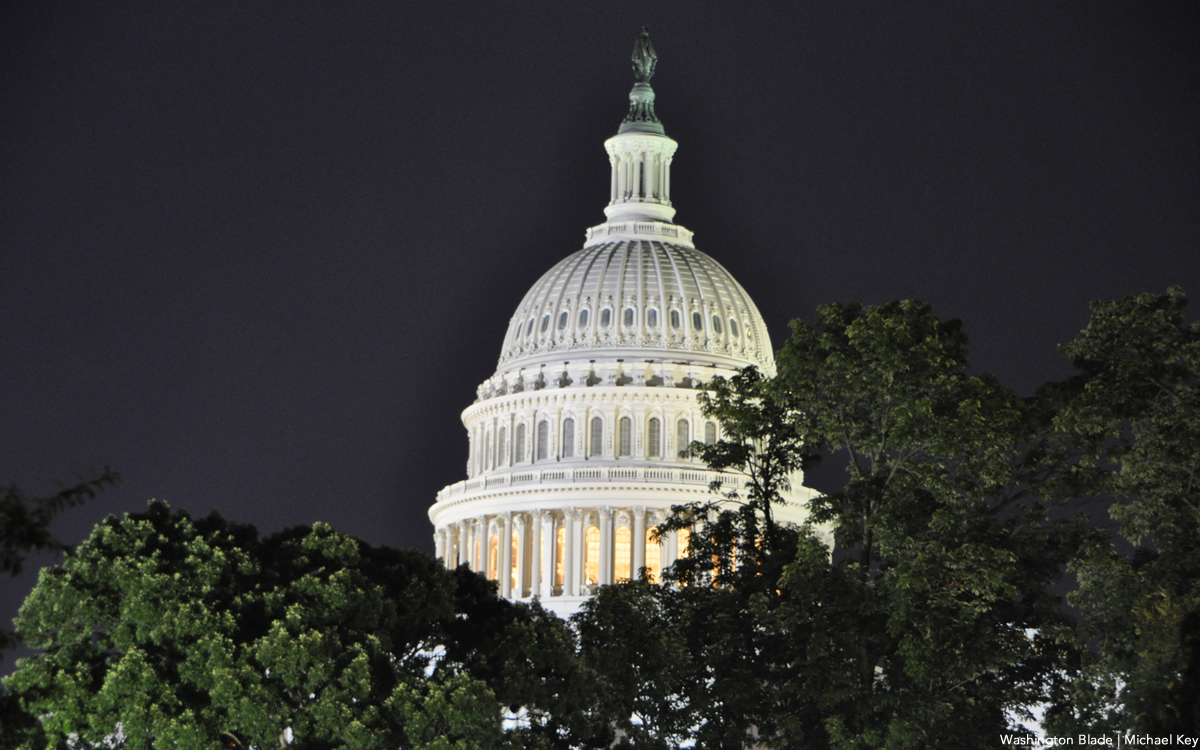
A loss of federal funding has threatened to adversely impact the Virginia Anti-Violence Project’s work in the state.
The group’s mission is to assist LGBTQ and BIPOC (Black, Indigenous and people of color) victims of domestic, sexual, interpersonal, and state violence with direct support, education, and advocacy. The VAVP seeks to build a future where LGBTQ and BIPOC individuals can live freely without a sense for worry about violence.
“Virginia Anti-Violence Project helps to close the distance between services existing and LGBTQIA+ survivors actually being able to reach safety, stable housing, and support that they can trust,” VAVP Executive Director Ebony Clark told the Washington Blade on Tuesday. “Our mission is to provide direct services and advocacy to LGBTQ+ survivors across Virginia.”
Clark said obtaining state and federal funds has become increasingly difficult.
“One of the reasons that we can talk about is politics and how you know queer diverse, queer communities are targets when it comes to politics, and so that may be a reason why the funding is decreasing in in very niche areas, but overall, state funding, federal funding has been lost or significantly reduced when it comes to culturally specific marginalized populations,” Clark said. “The bigger picture is that funding that was purposed for diversity, equity, inclusion, marginalized populations, or you know culturally competent programming, those funds have been strategically reduced or eliminated on state and federal levels overall.”
Even more so with the current Trump-Vance administration.
Data shows federal funding for one “major federal victim-services funding stream in” Virginia has dropped 54 percent over the last six years: from $25.1 million in fiscal year 2020 to $11.6 million in fiscal year 2026.
Clark noted some federal funding has been denied due to VAVP’s DEI policies — it has had to “water down” their language. These cuts have forced VAVP to limit housing and economic support, which has resulted in fewer resources for its clients.
The organization has set up a goal for receiving between $250,000-$300,000 a year that would allow it to operate — and focus on client housing.
“Housing is fundamental to safety,” Clark told the Blade. “If you know leaving violence puts someone on the street or forces them back to the person harming them, that means the crisis isn’t over. So there needs to be other prevention strategies and reactive strategies in place to be able to prevent further violence from folks.”
VAVP has set up a link for anyone who is interested in making a donation. It is here.
The VAVP website is also accepting donations.
Virginia
Winsome Earle-Sears ‘Life and Marriage Tour’ to include Northern Va. stops
Voters to consider marriage equality, reproductive rights referenda in November
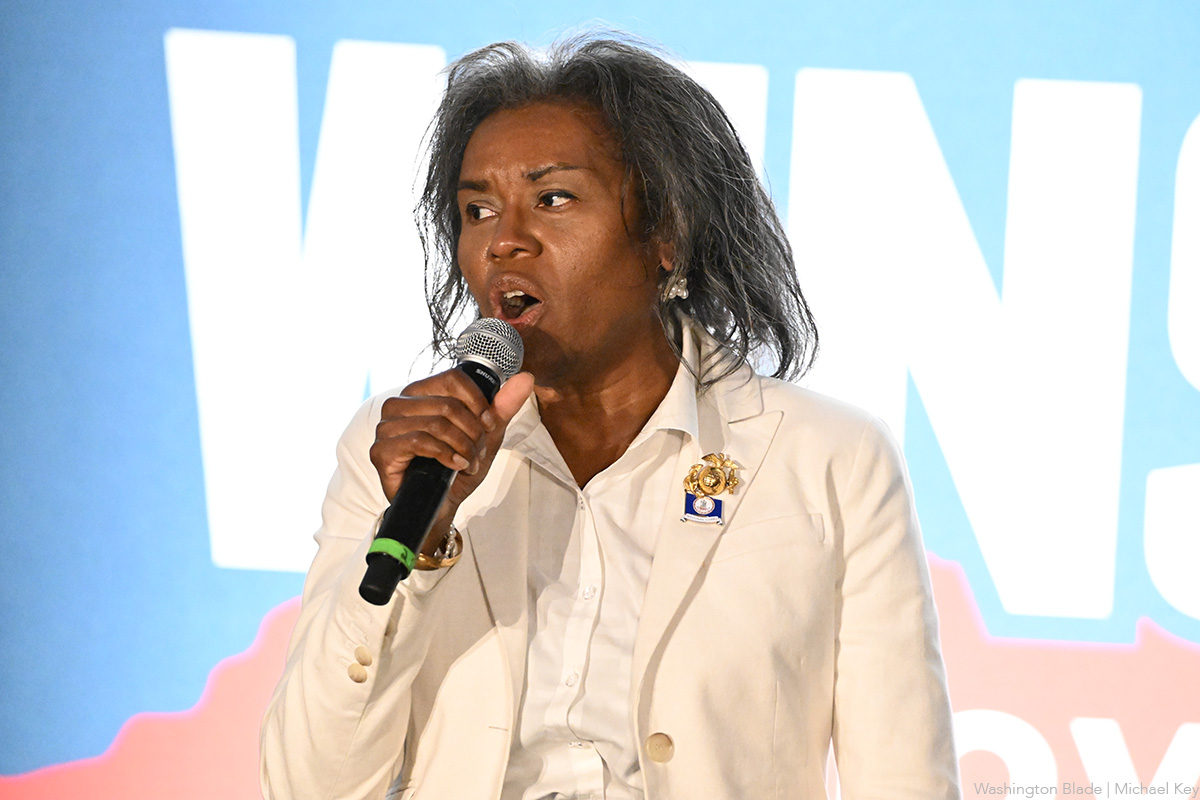
Former Virginia Lt. Gov. Winsome Earle-Sears has announced her campaign against efforts to enshrine marriage equality and reproductive rights in the state constitution will make several stops in Northern Virginia.
Her “Life and Marriage Tour” will include stops in Manassas, Winchester, and Harrisonburg. Earle-Sears said the “Life and Marriage Tour” will also travel to Virginia Beach, Lynchburg, Roanoke, Charlottesville, and other cities across Virginia “throughout September and October.”
The announcement did not include specific dates.
“Virginia, you’ve been asking where the Life and Marriage Tour is headed — here’s a look at our current tour locations,” she said on X on Tuesday. “We’ll be traveling across the commonwealth throughout September and October, and we’re still building the journey.”
Current Gov. Abigail Spanberger, a Democrat, last November defeated Earle-Sears, a Republican, in the race to succeed Republican Glenn Youngkin.
Voters in 2006 approved the Marshall-Newman Amendment, which defined marriage in Virginia as between a man and a woman.
Same-sex couples have been able to legally marry in Virginia since 2014. Youngkin a decade later signed a bill that codified marriage equality in state law.
Two successive legislatures must approve a proposed constitutional amendment before it can go to the ballot.
Spanberger signed bills that finalized the marriage equality and reproductive rights referenda’s language.
The referenda will take place on Nov. 3.
Virginia
Doug Ollivant to face Eugene Vindman in Va. 7th Congressional District
Republican defeated challengers in Tuesday’s primary
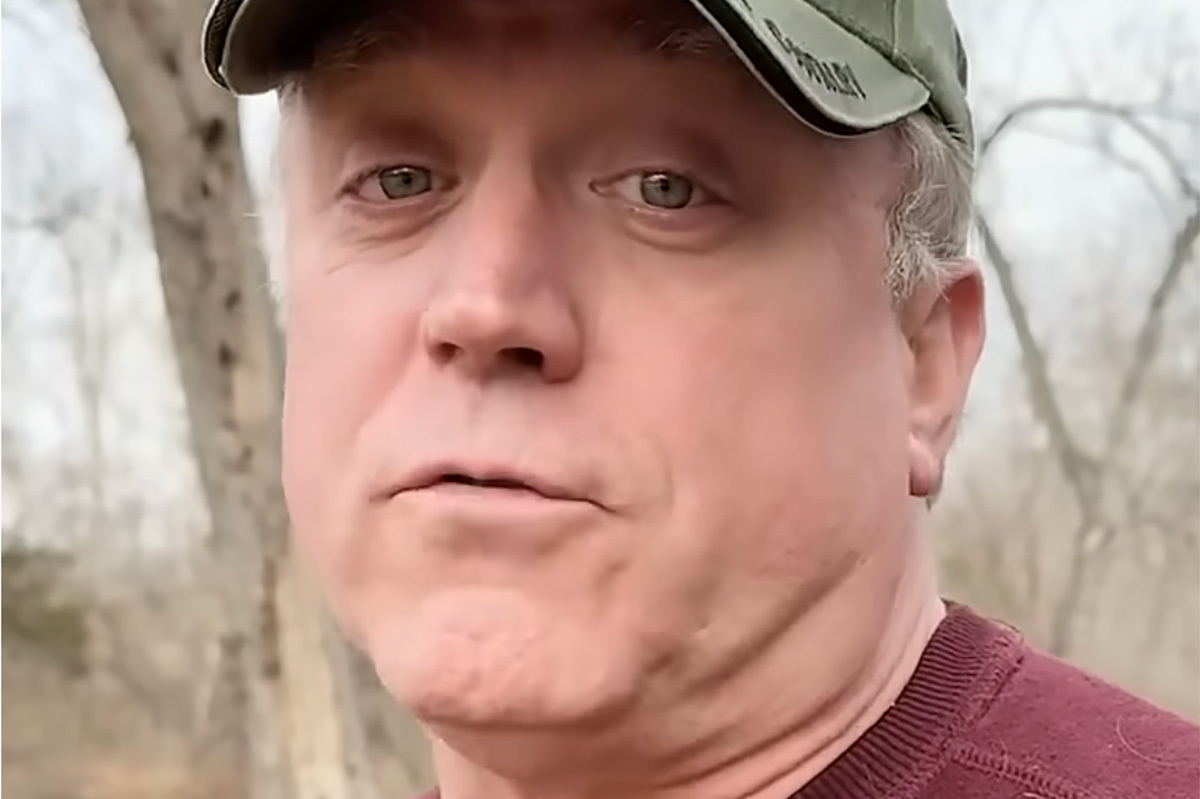
Republican Doug Ollivant will face off against incumbent U.S. Rep. Eugene Vindman (D-Va.) in Virginia’s 7th Congressional District.
Ollivant defeated his Republican opponents in Tuesday’s primary. Vindman ran unopposed.
Vindman in 2024 ran to succeed then-Congresswoman Abigail Spanberger in the U.S. House of Representatives after she ran for governor. Spanberger succeeded Republican Gov. Glenn Youngkin in 2025.
U.S. Sen. Mark Warner (D-Va.) on Tuesday easily won his primary. All other Democratic incumbent members of Congress from Northern Virginia also won their respective primaries.

Trump asks Supreme Court to allow restrictions on gender-affirming care in prisons

Education Department rolls back protections for LGBTQ students under Title IX

Debbie Allen shares on loss, love, and the power of speaking out

Baltimore’s oldest gay bar to reopen this week

Dr. Fauci ‘honored to be part of’ LGBTQ history

Colombia withdraws from Equal Rights Coalition

Trump-appointed judge restores White House TV pool access

Writing a play about Lincoln leads down a rabbit hole to a closet

Philadelphia event to launch 2026 LGBT History Month

Being a female firefighter comes with unique risks, and rewards
-

 Colombia5 days ago
Colombia withdraws from Equal Rights Coalition
-
White House5 days ago
Trump-appointed judge restores White House TV pool access
-
a&e features5 days ago
Writing a play about Lincoln leads down a rabbit hole to a closet
-
National5 days ago
Philadelphia event to launch 2026 LGBT History Month