Arts & Entertainment
‘Think of those who have not been seen,’ Cynthia Erivo’s powerful message at GLAAD Awards
Erivo and Doechii delivered powerful acceptance speeches
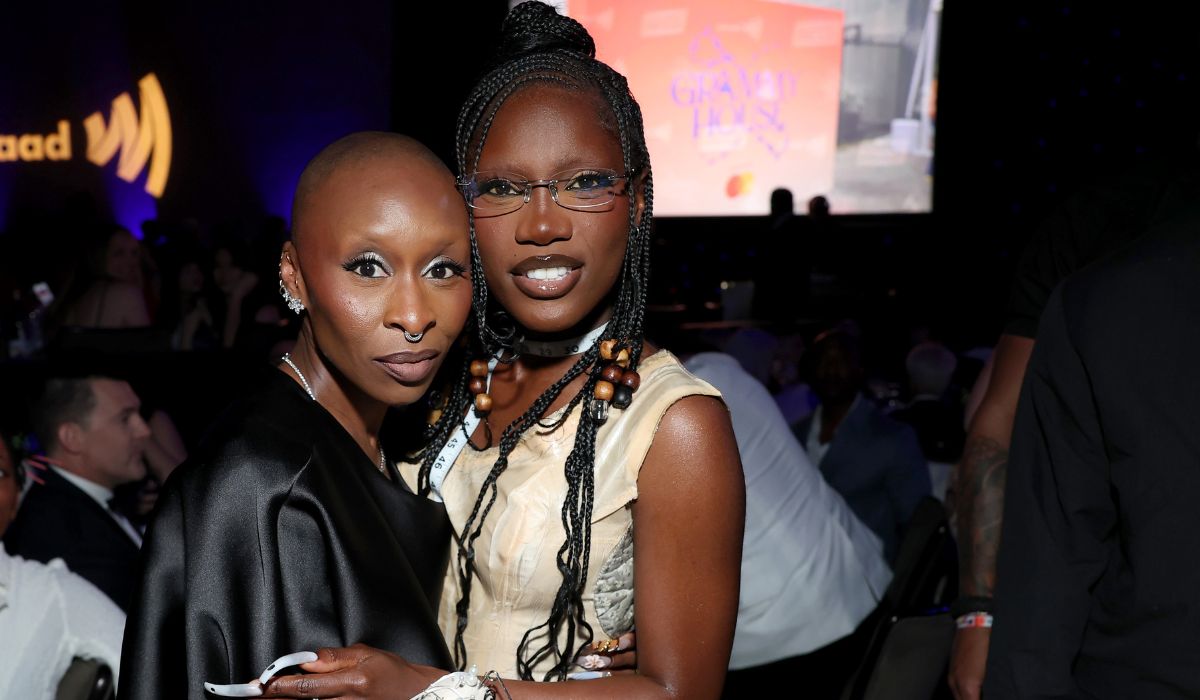
GLAAD celebrated its 40th anniversary with a star-studded gala in Beverly Hills, honoring achievements in LGBTQ media and entertainment, while pushing back at efforts nationwide to turn back civil rights protections, restrict and erase transgender identities.
Doechii accepted a GLAAD Media Award for outstanding music artist, Harper Steele won for outstanding documentary for Will & Harper and Nava Mau was honored with the outstanding series – limited anthology award for Baby Reindeer.
Those in attendance rose for a long and enthusiastic standing ovation as the prestigious Stephen F. Kolzak Award was presented to Cynthia Erivo.
“It isn’t easy. None of it is, waking up and choosing to be yourself, proclaiming a space belongs to you when you don’t feel welcomed,” said Erivo.
The 38-year-old queer Oscar nominee and Emmy, Tony and Grammy winner delivered a moving acceptance speech, in which she thanked GLAAD but also called on the audience to do more to help those in the community who have not yet come out. Video of her remarks has gone viral on Instagram.
“Here in this room, we have all been the recipients of the gift that is the opportunity to be more. I doubt that it has come easy to any of us, but more, for some, the road has not been one paved with yellow bricks, but instead paved with bumps and potholes. Whichever road you have traveled, how beautiful it is that you’ve had a road to travel on at all. There are the invisible ones who have had no road at all. For those who have not
yet even begun to find the road, be encouraged and be patient with yourself, it will show itself,” Erivo said. Then she paused from reading the speech that was in the teleprompter, and ad libbed a poetic, closing message.
“We use the phrase ‘out and proud,’ and though you might not have the strength or capacity to do that now, know that I am proud of your quiet and solitary want to be just that,” she said, and then addressed the community ahead of Transgender Day of Visibility. “We are all visible. We can be seen. We see each other. I see you, you see me. But think of those who have not been seen, think of those who sit in the dark and wait their turn, hoping and waiting for a light to light their path. I ask every single one of you in this room, with the spaces that you’re in, and the lights that you hold, to point it in the direction of someone who just needs a little guidance.”
Broadway legend Patti LuPone offered guidance from queer icons, past and present, when she took the stage to recite inspiring quotes that brought the house down.
“I can no longer accept the things I cannot change. I am changing the things I cannot accept,” LuPone quoted lesbian, feminist, activist Angela Davis. “Coming out is the most political thing you can do,” she said, quoting Harvey Milk.
Then LuPone cited some of the stars of Drag Race, including Valentina, Kennedy Davenport, Alyssa Edwards, Trixie Mattel, Plane Jane, and Latrice Royale. But it was the words of OG Drag Race alumna Bianca Del Rio that got the crowd on its feet: “Not today, Satan. Not today!”
“Right now, LGBTQ+ rights are under attack, but what they take from us, they take from you too,” said Brian Michael Smith, upon winning the award for outstanding drama series for 911: Lone Star. “These aren’t isolated rollbacks; they’re attacks on all of our civil rights. This kind of representation is more than visibility, it’s resistance.”
When Doechii accepted the trophy for outstanding music artist at the ceremony, the “Denial Is a River” rapper commented on this politically charged moment for the LGBTQ community, as she praised GLAAD for its principles of “acceptance, inclusiveness and empowerment.”
“Those are the same things I strongly believe in and advocate for and that continue to propel me forward, especially now that hard-won cultural change and rights for transgender people and the LGBTQ community have been threatened,” said Doechii. “And I am disgusted. Disgusted. But I want to say that we are here and we are not going anywhere.”
“These kinds of events help me to feel support, to feel like we’re a team working together to make ourselves feel more seen, make others feel more seen, and there’s so much still to celebrate,” said singer songwriter David Archuleta, the American Idol alum who made headlines in 2021 when he came out and quit the Mormon Church. On the red carpet before the gala, he shared with the Los Angeles Blade his advice to fans who want to find joy amid the gloom: “I love to go dance. Dance is so therapeutic. It’s a place where you can just shake it off, feel hot, go out, and that’s a therapeutic way.”
“This is where I find joy,” Michaela Jaé Rodriguez told the Blade. “But the best times where I find even more joy is learning what state we’re in. Learning how I can fire myself, put a fire behind me, and stay as vigilant as possible and be in the forefront and never disappear. And I want to encourage that to a lot of my young individuals out there. Don’t disappear. Stand out, be proud, and don’t be scared. I’m not scared!”
“It feels amazing, being surrounded by basically my own people is always like a big warm hug, so I love it,” Harper Steele told the Blade.
The writer, who took home a GLAAD trophy for her award-winning documentary with her friend and fellow SNL alum Will Ferrell, noted that despite the joy of the evening, she was “very sad” about political moves targeting the transgender community in Washington, D.C. as well where she grew up in Iowa.
“My own home state, who gave me trans protections and rights, just took them away,” Steele told the Blade. “We’re the first group that’s ever had those rights taken away from us, so we’re in a weird time. I’m going to keep doing the best I can to convince people that they’re wrong. Not only are they wrong, but they’re being stupid.”
The Washington Blade was nominated for its coverage of the 2024 Summer Olympics Games, ”Paris Olympics: More queer athletes, more medals, more Pride, less Grindr,” in the category of outstanding print article. The winner was “‘Changing The Narrative’: Advocates Fight HIV Stigma in Dallas’ Latino Community” by Abraham Nudelstejer of The Dallas Morning News. The Advocate won for outstanding magazine overall coverage, and Jo Yurcaba of NBC Out won for “Friends Remember Nex Benedict, Oklahoma Student Who Died After School Fight, as ‘Fiery Kid.’”
The Blade also spoke to GLAAD President and CEO Sarah Kate Ellis on the red carpet.
Ellis and the organization survived a difficult challenge in 2024 when Ellis herself came under fire from The New York Times for what it called “lavish” spending. It should be noted that in a one-on-one conversation with Variety in October, Ellis pointed out that The Times report omitted mention of GLAAD’s multi-year campaign that called attention to the newspaper’s unbalanced coverage of issues related to transgender Americans and gender-affirming care, and that any spending issues raised by the report — seen by many as a hit piece in retaliation for GLAAD’s campaign — had already been addressed “two years ago.”
Ellis told the Blade she remains focused on GLAAD’s mission to advance acceptance of the LGBTQ community in media.
“I think tonight for me is about getting everybody together to talk about our stories, how important they are, and make sure that we are plastering the airwaves with our stories. And I think it’s about moving forward and having a plan. We have a plan at GLAAD. We understand what’s happened to this media ecosystem and we’re forging forward.”
Ellis spoke passionately about the challenge the nonprofit faces in 2025 and beyond.
“I think the media ecosystem has changed so dramatically and tectonically in a short period of time, “ she said. “We’re seeing that right-wing media gets about 100 million people a week. Progressive media reaches 30 million people a week. So, we have a 70 million person gap, and that gap is why we’re losing presidential campaigns, why we’re losing the narrative, why our community is under siege. We have to close that gap.”
Read the full list of nominees and winners of this year’s GLAAD Media Awards here.




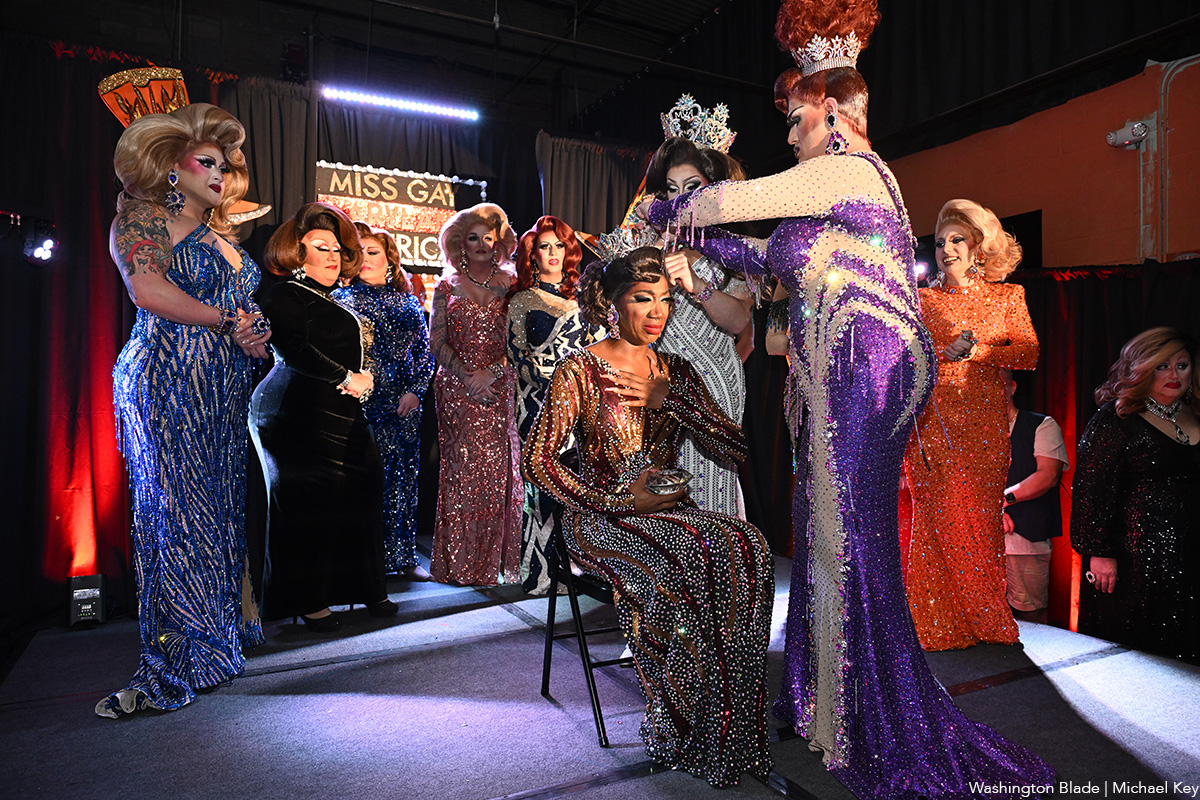
The 2026 Miss Gay Maryland America pageant was held at Hub City Brewery in Hagerstown, Md. on Saturday, Oct. 10. Jalah Nicole was crowned the winner, and Maria Posa was named first alternate. Both competitors qualify for the Miss Gay America pageant in Atlanta in January.
(Washington Blade photos by Michael Key)


Arts & Entertainment
Horror genre has evolved into space to explore queer identity
Forbidden love among topics explored

Spooky season is here, making it a fantastic time to talk about queerness and horror. More precisely, it’s a chance to explore how the horror genre emerged and transformed our perspective on queer identity.
Horror is far more political than most people realize.
Personally, if sci-fi was the genre that helped me understand what it feels like to be different, it was horror that truly allowed me to explore queer relationships and queer rage.
Let’s dive into how horror as a book genre has evolved — moving from portraying queer and transgender identities as monstrous threats to becoming a space where queer people can process our own fears, rage, sexuality, and trauma: from the deeply queer undercurrents of vampire fiction to the liberating “monstrosity” of trans rage.
The ‘monstrosity’ of transness
It’s 2026, so let’s begin with the elephant in the room — or rather, the biggest conservative scapegoat in our community (thanks for actual political monsters). But trigger warning: trauma crawls to the surface like a monster breaking through.
Imagine two scenes:
Fifteen-year-old me, a trans teenager who didn’t yet know they were trans, was reading Thomas Harris’s “The Silence of the Lambs” (1988) for the first time (yes, for me it was first the book, then the movie.) I “encountered” Buffalo Bill, a serial killer who used human skin to make a female costume because he wanted to be a woman. How did I feel? Cringed out, humiliated, and even more determined to hide. And I wasn’t yet permitted myself to think that I’m trans, but I felt terrible without knowing why. It was one more message from mass culture: if you think you belong to a gender different from the one assigned to you at birth, you are a “psycho.” The intersection of ableism and transphobia is striking in stories like this. People with mental illnesses, who in real life are much more often victims than aggressors, are portrayed as dangerous to society, while transness is presented as a mental illness.
Now imagine an adult me, a couple of years after coming out as trans, reading Andrew Joseph White’s young adult horror novel “Hell Follows with Us” (2022). It portrayed actual monsters and a trans boy, Benji, turned into a monster by his cultist family. I felt joy and sympathy for Benji, who stood up against the apocalyptic cult that destroyed humanity, despite his parents raising him to destroy what was left of the human race. His trans rage and rebellion felt justified, and the main character never felt like a pathetic freak.
This is the main difference between classical portrayals of trans people in horror and the changes made by trans authors and creators reclaiming the genre.
When Harris wrote “The Silence of the Lambs” and Jonathan Demme directed the movie (1991), the story made it clear that Buffalo Bill was not a “real” trans person and that real trans people were harmless. But this raises an important question: how can we decide who is a “real” trans person and who isn’t if someone’s gender identity differs from the one assigned to them at birth? The trope of an aggressive, perverse person who “wants to be a woman” has existed throughout modern fiction, with the “Psycho” (1960) movie being another famous example, that stigmatizes cross-dressing and gender non-conformity and, by association, trans women.
Aggressive trans characters and trans characters in serial-killer fiction have every right to exist. White’s young adult horror novel “You’re No Better” (2026), which is coming out this October, features a trans autistic boy trying to prove that he is nothing like his famous serial-killer father. There is also the transgender novel “Manhunt” (2022), featuring two trans women, Beth and Fran, who survive by hunting men transformed into monsters.
Honestly, I’m currently querying a vampire novel with a trans teenager who runs from his transphobic MAGA family and has literally become a monster, so it would be hypocritical of me to object to controversial or monstrous trans characters. They can be violent — but not because they are trans. They can be driven to become monsters by society, but not because of their supposed “perversion.”
Trans horror written by trans and trans-friendly authors can help process rage and alienation. Many trans horror authors reclaim the label of “monstrosity” without turning their characters into caricatures, perverted villains, or pathetic creatures, as often happened in more classical, cis-hetero normative horror.
Queer romance and forbidden love
For me, “The Vampire Chronicles” by Anne Rice was my first introduction to non-judgmental, queer-centered fiction as a teenager. As Rice famously observed, all her vampires are bisexual, and it was remarkably brave to publish books in the 1970s and 1980s where queer families, desire, and drama were simply part of the plot without any silly sensationalism. The 1994 film adaptation of “Interview with the Vampire” was the movie through which many people I knew who weren’t into queer stories first saw these dynamics onscreen. And the new AMC’s “Interview with the Vampire” (2022-current) TV series is, in my opinion, one of the best representations of messy queer relationships between traumatized people, addressing family trauma and the intersection of race and queerness. I recommend it even more than “reality-based” shows such as “Heated Rivalry” or “Queer as Folk.”
Gothic literature has always had a queer undercurrent. From Lord Byron’s homoerotic image of the undead to the lesbian desire of “Carmilla” and the obsessive relationships surrounding “Dracula” (book published in 1897), vampires have long been associated with forbidden desire, sexuality, and relationships outside social norms. “Carmilla,” published in 1872 by Joseph Sheridan Le Fanu, still resonates with the lesbian community today. “Carmilla” is unapologetically queer, declaring romantic passion for the human woman Laura without hiding her desires. Of course, “Carmilla” is literally a monster — but how else could an author write a forbidden queer love story in 1872?
New retellings of “Dracula” and “Carmilla” have become even more increasingly queer. Kat Dunn’s “The Hungerstone” (2025) is a sapphic story about feminine agency and the relationship between Carmilla and Lenore, a bisexual British woman in Industrial-era Sheffield, framed around sapphic emancipation and forbidden love. “Dracula” has also inspired plenty of retellings, most notably S. T. Gibson’s “A Dowry of Blood” (2021) — an explicitly polyamorous, bisexual retelling told from the perspective of one of his brides. It explores abuse and the importance of breaking codependency in queer relationships — a topic underrepresented in more “serious” fiction.
Vampires have also become a cross-cultural way to speak about queerness. For example, Dawn Chen’s “A Vampire in Beijing” that will be published in 2027, offers a sapphic story about the modern Chinese queer community and its unique struggles.
Together against the monsters
Another major trope in queer horror is queer people, especially queer youth, fighting monsters together. Those monsters may be supernatural, as in “The Dark We Know” (2024) by Wen-Yi Lee or “This Raging Sea” (2025) by De Elizabeth, where groups of bisexual, queer kids fight side-by-side with an old evil. Ultimately, these external threats represent a conservative society, oppressive stereotypes, and real-world mental health struggles.
Although horror historically mostly exploited queerness for sensationalism — harming real-world queer people in the process — today it has transformed into one of the most effective spaces to explore queer identity and trauma in our own language.
Photos
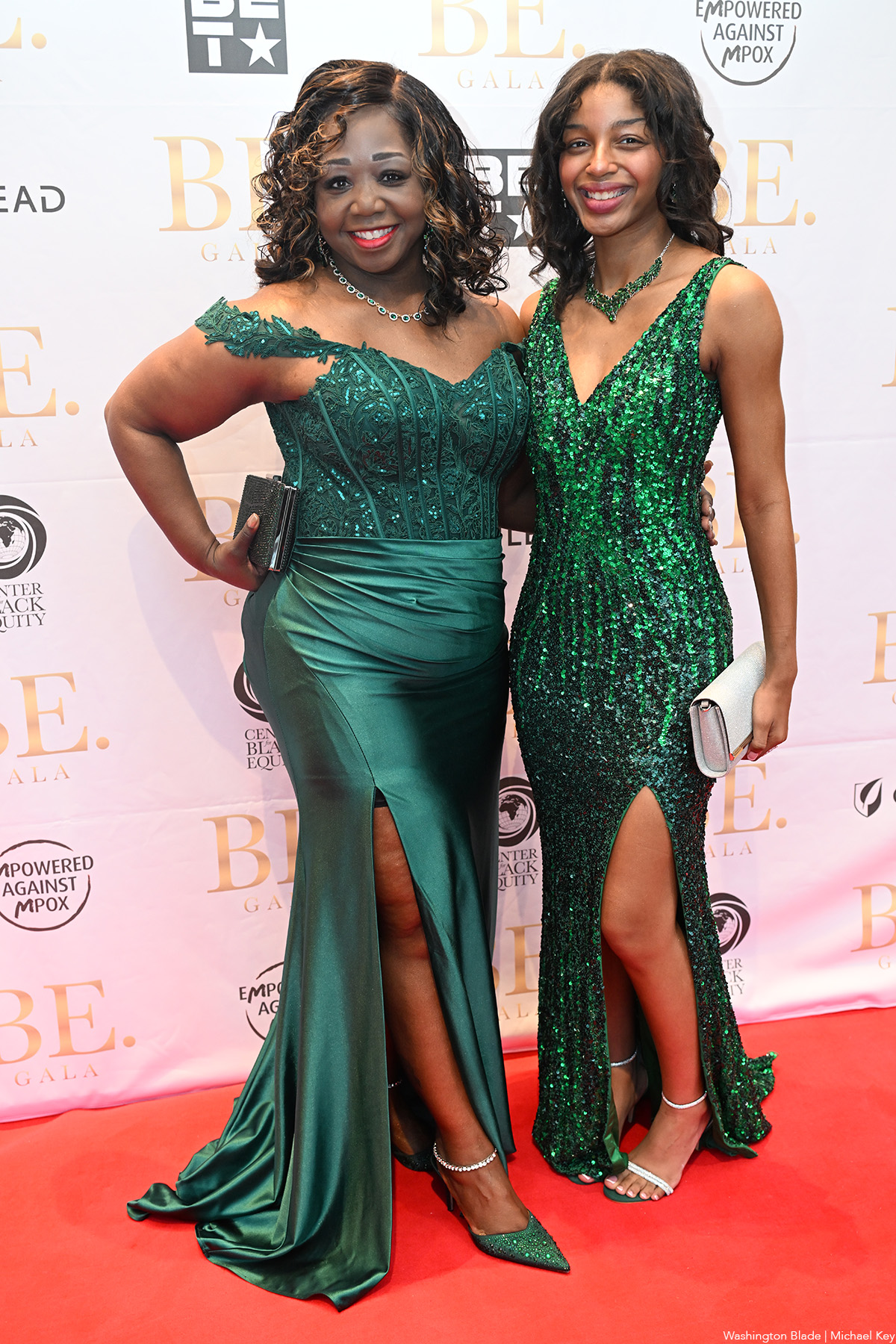
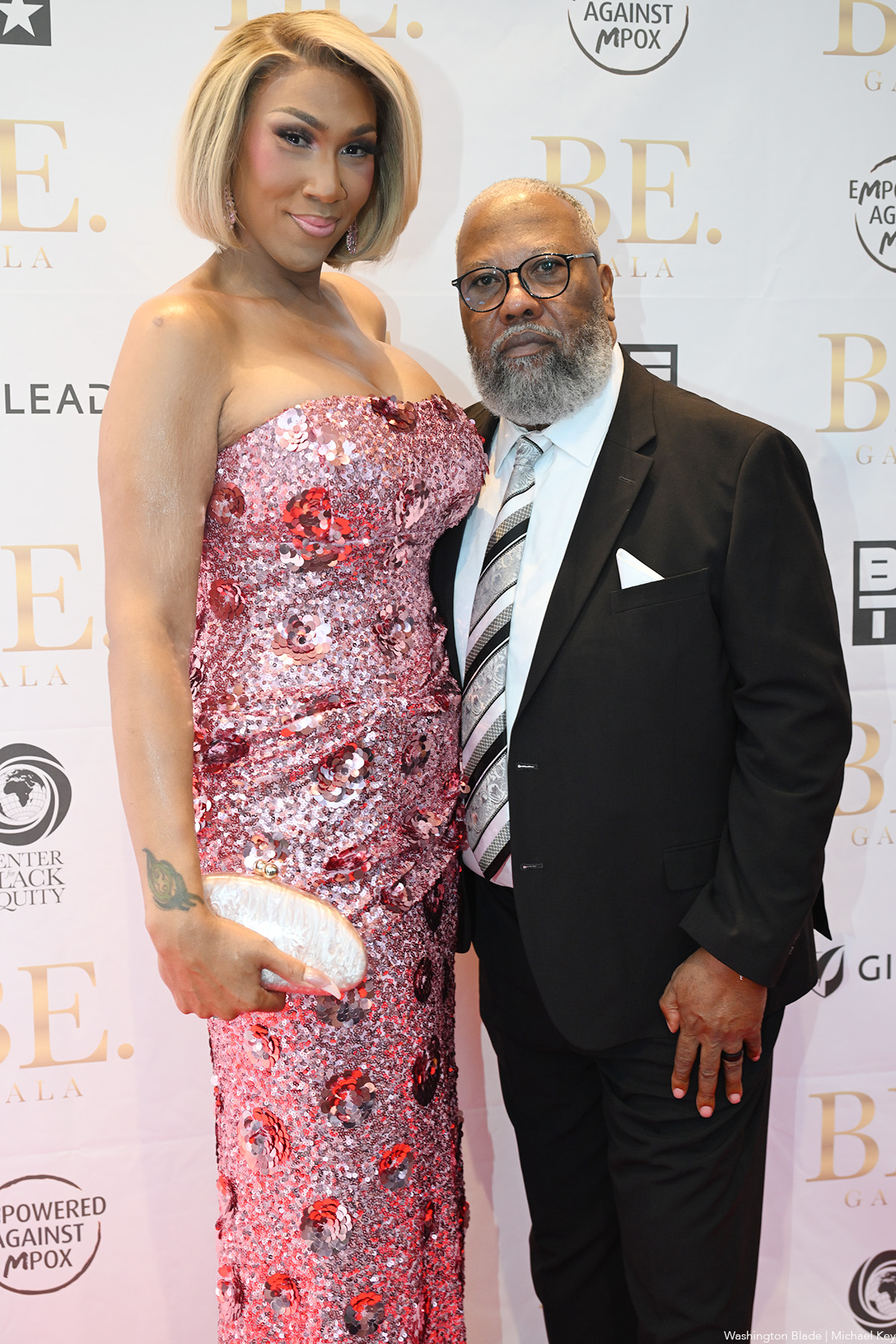
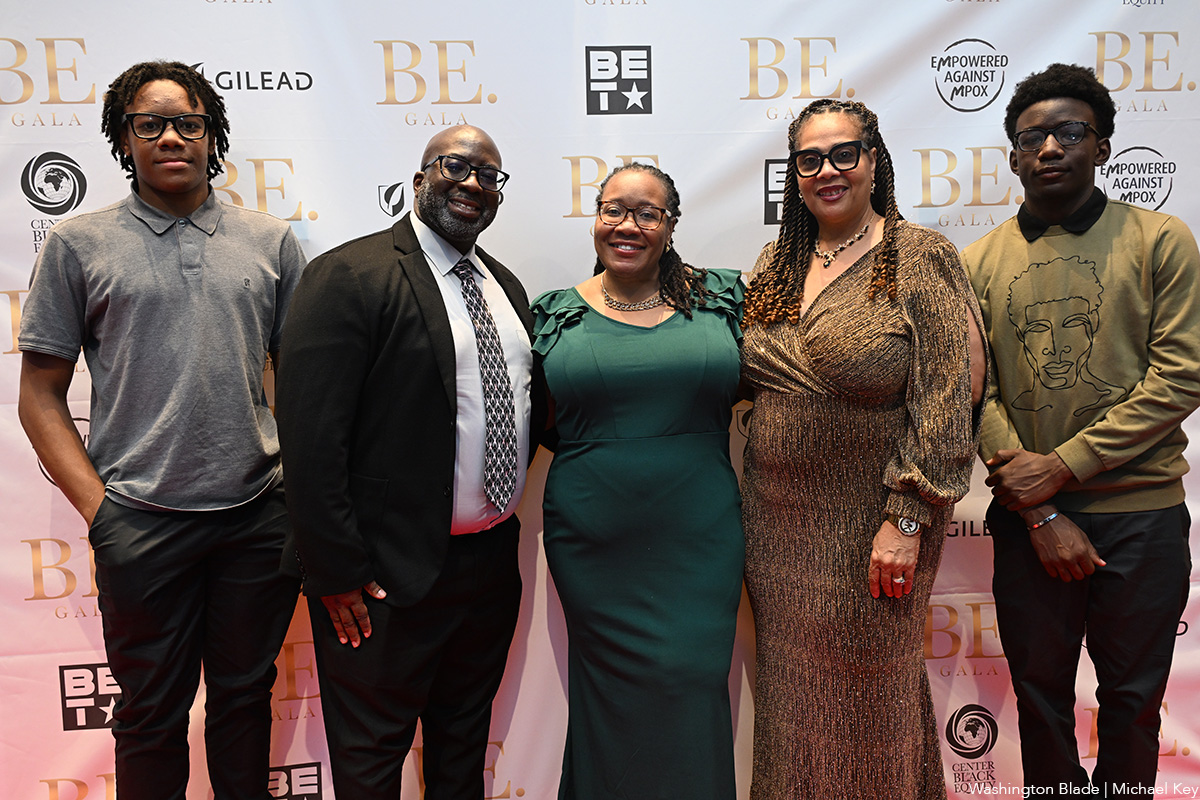
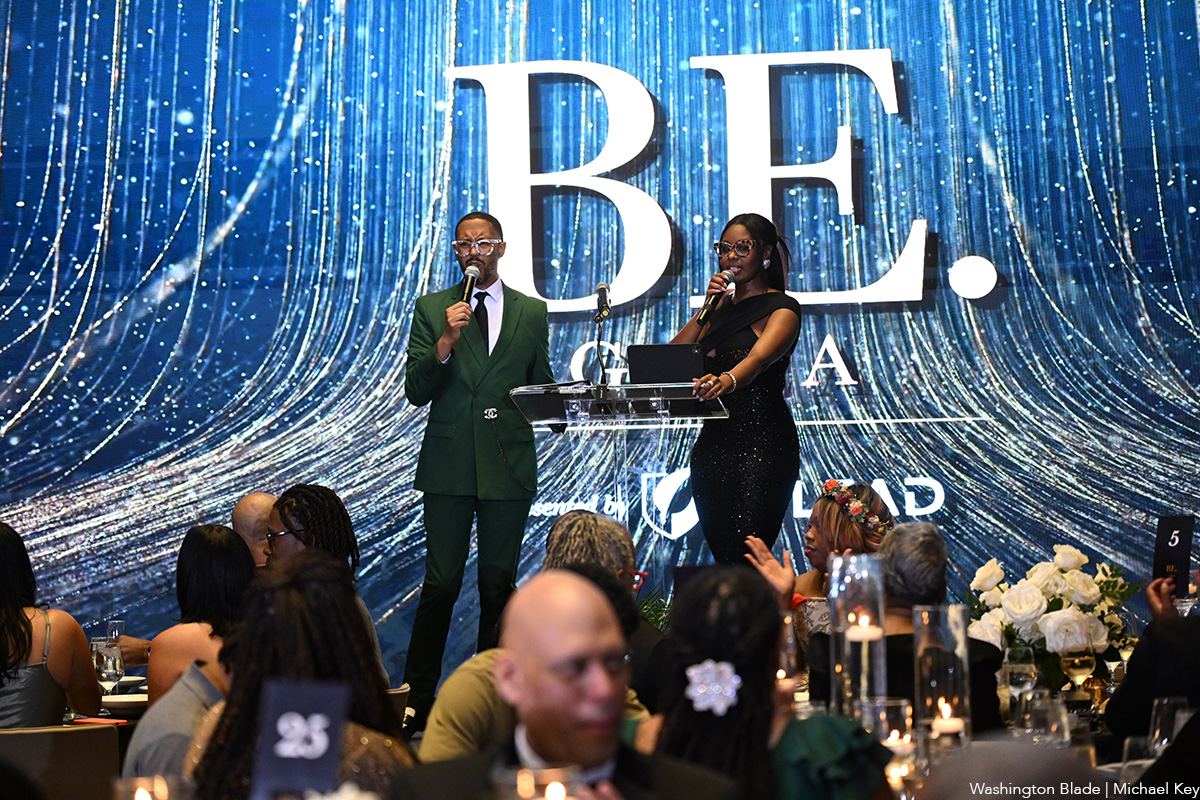
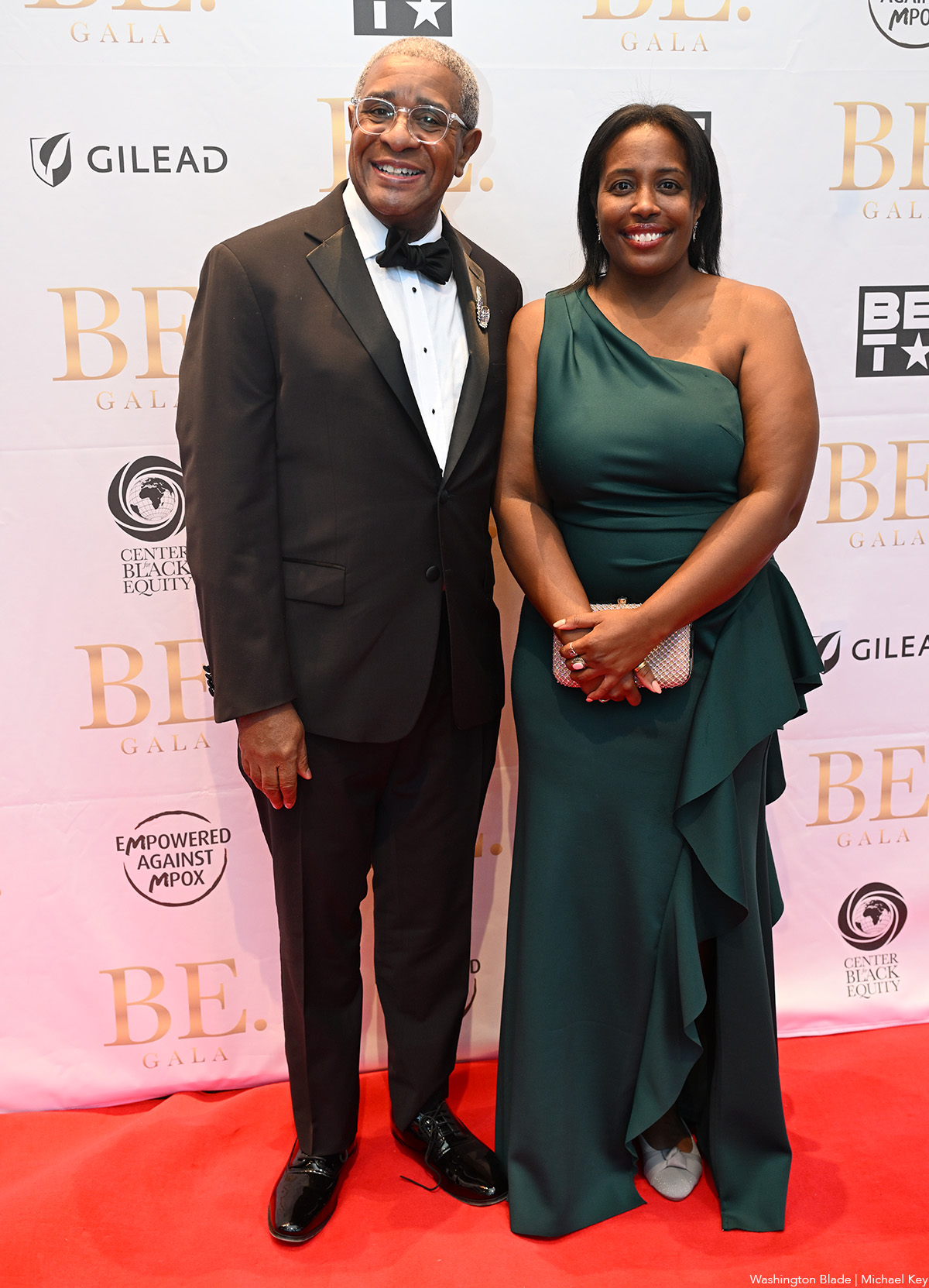
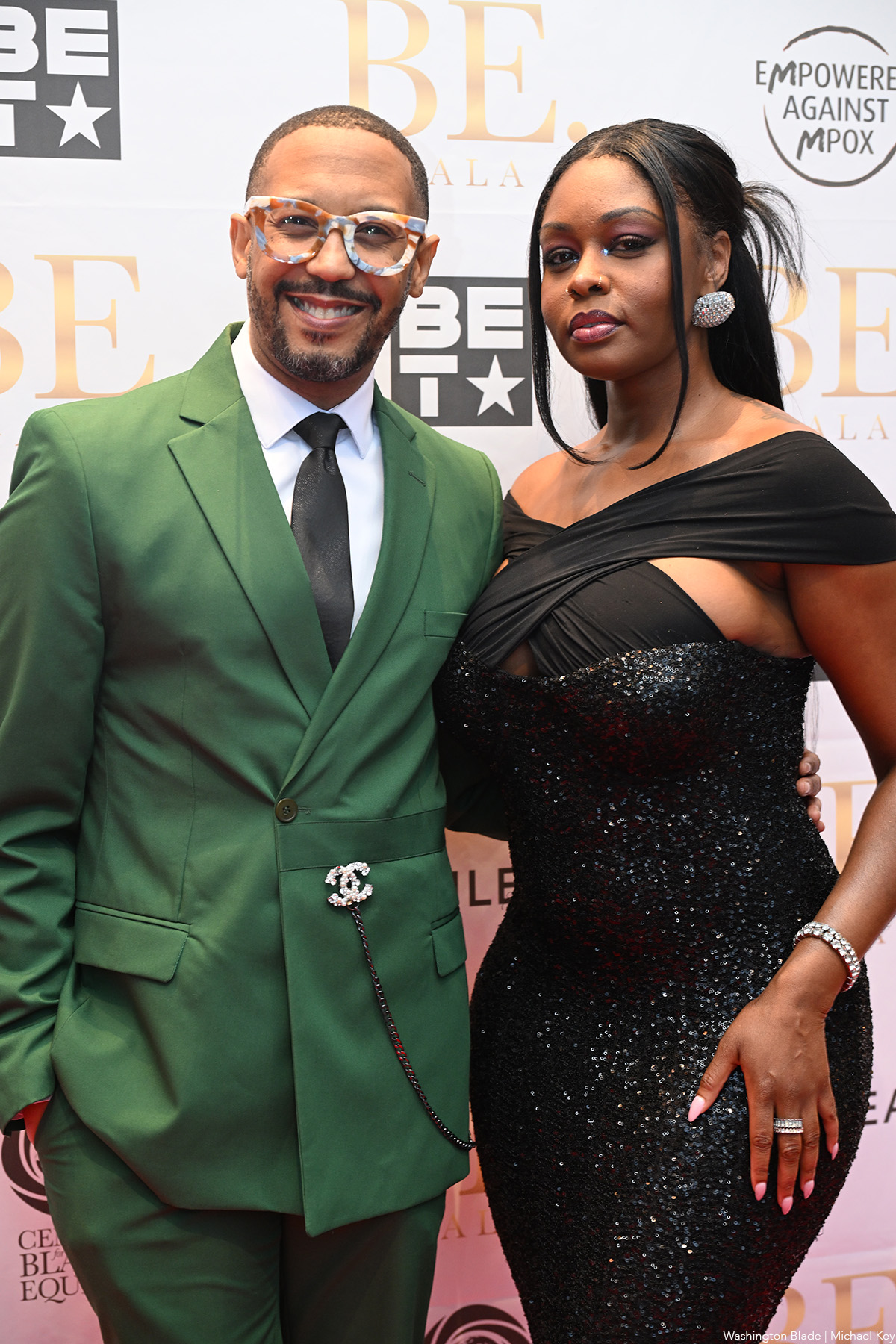
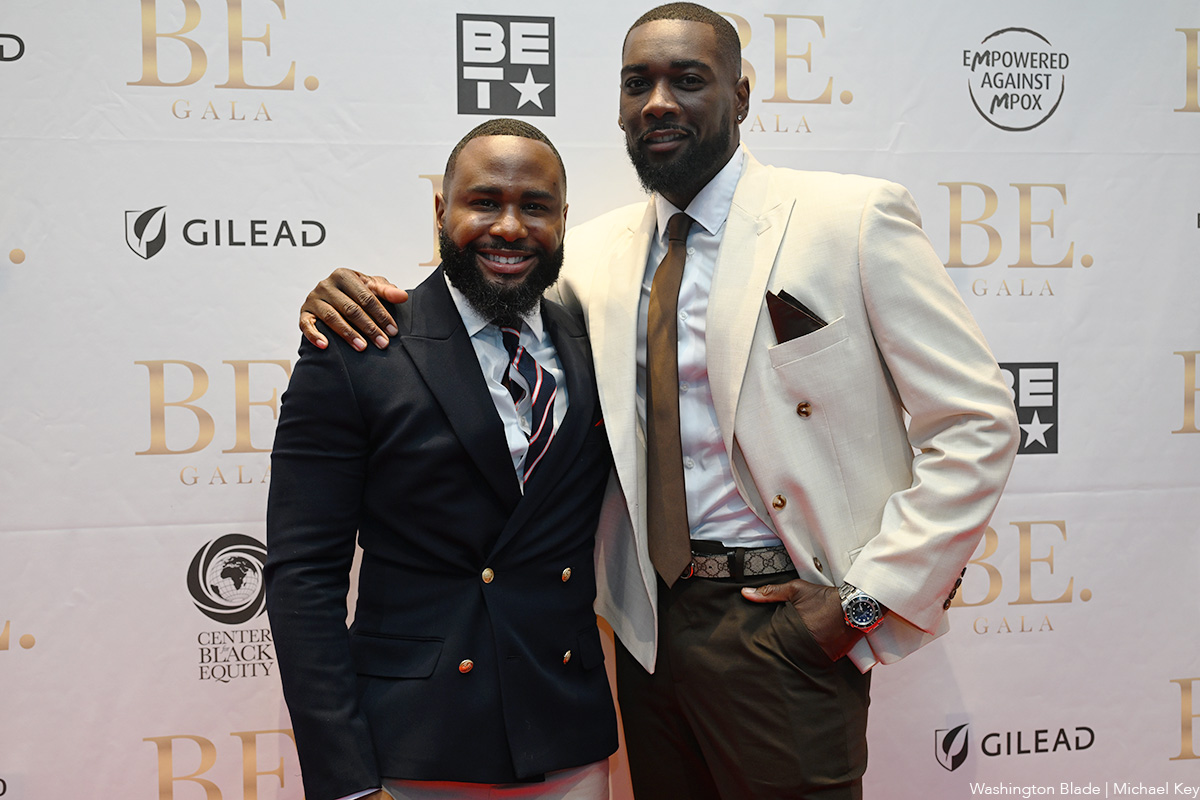
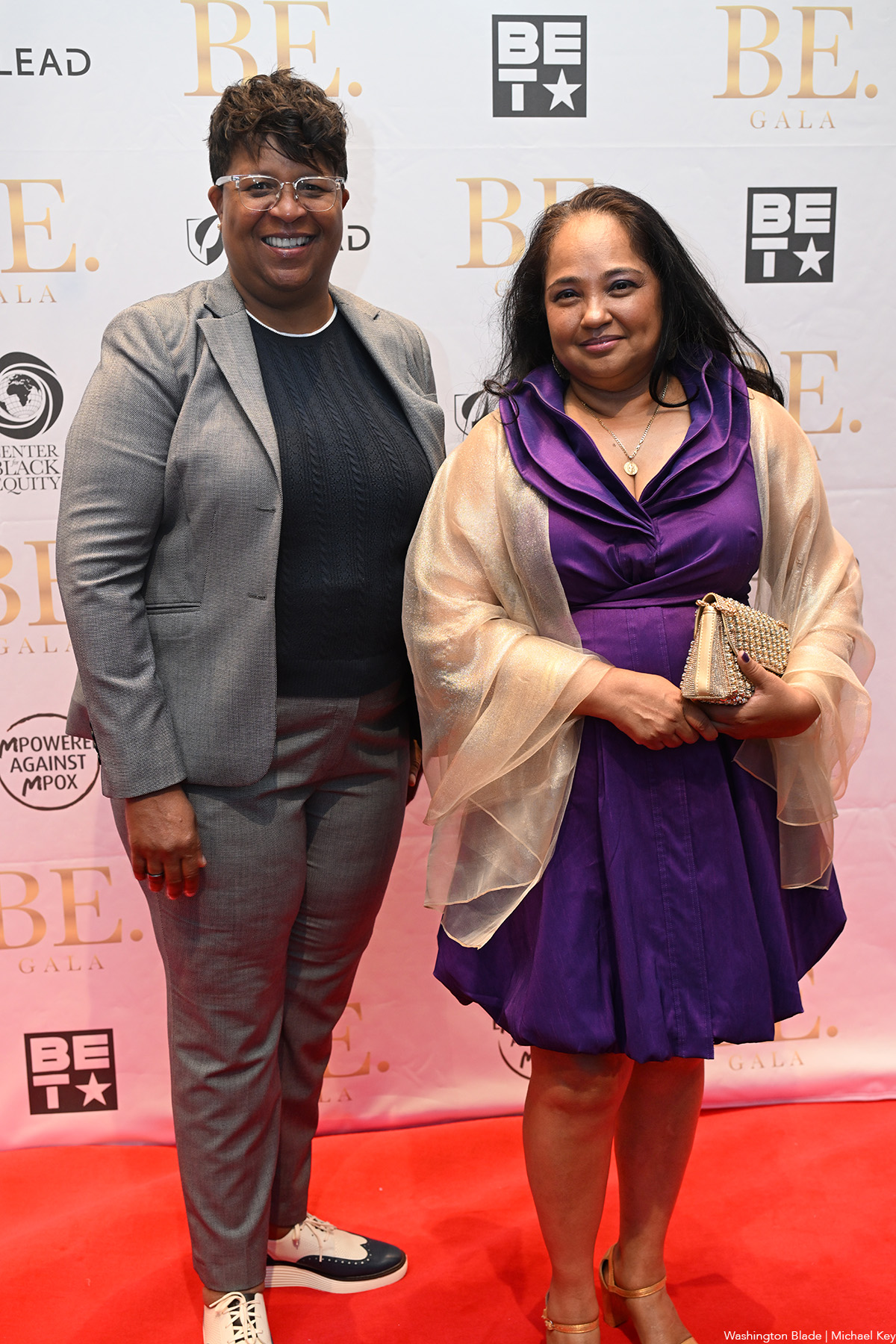
Center for Black Equity honors leaders, activists at BE. Gala
Miyake-Mugler, Oakes co-host annual awards ceremony
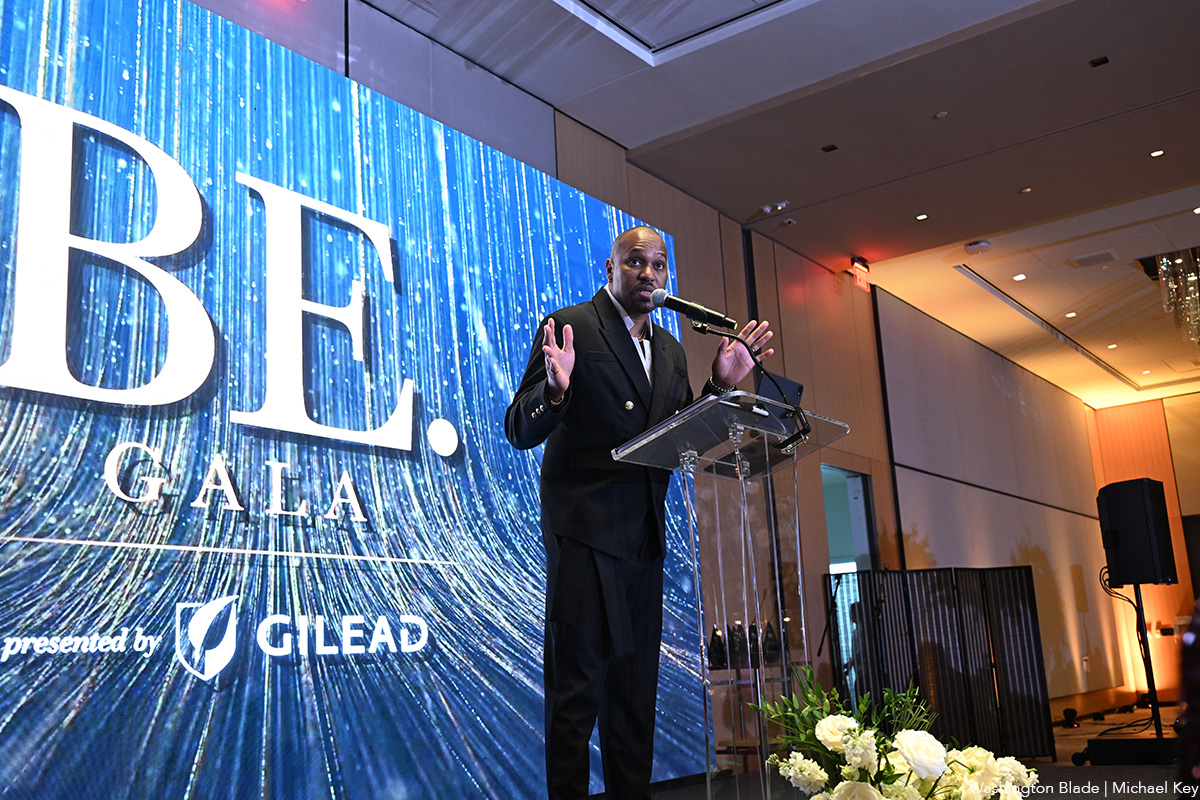
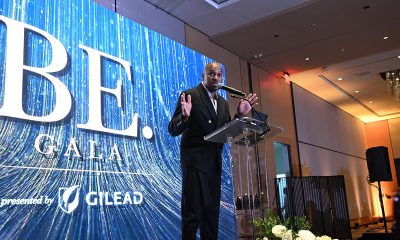
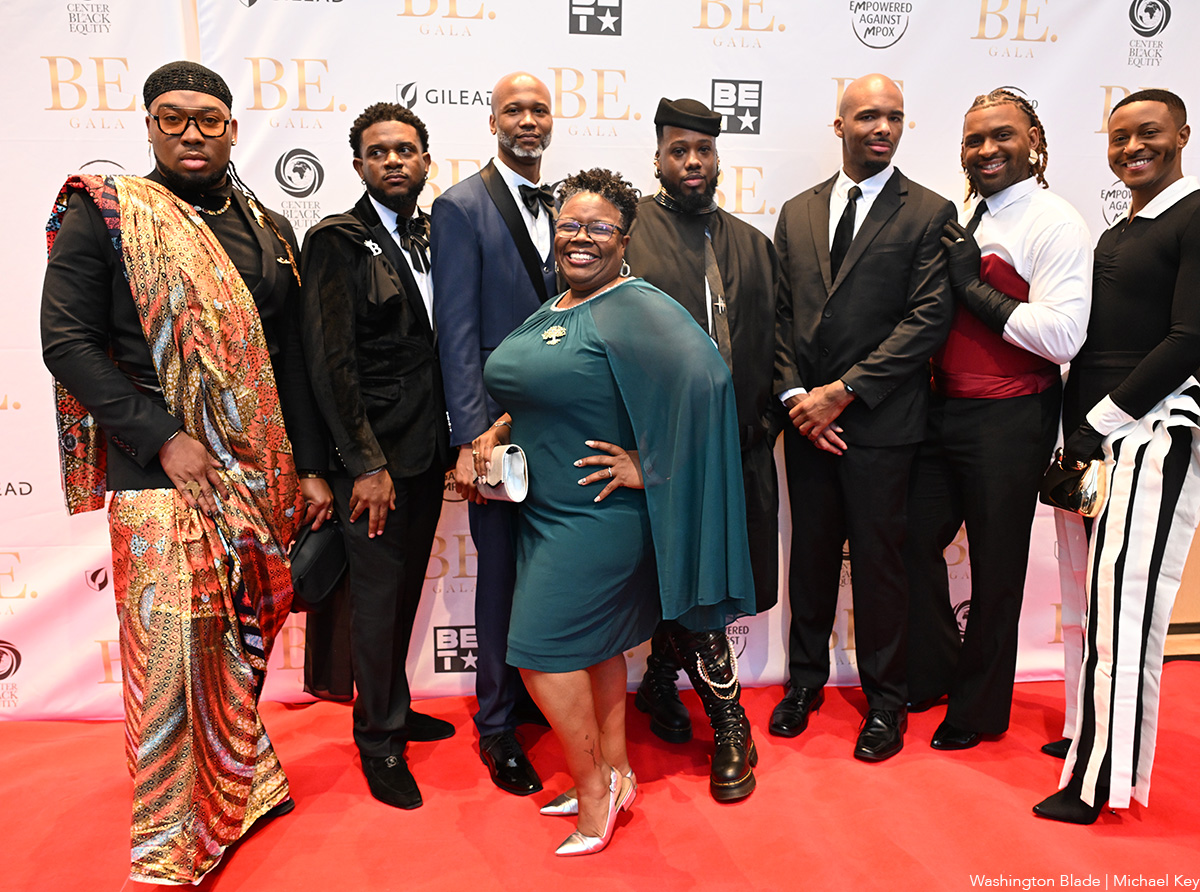
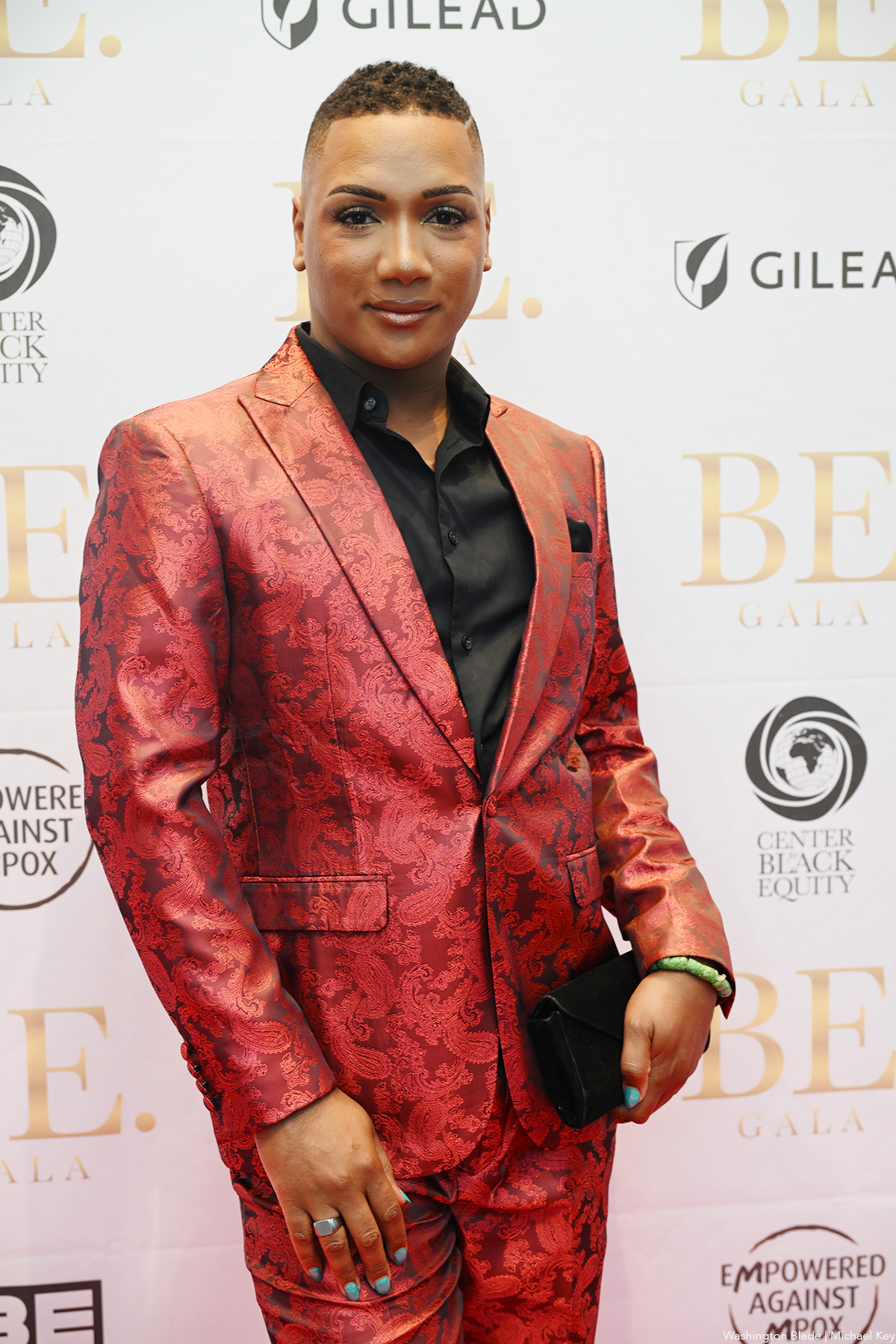
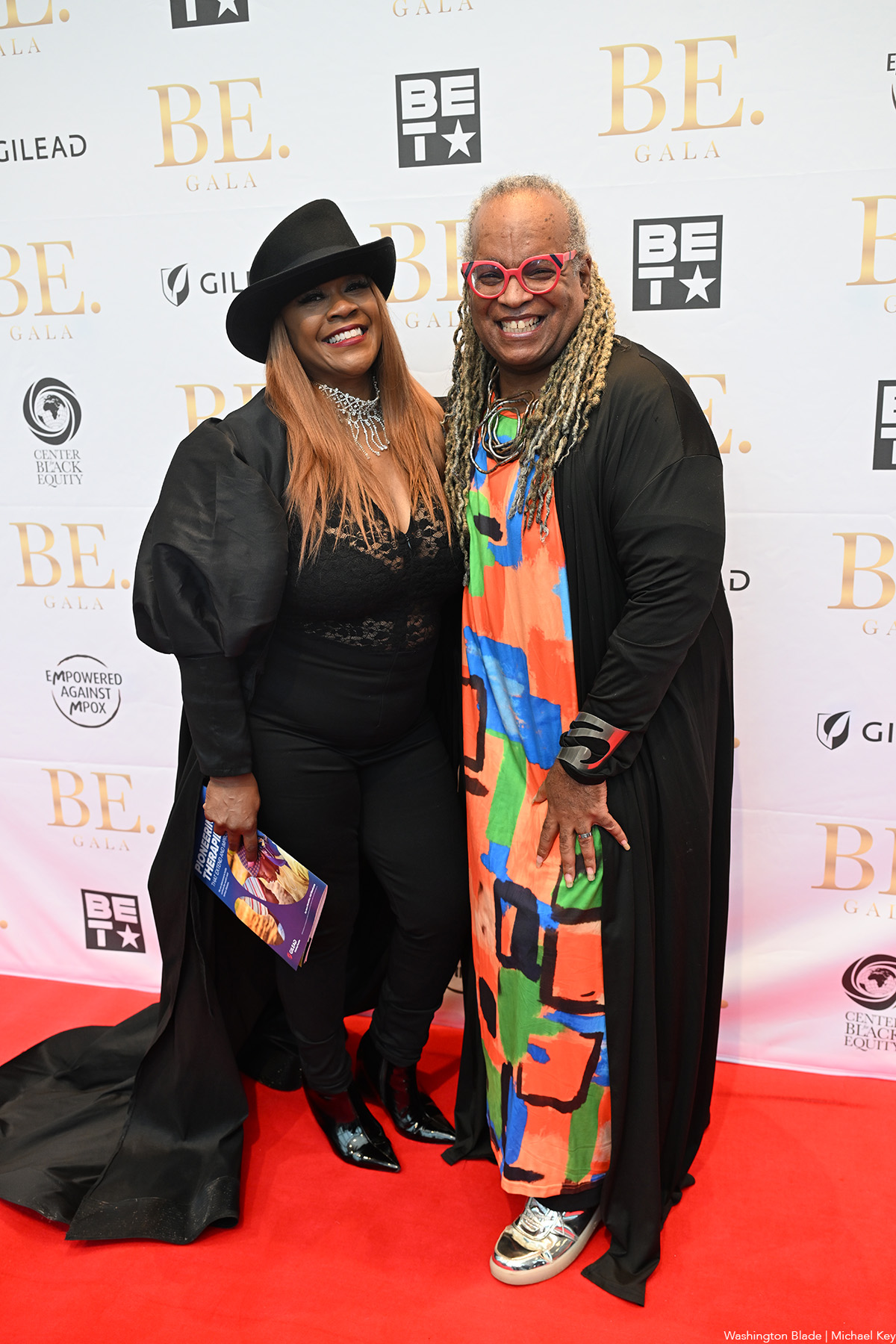
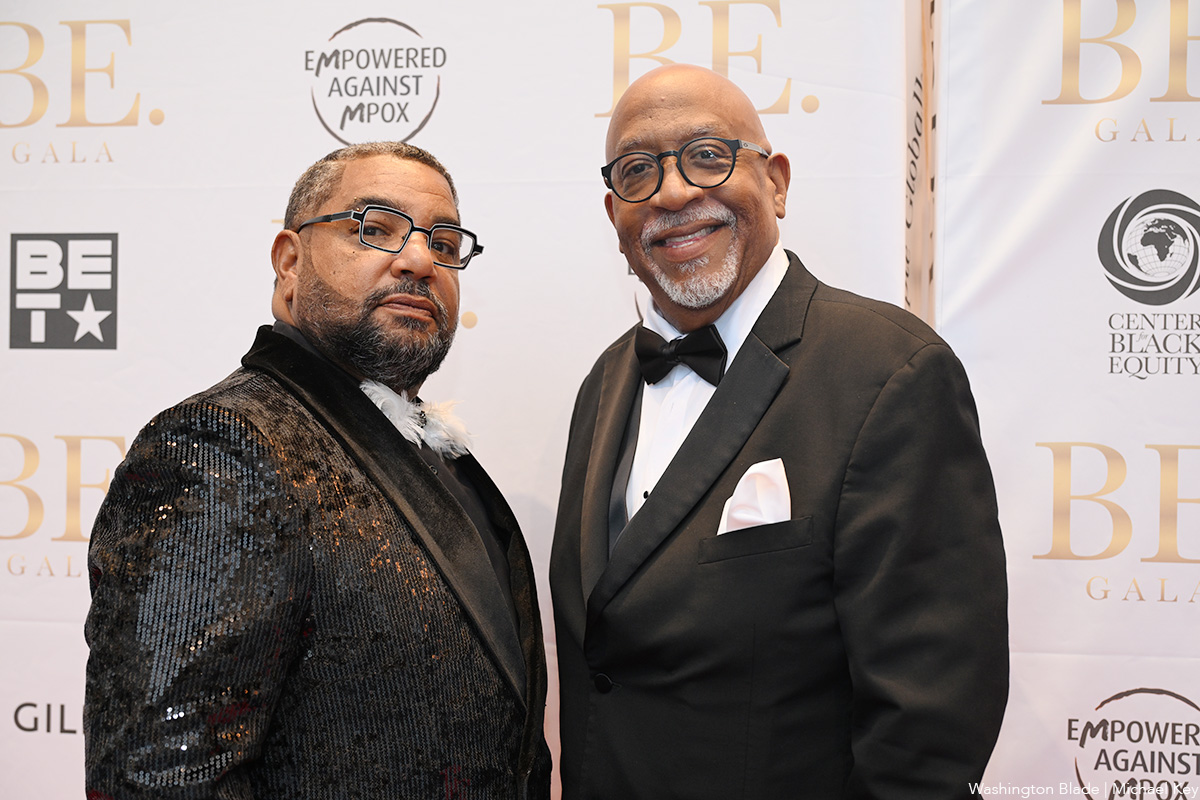
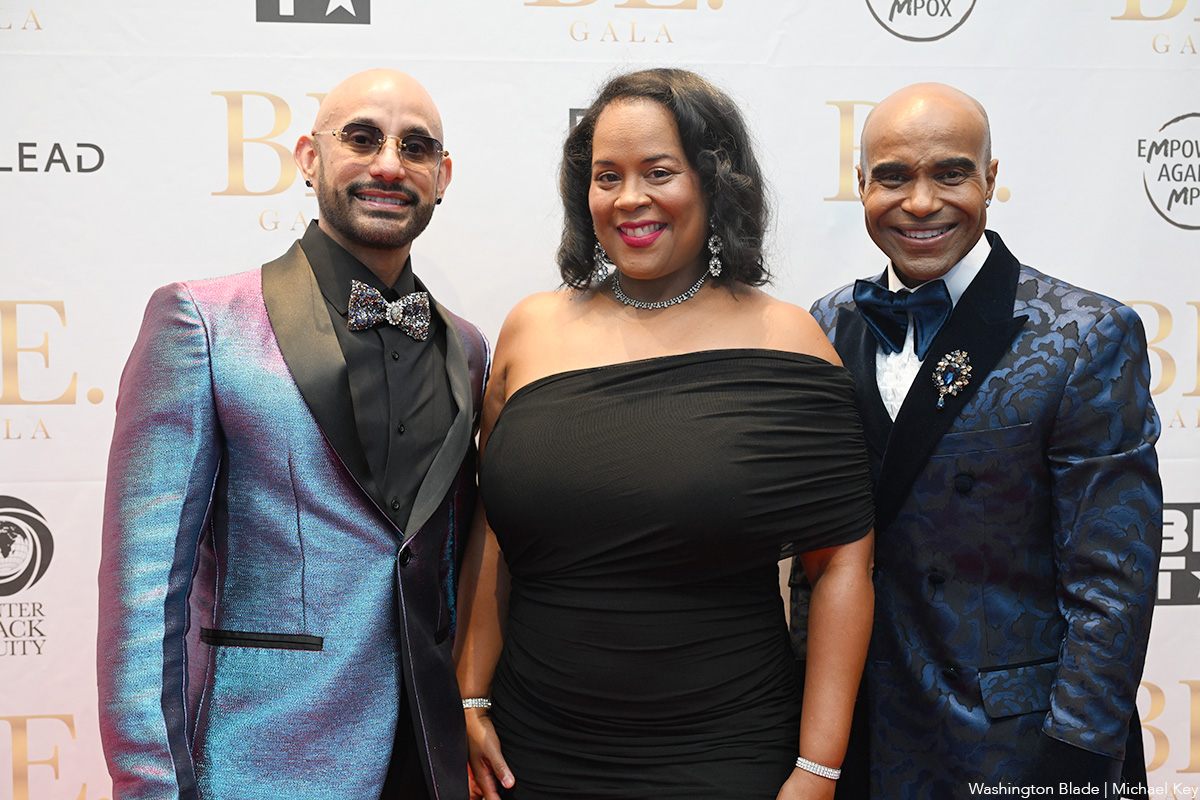
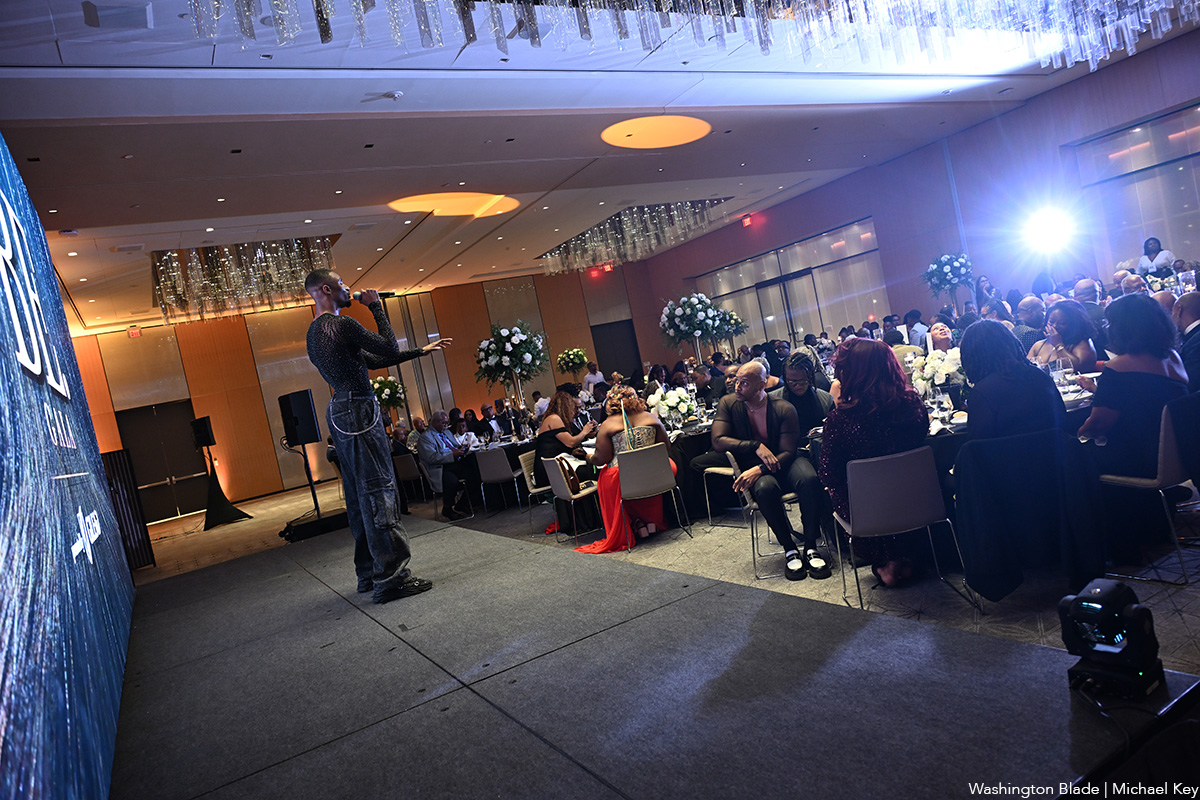
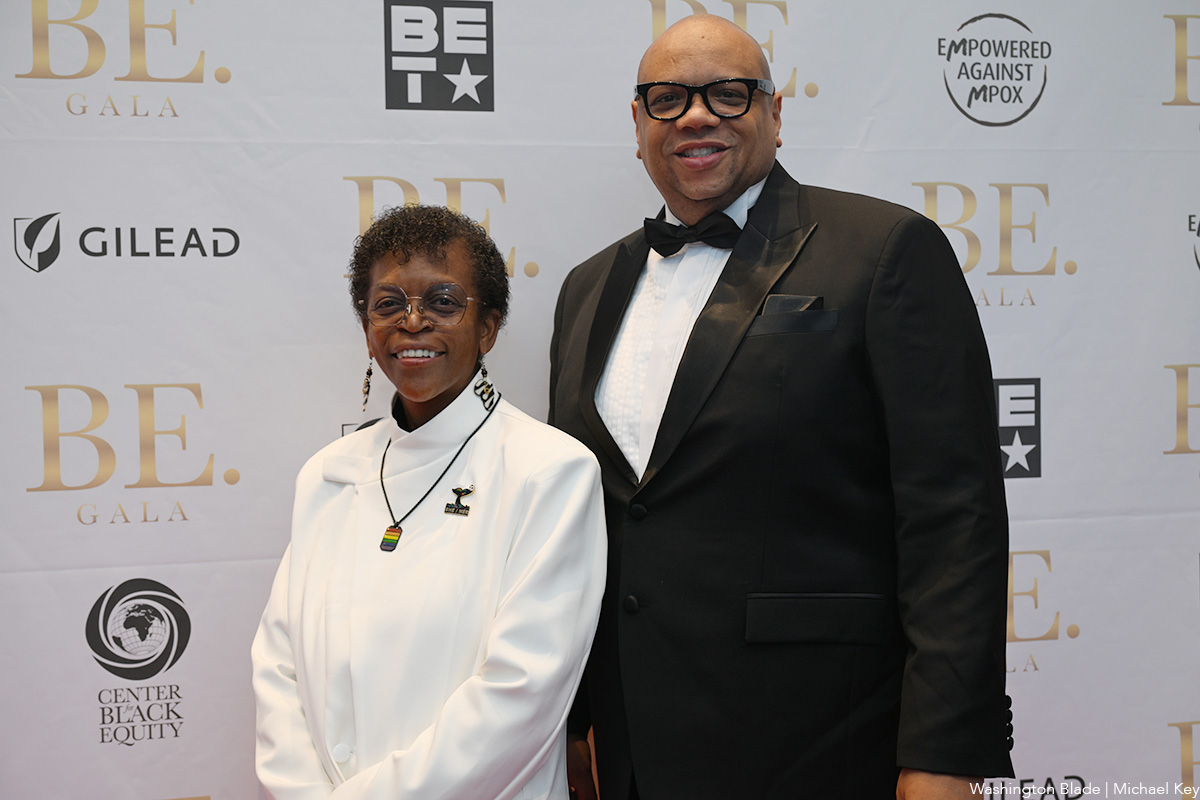
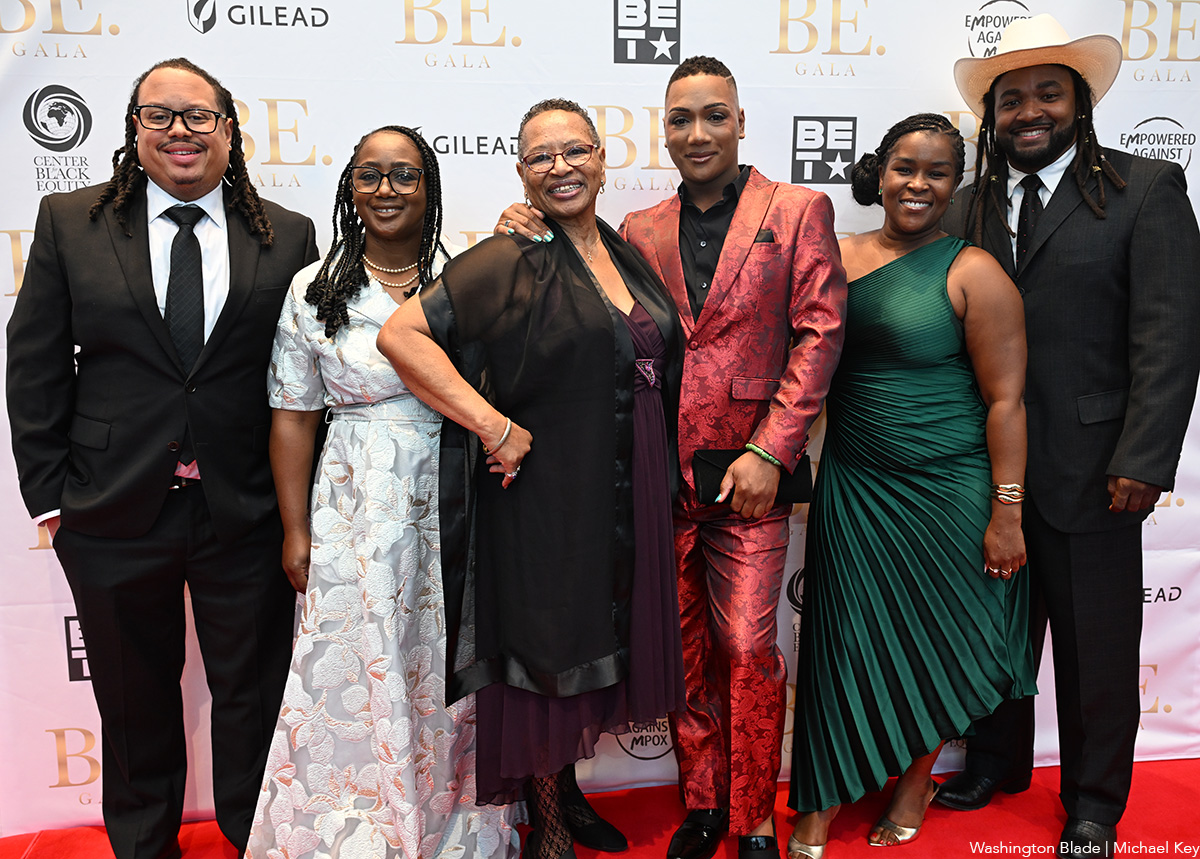
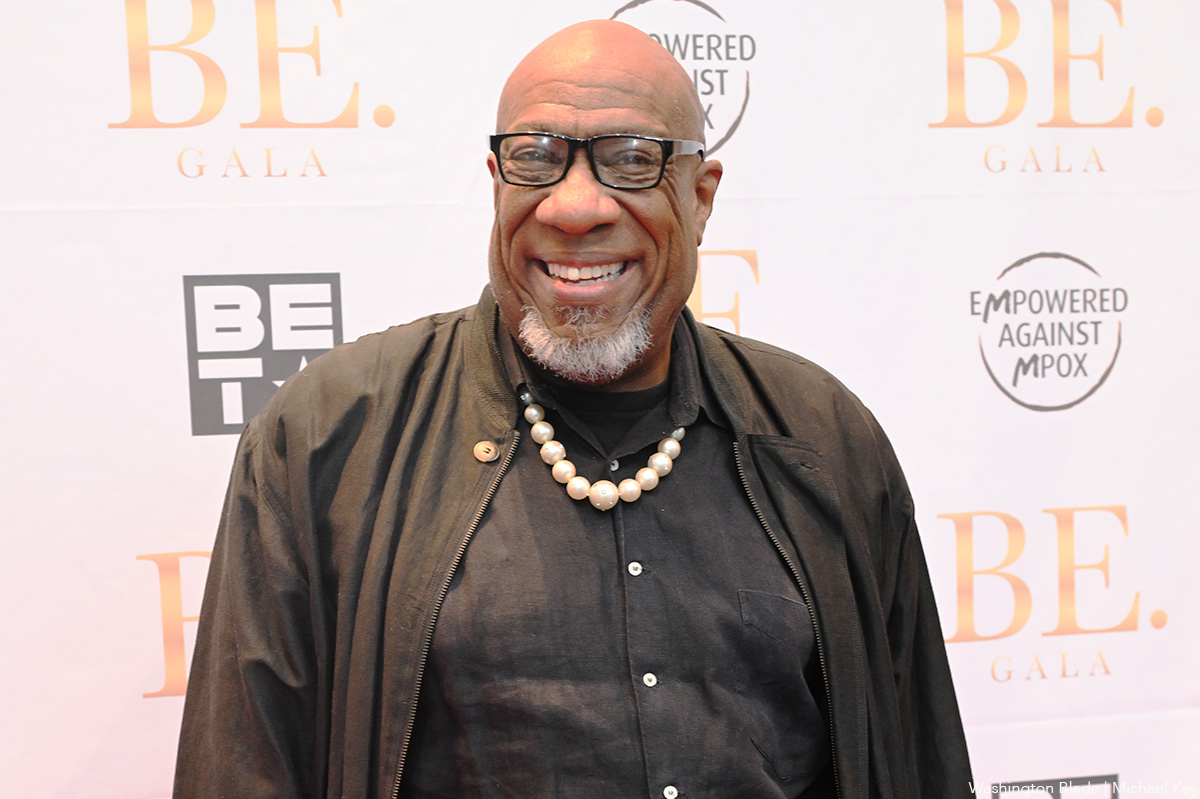
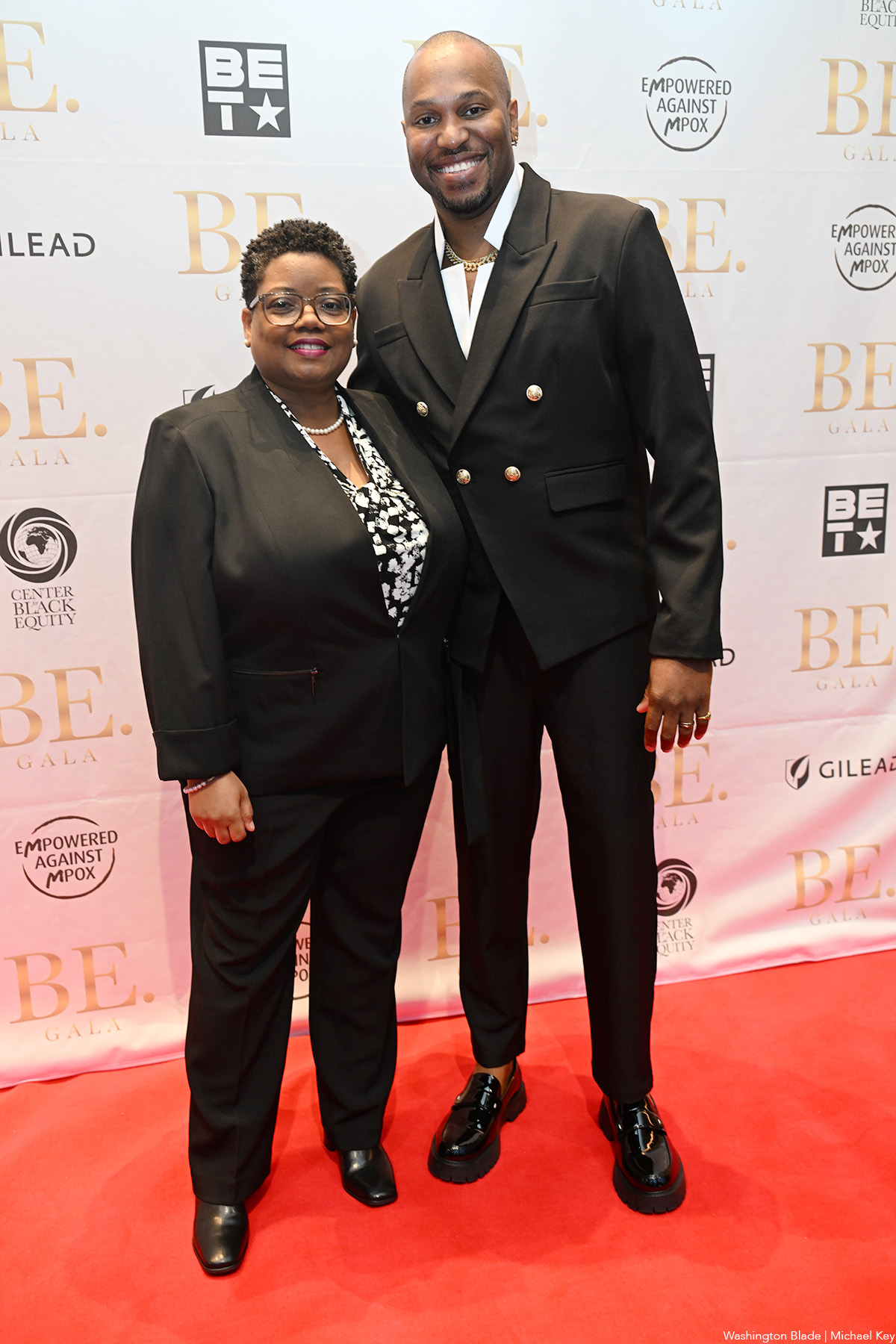
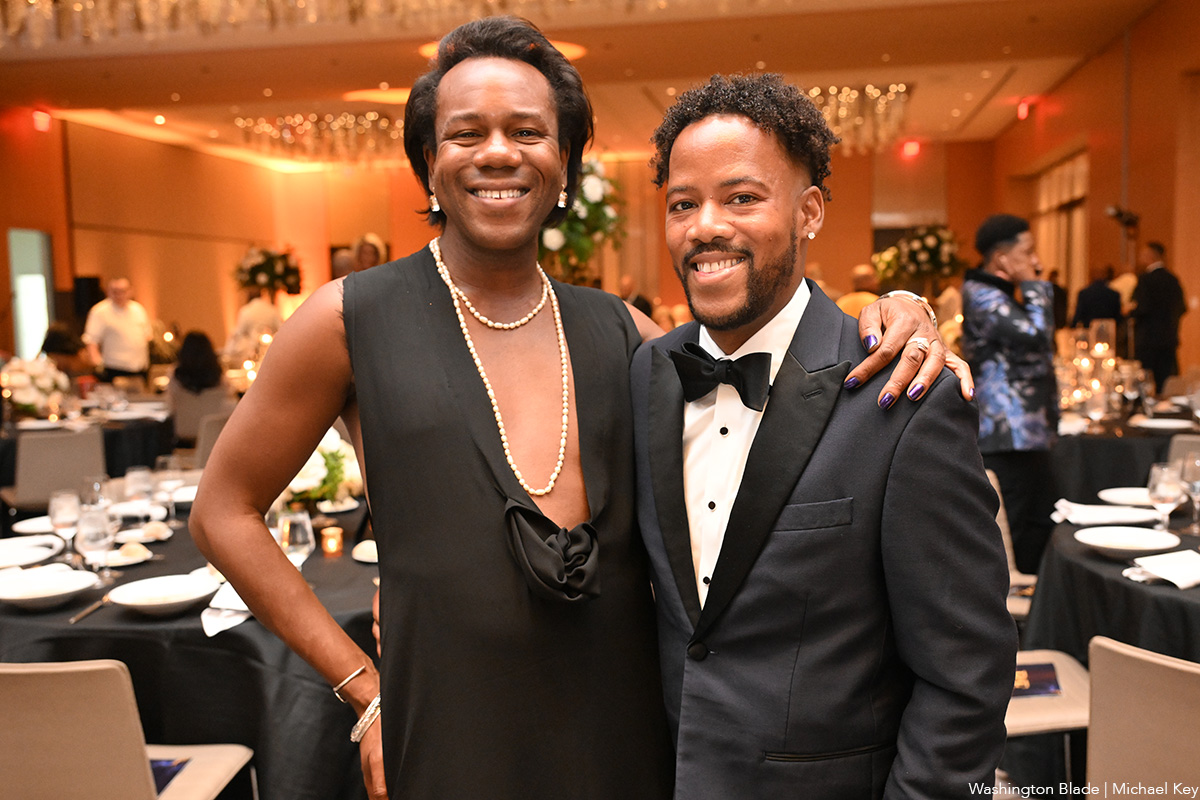
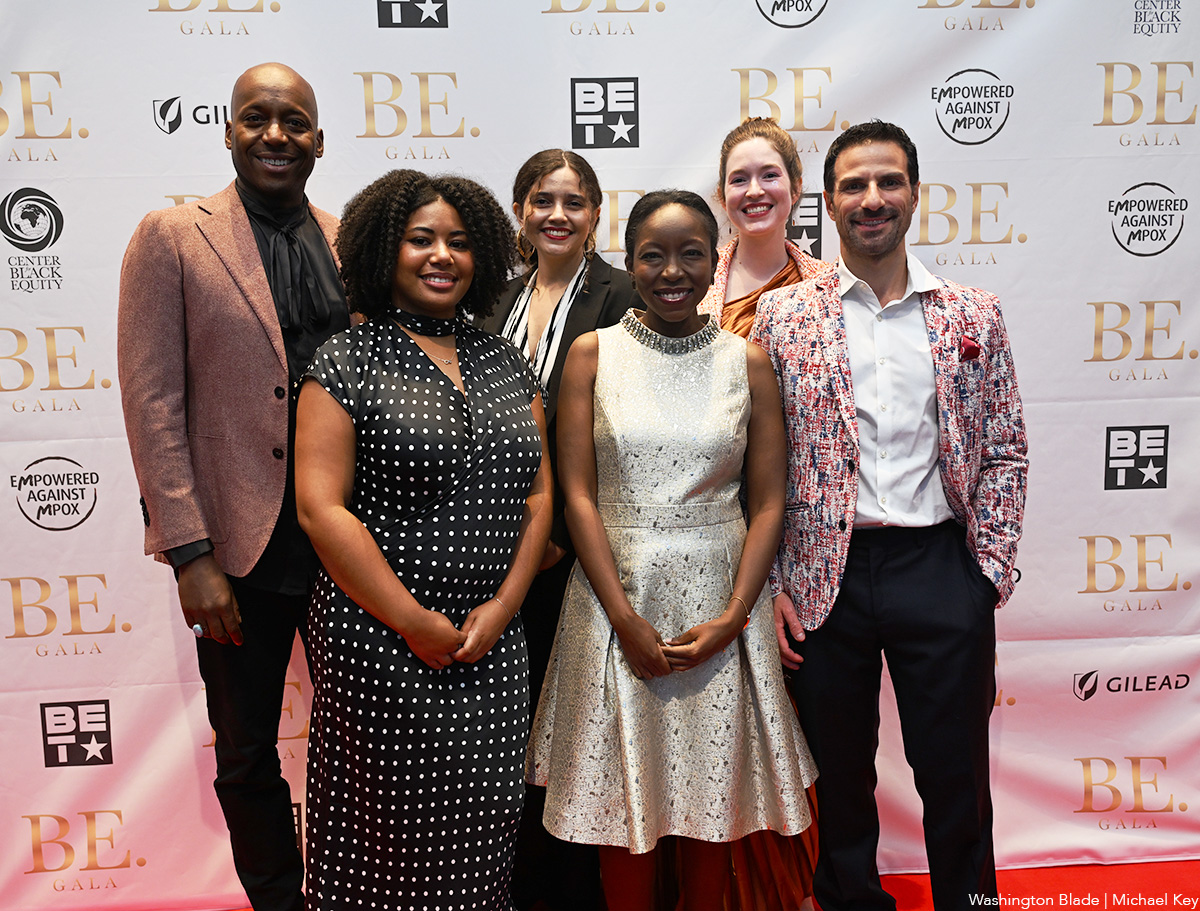
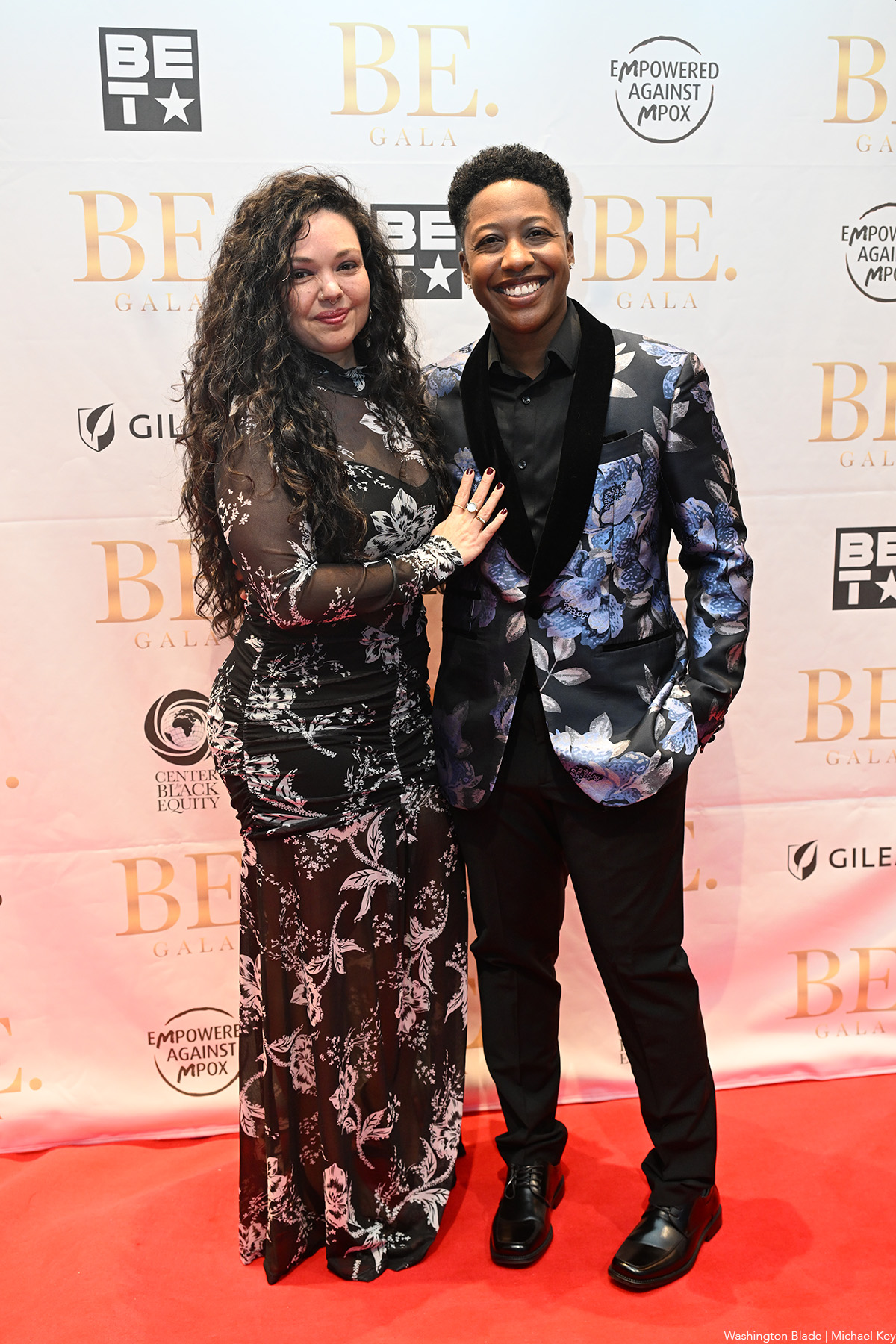
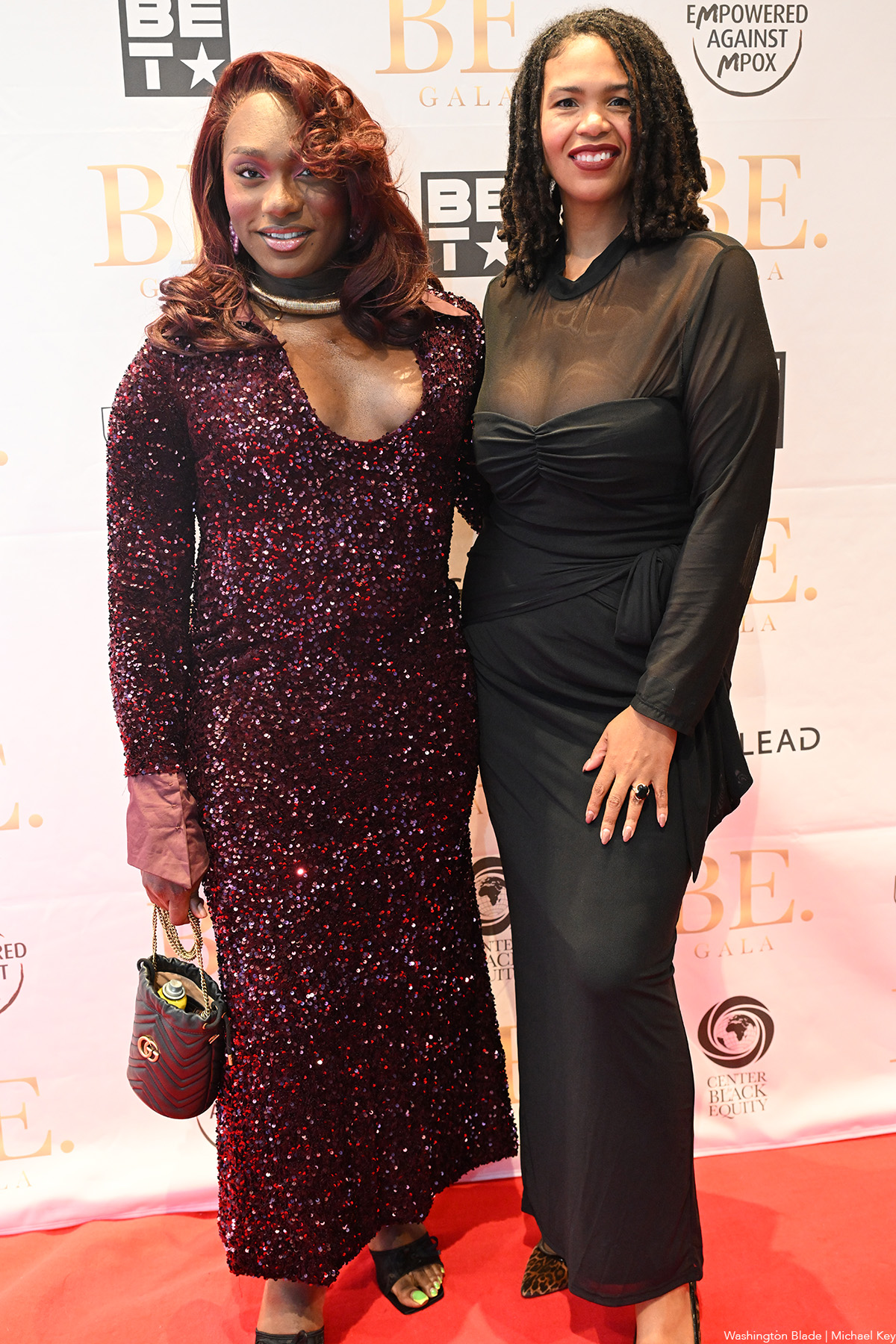
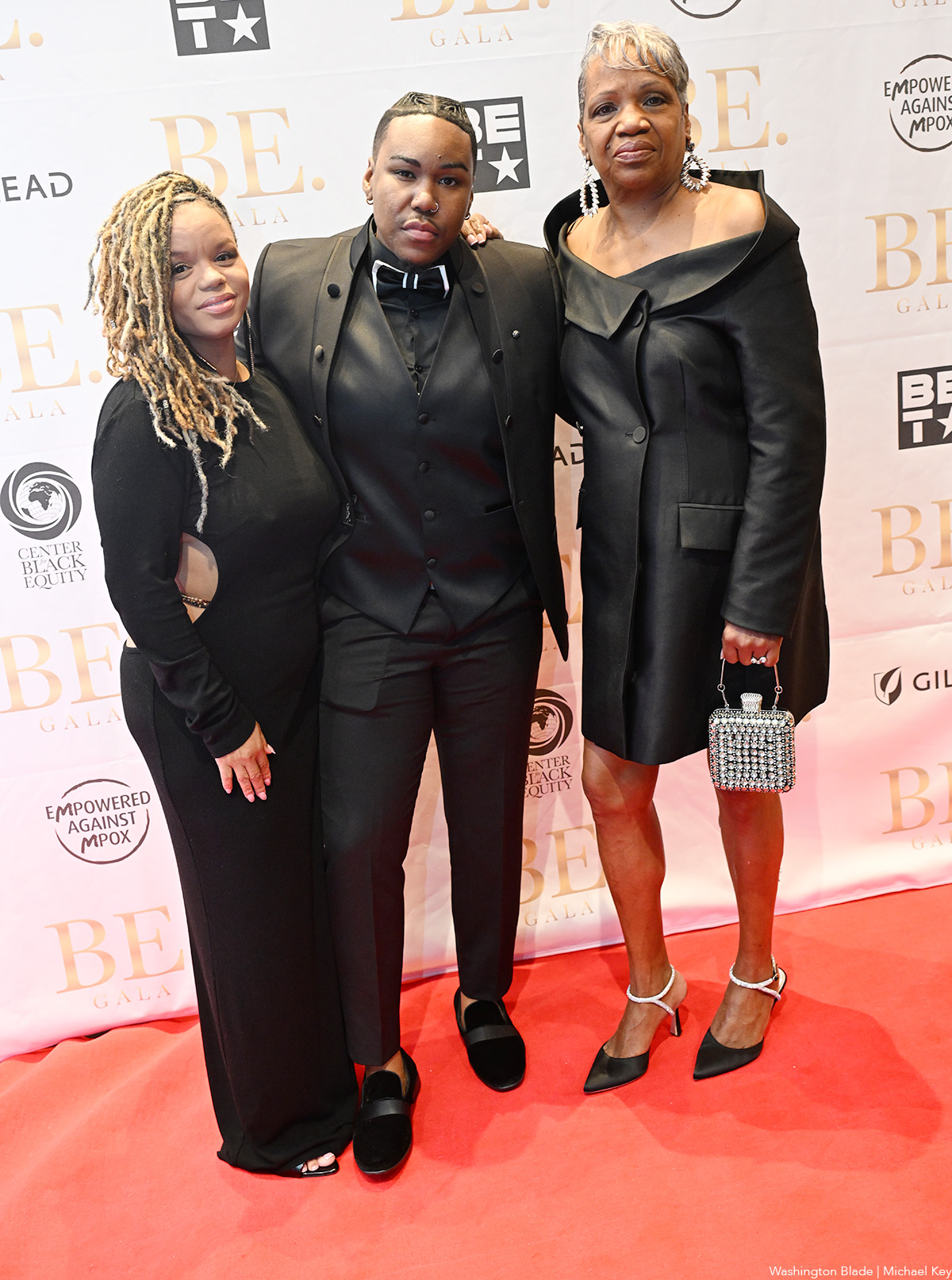
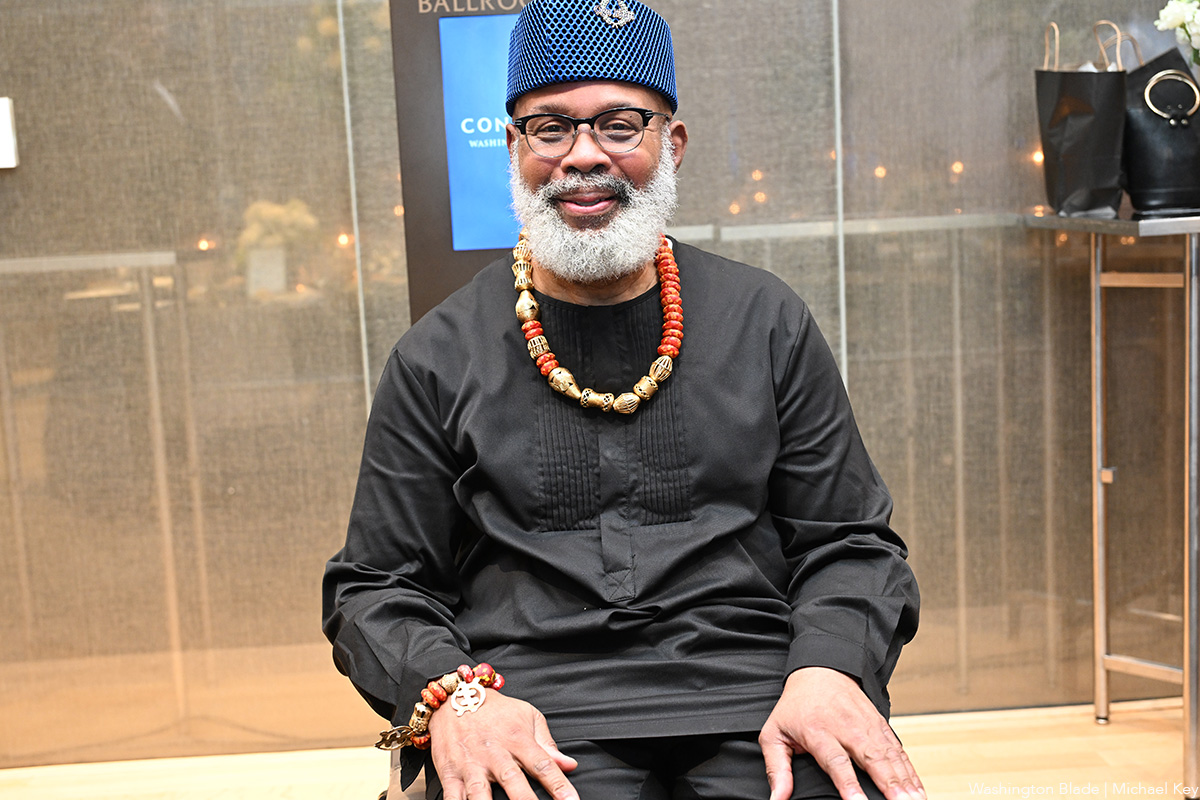
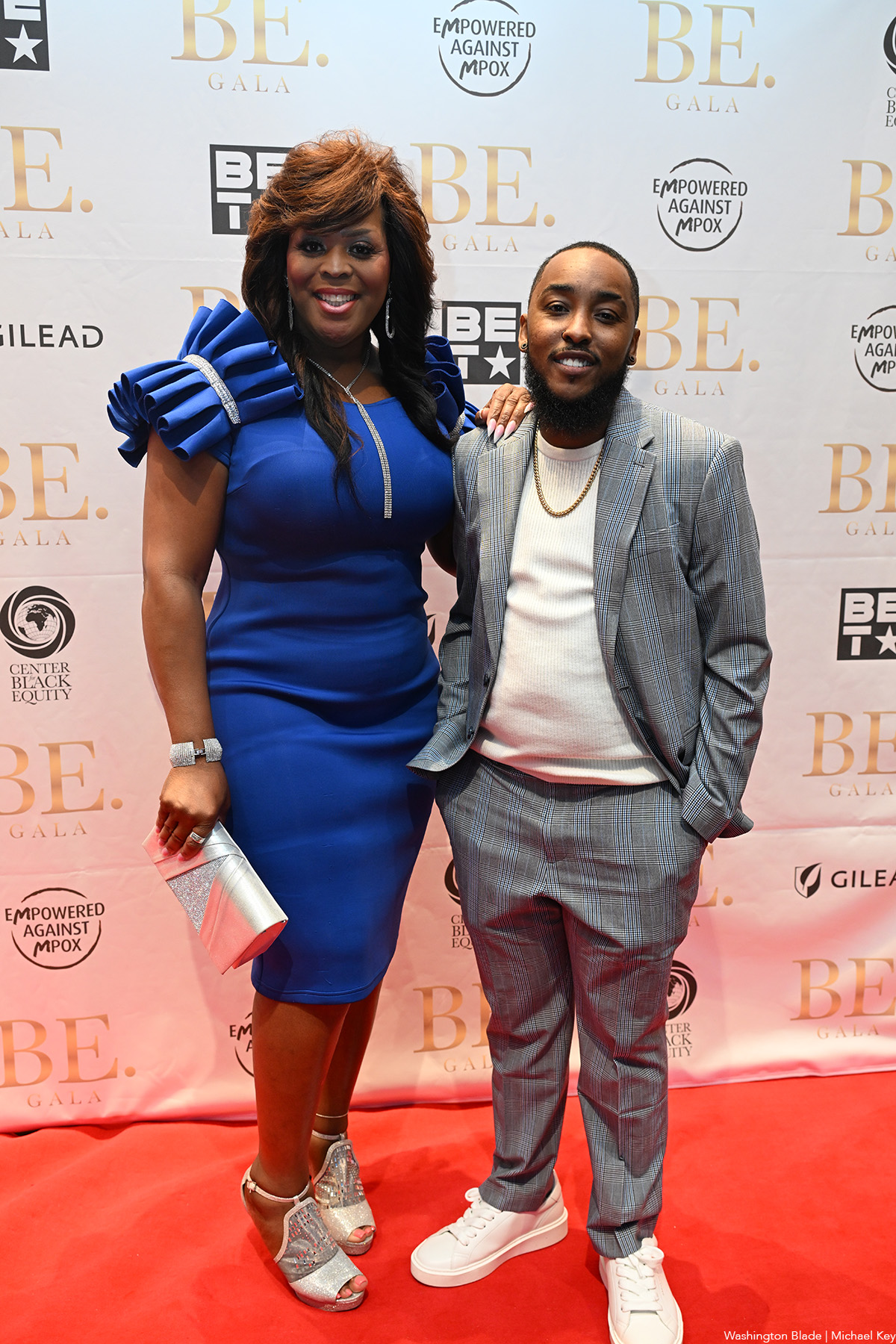
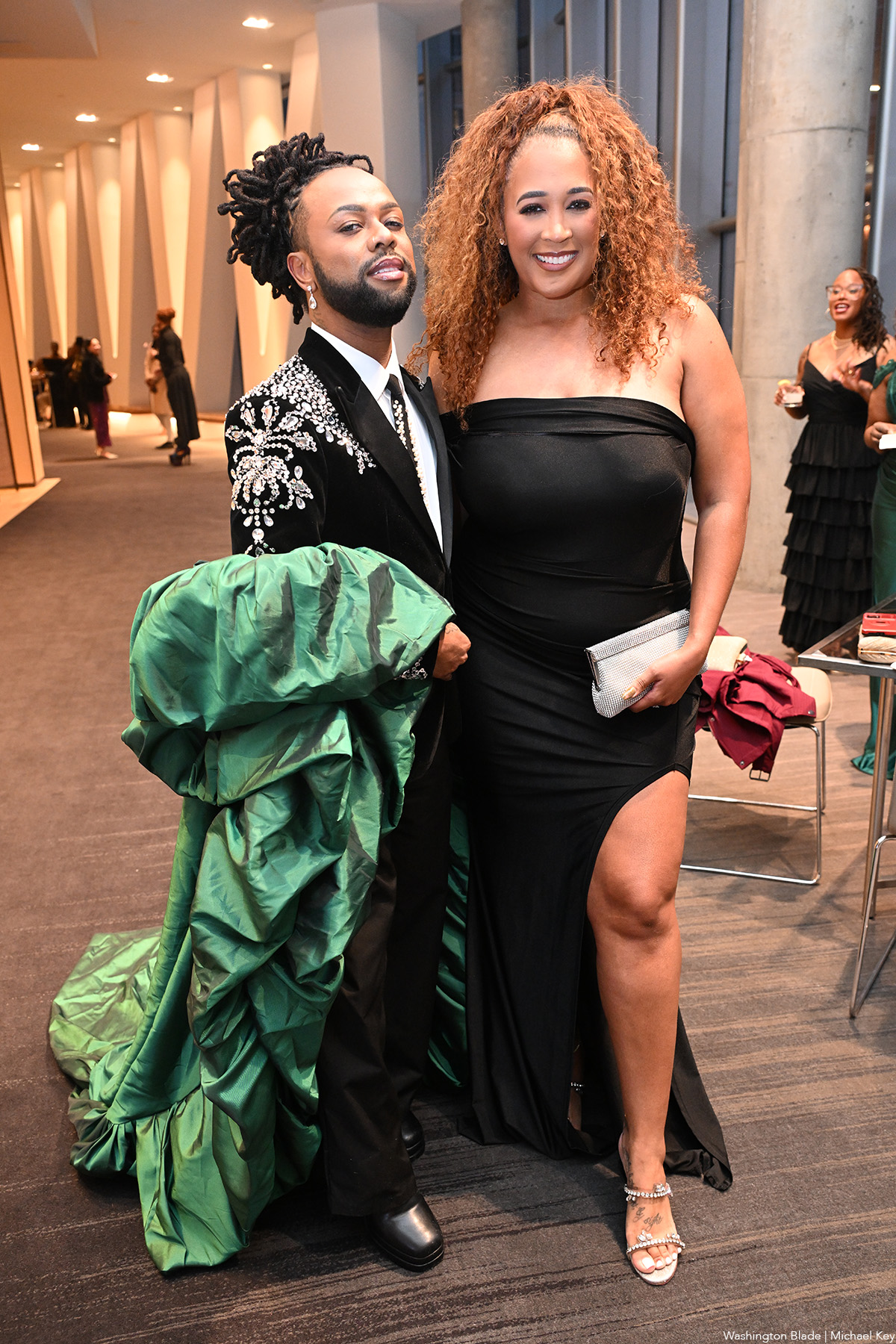
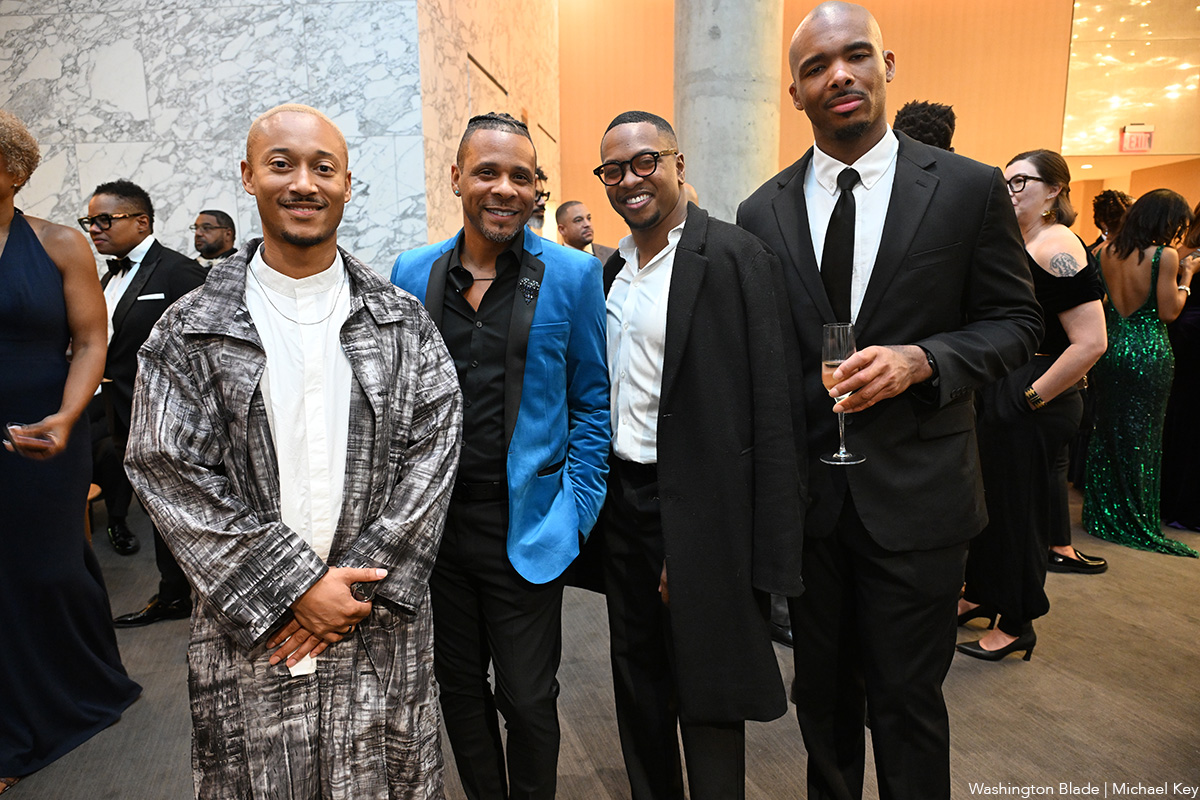
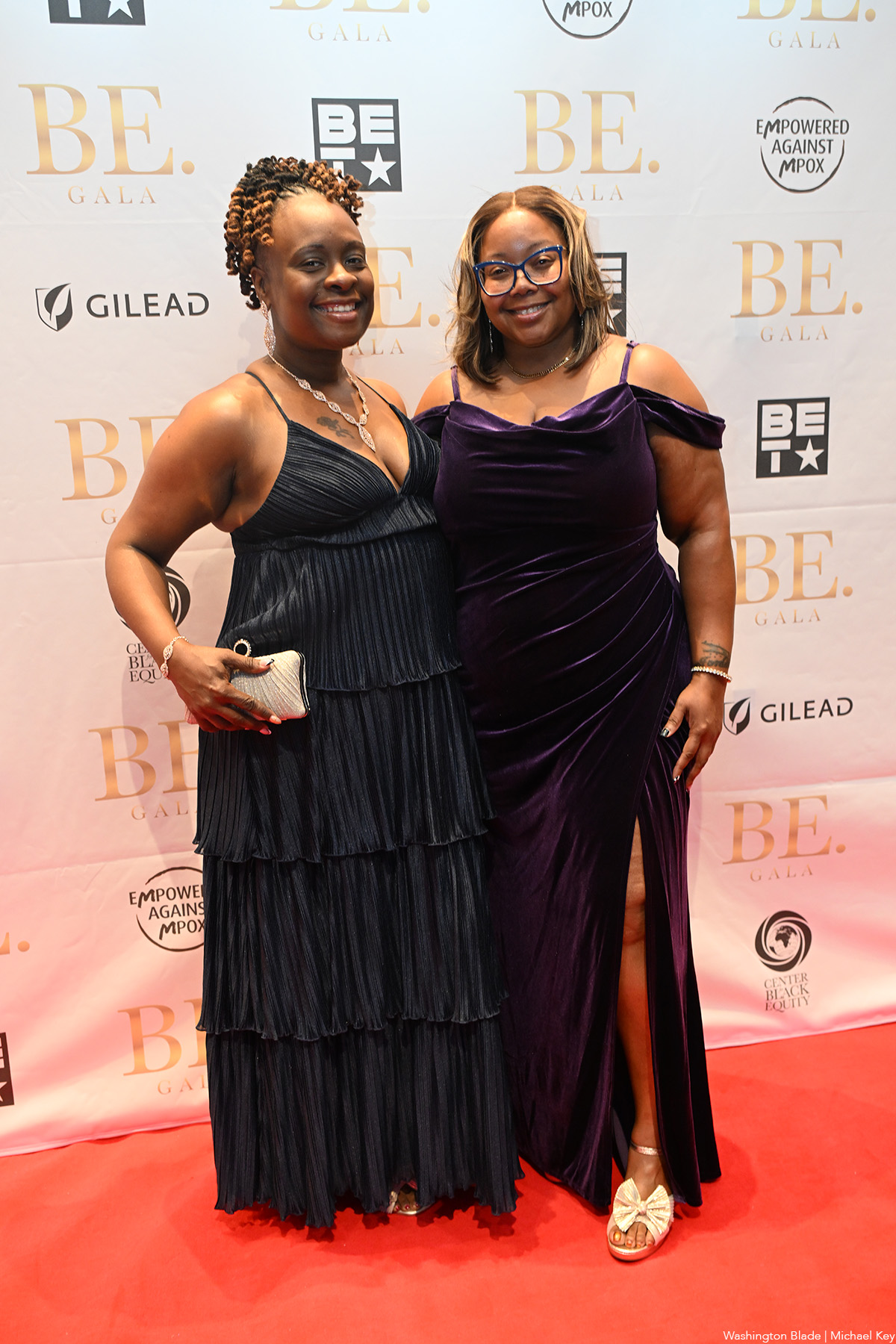
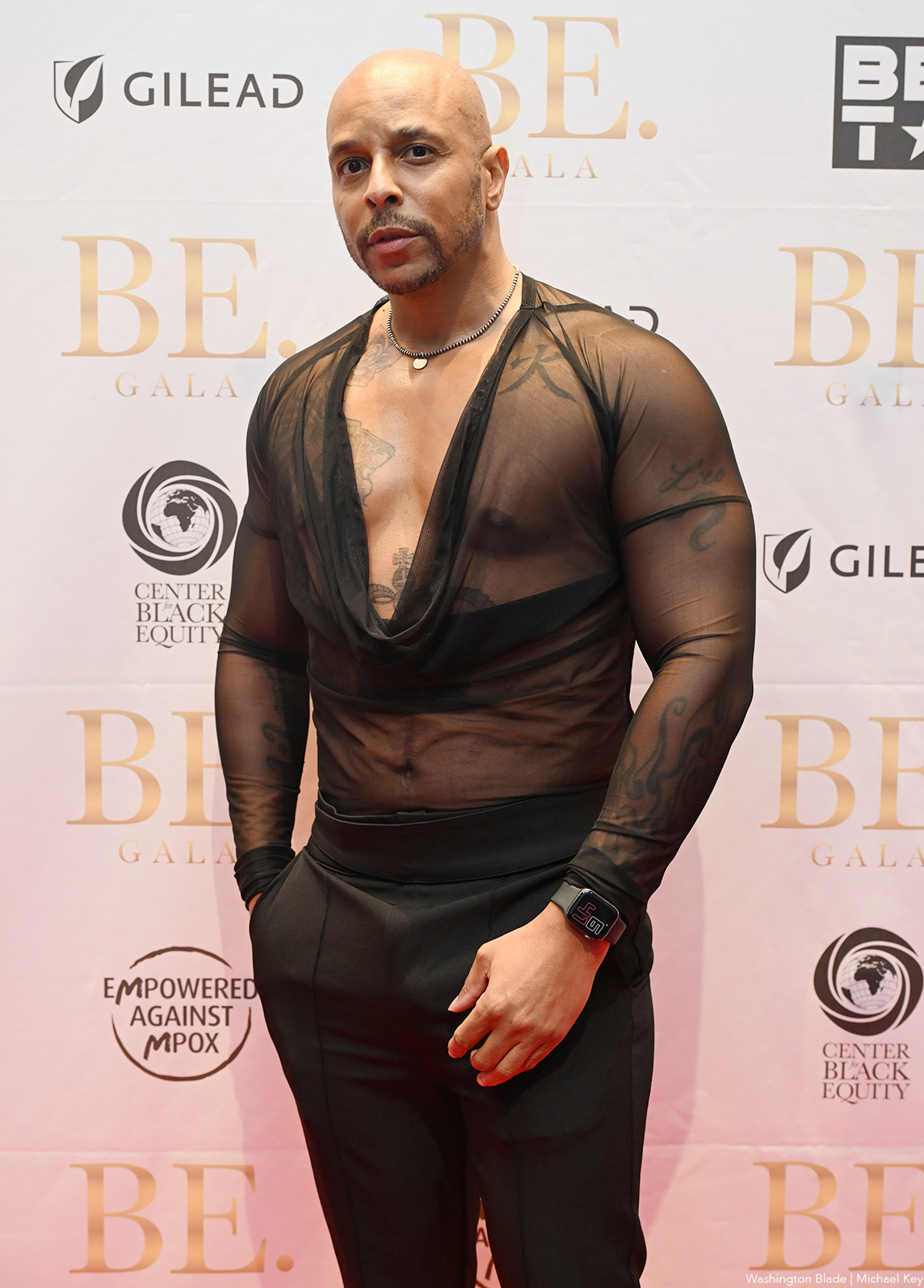
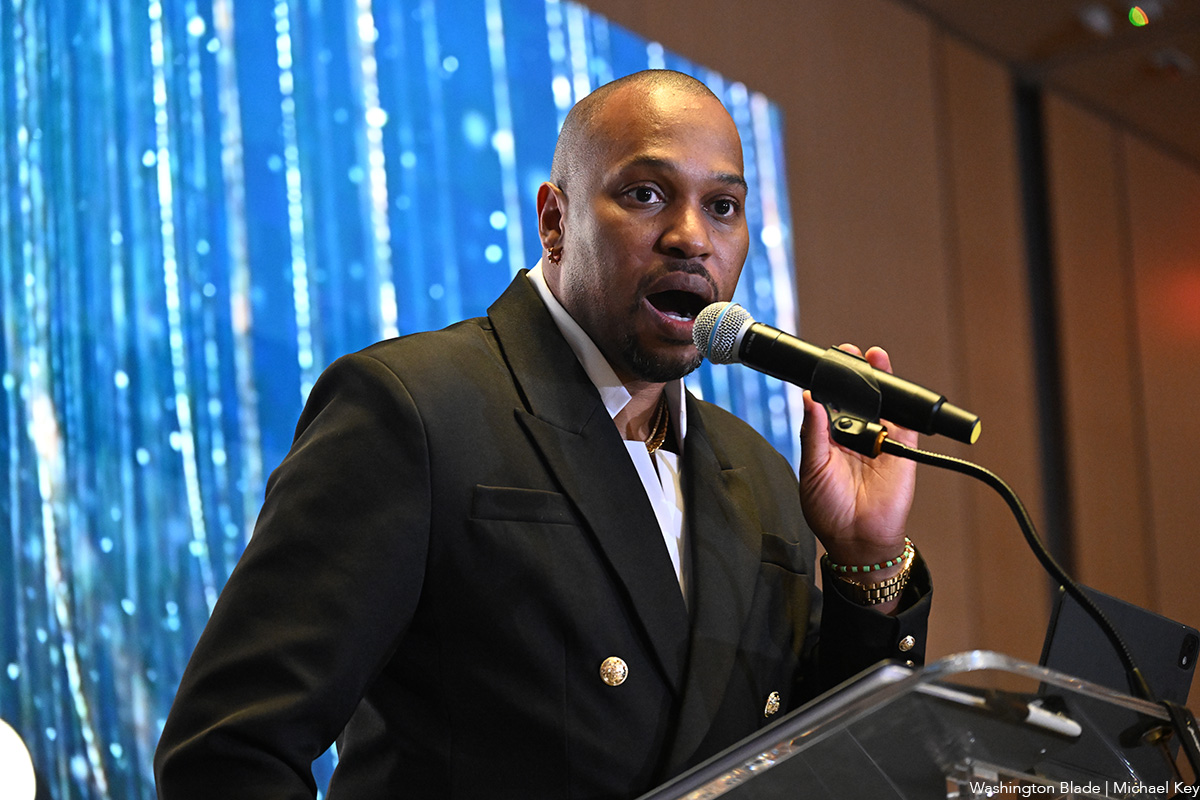
The Center for Black Equity held its annual BE. Gala at Conrad Washington, D.C. on Saturday, Oct. 5. Lolita Leopard Miyake-Mugler and Anthony Oakes co-hosted the awards ceremony.
Honorees included journalist and producer Justin Stewart; nonprofit leader Nikki Alexander; HIV advocate Marlene McNeese; the nonprofit organization FreeLux Project; actress Monroe Alise; public health advocate Tori Cooper; Manassas Park Vice Mayor Darryl G. Moore; Rev. Dr. Carmarion D. Anderson; Bishop Steven Sawyer; government relations professional Courtney Snowden; Senior Deputy Director of HAHSTA at D.C. Health, Clover Barnes; and Texas state Rep. Venton C. Jones.
The event was presented by Gilead.
(Washington Blade photos by Michael Key)

PHOTOS: Miss Gay Maryland America

Ahead of the midterms, Meta has paid at least 29 anti-LGBTQ accounts for their posts

Acclaimed U.S. Justice Dept. attorney William Corcoran dies at 83

JD Vance suggests James Talarico is gay during Texas rally

Hungarian lawmakers approve bill to remove anti-LGBTQ provisions from ‘child protection’ law

Physician: addiction doesn’t always look the way you think it does

Solidarity beyond the parade: the actual cost of Pride

Center for Black Equity honors leaders, activists at BE. Gala

Essential queer horror classics for Halloween

In ‘The Lost Brontë,’ a complicated lie can lead to danger
-

 District of Columbia5 days ago
Physician: addiction doesn’t always look the way you think it does
-
Opinions4 days ago
Solidarity beyond the parade: the actual cost of Pride
-
Movies4 days ago
Essential queer horror classics for Halloween
-
Photos3 days ago
Center for Black Equity honors leaders, activists at BE. Gala