World
Colombian same-sex couples seek legal recognition
Gays and lesbians petition for civil marriages amid legal confusion

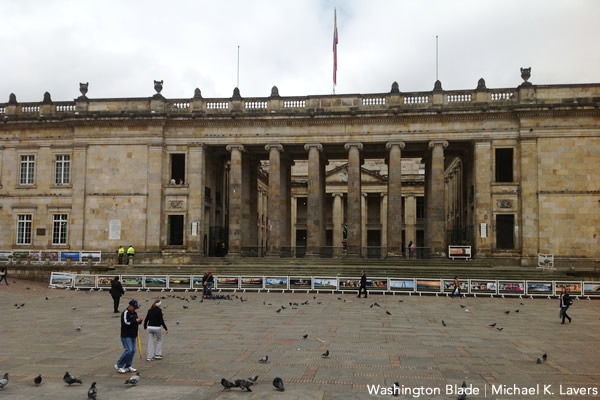
The Colombian Senate (Washington Blade photo by Michael K. Lavers)
Gays and lesbians approached notaries and judges across the country with the hope they would be able to enter into a civil marriage. These include three same-sex couples who submitted paperwork to a municipal civil court in Bogotá, the Colombian capital, seeking the ability to tie the knot.
“There are many couples like us in this country who have found their relationships have reached the point of committing themselves in civil marriage,” Elizabeth Castillo, who has been with her partner, Claudia Zea for four years, said during a press conference outside the court. “For gay people to marry is an act of valor.”
“We are very happy that Colombia considers everyone equal,” Carlos Rivera told Caracol Televisión after he and his partner Gonzalo Ruíz filed their paperwork in the same Bogotá court.
Colombia’s Constitutional Court in 2011 ruled gays and lesbians can legally register their relationships on June 20 if the country’s lawmakers failed to extend to them the same benefits heterosexuals receive through marriage. The Colombian Senate in April overwhelmingly rejected a measure that would have allowed same-sex couples to tie the knot in the South American country.
It remains unclear whether gays and lesbians can actually tie the knot in Colombia because the court’s ruling did not contain the word “marriage.” The judges instead said same-sex couples could go before a notary or a judge to “formalize and solemnize their contractual link.”
The Colombian newspaper El Tiempo on Thursday reported that Attorney General Eduardo Montealegre Lynett said notaries and judges are free to interpret the court’s decision because there is no law that specifically addresses the issue of relationship recognition. Inspector General Alejandro Ordoñez Maldonado and other Colombian officials have said the 2011 ruling did not extend the possibility of marriage rights to same-sex couples.
Some notaries had said before the June 20 deadline that they would not marry same-sex couples, but rather allow them to enter into a “solemn contract” that is similar to an agreement into which two people enter when they buy a house together.
Caracol Televisión interviewed a gay man in Cali earlier on Thursday who said the notary he and his partner approached offered them a “solemn contract” because he claimed he could not marry them.
“This in the view of Colombia Diversa does not comply with the Constitutional Court’s order,” Marcela Sánchez Buitrago, executive director of Colombia Diversa, an LGBT advocacy group, told the Blade on Tuesday.
Colombia Diversa has advised same-sex couples who are denied a civil marriage to challenge the decision in court.
Historic day for Colombian LGBT rights advocates
In spite of lingering questions over how to interpret the court’s decision, LGBT rights advocates described Thursday as a historic day in Colombia.
“Congratulations to all those who took part in this fight for marriage equality in Colombia,” Colombia Diversa said in a Tweet earlier in the day.
Rivera described the arrival of the court’s deadline to Caracol Televisión as “the first step.”
Wilson Castañeda Castro, director of Caribe Afirmativo, an LGBT advocacy group that works in cities along Colombia’s Caribbean coastline, told the Blade the fight for nuptials for gays and lesbians in the country will continue.
“They (notaries and judges) are proposing a ‘solemn contract’ and we are not,” he said. “We are only accepting marriage.”




India
Few transgender people benefit from India’s low-income housing program
Pradhan Mantri Awas Yojana launched in 2015
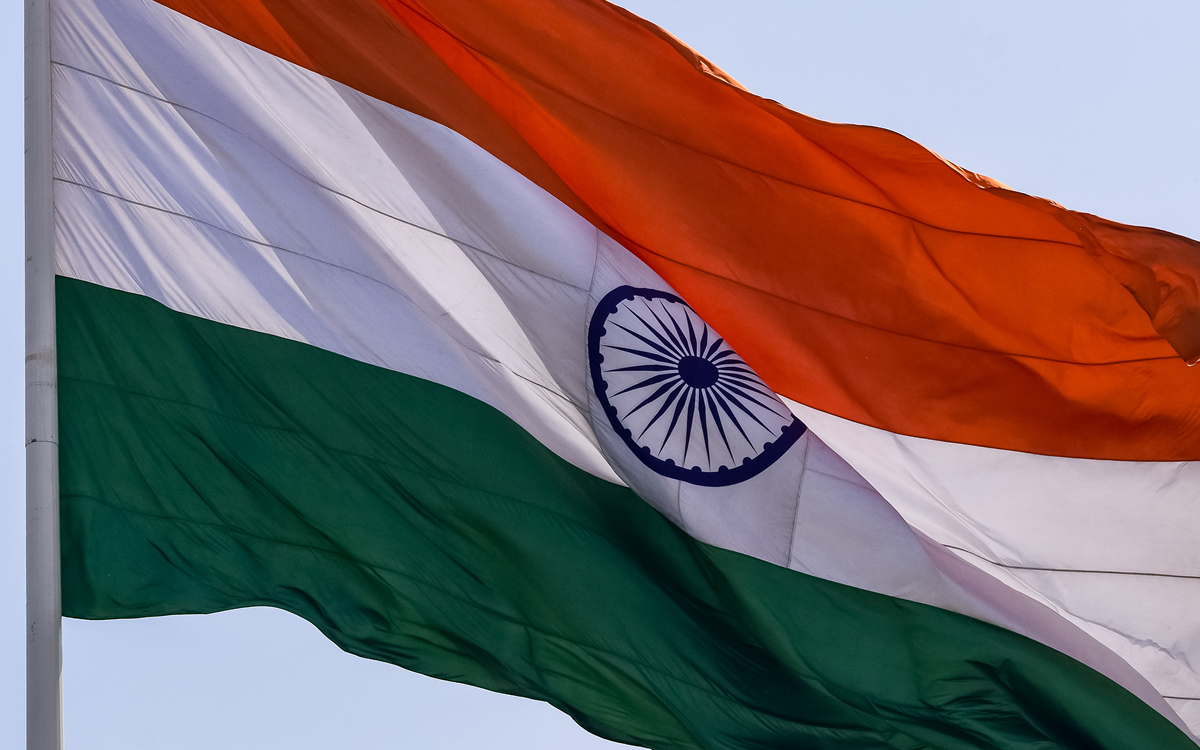
The Indian government on Dec. 15 informed parliament that only one transgender person in Jammu and Kashmir has been recorded as a beneficiary under the Pradhan Mantri Awas Yojana since the housing program was launched a decade ago.
PMAY is a federal government program aimed at expanding access to affordable housing for low- and middle-income households, including through credit-linked subsidies. The parliamentary disclosure indicates that trans beneficiaries have been virtually absent from the program’s records in the union territory, despite official guidelines listing trans people as a priority category.
In a written reply to a question in the upper house of parliament, known as the Rajya Sabha, the Housing and Urban Affairs Ministry said Jammu and Kashmir recorded zero trans beneficiaries under the program in each financial year from 2020–2021 through 2025–2026, with the cumulative total since inception remaining at one.
The Indian government launched the program on June 25, 2015, and the Housing and Urban Affairs Ministry implemented it.
The parliamentary reply came in response to a question on whether trans people are being included under the housing scheme and what steps have been taken to address barriers to access. The ministry said both PMAY and its successor, PMAY 2.0, are demand-driven programs, with responsibility for identifying and selecting beneficiaries resting with state and regional governments.
The ministry said the program lists trans people as a priority group, alongside widows, single women, people with disabilities, senior citizens, and other socially disadvantaged categories. It added that actual implementation depends on housing proposals and beneficiary lists submitted by state and regional governments.
According to figures the Indian government cited, a total of 809 trans beneficiaries have been recorded under PMAY and its successor, PMAY 2.0, since the programs were launched, with the vast majority concentrated in a small number of states. The southern state of Tamil Nadu accounts for 222 beneficiaries, followed by Andhra Pradesh with 186, and Odisha with 101. By contrast, several other states and federally administered regions, including Jammu and Kashmir, have reported either negligible or no coverage. India is administratively divided into 28 states and eight federally governed territories.
According to India’s 2011 national Census, Jammu and Kashmir recorded 4,137 trans residents. The same census counted 487,803 trans people nationwide, providing the most recent official population baseline for the community in India.
The ministry also said it has not conducted a specific survey to assess barriers faced by trans communities in accessing the scheme’s benefits. Instead, it said lessons from earlier implementation phases informed the design of the second phase of the program, launched on Sept. 1, 2024, which aims to support an additional 10 million urban beneficiaries over the next five years.
The parliamentary reply reveals an even more severe gap in Ladakh, India’s northernmost federally governed territory bordering China and Pakistan-administered areas and considered strategically critical to national security.
Official records show that Ladakh has not reported a single trans beneficiary under the housing scheme, either in recent years or cumulatively since the program began, with zero coverage recorded across all financial years listed in the Annexure. By comparison, Ladakh’s trans population stands at six, according to a written submission made to the High Court of Jammu and Kashmir in 2024.
Despite trans people being listed as a priority group in the scheme’s guidelines, the federal government said that as of November 2025 it had sanctioned more than 12.2 million homes nationwide under both versions of the program, with over 9.6 million homes completed and delivered. At the same time, data from Jammu and Kashmir, Ladakh, and several other regions show little to no recorded housing uptake by trans beneficiaries.
Speaking with the Washington Blade, Meera Parida, a trans activist, former member of the National Council for Transgender Persons in India’s eastern zone, and a former state advisor under the housing and urban development department, said the 2011 Census does not reflect the full size of India’s trans population, noting that public recognition and self-identification were far more limited at the time. She pointed to later government data collection efforts, including the National Portal for Transgender Persons that the Social Justice and Empowerment Ministry launched in 2020, as evidence that official counts have expanded beyond what was captured in the last Census.
“I am surprised that around the country only over 800 people benefited from the scheme, because most of the transgender population is from socially backward classes,” said Parida. “So they do not have a house and no family. Five years have passed since the NALSA judgment and the Transgender Protection Act; even after all these, if only over 800 transgender persons got home, that is a sad situation.”
Parida said that Prime Minister Narendra Modi has publicly positioned trans people’s welfare as a priority, but argued that the issue requires greater attention at the administrative level. She said the prime minister’s office should issue clear directions to all relevant departments to ensure trans people receive housing support and that implementation moves more quickly.
“There is still widespread discrimination and stigma against the community. Many transgender people are afraid to speak openly, which is why this issue continues to persist,” Parida said. “If stigma and discrimination are not addressed seriously, the marginalized community will remain invisible and reluctant to come forward. In that situation, the government will also be limited in what it can do. State governments should work with activists and community organizations to build accurate data. The government has decided to resume the Census in 2026, but the enumerators who go door to door must be sensitized to engage respectfully with the transgender community. The government should also improve awareness of housing schemes, because many people simply do not know they exist. A single-window system is needed.”
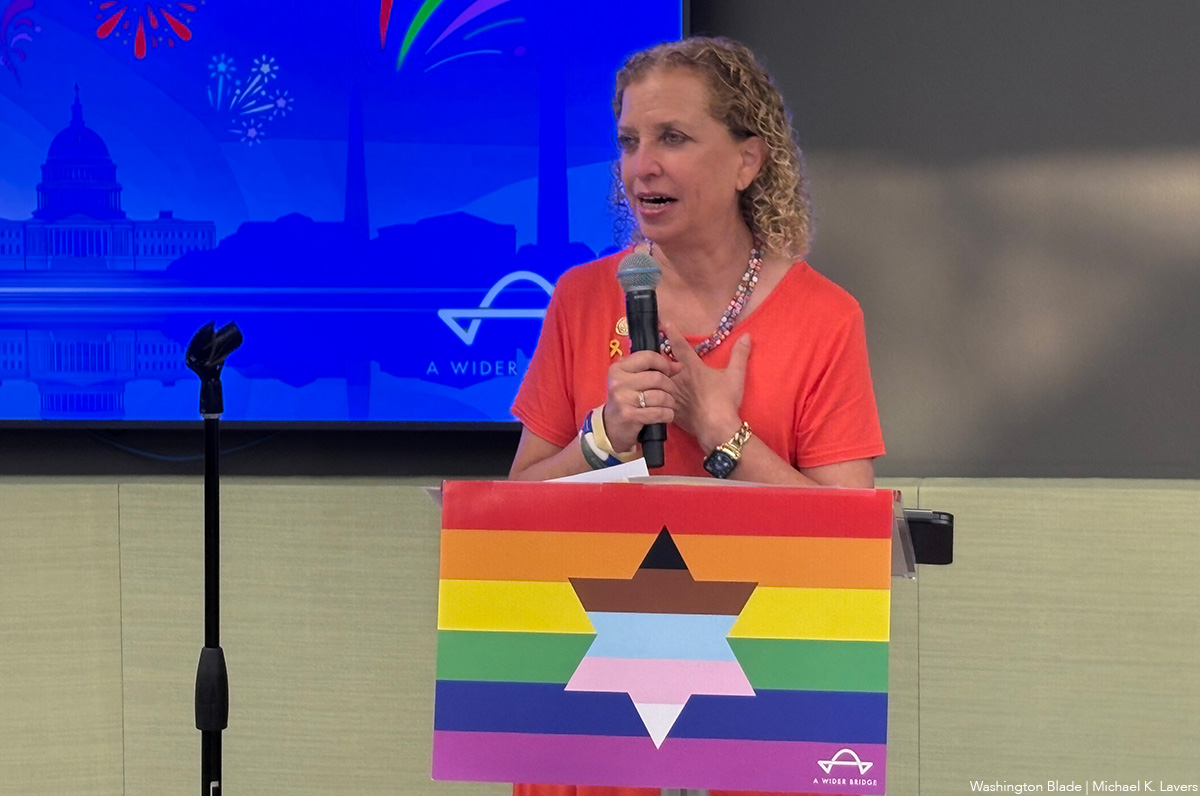
A Wider Bridge on Friday announced it will shut down at the end of the month.
The group that “mobilizes the LGBTQ community to fight antisemitism and support Israel and its LGBTQ community” in a letter to supporters said financial challenges prompted the decision.
“After 15 years of building bridges between LGBTQ communities in North America and Israel, A Wider Bridge has made the difficult decision to wind down operations as of Dec. 31, 2025,” it reads.
“This decision comes after challenging financial realities despite our best efforts to secure sustainable funding. We deeply appreciate our supporters and partners who made this work possible.”
Arthur Slepian founded A Wider Bridge in 2010.
The organization in 2016 organized a reception at the National LGBTQ Task Force’s Creating Change Conference in Chicago that was to have featured to Israeli activists. More than 200 people who protested against A Wider Bridge forced the event’s cancellation.
A Wider Bridge in 2024 urged the Capital Pride Alliance and other Pride organizers to ensure Jewish people can safely participate in their events in response to an increase in antisemitic attacks after Hamas militants attacked Israel on Oct. 7, 2023.
The Jewish Telegraphic Agency reported authorities in Vermont late last year charged Ethan Felson, who was A Wider Bridge’s then-executive director, with lewd and lascivious conduct after alleged sexual misconduct against a museum employee. Rabbi Denise Eger succeeded Felson as A Wider Bridge’s interim executive director.
A Wider Bridge in June honored U.S. Rep. Debbie Wasserman Schultz (D-Fla.) at its Pride event that took place at the Capital Jewish Museum in D.C. The event took place 15 days after a gunman killed two Israeli Embassy employees — Yaron Lischinsky and Sarah Milgrim — as they were leaving an event at the museum.
“Though we are winding down, this is not a time to back down. We recognize the deep importance of our mission and work amid attacks on Jewish people and LGBTQ people – and LGBTQ Jews at the intersection,” said A Wider Bridge in its letter. “Our board members remain committed to showing up in their individual capacities to represent queer Jews across diverse spaces — and we know our partners and supporters will continue to do the same.”
Editor’s note: Washington Blade International News Editor Michael K. Lavers traveled to Israel and Palestine with A Wider Bridge in 2016.
Malaysia
Malaysian police raids spark renewed concern among LGBTQ activists
202 people arrested at men-only venues in Kuala Lumpur on Nov. 28
In the weeks since a Nov. 28 police raid on men-only venues in Kuala Lumpur, queer activists in Malaysia say they have stepped up efforts to coordinate legal assistance for people detained under state Shariah laws.
Justice for Sisters, Pelangi, and other groups have been providing legal referrals, court monitoring, and emergency support following the arrests, as advocates warn that enforcement targeting LGBTQ communities has intensified.
In Malaysia, a Muslim-majority but multi-ethnic and multi-faith country, consensual same-sex sexual conduct is criminalized under both civil and Islamic law. The federal penal code bans “carnal intercourse against the order of nature,” a provision that applies nationwide, while state-level Shariah laws governing Muslims prohibit same-sex relations and gender nonconformity, including cross-dressing. Together, the dual-track legal system allows authorities to pursue LGBTQ people under parallel civil and religious statutes.
According to Justice for Sisters, 202 people — including venue owners, staff, and customers — were arrested and detained overnight. The organization in a statement said detainees were repeatedly denied access to legal counsel and communication with family members, and that their identities and images were exposed publicly — actions it said led to humiliation and, in some cases, job losses.
According to testimonies collected by Justice for Sisters and several other NGOs, detainees reported multiple procedural violations during the legal process. In a document the group published, detainees said they were not informed of the charges against them, were denied access to legal counsel, and phone communication for hours, and, in the case of foreign nationals, were not given access to embassies or translators. The document also described interrogations that included intrusive questions about sexual practices and orientation, as well as detention conditions in which detainees were repeatedly ordered to sit, stand, and recline without explanation and transported in overcrowded vehicles, with 30 to 40 people placed in trucks designed for far fewer passengers.
Detainees also reported being subjected to degrading treatment while in custody.
Accounts said detainees were denied access to toilets for extended periods and instructed to urinate into bottles, which were later thrown at them. Some detainees said officers suggested using rubber bands to restrict urination. Detainees also said authorities kept them awake overnight and repeatedly ordered them to sit upright or monitor others to prevent them from sleeping.
“We call on the Malaysian Human Rights Commission (SUHAKAM) and the Ministry of Health (KKM) to immediately launch an independent and unbiased assessment and investigation into the actions of the agencies involved during the raid, detention, and subsequent procedures, after the court rejected the remand extension request on Nov. 29, 2025,” Justice for Sisters said in a statement. “This raid has had a serious impact on public health. Many individuals reported heightened mental distress, including suicidal thoughts and severe psychological stress, affecting their ability to carry out daily activities such as eating, working, sleeping, and accessing medical treatment. When safe-sex tools such as condoms or pre-exposure prophylaxis are used to imply criminal activity, it directly undermines progress in the country’s public health response.”
Justice for Sisters also said law enforcement officers must conduct investigations professionally and fairly, while upholding the presumption that detainees are innocent until proven guilty. The organization in a statement said police must carry out their duties in a manner that preserves public trust and confidence in the justice system.
Rights groups say enforcement actions against LGBTQ gatherings in Malaysia have not been limited to the capital.
In June 2025, police in the northeastern state of Kelantan raided a private rented property described by authorities as a “gay party,” arresting 20 men, according to state police statements.
According to Reuters, Malaysian law enforcement authorities said they would review their procedures following the November raid. The report cited Kuala Lumpur Police Chief Fadil Marsus as saying that 171 Malaysian nationals were released from custody after authorities found no evidence to prosecute them.
The Washington Blade reached out to the Royal Malaysia Police for comment, but did not receive an immediate response.
“We do not want a situation where raids and arrests are carried out but, in the end, the evidence is inadmissible,” Marsus said, according to Reuters.
As of Dec. 1, all but one of the 37 foreign nationals detained in the raid had been released, with the remaining person held on an immigration-related matter, according to Reuters. Authorities have not publicly disclosed whether they remain in custody.

Out actor talks lead role in ‘Fiddler on the Roof’

This gay author sees dead people

Holiday week brings setbacks for Trump-Vance trans agenda

Your guide to D.C.’s queer New Year’s Eve parties

Long-awaited ‘Pillion’ surpasses the sexy buzz

Reasons to be optimistic about 2026
Long-awaited ‘Pillion’ surpasses the sexy buzz

Trump’s ‘American people derangement syndrome’

Using movement to boost your mental health during holidays