Arts & Entertainment
Dynamic differences
Two brand new organs — two of the world’s best organists — four days in Washington
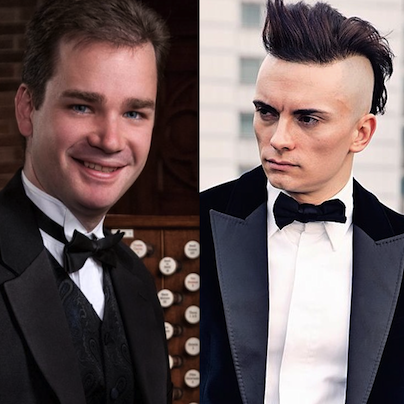
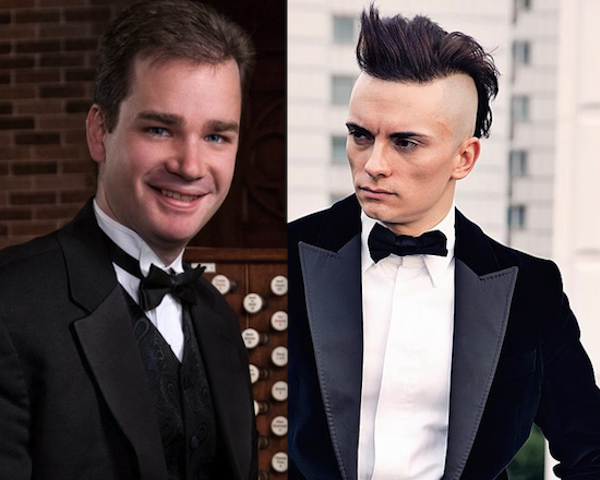
Ken Cowan, left, and Cameron Carpenter. (Cowan photo by Jim Cunningham, courtesy First Baptist Church; Carpenter photo by Heiko Laschitzki, courtesy Bucklesweet Media)
Pipe organ aficionados in Washington had the opportunity to gorge on an embarrassment of riches over the past few days. On Wednesday, iconoclast Cameron Carpenter played the Kennedy Center. Just four days later, traditionalist Ken Cowan performed at D.C.’s First Baptist Church.
The rare experience of having these two brilliant young organists here so close together was doubled by the fact that both venues in which they played just unveiled massive new organs.
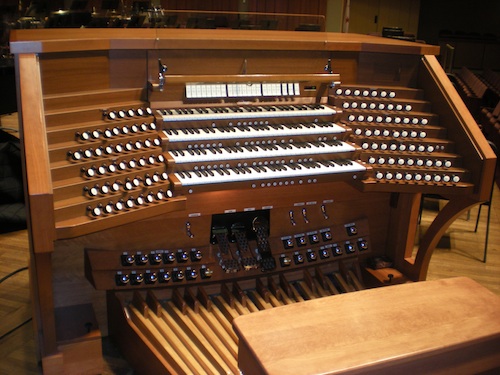
The new Rubenstein Family Organ at the Kennedy Center. (Blade photo by Joey DiGuglielmo)
The Rubenstein Family Organ at the Kennedy Center, a $2 million, 85-rank, four manual beauty by Casavant Freres, has 4,972 pipes and replaces the Filene Organ, an Aeolian Skinner from 1972 that was adequate at best. It’s a gift from Kennedy Center chairman David Rubenstein and his wife, Alice.
The new Austin organ at First Baptist is a 118-rank double (chancel and gallery) organ that has about 6,000 pipes and cost roughly $1.8 million. It’s only the second five-manual (i.e. five levels of keyboards) organ in Washington (National City Christian Church — which added to the wealth by hosting the equally good organist Adam Brakel just the week before — has the other) and replaces the church’s woefully underwhelming previous instrument, a relic Moller from 1948 that had just two manuals and about 2,100 pipes.
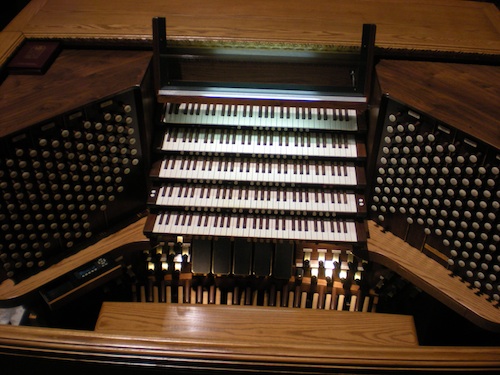
The new Austin Organ (Op. 2795) at First Baptist Church of Washington. (Blade photo by Joey DiGuglielmo)
The Rubenstein is a full pipe organ; First Baptist’s is majority pipe but is augmented with some digital stops. They’re not the largest organs in Washington — National Cathedral’s 1938 Skinner has 189 ranks and more than 10,647 pipes and the National Shrine’s two Moller organs have a combined 197 ranks and 10,748 pipes; National City’s has 105 ranks and nearly 7,600 pipes. Yet these are still major new additions to the District’s musical landscape. More pipes don’t necessarily mean more sound — just a larger range of tonal variation that’s available.
While both instruments have been previously heard, Carpenter’s program was the first “concert length” recital on the new organ at the Kennedy Center and opens a series that continues with Paul Jacobs — one of a very short list of young organists in the same league as Carpenter and Cowan — on Feb. 5 and Latvian organist Iveta Apkalna on May 21. Despite the Rubenstein organ only having been played publicly a handful of times thus far, it was Carpenter’s second time playing it. He played the fourth movement of Saint-Saens’s “Symphony No. 3 in C minor” (the “organ symphony”) on it with the National Symphony Orchestra on Sept. 29.
And while First Baptist organist/choirmaster Lawrence Schreiber gave the inaugural recital of the Austin organ on Sept. 15, Cowan’s performance this week was the first in the church’s “Distinguished Organist” series, which continues with a performance by Christopher Houlihan on Nov. 24. An hour-long recital featuring several guest players of the region will be held on Halloween at 7 p.m.
The two concerts — equally dazzling — were a study in contrasts, chiefly because of the vast difference of artistic and aesthetic choices from Carpenter, 32, and Cowan, 38. Both played fully from memory save for one short self-composed piece for which Carpenter used a score. Possessed, it appears, of equal talent, Carpenter is a colorful rabble rouser who clearly delights in shaking up the often staid world of organ music. One could never call Cowan staid — he simply lights his musical fires with a different brand of kerosene. His playing is every bit as technically impressive and boundary-pushing as Carpenter’s; he just does it while wearing a tux and in a setting — First Baptist — as traditional (albeit breathtaking) as it gets.
One may be momentarily intrigued by their differences — Cowan’s tux and everyman’s haircut to Carpenter’s Versace, tight leather pants and mohawk, the former’s straight sexual orientation (he’s married to violinist Lisa Shihoten) to the latter’s bisexuality, etc. — and insist only the sounds produced are of consequence, but it’s not that simple, for they’re each having a radically different impact on the world.
Since they’re of roughly equal ability, one quickly realizes there are other factors at play, some musical, some not, just as there were with the late organists Virgil Fox and E. Power Biggs a generation ago. What’s ironic is how the organ world establishment (represented mostly in the U.S. by the American Guild of Organists) now venerates Fox while Biggs is but a footnote. Though Carpenter is often dismissive and indifferent when asked about Fox, it’s always the envelope pushers who are remembered long after their time. It’s amusing to watch these perceptions play out — many U.S. organists, both in church and in academia, are almost contemptuous of Carpenter and only grudgingly acknowledge his technical prowess while Cowan is exalted as one of a precious few heirs apparent.
This isn’t just about hairstyles or even registrations (the settings by which organ sounds are varied throughout a piece or concert), for Cowan’s, while overall less brash than Carpenter’s, are not always as slavishly adhered to as some traditionalists insist (e.g. using only registrations that Bach had at his disposal in the 1700s when playing his works today).
Controversial, outspoken Carpenter is clearly having the overall bigger impact. Touted as “the world’s most visible organist” in the Kennedy Center program, it’s not much of an overstatement if at all. Though his D.C.-area debut at the Strathmore in April had an underwhelming turnout, he filled the orchestra section easily at the 2,400-seat Kennedy Center Concert Hall (the upper tiers were empty). Yes, the tickets were only $15 a piece, but a nearly full house to any organ recital in 2013 is seen as a triumph even if it’s free. Which Cowan’s was, though donations were accepted. The floor of First Baptist, which seats about 800, appeared to be about half full Sunday.
Carpenter’s at times brutal candor equals that of Joni Mitchell. Think for a minute about the overall rigidity of the classical world versus the pop world, and one can imagine the effect this has. Just last week, Carpenter mentioned in passing organ conventions and lamented anyone “unfortunate enough to have to go to one.” The AGO brass sees these as cheap shots and holds grudges accordingly. They’re sharpening their knives now in anticipation of his 2014 unveiling of a Marshall & Ogletree digital touring organ whose development Carpenter — who’s always polite in conversation and more nerdy than punk — supervised. He says it will revolutionize what an organist can do by not forcing an adaptation to site-specific pipe organs. They say there’s no way a virtual instrument can duplicate the richness of a true pipe organ (while Fox toured with electronic organs in the 1970s he never — to my knowledge — claimed they were sonically in the same league as a pipe organ).
There also may be unacknowledged resentment of the amount of world-wide press attention Carpenter gets, which is considerable, perhaps even unprecedented, for an organist. His fame is of rock star proportions in Japan and in parts of Europe.
Marketing and presentation are also factors. Carpenter has more media savvy, more acumen at presenting himself as a celebrity. Cowan — more classically handsome than Carpenter but not as trim and buff — looks like a professor (which he is; he heads the organ program at Rice University) who just happens to give recitals on weekends (which he does). Place their latest albums side by side and the photos alone illustrate the difference. Carpenter makes wise use of a stylist and put care into the overall presentations. 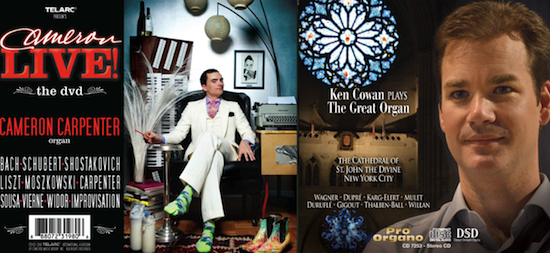 Cowan’s looks like an improperly lit snapshot superimposed over a boring church interior. Star power counts for something and Carpenter has it. It’s the difference between, say, a Jane Fonda and a Liv Ullmann. It’s no fluke that Fonda is the household name.
It was a bit startling then — with all this swirling around the classical music consciousness — how traditionally Carpenter opened his 89-minute Kennedy Center recital with the Bach “trio” Sonata No. 6 in G Major (BWV 530), especially the exquisite first movement (“Vivace”) which sounds as dainty as a finely embroidered doily but is wickedly difficult to play with three contrapuntal lines swirling about (right hand on one manual, left hand another and the pedals/feet sharing an equally complex third voice). Carpenter took it at a very brisk tempo and pulled it off with expected aplomb. He used more pedal 16-foot stops than Bach would have had in his era, but the flute- and principle-heavy registration was not unorthodox. His closing self-added ornamentation — not an unusual thing to do — was a well-placed flourish at the end of a musical sentence.
The registrations were slightly more daring in the languid second movement (“Lento”), which had breathy, deep 16-foot moderately soft pedal stops over which Carpenter wove the melody with slightly louder reed stops. He took the (“Allegro”) third movement in a more traditional manner, giving its lovely contrapuntal interplay the stately feel of a fanfare.
One of the challenges any organist faces is blending the four types of sounds the instrument produces — generally the flutes and strings are softer than the principles and reeds. Building a gradual increase in volume by changing registration can be tough, but Carpenter did so brilliantly (Cowan is also a master of this) in his Etude from the prelude of Bach’s “Cello Suite No. 1,” a piece he also used as an encore in homage to Yo-Yo Ma (who also played that night) during his previous Kennedy Center appearance. It started with a delicate, chiffy pedal solo but climaxed with loud grandiosity.
Its inclusion was a surprise — Carpenter added it after saying he wasn’t finished learning his new composition “Music for an Imaginary Film” which was slated to close the program. In its place he also added his own “Love Song No. 2,” a lush, string-laden contemporary piece he rightly called a palate cleanser.
He closed the first half of the program with an adaptation of Mozart’s “Sonata in D Major” (K.284), which had constant-yet-deft color shifts. He made clever use of some of the organ’s more outré stops with playful little honks and echoes in the third movement, several of which elicited light chuckles from the crowd.
In the second half, Dupre’s “Variations on a Noel, Op. 20” came roaring to life in a way simply not possible when Carpenter performed the piece (one of only two duplicated) at the Strathmore. It was effective there, but if it were possible to hear the two performances side by side, no further arguments would be needed for the sonic chasm that exists between a grand instrument like the Rubenstein organ and the one-dimensional Rodgers electronic Carpenter played there. He performed like a demon that night — changing registrations like a mad scientist (perhaps necessitated by the need for variation on the much smaller organ) — but hearing him at the Kennedy Center was exponentially more satisfying. The Dupre Noel set is a perfect piece for Carpenter giving him enough deliciously weird variations (most of it’s about as warm and Christmasy as a Quentin Tarantino film) to play with. He upped the ante with equally diabolical registration choices, at times summoning what sounded like the gates of hell with the full power of the organ.
If there was any disappointment to the evening, it was only slightly in the sequencing. Building an impossibly overstated introduction to a transcription of Scriabin’s (originally for piano) “Sonata No. 4, Op. 30,” (“I can’t imagine music more uplifting and absolutely affirming of humanity than this,” he said), the piece (originally slated to close the first half) was too dense and abstract to be a wholly satisfying finish to the evening. The heroic, playful and jaunty Tchaikovsky “Scherzo” from “Symphony No. 6,” which Carpenter practically galloped his way through — you can see the music coursing through his gyrations — and used to open the second half, would have been a better choice. Yes, it’s the more ear-friendly and obvious crowd pleasing-kind-of piece, but that’s not why I suggest this. The epic full organ registration with which Carpenter played it sounded so rich and symphonic, one could not possibly fathom that all this sound was coming from one human and one organ. Closing with it would have showed both he and the organ off in the most staggering light.
Two encores — Chopin’s “Minute Waltz” and the bon mot “Stars and Stripes Forever” were everything encores should be: playful, fun, short and easy on the ears.
Cowan, too, opened his 94-minute recital with Bach, hardly surprising but fine. His “Toccata in E Major (BWV 566)” got things off to a solid but far-from-earth-shattering manner. Cowan’s almost non-existent body movement while playing combined with the hardly daring opening — though admittedly no more traditional than Carpenter’s — initially had me fearing we might be in for a long afternoon. I knew Carpenter would shake things up; having not heard Cowan live before, I wasn’t sure where he was heading. Yes, there was a program but the pieces were not, for the most part, staples of the organ repertoire.
To say there was nothing to fear is a vast understatement. Cowan quickly got things bubbling with an utterly transfixing performance of Jean Roger-Ducasse’s “Pastorale,” which he played exquisitely and registered imaginatively and seamlessly.
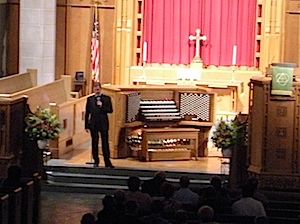
Ken Cowan at First Baptist Church Sunday. (Blade photo by Joey DiGuglielmo)
Ironically considering the sacred setting, the devil was summoned twice — in Rachel Laurin’s playful “Beelzebub’s Laugh,” an etude that Cowan masterfully registered so that a three-note descending melodic line that was repeated many times darted around from the Chancel to the Gallery organs so quickly it was nearly dizzying. Satan was further evoked in an arrangement of Liszt’s famous “Mephisto Waltz No. 1,” a staggerlingly virtuosic piece with which Cowan clearly had fun.
Leo Sowerby’s maddeningly difficult “Pageant,” which opens with a lengthy pedal solo that descends in rapid chromatic lines, found Cowan exhibiting every bit as much elaborate foot work as Carpenter famously exhibits in his transcription of Chopin’s “Revolutionary Etude,” a massive YouTube hit he curiously no longer plays live. While nobody’s calling it a talent competition, the two are clearly equals in technical ability and overall musicianship.
Cowan’s recital came to a glorious and stately climax with Max Reger’s monumental Fantasy on the Chorale “Wachet auf, ruft uns die stimme,” (Op. 52, No. 2), a dramatic interpretation of the famous Advent hymn (“Sleepers Awake”) that breaks into a daring four-part fugue and ends with a towering procession on which Cowan brought the magnificent new organ to full flower. This is another spot that separates the men (state-of-the-art pipe organs) from the boys (the best electronics available): the triple-forte passages on a great organ like the Austin are unquestionably loud but not in an ear-splitting, siren kind-of way. It’s loud in a lush way that still manages to be easy on the ear and with a depth of quality and detail no speaker can summon — nearly the same difference as one perceives optically between a sunset in nature versus one seen on a high definition TV screen. Only having experienced it in nature, can one fully appreciate the difference.
Cowan’s well-deserved encore was another pedal workout — George Thalben-Ball’s “Variations on a Theme by Paganini,” which found him achieving almost unfathomable legato-yet-uber-fast melodic passages on the pedalboard alone.
As one might imagine, these recitals together made for heady experiences. One savored them as one might great multi-course meals from two top-tier chefs working with the crème de la crème of fresh ingredients on two different nights. It’s impossible to overstate their sumptuousness. No degree of rhapsodic waxing feels sufficient.
First Baptist’s organ — some tuning issues evident at Schreiber’s recital all worked out as expected — is not necessarily sonically any richer than that of the Rubenstein organ; it simply has a substantially broader range of sound, which Cowan made abundant use of and of which Carpenter no doubt would have done as well had he performed there. First Baptist’s fills the space perhaps a bit more thoroughly than the Rubenstein, which, though possessing sonic heft, never quite flirts with rumbling the architecture. You don’t quite feel it the way you feel the enveloping Austin.
It was especially noticeable on the Reger during which Cowan spent lengthy measures savoring the organ’s soft 32-foot pedal stops, which rumbled and chiffed — slightly differently even from tone to tone — like warm signals from beneath the ocean floor. Elsewhere, soft string stops in the manuals sounded as warm as finely ground spun sugar. The two magnificent sets of “trompette-en-chamade” stops (one rank softer and in the English trumpet tradition; the other more blaring and French) were repeatedly woven into the selections and used generously but wisely, ringing out from the church balcony where they’re placed.
Perhaps realizing they both had rare opportunities to introduce many to new instruments, Carpenter and Cowan both clearly took delight in showcasing both their own talent and that of the organ builders.
One salivates at the thought of what these two geniuses will do in the coming years, not to mention all the great organists Washingtonians and visitors will enjoy on these stupendous new instruments.
Blade Features Editor Joey DiGuglielmo may be reached at [email protected].
Carpenter’s set list
Sonata No. 6 in G Major (BWV 530) (Bach)
1. Vivace
2. Lento
3. Allegro
4. Etude on the Prelude from Cello Suite No. 1 in G Major (BWV 1007) (Bach)
5. Love Song No. 2 (Carpenter)
Sonata in D Major (K. 284) (Mozart)
6. Allegro
7. Rondo and Polonaise
8. Theme with Variations
Intermission
9. Scherzo from Symphony No. 6 “Pathetique” (Tchaikovsky)
10. Variations on a Noel (Op. 20) (Dupre)
Sonata No. 4 (Op. 30) (Scriabin)
11. Andante
12. Prestissimo Volando
Encores
13. Minute Waltz (Chopin)
14. Stars and Stripes Forever (Sousa)Cowan’s set list:
1. Toccata in E Major (BWV 566) (Bach)
2. Pastorale (Roger-Ducasse)
3. Beelzebub’s Laugh (Etude-Caprice, Op. 66) (Laurin)
4. Pageant (Sowerby)
Intermission
5. Mephisto Waltz No. 1 (Liszt)
6. Fantasy on the chorale “Wachet auf, ruft uns die stimme” (Op. 52, No. 2) (Reger)
Encore
7. Variations on a Theme by Paganini: a Study for the Pedals (Thalben-Ball)




Rob Reiner, most known for directing untouchable classics like “The Princess Bride,” “Misery,” “When Harry Met Sally…,” and “Stand by Me,” died Dec. 14 alongside his wife, Michele Singer Reiner, in their Los Angeles residence. While investigations are actively underway, sources have told PEOPLE Magazine that the pair’s son, Nick Reiner, killed his parents and has been taken into custody.
Reiner was a master of every genre, from the romantic comedy to the psychological thriller to the coming-of-age buddy movie. But in addition to his renowned work that made him a household name, Reiner is also remembered as a true advocate for the LGBTQ community. In 2009, Reiner and his wife co-founded the American Foundation for Equal Rights, helping fight against California’s Prop 8 same-sex marriage ban. They were honored at the 2015 Human Rights Campaign Las Vegas Gala.
In a statement, HRC President Kelley Robinson said: “The entire HRC family is devastated by the loss of Rob and Michele Reiner. Rob is nothing short of a legend — his television shows and films are a part of our American history and will continue to bring joy to millions of people across the world. Yet for all his accomplishments in Hollywood, Rob and Michele will most be remembered for their gigantic hearts, and their fierce support for the causes they believed in — including LGBTQ+ equality. So many in our movement remember how Rob and Michele organized their peers, brought strategists and lawyers together, and helped power landmark Supreme Court decisions that made marriage equality the law of the land — and they remained committed to the cause until their final days. The world is a darker place this morning without Rob and Michele — may they rest in power.”
Reiner’s frequent collaborators have also spoken out as the industry is in mourning, including figures like Ron Howard and John Cusack.
A joint statement from Jamie Lee Curtis and Christopher Guest (who starred in Reiner’s “This is Spinal Tap”) reads: “Christopher and I are numb and sad and shocked about the violent, tragic deaths of our dear friends Rob and Michele Singer Reiner and our ONLY focus and care right now is for their children and immediate families and we will offer all support possible to help them. There will be plenty of time later to discuss the creative lives we shared and the great political and social impact they both had on the entertainment industry, early childhood development, the fight for gay marriage, and their global care for a world in crisis. We have lost great friends. Please give us time to grieve.”
While attending the 2019 HRC Los Angeles Dinner, Reiner spoke out about the need for equality: “We have to move past singling out transgender, LGBTQ, black, white, Jewish, Muslim, Latino. We have to get way past that and start accepting the idea that we’re all human beings. We’re all human beings, we all share the same planet, and we should all have the same rights, period. It’s no more complicated than that.”
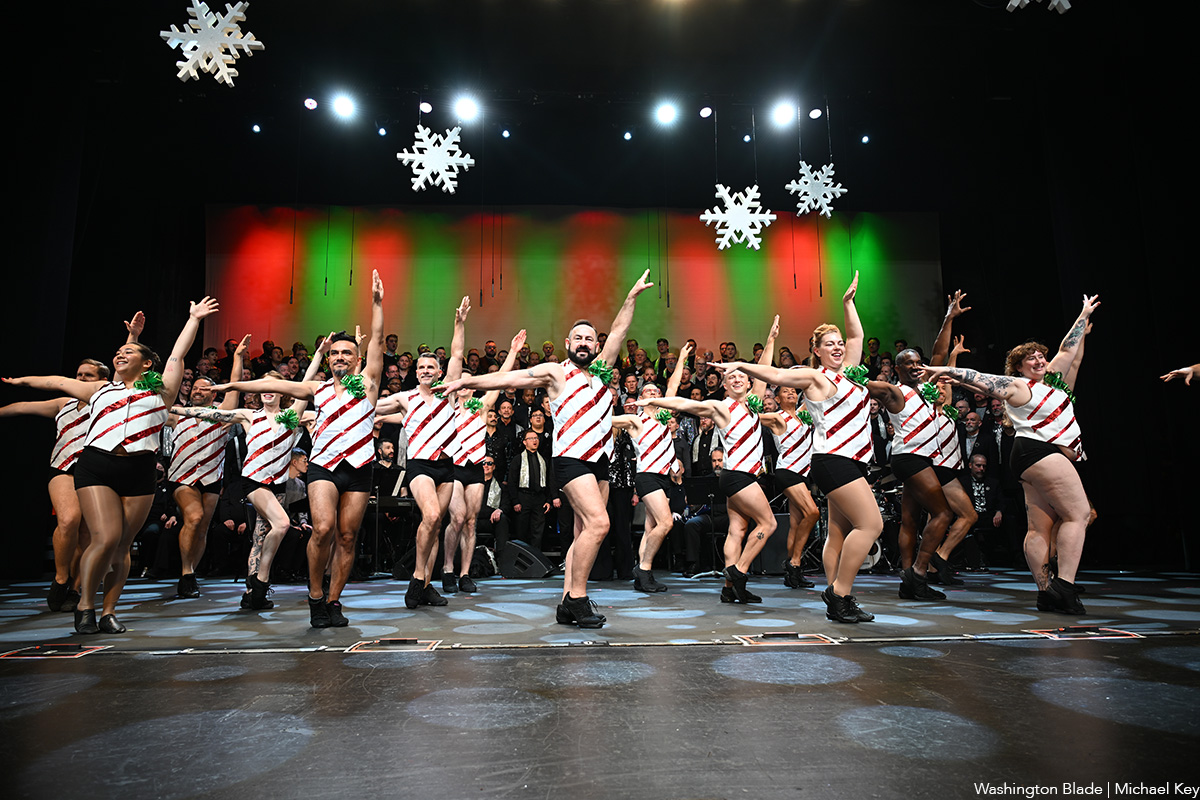
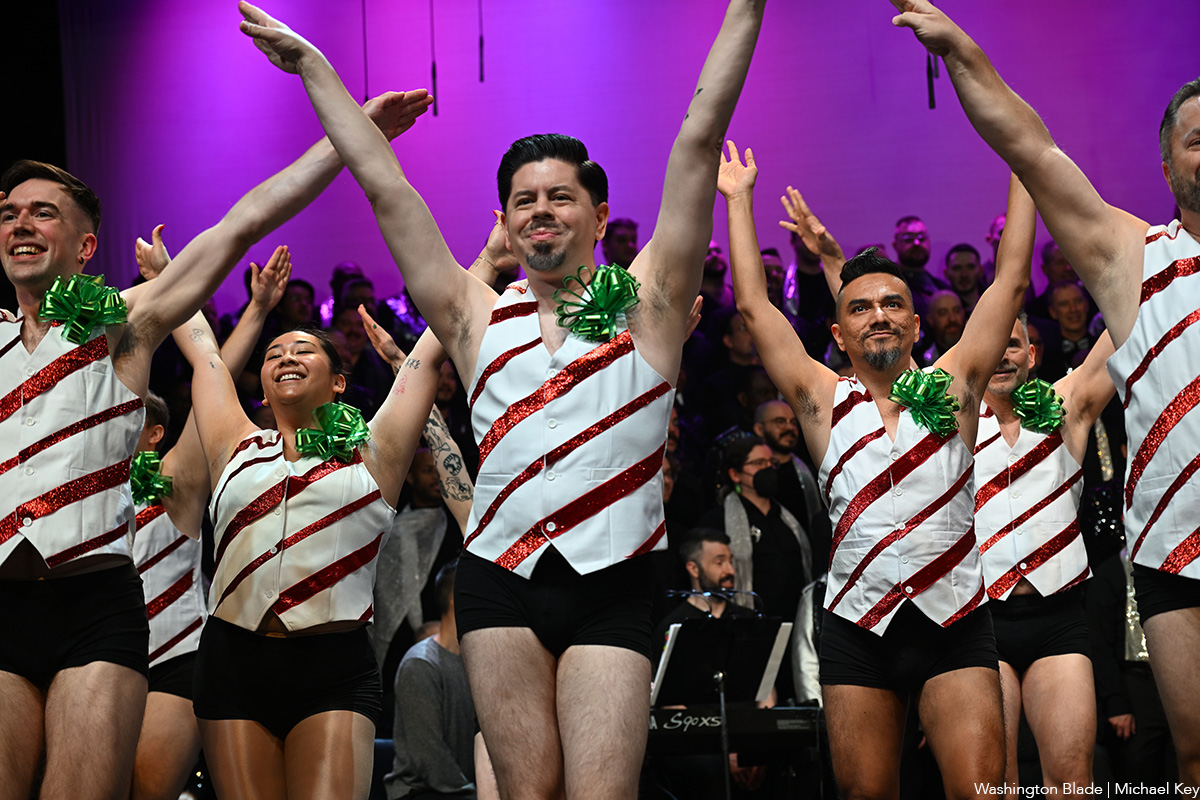
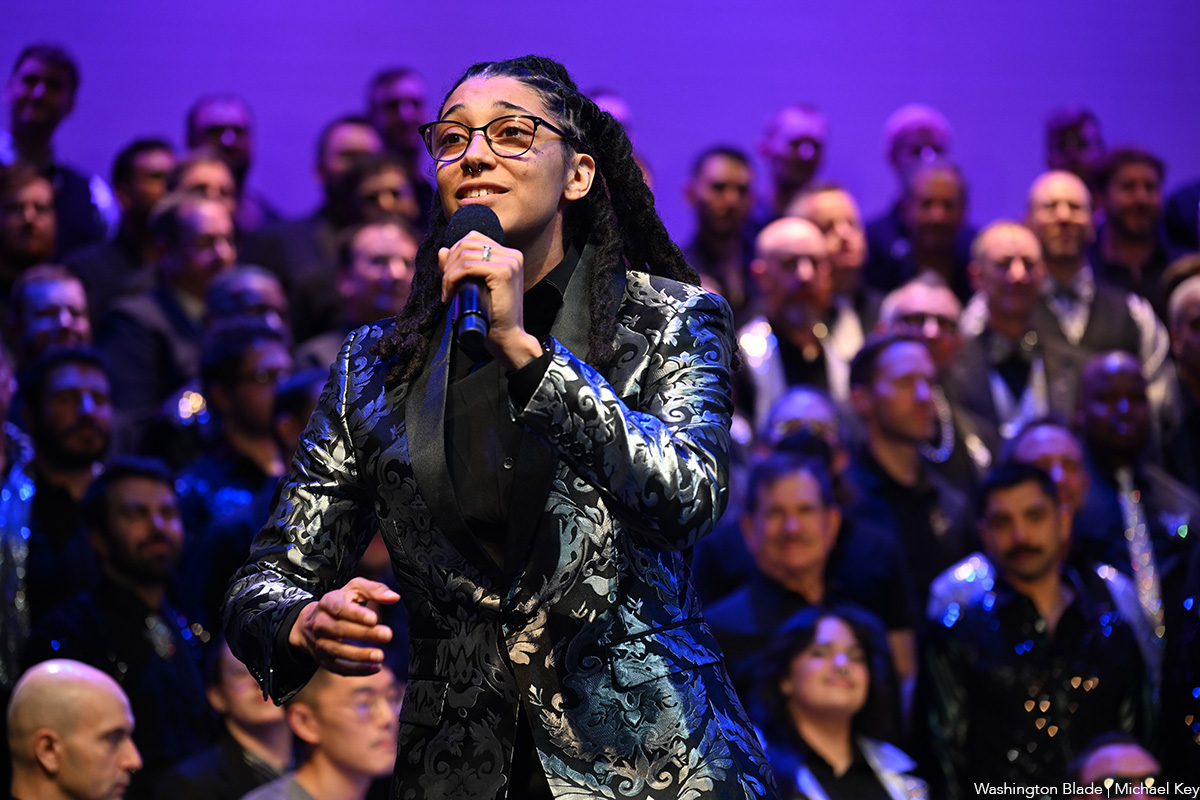
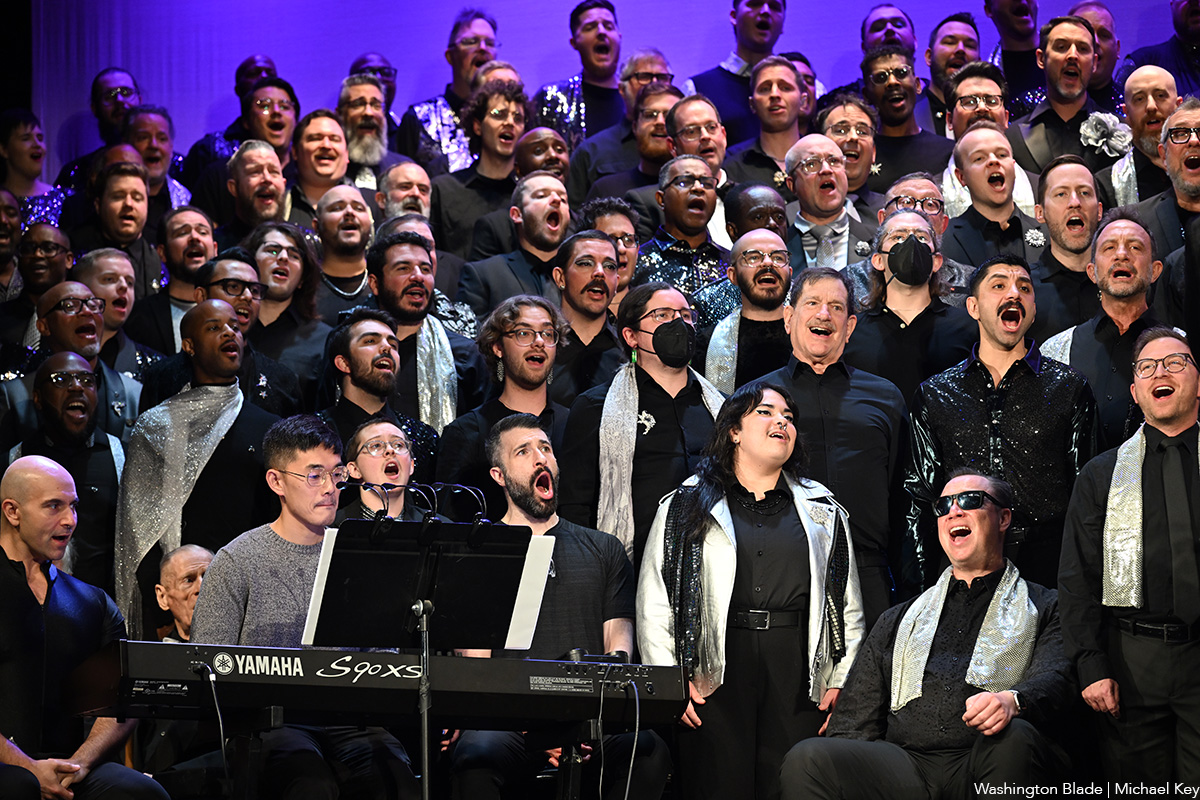
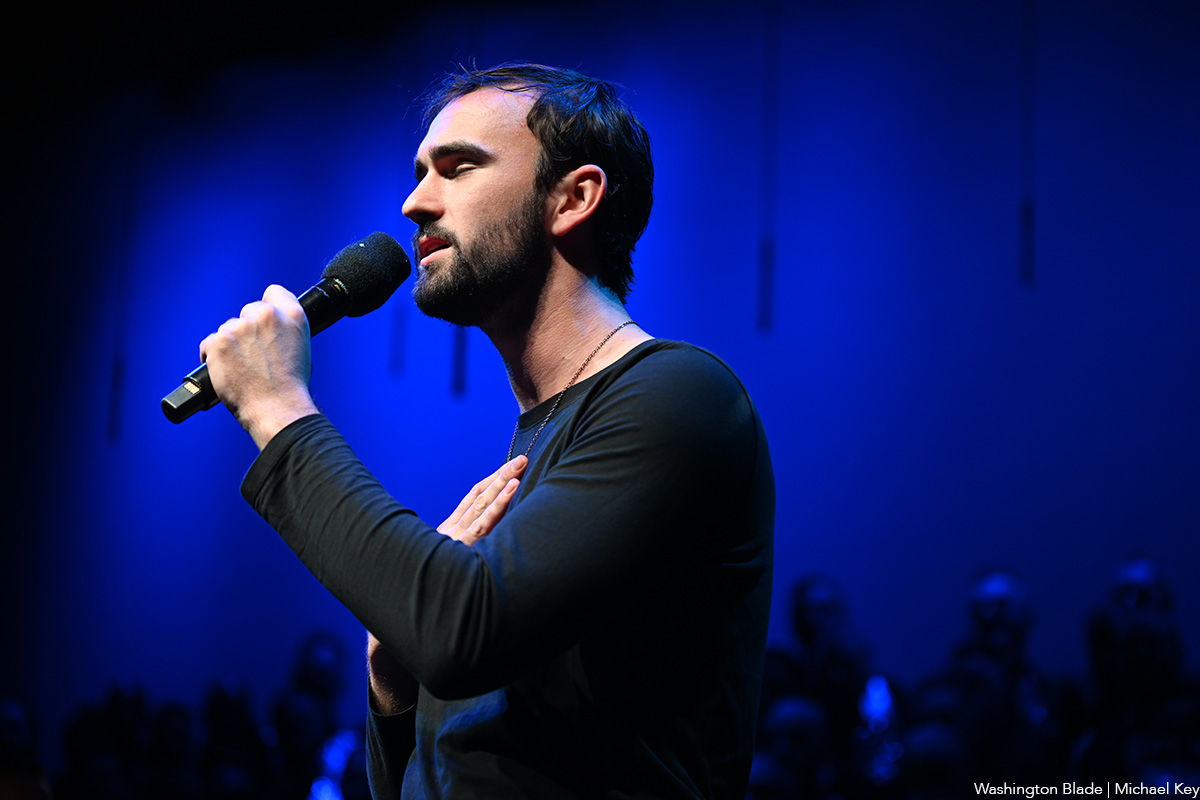
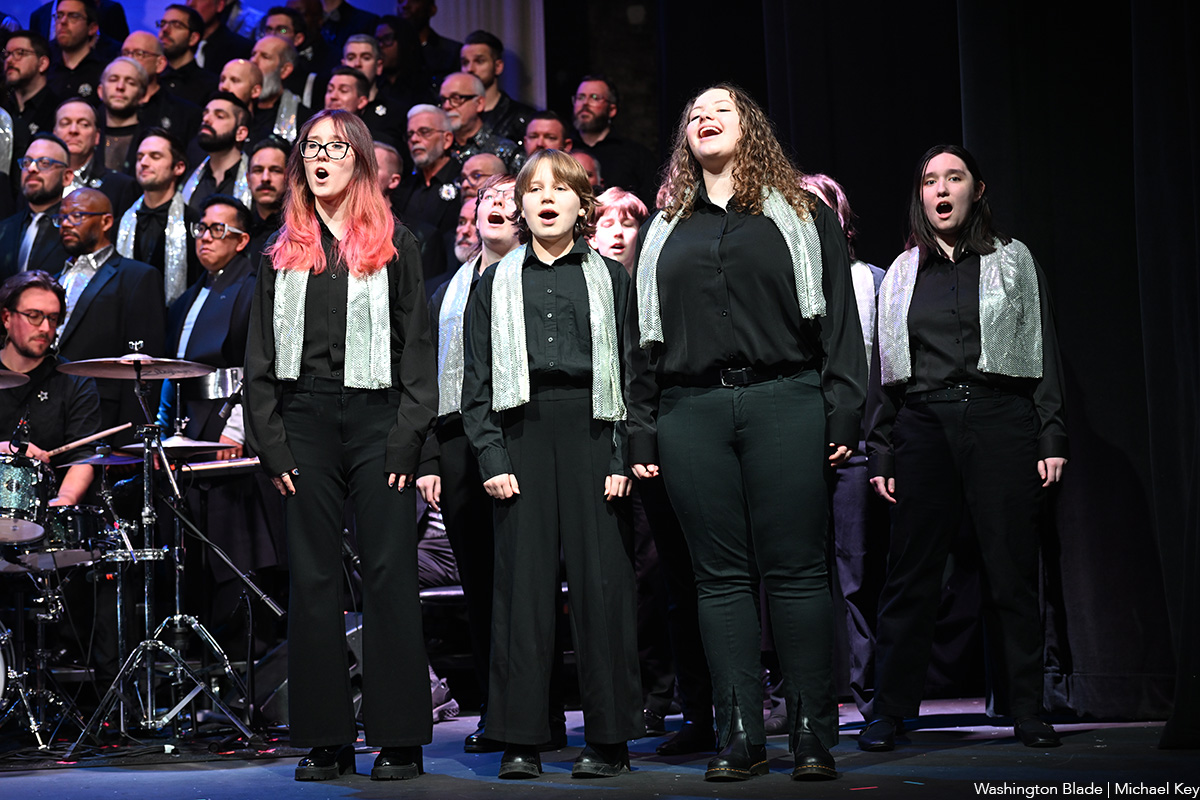
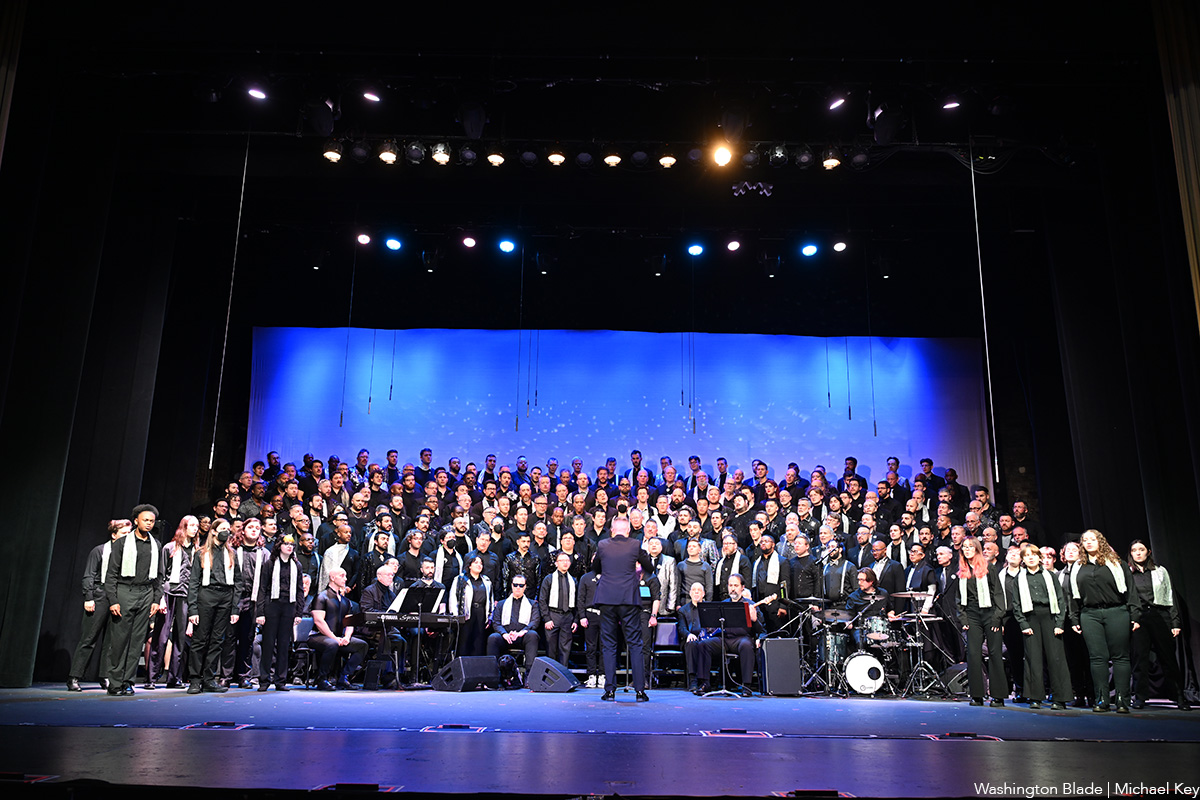
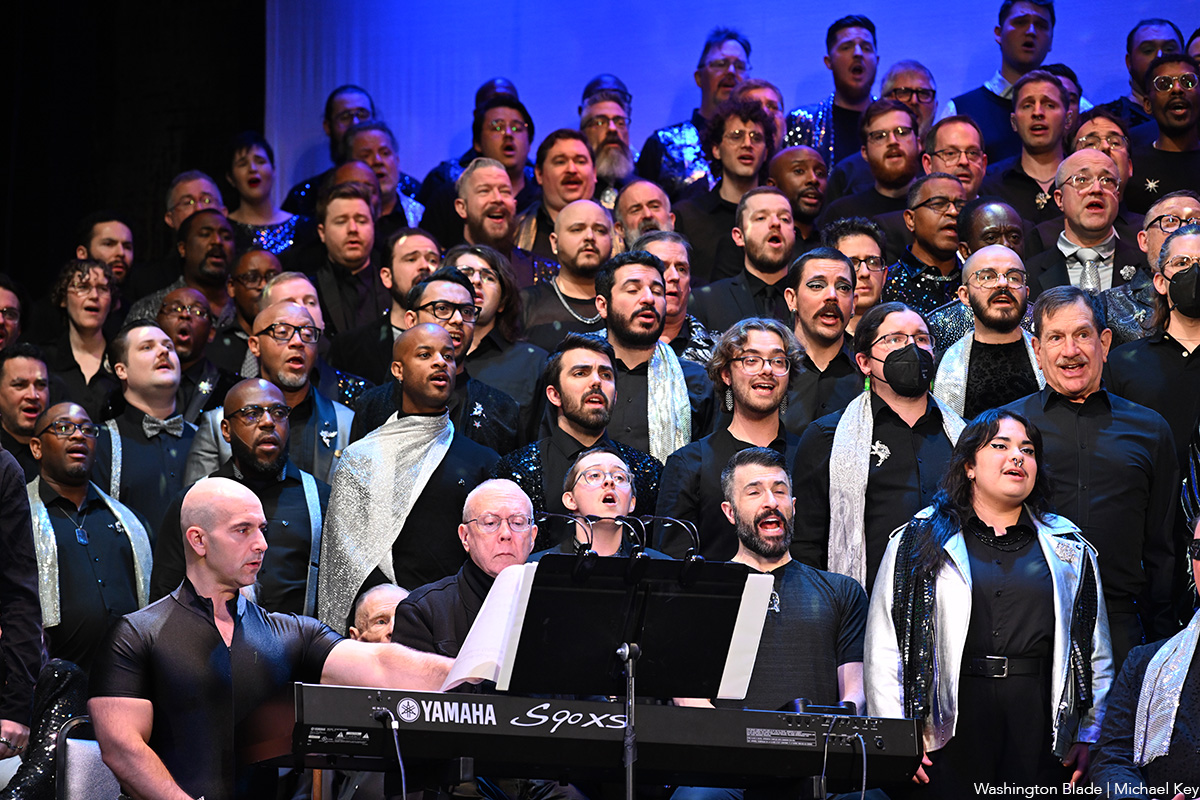
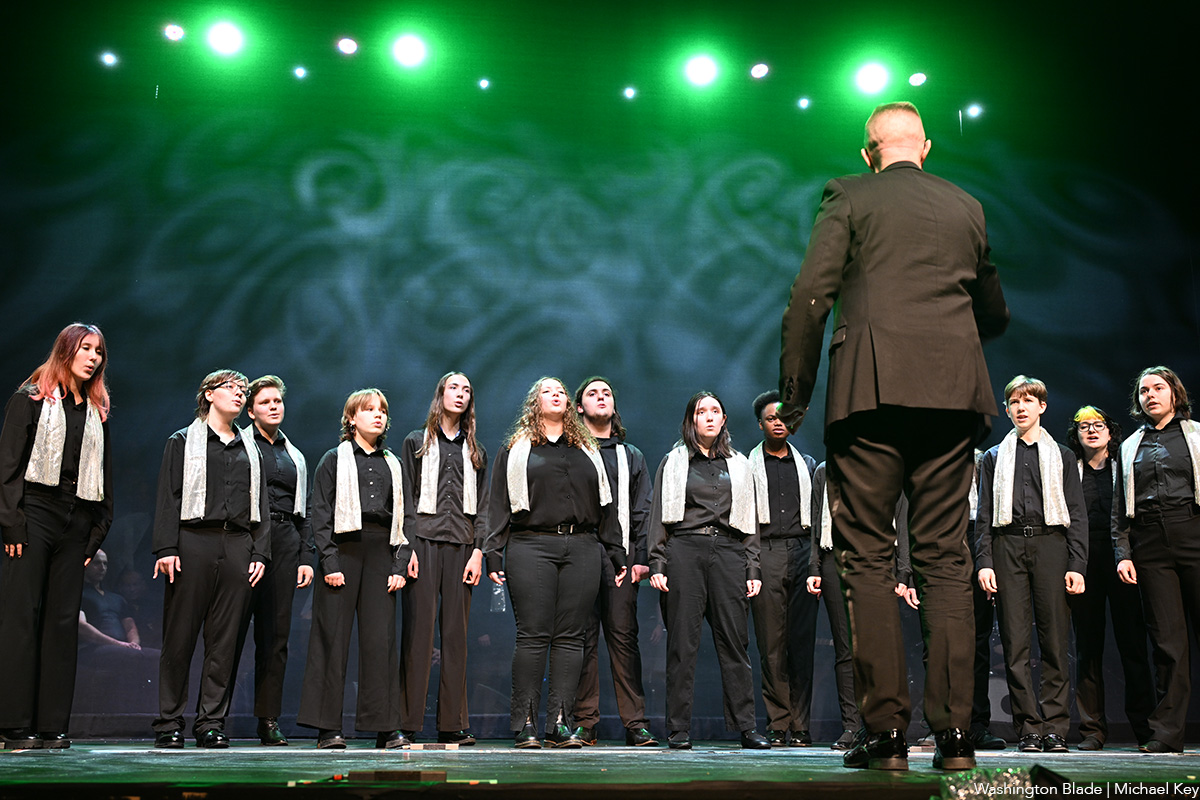
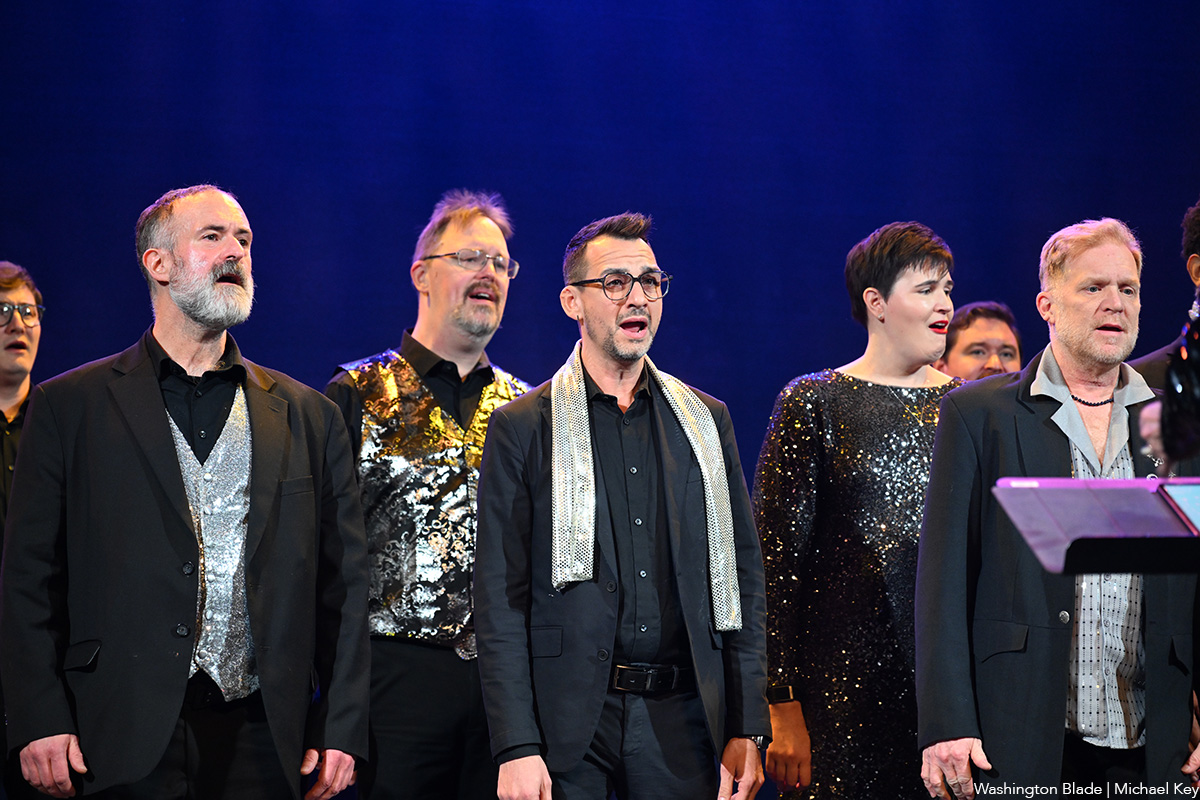
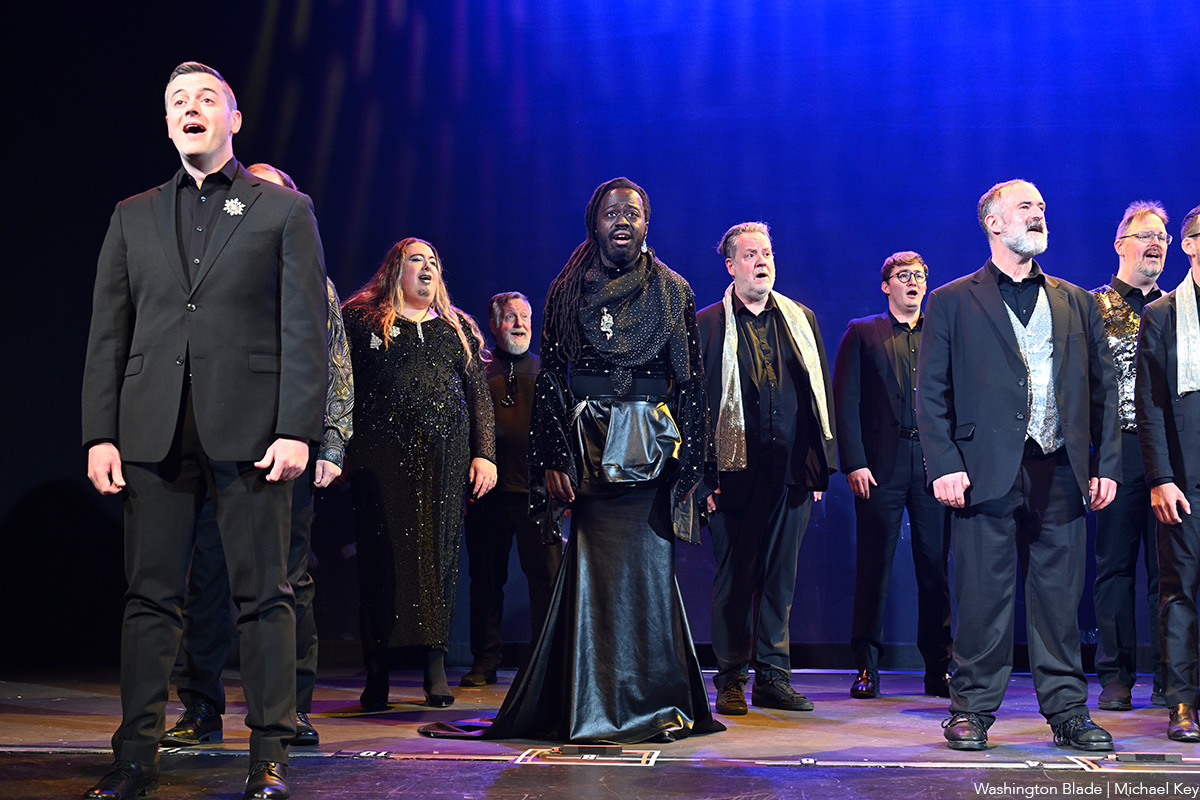
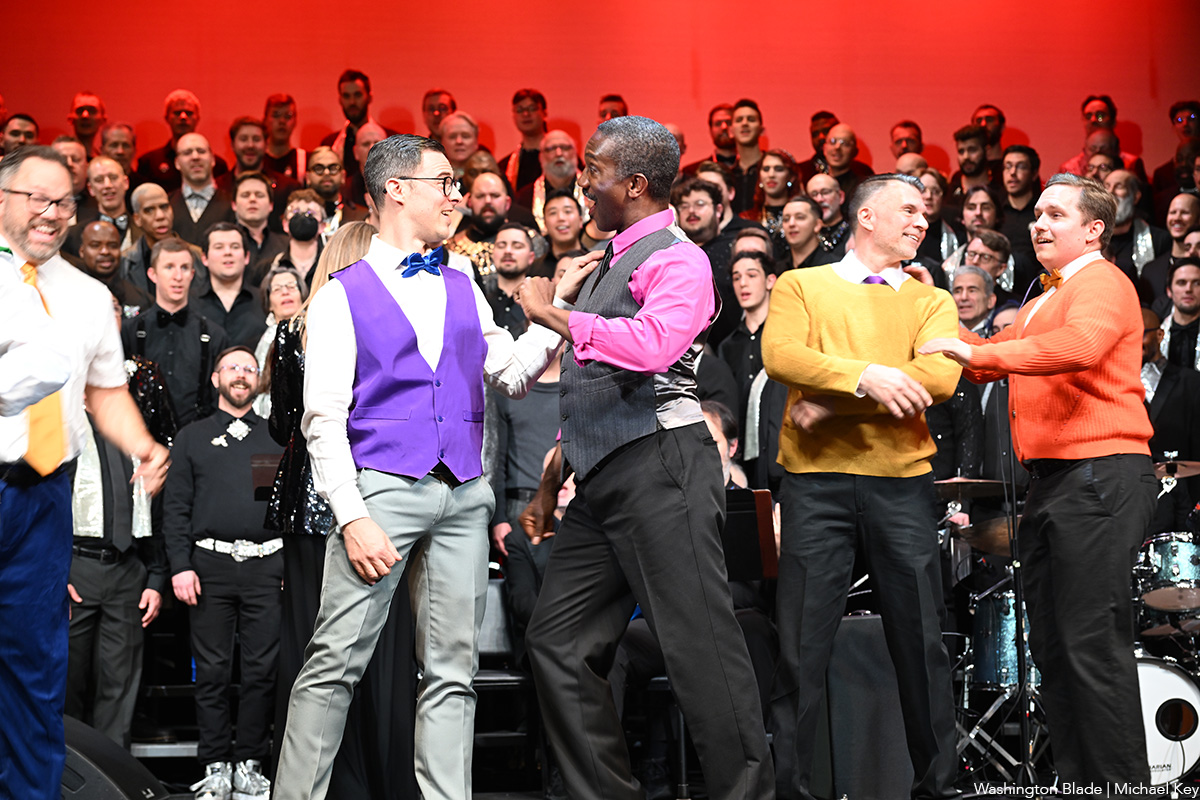
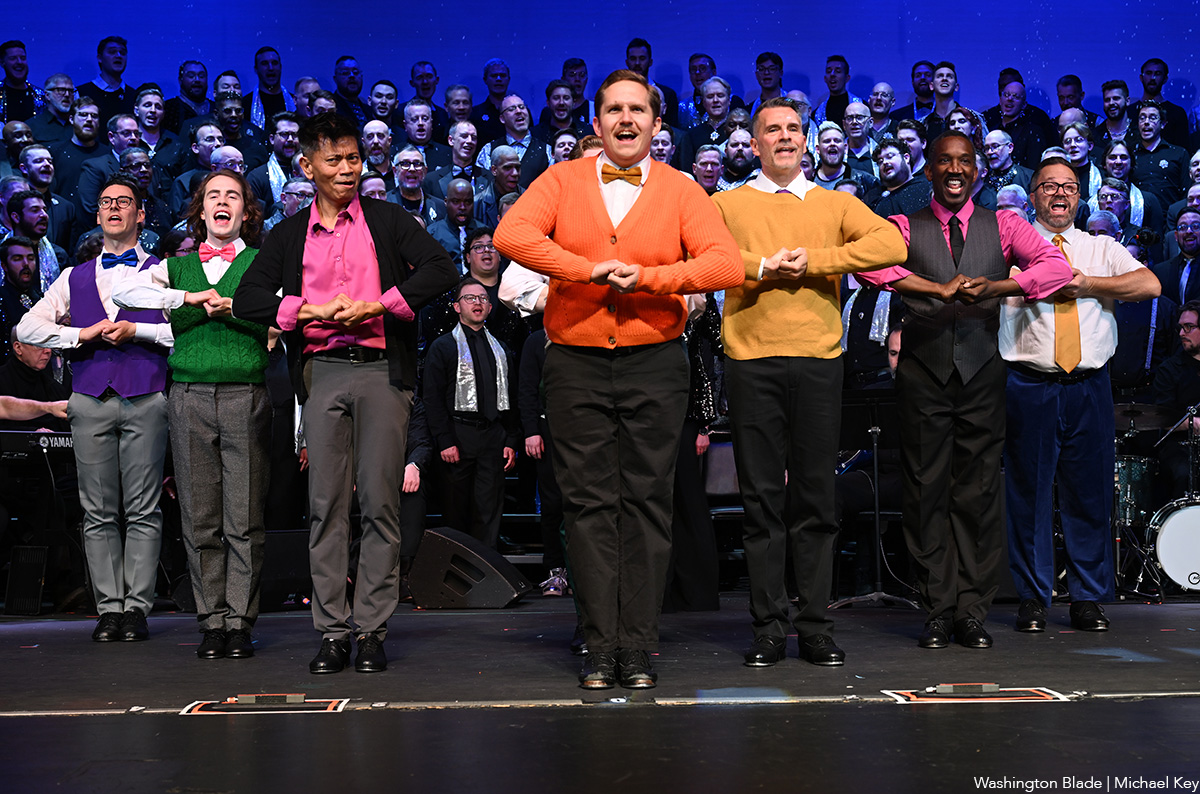
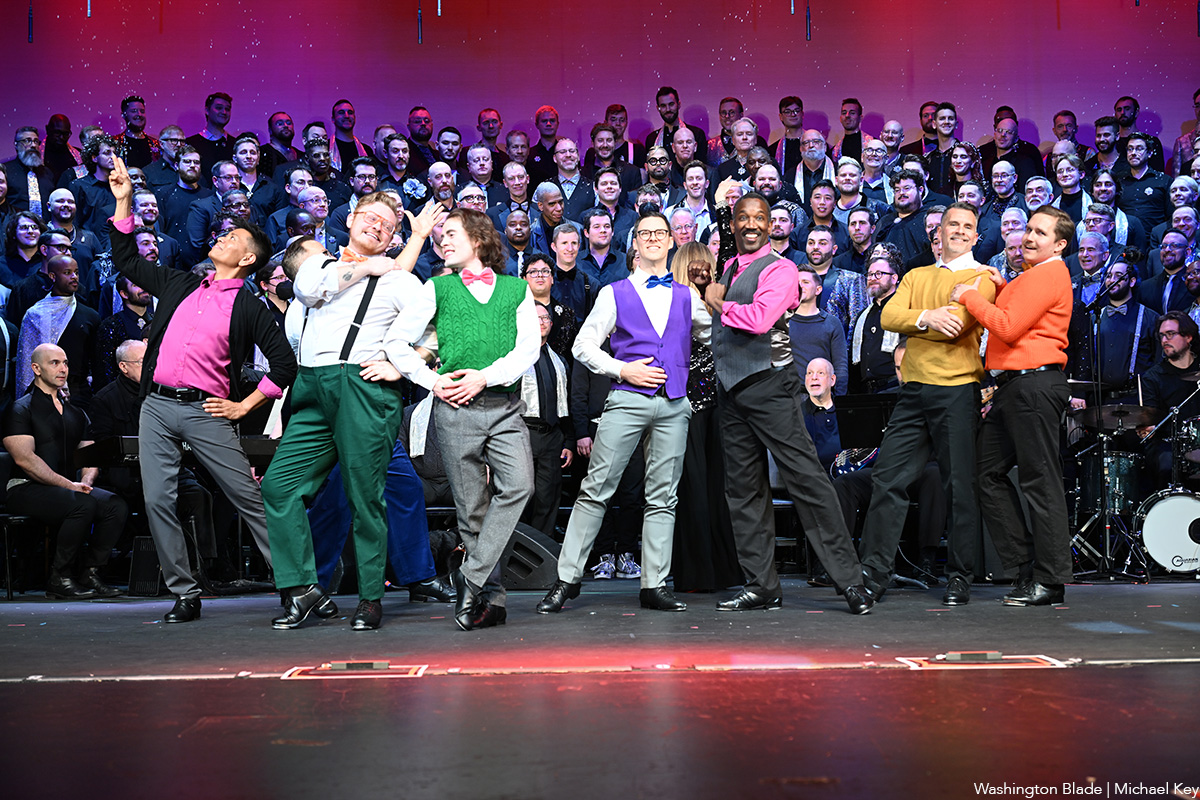
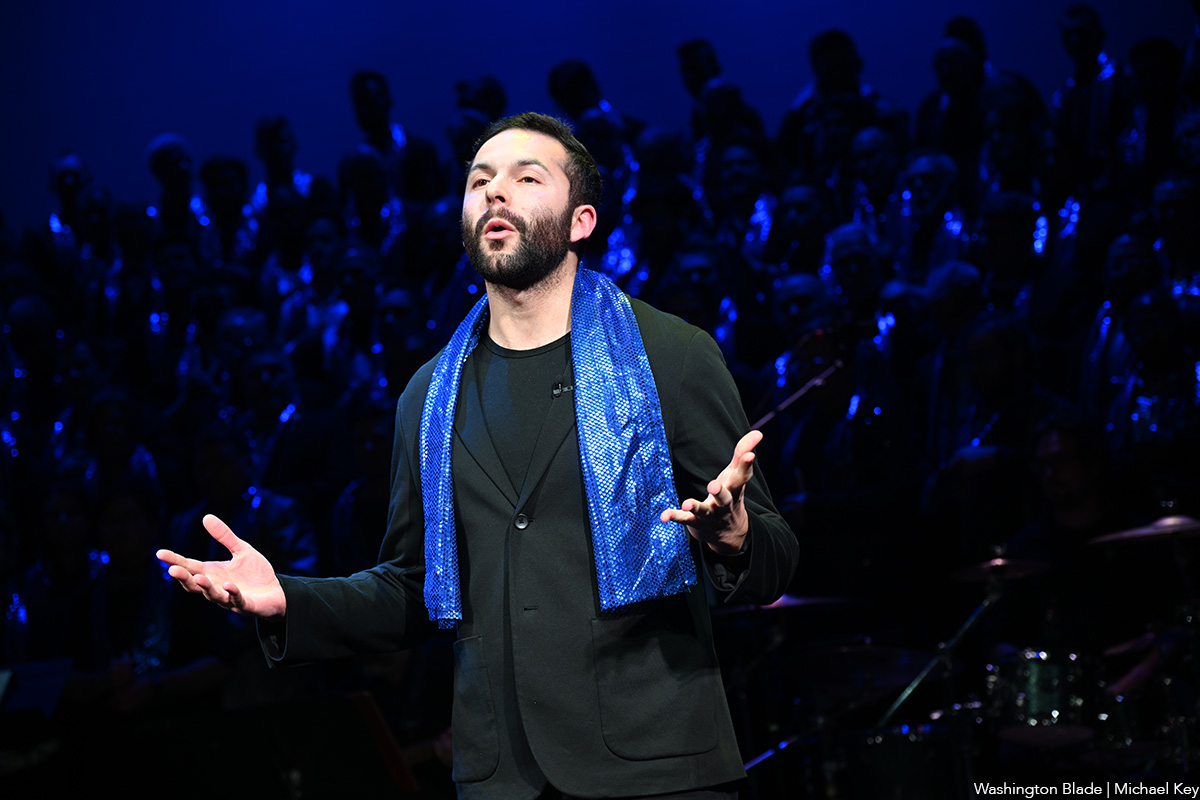
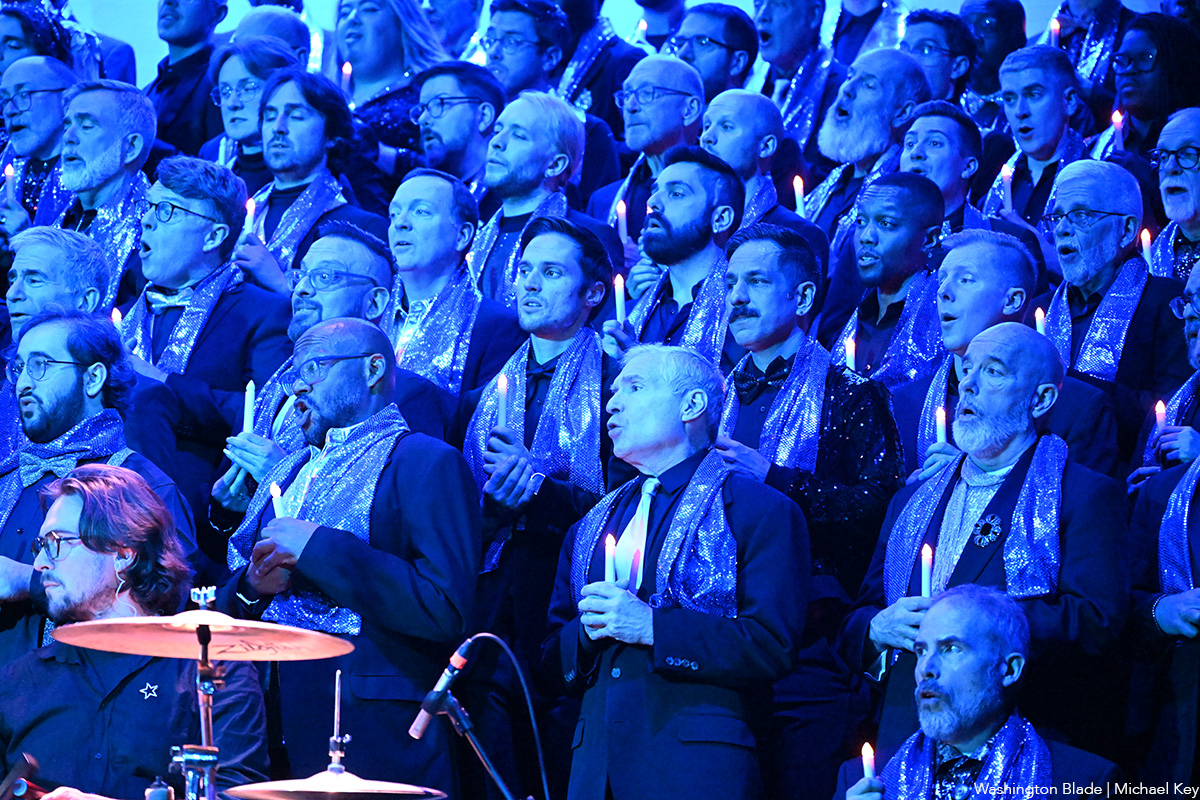
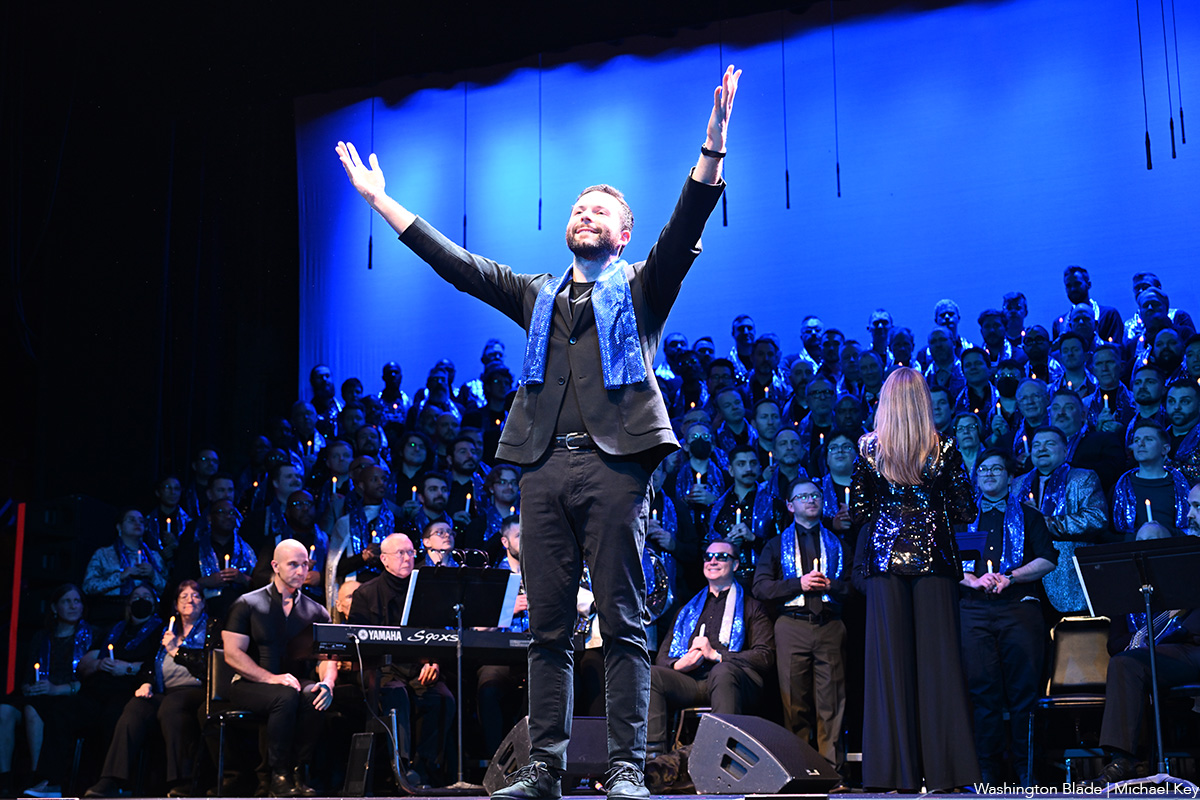
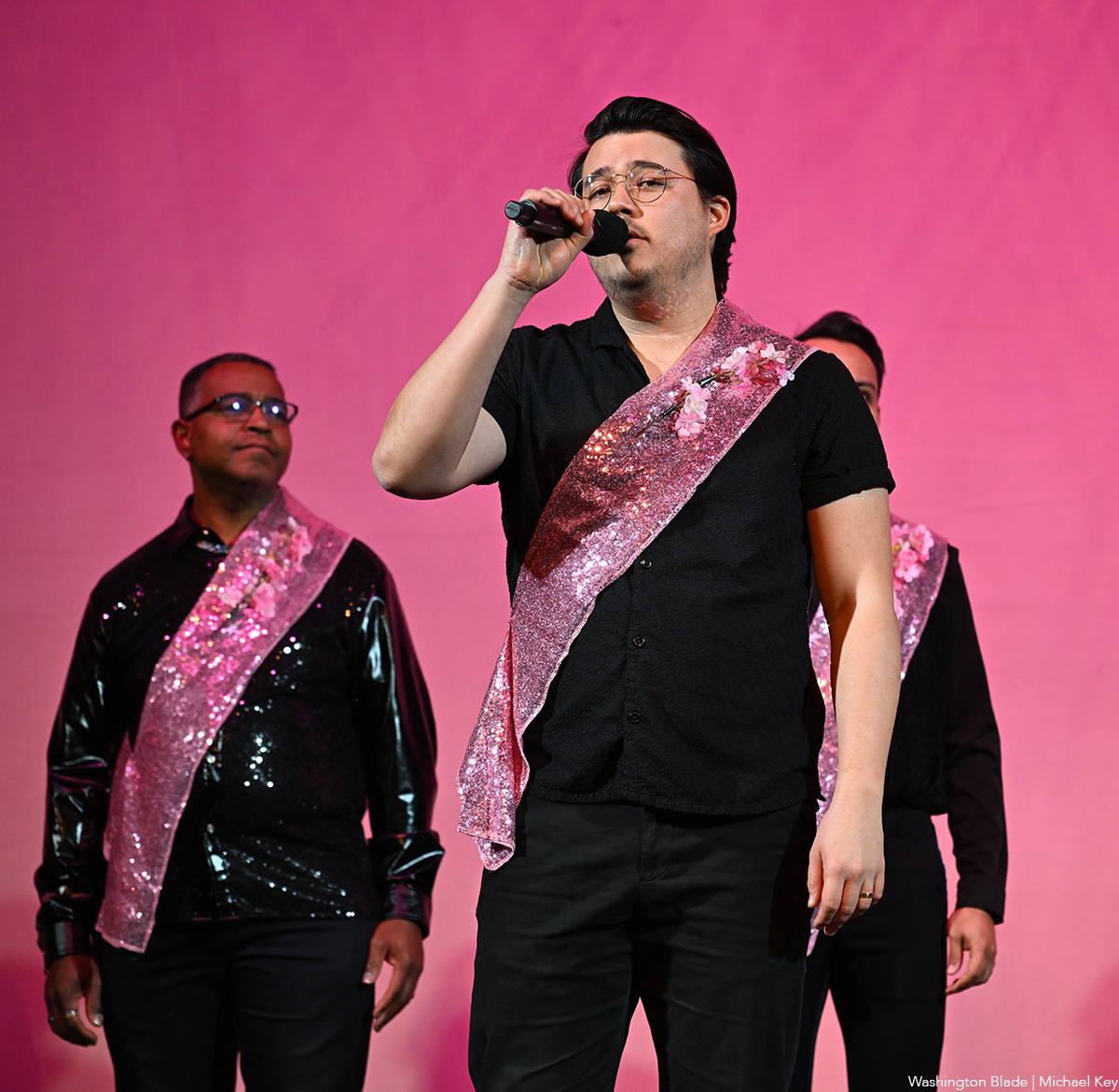
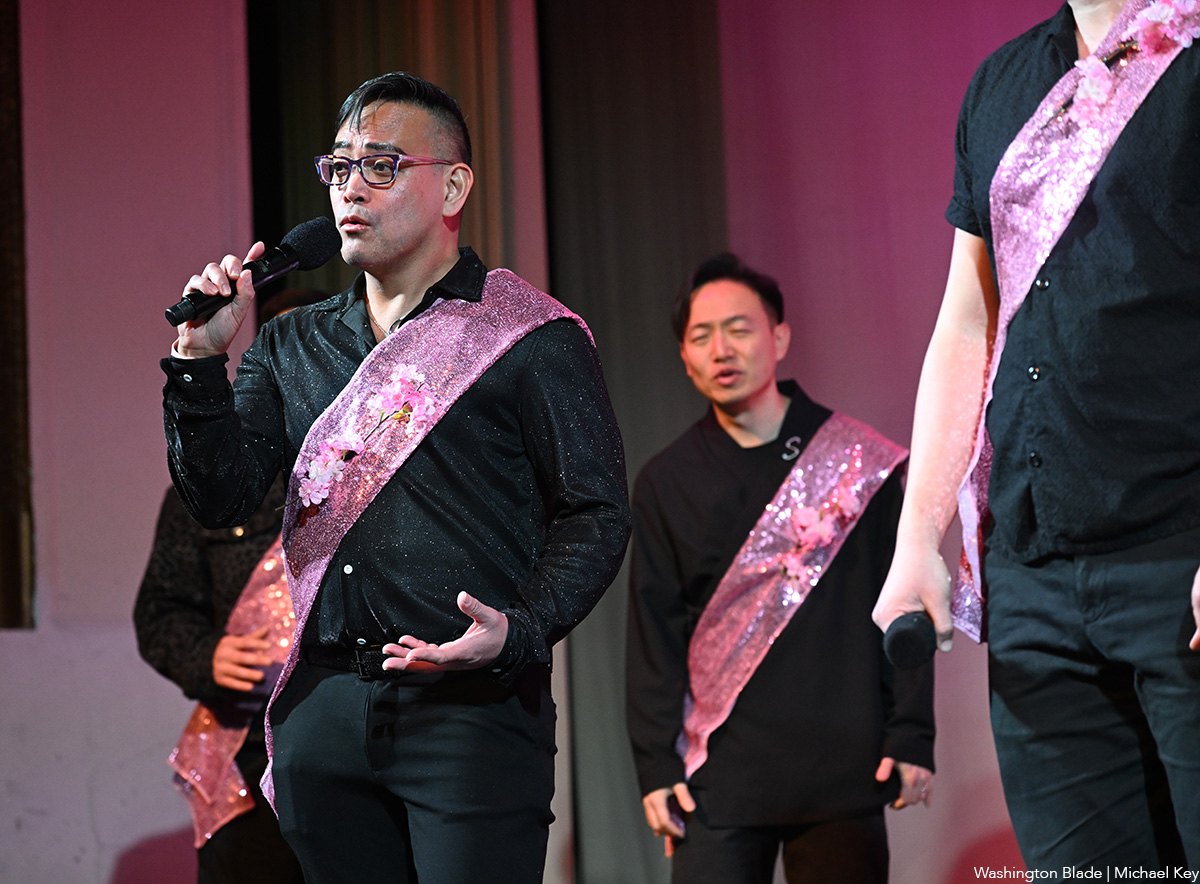
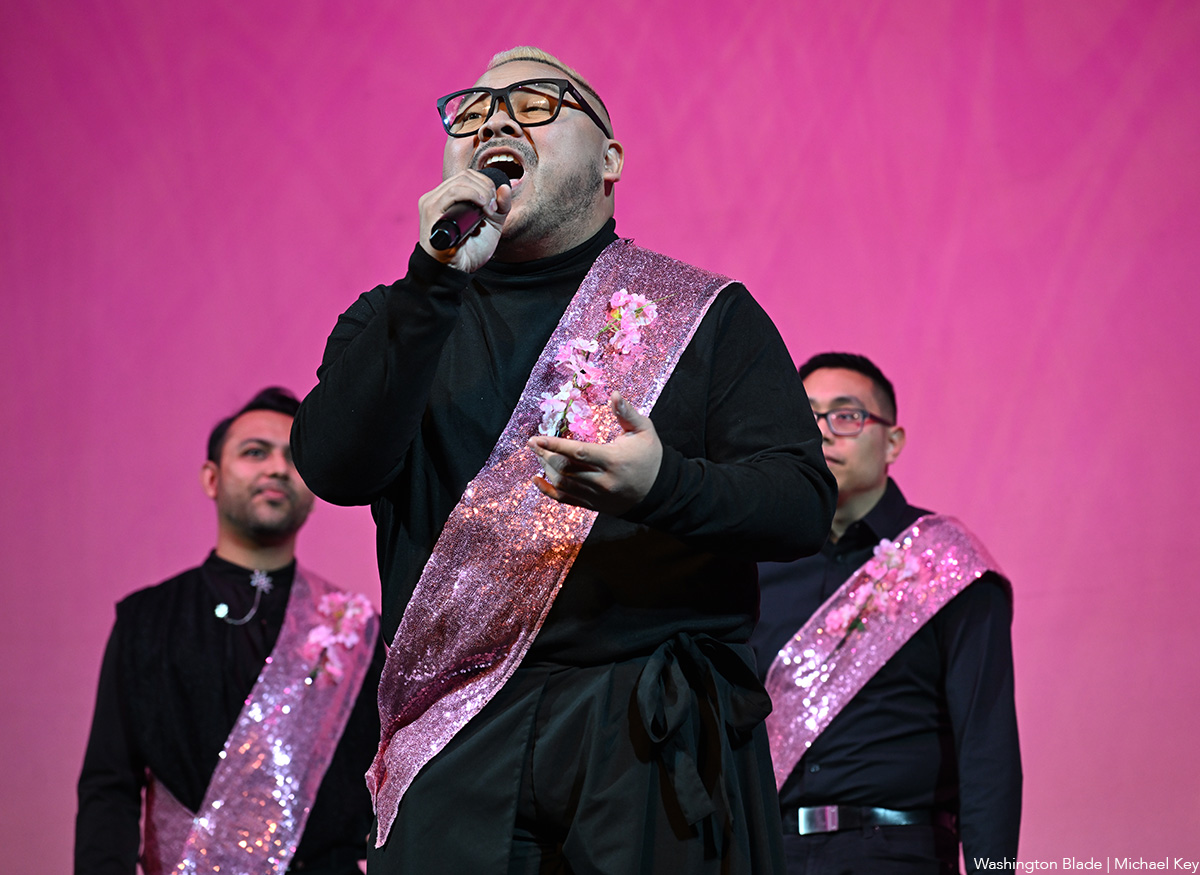
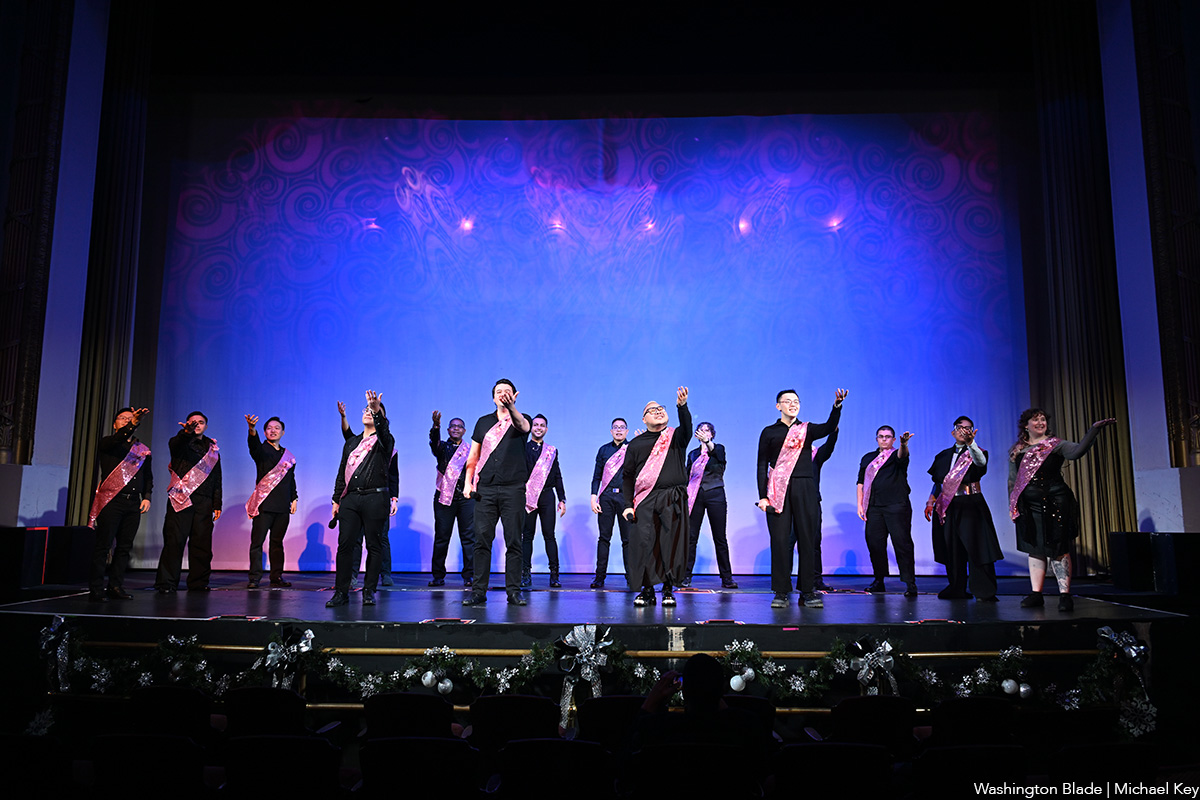
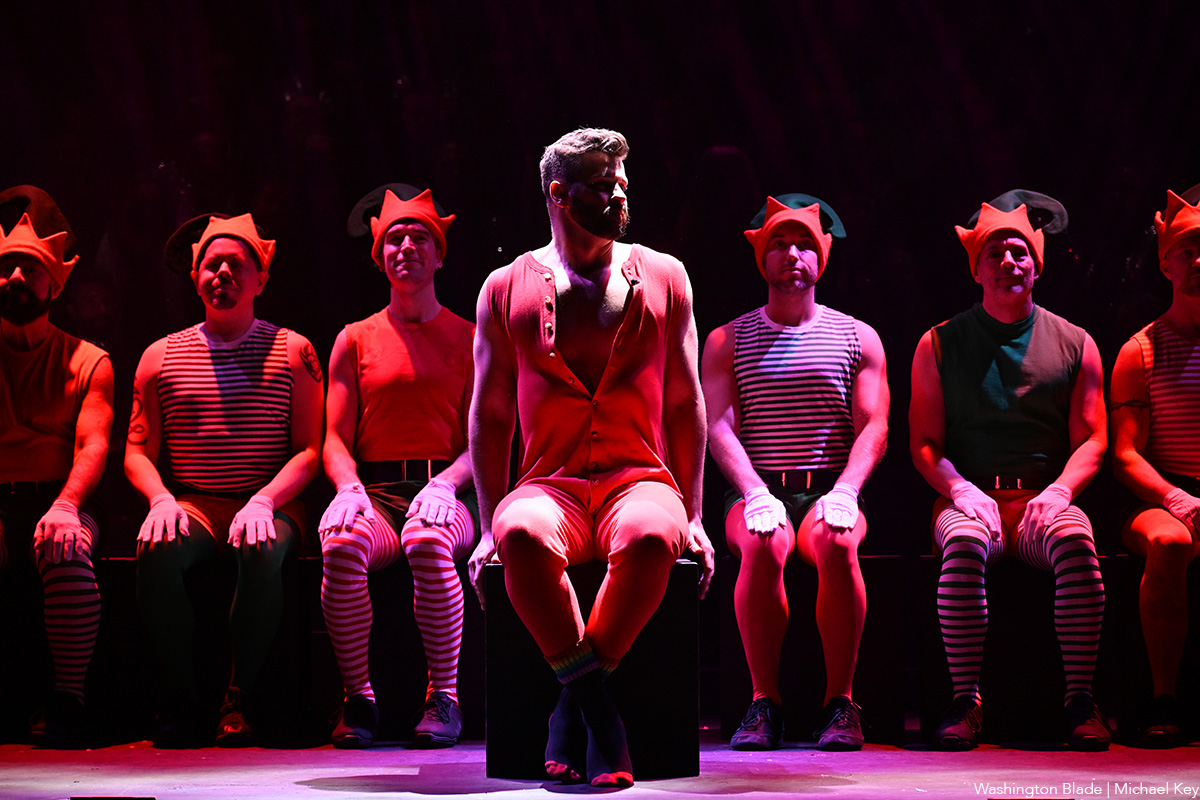
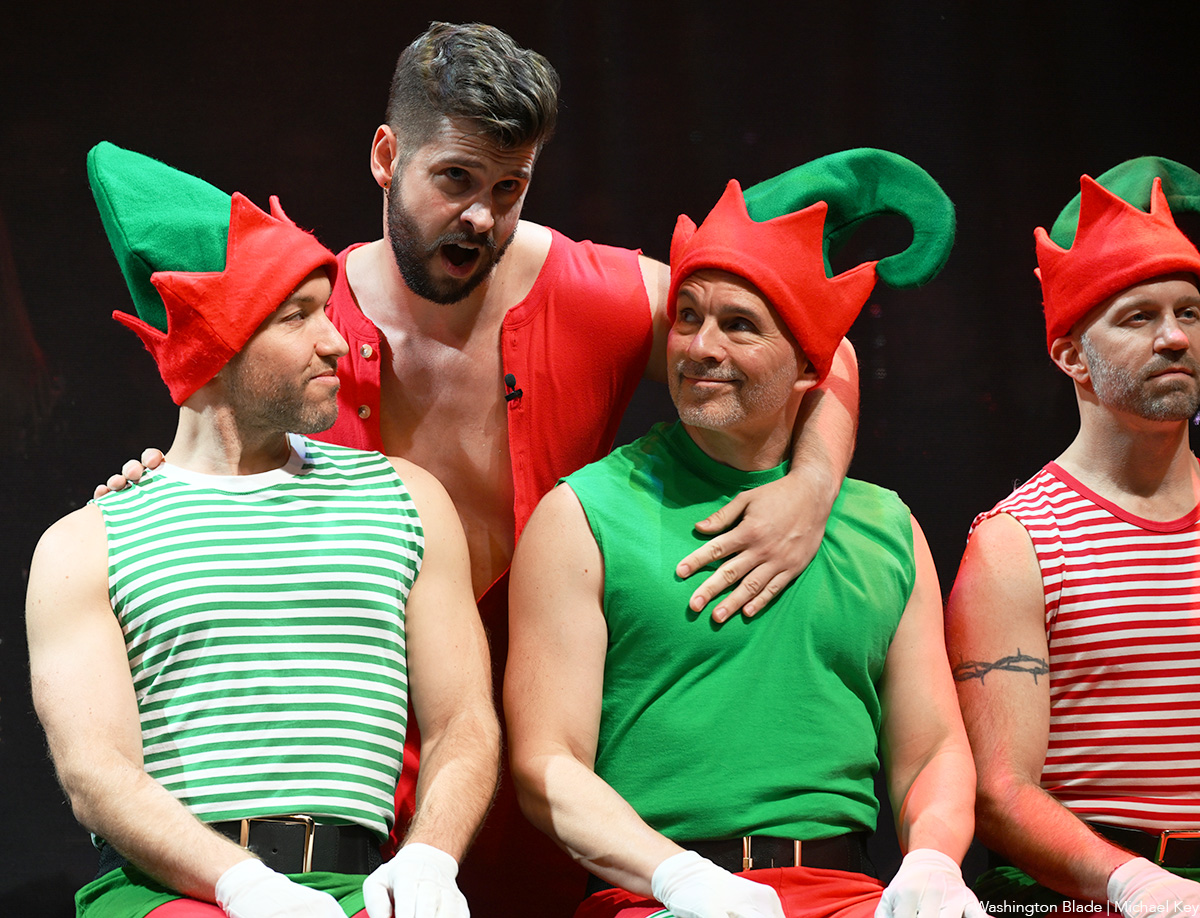
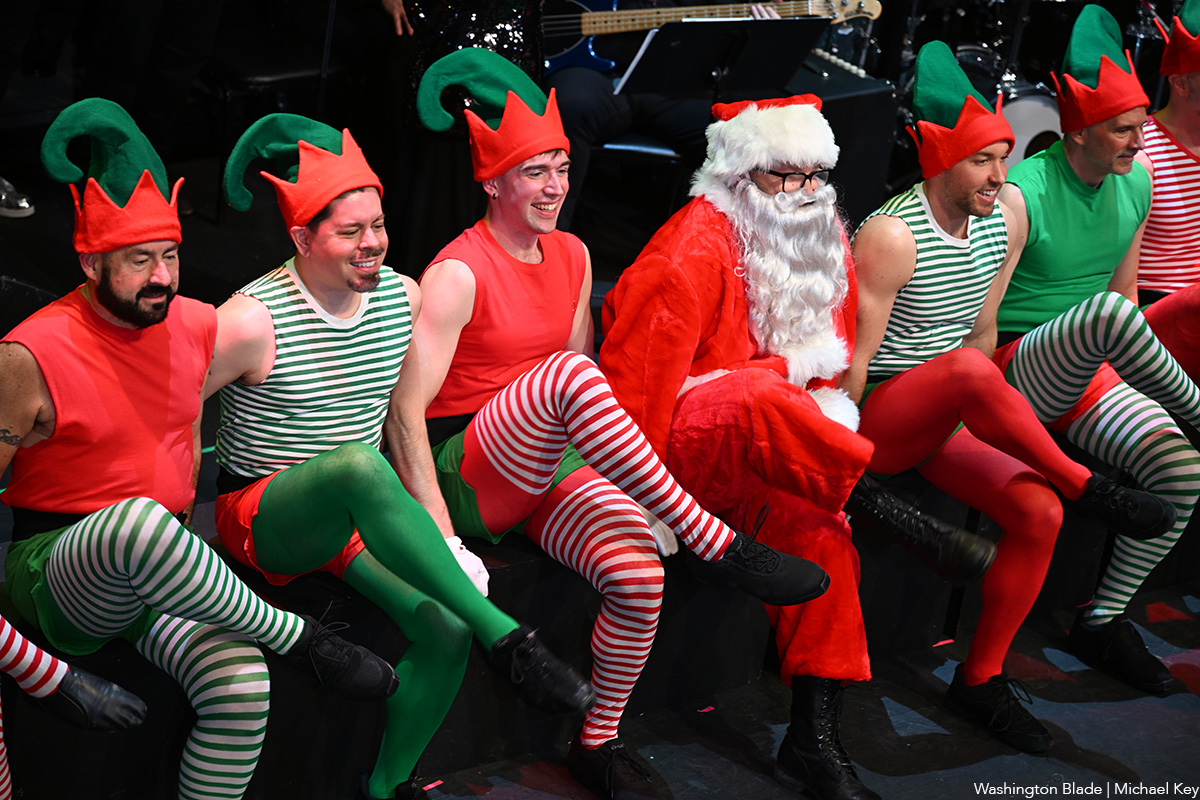
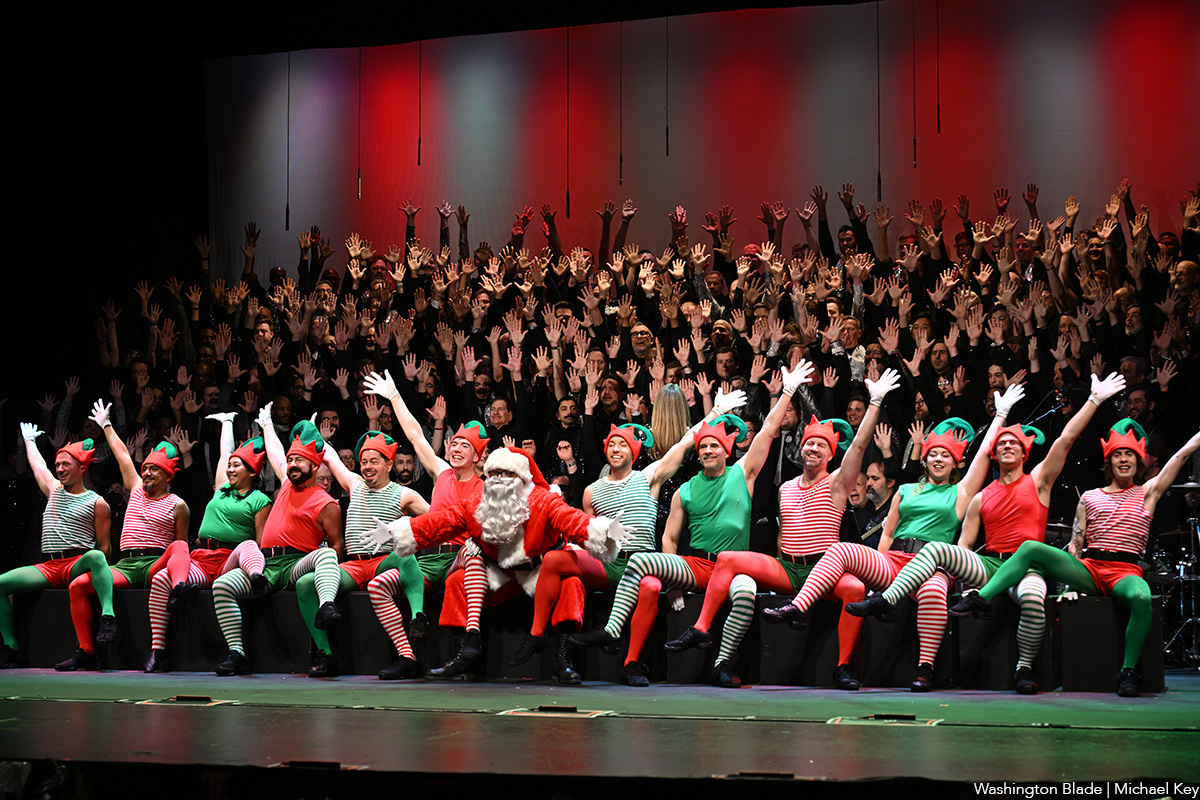
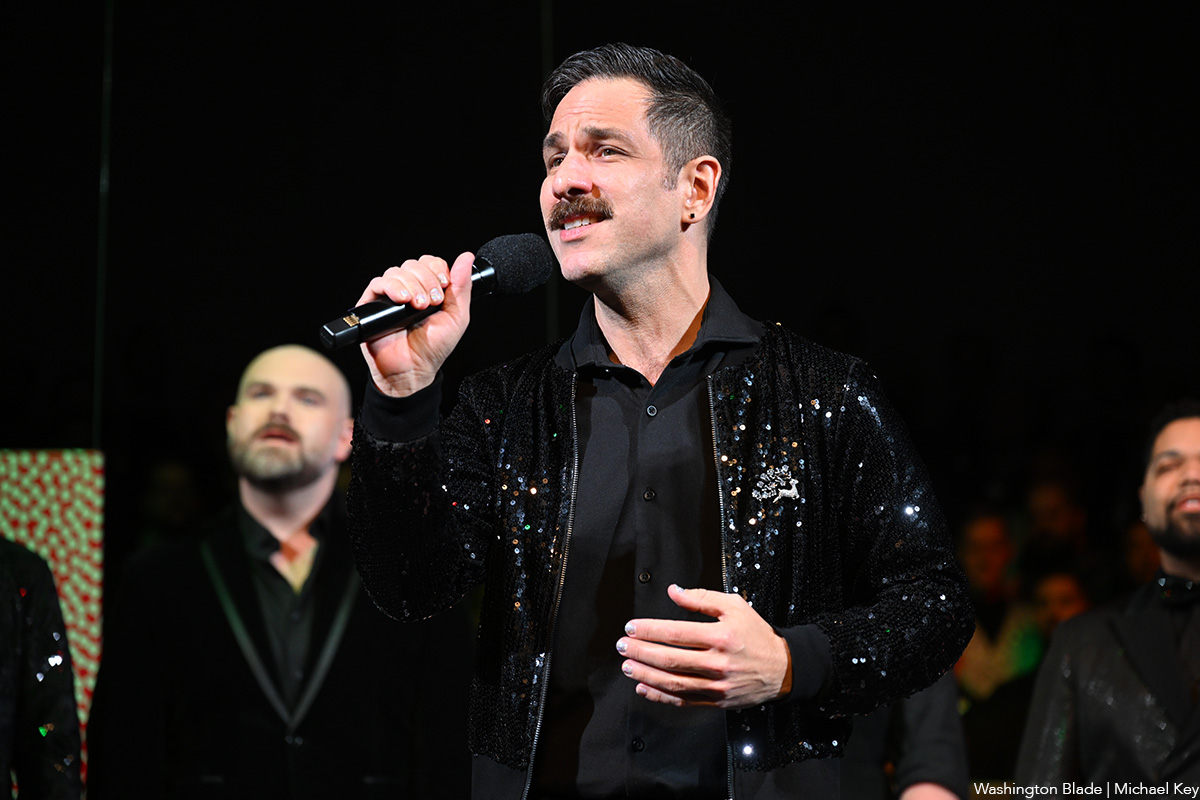
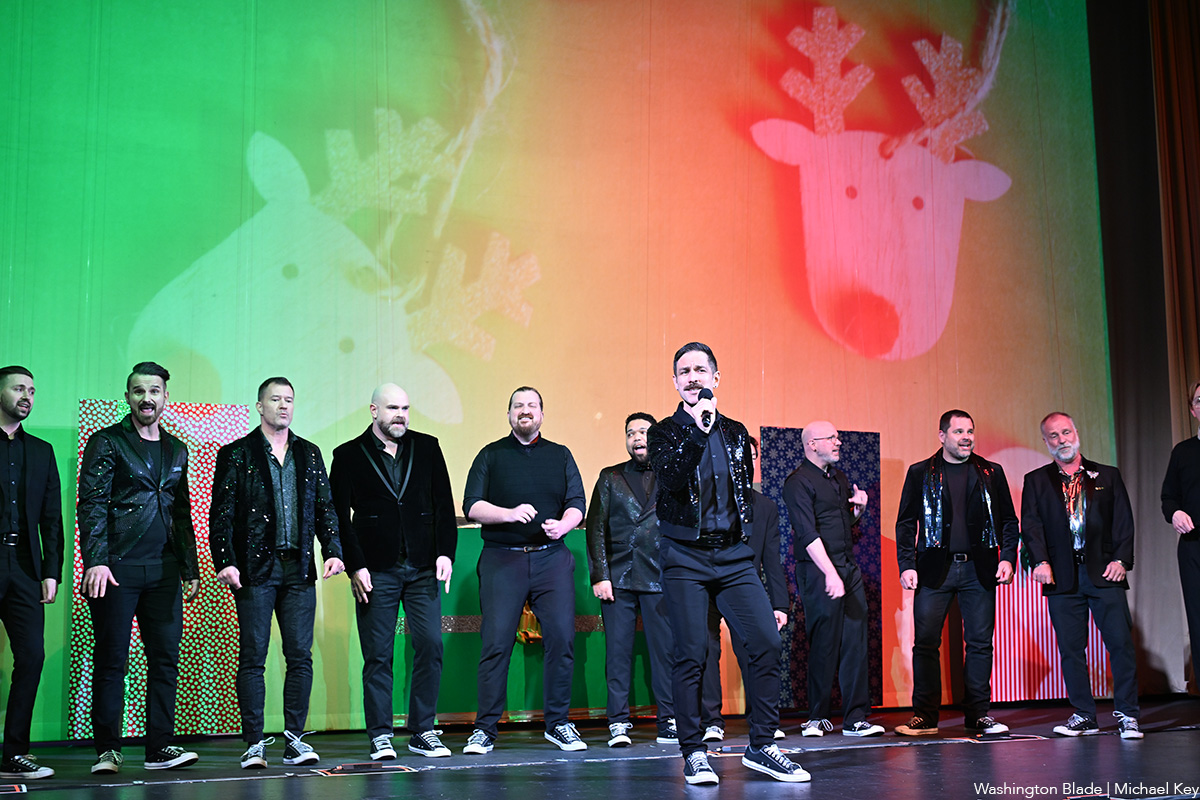
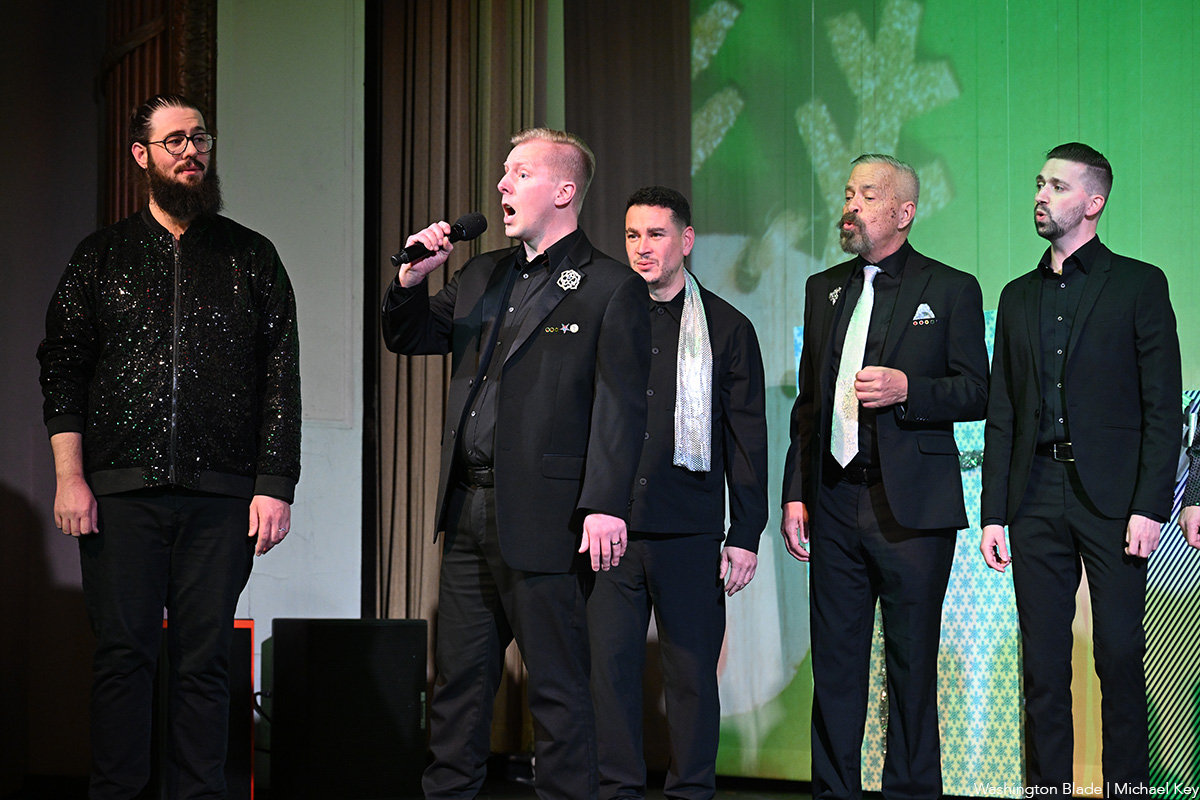
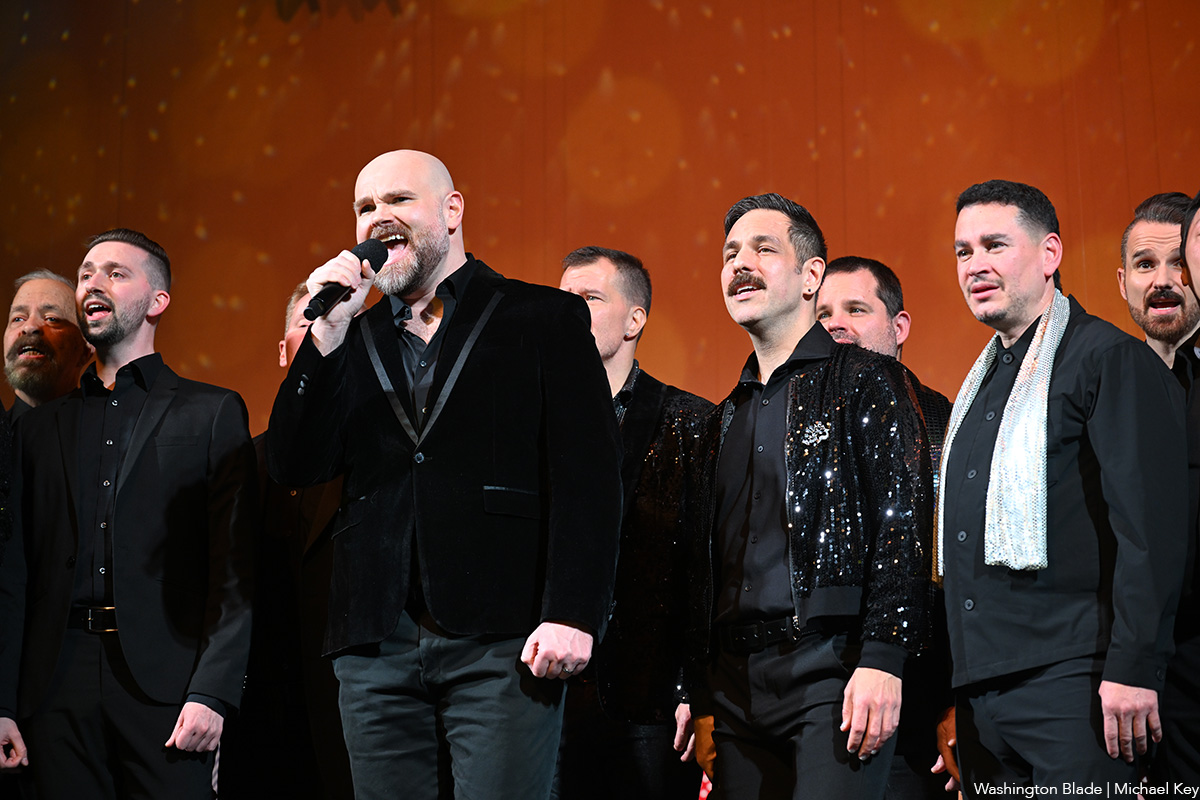
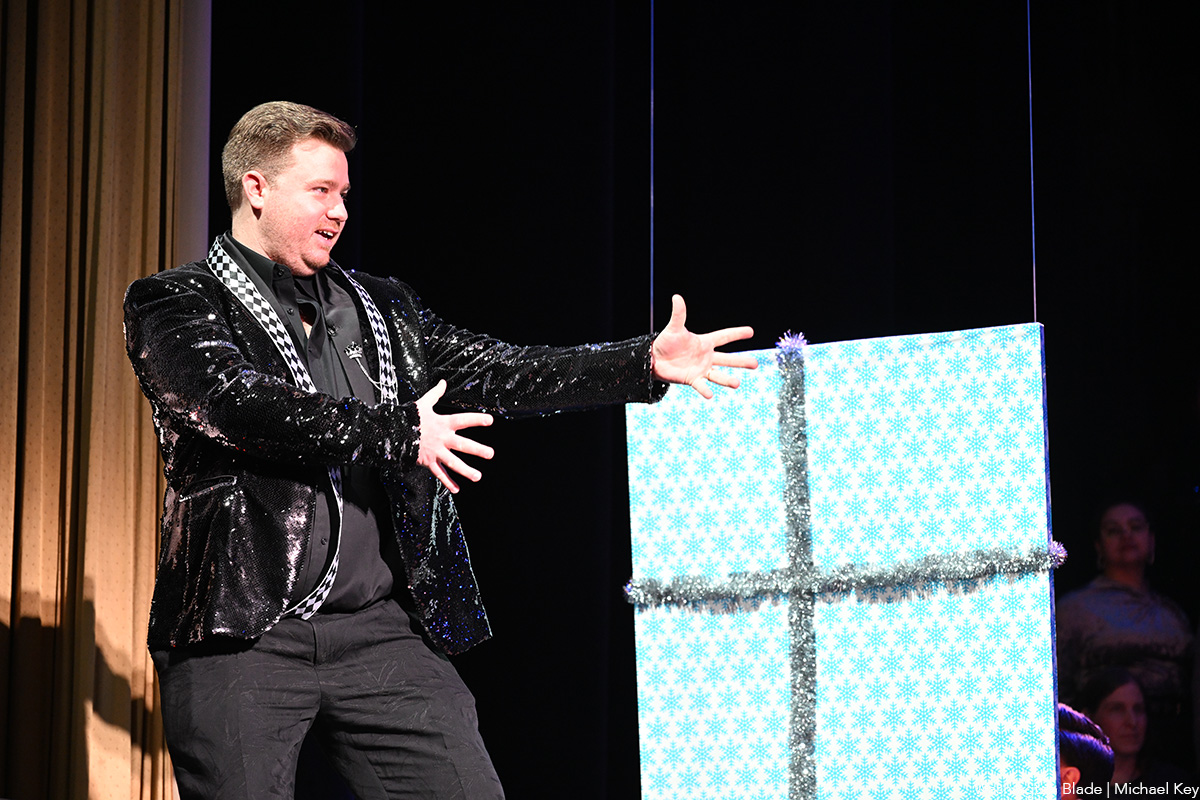
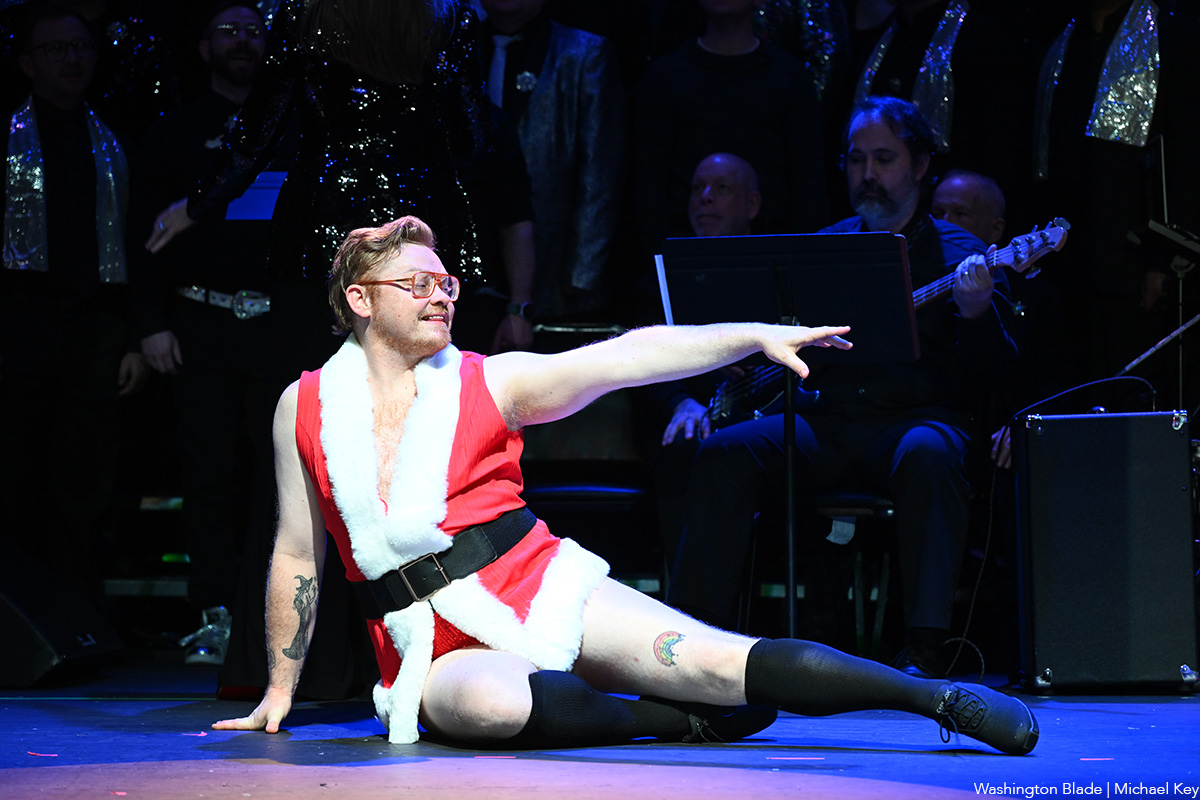
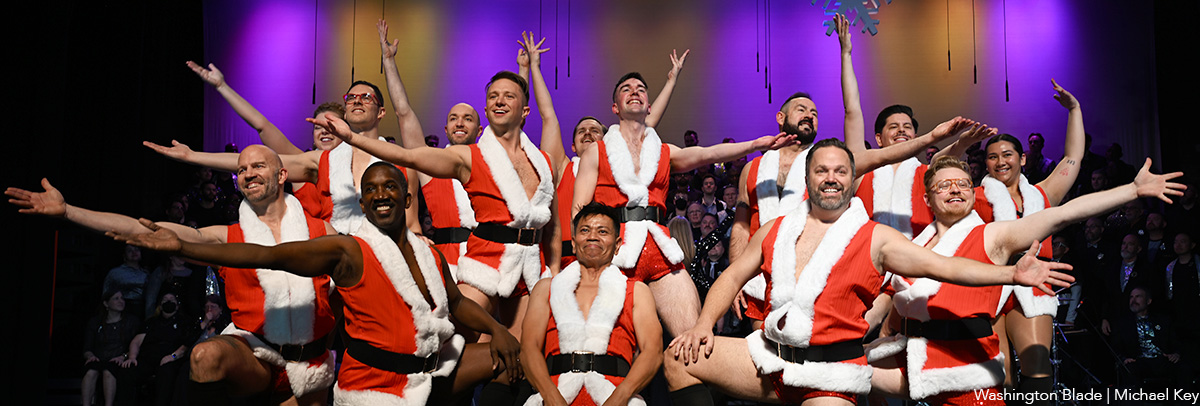
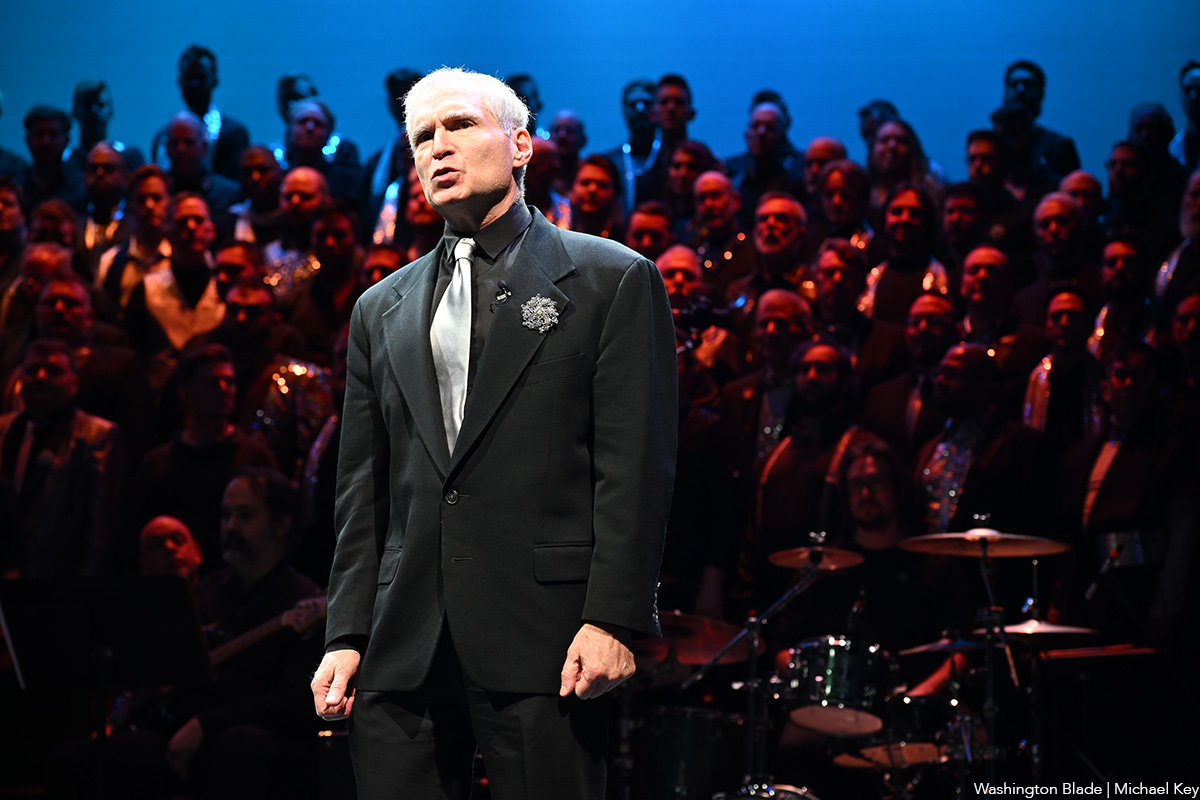
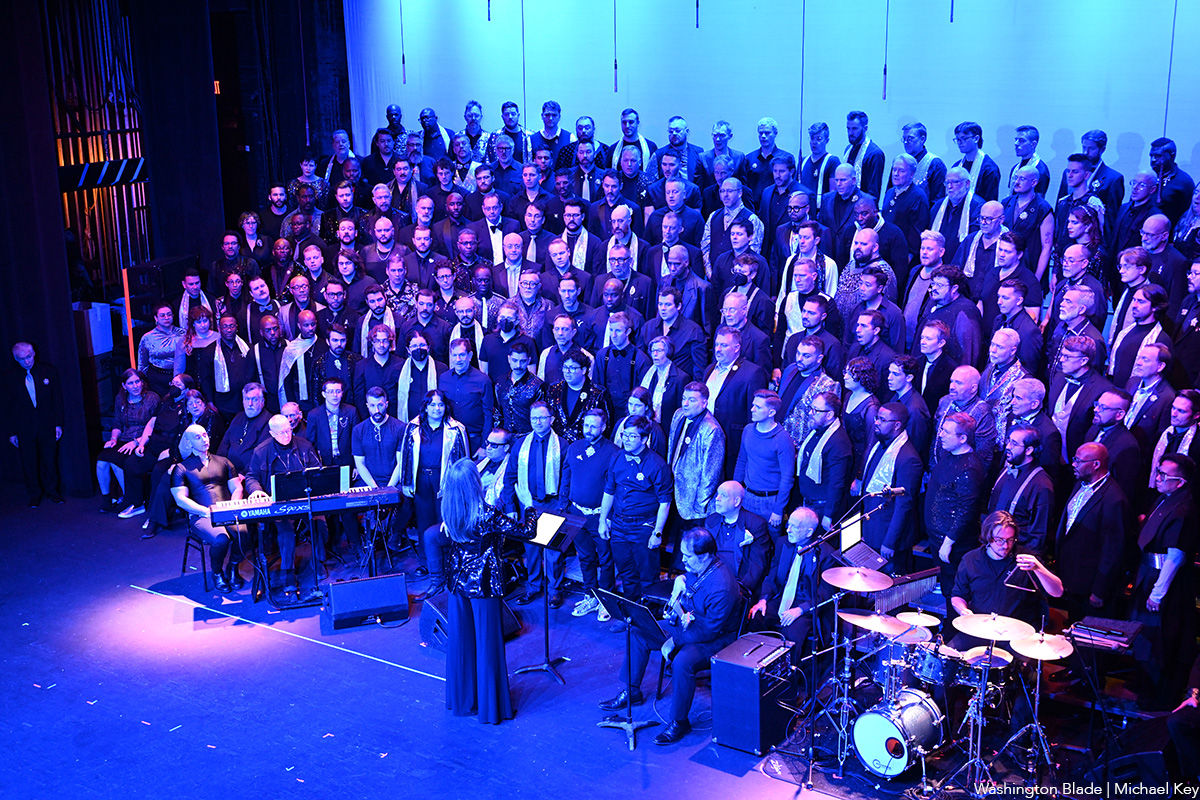
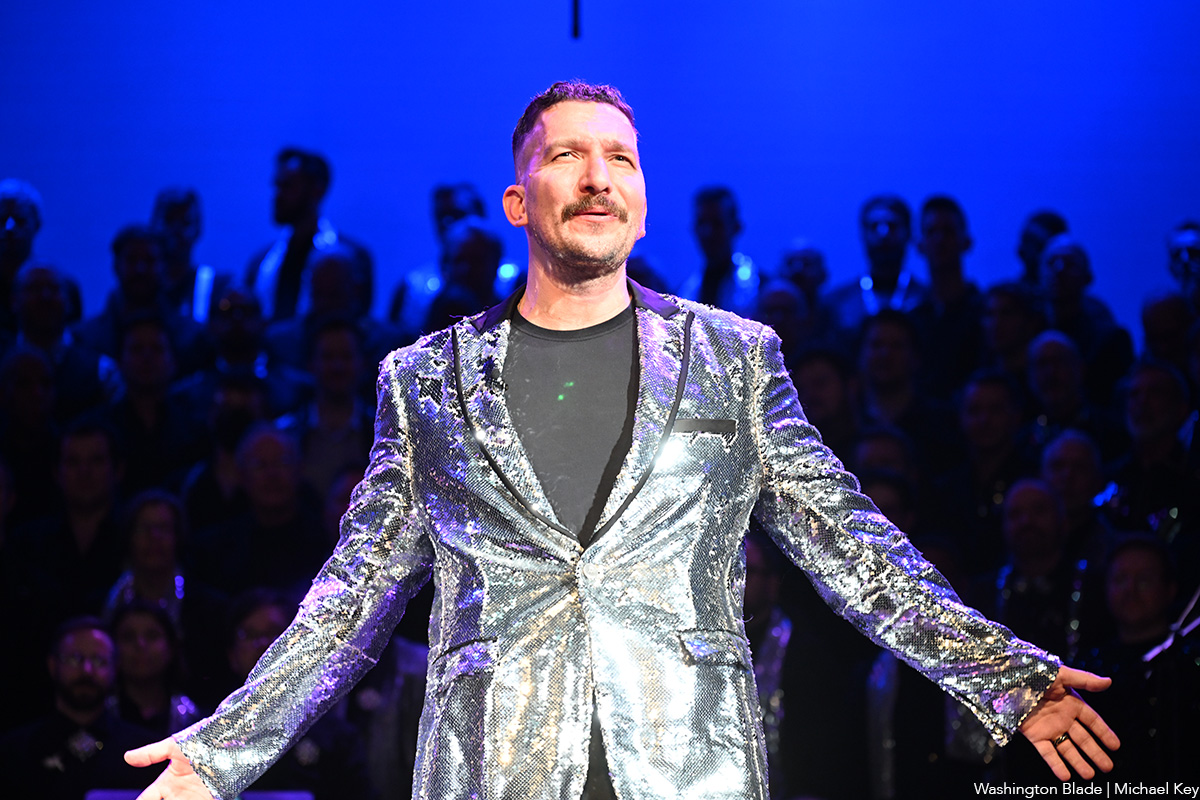
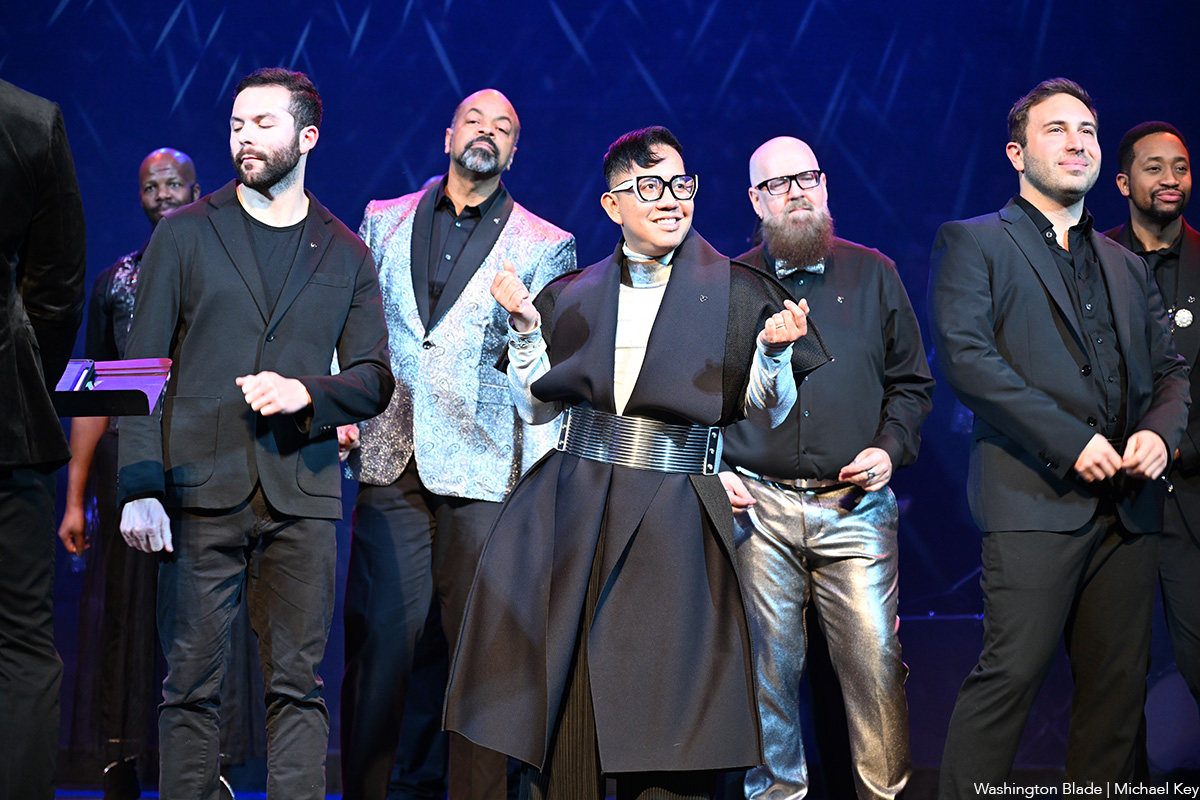
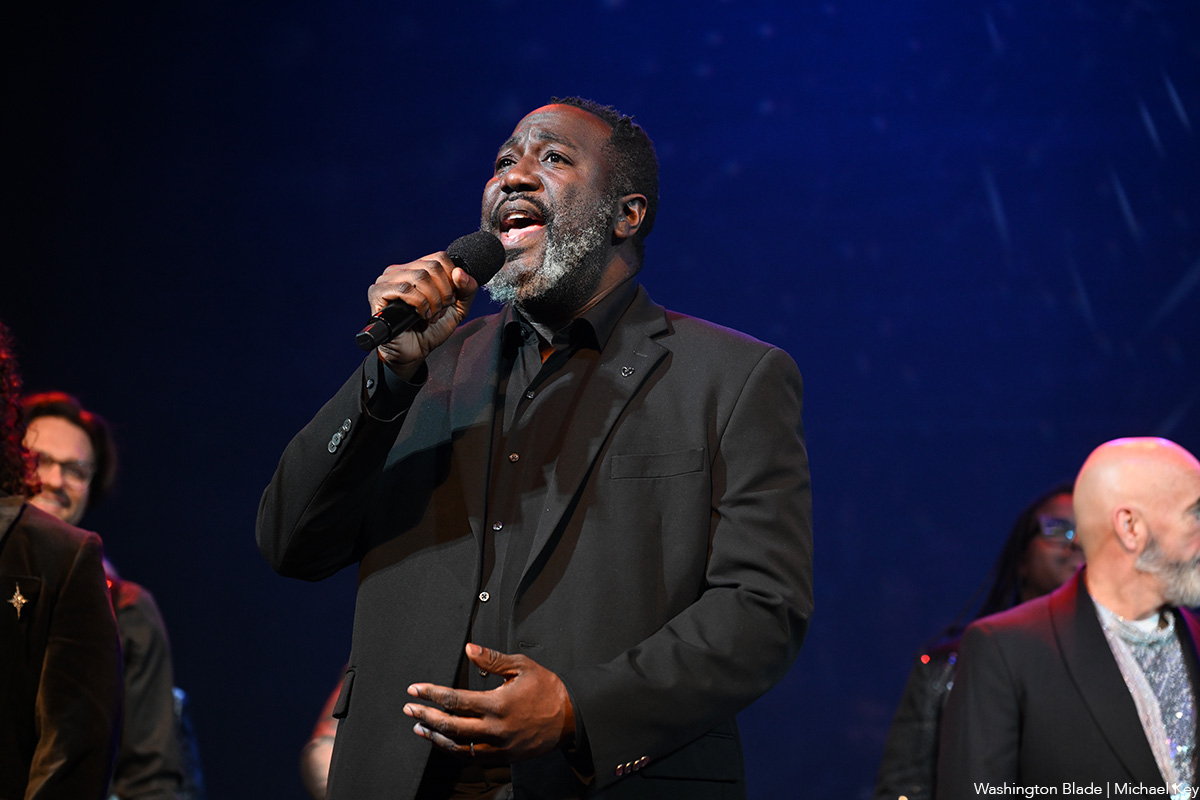
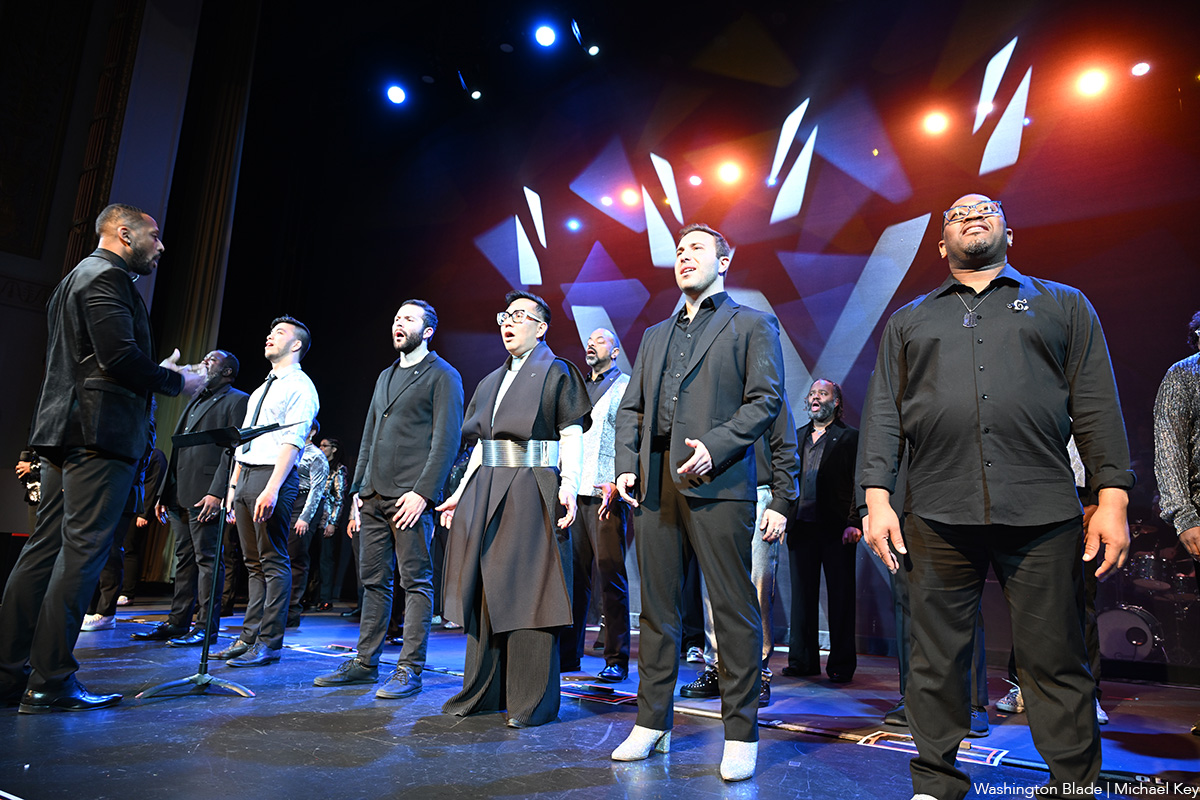
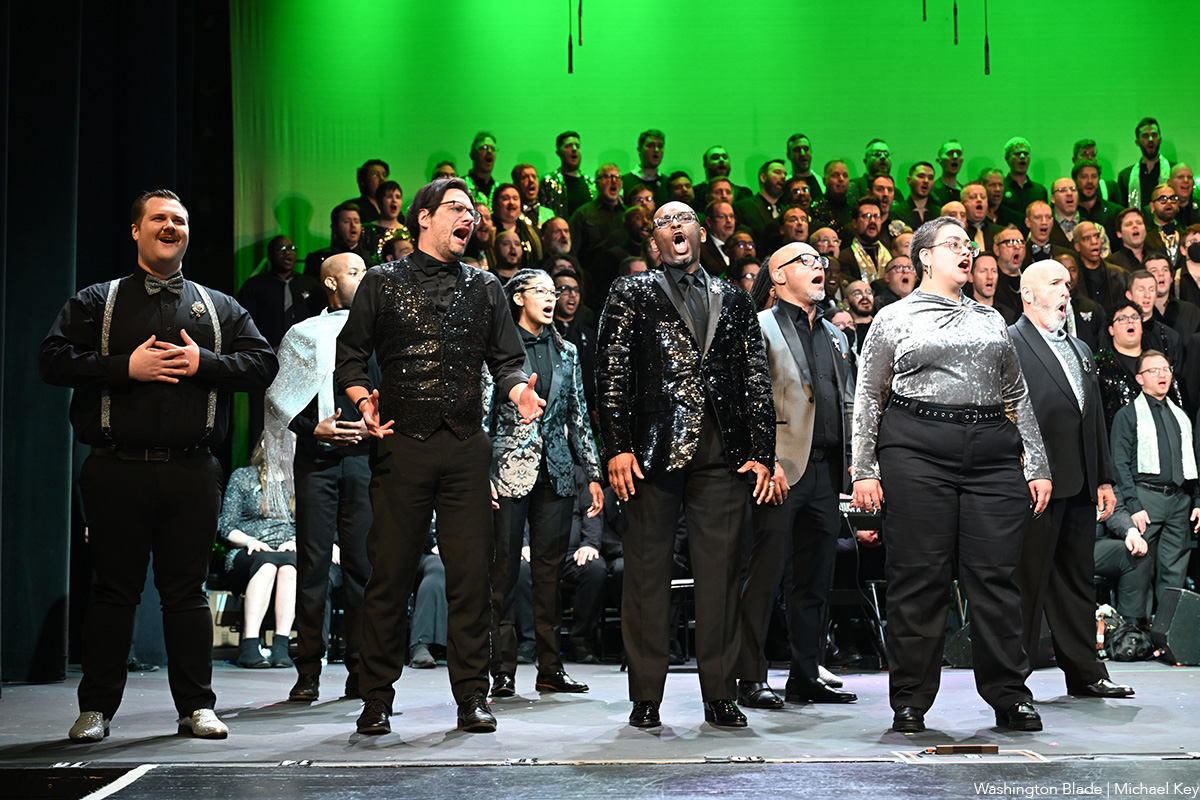
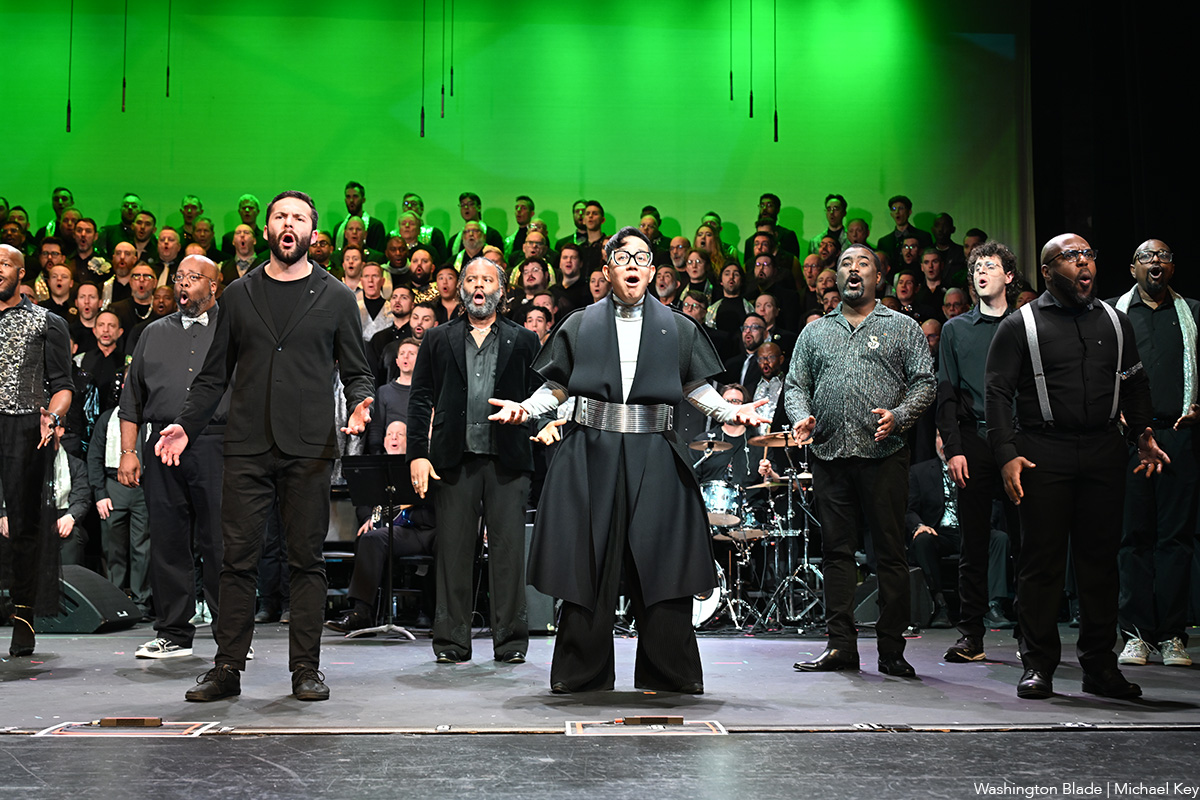
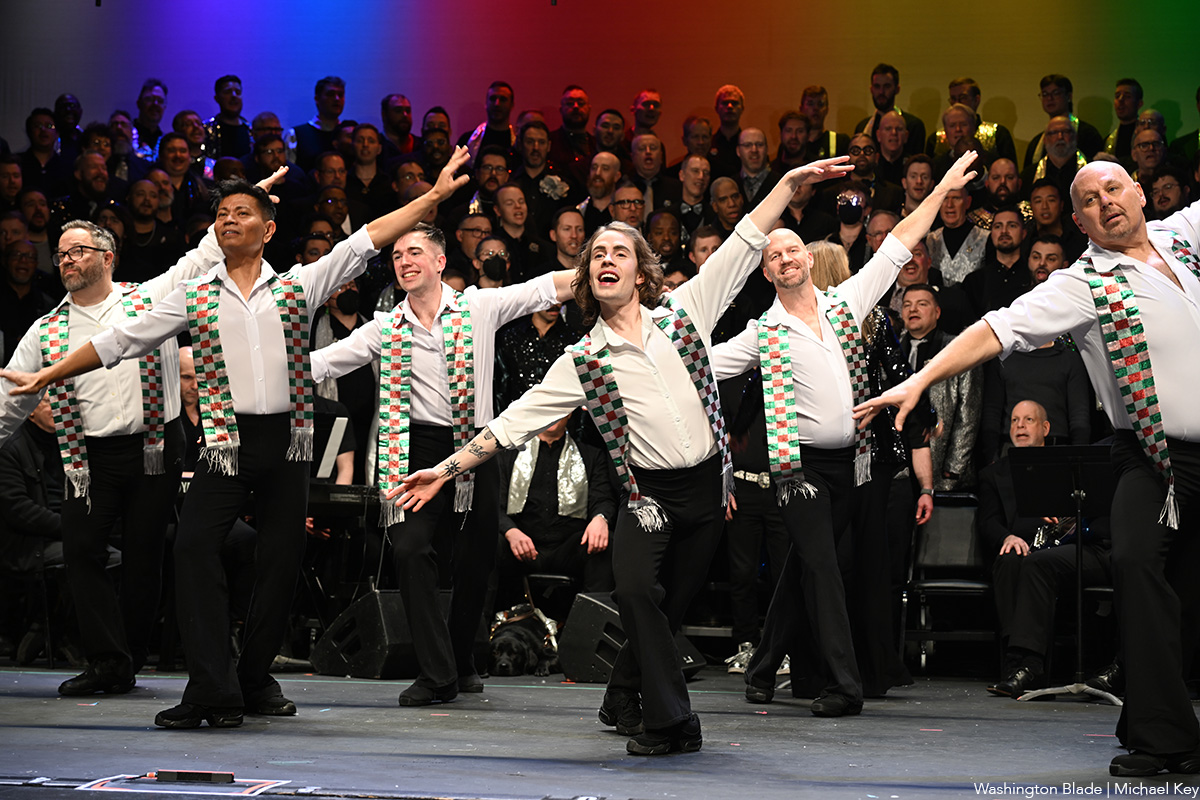
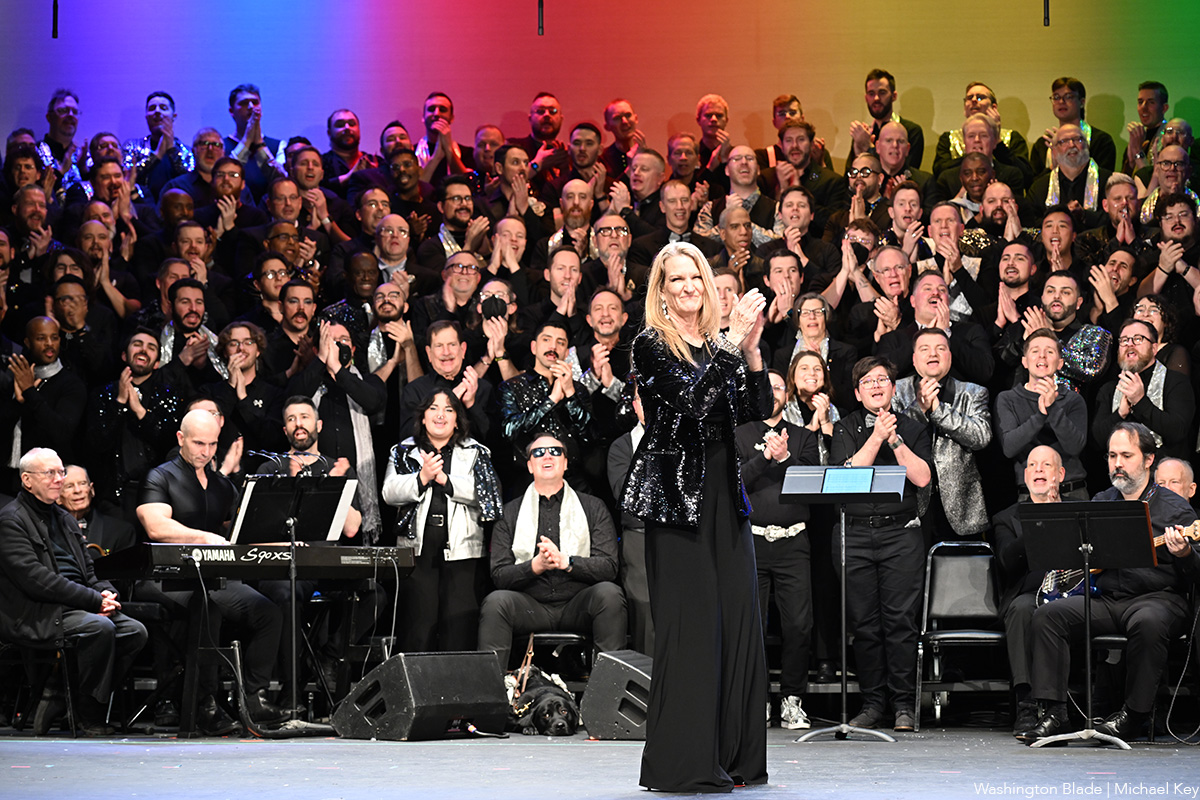
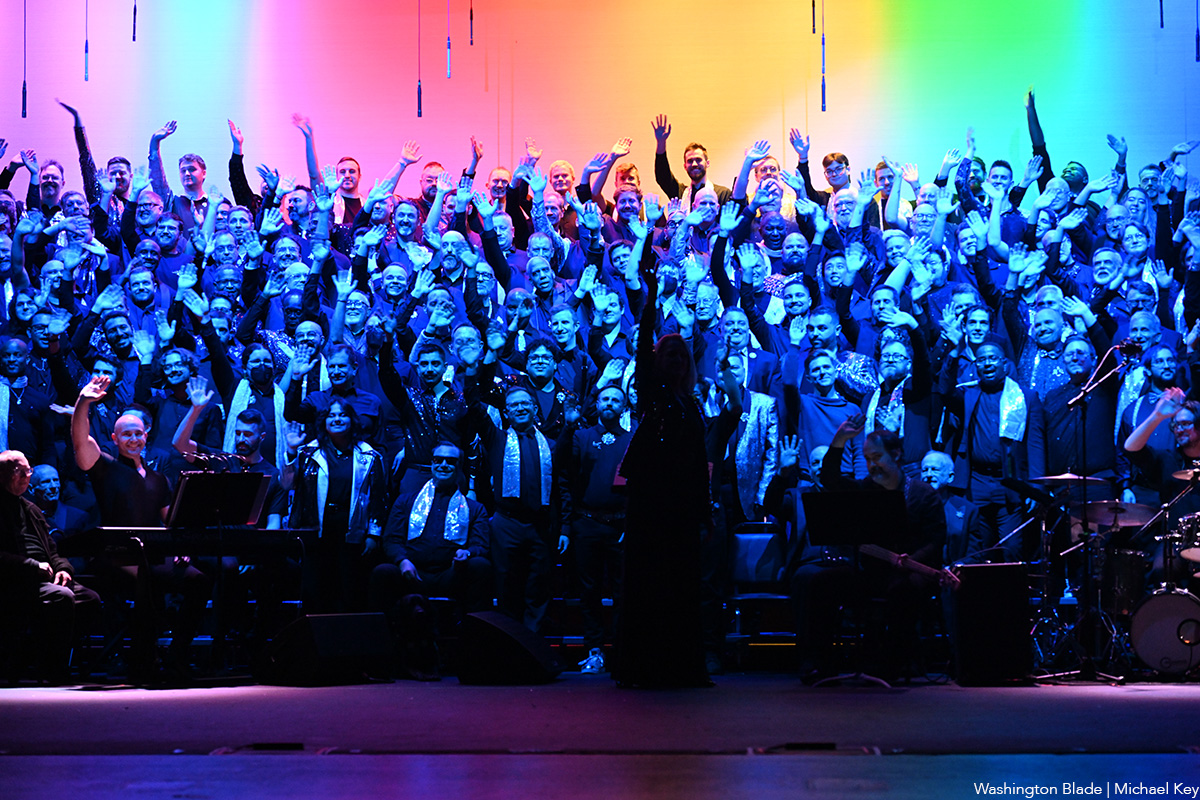
The Gay Men’s Chorus of Washington perform “The Holiday Show” at Lincoln Theatre (1215 U St., N.W.). Visit gmcw.org for tickets and showtimes.
(Washington Blade photos by Michael Key)









Santa will be very relieved.
You’ve taken most of the burden off him by making a list and checking it twice on his behalf. The gift-buying in your house is almost done – except for those few people who are just so darn hard to buy for. So what do you give to the person who has (almost) everything? You give them a good book, like maybe one of these.
Memoir and biography
The person who loves digging into a multi-level memoir will be happy unwrapping “Blessings and Disasters: A Story of Alabama” by Alexis Okeowo (Henry Holt). It’s a memoir about growing up Black in what was once practically ground zero for the Confederacy. It’s about inequality, it busts stereotypes, and yet it still oozes love of place. You can’t go wrong if you wrap it up with “Queen Mother: Black Nationalism, Reparations, and the Untold Story of Audley Moore” by Ashley D. Farmer (Pantheon). It’s a chunky book with a memoir with meaning and plenty of thought.
For the giftee on your list who loves to laugh, wrap up “In My Remaining Years” by Jean Grae (Flatiron Books). It’s part memoir, part comedy, a look back at the late-last-century, part how-did-you-get-to-middle-age-already? and all fun. Wrap it up with “Here We Go: Lessons for Living Fearlessly from Two Traveling Nanas” by Eleanor Hamby and Dr. Sandra Hazellip with Elisa Petrini (Viking). It’s about the adventures of two 80-something best friends who seize life by the horns – something your giftee should do, too.
If there’ll be someone at your holiday table who’s finally coming home this year, wrap up “How I Found Myself in the Midwest” by Steve Grove (Simon & Schuster). It’s the story of a Silicon Valley worker who gives up his job and moves with his family to Minnesota, which was once home to him. That was around the time the pandemic hit, George Floyd was murdered, and life in general had been thrown into chaos. How does someone reconcile what was with what is now? Pair it with “Homestand: Small Town Baseball and the Fight for the Soul of America” by Will Bardenwerper (Doubleday). It’s set in New York and but isn’t that small-town feel universal, no matter where it comes from?
Won’t the adventurer on your list be happy when they unwrap “I Live Underwater” by Max Gene Nohl (University of Wisconsin Press)? They will, when they realize that this book is by a former deep-sea diver, treasure hunter, and all-around daredevil who changed the way we look for things under water. Nohl died more than 60 years ago, but his never-before-published memoir is fresh and relevant and will be a fun read for the right person.
If celeb bios are your giftee’s thing, then look for “The Luckiest” by Kelly Cervantes (BenBella Books). It’s the Midwest-to-New-York-City story of an actress and her life, her marriage, and what she did when tragedy hit. Filled with grace, it’s a winner.
Your music lover won’t want to open any other gifts if you give “Only God Can Judge Me: The Many Lives of Tupac Shakur” by Jeff Pearlman (Mariner Books). It’s the story of the life, death, and everything in-between about this iconic performer, including the mythology that he left behind. Has it been three decades since Tupac died? It has, but your music lover never forgets. Wrap it up with “Point Blank (Quick Studies)” by Bob Dylan, text by Eddie Gorodetsky, Lucy Sante, and Jackie Hamilton (Simon & Schuster), a book of Dylan’s drawings and artwork. This is a very nice coffee-table size book that will be absolutely perfect for fans of the great singer and for folks who love art.
For the giftee who’s concerned with their fellow man, “The Lost and the Found: A True Story of Homelessness, Found Family and Second Chances” by Kevin Fagan (One Signal / Atria) may be the book to give. It’s a story of two “unhoused” people in San Francisco, one of the country’s wealthiest cities, and their struggles. There’s hope in this book, but also trouble and your giftee will love it.
For the person on your list who suffered loss this year, give “Pine Melody” by Stacey Meadows (Independently Published), a memoir of loss, grief, and healing while remembering the person gone.
LGBTQ fiction
For the mystery lover who wants something different, try “Crime Ink: Iconic,” edited by John Copenhaver and Salem West (Bywater Books), a collection of short stories inspired by “queer legends” and allies you know. Psychological thrillers, creepy crime, cozies, they’re here.
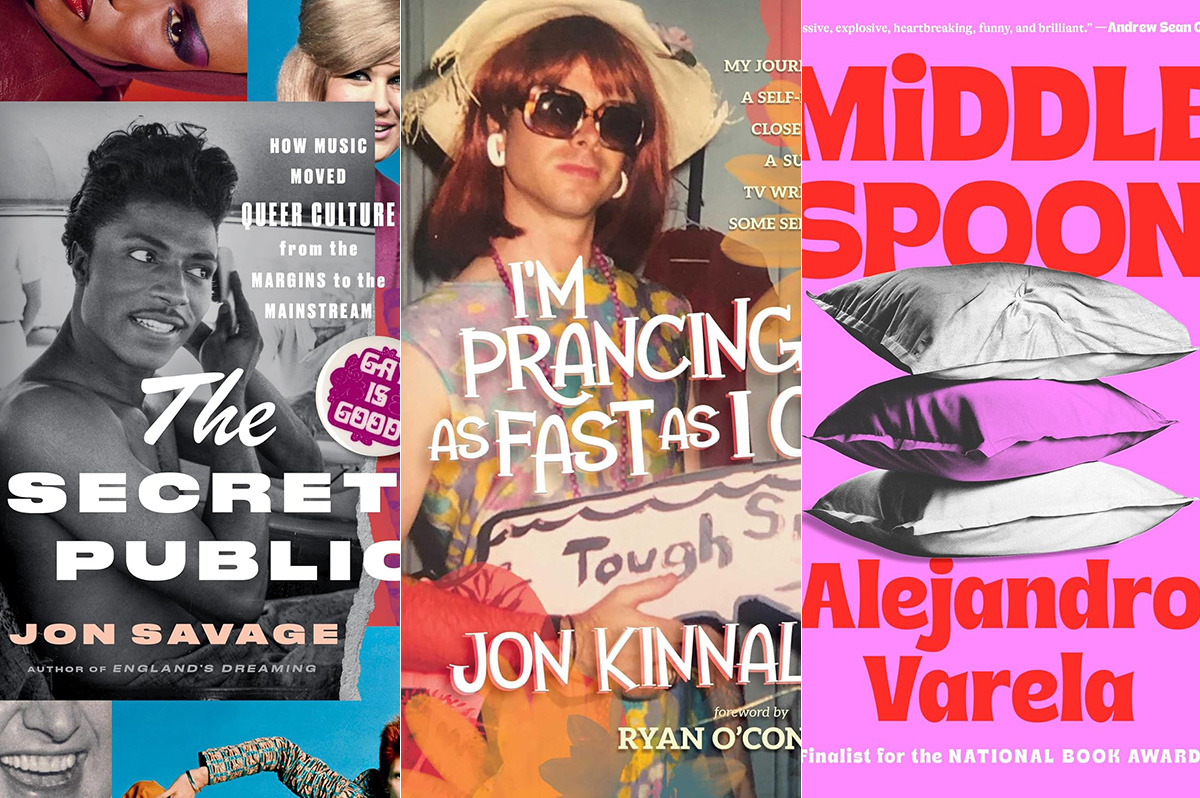
Novel lovers will want to curl up this winter with “Middle Spoon” by Alejandro Varela (Viking), a book about a man who appears to have it all, until his heart is broken and the fix for it is one he doesn’t quite understand and neither does anyone he loves.
LGBTQ studies – nonfiction
For the young man who’s struggling with issues of gender, “Before They Were Men” by Jacob Tobia (Harmony Books) might be a good gift this year. These essays on manhood in today’s world works to widen our conversations on the role politics and feminism play in understanding masculinity and how it’s time we open our minds.
If there’s someone on your gift list who had a tough growing-up (didn’t we all?), then wrap up “I’m Prancing as Fast as I Can” by Jon Kinnally (Permuted Press / Simon & Schuster). Kinnally was once an awkward kid but he grew up to be a writer for TV shows you’ll recognize. You can’t go wrong gifting a story like that. Better idea: wrap it up with “So Gay for You: Friendship, Found Family, & The Show That Started It All” by Leisha Hailey & Kate Moennig (St. Martin’s Press), a book about a little TV show that launched a BFF-ship.
Who doesn’t have a giftee who loves music? You sure do, so wrap up “The Secret Public: How Music Moved Queer Culture from the Margins to the Mainstream” by Jon Savage (Liveright). Nobody has to tell your giftee that queer folk left their mark on music, but they’ll love reading the stories in this book and knowing what they didn’t know.
The Blade may receive commissions from qualifying purchases made via this post.

Rob Reiner, wife killed in LA home

In real estate, trust the process

Far-right José Antonio Kast elected Chile’s next president

PHOTOS: The Holiday Show

The best books to give this holiday season

EXCLUSIVE: George Santos speaks out on prison, Trump pardon, and more

The beginning of the fall of Trump

Iran, Egypt object to playing in Seattle World Cup ‘Pride Match’

PHOTOS: Team DC holiday party