Arts & Entertainment
A man’s world
Glenn Close’s pet project explores societal advantages of gender

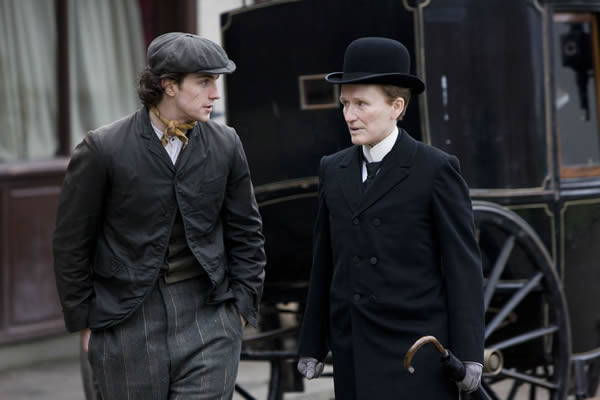
Aaron Johnson, left, and Glenn Close in the gender-bending 19th century drama ‘Albert Nobbs.’ Close and co-star Janet McTeer are both nominated for Oscars for their performances. (Still courtesy Roadside Attractions)
“Albert Nobbs” is a complex movie about a simple man with grand dreams — and a big secret.
The fastidious Mr. Nobbs works as a waiter at a posh Irish hotel. He carefully tracks the tips he receives from his stylish clients, saving up to buy a tobacconist’s shop (even though he does not know how to smoke or even roll a cigarette). He lives a quiet lonely life, carefully locking the door to his Spartan room, wandering the streets of 19th century Dublin looking like an early version of Charlie Chaplin’s Tramp and squirreling away his growing stockpile beneath a loose floorboard.
All that changes when he is briefly forced to share his room with Hubert Page, a painter who has been hired to spruce up the hotel. The two men soon realize they share a secret — both are really women who have dressed as men to escape poverty and sexual violence.
The two women embody very different modes of masculine behavior. Nobbs, played by Glenn Close, declares that “life without decency is unbearable.” She binds herself in a scratchy undergarment, dresses in formal clothing and seems to vanish into the background, watching the action around her rather than participating.
On the other hand, Page, played by Janet McTeer, employs a different strategy. She disguises herself in a set of baggy clothes stolen from her abusive husband. Page swaggers through life, smoking, flirting with women and slapping men on the back. In fact, Page has married a woman, leaving a mystified Nobbs wondering, but too timid to ask, how Page told his wife about his sexual identity.
Inspired by Page, Nobbs expands his dream. He envisions taking on a wife who can provide companionship, respectability and free labor for the shop. He starts “walking out” with one of the maids, not realizing she is already having an affair with the handyman at the hotel. Nobbs is too busy fantasizing about their life together and wondering when he will reveal his own secret.
Both Close and McTeer offer vibrant portrayals of women forced to live their lives as men, making clear and interesting choices about the fascinating similarities and differences between their two characters. Close has a long history with the character. She created the role onstage in 1982, and since then has worked to bring the material to cinematic life. She produced the movie, co-wrote the screenplay with award-winning Irish novelist John Banville and Gabriella Prekop and even provided the lyrics for “Lay Your Head Down,” the lovely ballad that closes the movie (which opens today in Washington).
The press materials describe Nobbs as “trapped in a prison of her own making,” but that seems rather inaccurate, although there is a scene where Nobbs and Page put on dresses and Nobbs runs giddily along the shore.
Nobbs is not simply a straight woman masquerading as a man to get by, but somewhere on the trans spectrum. He shows no sexual interest in men. His interest in women is more social and economic than sexual, but he is obsessed with the question of when to reveal his true sex to Helen (even though he never touches her and he does not realize that Helen and her beau are just milking him for gifts) and the mystery of when Page revealed his true sex to his wife Kathleen, so he thinks about having an intimate physical relationship of some kind with a woman.
The film — which is more interested in telling Nobbs’ story than identifying his gender identity — deals with these murky issues with a velvet touch. Even the rape and poverty mentioned as part of his story are discussed but not shown.
Close and McTeer are surrounded by a strong supporting cast and crew including Mia Wasikowska as the calculating maid who is the object of Nobbs’ affection, Pauline Collins as the affected proprietress of Morrison’s Hotel and Brendan Gleeson as the kindly doctor who lives at the hotel.
Jonathan Rhys Meyers appears all too briefly as a party-loving and occasionally gender-bending aristocratic guest at the hotel. Designers Patrizia von Brandenstein and Pierre-Yves Gayraud lovingly recreate period Dublin in rich detail and director Rodrigo Garcia (known for HBO’s “In Treatment”) directs with a sure if somewhat too steady hand (the movie could have used a little less of Nobbs’ timidity and a little more of Page’s bravado). Nonetheless, “Albert Nobbs” is an interesting consideration of class and gender that sheds a gentle light on both a remarkable character and our own times.




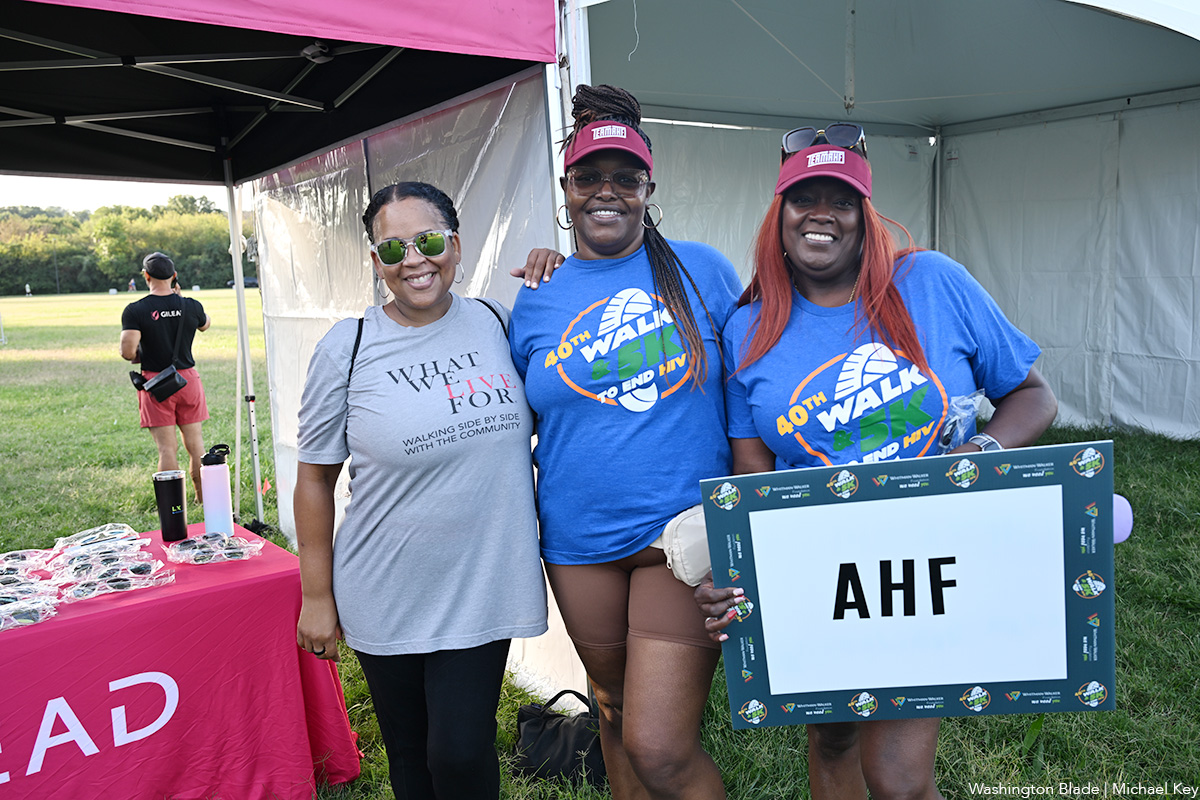
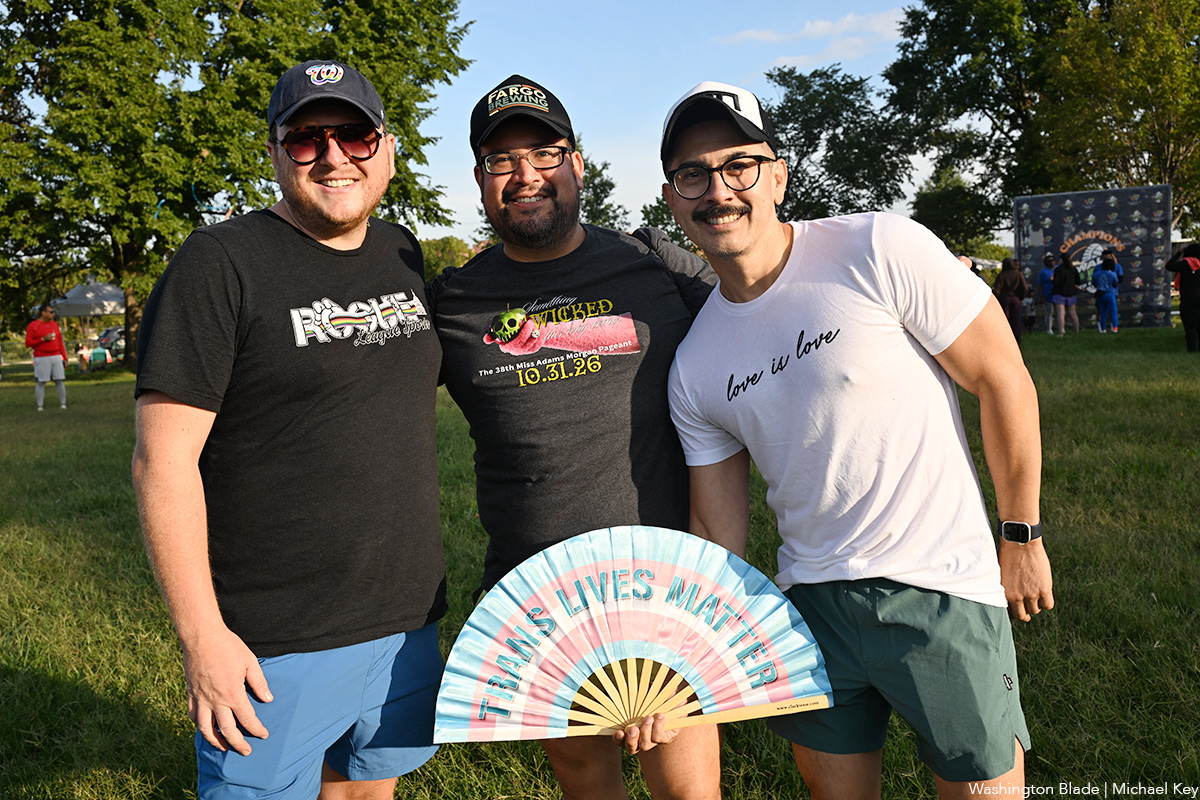
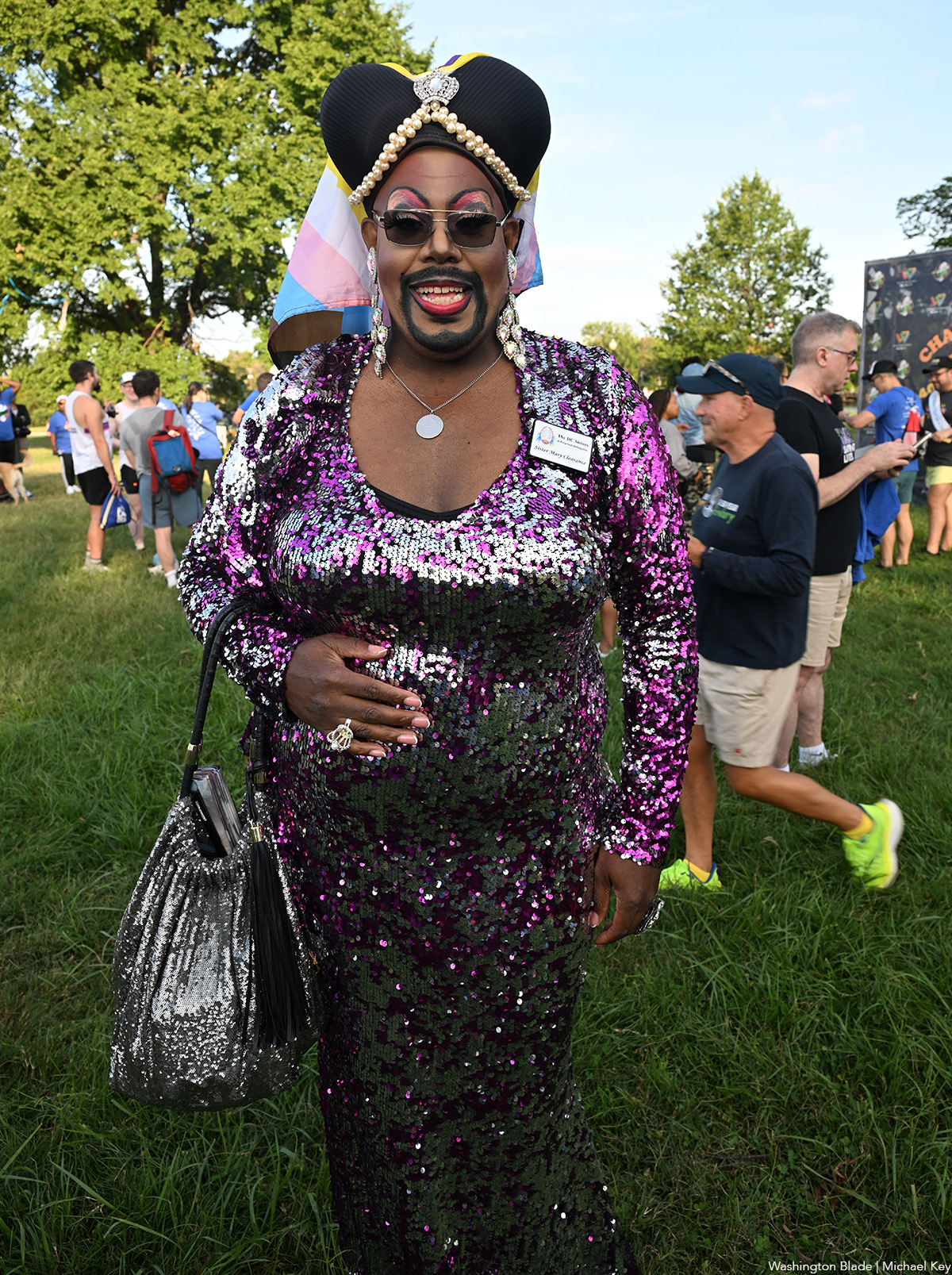
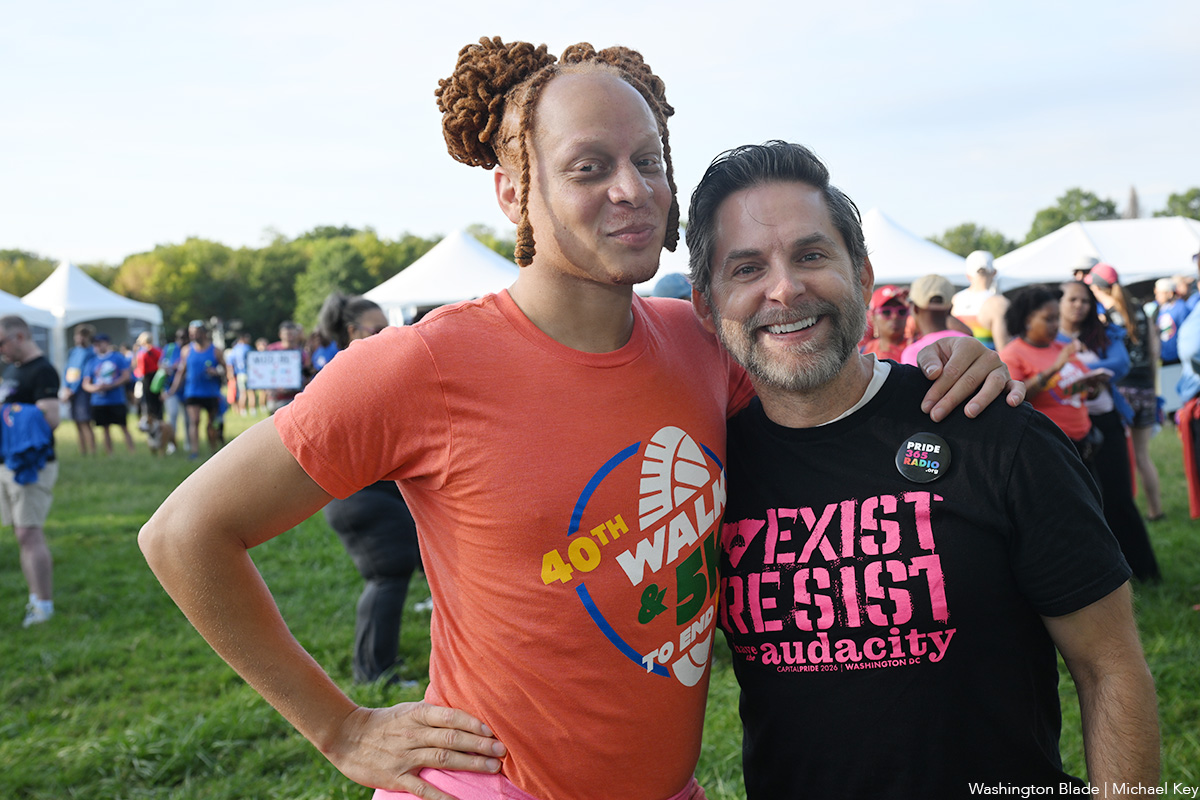
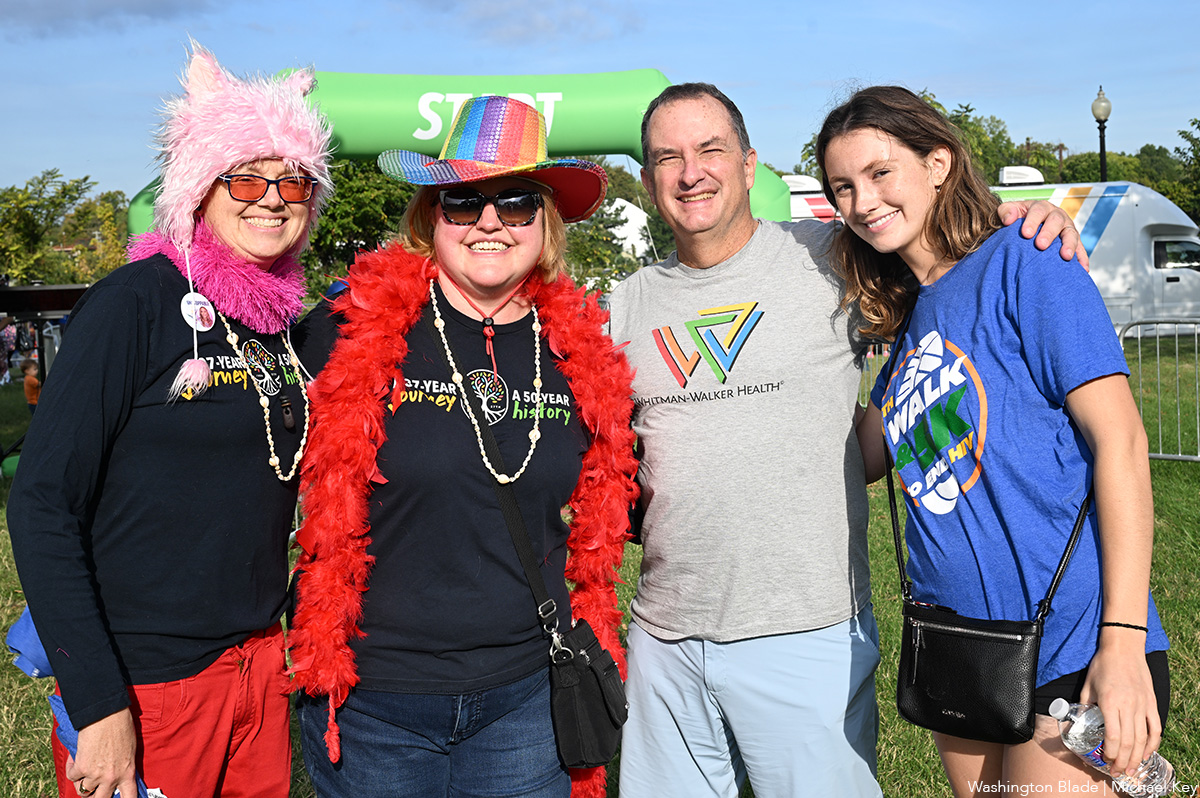
Whitman-Walker Health held the 40th annual Walk and 5K to End HIV at Anacostia Park on Saturday, Sept. 19.
(Washington Blade photos by Michael Key)



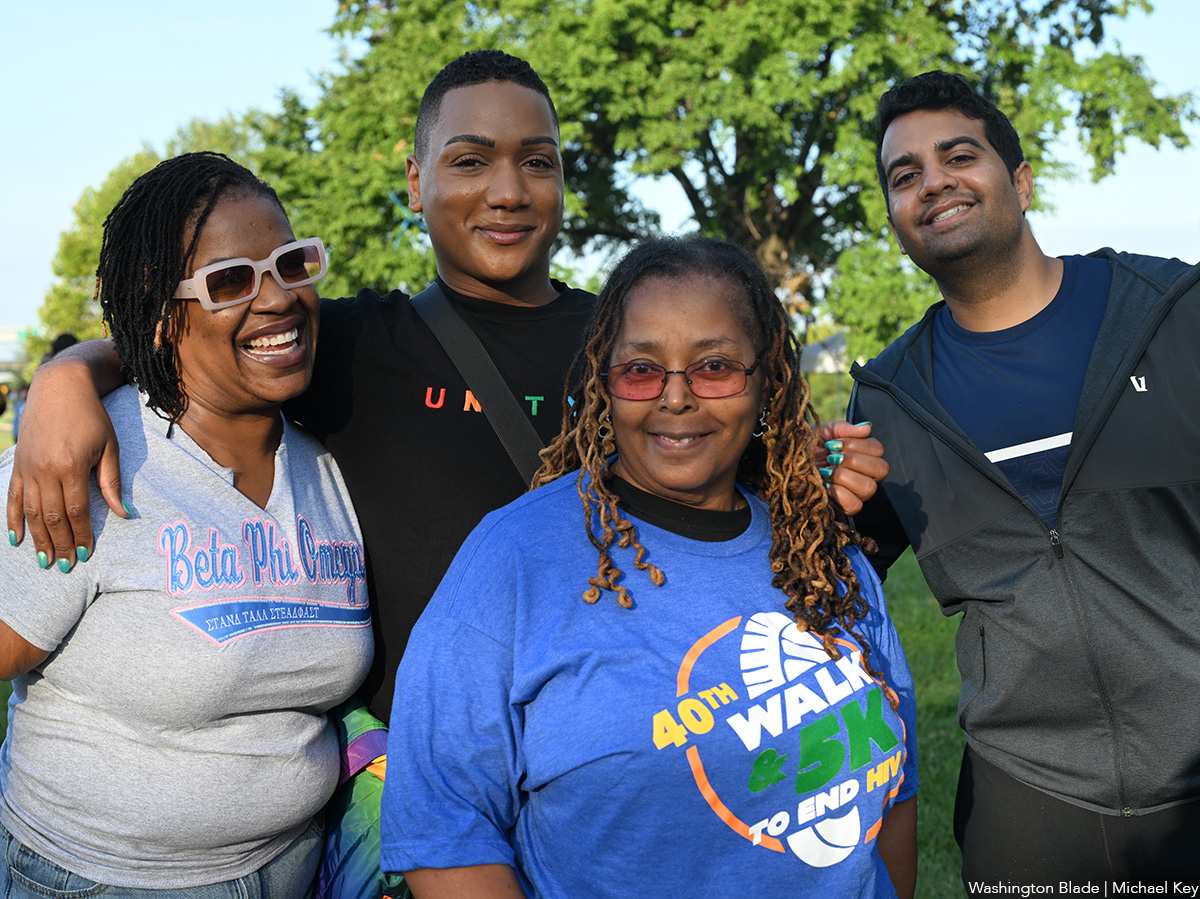
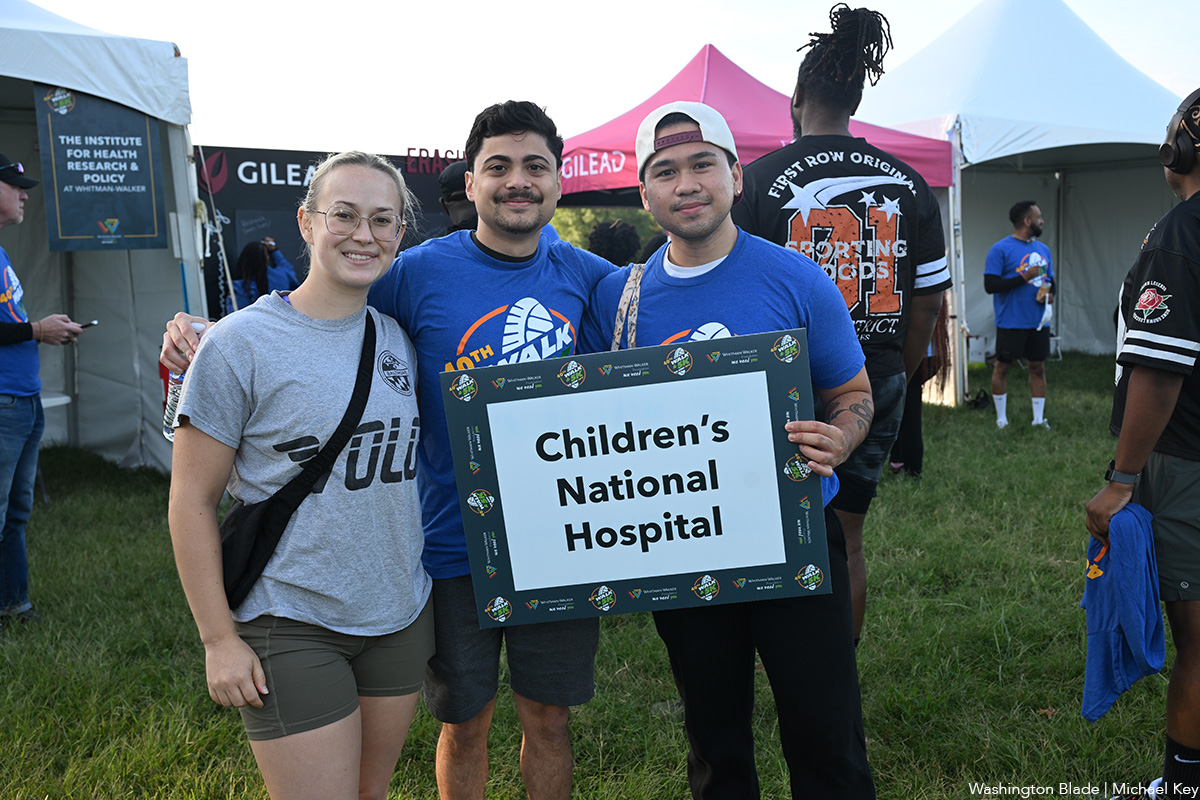
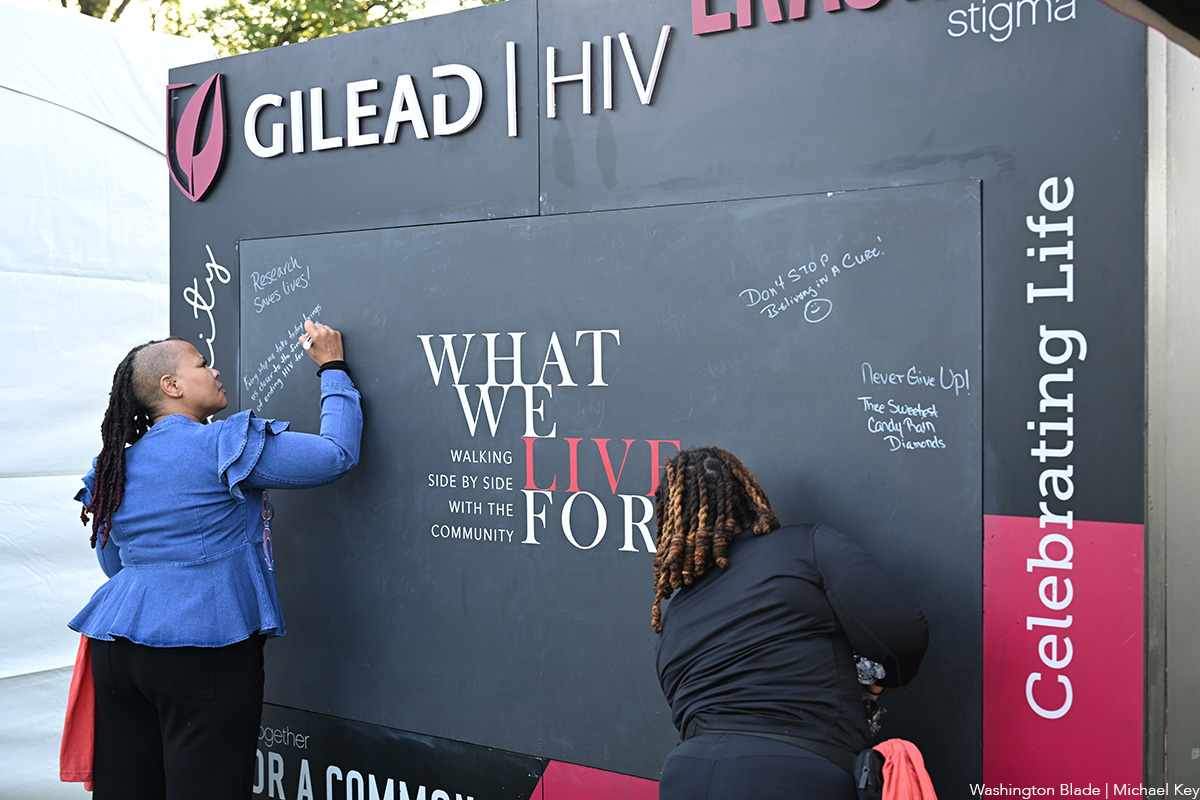

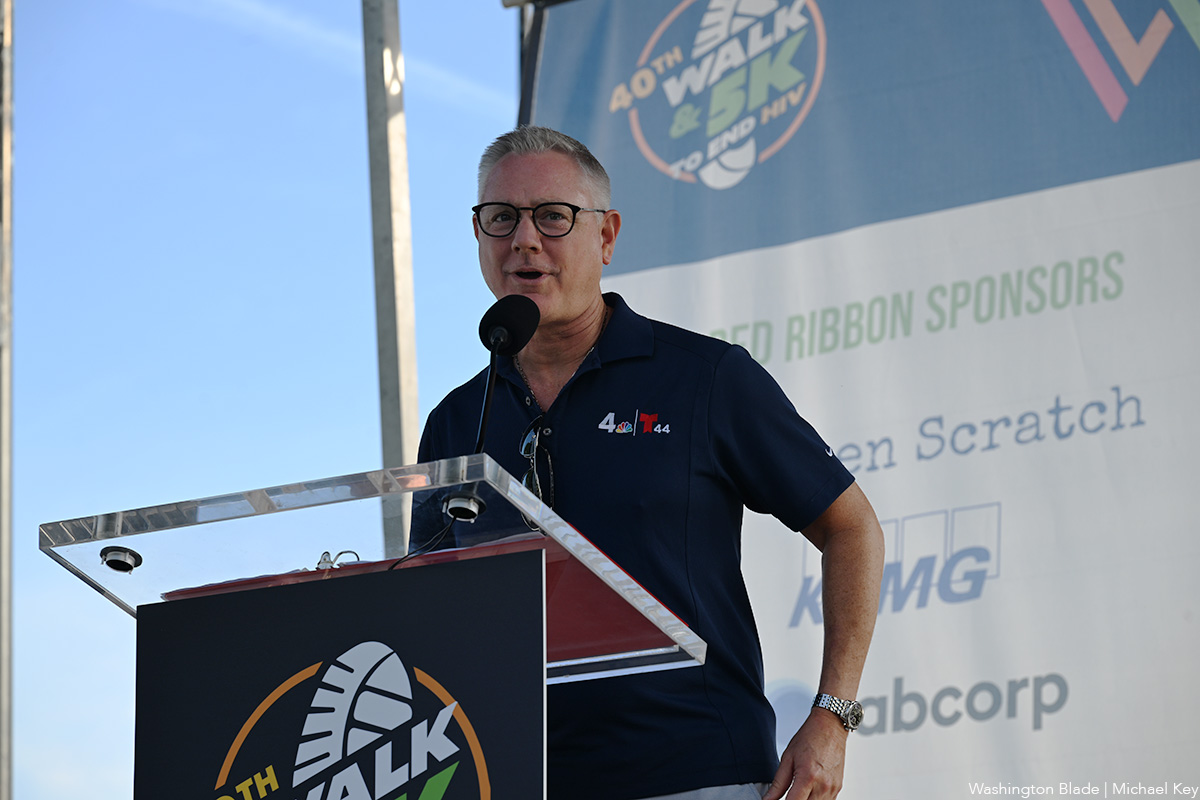






Photos
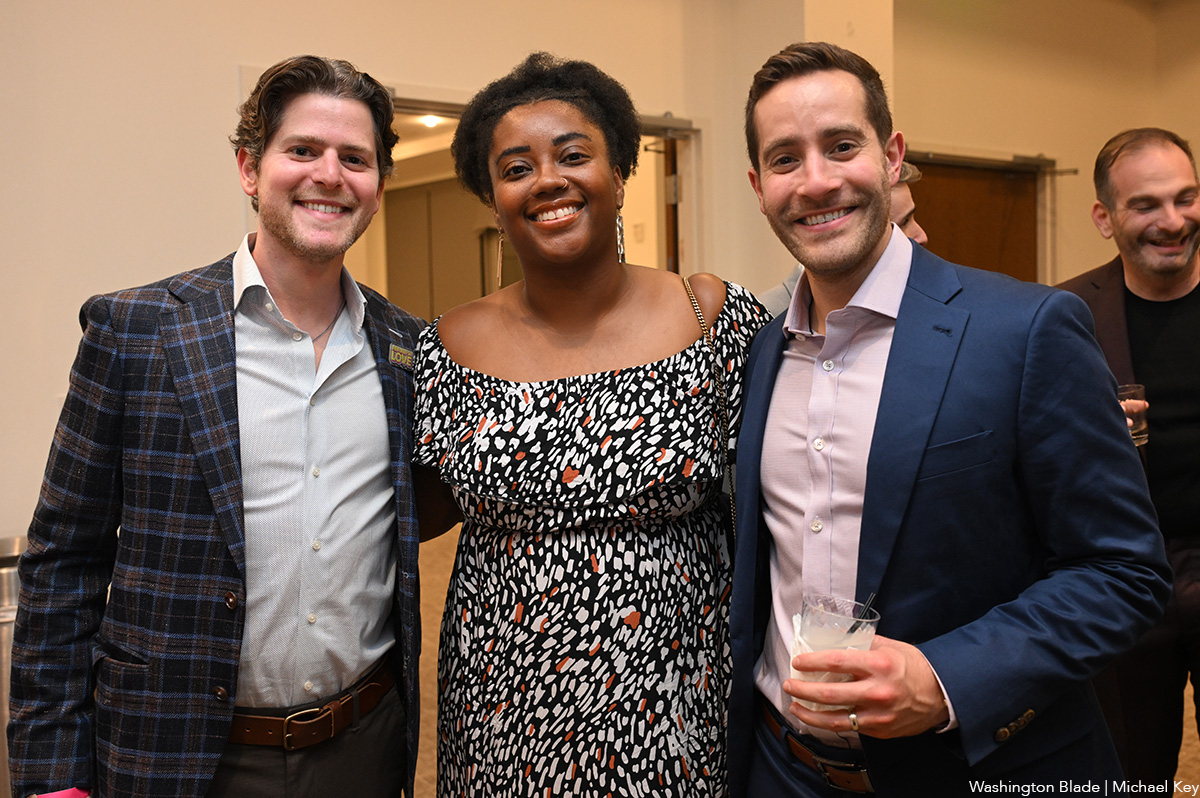
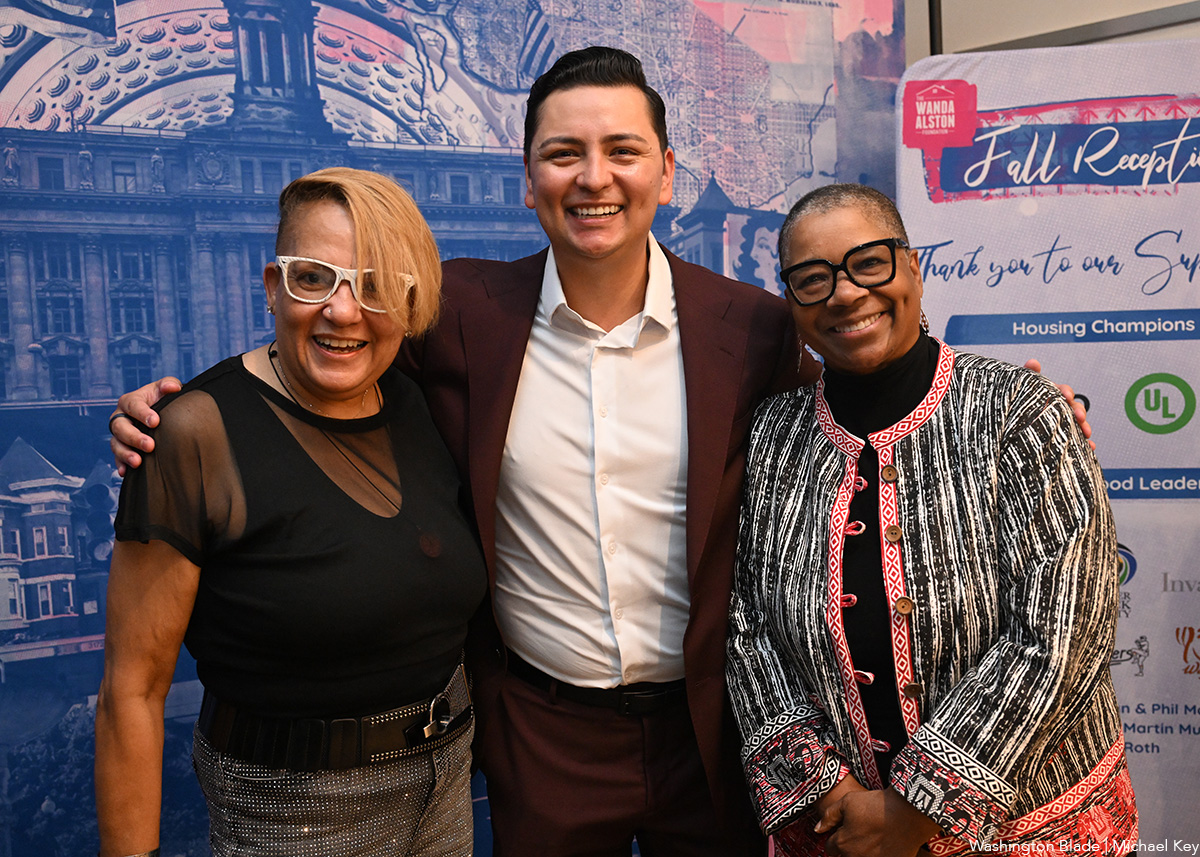
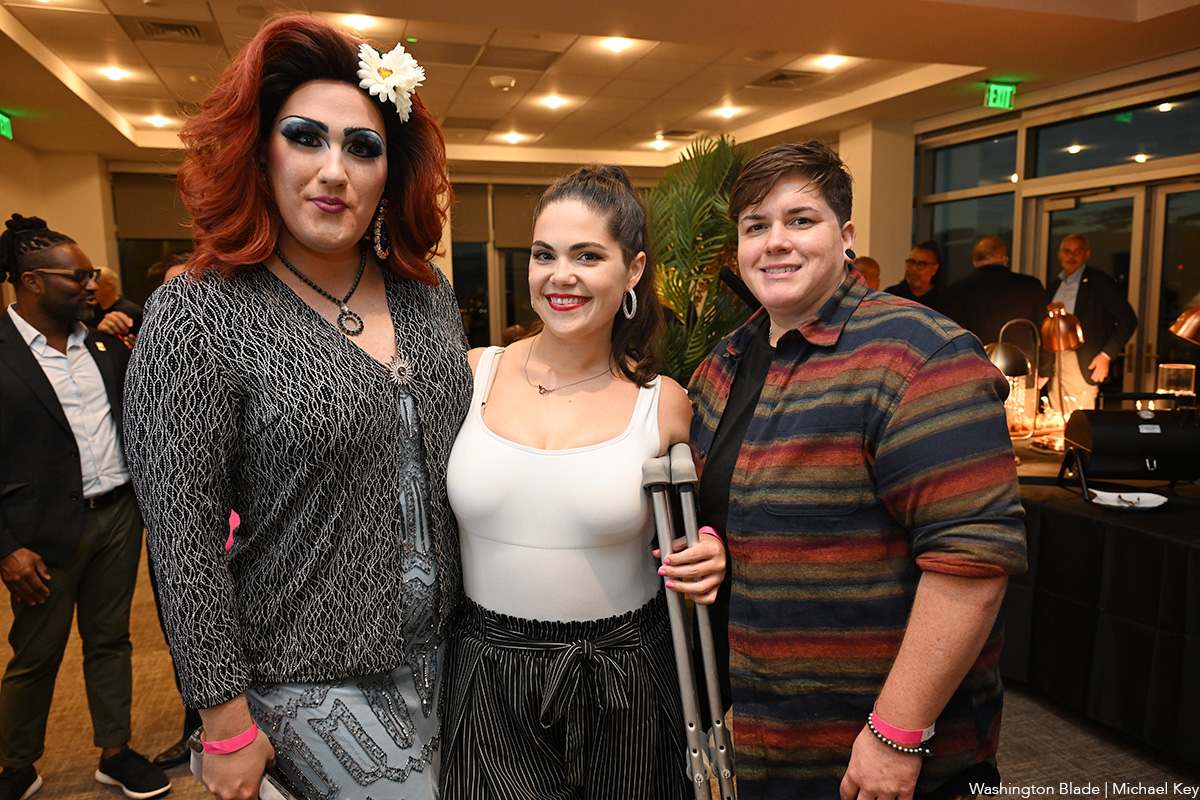
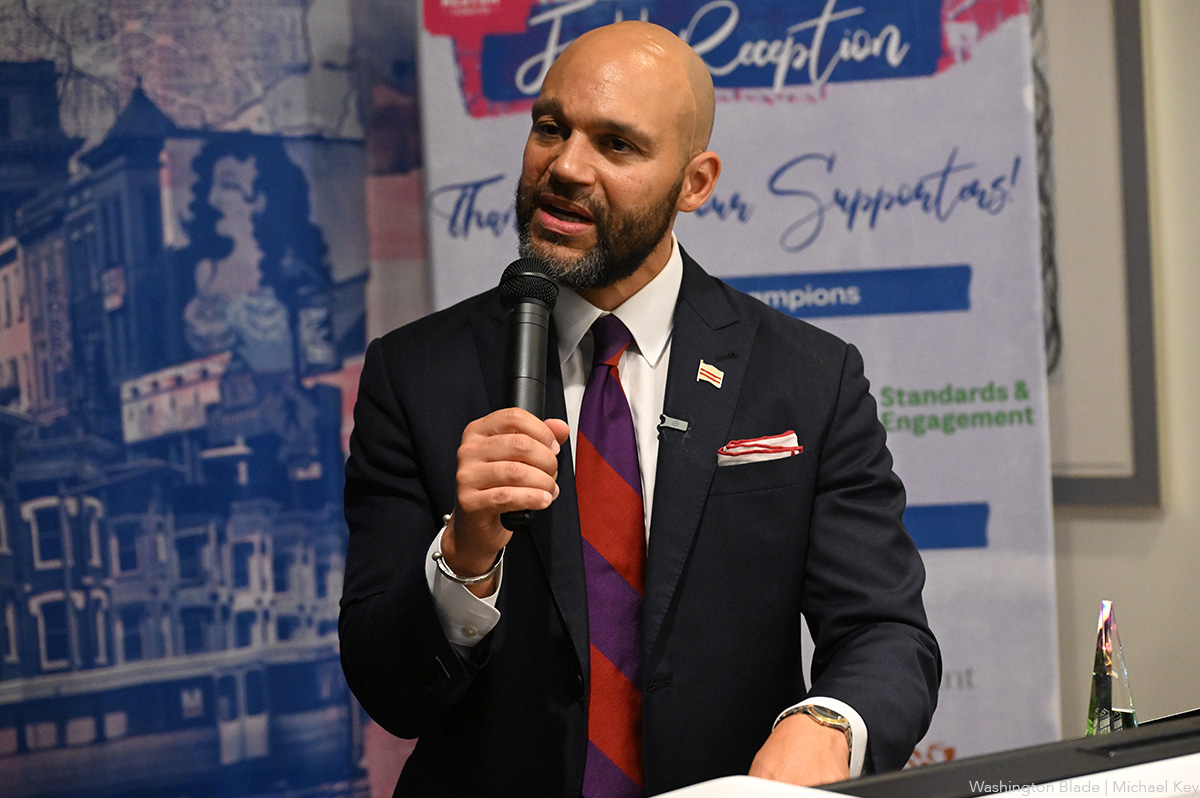
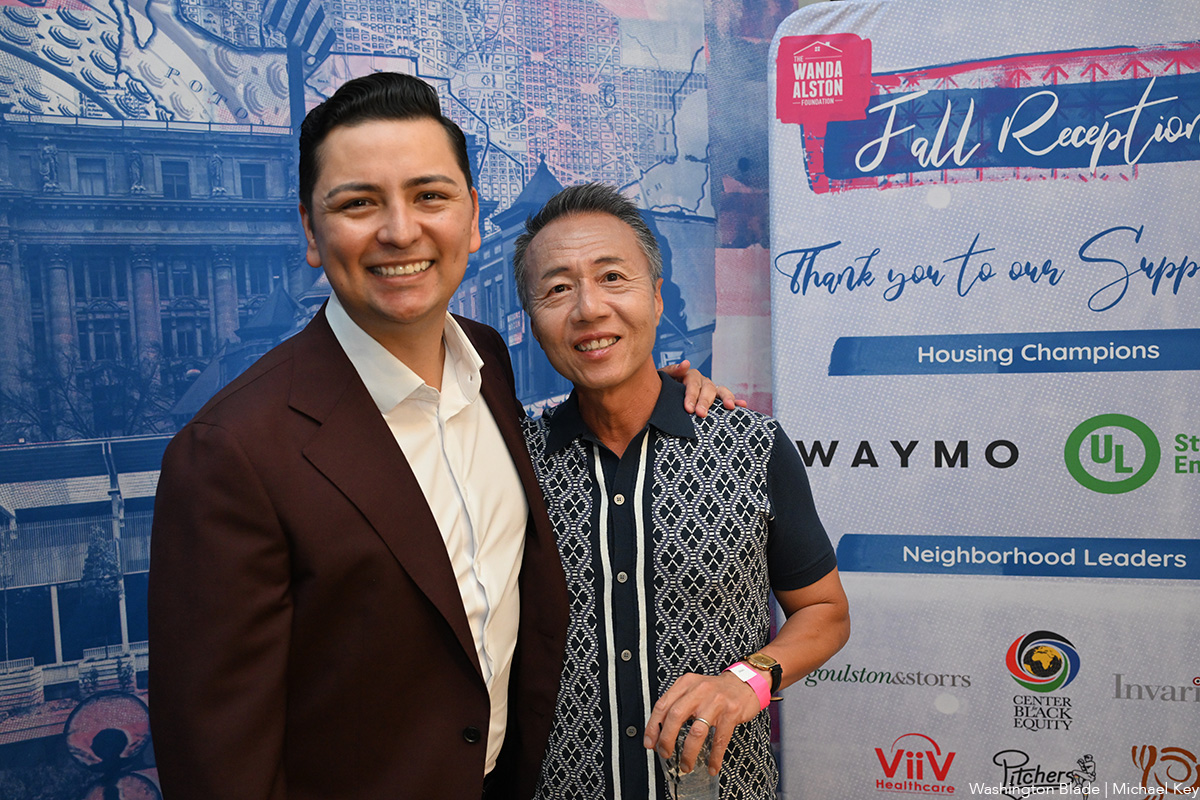
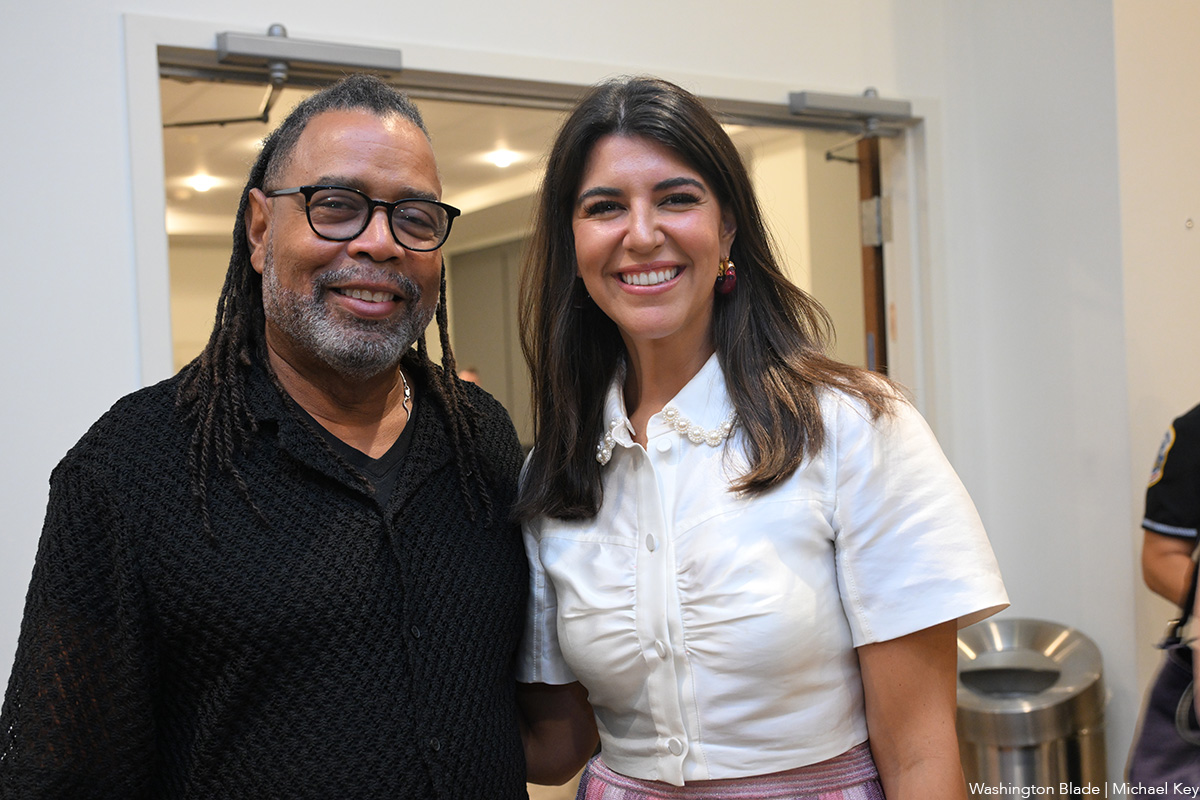
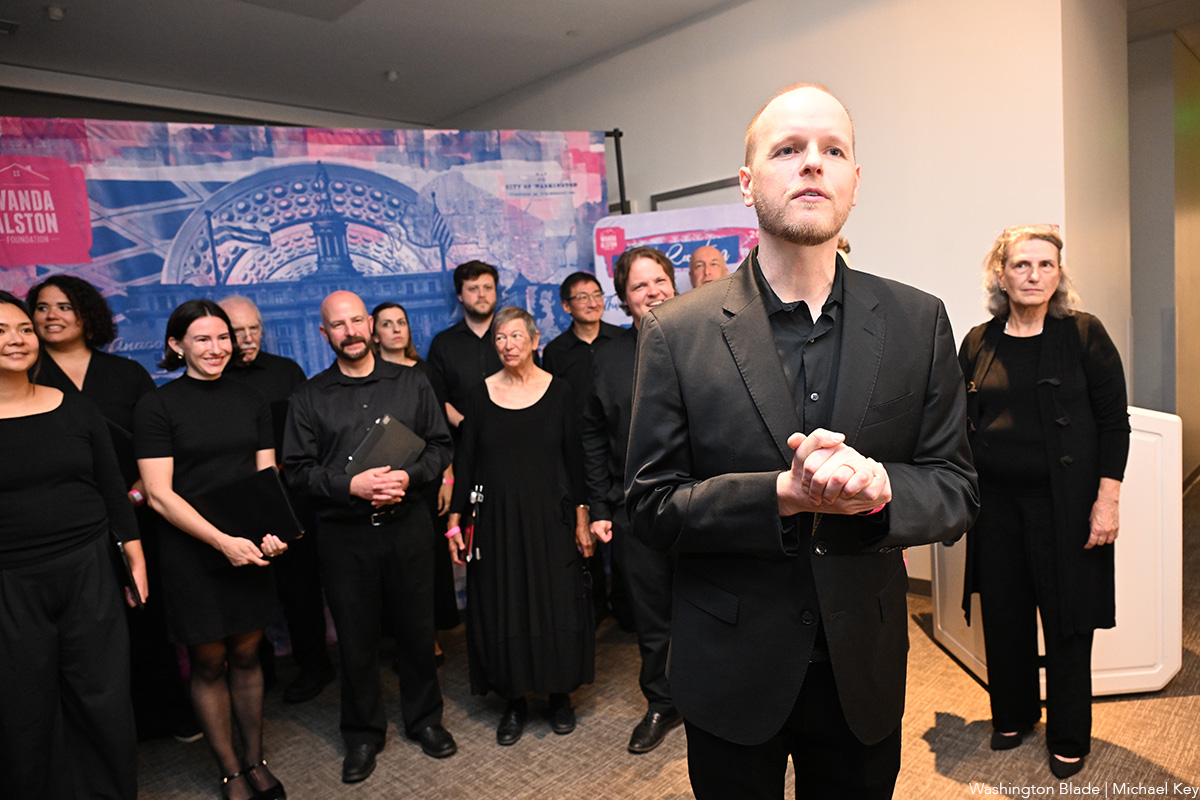
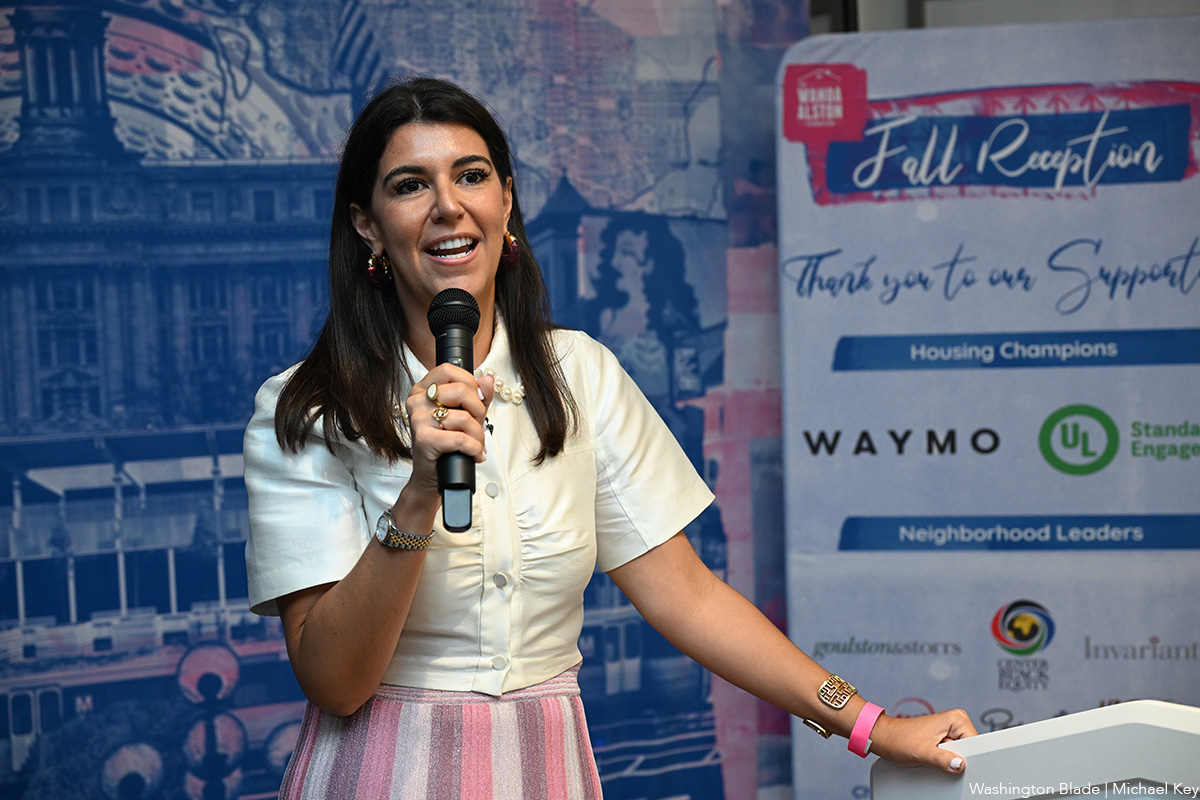
PHOTOS: Wanda Alston Foundation Fall Reception
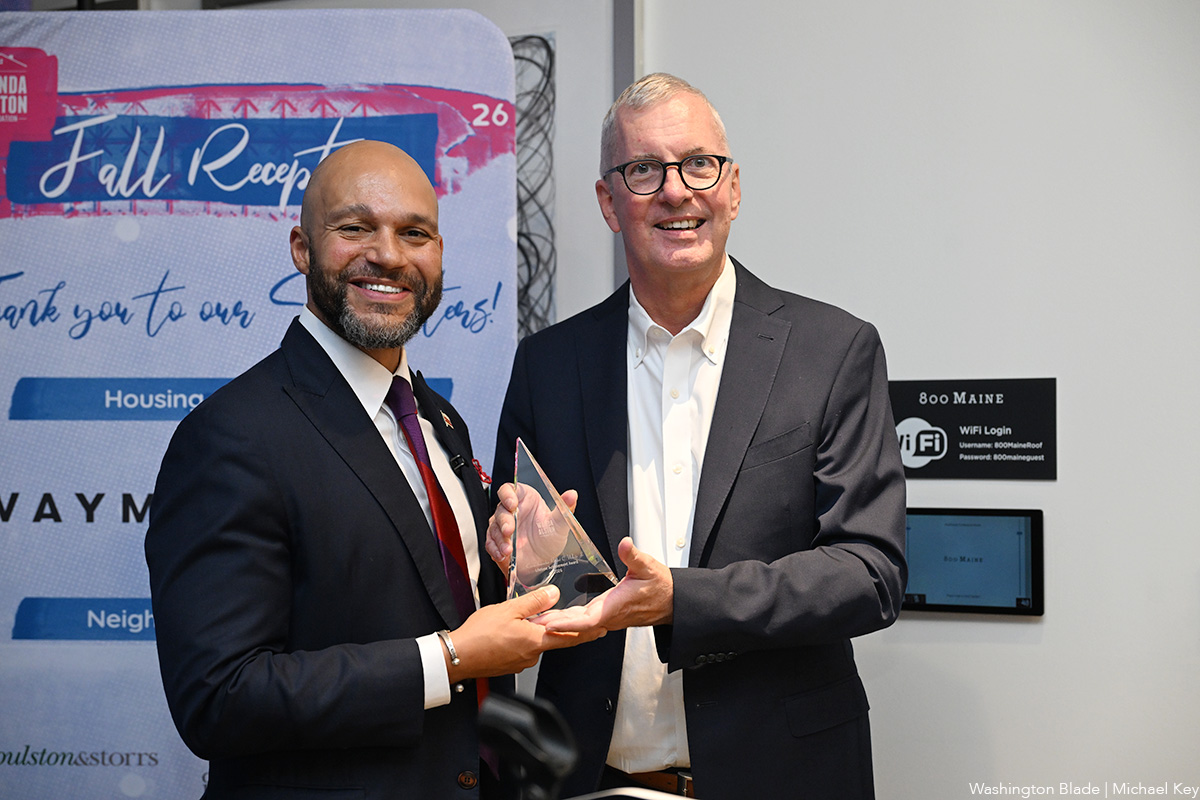
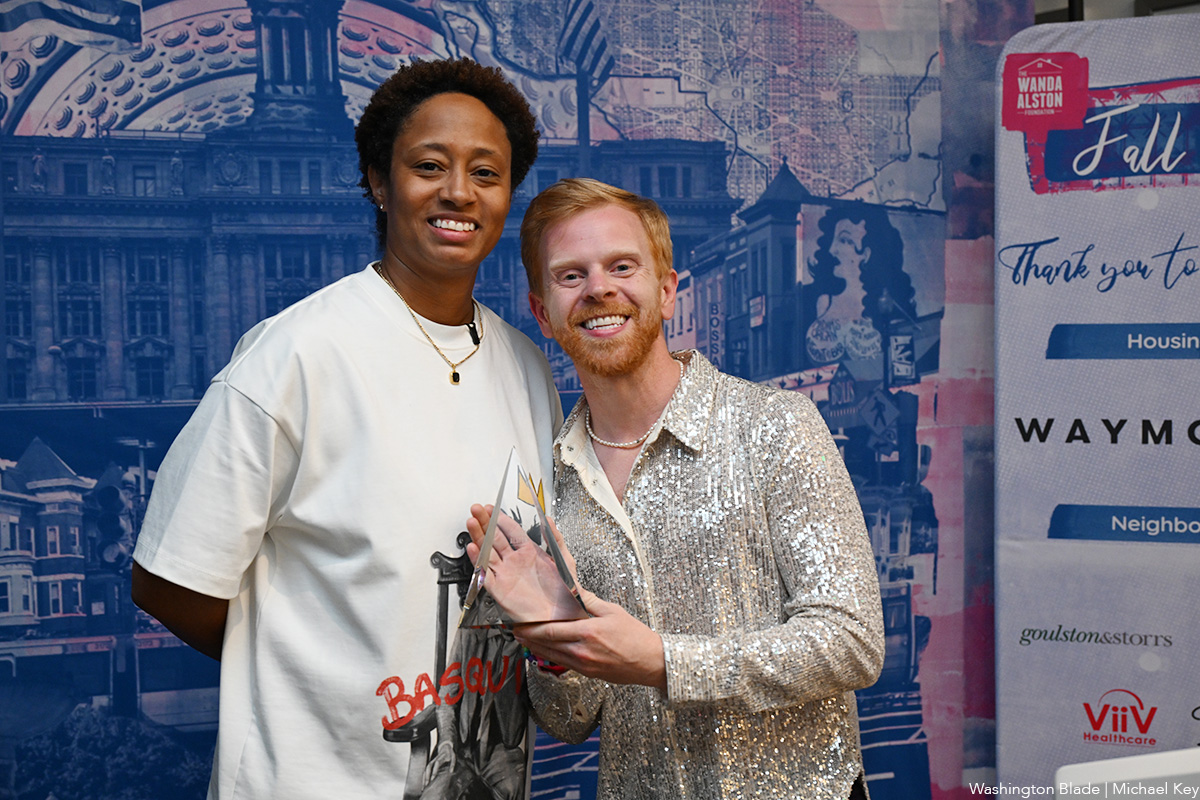
LGBTQ youth services organization honors Robert White, Japer Bowles, Washington Capitals
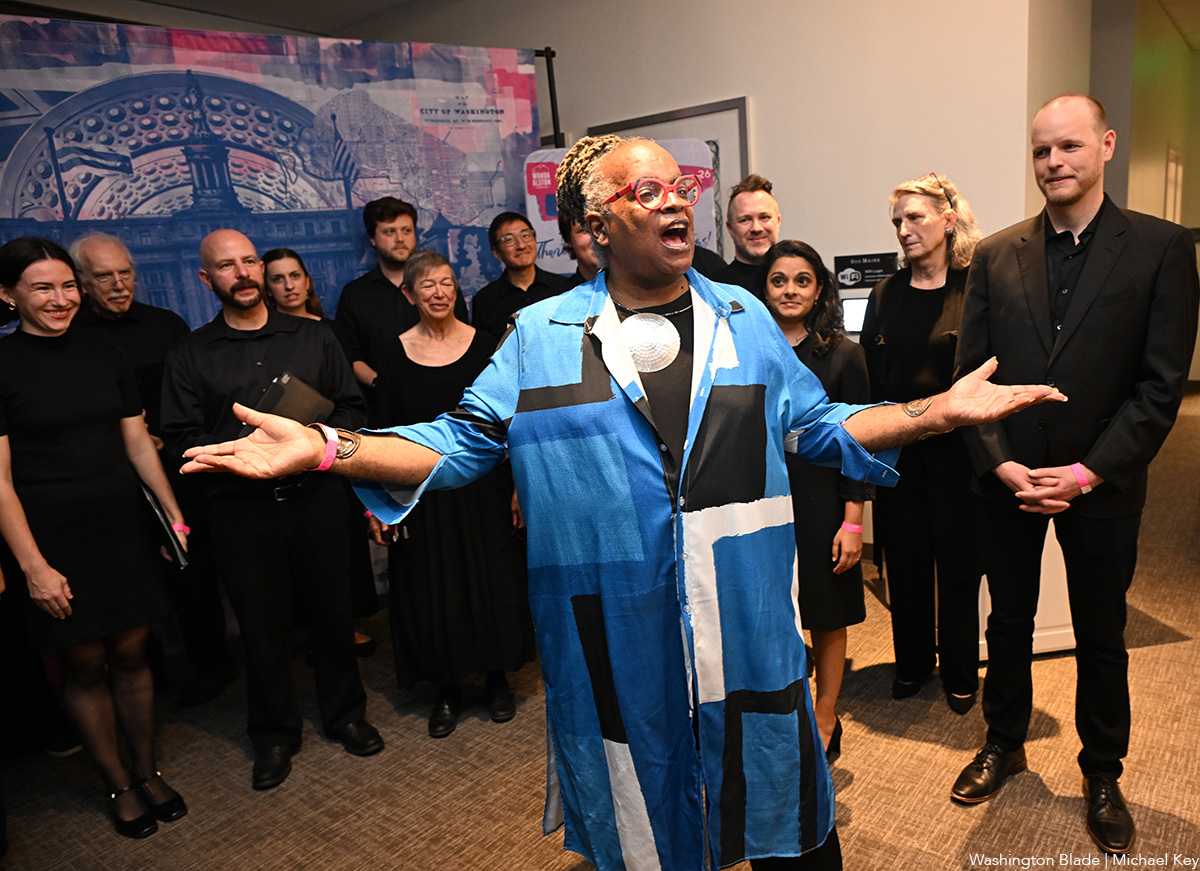
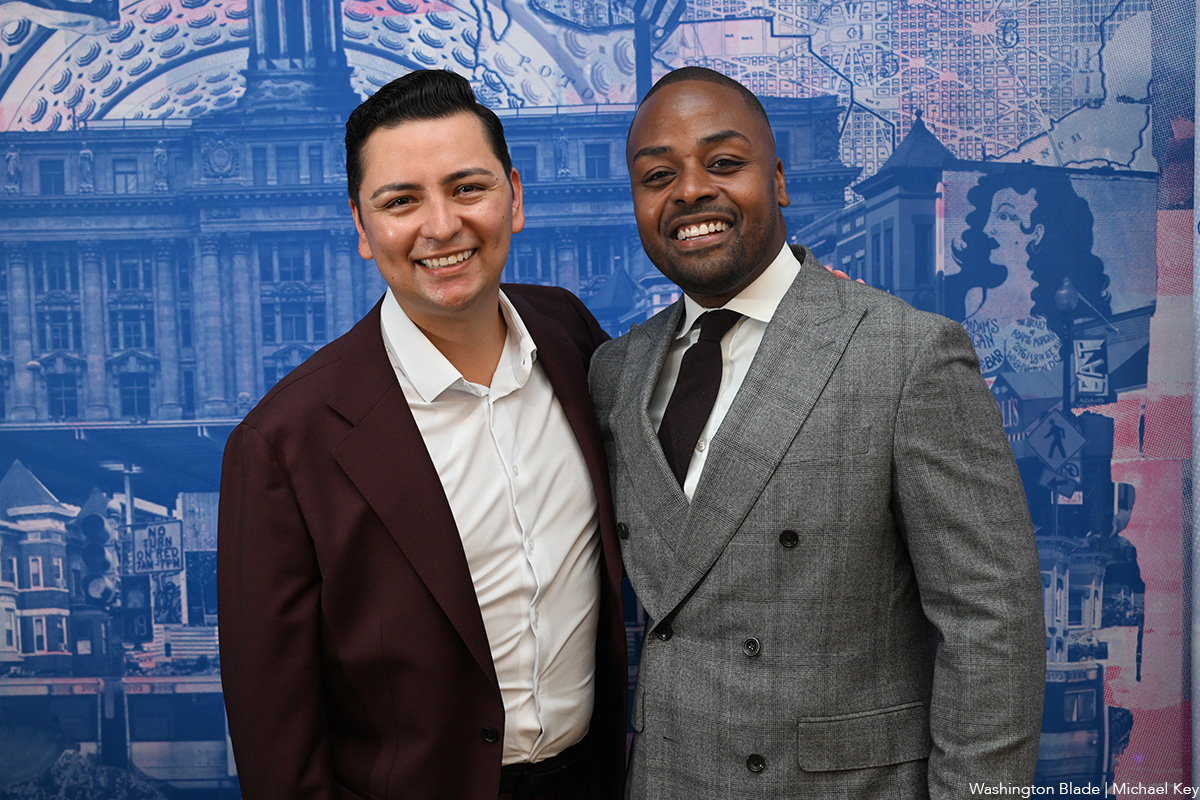
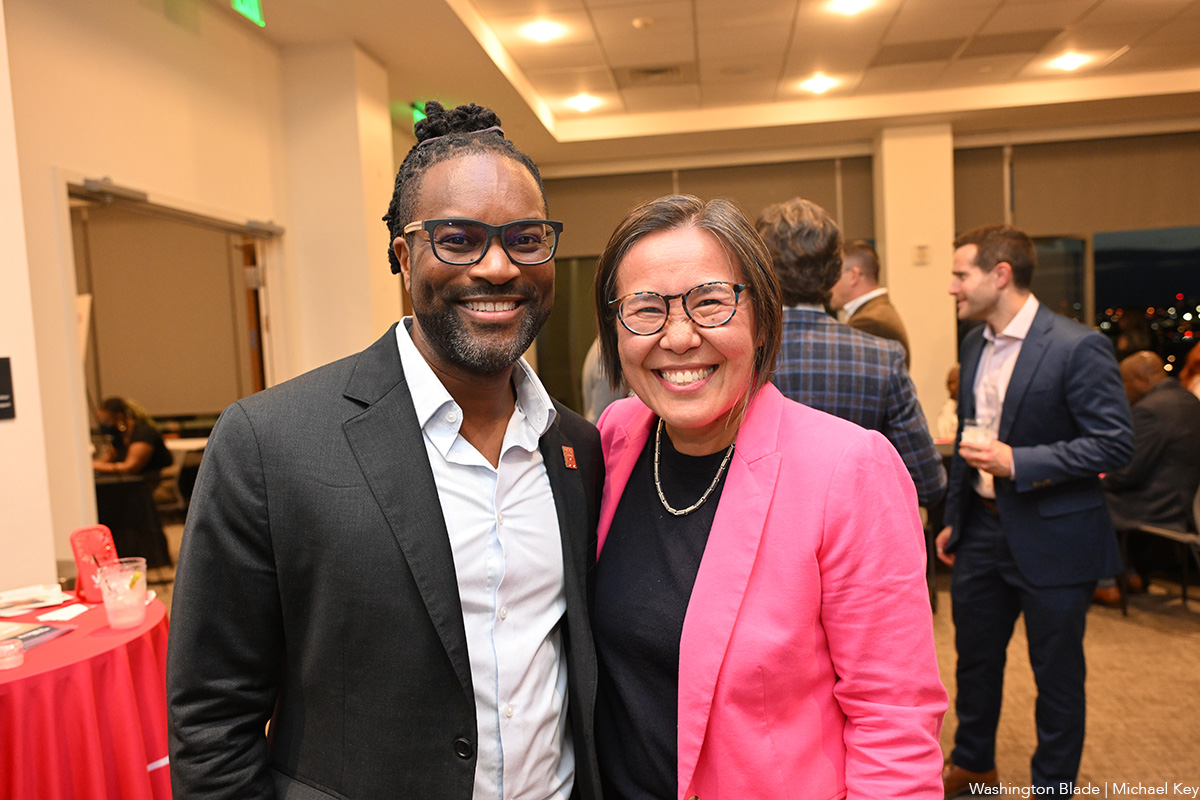
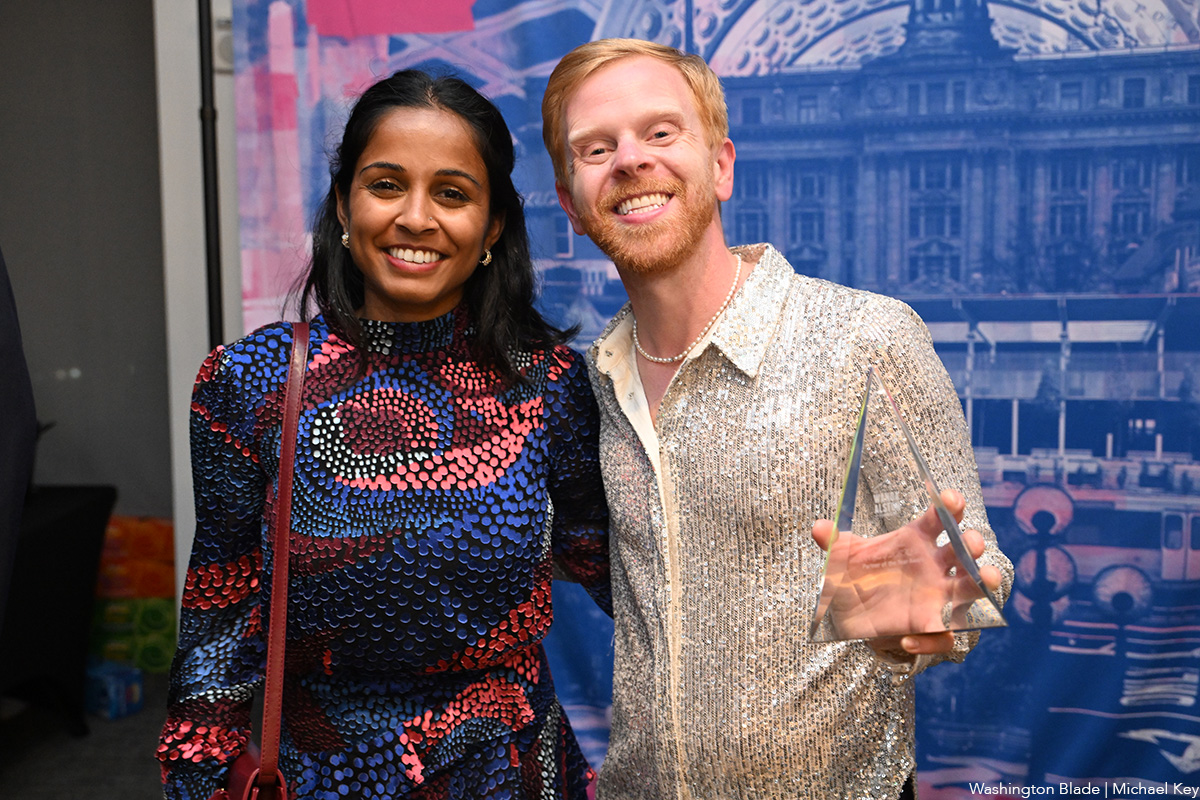
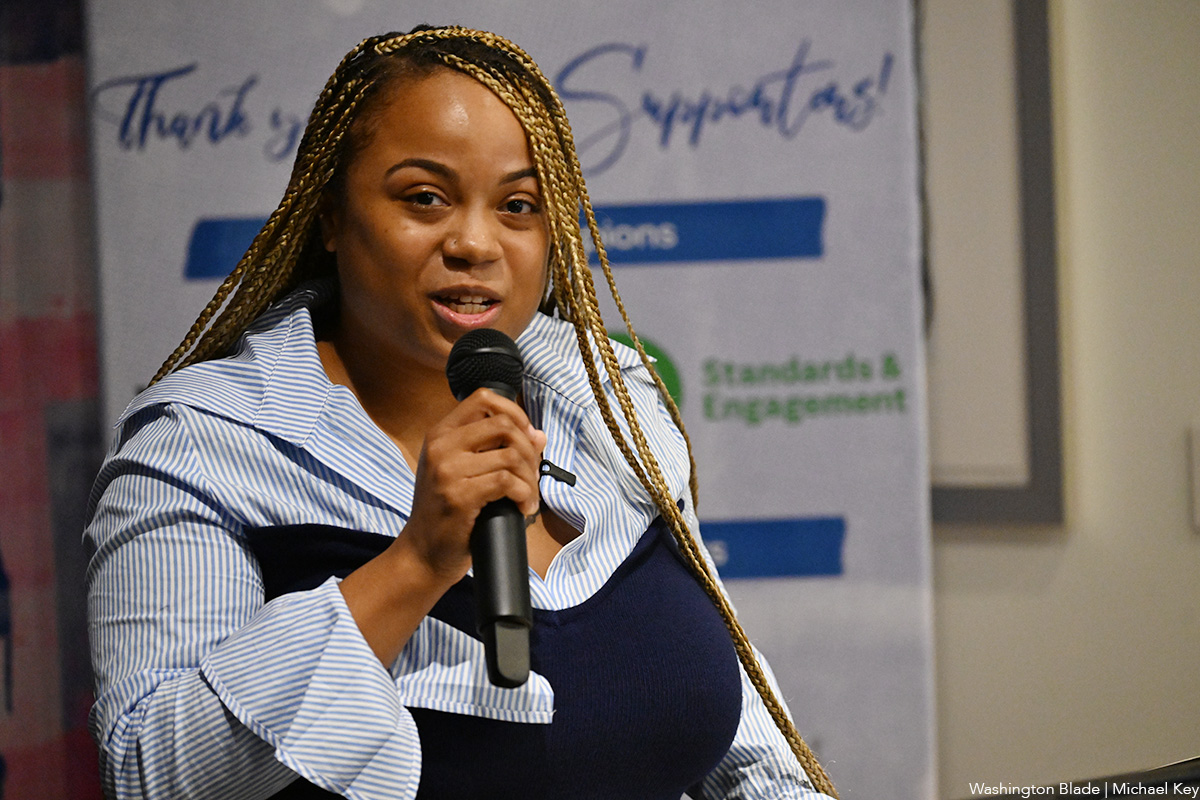
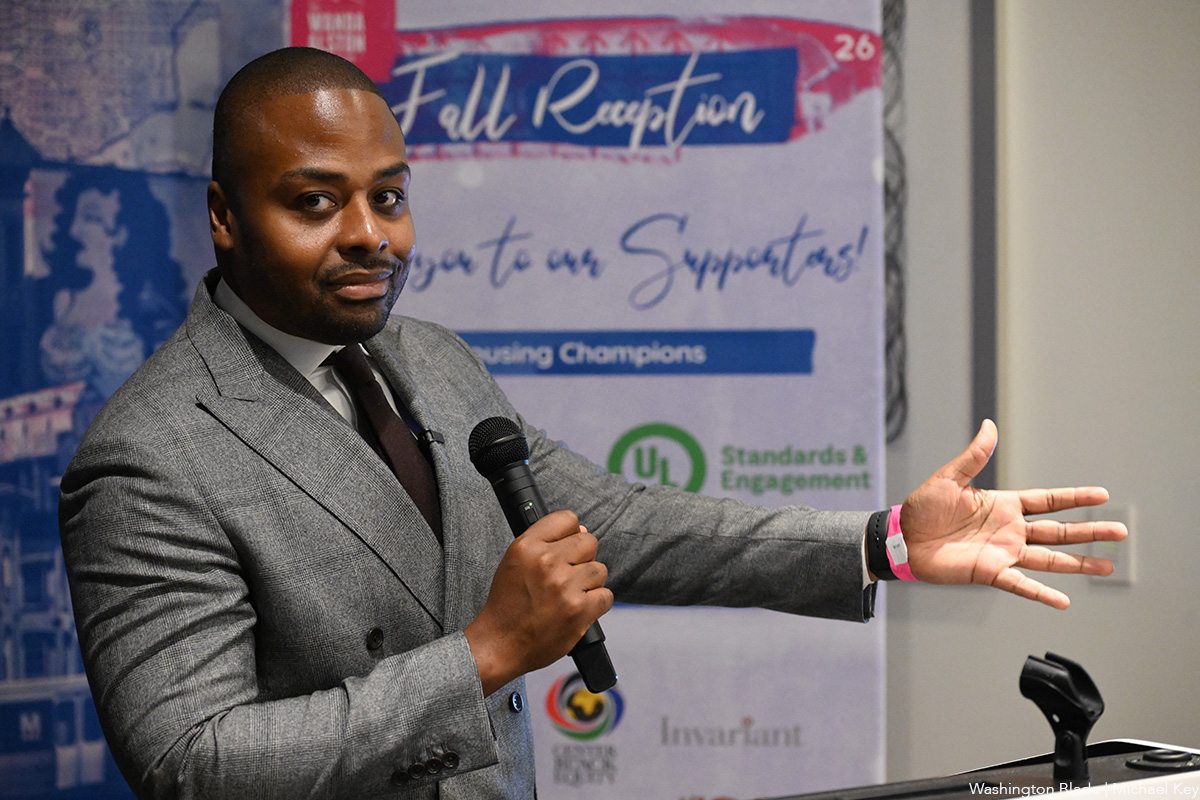
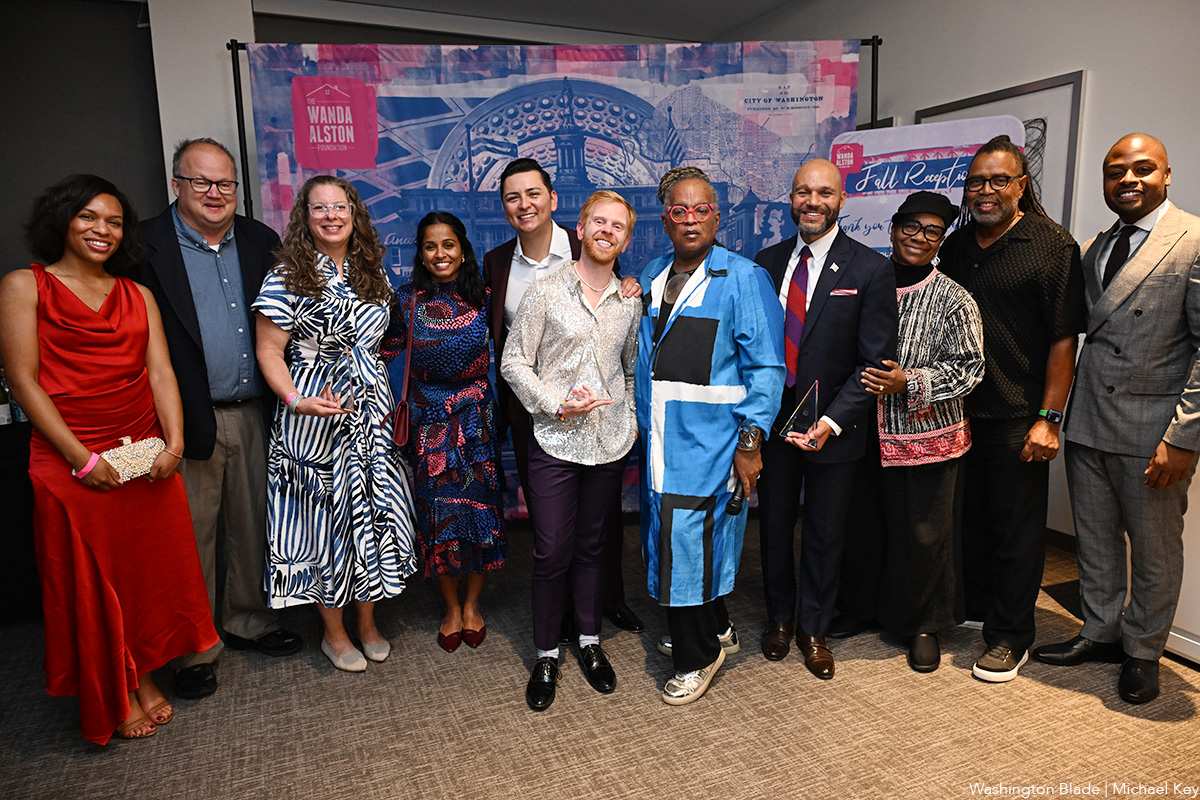
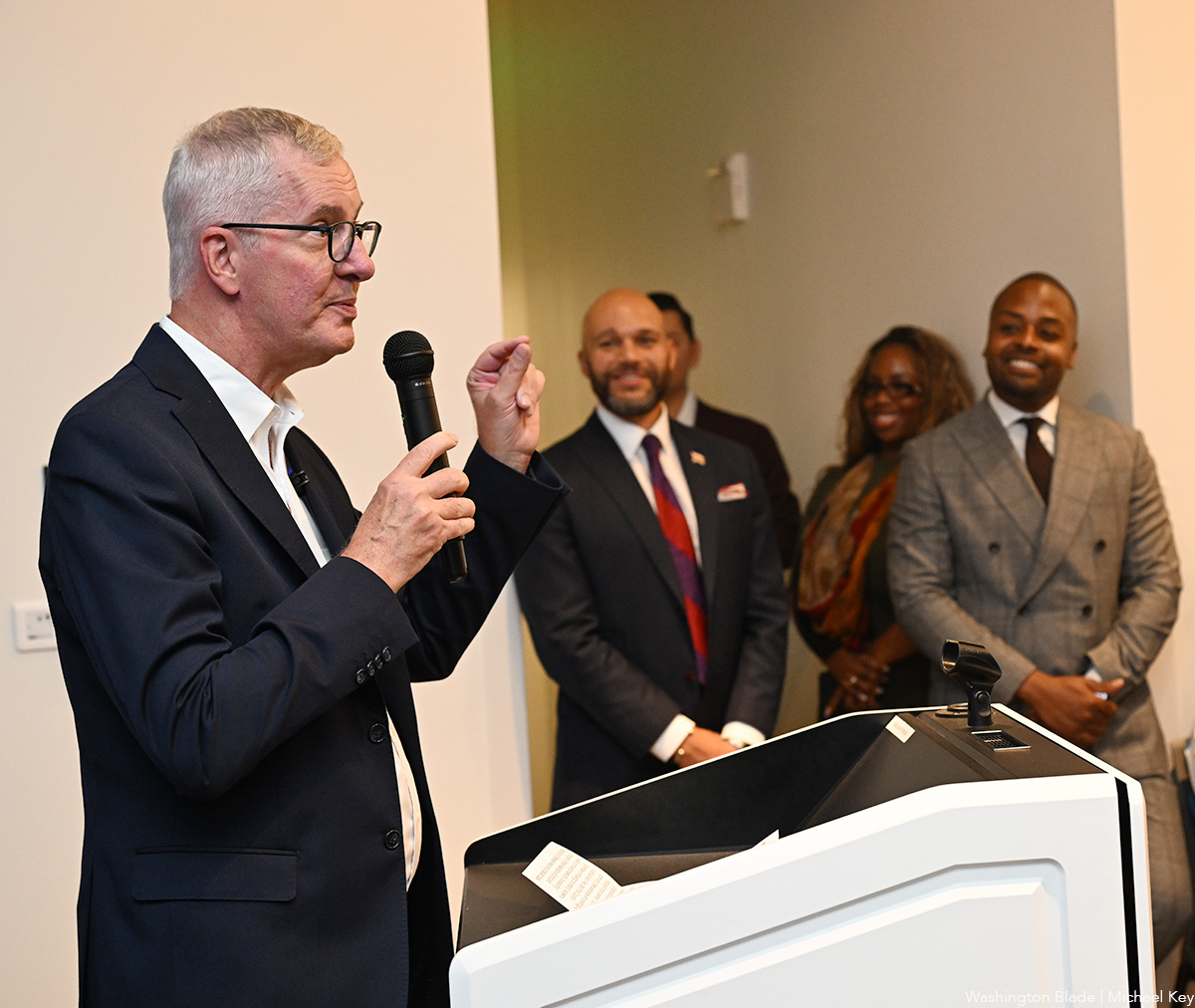
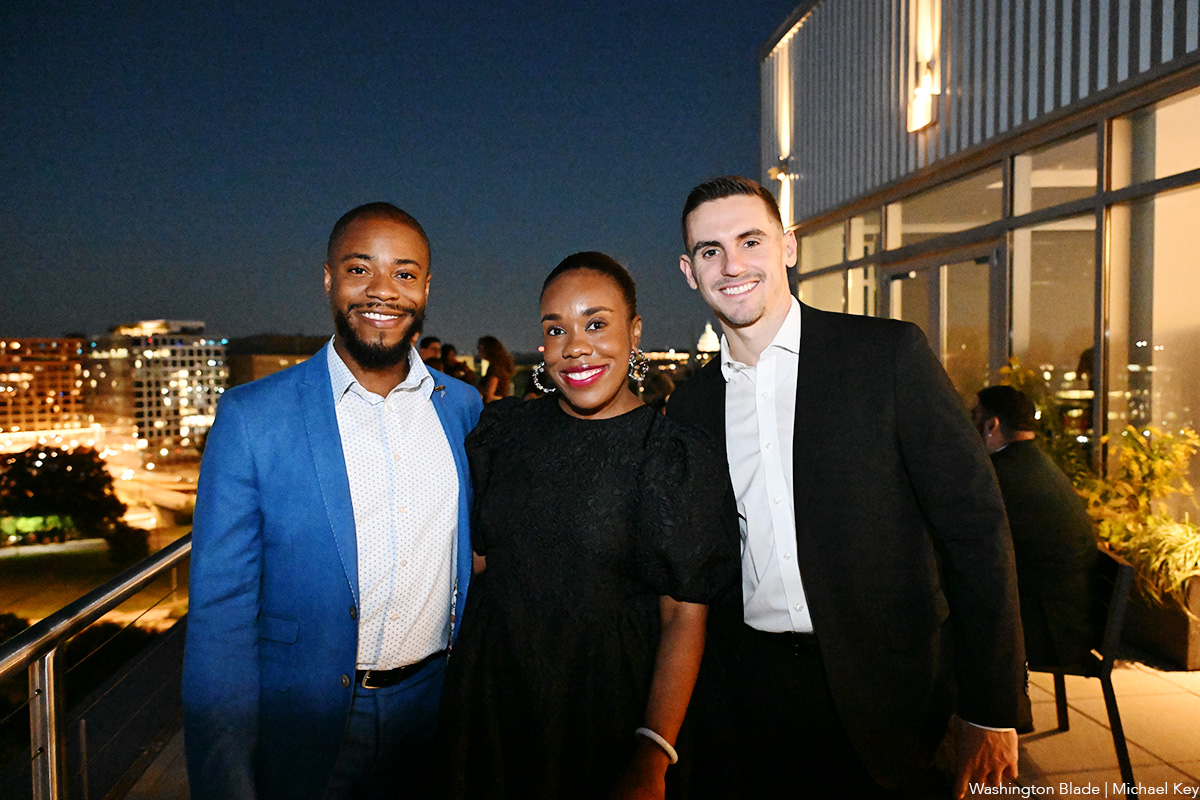
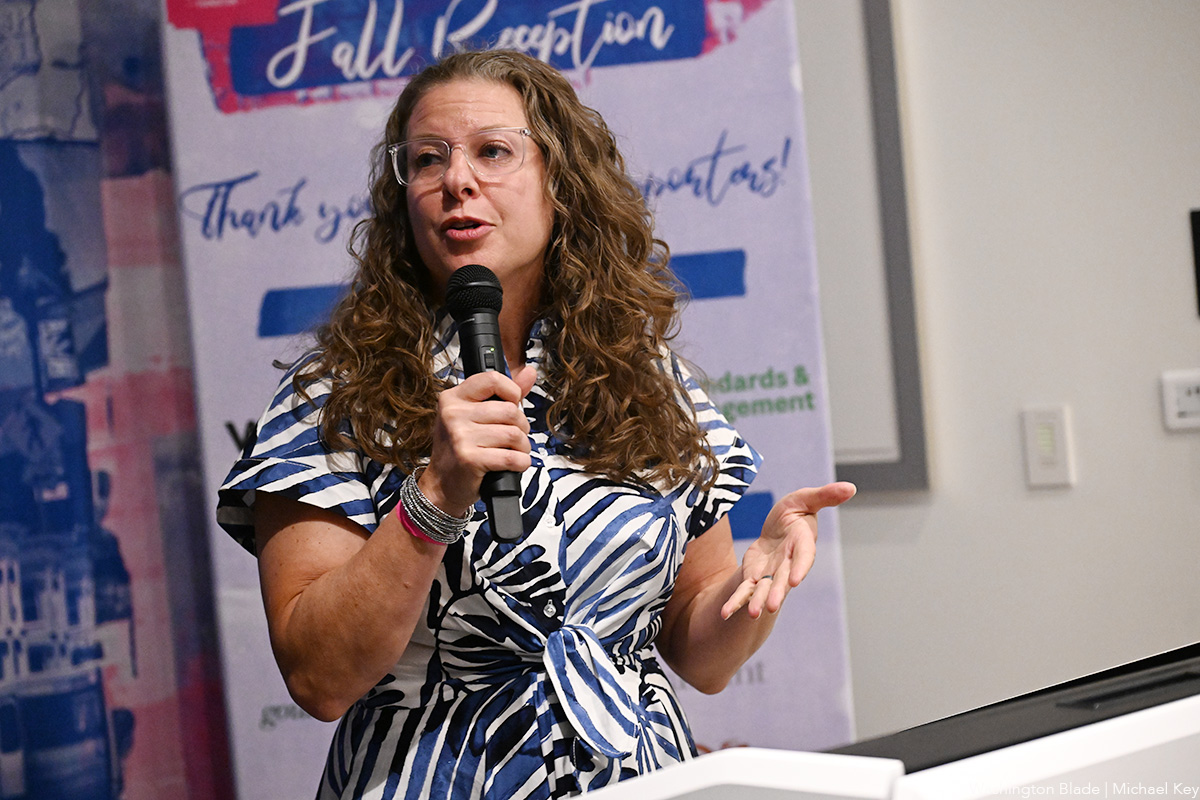
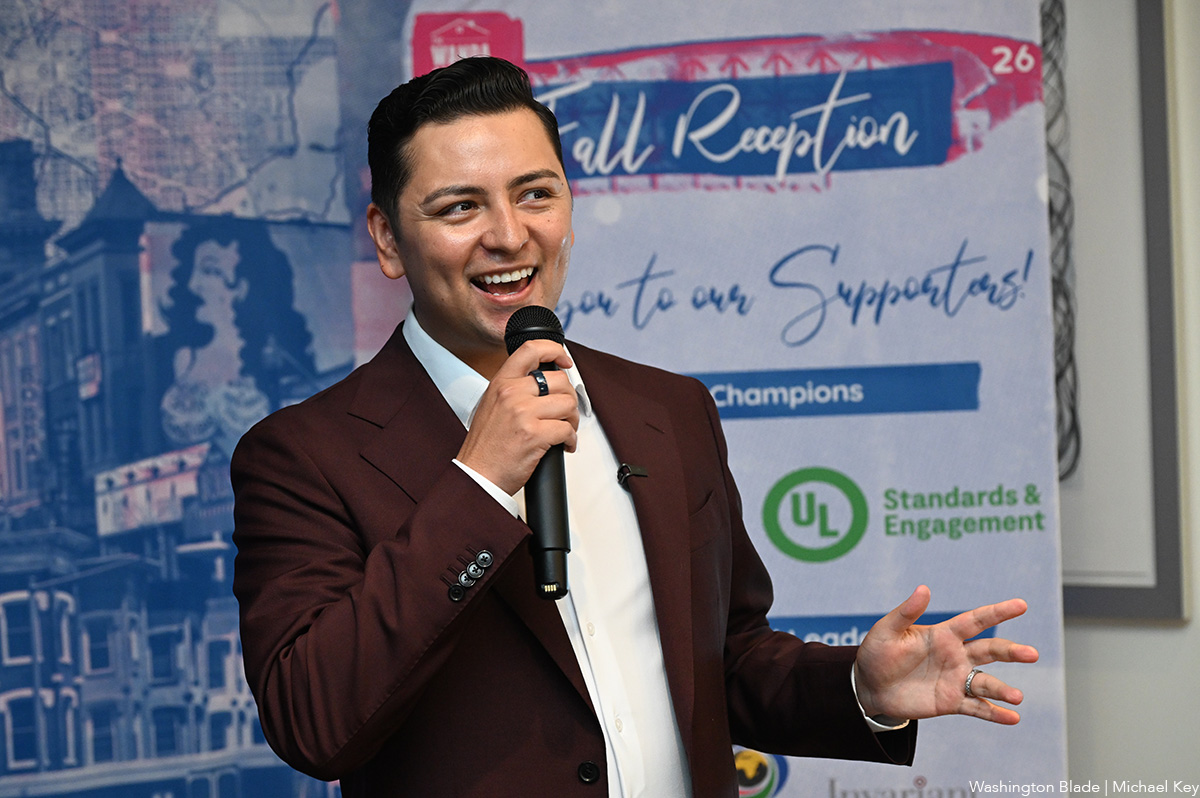
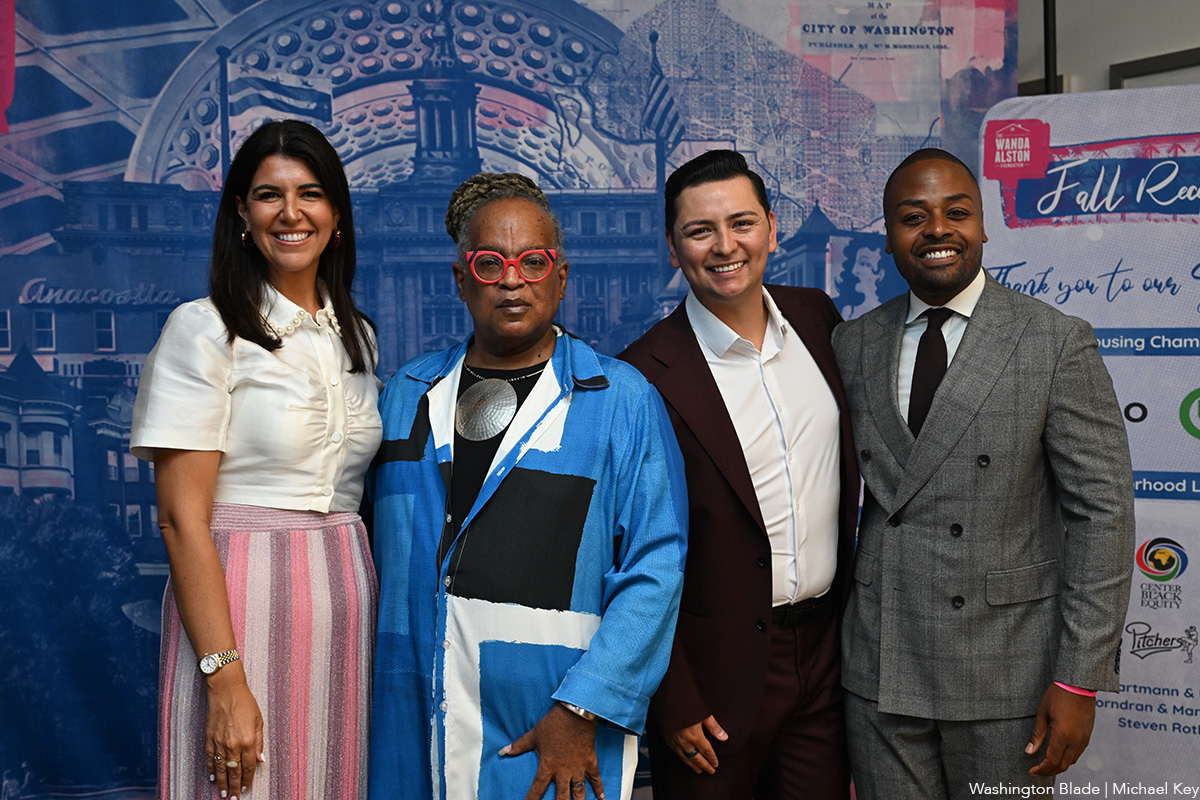
The Wanda Alston Foundation held its Fall Reception at the Penthouse Rooftop at The Wharf on Friday, Sept. 18. Honorees included D.C. Councilmember Robert White, Director of the Mayor’s Office of LGBTQ+ Affairs Japer Bowles, and the Washington Capitals. Rayceen Pendarvis served as the emcee and entertainment was provided by the Thomas Circle Singers.
(Washington Blade photos by Michael Key)
Books
Curl up with a good book this fall
New releases include mysteries, biographies, religion, and more
The fall books season offers lots of options so curl up and get ready to read.
FICTION
For the mystery fan who likes a sprinkle of thriller, look for “The Longest Death” by Kevin Jagernauth (Soho Crime, December). Richard Cobson hates his small town, he’s bored and desperate to get away. Stealing from his employer is the only thing that makes life bearable. That all changes when Marlon Montgomery comes to town and the two fall in love because if one guy can steal so easily, what can two do?
If you like graphic novels, try the “Tripping Over You” trilogy by Suzana Harcum and Owena White. Milo and Liam are finally able to be open about their relationship, no more hiding their love. They’re living together now, but can it last? “Tripping Over You Book 3” (First Second Books) is in stores in early November.
Also try “Diana: The Punk Singer Who Ripped Through Time” by Nate Powell (Abrams ComicArts, October). It’s about a young woman who’s trying desperately to escape her past, until a mysterious murder sidetracks her plans.
So you say you’re a romantic at heart? Then look for “Unspeakable Things: A Novel” by Elizabeth Hand (Little, Brown & Company, October). It’s a story set in the 1920s, when two young women arrive in the English Countryside to a dark and ancient manor. But, of course, nothing in a Gothic novel is easy, right? And you’ll love this tale.
NONFICTION
So this upcoming year is going to be one of exploration, right? Then look for “Free Love: Adventures in Marriage and Polyamory” by Michelle Tea (HarperOne, November). It’s a well-researched, personal, and interesting look at the lives of polyamorous couples and what it’s like to live what used to be called an “alternative” lifestyle.
If “fall” says “biography” to you, then look for “Showbiz! My Life as a Middle-Aged Man” by Murray Hill (Gallery Books, October). For decades, Hill has been making audiences laugh with his signature humor, but getting laughs hides his past all too well. He grew up in an abusive family and learning to hone his talents took some ingenuity. If you’re not a Hill fan yet, you will be, once you read this book.
For the reader who’s searching for a spiritual place, “Reading the Bible Through Queer Eyes: Good News for LGBTQ+ People from Genesis to Revelation” by podcasters Brian G. Murphy and Shannon T.L. Kearns (HarperOne, December) might help. Here, the authors look deeply at Scripture to find the queerness that’s there, proving to readers that the Word is not always what it seems.
Young readers may want to check out “Bitter Pill: Randy Shilts and the Dawn of the HIV/AIDS Epidemic” by Clement Xavier, illustrated by Heloise Cochois, foreword by Michael Lee (Abrams ComicArts, November). It’s a highly researched true story of activist Shilts, but also of Harvey Milk, and the earliest days of the AIDS crisis, when gay men needed a loud voice to advocate for them.
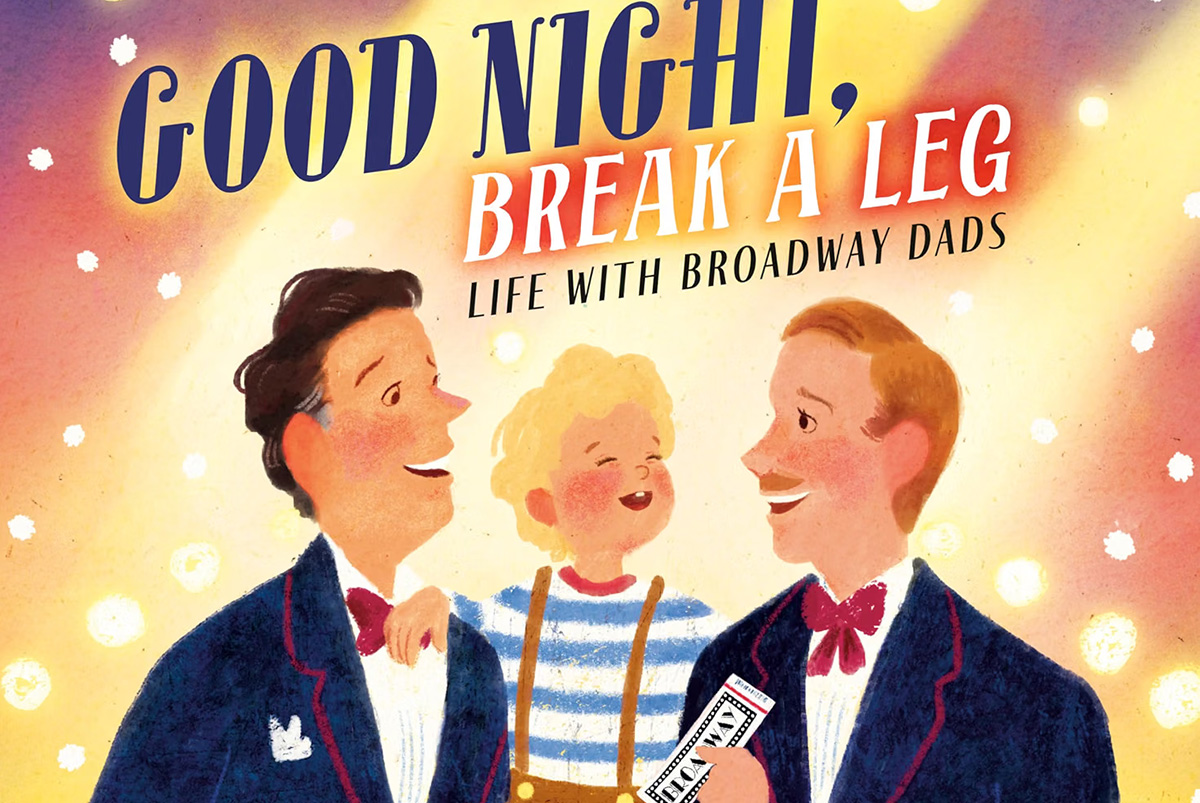
And finally, if you want a fun book for your kids or a child you love, look for “Good Night, Break a Leg: Life with Broadway Dads” by Bret Shuford, illustrated by Elena Hager (Penguin Workshop). What do parents do when they go to work? A little boy learns that his dads have very special jobs by day – and by night! It’s a cute book for kids, but a special tale for lovers of Broadway.
Be aware that publication dates change, titles change, books can be canceled, and your librarian or favorite bookseller can help you find what you need. Season’s readings!

Long-time DignityUSA executive director announces retirement

PHOTOS: Walk and 5K to End HIV

PHOTOS: Wanda Alston Foundation Fall Reception

Moving presents a chance to ‘clean house’

EV ecstacy: BMW iX3, Rivian R2

Trump’s Cabinet: Dumb, dumber, dumbest, and evil

D.C.’s fall theater season is already well underway

Gun reform is an LGBTQ rights issue

Parties, dinners, concerts and more on tap for fall nightlife