Arts & Entertainment
‘Big Brother 19’ houseguests spark backlash with transphobic conversation
contestant Cody Nickson makes more anti-trans comments this season
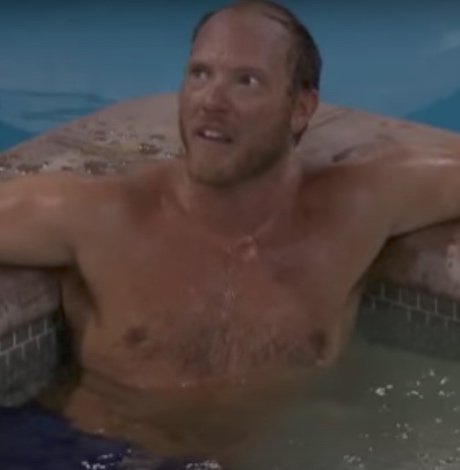
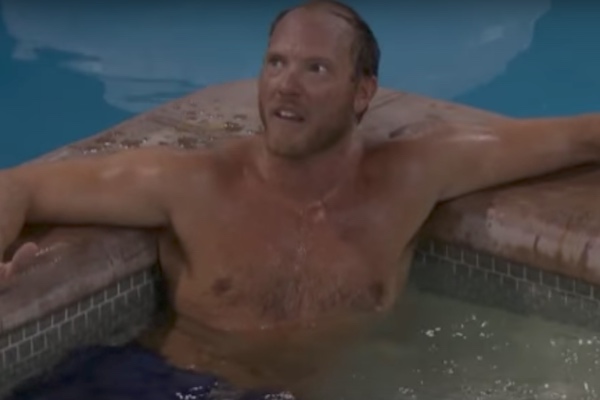
(‘Big Brother 19’ houseguest Jason Dent. Screenshot via YouTube.)
“Big Brother 19” contestants Jason Dent and Cody Nickson sparked a fan debate after they made transphobic comments captured on Sunday’s live feeds.
Dent and Nickson were in the hot tub with fellow contestants Jessica Graf and Matt Clines discussing season 17 of “Big Brother.” Graf mentions Audrey Middleton, the first transgender contestant in the show’s history, causing Dent to become confused about what that means.
“She was the first transgendered cast member,” Graf says.
“What the fu*k does that mean? She was a she?” Dent asks. Nickson responds, “It was a dude dressed up as a woman.”
“Okay it was a dude,” Dent says before Graf cuts him off.
“You guys are walking such a thin line,” Graf says.
“What? That’s what it was,” Nickson replies.
Later Graf refers to Middleton as “she” causing Dent to say “Okay, but it was a he.” He then continues to ask, “Was it a he first, or a she first?”
Clines laughs and says the problem is Dent keep referring to Middleton as “it.”
Middleton responded to the foursome’s hot tub conversation with a Twitter post urging others not to send Dent and Nickson hate but to educate them.
“You are not born with emotional intelligence, you are conditioned to have it. The people who lack it are the one who are too afraid to try to understand what value it truly has. If you are someone who is radically opening yourself to things you will live the most purpose filled life of all,” Middleton writes.
My thoughts on what was said on the #BB19 live feeds about me ?️?? pic.twitter.com/A95x3AOYuh
— Audrey Middleton (@OddreyM) August 7, 2017
The conversation also started a lengthy debate on Reddit about if Dent’s comments should be taken to heart.
This isn’t the first time Nickson had found himself a part of a transphobic conversation. While speaking with Graf earlier this season, Nickson used the word “tranny” multiple times while discussing the transgender community.
Genuinely can’t wait till he’s (Cody) evicted i’ll have all the popcorn #BB19 pic.twitter.com/U6GMWALrMB
— Taylor Allen (@TaylorAllen133) August 7, 2017

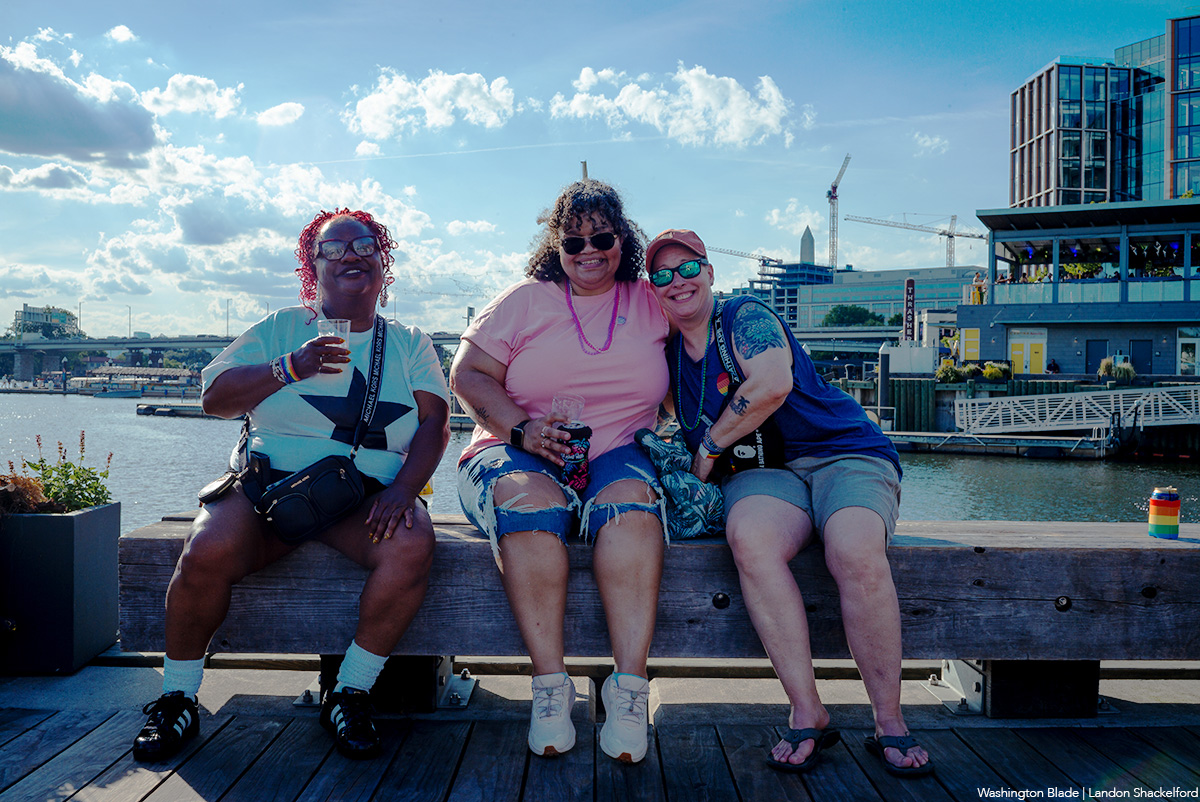
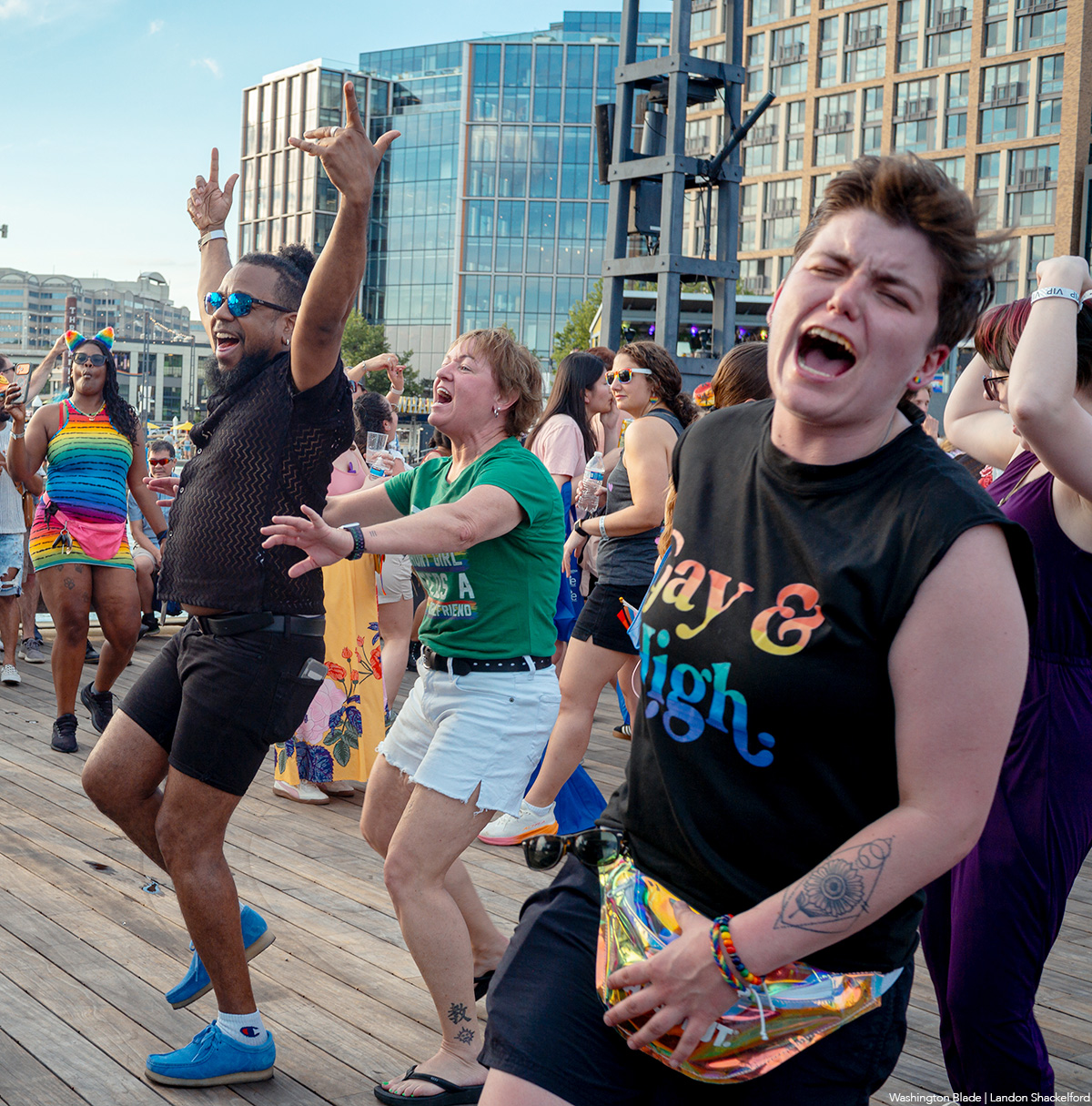
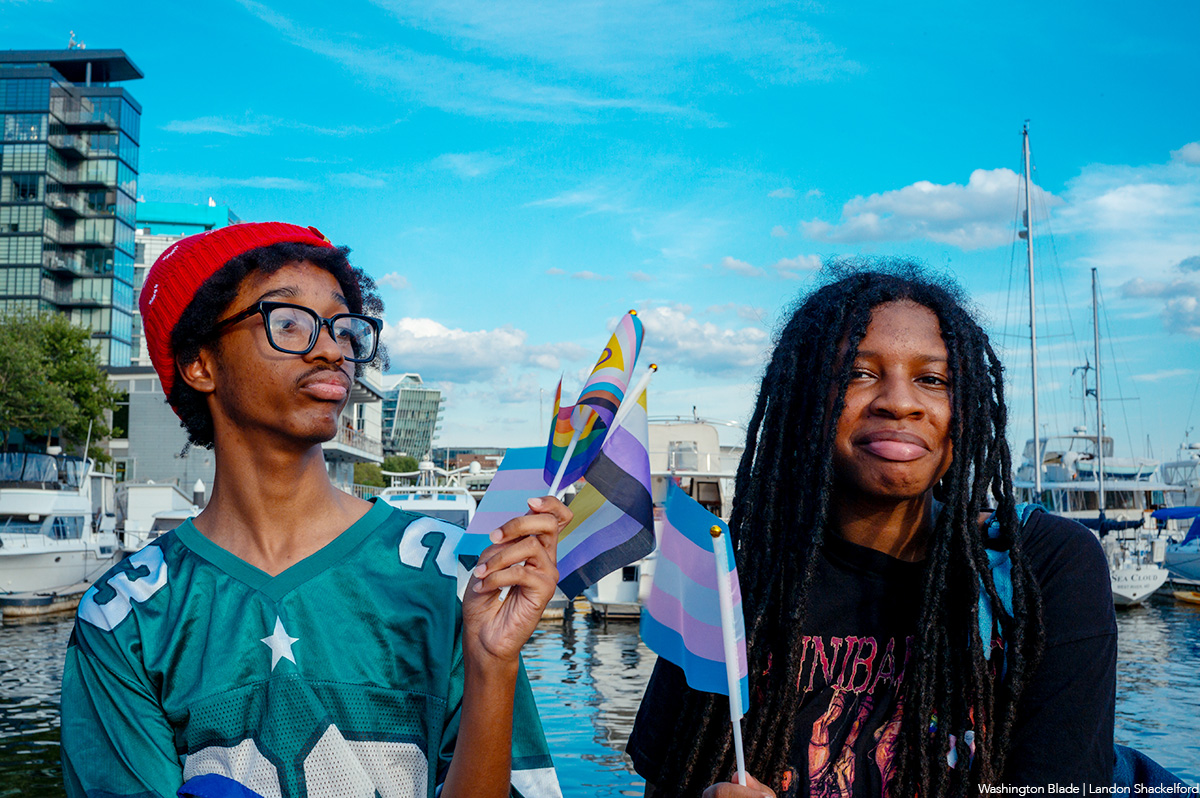
The Washington Blade held the seventh annual Pride on the Pier at The Wharf DC on Saturday, June 13.
(Washington Blade photos by Landon Shackelford)






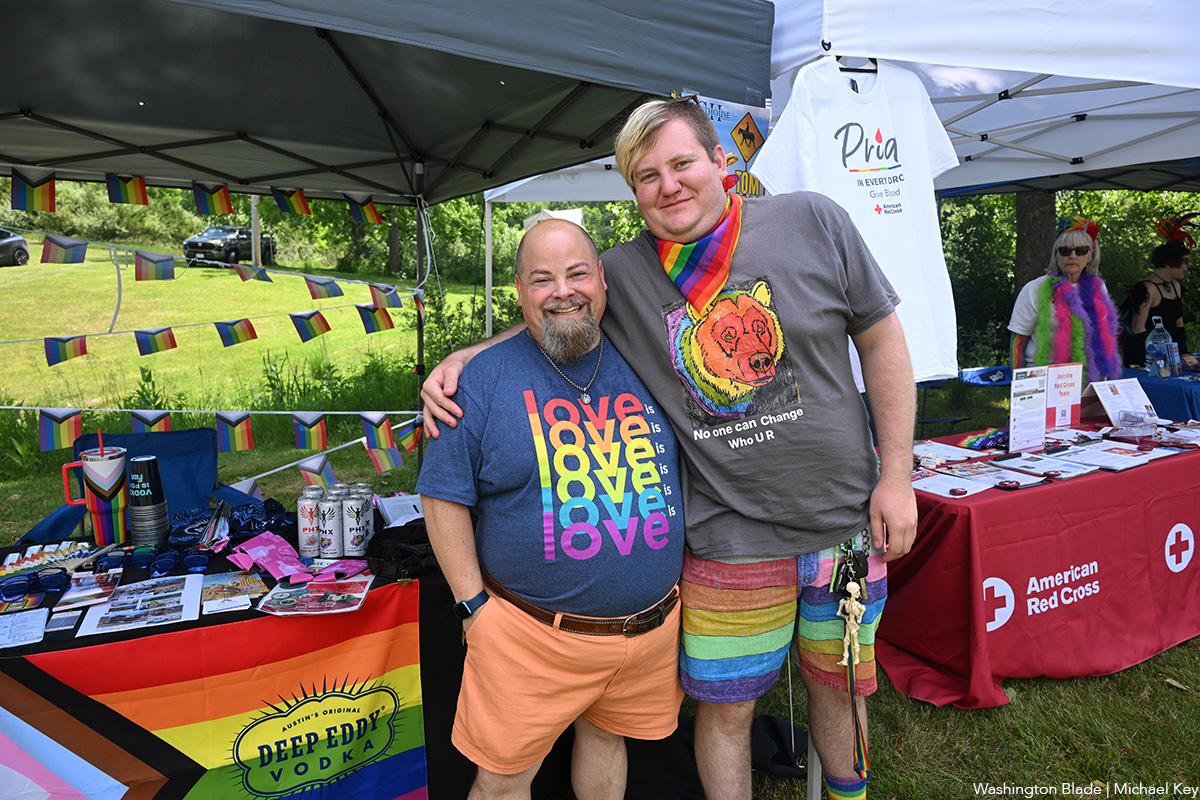
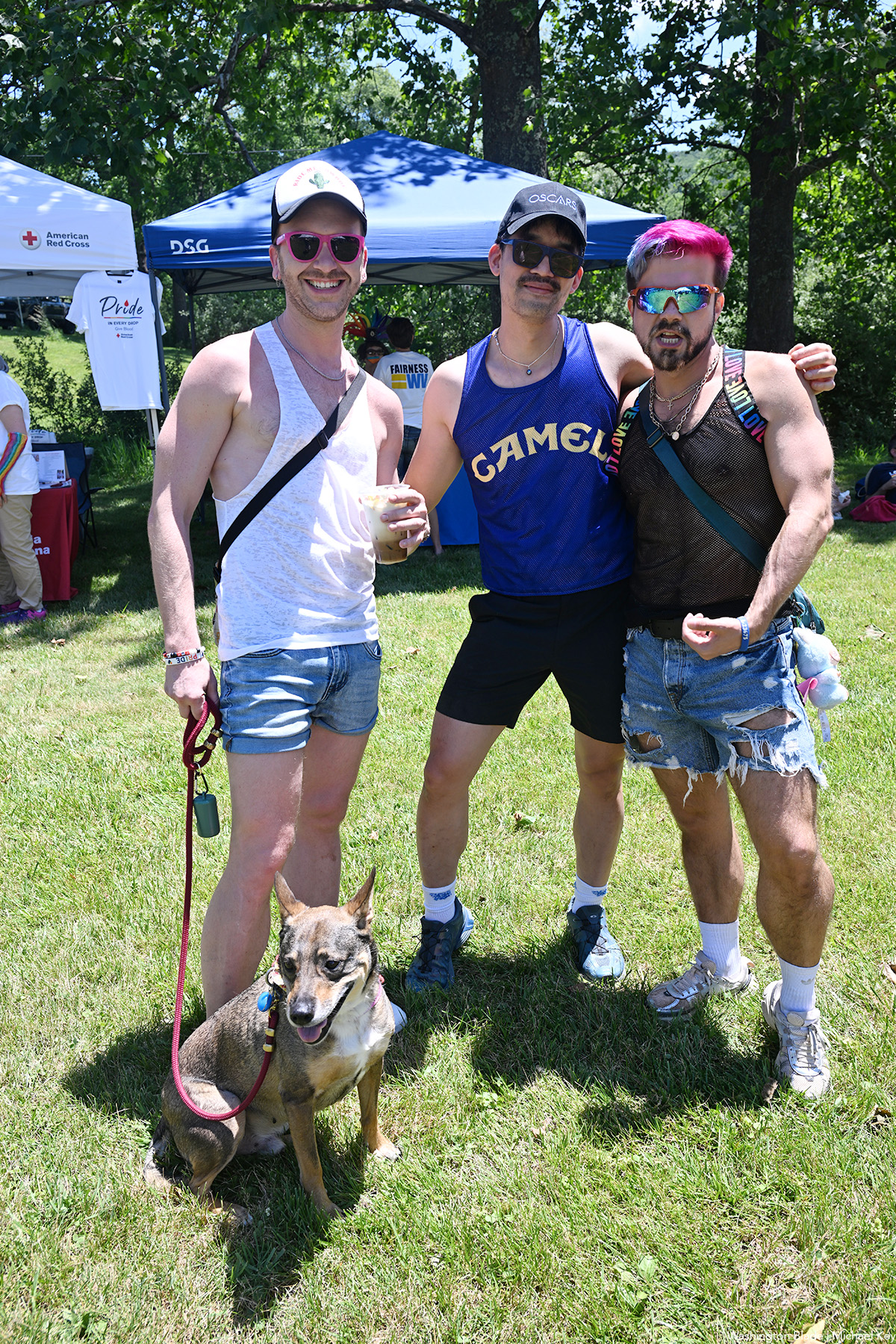
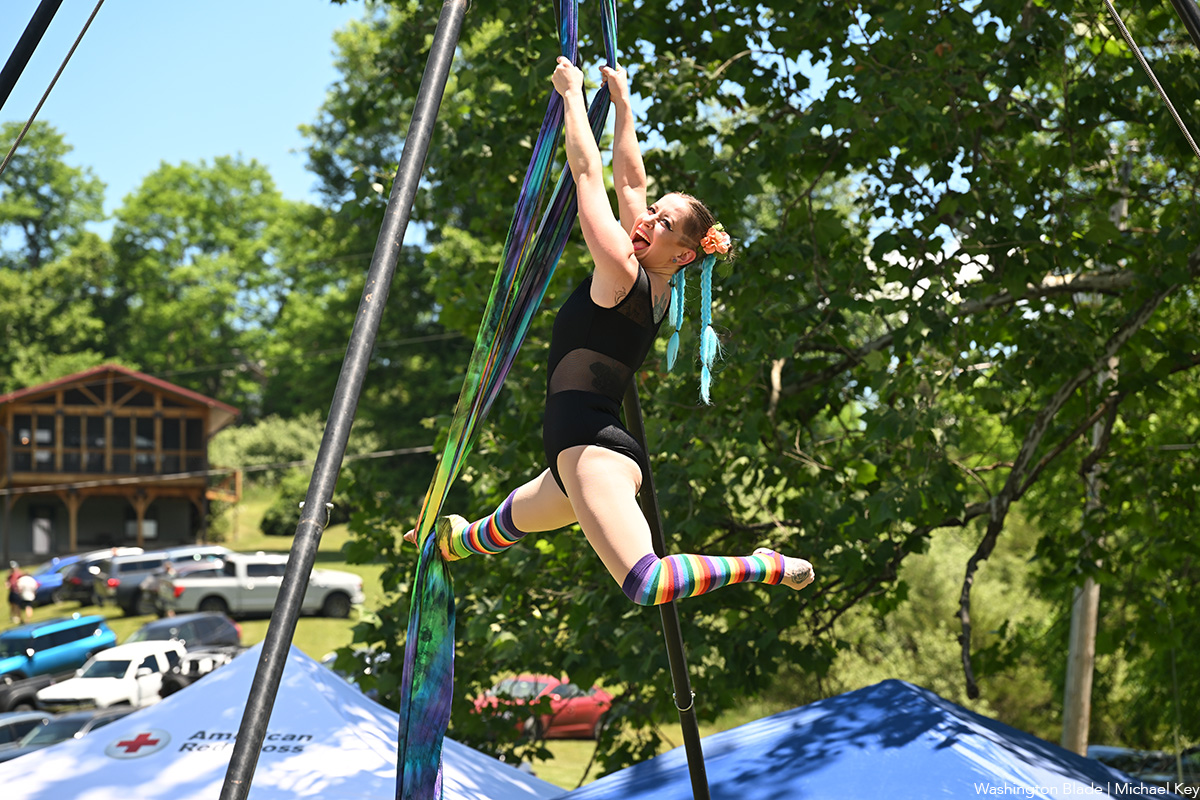
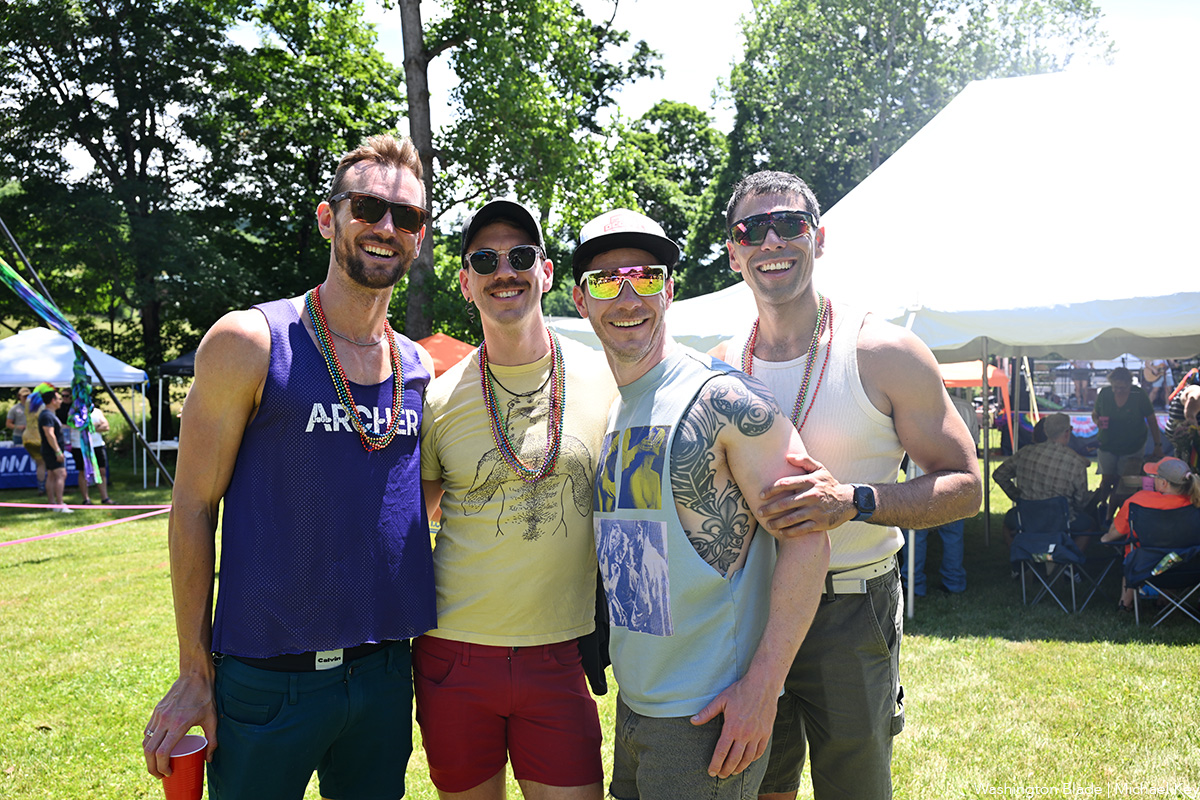
The 2026 Lost River Pride Festival was held on the scenic grounds of the Lost River Farmers Market in Lost City, W.Va. on Saturday, June 13. Headliner Tom Goss performed at the festival and gave a second performance at the nearby Guesthouse Lost River.
(Washington Blade photos by Michael Key)










View on Threads
Books
David Archuleta on Mormon faith, ‘Idol,’ more in new book
Unique memoir details religious upbringing, coming out
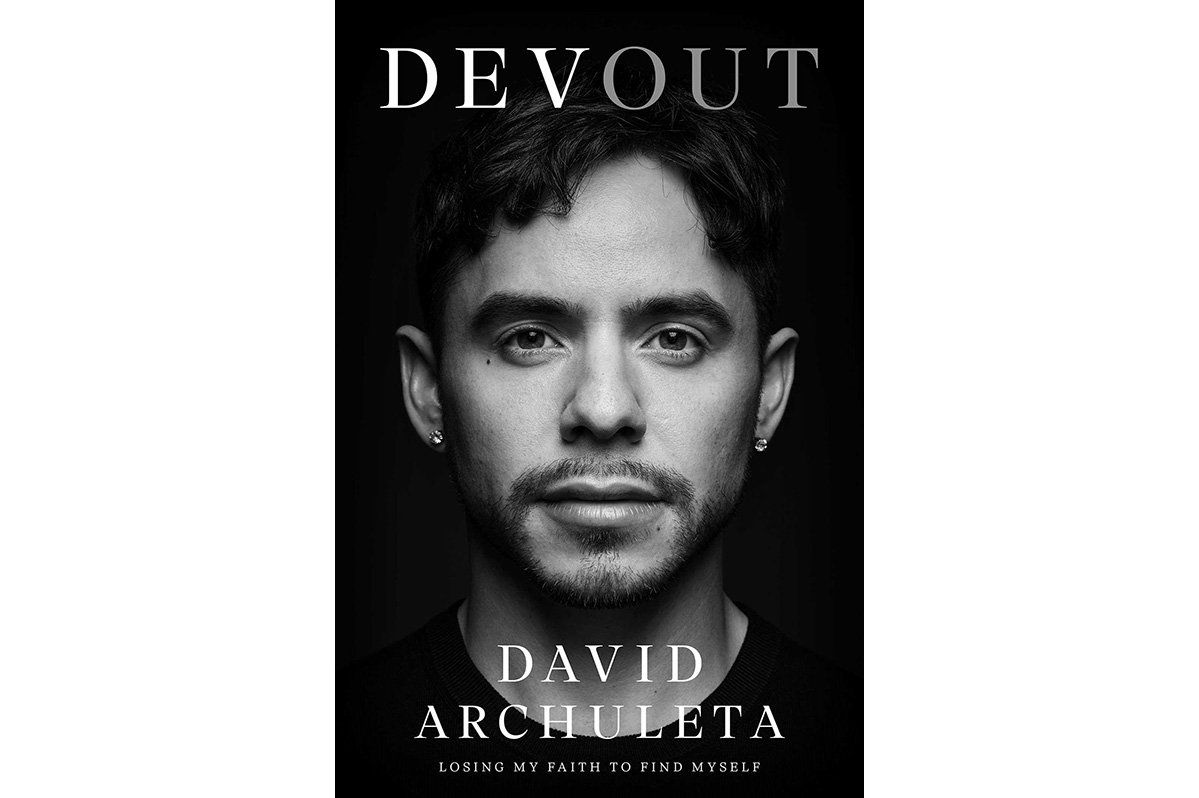
‘Devout: Losing My Faith to Find Myself’
By David Archuleta
c.2026, Gallery Books
$29/290 pages
So just make up your mind already.
The decision is very much in your control – or, at least that’s how it’s supposed to be. It’ll be your future, your path, and seizing it may not just be necessary, but mandatory. It’s your life, and no one can live it for you. As in the new memoir “Devout” by David Archuleta, that goes for career and for love, too.

Born to parents who both had musical careers before they wed, David Archuleta remembers an early childhood growing up in a Hispanic Mormon community in Florida, where kin was always nearby. He was six when his parents moved the immediate family to Utah; the first thing he remembers about that is the snow, and how it was so cold, it burned.
Because music was in his blood, Archuleta grew up singing and dancing, often with his mother whom he calls “my rock.” It was his father, however, who encouraged him to perform; first, with a gentle push, then a shove toward a career Archuleta didn’t really want.
But he did want to make his father happy, so he went along with the contests, embarrassing meet-and-greets with stars, and uncomfortable introductions. Slowly, though, performing became more fun, and Archuleta made friends.
Meanwhile, back home, everything was breaking apart. A “family friend” whom Archuleta refuses to name accused his father of abuse. He was exonerated, but it affected the family’s closeness and they stopped being affectionate.
That was a painful backdrop to Archuleta’s soaring career, his appearances on Star Search, friendships with other rising stars, his runner-up spot on “American Idol,” tours, and recording contracts. His father kept pushing him.
But there was one thing missing.
Since he was a boy, Archuleta had known that he was attracted to men, but his Mormon faith taught him that that was unacceptable. Kissing, his abuelita said, was wrong. He tried hard to date girls, in the most chaste way. Anything past that was against God – and anything at all with a man was unthinkable.
Though it absolutely favors his personal life and dwells on it a bit too much, “Devout” strikes an otherwise nice balance between that, author David Archuleta’s career, his sexuality, and his faith. The latter two are loaded with controversy.
You don’t need to be Mormon to fully understand the faith part; Archuleta offers non-Mormons a brief education, so readers can see the importance of the Church’s teachings in his life and why he felt the need to abandon it as his understanding of his bisexuality grew. It’s emotionally raw and honest, but also so respectful that it almost bears re-reading. Such candor and the heart-on-his-sleeve tone you’ll sense are features in the entire book, alongside Archuleta’s family’s struggles and his learning to strike out alone.
It’s harmonious in more ways than one, and fans will be happy.
So, too, will anyone who wants a unique memoir with a dose of faith, or someone who’s an “American Idol”watcher. Find “Devout” and be sure to share. You won’t mind.
The Blade may receive commissions from qualifying purchases made via this post.

PHOTOS: Pride on the Pier

PHOTOS: Lost River Pride

David Archuleta on Mormon faith, ‘Idol,’ more in new book

The advantages of owning your home

‘Suffs’ an entertaining chronicle of battle to pass 19th Amendment

McDuffie on LGBTQ support and standing up to Trump

Blade editor inducted into D.C. Society of Professional Journalists Hall of Fame

Pride in a new world order

Rehoboth’s Pride on the Bay set for June 27