Arts & Entertainment
Kehlani gets real about her struggles as a pregnant queer woman
The 23-year-old singer announced she is expecting in October

Kehlani (Photo via Wikimedia Commons)
Kehlani opened up about the negative backlash she received for announcing her pregnancy in a revealing interview with Nylon.
The 23-year-old singer told fans she was expecting on social media in October but she says some people doubted her sexuality because she is pregnant.
“I’ve gotten everything from ‘I thought she was a lesbian’ to ‘she was using queerness to promote her career, then went and betrayed us with a man’ to ‘her baby father is just a sperm donor’,” Kehlani says.
In April, Kehlani explained her sexuality on Twitter writing “cuz i keep geddin asked.. i’m queer. Not bi, not straight. I’m attracted to women, men, REALLY attracted to queer men, non binary people, intersex people, trans people. lil poly pansexual papi hello good morning. does that answer your questions?”
Speaking with Nylon, Kehlani says she “never identified as a lesbian” and didn’t consider herself the “queer icon’ of the century.”
“Having so much attention on me outside my art already gives me enough anxiety,” Kehlani says.“I have always said, and will always say, there are people out there in this community fighting for equality in realer ways than making songs about it and performing at events like I am, and those are the ‘queeroes.’”
Kehlani also faced issued with using the term “queer” to describe her sexuality.
“I also saw a lot of discomfort with the use of the word queer,’ hinting that it’s used for folks to run away from identifying with a more ‘solidified’ term like bi/lesbian/gay/pan,” she says.


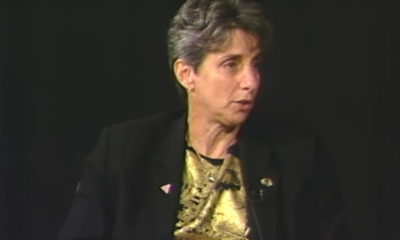

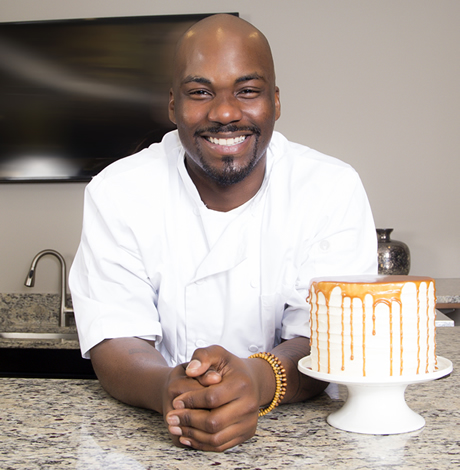

The Capital Pride Alliance presented the 2026 Capital Pride Honors at “The Audacity Brunch: In Full Fuchsia” at the Four Seasons Hotel Washington, D.C. on Sunday, June 7.
(Washington Blade photos by Landon Shackelford)


Out & About
Congressional Cemetery hosts Gays & Graves
Daylong Pride celebration blends history, remembrance, art and community

Historic Congressional Cemetery will host the second annual “Gays & Graves: A Big Gay Festival” on Sunday, June 14 at 11 a.m.
The event will feature pioneering activist Randy Wicker, the Gay Men’s Chorus of Washington, and new public art installations and programs celebrating LGBTQ+ history. Gays & Graves is an official partner event of Capital Pride 2026.
This event is a daylong Pride celebration blending history, remembrance, art and community. Visitors can shop from LGBTQ+ and allied artists and makers, experience performances and interactive installations, and engage with programs exploring LGBTQ+ history and lived experience.
For more details, visit the cemetery’s website.
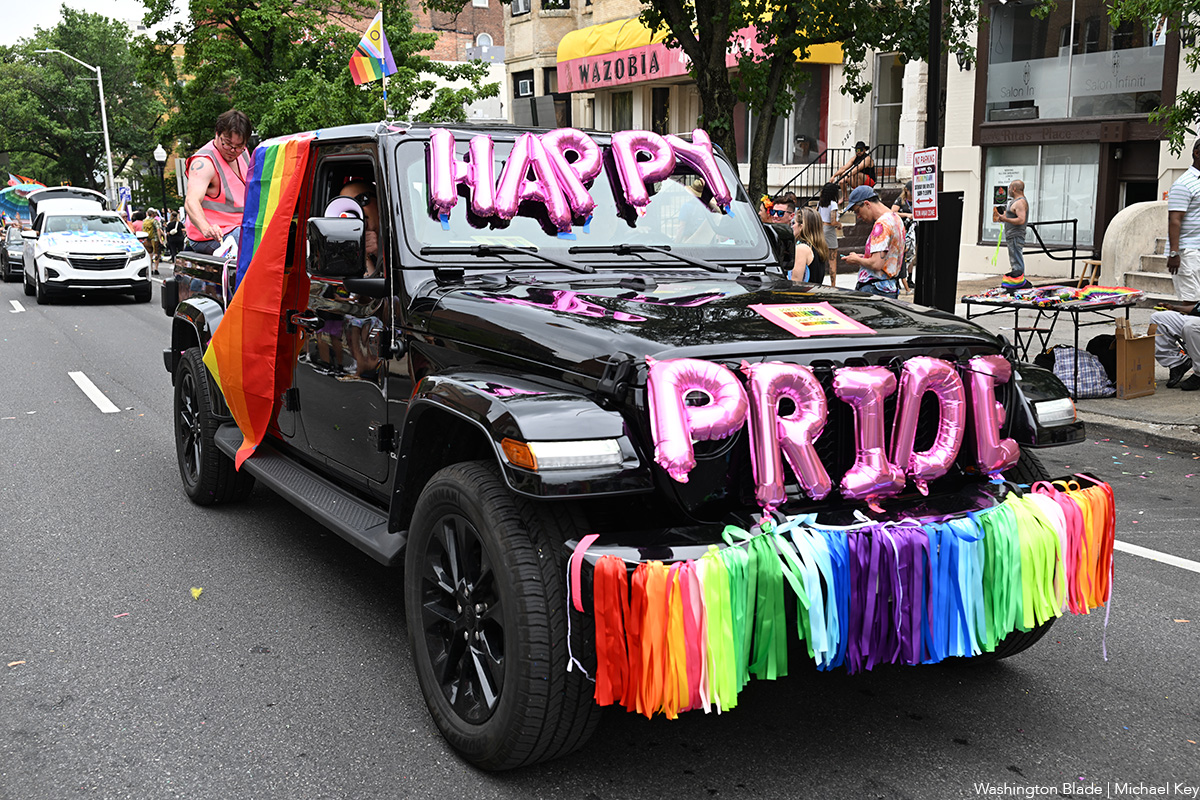
Baltimore Pride is underway, taking place from June 8-14.
The Pride Parade will be on Saturday, June 13 at 12 p.m. at Charles Street & North Avenue, followed by the Pride Block Party at 1 p.m. at Druid Hill Park. And then the Pride Festival will be held on Sunday, June 14 at 12 p.m. at Druid Hill Park.
There will be an array of additional events including: a fashion show, a “Suits and Sneakers” reception and a 5k race, among many other events.
For more details, visit Baltimore Pride’s website.

PHOTOS: The Audacity Brunch

D.C. Council approves expanded grant funding for Mayor’s Office of LGBTQ Affairs

Congressional Cemetery hosts Gays & Graves

Baltimore Pride is here

Calendar: June 12-18

Hundreds of thousands expected to attend D.C. Pride events

Queen Jean is Tony’s first transgender winner

EXCLUSIVE: Pelosi reflects on four decades of LGBTQ advocacy

David Archuleta, Monroe Alise named D.C. Pride parade marshals

D.C. prepares to party as Pride celebrations kick off Saturday
-

 District of Columbia5 days ago
Hundreds of thousands expected to attend D.C. Pride events
-
National5 days ago
Queen Jean is Tony’s first transgender winner
-
Congress4 days ago
EXCLUSIVE: Pelosi reflects on four decades of LGBTQ advocacy
-
District of Columbia4 days ago
David Archuleta, Monroe Alise named D.C. Pride parade marshals