Television
‘The Voice’ crowns first LGBTQ winner
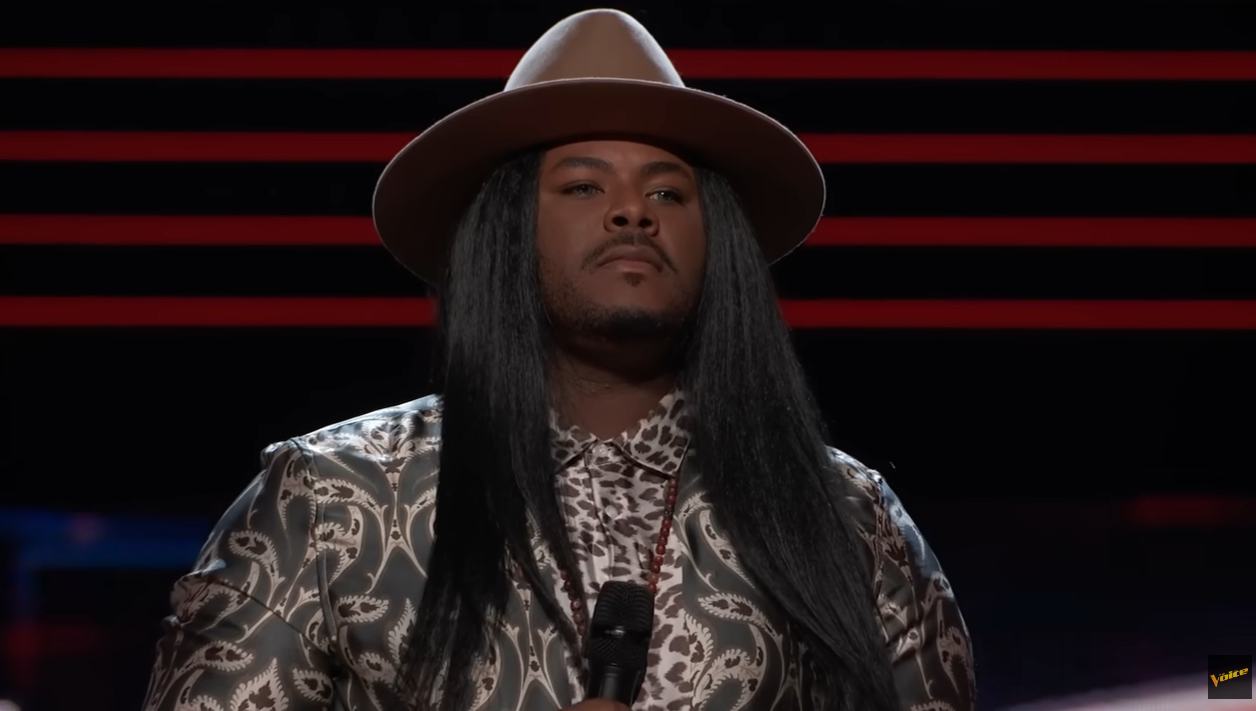
Asher HaVon is from Selma, Ala.
So, the LGBTQ pundits and culture watchers were … wrong. Or at the very least, anticipating “history” way before its time. After frustration over “American Idol”’s inability to crown an LGBTQ winner, they held high hopes for a new competing star-making vehicle, “The Voice.”
In 2011, the Advocate burst with excitement saying “There’s no need to wait on NBC’s new vocal competition, The Voice. The show boasts four gay contestants — two men and two women — heading into the battle round, where they will be coached by the likes of Blake Shelton, Cee Lo, Christina Aguilera, and Adam Levine. And while a couple of them might be eliminated in the next few weeks (in the battle round, teams of eight are whittled down to four when teammates face each other in a sing-off), chances that there will be a lesbian or gay singer competing to become the first ‘Voice’ are strong.”
Well. Not so strong. All of the LGBTQ contenders were eliminated. As were others over the years that even included a young trans man singing with his father as one of the show’s few duet contestants. “American Idol” did end up crowning an LGBTQ winner in its 18th season.
That was then … and this is now. After 25 seasons, “The Voice” has crowned Asher HaVon its winner. It is no wonder, as Asher’s vocal tone is hypnotic, rich, and blows through your auditory senses. Listening to him hit certain notes in his vocal runs can bring you to a flood of emotional tears. At least, it did for me.
It did for coach Reba McIntire as well.
The significance of Asher HaVon’s win goes beyond just a queer identity. It is adorned with a depth of representation and visibility. When Asher stepped on stage, he brought culture, diversity, history, and identity.
Like many incredible vocalists, he comes from a church foundation. Reba McEntire was a wise coach choice, relating to a broad reach of American sensibilities. She is one of the rare entertainers who is beloved by fans across the broad political spectrum. She is traditional, but an ally.
In a bit of irony, there is a segment of his hometown that still are keeping his LGBTQ status in the closet. The Selma Times-Journal brags about his “historic win,” but when they write about it, they are referring to the fact that he is the first winner from Alabama. They do not mention his LGBTQ identity at all.
Not sure how they could miss it. Asher presents in full-beat makeup with gorgeous nails to diva quality eye makeup and lashes. His costuming was never anything less than fabulous. His song choices placed him in a pantheon of LGBTQ-worshipped goddesses that included Adele, Beyonce, Whiney Houston, Patti LaBelle, Toni Braxton, Tina Turner, and Donna Summer. He was not only courageous to take on their groundbreaking hits, but did so with the talent to impress with his own versions of them.
As Asher stands on stage, he also represents a proud black man living in the spirit of America’s civil rights movement. He truly does represent Selma, Ala., and its fight for equality significance is part of his DNA and his history. In 2015, when President Barack Obama visited the city, Asher sang for him in front of a crowd of 200,000 at the famed Selma Bridge crossing.
While the significance of that event is not lost on him, Asher calls it one that he “will never forget”, he tells the Montgomery Advertiser that “The Voice” “is different because it is the Asher HaVon that most people never got a chance to see. I am free. I am walking in the authenticity of who I am, while sharing my gift. That means so much more to me than any other experience than I’ve ever had in life.”
While Asher carried his legacy, the history he represented, and his authenticity into every performance he gave over the show’s run, it was his pure talent that put him on top. It was so impressive that it even broke through the show’s premise of four celebrity coaches battling it out for a win. Under that guise, each of the coaches pleads with America to vote for their protégés.
Asher had most of them pleading for him instead. He initially received three “chair turns” at the outset where Chance the Rapper, Dan and Shay, and Reba were the celebrities campaigning for him to pick them. John Legend was the hold-out. Asher, ever the diva connoisseur, had already picked Reba in his mind and would have picked her no matter what anyone else had said.
Legend, later in the season, shared that he received a phone call from his dad who declared not only that he was rooting for Asher, but that Asher was “THE” voice of the season. Both Legend and Chance declared Asher to be “the best vocalist on the show” several times in their feedback statements.
While Asher’s win and authenticity should bring a source of joy to LGBTQ fans, it also is a big boost for his coach and main champion, Reba McEntire. While the show has put a full-throttle on Reba as the “queen of country” and showered her with adoration, she has had some difficulty in wowing many of the auditioning singers onto her team. Asher represents a significant win for her, as well as her being also the coach for first runner-up Josh Sanders, when she starts the next season against Gwen Stefani, Michael Bubble, and Snoop Dogg. The latter two are newcomers and Stefani boasts only one previous win years ago, but a loss in her one previous match-up against McEntire.
For the future Voice contestants, Reba has some serious creds to play.
For the rest of us, in the LGBTQ community, in the dance clubs, and in the hearts of ones needing a new diva to love, Asher has arrived.
Related:
Asher HaVon and Coach Reba perform Patti LaBelle and Michael McDonald’s ‘On My Own’ during ‘The Voice’ finale.
******************************************************************************************
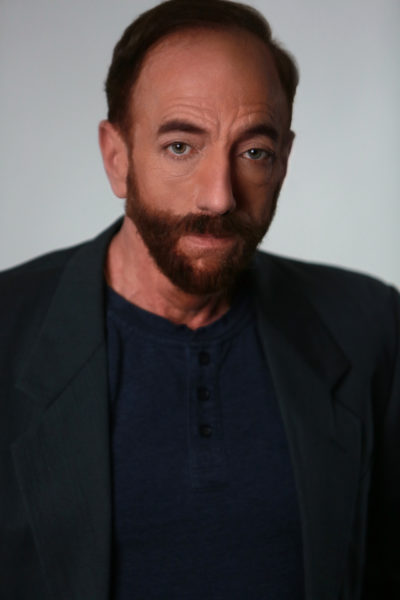
Rob Watson is the host of the popular Hollywood-based radio/podcast show RATED LGBT RADIO.
He is an established LGBTQ columnist and blogger having written for many top online publications including The Los Angeles Blade, The Washington Blade, Parents Magazine, the Huffington Post, LGBTQ Nation, Gay Star News, the New Civil Rights Movement, and more.
He served as Executive Editor for The Good Man Project, has appeared on MSNBC and been quoted in Business Week and Forbes Magazine.
He is CEO of Watson Writes, a marketing communications agency, and can be reached at [email protected]
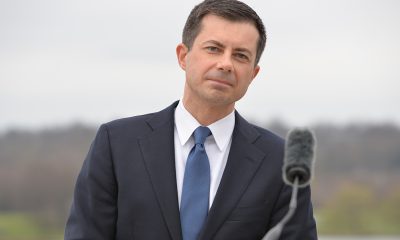

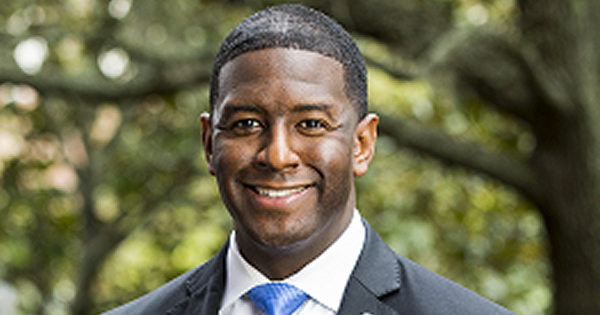
Nominations for the 78th Primetime Emmy Awards are here — and they are so, so queer!
With the year we’ve seen in LGBTQ media, this isn’t very surprising; whether it be jaw-dropping new series or the ends of fan-favorite classics, every month offered a new project or performer for queer audiences to fall in love with. There were some pleasant surprises — and shocking snubs — with these nominations that have left the many TV fanatics in our community excited, hopeful that their favorite actor or series can take home at least one award at this year’s ceremony.
Will this be the gayest Primetime Emmy Awards that the Television Academy has ever seen? Let’s take a look at some of the biggest, absolutely queerest nominations for this year and find out!
Leading the pack (and making history) for queer television is “Hacks,” with the final season of this HBO Max comedy earning a massive 25 nominations — breaking “Schitt’s Creek”’s record for the maximum number of nominations for a comedy series’ final season! Following an established comedienne (Jean Smart) and her bisexual, thoroughly Gen Z comedy partner (Hannah Einbinder), the series has been applauded for not only its portrayals of queer identity but also for how it showcases the generational divide in a way anyone can laugh at. Smart and Einbinder are both nominated for Outstanding Lead Actress and Outstanding Supporting Actress, respectively, with their fellow performers Meg Stalter, Paul W. Downs, Kaitlin Olson, and more also earning nominations for their time on the show. These, along with the numerous nominations for “Hacks”’ writing, directing, and all-around production, make it one of the most nominated programs at this year’s Emmys.
And this isn’t the only sapphic program being celebrated at this year’s awards! When “Pluribus” premiered, it took the (thankfully non-hive-minded) world by storm; it follows a lesbian author (Rhea Seehorn) who becomes one of the only people left with autonomy when an alien virus takes over the Earth. Seehorn — who offers an impeccably bitter performance as protagonist Carol Sturka — is being honored with an Outstanding Lead Actress nomination, with the show itself receiving 18 nominations overall in categories ranging from Outstanding Supporting Actor to Casting for a Drama. One extremely fun, thoroughly queer fact about these nominees: the actresses behind both of Carol’s onscreen love interests, Karolina Wydra and Miriam Shor, have earned their first Emmy nominations ever due to their work on the series!
While these queer TV shows are earning massive praise, the Emmys also made sure to honor the LGBTQ+ and ally celebrities who’ve graced our screens this year.
When he isn’t exciting audiences all over the world in “Heated Rivalry,” Connor Storie was making viewers laugh on “Saturday Night Live,” a hosting spot which earned him a nomination for Guest Actor in a Comedy. And though Jeff Hiller (who is coming off a 2025 Emmy win for “Somebody, Somewhere”) has proven to be one of the best parts of new hit “Widow’s Bay,” it was his turn as a mind-controlled, bicycle-short-wearing drone in “Pluribus” that earned the openly gay actor an Outstanding Guest Actor in a Drama nomination. Along with these, the always immaculate Zendaya received a nomination for Outstanding Lead Actress for her role as queer recovering drug addict Rue in “Euphoria,” and long-time ally Claire Danes will be competing for Lead Actress in a Limited Series for her role as troubled lesbian writer Aggie Wiggs in “The Beast in Me.”
When it comes to scripted television, the 2026 Emmy Nominations are filled with nominations for queer performers and stories alike. But, to the shock of nobody who loves nothing more than a good confessional and shocking table flip, there was one category where queer performers absolutely dominated: Reality Television.
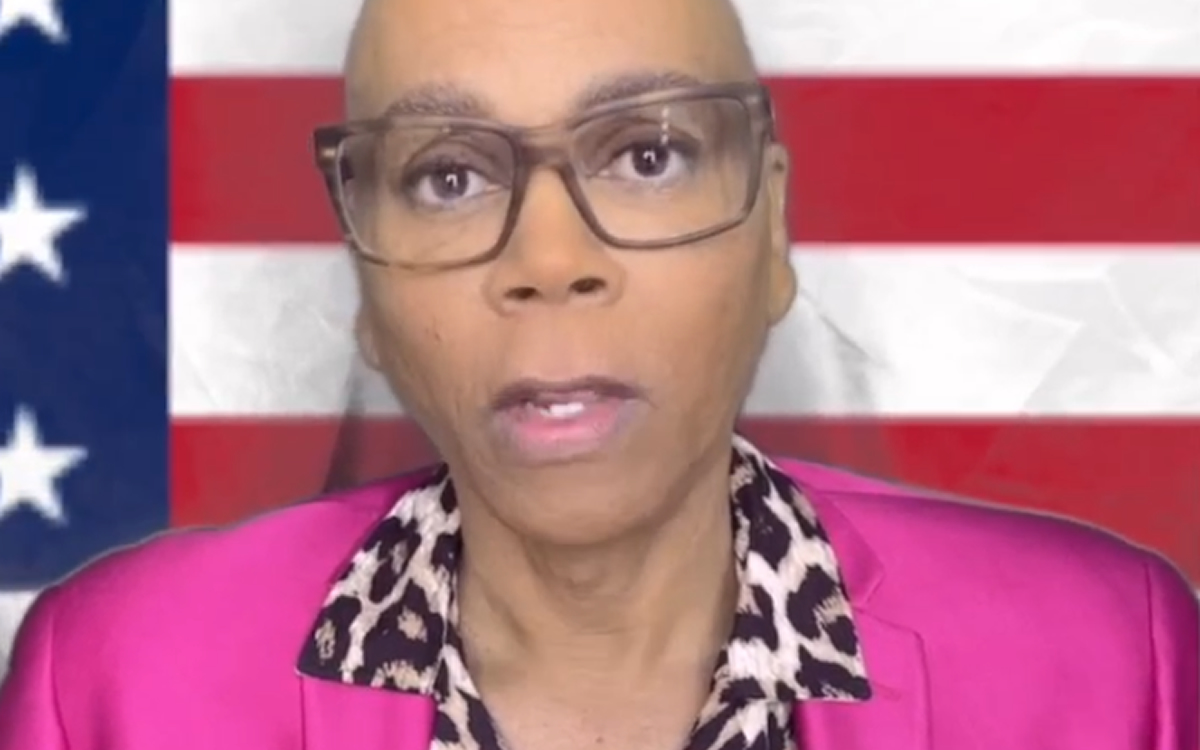
The Outstanding Host for a Reality/Competition Program is one of this year’s most competitive categories — and not just because four of the five nominees are queer! The hilarious RuPaul Charles and Alan Cumming have both received nominations in this category, with their shows “RuPaul’s Drag Race” and “The Traitors” also being nominated for Best Reality Competition Program. They’re joined by lesbian heartthrob Kristen Kish, who, for the third year in a row, has been nominated for Outstanding Host right alongside her series, “Top Chef,” for Best Reality Program!
And, finally, making her debut in the world of Emmy nominations is Ariana Madix, who just earned her first nomination for Outstanding Host thanks to her work on “Love Island USA”! An alum of reality TV herself, her guiding sexy singles along the path to love has helped this reality series take the country by storm. An openly bisexual host — who has stated that she wants her own show to be more queer — she joins this amazing group of leaders helping to innovate this genre today.
While these are some of the biggest LGBTQ+ nominees at this year’s Emmys, they don’t include the countless queerr editors, writers, costume designers, and more who have also been nominated in the ceremony’s 100+ categories. They all deserve a huge round of applause for their tireless work this year, and each of them should remember that they’ve each won just by being nominated.
And even if they don’t take home that illustrious trophy, in the words of a particular Queen of Drag who’s nominated for Outstanding Reality Host, always remember: losing is the new winning!
You can watch the 78th Primetime Emmy Awards on Sept. 14 at 8 p.m. EST on NBC and Peacock.
Television
‘Big Mistakes’ an uneven – but worthy – comedic showcase
In the years since “Schitt’s Creek” wrapped up its six season Emmy-winning run, nostalgia for it has grown deep – especially since the still painfully recent loss of its iconic leading lady, Catherine O’Hara, whose sudden passing prompted a social media wave of clips and tributes featuring her fan-favorite performance as the deliciously daft Moira Rose. Revisiting so many favorite scenes and funny moments from the show naturally reminded us of just how much we loved it, even needed it during the time it was on the air; it also reminded us of how much we miss it, and how much it feels now like something we need more than ever.
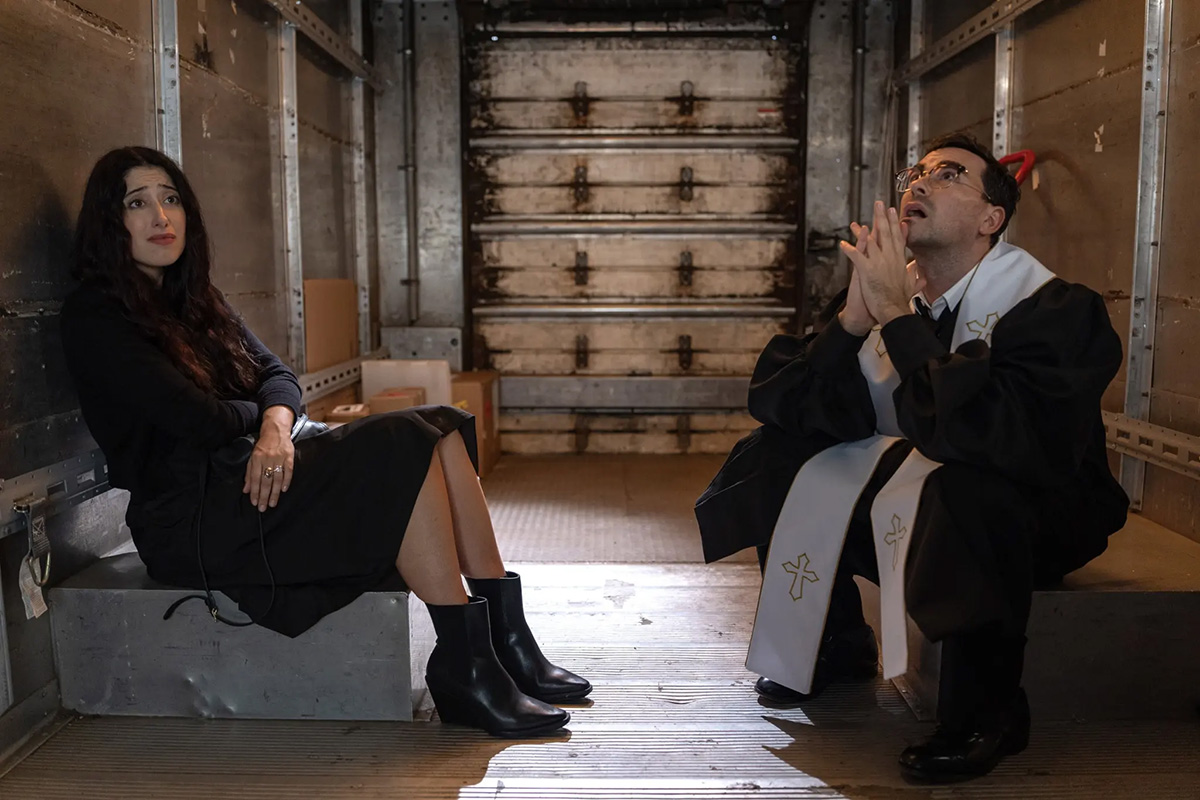
That, perhaps more than anything else, is why the arrival of “Big Mistakes” – the new Netflix series starring, co-created and co-written by Dan Levy – felt so welcome. We knew it wouldn’t be the Roses, but it seemed cut from the same cloth, and it had David Rose (or at least someone who seemed a lot like him) in the middle of a comically dysfunctional family dynamic, complete with a mother who gets involved in town politics and a catty sibling rivalry with his sister, and still nebbish-ly uncomfortable in his own gay shoes. Only this time, instead of running a charmingly pretentious boutique, he’s the pastor of the local church, and instead of a collection of kooky small town neighbors to contend with, there are gangsters.
As it turns out, it really does feel cut from the same cloth, but the design is distinctly different. Set in a fictional New Jersey suburb, it centers on Nicky (Levy) and his sister Morgan (Taylor Ortega) – he openly gay with an adoring boyfriend (Jacob Gutierrez), yet still obsessive about keeping it all invisible to his congregation, and she drudging aimlessly through life as an underpaid schoolteacher after failing to achieve her New York dreams of show biz success – who inadvertently become enmeshed in a shady underworld when a gesture for their dead grandmother’s funeral goes horribly awry.
They’re surrounded by a crew of equally compromised characters. There’s their mother Linda (Laurie Metcalf), whose campaign to become the town’s mayor only intensifies her tendency to micromanage her children’s lives; Yusuf (Boran Kuzum), the Turkish-American mini-mart operator who pulls them into the criminal conspiracy yet is himself a victim of it; Max (Jack Innanen), Morgan’s live-in boyfriend, who pushes her for a deeper commitment and is willing to go to couples’ therapy to prove it; Annette, his mother (Elizabeth Perkins), who lends her society standing toward helping Linda’s campaign against a misogynistic opponent (Darren Goldstein); and Ivan (Mark Ivanir), the seemingly ruthless crime boss who enslaves the siblings into his network but may really be just another slave himself. It’s a well-fleshed out assortment of characters that helps our own loyalties shift and adapt, generating at least a degree of empathy – if not always sympathy – that keeps everyone from coming off as a merely “black-and-white” caricature of expectations and typecasting.
To be sure, it’s an entertaining binge-watch, full of distinctive characters – all inhabiting familiar, even stereotypical roles in the narrative – who are each given a degree of validation, both in writing and performance, as the show unspools its narrative. At the same time, it makes for a fairly bleak overall view of humanity, in which it’s difficult to place our loyalties with anyone without also embracing a kind of “dog eat dog” morality in which nobody is truly innocent – but nobody is completely to blame for their sins, anyway.
In this way, it’s a show that lets us off the hook in the sense that it places the idea of ethical guilt within a framework of relative evils, as it permits us to forgive our own trespasses by accepting its “lovably” amoral characters, each of whom has their own reasons and justifications for what they do. We relate, but we can’t quite shake the notion that, if all these people hadn’t been so caught up in their own personal dramas, none of them would have ended up in the compromised morality that they’re in.
However, it’s not some bleak morality play that Levy and crew undertake; rather, it’s more an egalitarian fantasy in which even “bad” choices feel justified by inevitability. Everybody’s motivations make enough sense to us that it’s hard to judge any of the characters for making the choices – however unwise – that they do. In a system where everyone is forced to compromise themselves in order to achieve whatever dream of self-fulfillment they may have, how can anybody really blame themselves for doing what they have to do to survive?
Of course, all things considered, this is more a relatable comedy than it is a morality play. As a comedy of errors, it all works well enough on its own without imposing an ideology on it, no matter how much we may be tempted to do so. Indeed, what is ultimately more to the point is how well this pseudo-cynical exercise in the normalization of corruption – for that is what it really about, in the end – succeeds in letting us all off the hook for our compromises.
In the end, of course, maybe all that analysis is too deep a dive for a show that feels, in the end, like it’s meant to be mostly for fun. Indeed, despite its focus on being dragged into the shady side of life, the arc of its messaging seems to be less about a moralistic urge toward making the “right” choice than it is a candid recognition that all of us are compromised from the outset, often by choices we only force upon ourselves, and that’s a refreshing enough bit of honesty that we can easily get on board.
It helps that the performances are on point, especially the loony and wide-eyed fanaticism of Metcalf – surely the MVP of any project in which she is involved – and the directly focused moral malleability of Ortega; Levy, of course, is Levy – a now-familiar persona that can exist within any milieu without further justification than its own queer relatability – and, in this case, at least, that’s both the icing on the cake and substance that defines it. That’s enough to make it an essential view for fans, queer or otherwise, of his distinctive “brand,” even if he – or the show itself – doesn’t quite satisfy in the way that “Schitt’s Creek” was able to do.
Seriously, though, how could it?
Television
‘The Pitt’ stars discuss what season two gets right about queer representation
Noah Wyle and Taylor Dearden spoke with Blade in LA
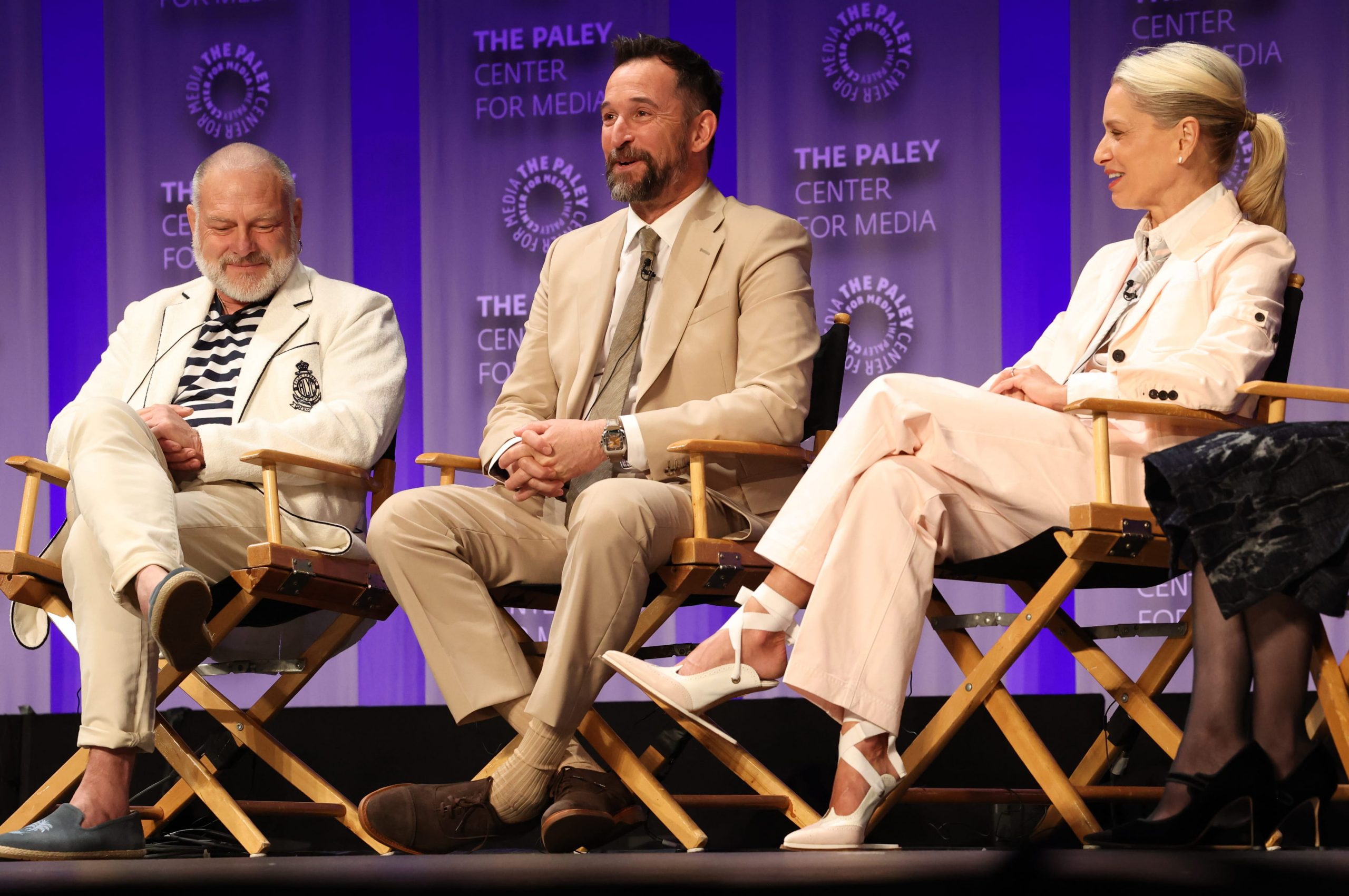
As season two of “The Pitt” comes to a close this Thursday, stars Noah Wyle and Taylor Dearden are looking back on what this season got right about queer representation.
“There is some intentionality behind it, but it’s not necessarily for the representation to be anything other than human or ubiquitous to anyone that would come into an emergency room,” Noah Wyle, who plays Dr. Robby, told the Los Angeles Blade at PaleyFest event in Los Angeles on April 12. “I know that we’ve done some storylines with some gay couples, and we did a storyline in season 1 where a woman comes in who’s cut her arm, who’s trans. But in both of those storylines, that wasn’t the point.”
Wyle continues, “In doing it that way, and not making a point of orientation being part of the problem that brings you to the emergency room, we have been told in feedback that that has been extremely revolutionary, almost, and extremely appreciated. But that’s true whether we do storylines with any kind of minority or a person with a disability. We try to have a cosmology of cast and representation on the show that’s indicative of what you find in Pittsburgh.”
Dearden, who plays Dr. Mel King, echoed Wyle’s sentiment: “I think constantly battling tropes is always important. It’s not a show about romance; it’s a show about real life and a shift in the ER. The more we represent everyday people going through everyday life, they just happen to be queer, they just happen to be trans, and making it not the plot, is putting everyone on equal playing [field]. You don’t have to have a big coming out scene.”
Queer representation on “The Pitt” is also notable through the actual actors themselves, including openly queer actor Supriya Ganesh, who plays Dr. Samira Mohan (who didn’t attend PaleyFest after the news that she is not returning for season three), and Amielynn Abellera, who plays Perlah Alawi.
“Doctors don’t put value judgments on who they treat,” Wyle concludes. “That’s not a luxury extended to them, and so that’s not part of our storytelling.”
The season two finale will air Thursday, April 16, on HBO Max, while season three has already been confirmed and is currently being written.

Furries take over the Metro

A roundup of fall events not to be missed

Activists protest outside Turkish Embassy in D.C.

Republican challenger misgenders McBride during forum, forced to leave

Queer mega stars coming to D.C. this fall

Dolly Parton biography puts her hardships into context

PHOTOS: SMYAL Fall Brunch

Fashion icon Bob Mackie dead at 87

Dozens detained after Turkish authorities raid LGBTQ groups, businesses