Baltimore
Baltimore street named in honor of trans activist
Iya Dammons is founder of support groups Safe Haven in Baltimore, D.C.
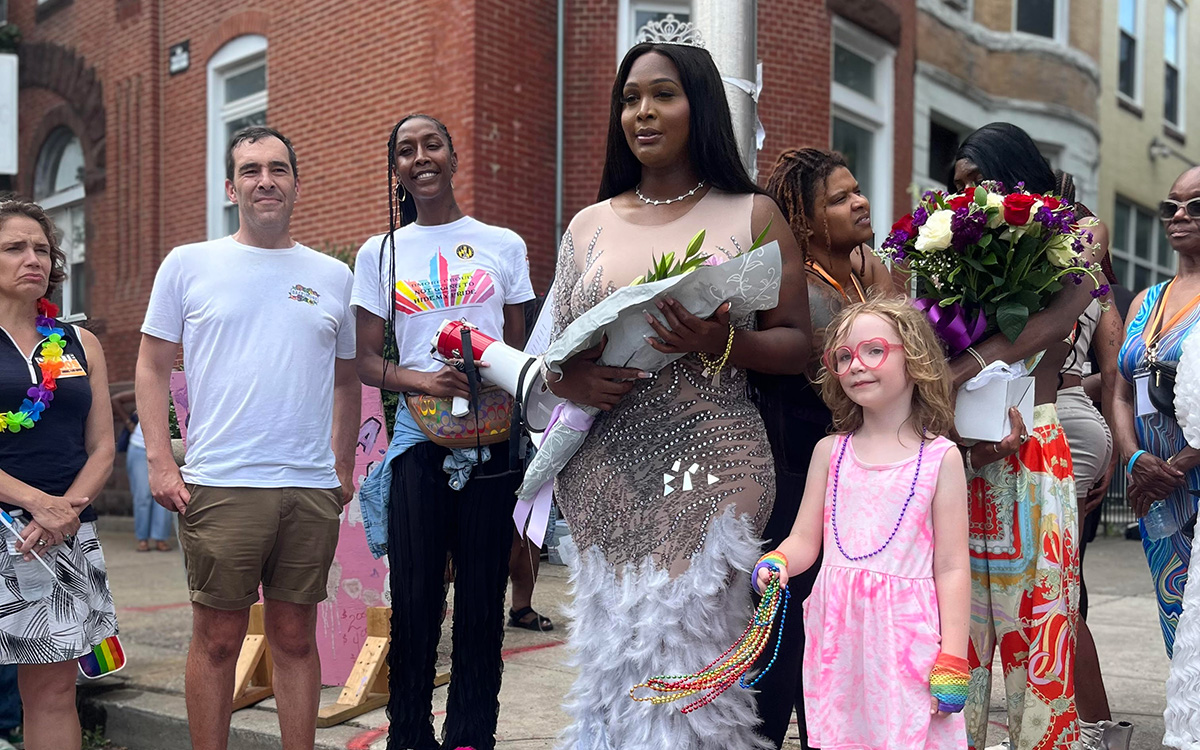
Baltimore city officials and LGBTQ activists participated in a ceremony on June 29 officially dedicating the renaming of a street in honor of transgender woman Iya Dammons, who founded and serves as executive director of the LGBTQ services organization Maryland Safe Haven.
A section of Baltimore’s 21st Street at the intersection of North Charles Street, where the Maryland Safe Haven offices are located, has been renamed Iya Dammons Way.
The ceremony took place six years after Dammons founded Maryland Safe Haven in 2018 and one year after she launched a Safe Haven operation in D.C.in 2023 located at 331 H St., N.E.
A statement on its website says Safe Haven provides a wide range of supportive services for LGBTQ people in need, with a special outreach to Black trans women “navigating survival mode” living.
“Through compassionate harm reduction and upward mobility services, advocacy support, and community engagement, we foster a respectful, non-judgmental environment that empowers individual agency,” the statement says. “Our programs encompass community outreach, a drop-in center providing HIV testing, harm reduction, PrEP, medical linkage, case management, and assistance in accessing housing services,” it says.
Among those participating in the street renaming ceremony were Baltimore City Council member Zeke Cohen, interim director of Baltimore Mayor Brandon Scott’s Office of LGBTQ Affairs Alexis Blackmon, and Dominique Morgan, an official with the national foundation Borealis Philanthropy, which provides financial support for transgender supportive nonprofit organizations, including Safe Haven.
“This is a significant achievement and historic moment for our city,” a statement by Maryland Safe Haven announcing the ceremony says. “Iya Dammons has been a tireless advocate for transgender rights and has worked tirelessly to provide safe spaces and resources for transgender individuals in our city,” it says. “This honor is well-deserved, and we are thrilled to see her contributions recognized in such a meaningful way.”



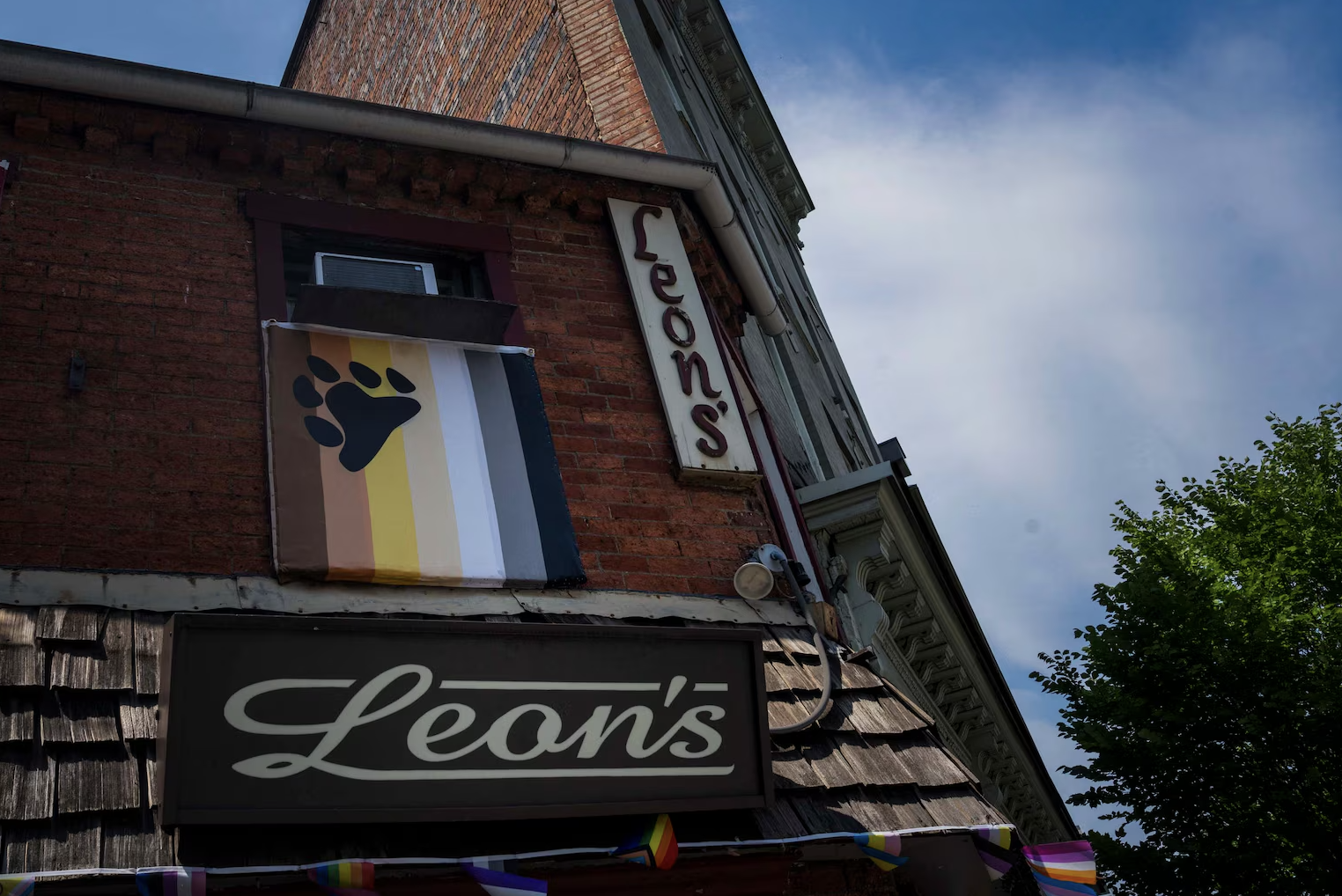
By JOHN-JOHN WILLIAMS IV | Those legendary heavy-handed pours, spirited karaoke and trivia nights, and groan-worthy wall-to-wall patrons on packed nights are back!
Leon’s will live to see another day.
Baltimore’s oldest gay bar, which opened in the 1950s, closed in July following the death of its owner, Ron Singer.
The rest of this article can be read on the Baltimore Banner’s website.
Baltimore
Charles Bowers, former owner of Baltimore gay bar the Hippo, dies
Prominent activist died at his Mount Vernon home
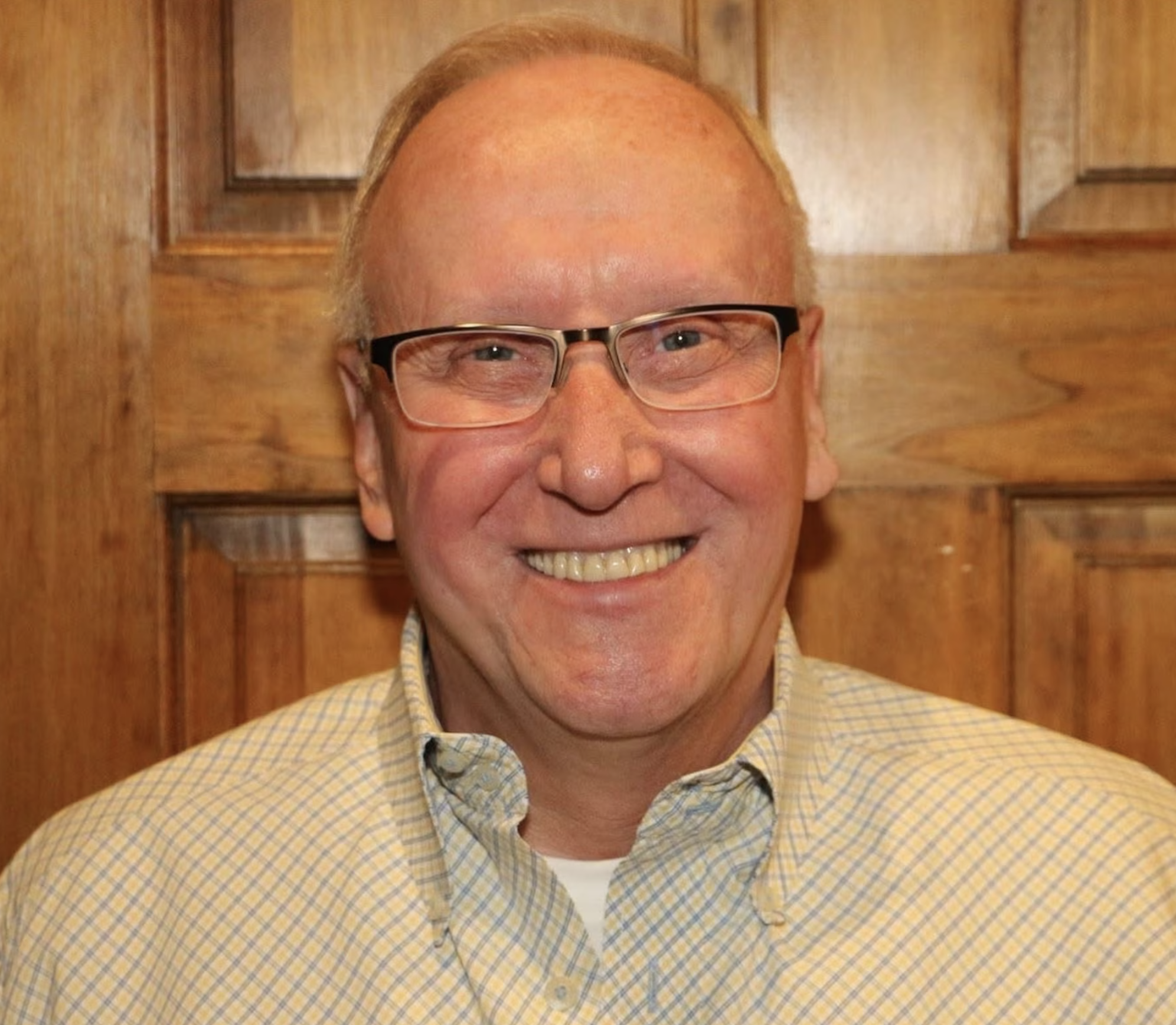
By WESLEY CASE | Charles “Chuck” Bowers, former owner of the storied Baltimore gay club the Hippo and a prominent advocate for Maryland’s LGBTQ community, died Tuesday. He was 81.
Bowers turned the Mount Vernon club — located at the corner of North Charles and West Eager streets — into a judgment-free refuge for queer and straight locals looking to find and express their authentic selves on a packed dance floor.
“He truly tried to make the Hippo a place for everybody — a safe space,” said an emotional Rik Newton-Treadway, who befriended his “mentor” Bowers at the club in 1979.
Bowers, of Mount Vernon, died Tuesday evening in Baltimore of natural causes, said his niece, Cathy Bowers.
The rest of this article can be read on the Baltimore Banner’s website.
Baltimore
Transgender woman killed in Barclay community mourned by friends, advocates
Sophie Lee shot to death on Friday morning
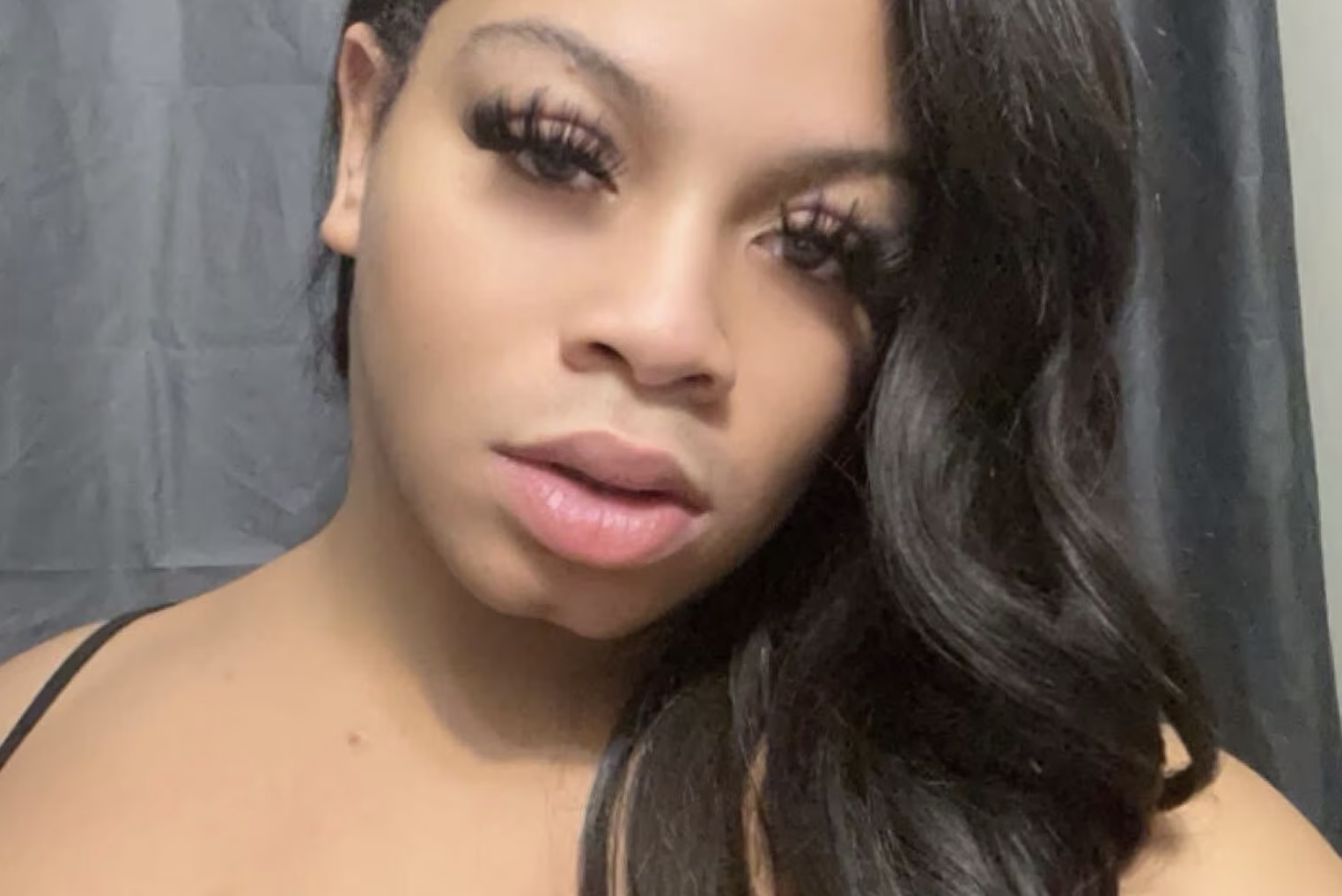
By DARREONNA DAVIS | Denise Johnson imagined spending Sunday with her daughter, Sophie Lee, eating crabs at the park. Instead, she stood on a Barclay street corner Sunday evening surrounded by nearly 100 people who came to remember her daughter, a transgender woman who was fatally shot there Friday.
The 27-year-old woman was found in the 2400 block of North Calvert Street around 1:15 a.m. Friday, Baltimore Police said in a news release.
Lindsey Eldridge, a police department spokesperson, said it’s unclear if her identity had anything to do with her death and the investigation is ongoing.
The rest of this article can be read on the Baltimore Banner’s website.

Essential queer horror classics for Halloween

Solidarity beyond the parade: the actual cost of Pride

Physician: addiction doesn’t always look the way you think it does

Calendar: October 9-15

ICC unseals arrest warrants for Taliban officials accused of persecuting LGBTQ people, women

Alianza para la Inclusión fortalece la defensa de derechos LGBTQ en Centroamérica

The facts about Victory Fund’s investigation and the path forward

In Ga., 2 trans candidates believe voters are ready for them

Bessent says Trump chose him for his qualifications, not his sexuality

‘Some Like It Hot’ a wild ride at renovated Bernard Family Theatre
-

 Central America5 days ago
Alianza para la Inclusión fortalece la defensa de derechos LGBTQ en Centroamérica
-
Opinions5 days ago
The facts about Victory Fund’s investigation and the path forward
-
Georgia5 days ago
In Ga., 2 trans candidates believe voters are ready for them
-
Federal Government5 days ago
Bessent says Trump chose him for his qualifications, not his sexuality