Arts & Entertainment
D.C. arts briefs: May 11
Blade hosts Rehoboth kick-off party, Mr./Miss Capital Pride contest and more
Mr. and Miss Capital Pride this weekend
The Mr. and Miss Capital Pride event is Saturday night at Town (2009 8th Street, NW) starting at 6 p.m. There’s a $10 cover and proceeds from the event go to Capital Pride. The deadline to enter has passed but those wishing to watch the contest are welcome to attend. More information on this event and all Capital Pride festivities is here.
Blade summer kick-off in Rehoboth
Washington Blade will host its sixth annual summer kick-off party in Rehoboth Beach, Del., on May 18.
The party takes place from 5-7 p.m. at the Blue Moon, 35 Baltimore Ave. It’s open to the public and there’s no cover charge. Visitors who sign up for the Blade’s e-mail newsletter on-site receive two free drinks.
“We have many Delaware readers and D.C. readers who vacation in Rehoboth,” says Brian Pitts, Blade sales executive and co-owner. “It’s always a fun way to meet advertisers and readers and to kick off the summer season.”
Gay group has family events next weekend
Family Equality Council is hosting a Family Weekend in D.C. starting Thursday.
Zach Wahls, who spoke before the Iowa Legislature in 2011, will serve as honorary family ambassador, joining the Council and families for Families on the Hill, the Congressional lobbying visits that are part of the weekend events.
Families on the Hill will begin at 8:30 a.m. with training for kids and adults. The lobby visits will focus on three issues: adoption and foster care, repeal of DOMA and safe schools.
On May 18, families will have various tour options including the White House, Museum of Natural History, the National Zoo and more.
The events for May 19 include tours of the Capitol.
For more information, including how to register and a complete schedule, visit familyequality.org.
Bethesda Fine Arts Festival gathers wide-ranging talent
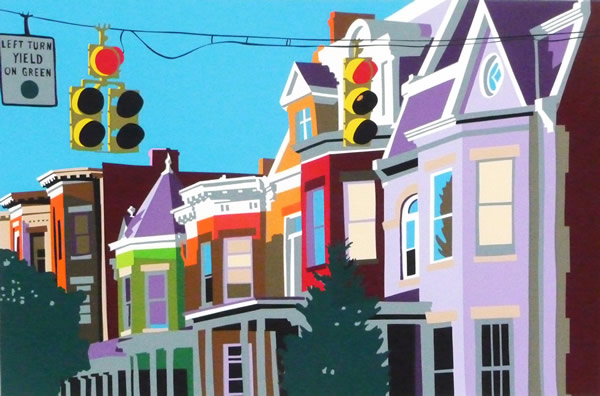
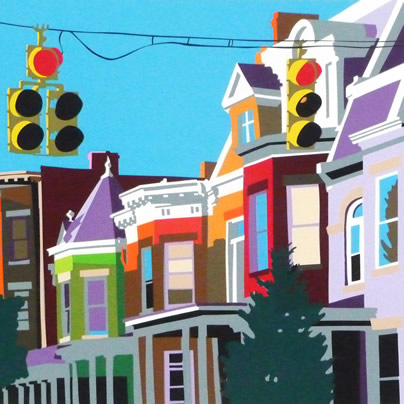
‘Red Light, Grace Street’ by Joseph Craig English, will be on display at the Bethesda Fine Arts Festival this weekend. (Image courtesy the Festival)
Artists representing 25 states and Canada will be showcasing their work at the ninth annual Bethesda Fine Arts Festival in downtown Bethesda’s Woodmont Triangle this weekend.
The event will also feature live entertainment, children’s activities and restaurants including Haagen Dazs, BlackFinn American Saloon and more.
Some of the artists featured include Doug Blum, Kate Beck, Ivan Radojicic Tom Mcquaid, Lisa Stewart, Giampictro Filippetti and more.
The festival is open Saturday from 10 a.m. to 6 p.m. and Sunday from 10 a.m. to 5 p.m. Admission is free.
Cooper to spin at Cobalt Saturday night
DJ Seth Cooper is coming to Cobalt (1639 R St., N.W.) for Just Circuit on Saturday from 10 p.m. to 3 a.m.
In 2006, Gay Internet Radio Live asked Cooper to join its online radio network, putting his sets next to other big names like randy Bettie Lydia Prim and more. In 2009, Just Circuit named Cooper Best Up and Coming DJ, as well as nominated him for Best After Hours Party.
He’s headlined at Splash Days in Austin, Gay Days in Orlando, Pacha in Brazil and more in clubs across the U.S., Canada, Brazil and China.
The night will also include DJ Sean Morris will be in 30degreees, free vodka from 10 to 11 p.m. and a laser light show by Sound Sign.
Capital Pride Art Fair seeking submissions
Capital Pride is now accepting submissions from all LGBT artists in the D.C. area for the first Capital Pride Art Fair at the festival on June 10 from 11 a.m. to 6 p.m.
The fair will present 12 to 14 artists showing their work in one tent in the Arts Stage area.
To submit work, artists must fill out the form at capitalpride.kintera.org/artfair, providing price range, number of available pieces, samples via jpegs or website and contact information.
The fee for commercial arts is $50 for eight feet of display space. There are a limited number of spaces available for non-commercial artists
Artists may also be interested in donating work to the silent auction held at the Heroes Gala and Silent Auction on May 30.
For more information, contact Capital Pride at [email protected]. Submissions must be received by May 20.
Photos
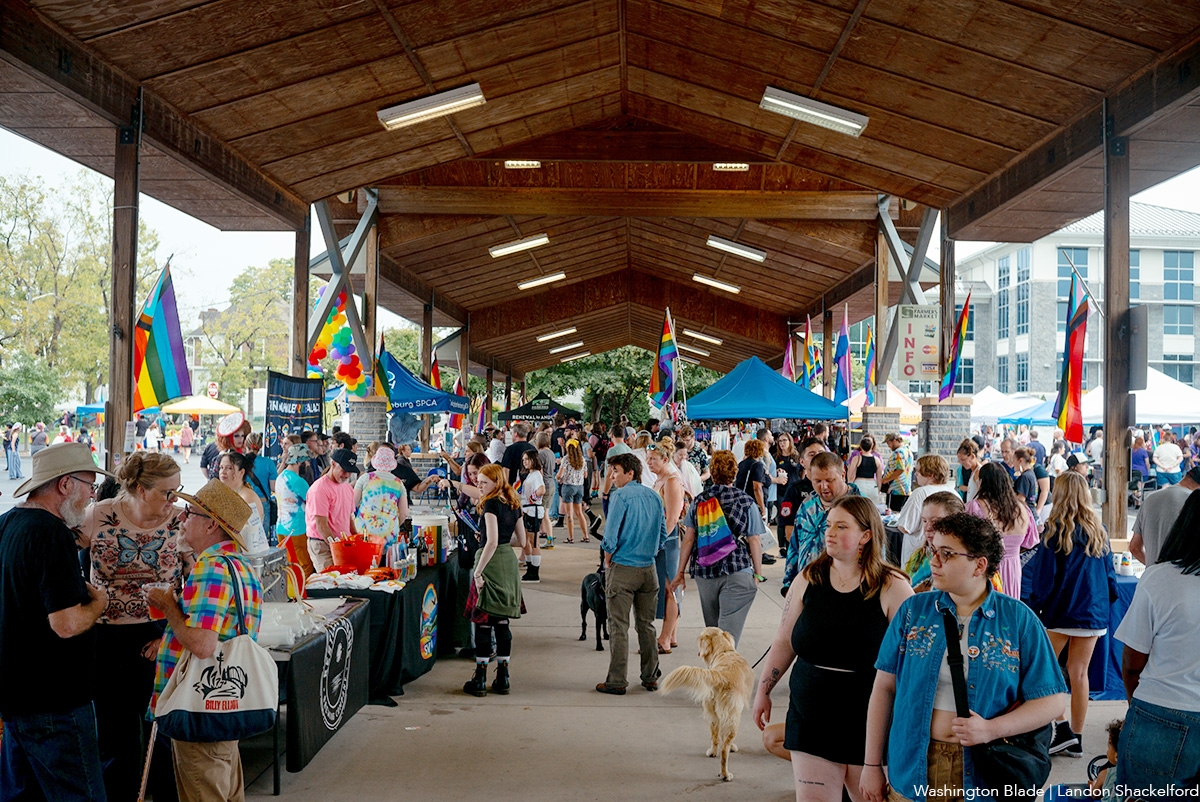
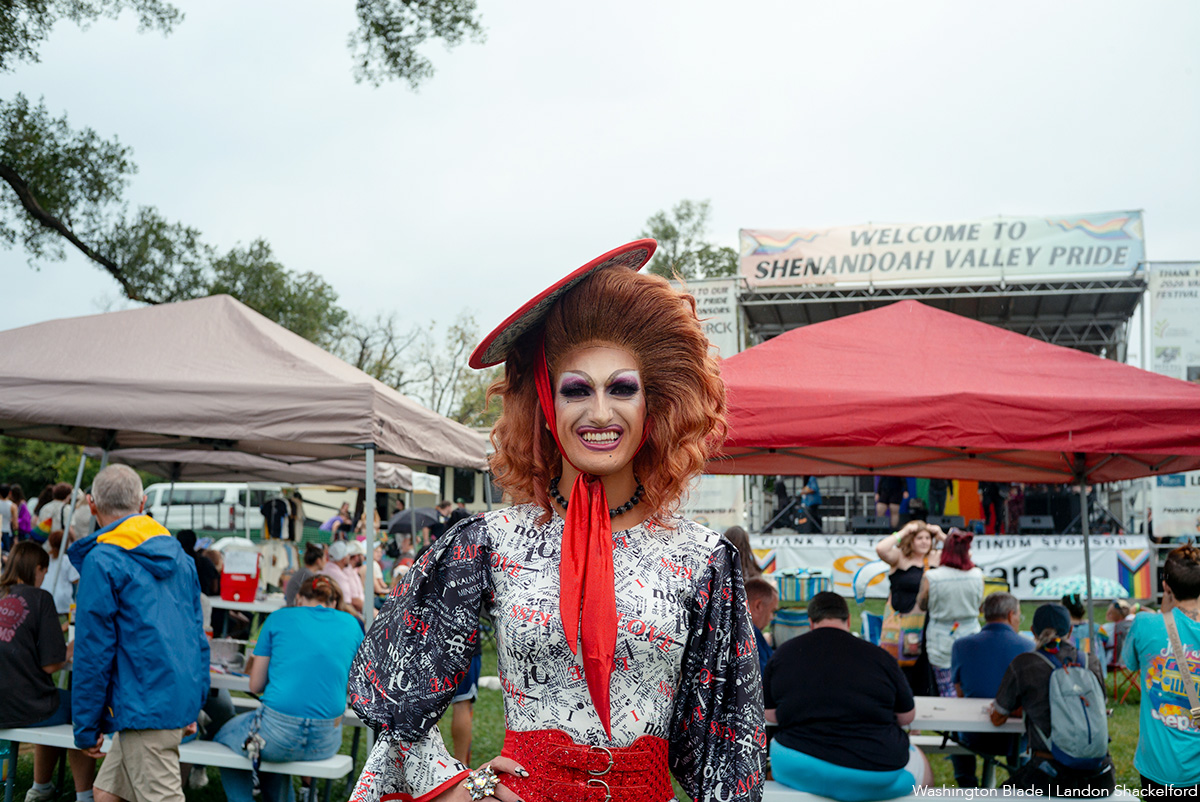
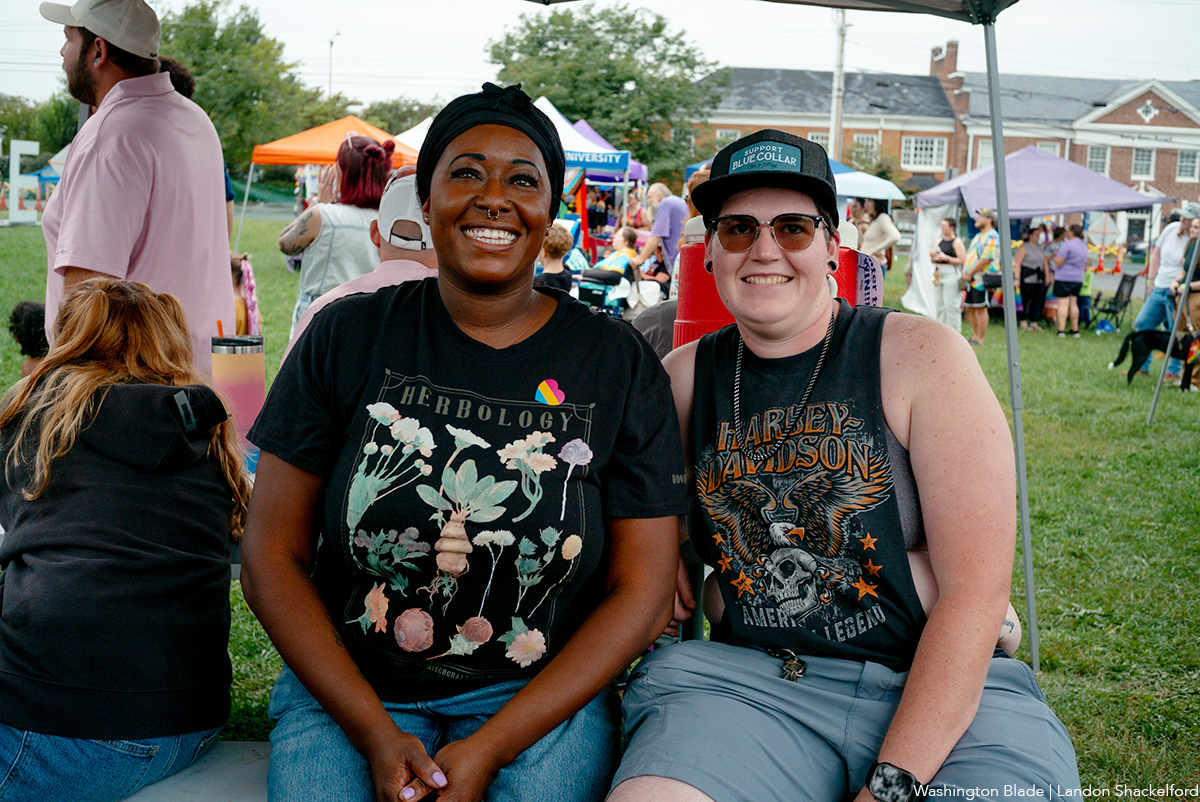
PHOTOS: Shenandoah Valley Pride
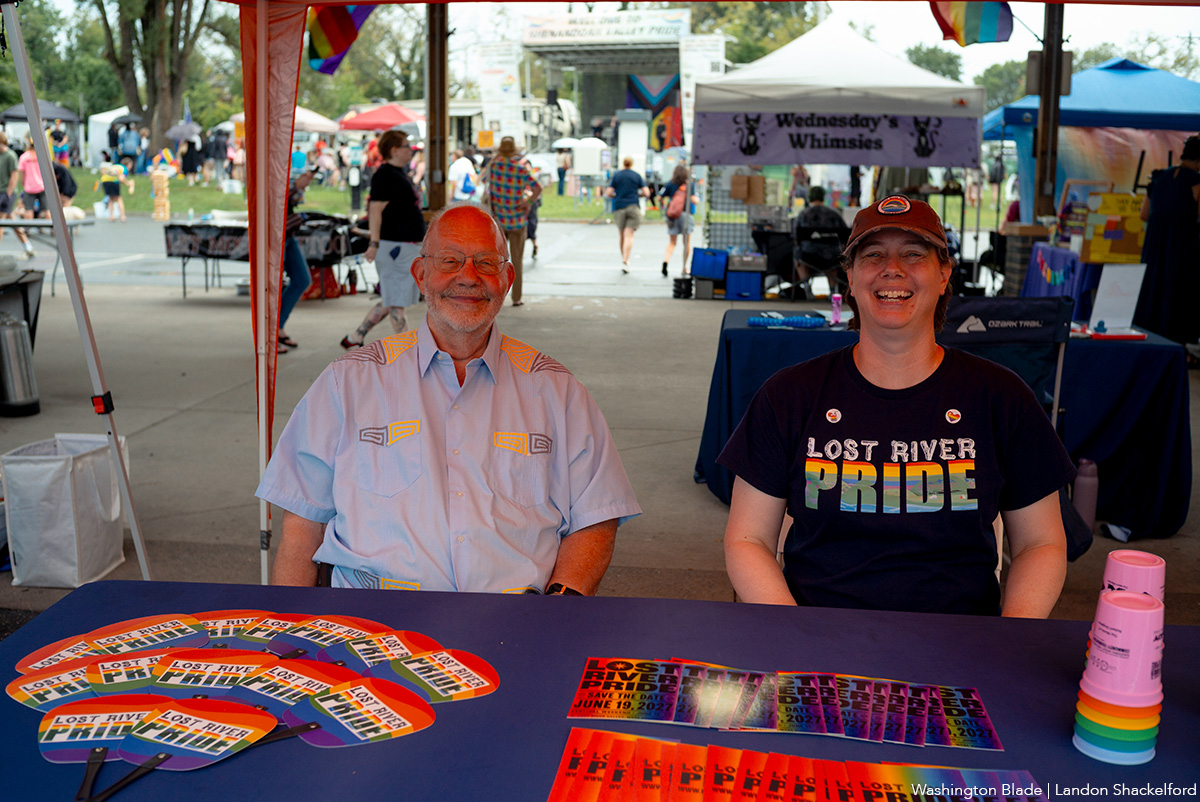
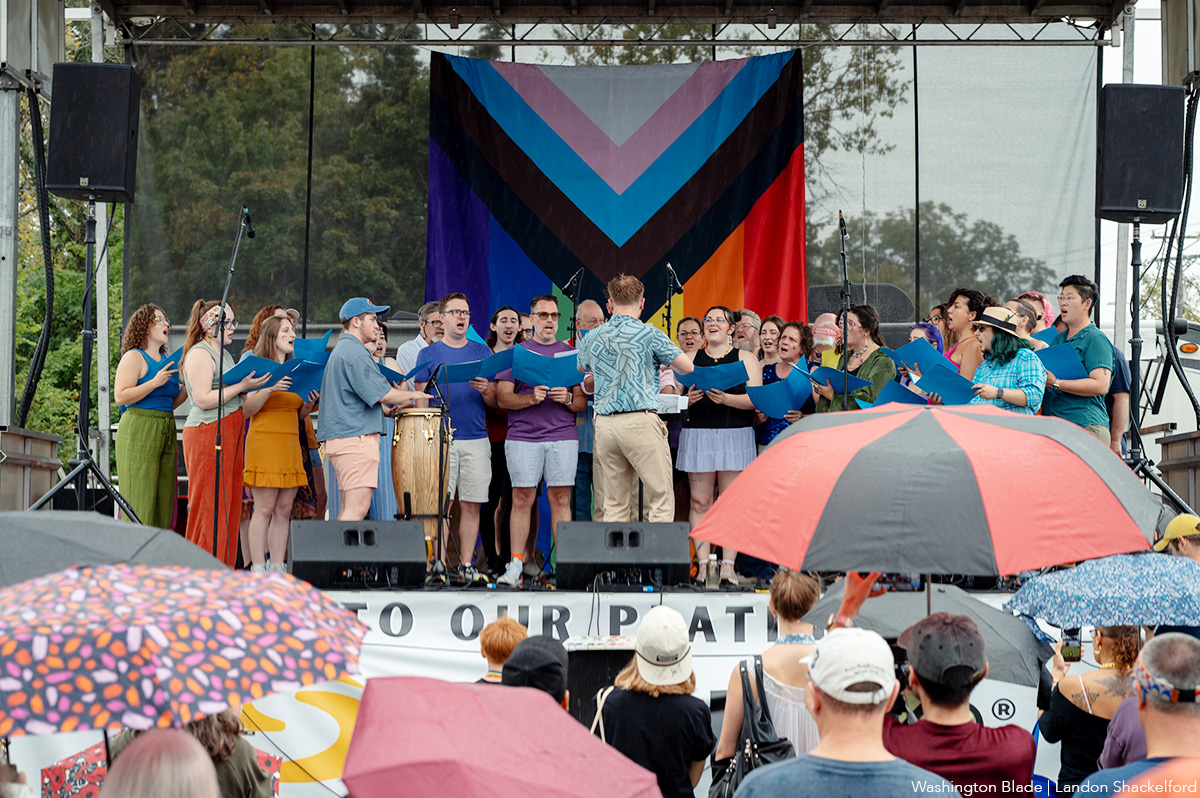
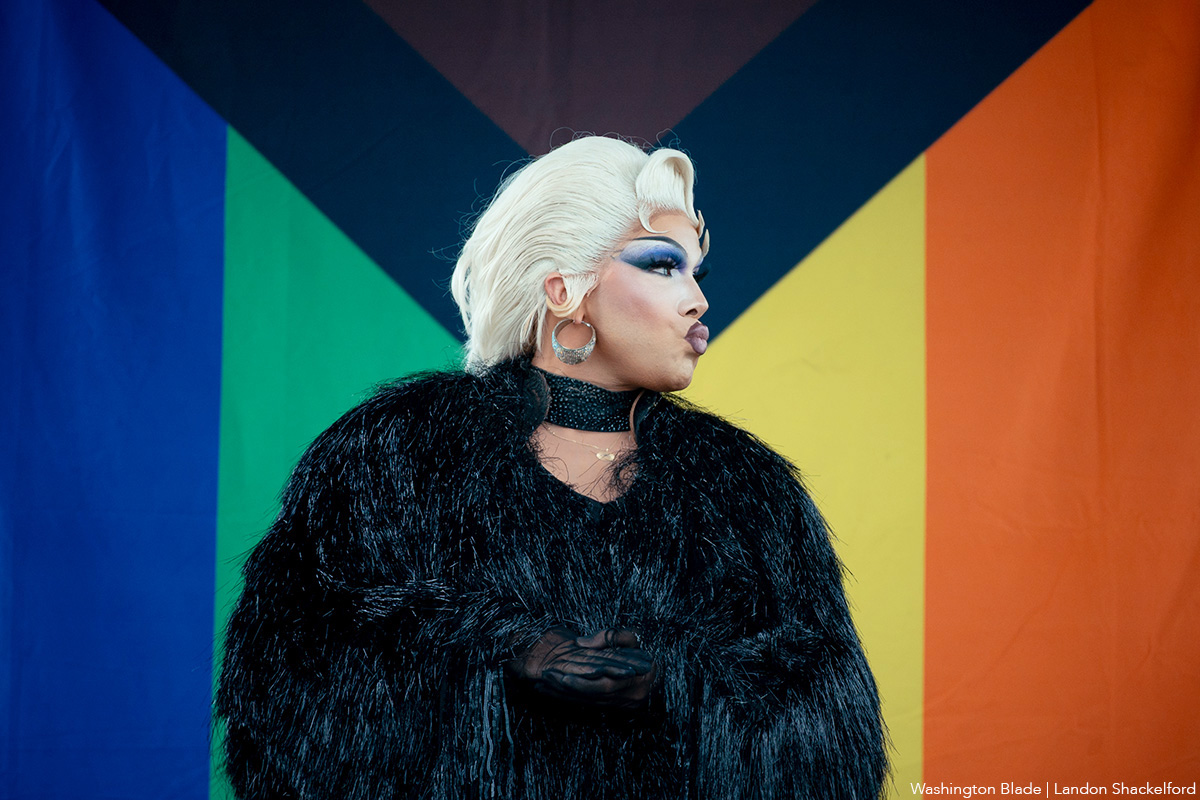
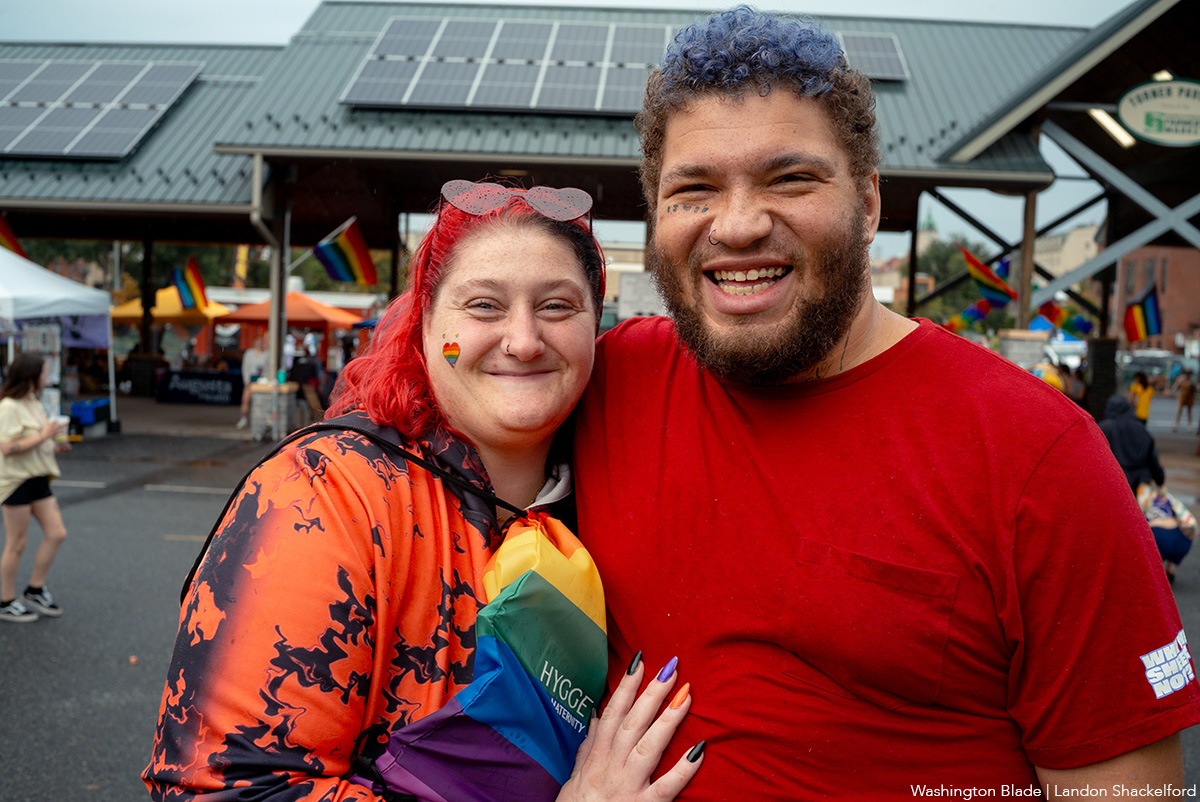
LGBTQ celebration held at Turner Pavilion in Harrisonburg, Va.
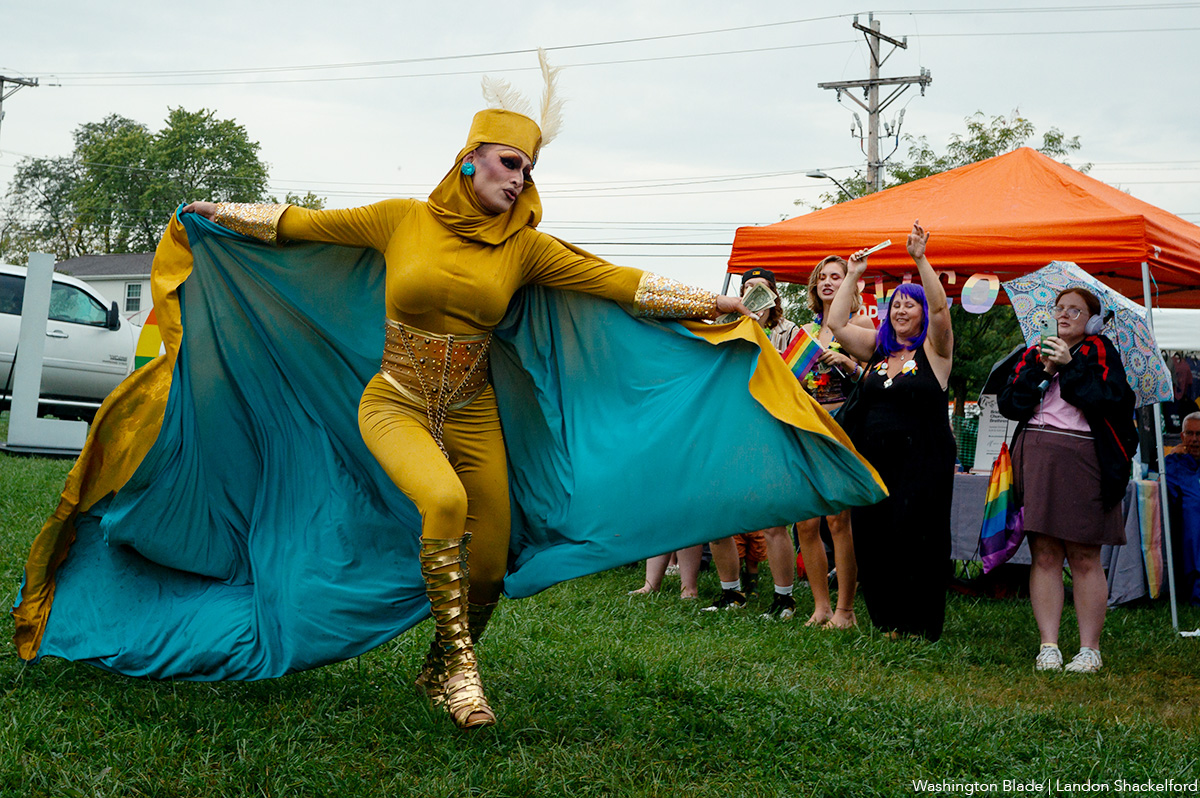
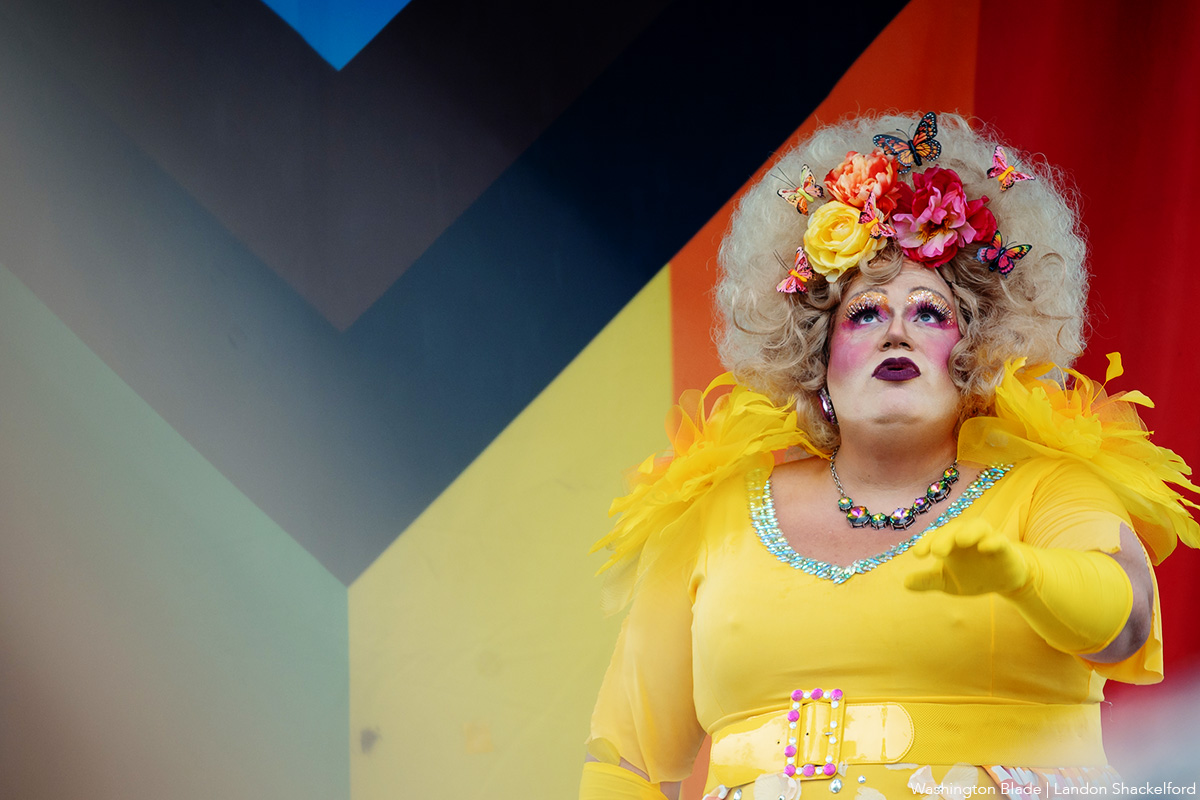
The 2026 Shenandoah Valley Pride Festival was held at Turner Pavilion in Harrisonburg, Va. on Sunday, Sept. 20.
(Washington Blade photos by Landon Shackelford)
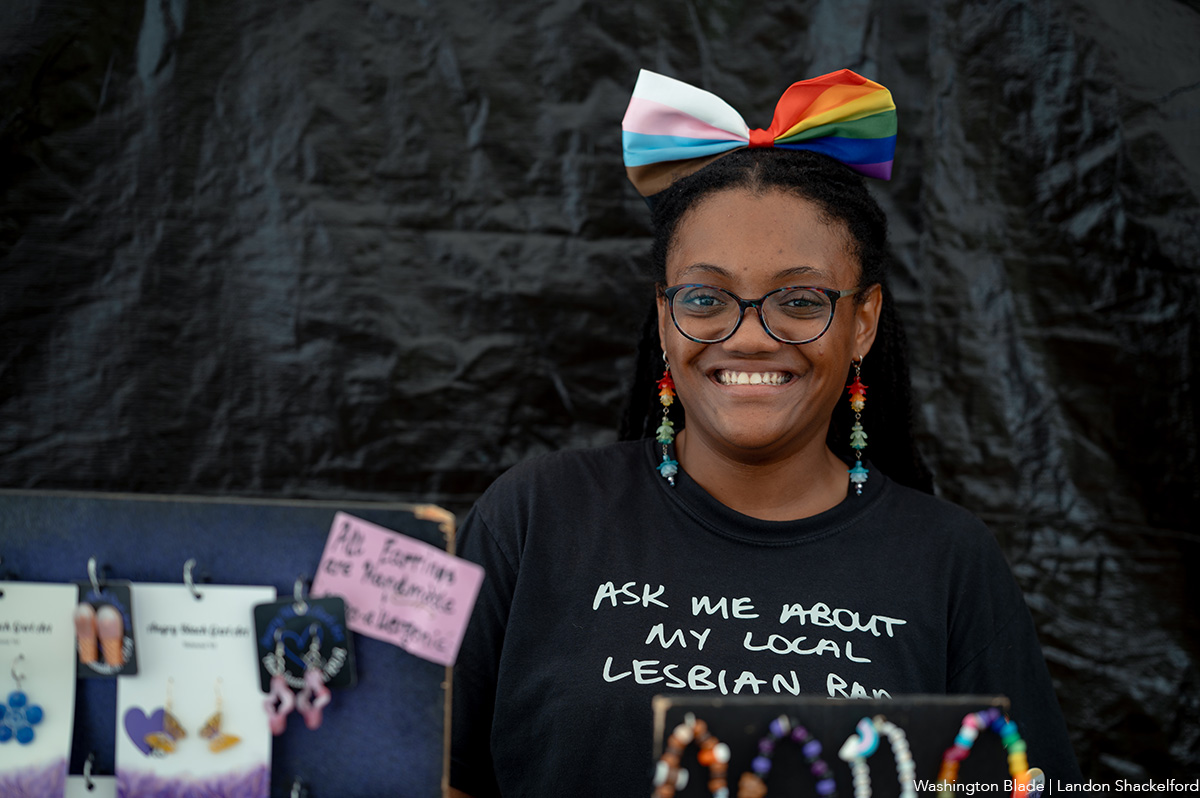
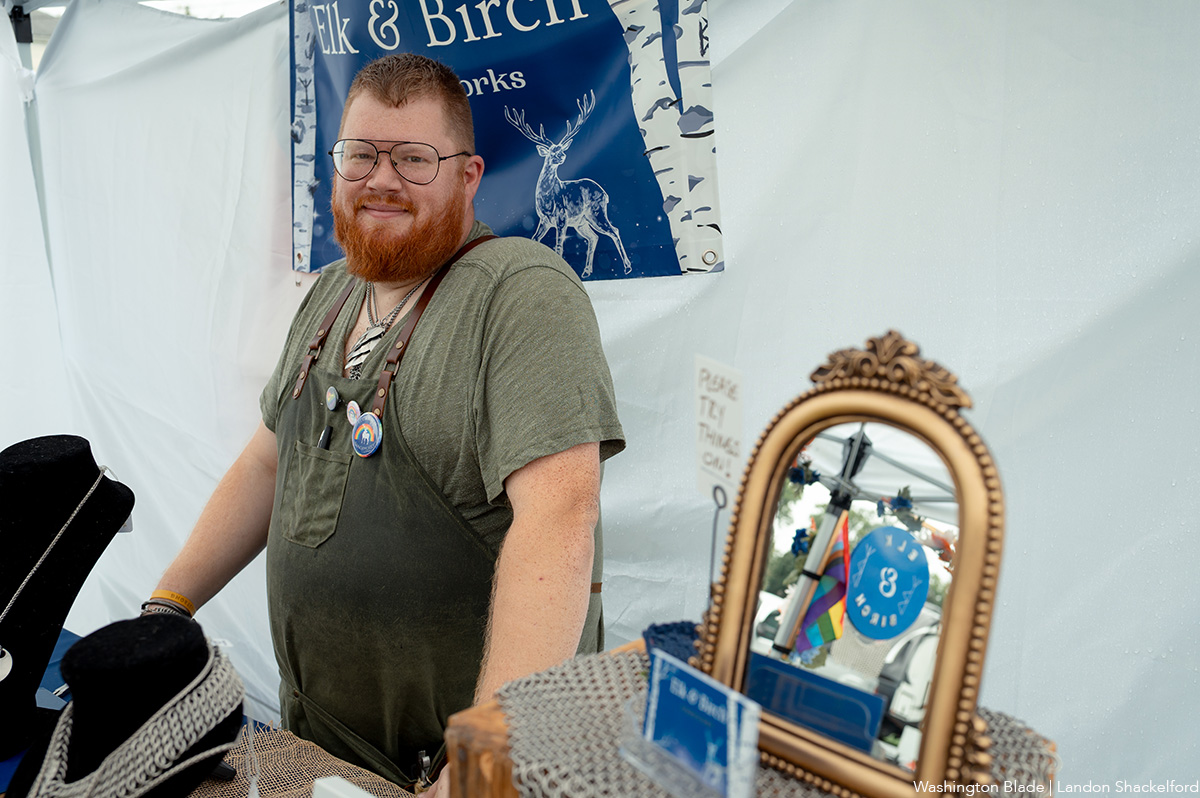
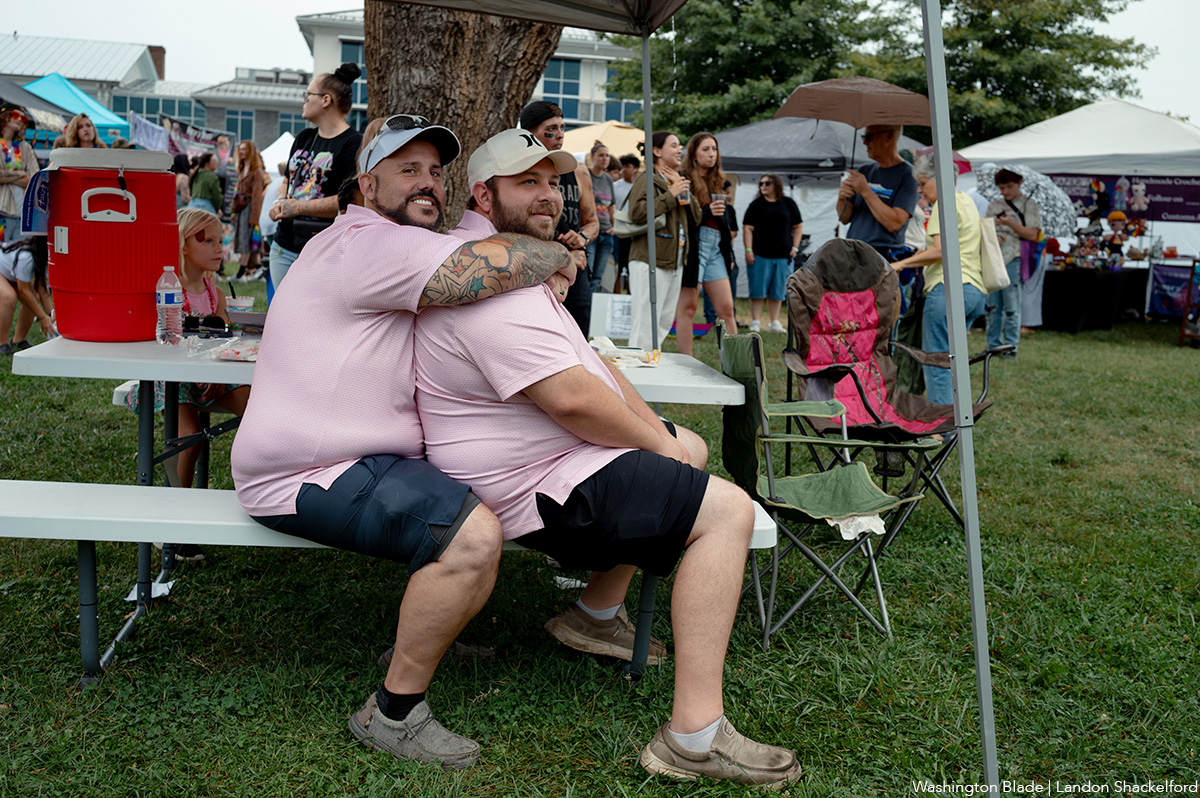
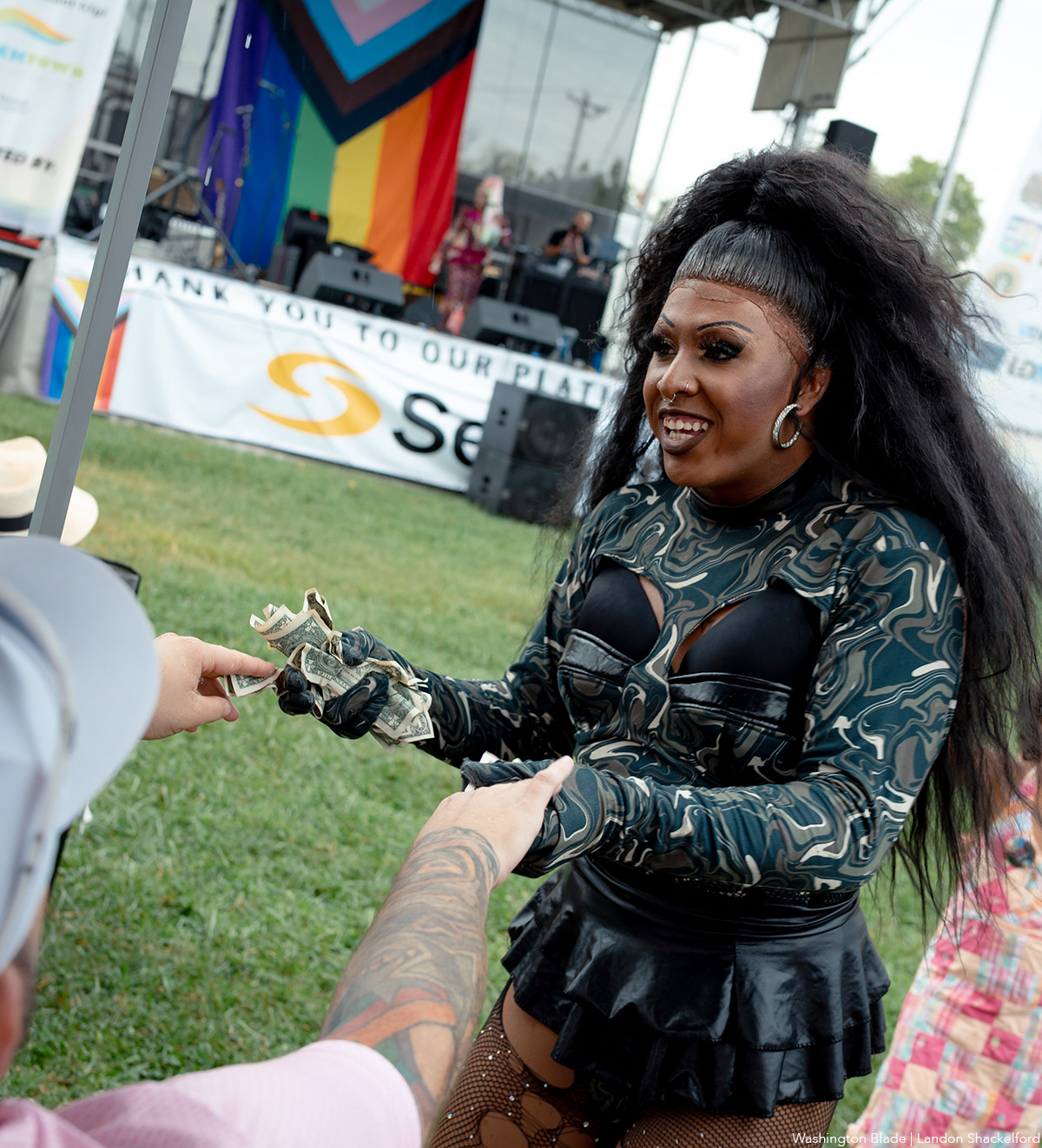
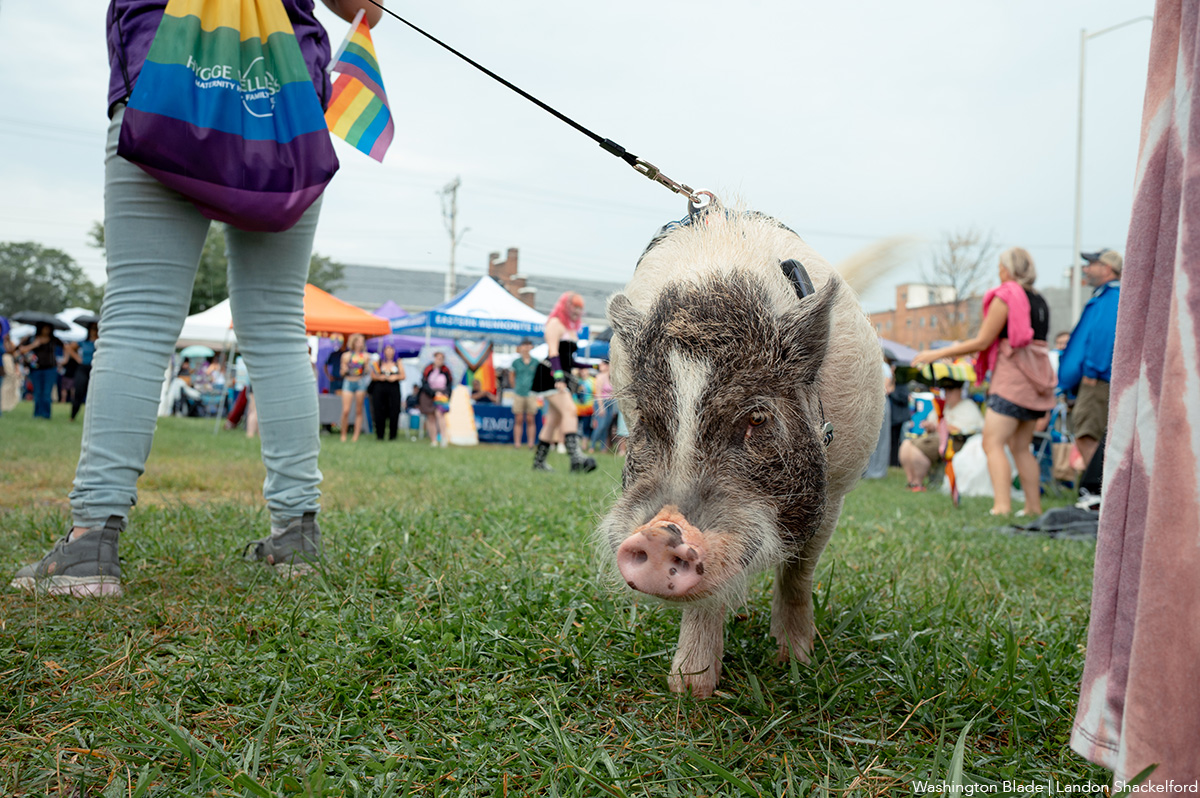
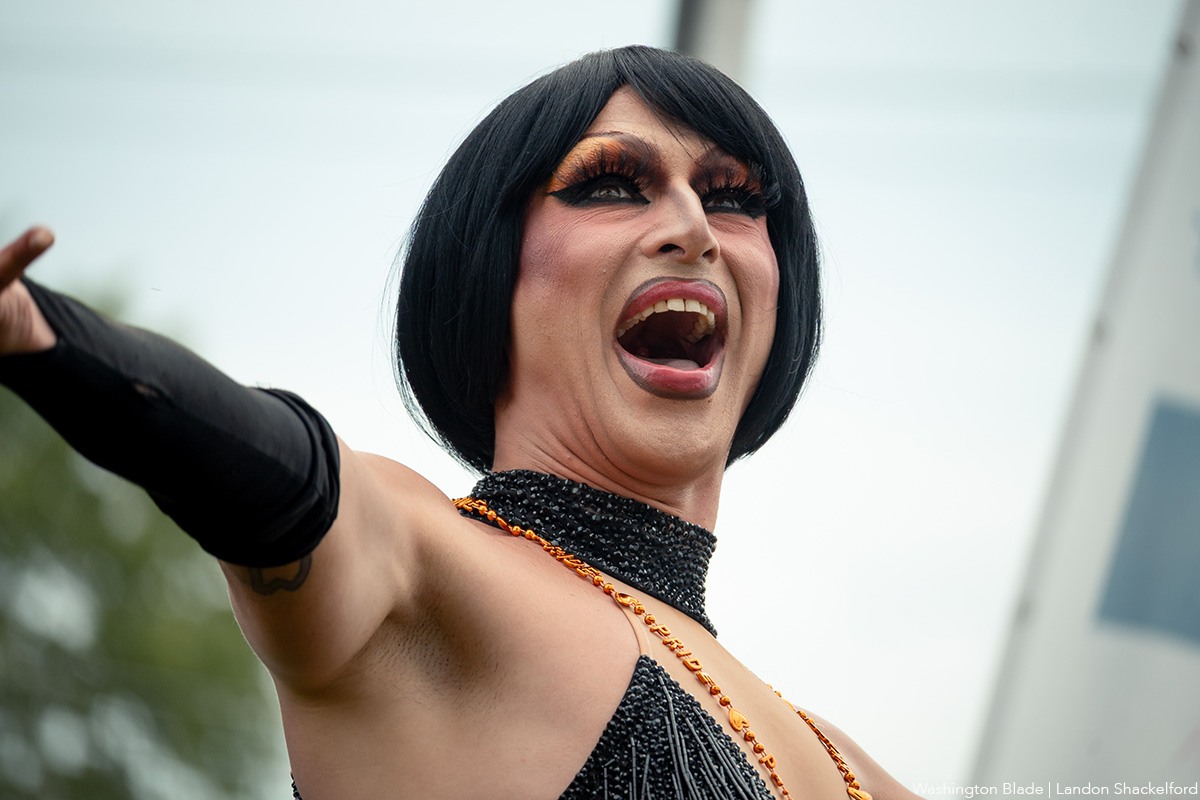
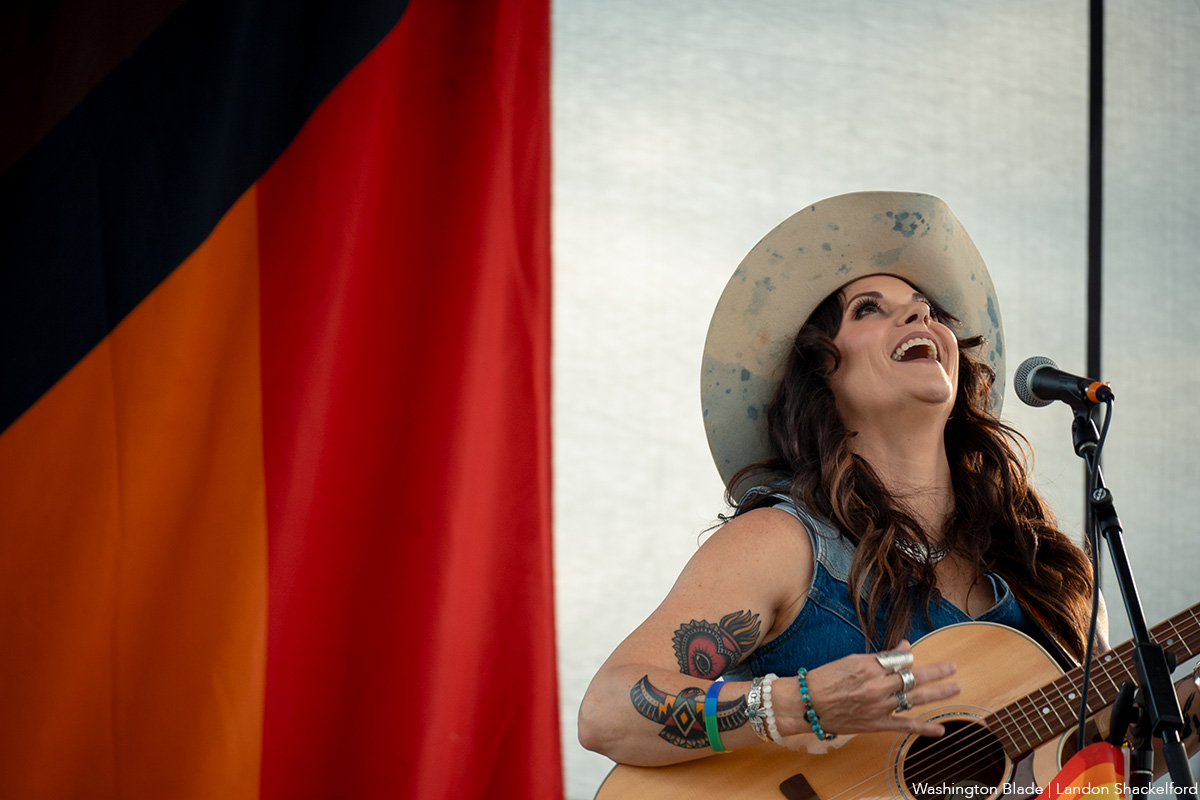
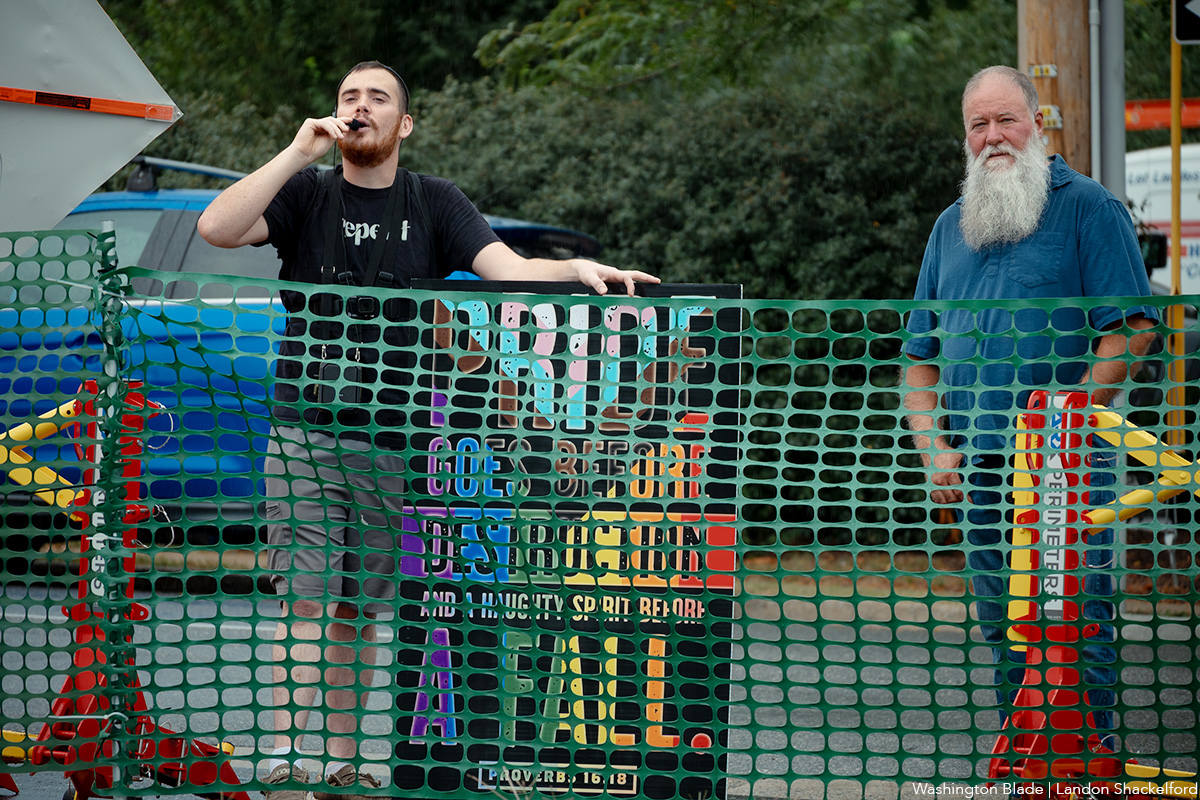
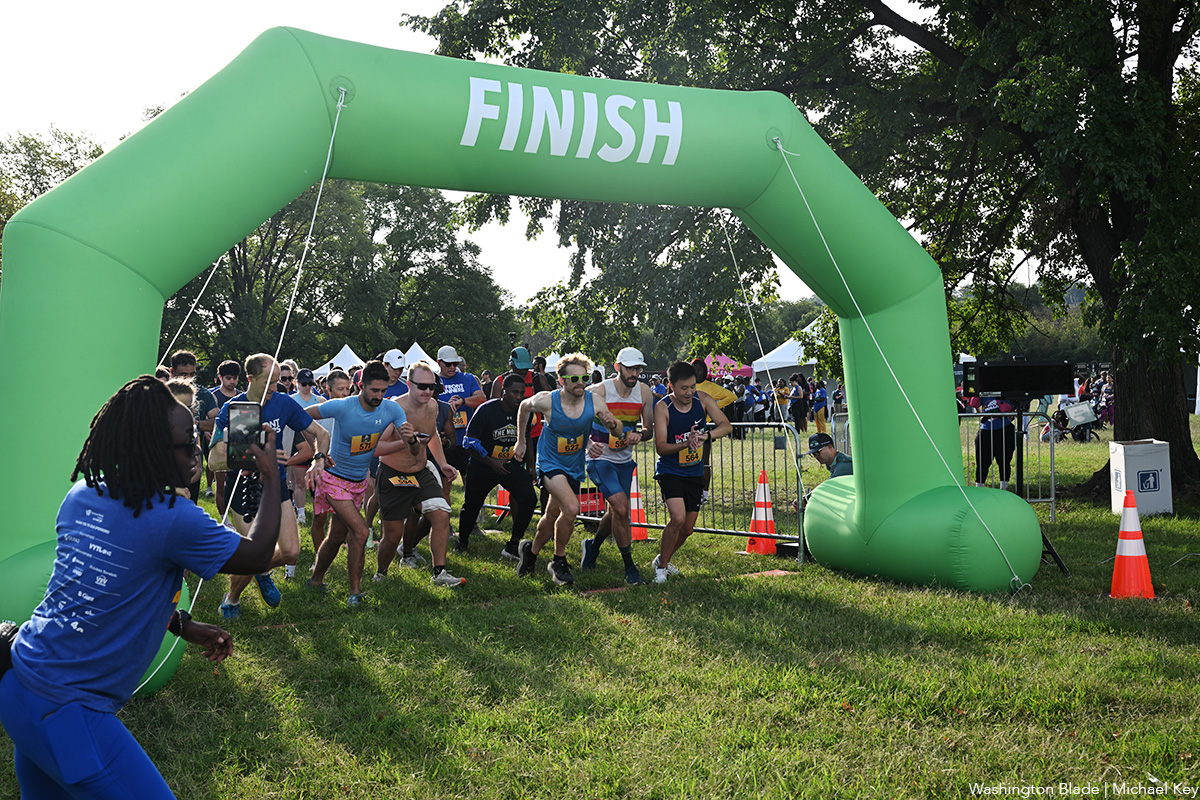
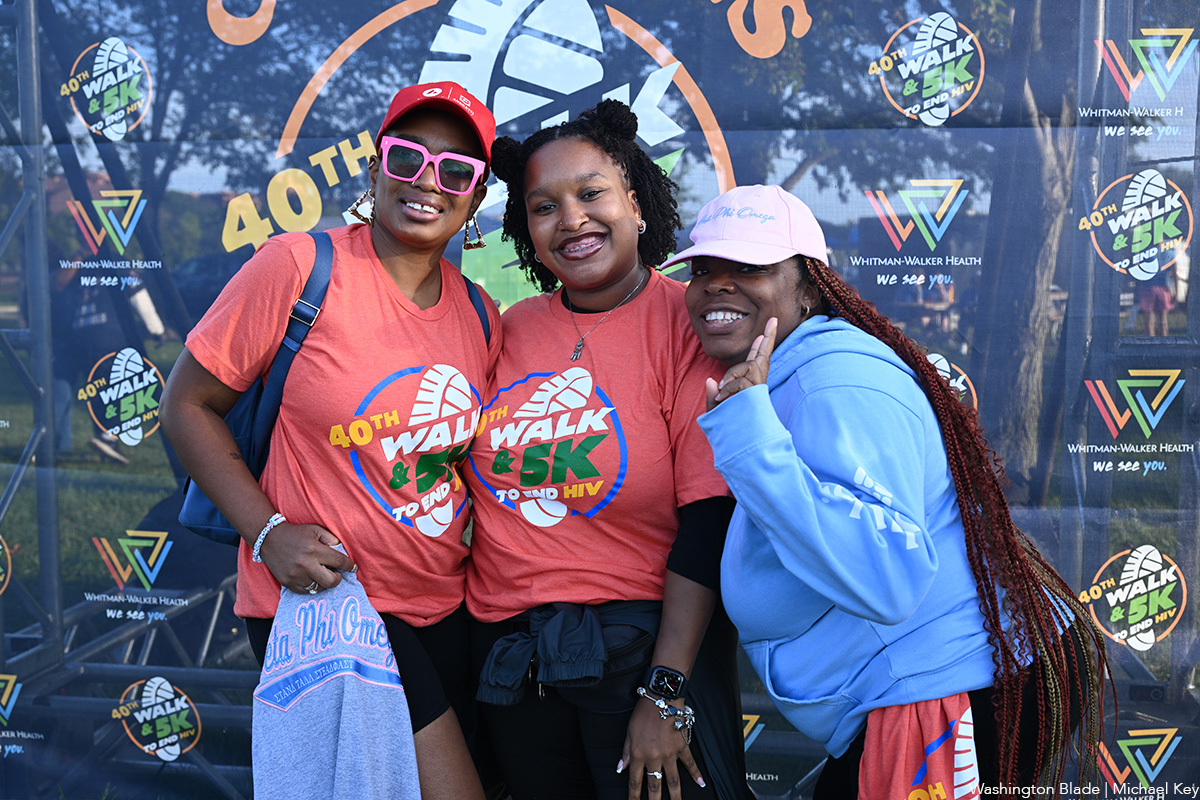
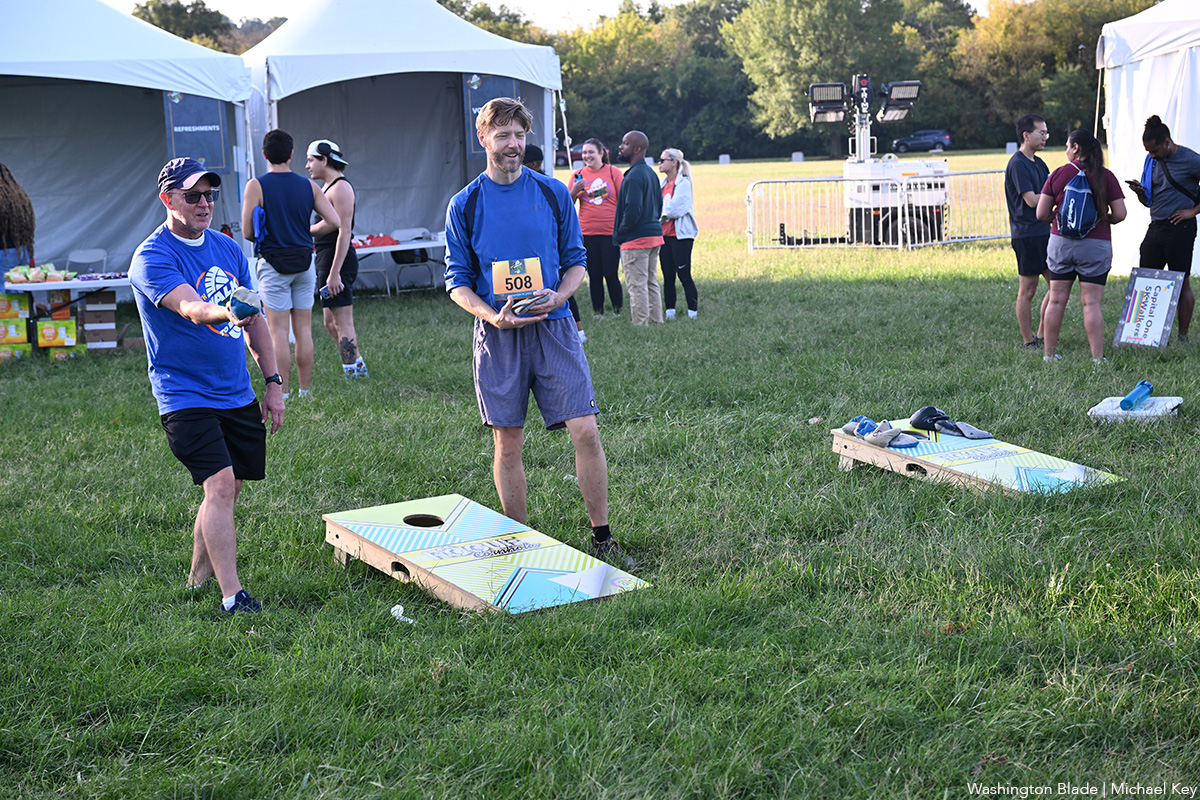
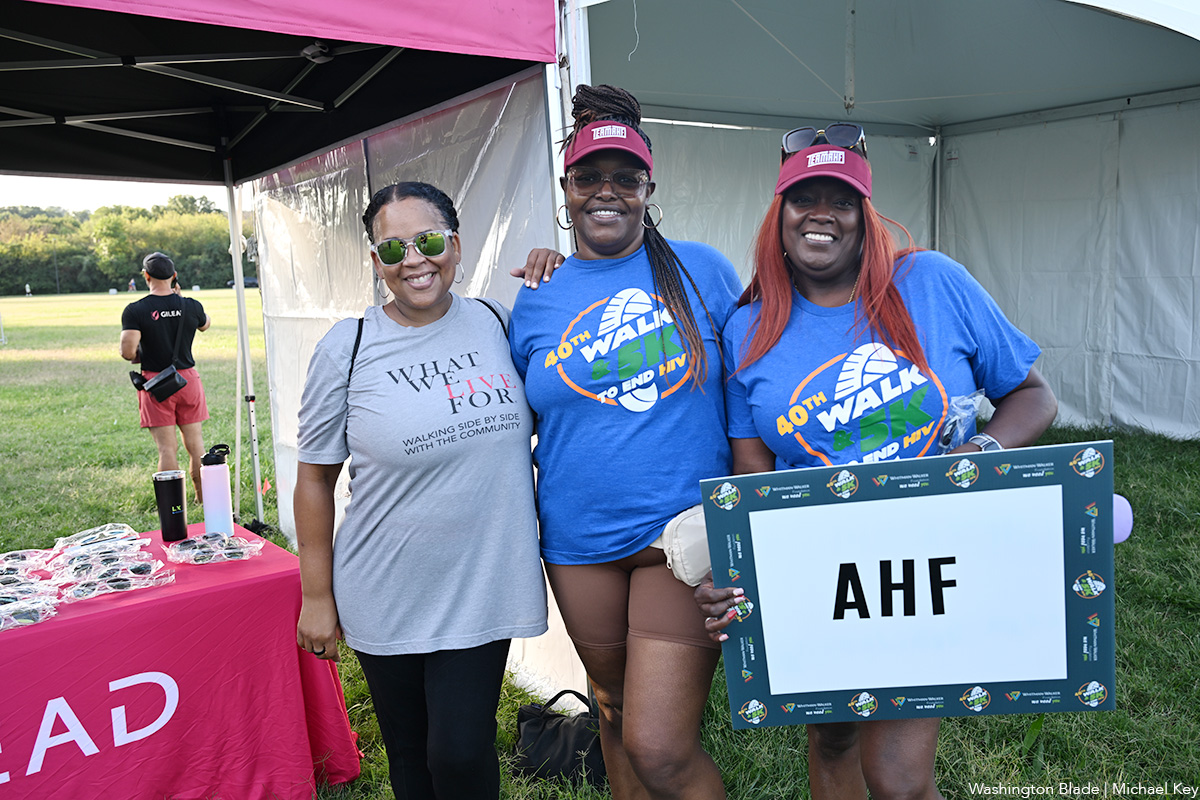
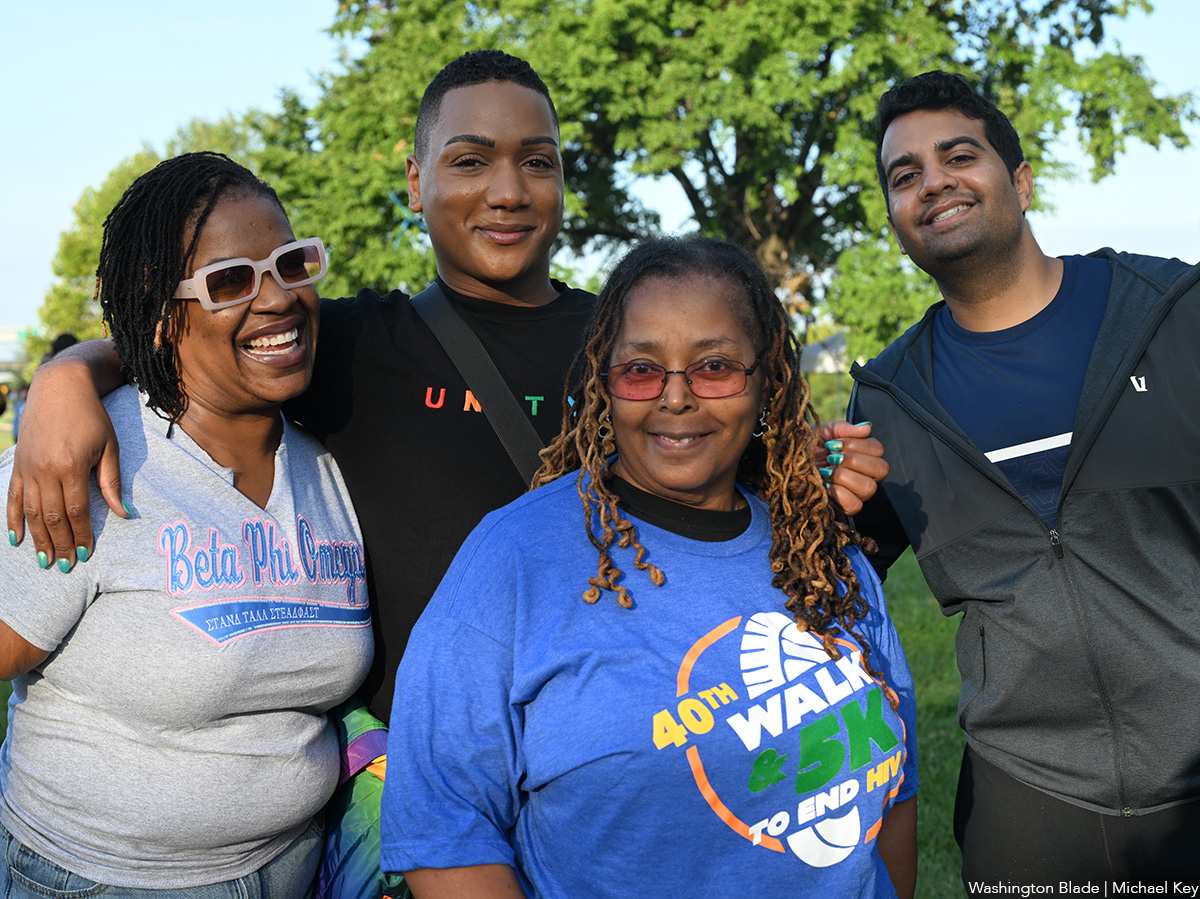
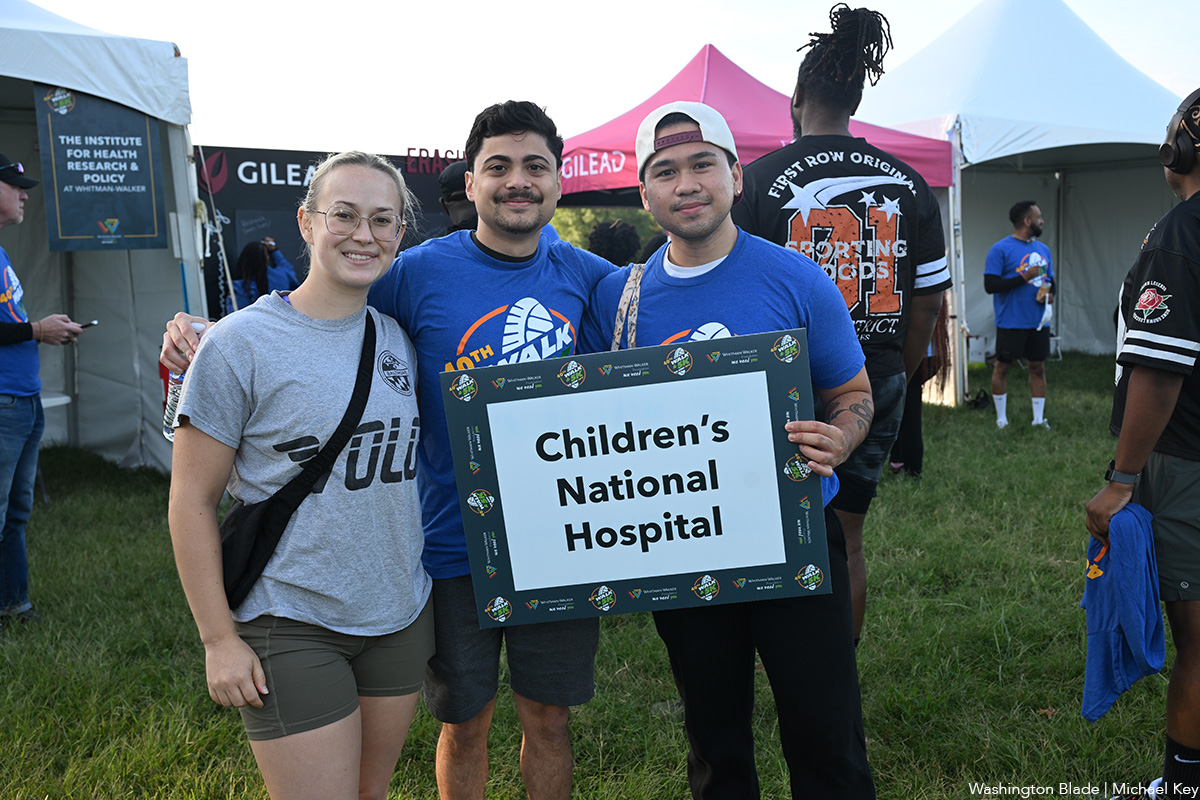
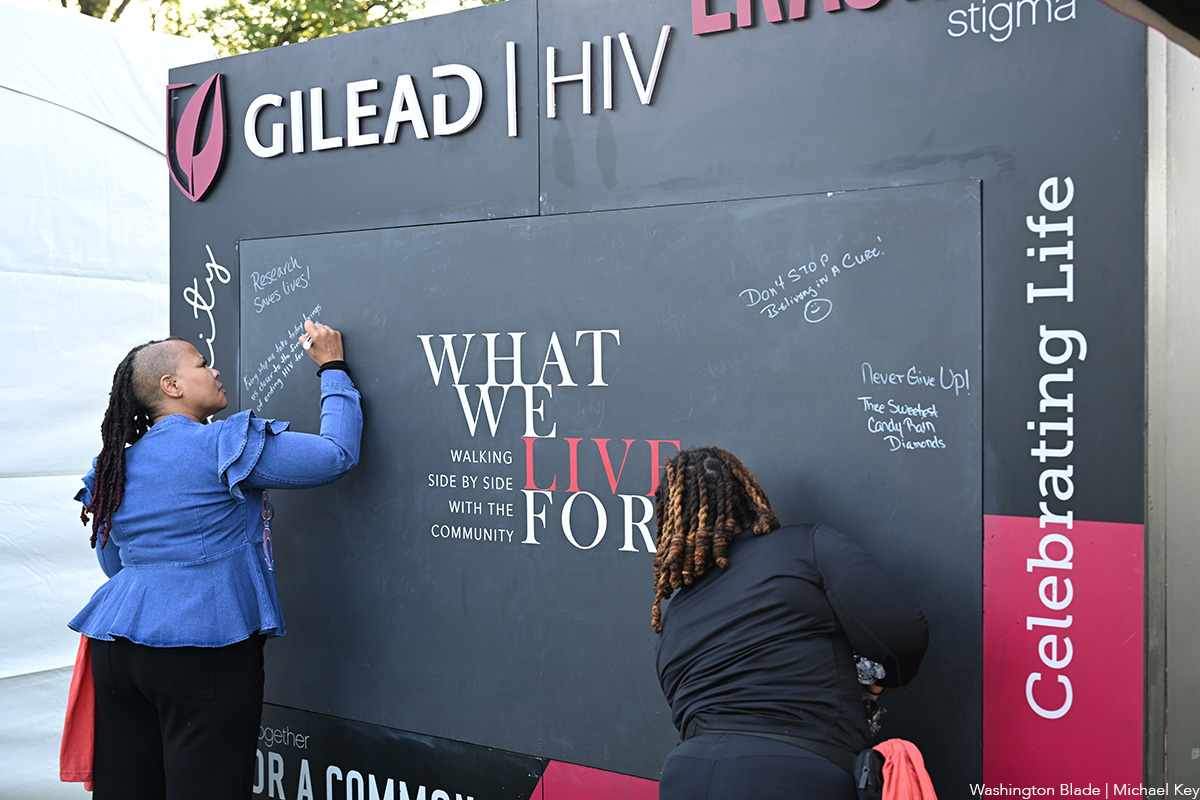
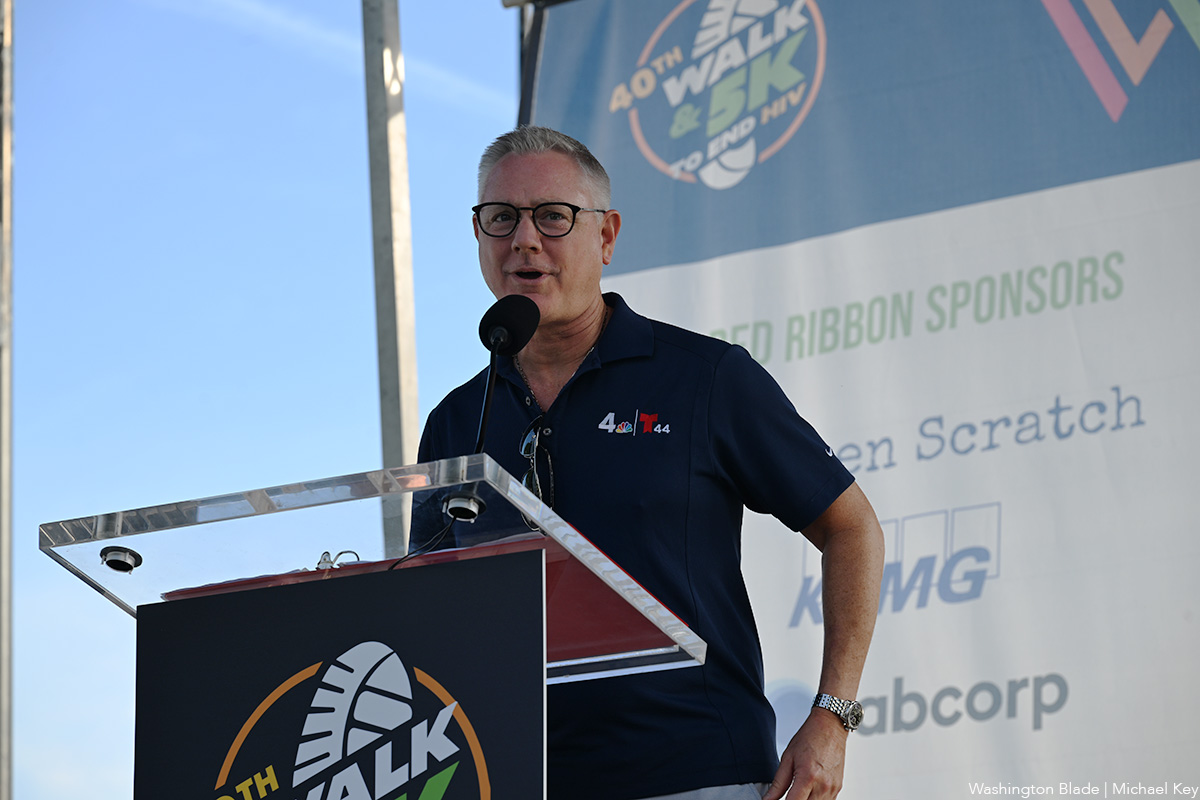
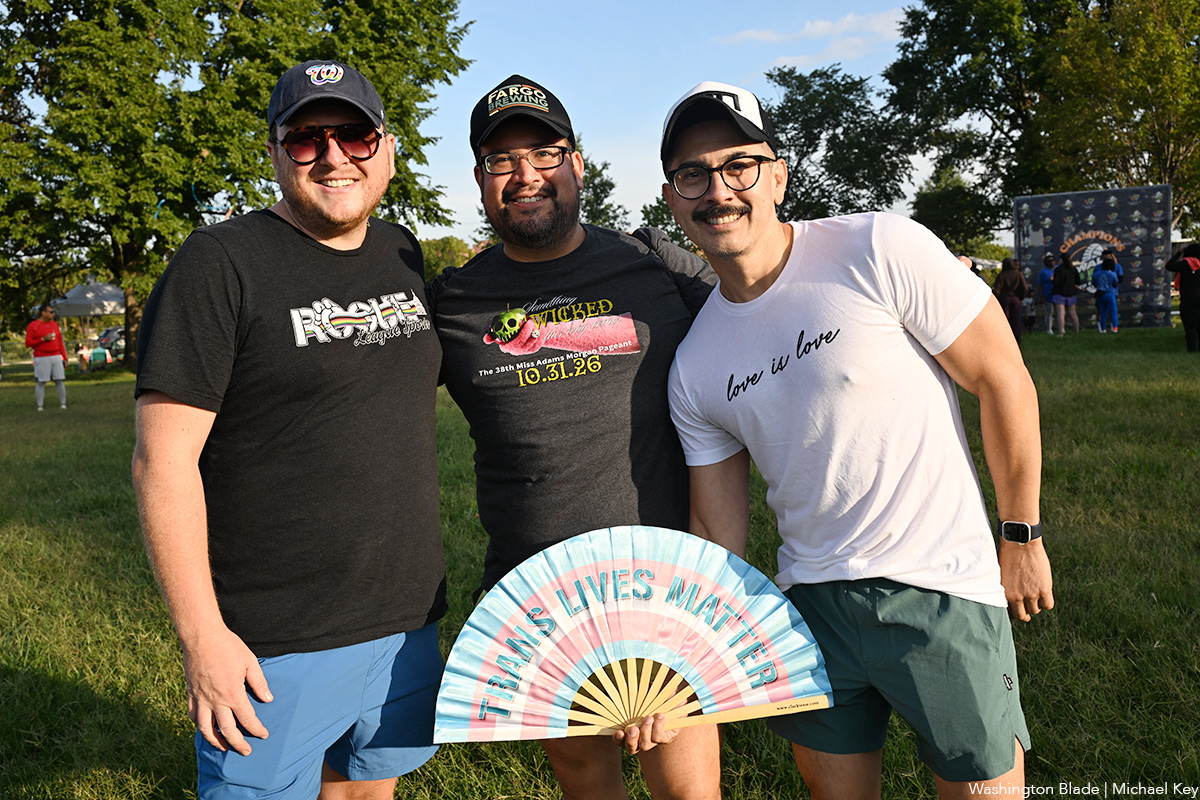
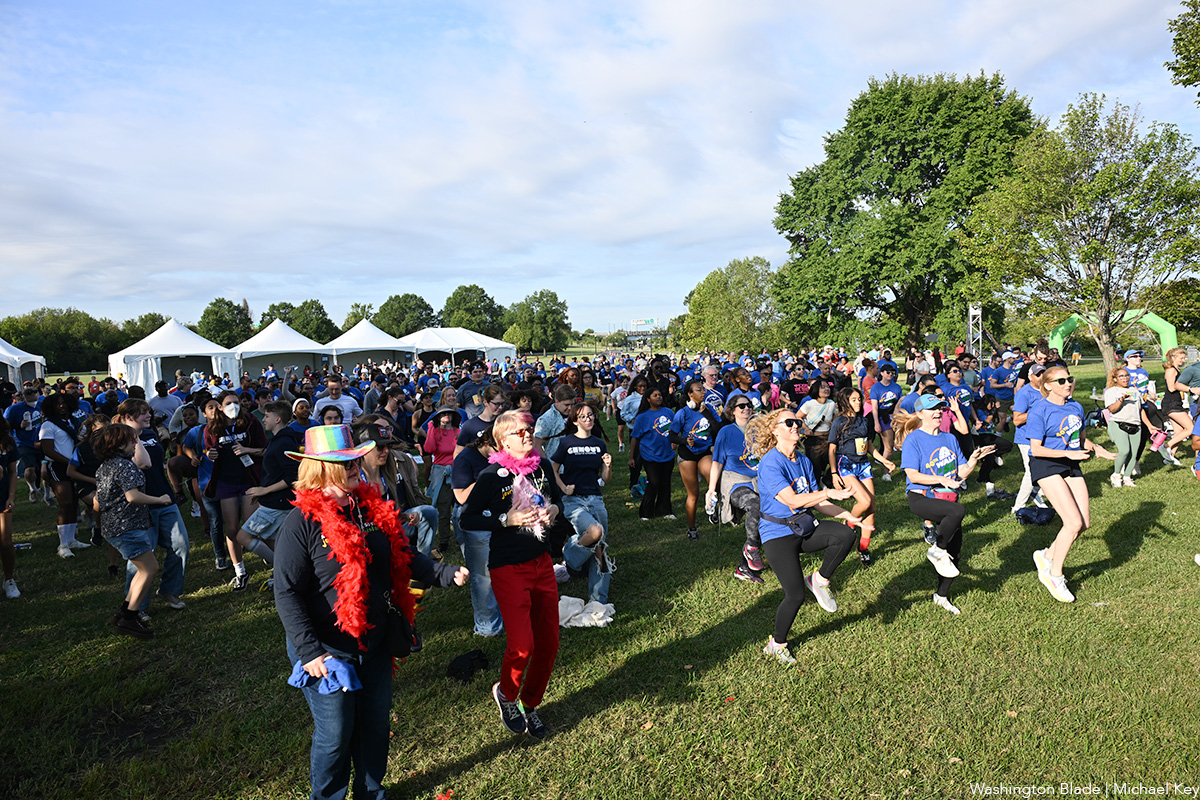
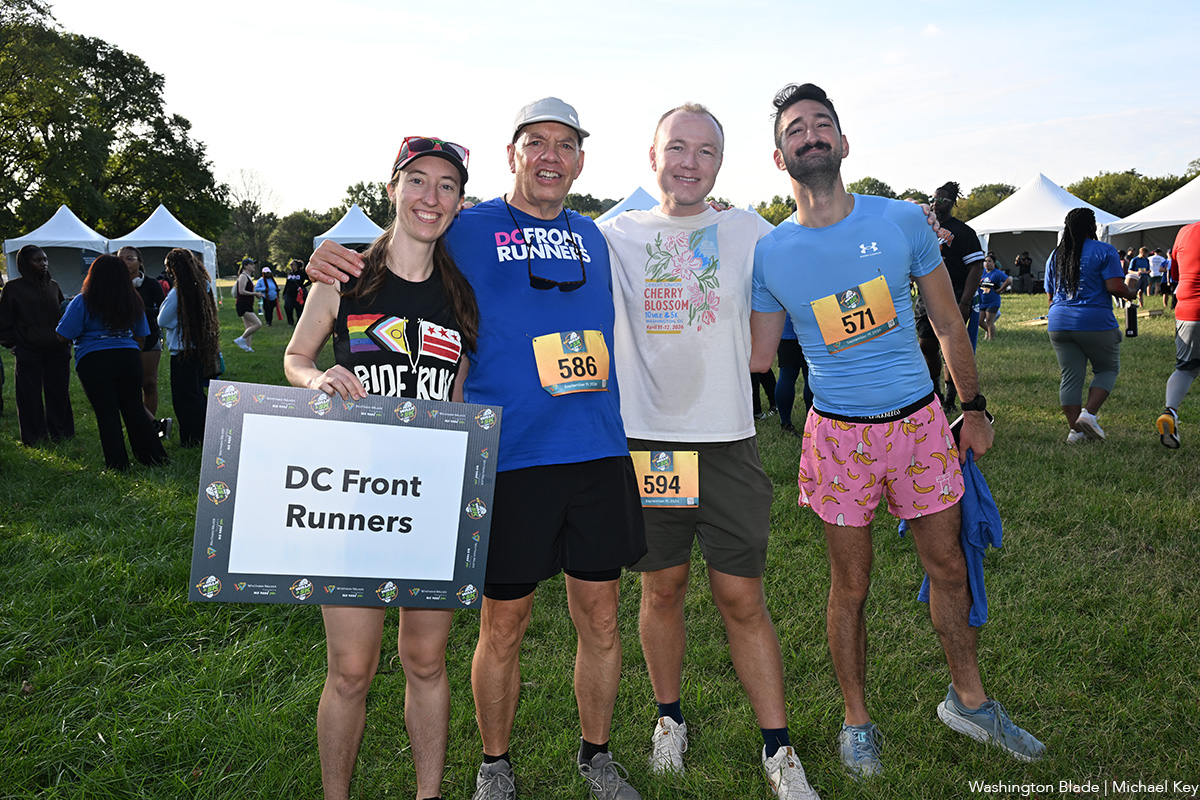
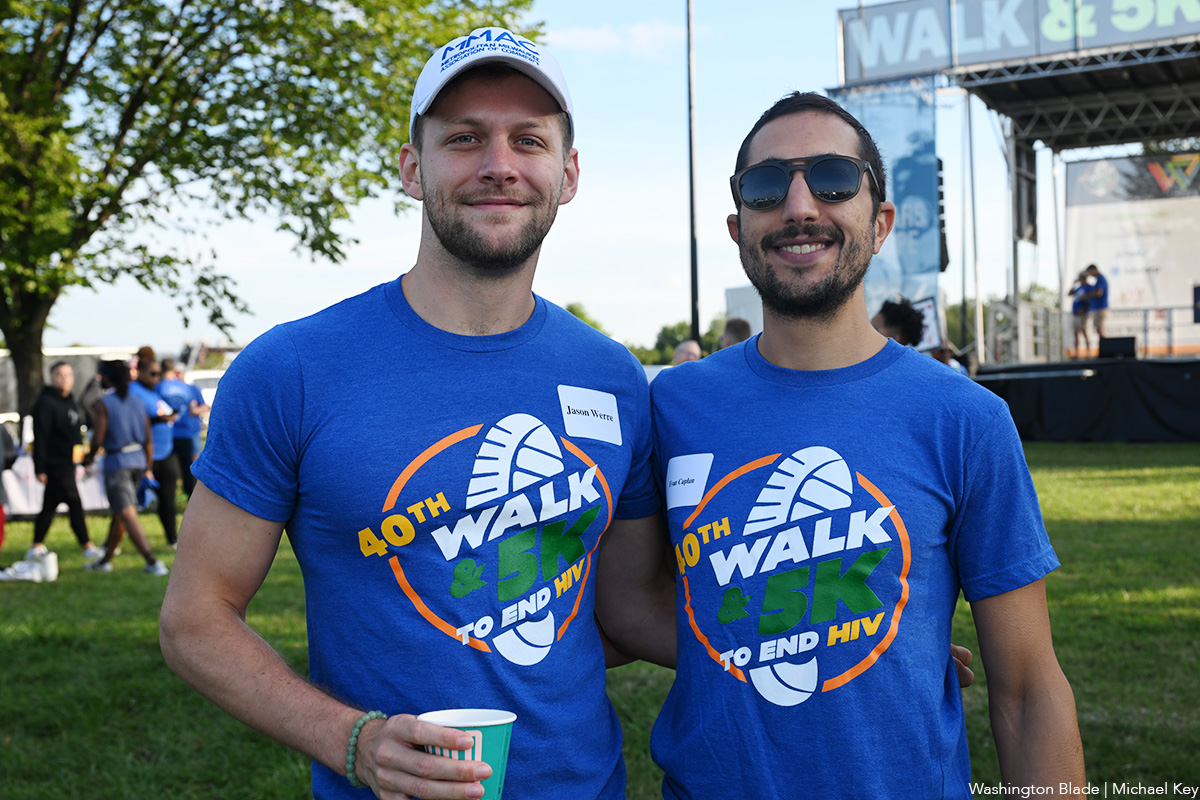
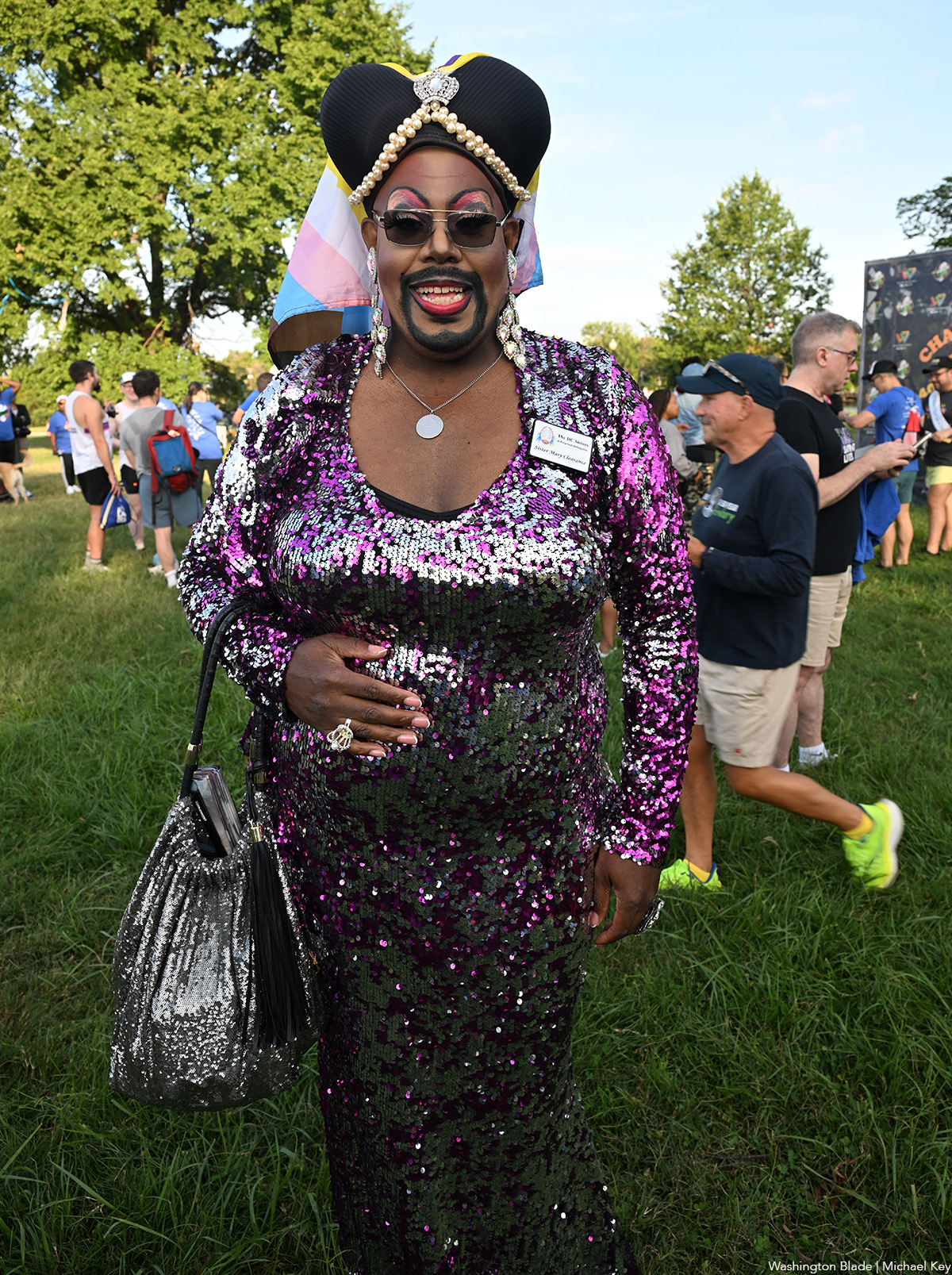
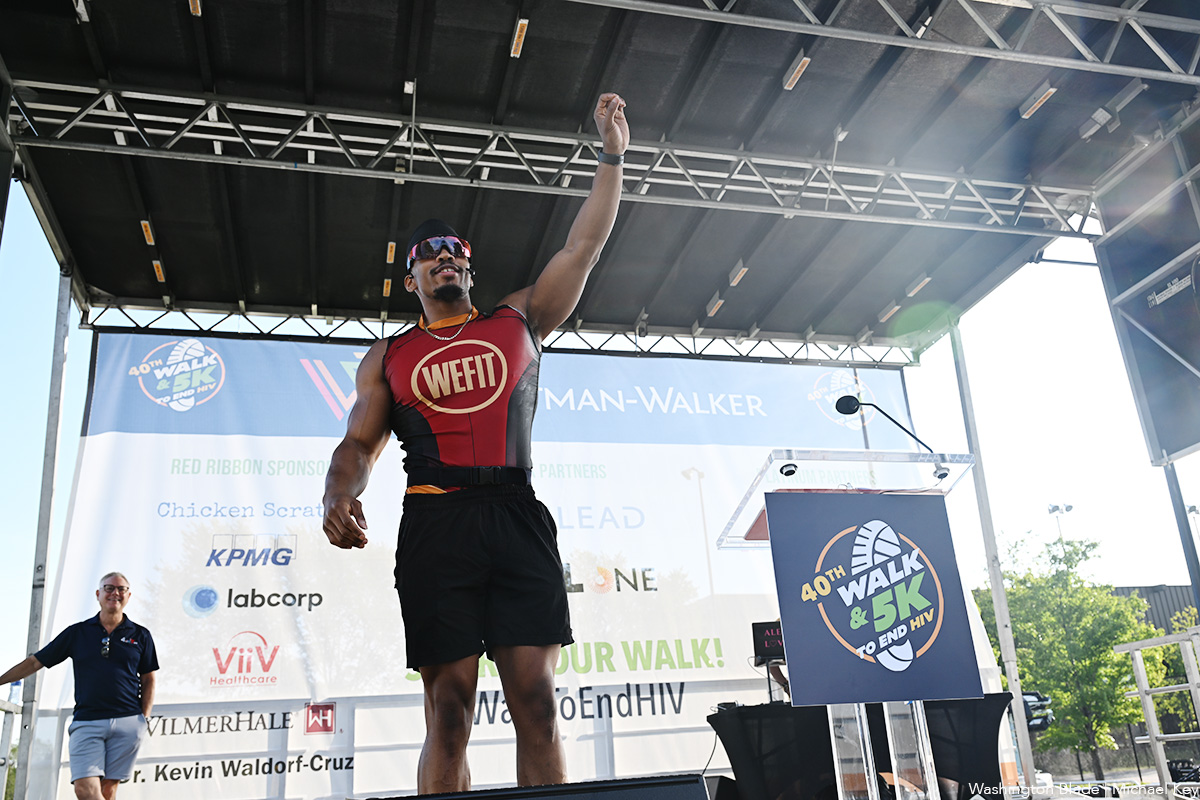
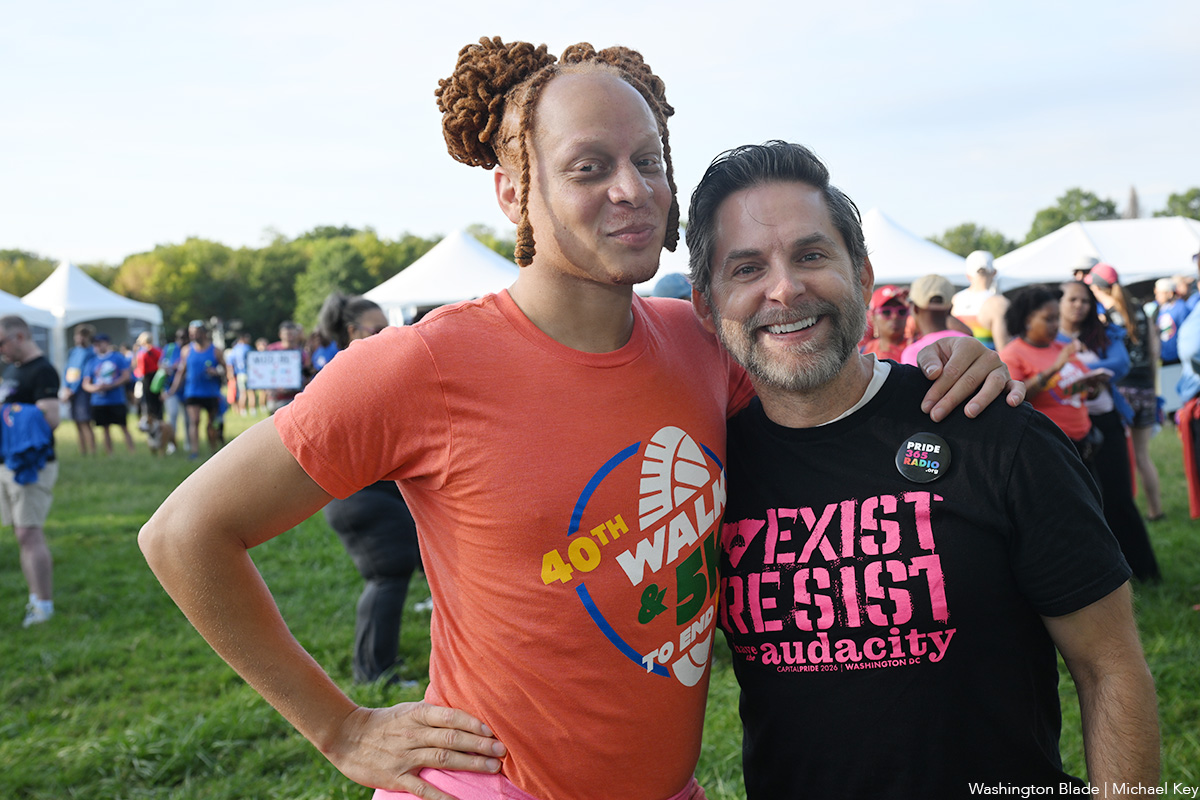
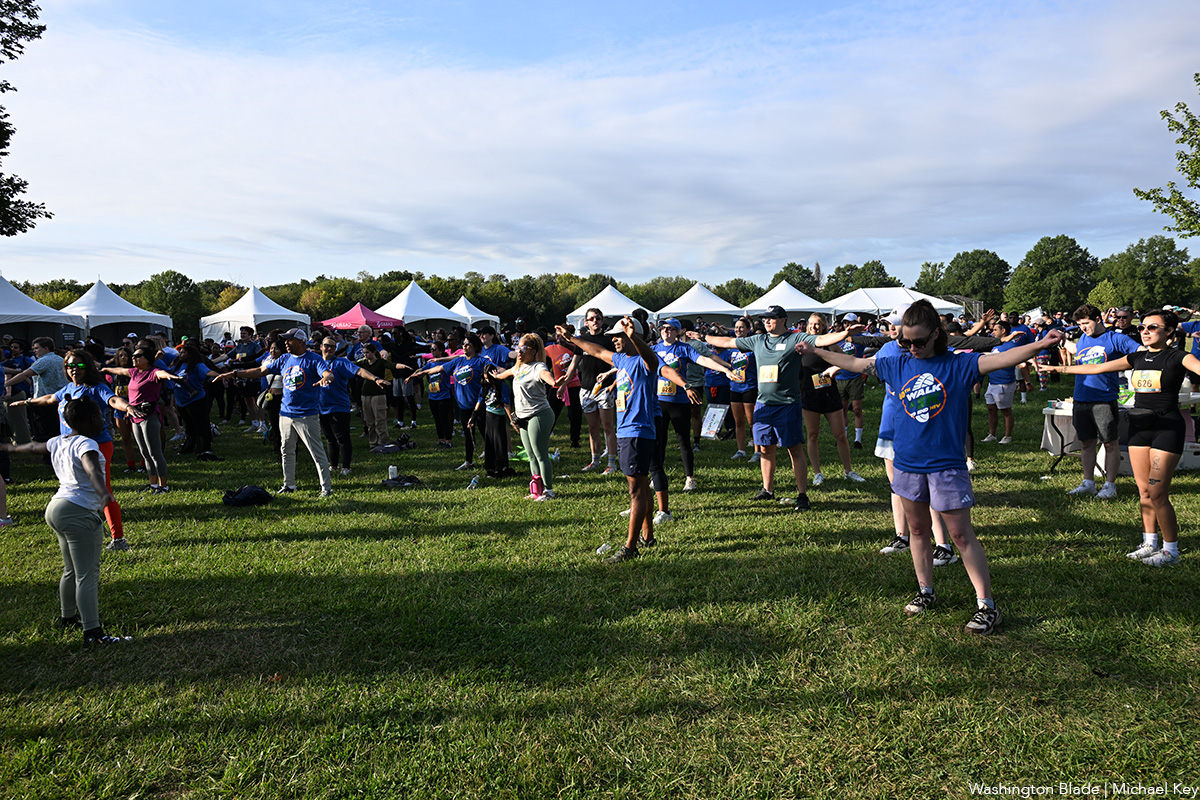
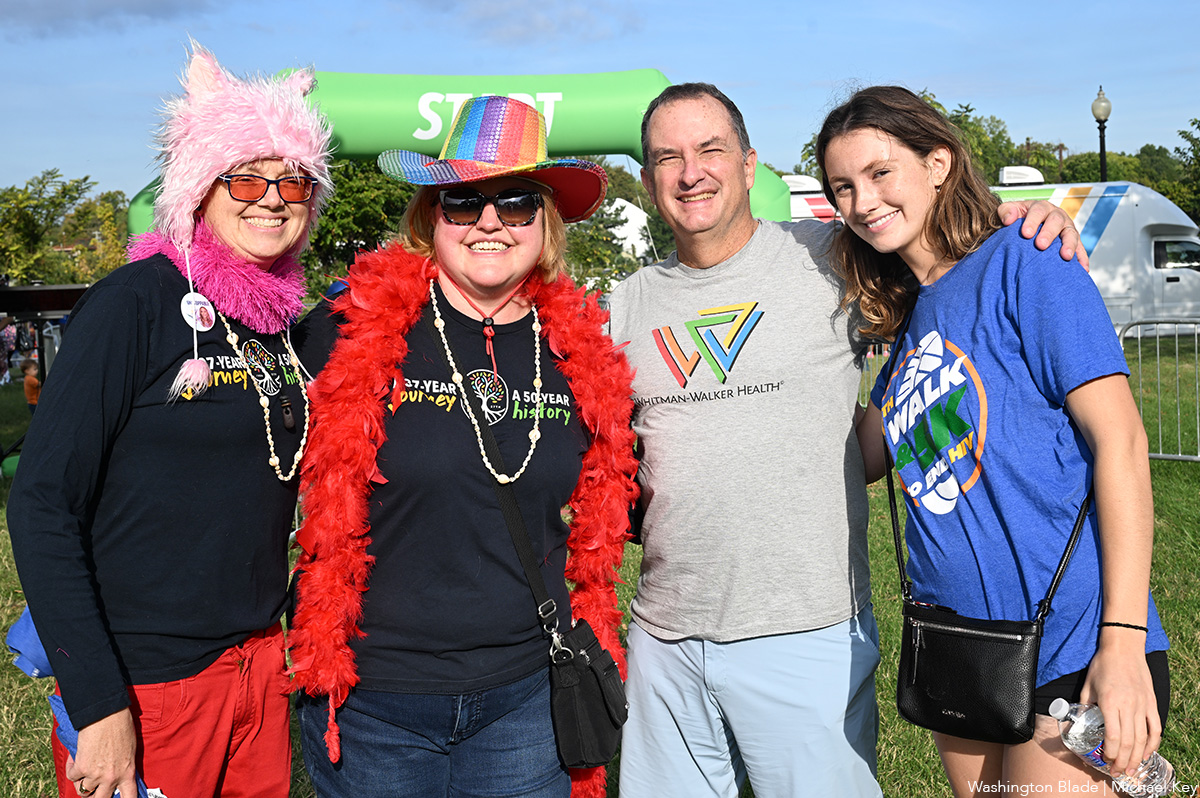
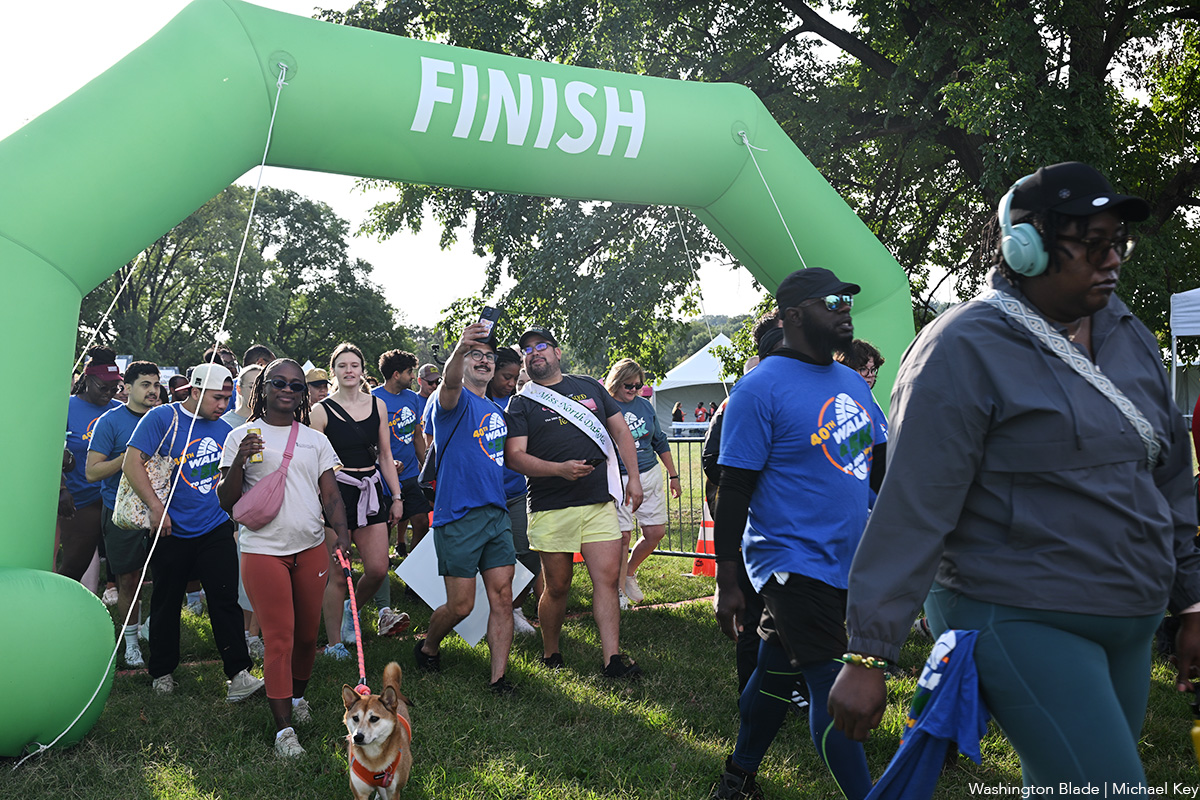
Whitman-Walker Health held the 40th annual Walk and 5K to End HIV at Anacostia Park on Saturday, Sept. 19.
(Washington Blade photos by Michael Key)


Photos
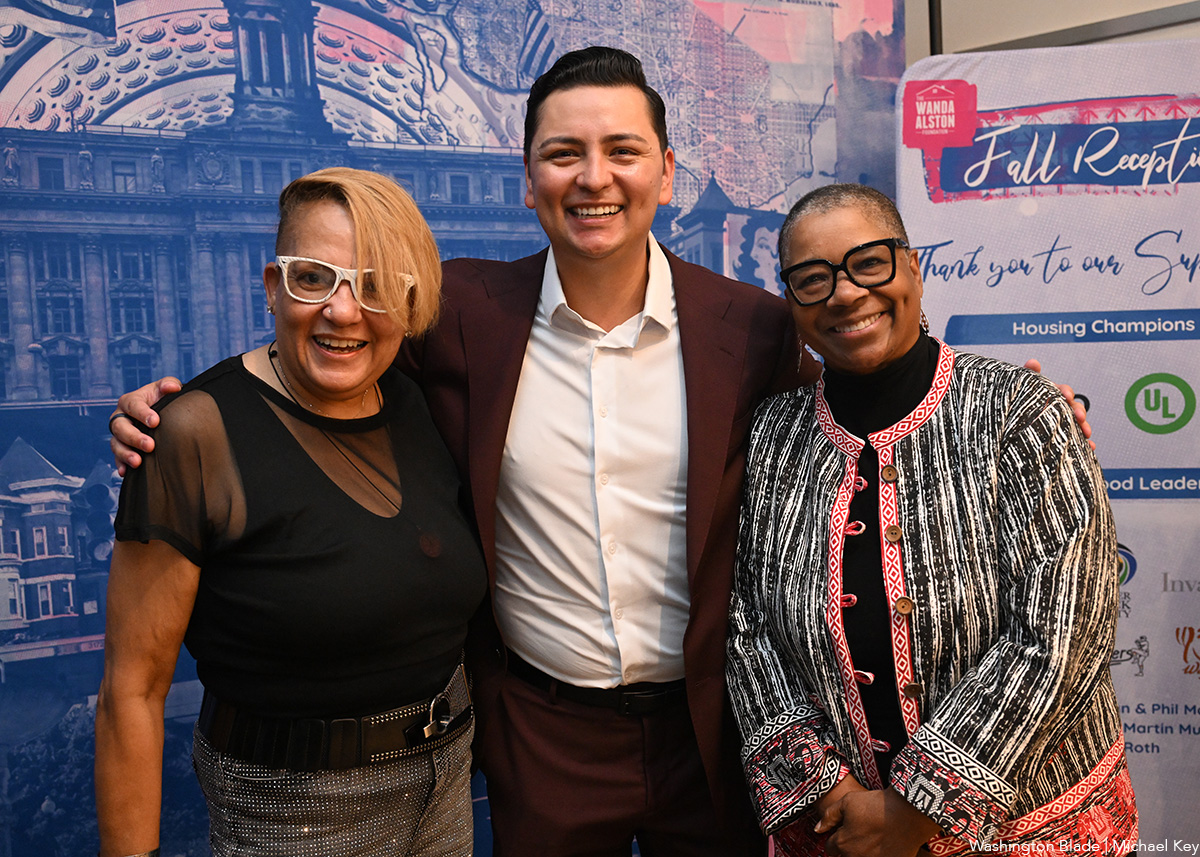
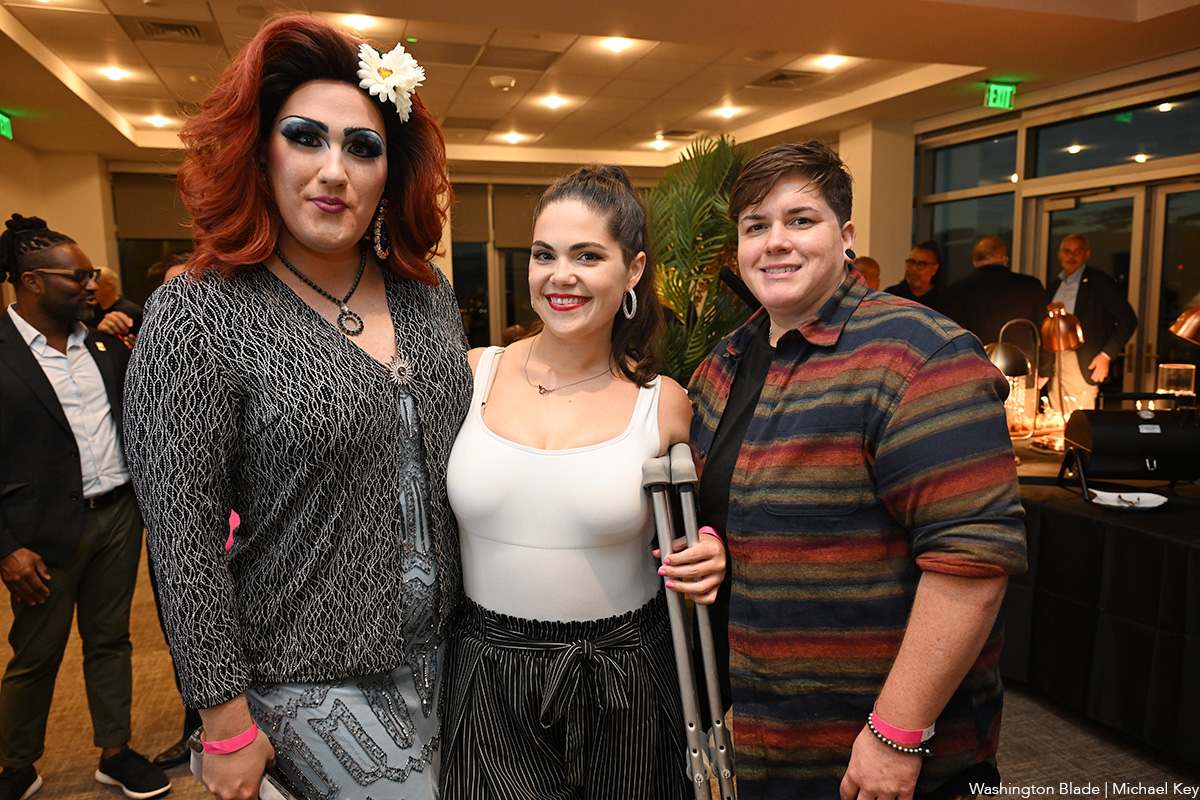
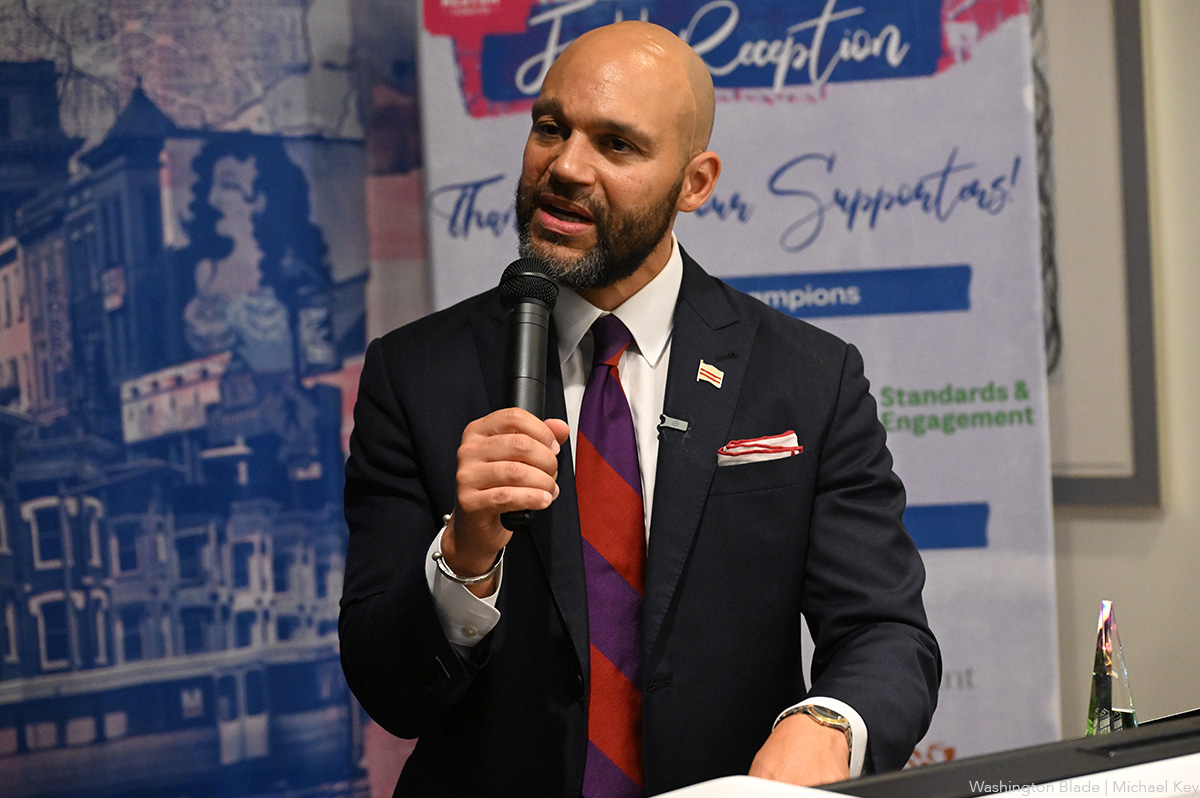
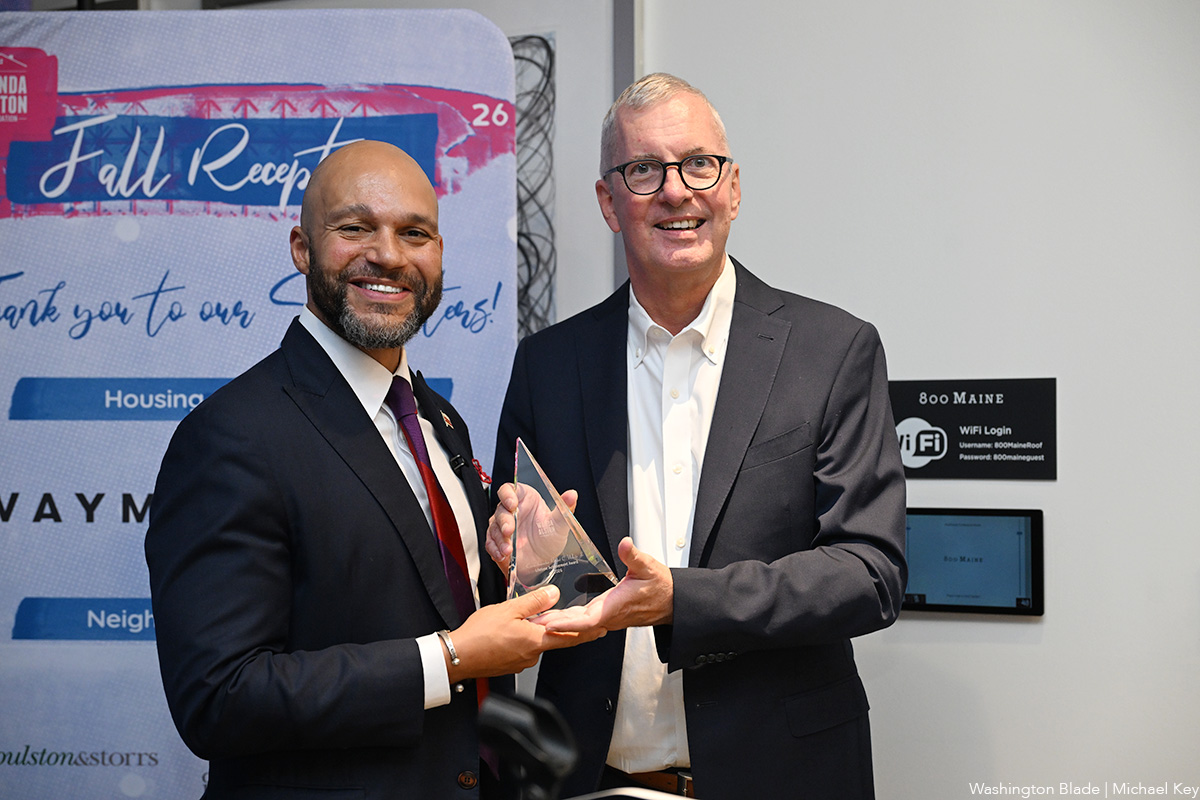
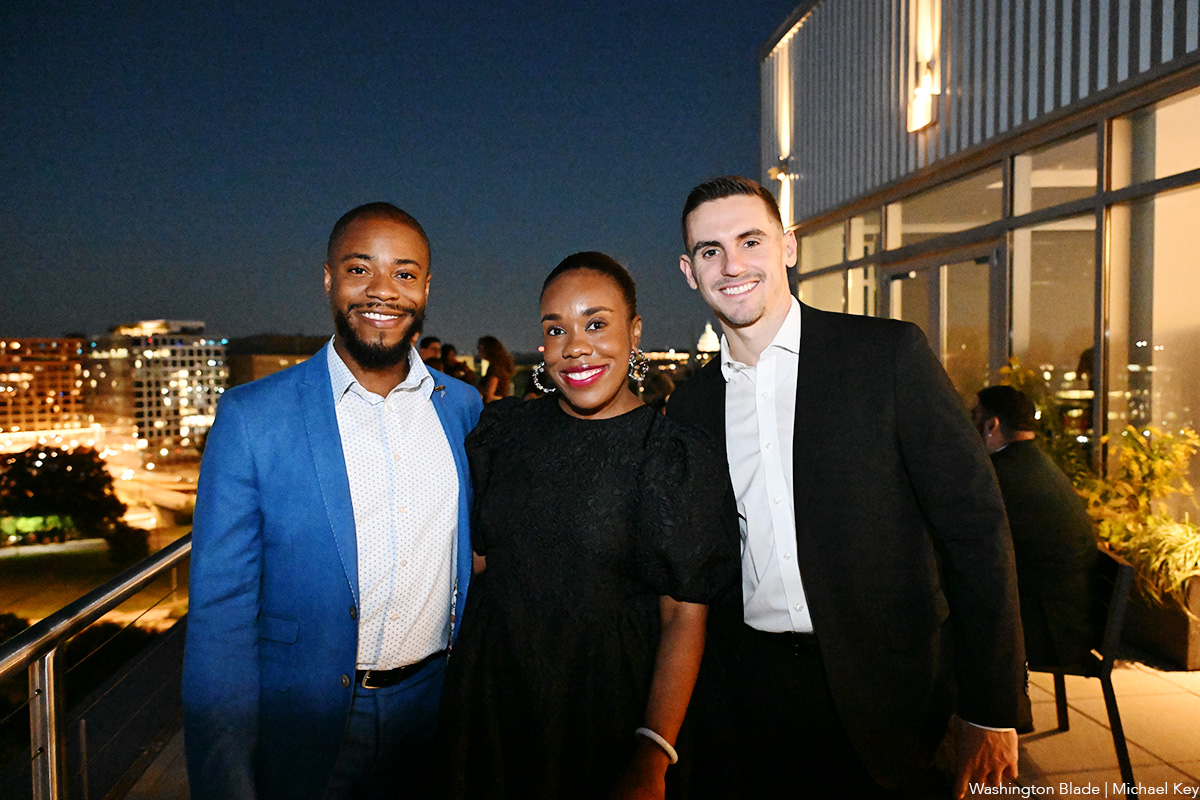
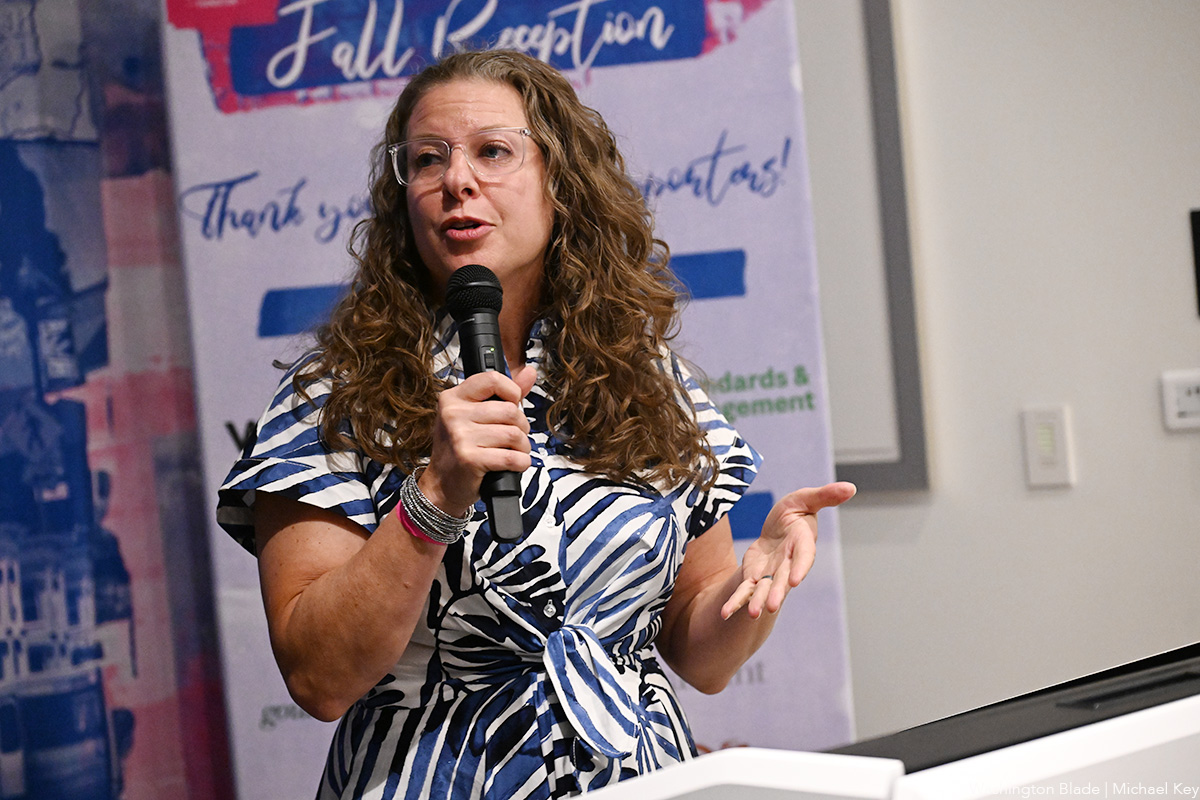
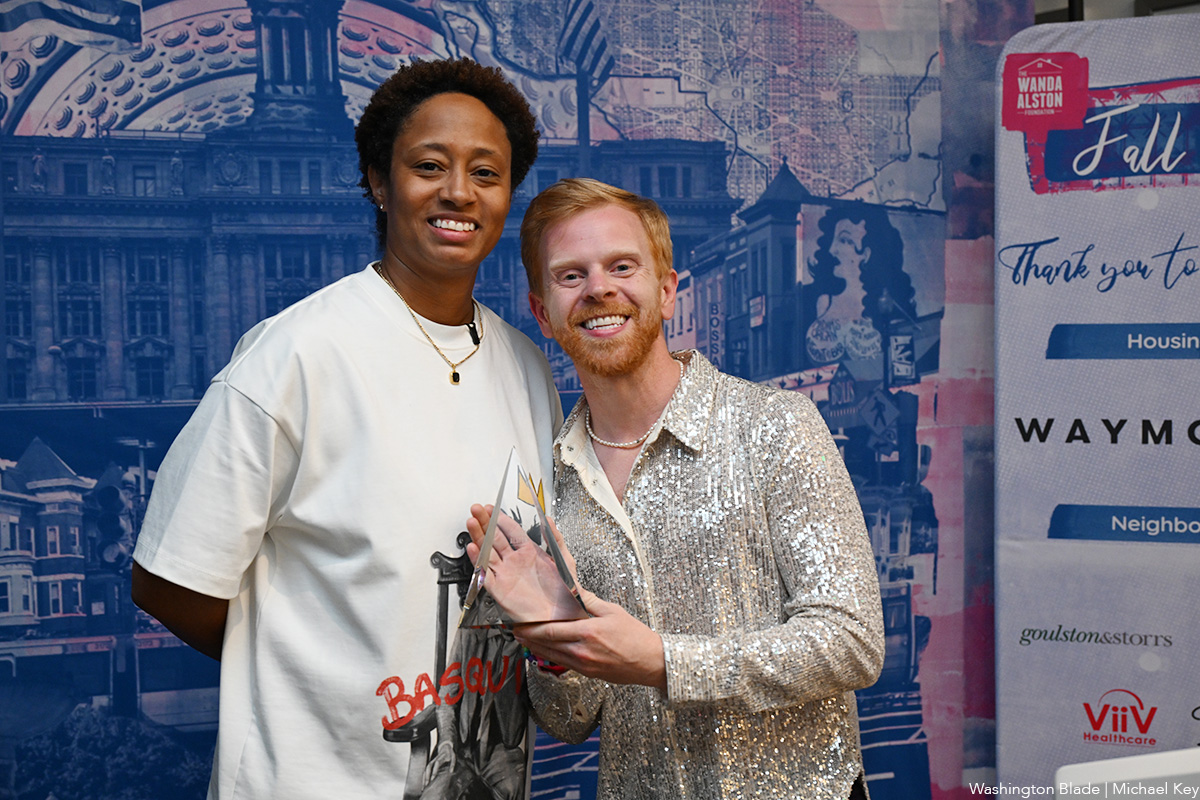
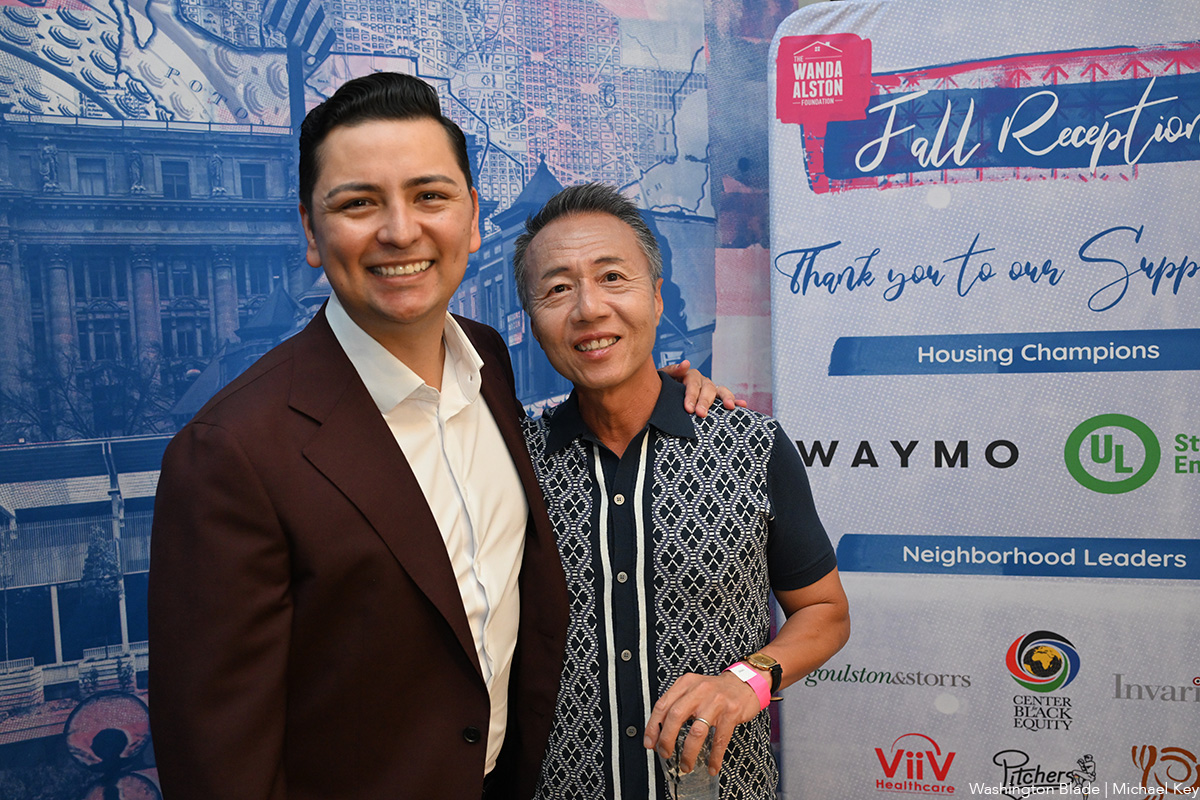
PHOTOS: Wanda Alston Foundation Fall Reception
LGBTQ youth services organization honors Robert White, Japer Bowles, Washington Capitals
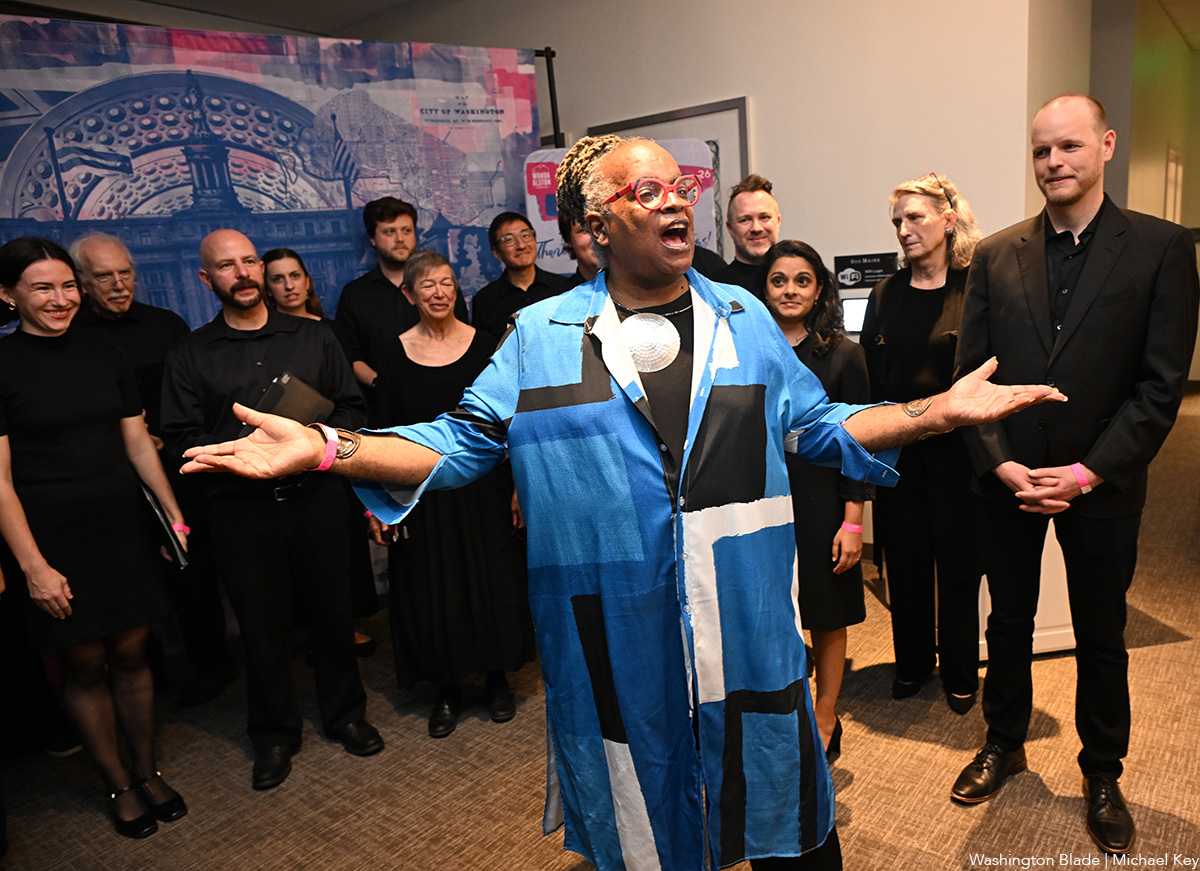
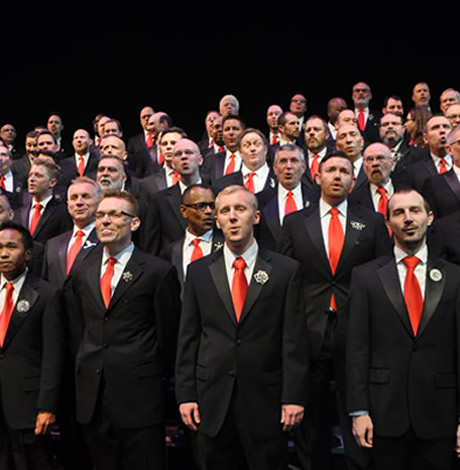
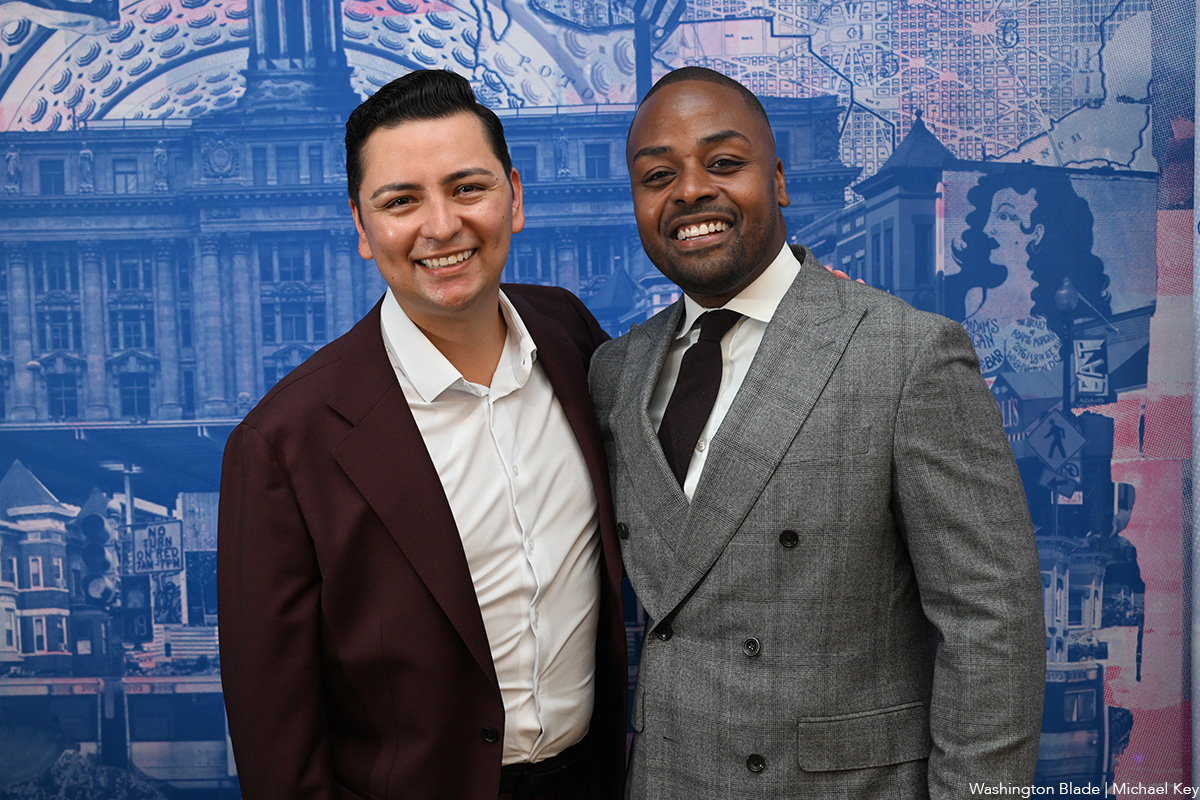
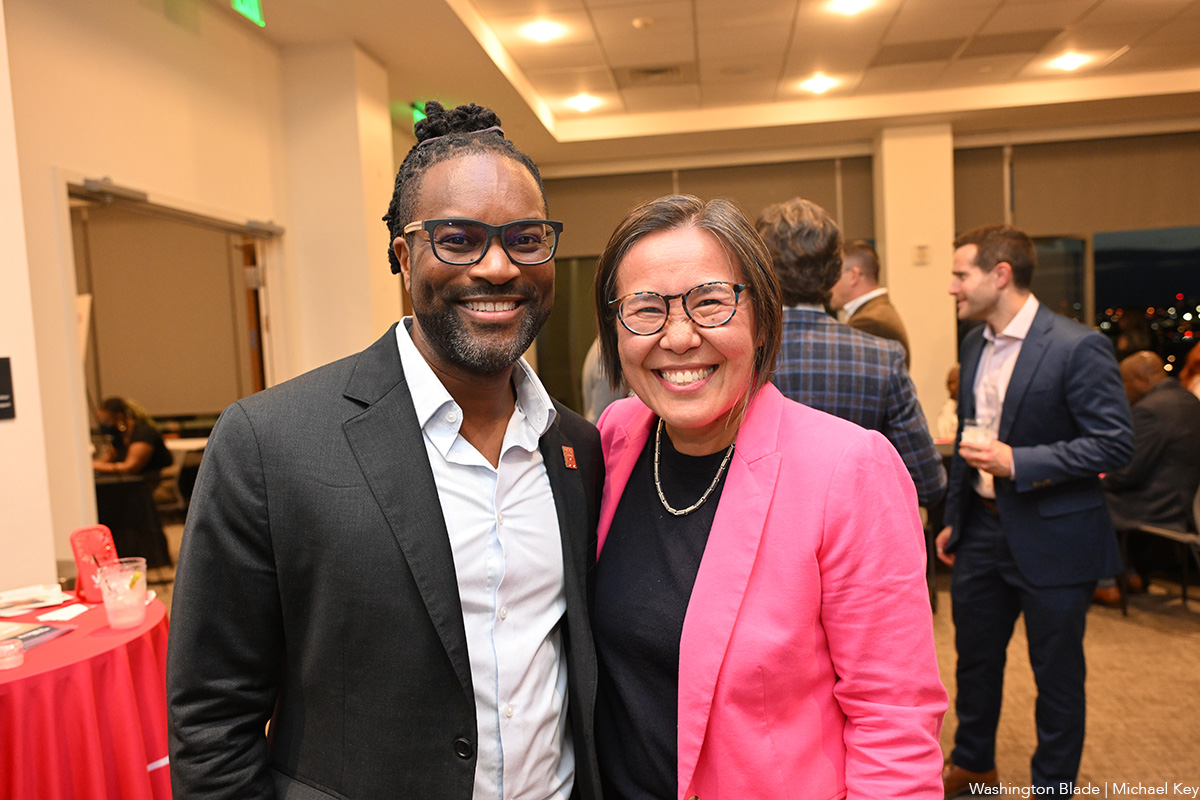
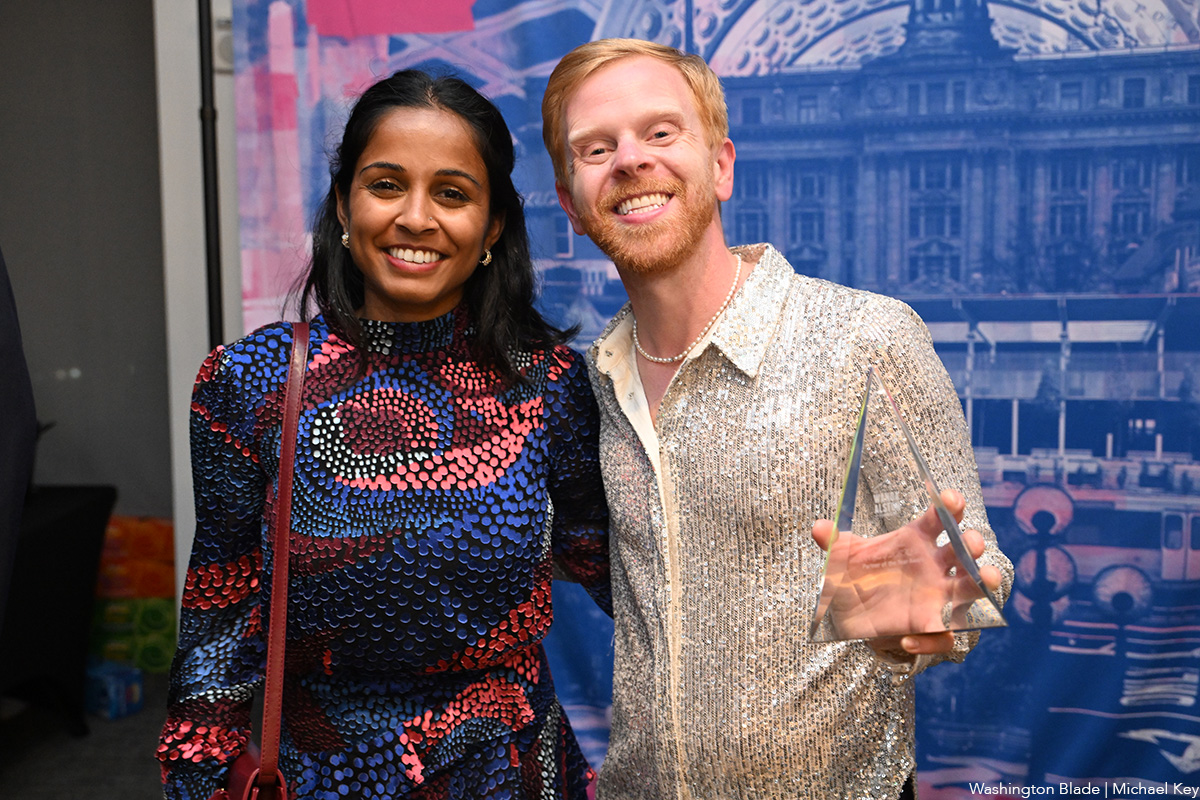
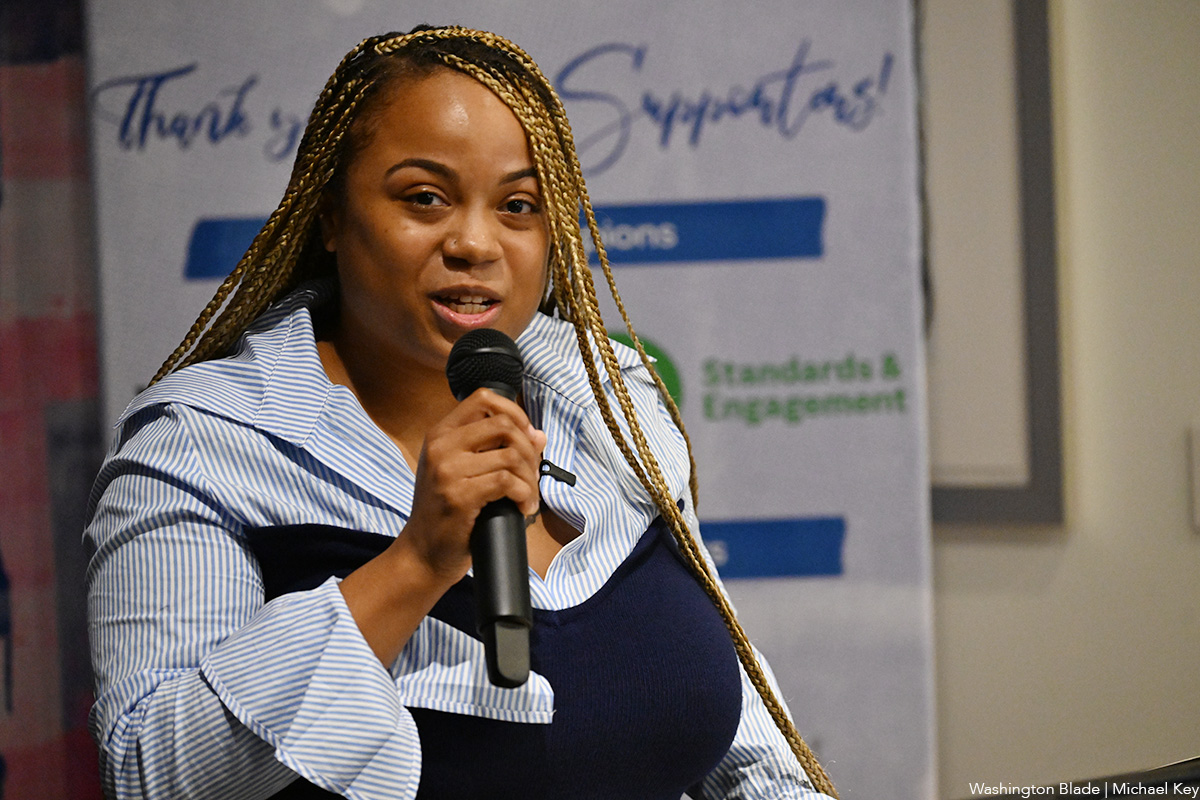
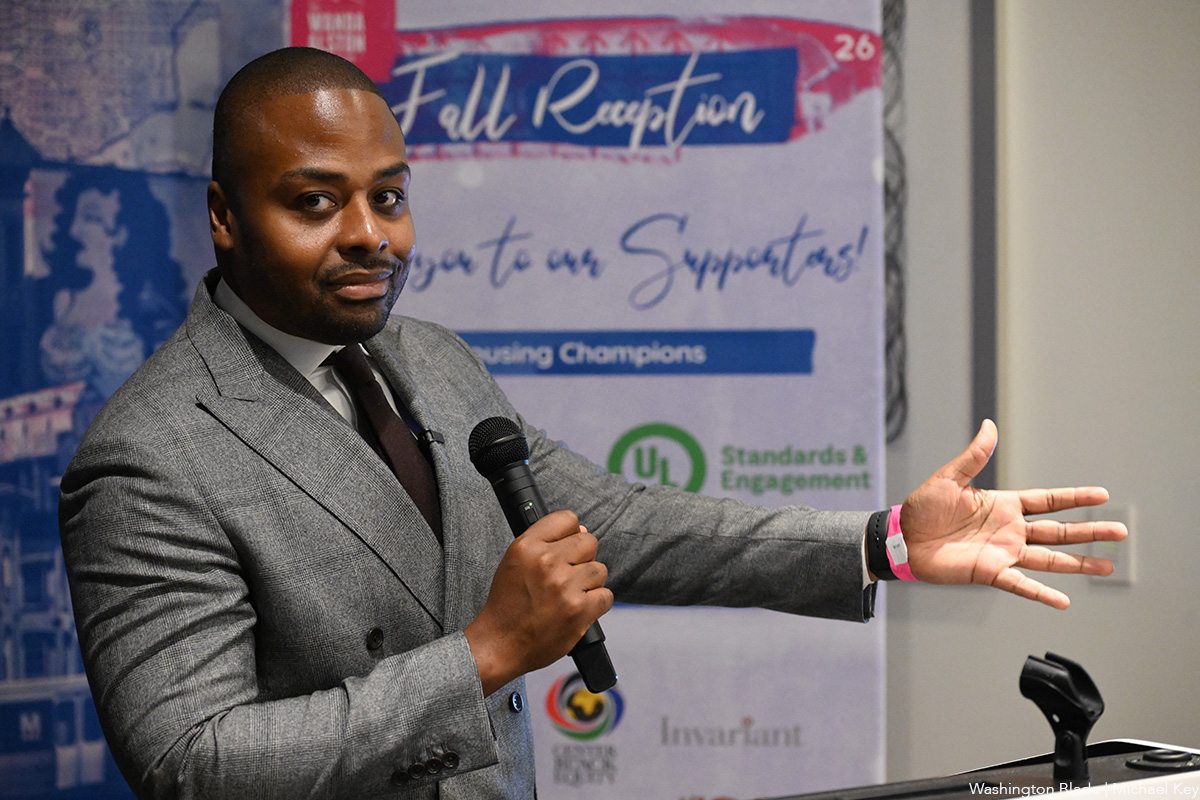
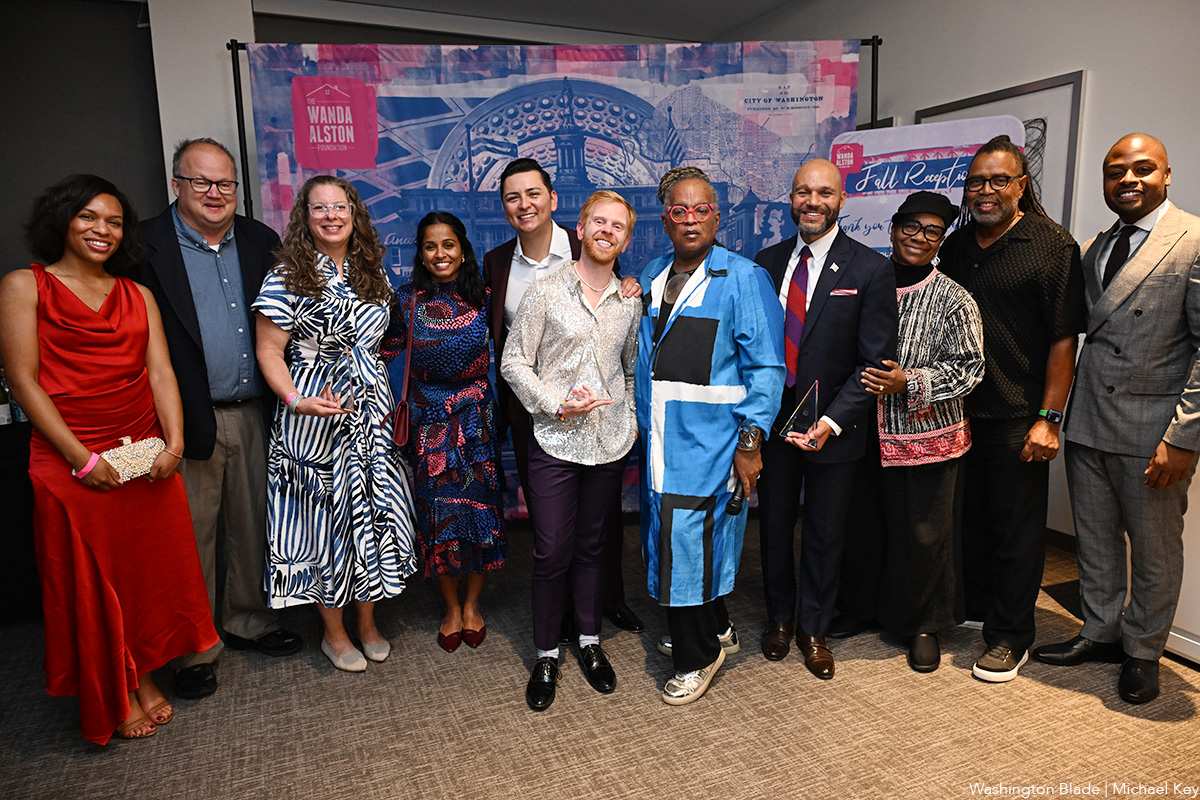
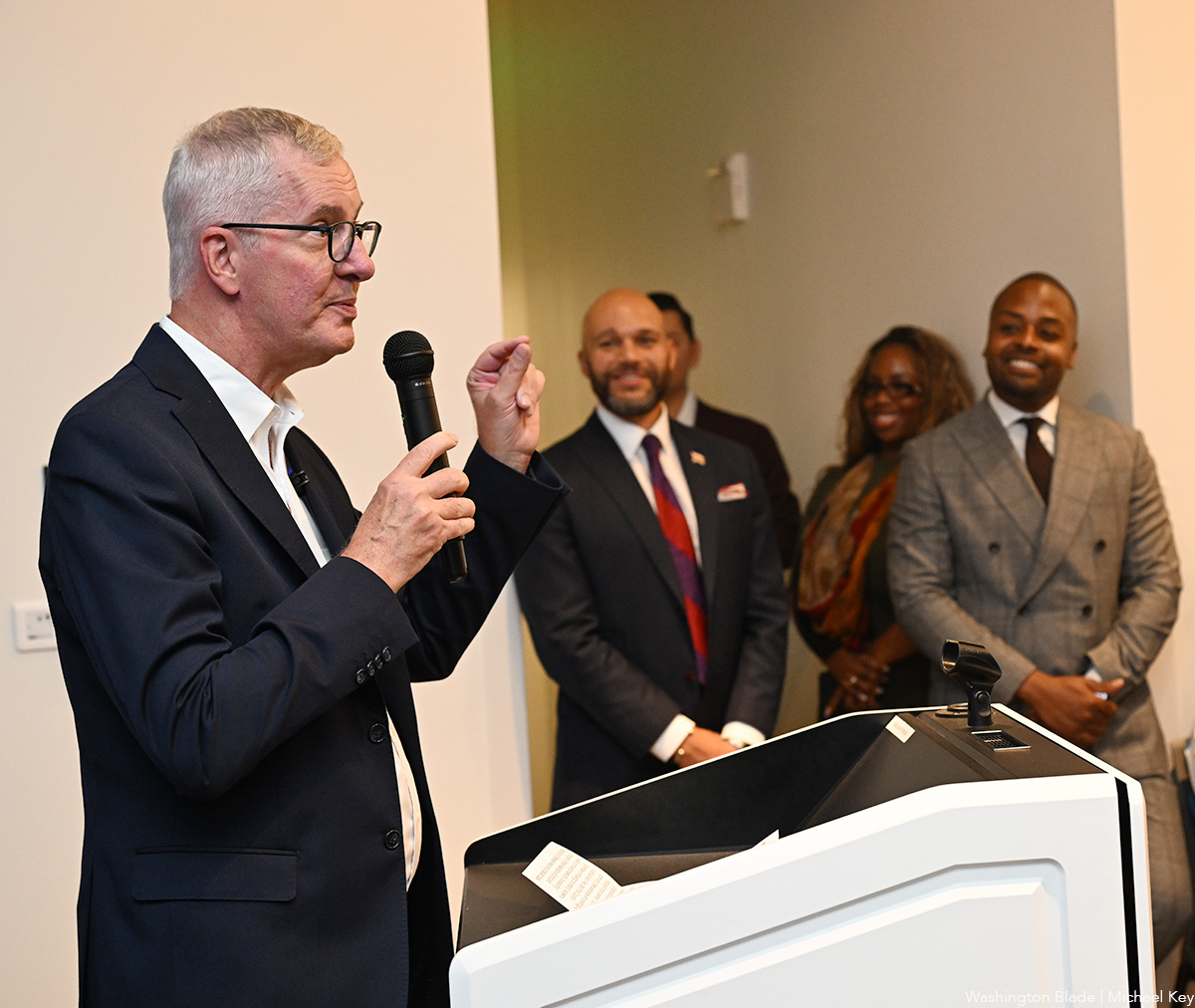
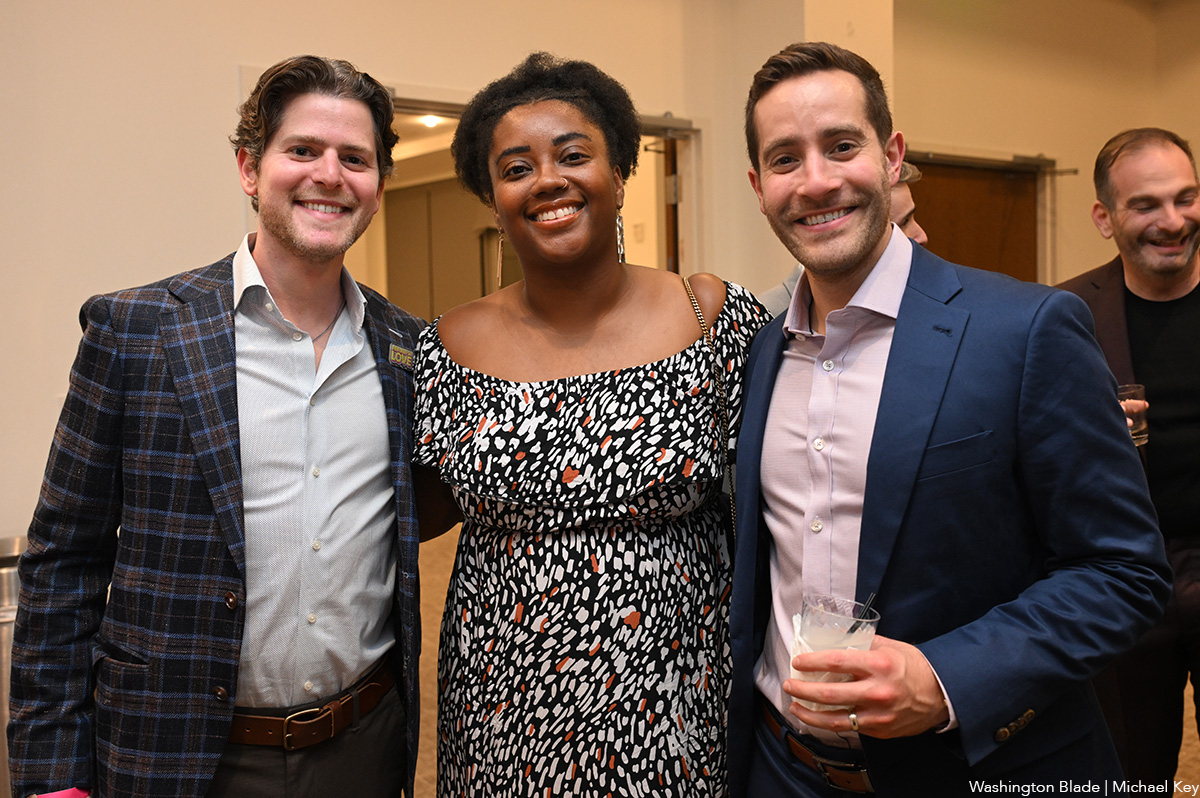
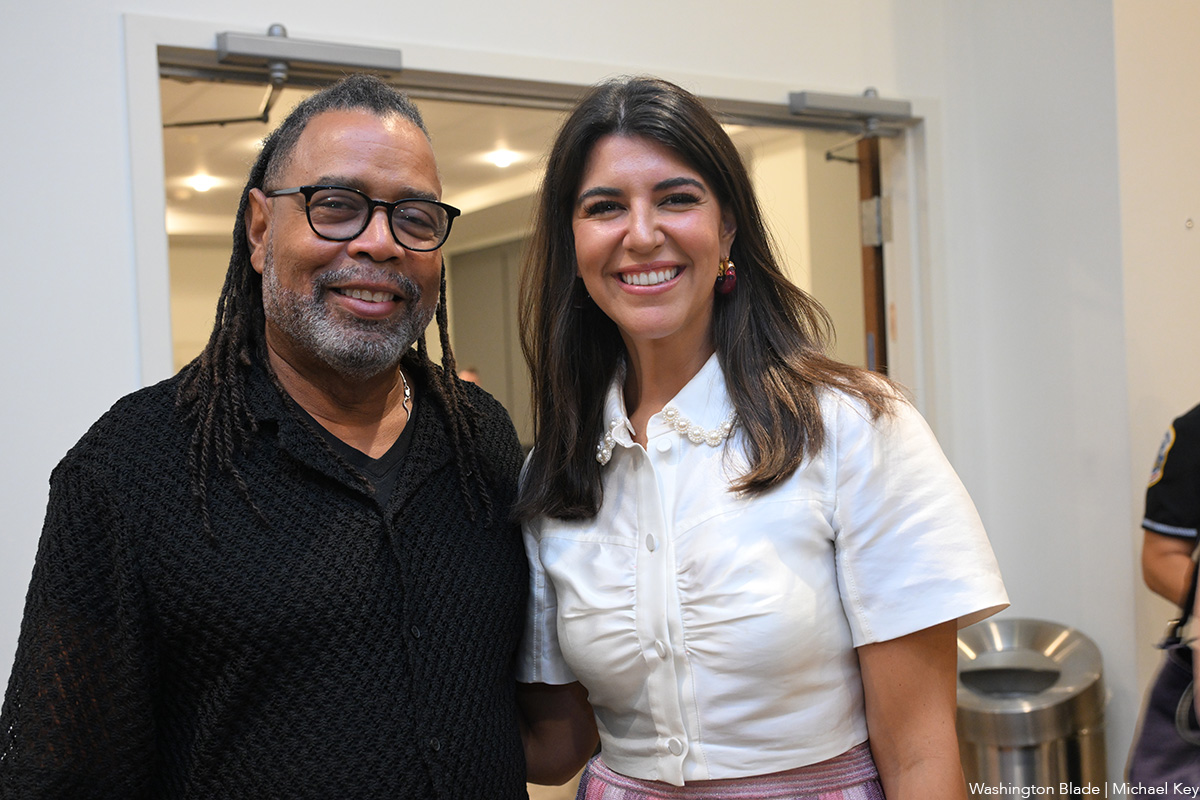
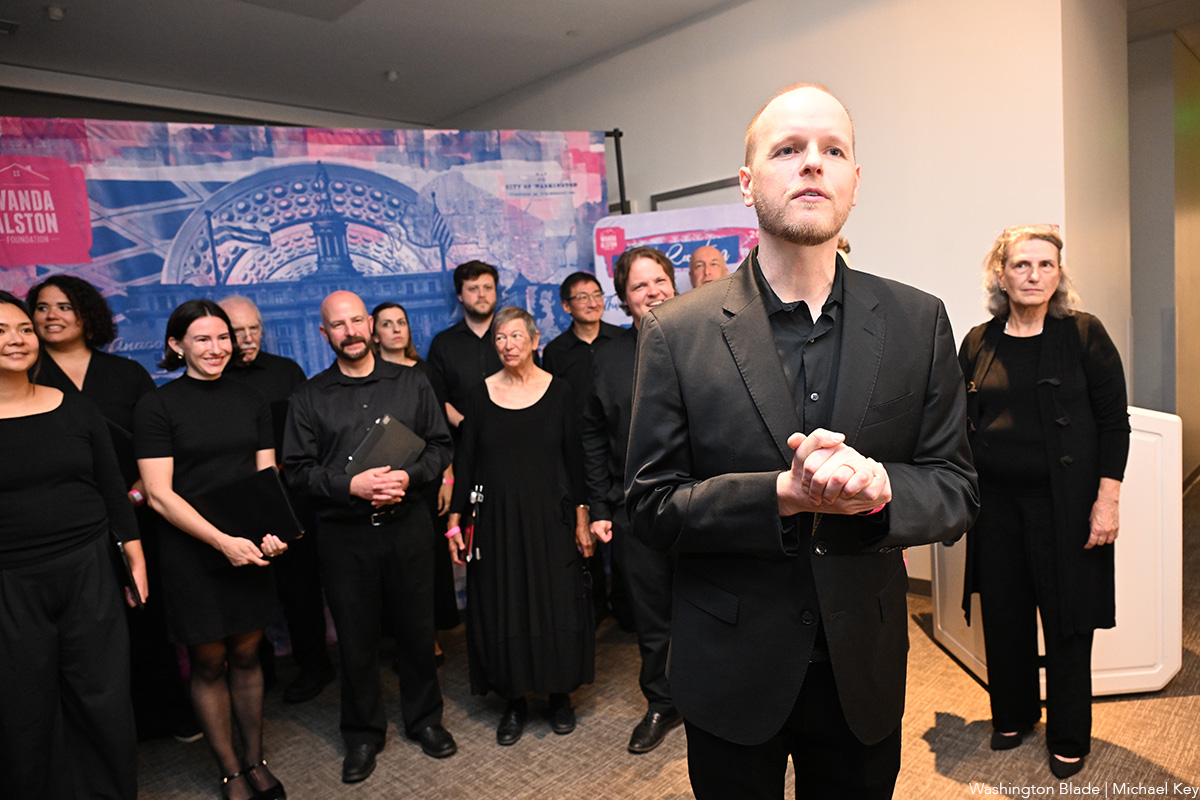
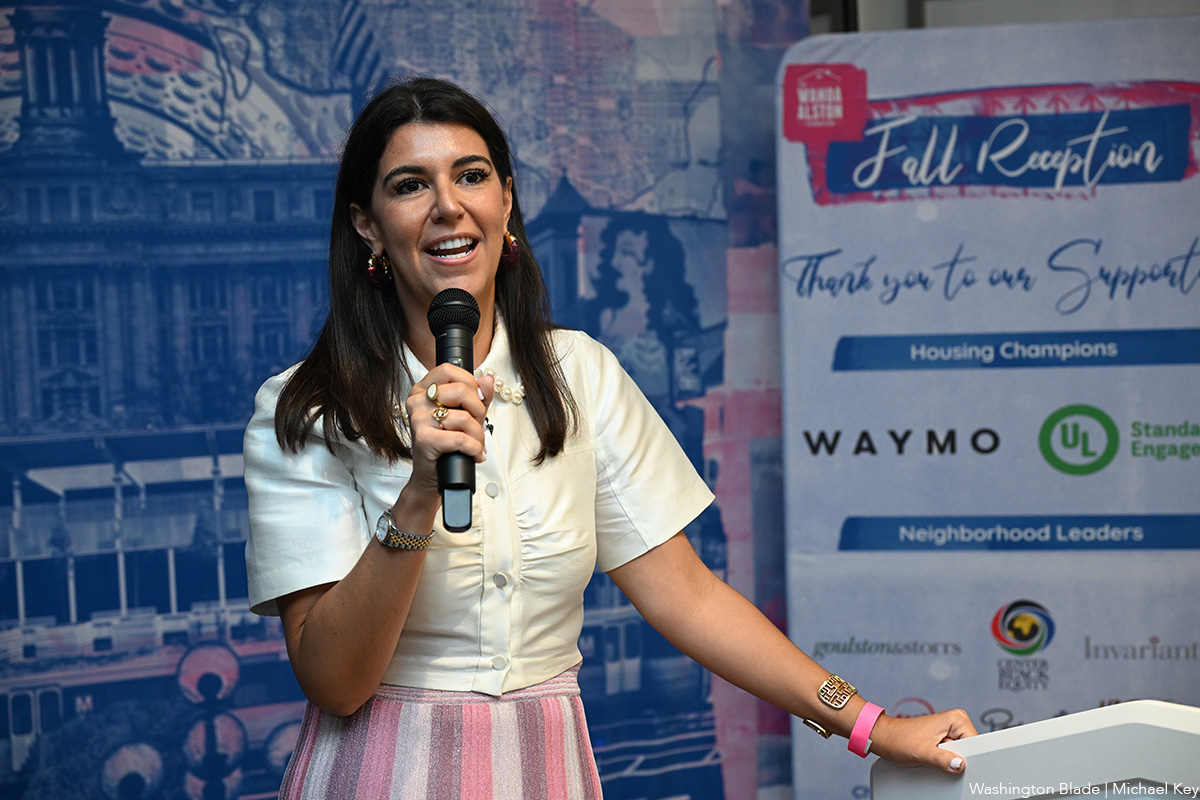
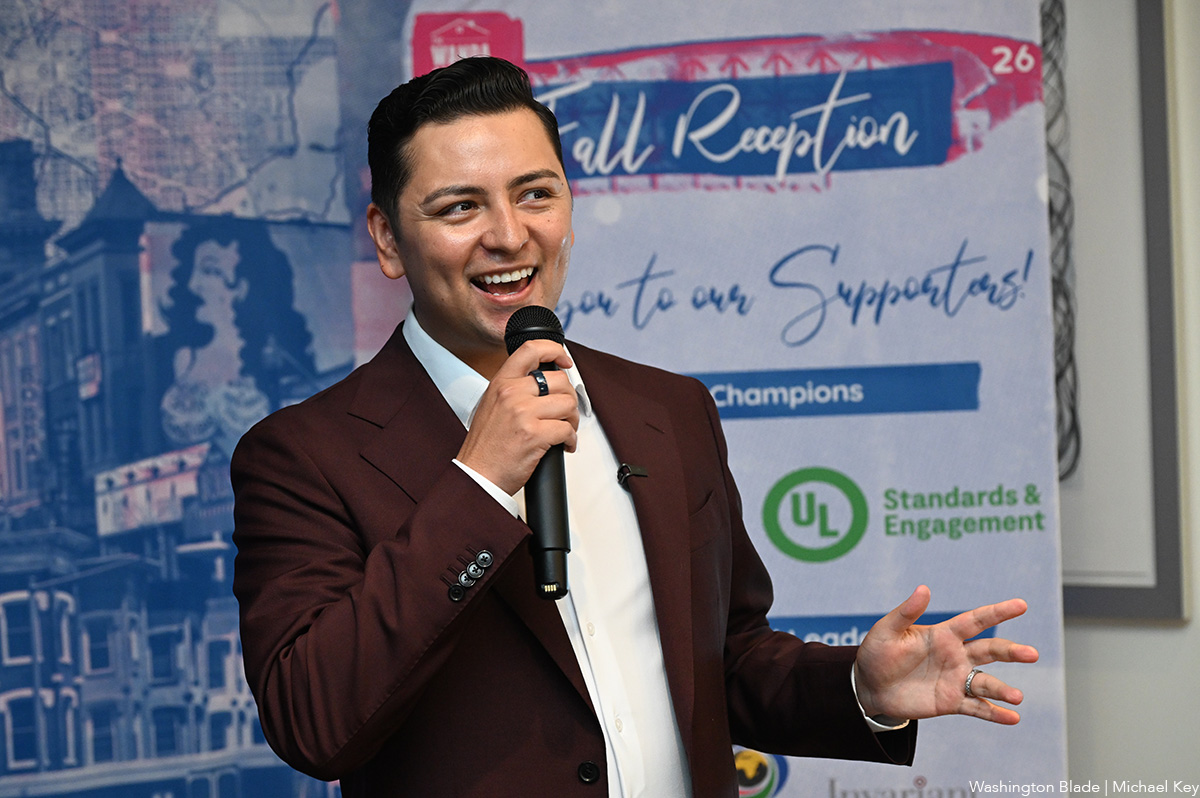
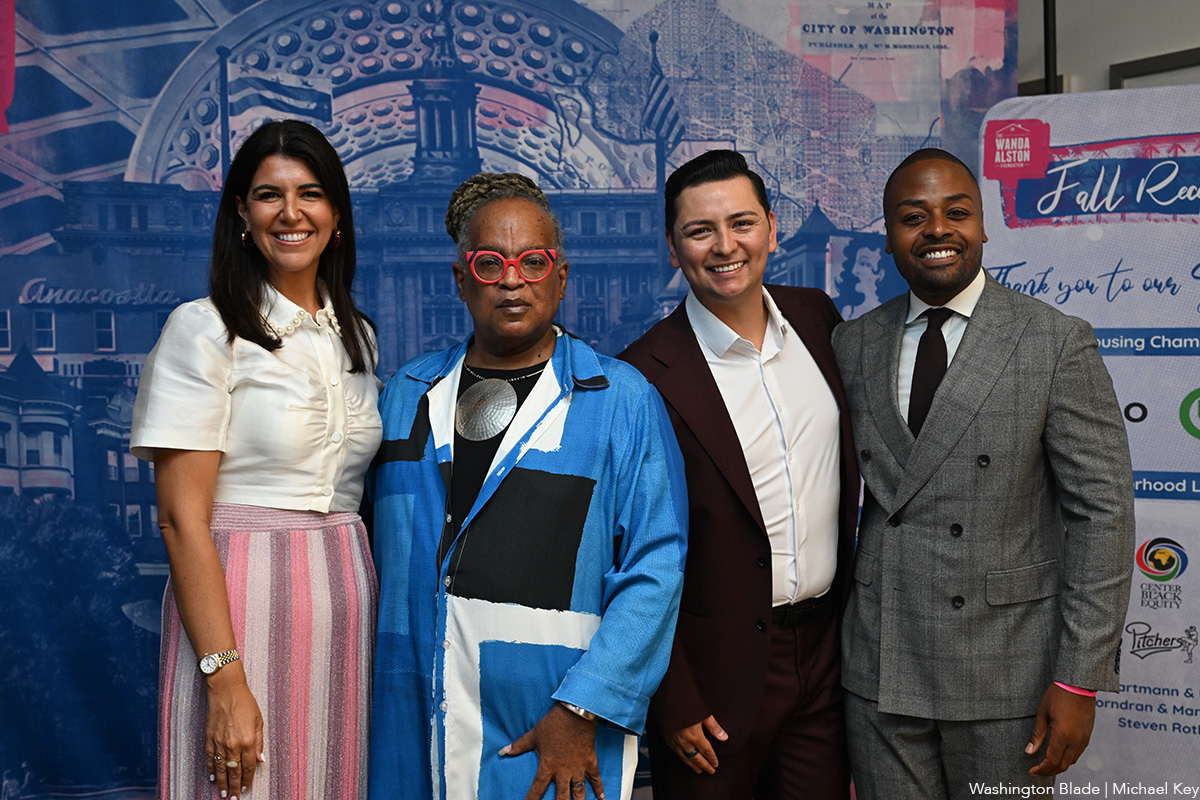
The Wanda Alston Foundation held its Fall Reception at the Penthouse Rooftop at The Wharf on Friday, Sept. 18. Honorees included D.C. Councilmember Robert White, Director of the Mayor’s Office of LGBTQ+ Affairs Japer Bowles, and the Washington Capitals. Rayceen Pendarvis served as the emcee and entertainment was provided by the Thomas Circle Singers.
(Washington Blade photos by Michael Key)

White House press pool pushes back after Trump bars three outlets

PHOTOS: Shenandoah Valley Pride

Long-time DignityUSA executive director announces retirement

PHOTOS: Walk and 5K to End HIV

PHOTOS: Wanda Alston Foundation Fall Reception

Gun reform is an LGBTQ rights issue

All the queer things to watch this fall

Parties, dinners, concerts and more on tap for fall nightlife

Jeremy Moss looks to bring LGBTQ advocacy from Lansing to Capitol Hill