Local
More than a dozen local LGBT Dems to attend convention
17 delegates from D.C., Maryland and Virginia headed to Charlotte
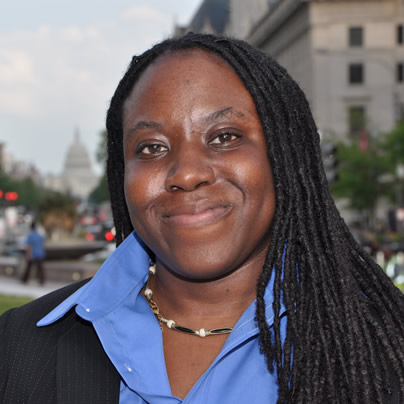
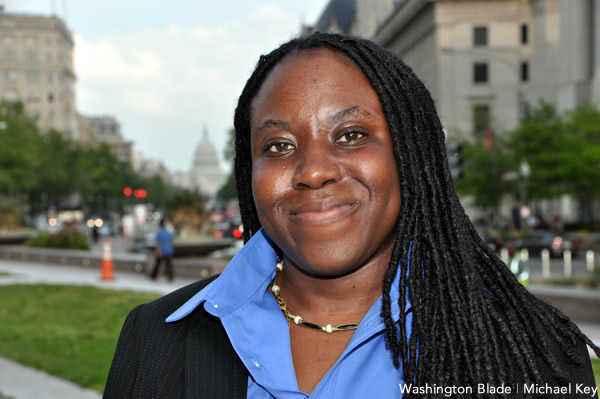
Lateefah Williams, president of the Stein Club, is one of five openly gay and lesbian D.C. Democrats headed to the party’s national convention. (Washington Blade file photo by Michael Key)
As Democrats prepare for their party’s upcoming convention in Charlotte, local LGBT delegates stress they look forward to representing the community at the quadrennial gathering.
“I’m excited to be going to the convention and I’m honored to represent D.C. in Charlotte,” said Lateefah Williams, president of the Gertrude Stein Democratic Club. She is among the four openly LGBT delegates who will represent the nation’s capital at the Democratic National Convention that will kick-off on Sept. 4. Gay labor activist Gregory Cendana is among them, while Democratic activist David Meadows will serve as an alternate. “My goal is to provide a voice for all D.C. residents, particularly the LGBT community.”
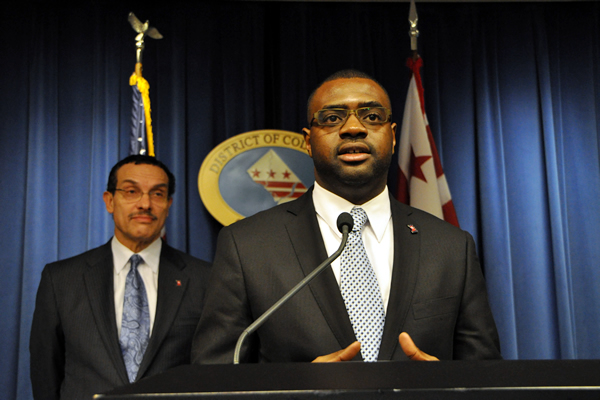
Office of GLBT Affairs director Jeffrey Richardson (Blade file photo by Michael Key)
Jeffrey Richardson, director of the Mayor’s Office of GLBT Affairs and the former vice chair of the D.C. Democratic Party, has attended two previous conventions as either a delegate or a volunteer. He told the Blade that this year is different in part because the presumptive nominee is the incumbent president.
“We’ll be focused on how we will unite the party, unite the base to ensure that President Obama gets re-elected,” Richardson said.
Earl Fowlkes, CEO of D.C. Black Pride and a member of the Democratic National Committee, will attend his first convention as a delegate. “I’m glad I’m going with all these people from D.C., which is wonderful,” he said. “I’m really very happy because this administration, this president has been so forthright in his skill in really creating a better environment for the LGBT community. He started slow, but he gained momentum and he’s come full circle and he supports the things that we all support that we believe will make us full citizens of the country.”
Members of Maryland’s LGBT delegation echoed Fowlkes.
“President Obama has stood up for us in so many ways in the face of a very strong and virulent opposition,” said state Del. Mary Washington (D-Baltimore City,) who will attend the Democratic National Convention for the first time. “Now it is time that our community and our allies protect him at the ballot box.”
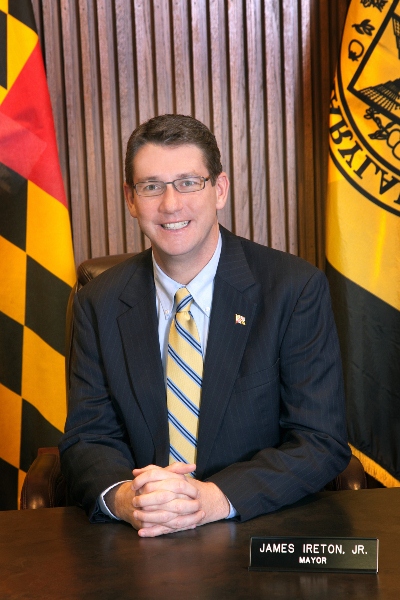
Salisbury Mayor James Ireton (Photo courtesy of city of Salisbury)
Gay Salisbury Mayor James Ireton is also a first-time delegate.
“I am excited and proud to be representing the First Congressional District and my hometown, Salisbury, Md., at the Democratic National Convention,” he told the Blade. “I am also proud to be a small part of the diversity that is, in my opinion, one of America’s and Maryland’s greatest strengths.”
In addition to Ireton and Washington, state Dels. Maggie McIntosh (D-Baltimore City) and Heather Mizeur (D-Montgomery County), Somerset Mayor Jeffrey Slavin, transgender activist Dana Beyer and Mitch Case of Ellicott City are also members of Maryland’s LGBT delegation.
Beyer, a member of the convention’s Credentials Committee who is among the 11 openly trans delegates to this year’s convention, told the Blade she feels it remains important for out LGBT people to attend the convention.
“The more of us that exist out there, the better we can do our jobs and lay the groundwork for the next four years,” she said.
Gay Virginia state Sen. Adam Ebbin (D-Alexandria) is among the four openly LGBT members — Peter Owen of the Arlington County Democratic Committee, Joel McDonald of the Virginia Beach Democratic Committee and Edmund Turner of Richmond — of the commonwealth’s convention delegation. He echoed others who pointed out what they maintain is Obama’s pro-LGBT record as president.
“There is no question that the president is 100 percent,” said Ebbin, who is also a member of the Credentials Committee. “Bill Clinton had said some of the right things and appointed some of the right people, but President Clinton did do some things that were regrettable and not acceptable to the community when he was president. We have nothing to apologize for. We have everything to be proud of and we have a president who not just on LGBT issues, but issues in general we can be proud of.”
National Stonewall Democrats data indicates that at least 470 of the 5,963 delegates slated to attend this year’s convention are openly LGBT — nearly double the 277 delegates who attended the 2008 Democratic National Convention in Denver. They will also vote on a proposed platform that includes a same-sex marriage plank.
“This historic act by our party affirms that Democrats and President Barack Obama intend to continue to play a significant role in advancing civil rights for our LGBT community,” Washington said. “This is in stark contrast to that of the national Republican Party, which is clearly set on articulating a platform that seeks to turn back the clock not only for LGBT people, but for women and working and middle class [people] across the country.”
Williams agreed.
“It sends a message that the Democratic Party is inclusive,” she said. “For equality-minded people it does matter to see the party taking a strong stance in support of valuing all families.”
A Harris Interactive poll that Logo TV commissioned earlier this month found that the economy, unemployment and health care rank among LGBT voters’ top concerns going into the presidential election. Nine percent of respondents listed gay rights as their top priority, while only six percent said marriage rights for same-sex couples is the most important issue.
Only one percent of non-LGBT respondents identified gay rights and nuptials for same-sex couples as their top priorities.
Richardson conceded that he feels conservatives could potentially use marriage as what he described as a wedge issue among people of faith and communities of color in specific geographic areas. He stressed, however, that the economy will remain the dominant issue going into November. “The economy is just such a big issue,” Richardson said. “If I don’t have a job, I’m not all that concerned about who you marry.”
Williams was more optimistic.
“I don’t think it’s going to have an adverse effect because a lot of the people who have been strong supporters of President Obama do not support marriage equality still strongly support his ideas and his agenda on other issues,” she said. “I really don’t see those individuals backing away from him on the basis of one issue.”
In the end, local LGBT delegates remain optimistic that Obama will be re-elected in November.
“I think he’s going to win. I know he’s going to win,” Fowlkes said. “Fundamentally, the president’s a decent man, a good man. And his administration has done a good job at keeping this country from falling apart.”
Ebbin agreed.
“When the American people focus on his accomplishments and his role as president and what would have happened if we hadn’t had him, compared to the alternative, I think that people will support the president,” he said, further noting that Obama continues to poll well in Virginia and other battleground states. “That’s something that we’re really proud of, but it’s something that we can’t take for granted.”


District of Columbia
Center for Black Equity’s annual gala to take place Oct. 3
Advocacy group to honor Black LGBTQ community champions
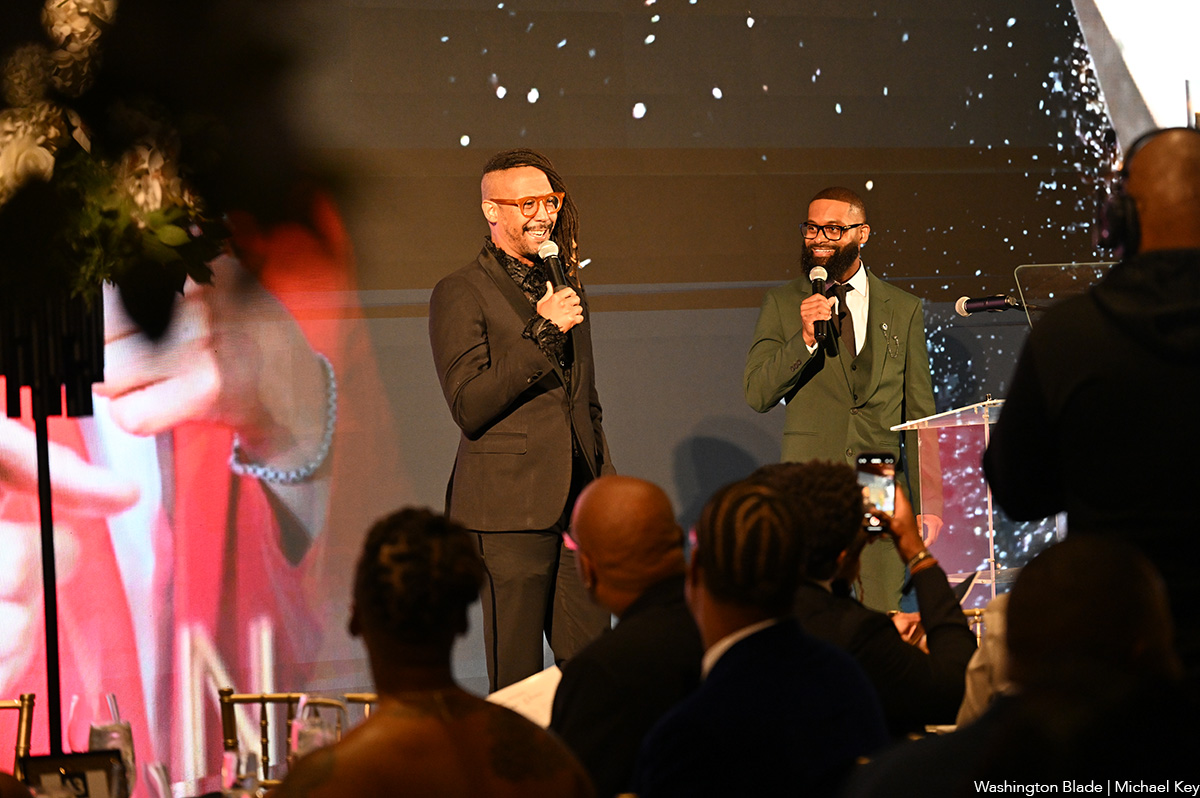
The Center for Black Equity, the D.C.-based international network of LGBTQ activists and organizations that advocate for Black LGBTQ communities and organize Black Pride events worldwide, will hold its annual 2026 Be Gala in D.C. on Oct. 3.
The event, to be held at the Conrad Washington Hotel at 950 New York Ave., N.W., among other things, will honor at least a dozen “distinguished Black individuals” and organizations that champion Black LGBTQ communities, according to a statement released by the Center for Black Equity.
“The honorees will receive awards recognizing extraordinary leadership, advocacy, and service across civil rights, public health, the arts, media, entrepreneurship, and community life,” the statement says.
“With an elegant atmosphere and a bold mission, this unforgettable evening brings together advocates, allies, and change makers committed to equity and joy,” the statement says in referring to the Oct. 3 BE Gala.
The statement notes that tickets for the event, which serves as a fundraiser for the Center of Black Equity, begin at $250 for individuals and include dinner and two drinks. It says reserved tables for eight were being offered for $2,000, and “Premier” tables for eight were selling for $2,500 and include seating near the stage.
“The BE Gala is more than an evening of celebration,” according to the statement. “It is an opportunity to honor Black LGBTQ+ leadership while investing in the work of the Center for Black Equity.”
Kenya Hutton, the Center for Black Equity’s CEO, told the Washington Blade the name “BE” for the gala is not an acronym. “The name is rooted in the idea of being: being seen, being celebrated and being fully and authentically yourself,” he said.
“BE Gala creates a space to celebrate Black LGGTQ+ people for who they are, the lives they lead and the impact they make,” he added.
The Center for Black Equity until 2012 was called the International Federation of Black Prides and was founded by organizers of D.C.’s Black Pride celebration.
Its current website includes a statement saying it’s mission is to “promote a multinational LGBTQ+ network dedicated to improving health and wellness opportunities, economic empowerment, and equal rights while promoting individua and collective work, responsibilities, and self-empowerment.”
The 2026 Center for Black Equity award honorees as announced in its statement released this week are:
Courtney Snowden: Welmore Cook Advocacy & Service Award
Clover Barnes: Ernest Hopkins Public Health Leadership Award
Nikki Alexander: Unsung Hero Award
Darryl G. Moore: Center for Black Equity Leadership Award
The Freelux Project: Center for Black Equity Small Business Award
Tori Cooper: Earline Budd Transgender Leadership Award
Bishop Steven R. Sawyer: Bishop Kwabena Rainey Cheeks Spiritual & Community Leadership Award
Rev. Carmarion D. Anderson-Harvey: Bishop Kwabena Rainey Cheeks Spiritual & Community Leadership Award
Monroe Alise: Trans Power in Media Award
Justin N. Stewart: National Black Pride Image Award
Marlene McNeese: Curtis L. Etherly Jr. Ally Award
Venton Jones: Eleanor Holmes Norton Civil Rights & Justice Award
In Our Own Voices, Inc.: Ruth Ellis Community Impact Award
Baltimore
Charles Bowers, former owner of Baltimore gay bar the Hippo, dies
Prominent activist died at his Mount Vernon home
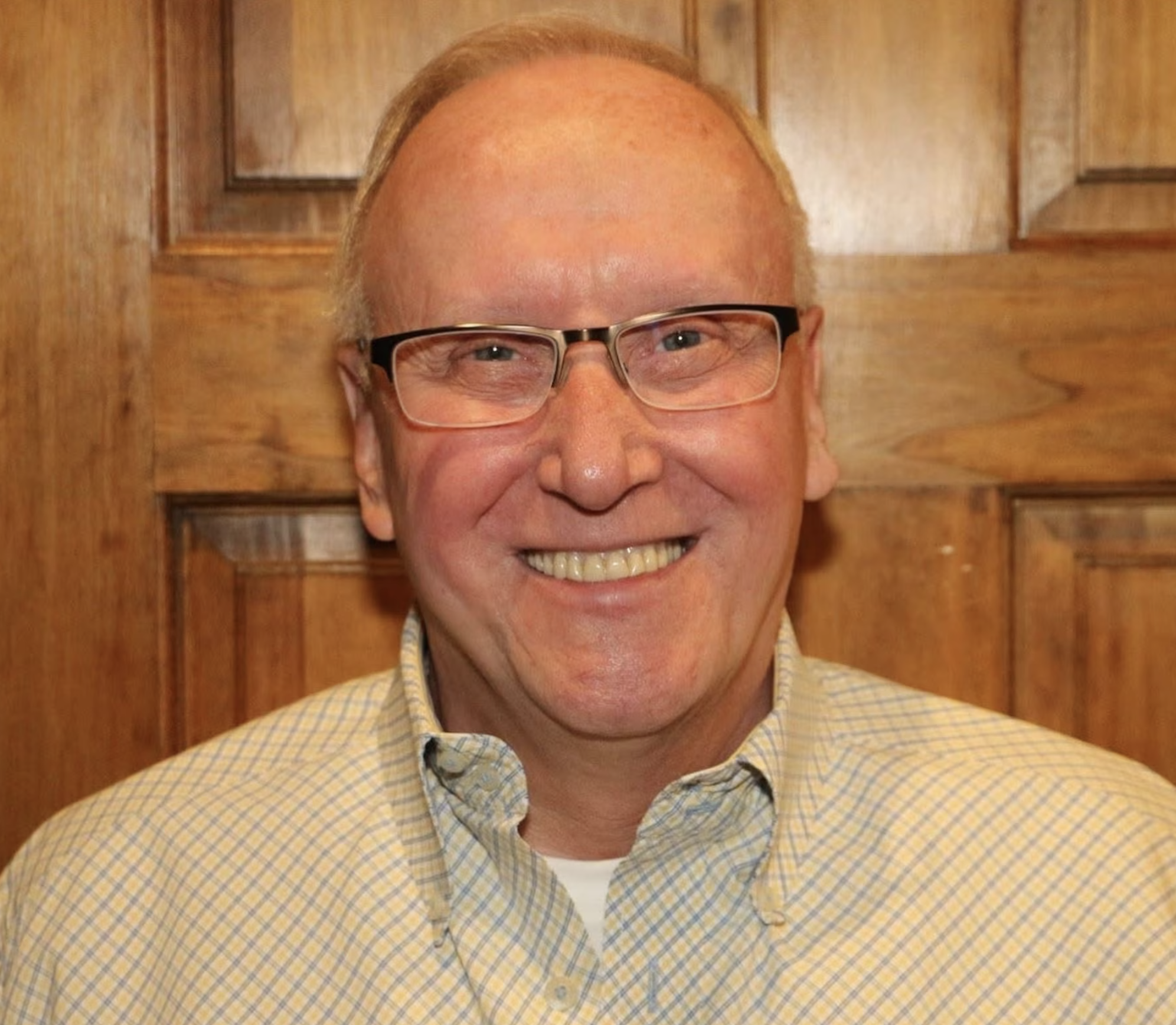
By WESLEY CASE | Charles “Chuck” Bowers, former owner of the storied Baltimore gay club the Hippo and a prominent advocate for Maryland’s LGBTQ community, died Tuesday. He was 81.
Bowers turned the Mount Vernon club — located at the corner of North Charles and West Eager streets — into a judgment-free refuge for queer and straight locals looking to find and express their authentic selves on a packed dance floor.
“He truly tried to make the Hippo a place for everybody — a safe space,” said an emotional Rik Newton-Treadway, who befriended his “mentor” Bowers at the club in 1979.
Bowers, of Mount Vernon, died Tuesday evening in Baltimore of natural causes, said his niece, Cathy Bowers.
The rest of this article can be read on the Baltimore Banner’s website.
District of Columbia
Being a female firefighter comes with unique risks, and rewards
Well-fitting gear can be a safety issue
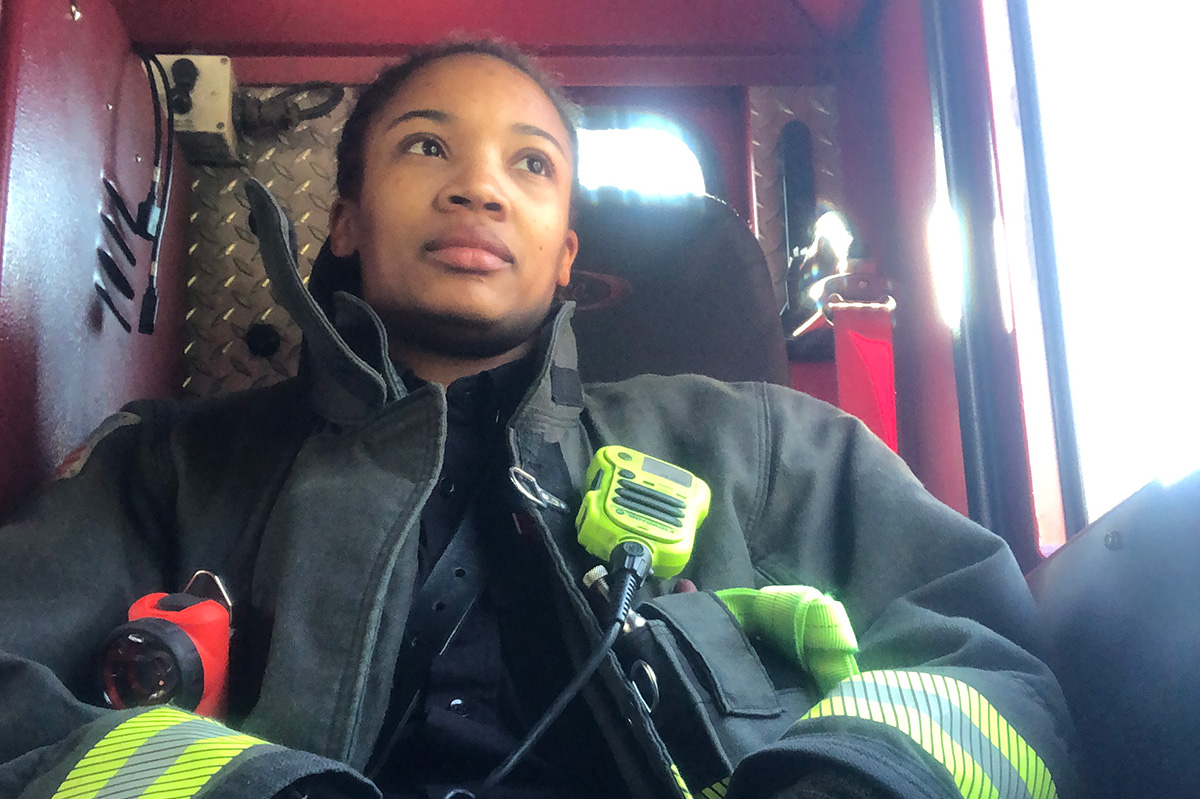
Firefighters are known for running into danger to save lives, but they may face another danger after the fire is out. Studies on firefighter health point to rising concerns about cancer risk, mental health struggles, and exposure to toxic “forever chemicals” found in firefighting foam and protective gear.
Nearly 40 percent of firefighters report “clinically significant levels” of anxiety or depression and 10 percent report this level of posttraumatic stress disorder, according to a national survey of public safety workers published last year in the journal Psychological Services. Lawmakers from several states are also pushing for stronger federal protections and compensation for firefighters exposed to hazardous chemicals on the job.
Female firefighters can also face a higher risk of injury, heat-related illness, and even greater carcinogen exposure due to ill-fitting equipment that wasn’t designed for their bodies. Their risk of psychological and workplace stress is higher, as well, due in part to the isolation of being in a slim minority in fire departments across the country. Only 5 to 9 percent of firefighters are women.
To understand the risks and rewards of being a female firefighter, Youthcast Media Group interviewed Connie Reid, a firefighter with the DC Fire and EMS Department. Meredith McQuerry, an associate professor of textile science at Florida State University who studies how to improve firefighting gear and other personal protective equipment to better protect women in the fire service, also responded to student questions via email. Reid’s and McQuerry’s responses have been edited for clarity and length.
HOW LONG HAVE YOU BEEN IN YOUR CAREER, AND WHAT DREW YOU TO IT?
REID: I’ve been a firefighter for seven years. I wasn’t sure if I wanted to be a firefighter or police officer, but I do have uncles that were firefighters, so I leaned towards the firefighter side. So I’m happy I made that decision.
McQUEERY: During my PhD, a colleague and I realized we never saw any female firefighters come through our research center. We began looking in the literature and found very few studies focused on PPE for women in the fire service.
DOES FIREFIGHTING GEAR ACTUALLY FIT WOMEN, AND DOES IT MATTER?
REID: In D.C., if you have an issue, you just send an email, and we have people who will properly size us. I don’t think any female that I know has complained about gear not fitting.
McQUERRY: Wearing protective clothing designed for the opposite sex can lead to restricted mobility, greater opportunity for thermal and particulate exposure, and a lack of functionality that can mean life or death, such as accessing a tool in a pocket that is completely closed off due to anthropometric differences.
There is a culture in the fire service, and especially for women in a male-dominated field, that suppresses the likelihood of advocating for better-fitting gear. While not within our area of expertise, we have done our best to raise awareness for the need for properly fitting gear for women in the fire service and to champion their self-advocacy.
Female firefighters report the inability to throw a ladder, step onto the truck, or cinch their pants down adequately due to ill-fitting protective clothing and equipment. One example is the interference between the helmet and the self-contained breathing apparatus which prevents many female firefighters from looking upward to throw a ladder without first twisting their neck sideways to avoid the lid of the helmet knocking into the respirator bottle. This type of modification can lead to acute and long term injury.
ARE THESE PROBLEMS MOSTLY ABOUT COMFORT? WHAT ARE SOME EXAMPLES OF SAFETY RISKS OR DANGERS THAT CAN HAPPEN WHEN GEAR DOES NOT FIT PROPERLY?
McQUERRY: All firefighters need properly fitting PPE as the primary threats center around carcinogen exposure, musculoskeletal injuries, and heat-related illnesses. For example, you have to work harder to do the same task in ill-fitting, mobility restrictive gear, which leads to faster metabolic heat production and build-up in the suit, quickening the onset of fatigue and other HRI.
Our previous work led us to hypothesize that oversized gear for women allowed for more particulate ingress in the interface areas including the collar/hood, sleeve/glove, boot/pant, and coat/pant areas. A recently funded study is allowing us to quantify this by correlating the gear fit of women’s structural turnout gear with their cancer biomarkers collected via urinalysis pre- and post-live fire burns.
HOW DO FIREFIGHTERS TRAIN TO STAY SAFE DURING DANGEROUS SITUATIONS?
REID: So we have trainings all the time. Safety is the number one priority of the job. They make sure they let us know all the time. We have annual trainings. We have quarterly trainings. We have online training if you need refreshers.
We are both on a medical side and a fire side so as a D.C. firefighter, you come in, and they teach you. You bring a positive attitude and just determination, because some people really don’t understand it’s not just physical, it’s mental. You have to be mentally prepared.
WERE THERE ANY FINDINGS IN YOUR RESEARCH THAT SURPRISED YOU?
McQUEERY: Yes, we were surprised to find in our nationwide survey [of 2,000 people] a few years ago that 15 percent of U.S. structural and 21 percent of wildland female firefighters sometimes or always leave off an essential item of their PPE due to limited mobility. Specifically, the turnout coat and pants or wildland shirt and pants were the most noted for being intentionally not worn, which is very surprising and concerning.
HAVE FIRE DEPARTMENTS OR EQUIPMENT COMPANIES STARTED MAKING IMPROVEMENTS SINCE YOUR STUDY, AND IF SO, WHY DO YOU THINK FIREFIGHTING EQUIPMENT HAS TAKEN SO LONG TO ADAPT TO WOMEN FIREFIGHTERS?
McQUEERY: It wasn’t until the post-Me Too movement that our research in this area was able to gain traction and support. It is a decades (or centuries) old problem of there not being enough “market share” for the 5-11 percent of the fire service. However, we have seen tremendous growth and innovation in this area since we began our funded research in 2019. Now, nearly every single structural firefighting manufacturer offers women’s protective clothing.
When we began this research, only two manufacturers offered women’s turnout gear. Now, to our knowledge, all but one [seven out of eight] does, which is a significant advancement across the industry. There is still much work to do in fine tuning these designs to fit the specific anthropometrics of female firefighters.
DO YOU WORRY ABOUT THE LONG TERM EFFECTS OF BEING A FIREFIGHTER?
REID: Do I worry? I wouldn’t say worry. I’m more mindful of it, because the material of today is different from years ago. It burns faster, and then there’s more chemically made things than like natural resources. So I’m aware of that. They also have training teaching us about things like that. And there’s smoke exposures, there’s a health risk like sleep deprivation or sleep disruption.
WHAT KIND OF EDUCATION OR TRAINING DO YOU NEED TO BECOME A FIREFIGHTER?
REID: So there’s a few routes to get onto the job. The cadet route would be … you have to be 18 to 21 years old, you have to be a D.C. resident, have a high school diploma from a D.C. school (public or private), or have a GED, and you have to have at least a learner’s permit at the time that you are applying for the job. To be a recruit, you have to be at least 18 years old, have a full driver’s license, (not just a permit), and you also have to have a high school diploma or GED. The third way [is as] a paramedic, and you have to come on the job with your paramedic license.
WHAT’S YOUR ADVICE FOR YOUNG WOMEN CONSIDERING THIS PATH?
REID: I would say, welcome. Come on the job. We need females. I always think it’s awesome when we get young ladies that are interested in the fire side. A lot of females just only want to do EMS. There’s nothing against EMS, but the fire side is pretty cool, too. Don’t sell yourself short, just try to do both of them. It’s a very rewarding job. You have to also mentally prepare yourself and physically prepare yourself. But I think the job is a great experience. I wish I would have started younger myself.
Mariyah Matthews is in the class of 2027 at Bard High School Early College DC, one of Youthcast Media Group’s journalism class partners. Sarah Gandluri is a YMG intern who is studying political science and global studies at the University of North Carolina at Chapel Hill.

Grace Meng sharply criticizes DOJ over hospital settlements

‘Star Trek: Strange New Worlds’ star Celia Rose Gooding breaks down that finale time travel twist

Center for Black Equity’s annual gala to take place Oct. 3

Charles Bowers, former owner of Baltimore gay bar the Hippo, dies