Maryland
Former College Park mayor indicted for second time on child porn charges
Patrick Wojahn is openly gay, resigned before March arrest
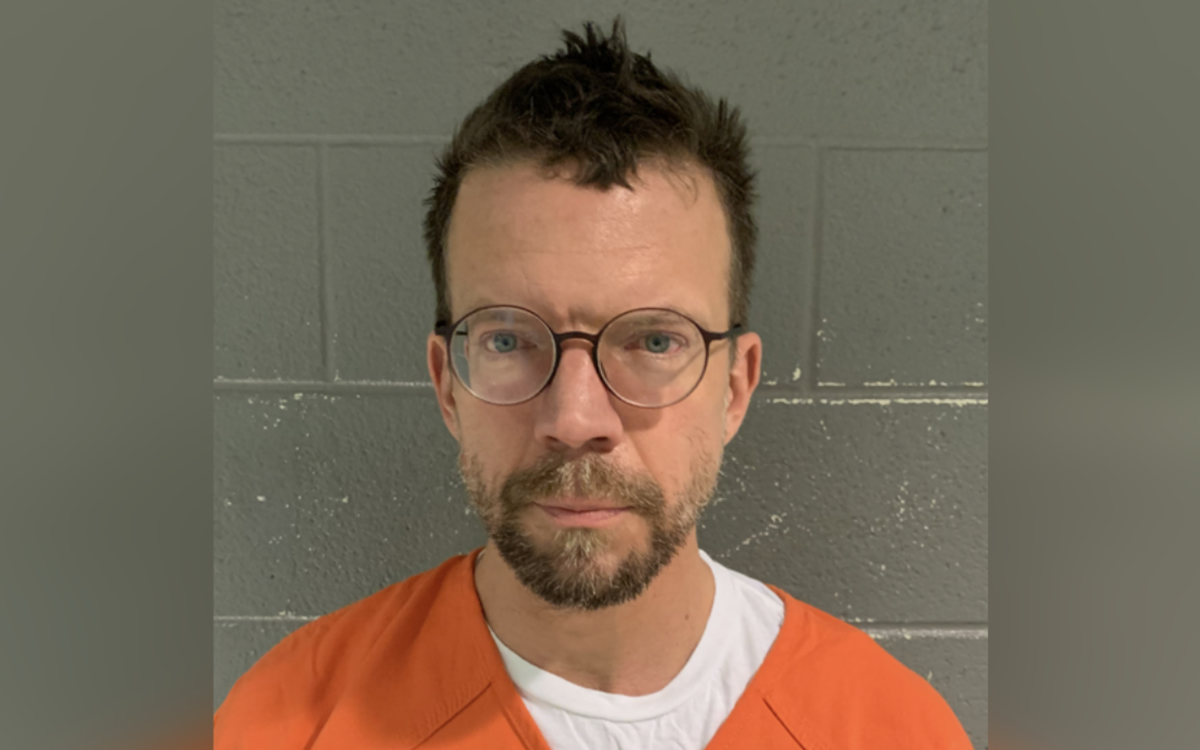
In a little noticed development, a Prince George’s County grand jury on May 25 issued a second indictment charging the gay former mayor of College Park with a total of 140 counts of possession and intent to distribute child pornography.
The new indictment against Patrick Wojahn includes the initial 80 counts of alleged possession and intent to distribute child porn included in an earlier indictment issued by a Prince George’s County grand jury on March 28.
But the latest indictment, considered a superseding indictment, adds 60 new counts to the charges pending against Wojahn. It brings the number of counts for possession of child porn, which is listed as a misdemeanor, to 40 and the number of counts for intent to distribute child porn, which is considered a felony under Maryland law, to 100. That brings the total number of charges pending against Wojahn to 140.
Online records with the Prince George’s County Circuit Court, where the case against Wojahn is pending, show that a jury trial for the case is scheduled to begin on Aug. 7. The court records show that Wojahn has and continues to be held in jail since the time of his arrest after a judge denied his request for bail.
The first indictment came just under four weeks after Prince George’s County police announced on March 2 that they had arrested Wojahn, 47, on 56 counts of possession and distribution of “child exploitive material.”
Police charging documents said Wojahn allegedly had uploaded and/or shared at least 56 videos or still images on the social media app Kik depicting explicit sexual acts between adult men and prepubescent boys, depicting prepubescent boys engaging in sex with each other, or engaging in masturbation.
At the time of his arrest, Wojahn issued a statement announcing he had resigned from his position as mayor and was cooperating with authorities in their investigation into the charges against him.
“I have cooperated fully, and will continue to cooperate fully,” he wrote. “I am stepping away to deal with my own mental health,” he stated. “I ask that you continue to keep me and my family in your prayers.”
Legal observers have said that in child porn cases similar to those pending against Wojahn, where there is no evidence that the accused person had any direct contact with the juveniles depicted in the video or still photo pornographic images, the arrested person is usually released on bail while awaiting trial.
The police charging documents in the Wojahn case also did not include any evidence or allegations that Wojahn was distributing the video or still photo images of child porn by selling them for profit, only that he was allegedly sharing them with others through Kik.
Prince George’s County State’s Attorney Aisha Braveboy, the lead prosecutor in the case against Wojahn, issued a statement at the time of the first indictment against the former mayor in March that provides a possible explanation of why her office strongly opposed Wojahn’s release on bail.
“This is an unprecedented case in our county in which a former elected official has been accused of a crime of this nature,” Braveboy said in her statement. “The charges contained in the indictment are serious, and we will continue to work with law enforcement to investigate and follow any new leads that may be uncovered,” she said.
“It is important to note that the defendant is presumed innocent, and my office will continue to focus on achieving justice for the victims in this case,” she concluded in her statement.
Brian Fischer, a spokesperson for the Prince George’s County Police Department, told the Washington Blade on Thursday that the police investigation into the Wojahn case “remains active and ongoing.”
Fischer said he couldn’t provide specific details about an ongoing investigation but said the additional charges against Wojahn in the new indictment were most likely based on new information obtained by police investigators. He said the Maryland State Police was assisting in the investigation by examining devices seized from Wojahn’s home at the time of his arrest through a search warrant.
A police statement released at the time of the arrest said investigators “recovered multiple cell phones, a storage device, a tablet and a computer” during their search of Wojahn’s house.
David Moyse, Wojahn’s attorney, told the Blade he would have no immediate comment on the new indictment or whether prosecutors with the state’s attorney’s office have offered a plea bargain deal in which Wojahn could plead guilty to a possible reduced list of charges.
A spokesperson for the state’s attorney’s office said the office was considering responding to a request by the Blade for comment but had not responded as of early Friday.





Maryland
Md. groups receive state grants to fight hate crimes
Pride Center of Maryland among recipients
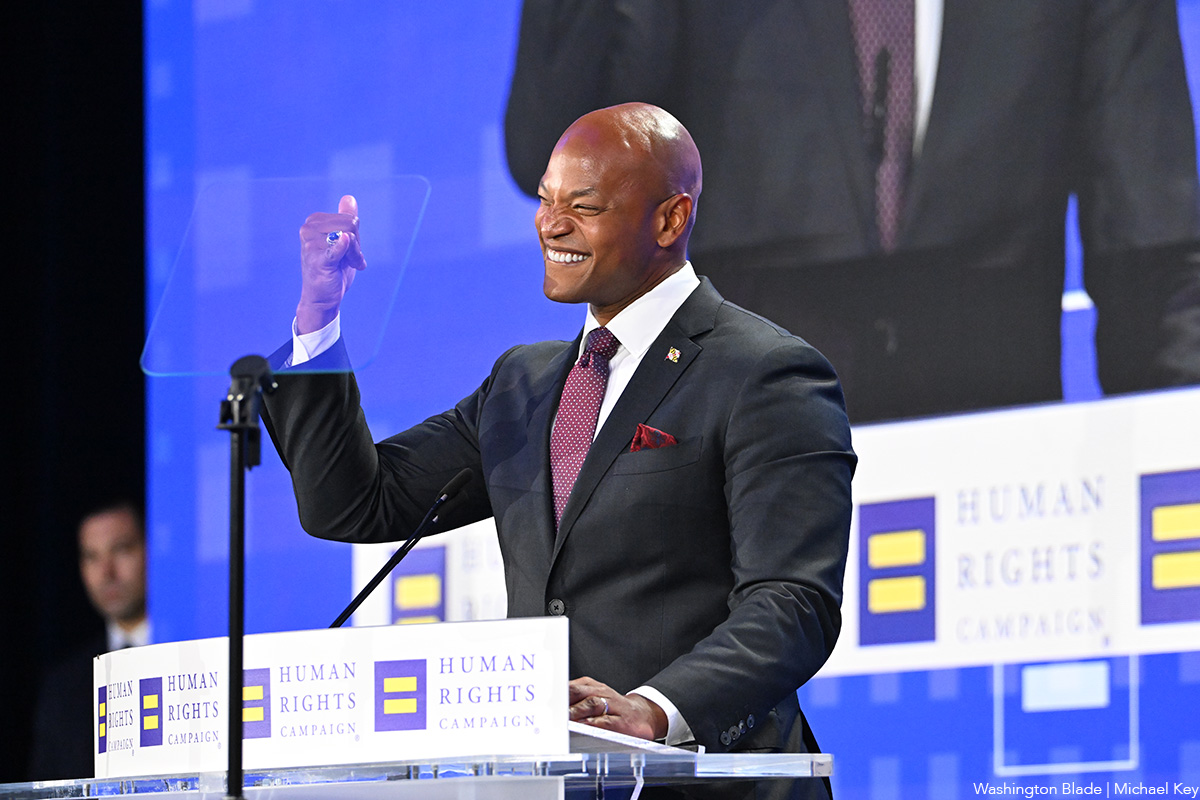
Maryland Gov. Wes Moore and the Governor’s Office of Crime Prevention and Policy are awarding a total of $10 million in grants in the 2027 fiscal year to nonprofit organizations that work to prevent hate crimes in the state.
The funds will be used to support those who feel targeted or discriminated against because of their race, religion, sexual orientation, gender identity, or disability status.
The Pride Center of Maryland is among the recipients. Churches, synagogues, mosques, and LGBTQ organizations are all eligible to receive grants
“The safety and security of all Marylanders is my top priority, so we are drawing a hard line because we have no tolerance for hate,” said Moore, according to media reports. “We are committed to protecting and ensuring safe and sacred spaces stay that way by investing in non-profit organizations, houses of worship, and community centers to protect and honor every community that makes our state so diverse and special.”
“Protection Against Hate Crime funding has strengthened the Pride Center of Maryland’s ability to protect, educate, and support the communities we serve … at a time of heightened concern associated with the Trump administration’s anti-LGBTQ/SGL (same-gender-loving) policies and pressures,” Pride Center of Maryland CEO Cleo Manago said. “PAHC funding helps us do more than improve physical security — it strengthens our community’s knowledge, preparedness, connection to resources, and ability to respond to hate with greater awareness and support.”
Maryland’s hate crimes law includes both sexual orientation and gender identity. The state’s nondiscrimination statute is also LGBTQ-inclusive.
Maryland
Anne Arundel schools now need parent permission to call trans students by preferred names
Conservative groups challenged system’s policy
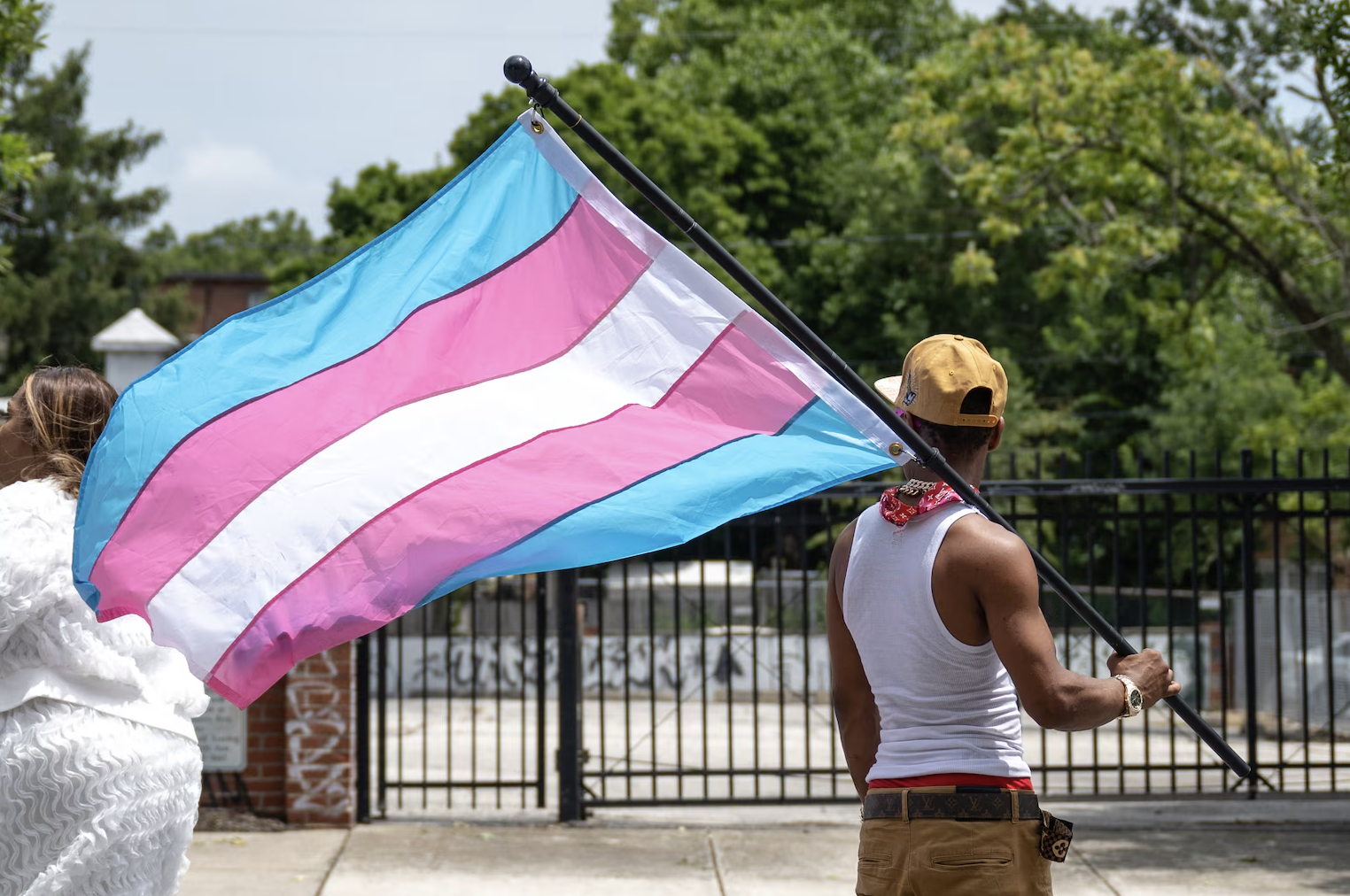
By JESSICA CALEFATI | Anne Arundel County Public Schools staff cannot use transgender students’ preferred names if their parents oppose it, according to an internal document reviewed by the Banner, a change that comes after conservative groups challenged the school system’s approach to gender identity.
Teachers union president Kristina Korona told members in an Aug. 20 email that the new guidance undermines district policy on acceptance and inclusivity and “will begin harming affected students immediately.”
Previously, the district didn’t require parental permission to use a high school student’s chosen name and pronouns corresponding to their gender identity, the internal document says. Now it does. The change comes as parents challenge the suburban school system’s gender identity policy and regulation in court and the Trump-Vance administration threatens the district’s funding.
The rest of this article can be found on the Baltimore Banner’s website.
Maryland
Girlfriends charged with Silver Spring murder to go on trial in 2027
Prosecutors charged both women with killing mother of one of them
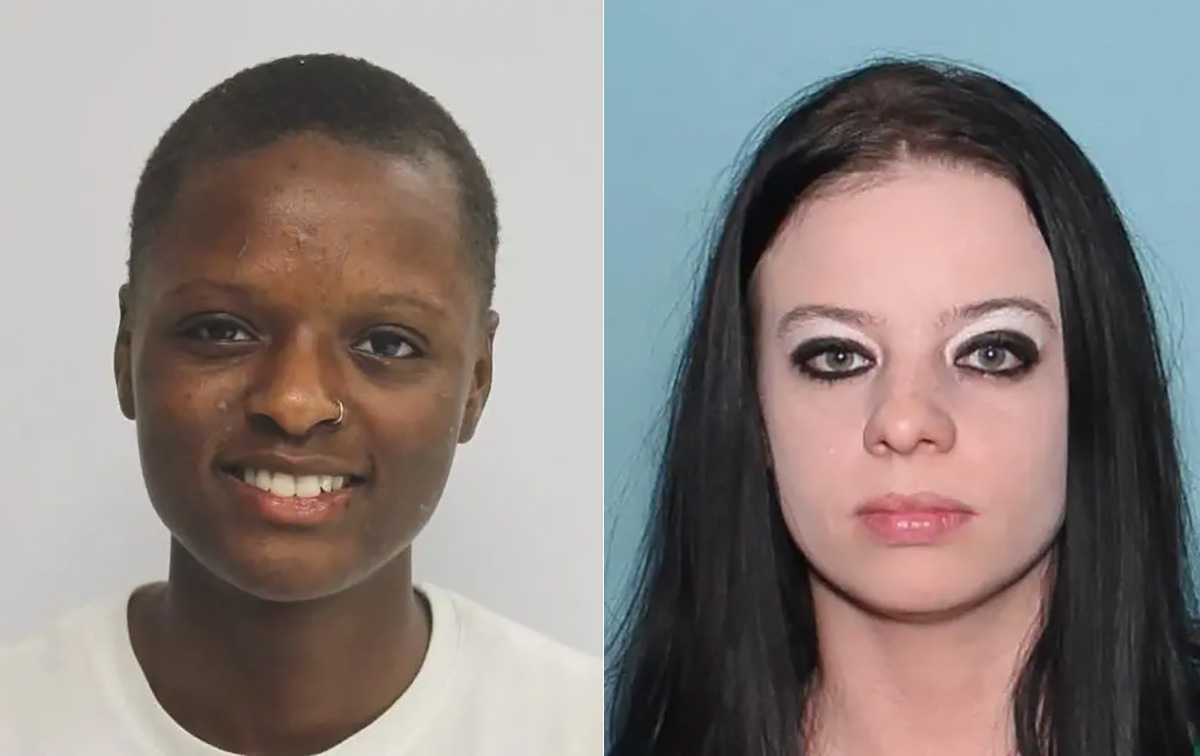
Two women identified as a couple who are charged with the May 22, 2026, murder of the mother one of them in her Silver Spring home and who were arrested three weeks later in Ohio are scheduled to go on trial for murder April 19, 2027.
According to online records filed with Montgomery County Circuit Court in Rockville, Vanessa Tjongarero-Henderson, 29, of Clarksburg, Md., and Samantha Raebel, 36, of Phoenix are being held without bond in the Montgomery County Correctional Facility until the time of their trial.
Statements from Montgomery County police show the two women were arrested June 10 in Genoa, Ohio, after fleeing from the scene of the murder in Silver Spring. Police statements and court records show they were extradited back to Maryland in July, where prosecutors with the Montgomery County State’s Attorney’s Office obtained indictments against them for murder.
Earlier statements from Montgomery County police say their investigation into the murder led to their decision to initially charge the two women with first-degree murder for the death of Hilde Henderson, 67, who was Tjongarero-Henderson’s mother.
“Through the course of the investigation, detectives identified Henderson’s daughter, Vanessa Tjongarero-Henderson, and Vanessa’s girlfriend, Raebel, as the suspects,” one of the police statements says. It says police obtained arrest warrants for both women and launched a nationwide search seeking help from the public in in locating them.
One of the police statements says an autopsy determined the cause of Hilde Henderson’s death was blunt-force trauma injuries brought about by a murder. Police and the State’s Attorney’s Office, which is prosecuting the case, have yet to disclose whether they have determined a motive for the murder.
Court records show that prior to the start of the April 19, 2027, trial a “motion” hearing was scheduled for Oct. 30, 2026, a pre-trail conference was scheduled for Feb. 12, 2027, and another motion hearing and a status hearing were scheduled for March 12, 2027.
Court records also show that Tjongarero-Henderson is being represented by attorneys with the Montgomery County court system’s public defender service. The records show that Raebel initially had been represented by a public defender service attorney, but updated records show Aug. 14 is listed as the “removal date” for that attorney.
The docket shows that on Aug. 20, two new attorneys with the prominent D.C. law firm of Covington & Burling made their official appearance as her attorneys in the murder case. One of them, Daniel Solomon, told the Washington Blade in response to an inquiry that the defense has no comment at this time on the case.
He confirmed that Covington & Burling is representing Raebel on a no-cost, pro bono bass.
The office of the Montgomery County public defender service didn’t immediately respond to a phone message from the Blade asking for a comment on the Tjongarero-Henderson case.

White House press pool pushes back after Trump bars three outlets

PHOTOS: Shenandoah Valley Pride

Long-time DignityUSA executive director announces retirement

PHOTOS: Walk and 5K to End HIV

PHOTOS: Wanda Alston Foundation Fall Reception

Gun reform is an LGBTQ rights issue

All the queer things to watch this fall

Parties, dinners, concerts and more on tap for fall nightlife

Jeremy Moss looks to bring LGBTQ advocacy from Lansing to Capitol Hill