Arts & Entertainment
Paredyse paradox
Wrestler coy on private life but sees himself as gay inspiration

‘The Elaborate Entrance of Chad Deity’
Through Sept. 30
Woolly Mammoth Theatre Company
641 D Street, NW (7th & D)
$35-$67.50
202-393-3939
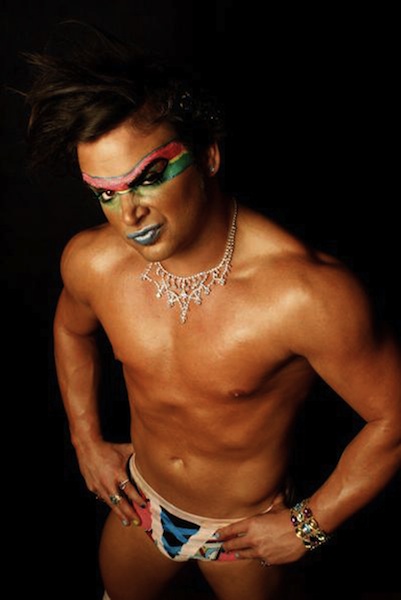
James Long in costume as Paredyse, his wrestling alter ego in the ring now at Woolly Mammoth’s ‘Elaborate Entrance of Chad Deity’ production. (Photo courtesy Long)
In the high drama world of professional wrestling, James Long is better known as Paredyse. With peacock-colored eye makeup, skimpy trunks and painted nails, this self-described “fabulous, flamboyant, femmeboy phenom” isn’t your everyday wrestler.
He prances and flirts, occasionally stroking a vexed opponent’s rippling abs before executing a devastating missile drop kick; but unlike the gender-bending villains of wrestling past, Paredyse is the baby-faced fan favorite.
For Long, who graduated from Virginia Commonwealth University with a bachelor of fine arts degree before sashaying into the wrestling ring, Paredyse is partly an exercise in creative expression.
“When you start in the business your character is vanilla, you’re just a cog in the wheel used to build up more veteran wrestlers,” says Long, who is rumored to be straight but opts not to reveal his orientation during his interview with the Blade. “But as time passes, an evolution takes place and you’re able to develop your own character by trying out new things, and eventually people come to know and hopefully like him.”
Receptive to new challenges, Long is currently making his theatrical debut in Woolly Mammoth’s season opener “The Elaborate Entrance of Chad Deity” as both actor and wrestling trainer to the cast. Set against the pro wrestling scene, Brooklyn-based playwright Kristoffer Diaz’s critically acclaimed comedy tackles racism and the trappings of stardom. Woolly’s production, staged by top local director John Vreeke (who is gay), features company member Michael Russotto (also gay), Jose Joaquin Perez, Shawn T. Andrew and Adi Hanash.
Long plays three wrestlers: A generic villain; Billy Heartland, an all-American boy; and Old Glory, a sort of grizzled older guy wrapped in the flag. Making the jump from the wrestling ring to rehearsal room was relatively smooth, says Long, 30. “Wrestling may look disorganized and chaotic, but in fact it requires a lot of discipline, so it wasn’t hard for me to settle in and get to work. This is my first play ever. I tried out for ‘Fahrenheit 451’ in high school and didn’t make it so I figured theater wasn’t for me. I was wrong. The director and cast have been great about involving me in the process and allowing me to work on my characters. It’s been awesome.
“As far as wrestling on stage goes, we’re determined to make Woolly’s production a hard-hitting, unforgettable spectacle. It will feel real and not like staged combat. Audiences will see something new and amazing every night.”
Director John Vreeke says, “The performance parallels between the worlds of theater and wrestling are greater than most people think. [Long] is a natural performer … he does it every time he comes into a wrestling arena/ring. And it’s not just his athletic ability. It has more to do with his ability to improvise, play the audience and create character. He does all of that all the time. It’s a great fit for our work in theater.
“In addition,” adds Vreeke, “[Long] is our technical advisor on all levels of production: acting, lights, video and sound. He lets me know when we get it right.”
Long grew up in Woodbridge, Va. During his college years in Richmond he started wrestling in a hip, highly attended, late night underground league.
After graduation, he and a couple of buddies moved to St. Louis and began training in earnest. Soon Long began wrestling for Ohio Valley Wrestling (OVW), an independent professional wrestling promotion best known as a proving ground for its up-and-coming wrestlers. OVW serves as the official developmental territory for Total Nonstop Action Wrestling (TNA).
Today, Paredyse boasts a big and growing following. Among his many female and male fans (better known as “Paresytes”) more than a few carry heavy torches for the brawny and heavily made-up wrestler. And many find Paredyse sexy and funny, his sissy shtick may not be for everyone. Asked how he’d respond to those who might find his creation an offensive stereotype, Long responds, “I’d mention the 18-year-old fan who told me that Paredyse inspired him to come out of the closet. Then I’d tell them about the mid-western and southern audiences who boo the homophobic wrestlers who are intolerant of Paredyse in the ring.
“Ultimately, I know it’s just wrestling, but when he’s not punching his opponents in the face, I hope Paredyse can help people to understand it’s cool to be you and not be ashamed of who you are.”






Photos
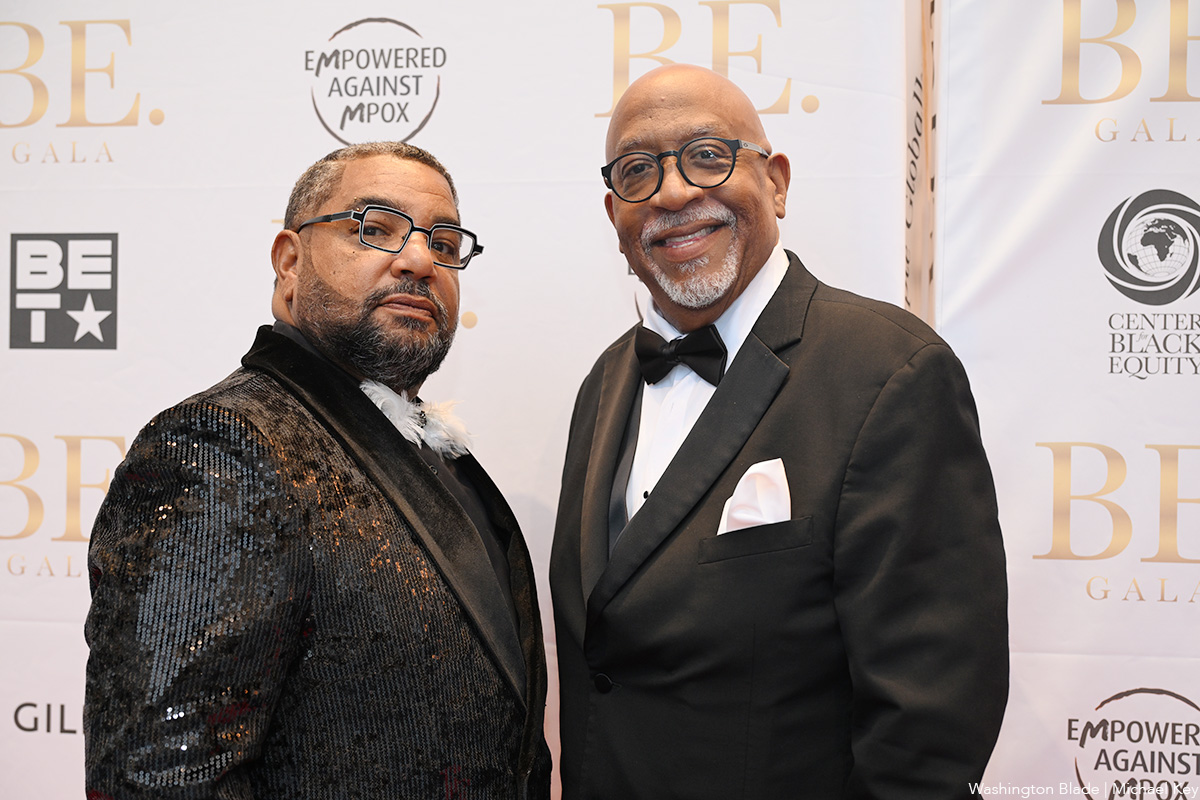
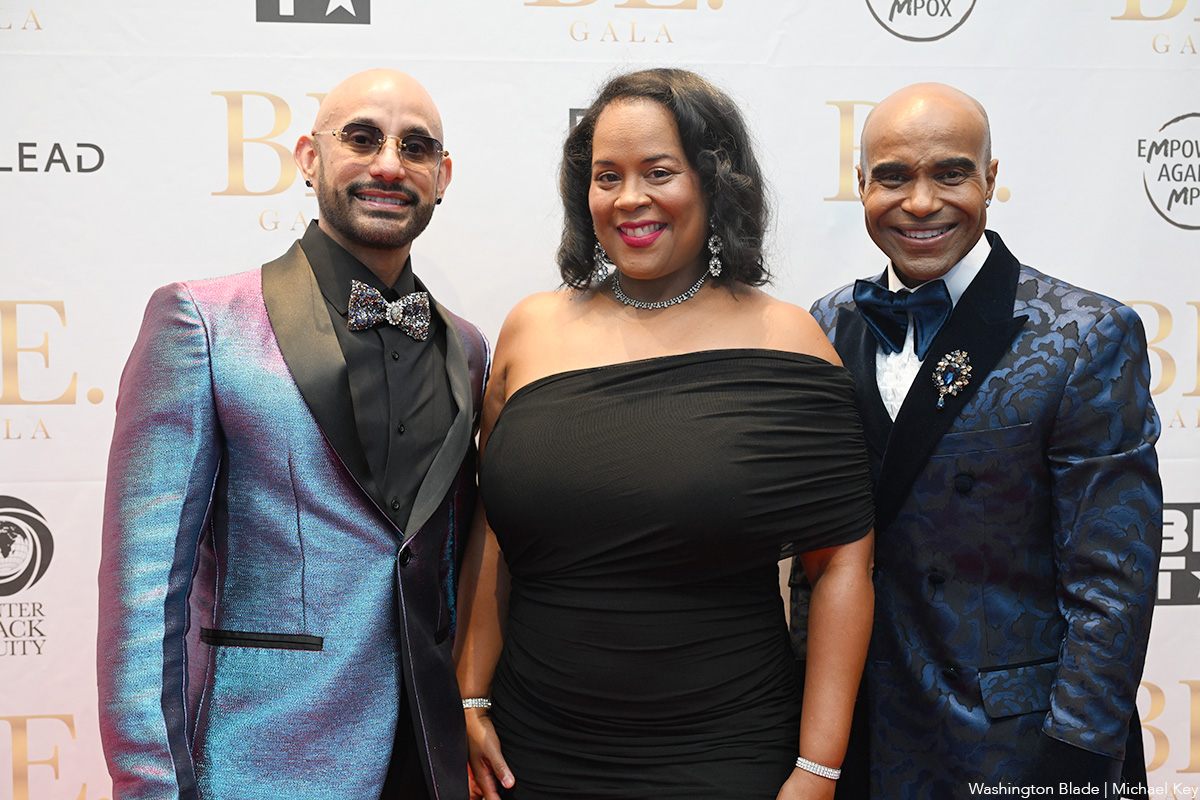
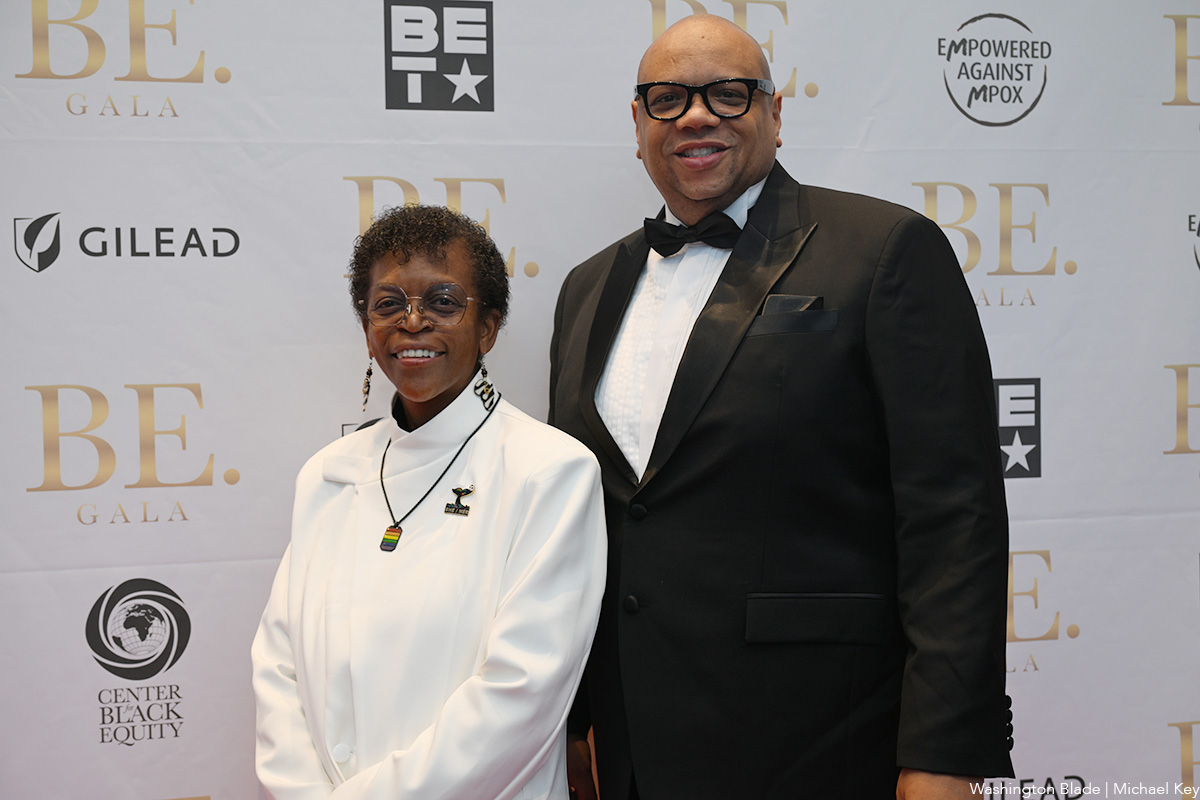
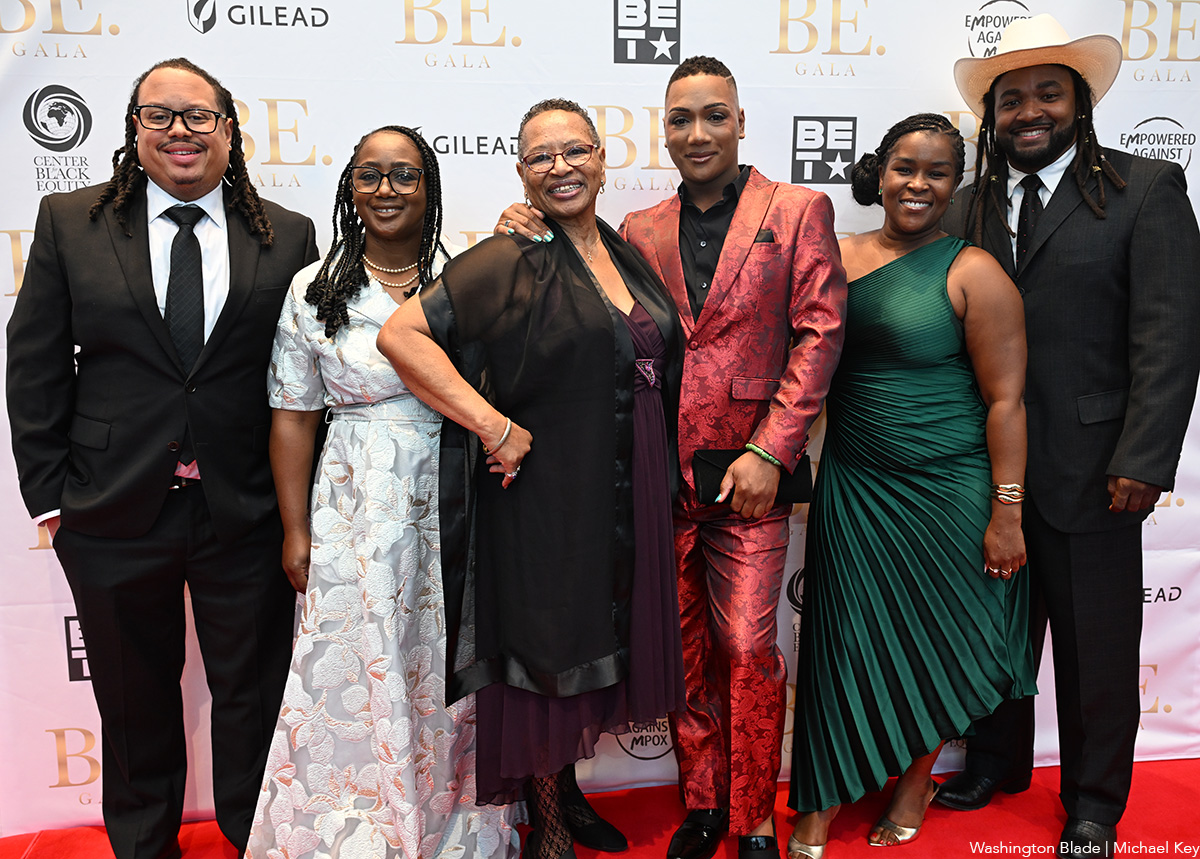
Center for Black Equity honors leaders, activists at BE. Gala
Miyake-Mugler, Oakes co-host annual awards ceremony

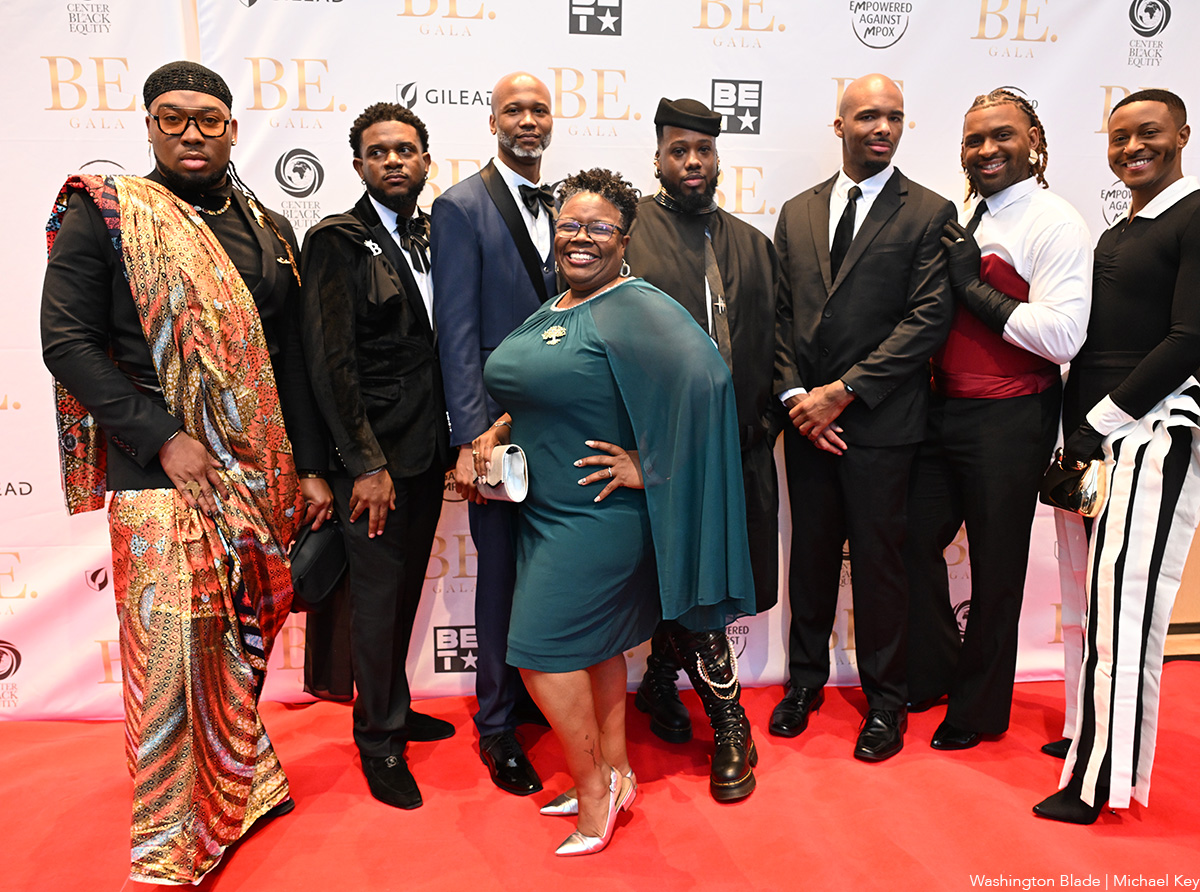
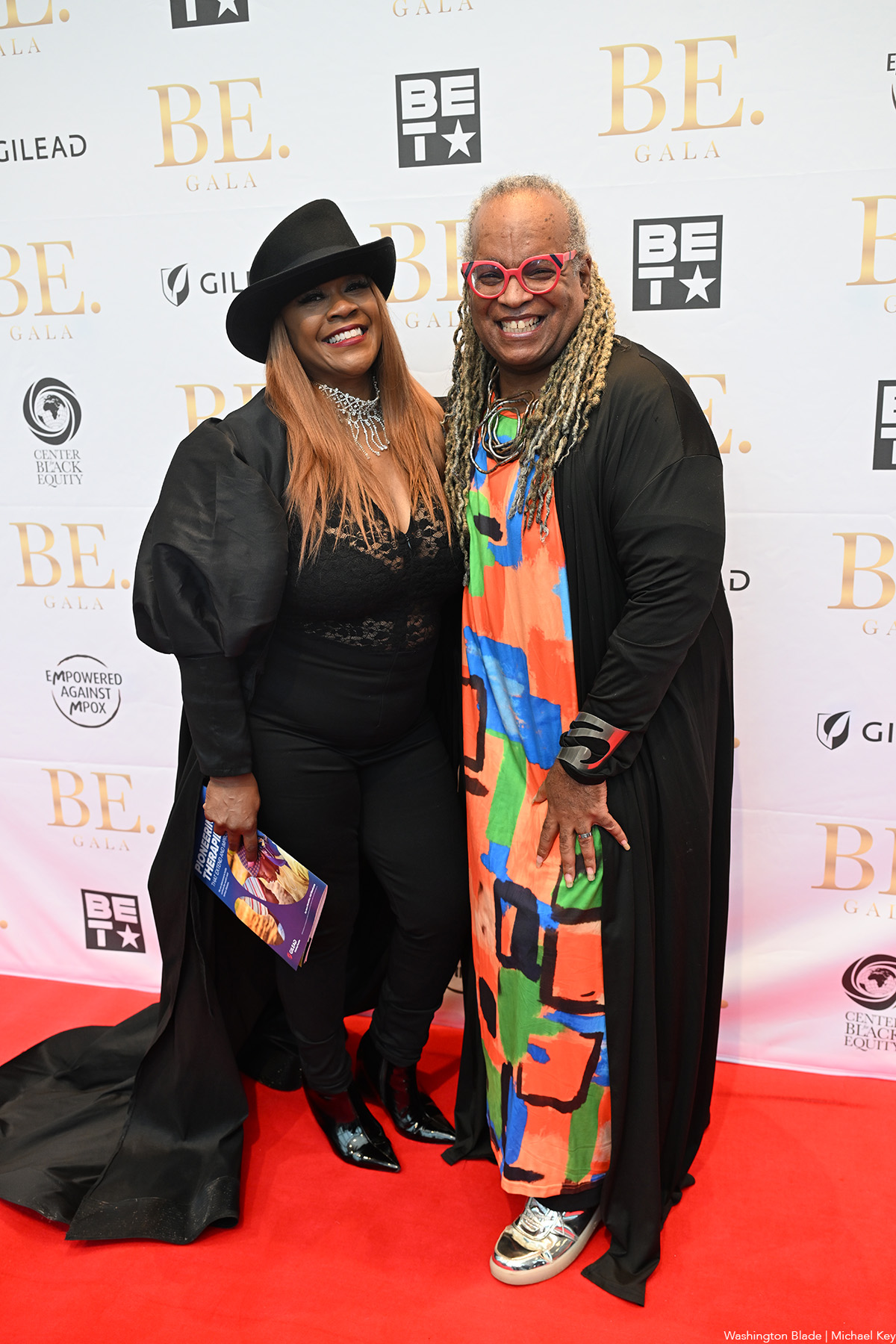
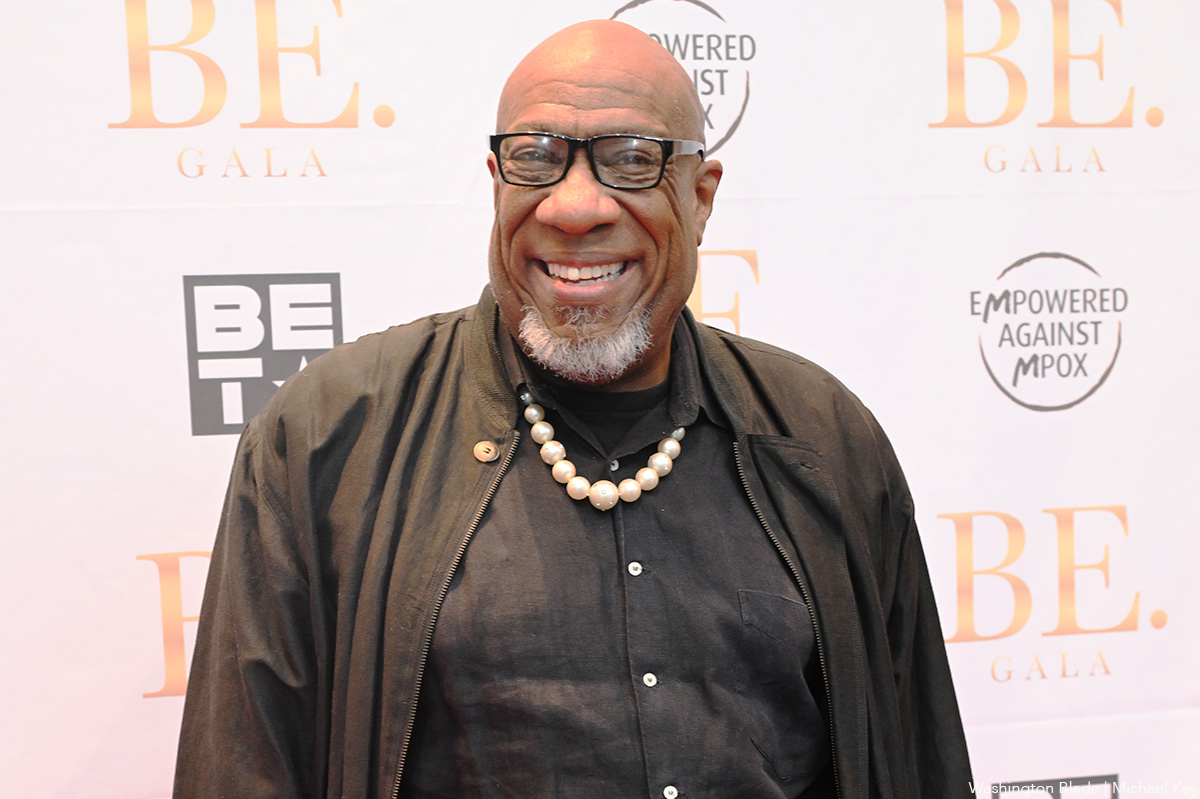
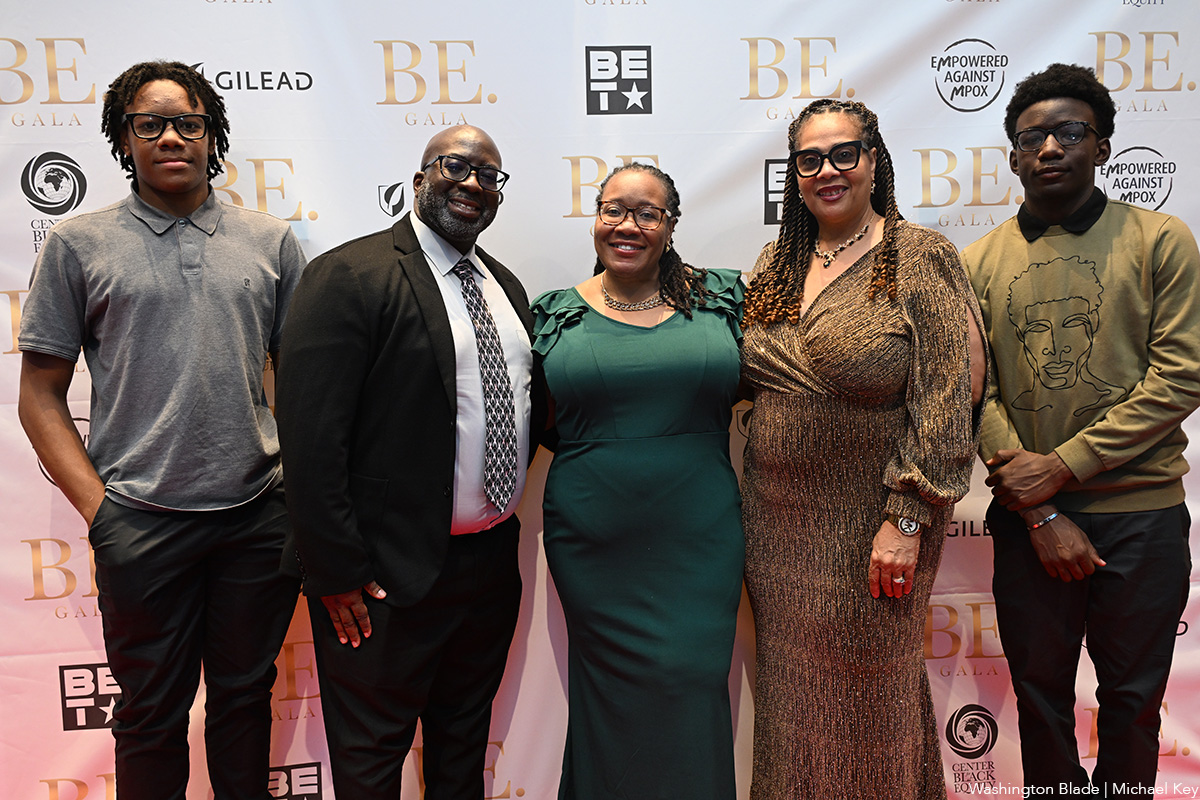
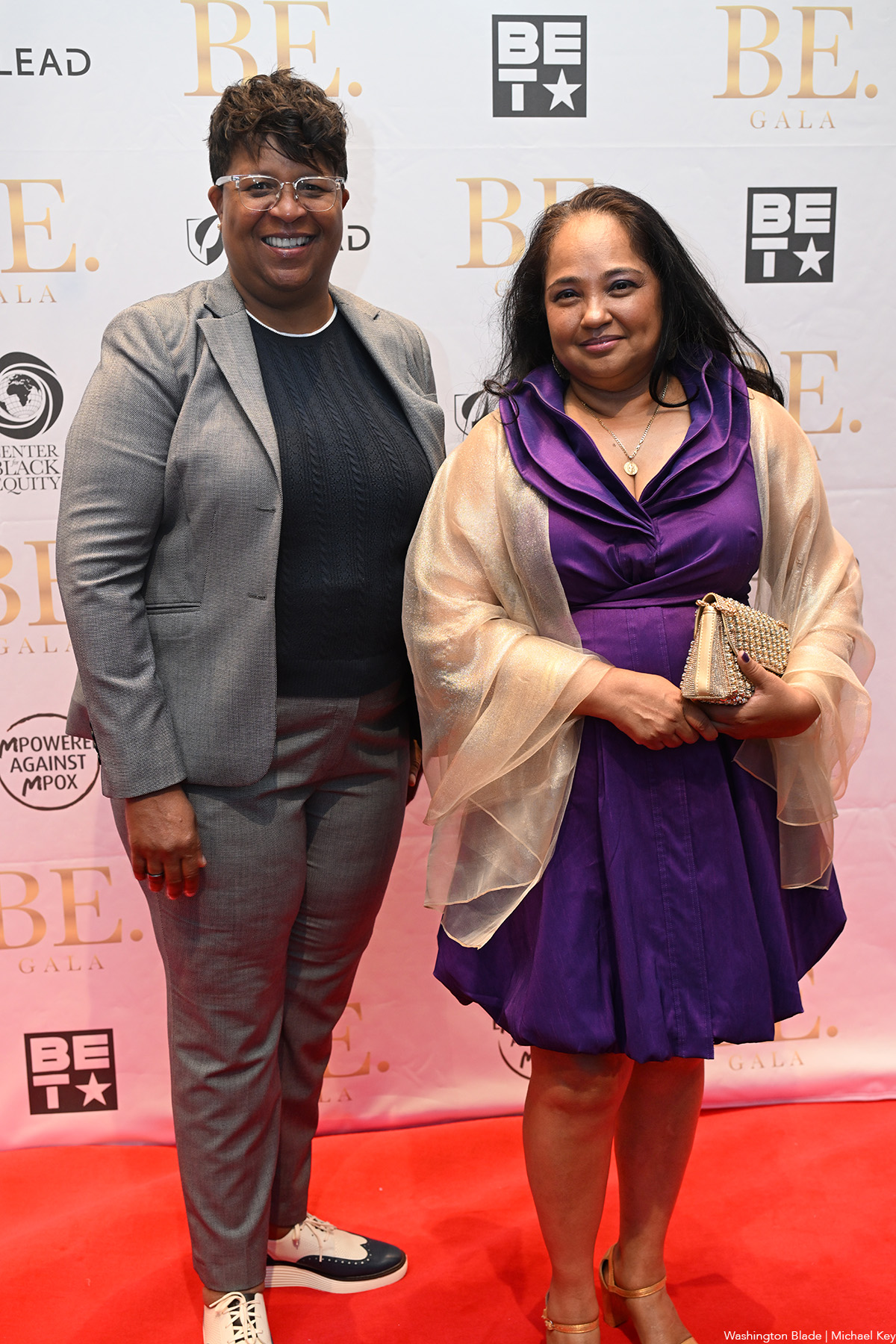
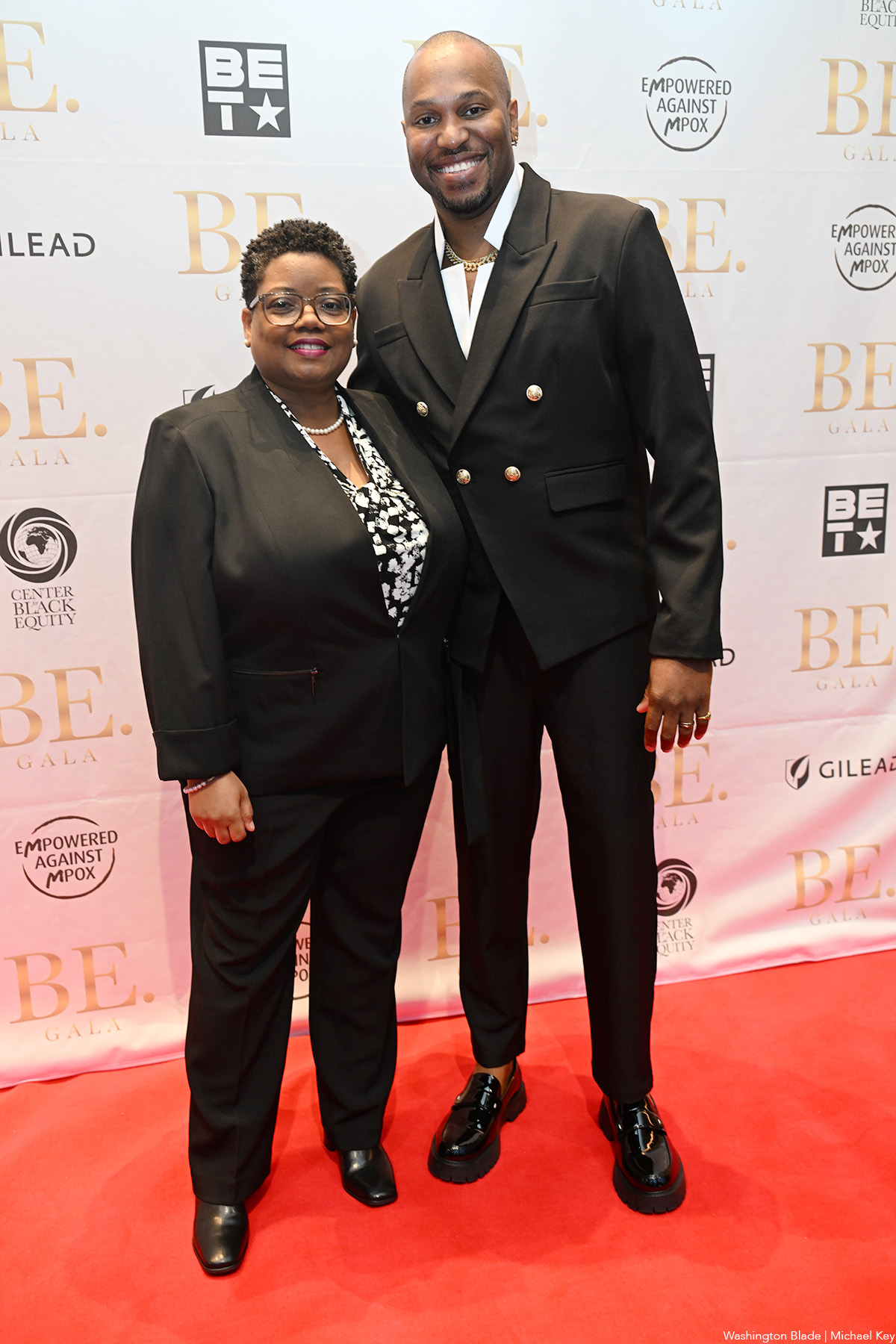
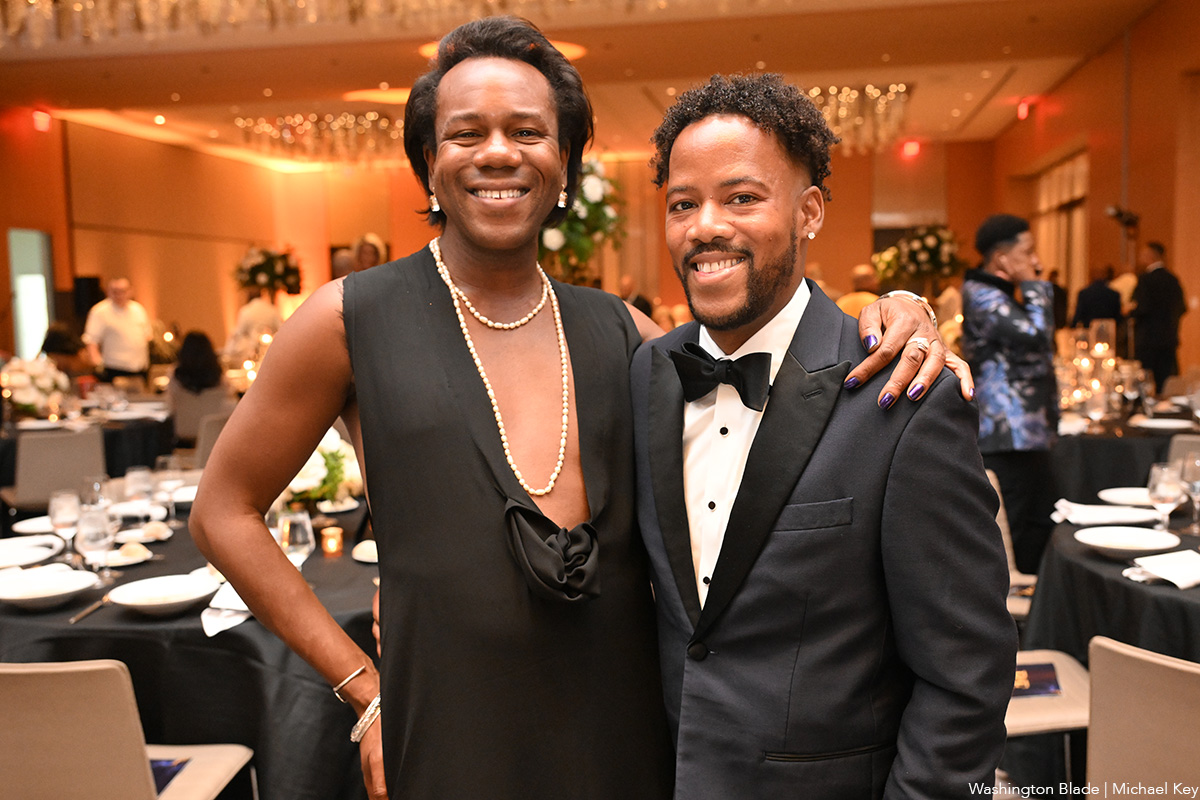
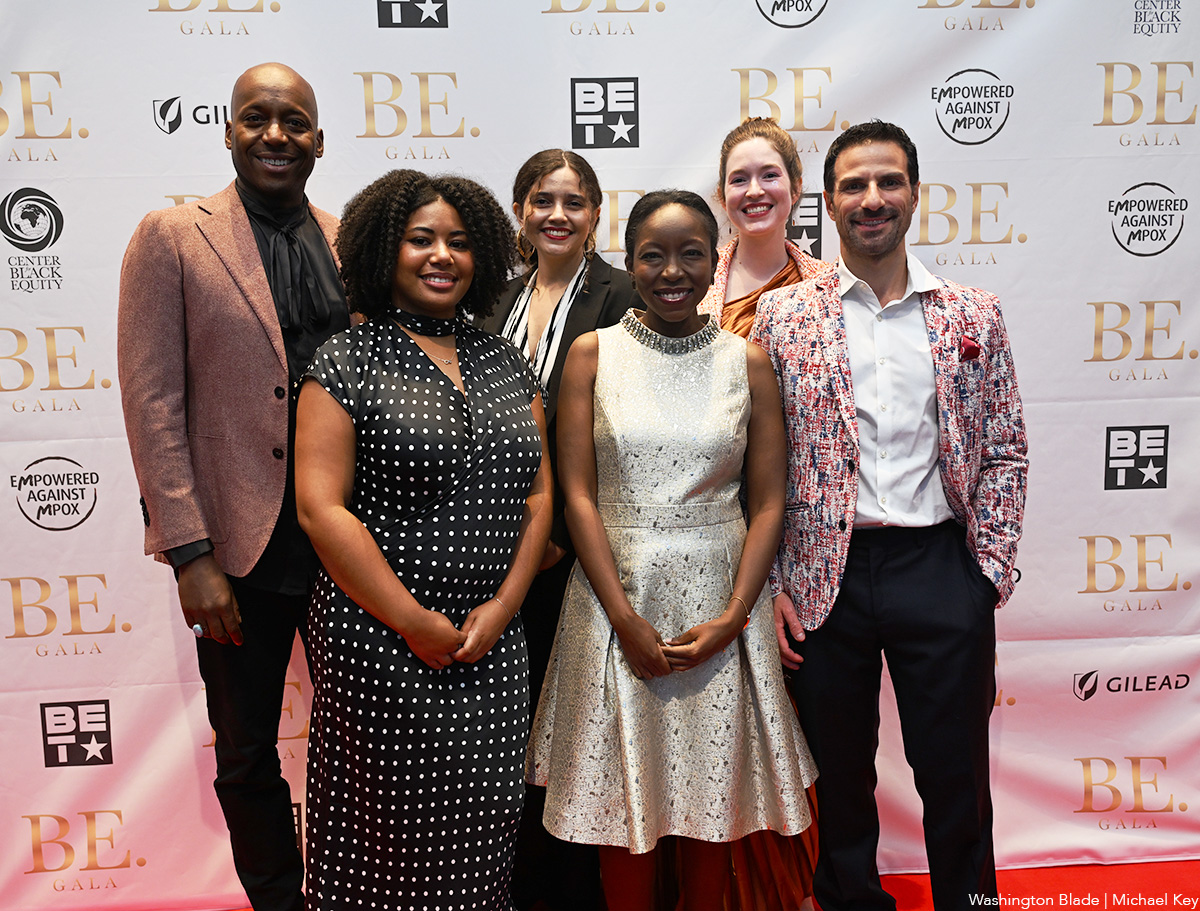
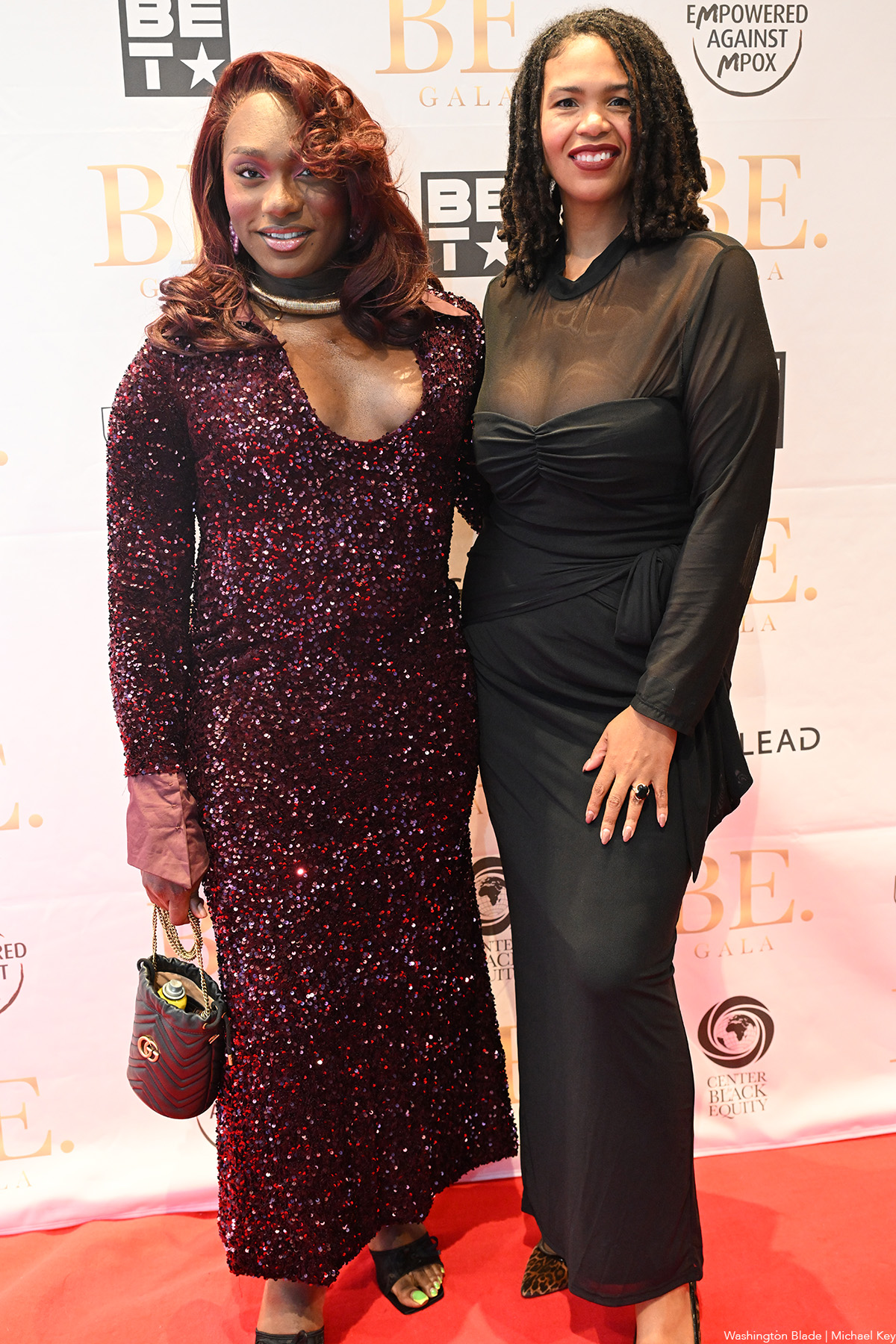
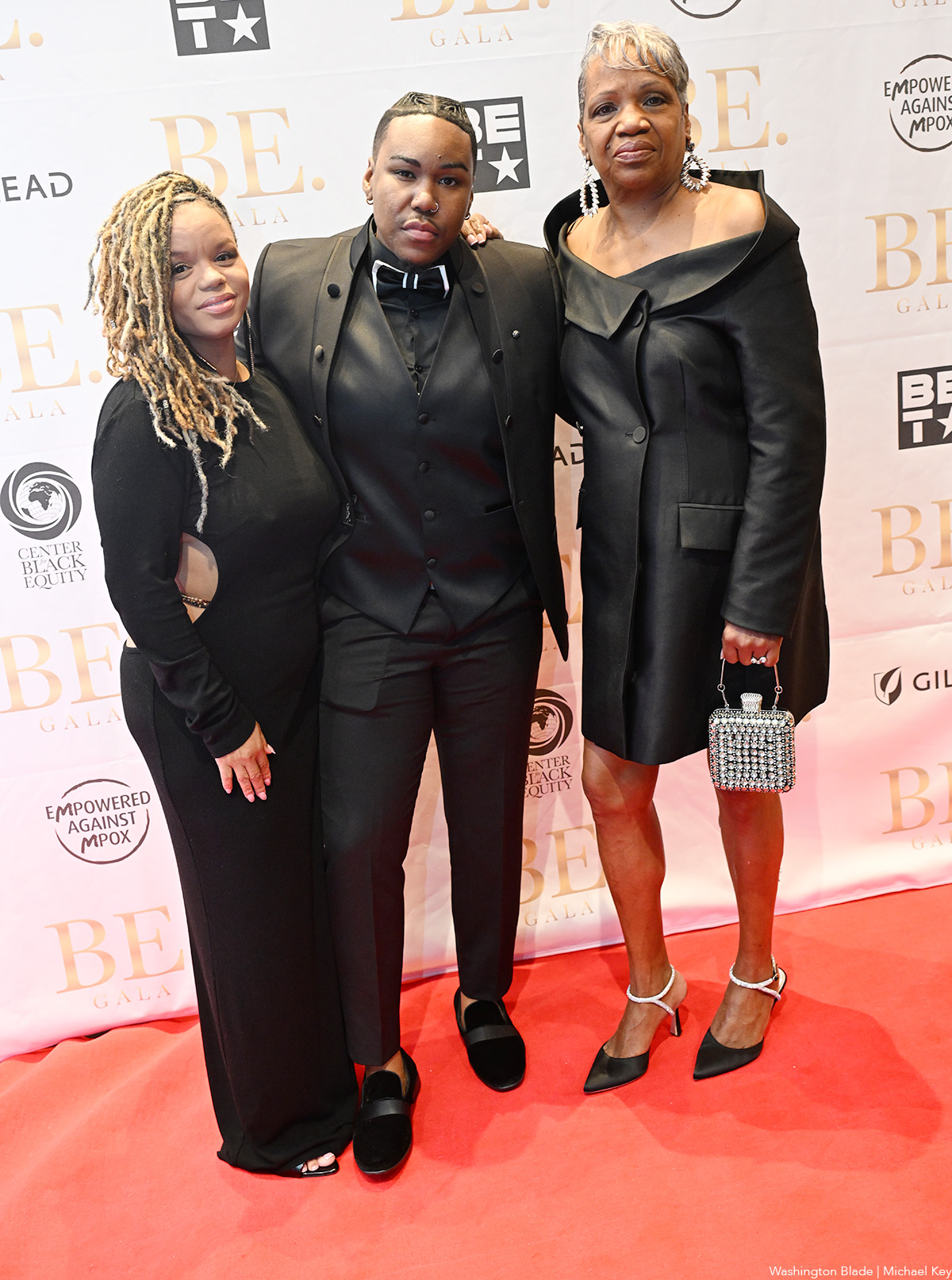
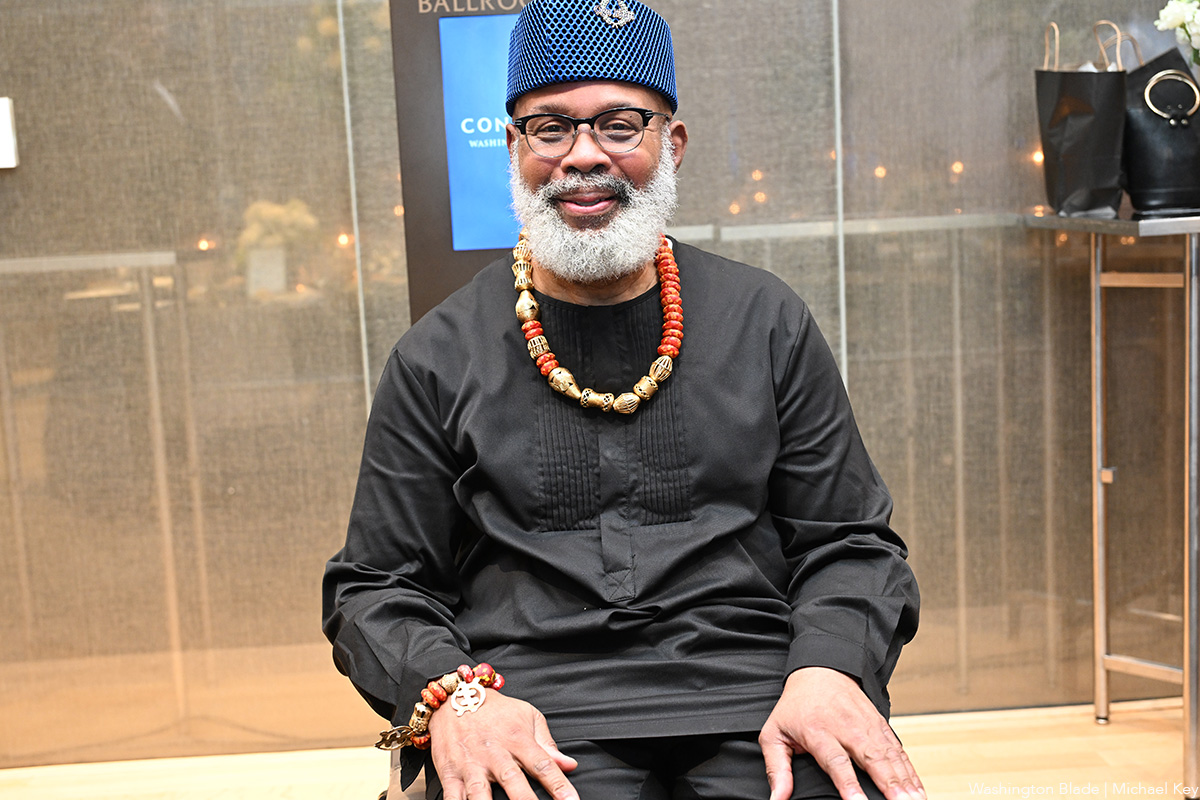
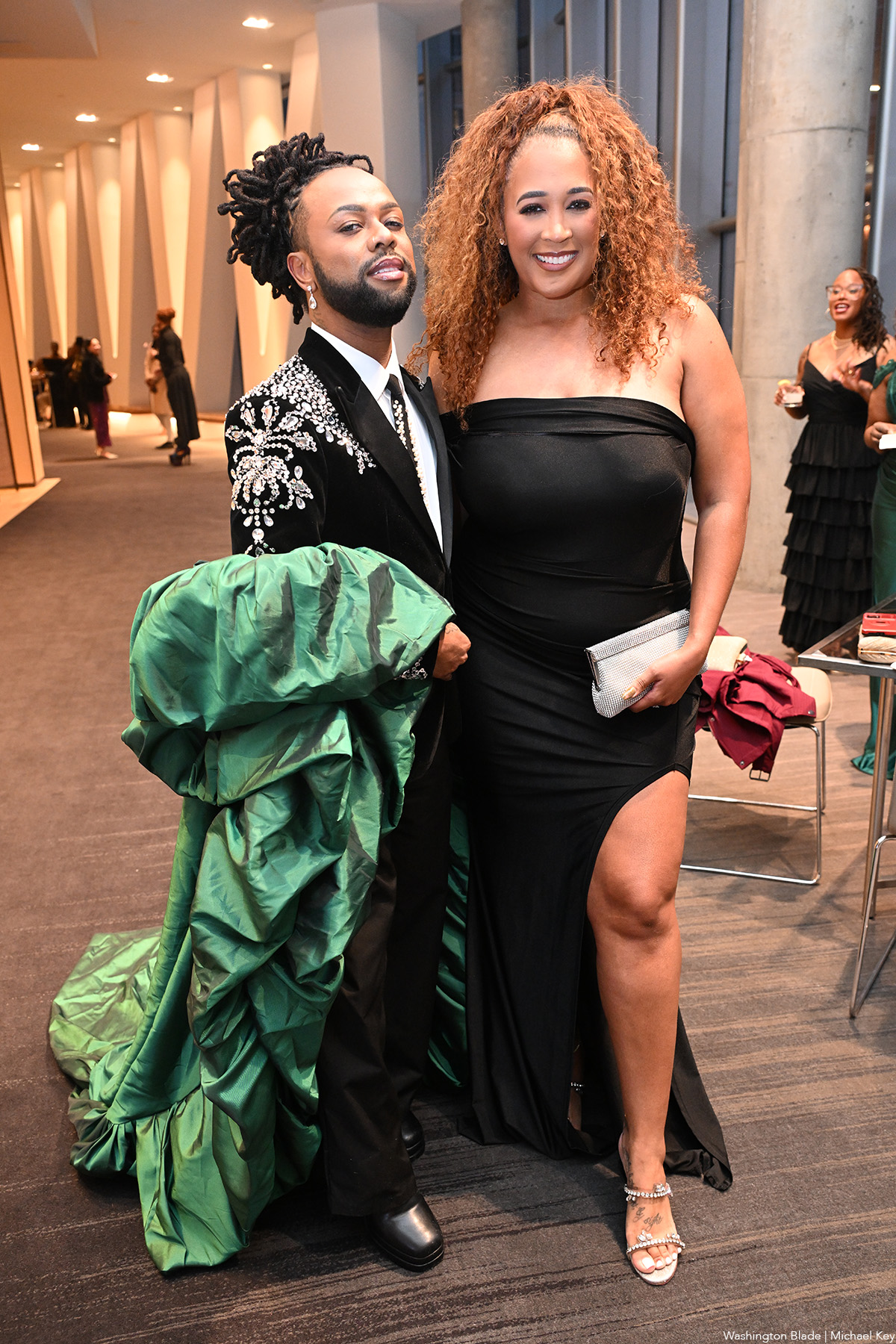
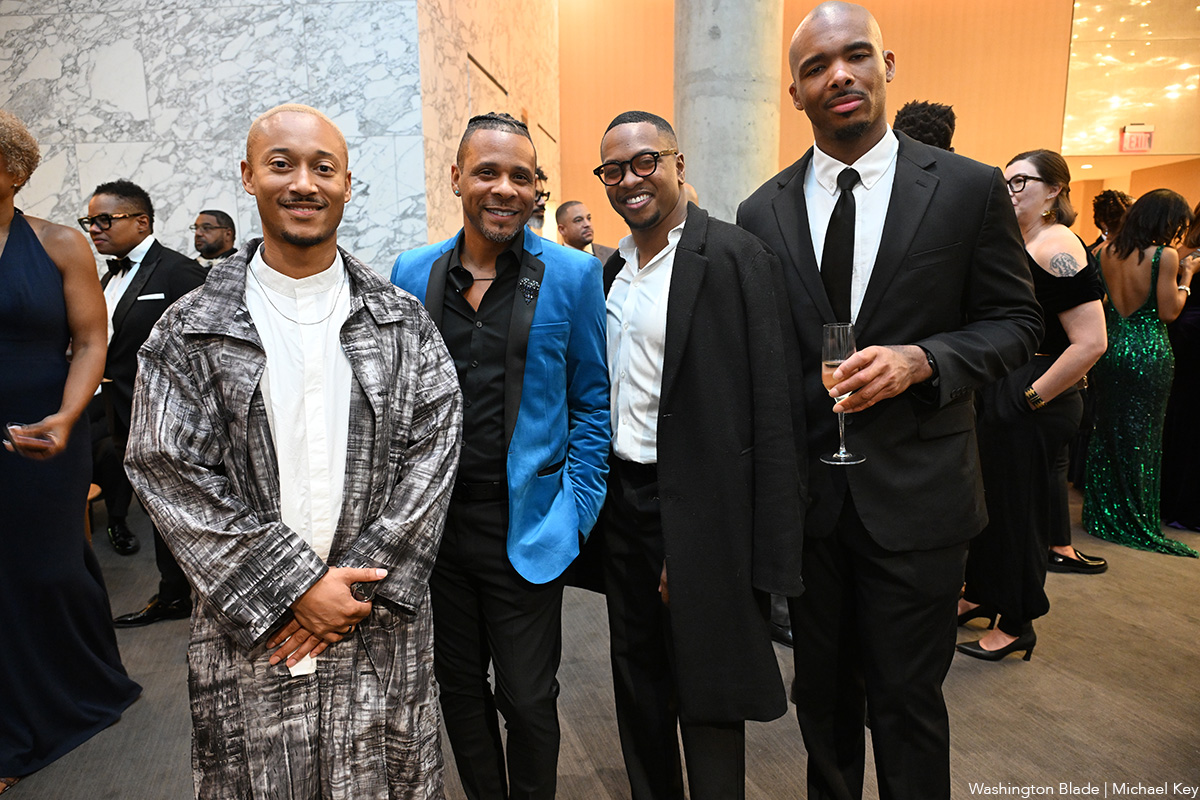
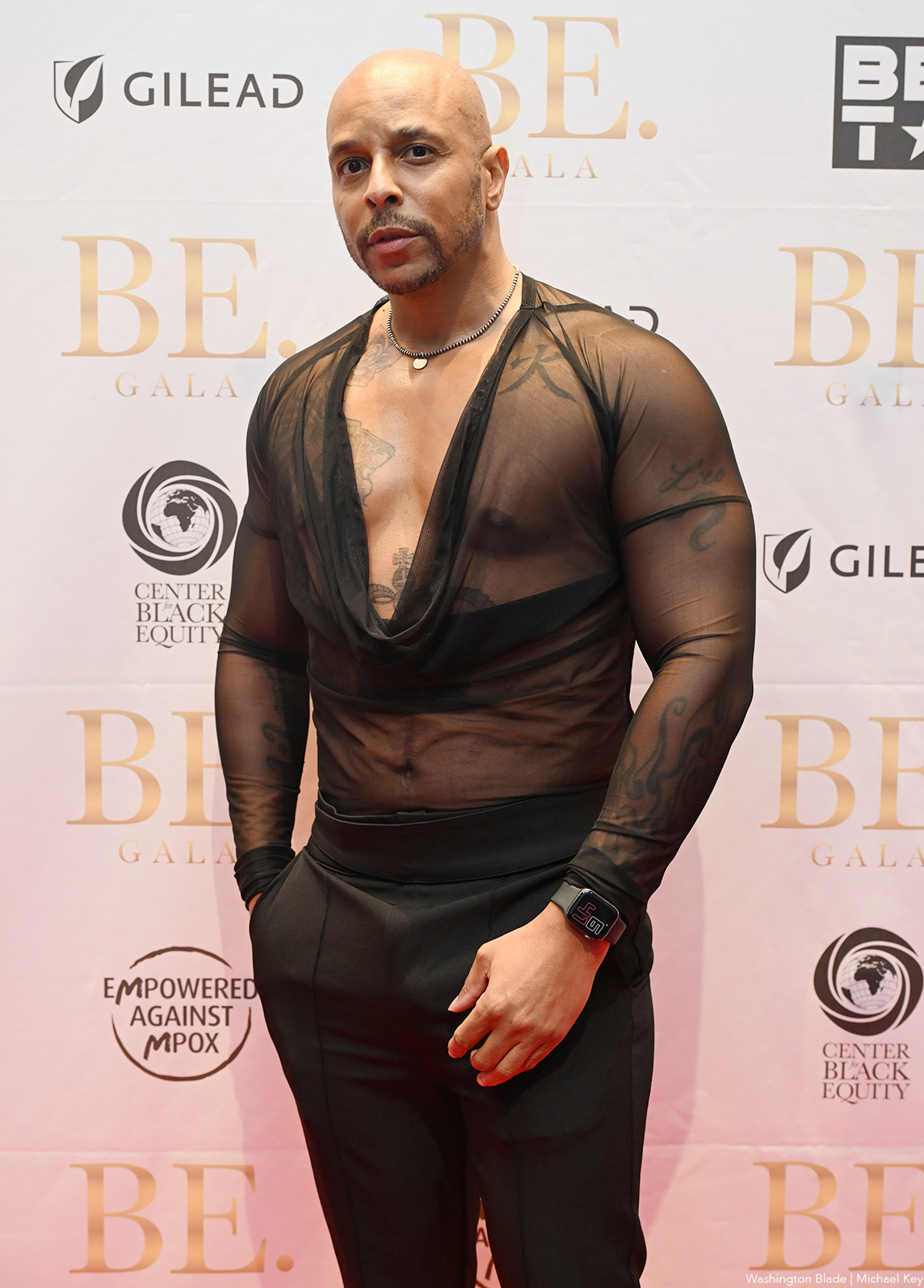
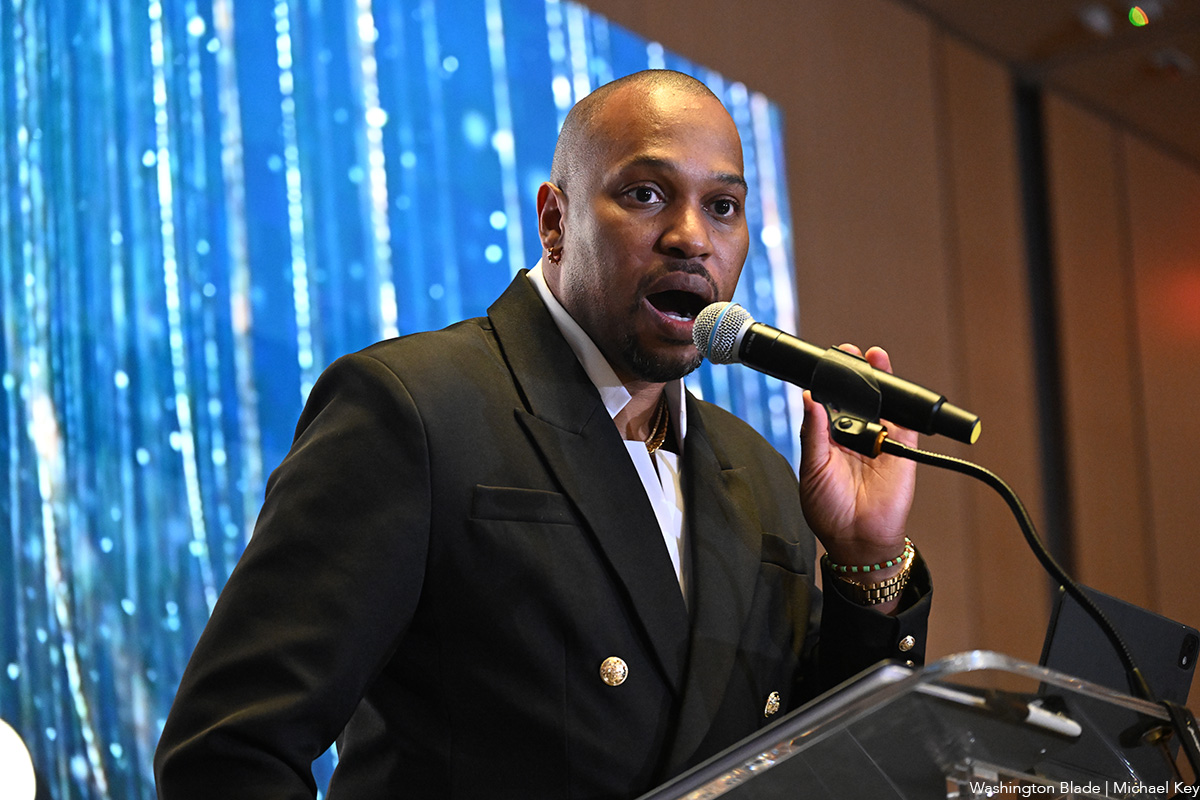
The Center for Black Equity held its annual BE. Gala at Conrad Washington, D.C. on Saturday, Oct. 5. Lolita Leopard Miyake-Mugler and Anthony Oakes co-hosted the awards ceremony.
Honorees included journalist and producer Justin Stewart; nonprofit leader Nikki Alexander; HIV advocate Marlene McNeese; the nonprofit organization FreeLux Project; actress Monroe Alise; public health advocate Tori Cooper; Manassas Park Vice Mayor Darryl G. Moore; Rev. Dr. Carmarion D. Anderson; Bishop Steven Sawyer; government relations professional Courtney Snowden; Senior Deputy Director of HAHSTA at D.C. Health, Clover Barnes; and Texas state Rep. Venton C. Jones.
The event was sponsored by Gilead.
(Washington Blade photos by Michael Key)











Books
In ‘The Lost Brontë,’ a complicated lie can lead to danger
New book features sweetly romantic girl-meets-girl twist
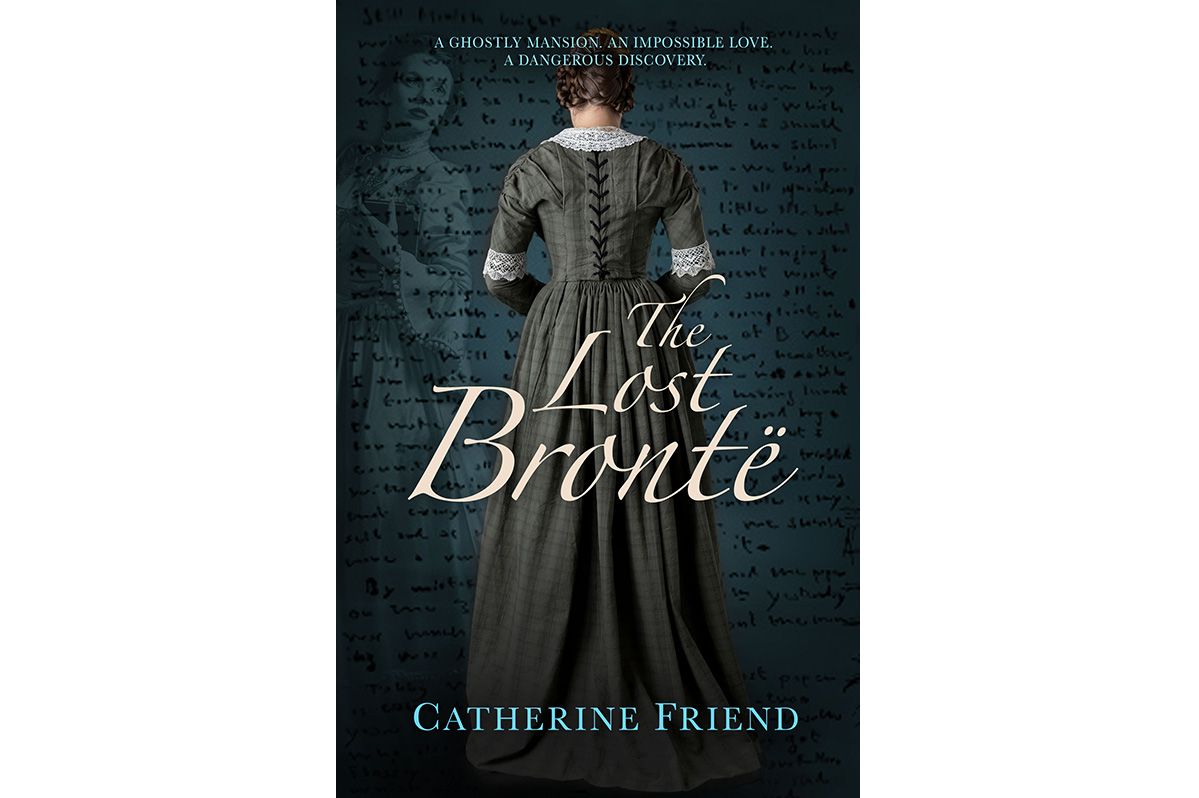
‘The Lost Brontë’
By Catherine Friend
c.2026, Bywater Books
$22.95/335 pages
Mom always said to tell the truth.
One lie leads to another and another and you have to remember them all until pretty soon, you’re caught. Fibs are hard, mistruths are messy, even little white social lies can destroy trust. Worst of all, as in the new novel, “The Lost Brontë” by Catherine Friend, a complicated lie can lead to danger.

Though Lilianne Loxley was very young when she lost her parents, she understood that her uncle didn’t really want her. As time passed, though, Lily made herself useful to Uncle, writing and signing letters for him and she became a good companion, helping him with his collection of Brontë memorabilia. Uncle was a keen enthusiast.
She had no idea that his obsession was out of control and he was deeply in arrears. The day Lily learned of his debt was the day she learned that he’d agreed to send her to his debtor’s home to work off the money owed.
It was so sudden. One minute, Lily was at Loxley House, happy and loved by Uncle’s staff … and five hours later, she was at Crag Thorn Manor, home of Lord Bexton, who informed her that she’d be working on his ledgers – work that seemed routine, but Lily tackled it.
Uncle always did say she was headstrong.
But would headstrong be enough to survive, when she was restricted from most of the Manor, when she was forced to dine with Brexton and his slimy friend, or – the worst! – when Brexton told Lily that her next task was to forge a letter from Emily Brontë? And then an entire manuscript?
Lily struggled to do what was right. She had to get Uncle out of debt but this last order horrified her. Did she dare refuse Brexton’s orders and commit a crime? It was unthinkable!
The only brightness in the whole situation was Wren, the ladies’ maid assigned to Lily’s room. Wren was adorable with freckles and the sweetest smile. But with everything else happening at Crag Thorn Manner, could Lily act upon her feelings?
This time of year, you may come to crave dark, spooky stories, and “The Last Brontë” fits those needs perfectly with its Gothic deliciousness. Think: Daphne du Maurier-type, stormy-night squirms with a dangerously chaste, sweetly romantic girl-meets-girl twist for fun.
If it’s been awhile since you’ve read a Gothic novel, you’re in for a nice reminder of why you love them here. You can almost tick off the must-haves: a novel like this is nothing without a foreboding stone manor with damp walls; stone steps to a dank basement; a mysterious portrait; and a nearby bog, and author Catherine Friend gives readers every one of them. You’d be disappointed if there was no ghost, wouldn’t you? Ha. You can practically feel the cold blow through the attic, right? Yeah, it’s that kind of book.
If you’re a fan of the Brontës, you’ll like this novel. If you love Gothic mysteries or Victorian romances, ditto. “The Lost Brontë” is good, no lie.
The Blade may receive commissions from qualifying purchases made via this post.
Out & About
CAMP Rehoboth Block Party returns Oct. 18
Expect performances, vendors and more at annual celebration

CAMP Rehoboth will host its annual Block Party celebration on Sunday, Oct.18 at 11 a.m. on the second block of Baltimore Avenue in downtown Rehoboth Beach.
CAMP Rehoboth invites all community members to join in the festivities and to expect magnificent performances and dozens of vendors, including artists, craftspeople, non-profits, businesses, and more.
The event started in 2015 in celebration of CAMP Rehoboth’s 25th anniversary. This year, attendees can expect to shop sea glass art, pottery, jewelry, Pride merch, body care, clothing, and learn more about local non-profit causes and businesses.
Attendance is free. For more details, visit CAMP Rehoboth’s website.

Center for Black Equity honors leaders, activists at BE. Gala

In ‘The Lost Brontë,’ a complicated lie can lead to danger

CAMP Rehoboth Block Party returns Oct. 18

Essential queer horror classics for Halloween

Solidarity beyond the parade: the actual cost of Pride

10 years later, we still can’t shake Barry Jenkins’s ‘Moonlight’

‘Some Like It Hot’ a wild ride at renovated Bernard Family Theatre

D.C.’s LGBTQ homeless facilities face possible hit from Trump funding cuts

Trump uses anti-trans slur against Democratic Senate candidate

Calif. GOP gubernatorial candidate ad ‘disgusting attempt to exploit lesbian intimacy’
-

 Movies4 days ago
10 years later, we still can’t shake Barry Jenkins’s ‘Moonlight’
-
Theater4 days ago
‘Some Like It Hot’ a wild ride at renovated Bernard Family Theatre
-
District of Columbia4 days ago
D.C.’s LGBTQ homeless facilities face possible hit from Trump funding cuts
-
2026 Midterm Elections4 days ago
Trump uses anti-trans slur against Democratic Senate candidate