Arts & Entertainment
Calendar: Through March 14
Local D.C. events, parties, concerts, mixers and more through mid-March


‘Mr. Imagination’ by Gregory Warmack, one of the pieces on display starting Saturday (through March 30) in the exhibit ‘Glitterbomb’ at Off-Rhode Studio. (Photo courtesy of Paul Yandura)
Friday, March 8
Special Agent Galactica returns with her happy hour show this evening at 6 p.m. at Black Fox Lounge (1732 Connecticut Ave., NW). The show includes live jazz, blues, cabaret, standards and comedy. Galactica is backed by a three-piece jazz combo. There is no cover charge. For more information, visit pinkhairedone.com.
http://www.youtube.com/watch?v=elT5UIELpGA
Green Lantern (1335 Green Court, N.W.) hosts “10 Hail Marys: A True Blue Madonna Tribute” tonight starting 10 p.m. The party celebrates her first 10 albums. There is an open vodka bar from 10 to 11 p.m. For more information, visit greenlanterndc.com.
Saturday, March 9

On Foursquare? Add many of these events to your To-Do list, and connect with the Blade to always be in the know.
Our City Film Festival kicks off tonight with an opening night party at 9:30 p.m. at the Atlas Performing Arts Center (1333 H St., NE). This party is free. The festival continues tomorrow at noon with its first screening of “Oxygen for the Ears: Living Jazz.” This is the only film festival that showcases D.C.-focused films. Individual tickets are $12, and VIP tickets are $150. For more information, visit ourcityfilmfestival.com.
Off-Rhode Studio at Art Enables (2204 Rhode Island Ave., NE) opens the art exhibit “Glitterbomb” provided by art collector Paul Yandura this afternoon at 1 p.m. The show redefines the attitudes and uses of glitter in artwork with pieces from several different artists and mediums. For more information, visit art-enables.org.
Team D.C. hosts its annual Fashion Show and Model Search tonight at 7 p.m. at Town (2009 8th St., NW). The featured fashions range from club wear and swimsuits to underwear and leather from Universal Gear and Adam & Eve. Pussy Noir will be guest judge. Cover is $10. For more information, visit teamdcsports.com.
Community Life Newsletter celebrates eight years tonight with a night at the theaer to see “Ladies Swing the Blues” at Metro Stage (1201 North Royal St., Alexandria) at 8 p.m. The Community Life Newsletter’s goal has been to connect and educate the community. Tickets are $55. For more information, visit metrostage.org.
http://www.youtube.com/watch?v=DHp_-jVp3mY
Sunday, March 10
Lambda Sci-fi has its monthly meeting this afternoon at 1:30 p.m. at 1425 S St. NW. Attendees are asked to bring a snack or a non-alcoholic beverage to the social. For more information, visit lambdascifi.org.
Bishop Gene Robinson gives a homily as part of a Lenten Series at St. Mark’s Episcopal Church (3rd and A St., SE) this morning at 10 a.m. Robinson was consecrated as Bishop in 2003 by the Episcopal Diocese in New Hampshire, becoming the first openly gay bishop. His talk will start a discussion about the journey of St. Mark and about the global Anglican Church’s inclusion of the LGBT community. For more information, visit stmarks.net.
Monday, March 11
The D.C. Lambda Squares holds its dance series tonight at 7:30 p.m. at National City Christian Church (5 Thomas Circle, NW). The only square dance club located in Washington, the group invites everybody to learn square dancing in just 16 Mondays. No special outfits, partner or prior dance experience is needed. The cost is $100. For more information or to register, visit dclambdasquares.org.
Whitman-Walker Health (1701 14th St., NW) holds its HIV+ Newly Diagnosed Support Group tonight at 7. It is a confidential support group for anyone recently diagnosed with HIV and the group welcomes all genders and sexual orientations. Registration is required and attendees must call 202-797-3580 or email [email protected]. For details, visit whitman-walker.org.
Tuesday, March 12
D.C. Center kicks off its new Center Military program this evening at 5 p.m. at MOVA Lounge (2204 14th St., NW). The program is a new initiative to support LGBT service members, veterans and their families. Tickets are $10. For more information, visit thedccenter.org.
Whitman-Walker (1701 14th St., NW) holds its group Starting Over for Women tonight at 7. The group is for women whose long-term relationship with another woman. Registration is required and attendees must call 202-797-3580 or email [email protected]. For more information, visit whitman-walker.org.
Green Lantern (1335 Green Court, N.W.) hosts its Safer Sex Kit-packing program tonight from 7-10:30. The packing program is looking for more volunteers to help produce the kits because they say they are barely keeping up with demand. Admission is free and volunteers can just show up. For more information, visit thedccenter.org.
Pop singer Rihanna performs at 1st Mariner Arena (201 West Baltimore St.,) tonight. Doors open at 7:30 p.m. Tickets are $33-$123. For more information, visit baltimorearena.com.
Wednesday, March 13
The Capital Area Gay and Lesbian Chamber of Commerce and dozens of other LGBT networking groups invite professionals to Town Danceboutique (2009 8th St., NW) this evening at 6:30 p.m. for its fifth annual Mega Networking event. There is no cover and registration is free. For more information or to register, visit caglcc.com.
The Big Gay Book Group discusses the Pulitzer Prize-winning drama “Angels in America: Part I Millennium Approaches” by Tony Kushner tonight at 7 p.m. at 1155 F St., NW, Suite 200. The epic weaves together historical and fictional characters spanning the Reagan-Bush years. For more information, visit biggaybookgroup.com.
Whitman-Walker Health (1701 14th St., NW) holds its HIV+ Newly Diagnosed Support Group tonight at 7. It is a confidential support group for anyone recently diagnosed with HIV and the group welcomes all genders and sexual orientations. Registration is required and attendees must call 202-797-3580 or email [email protected]. For details, visit whitman-walker.org.
The Tom Davoren Social Bridge Club meets tonight at the Dignity Center (721 8th St., SE) at 7:30 p.m. for social bridge. Newcomers are welcome and no reservations are needed. For more information or if you need a partner, visit lambdabridge.com.
Thursday, March 14
P!NK comes to the Verizon Center (601 F St., NW) on her tour “The Truth About Love” tonight at 7:30 p.m. Tickets are $50-$115. For more information, visit verizoncenter.com.
Special Agent Galactica celebrates the coming weekend at her show at Nellie’s Sports Bar (900 U St., NW) tonight at 8 p.m. Her show brings a variety of music genres and comedy. There is no cover for this event. For more information, visit pinkharedone.com.
Whitman-Walker Health (1701 14th St., NW) holds its gay men over 50 support group this evening at 6:30 p.m. The group is for gay men entering a new phase of life. Registration is required to attend. Registration is required and attendees must call 202-797-3580 or email [email protected]. For more information, visit whitman-walker.org.



Photos
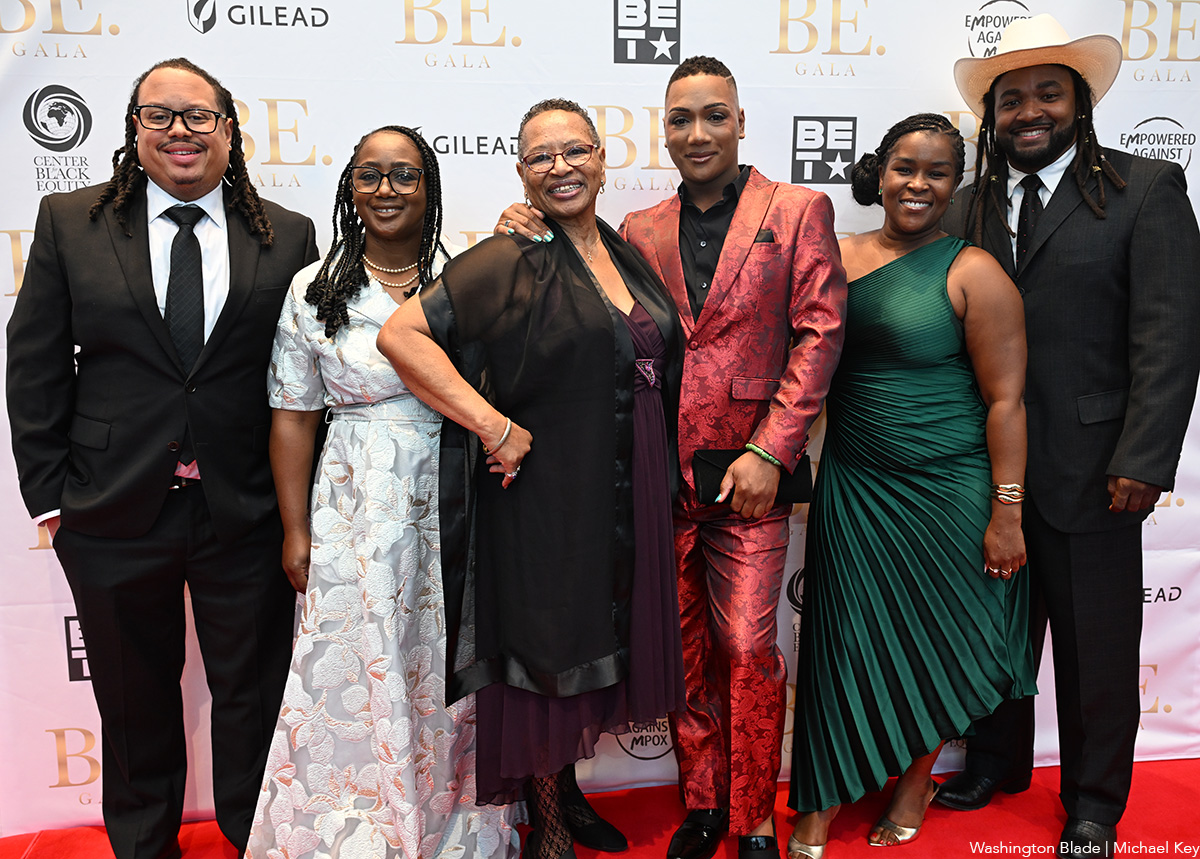
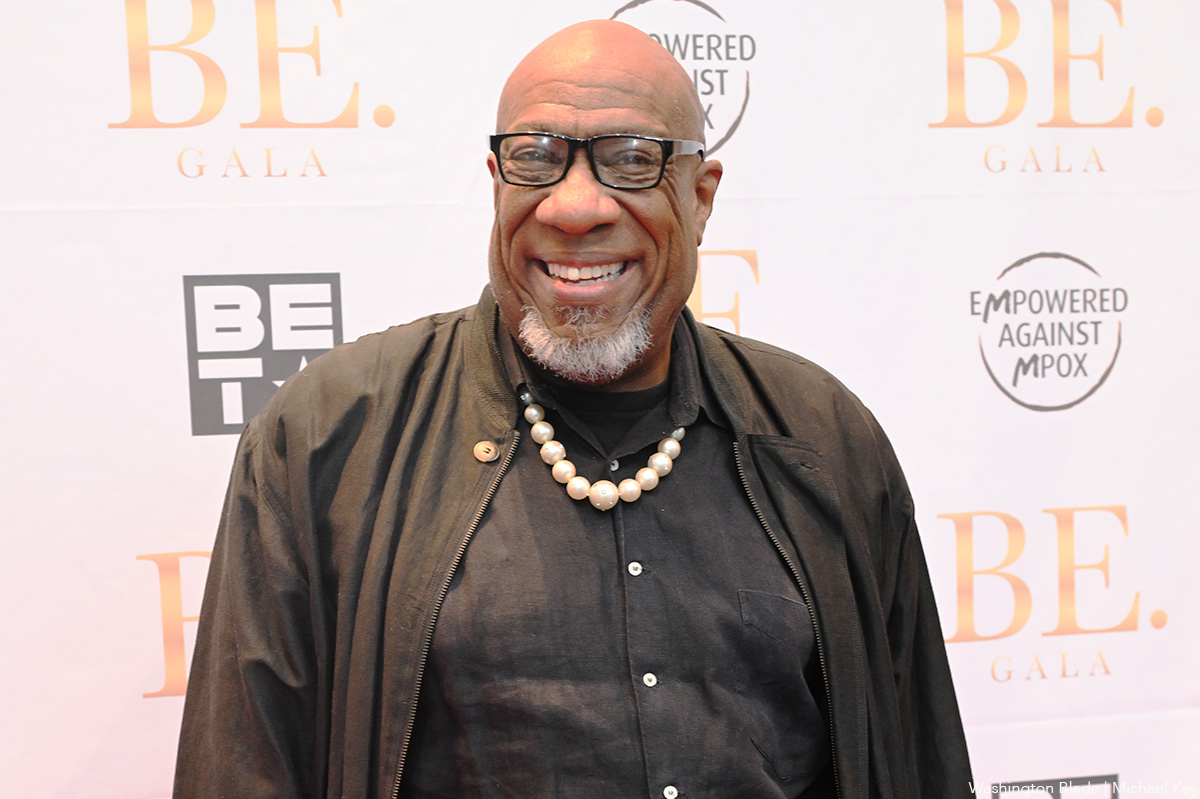
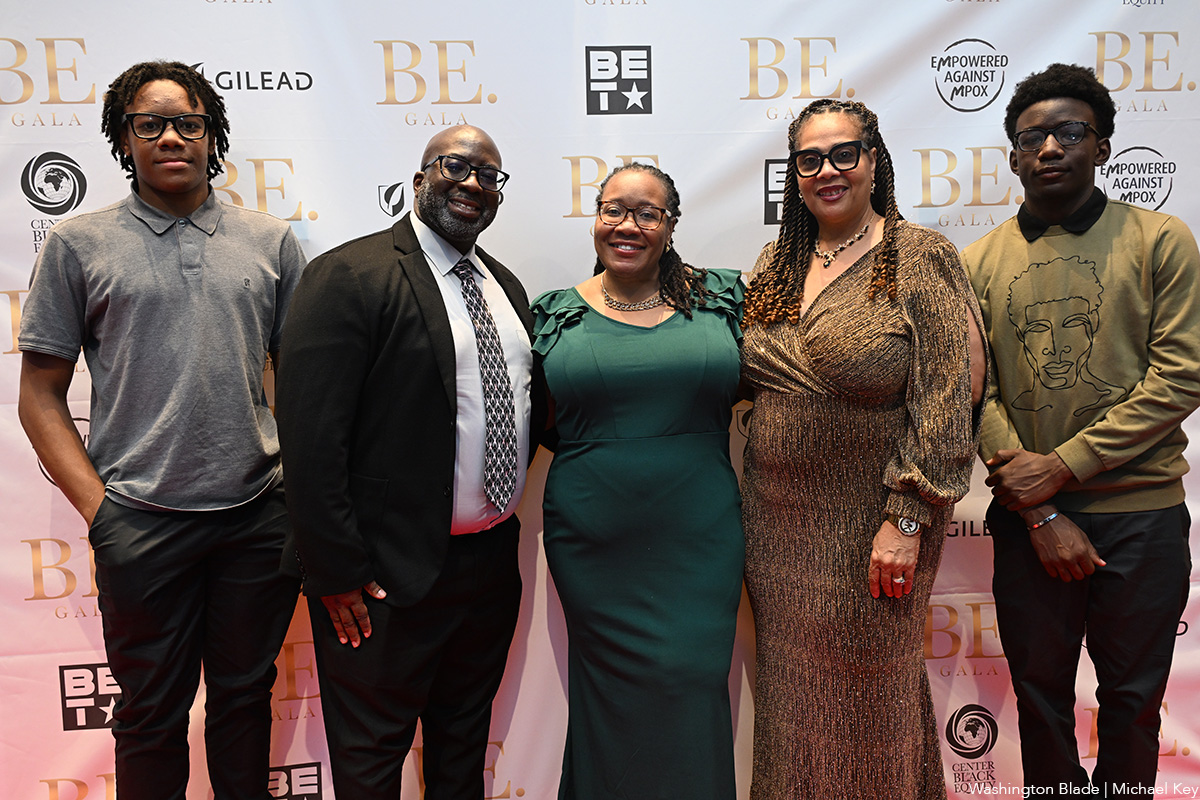
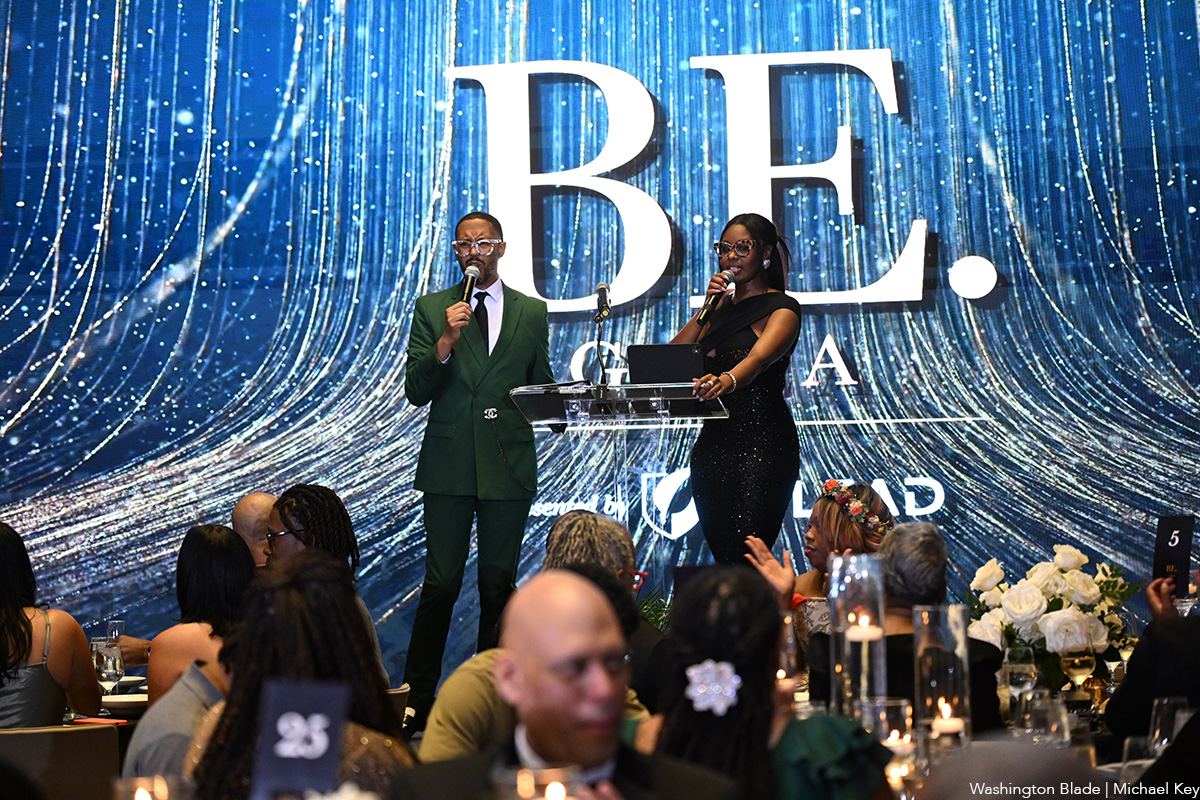
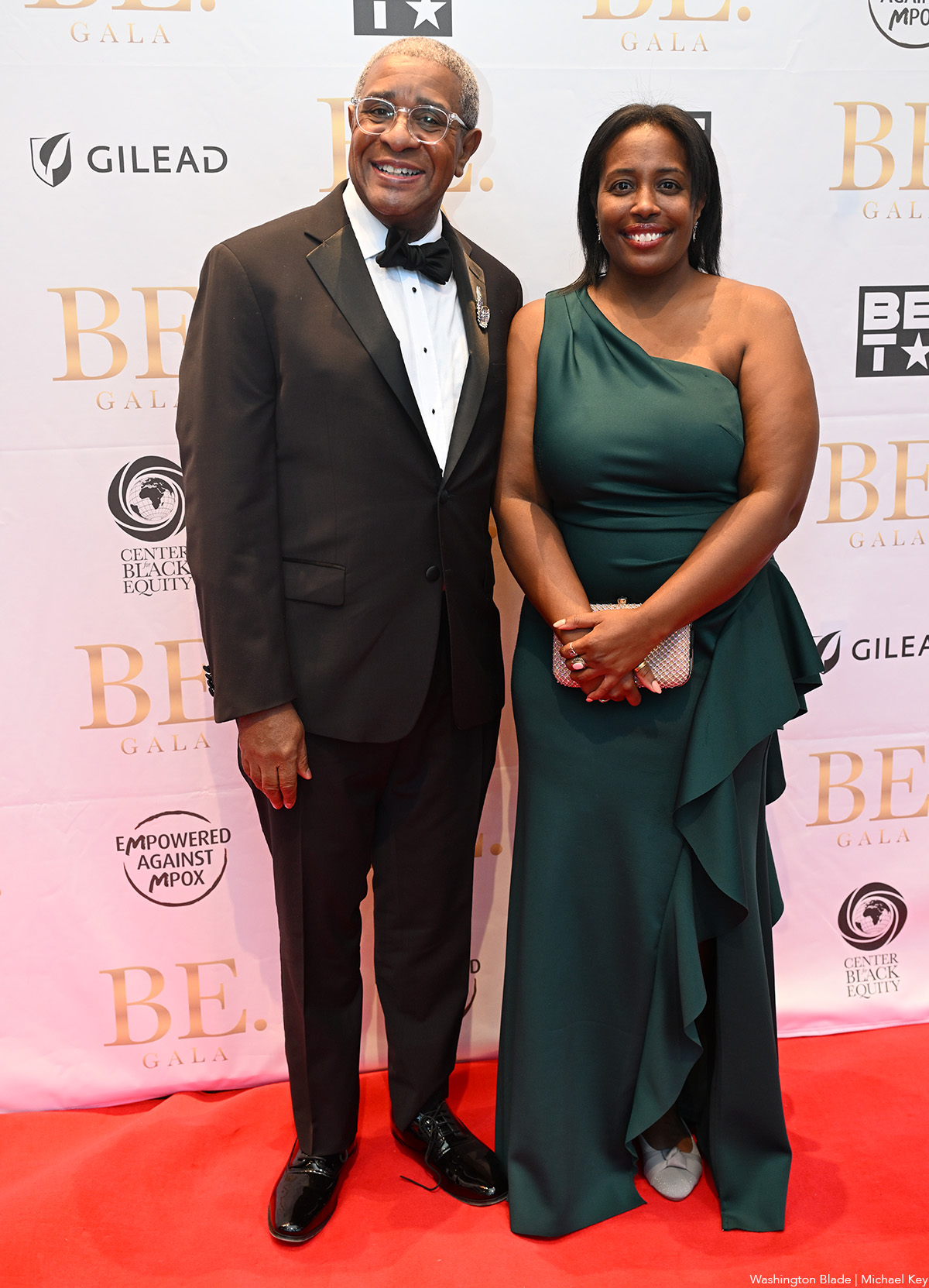
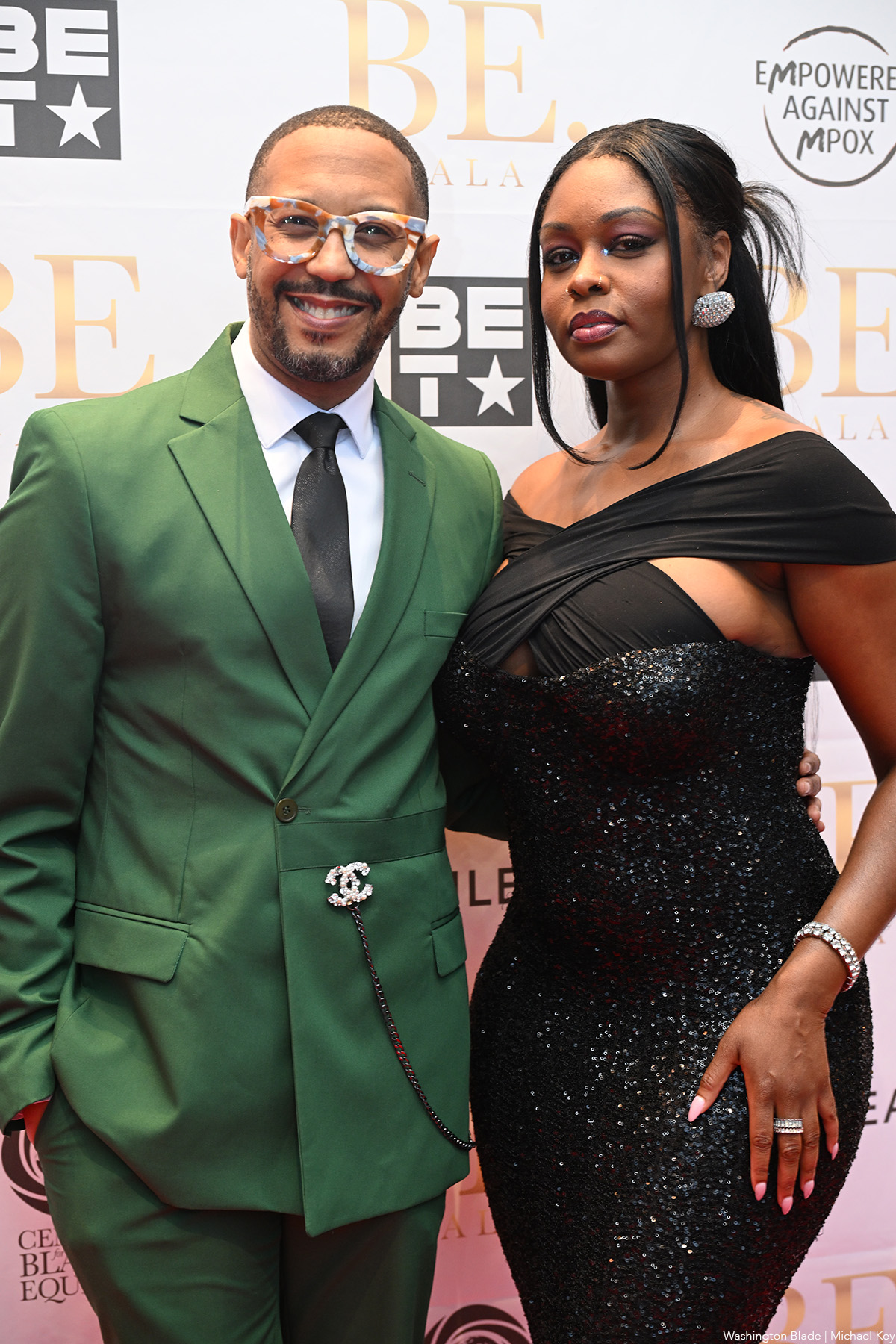
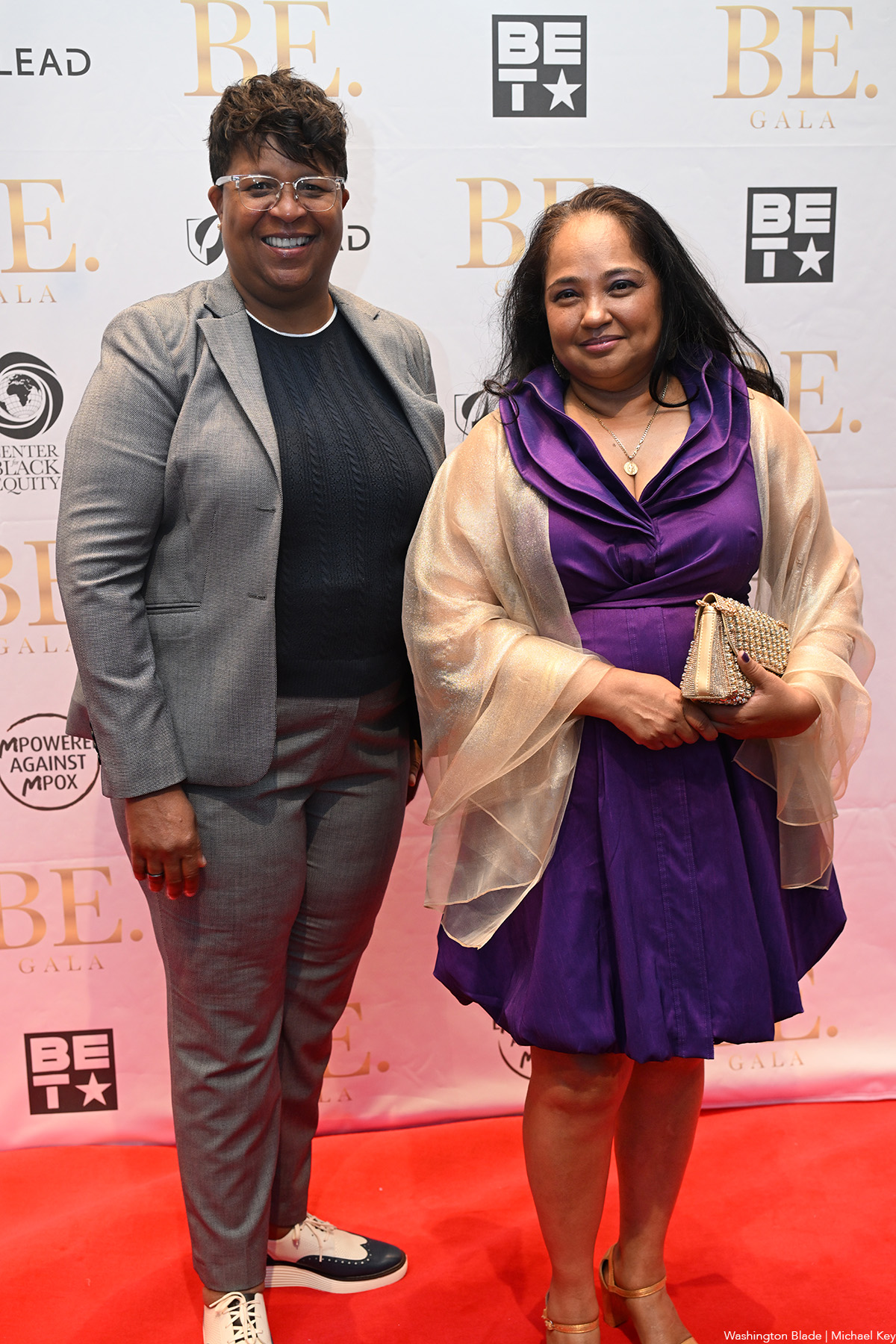
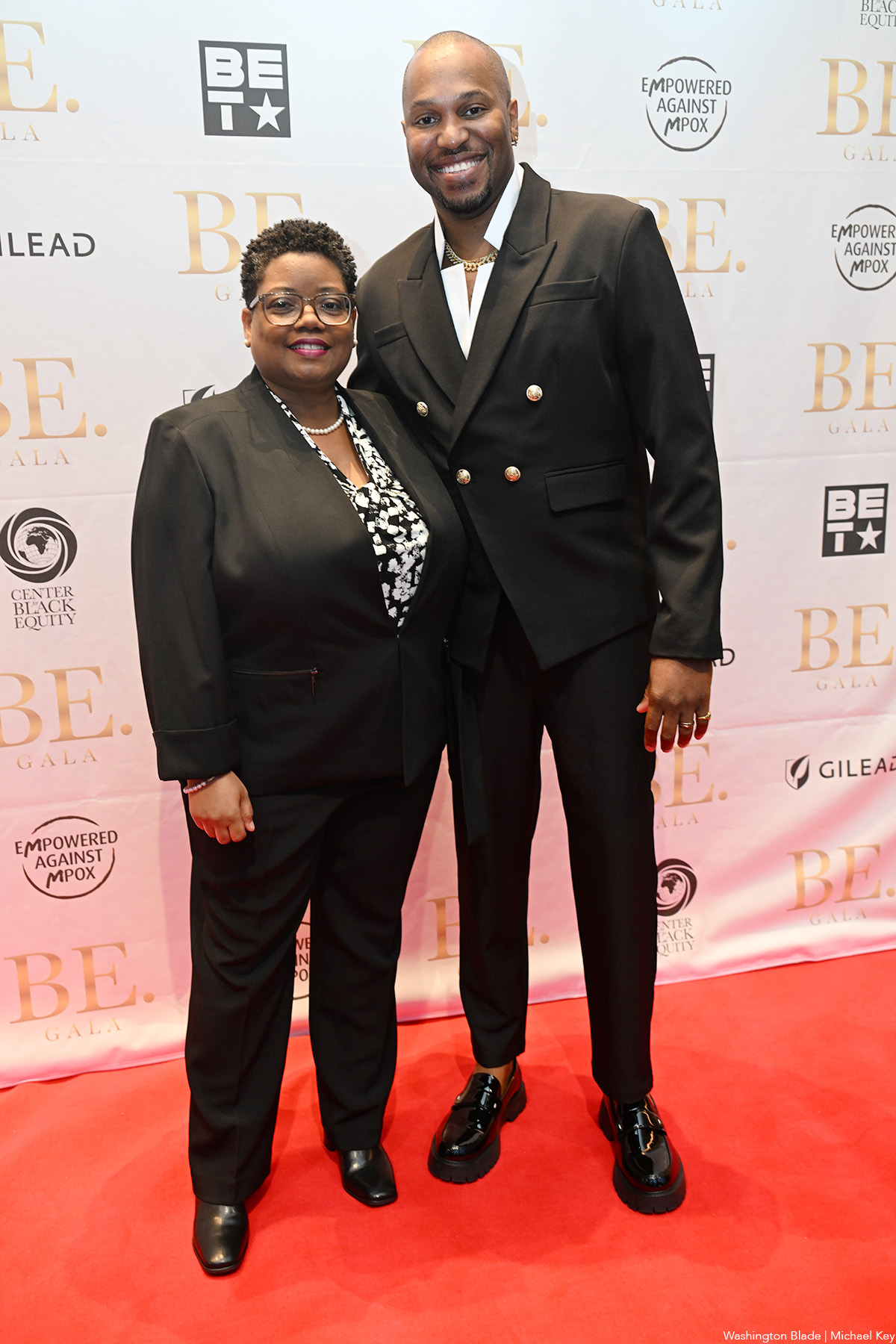
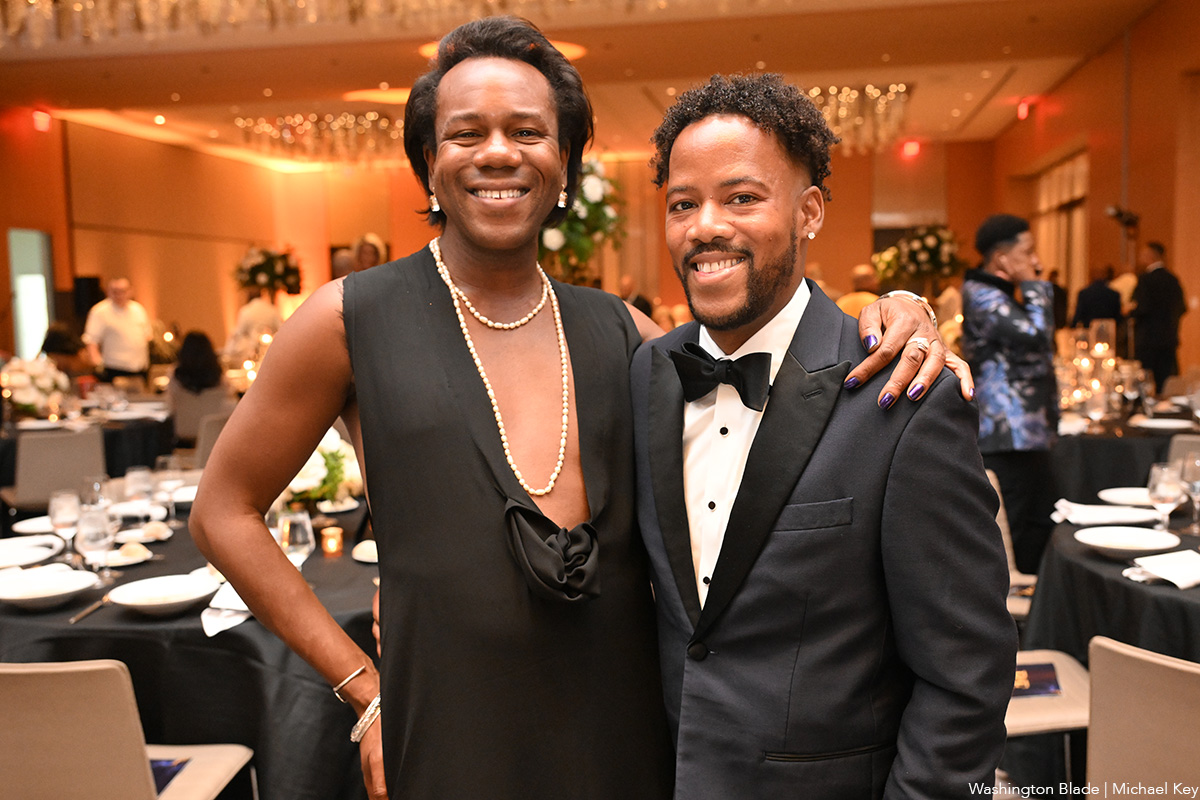
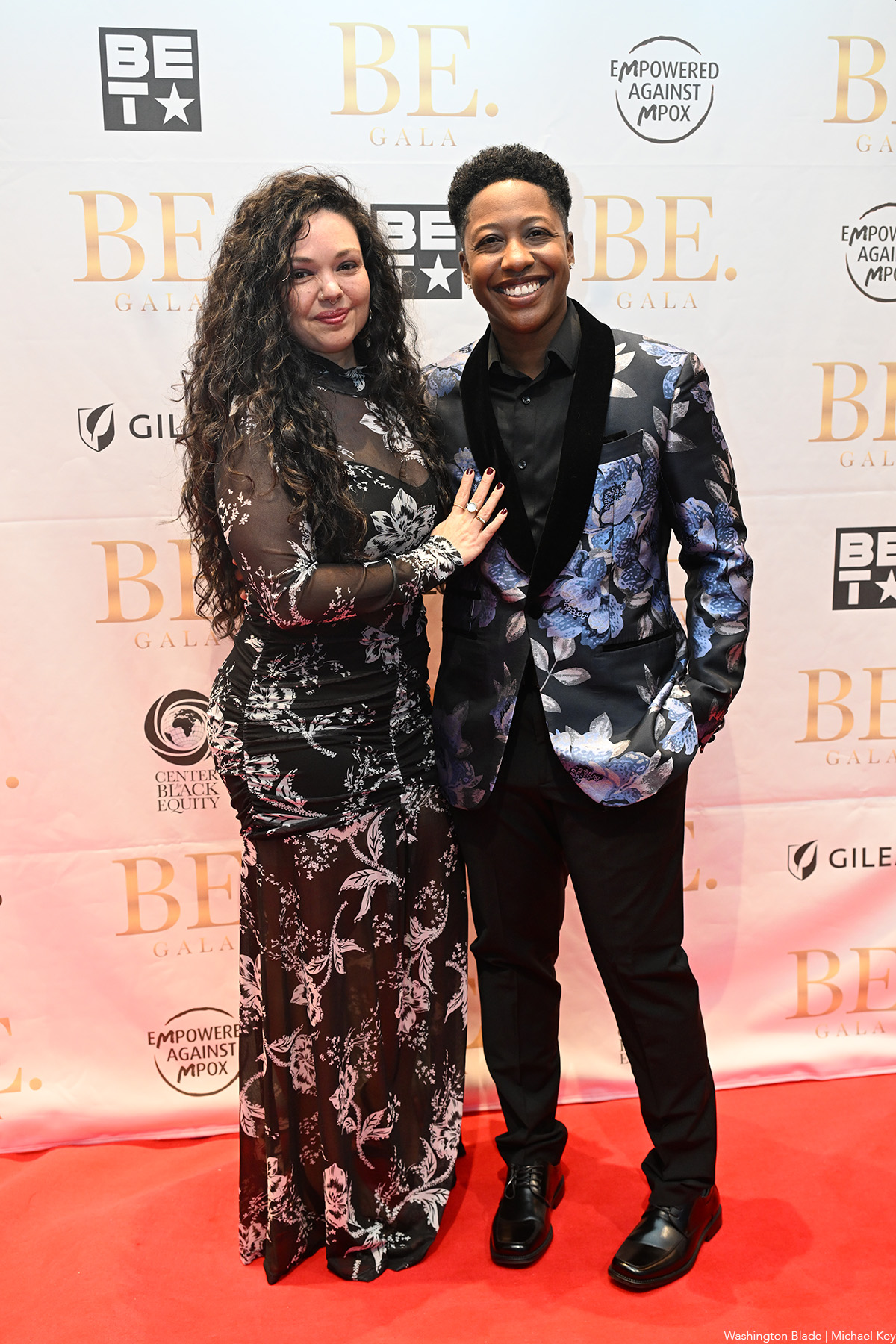
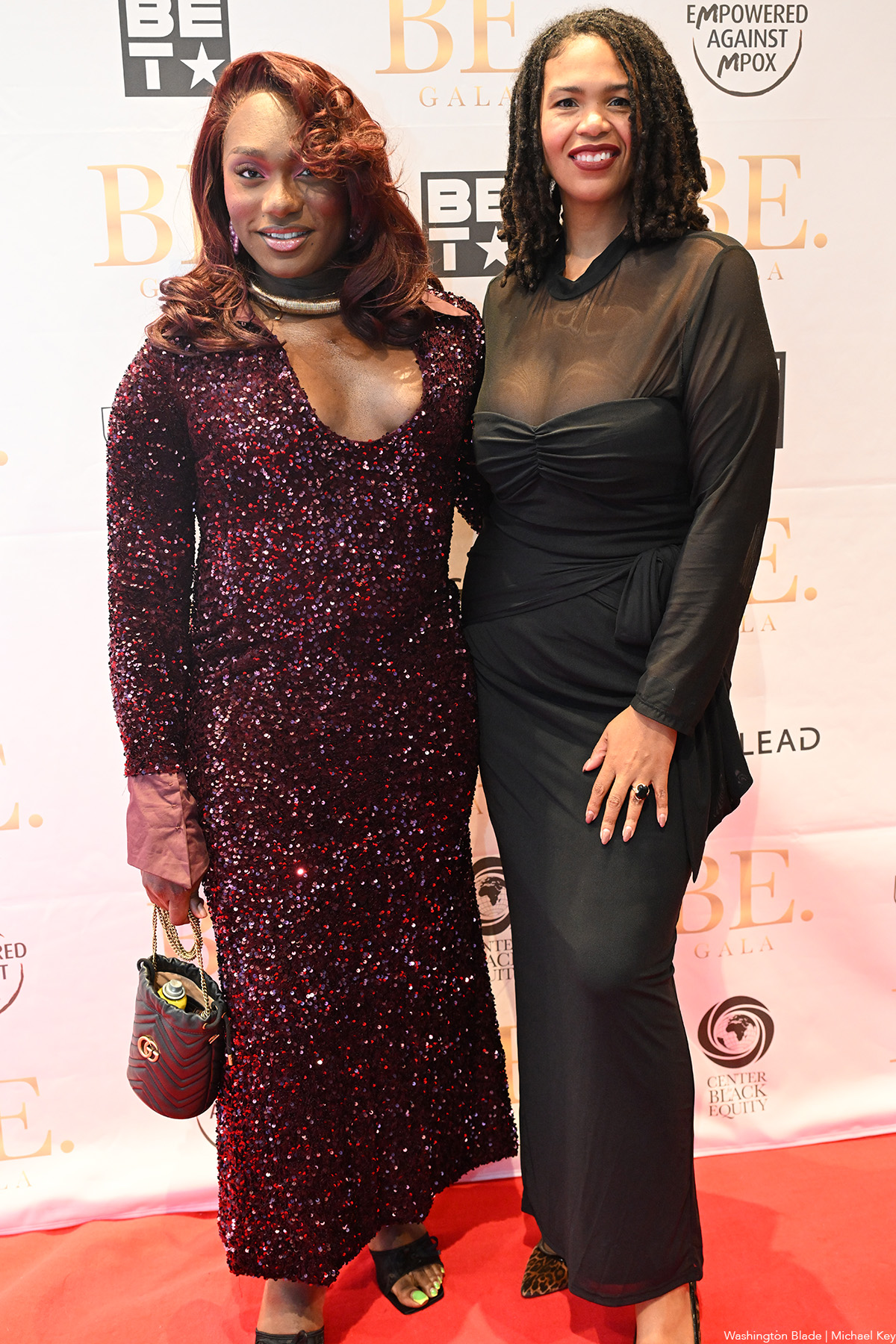
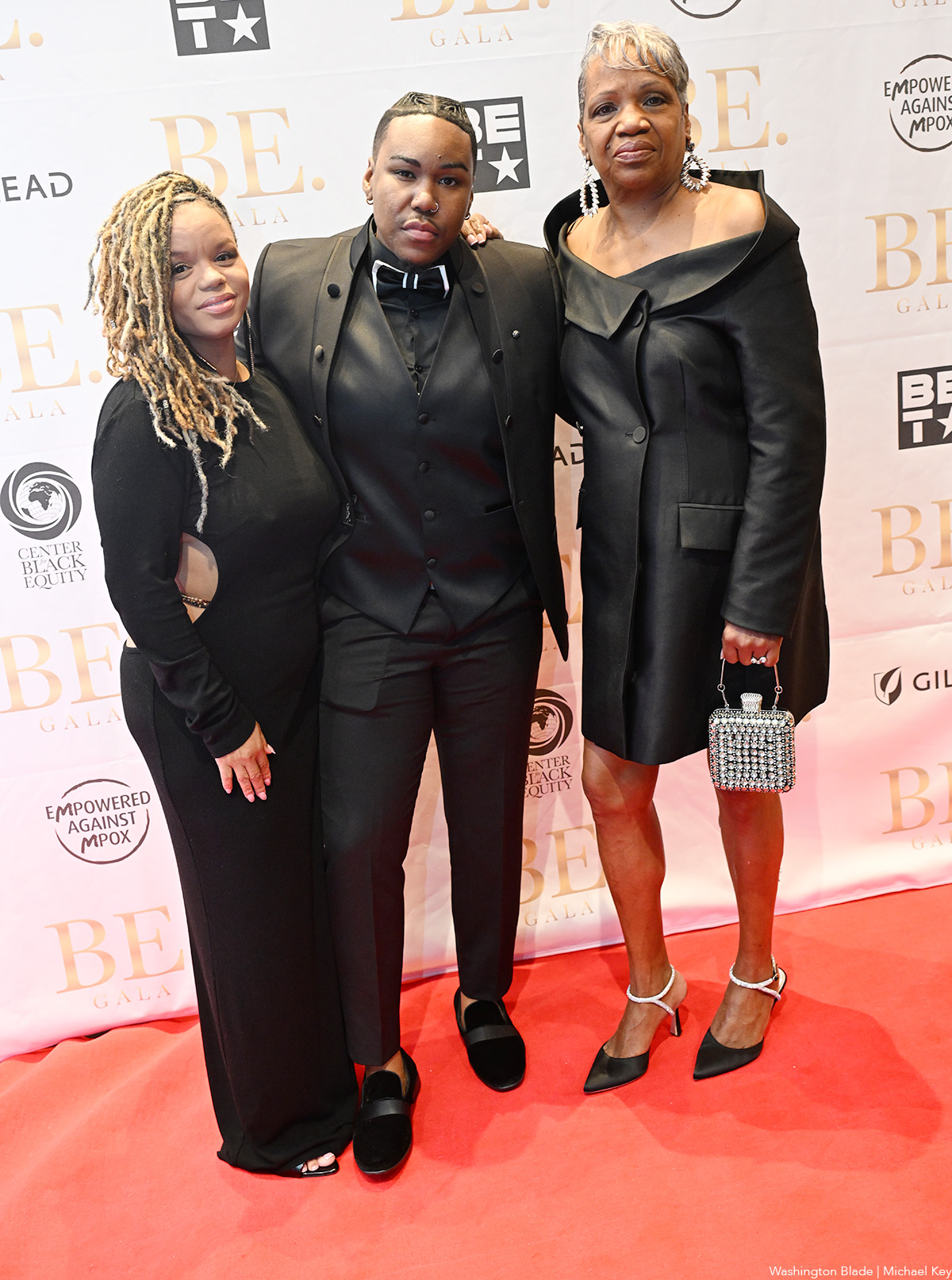
Center for Black Equity honors leaders, activists at BE. Gala
Miyake-Mugler, Oakes co-host annual awards ceremony
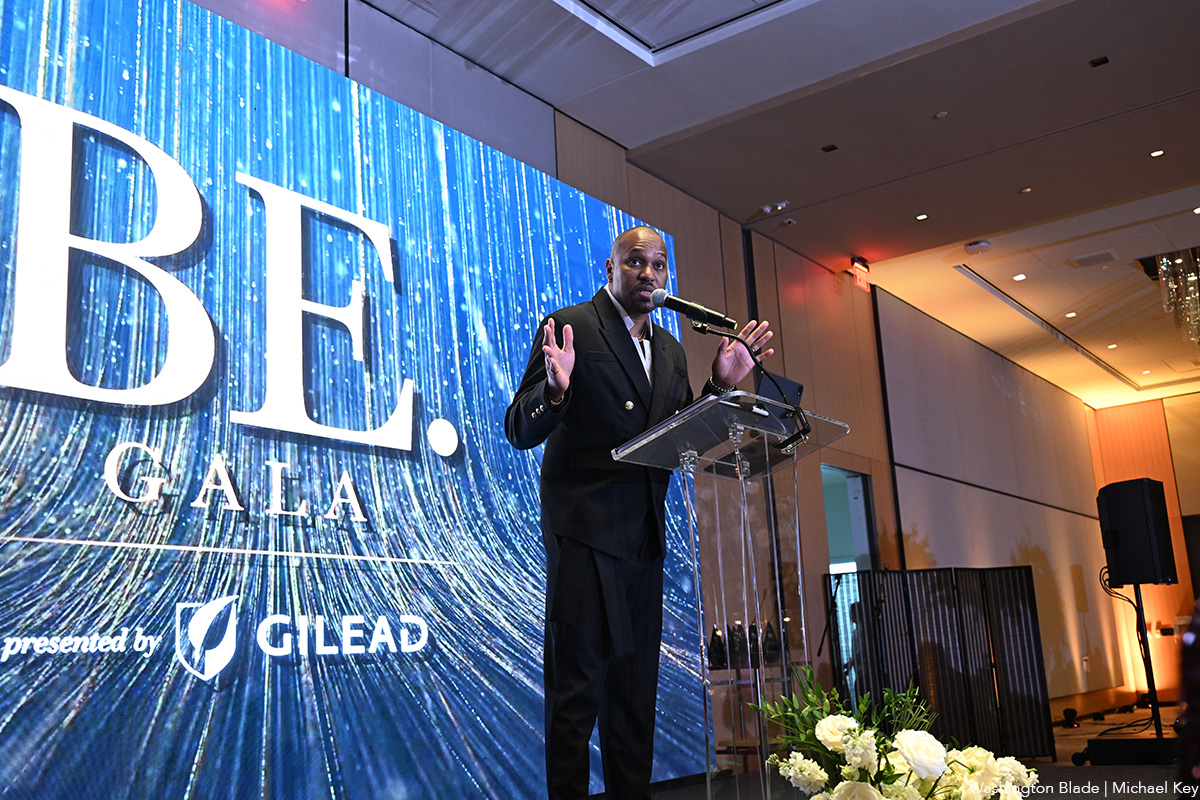
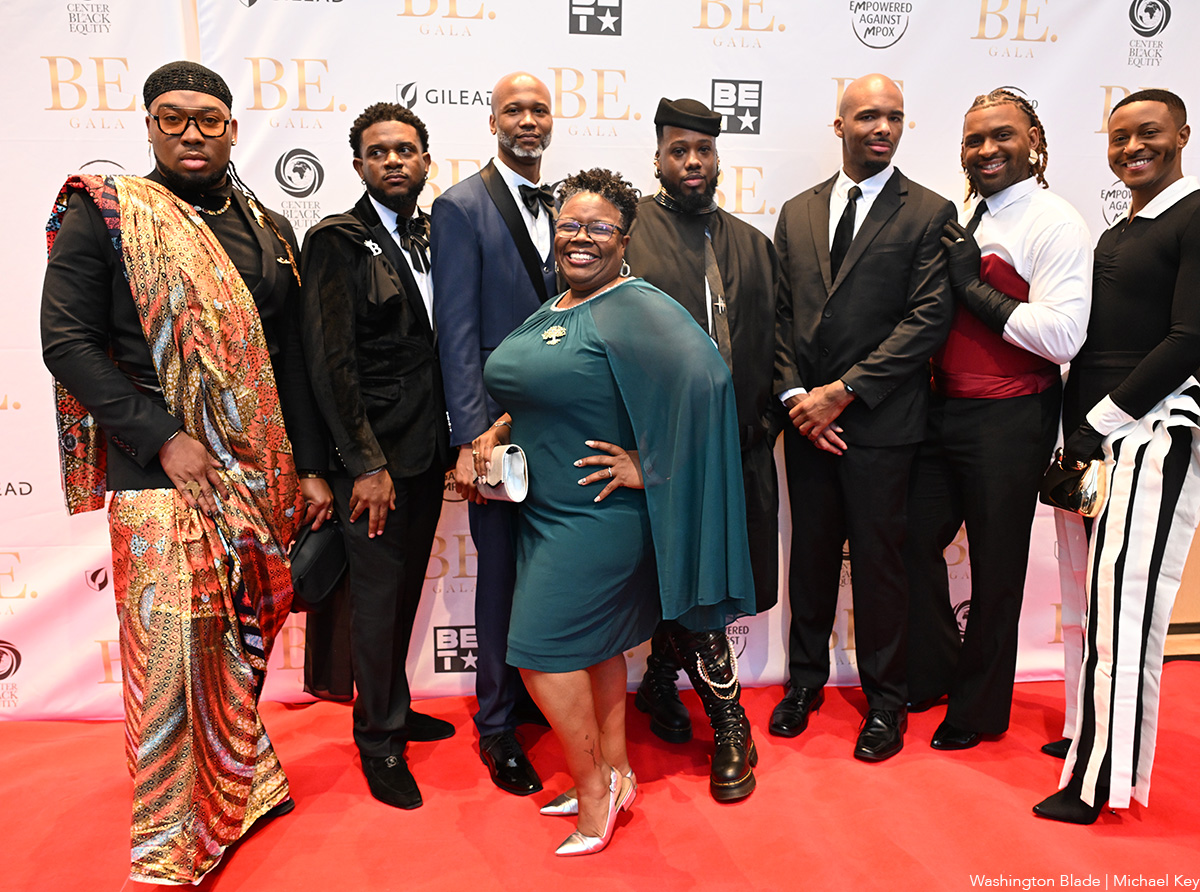
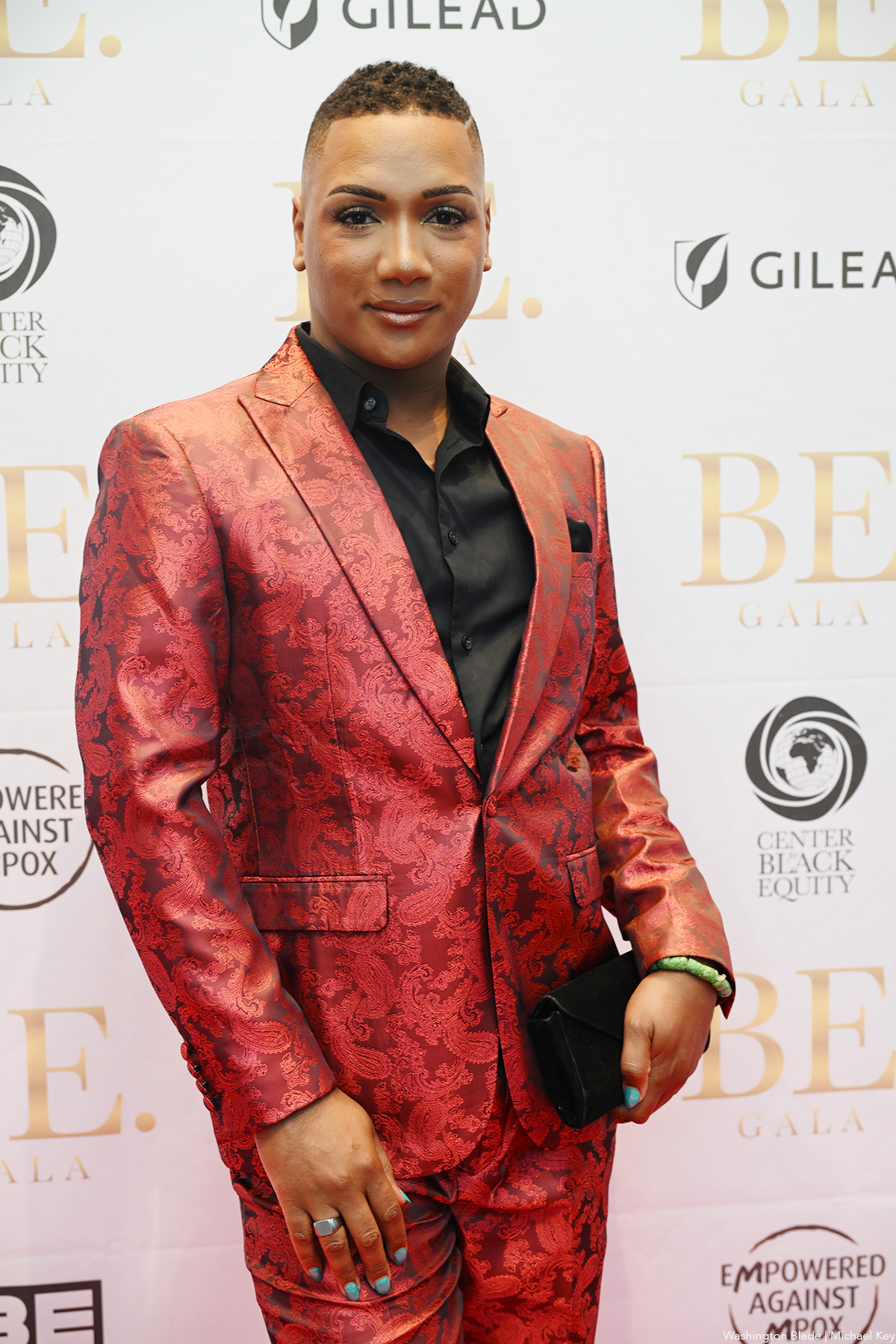
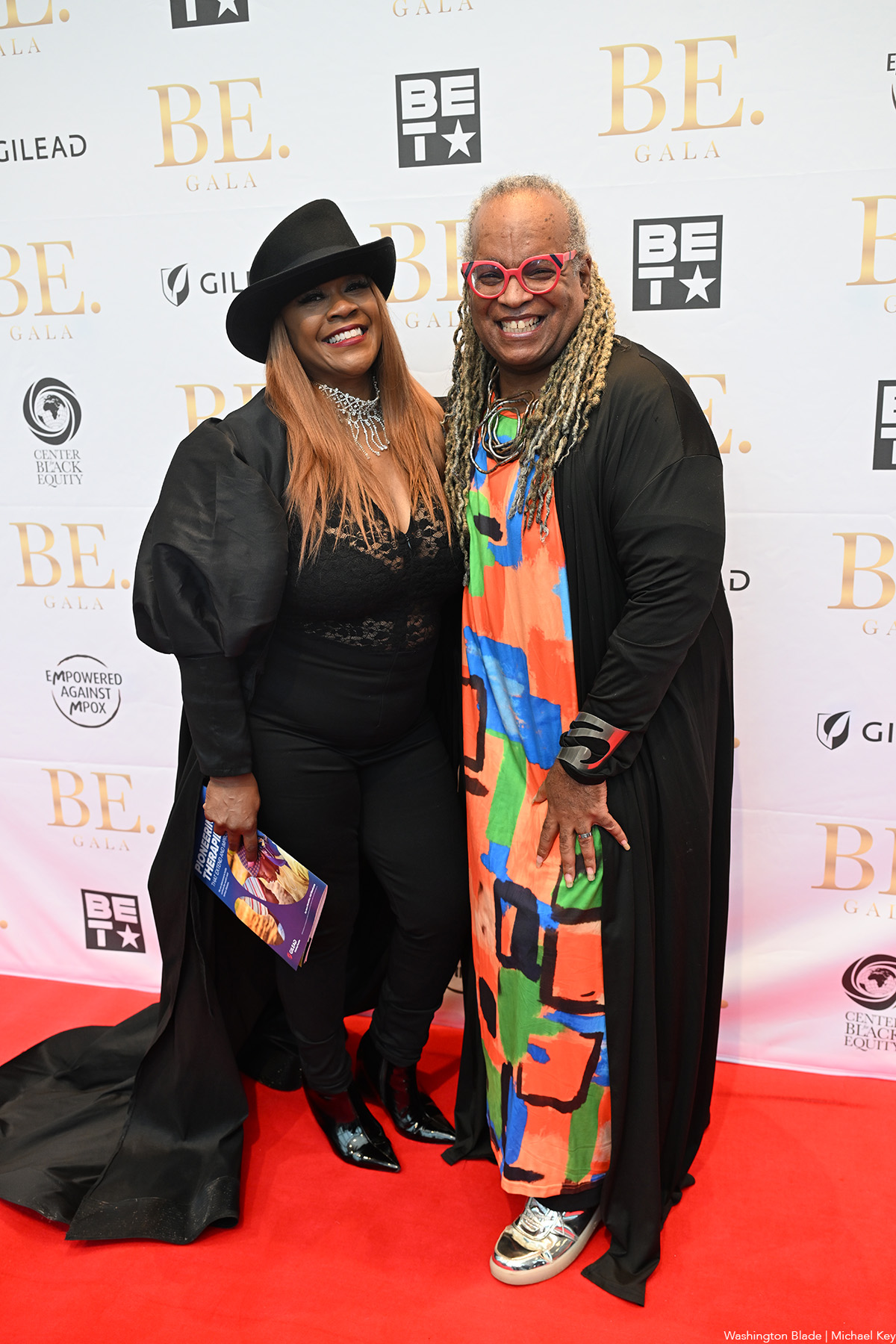
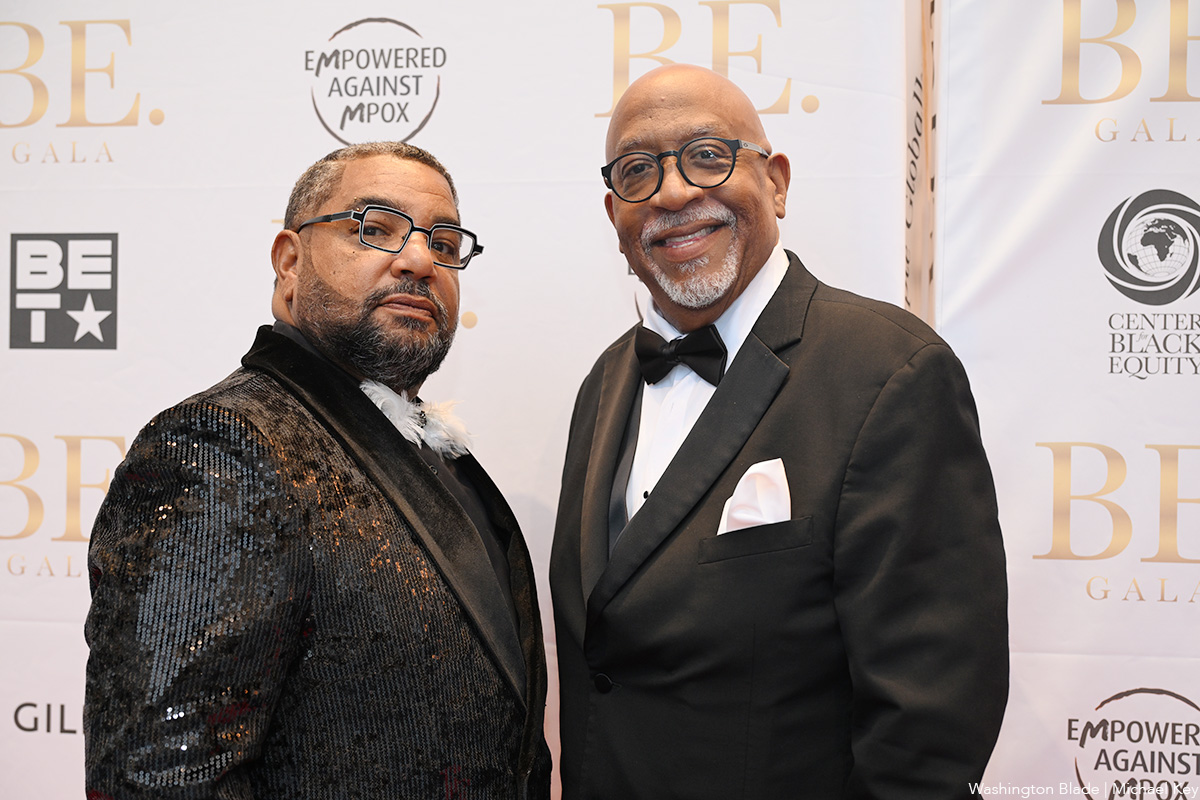
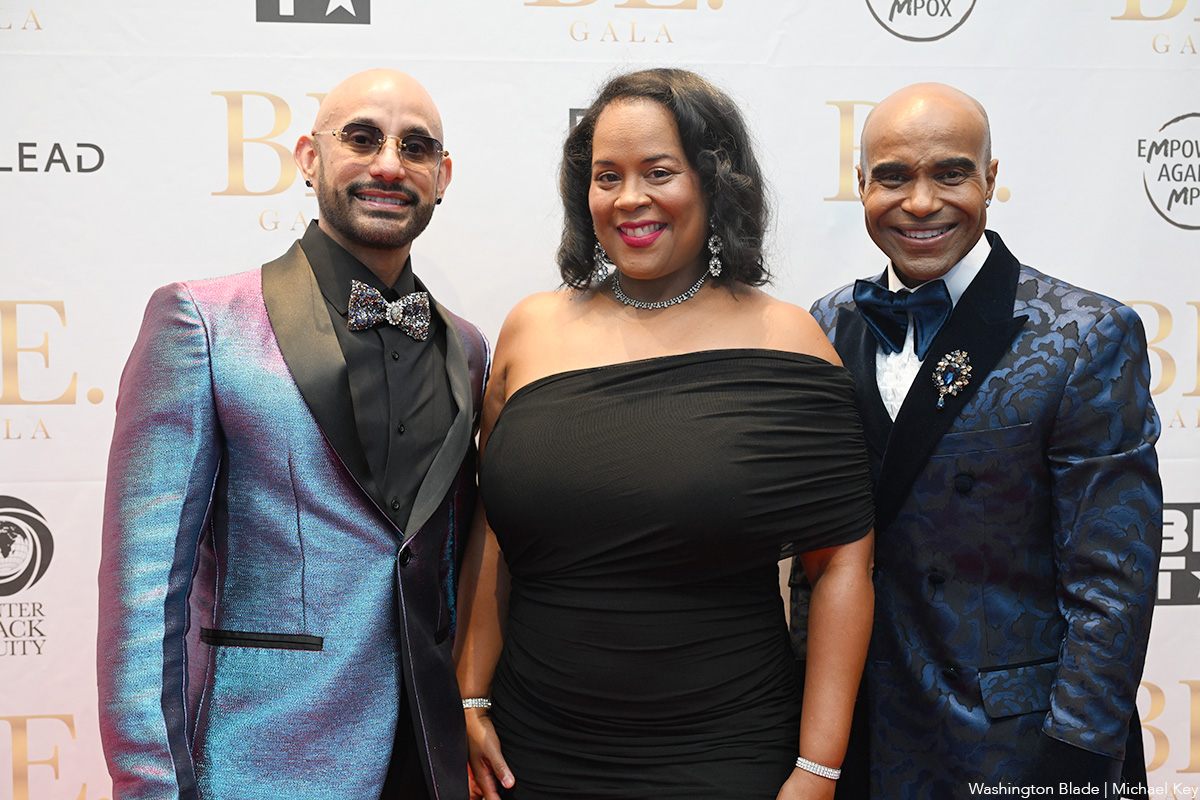
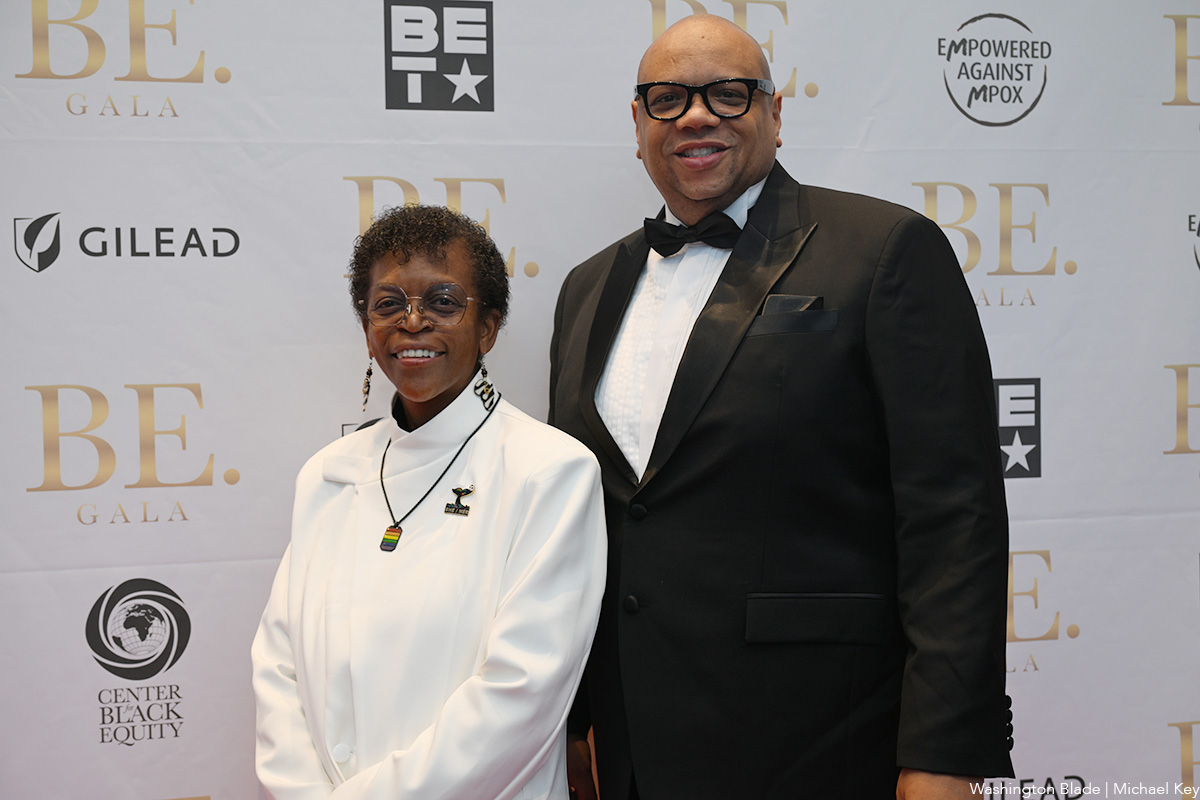
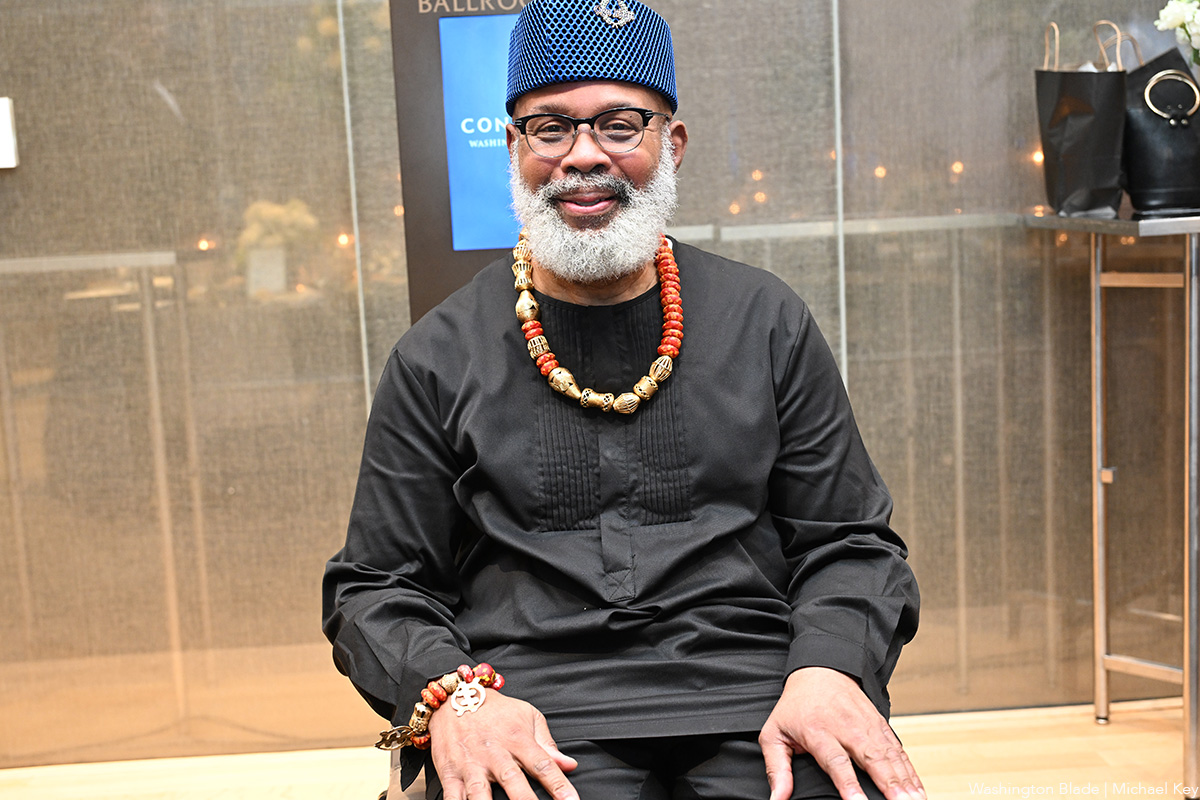
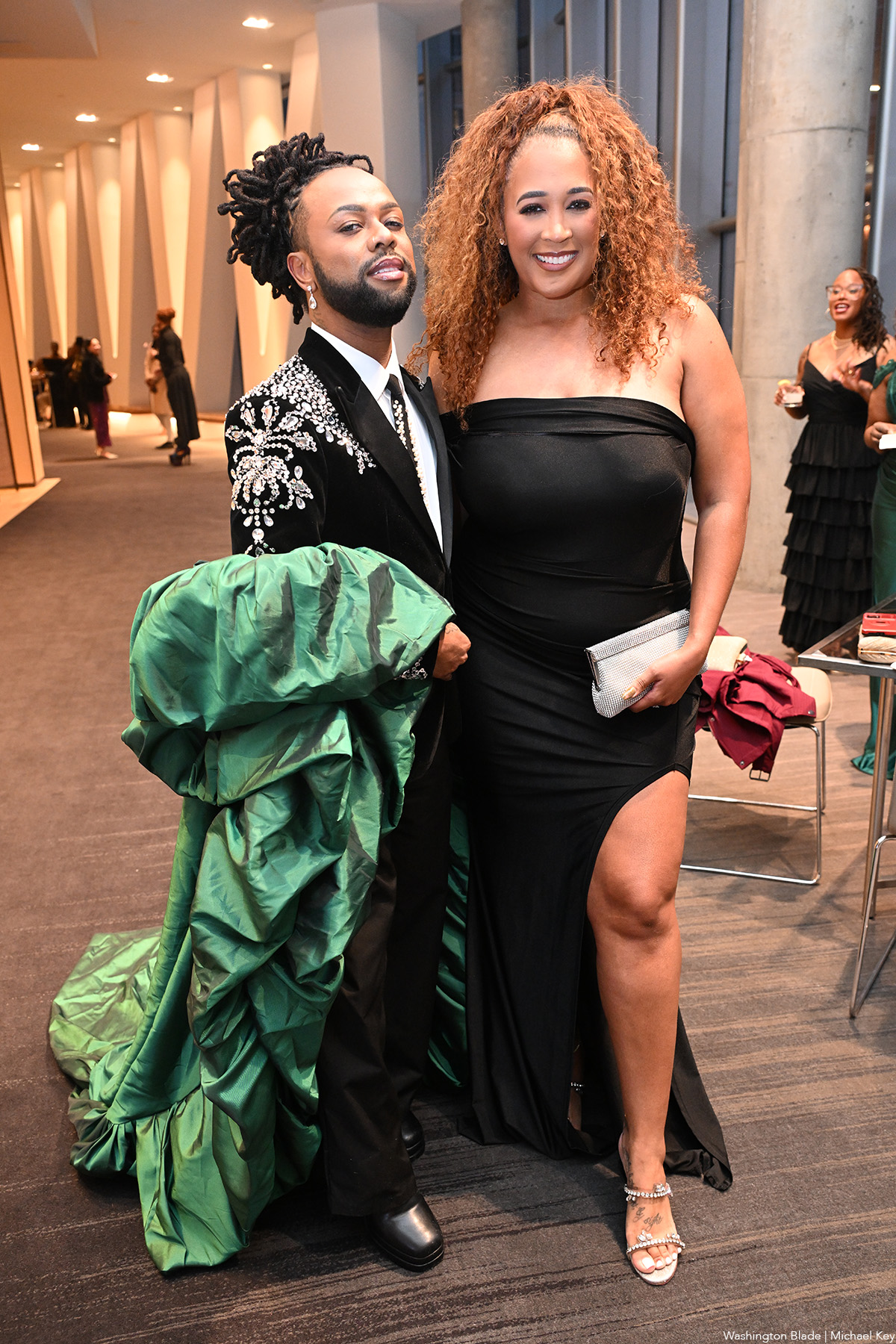
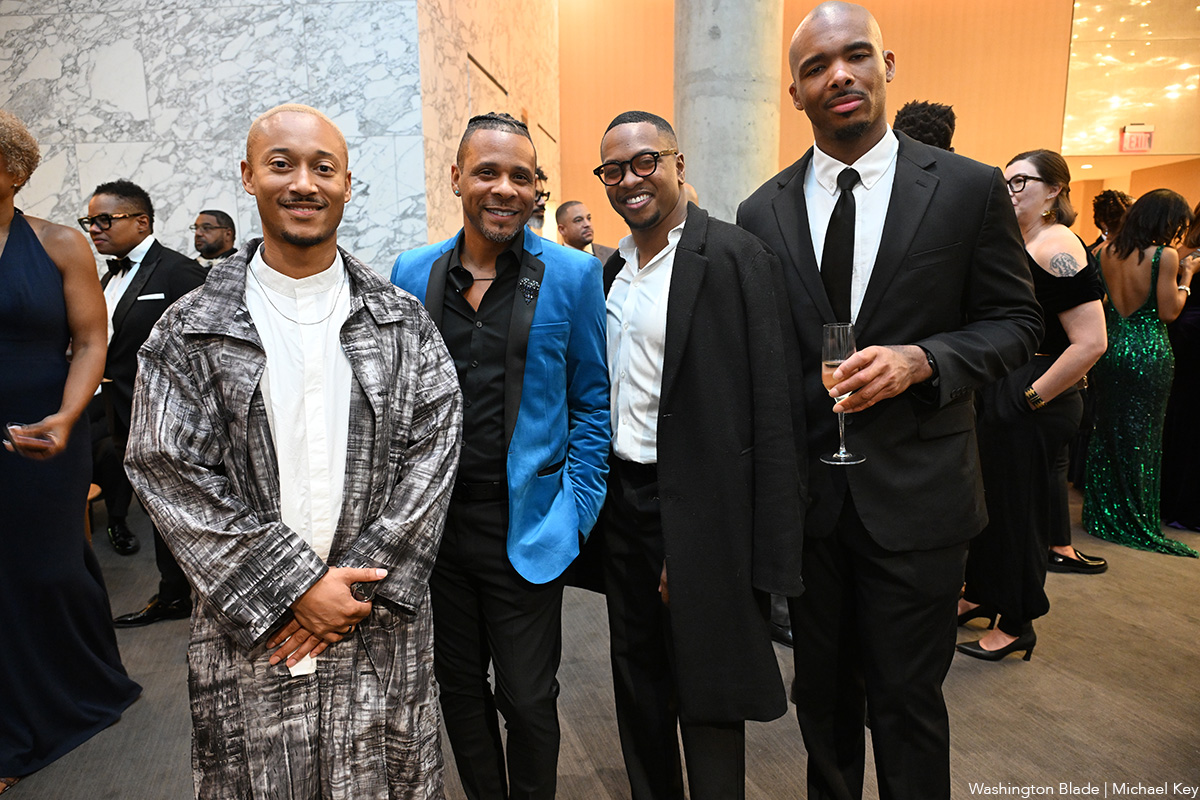
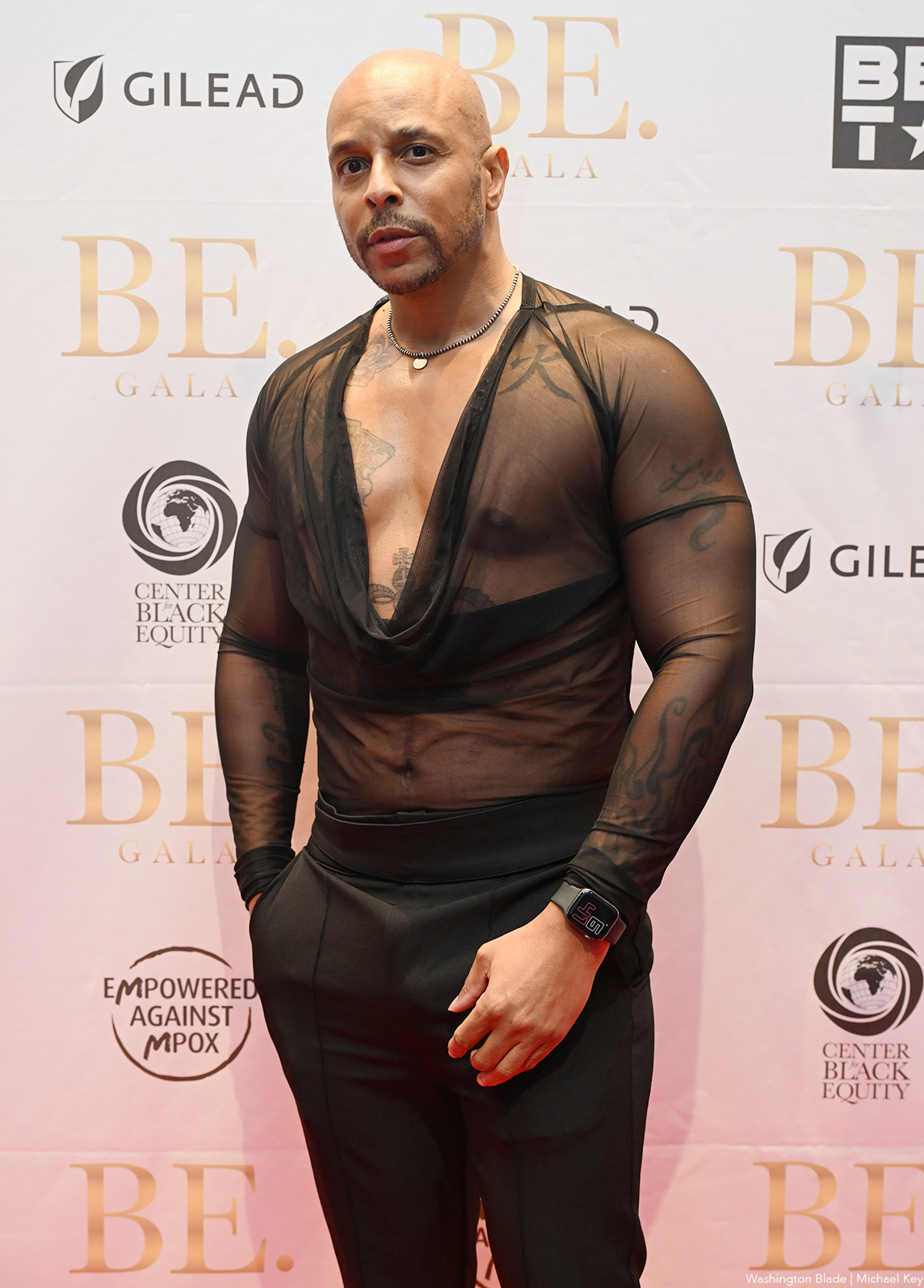
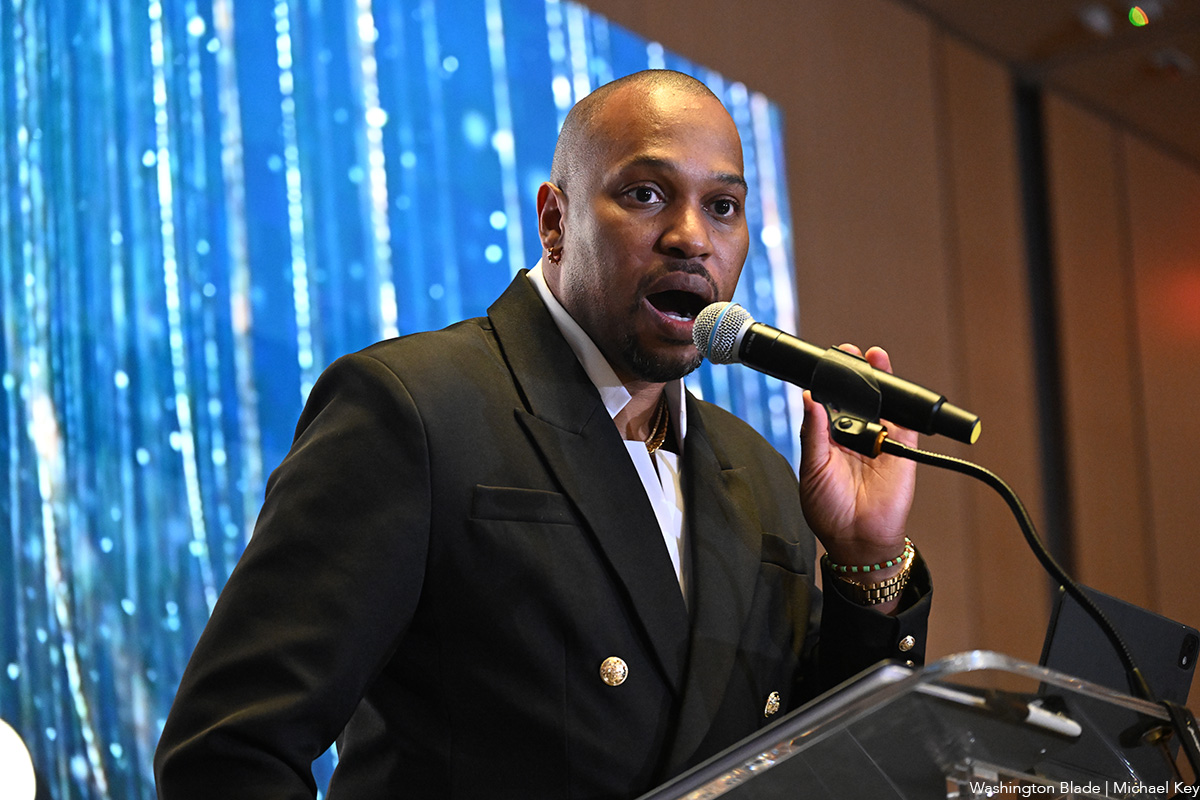
The Center for Black Equity held its annual BE. Gala at Conrad Washington, D.C. on Saturday, Oct. 5. Lolita Leopard Miyake-Mugler and Anthony Oakes co-hosted the awards ceremony.
Honorees included journalist and producer Justin Stewart; nonprofit leader Nikki Alexander; HIV advocate Marlene McNeese; the nonprofit organization FreeLux Project; actress Monroe Alise; public health advocate Tori Cooper; Manassas Park Vice Mayor Darryl G. Moore; Rev. Dr. Carmarion D. Anderson; Bishop Steven Sawyer; government relations professional Courtney Snowden; Senior Deputy Director of HAHSTA at D.C. Health, Clover Barnes; and Texas state Rep. Venton C. Jones.
The event was sponsored by Gilead.
(Washington Blade photos by Michael Key)







Books
In ‘The Lost Brontë,’ a complicated lie can lead to danger
New book features sweetly romantic girl-meets-girl twist

‘The Lost Brontë’
By Catherine Friend
c.2026, Bywater Books
$22.95/335 pages
Mom always said to tell the truth.
One lie leads to another and another and you have to remember them all until pretty soon, you’re caught. Fibs are hard, mistruths are messy, even little white social lies can destroy trust. Worst of all, as in the new novel, “The Lost Brontë” by Catherine Friend, a complicated lie can lead to danger.

Though Lilianne Loxley was very young when she lost her parents, she understood that her uncle didn’t really want her. As time passed, though, Lily made herself useful to Uncle, writing and signing letters for him and she became a good companion, helping him with his collection of Brontë memorabilia. Uncle was a keen enthusiast.
She had no idea that his obsession was out of control and he was deeply in arrears. The day Lily learned of his debt was the day she learned that he’d agreed to send her to his debtor’s home to work off the money owed.
It was so sudden. One minute, Lily was at Loxley House, happy and loved by Uncle’s staff … and five hours later, she was at Crag Thorn Manor, home of Lord Bexton, who informed her that she’d be working on his ledgers – work that seemed routine, but Lily tackled it.
Uncle always did say she was headstrong.
But would headstrong be enough to survive, when she was restricted from most of the Manor, when she was forced to dine with Brexton and his slimy friend, or – the worst! – when Brexton told Lily that her next task was to forge a letter from Emily Brontë? And then an entire manuscript?
Lily struggled to do what was right. She had to get Uncle out of debt but this last order horrified her. Did she dare refuse Brexton’s orders and commit a crime? It was unthinkable!
The only brightness in the whole situation was Wren, the ladies’ maid assigned to Lily’s room. Wren was adorable with freckles and the sweetest smile. But with everything else happening at Crag Thorn Manner, could Lily act upon her feelings?
This time of year, you may come to crave dark, spooky stories, and “The Last Brontë” fits those needs perfectly with its Gothic deliciousness. Think: Daphne du Maurier-type, stormy-night squirms with a dangerously chaste, sweetly romantic girl-meets-girl twist for fun.
If it’s been awhile since you’ve read a Gothic novel, you’re in for a nice reminder of why you love them here. You can almost tick off the must-haves: a novel like this is nothing without a foreboding stone manor with damp walls; stone steps to a dank basement; a mysterious portrait; and a nearby bog, and author Catherine Friend gives readers every one of them. You’d be disappointed if there was no ghost, wouldn’t you? Ha. You can practically feel the cold blow through the attic, right? Yeah, it’s that kind of book.
If you’re a fan of the Brontës, you’ll like this novel. If you love Gothic mysteries or Victorian romances, ditto. “The Lost Brontë” is good, no lie.
The Blade may receive commissions from qualifying purchases made via this post.
Out & About
CAMP Rehoboth Block Party returns Oct. 18
Expect performances, vendors and more at annual celebration

CAMP Rehoboth will host its annual Block Party celebration on Sunday, Oct.18 at 11 a.m. on the second block of Baltimore Avenue in downtown Rehoboth Beach.
CAMP Rehoboth invites all community members to join in the festivities and to expect magnificent performances and dozens of vendors, including artists, craftspeople, non-profits, businesses, and more.
The event started in 2015 in celebration of CAMP Rehoboth’s 25th anniversary. This year, attendees can expect to shop sea glass art, pottery, jewelry, Pride merch, body care, clothing, and learn more about local non-profit causes and businesses.
Attendance is free. For more details, visit CAMP Rehoboth’s website.

Annie Andrews denounces trans athletes after Trump targets her

On Republican Long Island, gay Democrat Chris Gallant bets on public service over politics

Report: LGBTQ exclusion costs Japanese economy billions a year

Center for Black Equity honors leaders, activists at BE. Gala

In ‘The Lost Brontë,’ a complicated lie can lead to danger

U.S. int’l trade negotiator, consultant James Bedore dies at 82

Campaign urges Virginia High School League to reverse stance on trans athletes

Calif. GOP gubernatorial candidate ad ‘disgusting attempt to exploit lesbian intimacy’

Center Arts Gallery celebrates 10 years with reception, auction

Trump, Netanyahu, and Putin are all war criminals
-

 Obituary4 days ago
U.S. int’l trade negotiator, consultant James Bedore dies at 82
-
Virginia4 days ago
Campaign urges Virginia High School League to reverse stance on trans athletes
-
California4 days ago
Calif. GOP gubernatorial candidate ad ‘disgusting attempt to exploit lesbian intimacy’
-
Commentary4 days ago
Center Arts Gallery celebrates 10 years with reception, auction