Arts & Entertainment
Covering the action
New online sports network devoted to LGBT athletic tournaments
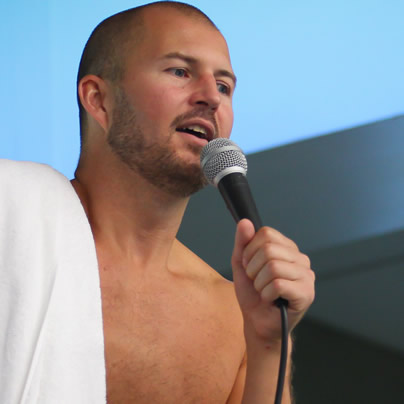
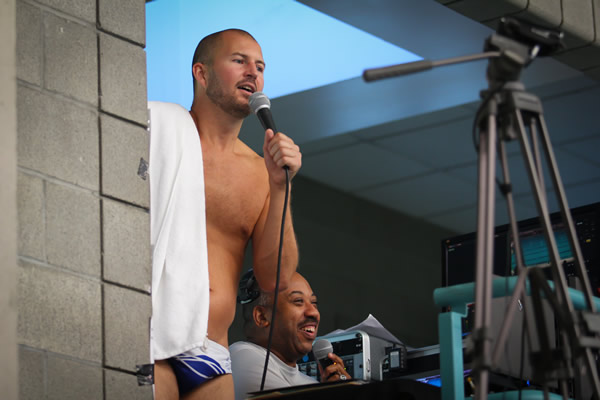
(Photo courtesy of the CCE Sports Network)
The recognition of LGBT sports in the United States has reached new levels in the past few years with help from the support of advocacy groups, politicians and straight allies.
The emergence in 2012 of the CCE Sports Network is the latest stamp of validation for the growing LGBT sports movement. The CCE Sports Network is the nation’s only live web streaming sports network dedicated to the LGBT sports community.
The United States is home to more than 200 LGBT sports tournaments and the Network is presenting a portion of those events to athletes, family members, friends, fans and supporters all over the world.
The Network, which launched in May 2012, is the brainchild of Thomas Garnet and Adrian Uribazo who bring 17 years of video experience to their company.
“We had been searching for something new and different,” says Garnet. “We had been considering Pride Festivals, but that was already being covered.”
During the Miami Pride Festival, the pair stumbled across the tennis booth, which was promoting a tournament in Key Biscayne. The Sunshine Tennis Cup would become their first tournament coverage.
As of September 2013, the Network has filmed 12 live broadcasts in cities such as Miami, Atlanta, Indianapolis, Las Vegas, New York City, Fort Lauderdale, Orlando and Washington. The sports covered so far have been tennis, soccer, swimming, water polo, diving and synchronized swimming. They recently covered the Capital Classic XXI tennis tournament in D.C.
“Our goal for 2014 is 20 tournaments,” says Garnet. “We are also planning on adding volleyball, flag football, basketball, rugby and softball to the sports line up.”
The network’s production workflow is set up for a multi-camera live web streaming, complete with play-by-play commentary, score updates, social media updates, live chats, commercials and music. Upgrades can be made to the broadcast to make it look and feel more like traditional sports television.
“Guest commentators have been a big hit for us,” says Garnet. “We invite player-athletes into the booth to give their own perspective and insight into the players and matches. It ends up being informative and funny.”
My first interaction with the CCE Sports Network was at the International Gay and Lesbian Aquatics Championships (IGLA) in Seattle last month. I walked into the natatorium, saw their equipment and was immediately intrigued. I finished my swimming races for the day and Kris Pritchard of the Washington Wetskins told me their next water polo match was that afternoon.
After returning to my hotel room, I logged onto the CCE website and there was the water polo match; live and with commentary. I was overwhelmed that this network has set up a platform to profile and recognize the skill, talent and athleticism of the LGBT athlete.
The stories that that emerged as a result of the CCE Sports Network coverage of IGLA were incredibly touching.
A water polo athlete went up to the commentator booth and asked to give a shout out to his brother, who was serving in the Paktika Province in Afghanistan and was watching his little brother play water polo on his iPad.
A sister got to watch her brother compete in swimming for the first time since high school and a father almost missed his flight at Chicago’s O’Hare Airport; he wanted to watch his little girl compete.
Similar stories were heard after the CCE coverage of the Capital Classic tennis tournament, here in D.C. From their Twitter feed:
@CCESportNetwork I’m thrilled w/ your coverage! I hadn’t been able to see my brother compete since HS! I still can’t get over how fun it was to watch my brother play again! I missed getting to cheer for him!
With the CCE Sports Network still ramping up their operations, there will be many more feel-good moments to come for athletes and their friends and families.
“By 2015, we hope to have weekly live tournament broadcasts along with our own monthly sports show,” says Garnet.
For now, CCE is working on gaining new sponsorships, building their video archives and acquiring connections in the European market. The visibility they’re providing in showcasing the athleticism of the LGBT sports athlete will certainly help to further the cause of the LGBT sports movement to rid the playing field of homophobia.
You can see the Capital Tennis Association players, the Washington Wetskins water polo players and the District of Columbia Aquatics Club swimmers in action in their video archives at ccesportsnetwork.com.
Books
New book reveals what we can learn from animal sex
‘Poking the Squid’ on homosexuality, gender swapping, and more
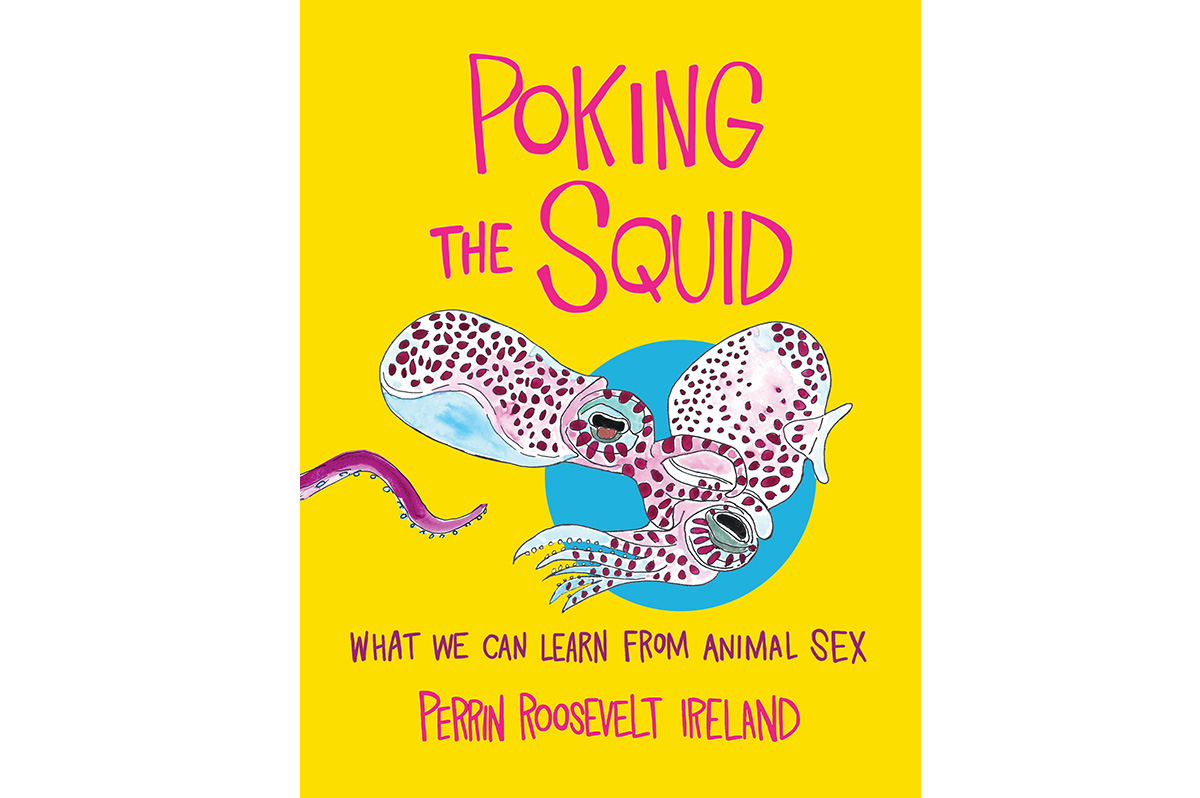
‘Poking the Squid: What We Can Learn from Animal Sex’
By Perrin Roosevelt Ireland
c.2026, W.W. Norton
$29.99 241 pages
Birds do it.
According to Cole Porter, bees do, too, but it’s not exactly what he imagined. Wild and tame, avians, insects, and mammals all have sex – although not always as you’ve been told or for reasons you might think. Even educated fleas do it and, as in the new book, “Poking the Squid” by Perrin Roosevelt Ireland, humans can learn from them all.

If you read through scientific papers on animal reproduction, you might notice something unusual: for scientists, the word “sex” means a lot of different things.
Says Ireland, “It’s used to describe behaviors, biology, life histories, and more.”
That might be because animals are not simply binary.
Take, for instance, hyenas. It’s easy for the casual observer to mistake a male hyena for a female and vice versa because of stereotypes of anatomy. Mating, for hyenas, requires subordination for the male and a nifty trick on the part of the female’s body to get things done.
Our feathered friends are no birdbrains, either: black-browed albatrosses were once thought to be monogamous but global warming seems to have changed their nesting habits sometimes. Male flamingos have sex with one another, as a territorial thing; other birds and animals form same-sex pairs for other reasons.
The Chinese mantis eats her mate after fertilization. Female snakes, alpacas, guinea pigs, and monkeys are anatomically able to enjoy sex. Genitalia between species varies quite a bit; in fact, the vaginas of ducks “are highly complex.” Lionesses will mate up to 100 times when in heat. Female damselflies will change into a “third sex” to avoid overly aggressive mating males. Bearded dragons can change their sex, if needed, as can yellow clown goby fish. And seahorse pregnancy and birth sparked a book banning in Tennessee.
So, asks Ireland, if animals, including us, vary so much in biology and life, “… why are we using the word sex like it means something, anything, consistent?!”
Pick up “Poking the Squid,” page through it a few seconds, and you’ll see that the information here is largely told through cartoon-like drawings mixed with captions. It seems to be something on the lighter side, but don’t let that artwork fool you.
Author Perrin Roosevelt Ireland offers readers solid information that cozies up to the scholarly, with hard science, philosophy, feminism, and quotations from researchers to support it, thus furthering the narrative and hitting the points squarely. If you see the art and expect something lighthearted, comic, and small-talk-worthy, you could be disappointed.
On the other hand, if you want solid, wryly serious facts, you’re in for a treat.
There’s lots of learning to be gleaned here, and some slight nudge-wink whimsy to emphasize the absurdity of wrong-headed thinking. This can make readers feel like they’re in-the-know on the jokes, and the playfulness balances the seriousness of the information well.
So, serious, scholarly, or slightly silly, none of these are negative but you’re going to know what you want from a book like this. For the right reader, someone in the mood, “Poking the Squid” is wild.
The Blade may receive commissions from qualifying purchases made via this post.

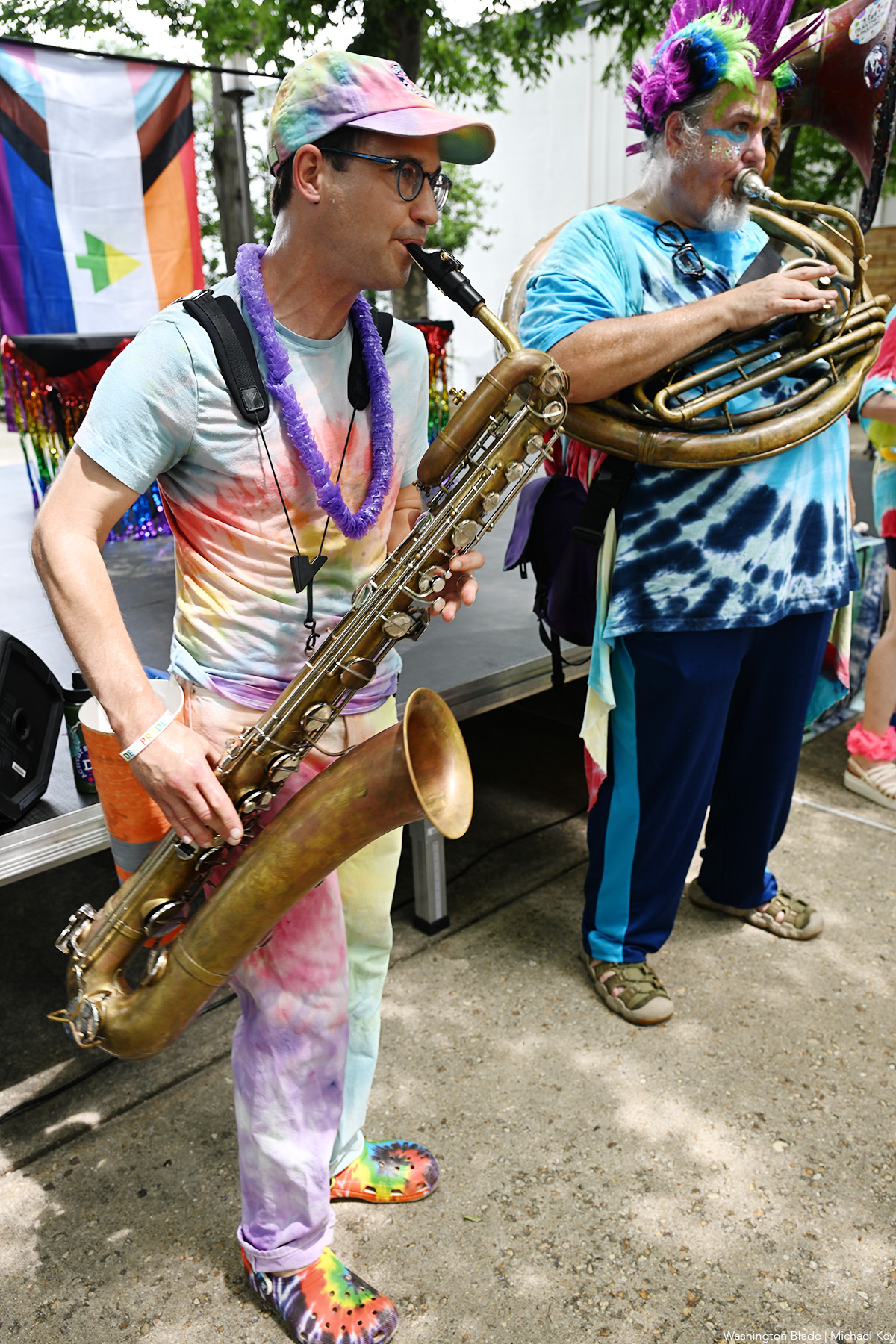
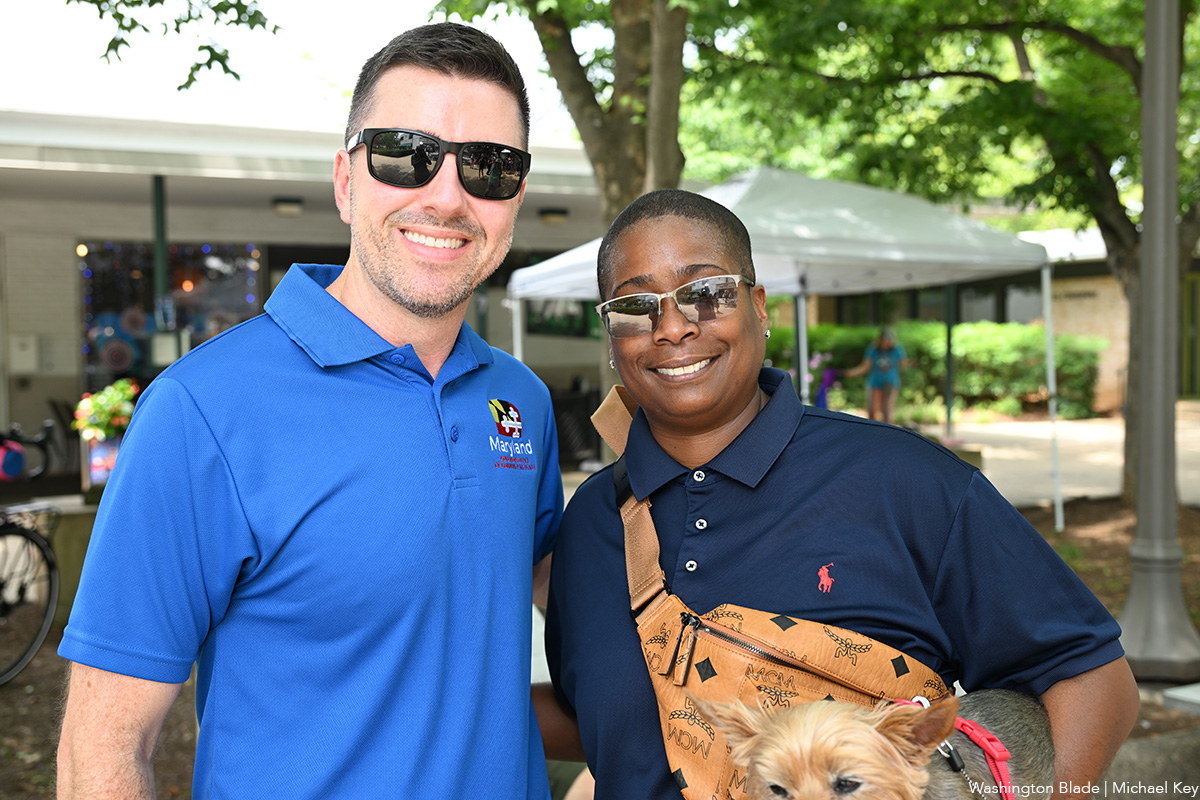
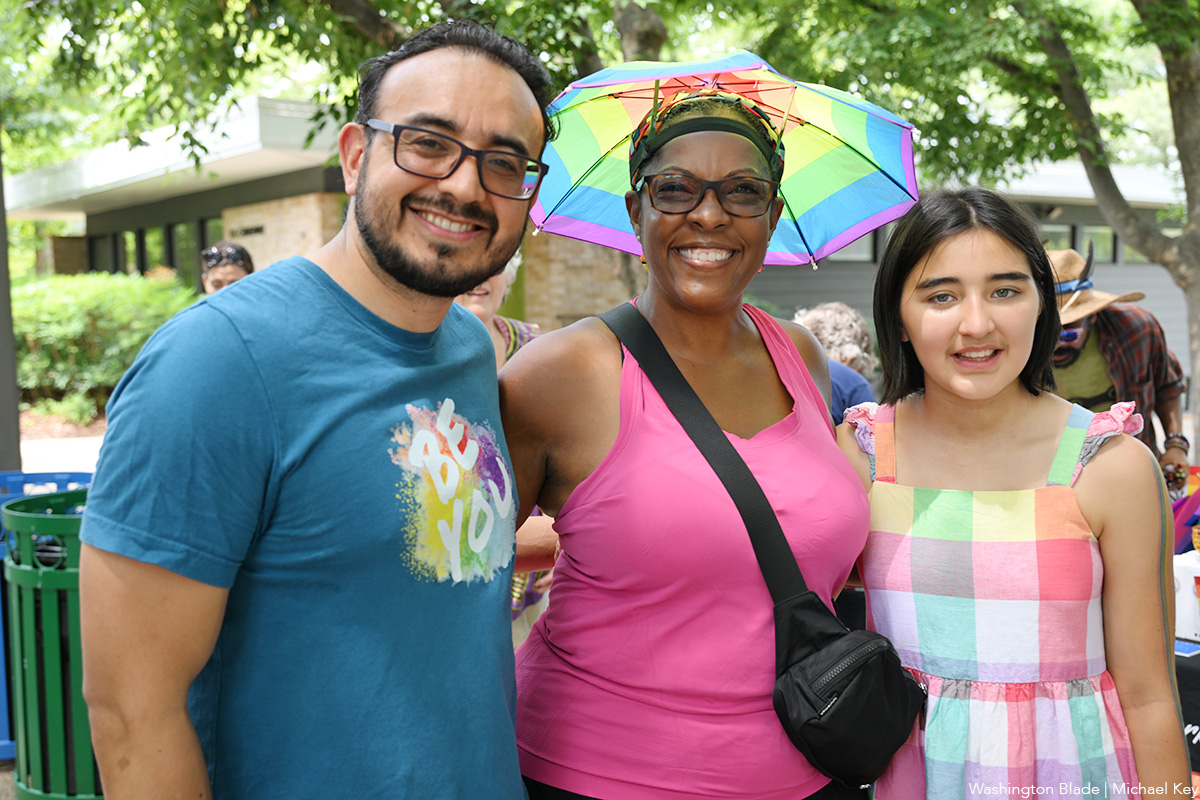
The eighth annual Westminster Pride Festival was held at Westminster City Park in Westminster, Md. on Saturday, July 11.
(Washington Blade photos by Michael Key)
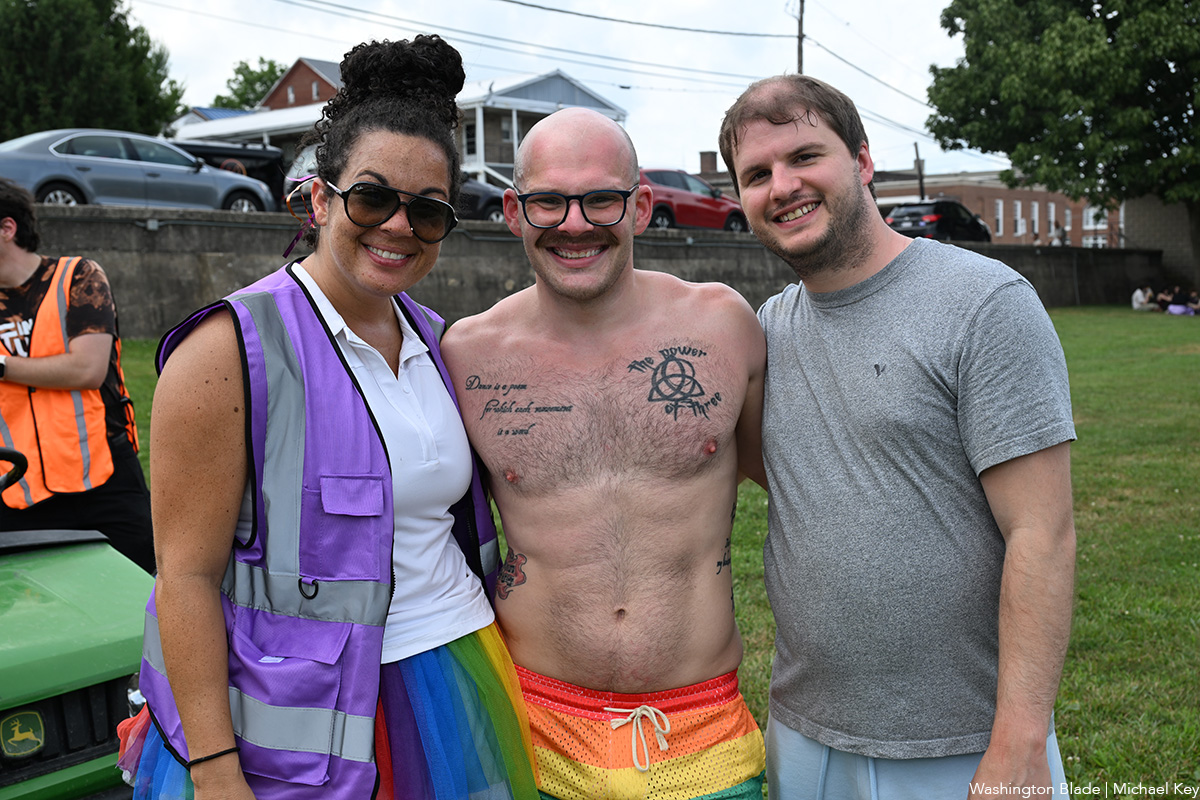

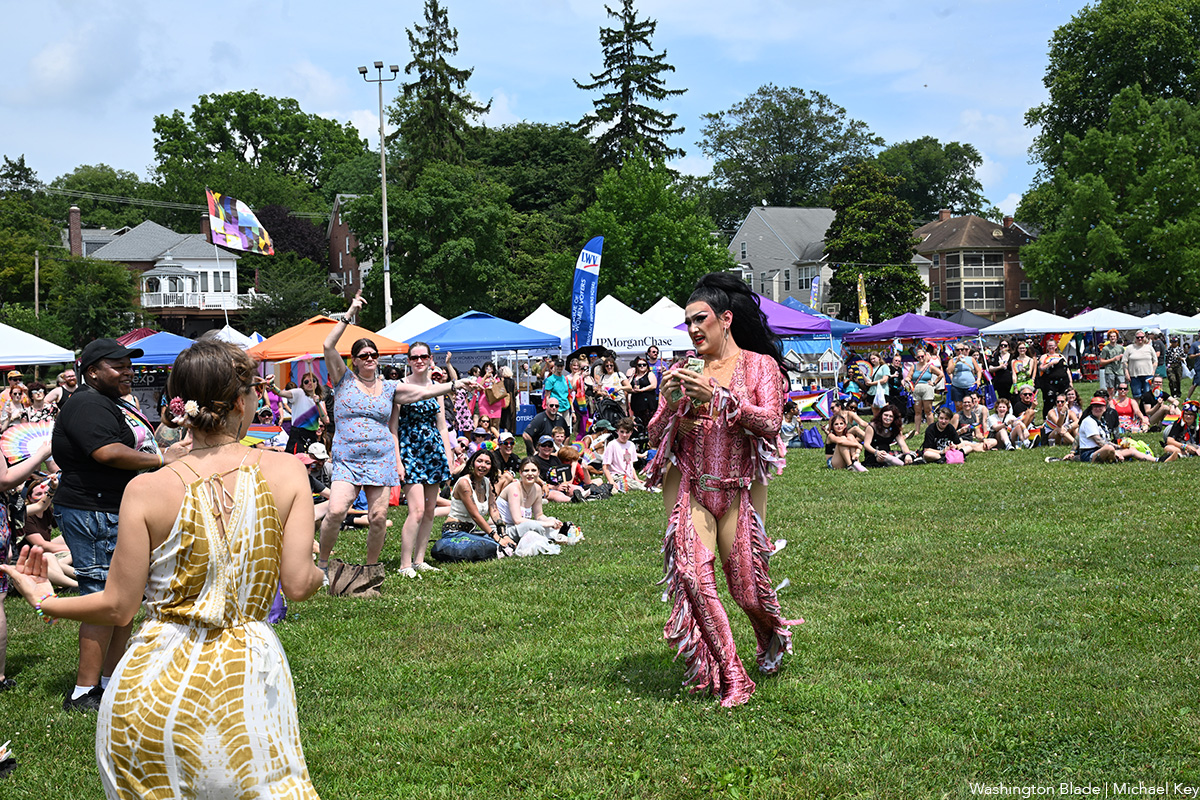
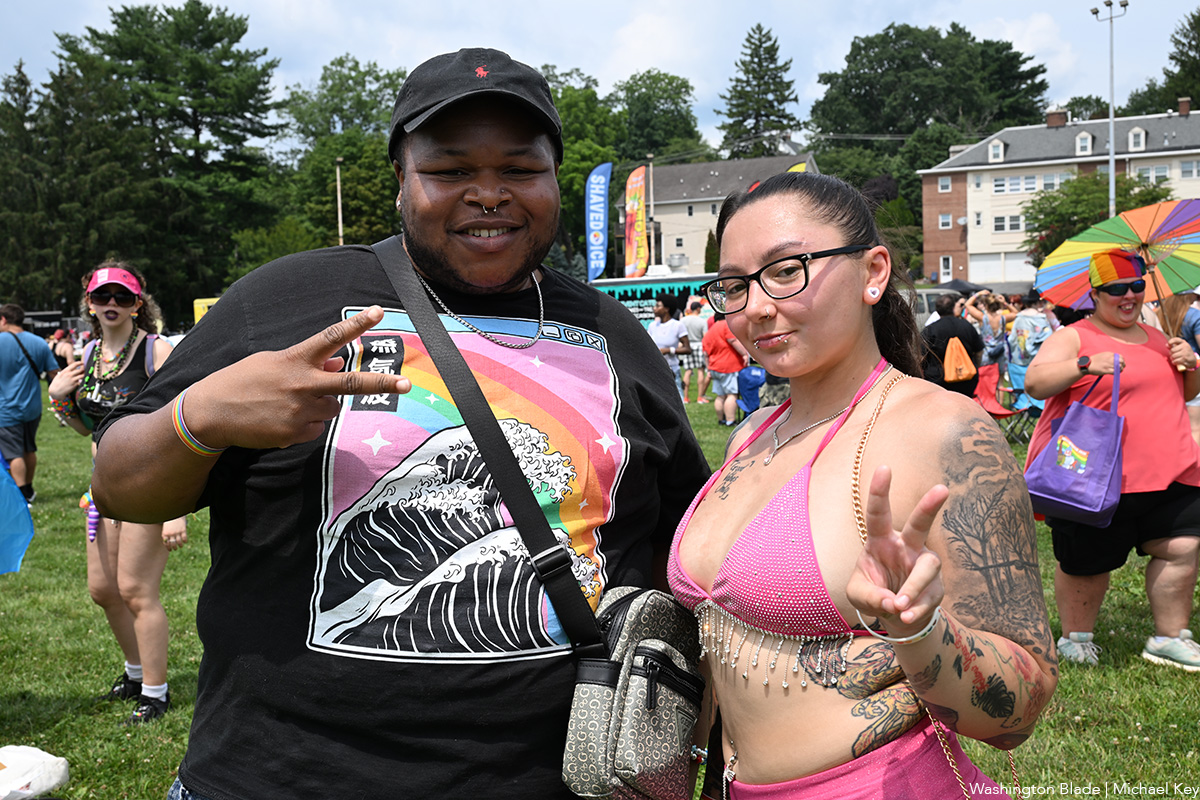
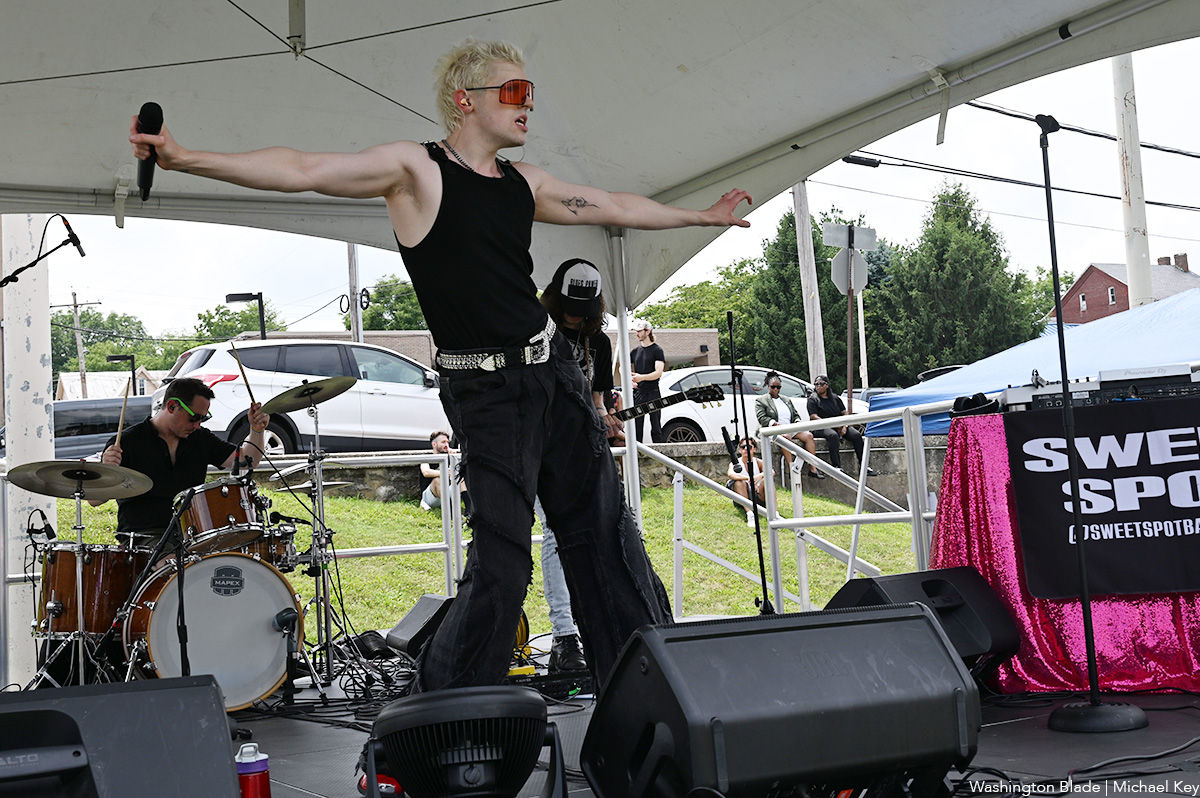
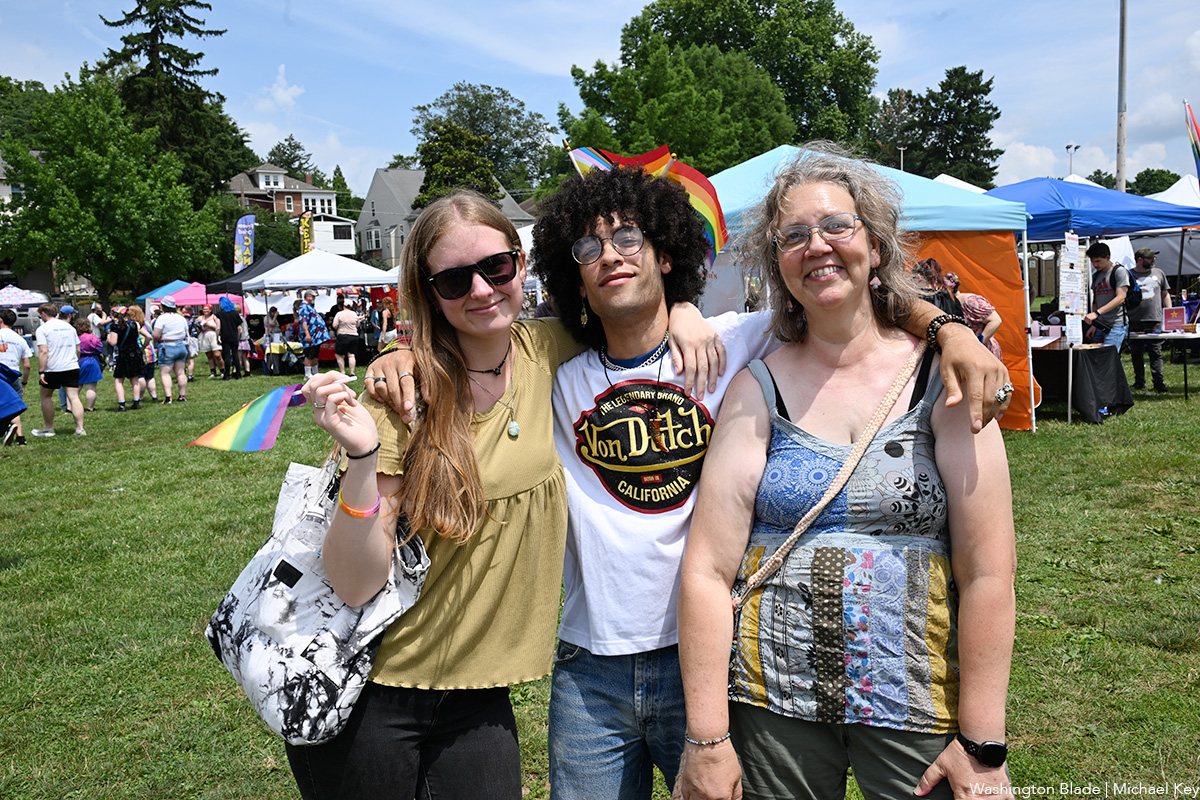

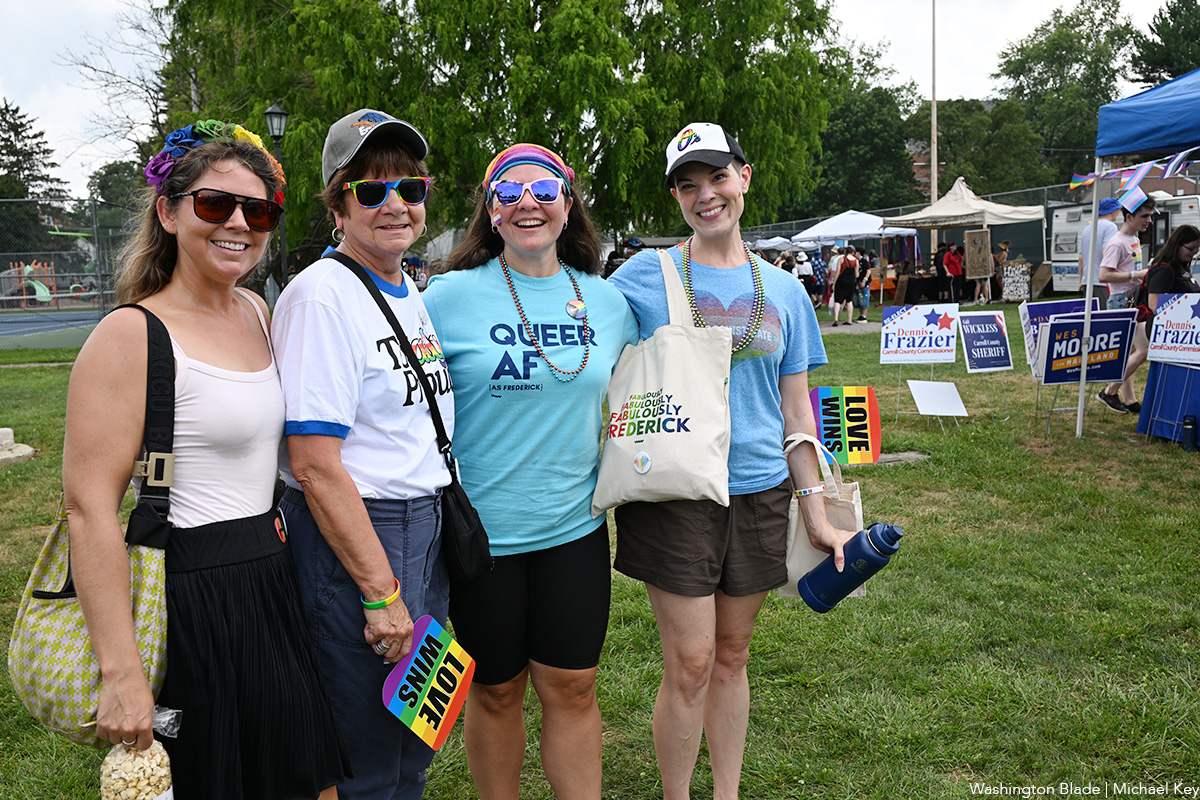
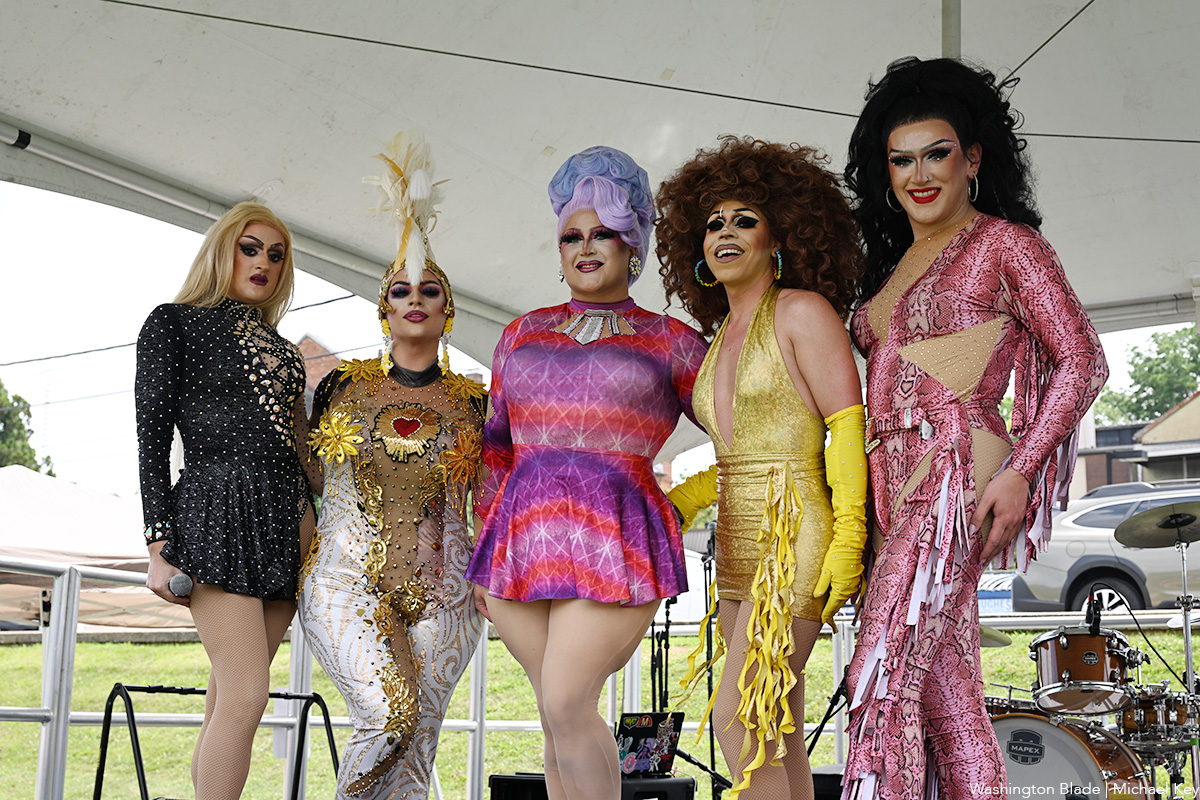
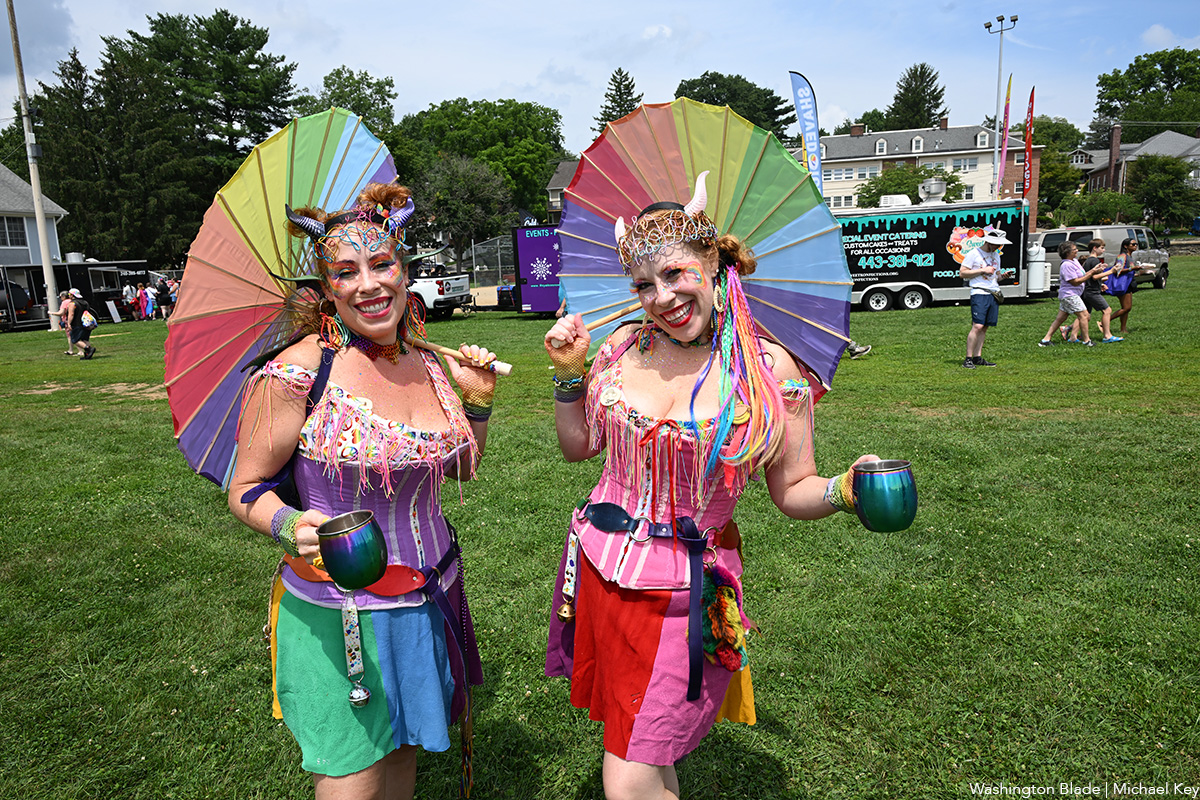
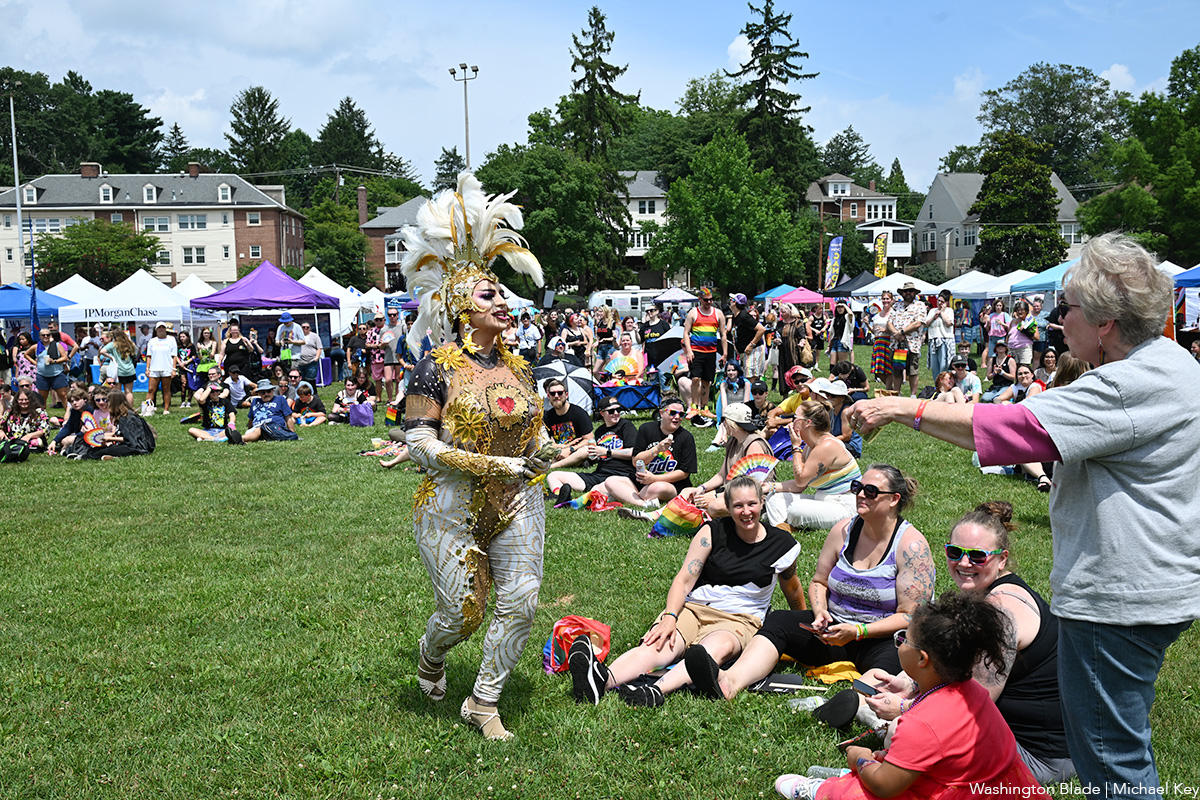
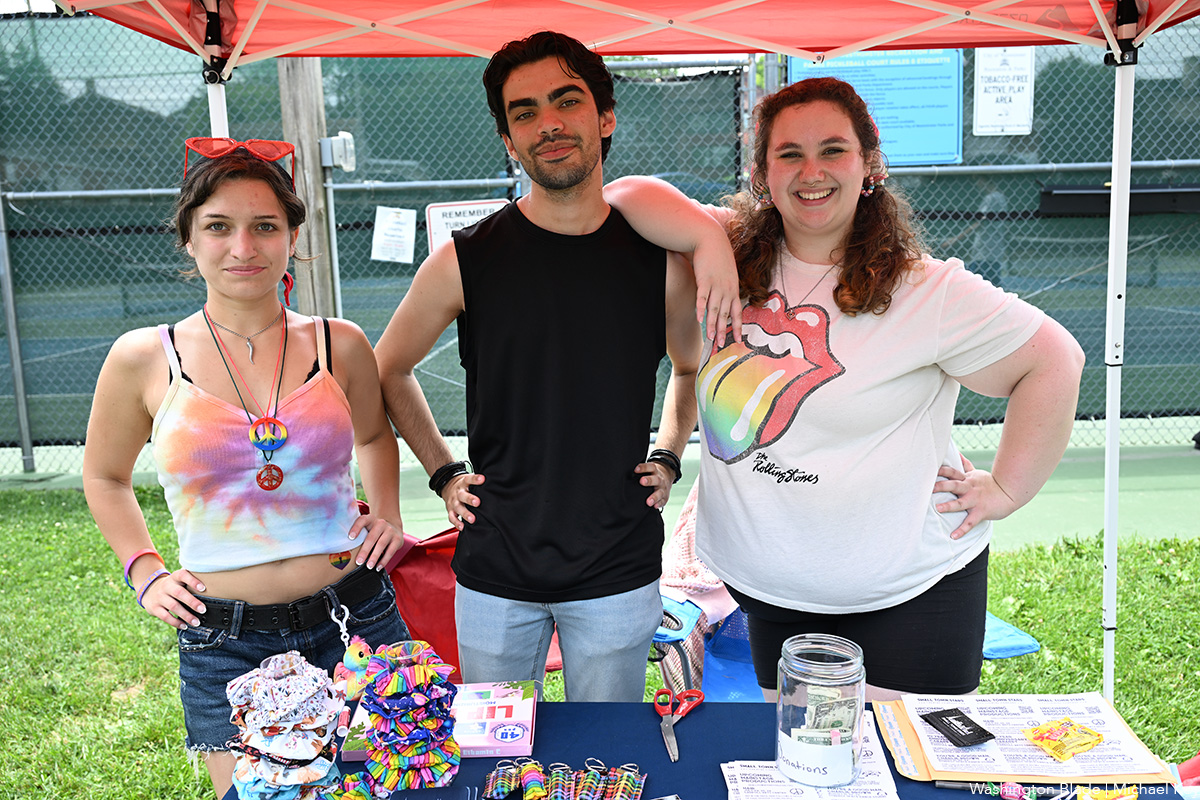
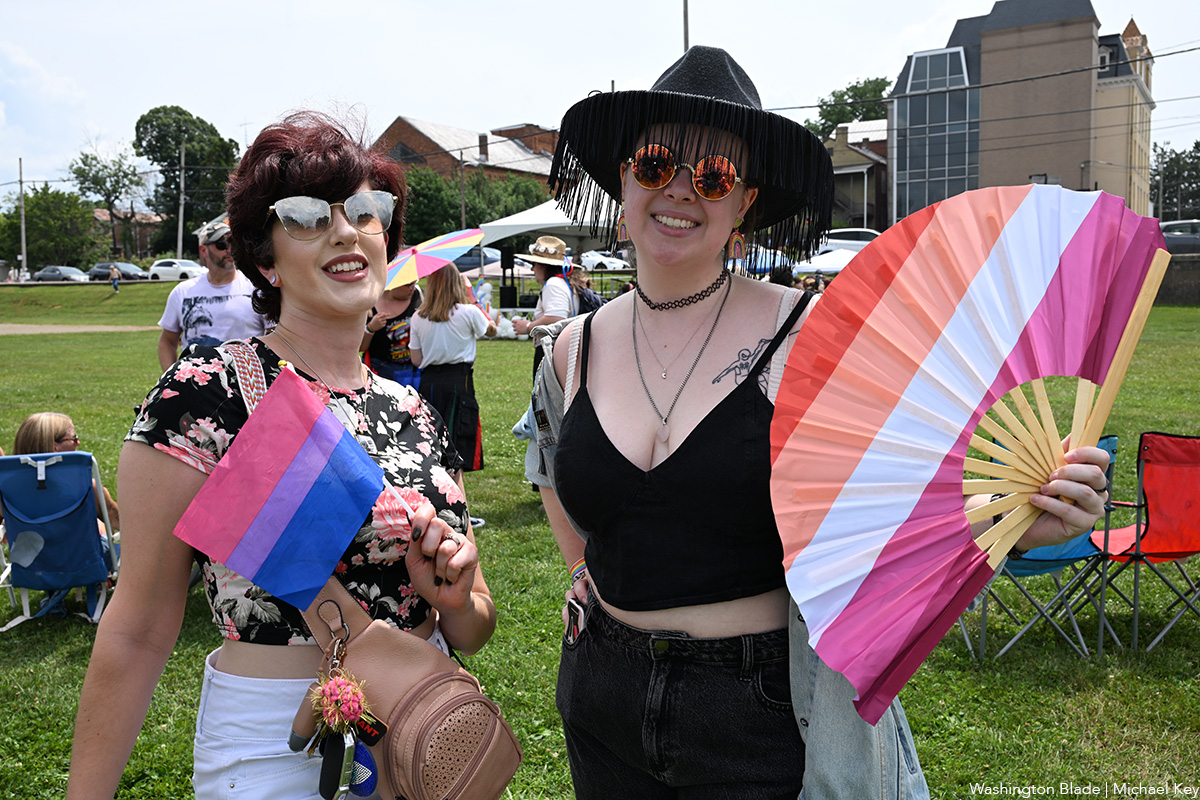
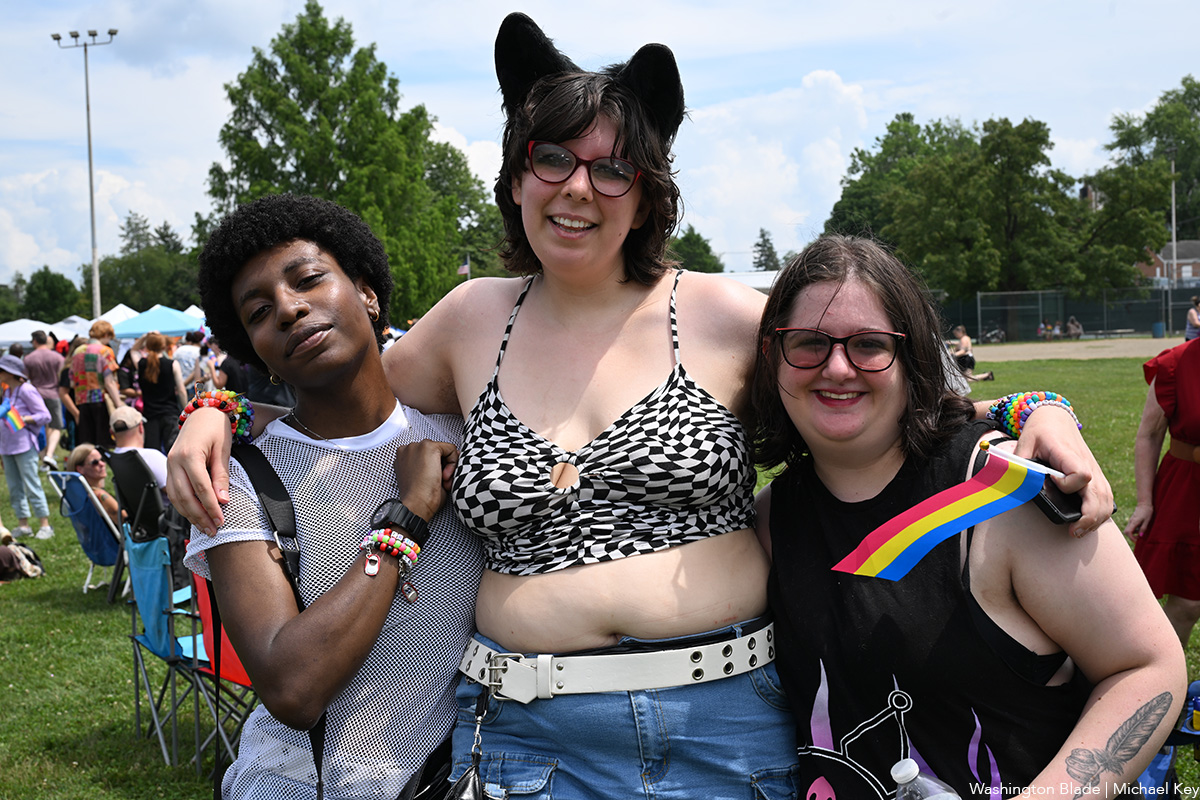

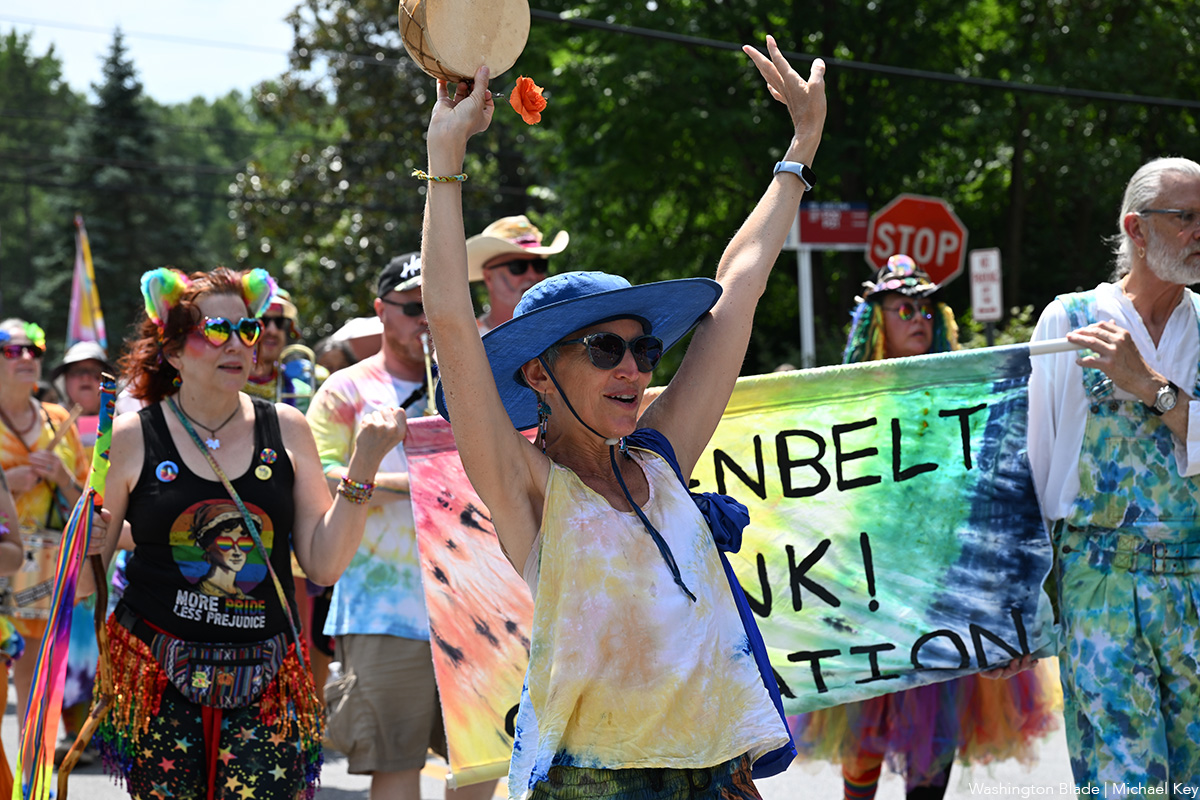
The fifth annual Emerald City Pride was held in Greenbelt, Md. on Saturday, July 11.
(Washignton Blade photos by Michael Key)






View on Threads

New book reveals what we can learn from animal sex

Who might replace Lindsey Graham? The contenders and their LGBTQ records

PHOTOS: Westminster Pride

Un terremoto también se vive desde el exilio

PHOTOS: Emerald City Pride

Mr. Henry’s celebrates 60 years of proud inclusivity

It’s good to see some justices standing up to Trump

Egyptian authorities refuse to allow gay cruise to dock in country

Queer media dominates 2026 Emmy nominations