Arts & Entertainment
All the trimmings
Hoping to jazz up your Thanksgiving dinner this year? We asked readers to submit their favorite dishes.
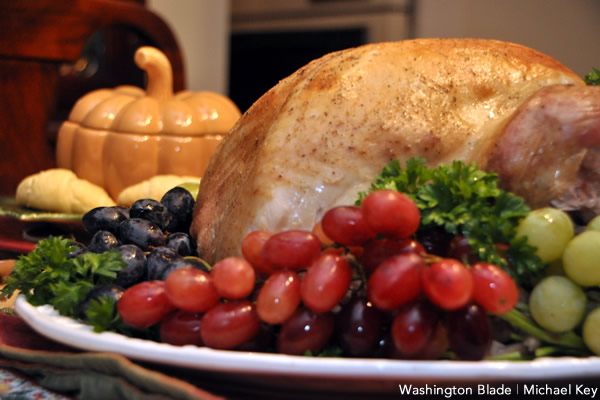
Many gravitate toward the traditional on Thanksgiving, but sometimes it’s fun to try a new recipe too. We asked readers for some favorites that will go great with turkey. (Washington Blade photo by Michael Key)
Thanksgiving dinner has to have certain staples — but sometimes it’s fun to give them a fresh twist or try a new side dish that will lend the turkey, stuffing and mashed potatoes a little unexpected flair.
We asked readers and prominent local LGBT chefs to share their favorites.
Here’s one from former White House Chef John Moeller. His book “Dining at the White House: From the President’s Table to Yours” is $35 and can be purchased at diningatthewhitehouse.com.
Pistachio Crusted Lamb Chops with Roasted Garlic Merlot Sauce
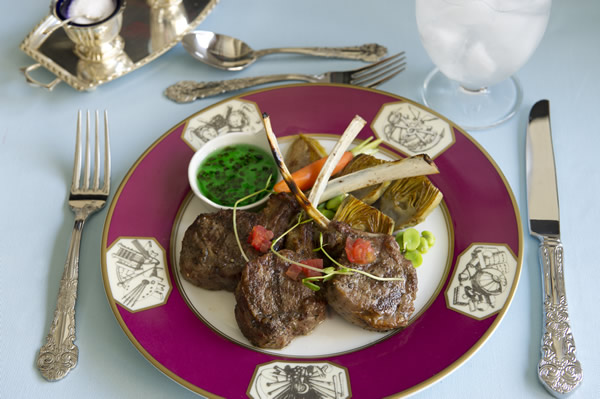
Pistachio Crusted Lamb Chops with Roasted Garlic Merlot Sauce
Pistachio Crusted Lamb Chops
Serves six
Preparation Time: 20 minutes
Cook Time: one hour
¼ cup breadcrumbs
1 teaspoon fresh thyme, minced
¼ cup pistachios, peeled and ground
1 tablespoon unsalted butter, melted
3 (8-bone) racks of lamb, Frenched, cap fat removed
2 tablespoons canola oil
2 tablespoons Dijon mustard
Salt and fresh milled black pepper
Preheat oven to 375°F. Combine breadcrumbs, thyme and pistachios in shallow bowl. Moisten with melted butter and set aside. Season racks with salt and pepper. Heat large sauté pan over medium-high heat and add oil. Sear lamb on all sides until nicely browned, about six to eight minutes total. Transfer lamb to small sheet pan and place in oven for 15 minutes or until meat thermometer reads 120°F. Remove from oven and let rest for five minutes. Liberally smear meat side of each rack with mustard. Roll each rack in breadcrumb mixture and return to baking sheet. Place in oven and bake for five to 10 minutes or until meat thermometer reads 135° to 140°F. Remove from oven and let rest 15 minutes before serving.
Roasted Garlic Merlot Sauce
Serves six
Preparation Time: 15 minutes
Cook Time: 30 minutes
Roasted Garlic:
10 garlic cloves, skin on
2 teaspoons extra virgin olive oil
Preheat oven to 350°F.
Toss garlic and olive oil together in medium oven-safe sauté pan. Place in oven to roast, stirring every two minutes until garlic is soft and golden brown (about 10 to 15 minutes). Remove from oven and transfer to plate to cool. Once cooled, cut root end from cloves and peel. Using fingers, press peeled garlic through a small fine mesh strainer into small bowl and set aside.
Sauce:
2 teaspoons unsalted butter
2 shallots, peeled and thinly sliced
6 black peppercorns
1 sprig of fresh thyme
½ cup merlot wine
½ cup prepared demi-glace
Salt and fresh milled black pepper
1 teaspoon cornstarch, dissolved in 1 tablespoon water
1 tablespoon puréed roasted garlic
In a small saucepan, over medium heat, melt 1-teaspoon butter. Sauté shallots for two minutes, add peppercorns and thyme, and sauté an additional three minutes. Add wine and reduce by ¾. Add demi-glace and simmer over medium-low heat for five minutes. Season with salt and pepper. Gradually add cornstarch mixture and return to boil over medium heat, stirring constantly until sauce coats the back of a spoon. Remove from heat and strain into another small saucepan.Heat strained sauce over medium heat and stir in roasted garlic and remaining butter. Remove from heat and cover until ready to serve.
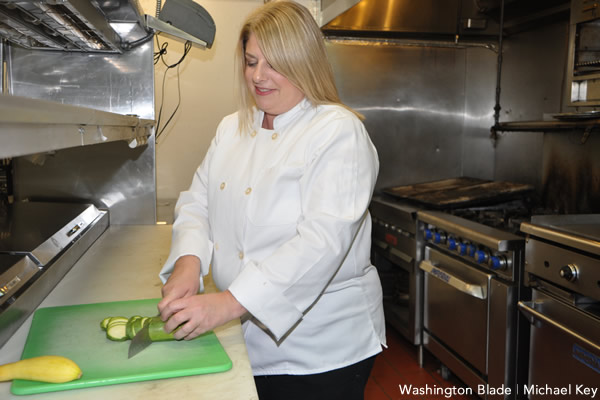
Stephanie Wilson (Washington Blade photo by Michael Key)
Here’s one from chef Stephanie Wilson of Level One, winner of this year’s “Best Chef” award in the Blade’s Best of Gay D.C. readers’ poll.
Pork & Quinoa Meatballs with Cranberry Port Marmalade
Serving: 24 meatballs
Ingredients:
Pork and quinoa meatballs
2/3 cup quinoa
1 cup cooked ground pork
1 cup panko bread crumbs
1/2 cup grated zucchini
2 large eggs
½ cup grated parmesan cheese
3 scallions chopped
1 tablespoon chopped cilantro
3 garlic cloves minced
1 teaspoon sesame oil
1 tablespoon soy sauce
¼ teaspoon ground pepper
Cranberry port marmalade
2 cups fresh cranberries
8 oz ruby port
1 tablespoon shallots minced
1 garlic clove minced
1 teaspoon fresh thyme chopped
1 cup sugar
½ teaspoon kosher salt
¼ teaspoon ground pepper
In medium saucepan add quinoa, 1 1/3 cups of water and a pinch of kosher salt. Bring to boil and cook till tender 10-15 minutes. Spread on baking sheet and let cool.
In large bowl whisk eggs. Squeeze liquid from grated zucchini and add to eggs. Stir in parmesan, scallions, cilantro, garlic, sesame oil, soy sauce and pepper. Mix in the quinoa, cooked ground pork and panko. Let stand for 10-15 minutes.
Form mix into small meatballs. Heat large sauté pan with a two tablespoons oil. Working in batches brown all sides. Spray baking sheet with non stick spray and finish in 400 degree oven until heated through.
Heat small saucepan with one teaspoon oil. Add shallots and garlic and cook till tender. Add cranberries, port, thyme, sugar and salt and pepper. Reduce till cranberries are tender and there is a thick consistency. Add more sugar if needed.
In food processor, pulse mixture until somewhat smooth. Pour into shallow dish and cool completely.
On large platter arrange the meatballs with cranberry-port marmalade for dipping.
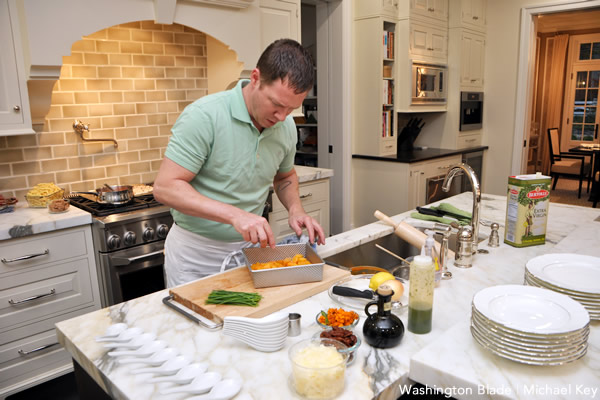
Patrick Vanas (Washington Blade photo by Michael Key)
These two are from Chef Patrick Vanas, another winner in this year’s Best of Gay D.C. awards. He works as a private chef and can be reached at [email protected].
Smoked Paprika Sweet Potato Croquettes with Coffee Maple Sauce
3 sweet potatoes
1 egg
1 teaspoon smoked paprika
2 tablespoons unsalted butter
½ teaspoon salt
Pinch of freshly ground pepper
1 slice white bread
1 egg
Milk
Panko breadcrumbs
Salt
Smoked paprika
Wrap potatoes in foil and bake one hour in 400-degree oven. Remove and allow to cool slightly. Place in bowl and add egg, paprika, butter, salt pepper and slice of bread torn into small bits, mix then allow mixture to cool in fridge about one hour. Shape into three” “logs” slightly thicker than your thumb, set aside in fridge for another hour.
Mix second egg and few tablespoons milk in pie dish and then in another pie dish add two cups Panko bread crumbs, salt and smoked paprika.
Sauce Method:
1 cup Maple syrup
½ teas instant coffee
2 tablespoons unsalted butter
1 tablespoon apple cider vinegar
Pinch of salt
Mix all ingredients in small sauce pan and bring to a simmer, a tablespoon of water might be needed to keep thin. Simmer a few minutes. Set aside.
Remove croquettes from fridge, coat with egg milk mixture, then roll in Panko crumbs mixture; set in clean dish ready to fry. In a shallow sauté pan add about ½ to one inch of vegetable oil and bring to about 340 degrees, add croquettes cooking about four to six at a time depending on size of pan, not to over crowd. Cook about four-five minutes turning to lightly golden on all sides. Place on paper toweled plate to cool and drain slightly. Finish rest of croquettes. Place sauce in ramekin and allow guests to dip or drizzle sauce over all and serve with Thanksgiving feast. They can be made and placed in warm oven until ready to serve. Makes about 10 to 12 depending on size. Can be made into smaller croquette balls.
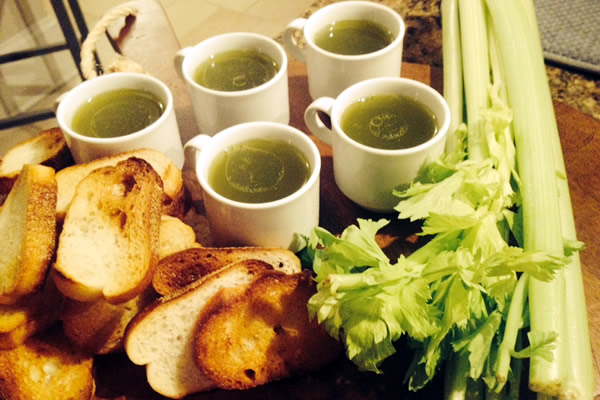
Celery Soup (Photo courtesy of Patrick Vanas)
Celery Soup
The first time I had this was about 20 years ago at a friend’s house and was intrigued that the depth of flavor it had. When she explained the recipe at the dinner table I thought, “Wow that seems like a lot of work for soup.” Now I know many soups are complex, but this one is not. It’s a wonderful simple celery taste, a great way to start “Pre” Thanksgiving — not filling but great flavor. Can be made days ahead.
Ingredients:
1 bunch of celery (leaves/stems etc.)
1 shallot
1/3 cup olive oil (pure, not extra virgin)
2 quarts vegetable stock/broth
Salt and pepper
Pre-heat oven to 400 degrees.
Chop celery roughly and place in large ovenproof stock pot, (I use a five-quart size). Add shallot, olive oil, salt and pepper and sear a few minutes on high heat. Slice about 10-15 thin slices of celery and set aside for garnish or use leaves.
Add vegetable stock and place in oven and allow to braise about 90 minutes. I cover with foil to allow some moisture to escape to concentrate celery flavor.
Remove from oven and allow to cool slightly. I use an immersion blender and pulse to blend about five minutes. Use mesh strainer and strain into smaller pot to season with salt and pepper and olive oil and then place in kettle to heat to a simmer and reduce to low.
I use “demi tasse” cups to serve and let guests serve themselves with the leaves or slice of celery in cup ready to go. Serve with Parmesan Crostini. Makes about 15 three ounce portions.
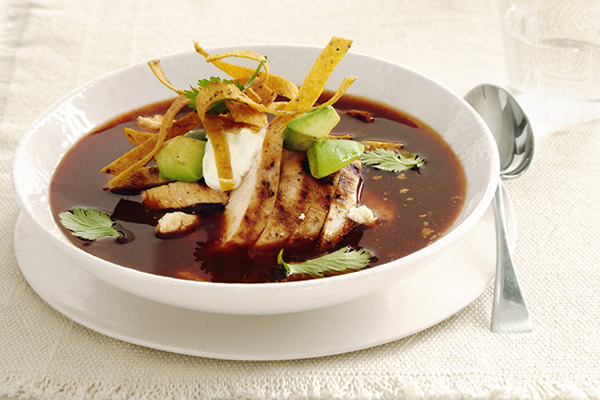
Smokey Turkey Tortilla Soup
This one from Rosa Mexicano (with D.C.-area locations in Penn Quarter and in Chevy Chase) might be good to keep in mind for those inevitable turkey leftovers. The restaurant also has a Thanksgiving special for those who don’t feel like cooking. Visit rosamexicano.com for details.
Smokey Turkey Tortilla Soup
1 medium onion, roughly chopped
6 cloves garlic, roughly chopped
6 plum tomatoes, peeled, seeded and roughly chopped
1 jalapeno pepper, minced
½ can chipotle chiles en adobo
1 teaspoon dried oregano, rubbed gently between the palms
6 cups turkey broth
4 ounces tortilla chips, crumbled
Salt
2 cups cooked turkey, diced into ½ inch cubes
1/3 cup cilantro, finely chopped
4 ounces tortilla strips for garnish
½ cup grated Chihuahua cheese (Monterey jack can be substituted)
1 avocado, sliced into sixths lengthwise
Combine onion, and garlic with two tablespoons olive oil in a medium saucepan and cook over medium-high heat until translucent.
Add tomatoes, jalapeno, chipotles and oregano and cook 10 minutes more.
Add turkey broth and simmer an additional 30 minutes. Remove from heat, add tortilla chips and puree in small batches in a blender until smooth. Season with salt to taste and strain through a fine strainer.
Serve by dividing the warm cooked turkey into six soup bowls, topping with Chihuahua cheese, tortilla strips, cilantro and avocado slice.
Pour the hot broth over the garnish and serve immediately.
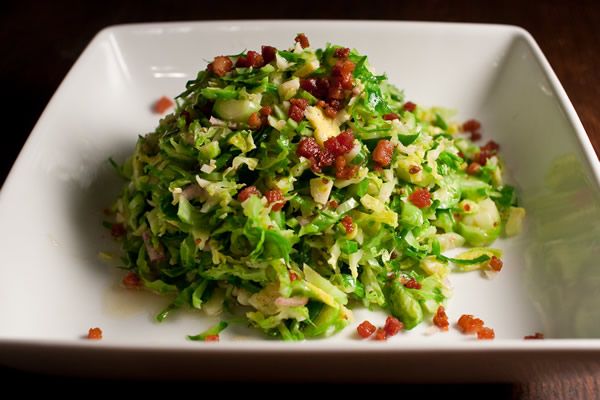
Brussels Sprout and Pancetta Slaw (Photo by Sam Armocido; courtesy Jonathan Bardzik)
This one is from local gay chef Jonathan Bardzik’s book “Simple Summer,” available at Amazon or through jonathanbardzik.com.
Brussels Sprout and Pancetta Slaw (serves six)
Who knew Brussels sprouts could taste light and fresh? This salad just gets better over time as the dressing lightly wilts the slaw. The sharp vinaigrette blends with salty-rich pancetta and the earthy sprouts.
Ingredients:
4 cups Brussels sprouts, trimmed and halved
For dressing:
1/2 cup diced Pancetta
1 shallot, minced
1/3 cup apple cider vinegar
2 tbs sharp, grainy mustard
1/2 cup olive oil — use the good stuff!
Directions:
Blanch Brussels sprouts in salted, boiling water for one minute. Remove to ice bath. When cool, drain and pat dry.
Sauté pancetta in one tablespoon olive oil over medium heat until crispy. Remove to drain on paper towels. Reserve fat to fry just about anything.
Whisk together shallot, apple cider vinegar, mustard, salt and pepper to taste.
Thinly slice Brussels sprouts and place in a bowl with some extra room.
While whisking, pour olive oil, in a thin stream, into vinegar mixture to form a creamy emulsion. Season to taste.
Dress brussels sprouts with half dressing and Pancetta. Let rest five-10 minutes and season to taste with additional dressing if needed.





Photos
Center for Black Equity honors leaders, activists at BE. Gala
Miyake-Mugler, Oakes co-host annual awards ceremony

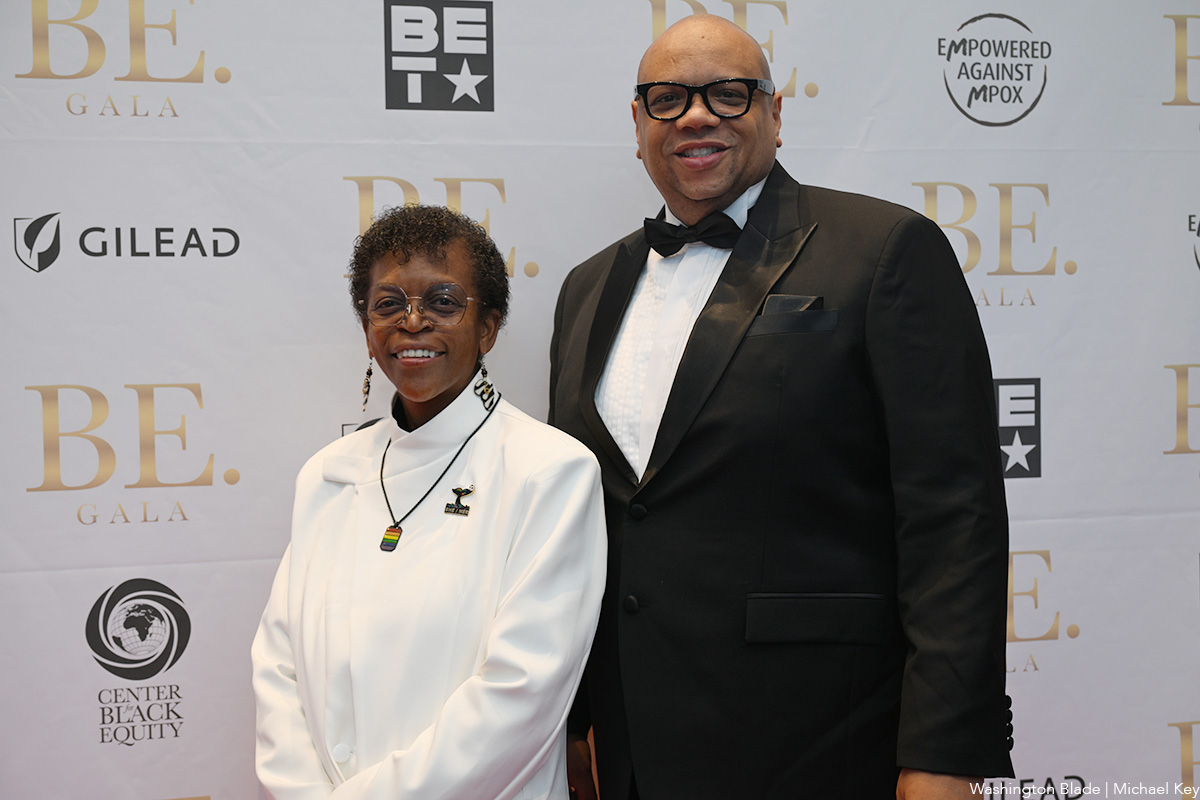
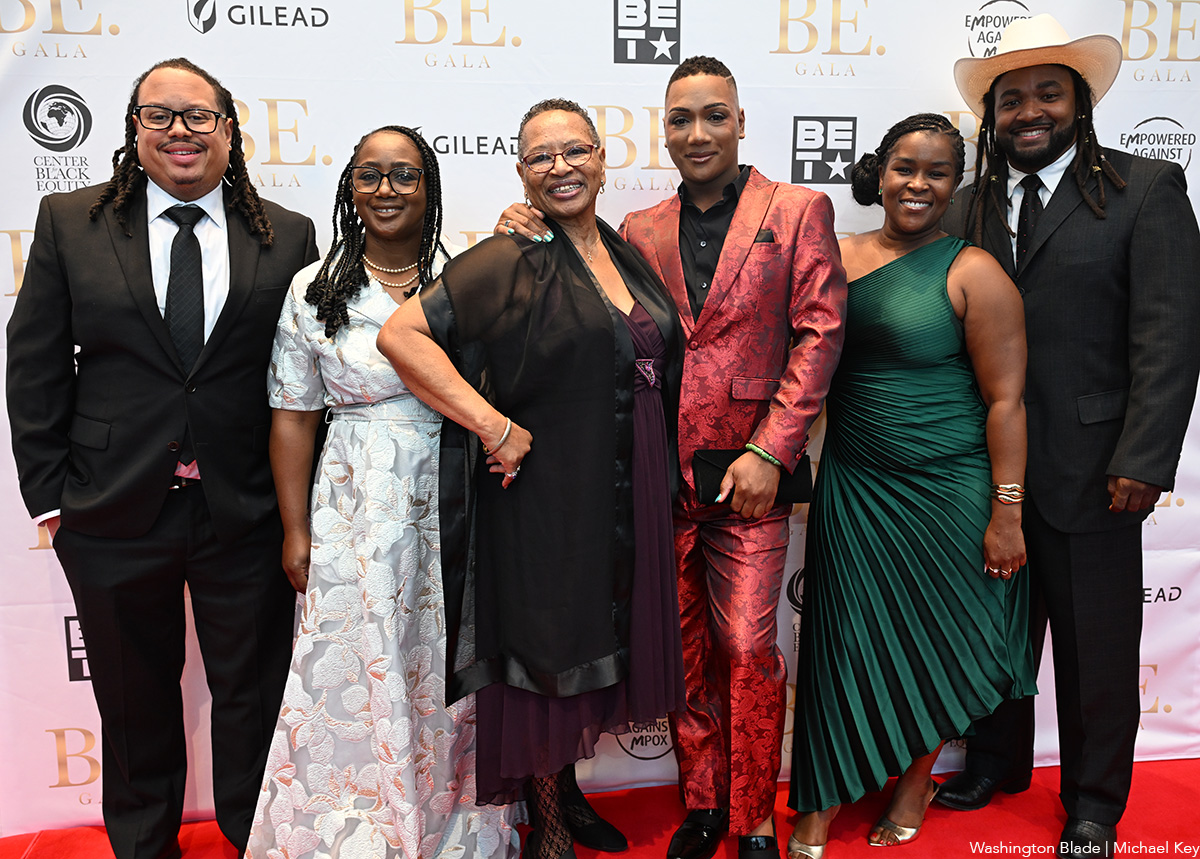
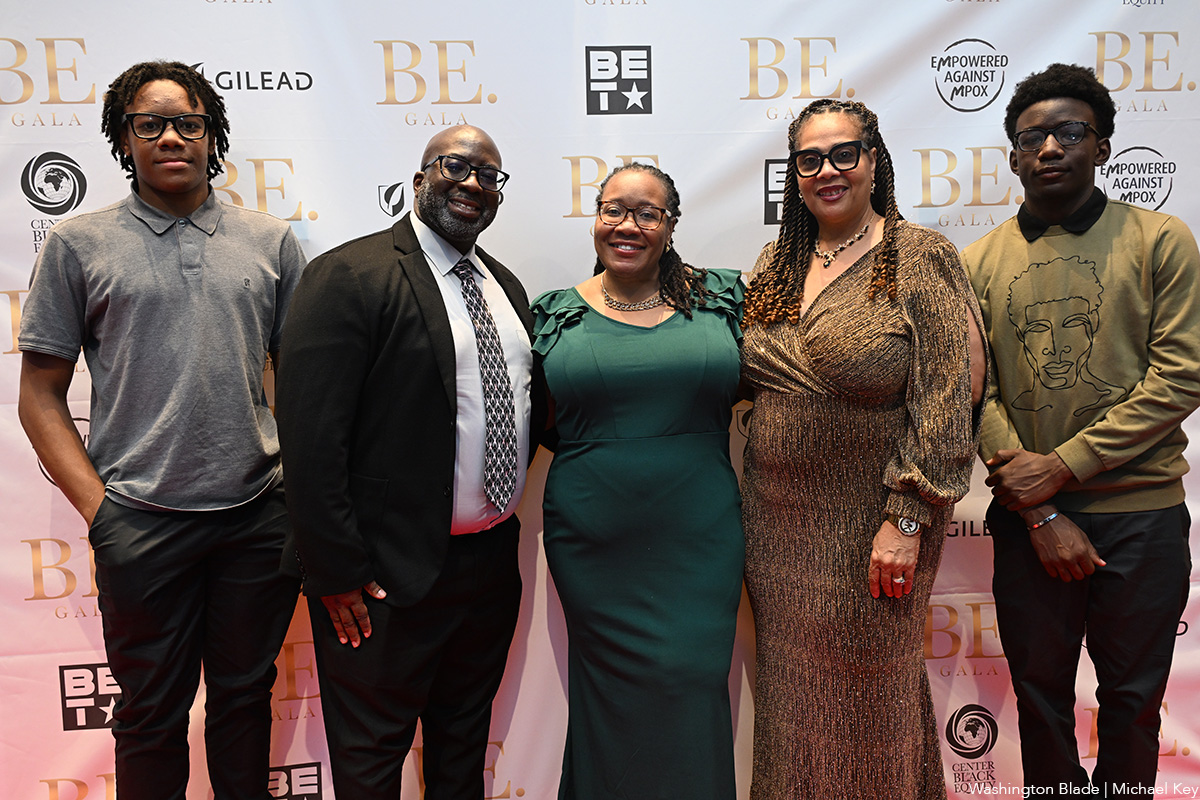
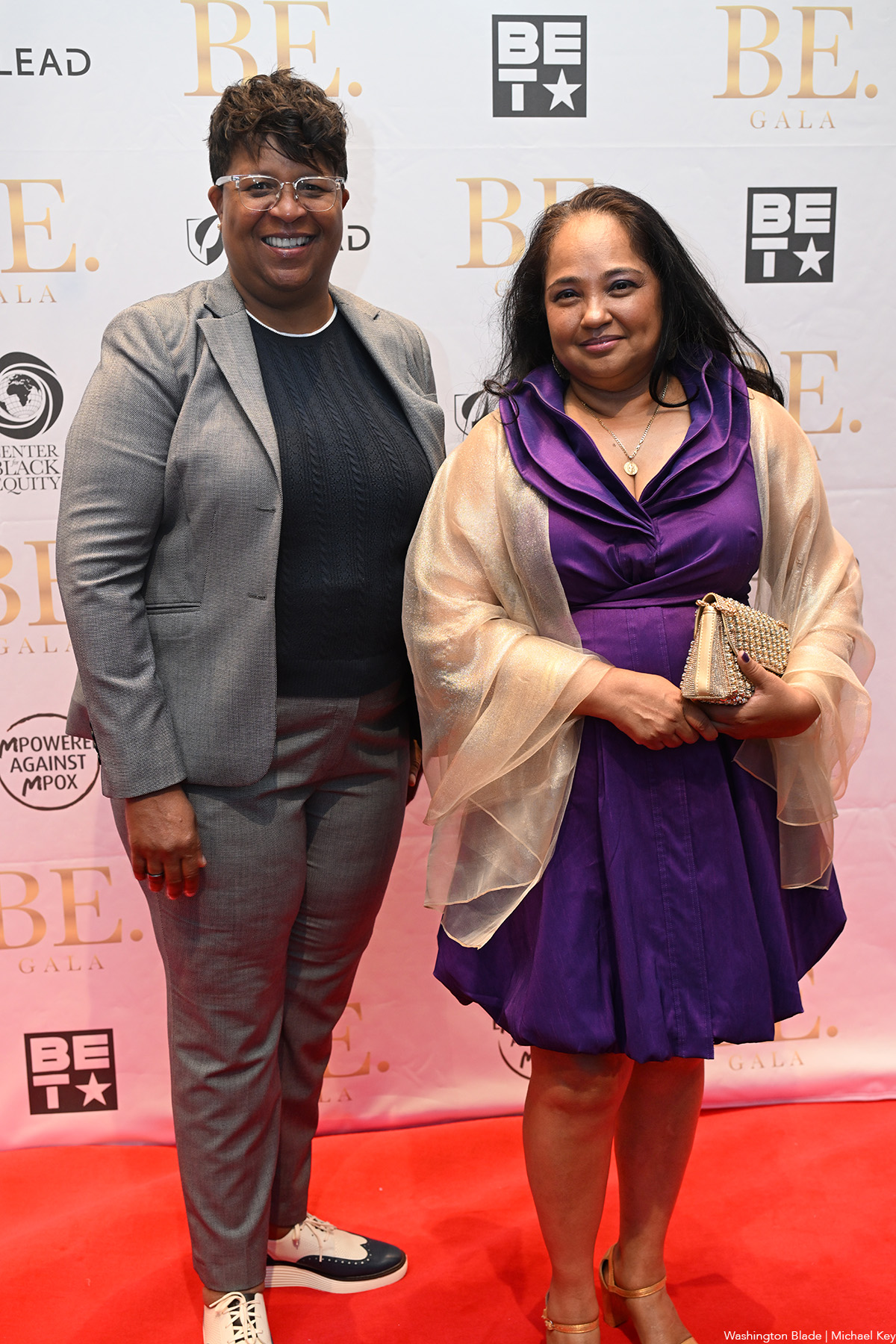
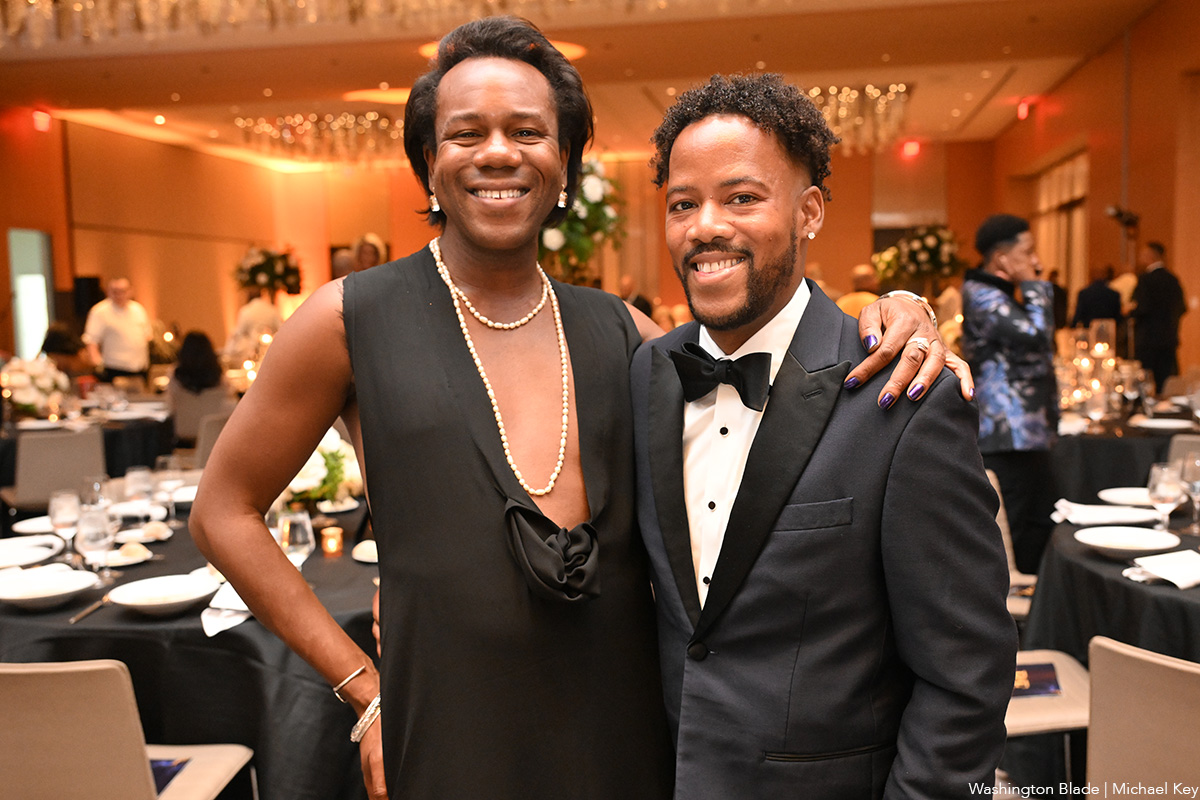
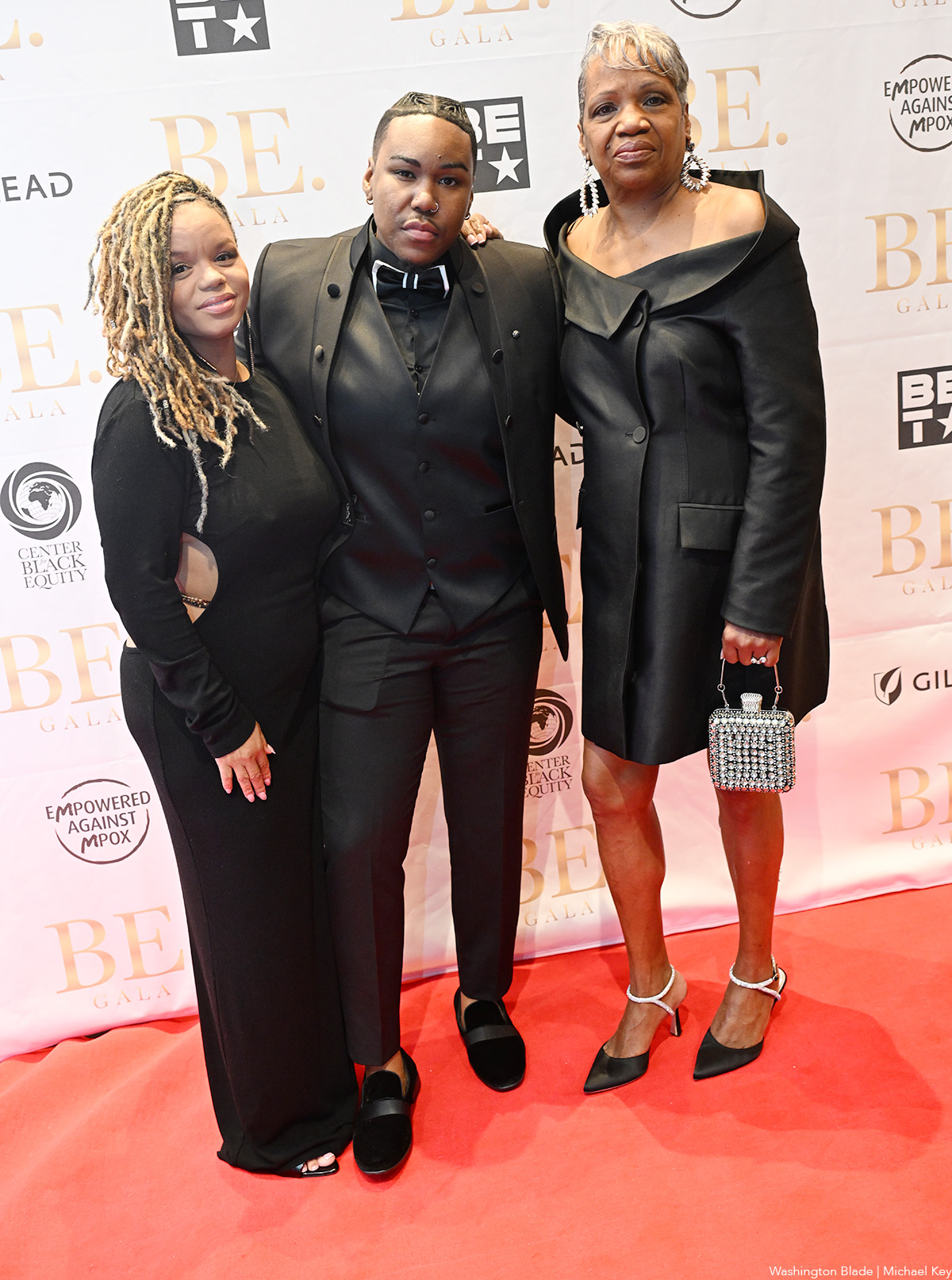
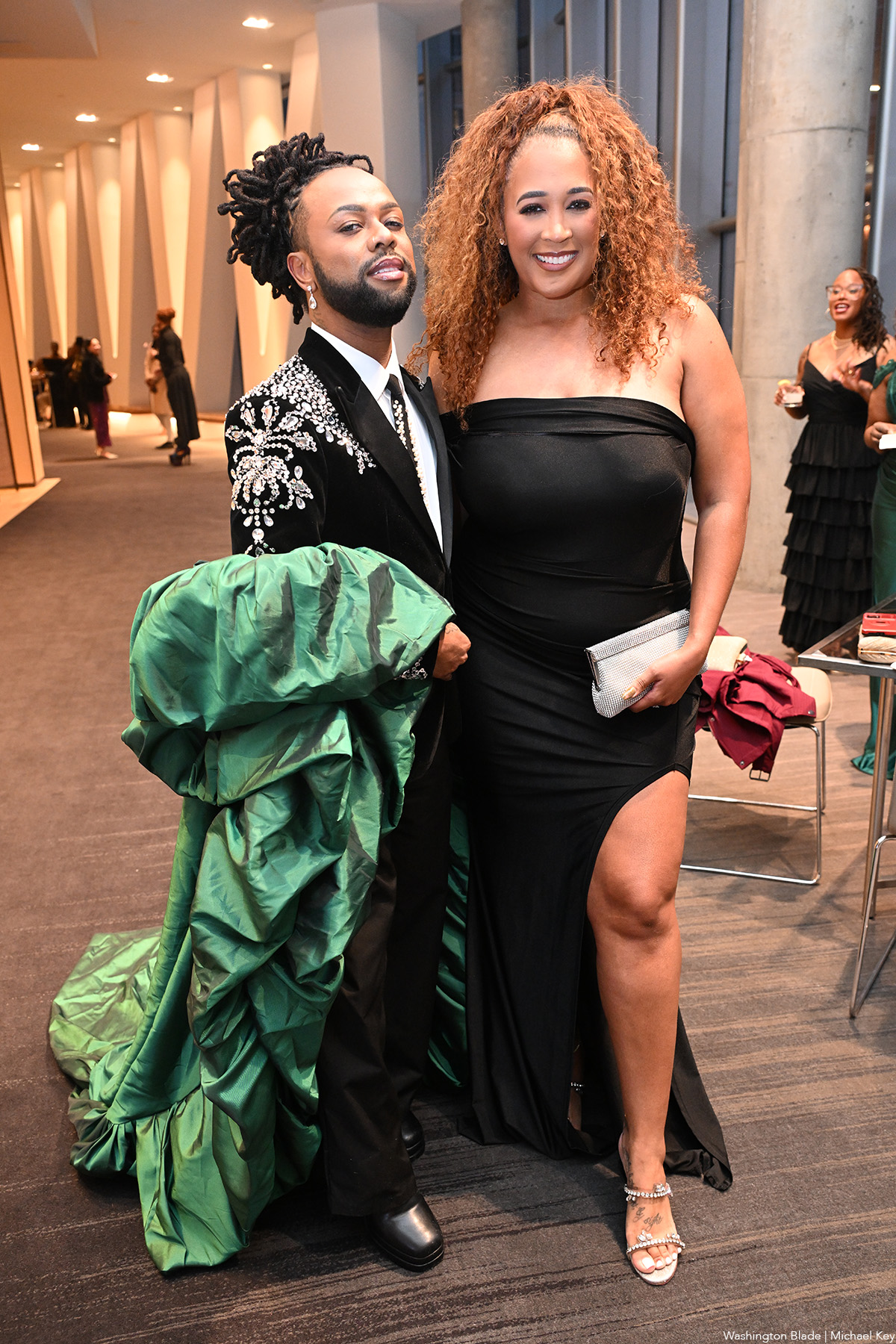
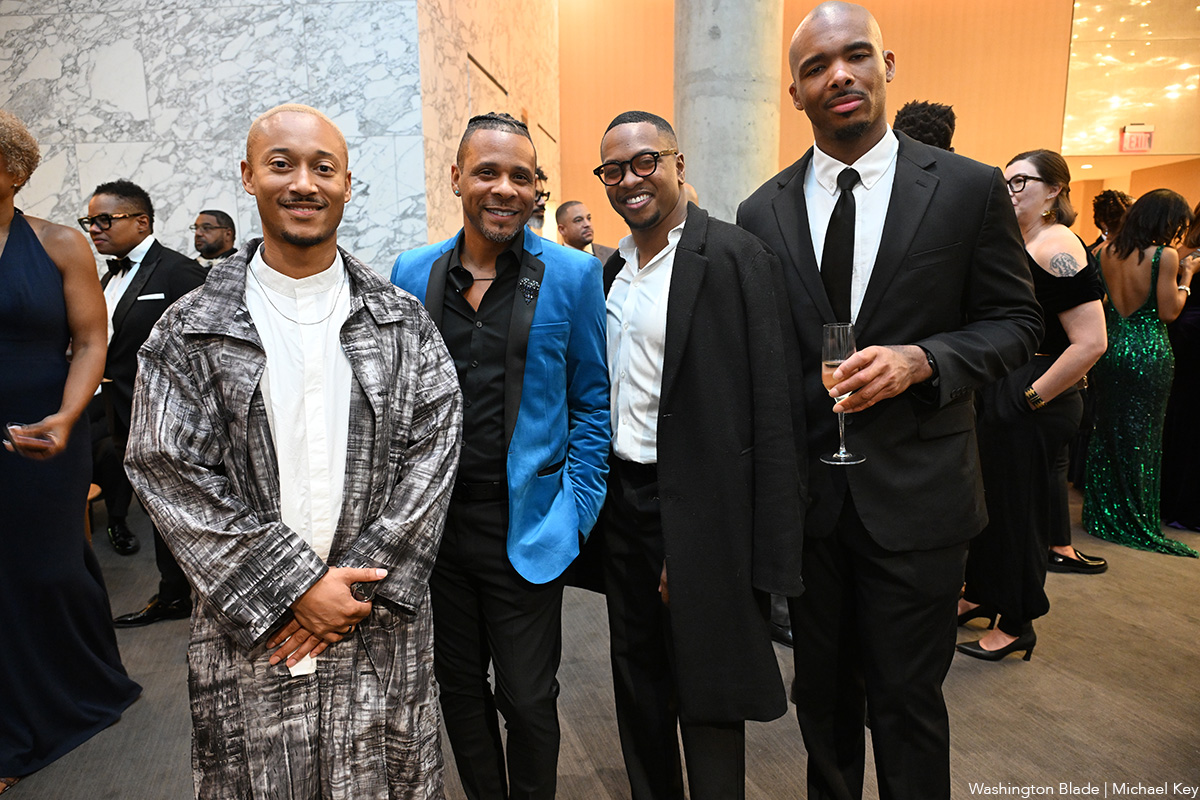
The Center for Black Equity held its annual BE. Gala at Conrad Washington, D.C. on Saturday, Oct. 5. Lolita Leopard Miyake-Mugler and Anthony Oakes co-hosted the awards ceremony.
Honorees included journalist and producer Justin Stewart; nonprofit leader Nikki Alexander; HIV advocate Marlene McNeese; the nonprofit organization FreeLux Project; actress Monroe Alise; public health advocate Tori Cooper; Manassas Park Vice Mayor Darryl G. Moore; Rev. Dr. Carmarion D. Anderson; Bishop Steven Sawyer; government relations professional Courtney Snowden; Senior Deputy Director of HAHSTA at D.C. Health, Clover Barnes; and Texas state Rep. Venton C. Jones.
The event was sponsored by Gilead.
(Washington Blade photos by Michael Key)






















Books
In ‘The Lost Brontë,’ a complicated lie can lead to danger
New book features sweetly romantic girl-meets-girl twist
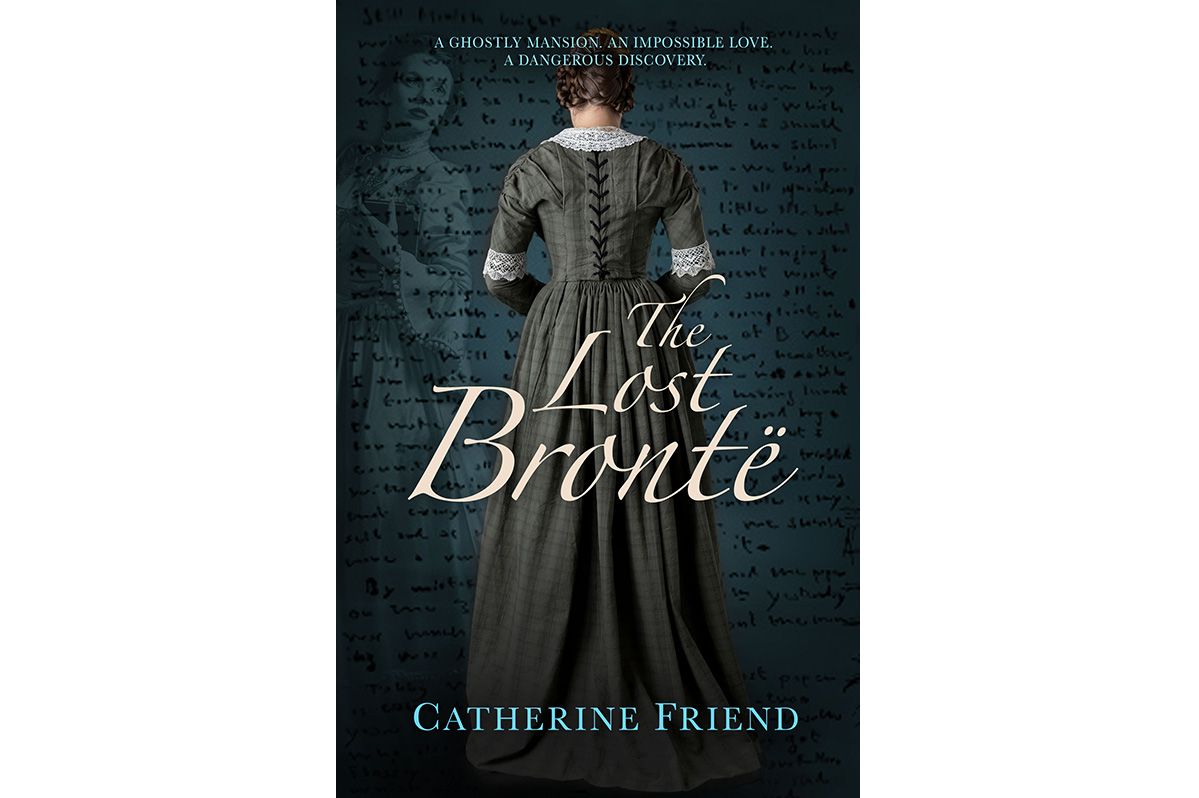
‘The Lost Brontë’
By Catherine Friend
c.2026, Bywater Books
$22.95/335 pages
Mom always said to tell the truth.
One lie leads to another and another and you have to remember them all until pretty soon, you’re caught. Fibs are hard, mistruths are messy, even little white social lies can destroy trust. Worst of all, as in the new novel, “The Lost Brontë” by Catherine Friend, a complicated lie can lead to danger.

Though Lilianne Loxley was very young when she lost her parents, she understood that her uncle didn’t really want her. As time passed, though, Lily made herself useful to Uncle, writing and signing letters for him and she became a good companion, helping him with his collection of Brontë memorabilia. Uncle was a keen enthusiast.
She had no idea that his obsession was out of control and he was deeply in arrears. The day Lily learned of his debt was the day she learned that he’d agreed to send her to his debtor’s home to work off the money owed.
It was so sudden. One minute, Lily was at Loxley House, happy and loved by Uncle’s staff … and five hours later, she was at Crag Thorn Manor, home of Lord Bexton, who informed her that she’d be working on his ledgers – work that seemed routine, but Lily tackled it.
Uncle always did say she was headstrong.
But would headstrong be enough to survive, when she was restricted from most of the Manor, when she was forced to dine with Brexton and his slimy friend, or – the worst! – when Brexton told Lily that her next task was to forge a letter from Emily Brontë? And then an entire manuscript?
Lily struggled to do what was right. She had to get Uncle out of debt but this last order horrified her. Did she dare refuse Brexton’s orders and commit a crime? It was unthinkable!
The only brightness in the whole situation was Wren, the ladies’ maid assigned to Lily’s room. Wren was adorable with freckles and the sweetest smile. But with everything else happening at Crag Thorn Manner, could Lily act upon her feelings?
This time of year, you may come to crave dark, spooky stories, and “The Last Brontë” fits those needs perfectly with its Gothic deliciousness. Think: Daphne du Maurier-type, stormy-night squirms with a dangerously chaste, sweetly romantic girl-meets-girl twist for fun.
If it’s been awhile since you’ve read a Gothic novel, you’re in for a nice reminder of why you love them here. You can almost tick off the must-haves: a novel like this is nothing without a foreboding stone manor with damp walls; stone steps to a dank basement; a mysterious portrait; and a nearby bog, and author Catherine Friend gives readers every one of them. You’d be disappointed if there was no ghost, wouldn’t you? Ha. You can practically feel the cold blow through the attic, right? Yeah, it’s that kind of book.
If you’re a fan of the Brontës, you’ll like this novel. If you love Gothic mysteries or Victorian romances, ditto. “The Lost Brontë” is good, no lie.
The Blade may receive commissions from qualifying purchases made via this post.
Out & About
CAMP Rehoboth Block Party returns Oct. 18
Expect performances, vendors and more at annual celebration

CAMP Rehoboth will host its annual Block Party celebration on Sunday, Oct.18 at 11 a.m. on the second block of Baltimore Avenue in downtown Rehoboth Beach.
CAMP Rehoboth invites all community members to join in the festivities and to expect magnificent performances and dozens of vendors, including artists, craftspeople, non-profits, businesses, and more.
The event started in 2015 in celebration of CAMP Rehoboth’s 25th anniversary. This year, attendees can expect to shop sea glass art, pottery, jewelry, Pride merch, body care, clothing, and learn more about local non-profit causes and businesses.
Attendance is free. For more details, visit CAMP Rehoboth’s website.

Center for Black Equity honors leaders, activists at BE. Gala

In ‘The Lost Brontë,’ a complicated lie can lead to danger

CAMP Rehoboth Block Party returns Oct. 18

Essential queer horror classics for Halloween

Solidarity beyond the parade: the actual cost of Pride

Trump uses anti-trans slur against Democratic Senate candidate

U.S. int’l trade negotiator, consultant James Bedore dies at 82

Calif. GOP gubernatorial candidate ad ‘disgusting attempt to exploit lesbian intimacy’

Campaign urges Virginia High School League to reverse stance on trans athletes

Center Arts Gallery celebrates 10 years with reception, auction
-

 2026 Midterm Elections5 days ago
Trump uses anti-trans slur against Democratic Senate candidate
-
Obituary4 days ago
U.S. int’l trade negotiator, consultant James Bedore dies at 82
-
California4 days ago
Calif. GOP gubernatorial candidate ad ‘disgusting attempt to exploit lesbian intimacy’
-
Virginia4 days ago
Campaign urges Virginia High School League to reverse stance on trans athletes