Arts & Entertainment
A tasty New Year’s Eve
Last day of Dec. a great time to try special dishes
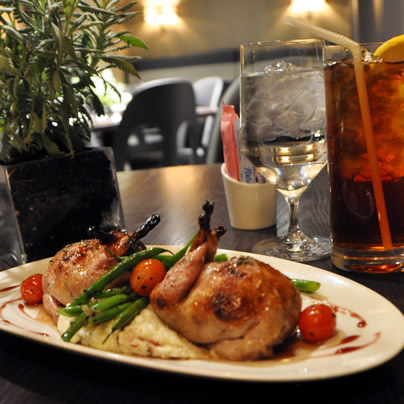
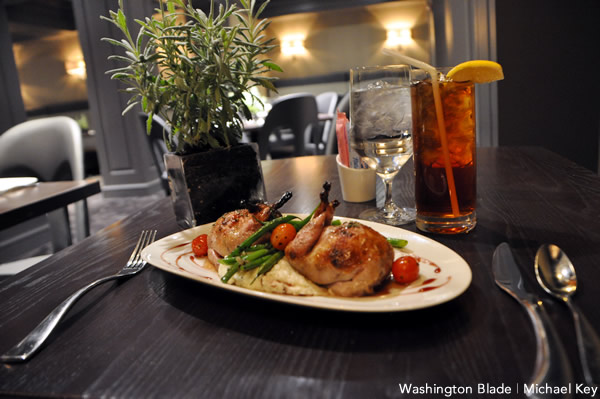
Bourbon Glazed Manchester Farms Quail from Jardenea (Washington Blade photo by Michael Key)
Many of Washington’s hottest dining spots are offering New Year’s Eve specials. Here are a few:
Chef Bryan Voltaggio presents the Supper Club at Range (5335 Wisconsin Ave. N.W.) from 9 p.m.-1 a.m. Range would be my personal New Year’s pick — a great opportunity to experience four hours of Voltaggio’s impeccable craftsmanship. Table reservations are available for two or more at $200 per person and include the Supper Club Feast, Never Ending Punch Bowl and champagne toast. General Admission is also available for $175 and includes the feast and the champagne toast. The night will also feature live music from The Blue Vipers of Brooklyn.
Alba Osteria (425 I St. N.W.) opened in late December but is eagerly jumping into the New Year’s Eve ring offering an al la carte menu. Executive Chef Roberto Donna and Chef de Cuisine Amy Brandwein recommend standout dishes like the gnocchi verde served with sausage ragu or the Agnolotti al Brasato.
Ambar (523 8th St. S.E.) is serving a New Year’s Eve menu showcasing the best dishes throughout the Balkan Peninsula with a modern twist. The menu includes grilled bacon-wrapped prunes with goat cheese and blueberry balsamic reduction (which I need to try), sesame crusted salmon and veal schnitzel.
Blue Duck Tavern (1201 24th St. N.W.) will offer two seatings this new year’s eve. The first will be at 5:30 p.m. and features a three-course menu. The second seating also includes a three-course menu along with a champagne toast at midnight. Dinner starts at $75 per person and goes up to $175.
Café Dupont (1500 New Hampshire Ave. N.W.) will have a five course prix-fixe menu handcrafted by Executive Chef David Fritsche available for $85 per person or $130 if you opt for wine pairings.
City Tap House D.C. (901 9th St. N.W.) will showcase its refined American pub fare, Executive Chef Scott Swiderski prix-fixe menu will be offered at $50 per person or at $80 with pairings. Standouts like the blue crab mac and cheese and the pork collar with cheddar grits will be offered.
Daikaya (705 6th St. N.W.) is a popular izakaya that will be offering small plates with a Japanese twist for New Year’s. The meal will include items like grilled avocado with crab salad, pork and brussel sprouts with apricot and truffled yougurt and wasabi octopus.
Jaleo (480 7th St. N.W.) will offer a traditional New Year’s celebration with unlimited tapas off the New Year’s tasting menu from 8:30-11:30 at $90 per person. Selections include favorites like the huevo frito with caviar and the pork Canelones with béchamel sauce. At midnight guests will be offered a celebratory glass of cava and 12 grapes for good luck, a Spanish tradition I remember fondly from childhood.
Jardenea (2430 Pennsylvania Ave. N.W.) offers a five-course menu priced at $90 per person with an optional wine pairing for an additional $50.
nopa Kitchen + Bar (800 F St. N.W.) offers a three-course prix-fix menu featuring entrees off Chef Greg McCarty’s menu. Pastry Chef Jemil Gadea will contribute to the festivities with tempting desserts like her fried pies: chocolate bar with peppermint ice-cream and sweet potato crème caramel with persimmon pudding.
If you want to celebrate the New Year just steps from the White House, then the Oval Room (800 Connecticut Ave. N.W.) is the place to be. You can enjoy a four-course meal with wine pairings where Executive Chef Tony Conte will feature dishes like the Maine peekytoe crab. Sweet confections like the passion fruit curd with coconut frozen yogurt will also be available.
Pearl Dive Oyster Palace/Blackjack (1612 14th St. N.W.) will offer several New Year’s Eve specials in addition to their regular menu including a scallop and braised short rib duo and a raspberry and champagne trifle.
Rasika (523 8th St. S.E.), named among the top 20 restaurants in America by Zagat, will serve a special New Year’s Eve menu prepared by Executive Chef Vikram Sunderam. Menu highlights include Tandoori scallops with pickled spices, grouper manga with mustard seeds and Lucknowi lamb chop with caramelized onion. The three-course menu is $55 per person and $95 with wine pairings. The four-course menu is $85 and $145 with wine.
Ripple (3417 Connecticut Ave. N.W.) Chef Marjorie Meek-Bradley will offer two prix-fixe menus: a four-course menu will be $75 and the five-course menu will be $95. To make reservations, call 202-244-7995.
RIS (2275 L Street NW) will ring in the new year by serving a multi-course meal and live jazz. The menu will feature delicious dishes like smoked trout panna cotta, winter squash agnolutti and the smoked paprika Muscovy duck. Reservations are required and the prix-fix is $90 per person or $130 with wine pairing.
Zengo (781 7th St. N.W.) will offer two tasting menus from 5-9 p.m. and a four-course menu for $55. Staff will also have a four course-tasting menu available all night with specials that are not generally available at Zengo, as well as a champagne toast for $75 per person.



Online Culture
Clavicular charged in alleged rape of teenage influencer
Online personality’s real name is Braden Peters
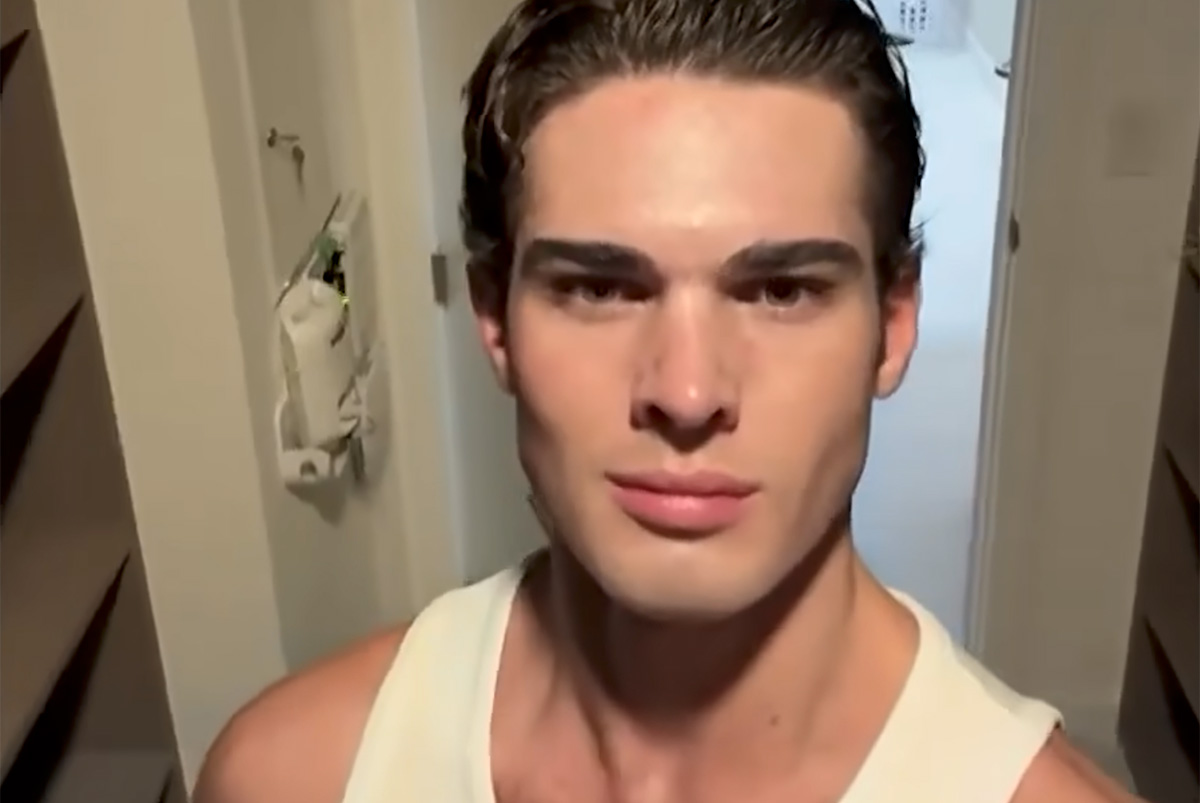
Online personality Clavicular, whose real name is Braden Peters, has been accused of rape.
According to NBC, Aleksandra Vasilevna Mendoza, an 18-year-old influencer known online as Alorah or Alorah Ziva, accused Peters of sexual assault, and the case is making its way through the court system.
The alleged incident occurred on May 23, 2025, when Mendoza was 17.
According to a criminal complaint from the Chatham (Mass.) Police Department, Peters called her an Uber to his family’s home. Once there, he allegedly got her drunk on vodka while they livestreamed on Twitch and then raped her. His mother and grandmother were allegedly in the house.
The documents allege Clavicular committed rape, drugging a person for sexual intercourse, and procuring and providing liquor to a person under 21.
According to court documents acquired by NPR, Mendoza began communicating with Peters on Instagram, where he paid her to appear on his livestreams to help her “make her name known on social media.”
According to those documents, Peters arranged for the minor to come to Cape Cod home to participate in a videostream for his 437,000 followers on Kick, 1.2 million followers on TikTok, and more than 1 million followers on Instagram.
At his home, Peters allegedly instructed Mendoza to say she was 18 on his videostream and to claim the alcohol on camera was water instead of vodka. Mendoza said she felt peer-pressured to drink the spirit and that she became noticeably intoxicated after a couple of drinks.
The allegations go on to state that after stopping the stream, Peters and Mendoza kissed on a couch and then had sex in his bed without her consent. Mendoza said she did not receive a sexual assault forensic exam after the incident. NPR does not name alleged victims of sexual assault.
The charges come months after Mendoza sued Peters in Miami, accusing him of sexual battery in connection with the events of May 2025. The civil lawsuit also separately alleges that he injected her face with a non-FDA-approved fat-dissolving substance during a November livestream in Florida.
Peters is known for his “looksmaxxing” concept of vanity, which is at the core of his online presence. The “looksmaxxing” culture he has helped cultivate combines elements of incel culture and heterosexuality, with the stated goal of attracting the opposite sex. He has gone as far as to say he has undergone “bonesmashing,” or hitting his own face with a hammer; taken anabolic steroids to more rapidly grow muscle; and used crystal meth as an appetite suppressant.
At the same time, looksmaxxing has been described as having elements of homoeroticism, with “looksmaxxers” appearing more concerned with impressing other men than women. Peters has multiple times pointed to openly gay actor Matt Bomer as the gold standard for male facial aesthetics.
Peters’s arraignment is scheduled for Oct. 14.
Photos
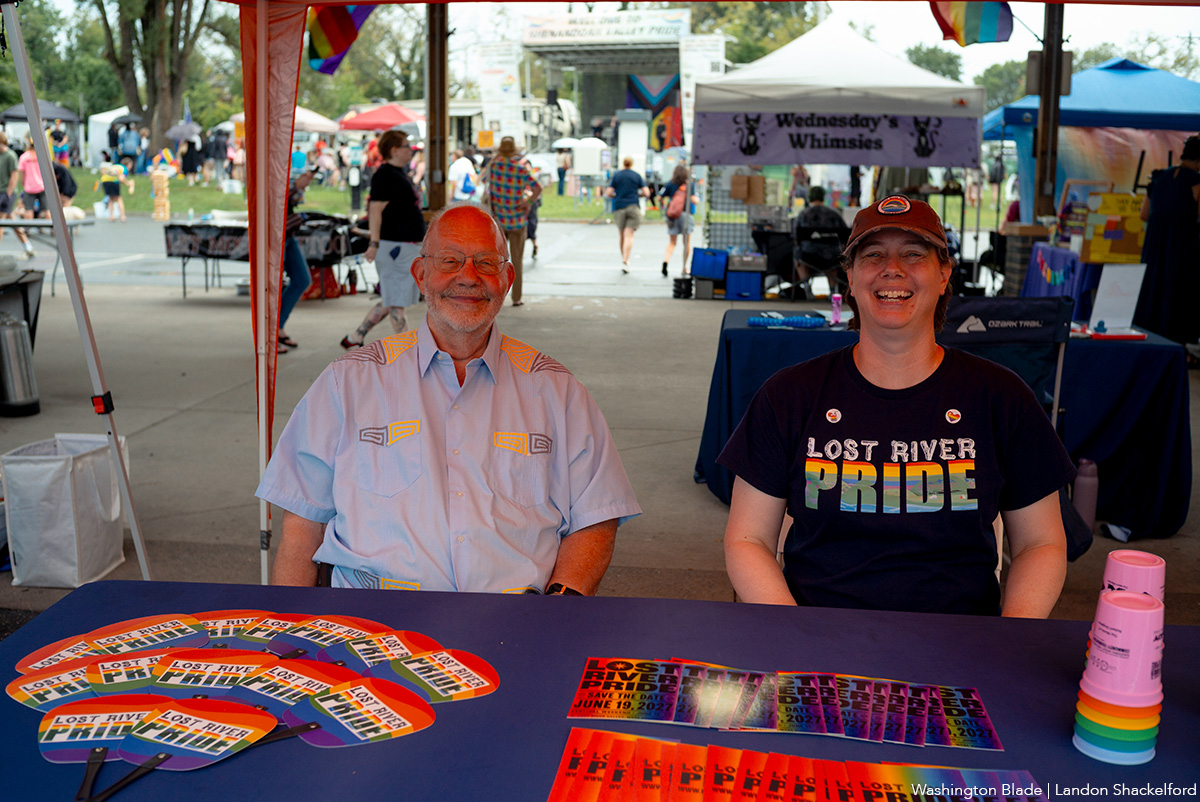
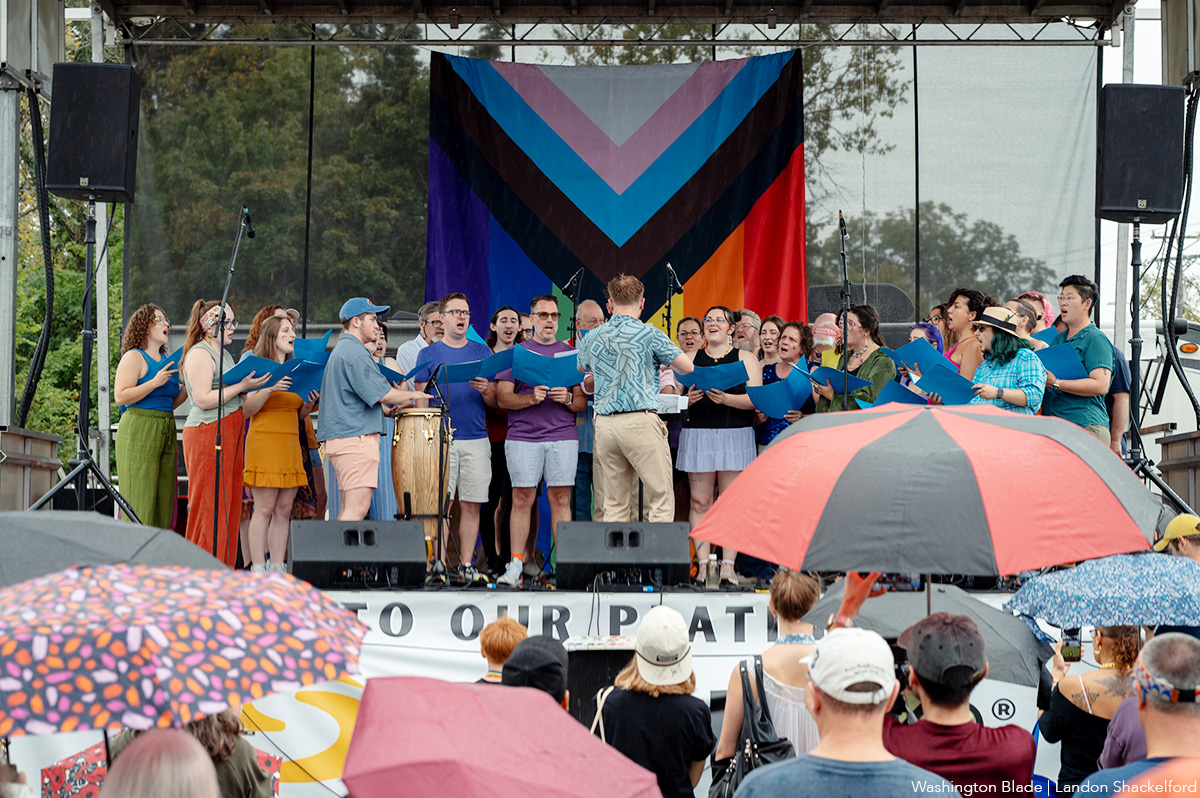
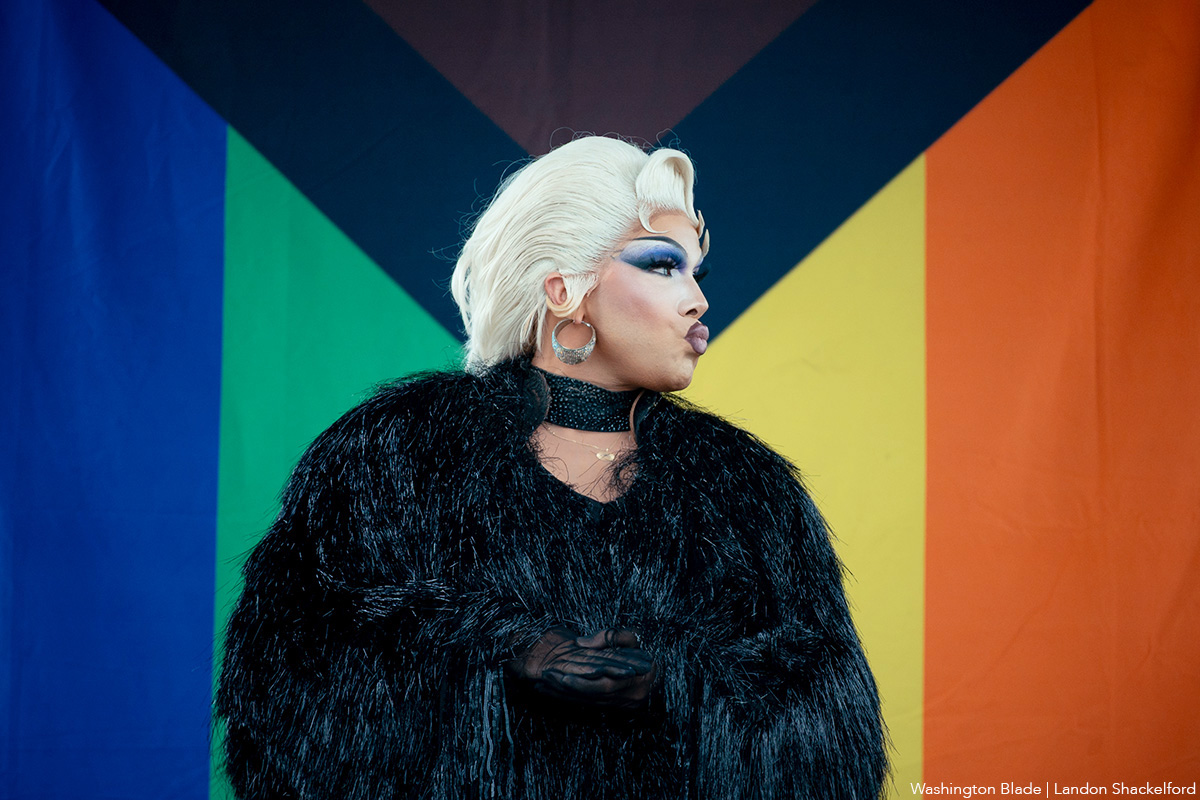
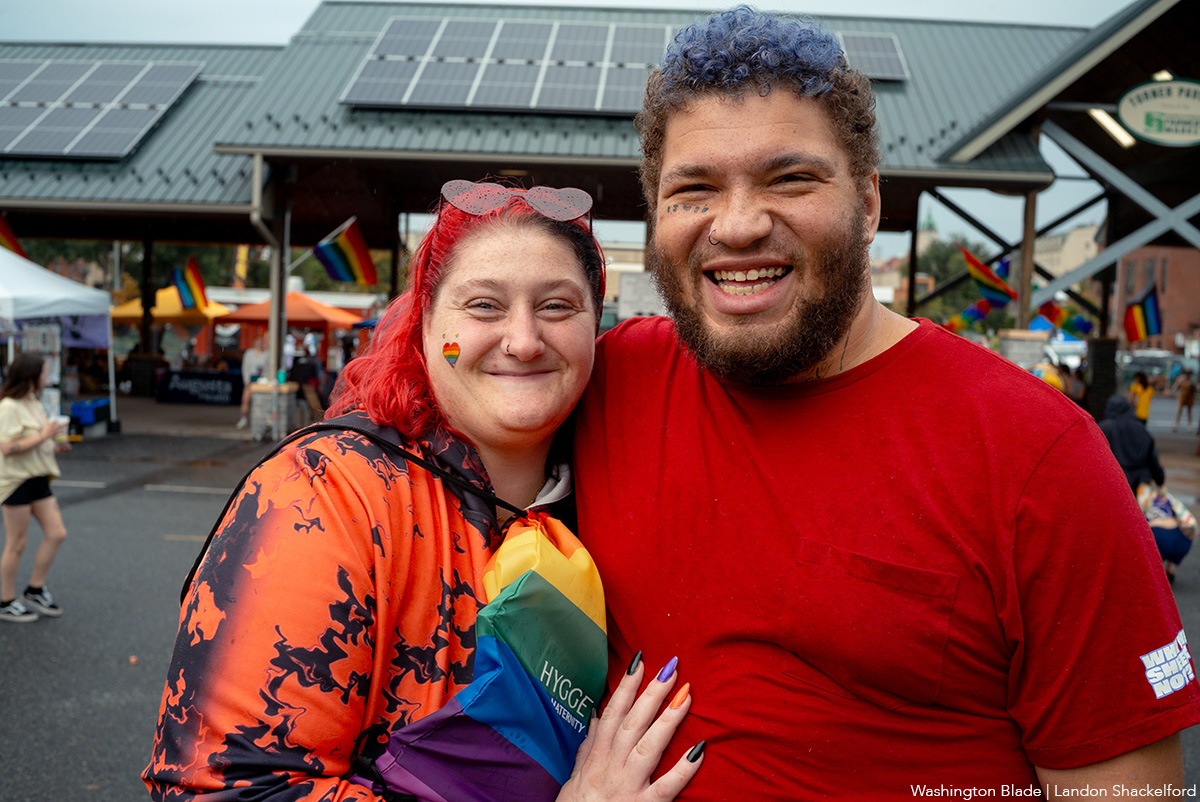
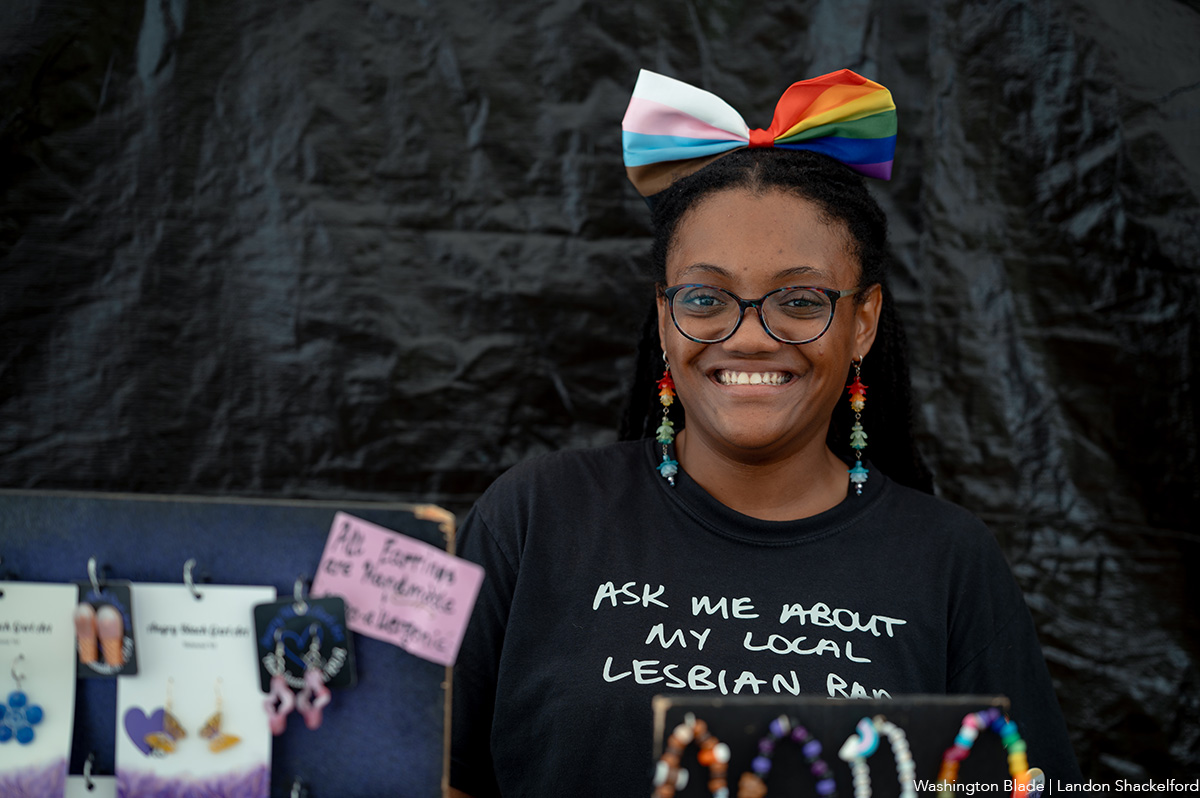
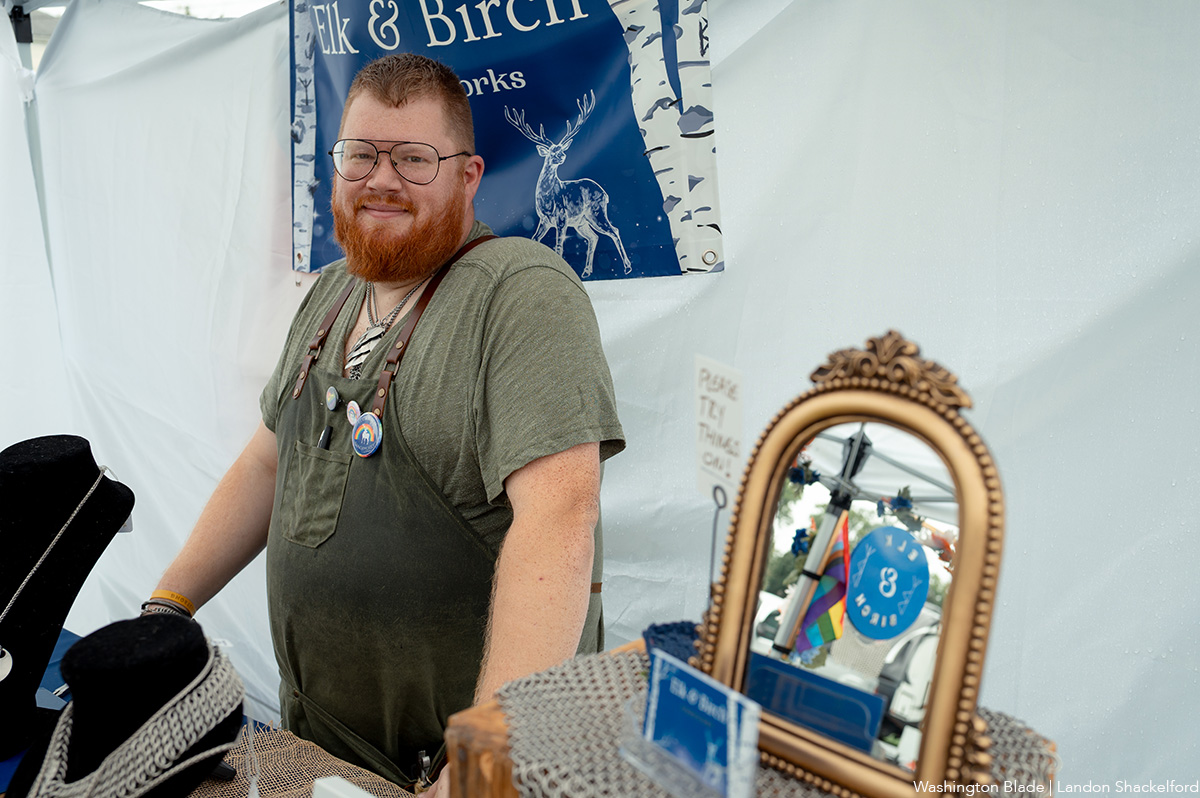
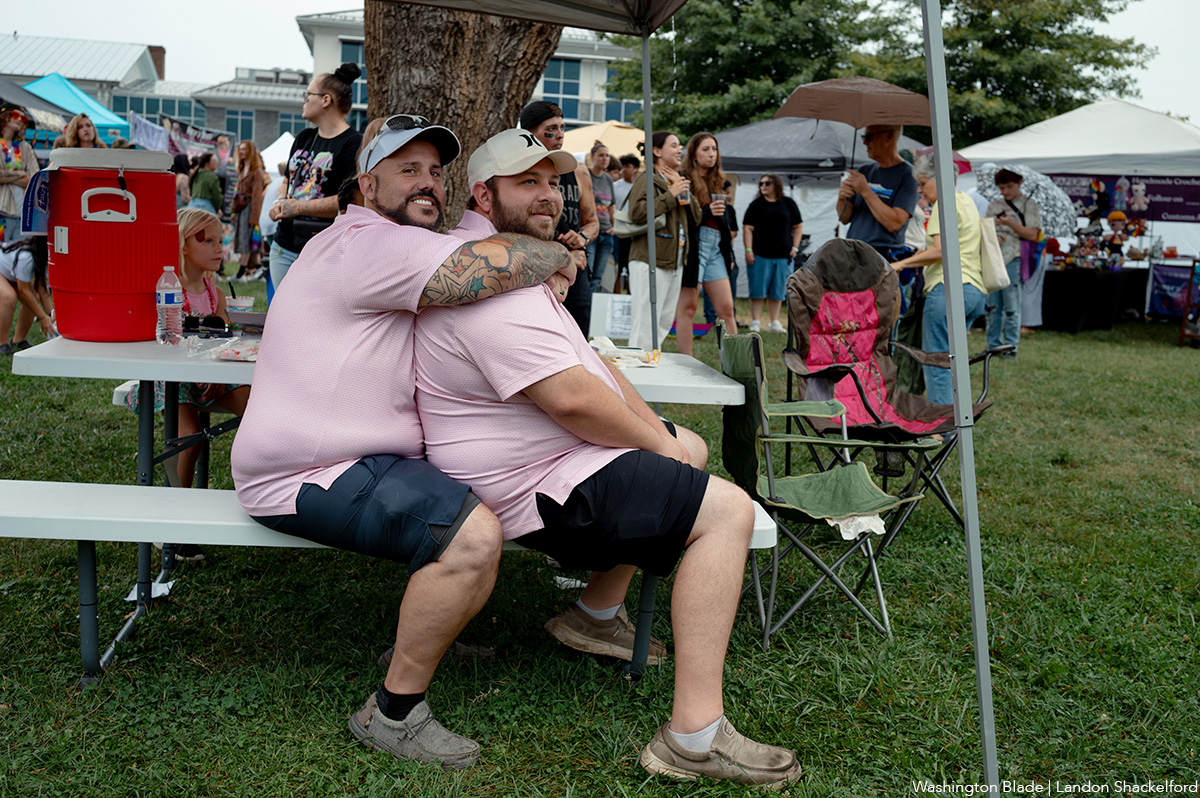
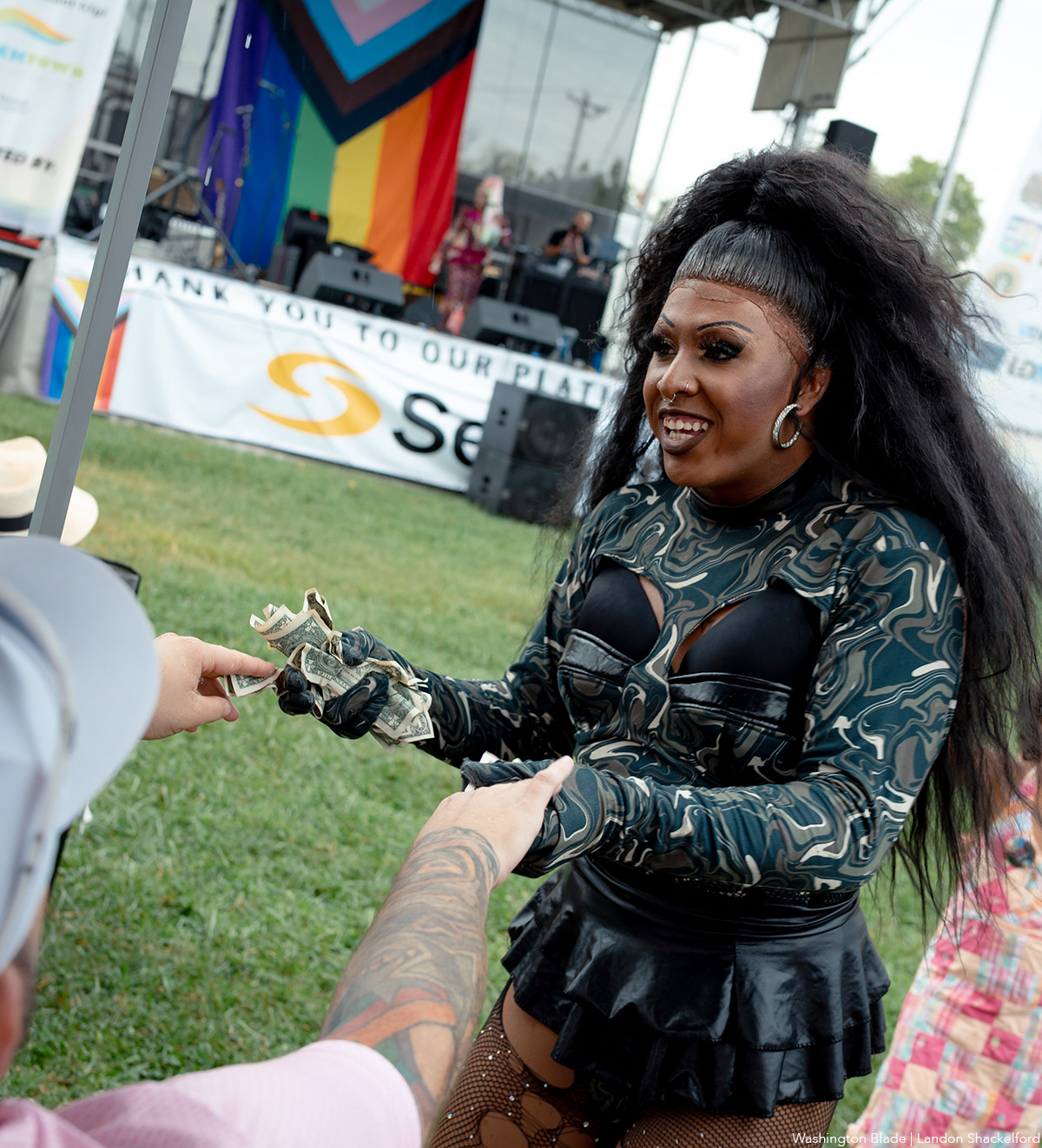
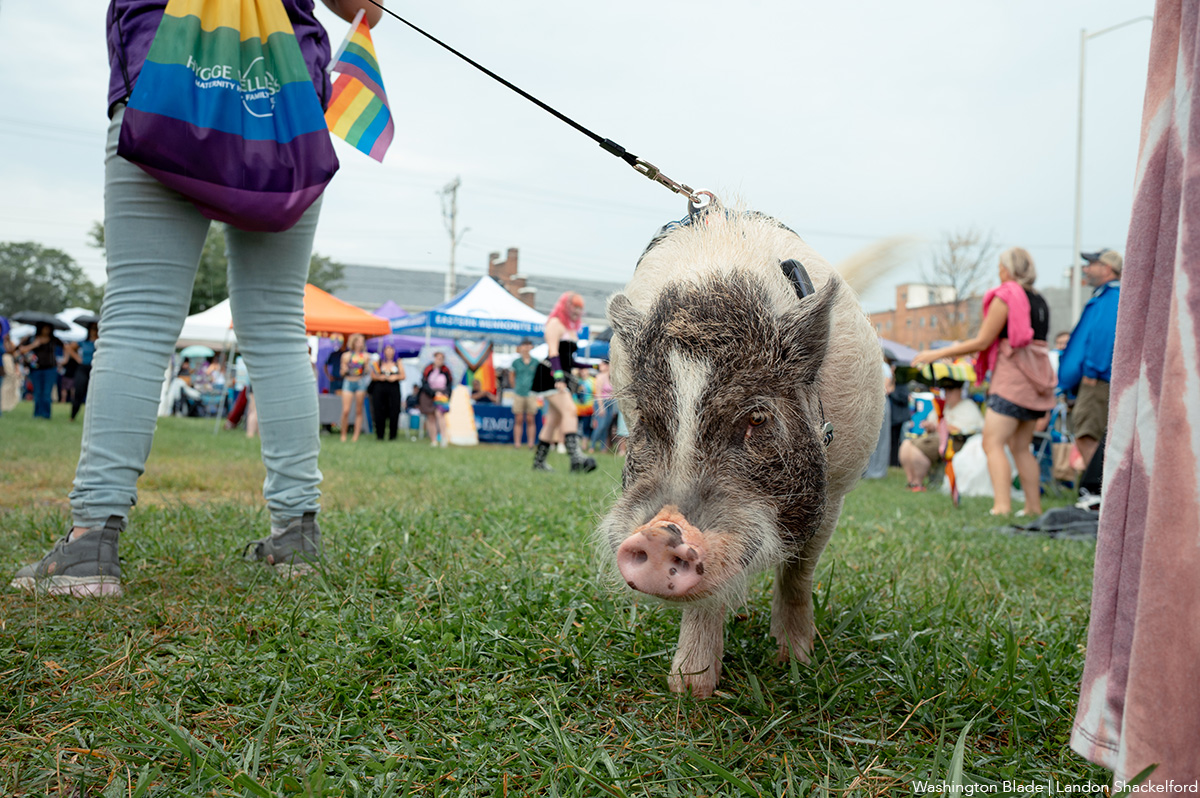
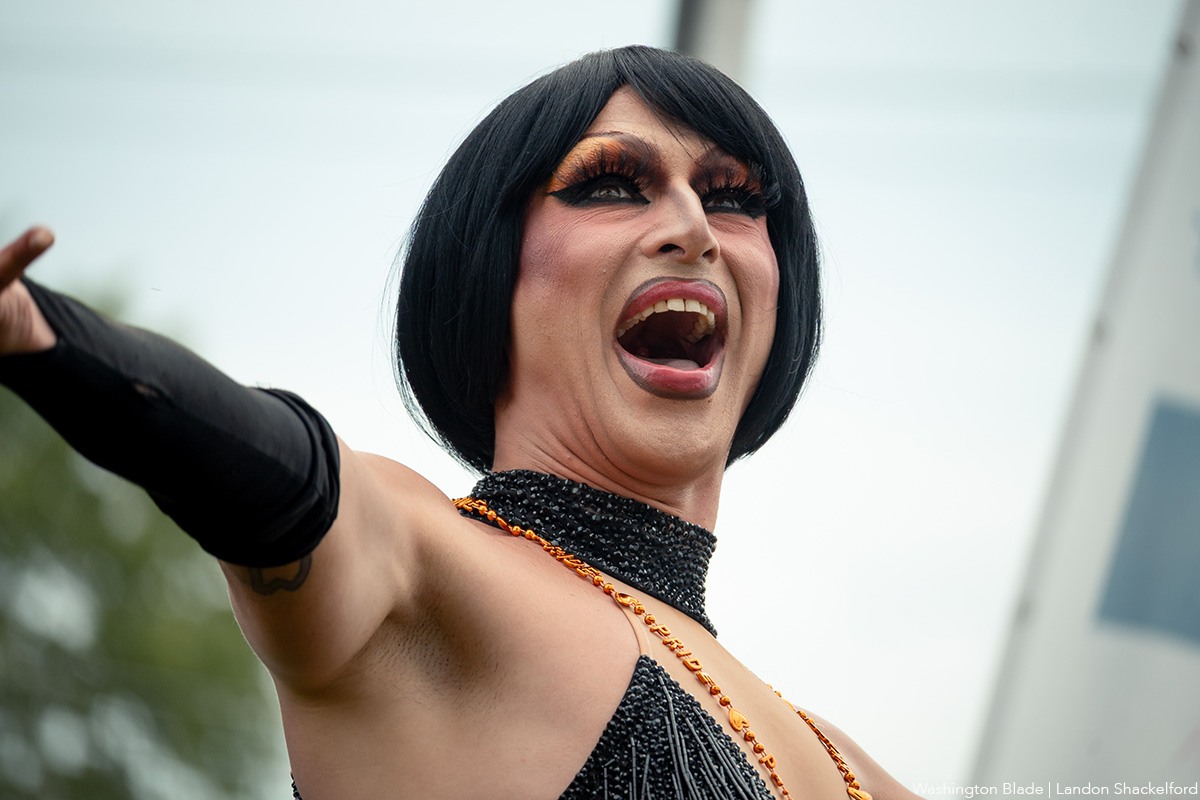
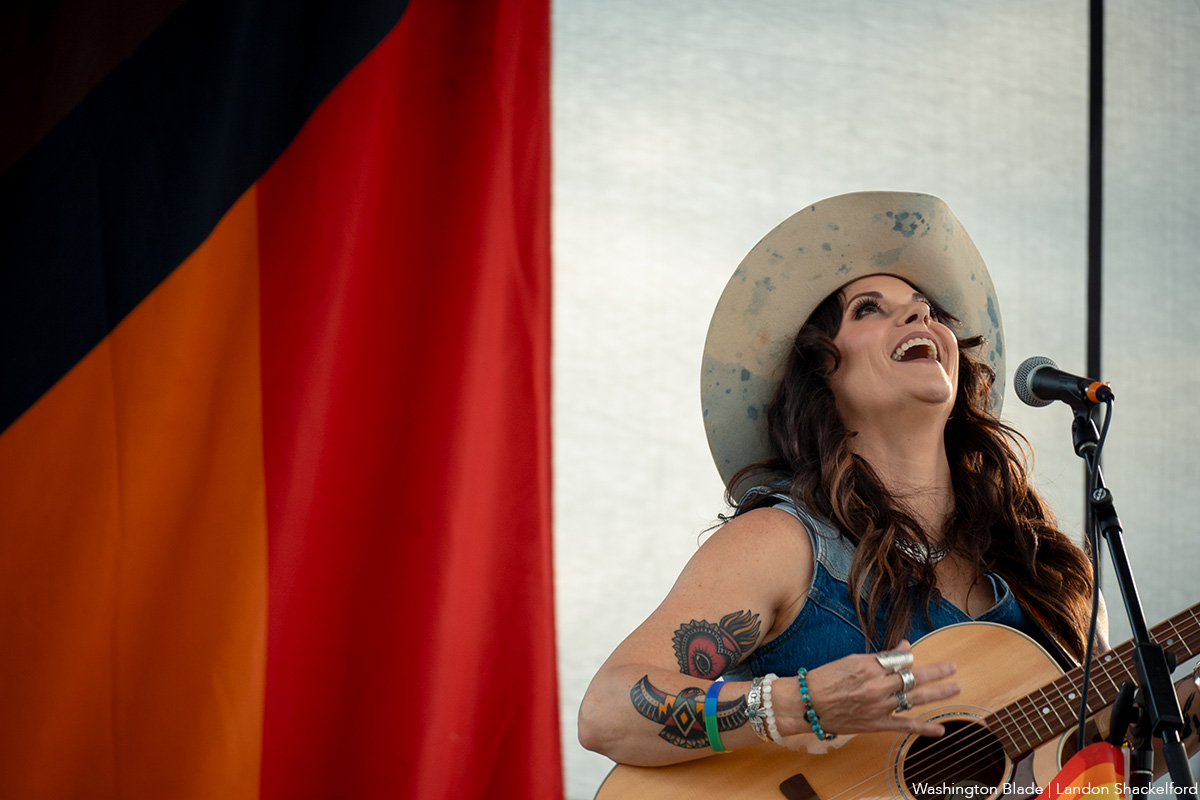
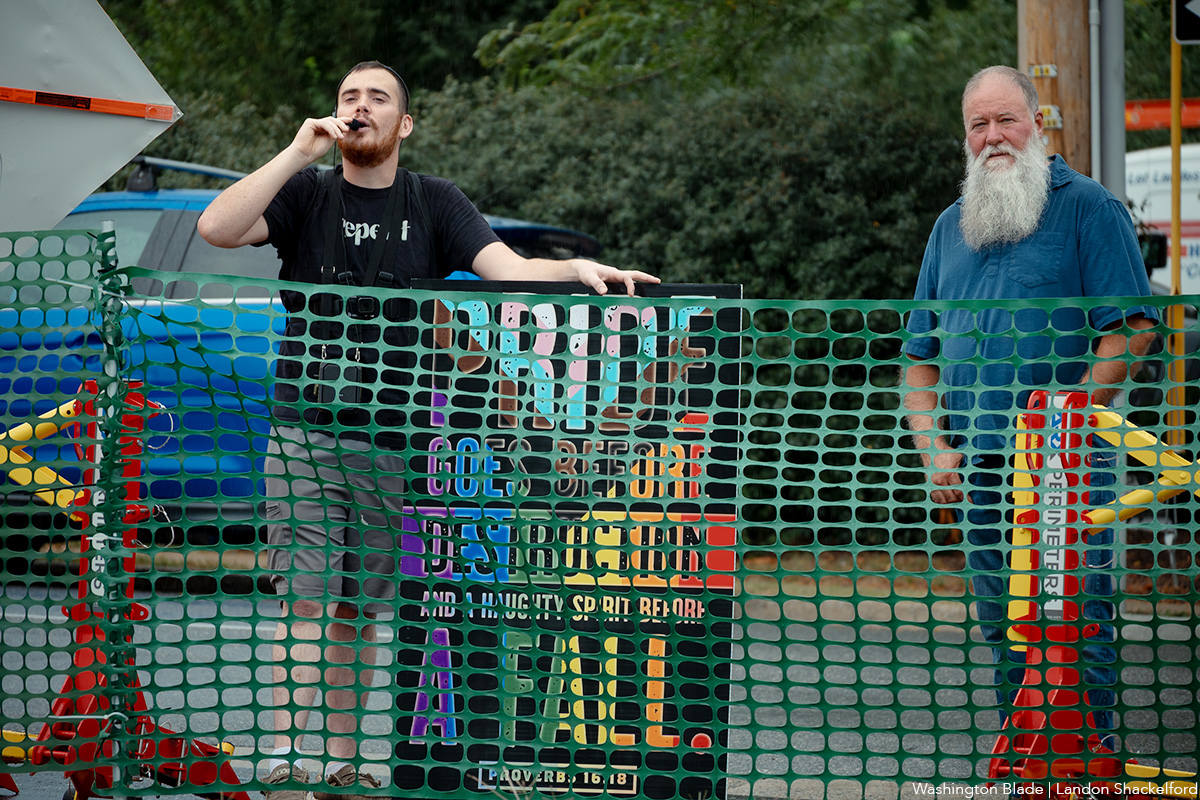
PHOTOS: Shenandoah Valley Pride
LGBTQ celebration held at Turner Pavilion in Harrisonburg, Va.
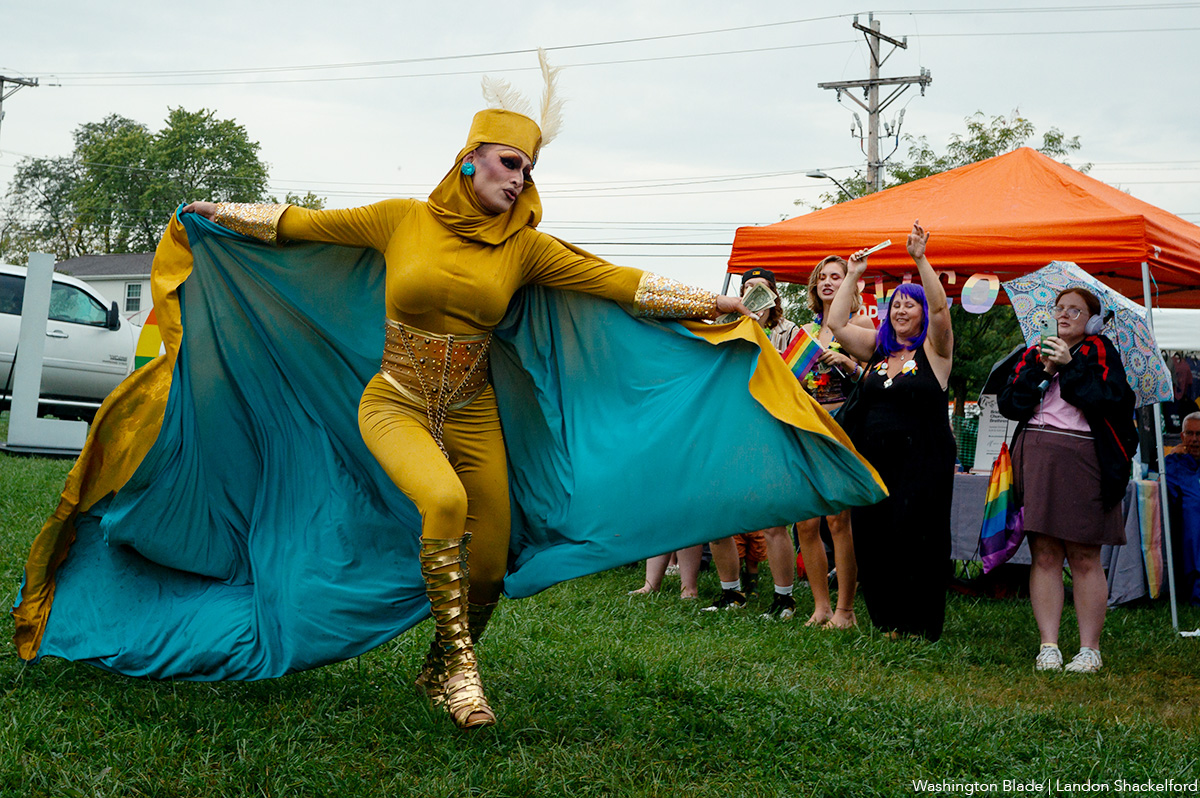
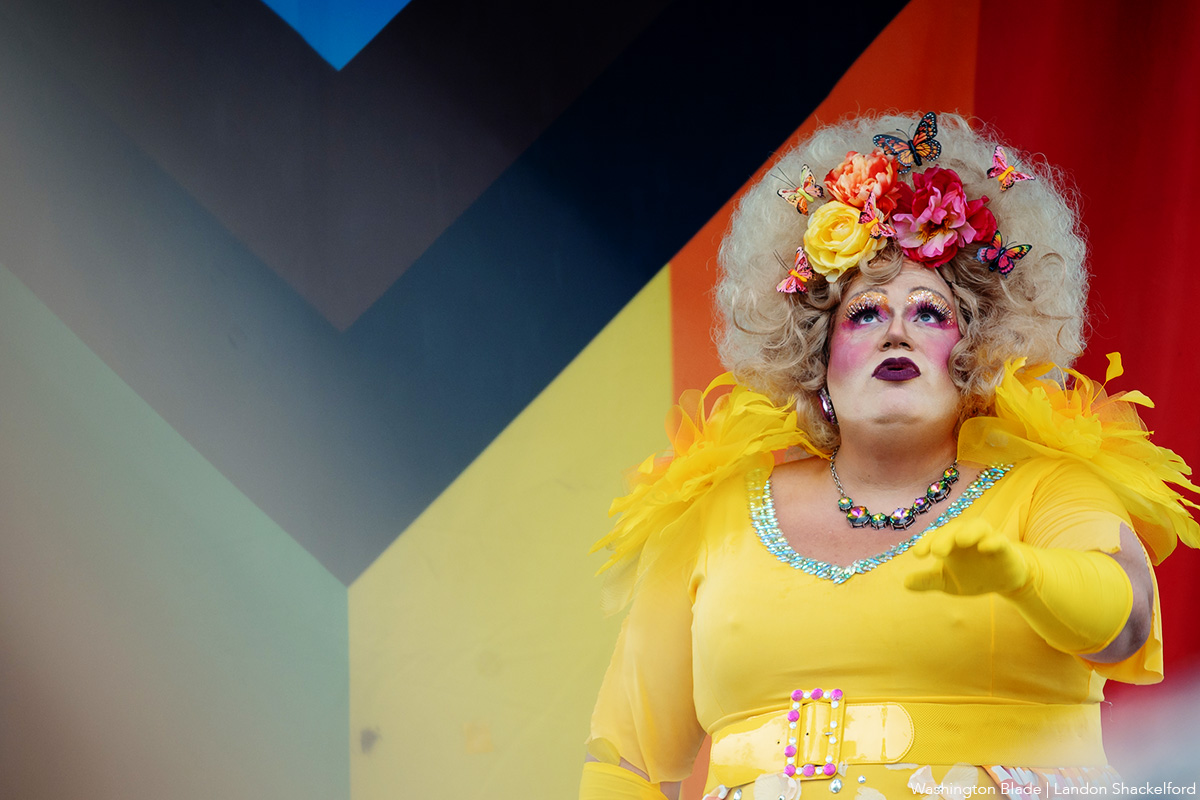
The 2026 Shenandoah Valley Pride Festival was held at Turner Pavilion in Harrisonburg, Va. on Sunday, Sept. 20.
(Washington Blade photos by Landon Shackelford)
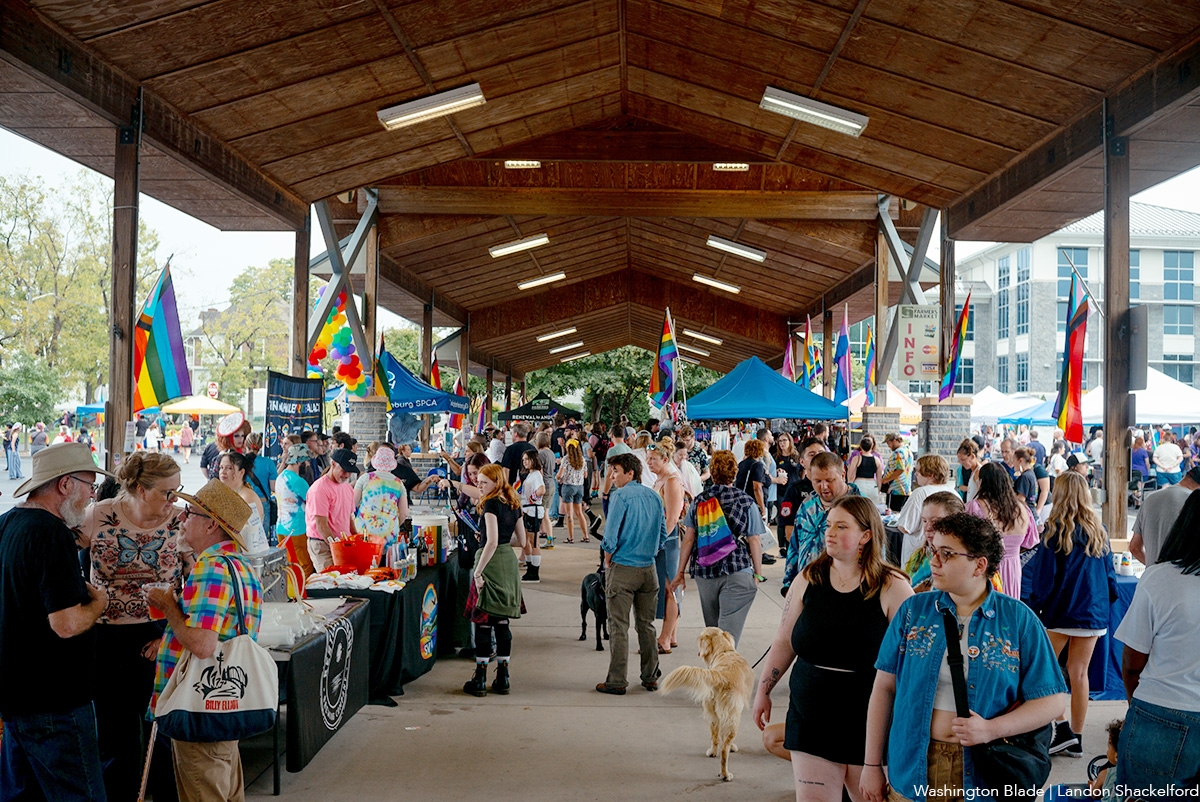
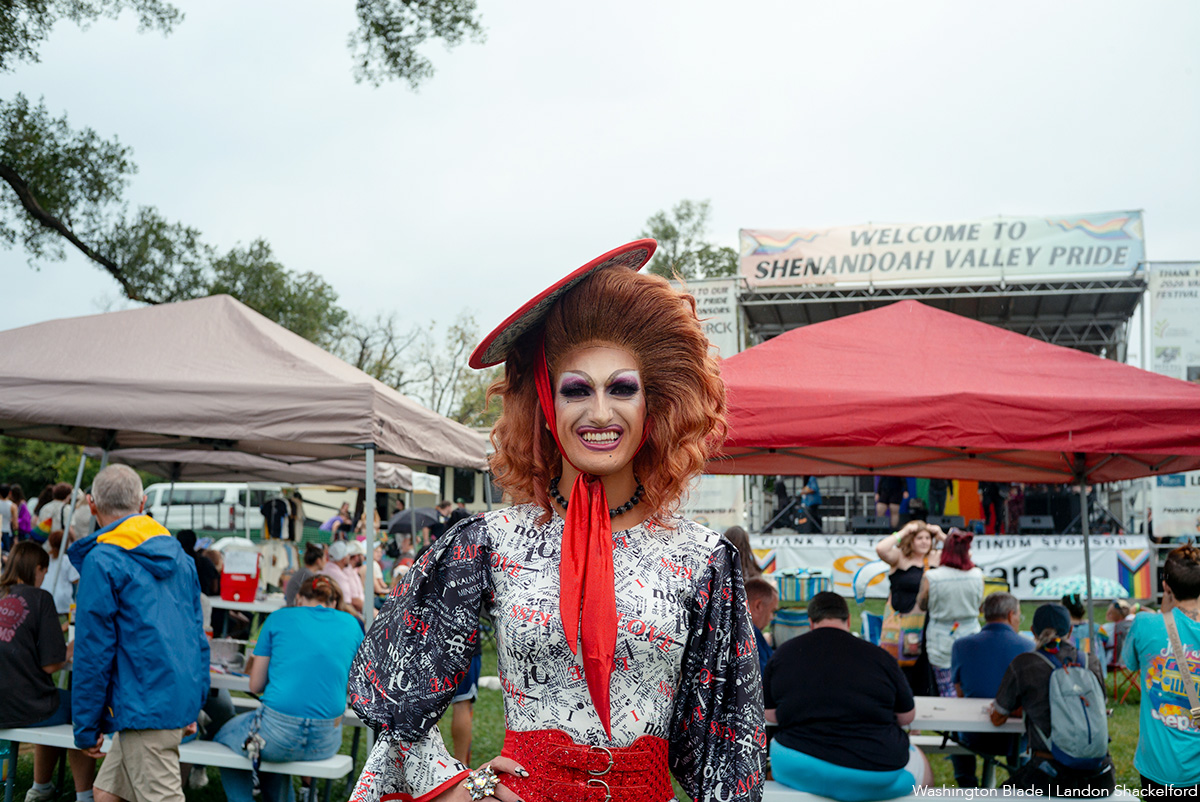
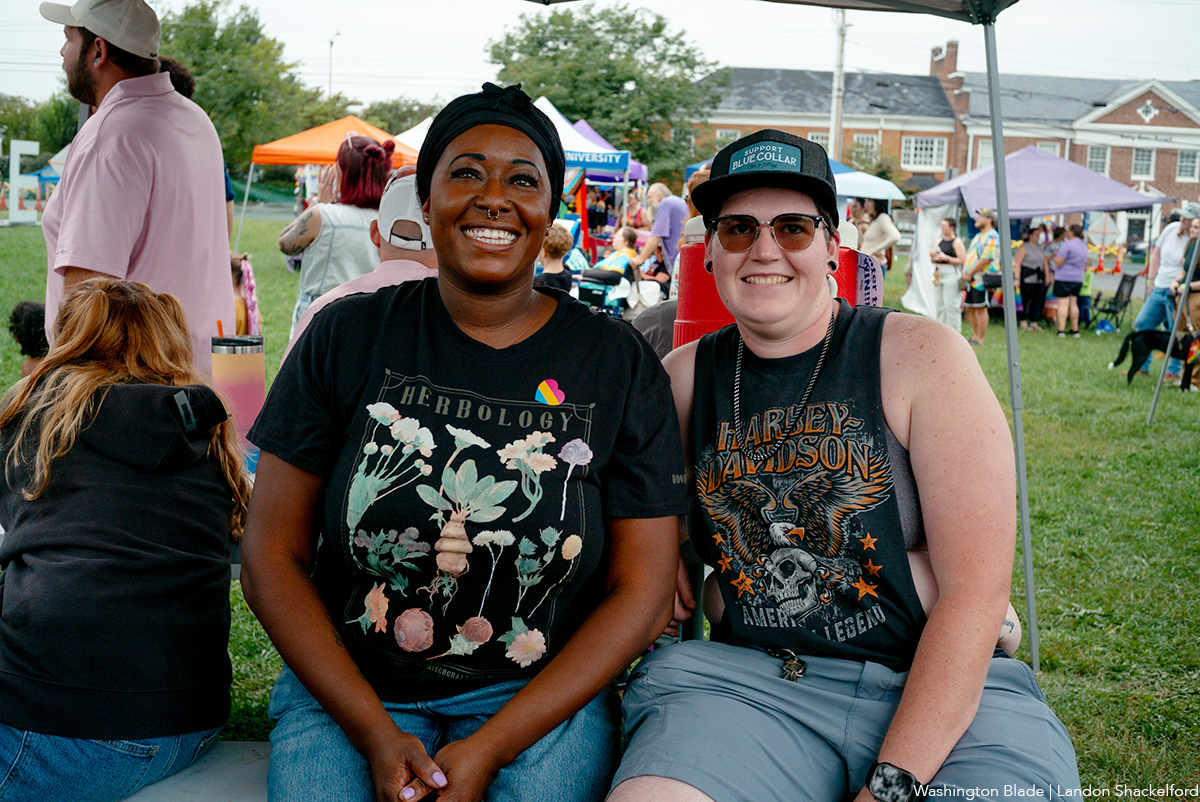
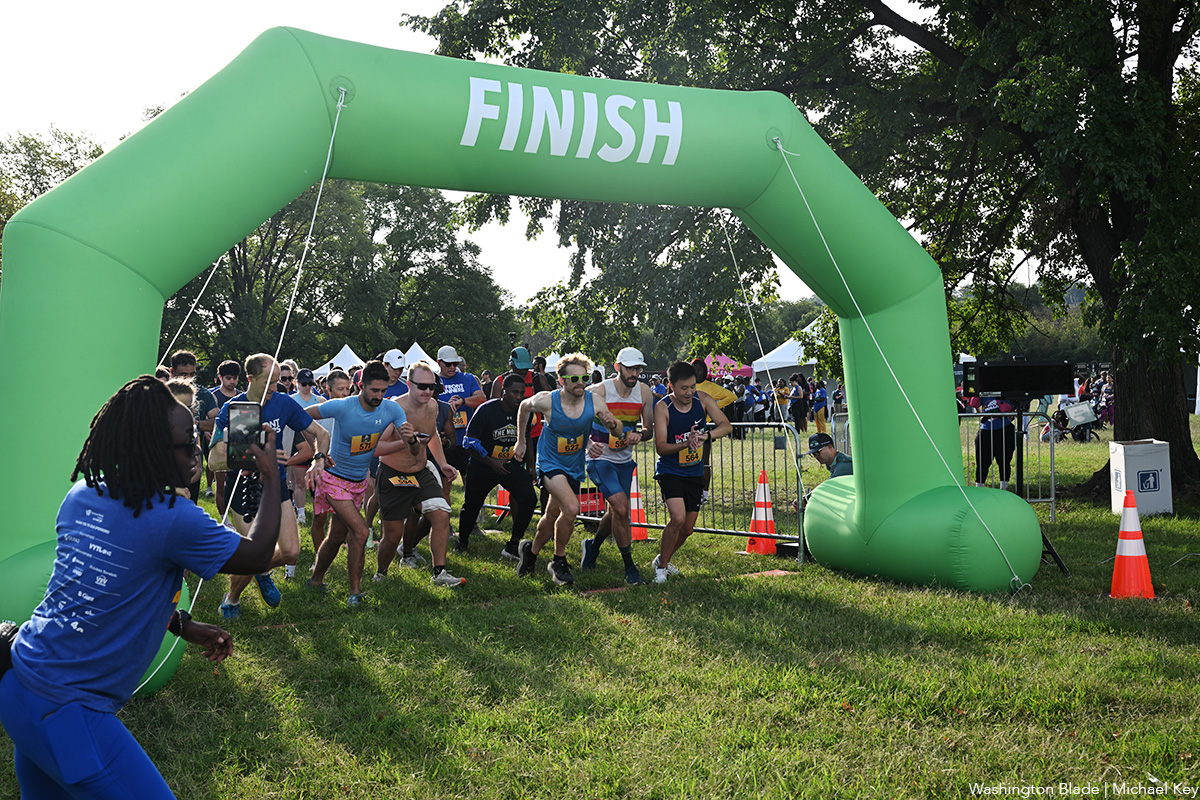
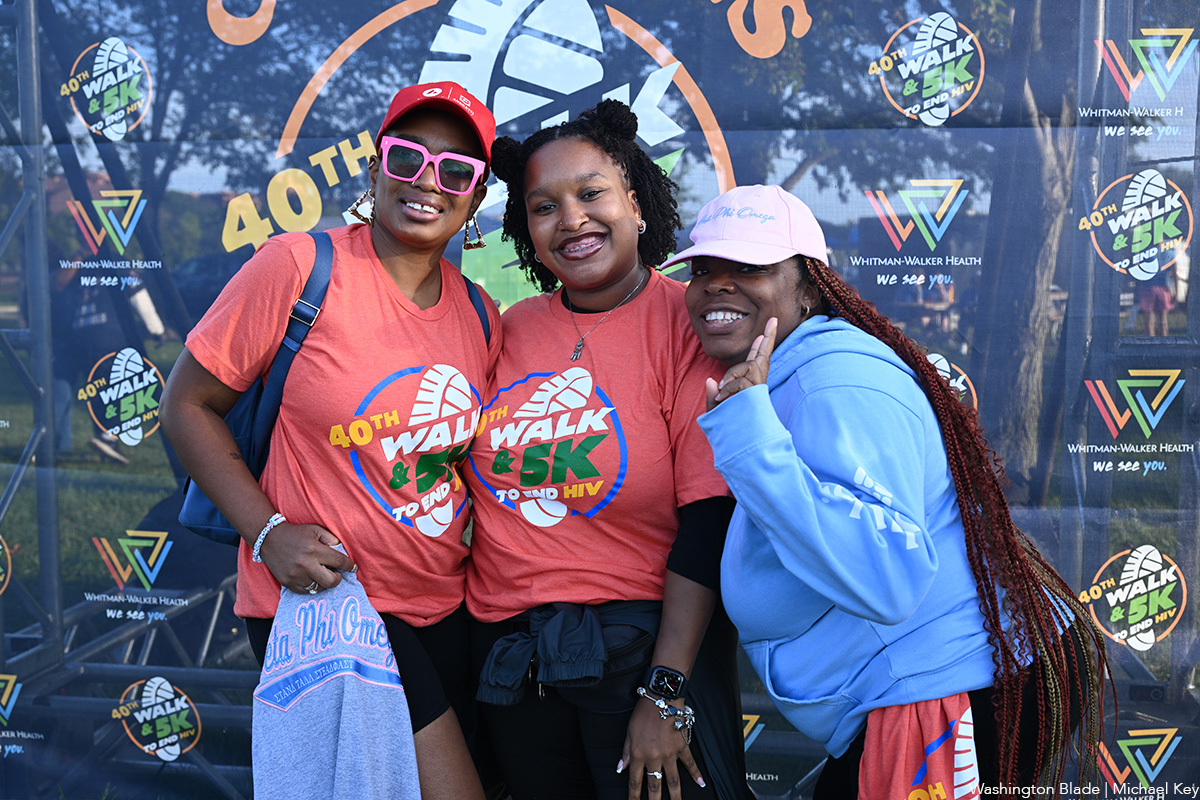
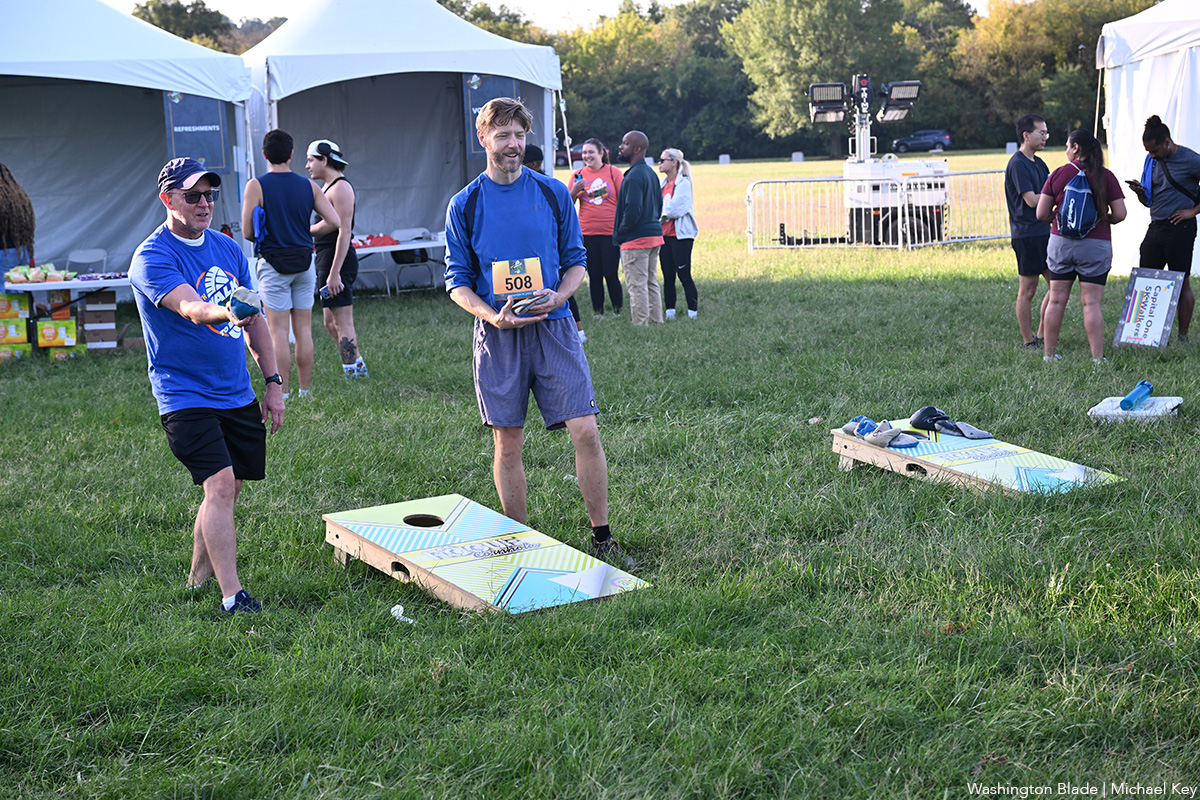
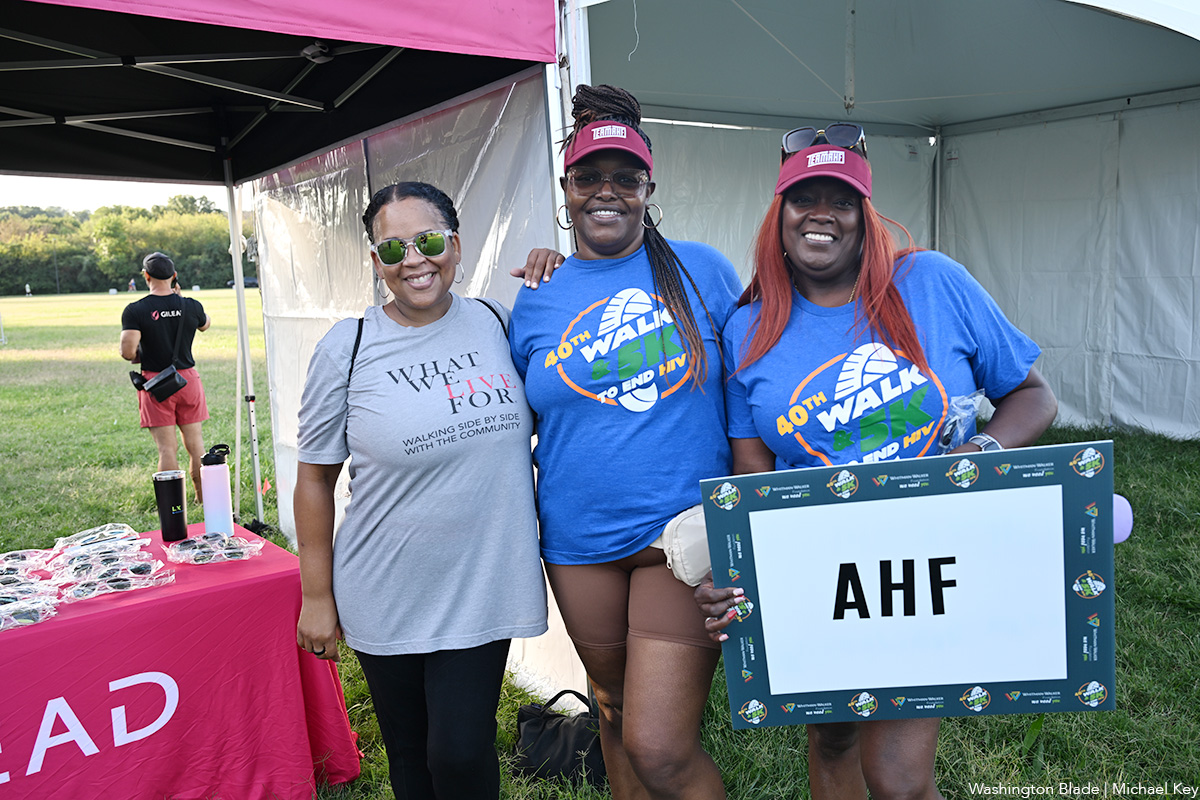
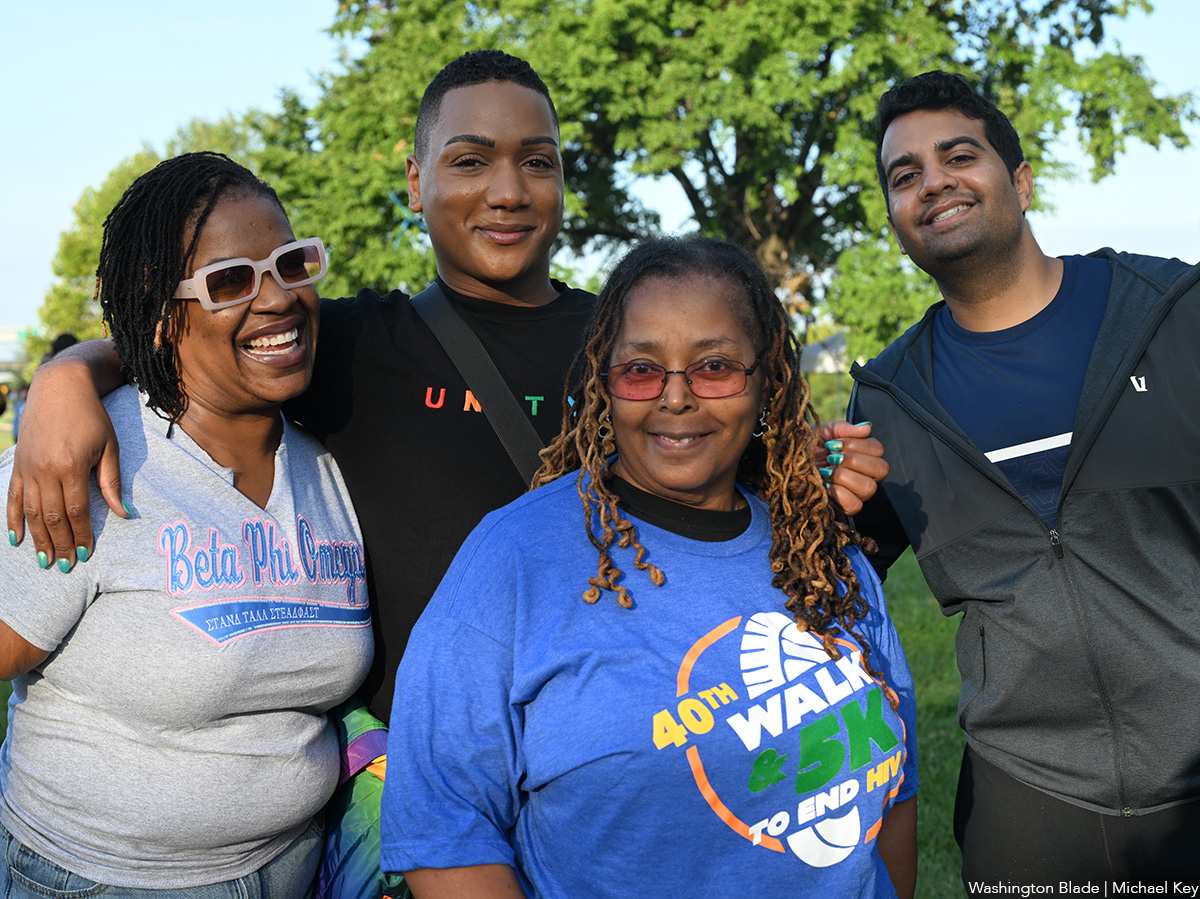
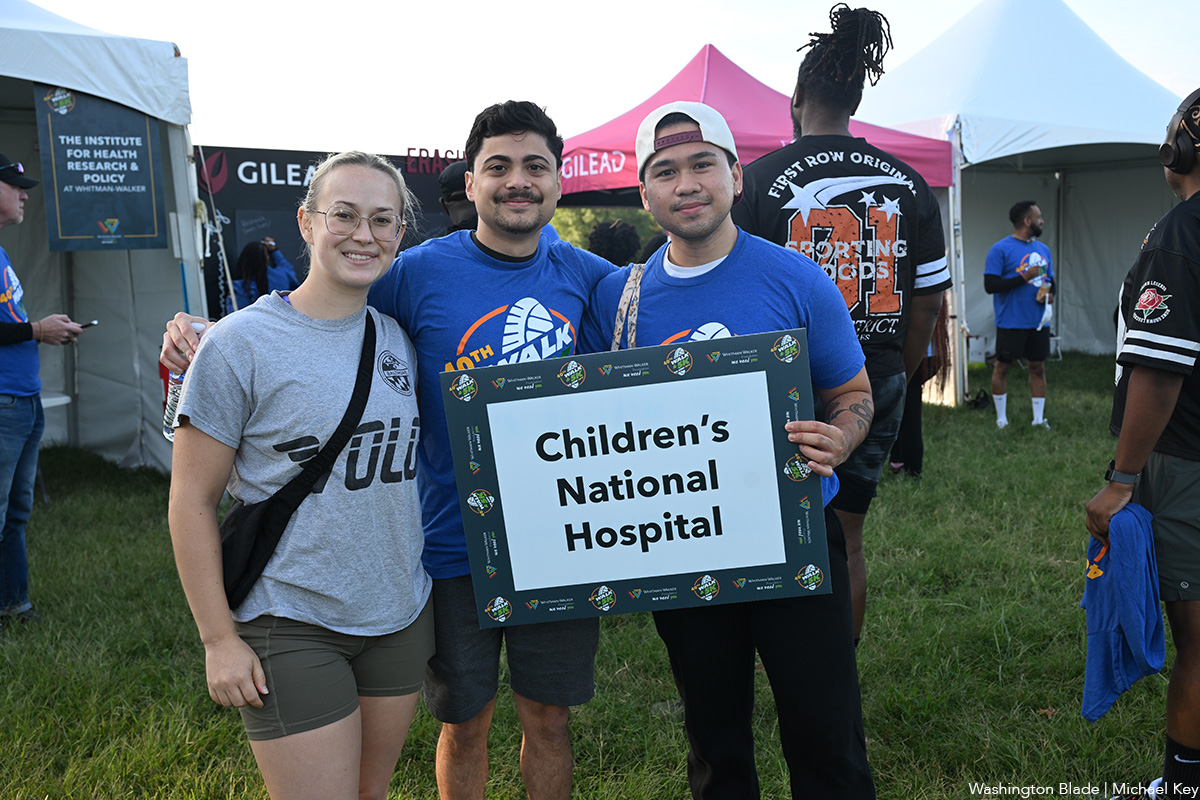
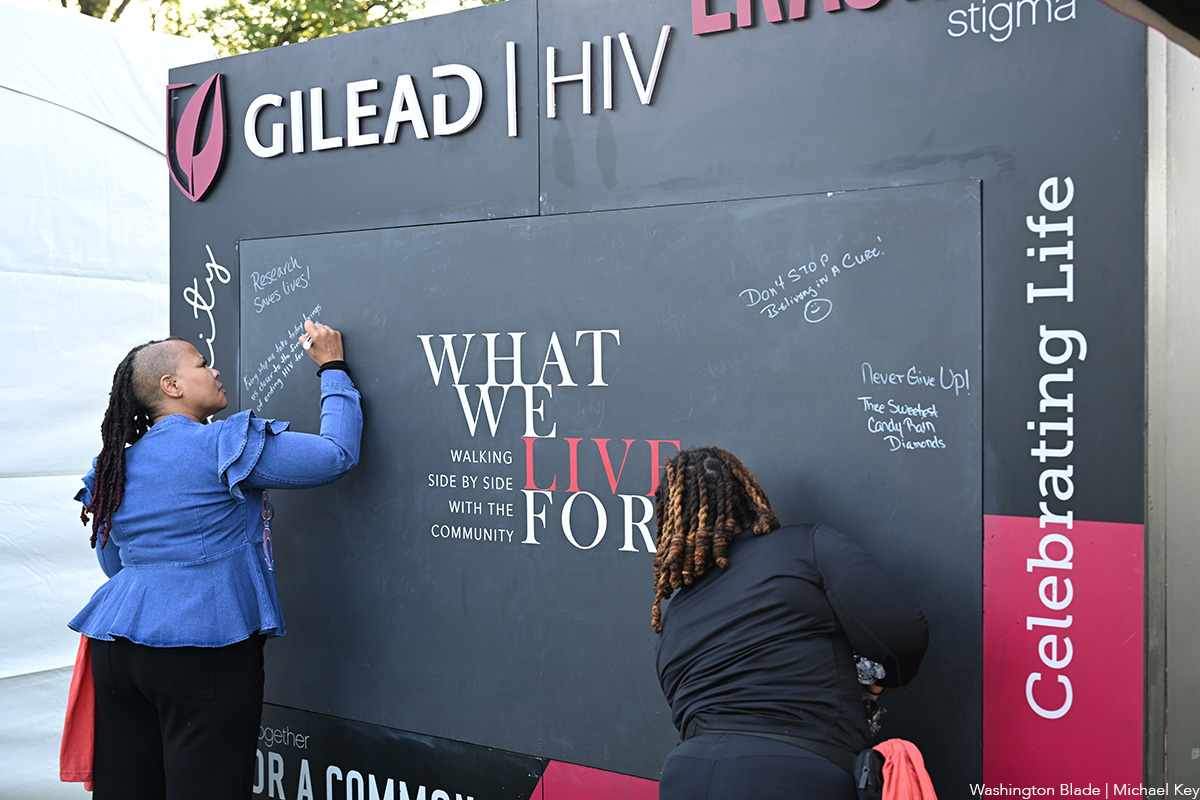
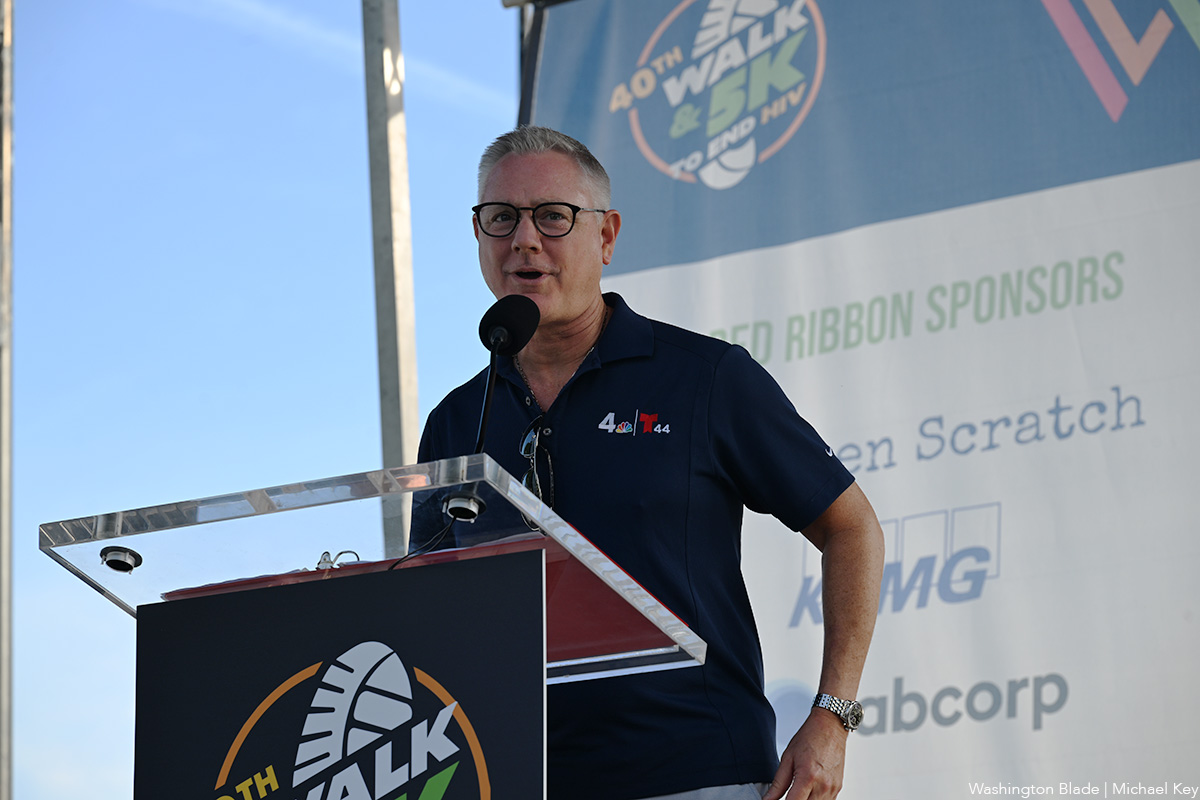
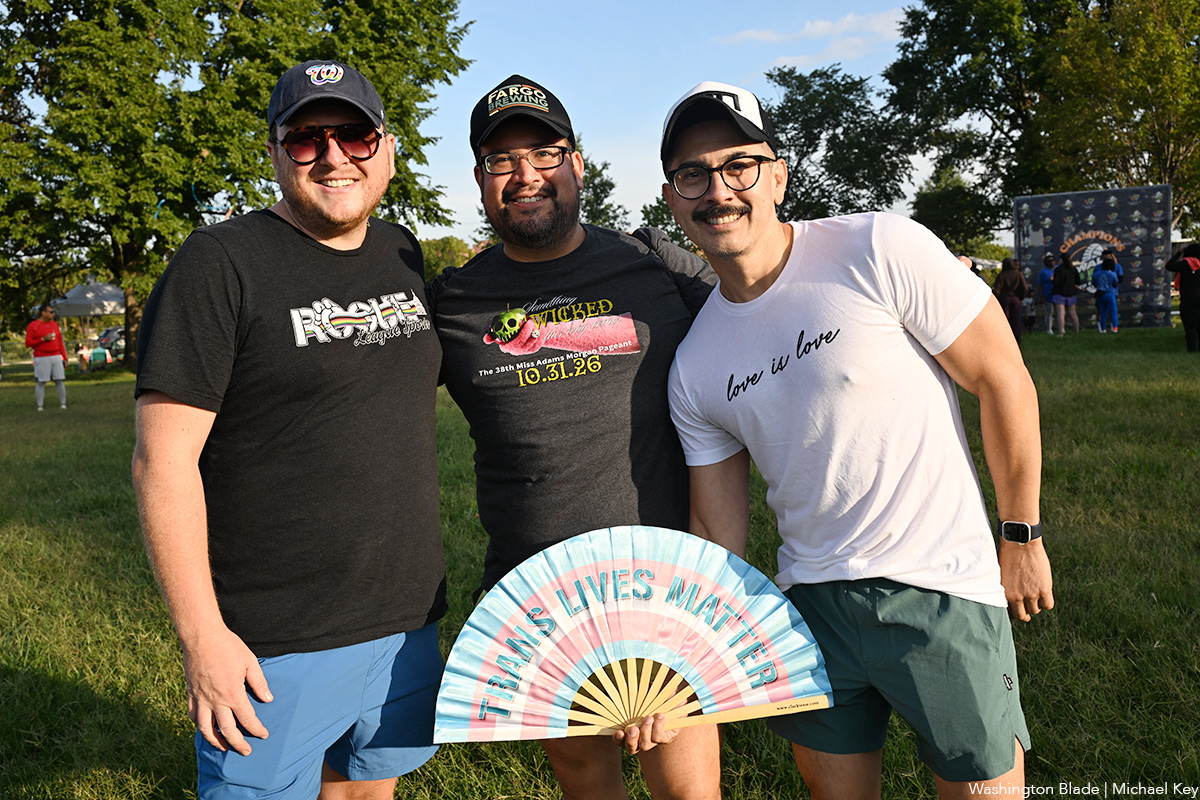
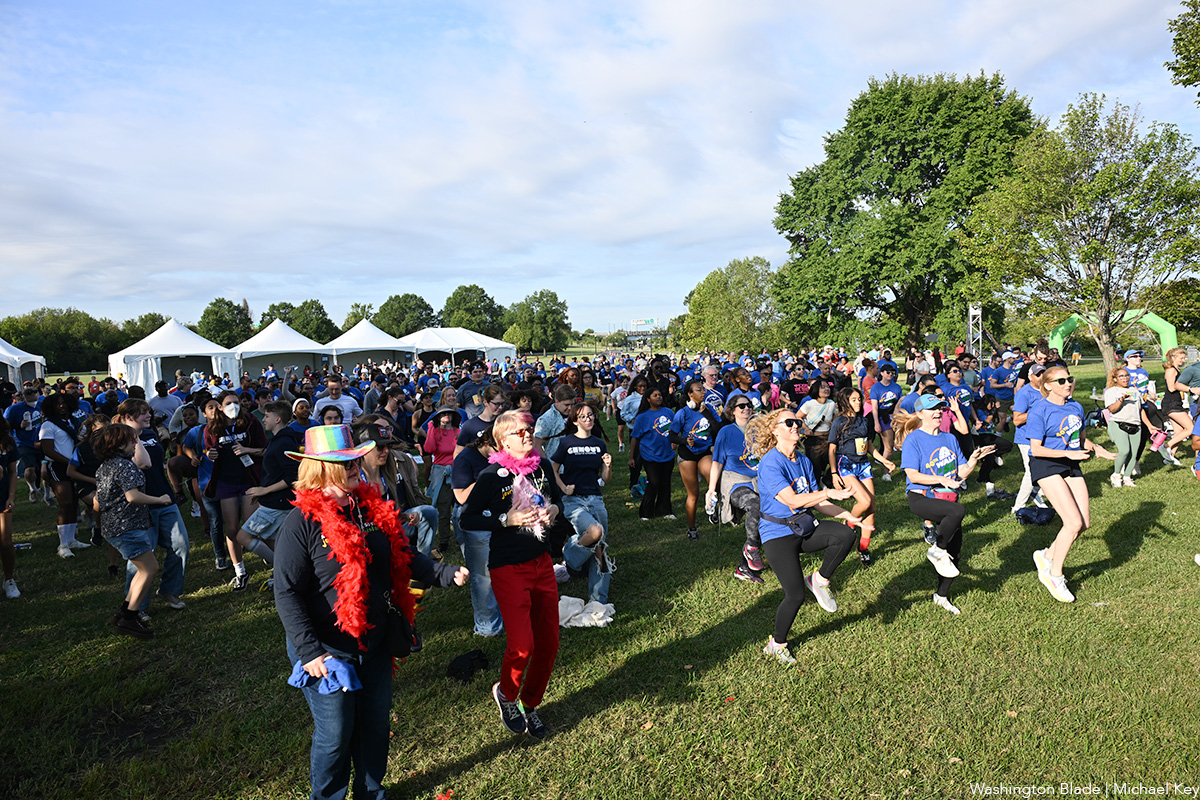
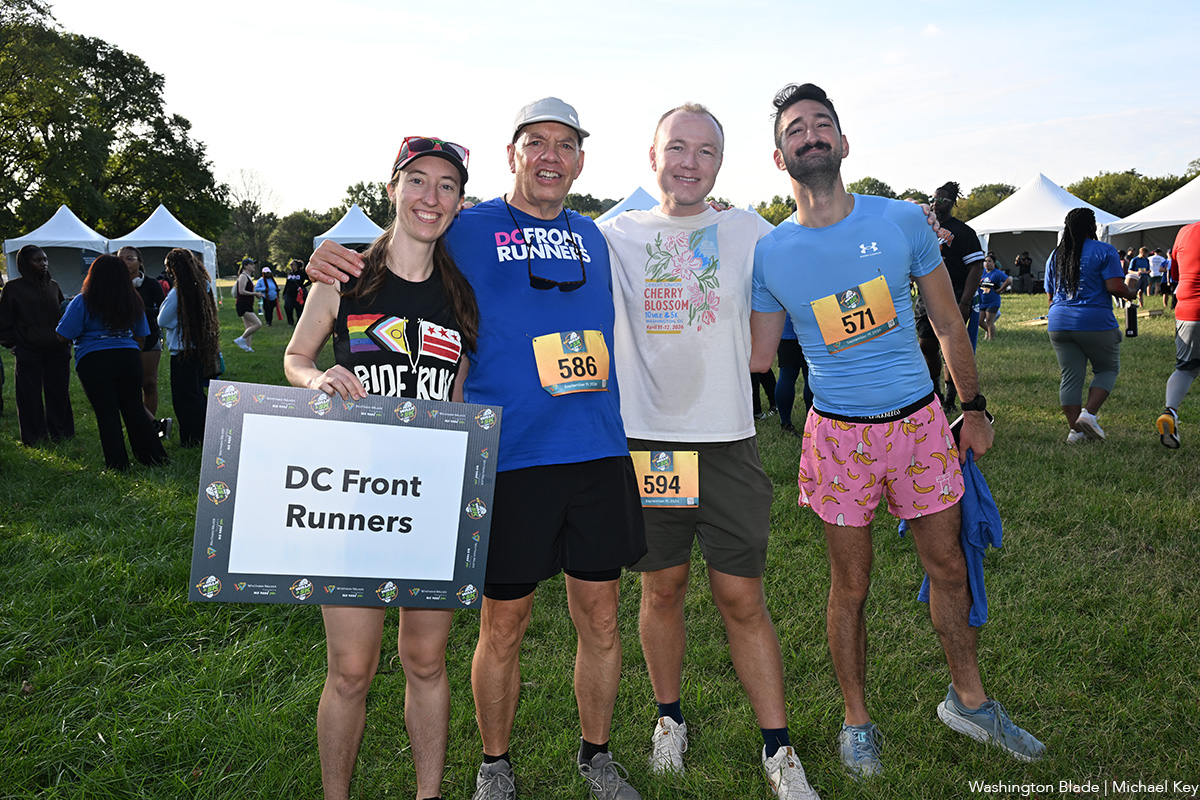
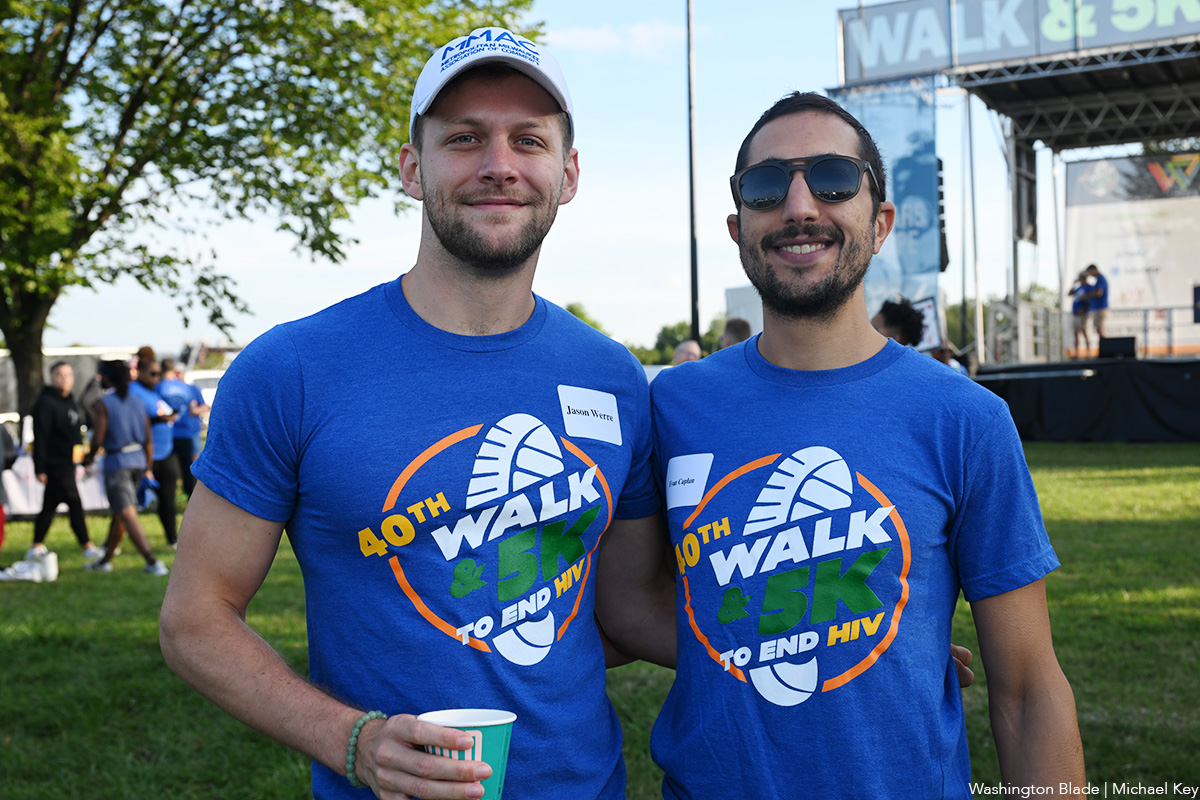
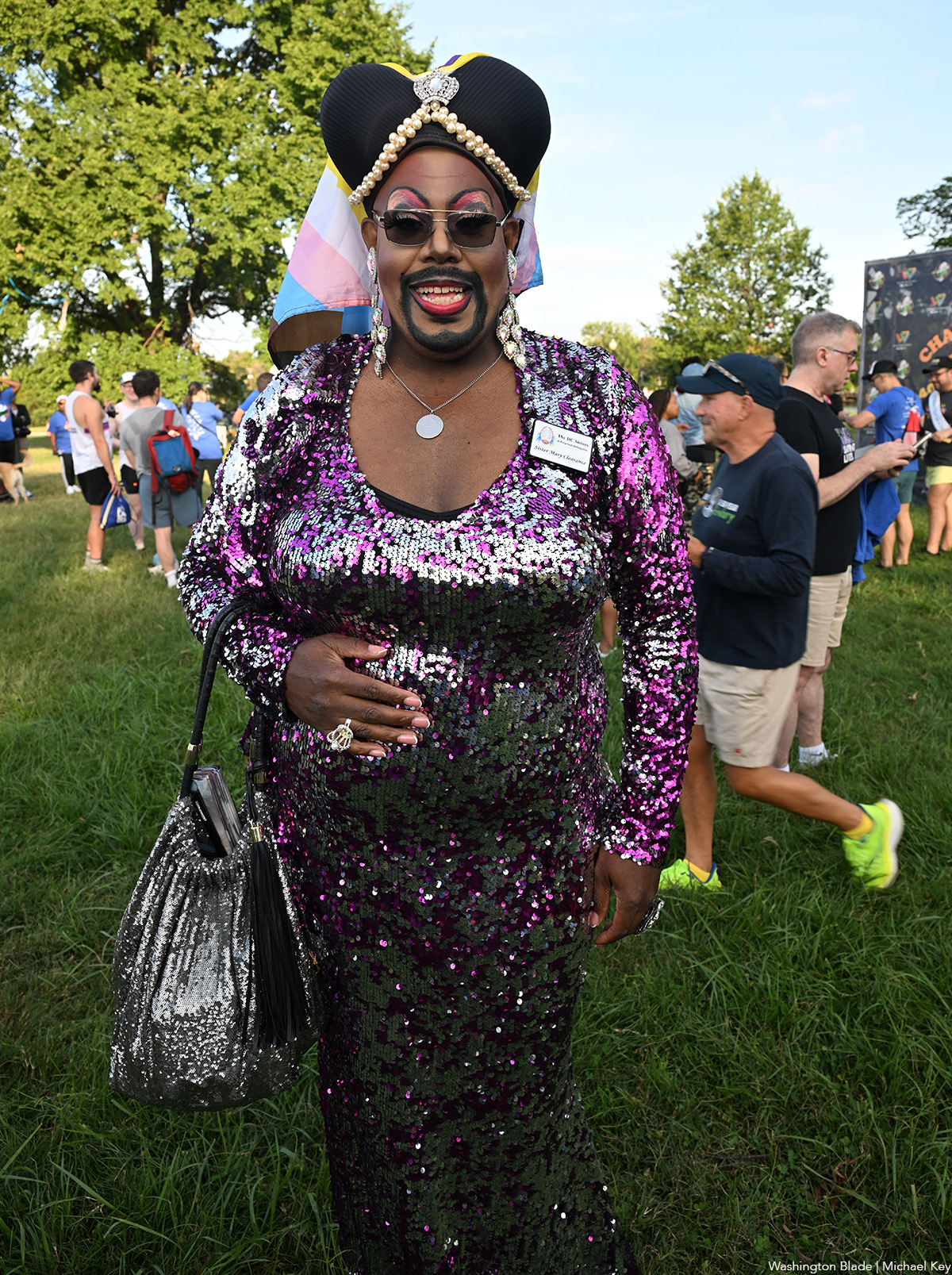
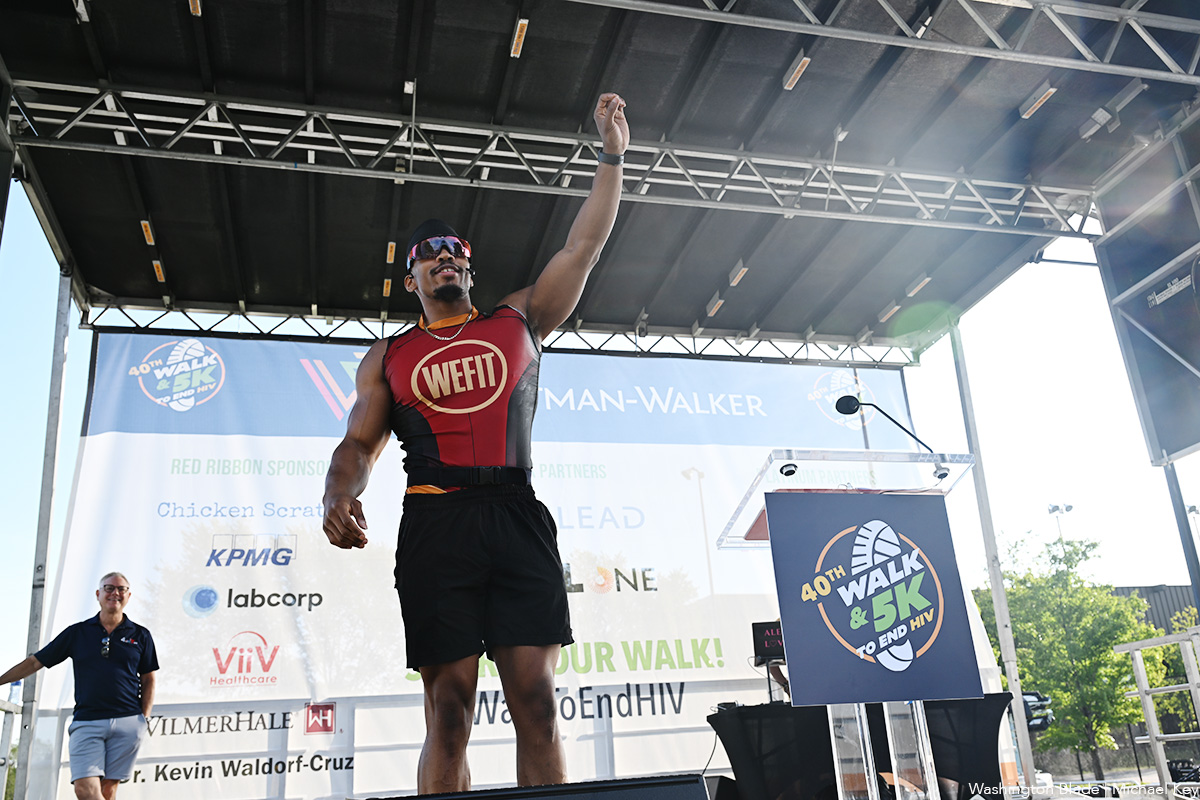
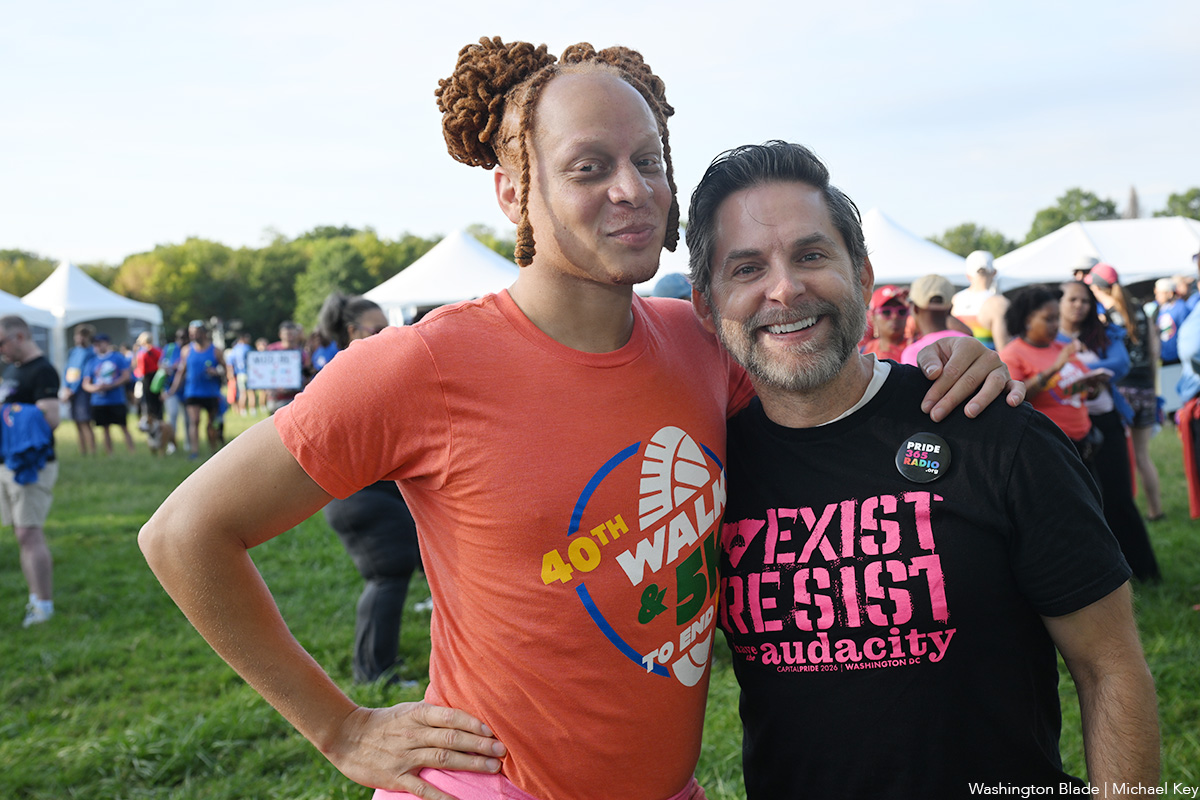
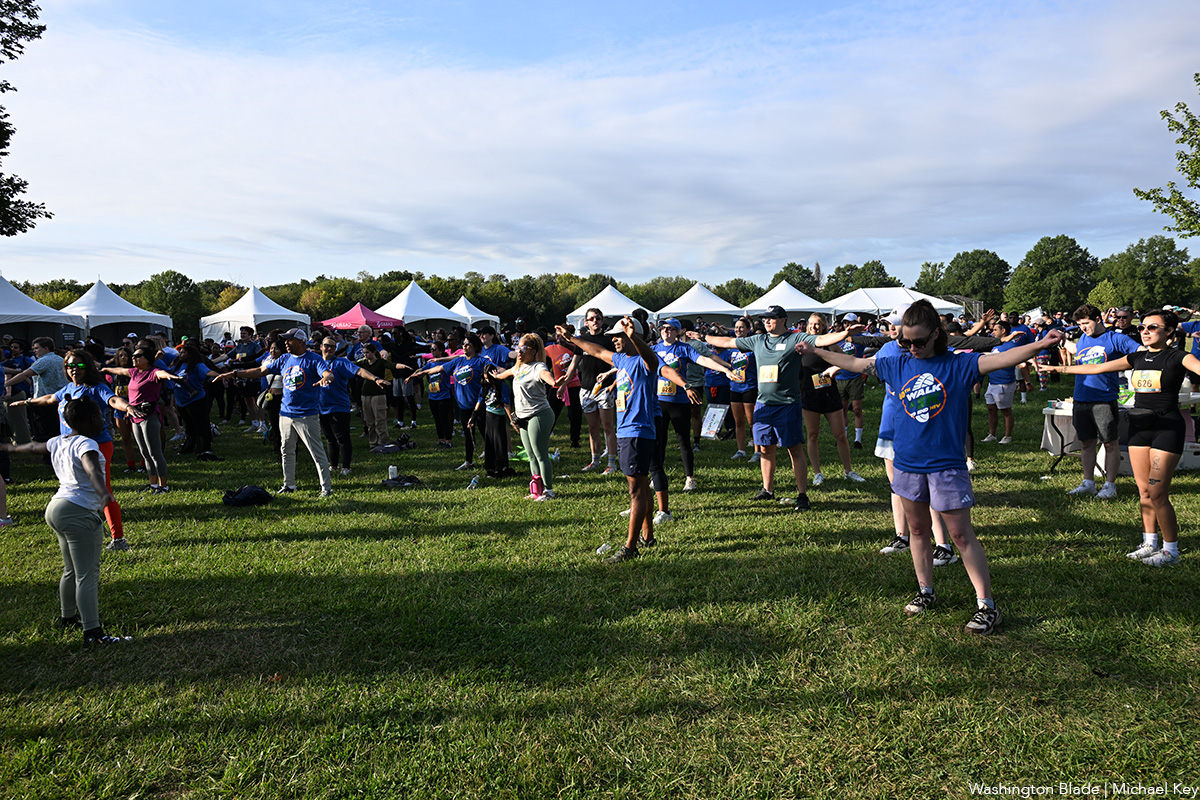
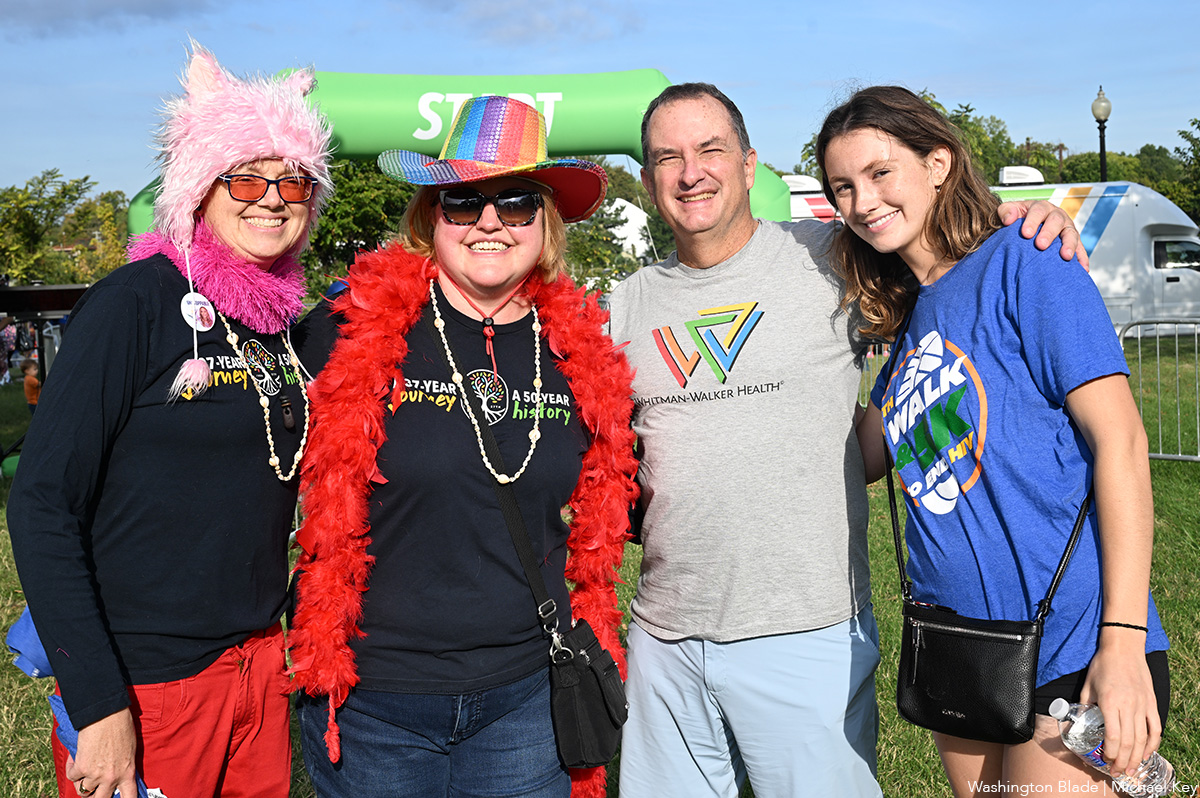
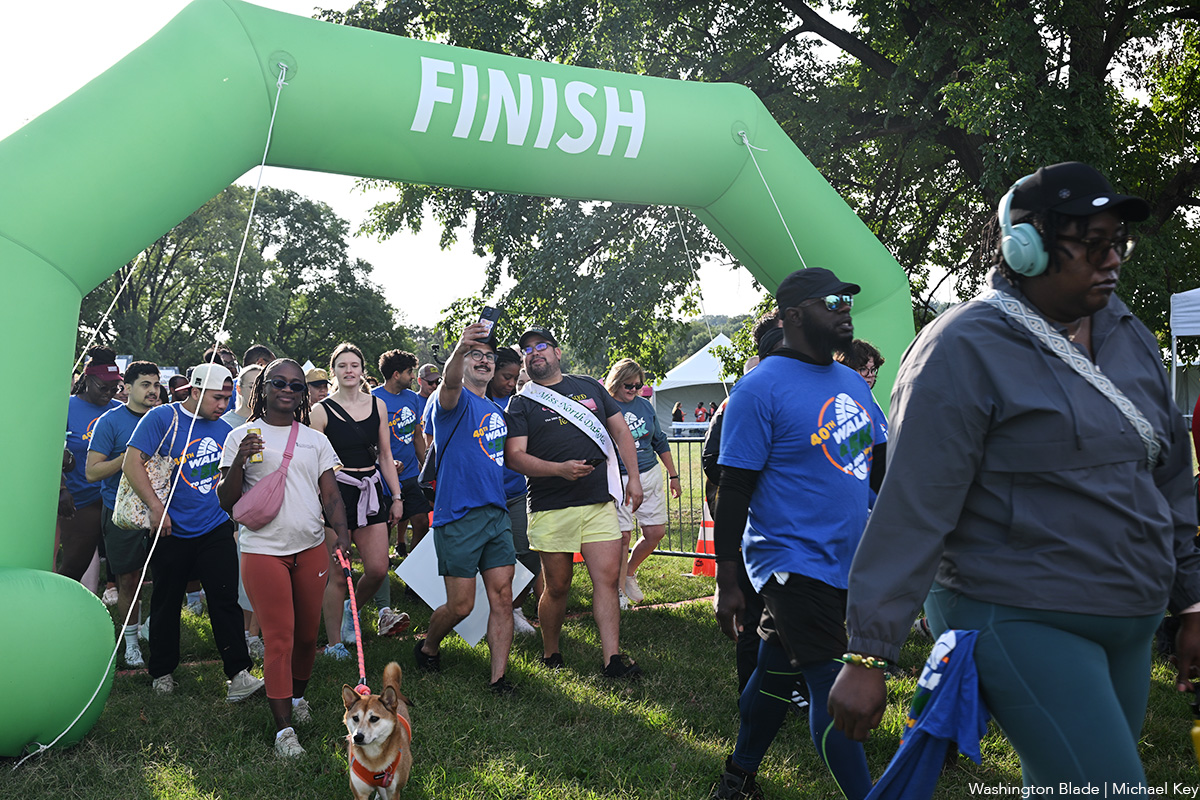
Whitman-Walker Health held the 40th annual Walk and 5K to End HIV at Anacostia Park on Saturday, Sept. 19.
(Washington Blade photos by Michael Key)



Caso Karlina: Una sentencia histórica contra las terapias de «conversión»

Washington Blade responds to concerns over White House pool duties

Young people should know history of the fight for human rights

Dutch prime minister visits Stonewall Inn

Clavicular charged in alleged rape of teenage influencer

Over 2,000 turn out for Hands Around the Kennedy Center protest

PHOTOS: Wanda Alston Foundation Fall Reception

PHOTOS: Walk and 5K to End HIV

What LGBTQ veterans are building after ‘Don’t Ask, Don’t Tell’