Arts & Entertainment
Lesbian Farmer’s emu Emmanuel goes viral
Very quickly, “Emmanuel, don’t do it” became a popular catchphrase.
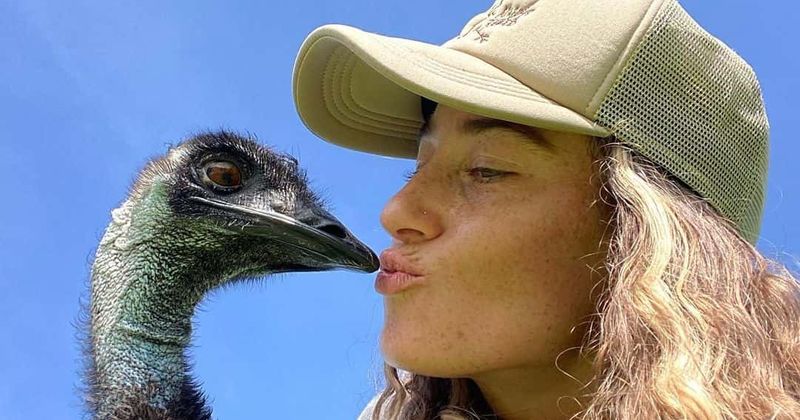
“God I love this lesbian and her bird son.” The tweet by comedian Danielle Radford got about 6,800 likes.
Hobby farmer Taylor Blake and her emu Emmanuel were first known in TikTok through Knuckle Bump Farm’s account but recently went viral. Over the week, the two adorable partners cracked up the web.
God I love this lesbian and her bird son
— Pansexual Chocolate (@danielleradford) July 18, 2022
Blake started producing content online in 2013. Initially she simply showed her farm life and introduced some farm animals to the TikTok audience, until Emmanuel first, and slightly offensively, ran into the camera frame in early July.
@knucklebumpfarms Not a day goes by that Emanuel doesn’t try my life #emu #emusoftiktok #farmlife ♬ original sound – Knuckle Bump Farms
Sometimes, camera hater Emmanuel still chose to peck the camera down to the ground, despite Black urging not to “do it.”
@knucklebumpfarms Reply to @pdtheog is this what you wanted? Bc I have cow shit stuck in my phone speaker now😩 #emu #emmanuel #emusoftiktok #farmlife ♬ original sound – Knuckle Bump Farms
“Emmanuel, don’t do it” quickly became a popular catchphrase.
As Blake, a lesbian, told Washington Post, she grew up near her grandparents’ farm, and moved to help with their Knuckle Bump Farm with her girlfriend.
Emmanuel came to the farm in 2015. As Blake introduced him, he is a “down-to-earth guy.”
“I don’t really think he cares [about being famous],” Blake said to the Post, “I have talked to him about it a few times, but he hasn’t really had much of a reaction. I think he’s just … adapting to this new life of fame.”
However, Blake admitted that she felt “overwhelmed” and “shocked” by the tremendous online response. She attributed her success to the fact that people needed an emotional vent from heavy, depressing news stories, such as the war in Ukraine.
Blake depicted her video content as “fun, lighthearted,” where the audience “are not having to worry about politics, you’re not having to worry about all the terrible things that are going on in the world right now.”
Blake also clarified that Emmanuel’s appearances were not staged. Rather, he genuinely had an “obsession with the camera” — and “obsession with me. … No matter where I am … he always has to be right next to me,” Blake said.
@knucklebumpfarms People let me tell you bout my best friend 🤠 #emmanuel #emmanueldontdoit #emmanueltheemu #bestfriend ♬ Best friend by Harry Nilsson – PeterVigilante
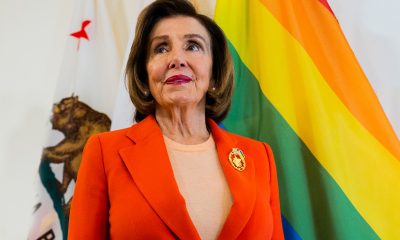
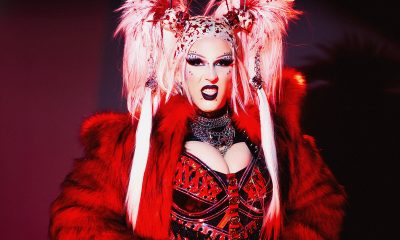


The Capital Pride Alliance presented the 2026 Capital Pride Honors at “The Audacity Brunch: In Full Fuchsia” at the Four Seasons Hotel Washington, D.C. on Sunday, June 7.
(Washington Blade photos by Landon Shackelford)


Out & About
Congressional Cemetery hosts Gays & Graves
Daylong Pride celebration blends history, remembrance, art and community

Historic Congressional Cemetery will host the second annual “Gays & Graves: A Big Gay Festival” on Sunday, June 14 at 11 a.m.
The event will feature pioneering activist Randy Wicker, the Gay Men’s Chorus of Washington, and new public art installations and programs celebrating LGBTQ+ history. Gays & Graves is an official partner event of Capital Pride 2026.
This event is a daylong Pride celebration blending history, remembrance, art and community. Visitors can shop from LGBTQ+ and allied artists and makers, experience performances and interactive installations, and engage with programs exploring LGBTQ+ history and lived experience.
For more details, visit the cemetery’s website.
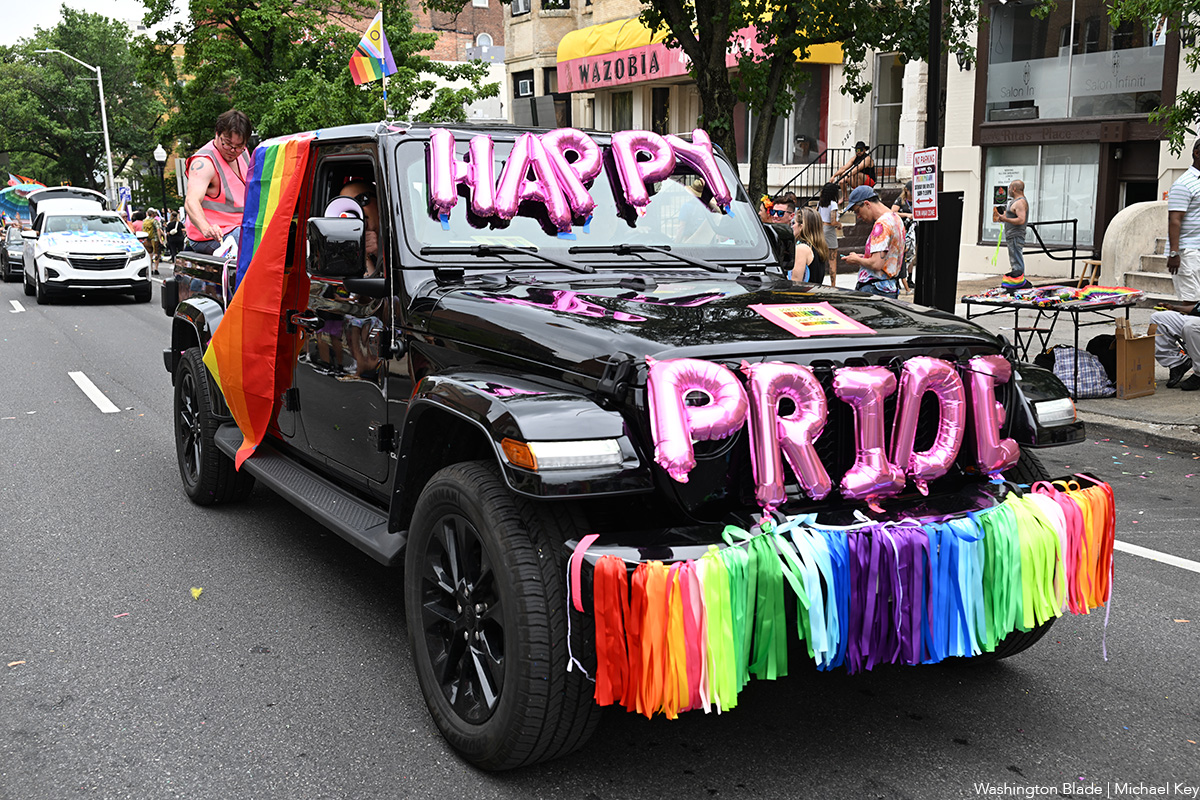
Baltimore Pride is underway, taking place from June 8-14.
The Pride Parade will be on Saturday, June 13 at 12 p.m. at Charles Street & North Avenue, followed by the Pride Block Party at 1 p.m. at Druid Hill Park. And then the Pride Festival will be held on Sunday, June 14 at 12 p.m. at Druid Hill Park.
There will be an array of additional events including: a fashion show, a “Suits and Sneakers” reception and a 5k race, among many other events.
For more details, visit Baltimore Pride’s website.

PHOTOS: The Audacity Brunch

D.C. Council approves expanded grant funding for Mayor’s Office of LGBTQ Affairs

Congressional Cemetery hosts Gays & Graves

Baltimore Pride is here

Calendar: June 12-18

Hundreds of thousands expected to attend D.C. Pride events

PHOTOS: Pride Run

Queen Jean is Tony’s first transgender winner

David Archuleta, Monroe Alise named D.C. Pride parade marshals