Arts & Entertainment
‘The Handmaid’s Tale,’ Lena Waithe win big at politically charged Emmys
the Hulu series won a total of eight awards for the night
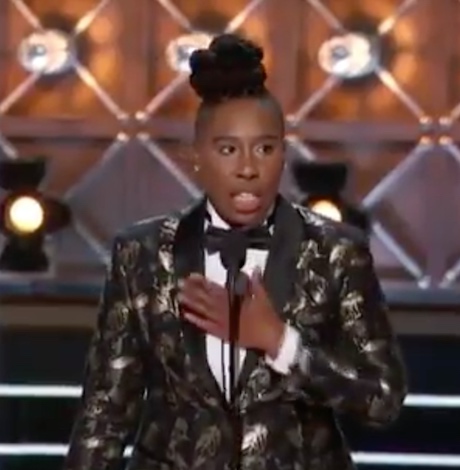
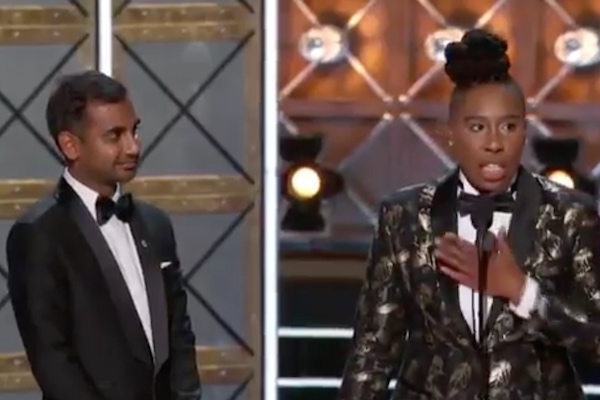
(Aziz Ansari and Lena Waithe accept the award for Outstanding Writing for a Comedy Series. Screenshot via Twitter.)
The 69th Primetime Emmy Awards was filled with historic wins, political humor and some LGBT representation on Sunday night.
Hosted by late night talk show host Stephen Colbert, the awards ceremony wasn’t short on digs at the Trump administration. Colbert’s opening monologue was riddled with Trump references. In one of the most surprising moments of the night, Sean Spicer made an appearance wheeling out a podium as a nod to Melissa McCarthy’s portrayal of him on “Saturday Night Live.”
“This will be the largest audience to witness the Emmys, period,” Spicer told the shocked crowd.
Dolly Parton, Jane Fonda and Lily Tomlin joined together for a “Nine to Five” reunion on stage and took their own aim at Trump.
“Back in 1980, in that movie we refused to be controlled by a sexist, egotistical, lying, hypocritical bigot,” Fonda began.
“And in 2017, we still refuse to be controlled by a sexist, egotistical, lying, hypocritical bigot,” Tomlin finished to the cheers of the crowd.
The “9 to 5” stars take aim: “In 2017, we still refuse to be controlled by a sexist, egotistical, lying, hypocritical bigot.” #Emmys pic.twitter.com/rvZVu4MfgP
— Jarett Wieselman (@JarettSays) September 18, 2017
RuPaul also made an appearance as a living Emmy statue being quizzed by Colbert on her dating life with other award statues.
.@RuPaul plays “Emmy” at the #Emmys, disses other awards shows https://t.co/wvJkc1TOJl pic.twitter.com/2zPdvcZPoG
— Hollywood Reporter (@THR) September 18, 2017
Dave Chappelle presented the award for Outstanding Director in a Comedy Series and brought attention to D.C. Public Schools with a random shoutout.
“All right, now I’m going to read this teleprompter. Shout out to D.C. Public Schools, here we go,” Chappelle, who is an alumni of Duke Ellington School of the Arts, joked.
Later in the night while accepting his award for Outstanding Writing for a Variety Series, comedian John Oliver asked to get D.C. Public Schools trending on Twitter. His plea was heard and the hashtag was trending nationally.
The awards of the night marked firsts for many who held the statue on stage.
Lena Waithe made history for winning an Emmy for Outstanding Writing for a Comedy Series for co-writing the episode “Thanksgiving” on “Master of None” with the show’s co-creator, Aziz Ansari. She is the first black woman to receive the honor.
“Thanksgiving,” tells the story of how Waithe’s character Denise comes to terms with her sexuality and coming out in a black family over a series of family Thanksgivings. Waithe thanked her girlfriend while accepting the award and gave a special shoutout to her “LGBTQIA family.”
“I see each and every one of you,” Waithe says. “The things that make us different – those are our superpowers. Every day when you walk out the door and put on your imaginary cape and go out there and conquer the world, because the world would not be as beautiful as it is if we weren’t in it. And for everybody out there that showed us so much love for this episode, thank you for embracing a little Indian boy from South Carolina and a queer black girl from the South Side of Chicago.”
Awesome message from Lena Waithe during her #Emmys acceptance speech. #Emmys2017 #EmmyAwards pic.twitter.com/Ln1sKck8Xt
— Josh Sánchez (@jnsanchez) September 18, 2017
Donald Glover became the first black person to win both Outstanding Lead Actor in a Comedy Series and for comedy directing for his work on “Atlanta.” Julia Louis-Dreyfus won for Outstanding Lead Actress in a Comedy Series for her role on “Veep,” making her the record-holder for most Emmys won for the same role in the same series.
Sterling K. Brown was the first black man to win Outstanding Lead Actor in a Drama Series for “This is Us” since Andre Braugher won in 1998. Riz Ahmed took home Outstanding Lead Actor in a Limited Series for “The Night Of,” making him the first South Asian man to receive the honor.
Kate McKinnon won Outstanding Supporting Actress in a Comedy Series and thanked Hillary Clinton, who she frequently portrayed on “Saturday Night Live.”
“San Junipero,” from the sci-fi Netflix series “Black Mirror,” also received awards for Outstanding Television Movie and Outstanding Writing in a Limited Series or Movie. “San Junipero” follows an interracial, lesbian couple who fall in love in a simulated, alternate reality. It’s often been praised for its positive portrayal of an LGBT relationship and for having a happy ending.
“The Handmaid’s Tale” swept the Emmys, winning a total of eight awards including Outstanding Drama Series and Outstanding Lead Actress in a Drama Series for Elisabeth Moss.
List of winners below.
Outstanding Lead Actor in a Drama Series
Sterling K. Brown- “This Is Us”
Anthony Hopkins, “Westworld”
Bob Odenkirk, “Better Call Saul”
Matthew Rhys, “The Americans”
Liev Schreiber, “Ray Donovan”
Kevin Spacey”House of Cards”
Milo Ventimiglia, “This Is Us”
Outstanding Lead Actress in a Drama Series
Viola Davis, “How to Get Away With Murder”
Claire Foy, “The Crown”
Elisabeth Moss, “The Handmaid’s Tale”
Keri Russell, “The Americans”
Evan Rachel Wood, “Westworld”
Robin Wright, “House of Cards”
Outstanding Supporting Actor in a Drama Series
Jonathan Banks, “Better Call Saul”
Ron Cephas Jonas, “This Is Us”
David Harbour, “Stranger Things”
Michael Kelly, “House of Cards”
John Lithgow, “The Crown”
Mandy Patinkin, “Homeland”
Jeffrey Wright , “Westworld”
Outstanding Supporting Actress in a Drama Series
Ann Dowd, “The Handmaid’s Tale”
Samira Wiley, “The Handmaid’s Tale”
Uzo Aduba, “Orange Is the New Black”
Millie Bobby Brown, “Stranger Things”
Chrissy Metz, “This Is Us”
Thandie Newton, “Westworld”
Outstanding Lead Actor in a Comedy Series
Anthony Anderson, “Black-ish”
Aziz Ansari, “Master of None”
Zach Galifianakis, “Baskets”
Donald Glover, “Atlanta”
William H. Macy, “Shameless”
Jeffrey Tambor, “Transparent”
Outstanding Lead Actress in a Comedy Series
Pamela Adlon, “Better Things”
Jane Fonda, “Grace and Frankie”
Allison Janney, “Mom”
Ellie Kemper, “Unbreakable Kimmy Schmidt”
Julia Louis-Dreyfus, “Veep”
Tracee Ellis Ross, “Black-ish”
Lily Tomlin, “Grace and Frankie”
Outstanding Supporting Actor in a Comedy Series
Louie Anderson, “Baskets”
Alec Baldwin, “Saturday Night Live”
Tituss Burgess, “Unbreakable Kimmy Schmidt”
Ty Burrell, “Modern Family”
Tony Hale, “Veep”
Matt Walsh, “Veep”
Outstanding Supporting Actress in a Comedy Series
Vanessa Bayer, “Saturday Night Live”
Leslie Jones, “Saturday Night Live”
Kate McKinnon, “Saturday Night Live”
Kathryn Hahn, “Transparent”
Judith Light, “Transparent”
Anna Chlumsky, “Veep”
Outstanding Lead Actor in a Limited Series or Movie
Riz Ahmed, “The Night Of”
Benedict Cumberbatch,” Sherlock”
Robert De Niro, “Wizard of Lies”
Ewan McGregor, Fargo
Geoffrey Rush, Genius
John Turturro, The Night Of
Outstanding Limited Series
“Big Little Lies”
“Fargo”
“Feud: Bette and Joan”
“The Night Of”
“Genius”
Best TV Movie
“Black Mirror: San Junipero”
“Dolly Parton’s Christmas of Many Colors”
“The Immortal Life of Henrietta Lacks”
“Sherlock: The Lying Detective”
“The Wizard of Lies”
Outstanding Lead Actor in a Limited Series
Riz Ahmed, “The Night Of”
Benedict Cumberbatch, “Sherlock: The Lying Detective”
Robert De Niro, “The Wizard of Lies”
Ewan McGregor, “Fargo”
Geoffrey Rush, “Genius”
John Turturro, “The Night Of”
Outstanding Lead Actress in a Limited Series
Carrie Coon, “Fargo”
Felicity Huffman, “American Crime”
Nicole Kidman, “Big Little Lies”
Jessica Lange, “Feud: Bette and Joan”
Susan Sarandon, “Feud: Bette and Joan”
Reese Witherspoon, “Big Little Lies”
Outstanding Supporting Actress in a Limited Series or Movie
Judy Davis, “Feud: Bette and Joan
Laura Dern, “Big Little Lies”
Jackie Hoffman,”Feud: Bette and Joan”
Michelle Pfeiffer, “The Wizard of Lies”
Shailene Woodley, “Big Little Lies”
Outstanding Supporting Actor in a Limited Series or Movie
Bill Camp, “The Night Of”
Alfred Molina, “Feud: Bette and Joan”
Alexander Skarsgard, “Big Little Lies”
David Thewlis, “Fargo”
Stanley Tucci, “Feud: Bette and Joan”
Michael Kenneth Williams, “The Night Of”
Outstanding Variety Talk Series
“Full Frontal With Samantha Bee”
“Jimmy Kimmel Live!”
“Last Week Tonight With John Oliver”
“The Late Late Show With James Corden”
“The Late Show With Stephen Colbert”
“Real Time With Bill Maher”
Outstanding Reality-Competition Program
“The Amazing Race”
“American Ninja Warrior”
“Project Runway”
“RuPaul’s Drag Race”
“Top Chef”
“The Voice”
Outstanding Directing for a Comedy Series
Jamie Babbit, “Silicon Valley”
Donald Glover, “Atlanta”
Mike Judge, “Silicon Valley”
David Mandel, “Veep”
Morgan Sackett, “Veep”
Dale Stern, “Veep”
Outstanding Writing for a Drama Series
The Duffer Brothers, “Stranger Things”
Lisa Joy and Jonathan Nolan, “Westworld”
Peter Morgan, “The Crown”
Bruce Miller, “The Handmaid’s Tale”
Gordon Smith, “Better Call Saul”
Joe Weisberg and Joel Fields, “The Americans”
Outstanding Writing for a Comedy Series
Aziz Ansari and Lena Waithe, “Master of None”
Alec Berg, “Silicon Valley”
Donald Glover, “Atlanta”
Stephen Glover, “Atlanta”
Billy Kimball, “Veep”
David Mandel, “Veep”
Best Writing for a Limited Series, Movie or Dramatic Special
Charlie Brooker, “Black Mirror: San Junipero”
David E. Kelley, “Big Little Lies”
Noah Hawley, “Fargo”
Ryan Murphy, “Feud: Bette and Joan”
Jaffe Cohen, Michael Zam & Ryan Murphy, “Feud: Bette and Joan”
Richard Price & Steven Zaillian, “The Night Of”
Outstanding Directing for a Drama Series
Stephen Daldry, “The Crown”
Kate Dennis, “The Handmaid’s Tale”
The Duffer Brothers, “Stranger Things”
Vince Gilligan, “Better Call Saul”
Lesli Linka Glatter, “Homeland”
Reed Morano, “The Handmaid’s Tale”
Jonathan Nolan, “Westworld”





Photos
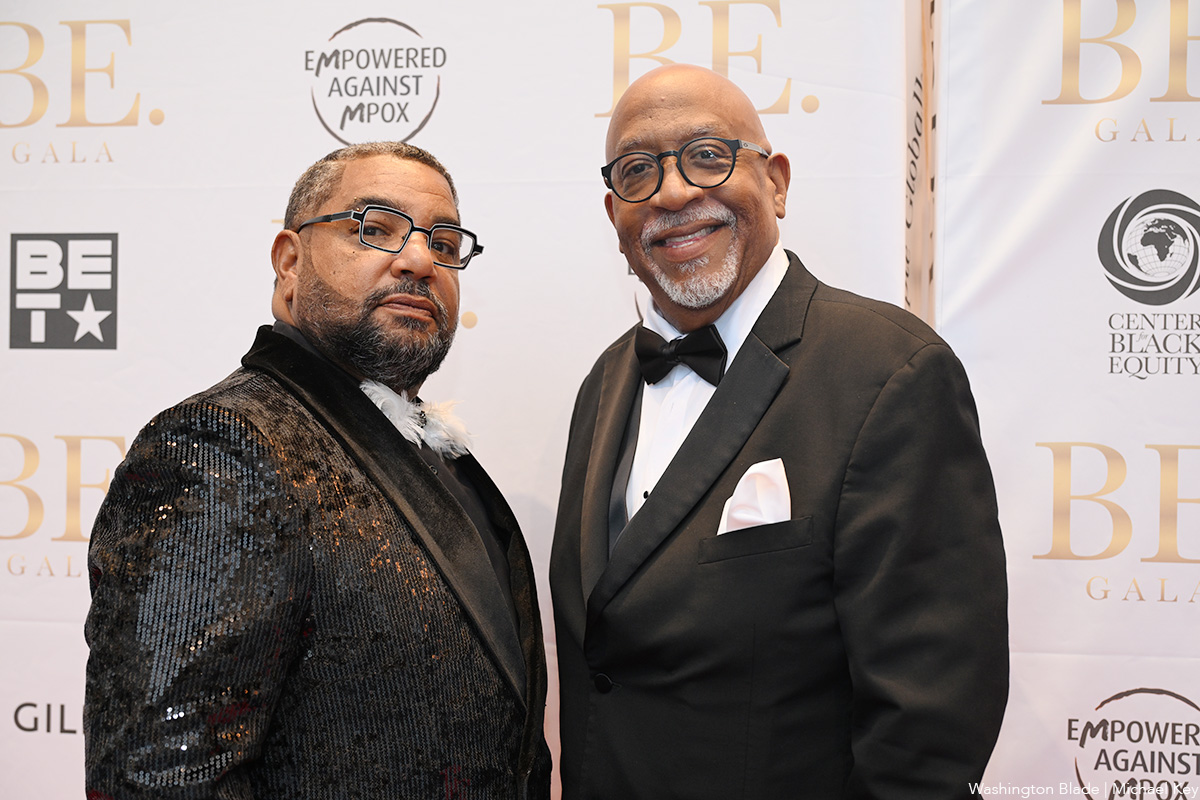
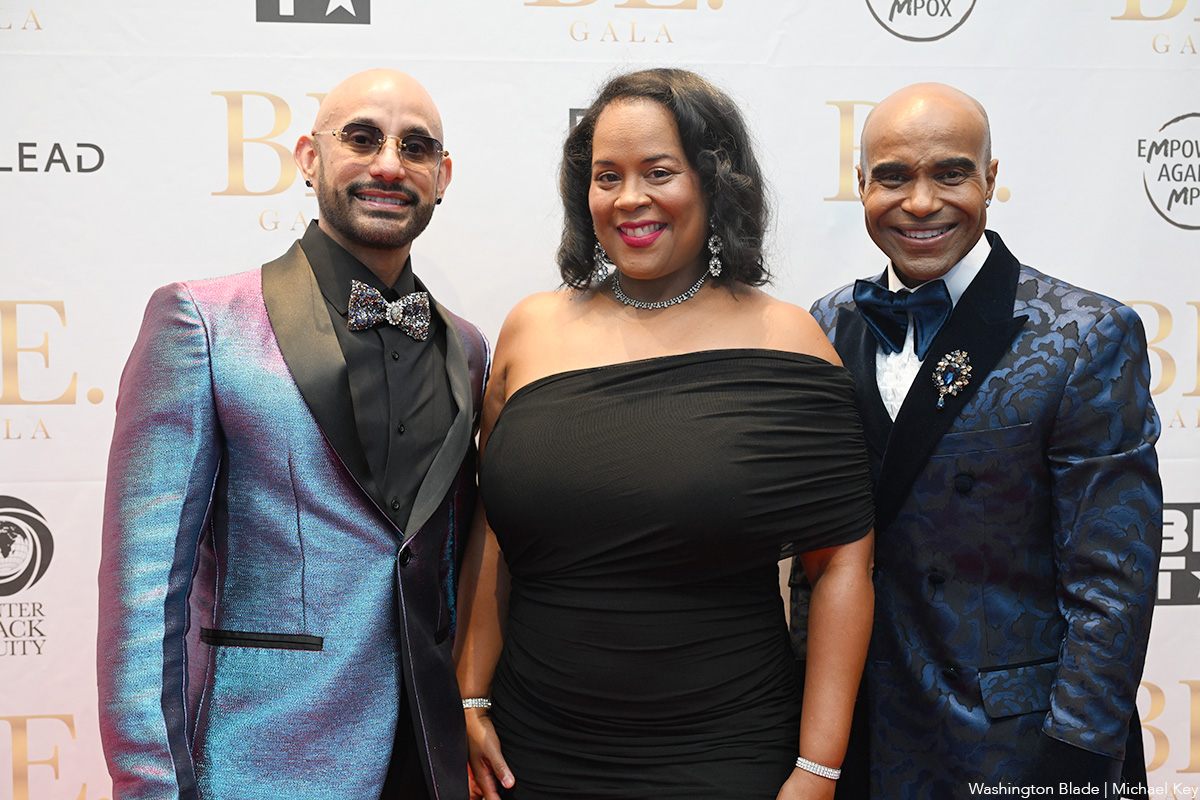
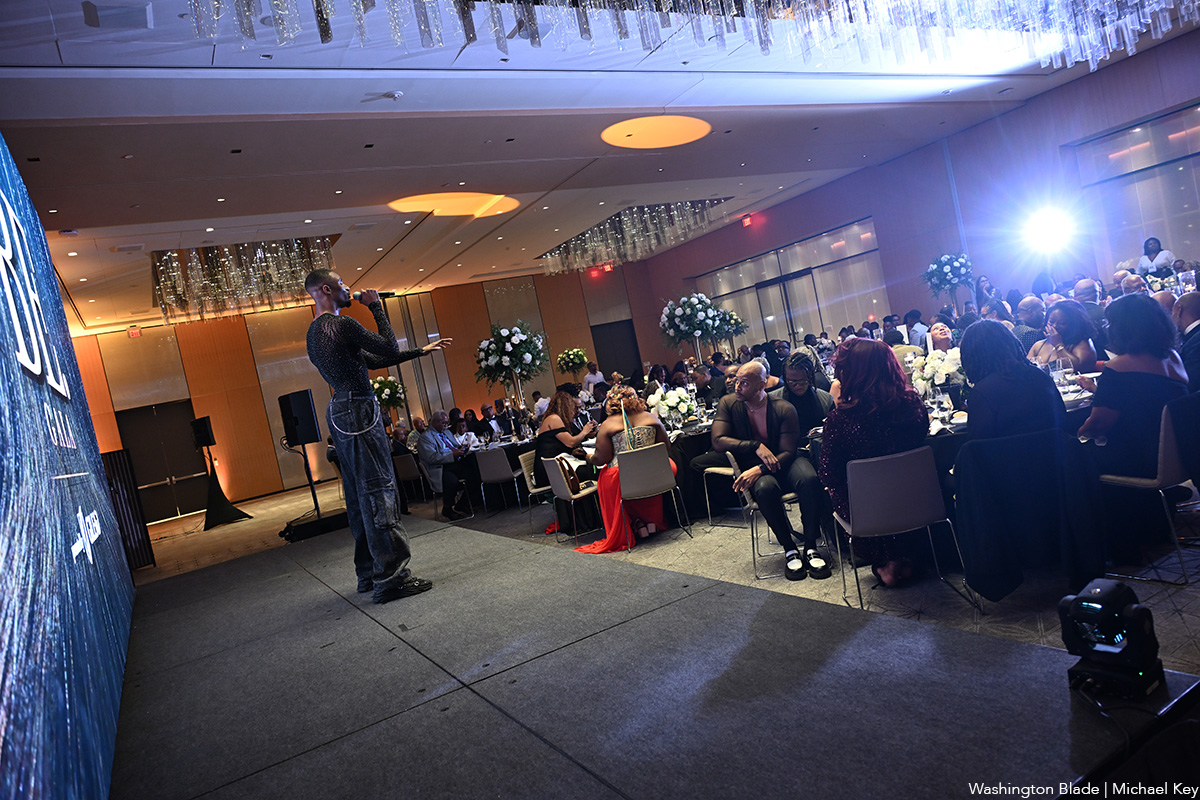
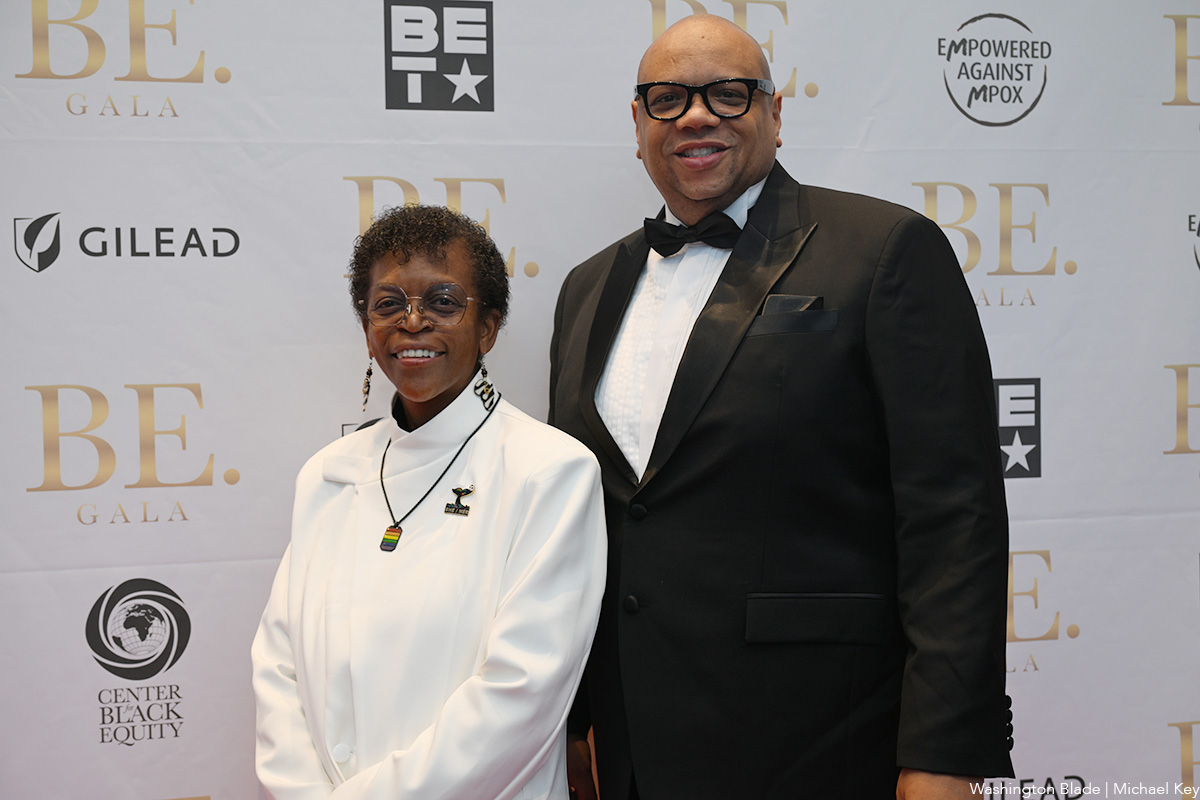
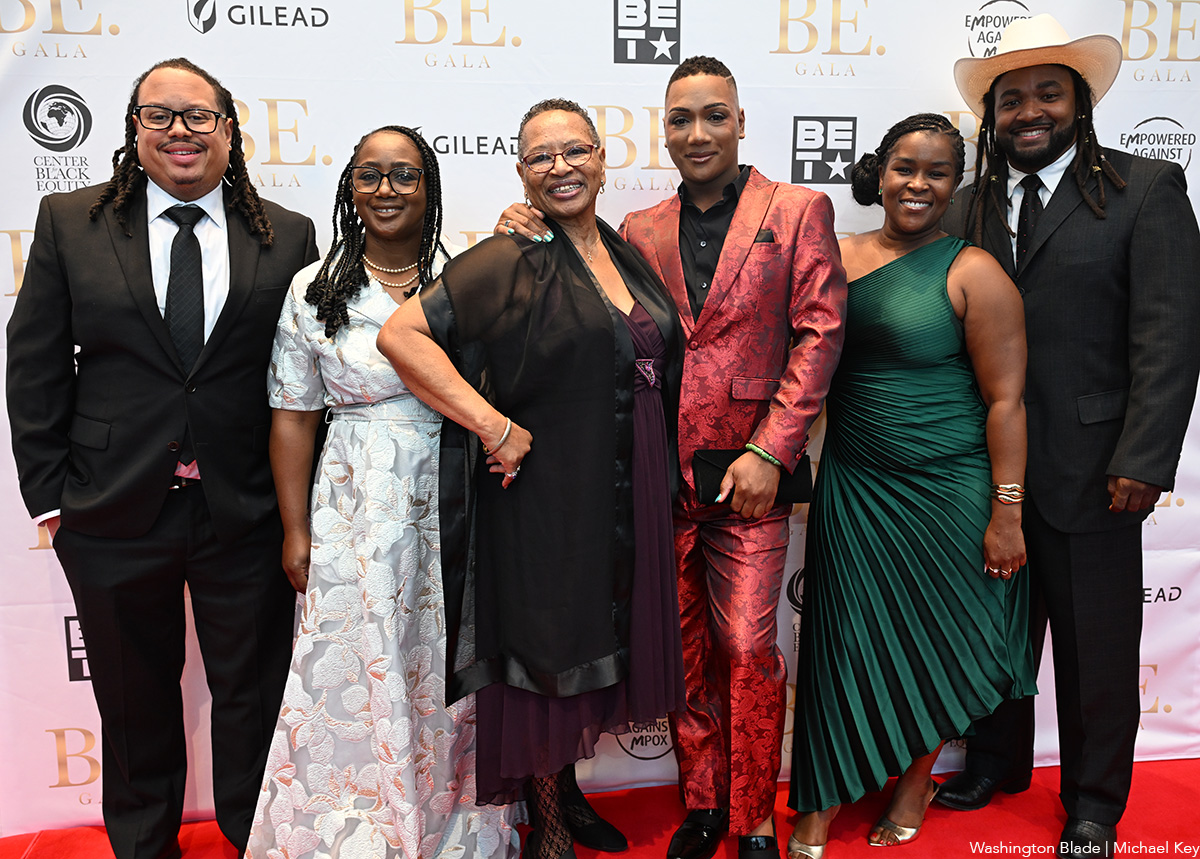
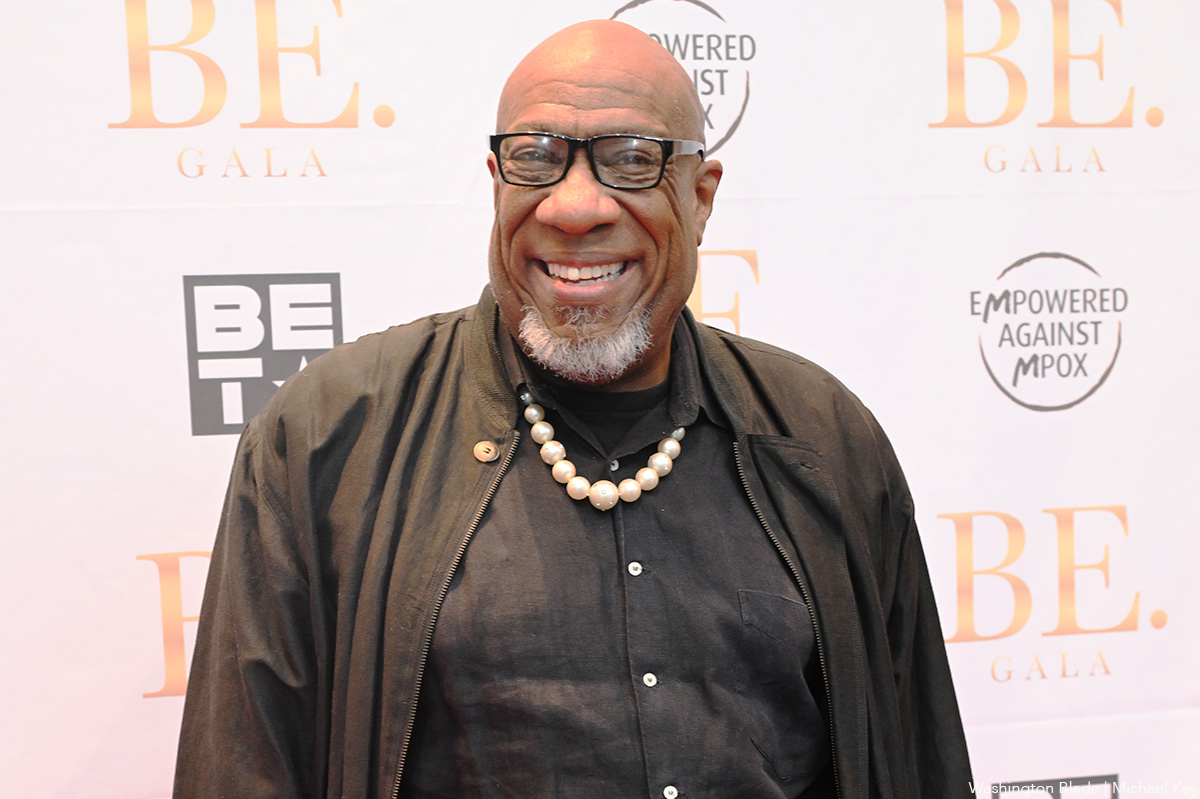
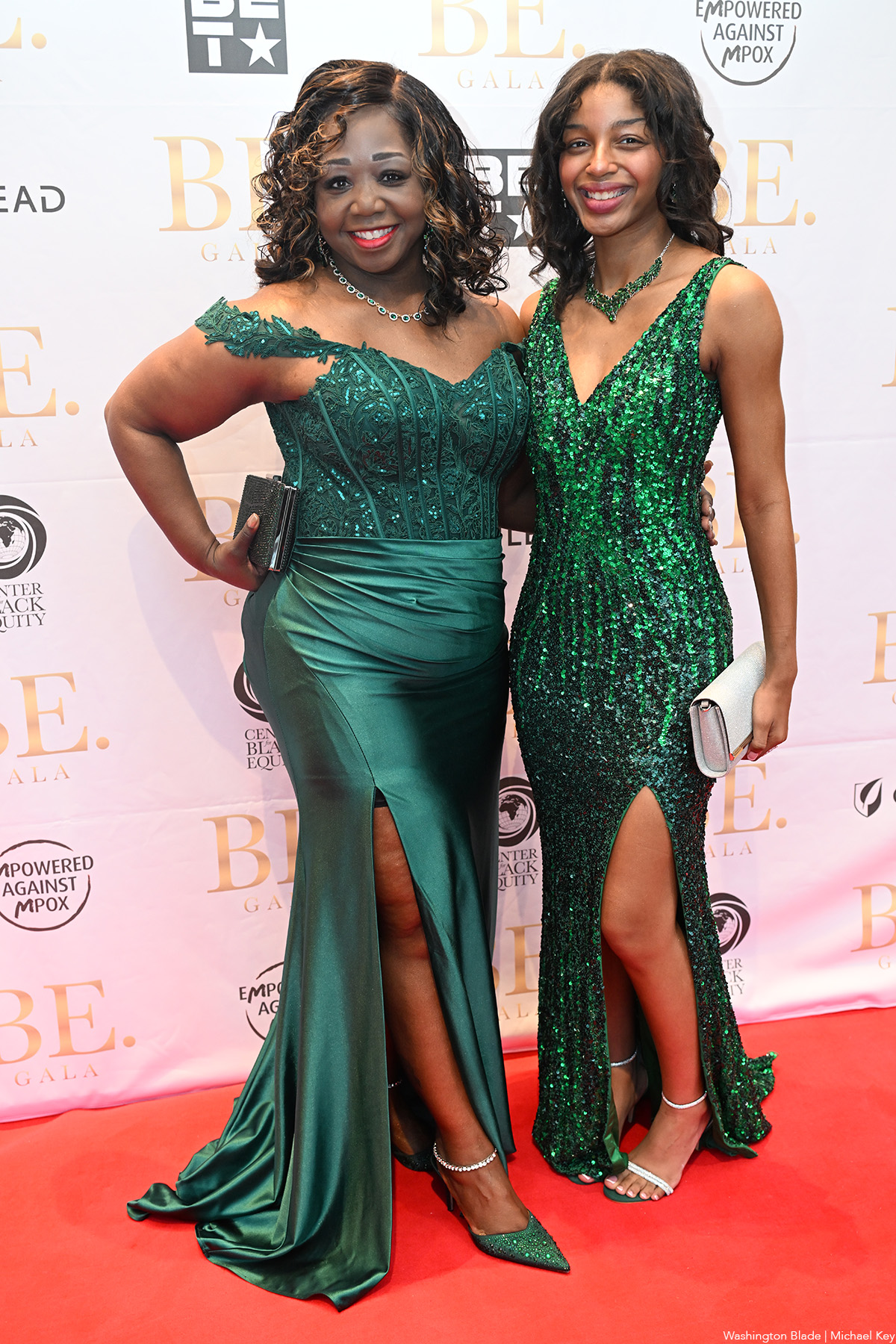
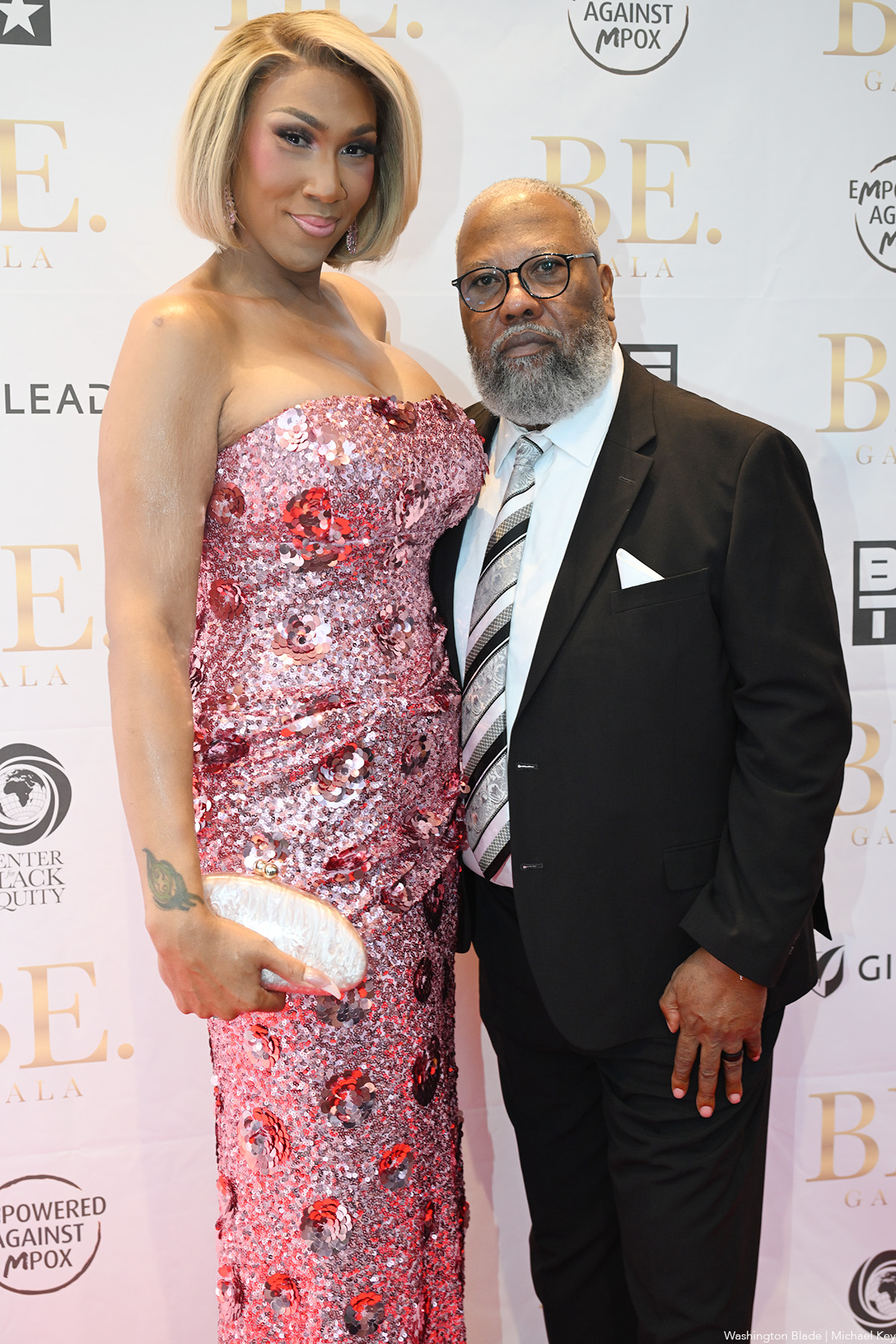
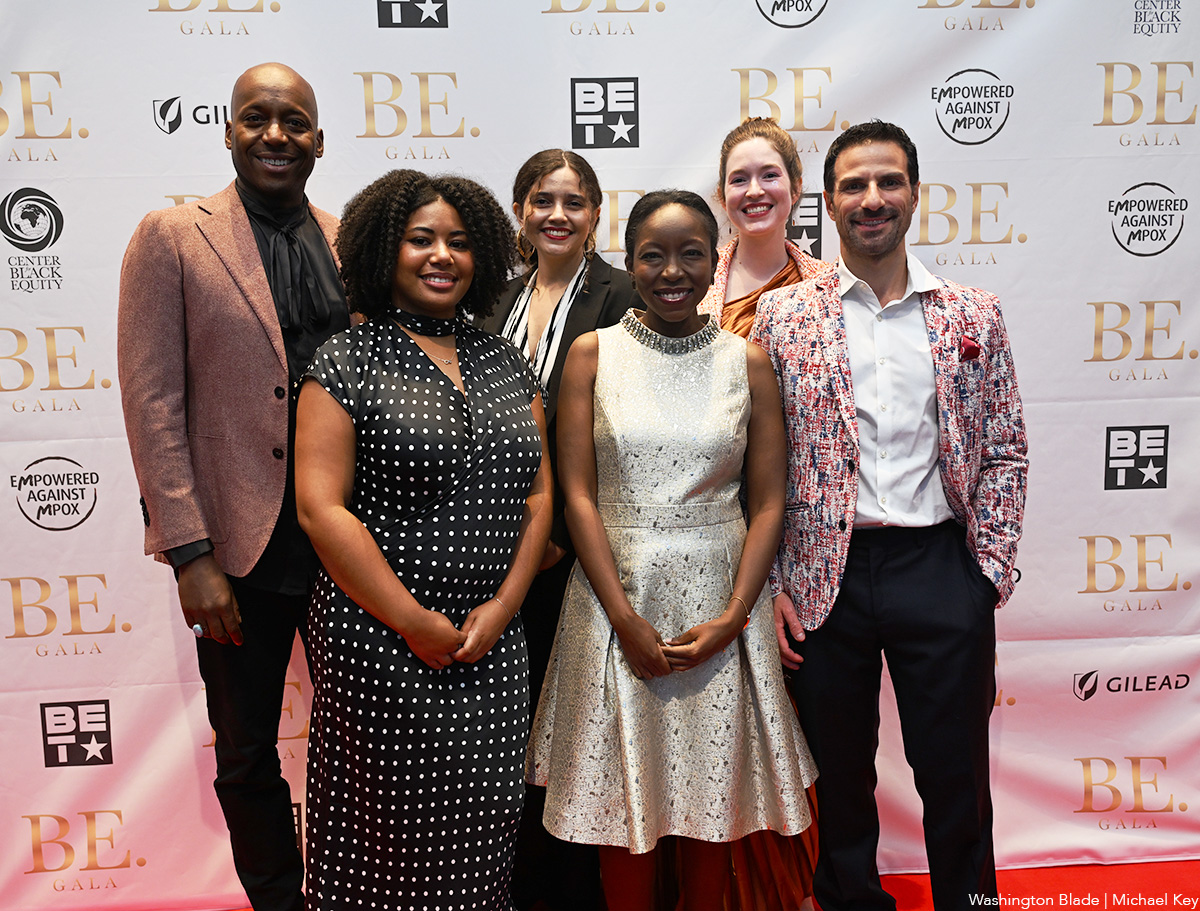
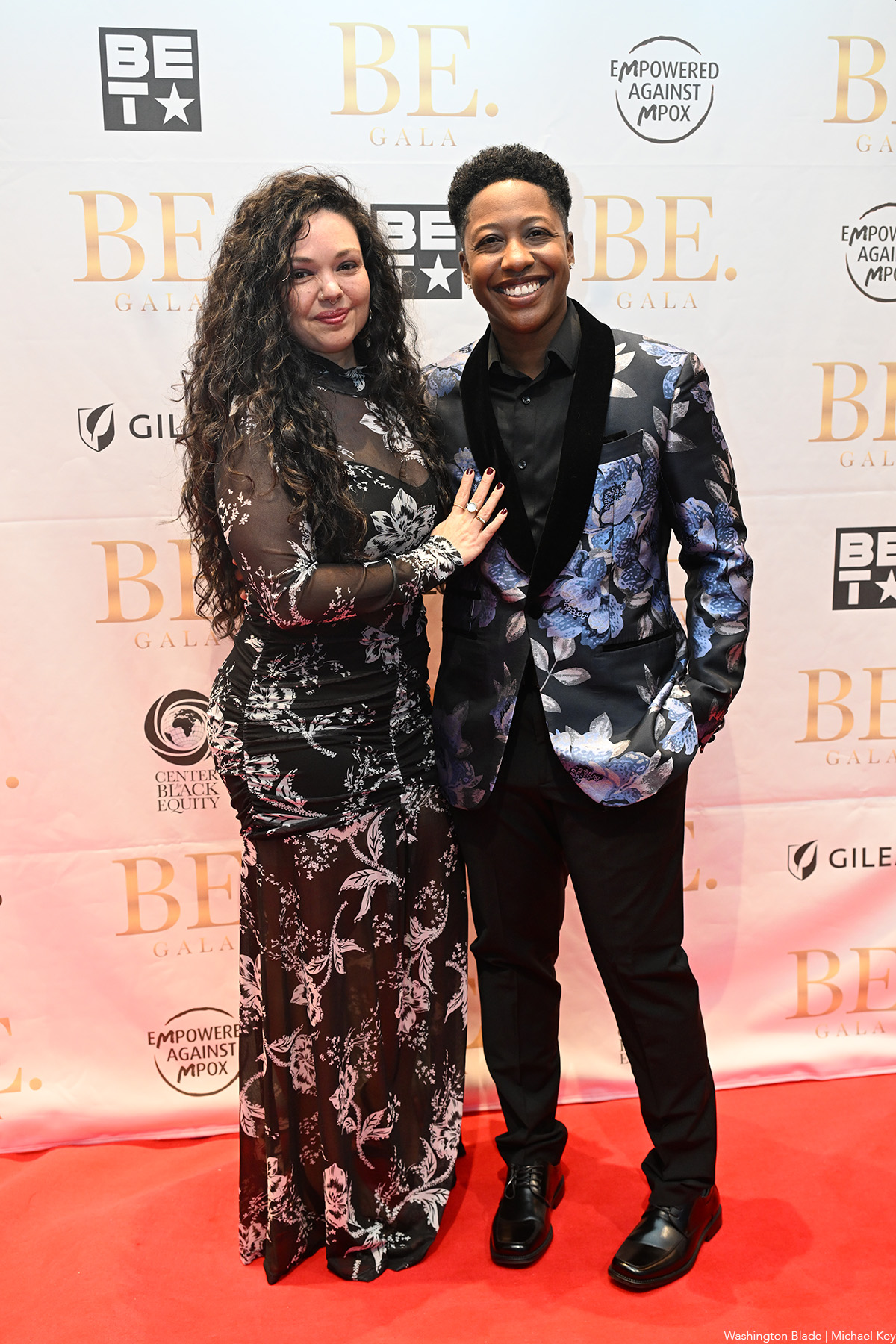
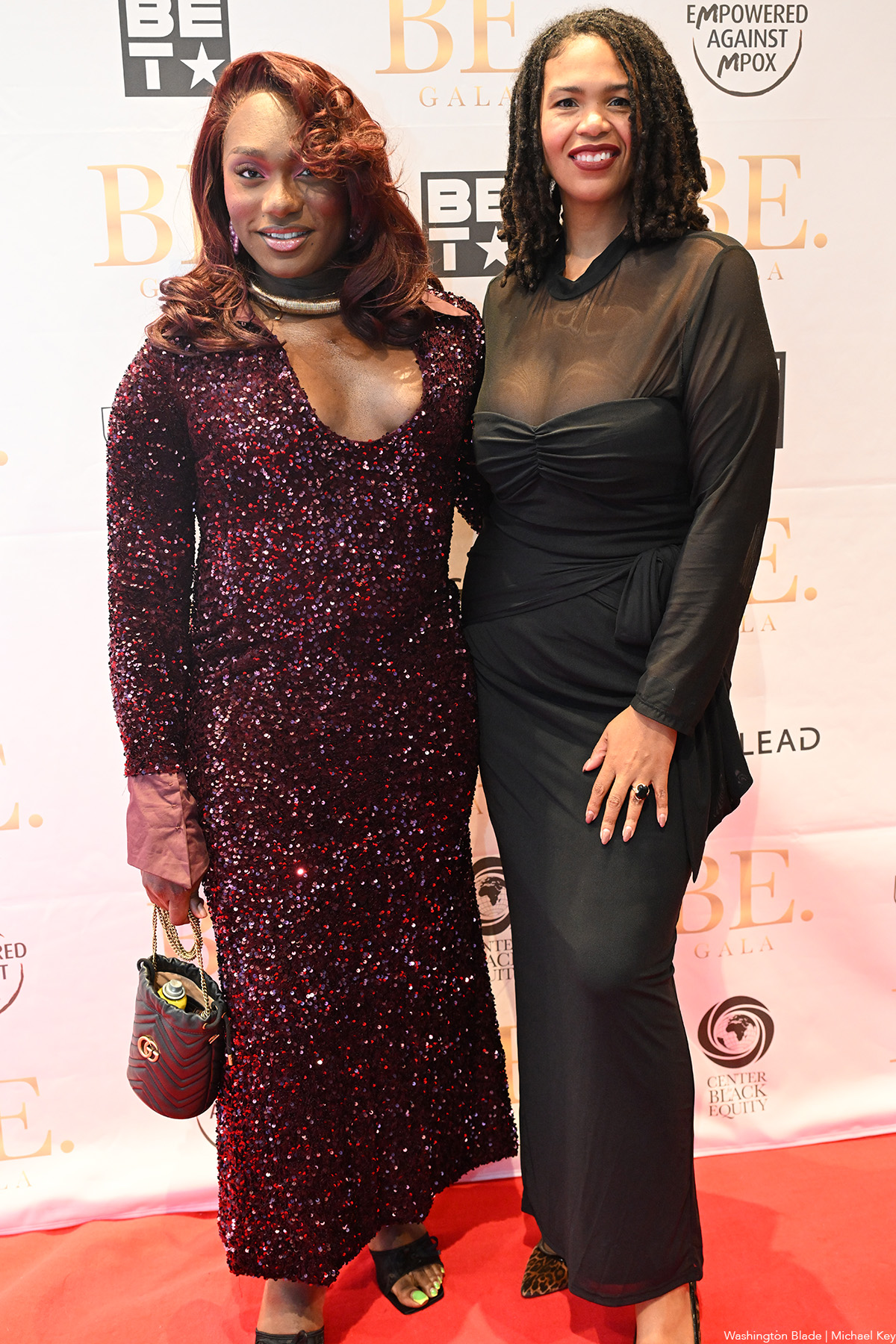
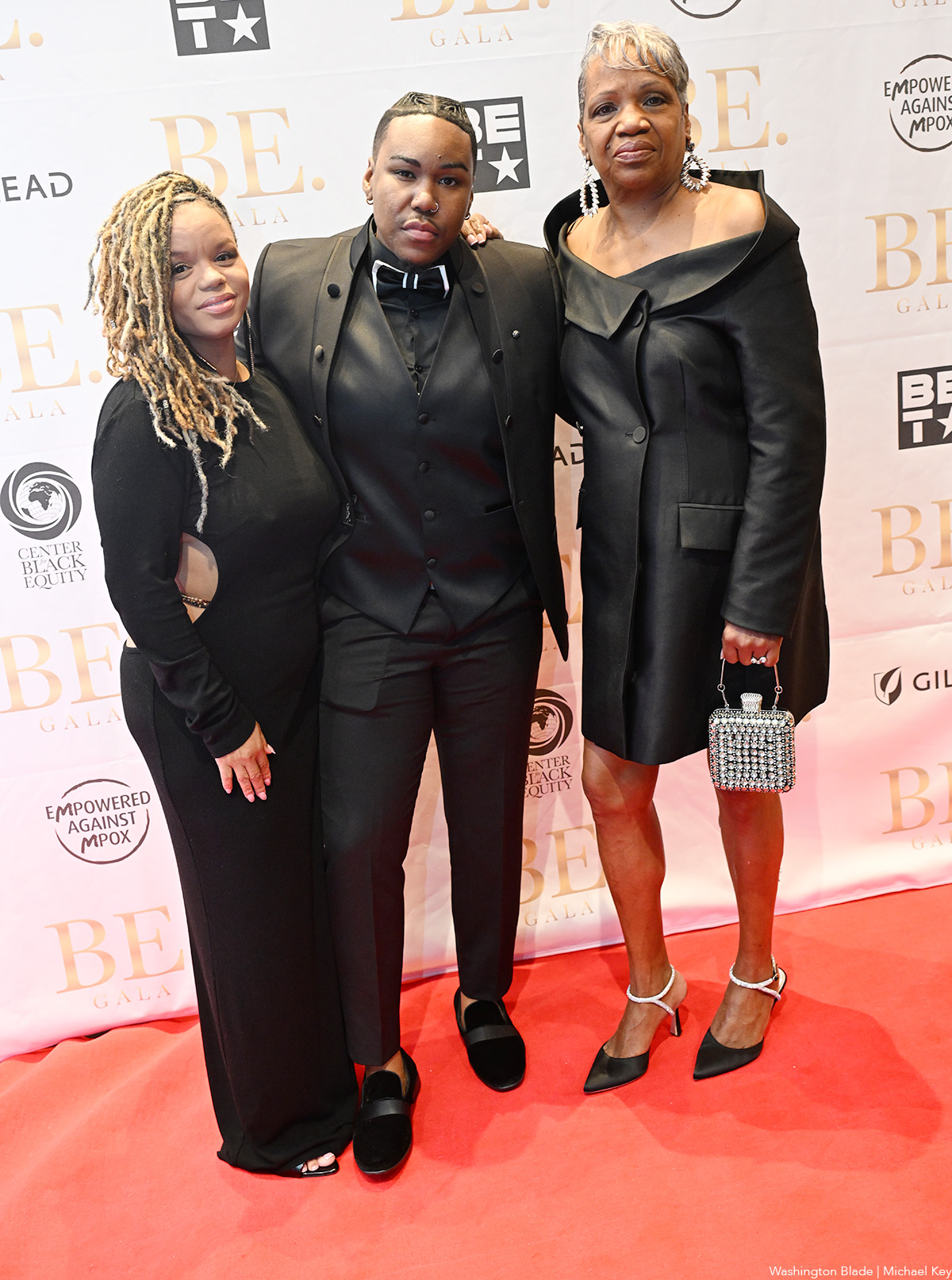
Center for Black Equity honors leaders, activists at BE. Gala
Miyake-Mugler, Oakes co-host annual awards ceremony
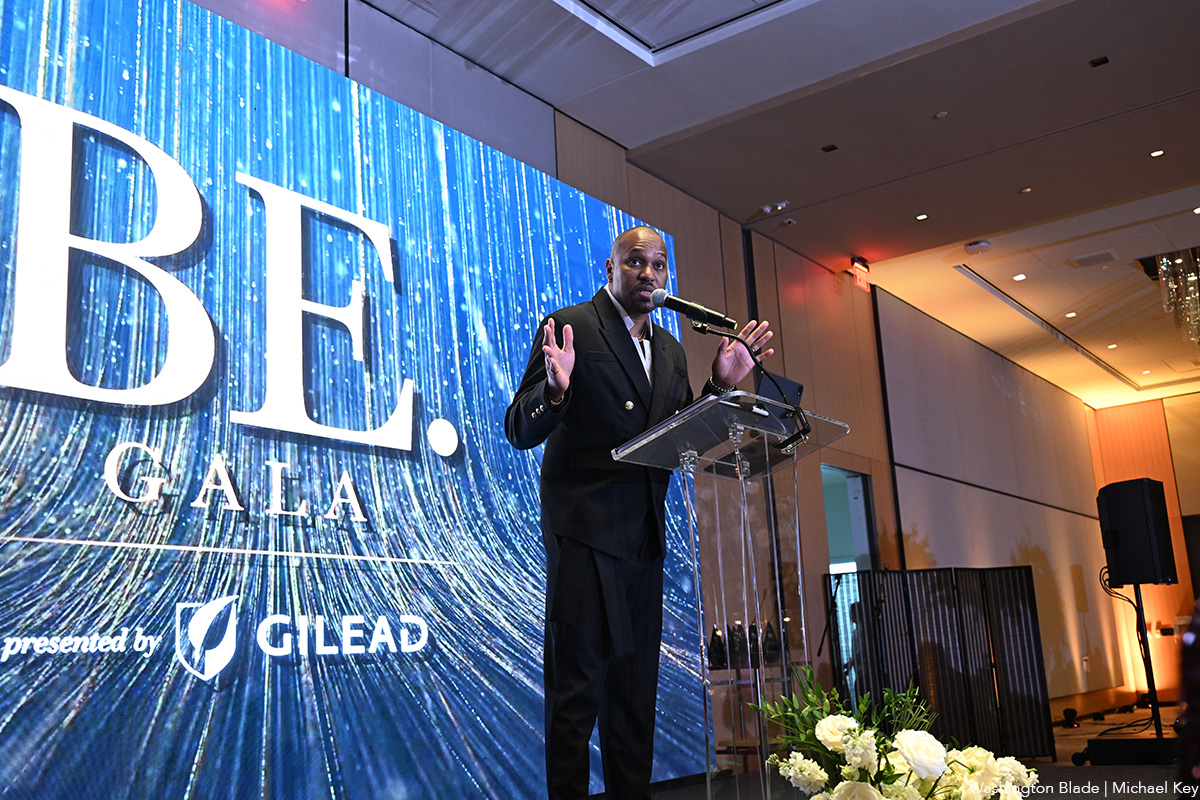
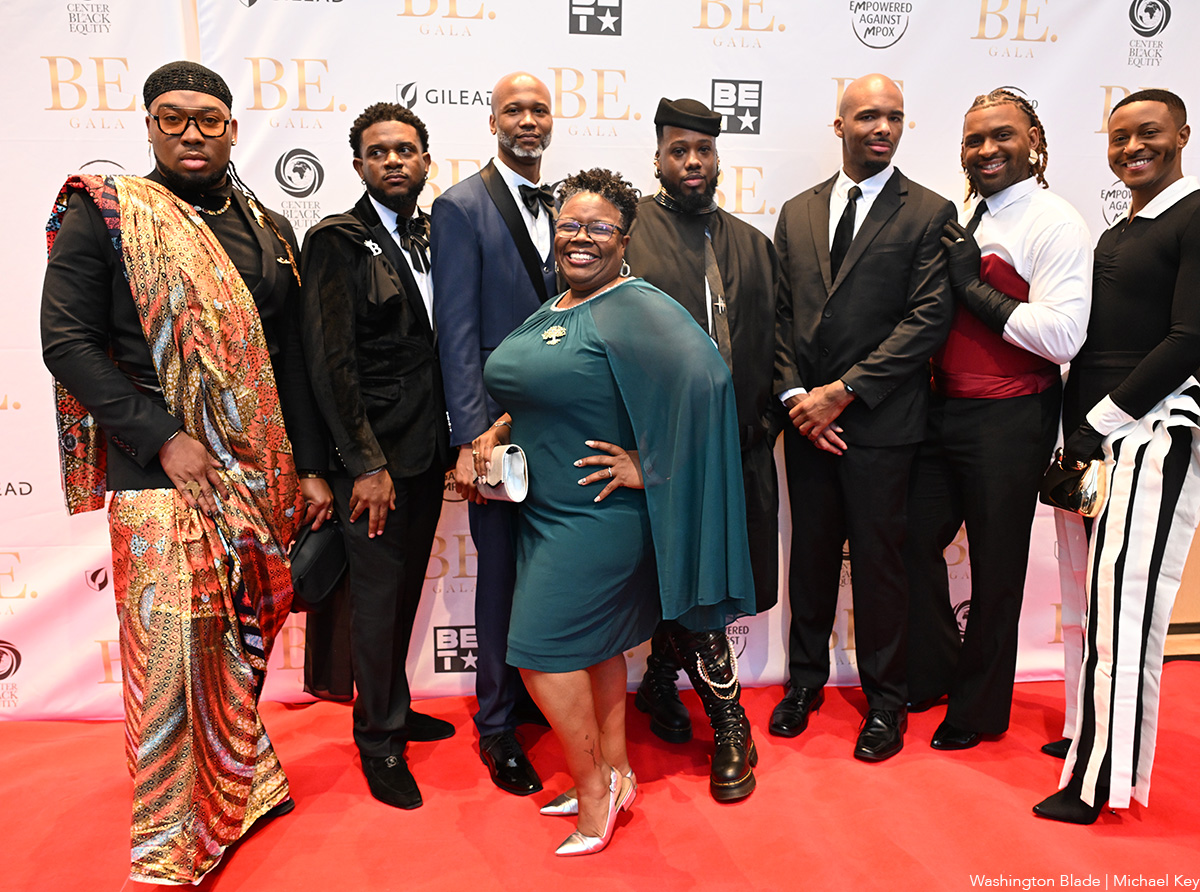
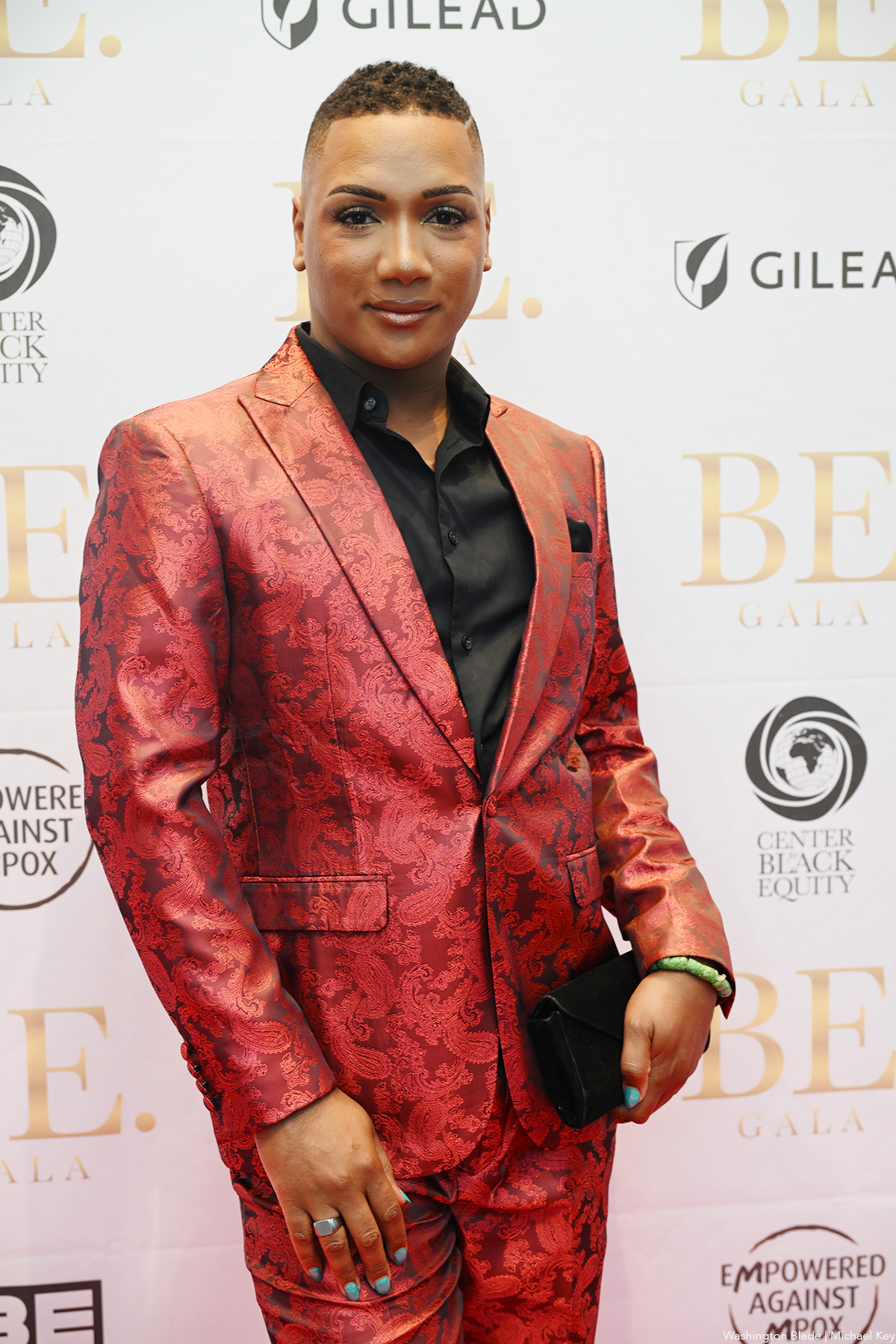
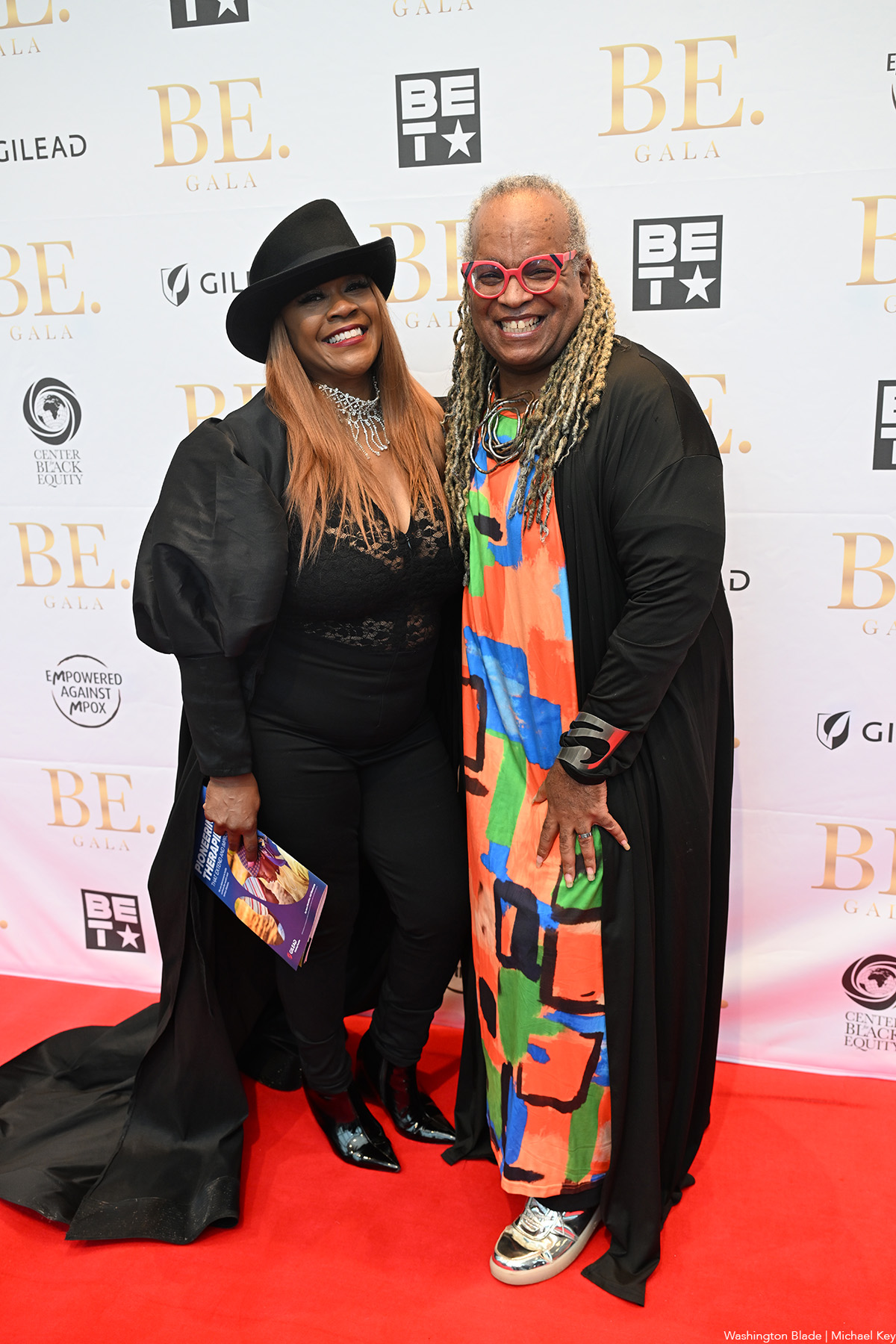
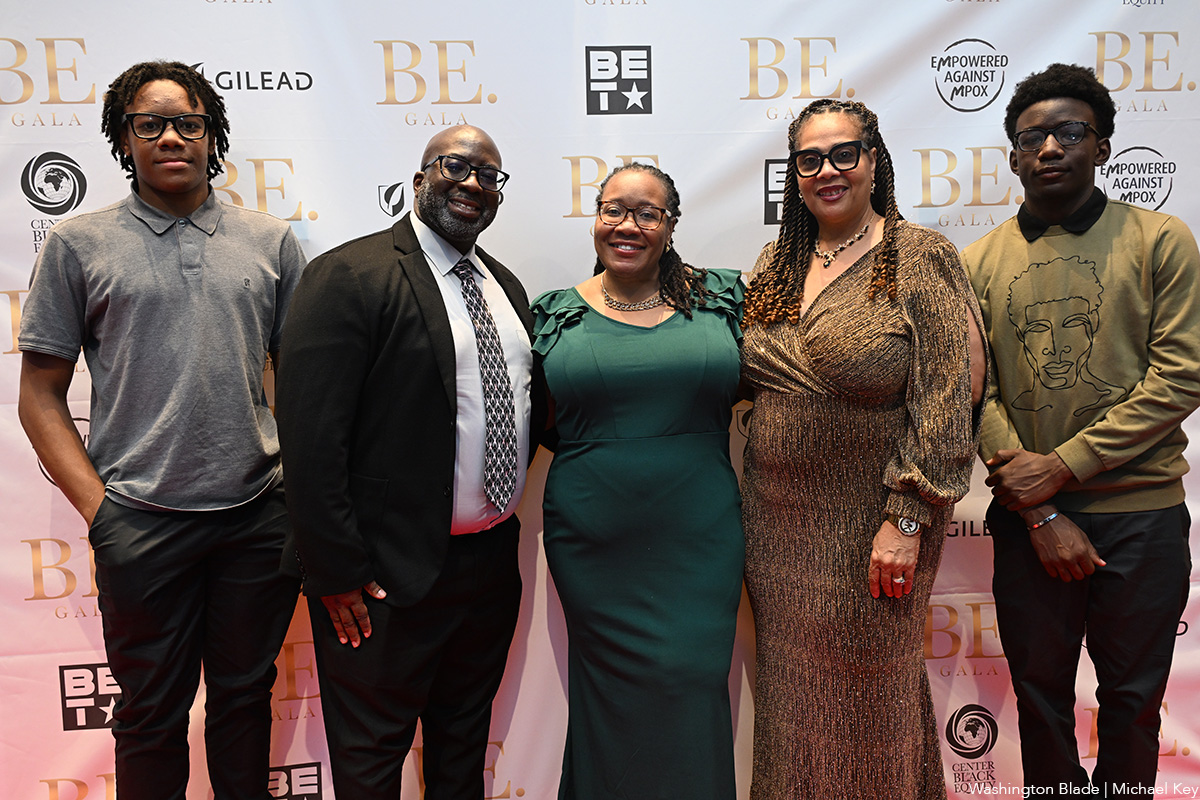
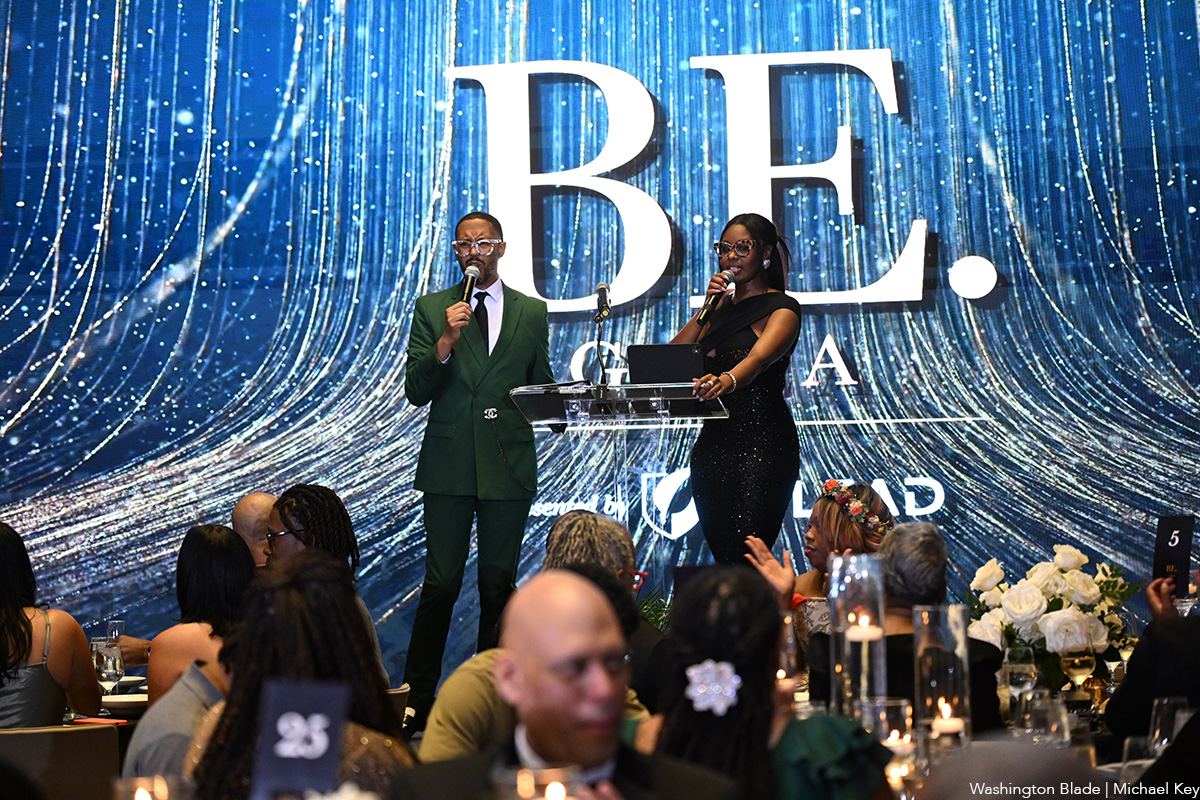
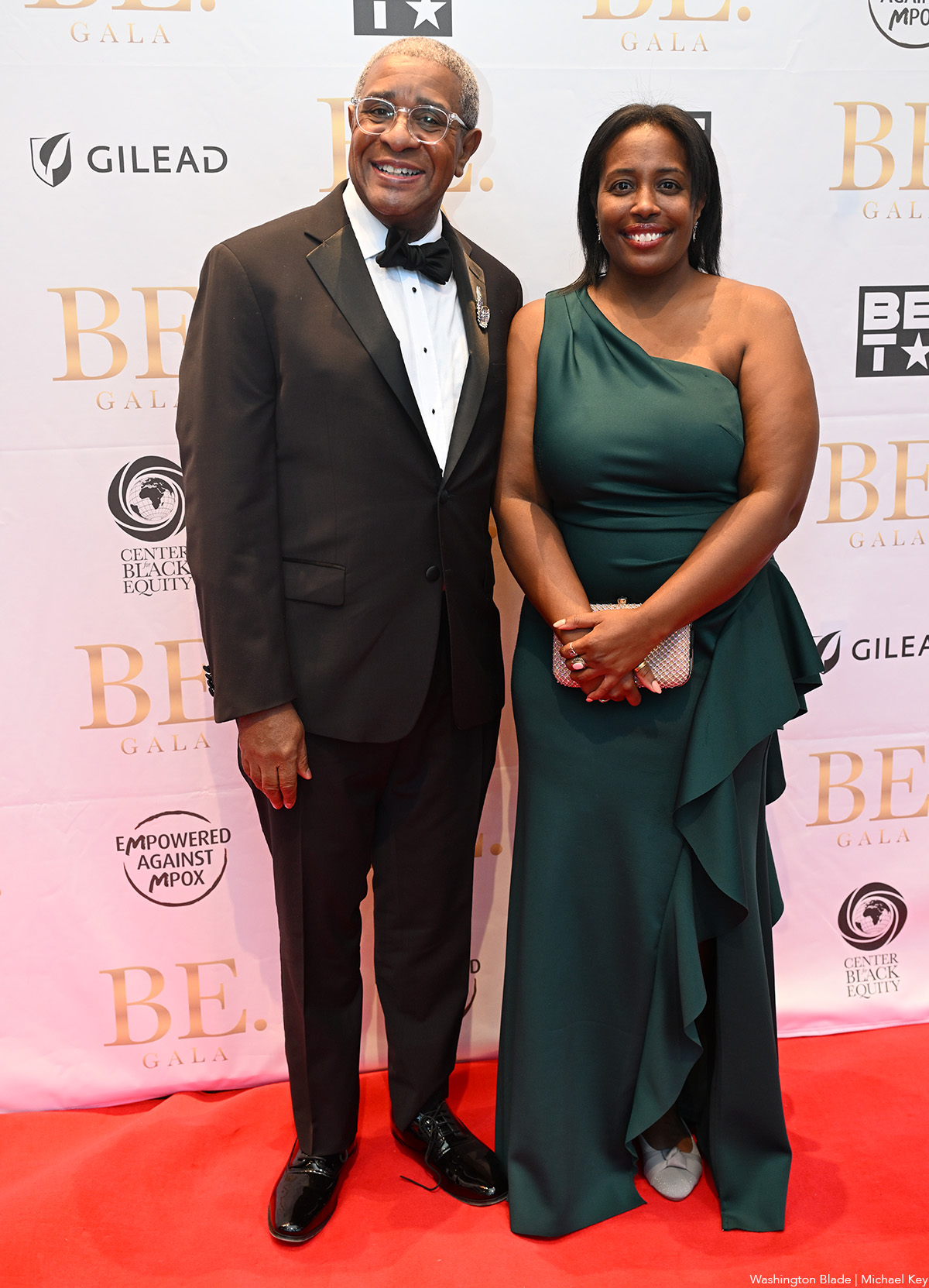
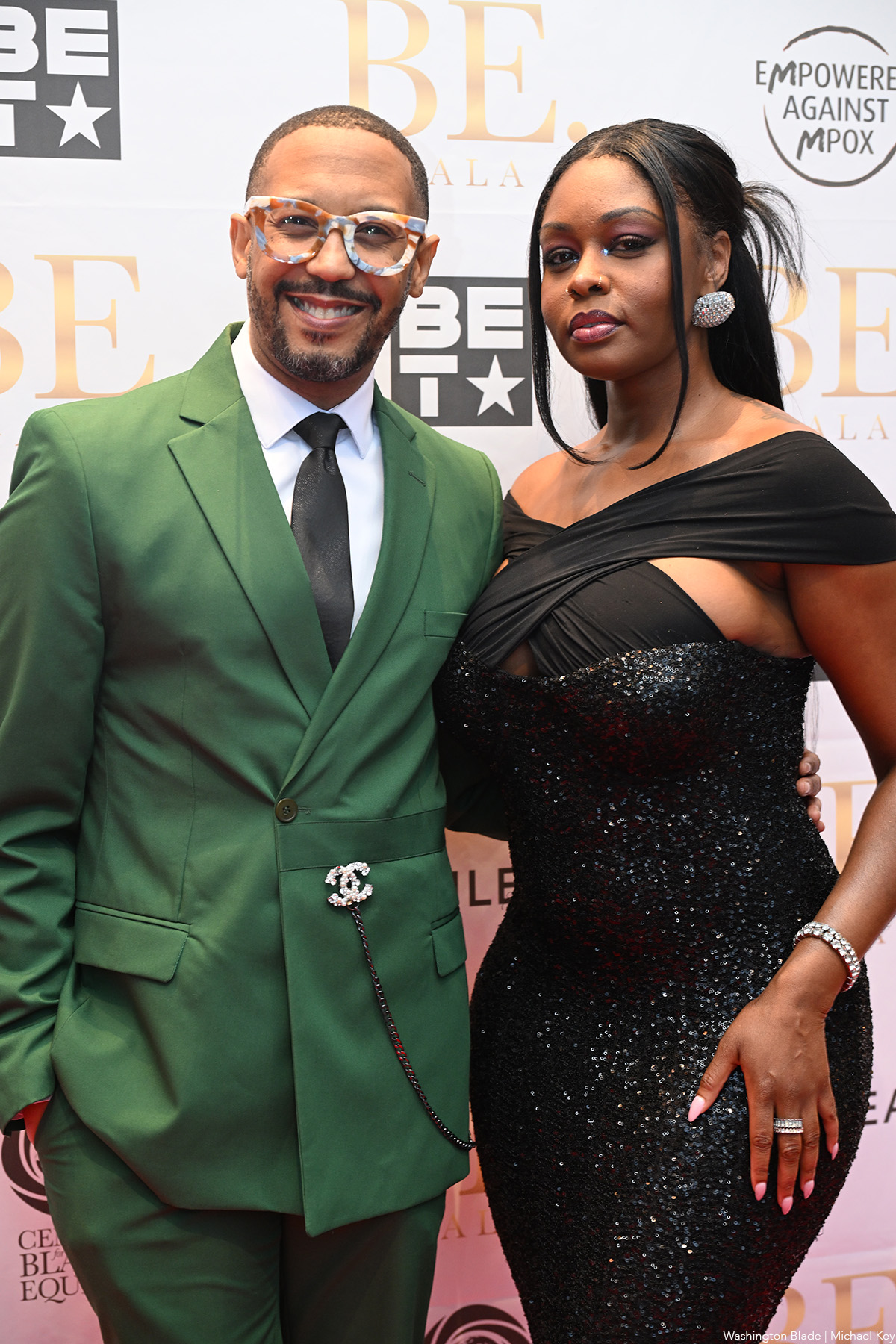
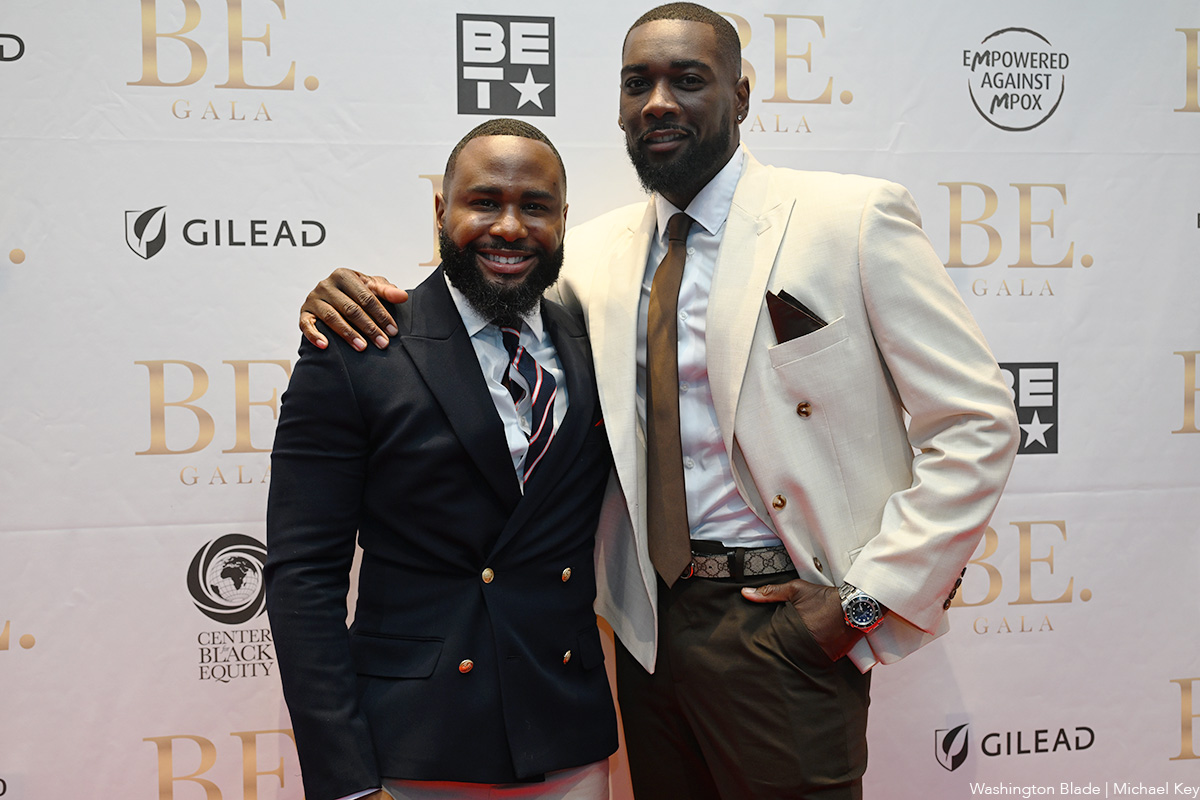
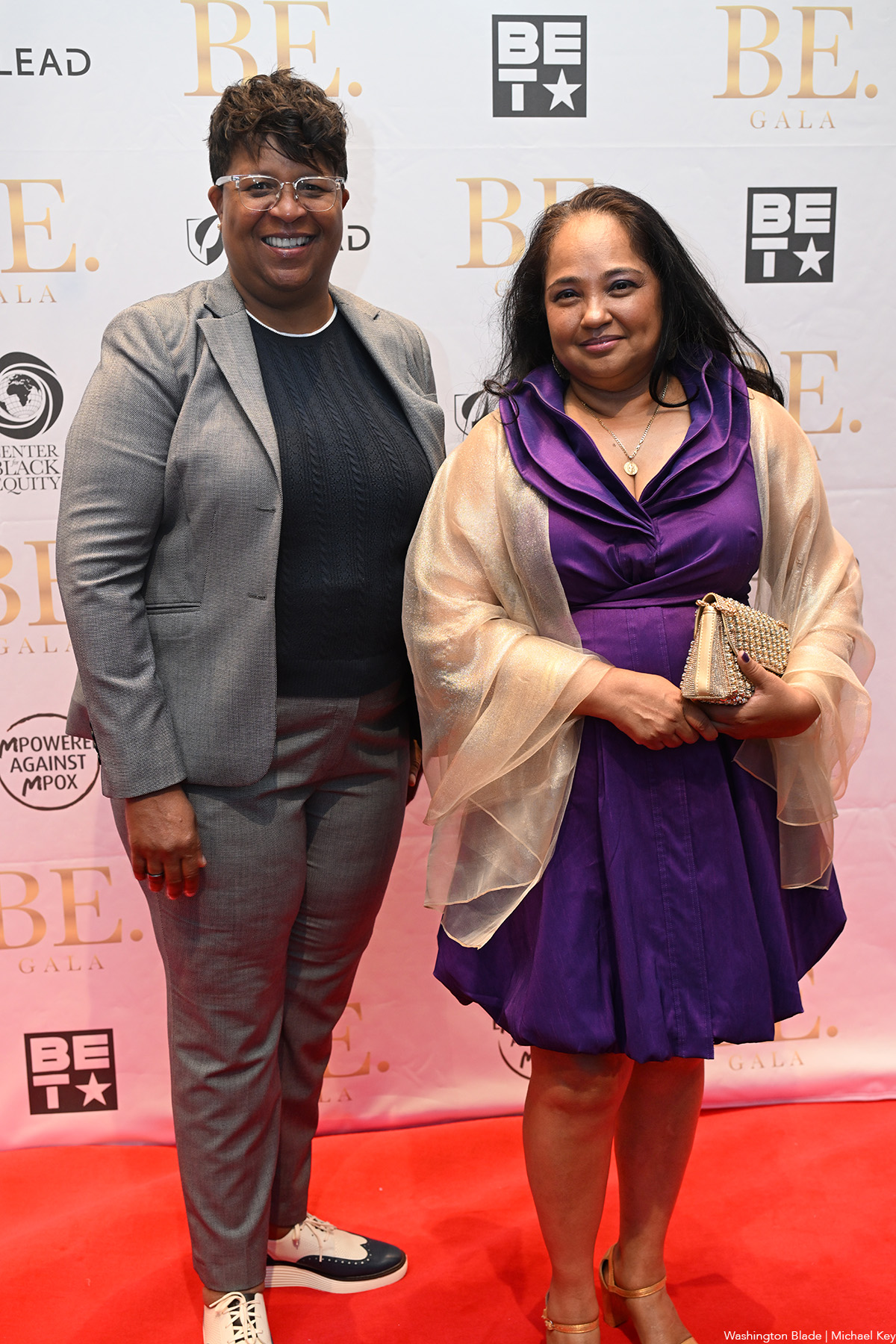
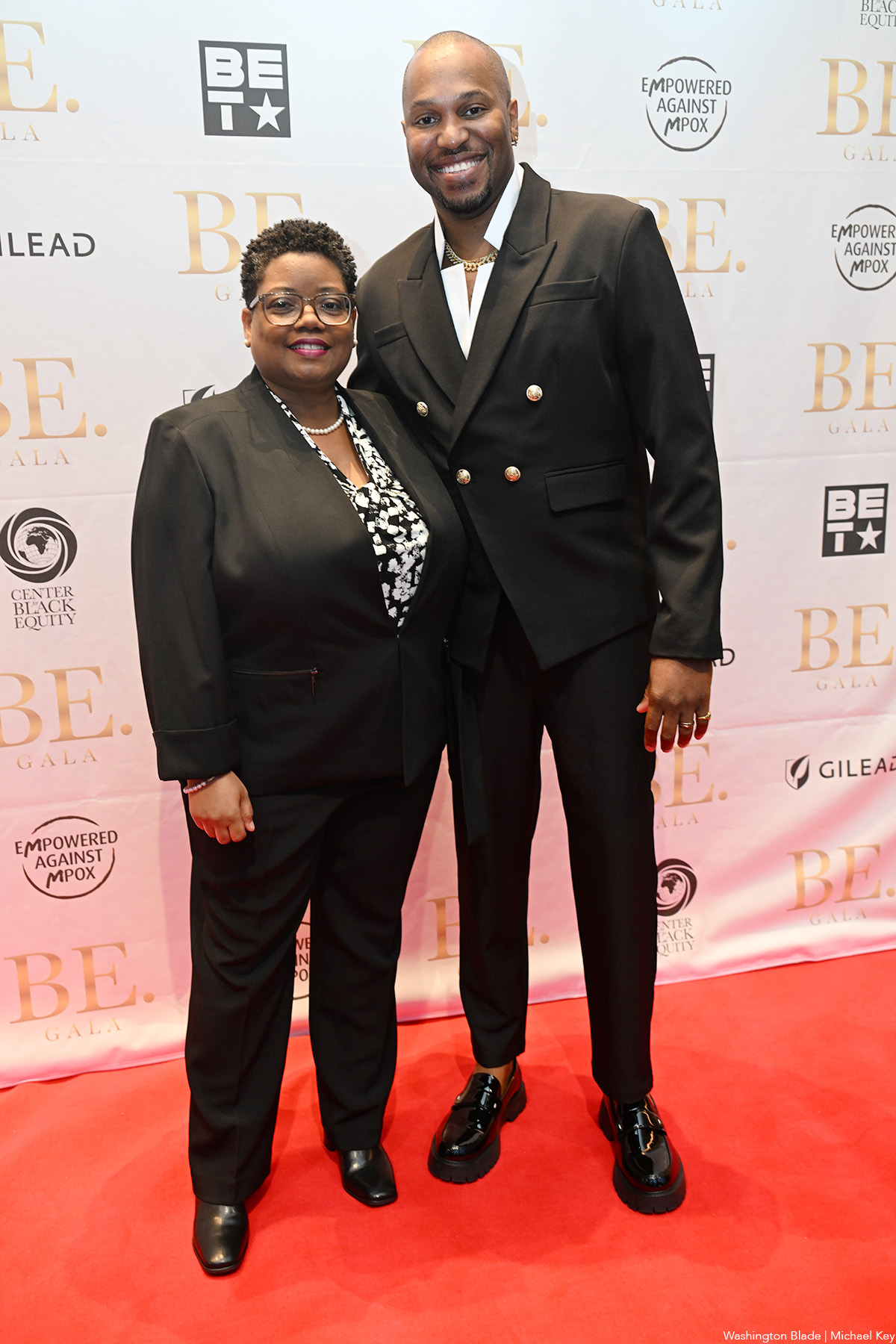
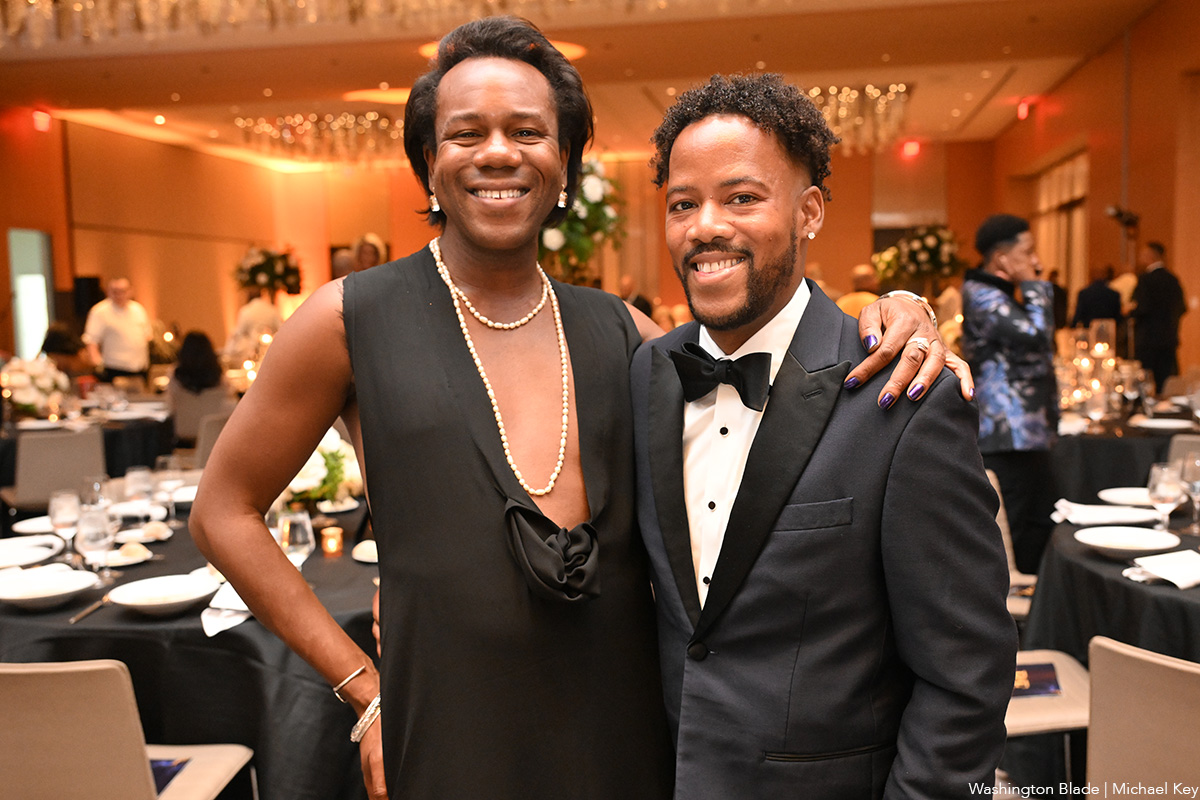
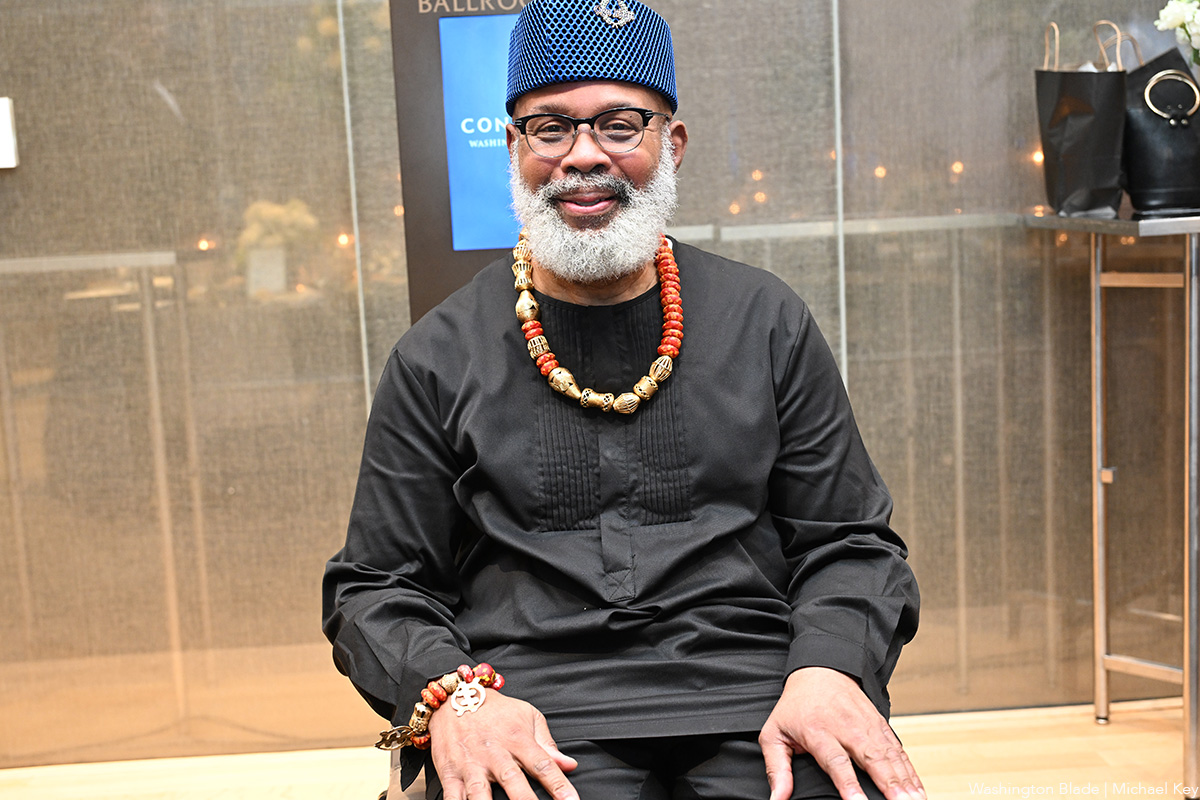
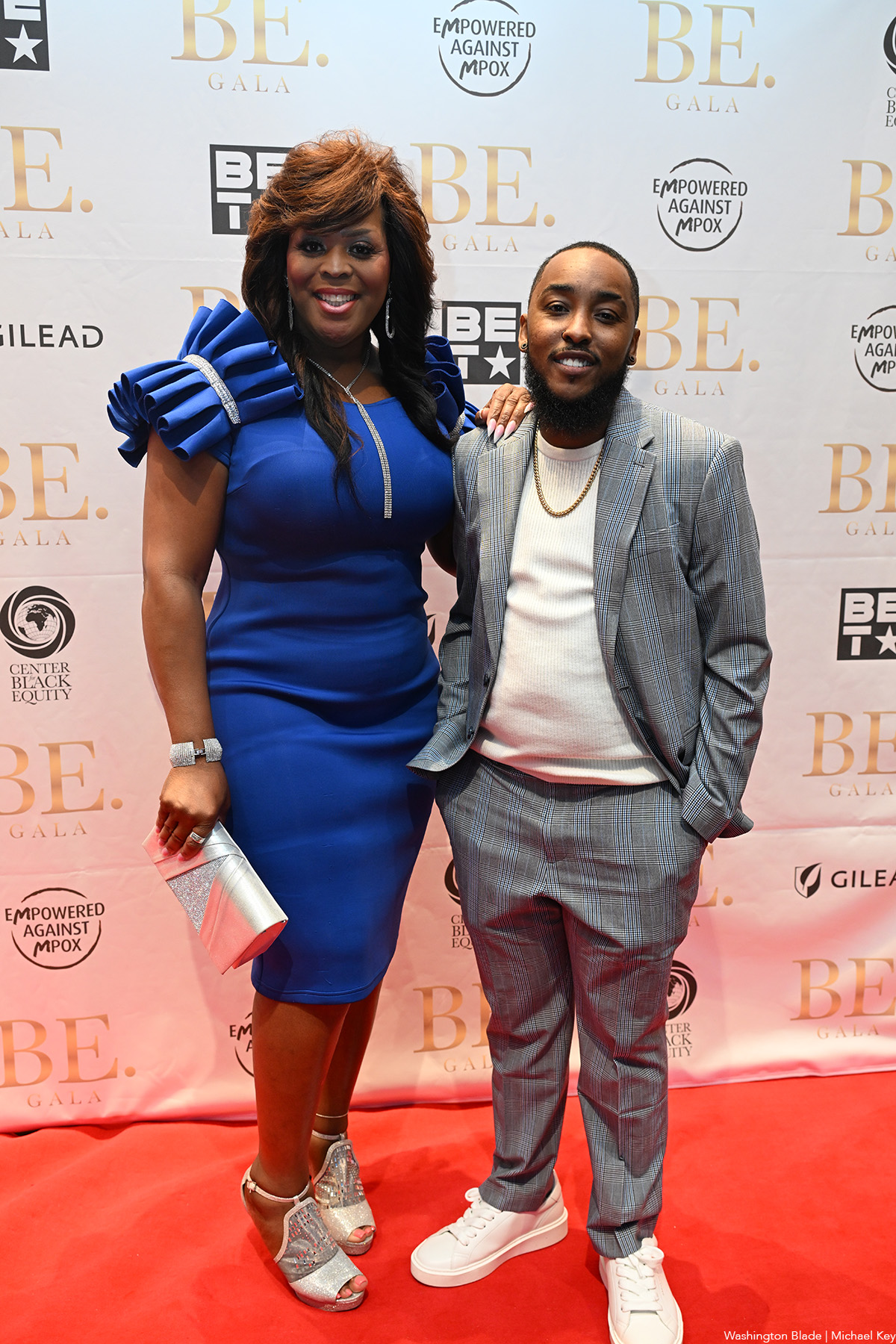
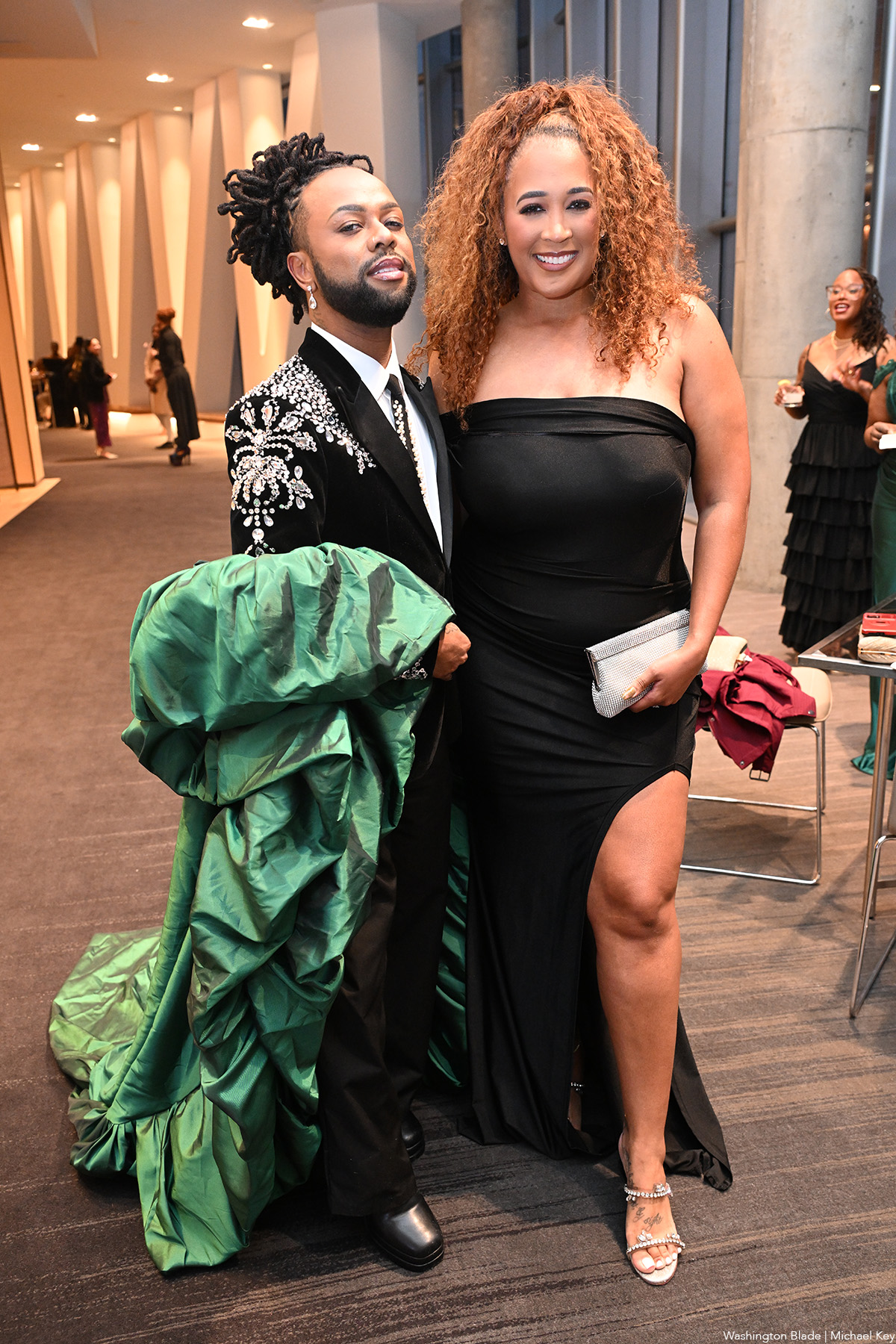
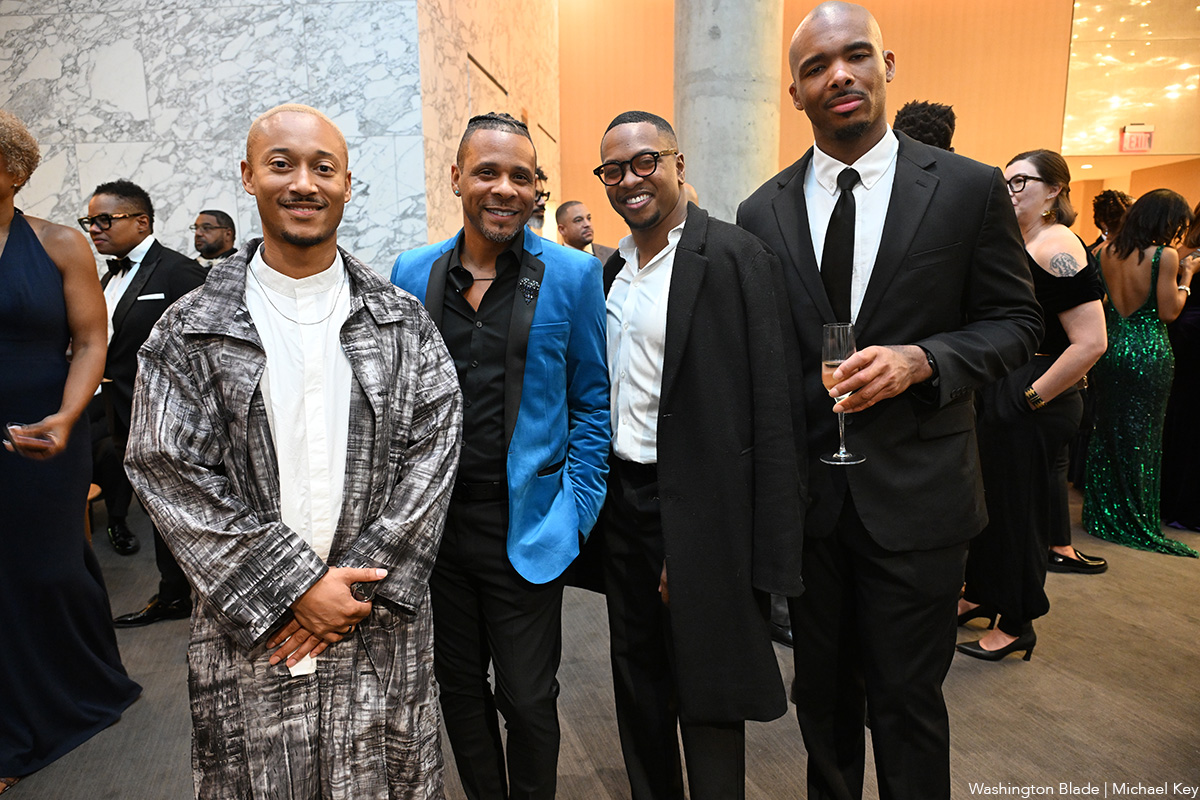
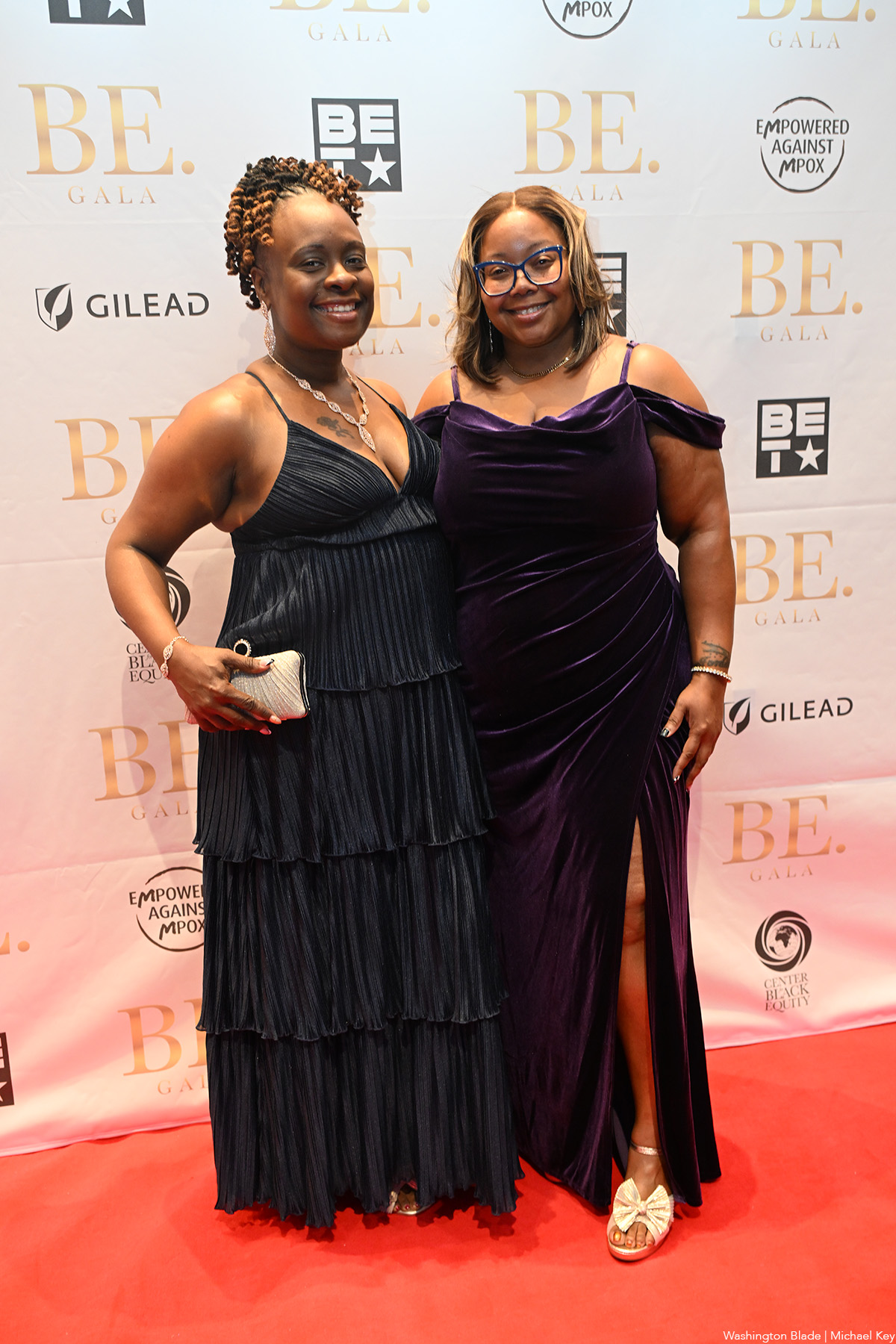
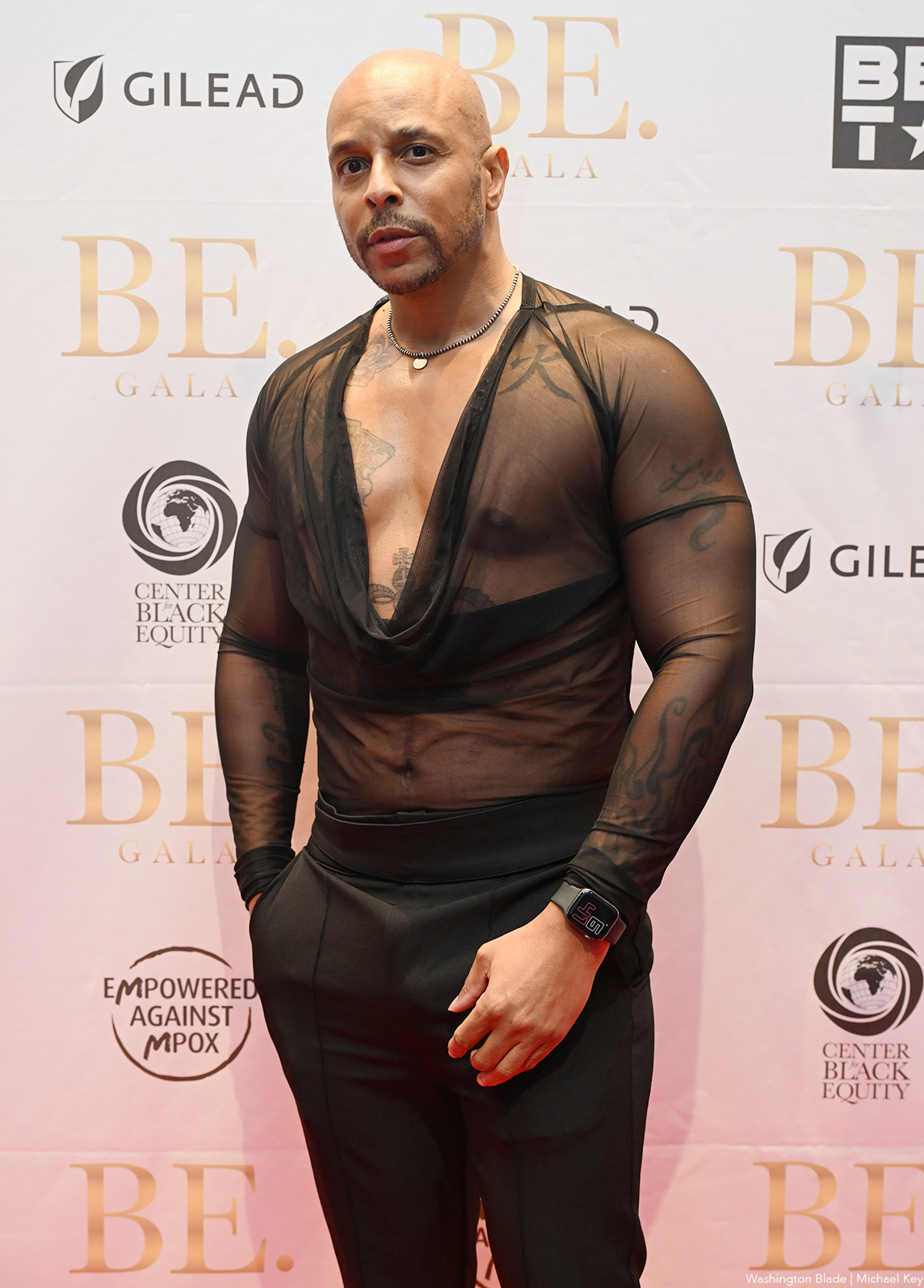
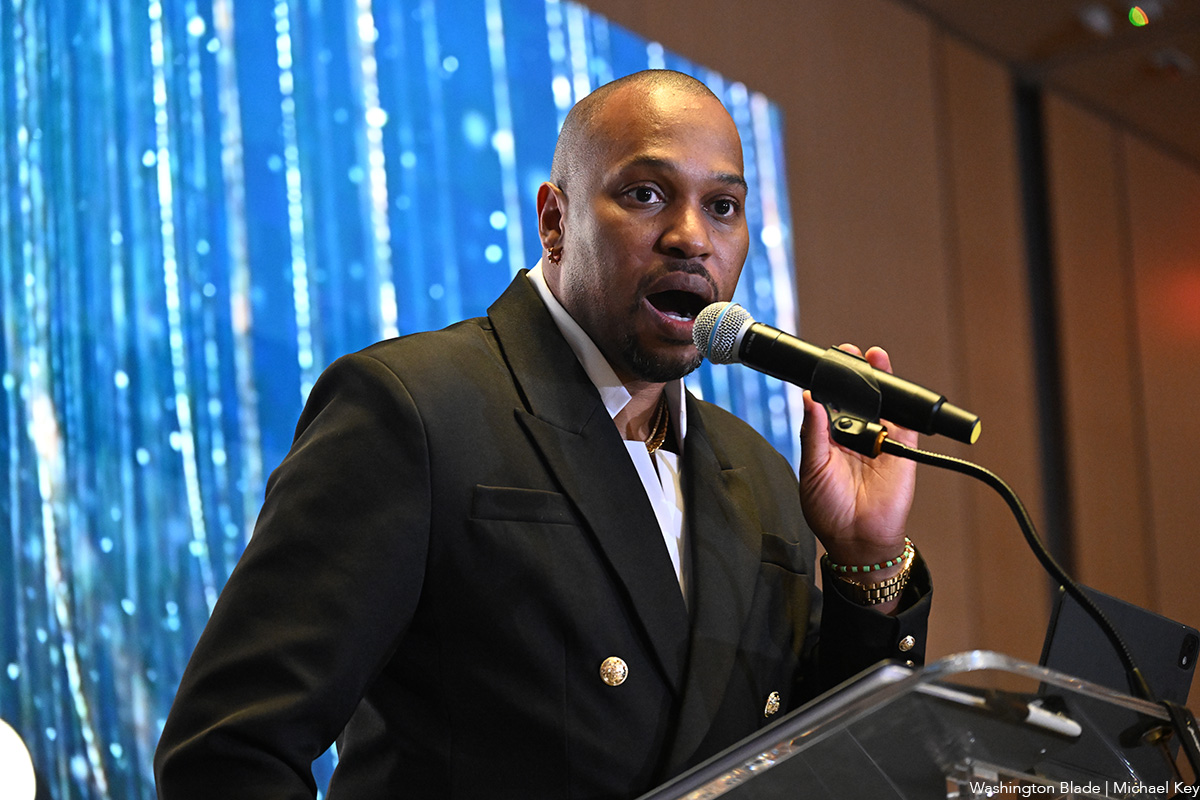
The Center for Black Equity held its annual BE. Gala at Conrad Washington, D.C. on Saturday, Oct. 5. Lolita Leopard Miyake-Mugler and Anthony Oakes co-hosted the awards ceremony.
Honorees included journalist and producer Justin Stewart; nonprofit leader Nikki Alexander; HIV advocate Marlene McNeese; the nonprofit organization FreeLux Project; actress Monroe Alise; public health advocate Tori Cooper; Manassas Park Vice Mayor Darryl G. Moore; Rev. Dr. Carmarion D. Anderson; Bishop Steven Sawyer; government relations professional Courtney Snowden; Senior Deputy Director of HAHSTA at D.C. Health, Clover Barnes; and Texas state Rep. Venton C. Jones.
The event was sponsored by Gilead.
(Washington Blade photos by Michael Key)
Books
In ‘The Lost Brontë,’ a complicated lie can lead to danger
New book features sweetly romantic girl-meets-girl twist
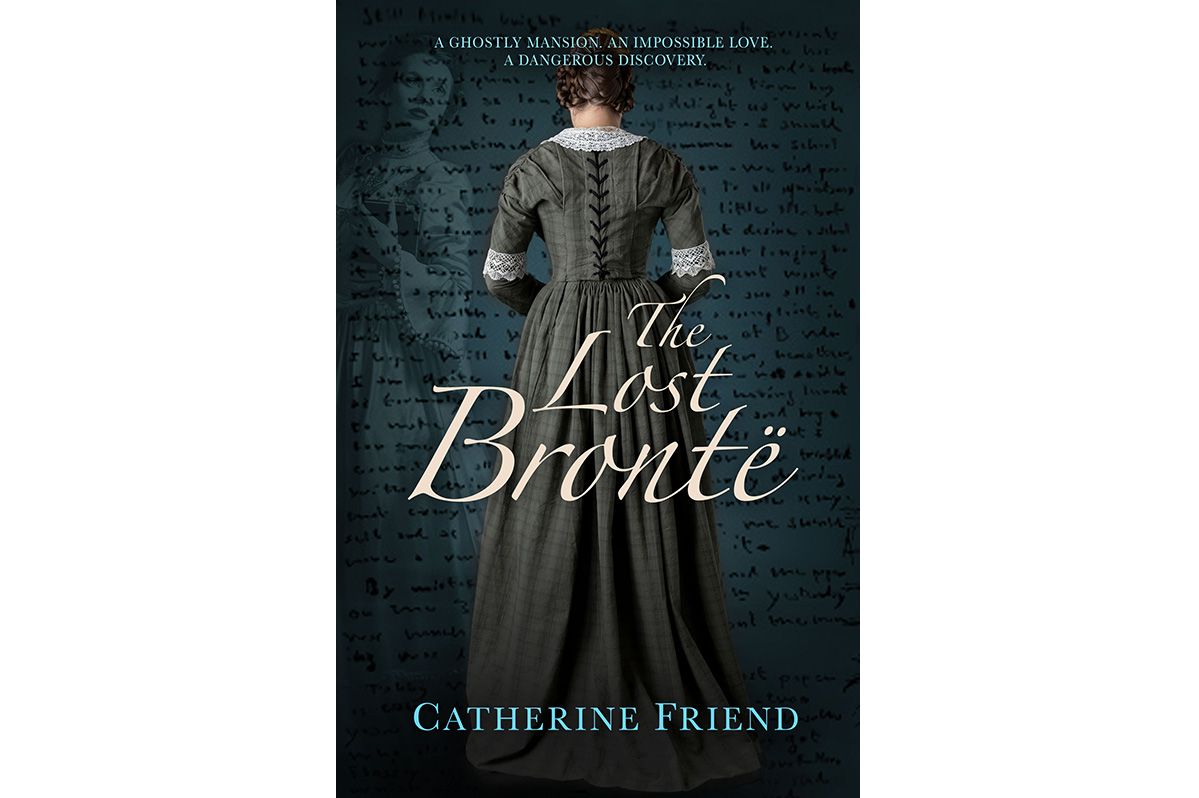
‘The Lost Brontë’
By Catherine Friend
c.2026, Bywater Books
$22.95/335 pages
Mom always said to tell the truth.
One lie leads to another and another and you have to remember them all until pretty soon, you’re caught. Fibs are hard, mistruths are messy, even little white social lies can destroy trust. Worst of all, as in the new novel, “The Lost Brontë” by Catherine Friend, a complicated lie can lead to danger.

Though Lilianne Loxley was very young when she lost her parents, she understood that her uncle didn’t really want her. As time passed, though, Lily made herself useful to Uncle, writing and signing letters for him and she became a good companion, helping him with his collection of Brontë memorabilia. Uncle was a keen enthusiast.
She had no idea that his obsession was out of control and he was deeply in arrears. The day Lily learned of his debt was the day she learned that he’d agreed to send her to his debtor’s home to work off the money owed.
It was so sudden. One minute, Lily was at Loxley House, happy and loved by Uncle’s staff … and five hours later, she was at Crag Thorn Manor, home of Lord Bexton, who informed her that she’d be working on his ledgers – work that seemed routine, but Lily tackled it.
Uncle always did say she was headstrong.
But would headstrong be enough to survive, when she was restricted from most of the Manor, when she was forced to dine with Brexton and his slimy friend, or – the worst! – when Brexton told Lily that her next task was to forge a letter from Emily Brontë? And then an entire manuscript?
Lily struggled to do what was right. She had to get Uncle out of debt but this last order horrified her. Did she dare refuse Brexton’s orders and commit a crime? It was unthinkable!
The only brightness in the whole situation was Wren, the ladies’ maid assigned to Lily’s room. Wren was adorable with freckles and the sweetest smile. But with everything else happening at Crag Thorn Manner, could Lily act upon her feelings?
This time of year, you may come to crave dark, spooky stories, and “The Last Brontë” fits those needs perfectly with its Gothic deliciousness. Think: Daphne du Maurier-type, stormy-night squirms with a dangerously chaste, sweetly romantic girl-meets-girl twist for fun.
If it’s been awhile since you’ve read a Gothic novel, you’re in for a nice reminder of why you love them here. You can almost tick off the must-haves: a novel like this is nothing without a foreboding stone manor with damp walls; stone steps to a dank basement; a mysterious portrait; and a nearby bog, and author Catherine Friend gives readers every one of them. You’d be disappointed if there was no ghost, wouldn’t you? Ha. You can practically feel the cold blow through the attic, right? Yeah, it’s that kind of book.
If you’re a fan of the Brontës, you’ll like this novel. If you love Gothic mysteries or Victorian romances, ditto. “The Lost Brontë” is good, no lie.
The Blade may receive commissions from qualifying purchases made via this post.
Out & About
CAMP Rehoboth Block Party returns Oct. 18
Expect performances, vendors and more at annual celebration

CAMP Rehoboth will host its annual Block Party celebration on Sunday, Oct.18 at 11 a.m. on the second block of Baltimore Avenue in downtown Rehoboth Beach.
CAMP Rehoboth invites all community members to join in the festivities and to expect magnificent performances and dozens of vendors, including artists, craftspeople, non-profits, businesses, and more.
The event started in 2015 in celebration of CAMP Rehoboth’s 25th anniversary. This year, attendees can expect to shop sea glass art, pottery, jewelry, Pride merch, body care, clothing, and learn more about local non-profit causes and businesses.
Attendance is free. For more details, visit CAMP Rehoboth’s website.

Annie Andrews denounces trans athletes after Trump targets her

On Republican Long Island, gay Democrat Chris Gallant bets on public service over politics

Report: LGBTQ exclusion costs Japanese economy billions a year

Center for Black Equity honors leaders, activists at BE. Gala

In ‘The Lost Brontë,’ a complicated lie can lead to danger

U.S. int’l trade negotiator, consultant James Bedore dies at 82

Campaign urges Virginia High School League to reverse stance on trans athletes

Calif. GOP gubernatorial candidate ad ‘disgusting attempt to exploit lesbian intimacy’

Center Arts Gallery celebrates 10 years with reception, auction

Trump, Netanyahu, and Putin are all war criminals
-

 Obituary5 days ago
U.S. int’l trade negotiator, consultant James Bedore dies at 82
-
Virginia5 days ago
Campaign urges Virginia High School League to reverse stance on trans athletes
-
California5 days ago
Calif. GOP gubernatorial candidate ad ‘disgusting attempt to exploit lesbian intimacy’
-
Commentary5 days ago
Center Arts Gallery celebrates 10 years with reception, auction