Arts & Entertainment
Going for the laughs
Lesbian comedian plays four shows this weekend at Riot Act
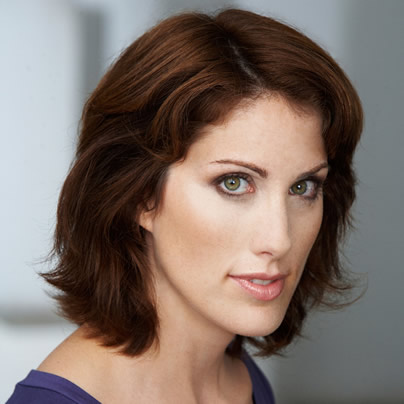
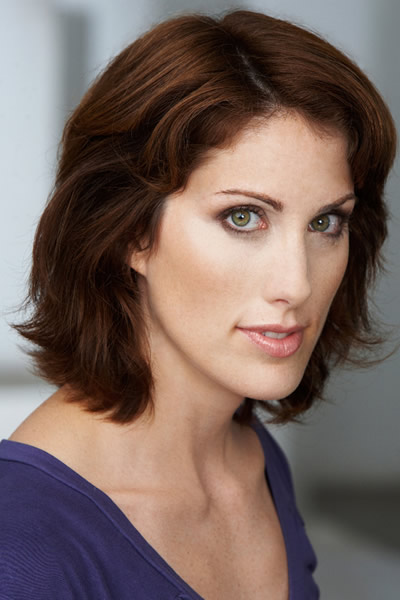
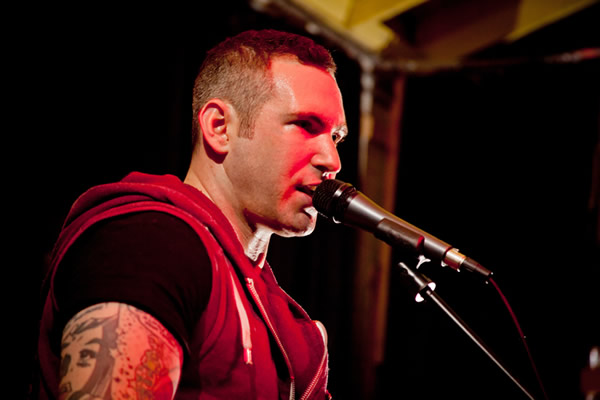
Lesbian comedian and actress Erin Foley plays Riot Act Comedy Theatre tonight and Saturday. (Photo by John Skalicky)
Even before 7 a.m., after dropping her girlfriend off at the train station, comedian Erin Foley can elicit a laugh.
“If I have a sentence that is not grammatically correct, if you could make it grammatically correct so I don’t sound like an idiot … if you could make me sound more literate, that would be fantastic,” Foley says, though the suggestion turned out to be unnecessary.
Foley has brought her act to the D.C. area and plays Riot Act Comedy Theatre (801 E St., N.W.) tonight (Friday) and Saturday at 8 and 10:30 p.m.
Foley got into comedy after moving to New York with every intention of going to graduate school to teach.
She did an improv show then stuck around to see the stand-up comics.
“I was in Manhattan and I did some improv at a New York comedy club and then right after the improv shows was all the stand up shows and I had never seen stand up before,” Foley says. “I tried it and it went OK … I could definitely see the potential … I started again and I just didn’t stop.”
Foley covers a little bit of everything in her act from politics to news and just ridiculous things. Nothing is safe.
“After you’ve been doing stand up for a while, you become trained,” she says. “I have a heightened sense of ridiculousness.”
Foley is constantly writing down things she thinks are funny, not always knowing it’ll work, but trying everything anyway.
Audiences are a major part of stand up, if they don’t think something is funny, the joke falls flat, she says. Traveling to different parts of the country is also part of the job and that could cause problems with some jokes.
“I’m a pretty liberal Democrat and I’m gay, so some of that material is not going to work all over our country … we have other things in common,” Foley says. “Coming to a city like D.C., its fantastic, because there’s no editing, I can talk about anything I want, it’s a like-minded crowd.”
She’d also like to travel to London and Australia at some point and spend some time performing over there.
Foley has also done some acting, including a role in “Almost Famous” and a couple short films. Acting is what made her move to Los Angeles.
“You have to be out here for a while. When you move here from Manhattan, you think, ‘Oh it’ll be great, it’ll be seamless,’” Foley says. “You kind of have to almost start over in a way … the last couple of years, there has been more and more opportunities.”
She has also done some TV pilots, commercials and was a semi-finalist on NBC’s “Last Comic Standing.”
She definitely has some favorite shows, ranging from FOX’s “New Girl” with Zooey Deschnel to HBO’s “Game of Thrones,” some of which she would definitely like to be on, but really she just wants to work.
“I’d jump into any one of those shows that’s on air,” Foley says, laughing. “I think TV in the last five years has really taken off. I mean, there’s such amazing programs.”
Opening for Foley will be John Betz, Jr. and Will Hessler. Tickets are $20 and available online at riotactcomedy.com.
“I’ve never been at Riot Act … and I’ve heard nothing but good things,” Foley says. “I’m super excited and it’s been … a couple years since I’ve been [to D.C.]”
For more information, visit erinkfoley.com or follow her on Twitter at twitter.com/erinfoleycomic.
Online Culture
Clavicular charged in alleged rape of teenage influencer
Online personality’s real name is Braden Peters
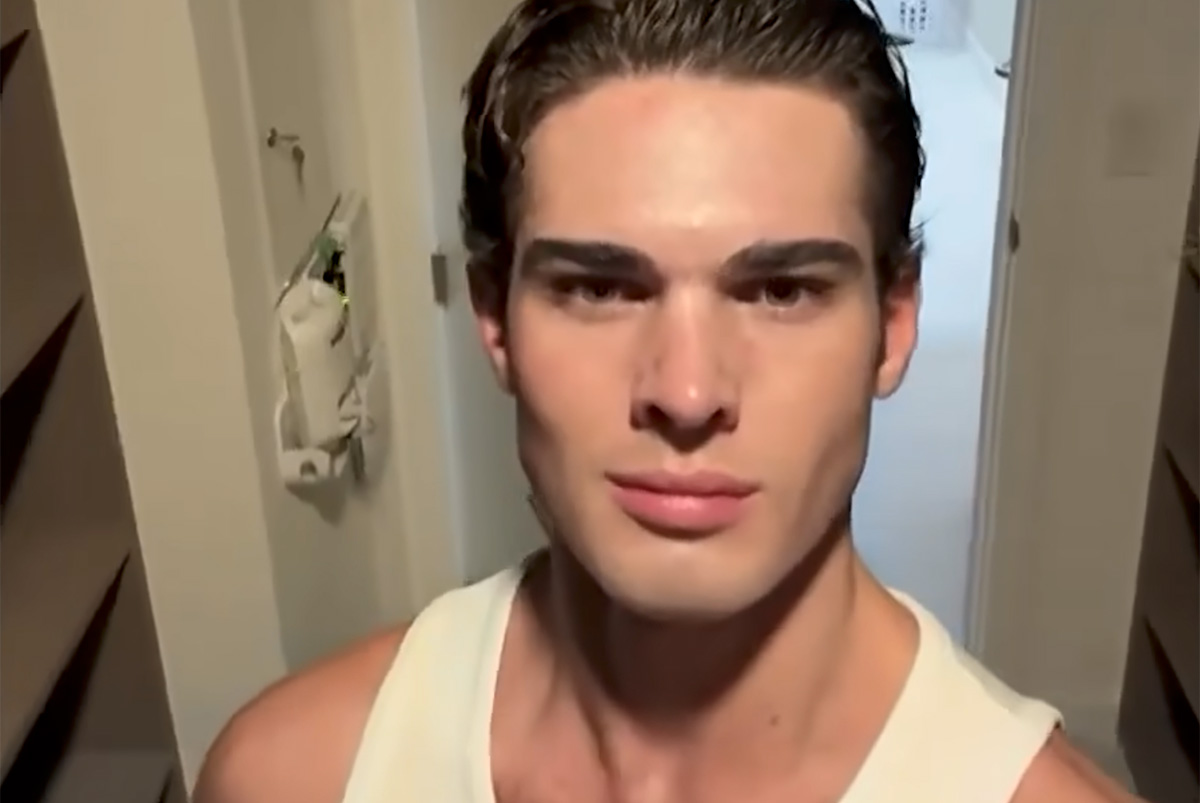
Online personality Clavicular, whose real name is Braden Peters, has been accused of rape.
According to NBC, Aleksandra Vasilevna Mendoza, an 18-year-old influencer known online as Alorah or Alorah Ziva, accused Peters of sexual assault, and the case is making its way through the court system.
The alleged incident occurred on May 23, 2025, when Mendoza was 17.
According to a criminal complaint from the Chatham (Mass.) Police Department, Peters called her an Uber to his family’s home. Once there, he allegedly got her drunk on vodka while they livestreamed on Twitch and then raped her. His mother and grandmother were allegedly in the house.
The documents allege Clavicular committed rape, drugging a person for sexual intercourse, and procuring and providing liquor to a person under 21.
According to court documents acquired by NPR, Mendoza began communicating with Peters on Instagram, where he paid her to appear on his livestreams to help her “make her name known on social media.”
According to those documents, Peters arranged for the minor to come to Cape Cod home to participate in a videostream for his 437,000 followers on Kick, 1.2 million followers on TikTok, and more than 1 million followers on Instagram.
At his home, Peters allegedly instructed Mendoza to say she was 18 on his videostream and to claim the alcohol on camera was water instead of vodka. Mendoza said she felt peer-pressured to drink the spirit and that she became noticeably intoxicated after a couple of drinks.
The allegations go on to state that after stopping the stream, Peters and Mendoza kissed on a couch and then had sex in his bed without her consent. Mendoza said she did not receive a sexual assault forensic exam after the incident. NPR does not name alleged victims of sexual assault.
The charges come months after Mendoza sued Peters in Miami, accusing him of sexual battery in connection with the events of May 2025. The civil lawsuit also separately alleges that he injected her face with a non-FDA-approved fat-dissolving substance during a November livestream in Florida.
Peters is known for his “looksmaxxing” concept of vanity, which is at the core of his online presence. The “looksmaxxing” culture he has helped cultivate combines elements of incel culture and heterosexuality, with the stated goal of attracting the opposite sex. He has gone as far as to say he has undergone “bonesmashing,” or hitting his own face with a hammer; taken anabolic steroids to more rapidly grow muscle; and used crystal meth as an appetite suppressant.
At the same time, looksmaxxing has been described as having elements of homoeroticism, with “looksmaxxers” appearing more concerned with impressing other men than women. Peters has multiple times pointed to openly gay actor Matt Bomer as the gold standard for male facial aesthetics.
Peters’s arraignment is scheduled for Oct. 14.
Photos
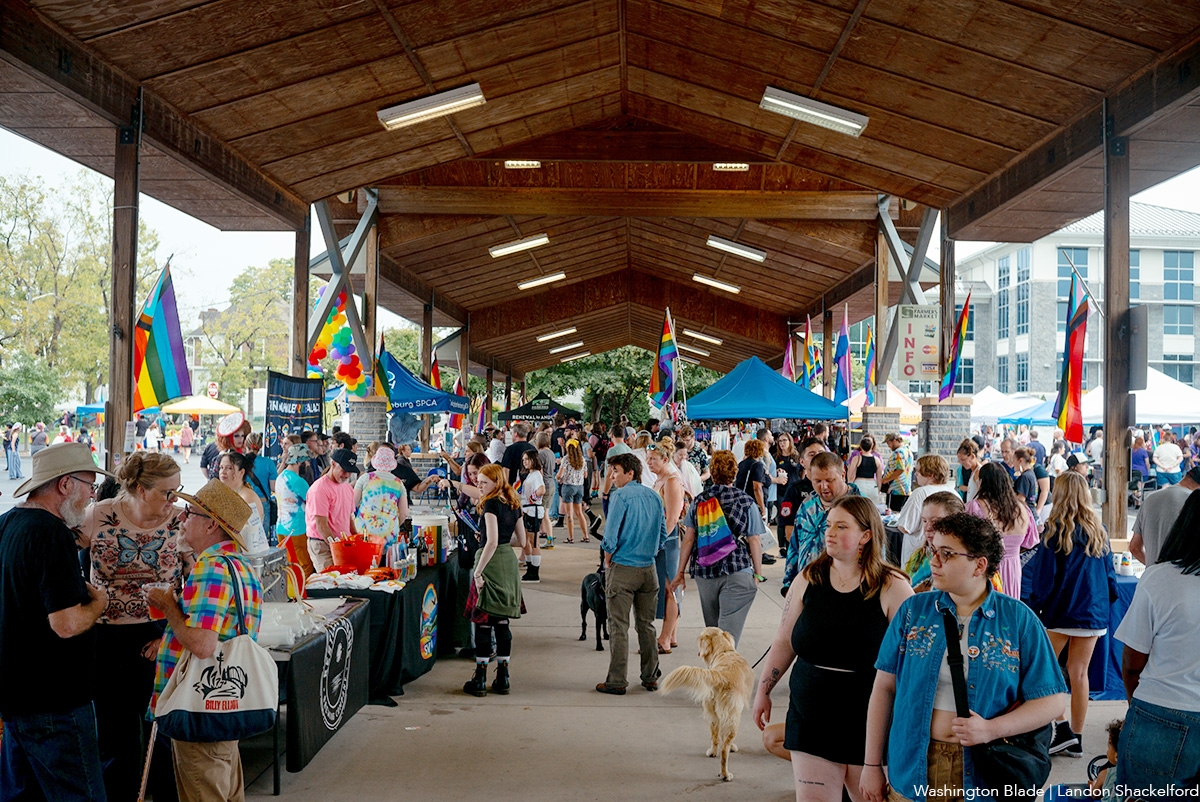
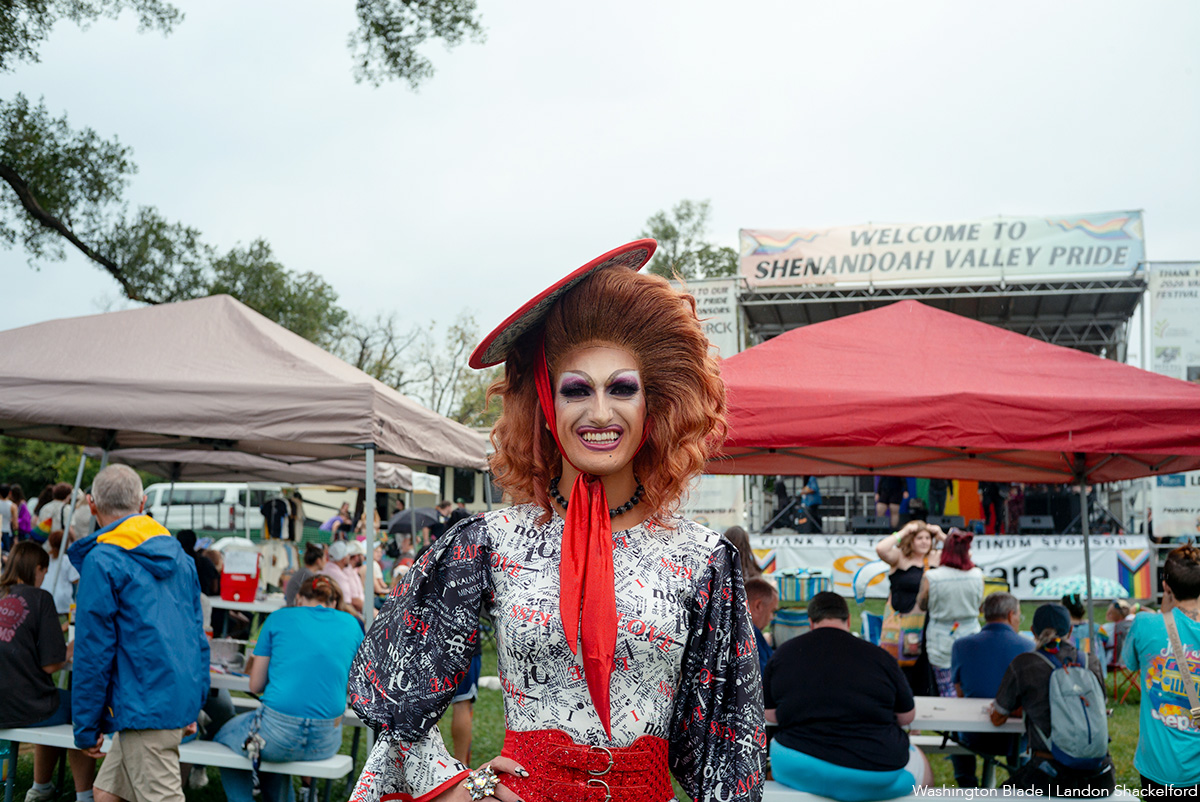
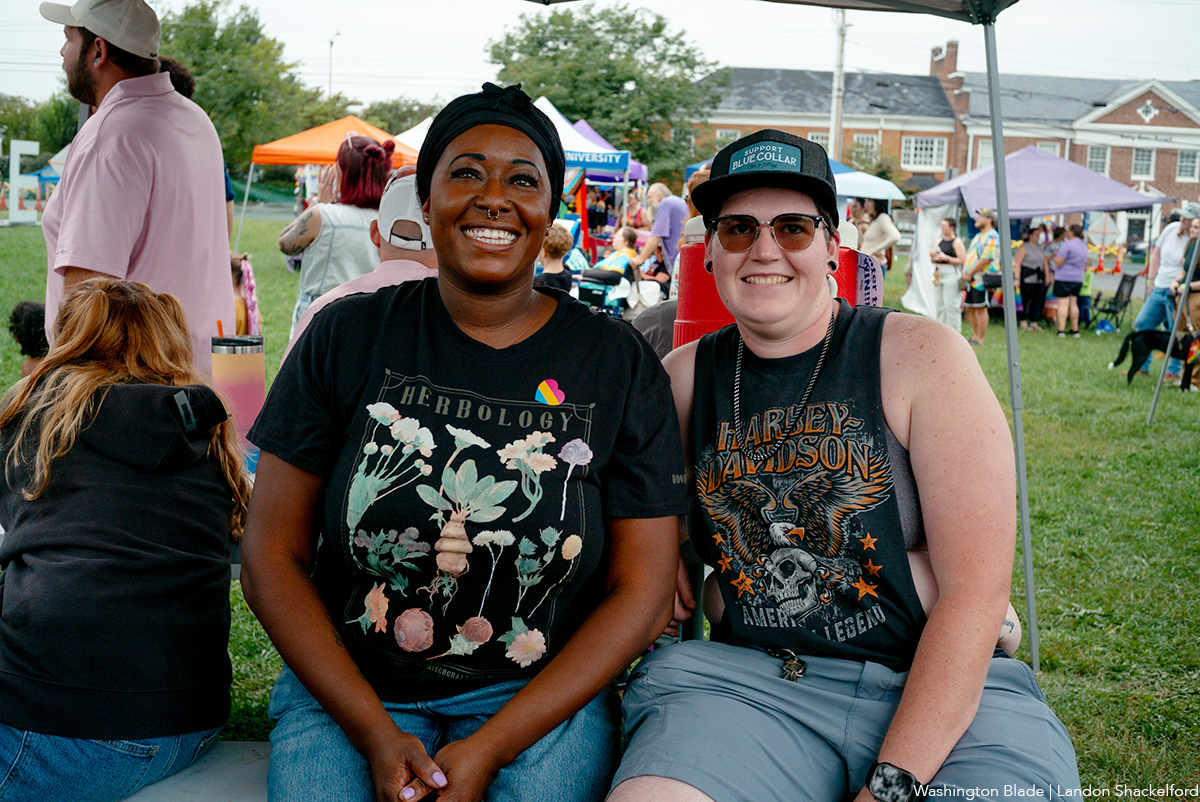
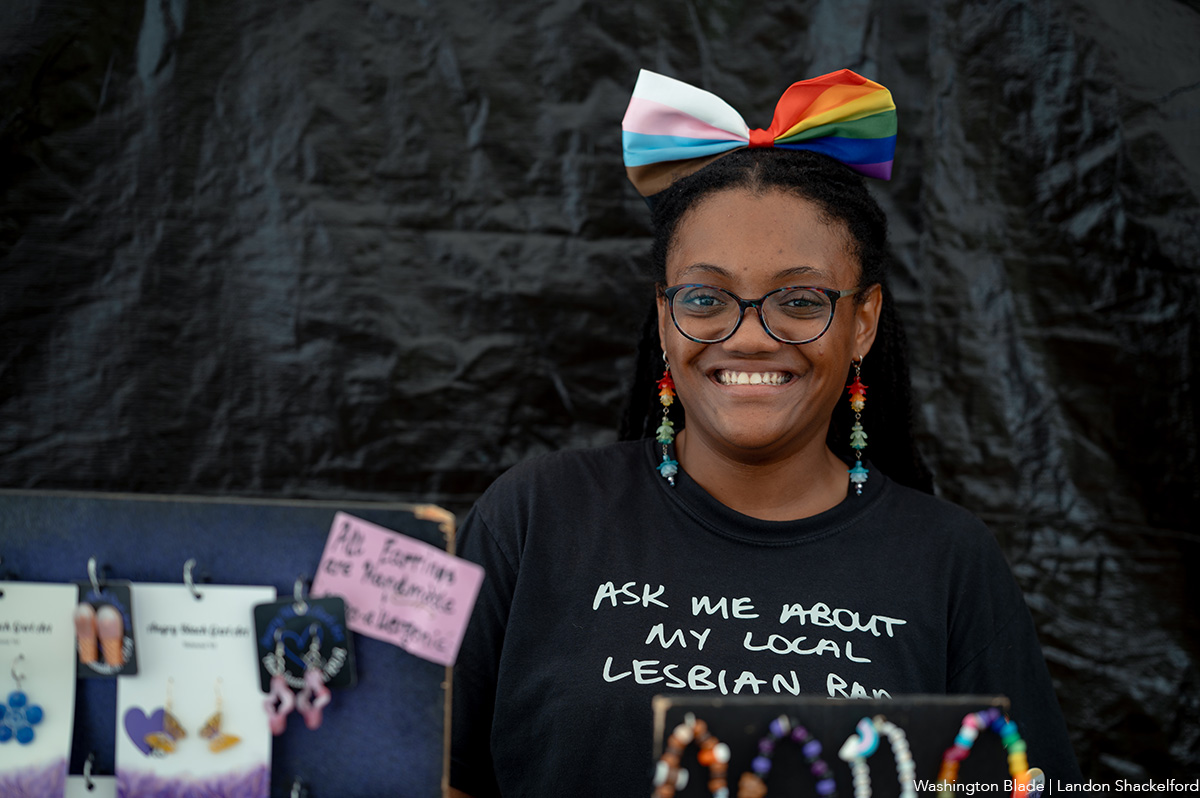
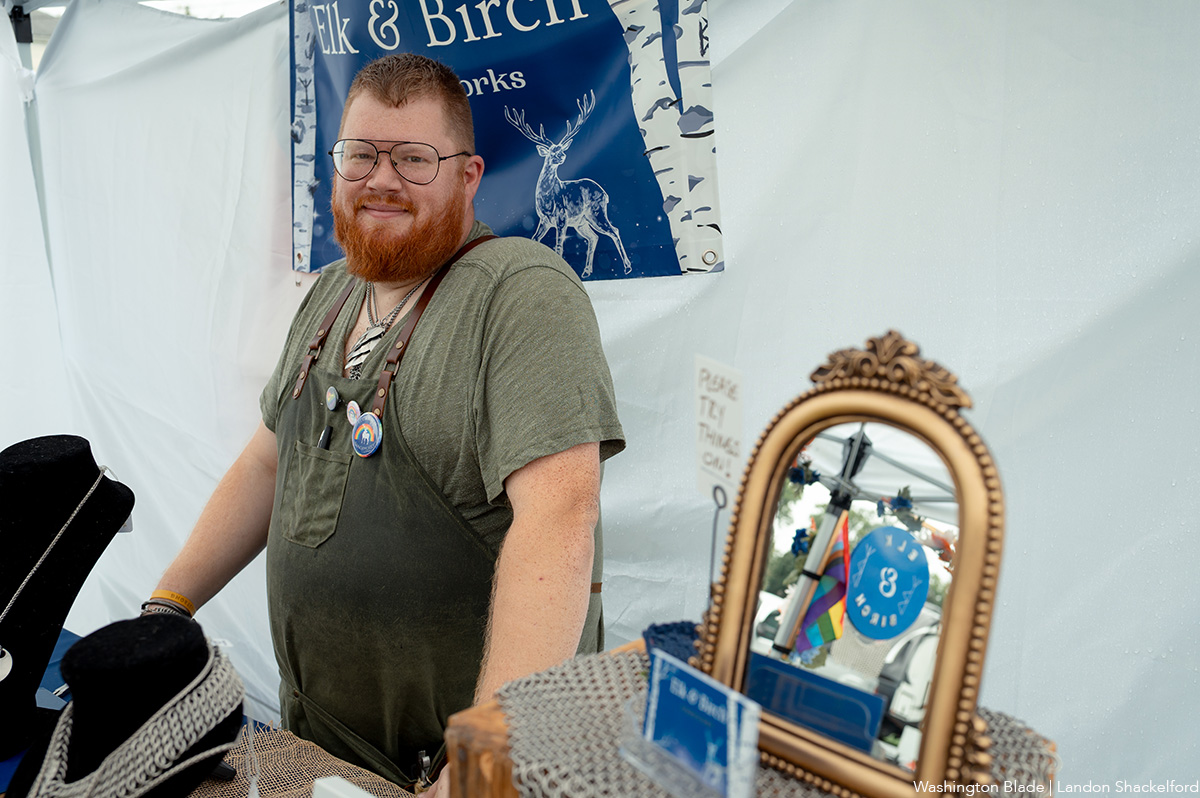
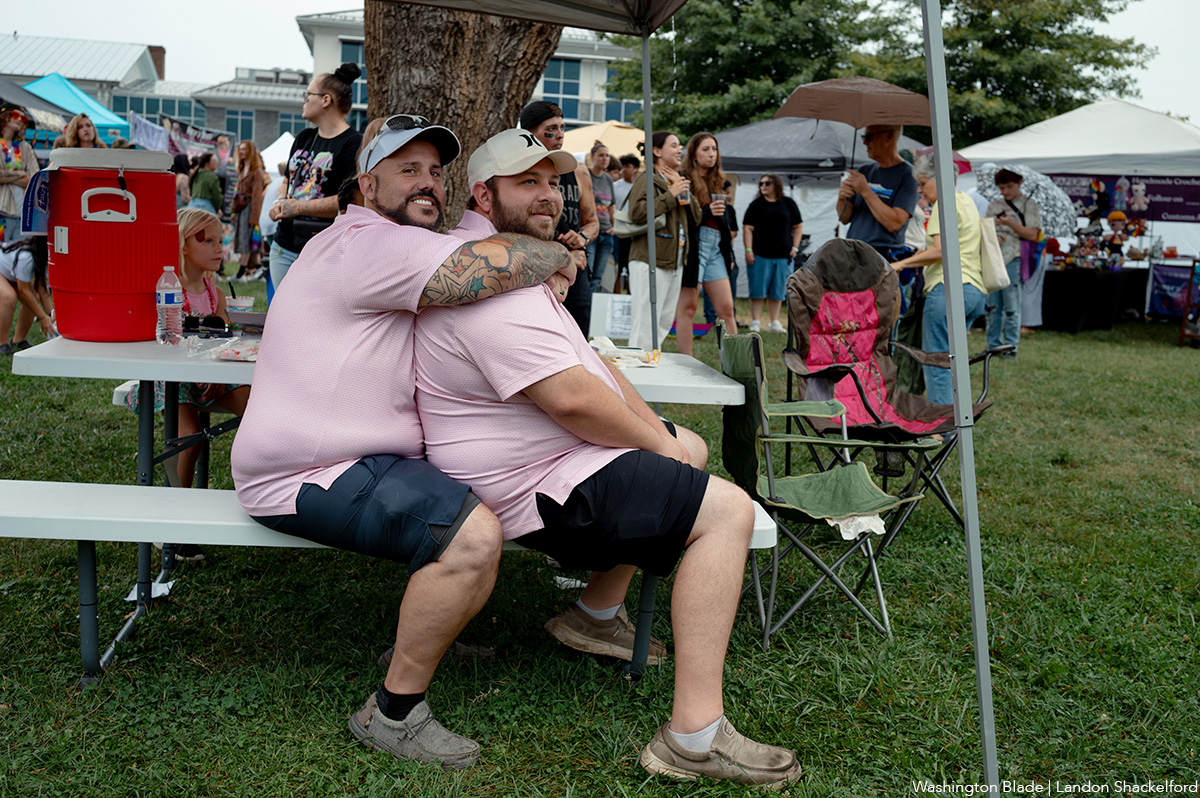
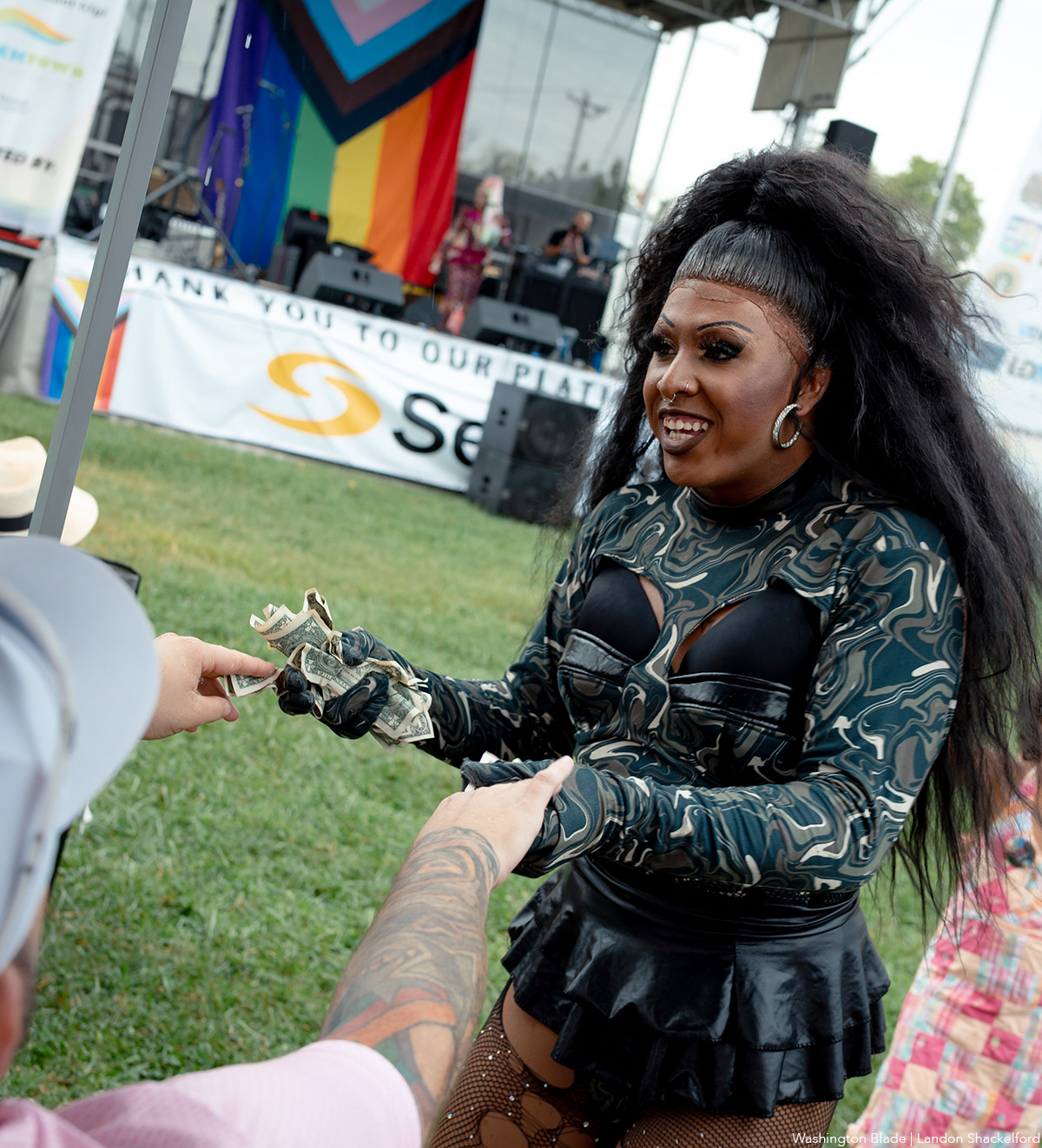
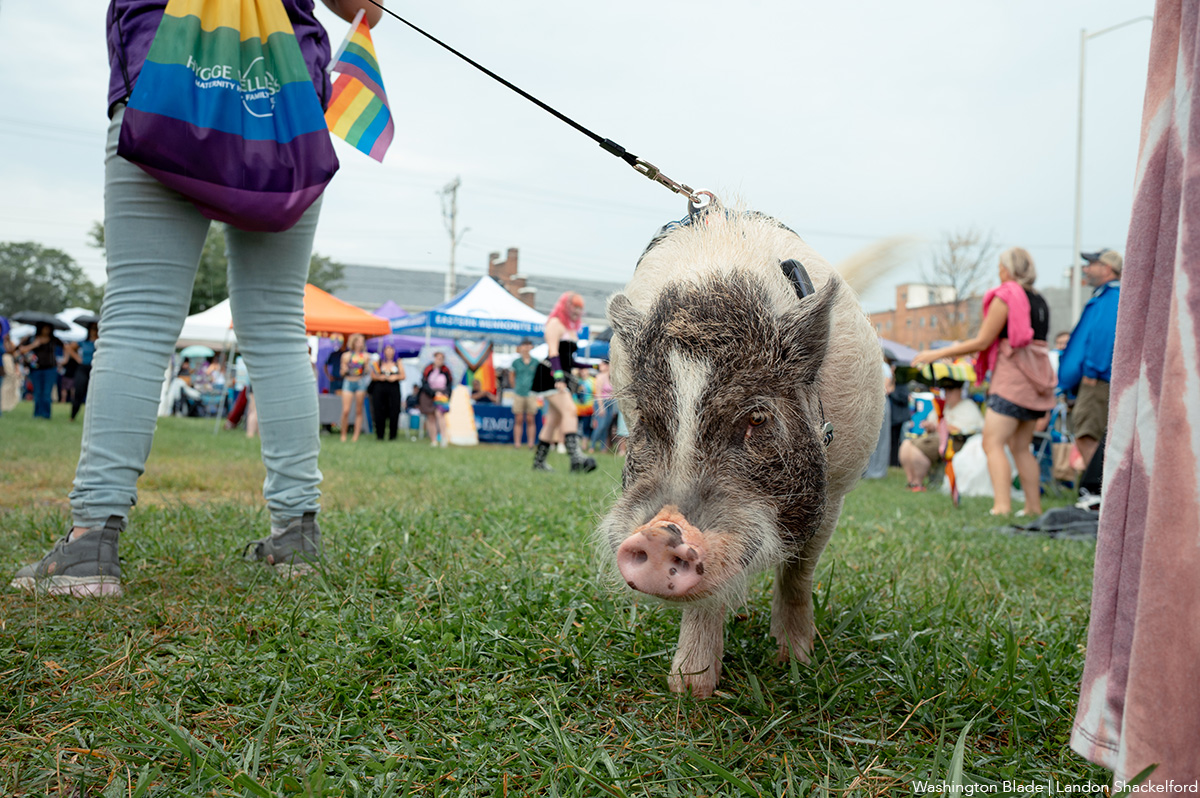
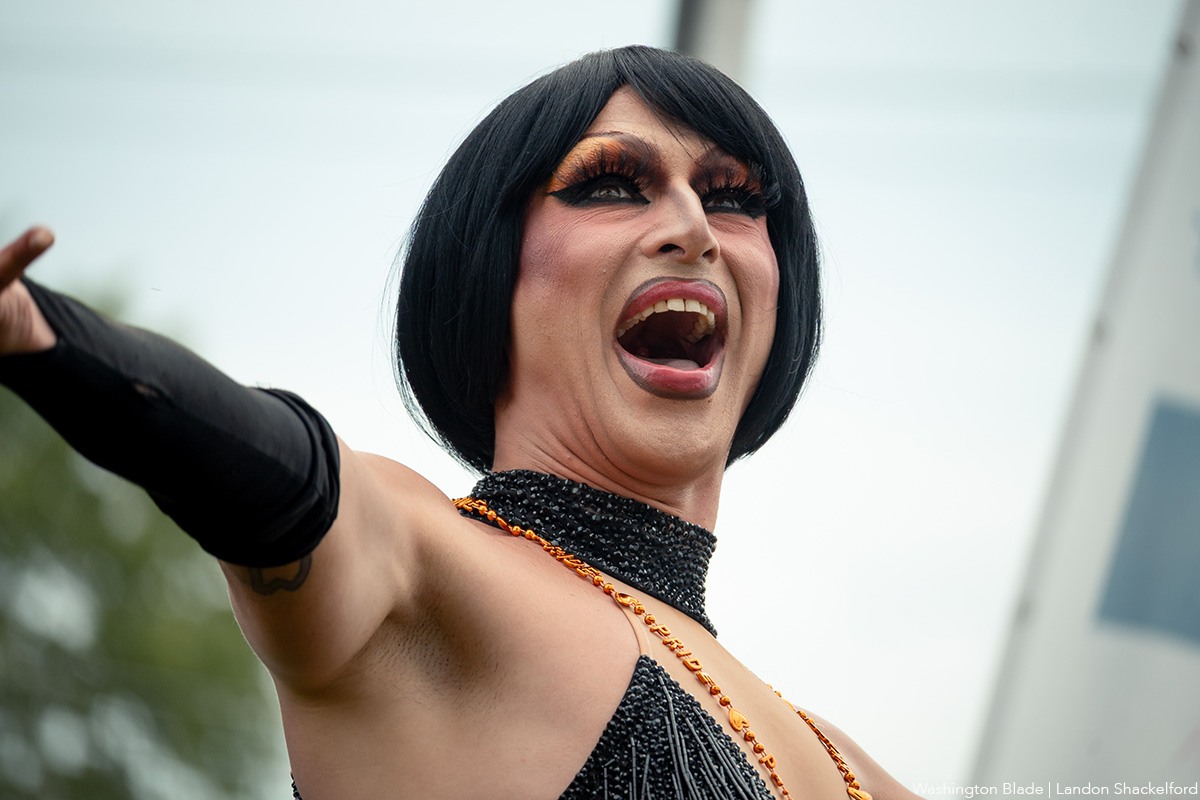
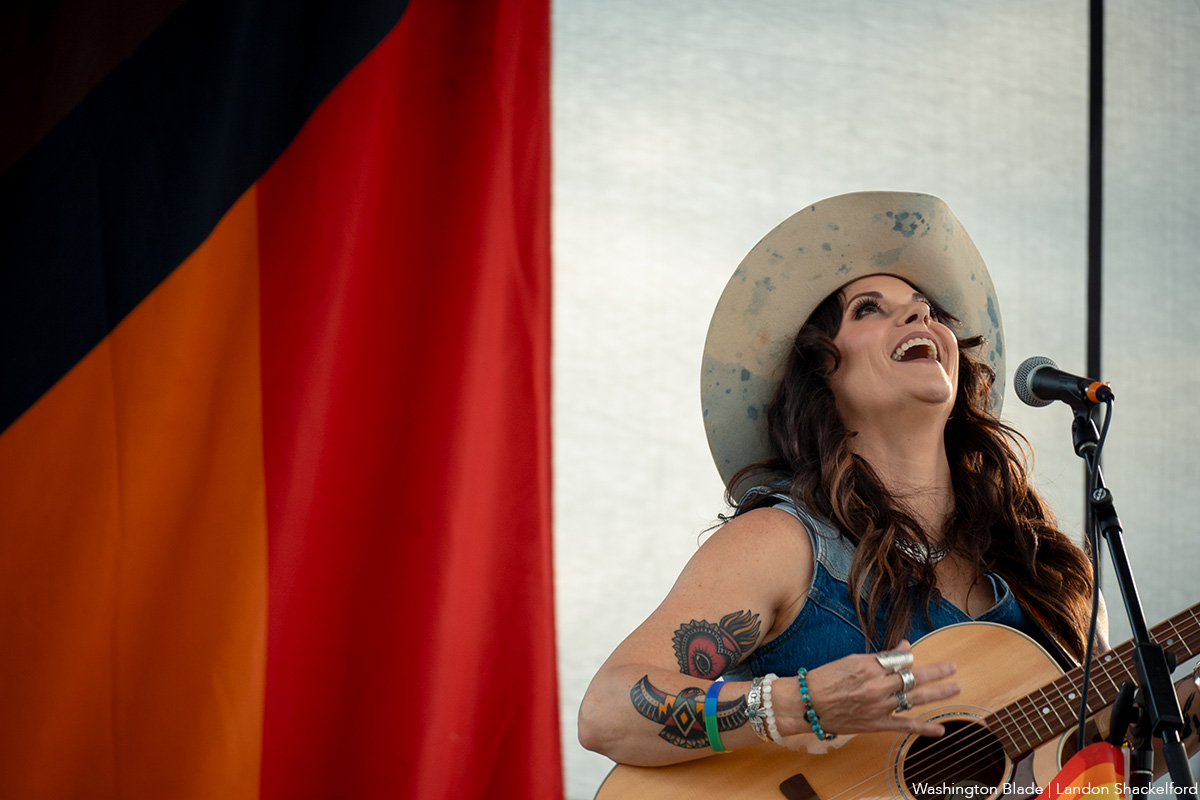
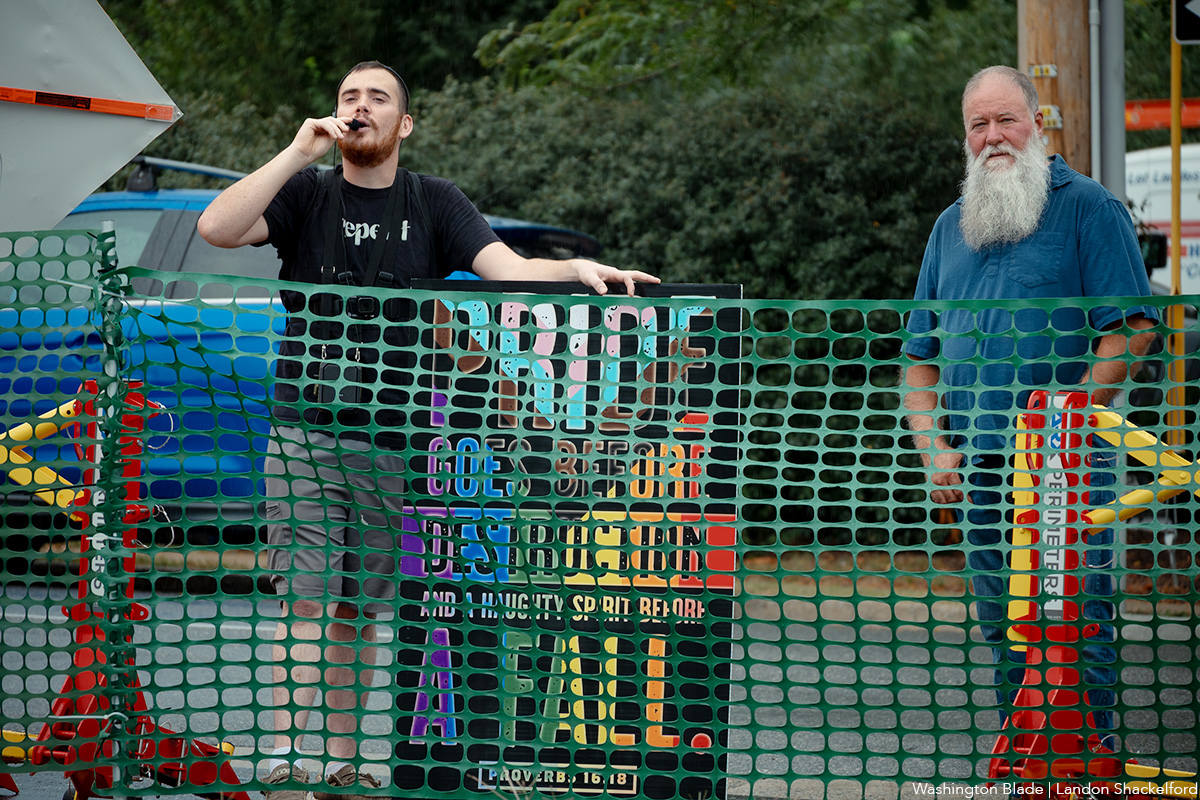
PHOTOS: Shenandoah Valley Pride
LGBTQ celebration held at Turner Pavilion in Harrisonburg, Va.
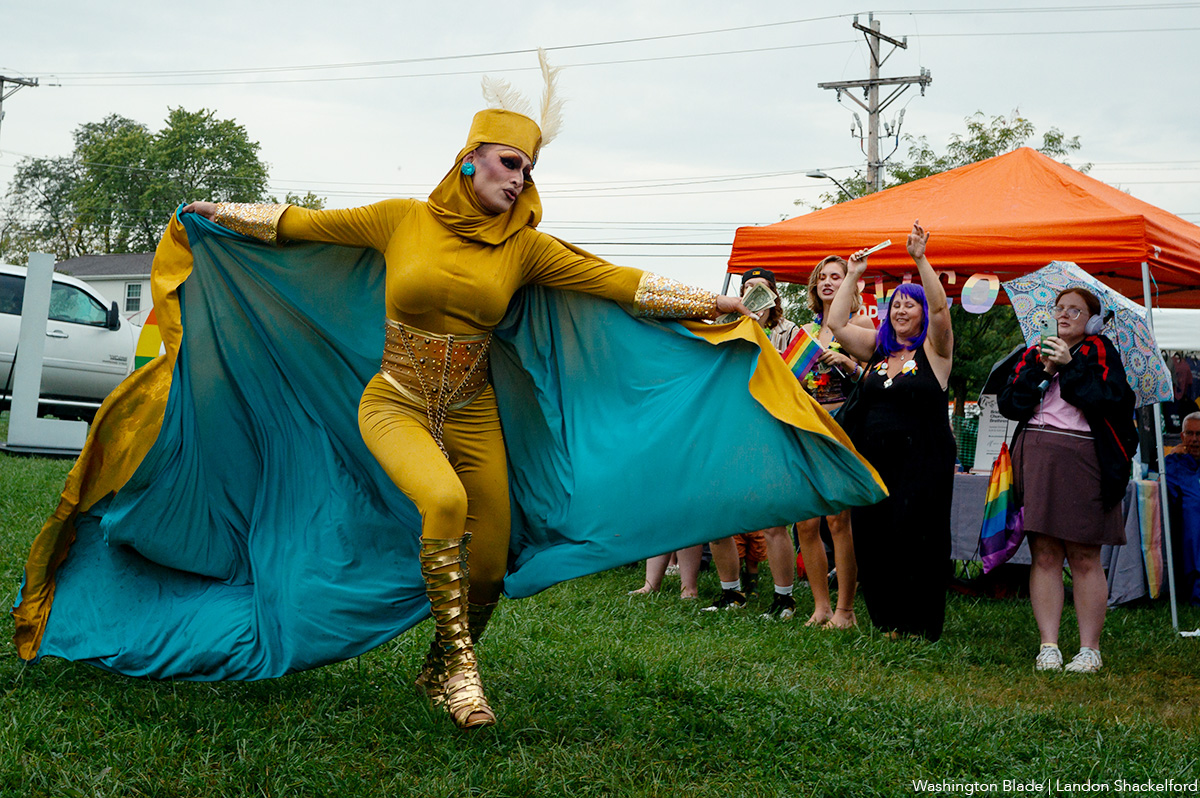
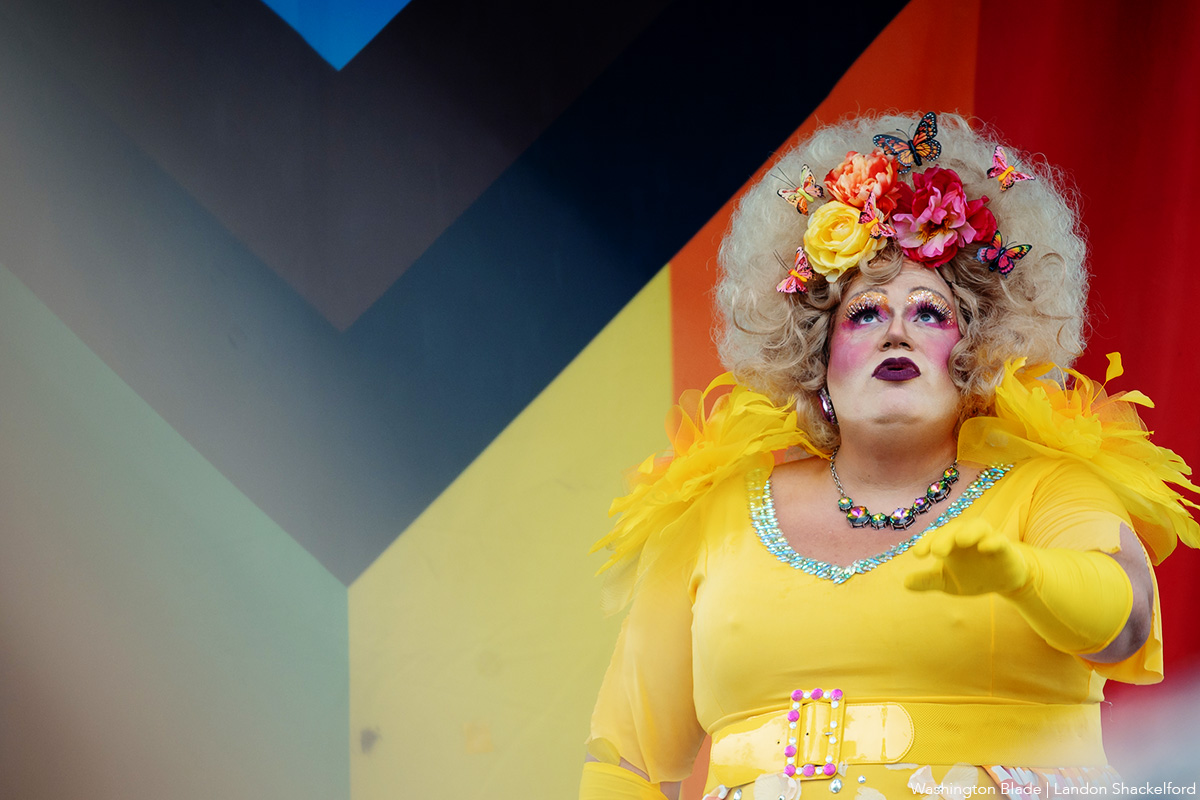
The 2026 Shenandoah Valley Pride Festival was held at Turner Pavilion in Harrisonburg, Va. on Sunday, Sept. 20.
(Washington Blade photos by Landon Shackelford)
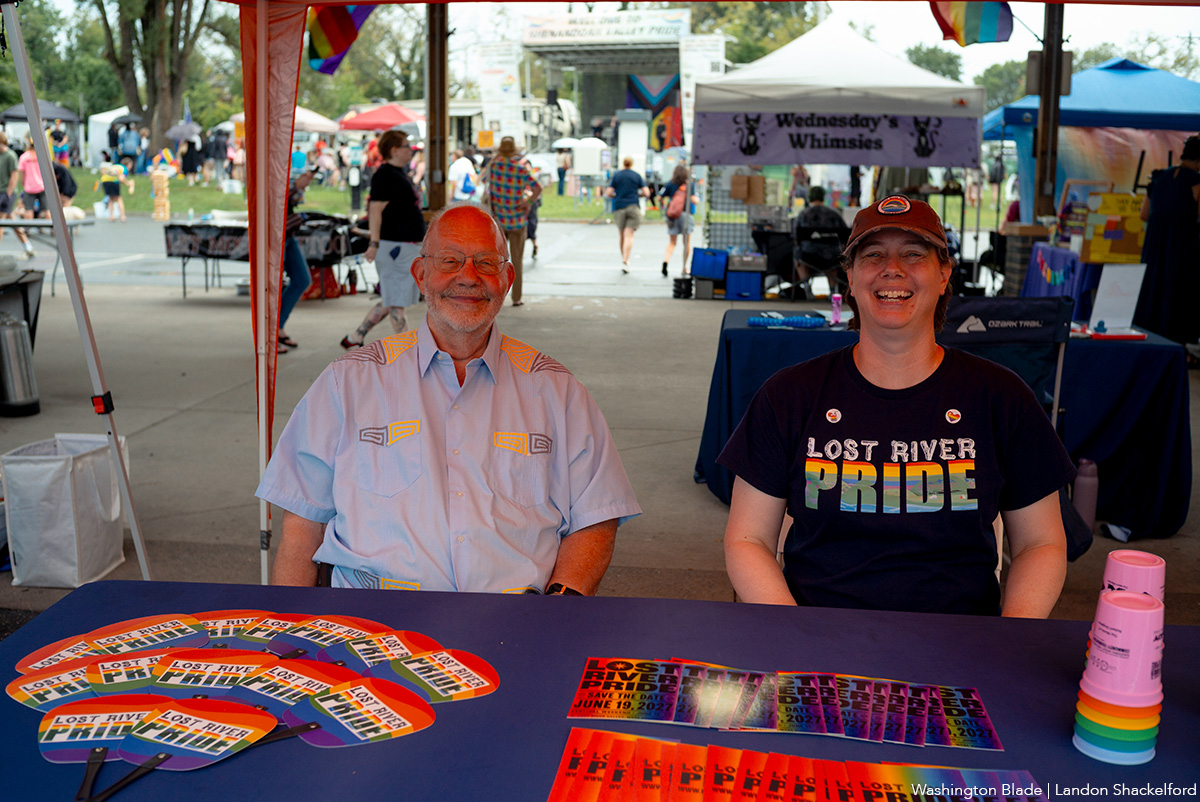
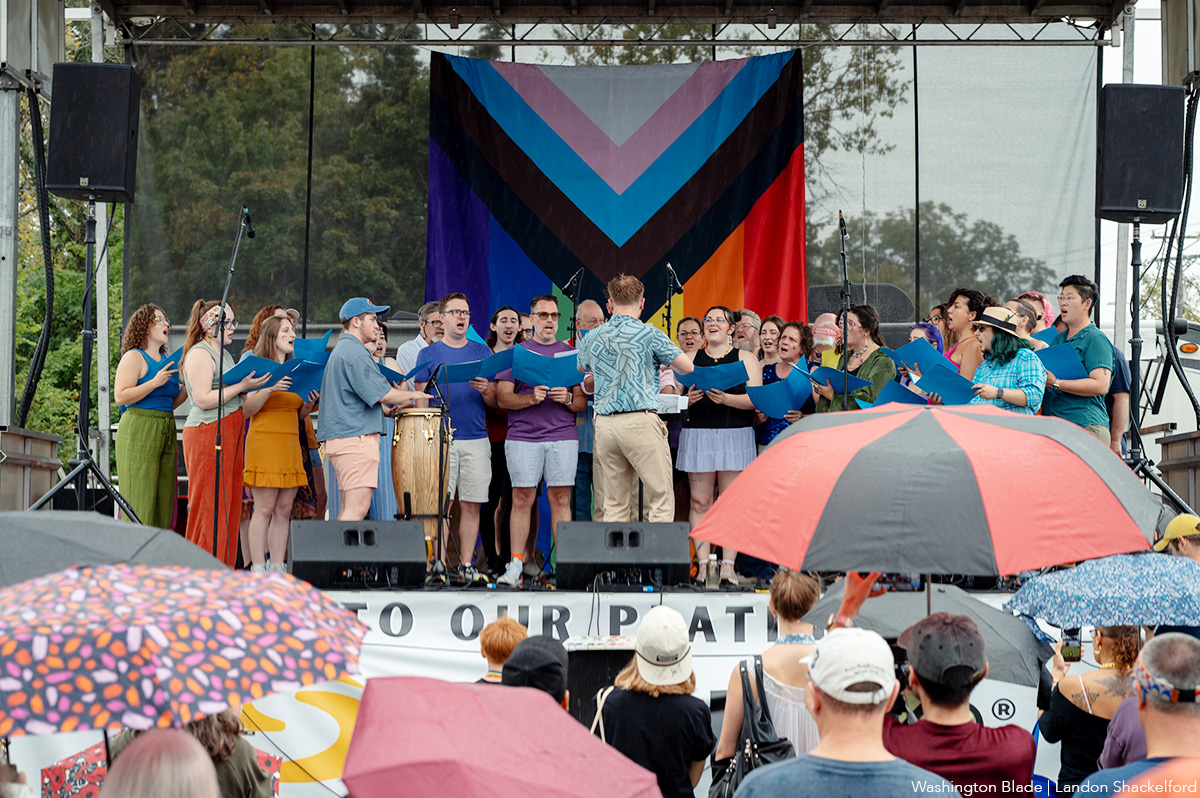
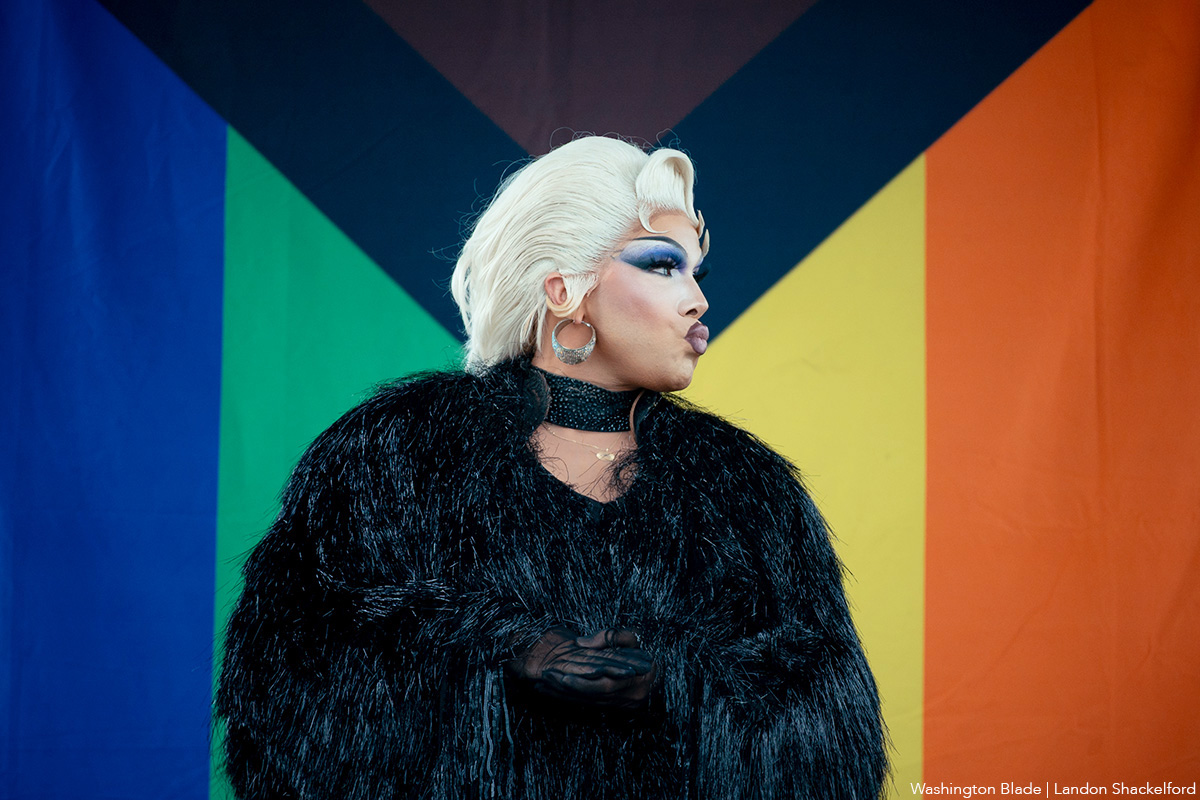
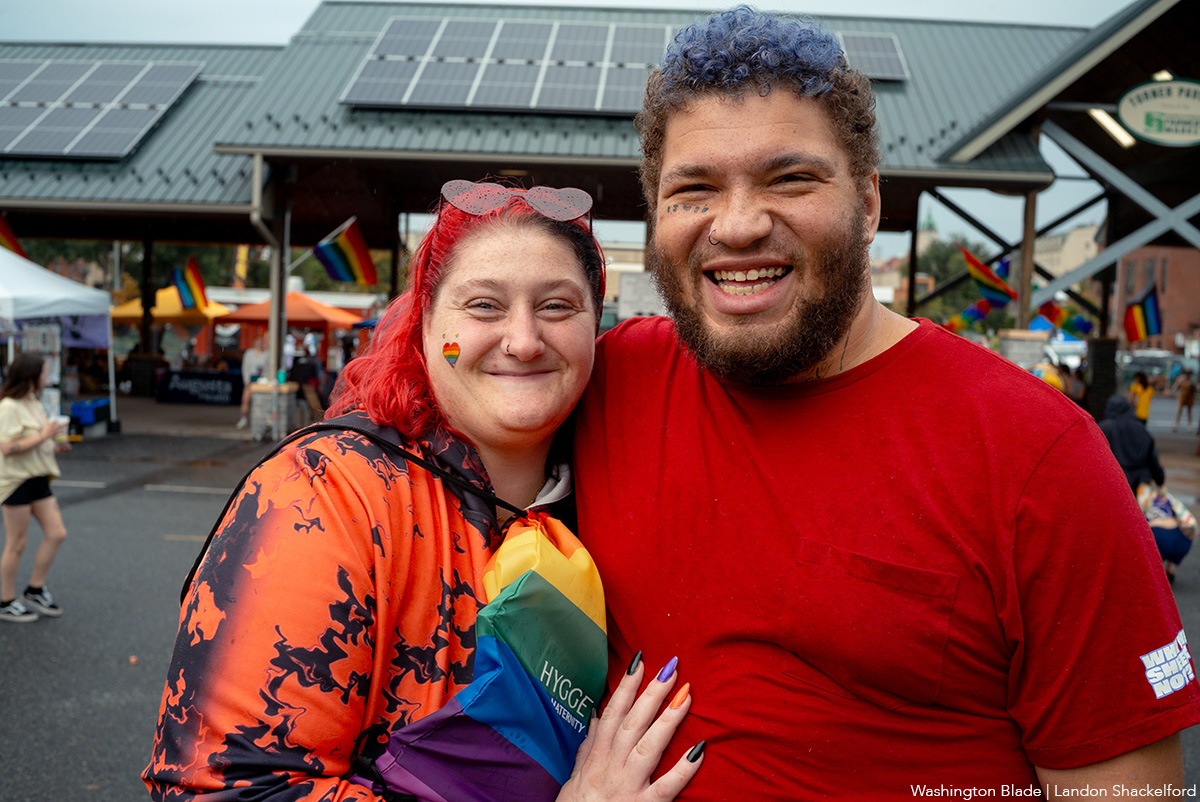
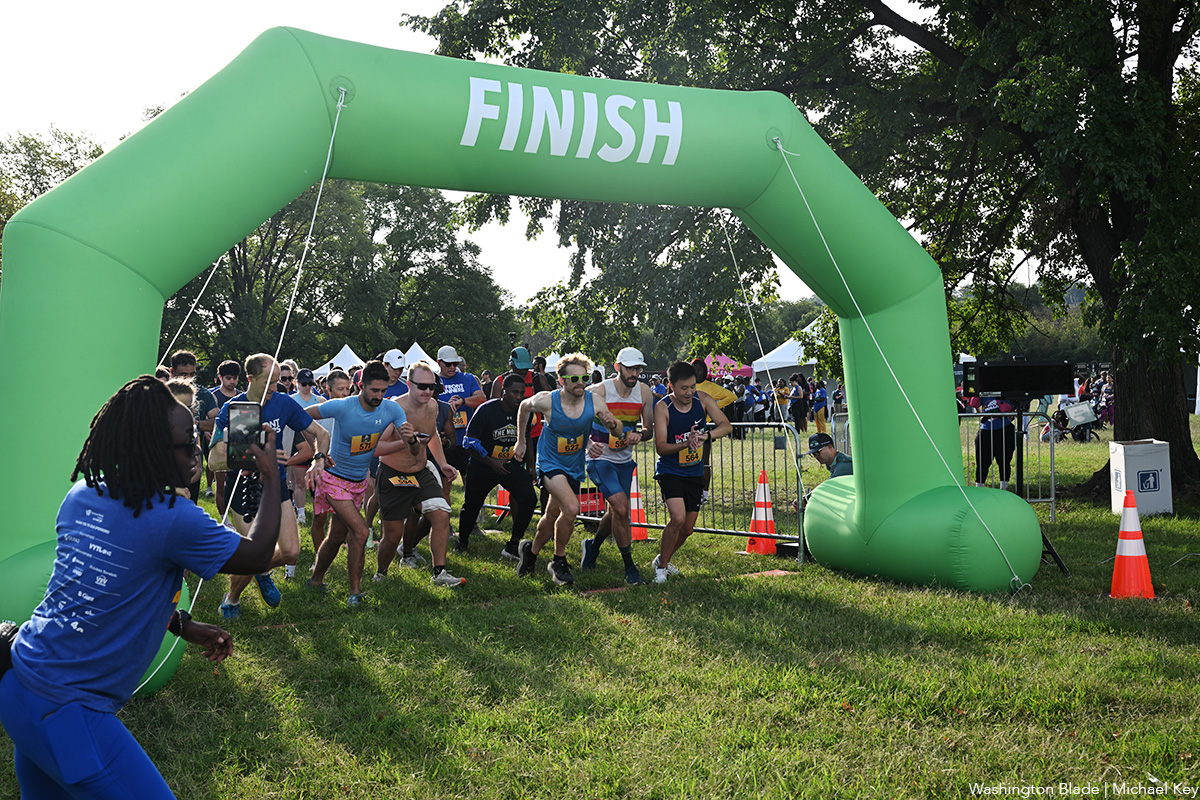
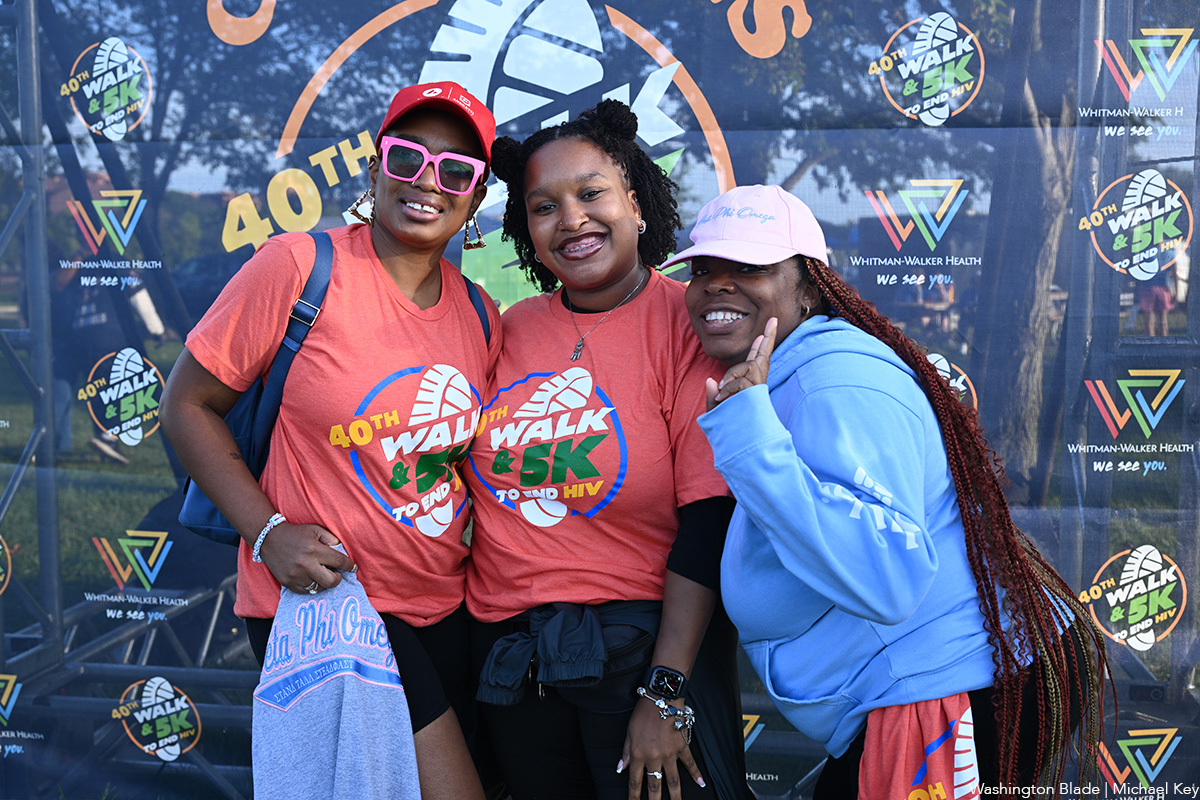
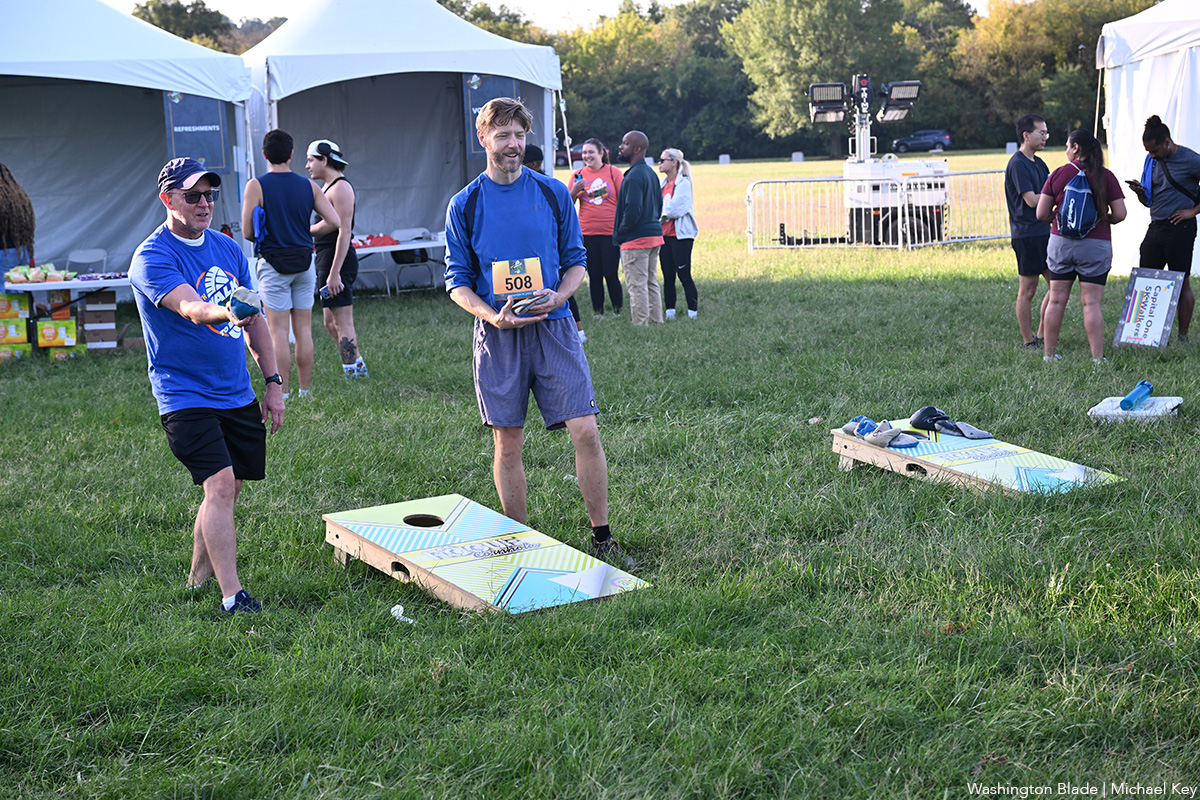
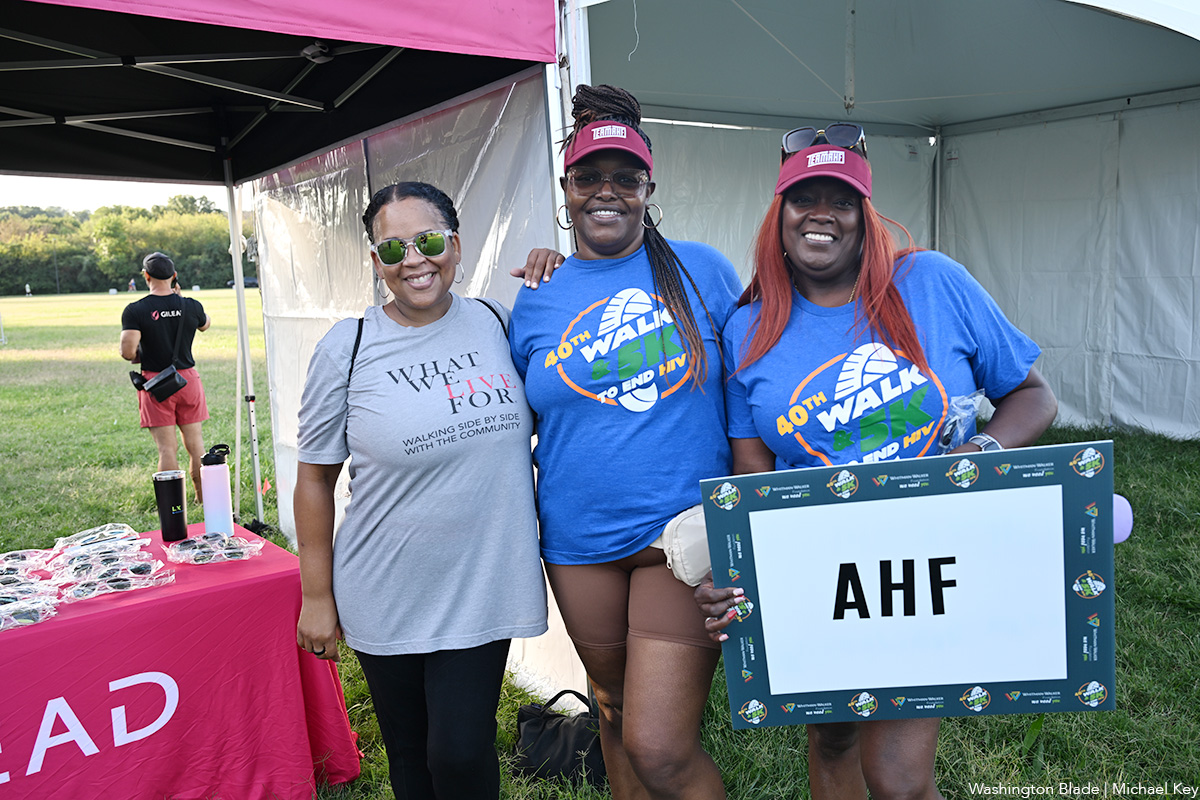
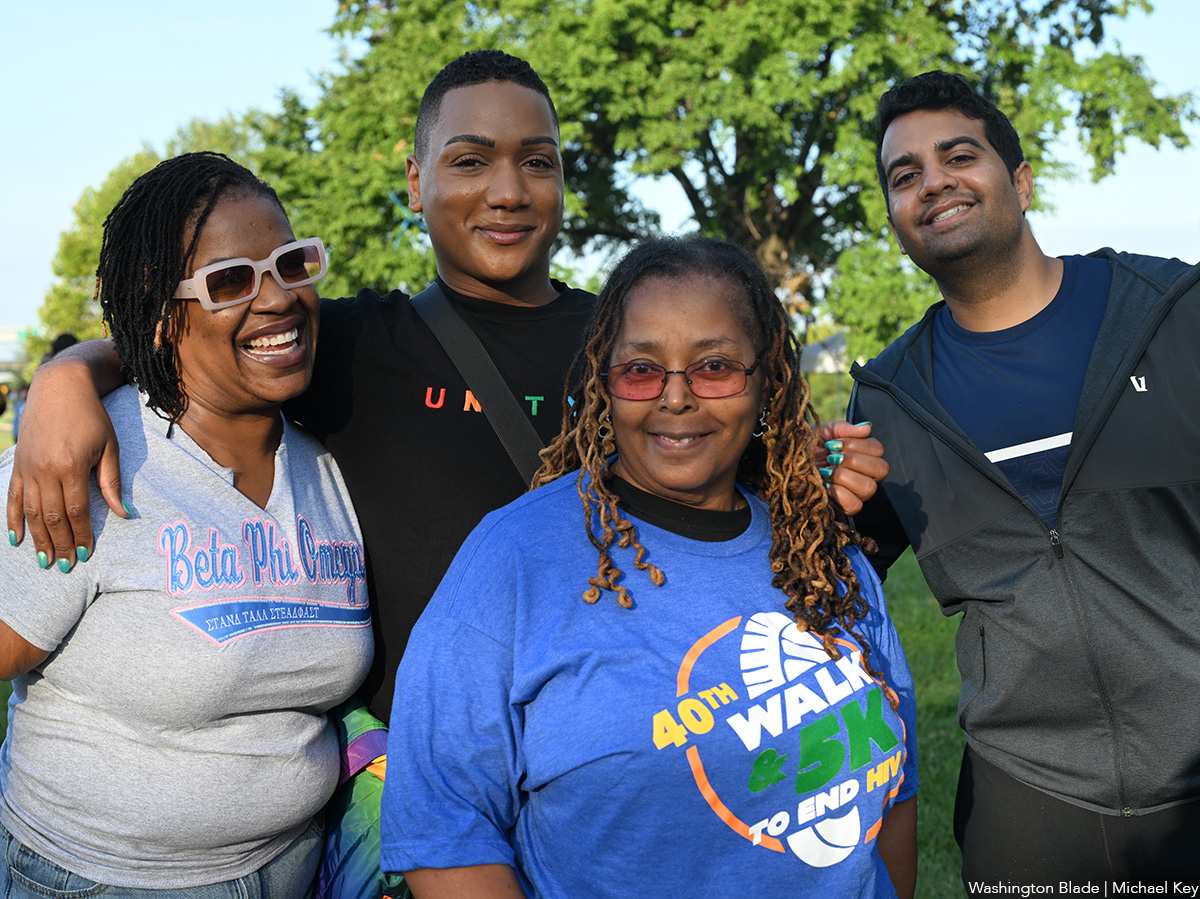
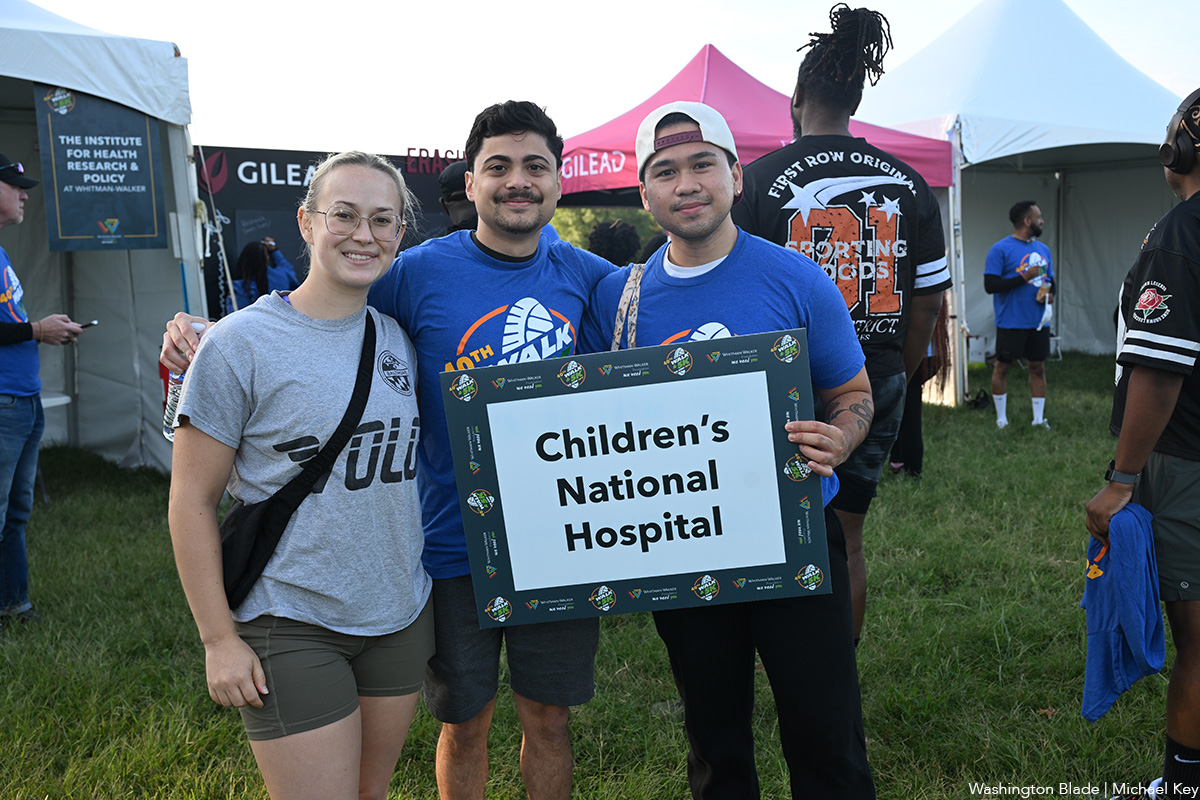
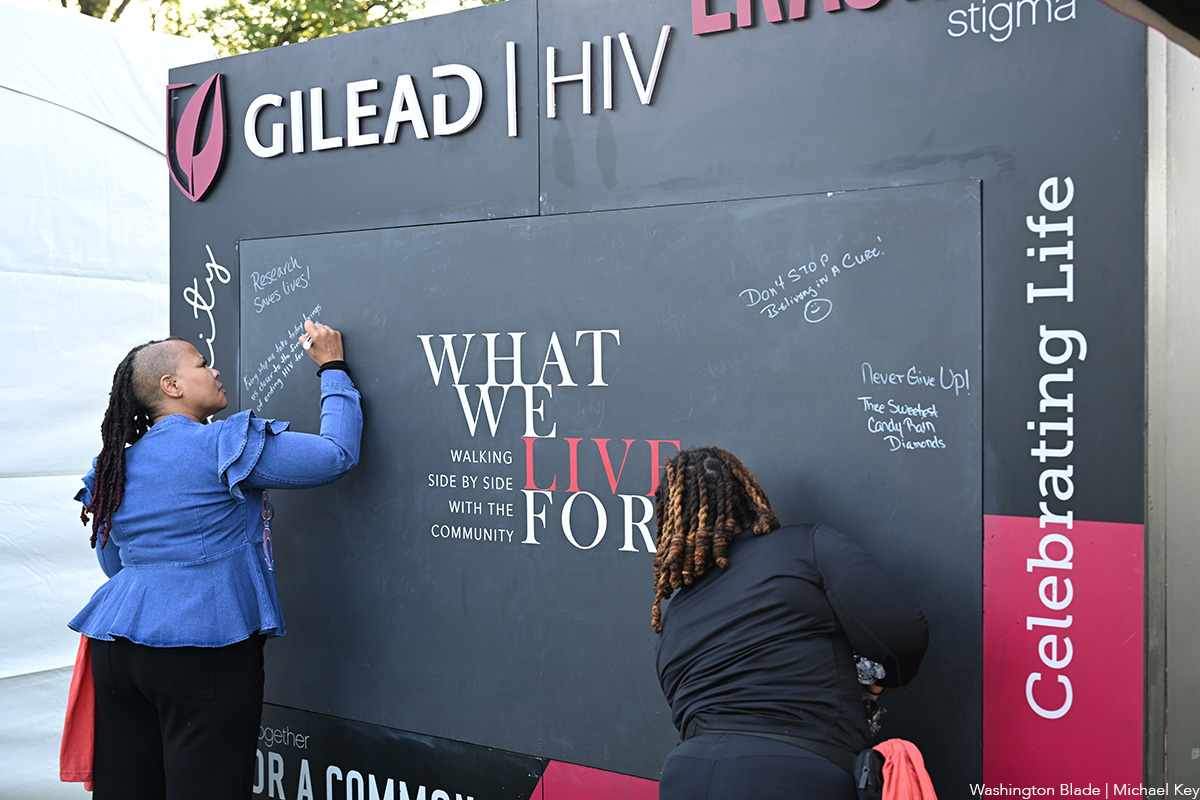
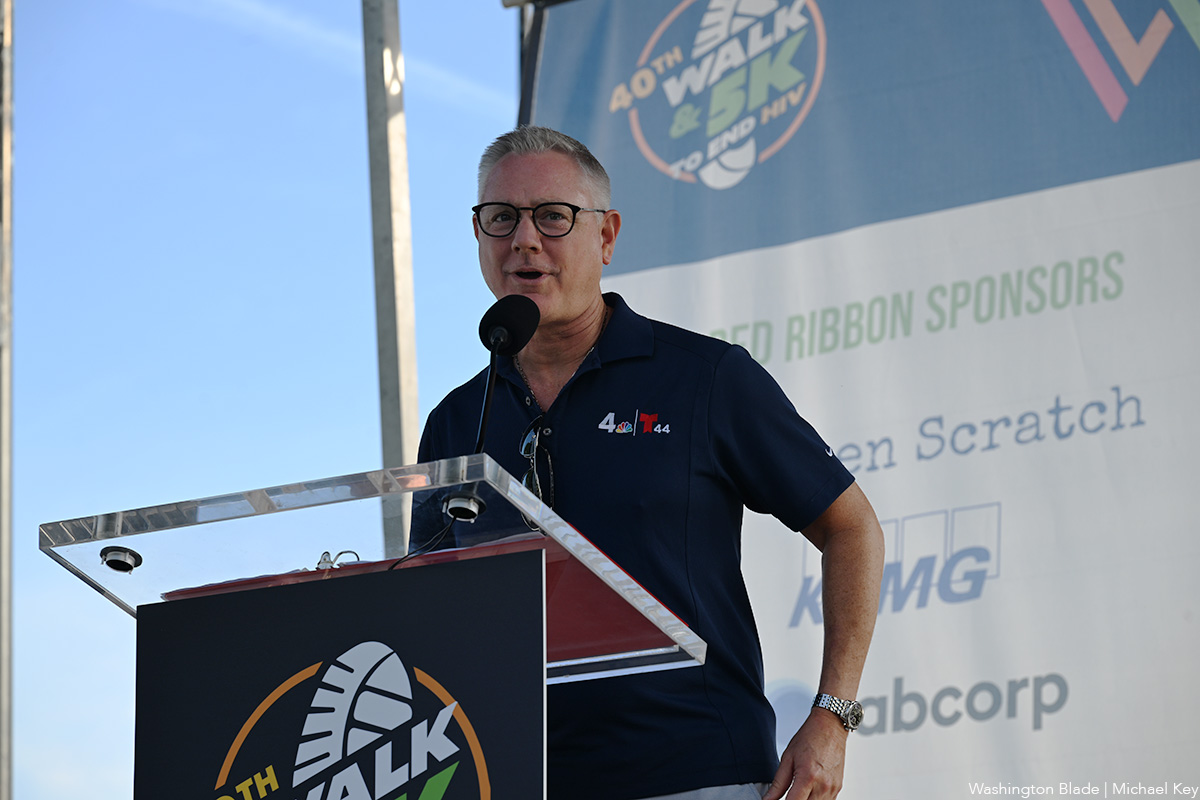
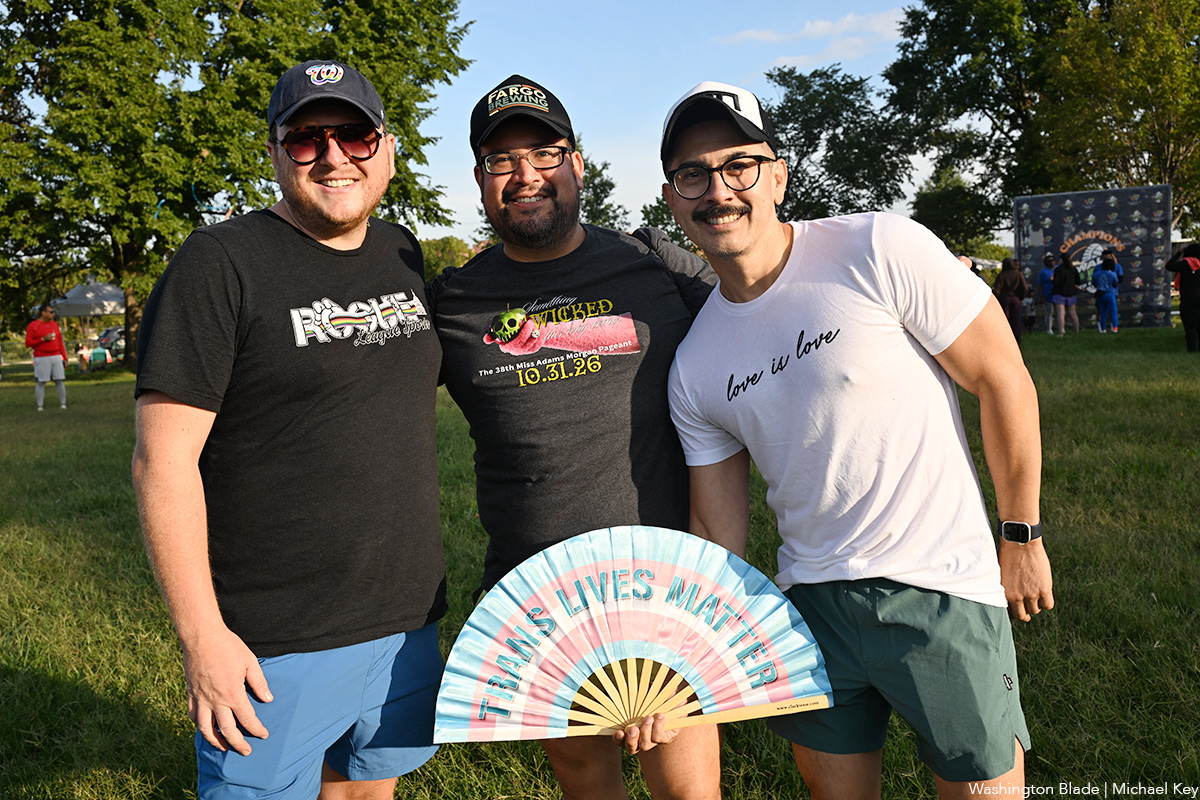
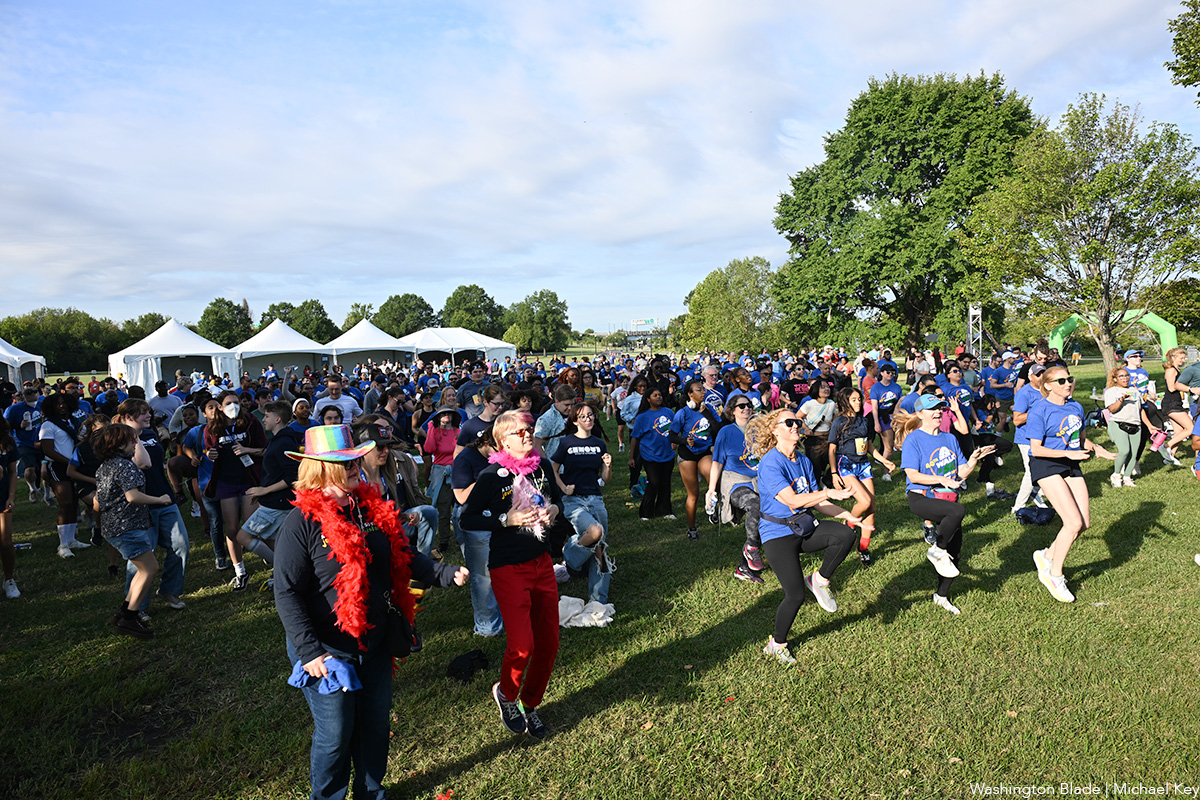
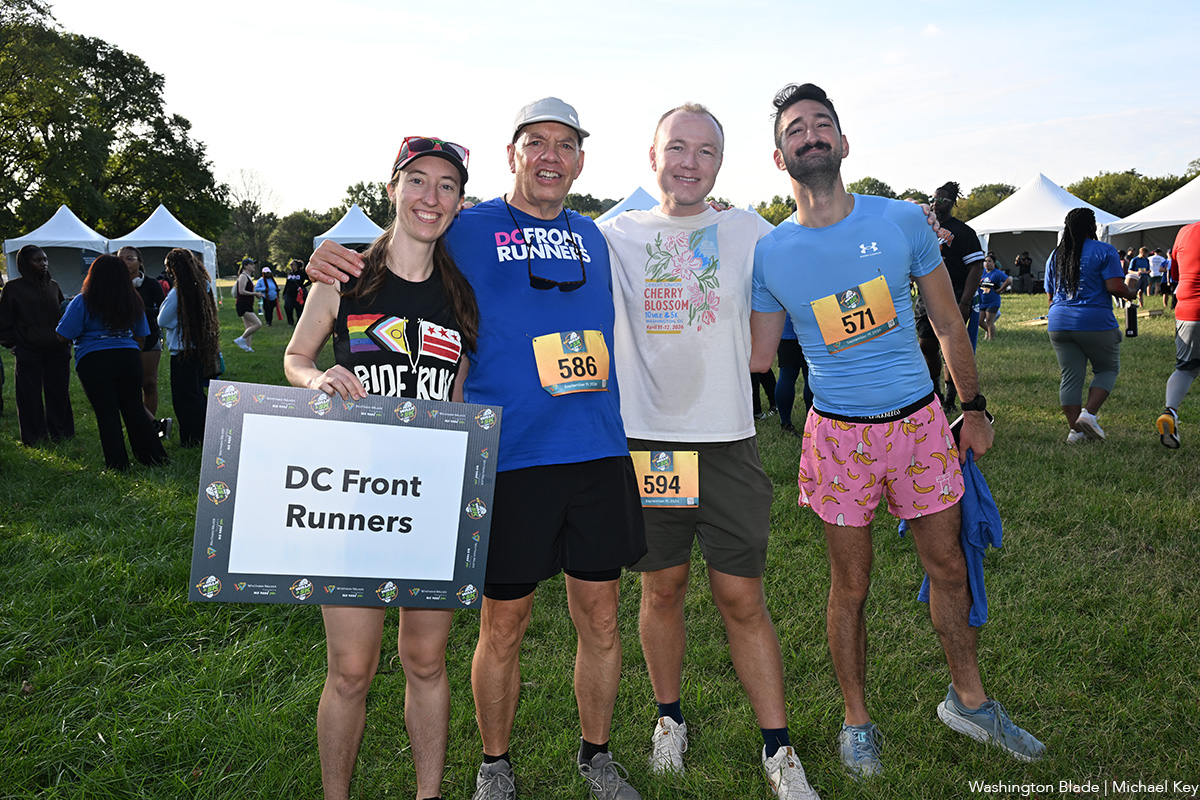
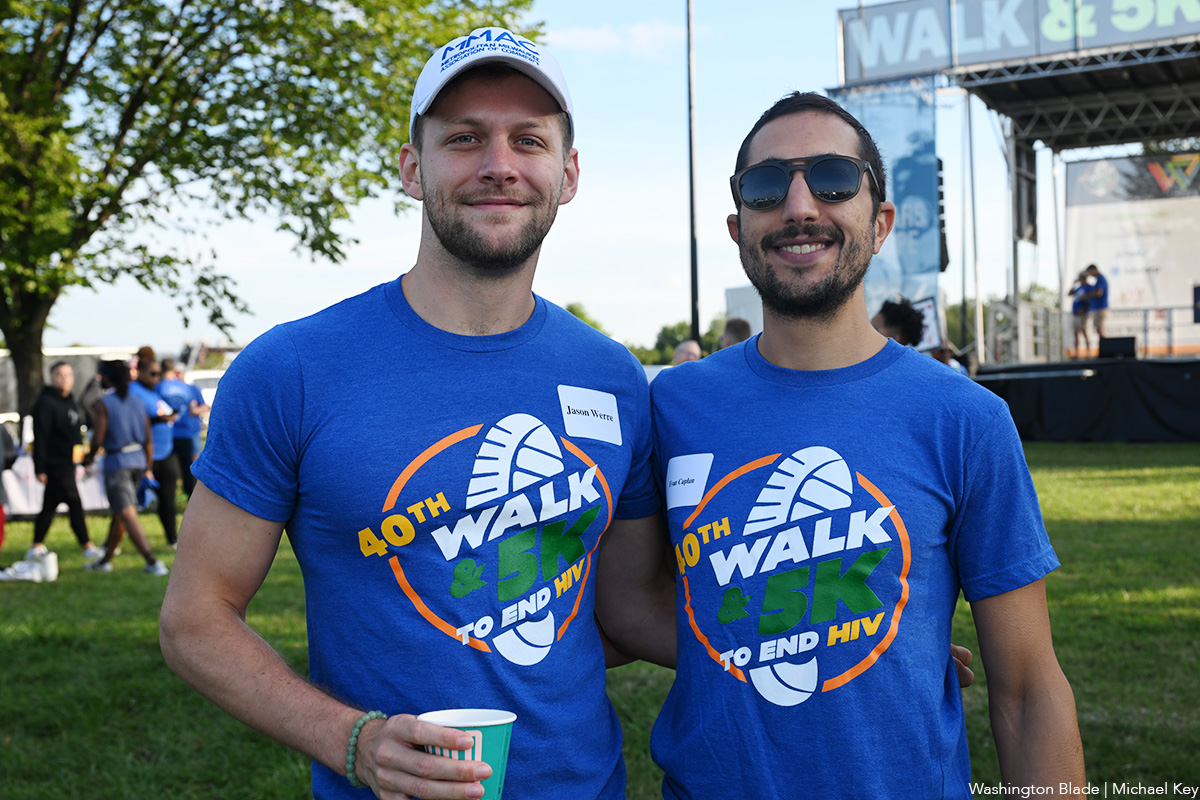
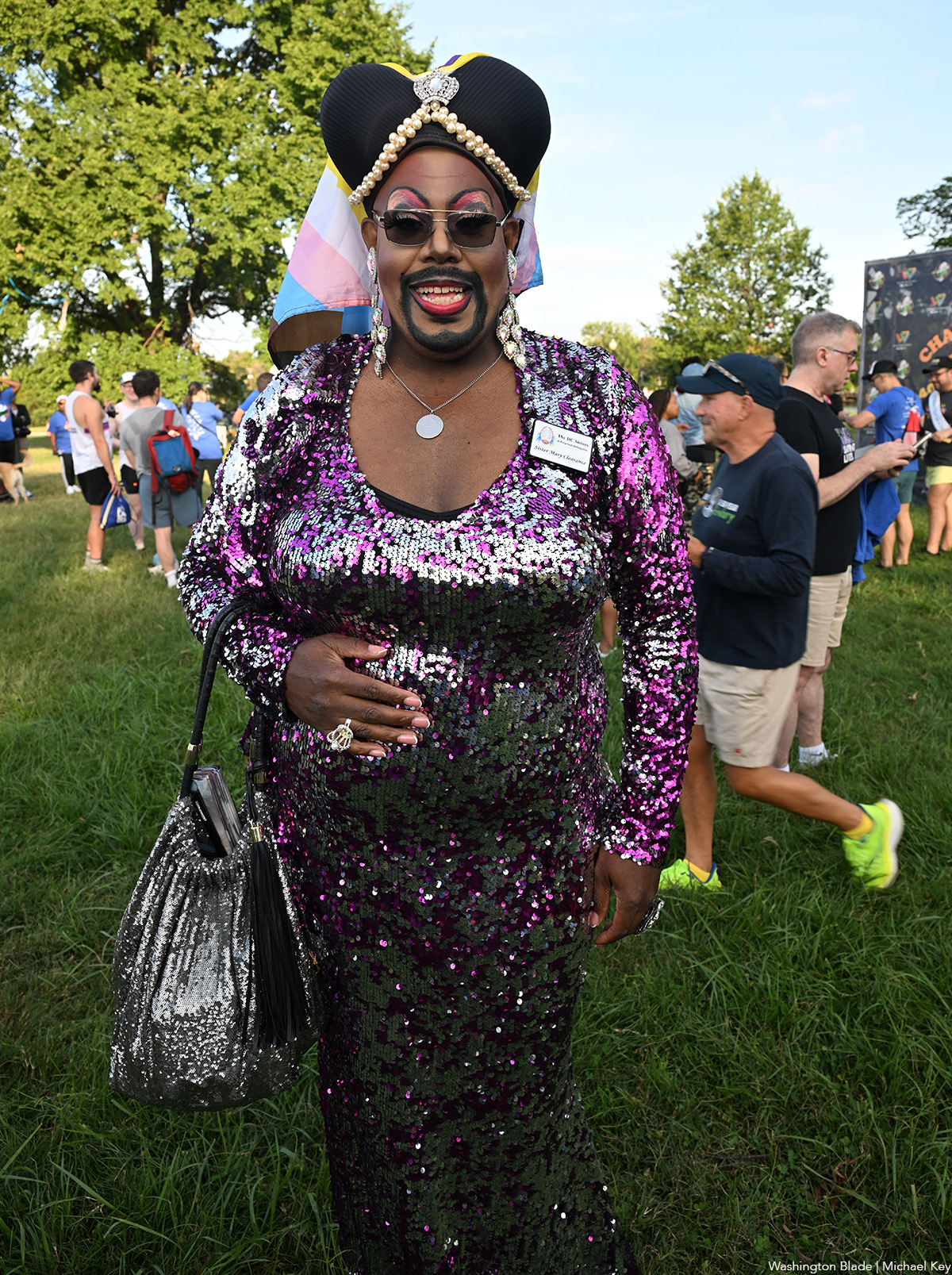
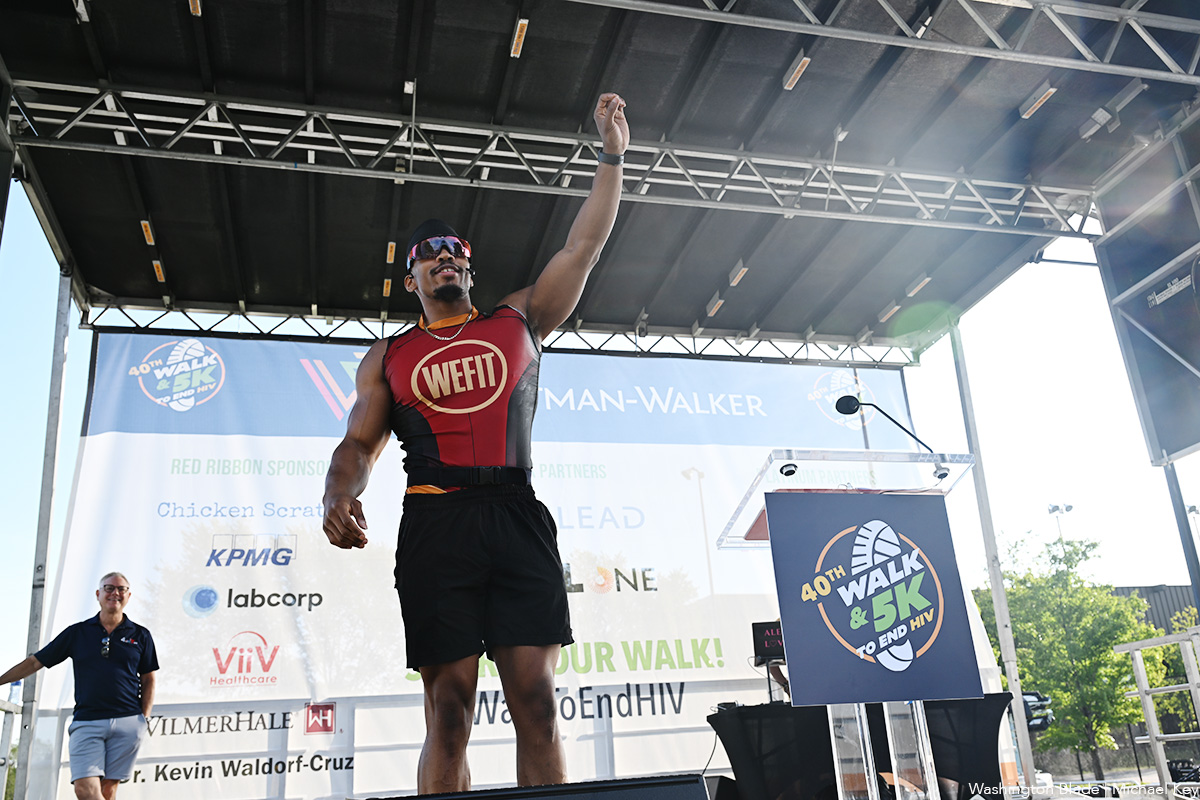
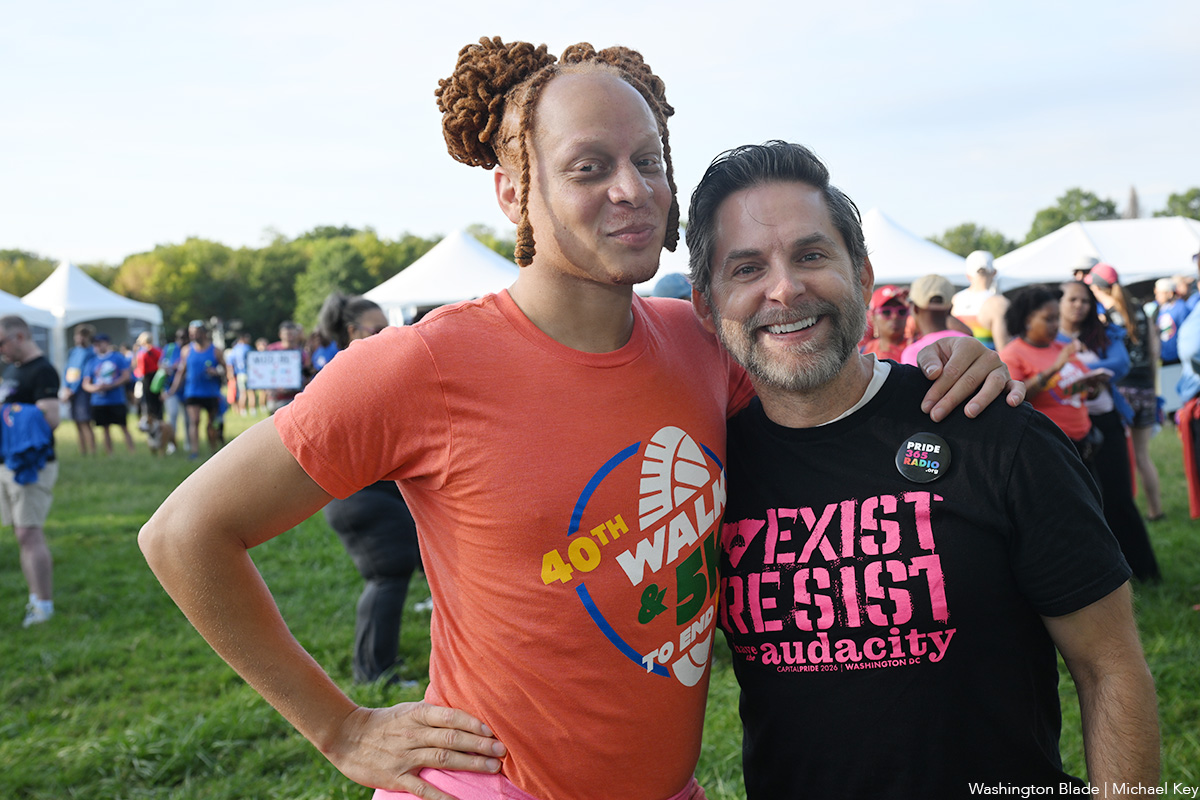
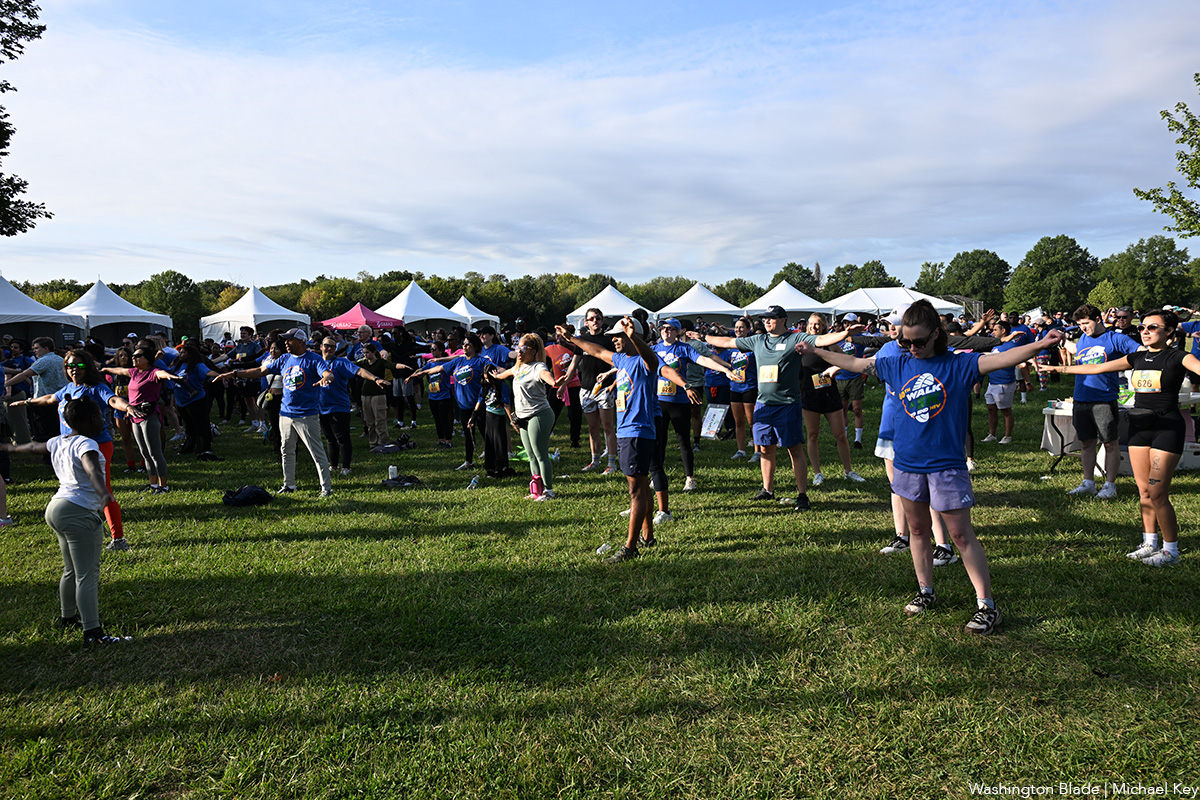
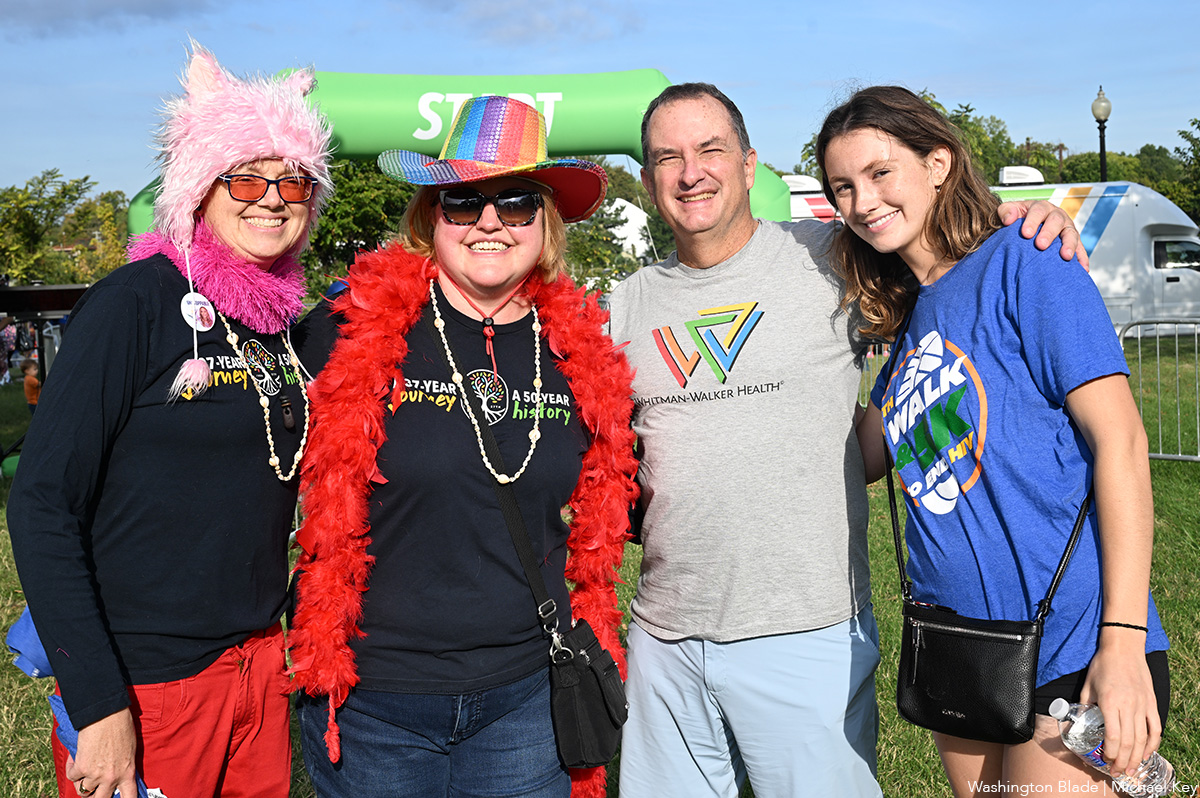
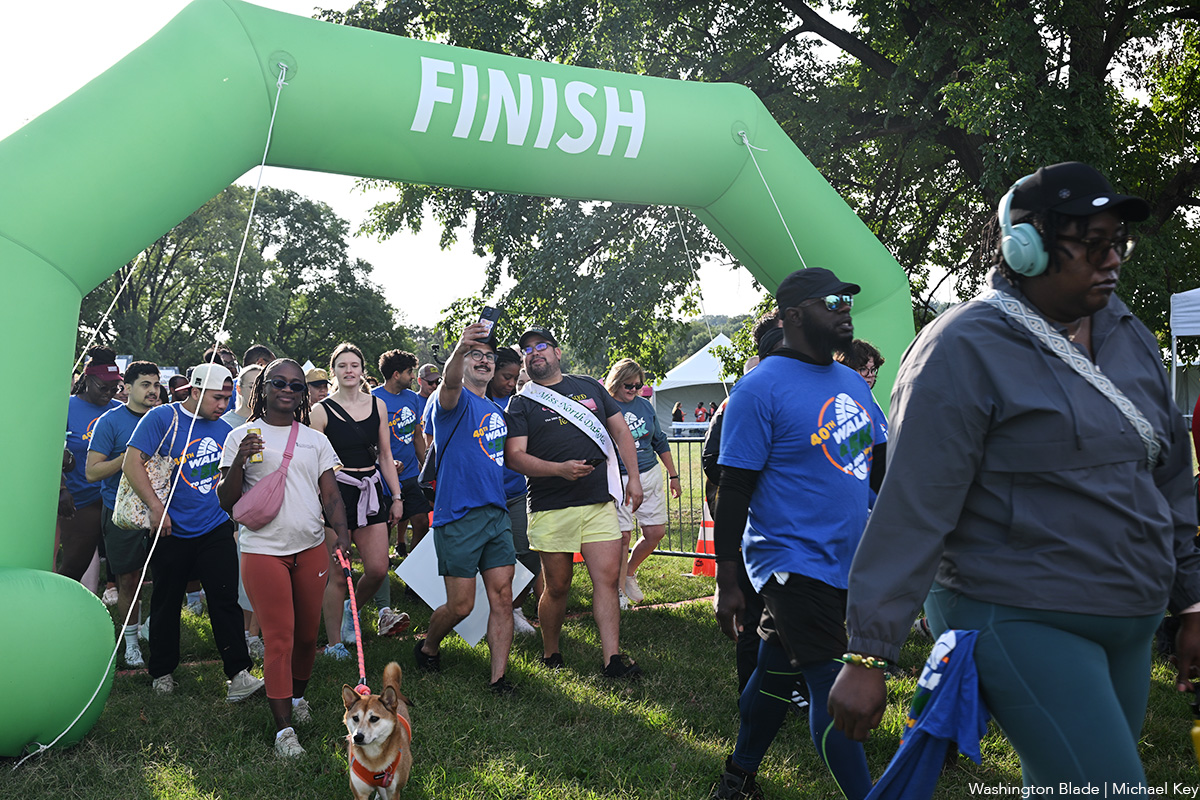
Whitman-Walker Health held the 40th annual Walk and 5K to End HIV at Anacostia Park on Saturday, Sept. 19.
(Washington Blade photos by Michael Key)



Caso Karlina: Una sentencia histórica contra las terapias de «conversión»

Washington Blade responds to concerns over White House pool duties

Young people should know history of the fight for human rights

Dutch prime minister visits Stonewall Inn

Clavicular charged in alleged rape of teenage influencer

Over 2,000 turn out for Hands Around the Kennedy Center protest

PHOTOS: Wanda Alston Foundation Fall Reception

PHOTOS: Walk and 5K to End HIV

What LGBTQ veterans are building after ‘Don’t Ask, Don’t Tell’