Arts & Entertainment
SPOTLIGHTING LGBT HOMELESSNESS: Casa Ruby offers short- and long-term housing
Founder is trans immigrant and former homeless person
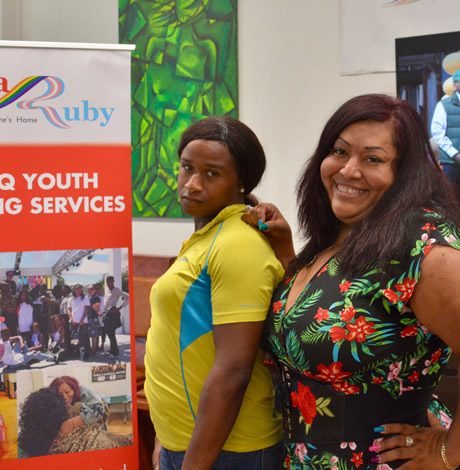
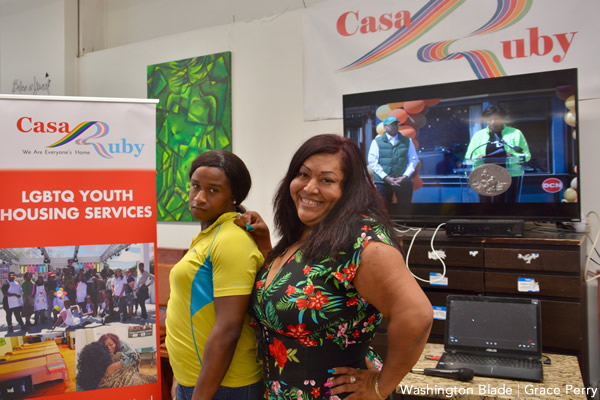
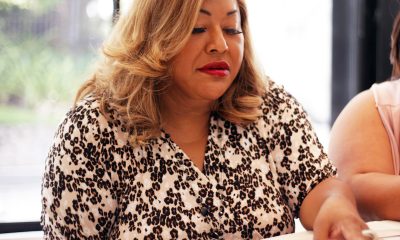
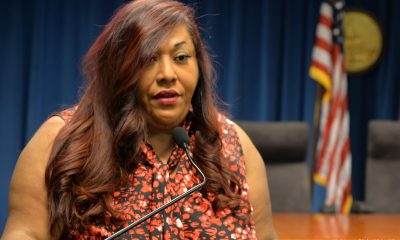
Ruby Corado, on right, with one of her residents. (Washington Blade photo by Grace Perry)
This story is part of our contribution to the 2018 #DCHomelessCrisis news blitz. Local media outlets will be reporting and discussing stories about ending homelessness in the nation’s capital all day. The collaborative body of work is cataloged at dchomelesscrisis.press.
During the early 1990s, Ruby Corado spent most nights in public parks throughout D.C., trying to meet the basic needs of the homeless LGBT youth who had no safe space to go after 5 p.m. when the HIV clinics closed.
And so the movement began.
Now, 26 years later, Corado is the director of Casa Ruby, a local bilingual and multicultural organization founded in 2012 that provides housing and social services to LGBT individuals 24 hours a day.
The transgender El Salvador native says Casa Ruby started as an “emergency room.”
“We were taking care of very sick people that were disposed (of) by society and that were barely holding on,” she says.
While the organization continues to do emergency work when necessary, its primary focus is now on preventative work and long-term planning and personal development.
“Our goal is to have someone come to Casa Ruby and three years down the line, they will no longer be homeless,” Corado says.
Casa Ruby can accommodate up to 100 individuals across its four housing programs: hypothermia or low barrier, short-term, transitional and permanent. Residents in every program receive three meals a day, meaning Casa Ruby prepares and delivers 4,000 meals every month.
Open 24 hours a day, 365 days a year, the hypothermia or low barrier program offers anyone in need a place to rest with no commitment or age restrictions. At least one case manager is on site at all times. Corado estimates that Casa Ruby has housed 9,600 people in this program over the past six months alone.
“We never close,” Corado says. “Our doors are always open.”
Stephanie Carey, a current resident at Casa Ruby since February, sees the organization as the oasis Ruby intended. The 29-year-old Maryland native recently moved to D.C. to join the Casa Ruby community.
“I had been kind of ostracized by my family. I come from a very Evangelical, southern, conservative family,” Carey says, who identifies as pansexual and outside the gender binary. “I was going through some hard times and I Googled LGBT shelters and Casa Ruby was the first one that popped up.”
All three of the other housing programs are reserved for LGBT youth ages 18-24. The short-term program provides these clients stable housing and support services for three-six months and aims to help them transition to more permanent housing. Transitional housing is similar to short term, but clients may stay up to 18 months. Also, it requires that residents complete 35 hours of “personal improvement” each week. These hours may be completed any number of ways, including through school or an employment service.
Permanent housing is designed for residents who have stable jobs but are unable to secure long-term housing.
“Landlords never really saw them as ideal renters” because “they were either too gay, too black, or too big or something,” Corado says. These residents work and pay rent for these houses owned by Casa Ruby.
The only eligibility requirement might surprise you.
“When you come to Casa Ruby, you don’t have to be willing to give love to other people, but you have to be willing to accept it, and it begins with that,” Corado says.
Around 215 youth have gone through short-term, transitional and permanent housing since 2012. Despite currently having 100 beds, Casa Ruby still has a 100-person waitlist for its programs, which it’s hoping to eliminate with more funding and resources.
In 2017, Casa Ruby’s annual operating budget was $1.7 million and Corado projects 2018’s will be around $2.1 million. Approximately half of the budget comes from government support and the other half comes from individual donations and grants from foundations.
“We have thousands of one-dollar donations,” Corado says. “Which is great because I think it stays true to the mission of being grassroots.”
Even though her advocacy and activism has changed and evolved over the past few decades, Corado says her role has fundamentally stayed the same: “My job as the founder and director today still is to make sure that we restore dignity to people that have been denied their dignity for so long.”
For Carey, Casa Ruby serves a multitude of purposes from simply “a place to rest your head” to a space “to be around people you identify with. … Casa Ruby is everybody’s home.”


Photos
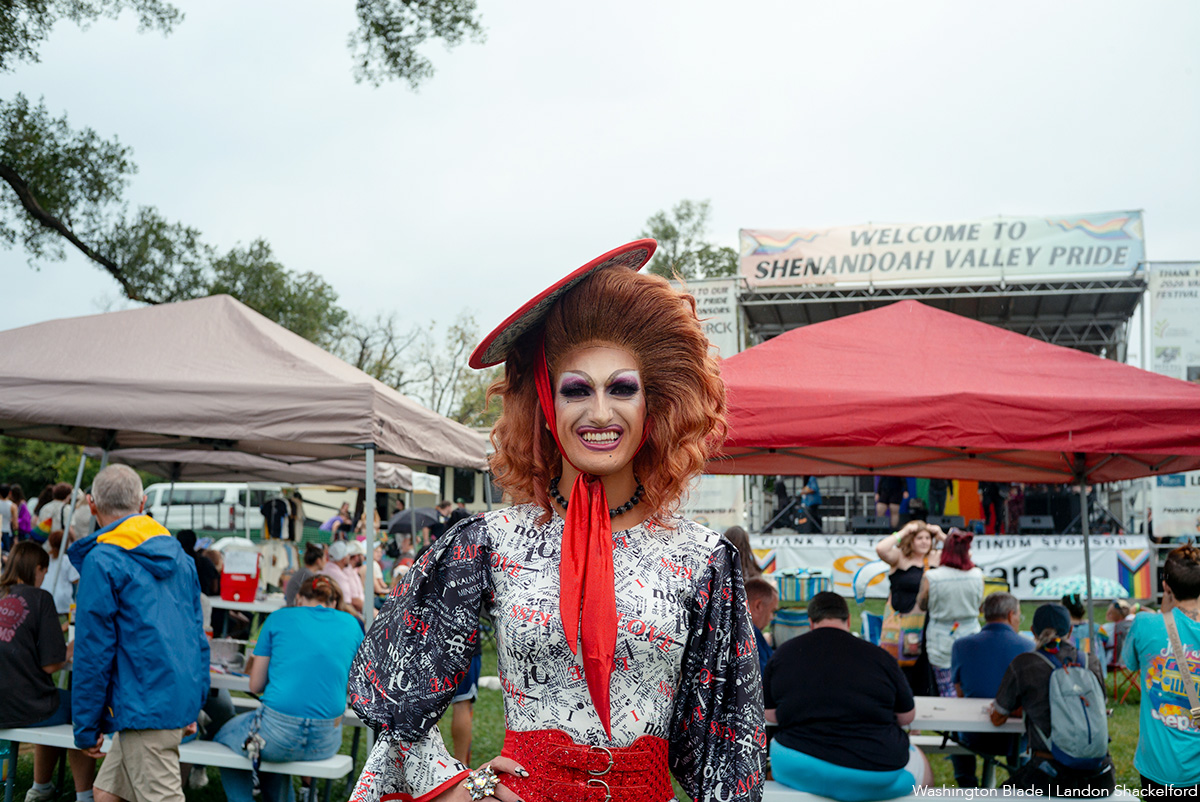
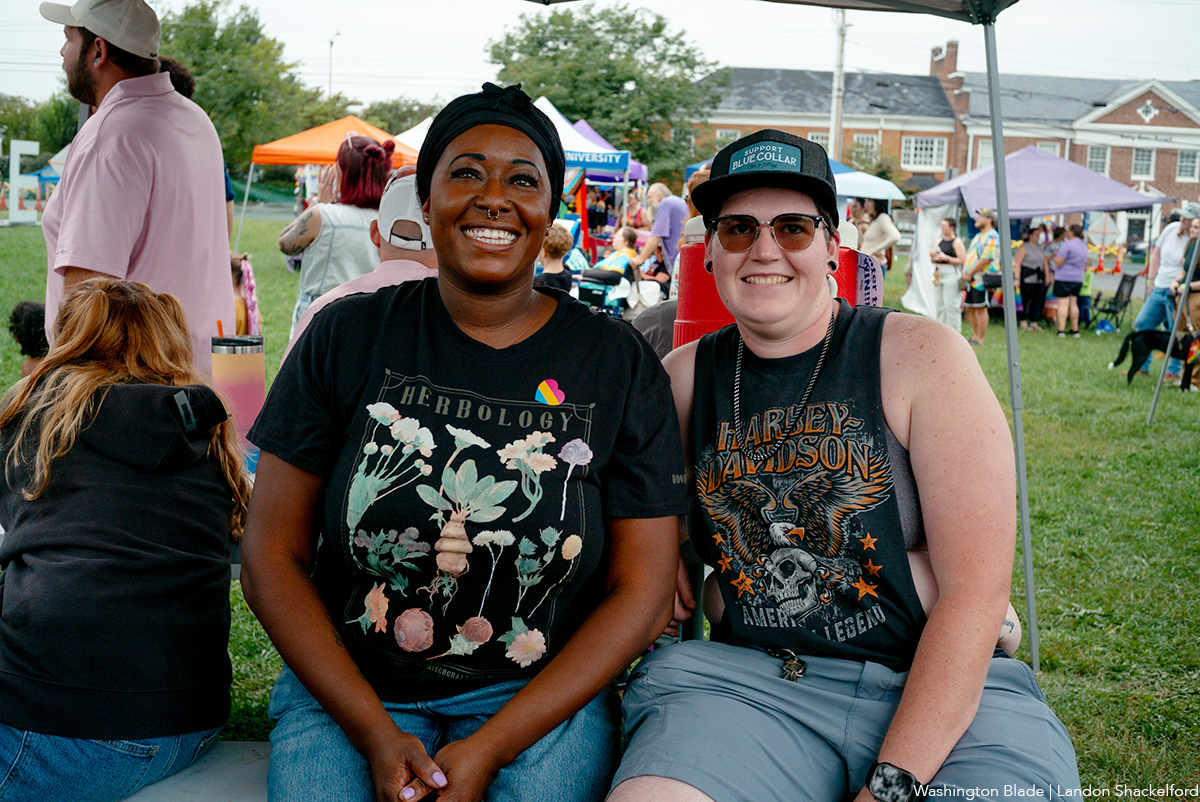
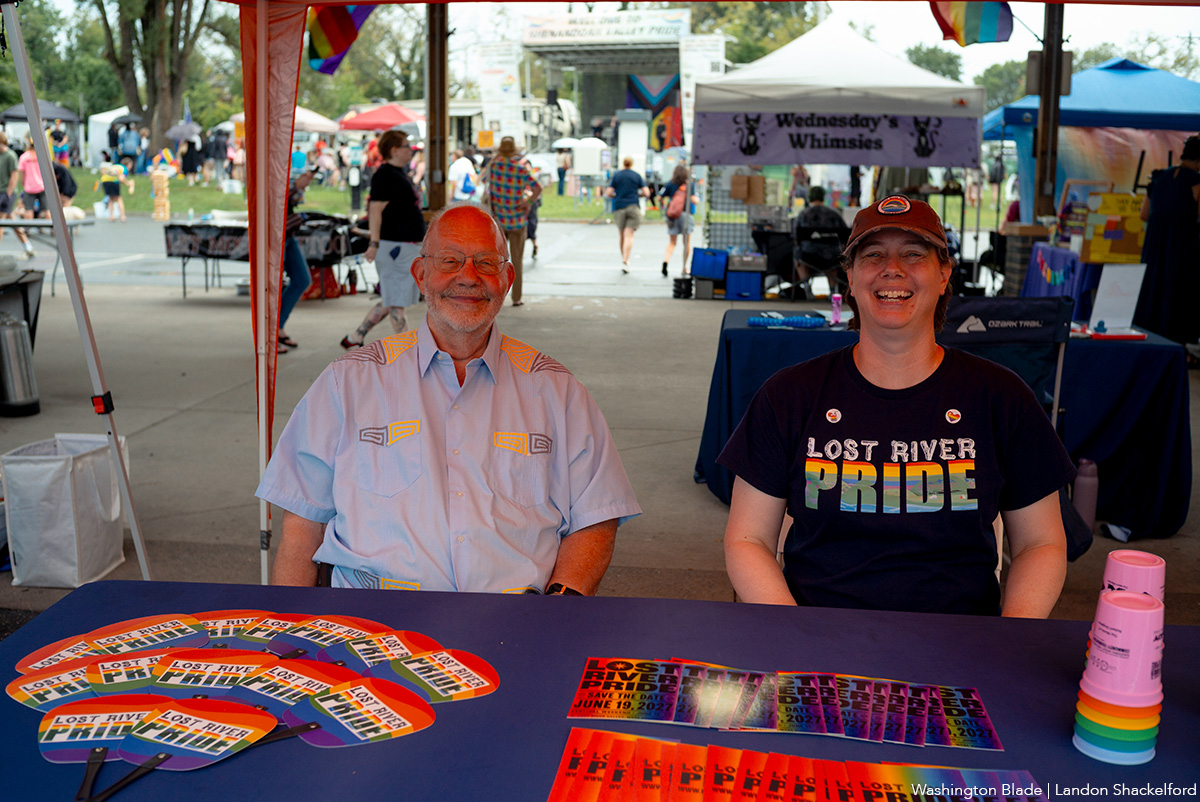
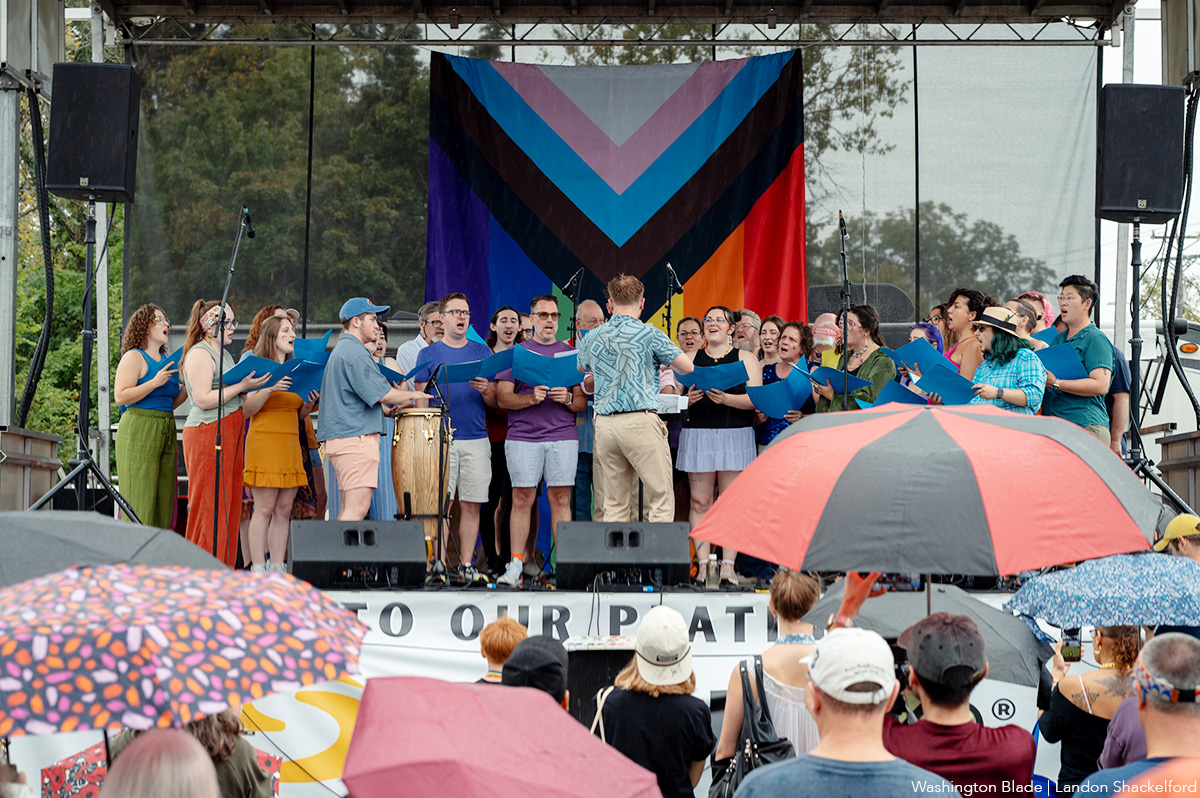
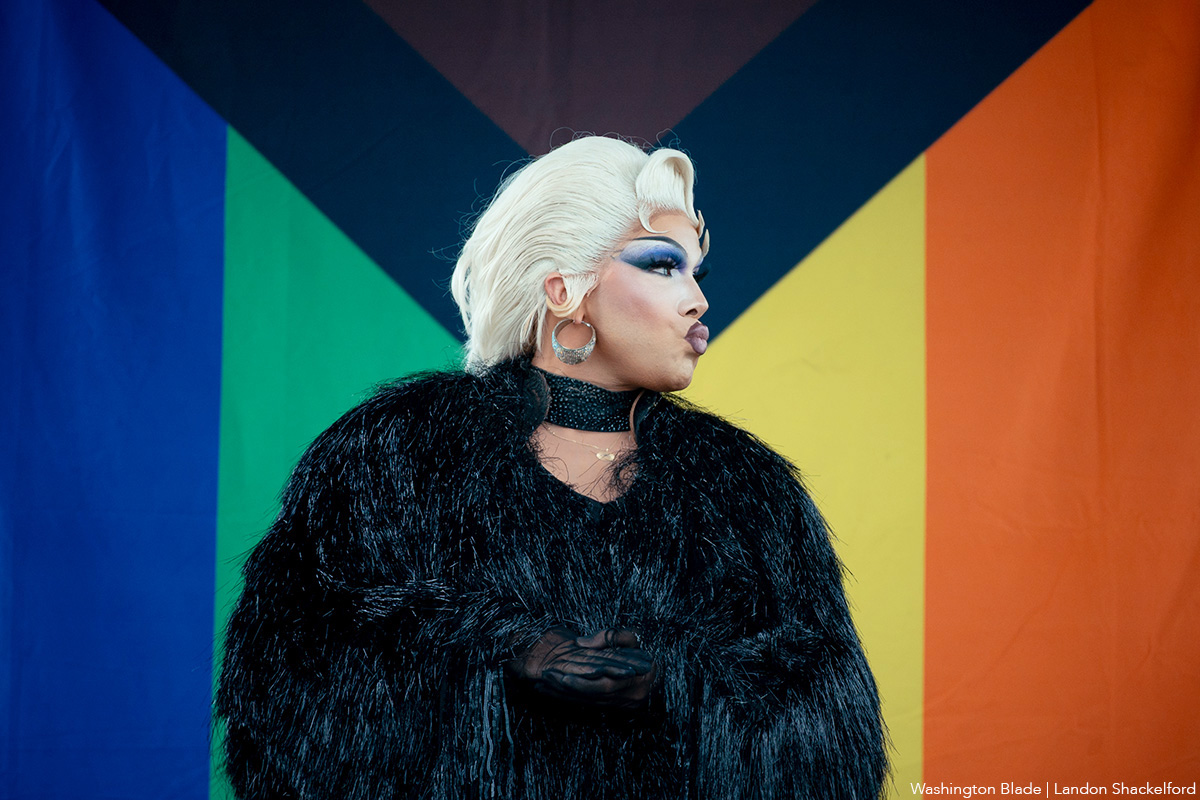
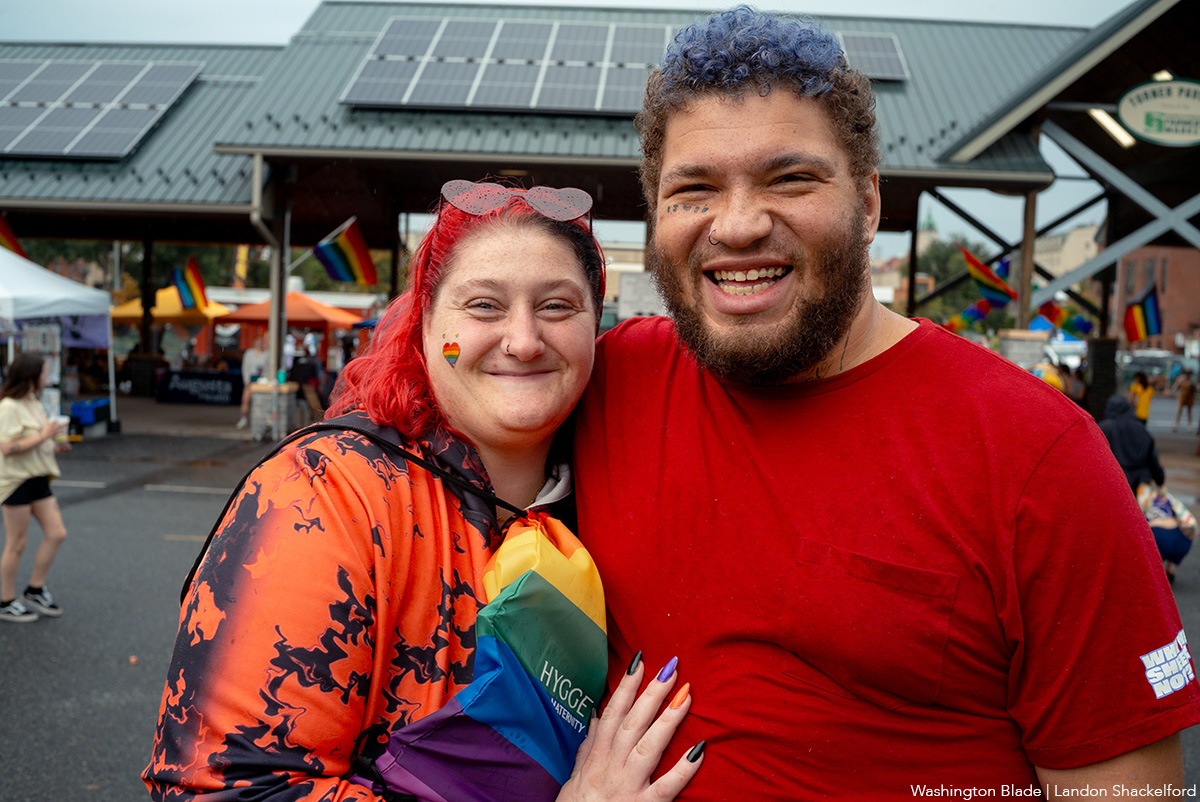
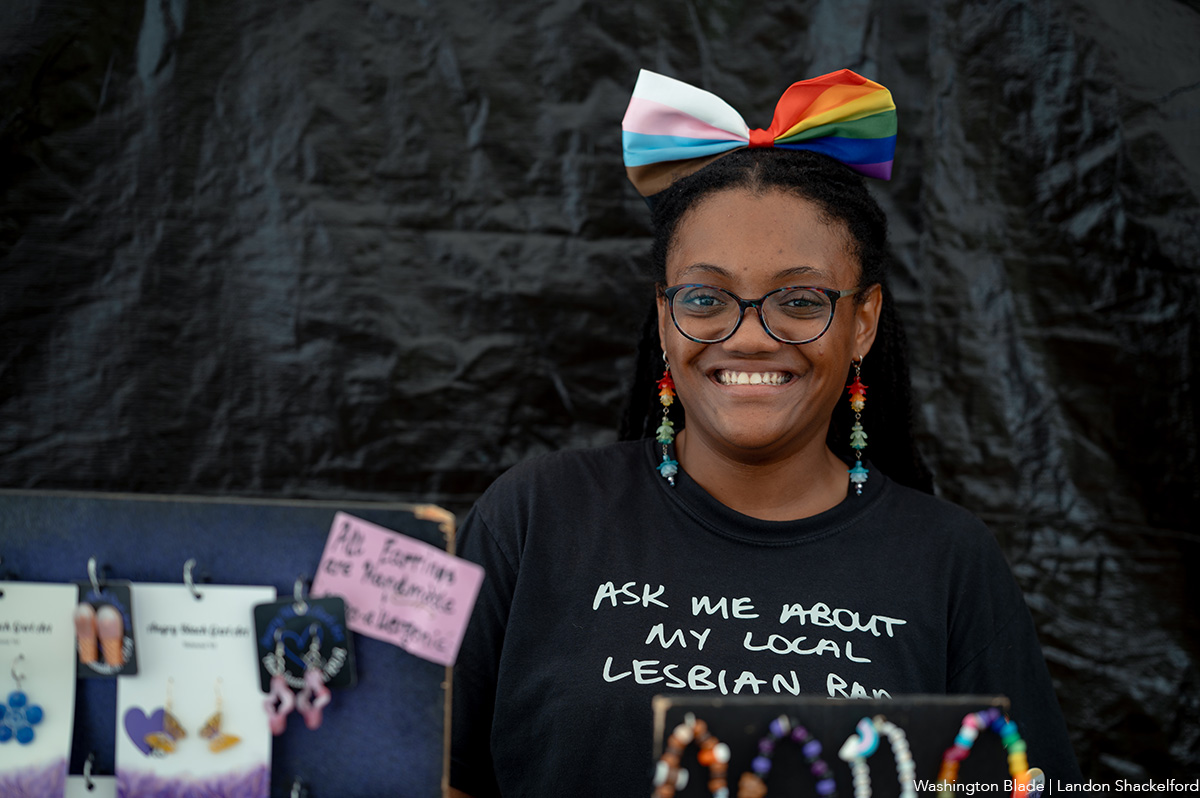
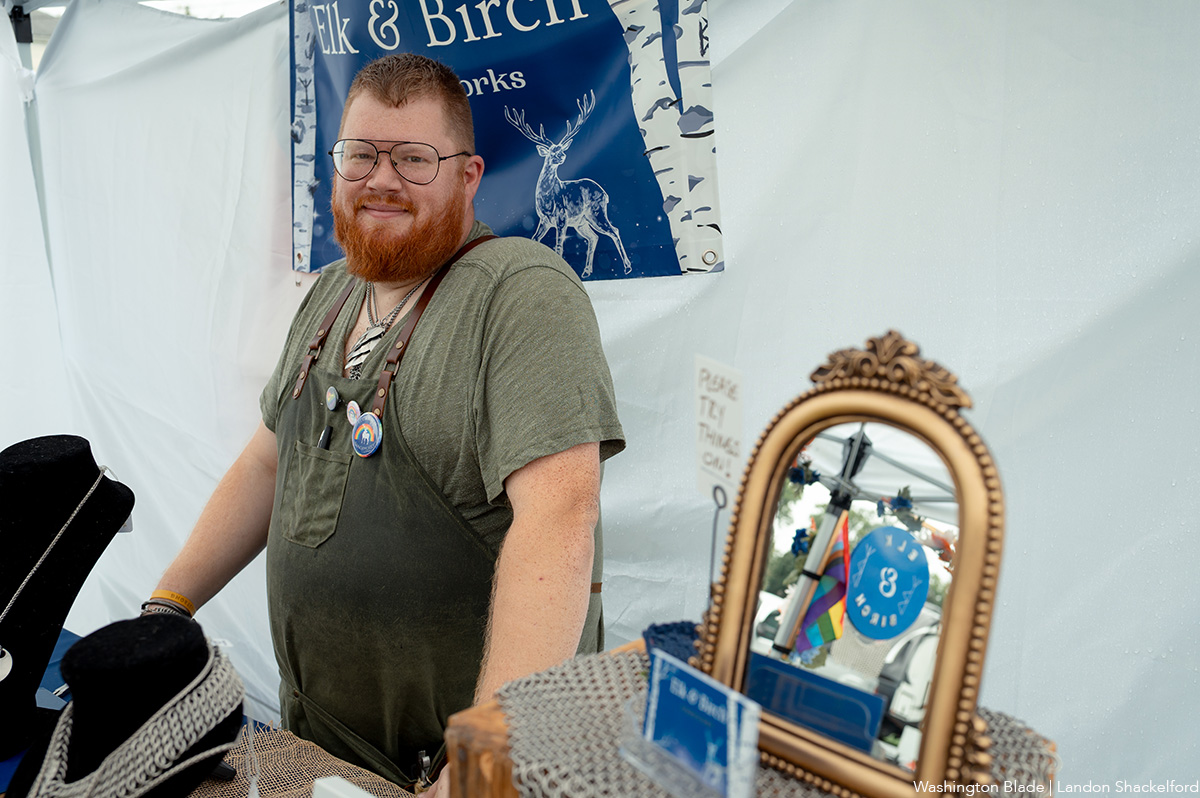
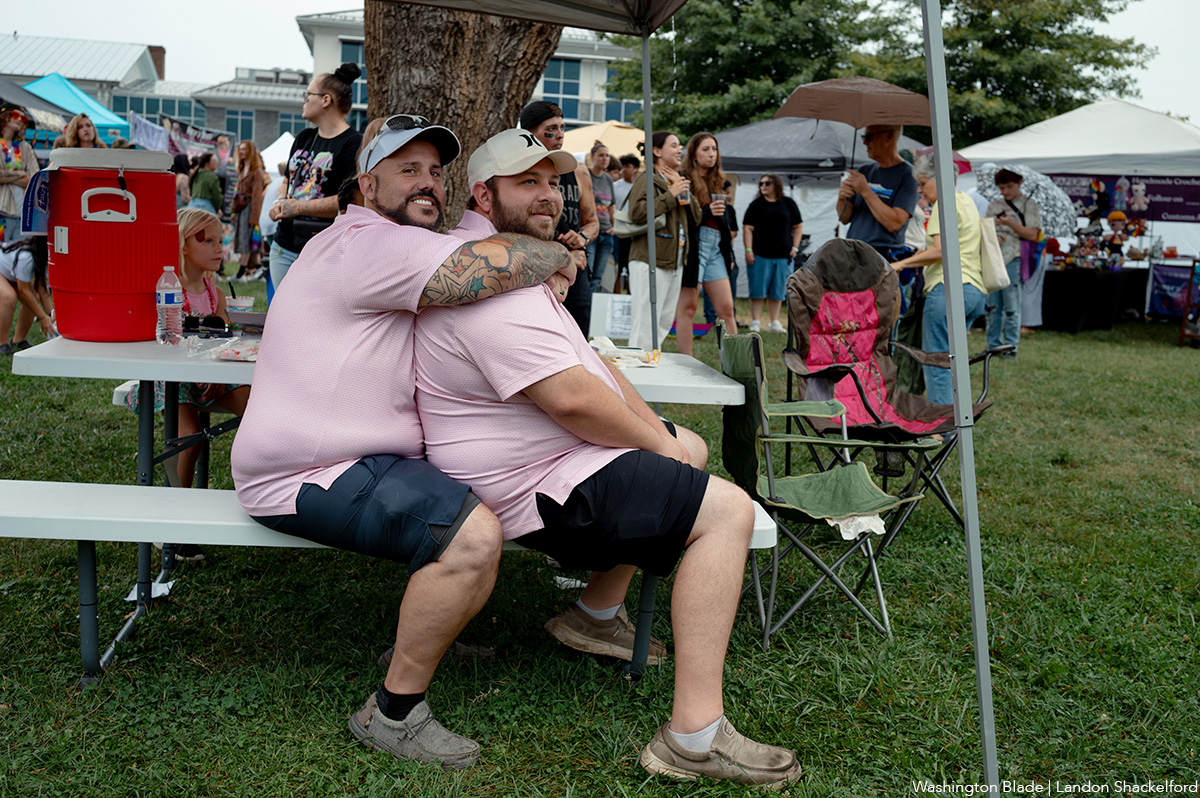
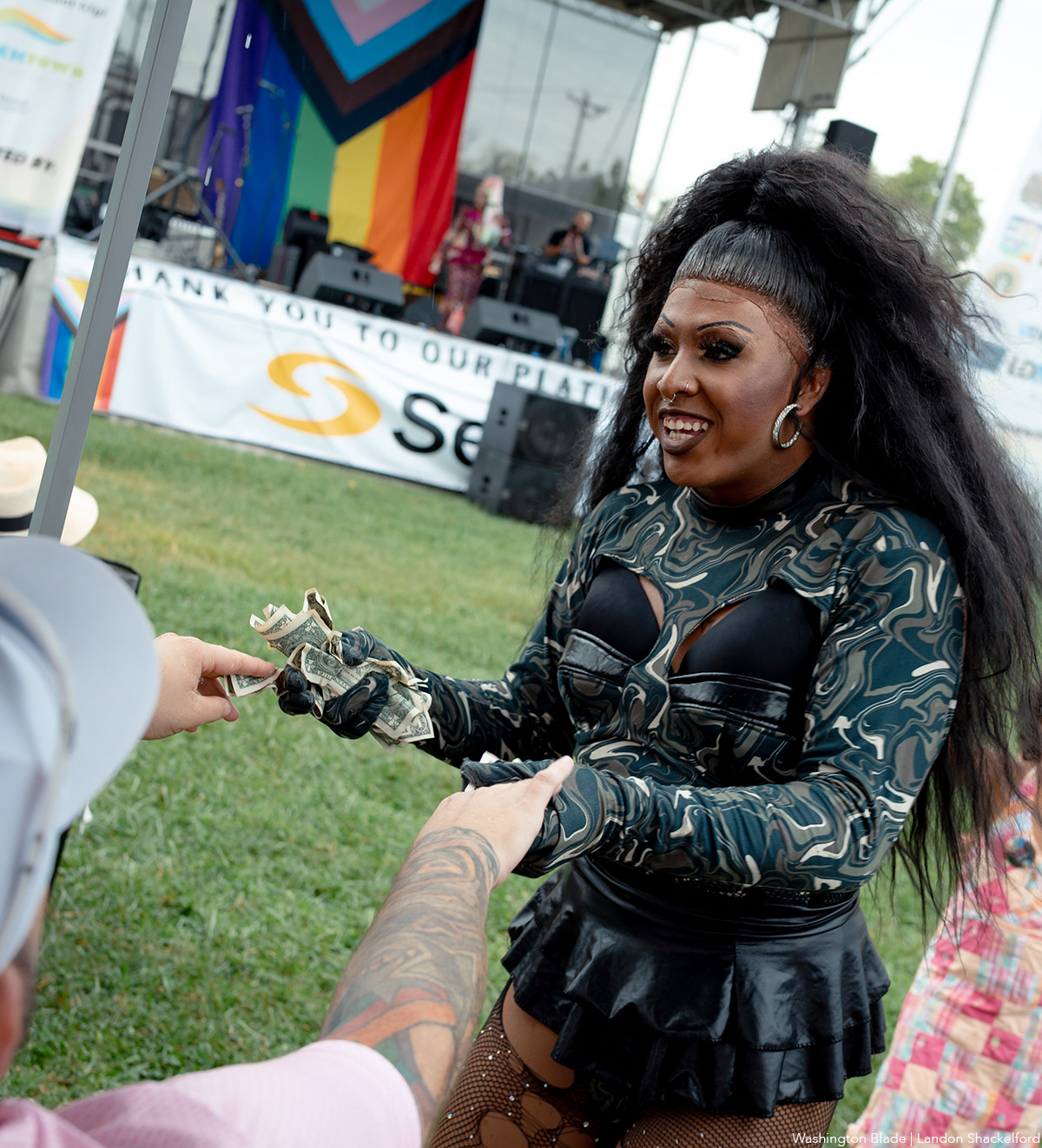
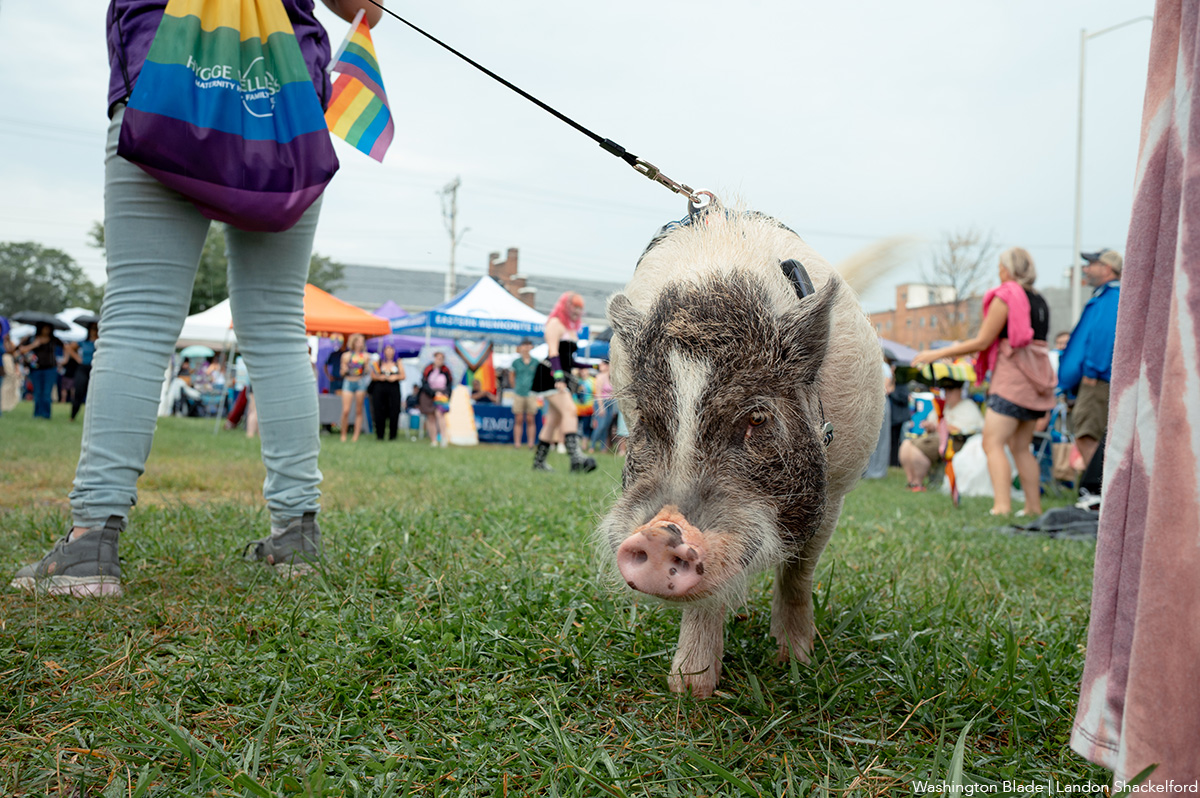
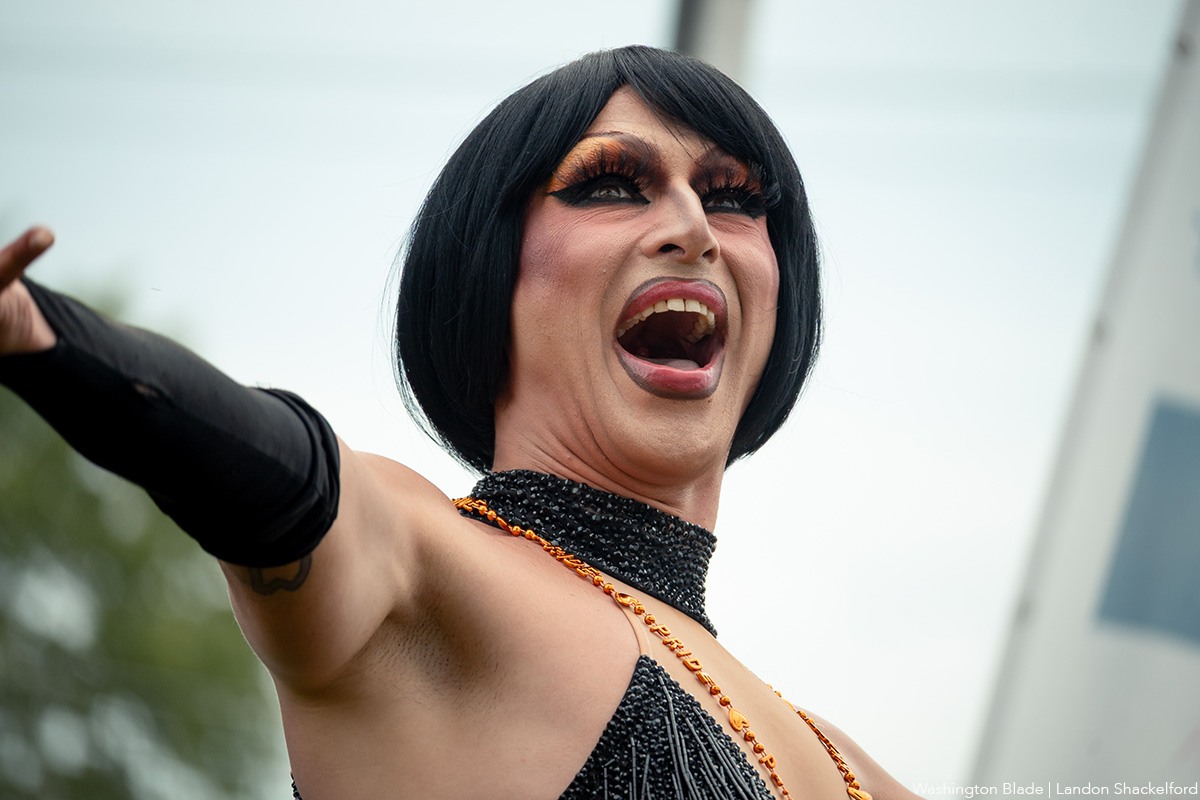
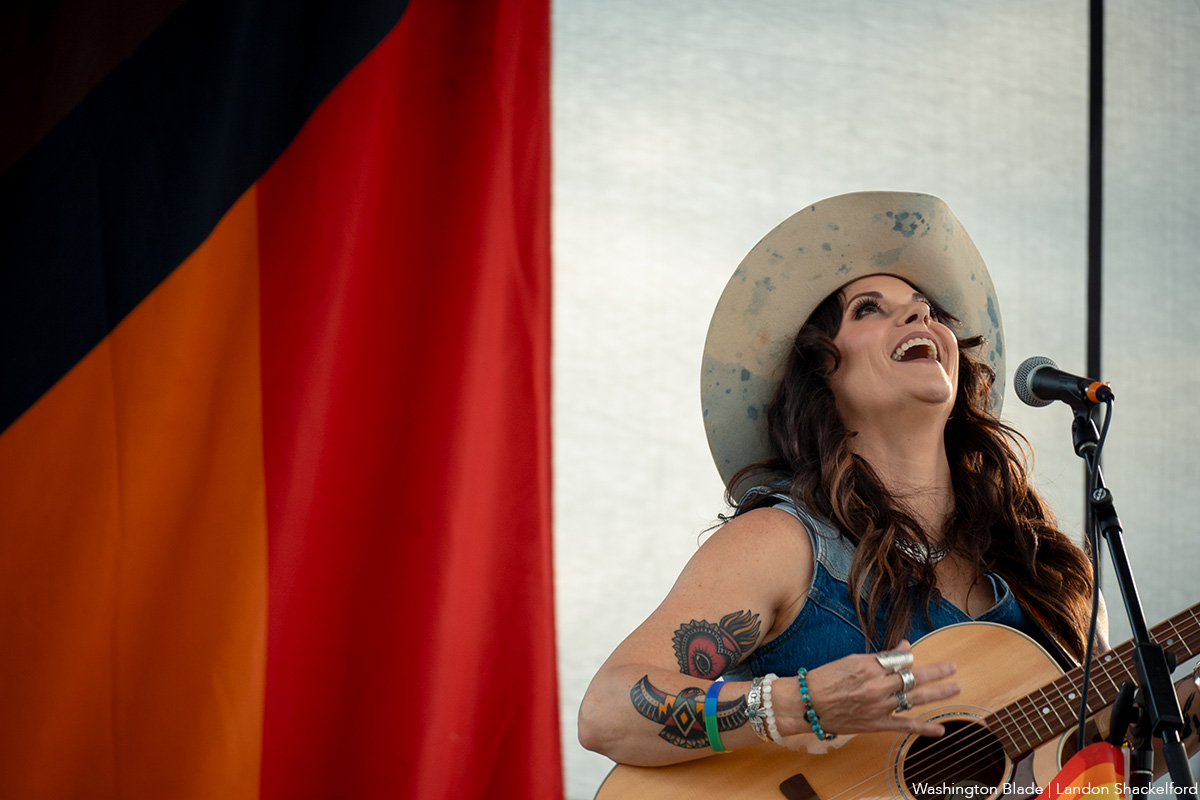
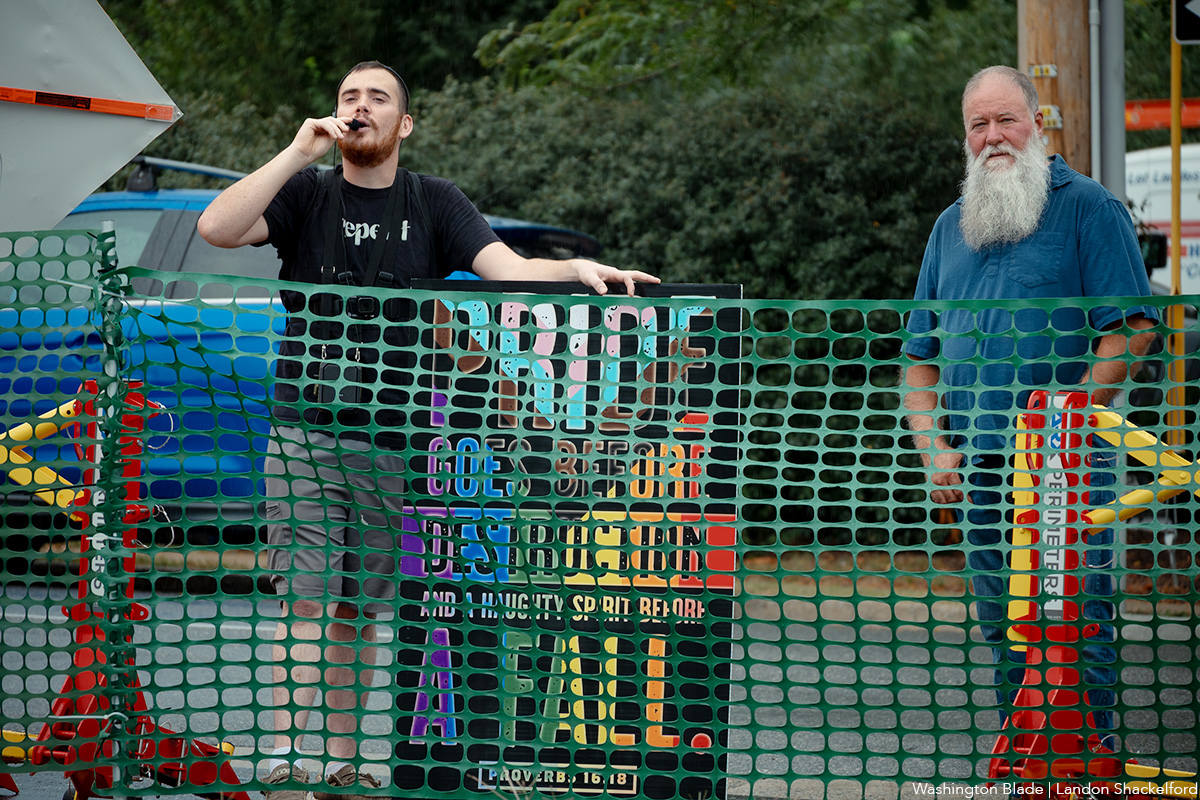
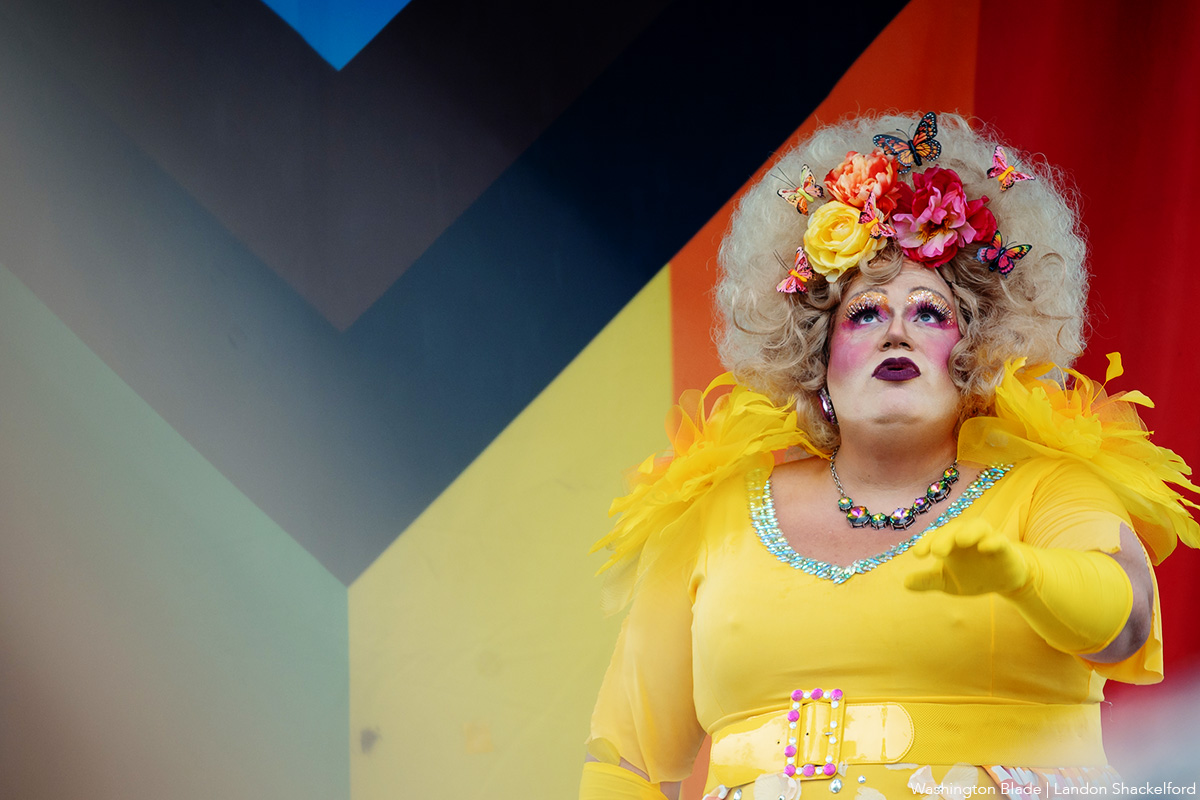
PHOTOS: Shenandoah Valley Pride
LGBTQ celebration held at Turner Pavilion in Harrisonburg, Va.
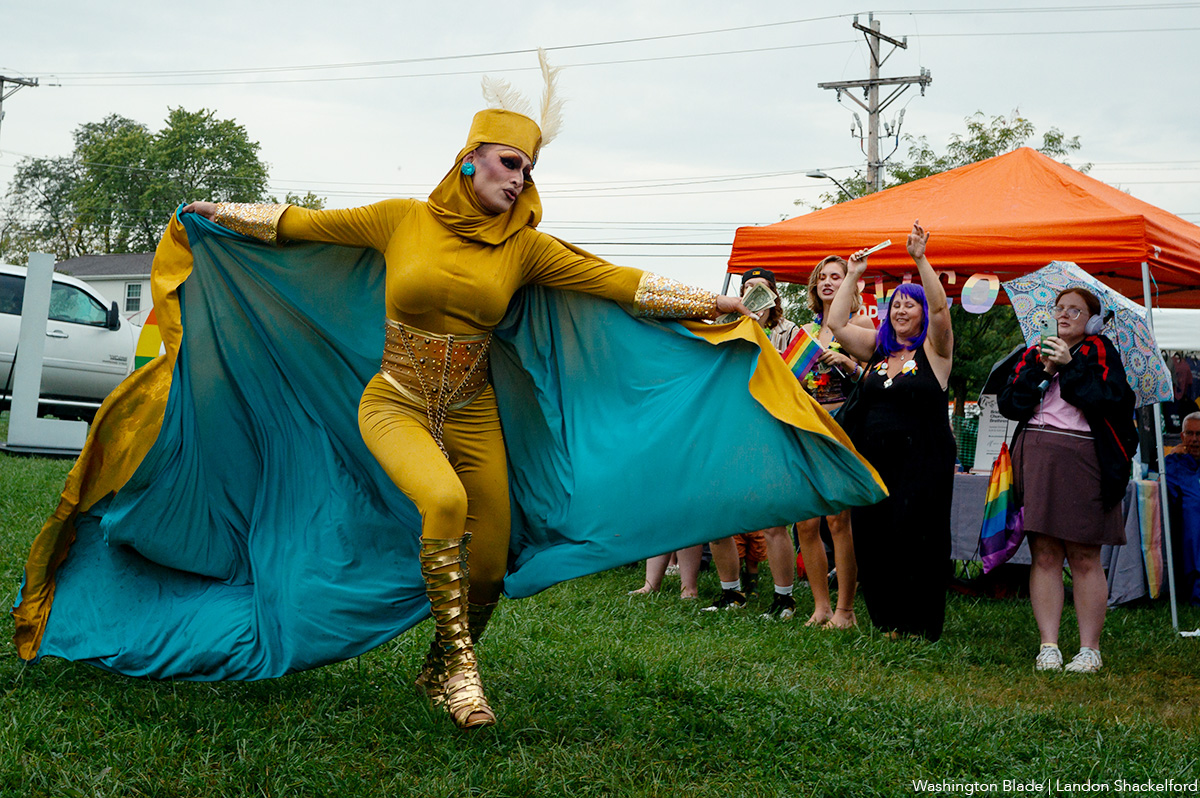
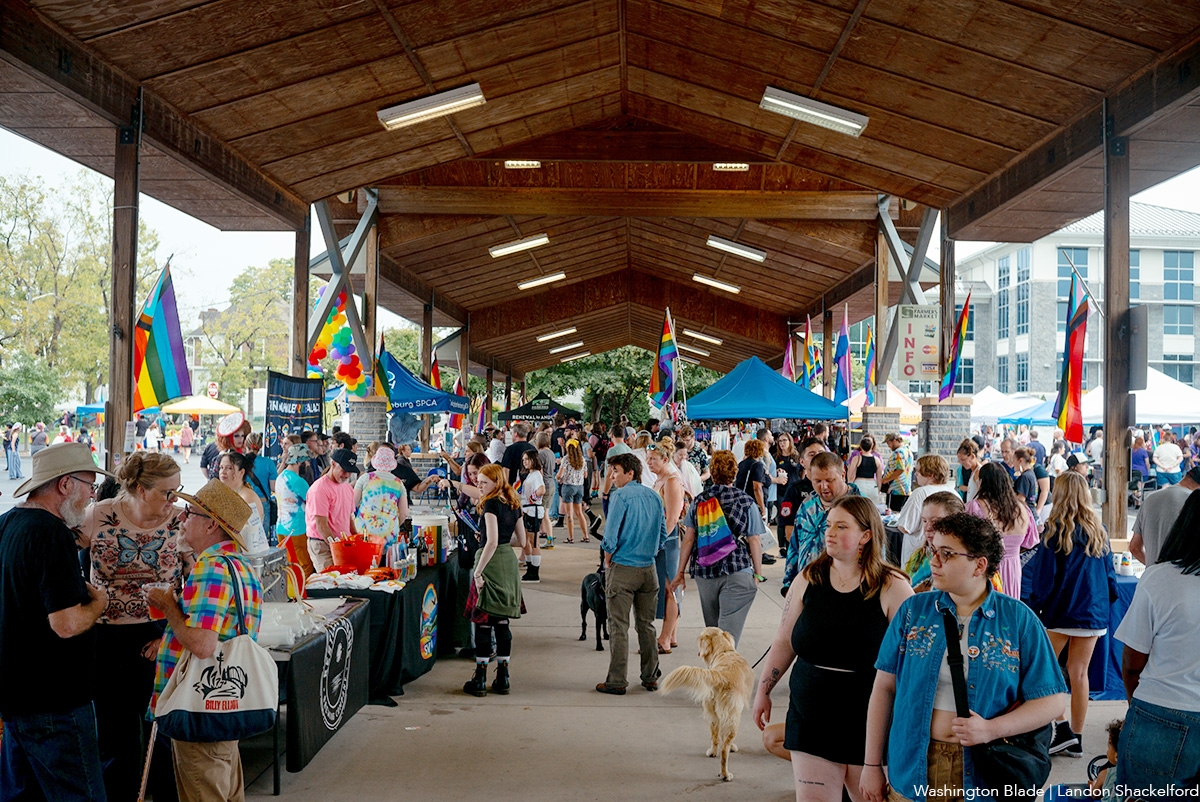
The 2026 Shenandoah Valley Pride Festival was held at Turner Pavilion in Harrisonburg, Va. on Sunday, Sept. 20.
(Washington Blade photos by Landon Shackelford)
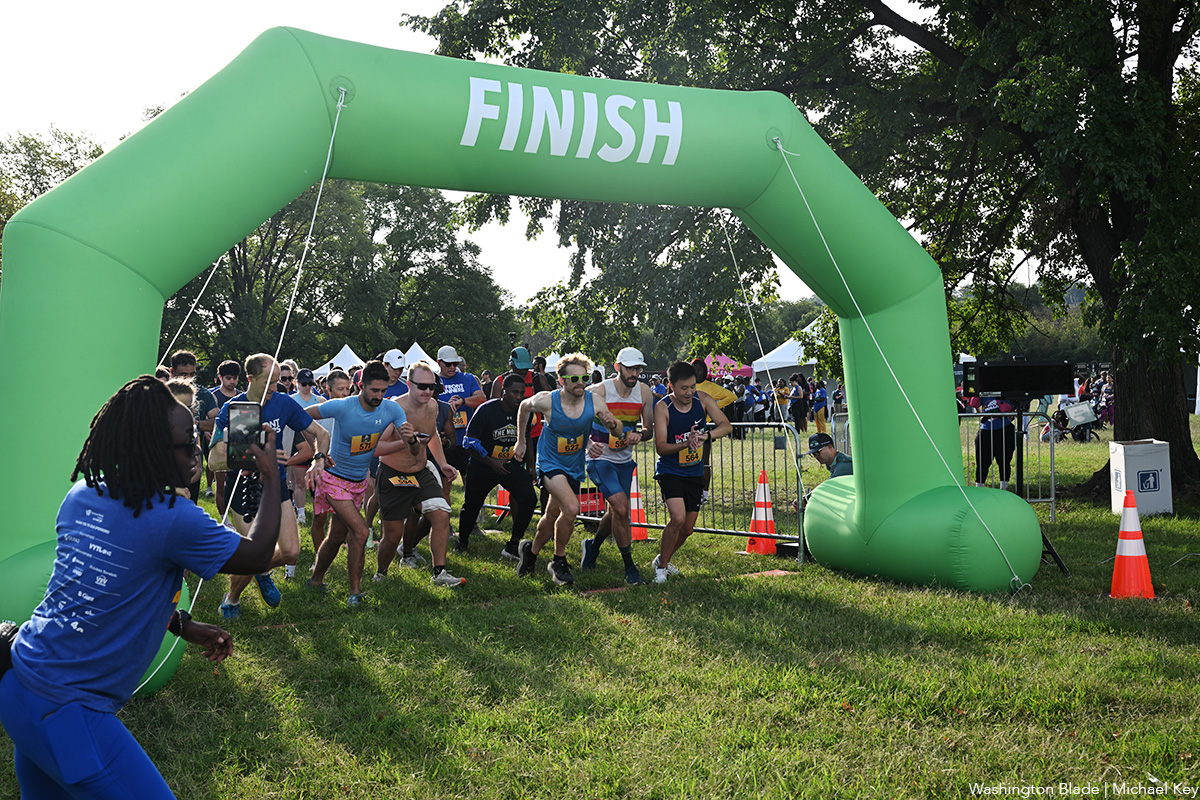
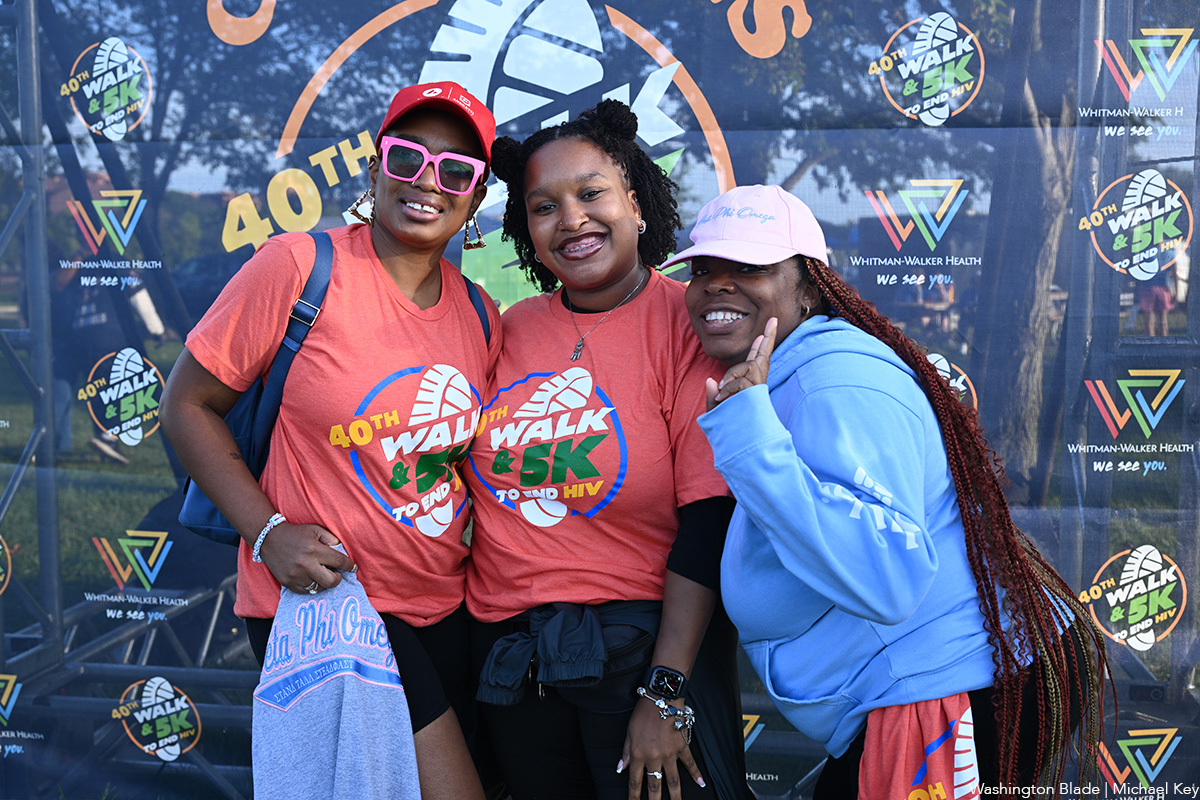
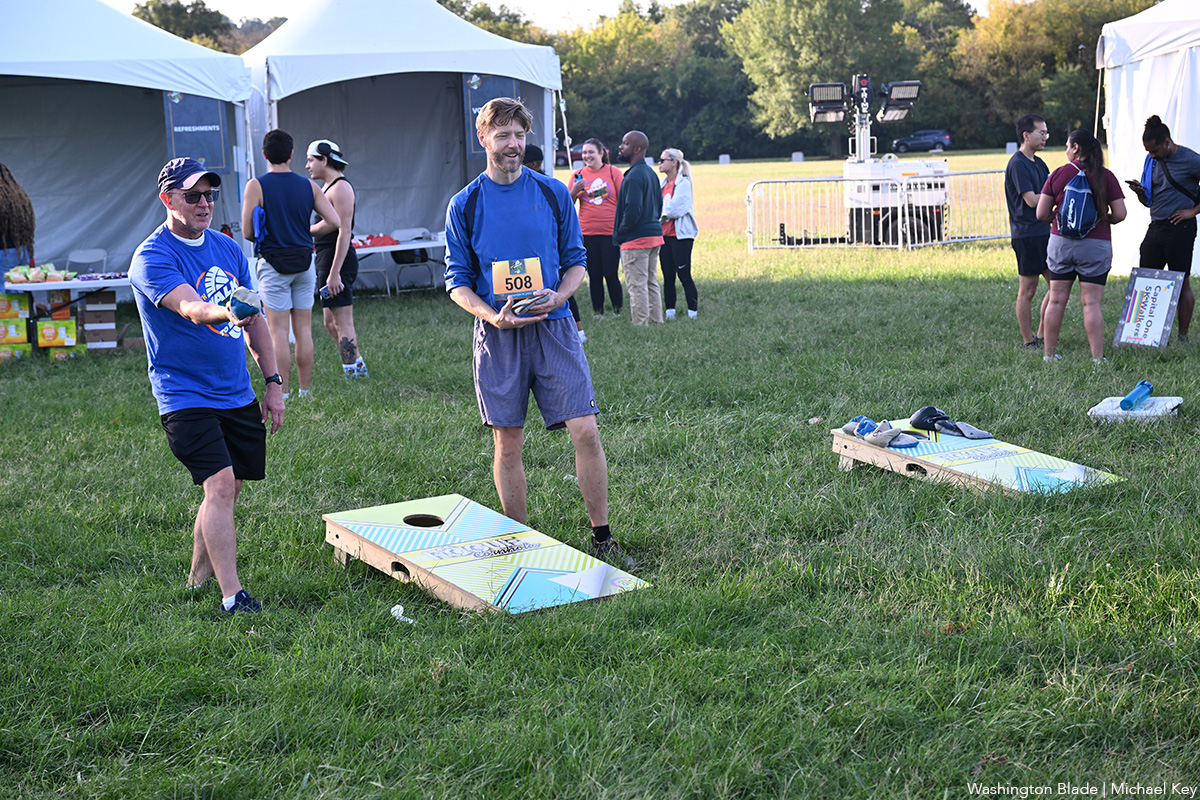
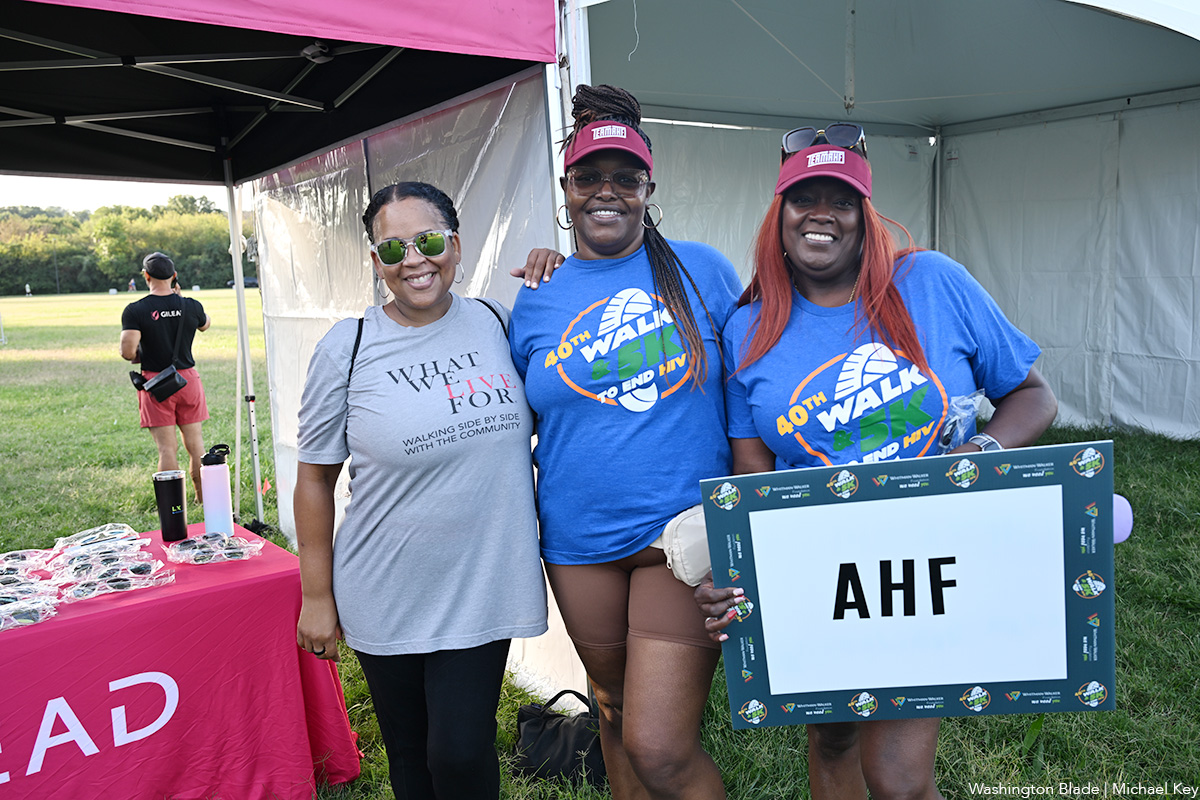
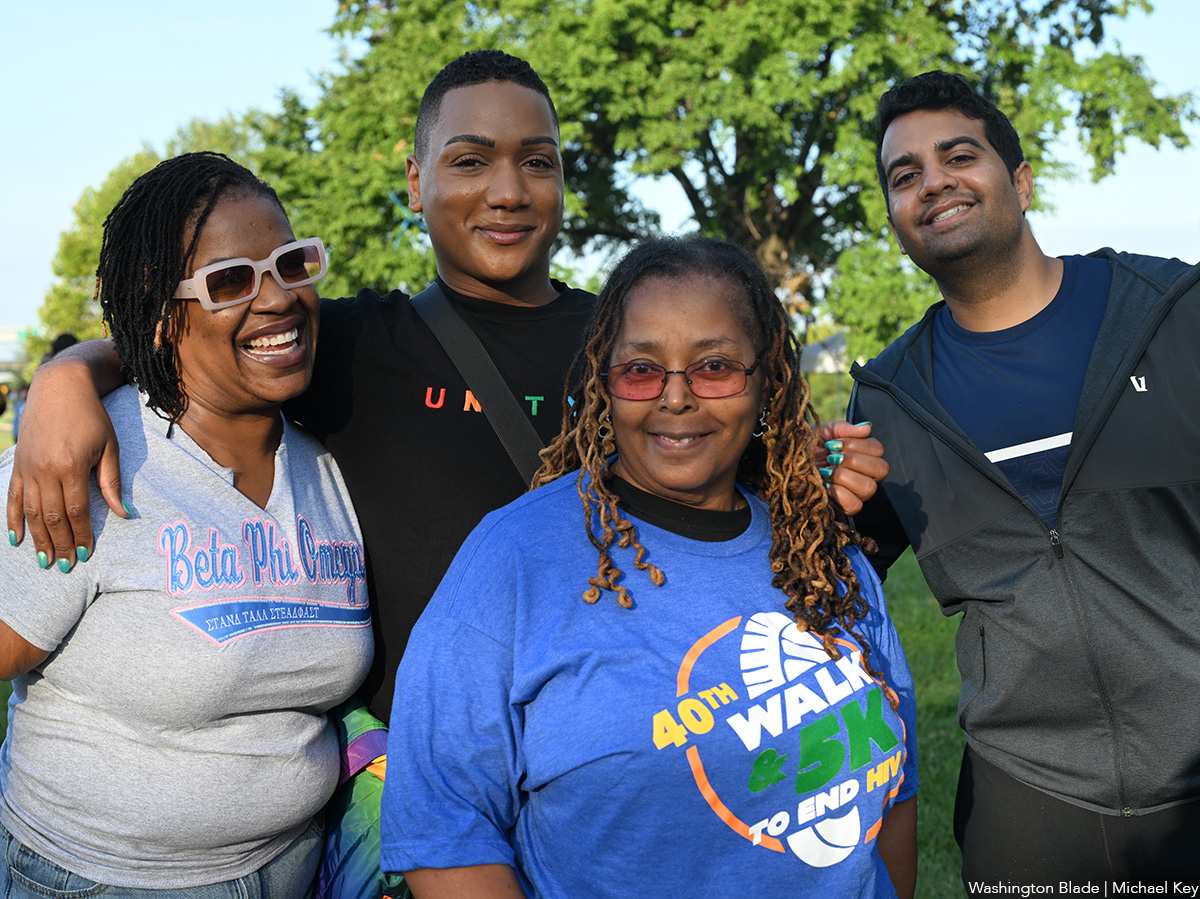
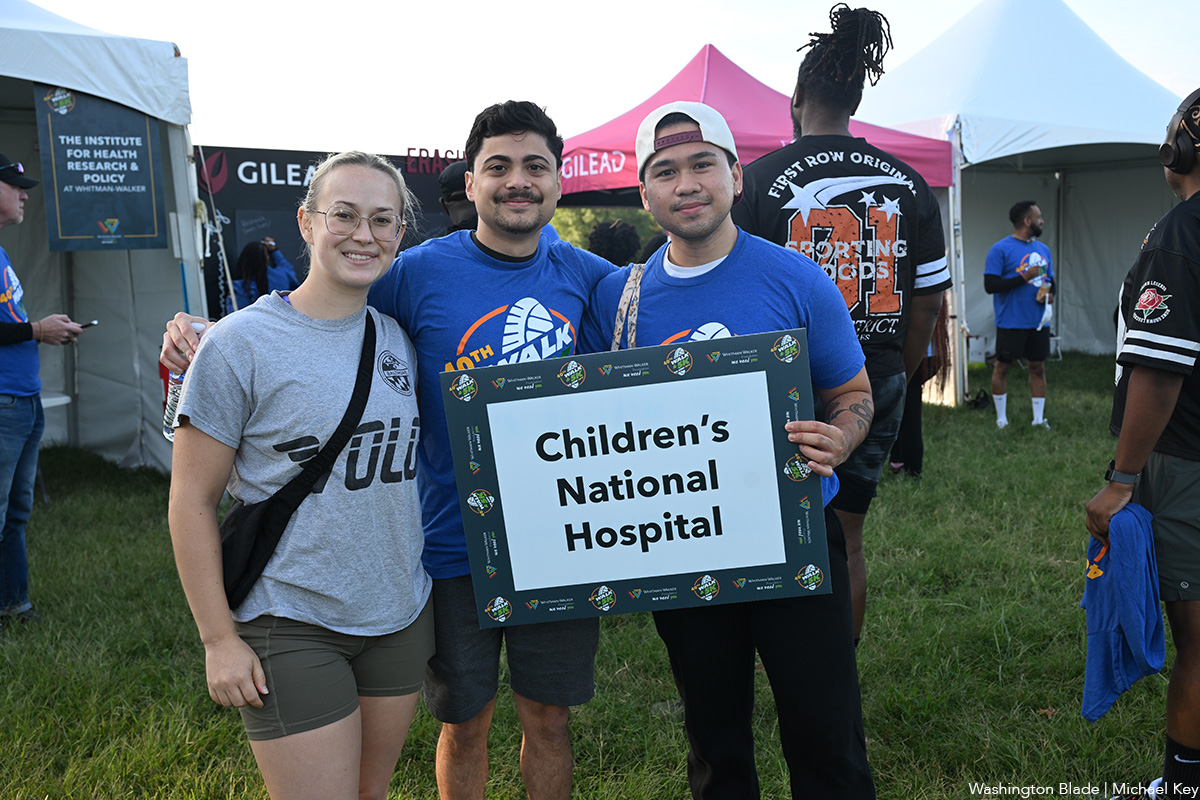
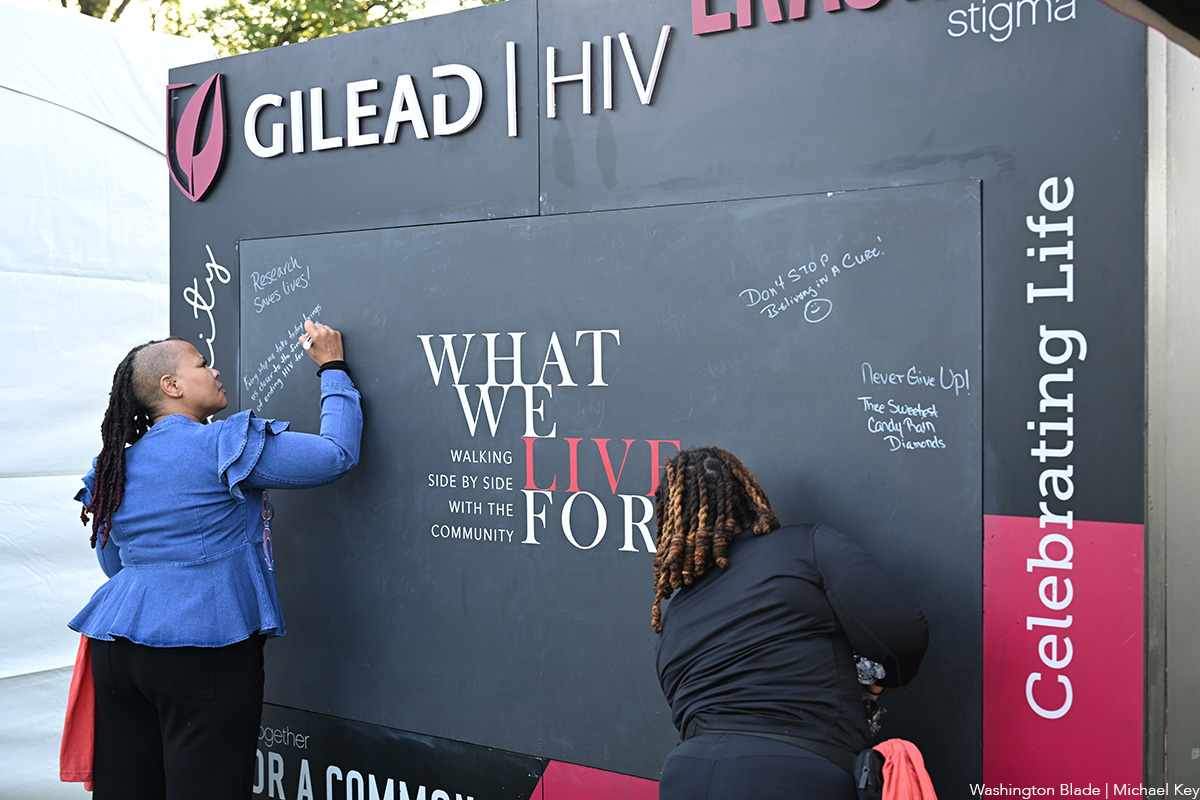
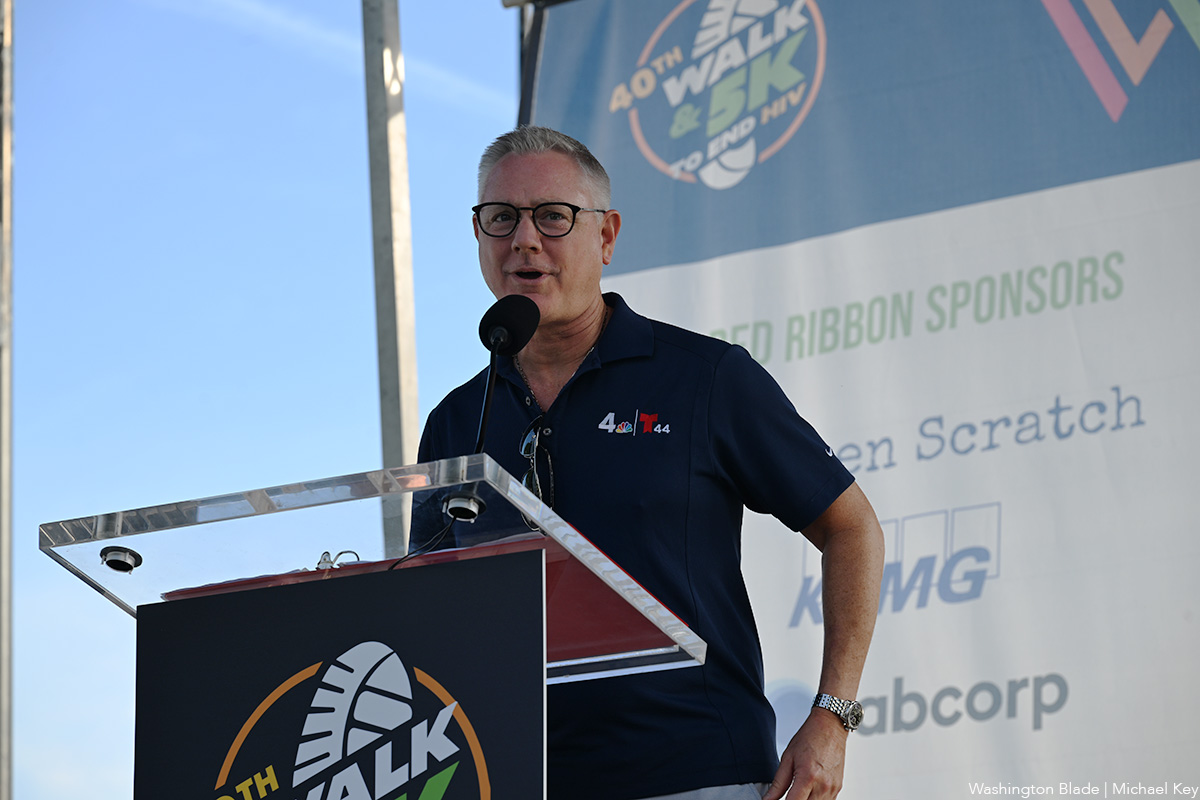
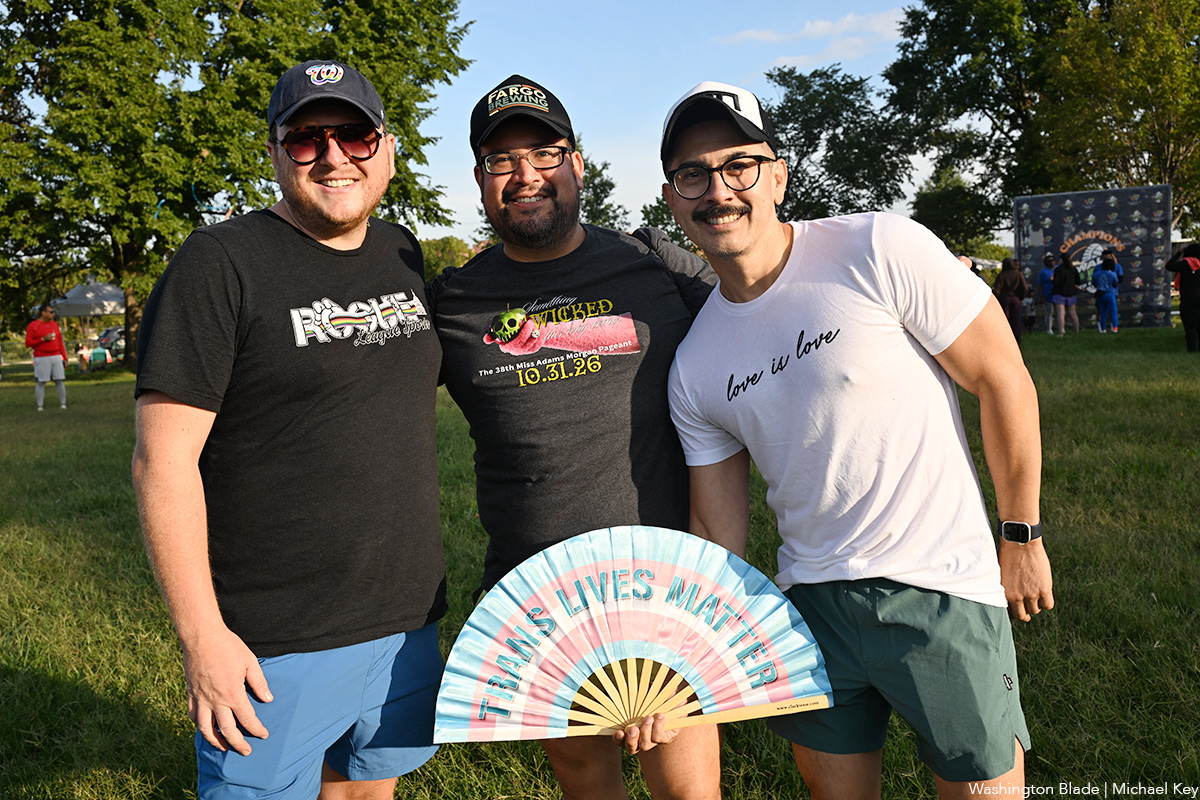
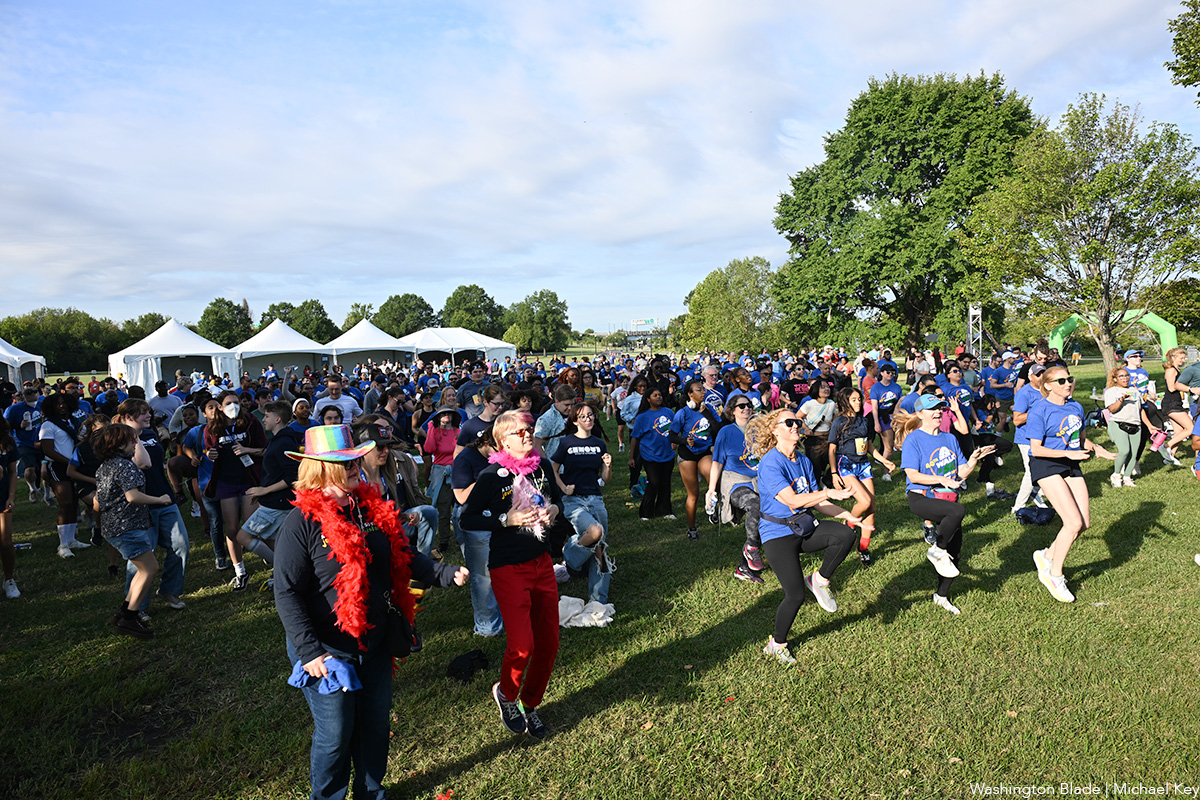
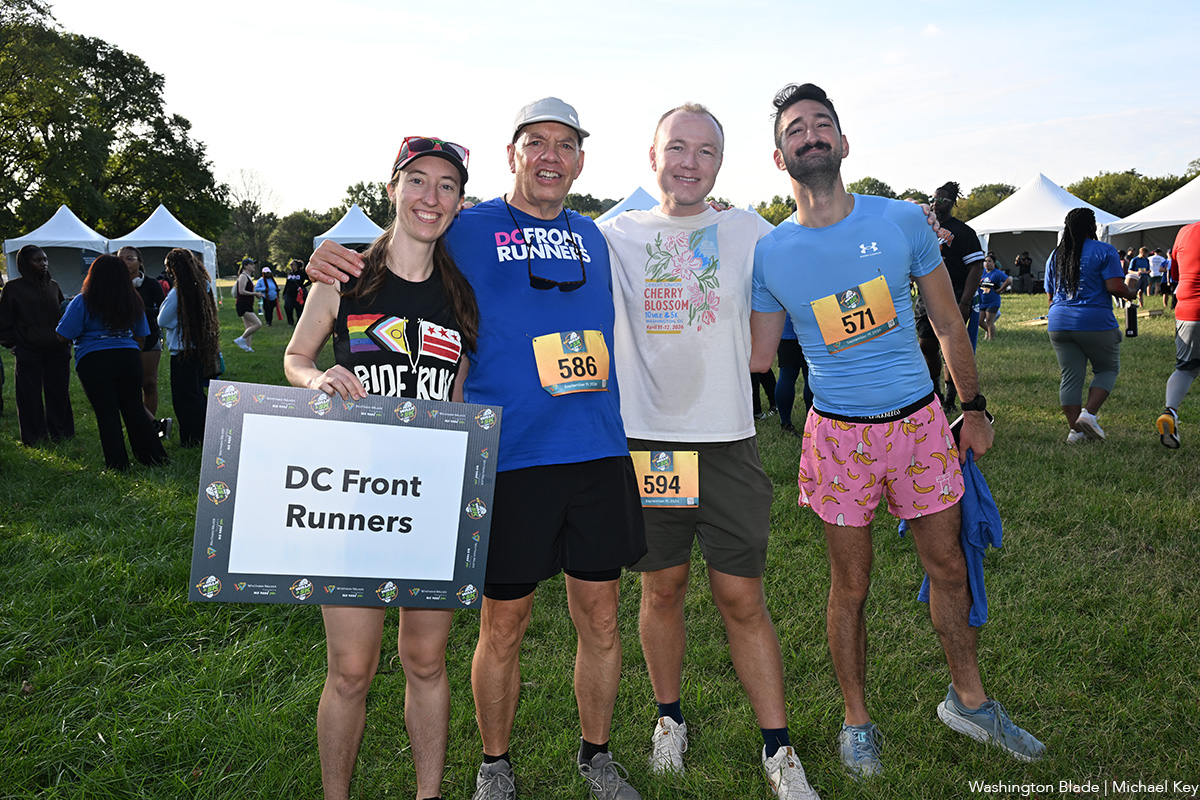
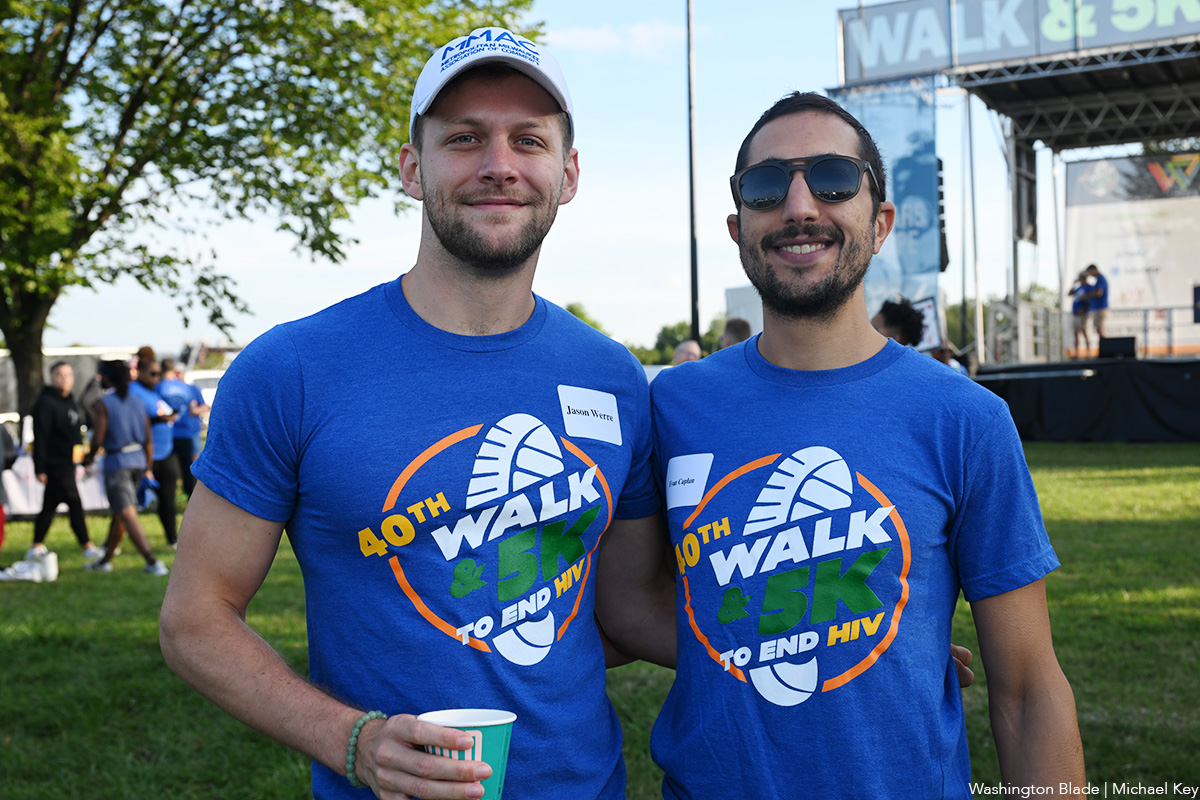
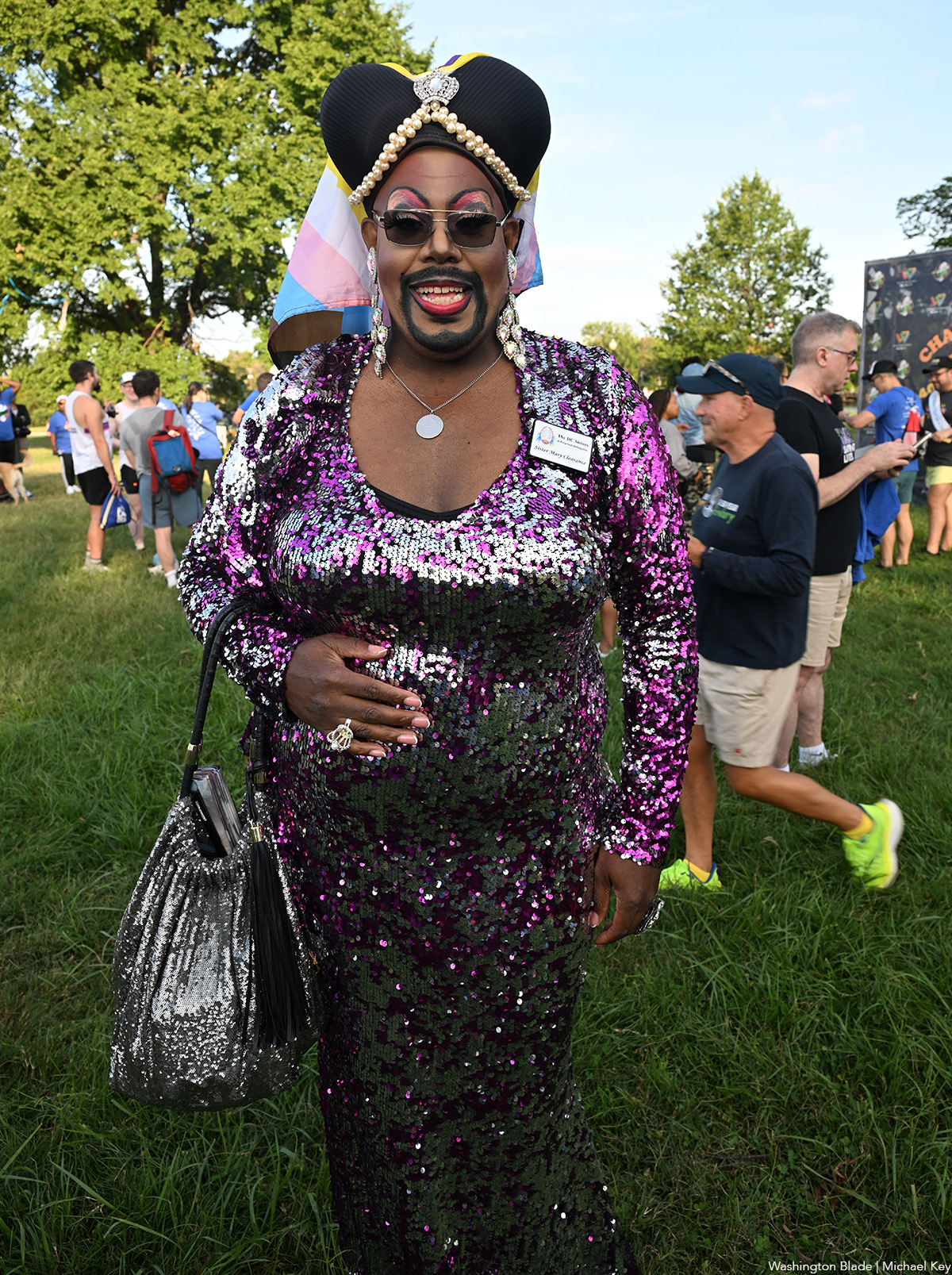
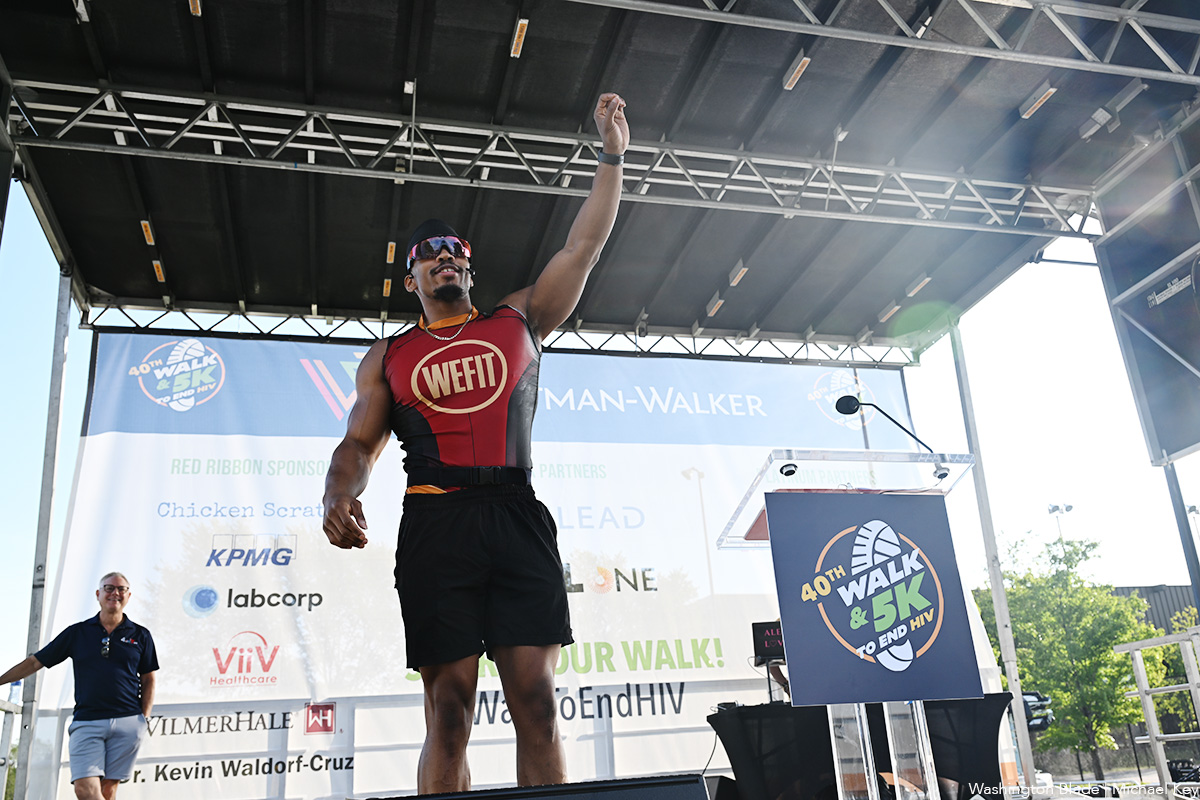
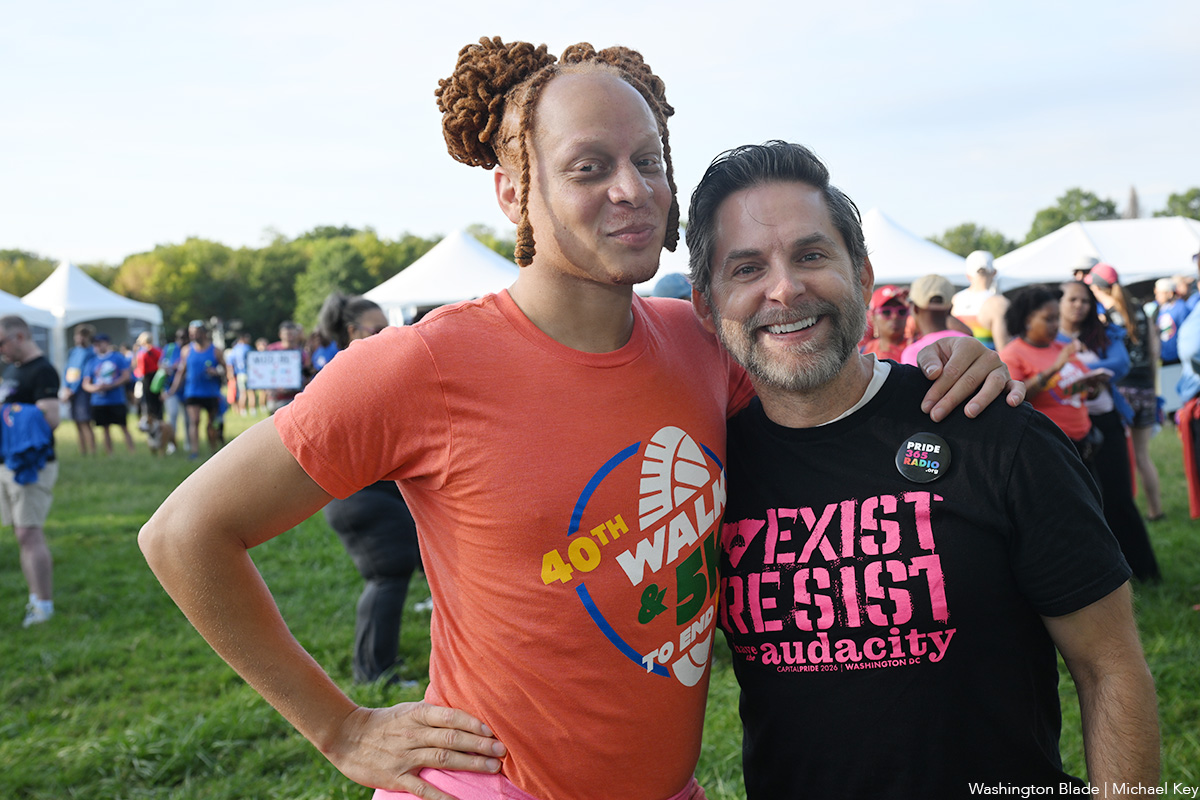
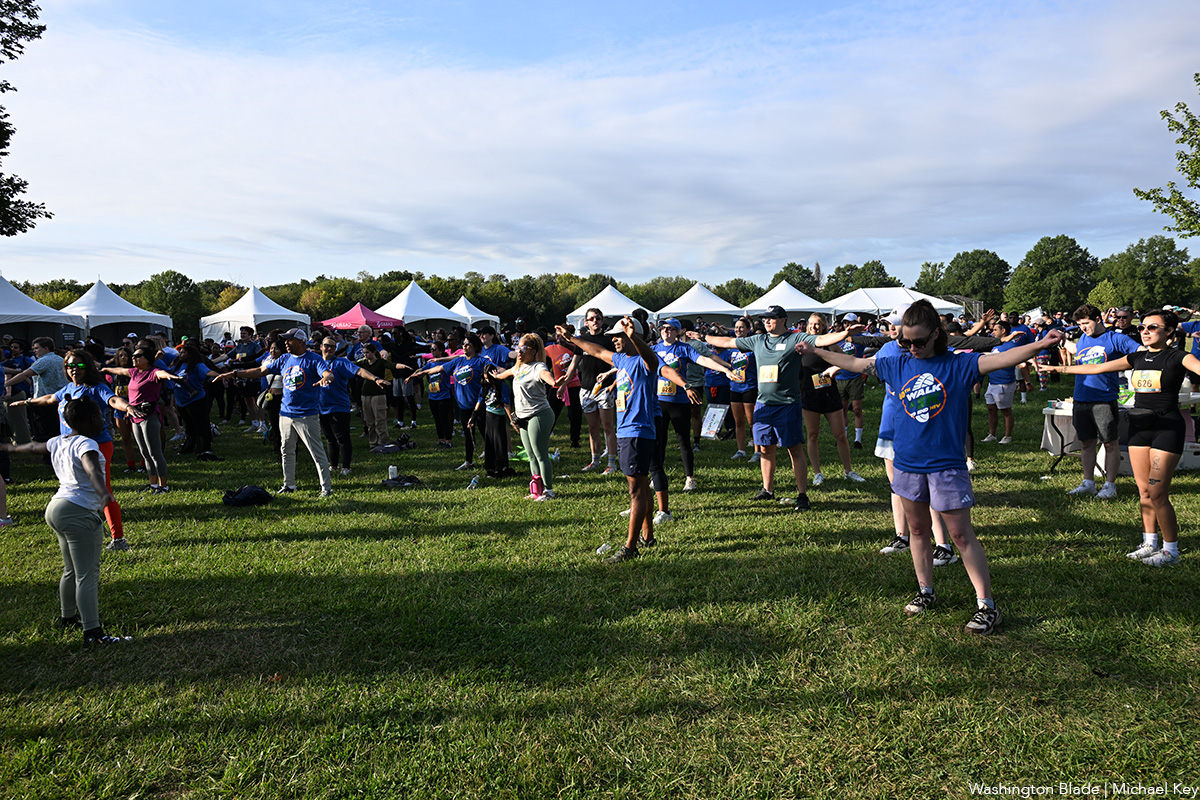
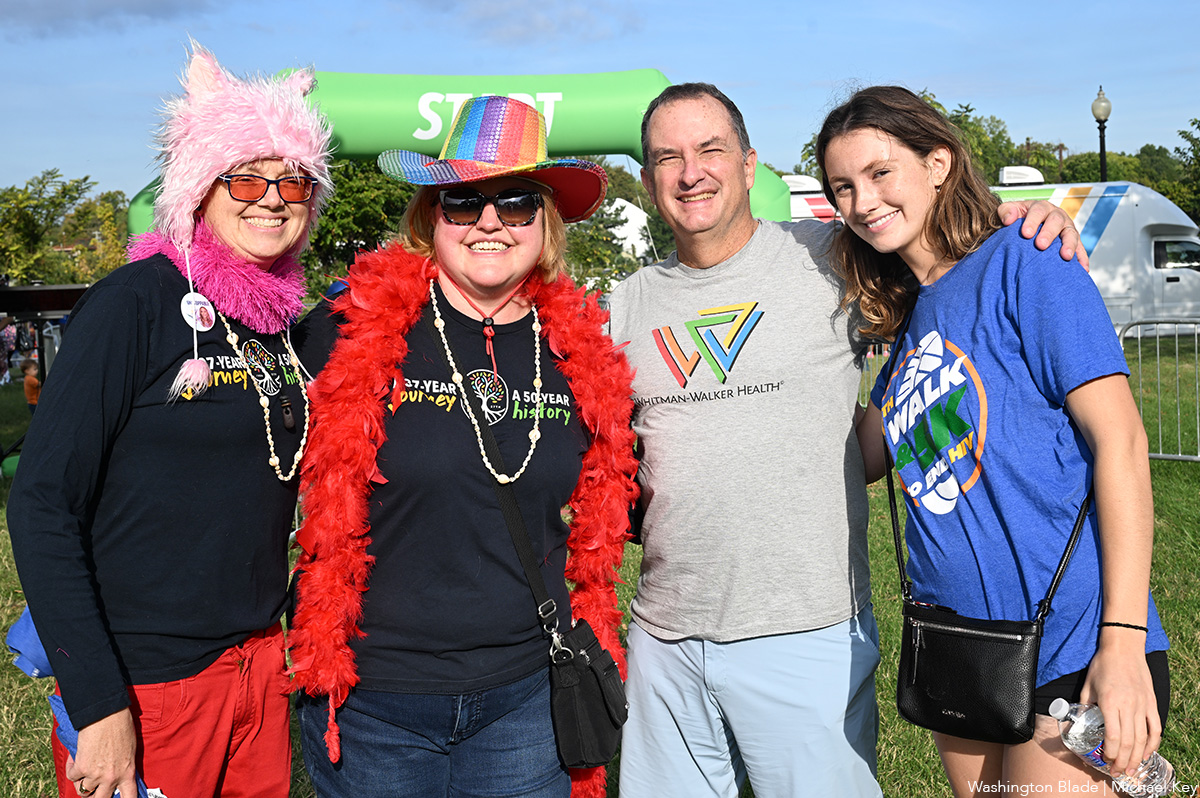
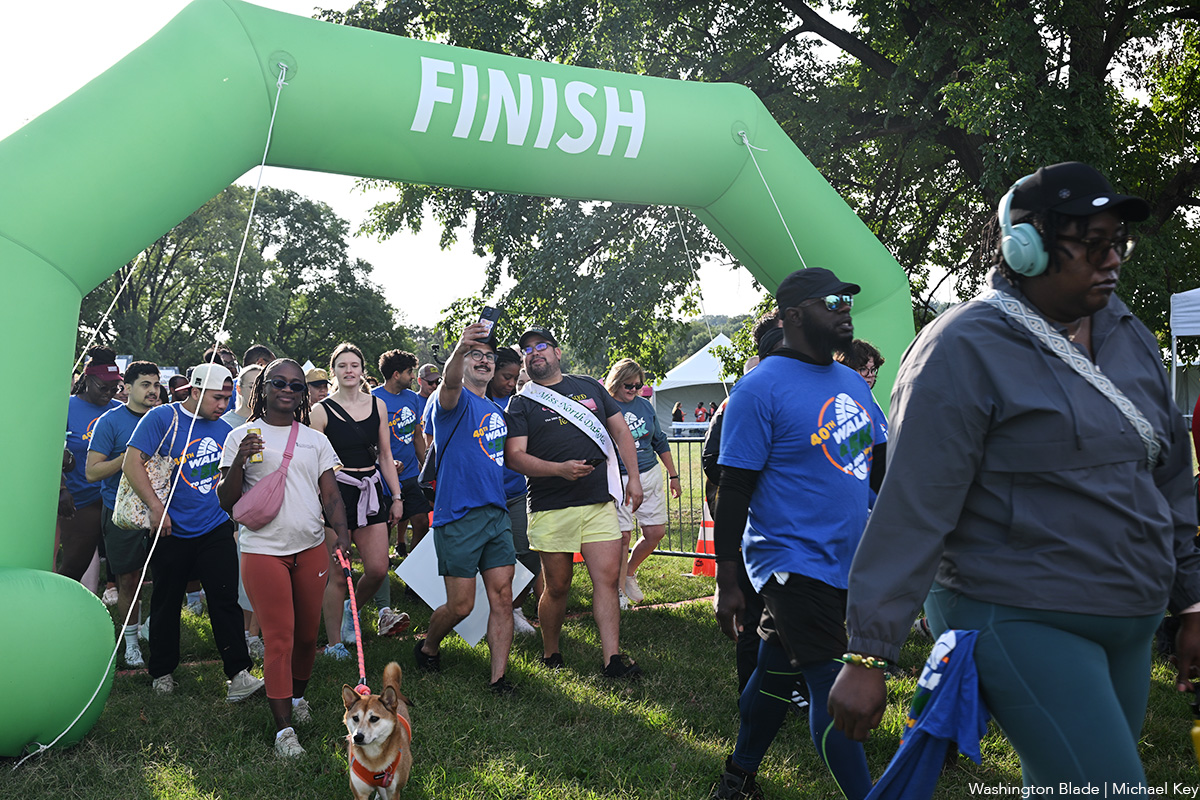
Whitman-Walker Health held the 40th annual Walk and 5K to End HIV at Anacostia Park on Saturday, Sept. 19.
(Washington Blade photos by Michael Key)


Photos
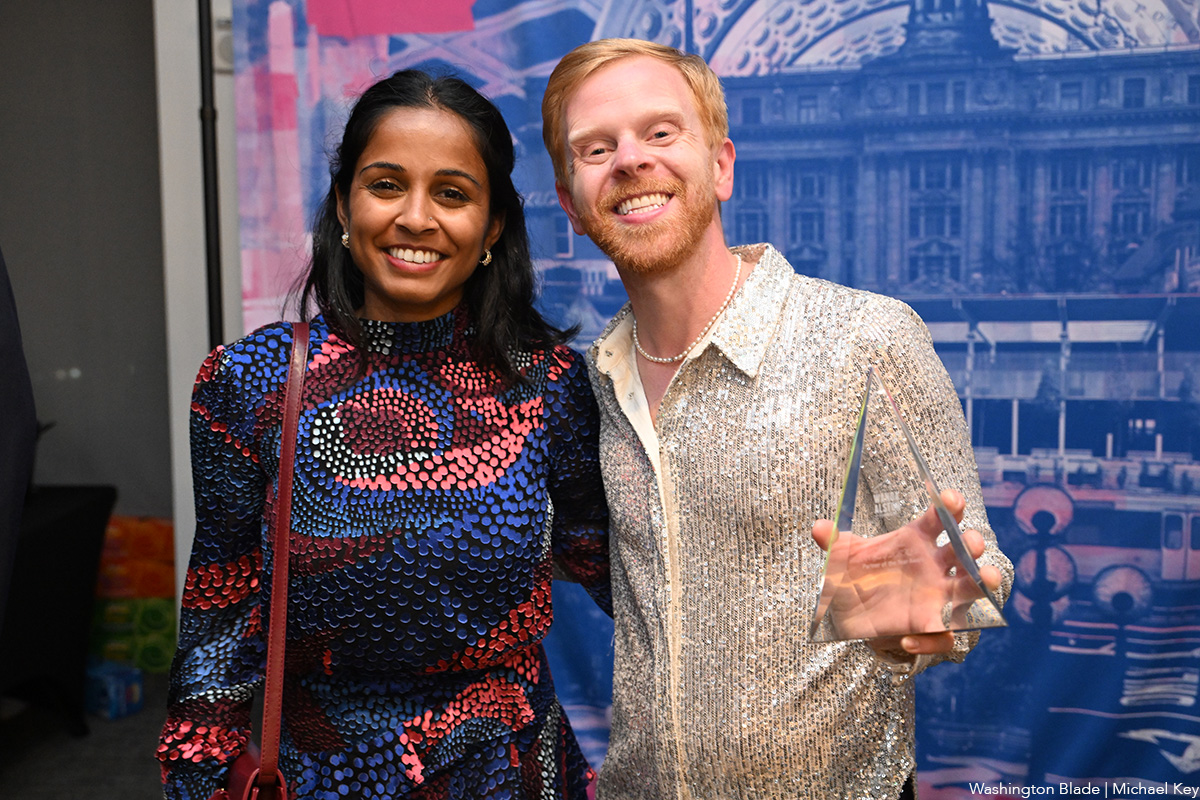
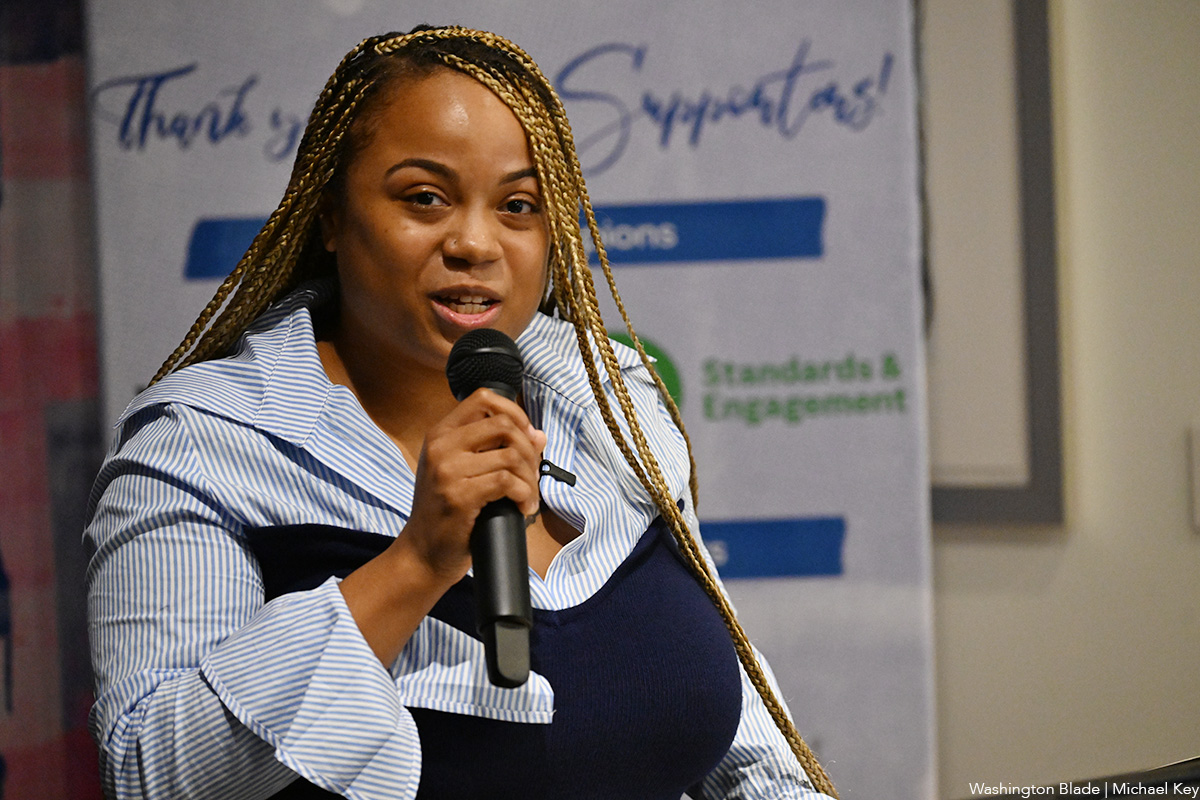
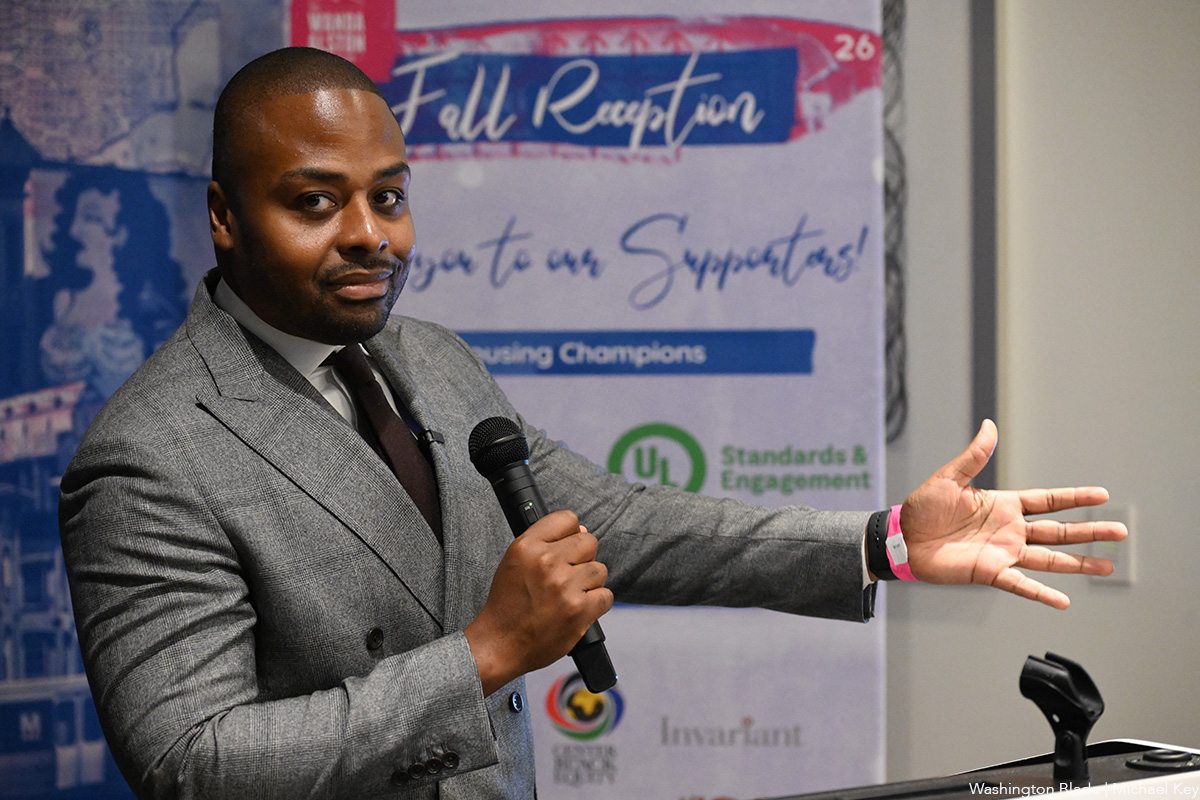
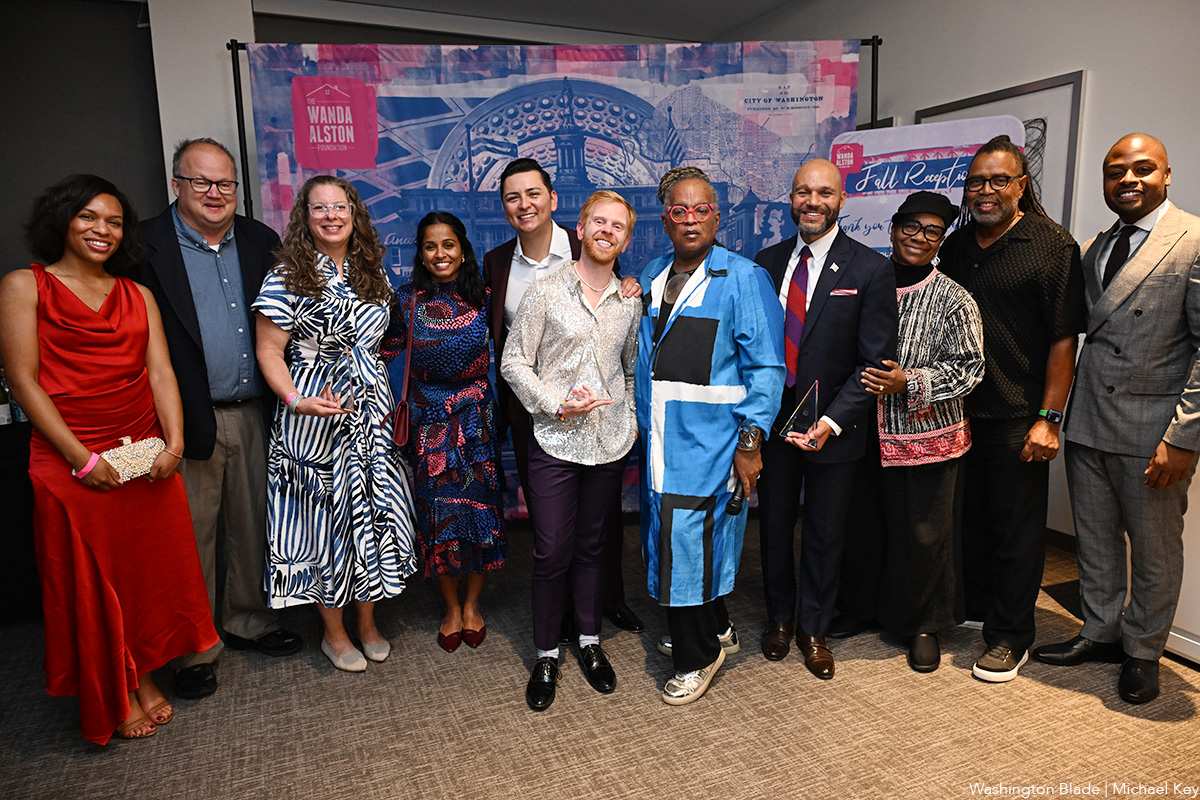
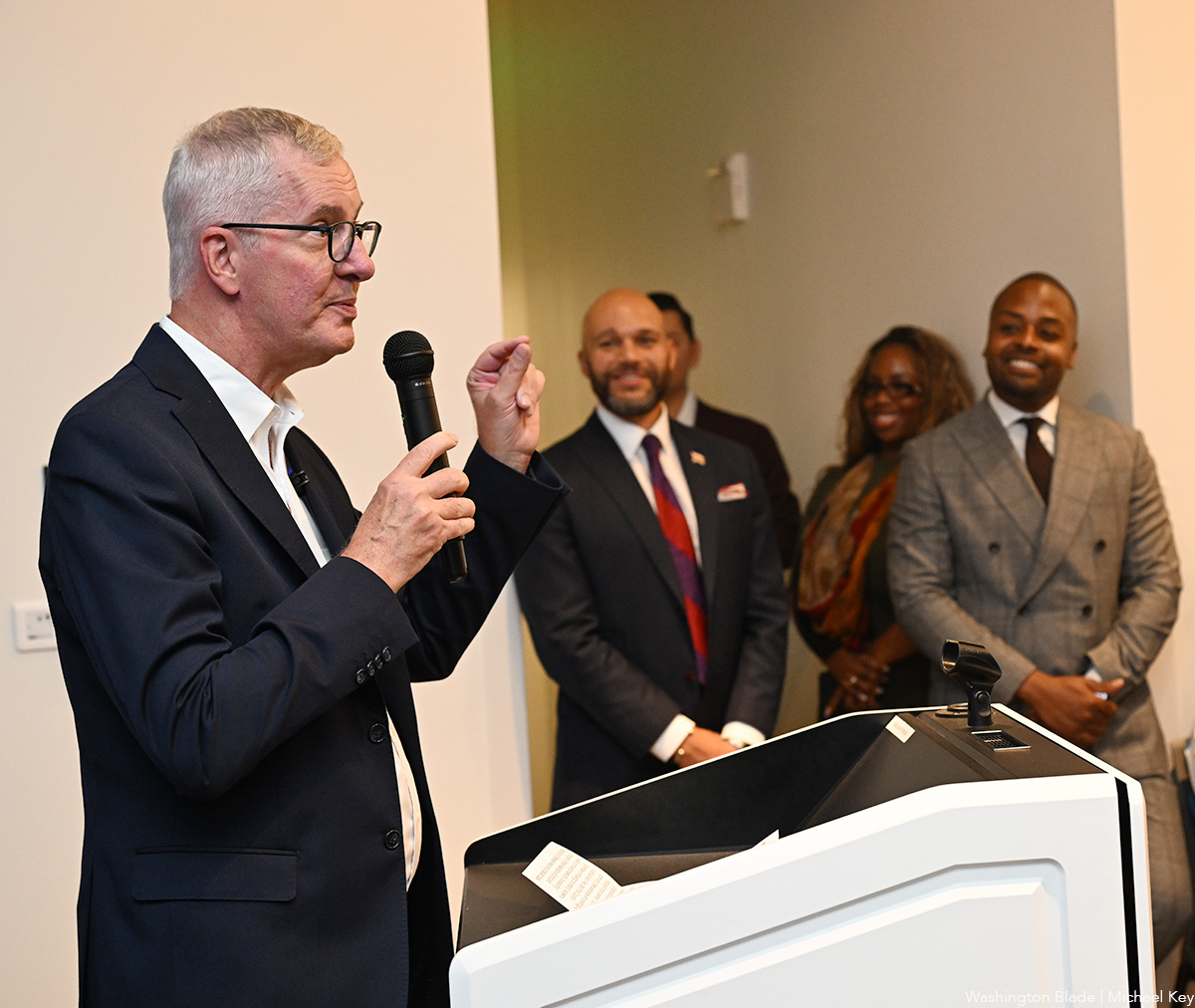
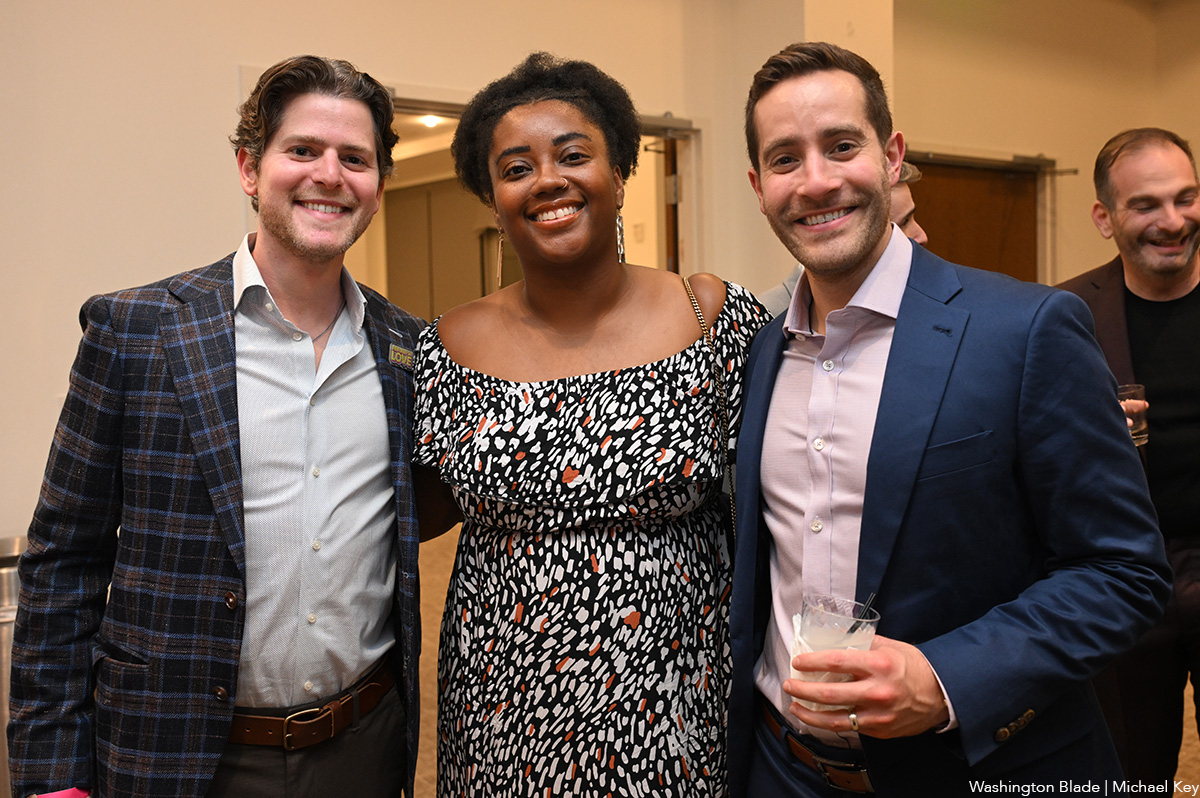
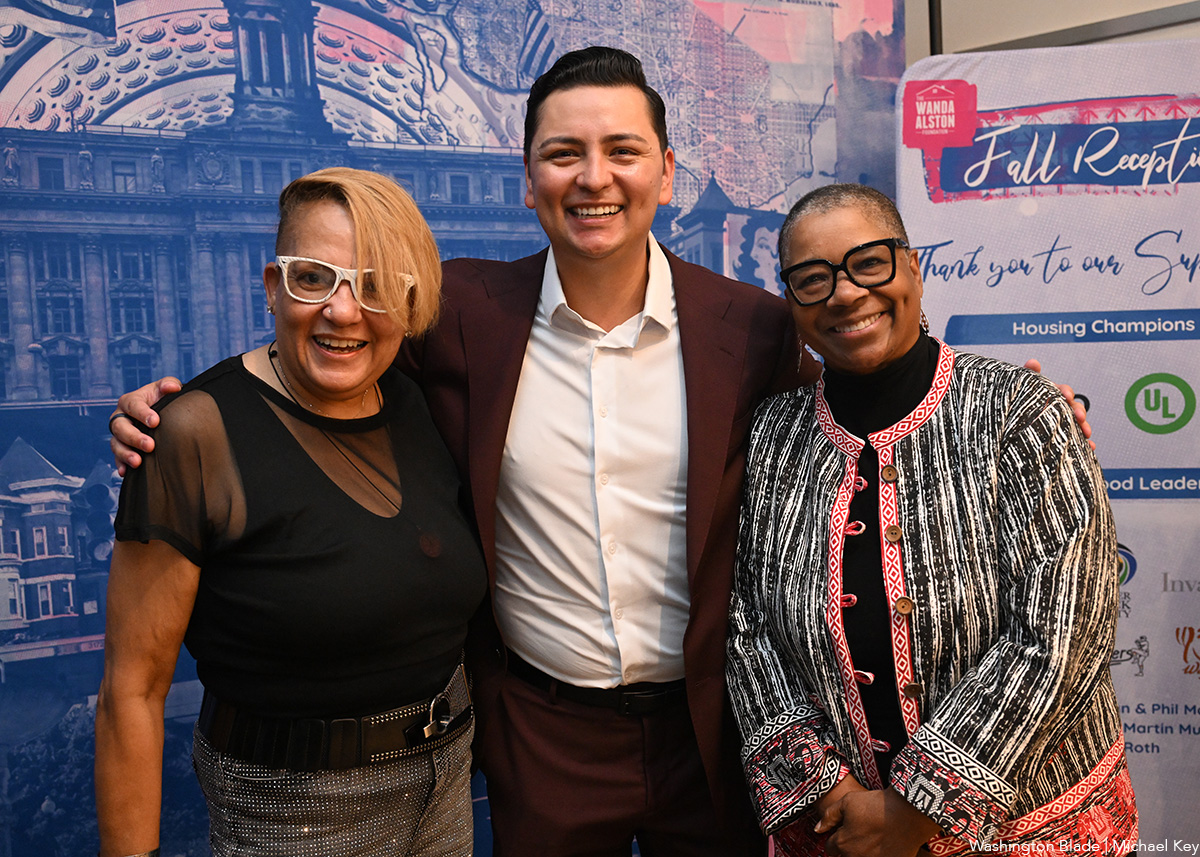
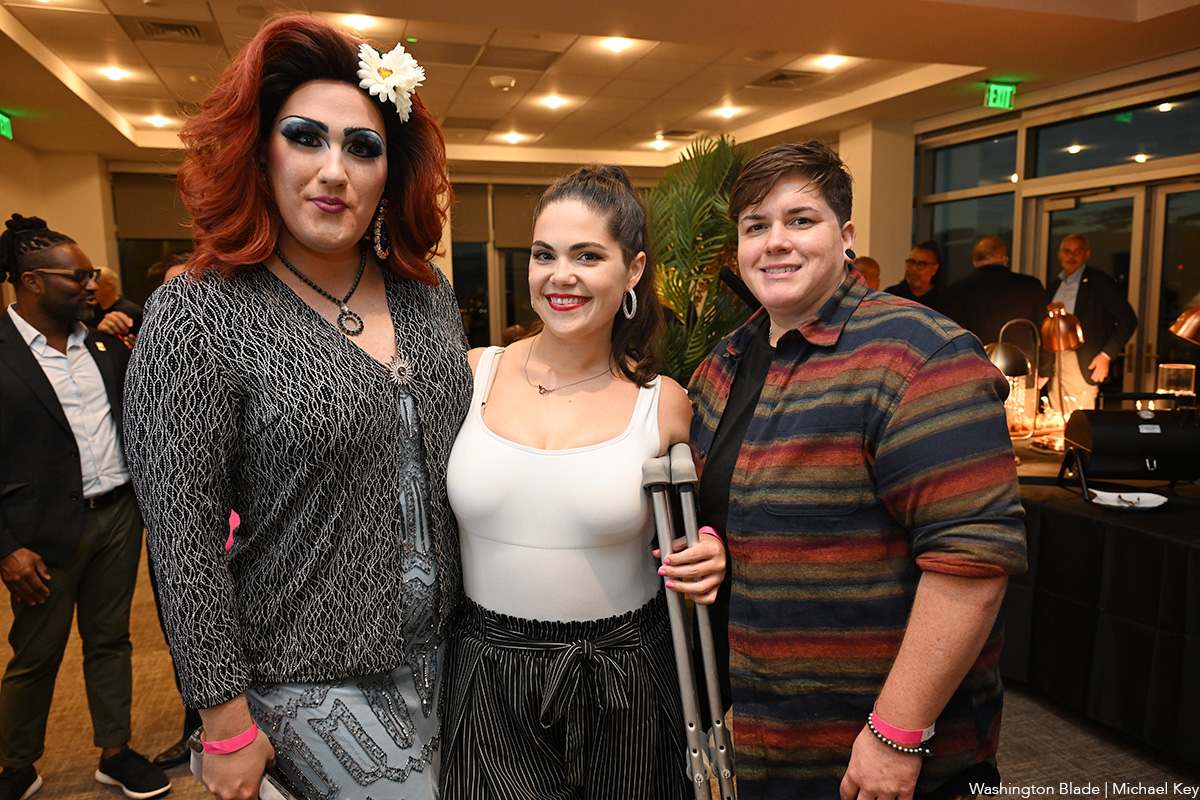
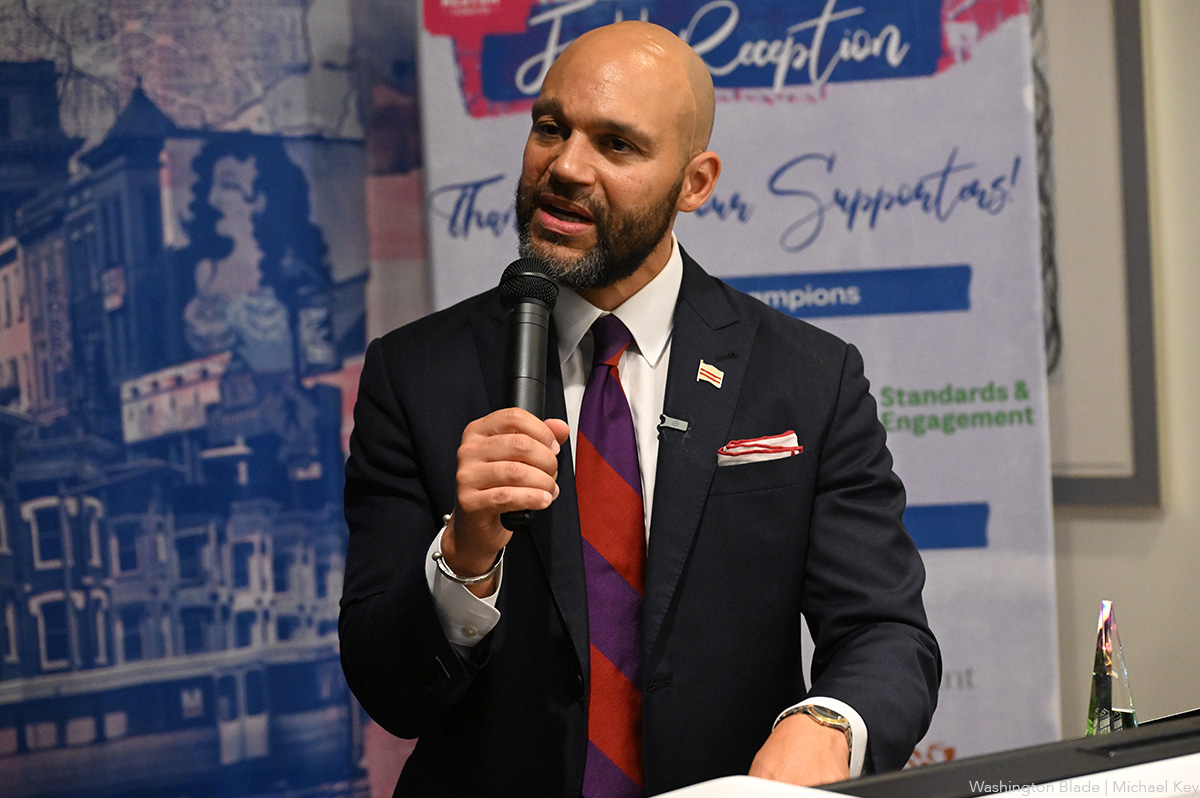
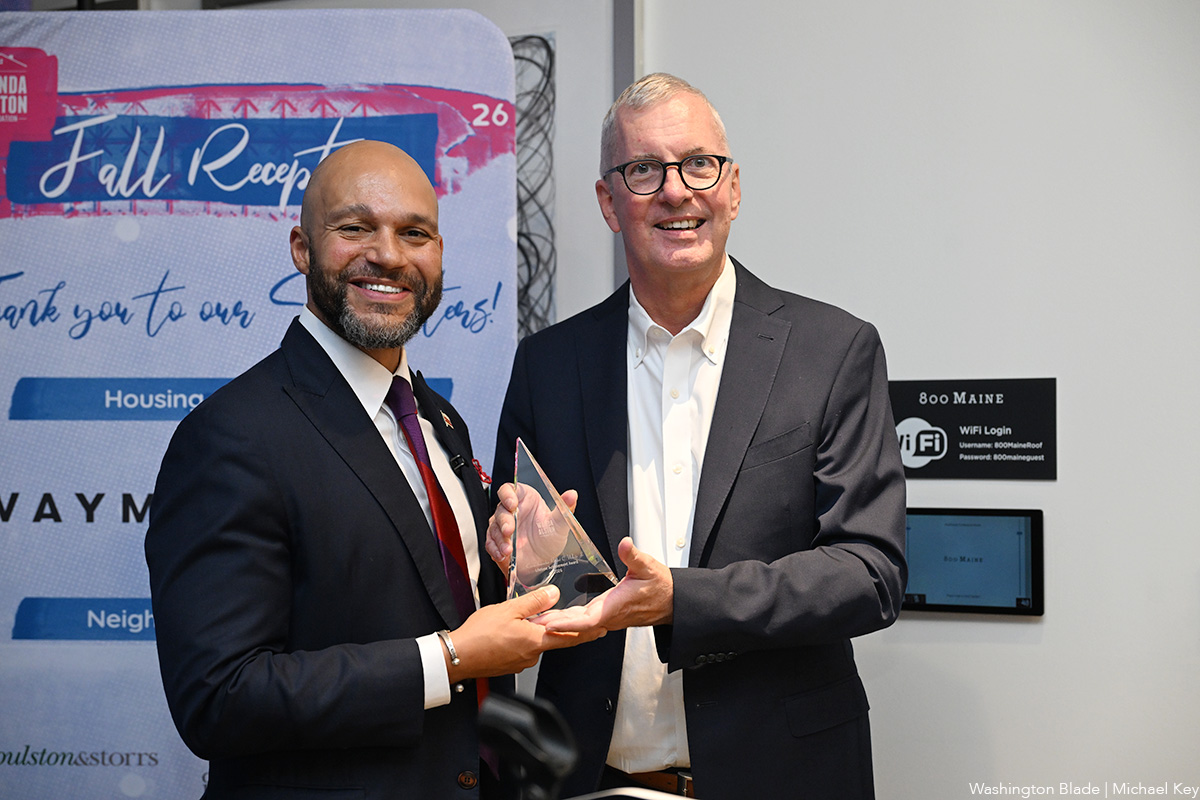
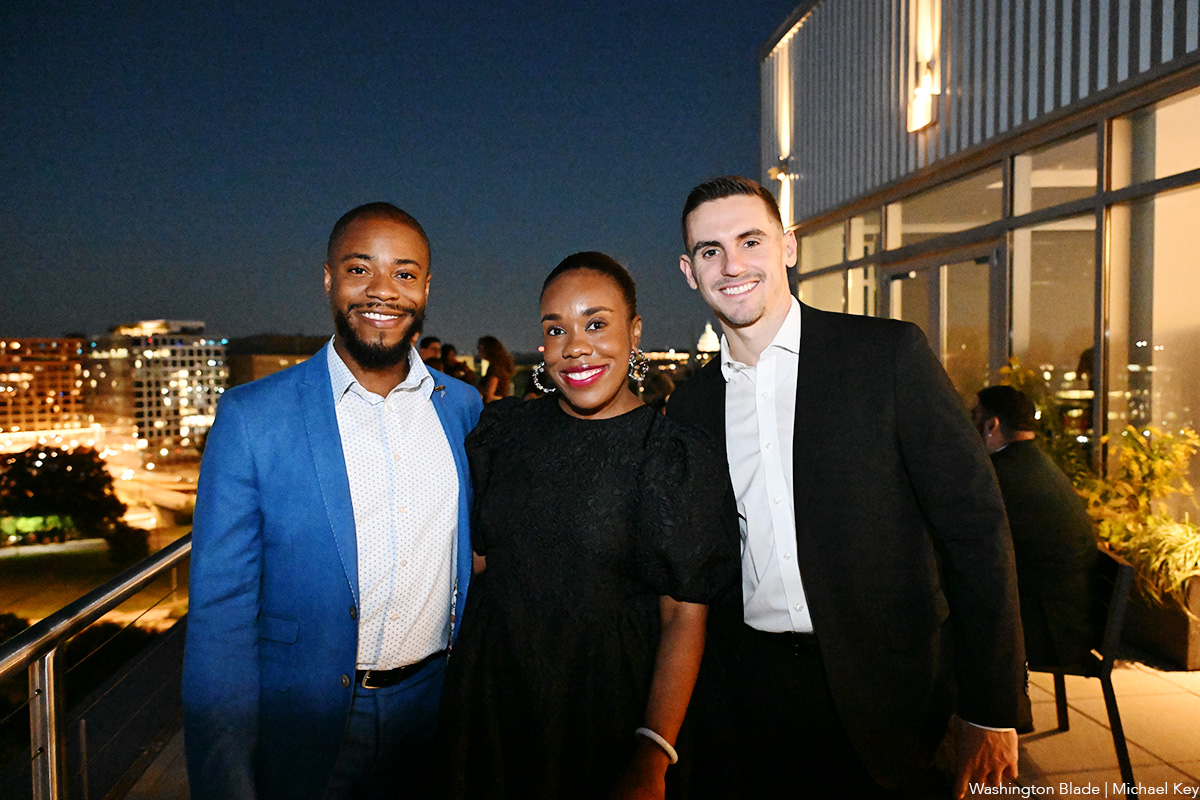
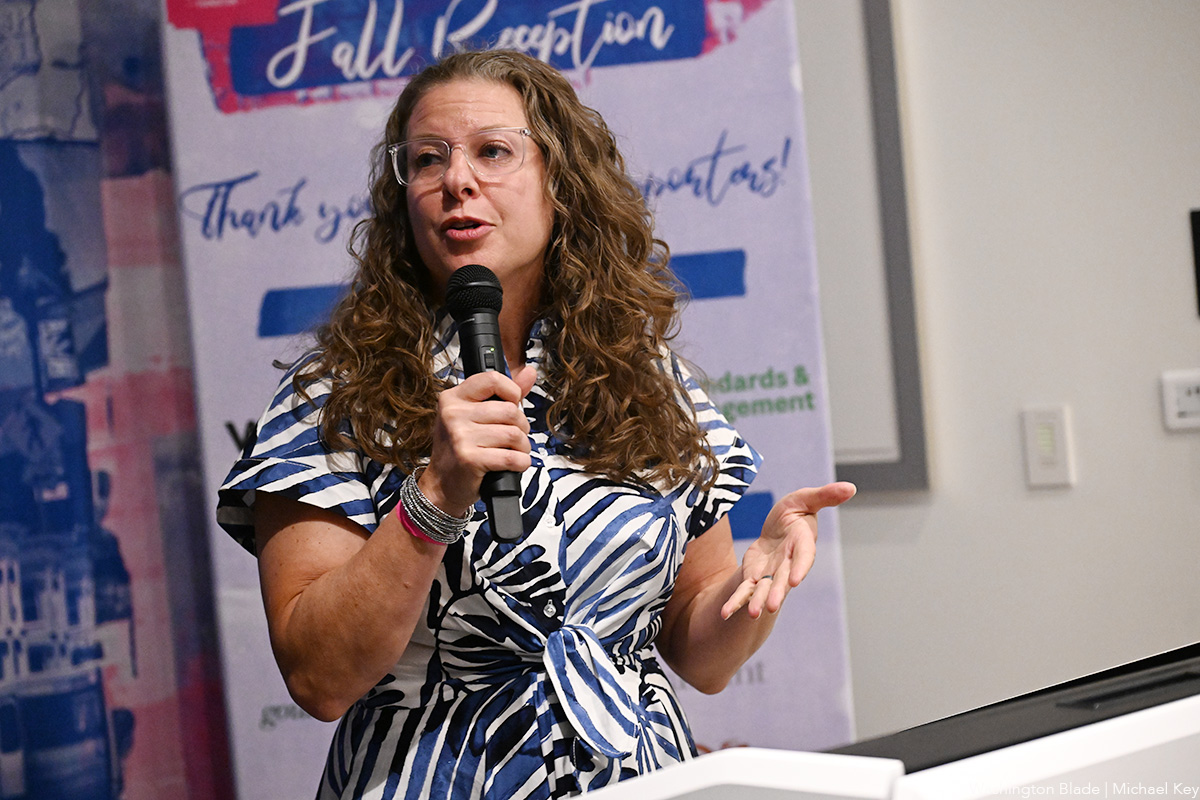
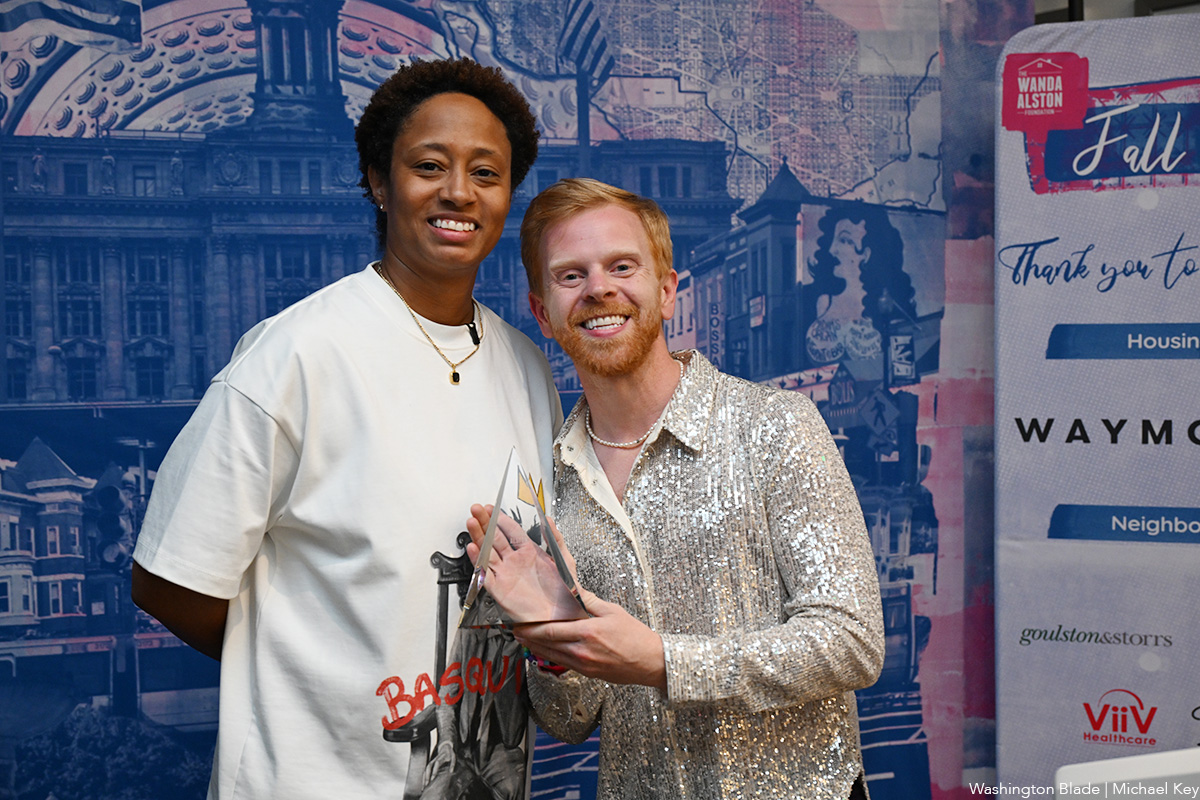
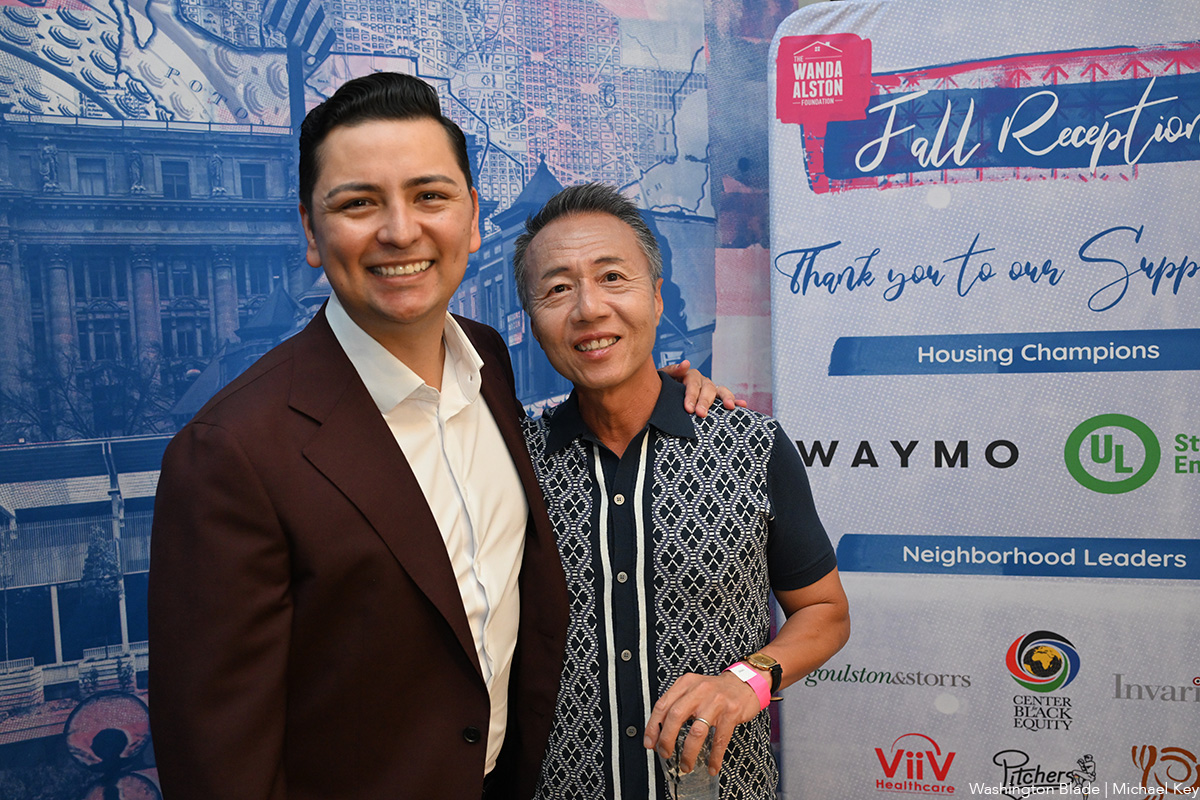
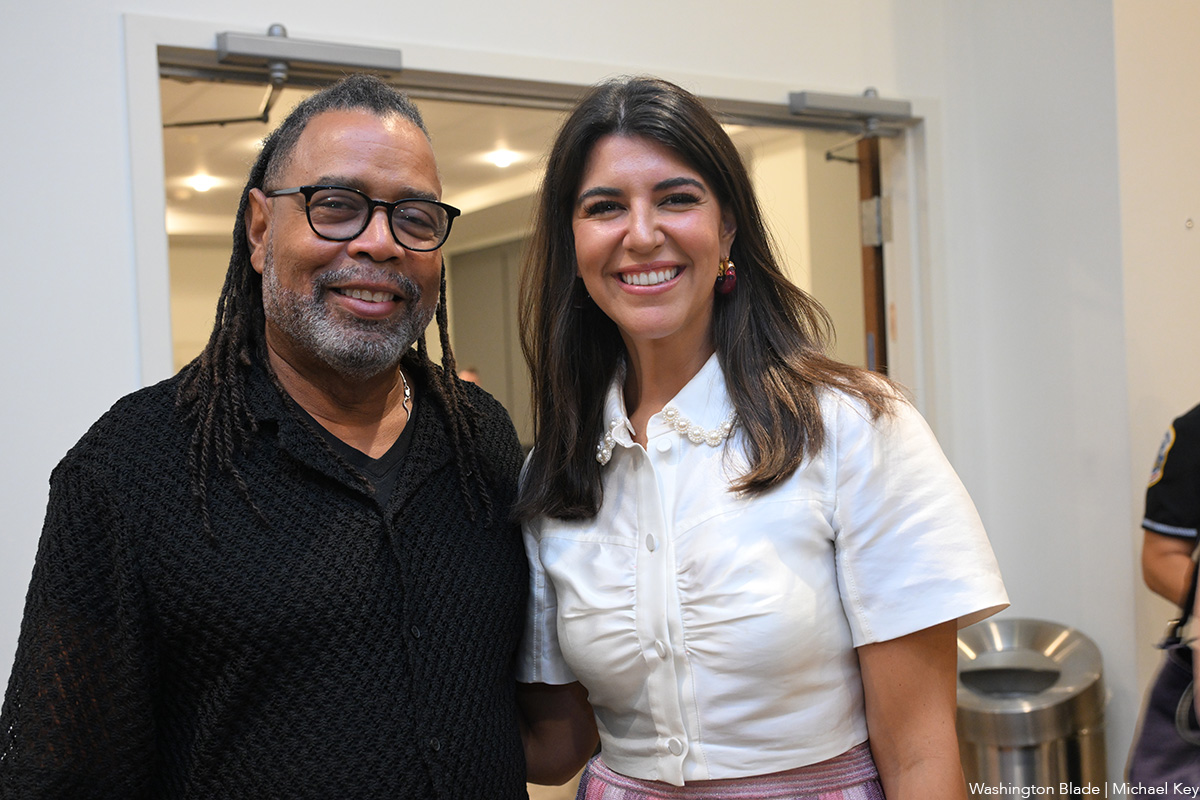
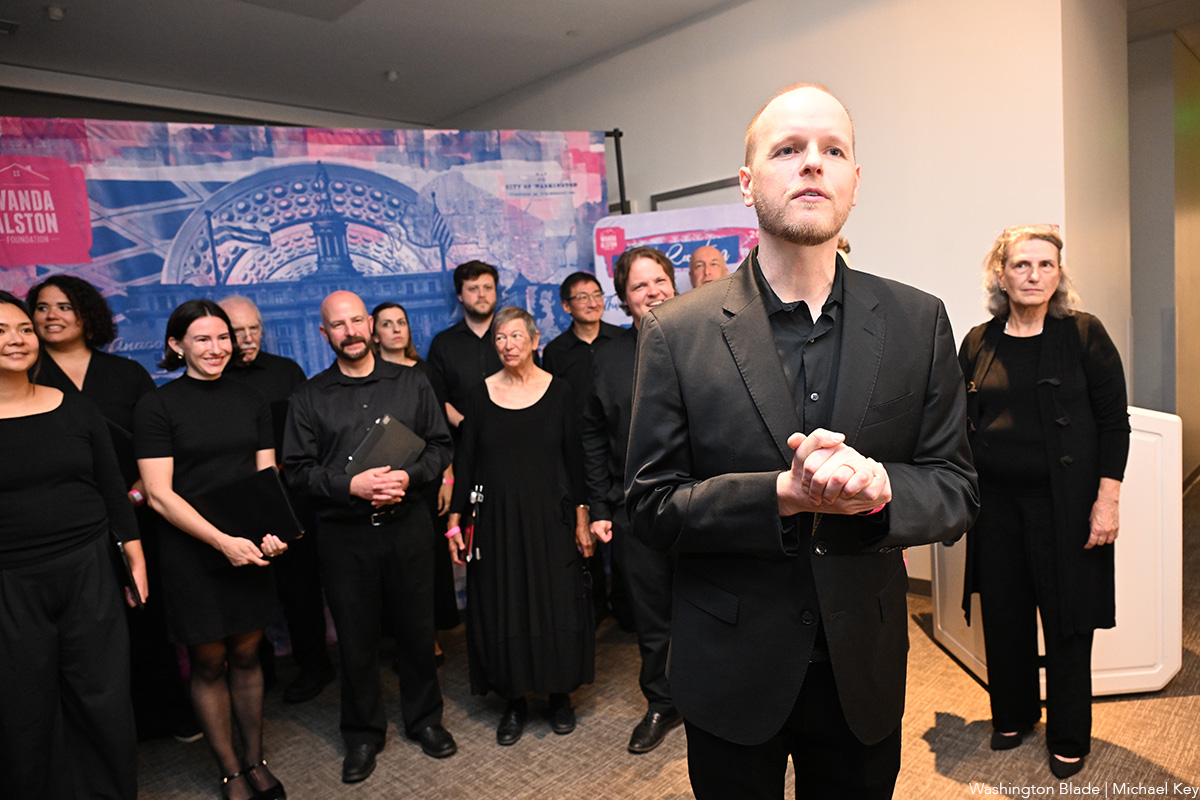
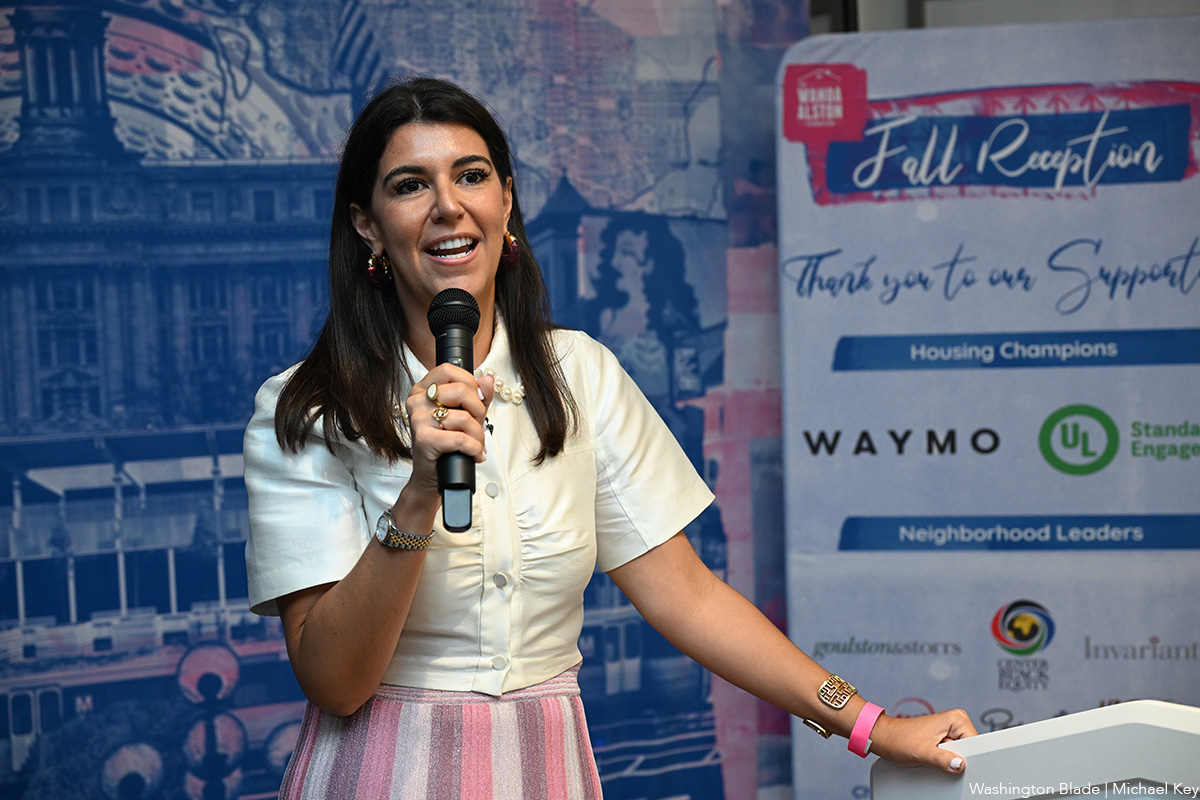
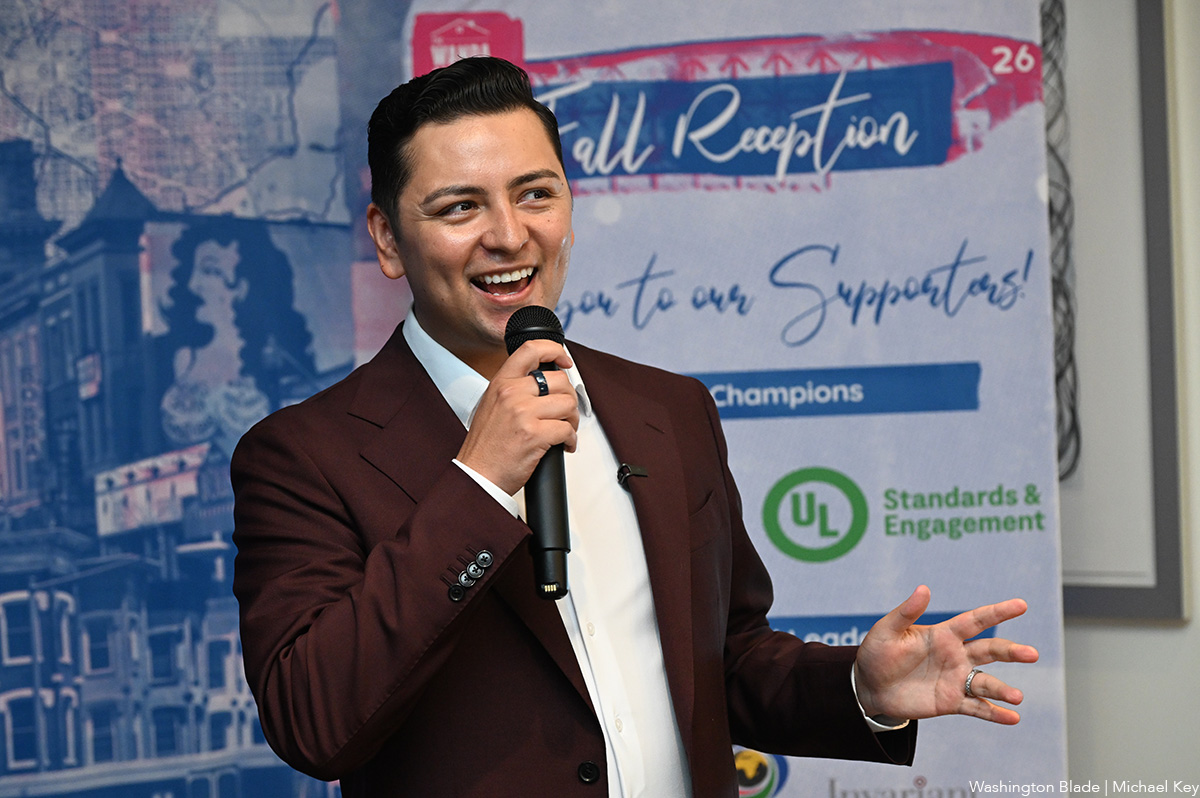
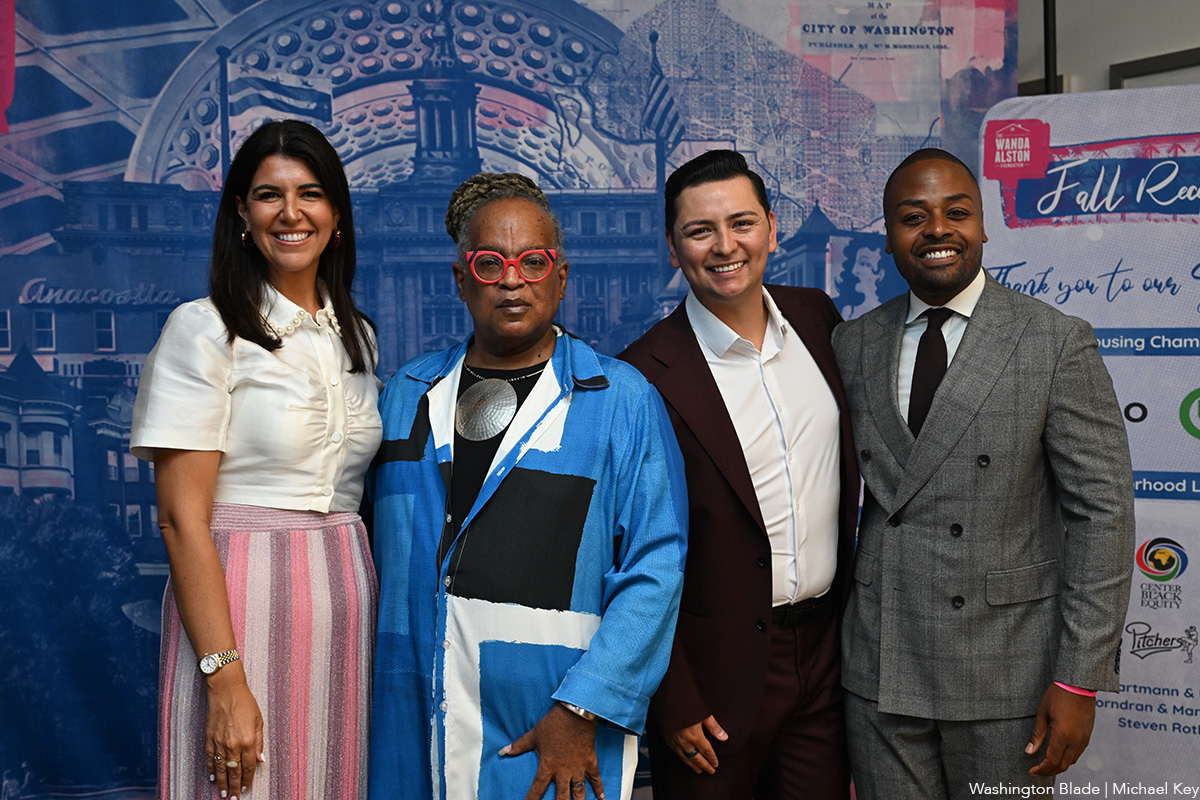
PHOTOS: Wanda Alston Foundation Fall Reception
LGBTQ youth services organization honors Robert White, Japer Bowles, Washington Capitals
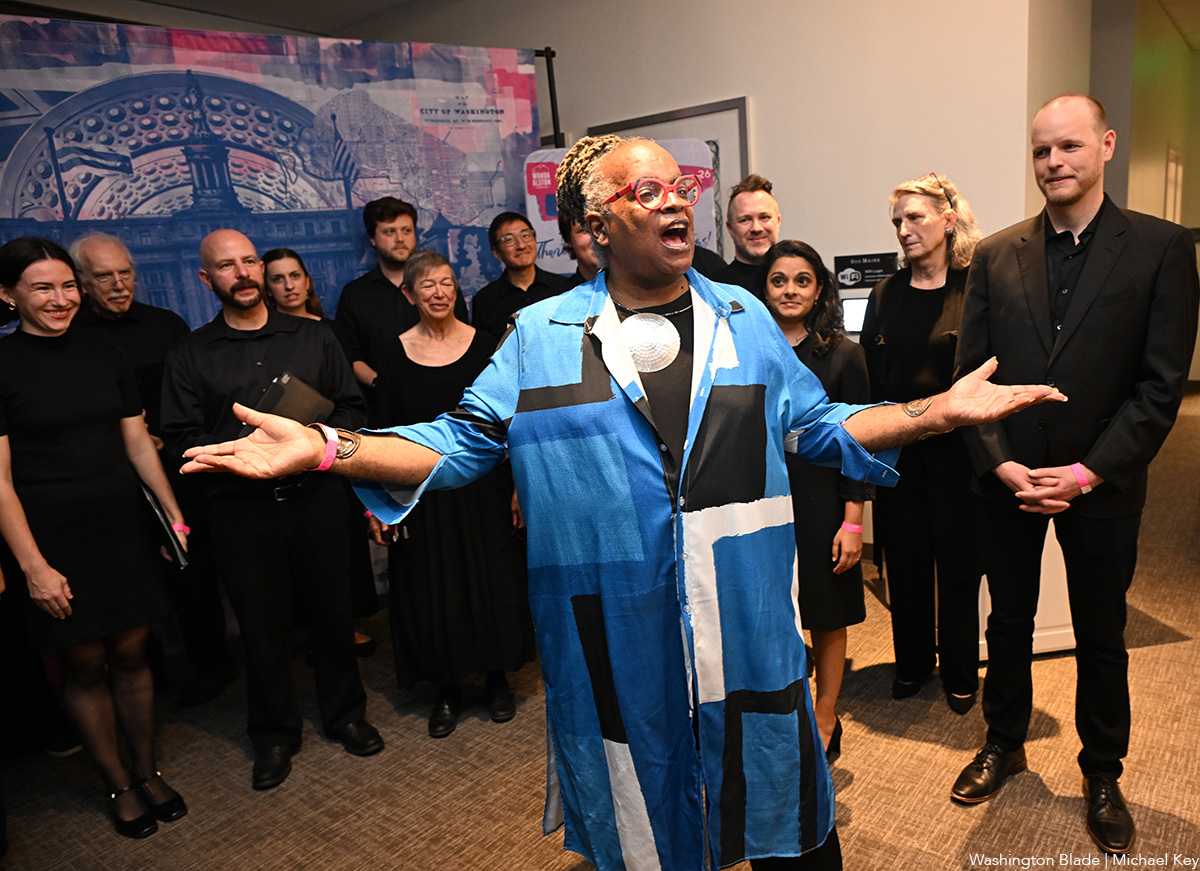
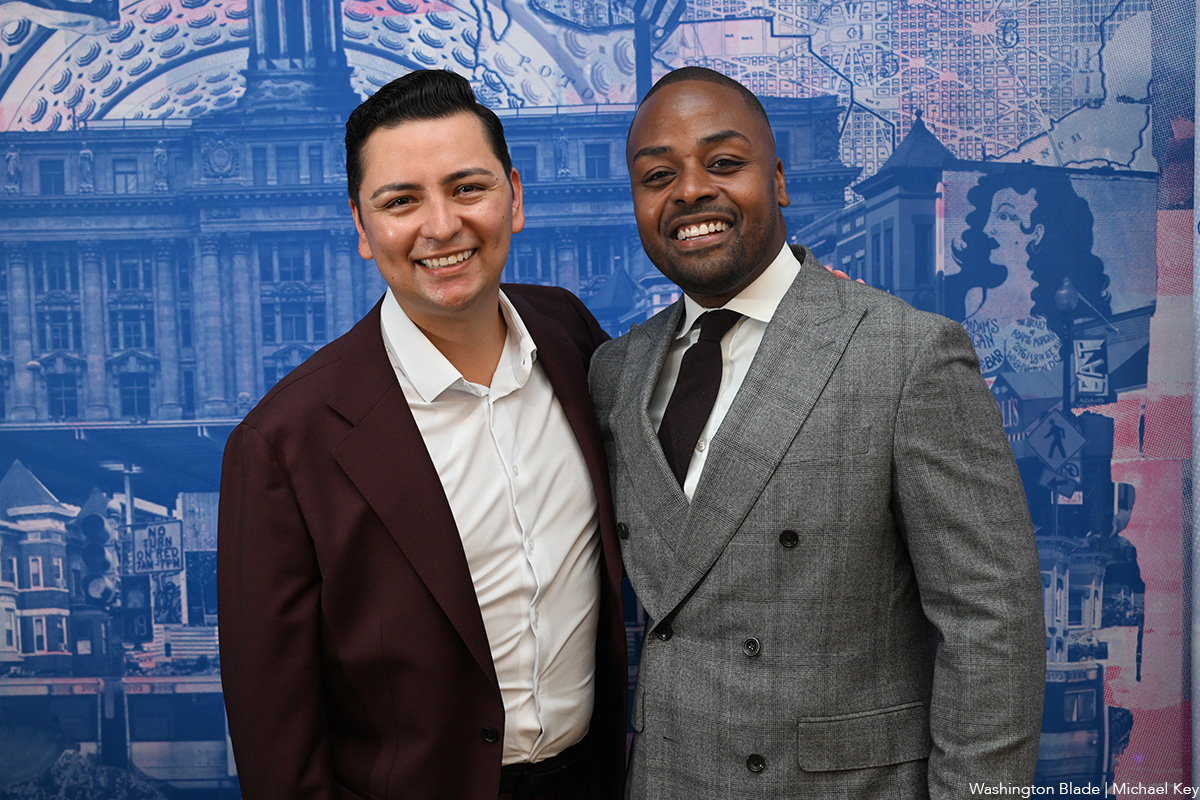
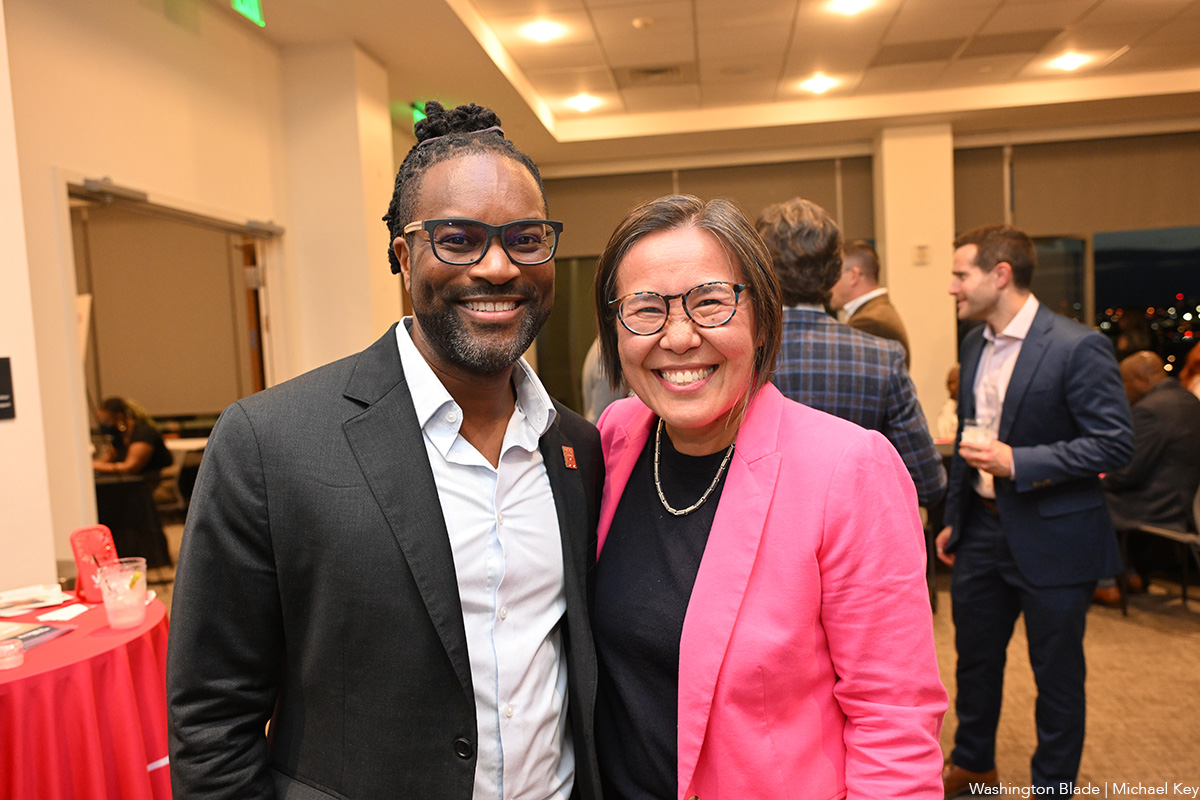
The Wanda Alston Foundation held its Fall Reception at the Penthouse Rooftop at The Wharf on Friday, Sept. 18. Honorees included D.C. Councilmember Robert White, Director of the Mayor’s Office of LGBTQ+ Affairs Japer Bowles, and the Washington Capitals. Rayceen Pendarvis served as the emcee and entertainment was provided by the Thomas Circle Singers.
(Washington Blade photos by Michael Key)

White House press pool pushes back after Trump bars three outlets

PHOTOS: Shenandoah Valley Pride

Long-time DignityUSA executive director announces retirement

PHOTOS: Walk and 5K to End HIV

PHOTOS: Wanda Alston Foundation Fall Reception

Gun reform is an LGBTQ rights issue

All the queer things to watch this fall

Parties, dinners, concerts and more on tap for fall nightlife

Jeremy Moss looks to bring LGBTQ advocacy from Lansing to Capitol Hill