BRITISH REMODELING, HANDYMAN
Real Estate
Honey, have we been priced out of gay paradise?
Rehoboth remains more accessible than many queer beach destinations
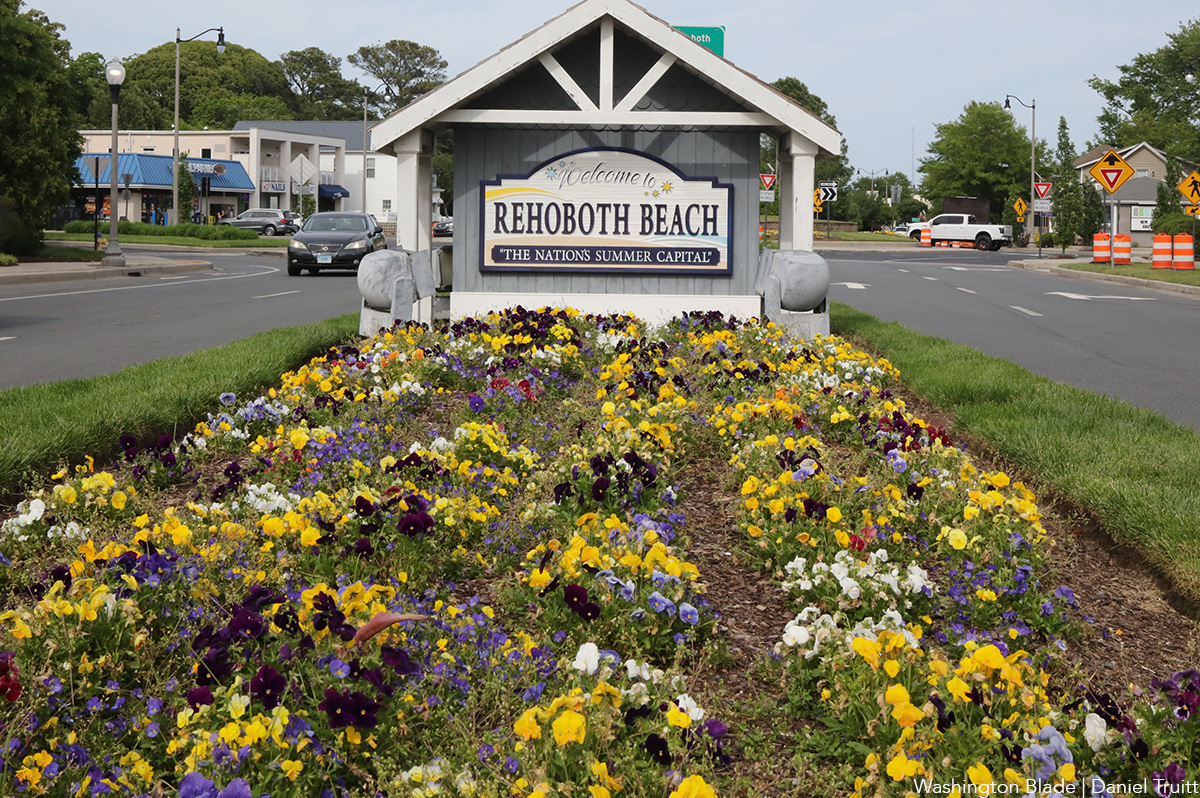
Let’s set the scene, darlings. It’s a scorching July Saturday. You’ve got a trunk full of rosé, a playlist that slaps harder than a “RuPaul’s Drag Race” elimination, and a group chat blowing up with your people en route to Rehoboth Beach — the Delaware beach town that has been the LGBTQ community’s summer headquarters for decades. Sun, sand, Poodle Beach, drag shows, and the kind of easy, breezy freedom that only comes from being surrounded by your tribe.
Now imagine pulling up to a “FOR SALE” sign on that charming two-bedroom cottage two blocks from the boardwalk — the one you’ve been eyeing for years — and seeing the price tag: $1.97 million. Honey, put the rosé down. We need to talk.
Nation’s Summer Capital Has a Spending Problem
Rehoboth Beach has long worn the nickname “The Nation’s Summer Capital” like a crown, owing to the annual migration of Washingtonians — and increasingly, Philadelphians and New Yorkers — who descend on its 27 miles of Atlantic coastline every summer. For the LGBTQ community in particular, Rehoboth has never been just a beach town. It has been a sanctuary, a second home, a place where you can hold your partner’s hand on the boardwalk without a second thought. But the real estate market? She is not reading the room.
According to Redfin data, the median sale price of a home in Rehoboth Beach recently hit $1.96 million — a jaw-dropping 106% increase year over year, and a figure that sits 127% above the national median. The price per square foot has climbed to $1,160, up nearly 27% in the same period. Gag.
So Who IS Buying Right Now?
Let’s not be dramatic — people are still buying in Rehoboth. They’re just a specific kind of people. According to neighborhood data, the per capita income in Rehoboth Beach runs around $118,239, equating to a household income of nearly $473,000 for a family of four. About a third of the workforce telecommutes, many in high-earning, white-collar professions. And more than 68% of residents hold a college degree, compared to a national average of under 22%.
If you want to buy a median-priced home in Rehoboth today with a standard 25% down payment, you’d need to bring nearly half a million dollars to closing — and then cover about $4,000 a month in ongoing expenses.
Still, the market isn’t quite the frenzy it was at peak pandemic frenzy. Homes are sitting on the market for an average of 88 days as of early 2026 — up significantly from the frantic bidding wars of a few years ago, when a listing might vanish before you could refresh Zillow a second time. Sellers are (slowly) getting the memo that buyers have limits.
Have Your Beach House (and Airbnb It, Too)
Many LGBTQ buyers have discovered a savvy workaround to Rehoboth’s sticker shock: buy a property, rent it during peak season, and let your summer visitors essentially pay your mortgage.
The numbers surprisingly support this strategy. The Rehoboth Beach short-term rental market currently has around 928 active listings, with hosts averaging $400 per night and annual revenues of approximately $39,689. The busiest month, predictably, is July — when guests book an average of 96 days in advance (so yes, those summer reservations your friends keep missing out on are being snapped up in April).
The key is making your property stand out in a crowded market. Properties accommodating eight or more guests dominate the Rehoboth STR market (nearly half of all listings), so that five-bedroom house with a game room suddenly starts to look like a business plan. At the same time – keep in mind that location, location, location honey – that is also so valuable. Even a two-bedroom condo close to the beach will also rent favorably well and get those numbers needed to make the most sense to your pockets.
This method allows you to have a second home, enjoy it, have friends enjoy it, and also helps recoup some of the overhead so the overhead and increase in overall purchase price is a bit more manageable.
What It All Means for Our Community
Rehoboth has always been more than real estate. It is one of the few places on the East Coast where LGBTQ people have, for decades, built an actual physical community — businesses, organizations, gathering spaces, neighborhoods — not just a social scene. CAMP Rehoboth, Poodle Beach, the Blue Moon (which, after some drama, was recently sold to new owners who pledged to keep it a queer-affirming space — phew), and countless gay-owned restaurants and shops form an ecosystem that attracts our community every summer precisely because the roots run deep.
But ecosystems require people — year-round residents, small business owners, artists, service workers — not just wealthy second-home owners. When prices rise to the degree they have in Rehoboth, the people who sustain that community can no longer afford to stay. It’s a pattern playing out in LGBTQ neighborhoods from San Francisco’s Castro to New York’s Chelsea, and it’s worth watching closely here.
The good news? Rehoboth remains more accessible than many comparable queer beach destinations. Provincetown, Mass. — the other iconic LGBTQ beach town on the Eastern seaboard — regularly sees median home prices north of $1.5 million with far less inventory and a significantly smaller footprint.
And Delaware’s tax structure does the community a quiet but important favor: no state sales tax, among the lowest property tax rates in the country, and relatively favorable income tax treatment for retirees. These aren’t glamorous talking points, but they matter when you’re running the numbers on whether your beach house dream can actually pencil out.
The Bottom Line, Babe
Can our community still afford Rehoboth? The honest answer is: it depends on what you mean by Rehoboth.
If you mean a single-family home within walking distance of Poodle Beach with an ocean view and a wraparound porch — prepare to spend north of $1.5 million, need a household income pushing six figures annually, and move fast when something comes to market.
If you mean a condo or townhome in the greater Rehoboth area – or a property you plan to rent out in peak season to offset costs — there are still real pathways in.
And if you mean belonging to a community, showing up every summer, taking up space on that beach, supporting LGBTQ-owned businesses, and making sure Rehoboth’s queer identity doesn’t get washed away by the luxury market tide — well, that part doesn’t have a price tag.
It just requires showing up. So pack the car. Bring the rosé. The beach is still ours.
Have a real estate question or Rehoboth market tip? Reach out to [email protected] for LGBTQ-friendly real estate resources in the Rehoboth area.
The Comings & Goings column is about sharing the professional successes of our community. We want to recognize those landing new jobs, new clients for their business, joining boards of organizations and other achievements. Please share your successes with us at [email protected].
The Comings & Goings column also invites LGBTQ college students to share their successes with us. If you have been elected to a student government position, gotten an exciting internship, or are graduating and beginning your career with a great job, let us know so we can share your success.
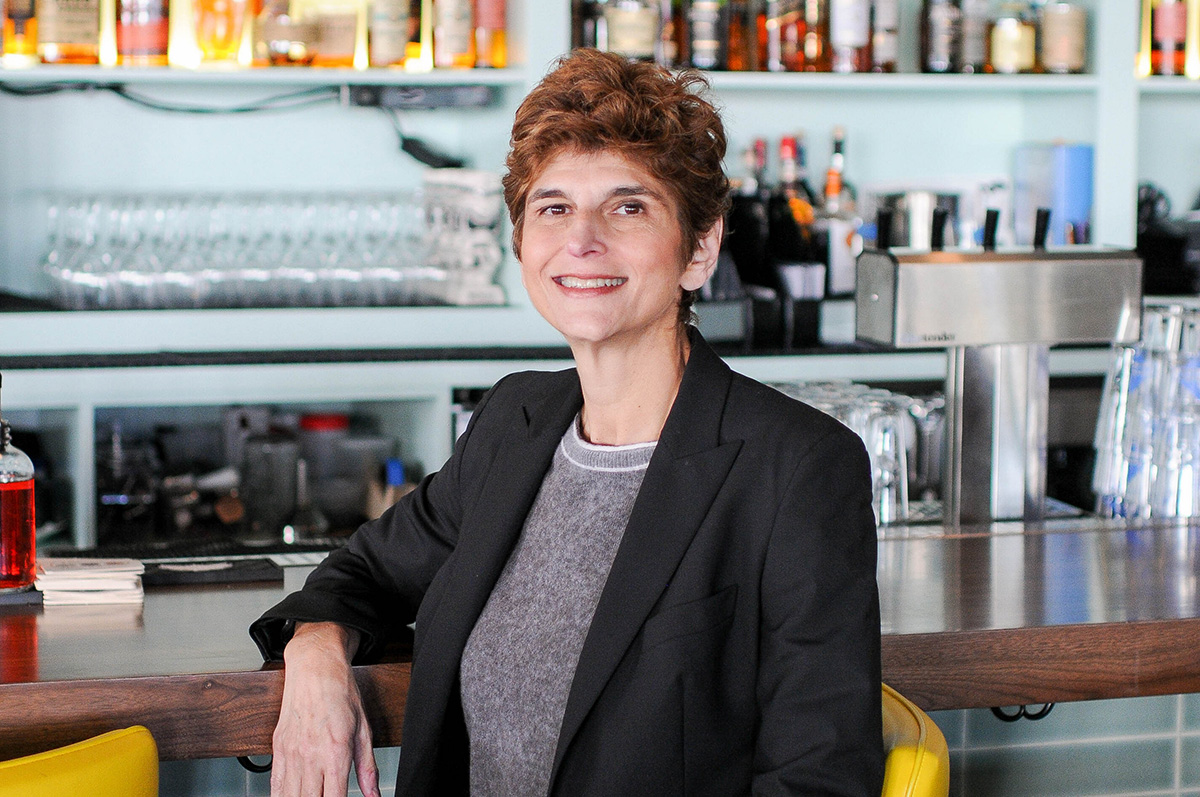
Congratulations to Jamie Leeds, chef extraordinaire, and owner of Hank’s Oyster Bars, as she ventures into some new areas. Leeds is an award-winning Washington, D.C.–area chef, restaurateur, and entrepreneur with more than three decades of experience shaping the region’s dining scene.
Her first new venture is a restaurant opening in Alexandria this week. It will be called Hank’s Pasta Bar, bringing a personalized twist to classic Italian dining with a hiddenrestaurant-inside-a-restaurant in Old Town, Alexandria. The new trattoria is above Hank’s Oyster Bar, and will feature a build-your-own menu, marking a new direction for Leeds in partnership with chef Darren Norris. Norris brings more than three decades of experience to Hank’s Pasta Bar, with a foundation grounded in Italian cooking. The grand opening was scheduled for May 14. The elevated casual eatery blends an inventive chef-driven menu with an easy-going, sit-down dining experience that puts guests in charge. Hank’s Pasta Bar bridges the gap between elevated fast casual, like Norris’s Shibuya, and full-service dining, like Leeds’s Hank’s Oyster Bar. Diners order electronically at the table, but unlike fast casuals, food and beverages are delivered on plate ware, and a server is on site at all times.
The restaurant-inside-a-restaurant, welcomes guests to dine in with a full bar, including Italian wines and craft cocktails, maintaining its focus on traditional Italian fare with contemporary touches, including a build-your-own pasta bowl experience starting at $16. Create your own pasta bowl from seven artisanal pastas (including gluten-free), nine made-in-house sauces, proteins, vegetables, and toppings. Leeds said, “It’s the kind of place you’d find down a side street in a Tuscan hill town, after being tipped off by a friend who says, ‘trust me.’ If you know, you know.”
The restaurant will continue Hank’s community partnerships, including with Real Food for Kids, supporting programs that improve school food and nutrition equity.
In addition to this you should try Jaimie’s other new venture. Back Door Taco at Hank’s in Dupont Circle. You walk down the alley from 17th Street to the back door of Hank’s, and enter a small patio to partake of great tacos and interesting cocktails.
Commentary
IDAHOBiT a reminder we all must stand up against transphobia
Trans rights remain under attack in U.S., around the world

May 17 is the International Day Against Homophobia, Transphobia, and Biphobia.
In 2026, transphobia is the biggest issue out there: all the stereotypes that were used against the LGBTQ community in general in the past are now used to attack the rights of transgender people and to create a moral panic against them. As a person who understood that they were not a girl — despite being assigned female at birth — since they were four, and who in their 30s had to wait in line for a gender clinic, I am obviously worried about this situation. Trans people continue to be seen less as people and more as part of an “agenda,” and there is a greater risk that the international trend of attacks on trans rights is just a first step in a broader attack on the LGBTQ community, and that soon bi, gay, and lesbian people will lose part of their hard-won rights to have the same protections and opportunities as heterosexual people.
When, in U.S. states such as Kansas, trans people face escalating legal and political restrictions on recognition that affect their everyday lives — for example, requiring their driving licenses to match the gender assigned at birth even after transition — while trans people in the U.S. are banned from military service and federal funding is stopped for gender-affirming care for trans youth, it is obvious to everyone that the problem is real. It is also global.
For example, there have been significant attacks on trans rights in the UK in recent years, especially against trans youth, many of whom have been denied gender-affirming care. The day when I finally found the energy to write this story was the day of the local British elections, when surprisingly many seats in city and town councils were won by the queerphobic populist Reform Party, creating some new Reform-dominated councils. Reform Party leader Nigel Farage has praised U.S. President Donald Trump and expressed admiration for Russian dictator Vladimir Putin — both of whom are known for endangering the lives of their trans citizens and rejecting trans identity as something that should be accepted.
So, who can challenge it? The general public often takes cues from public figures. Celebrities play a significant role in shaping public opinion and framing how different social issues are understood.
We need trans celebrities to speak up against transphobia when “anti-trans” celebrities like JK Rowling oppose our rights. It seemed that when conservatives around the globe stood up together to support each other, the trans community should unite, and trans celebrities should protect their trans siblings, while the broader LGB community should recognize the threat and unite around trans rights.
But not everything is so simple. Surprisingly, at a time of the greatest attack on trans rights in this century, many lesbian, gay, bi and even trans celebrities and influencers openly support transphobic policies and ideologies.
One of the clearest examples is Caitlyn Marie Jenner, a retired Olympic gold medal–winning decathlete and public figure known for her participation in the reality show “Keeping Up with the Kardashians.” She is one of the most famous trans people in the world.
From 2015 to 2016, she starred in the reality television series “I Am Cait”on E!, which focused on her gender transition and on telling a story to inspire the younger generation of trans people. In the first episode, Jenner also visited the mother of Kyler Prescott, a 14-year-old trans child who died by suicide earlier that year, and spoke openly about using her privilege to fight for awareness, equality, and dignity for trans people. The idea of supporting trans youth was one of the core themes of her TV series.
That was then.
Jenner’s perspective on trans rights became more and more transphobic. For example, in 2021 she opposed trans girls participating in girls’ school sports. In 2023, she launched a PAC campaign attacking trans youth rights. She also expressed support for Donald Trump and said about herself that she would never be a “real woman.”
Another famous example is transmasculine sex educator and activist Buck Angel, a former adult film actor. He was seen as a modern and progressive person in the 2000s and early 2010s, praised for increasing visibility for trans men through sex education, documentaries, public speaking, and media work. But later he started calling himself “transsexual” rather than “transgender,” following a more transphobic and rigid view of trans identity, and openly showed support for Trump and MAGA.
Of course, there are plenty of trans celebrities who continue to fight for trans rights — the most obvious example is Lana and Lilly Wachowski, notable film directors who gave us “The Matrix” films and the “Sense8” TV series. But the Wachowski sisters were known for being politically left-wing and progressive even before their transition. They are part of a progressive movement, not just a “famous trans person” like Jenner was.
So, why is this happening? Why have more mainstream and conservative trans celebrities, as well as some LGBTQ groups, turned away from trans rights? And what do we need to do?
One of the reasons is fear.
Popular and privileged people — whether they are socialites, actors or leaders of big organizations — are not used to being outcasts, and so they follow dominant trends. For them, the fear of not fitting in, being rejected by the audience and losing their position in society became bigger than their sense of justice. This is probably one of the reasons why some LGBTQ groups, such as the Log Cabin Republicans in the U.S., became more transphobic, or why the LGB Alliance in the UK became more popular.
Another reason is the polarization of society.
Some LGBTQ activists may hate me for saying this, but it is partly our fault. Mainstream trans communities sometimes make trans identity look like a “trend” or part of an ideology. The media — especially tabloids — are even more to blame for this stereotype than the trans community itself. When uninformed people hear about trans people today, many of them imagine left-wing, maybe even socialist, non-religious young supporters of Palestine who are good at understanding ecological issues and worried about global warming. Of course, many trans people are like that. But many are not. And those who are not often feel excluded and become more prone to public self-hatred.
It created a cycle in which people who did not feel part of the community started searching for an alternative that rejected them for being trans and encouraged them to accept transphobic rhetoric, betraying themselves and their trans siblings. This led to greater polarization and hatred against conservative trans people, pushing them even further away.
The International Day Against Homophobia, Transphobia, and Biphobia needs to be a day when we stand up against all transphobia, including the kind expressed by trans people, while at the same time supporting all trans people, no matter how uncomfortable their views may be for us.

Honey, have we been priced out of gay paradise?

Comings & Goings

IDAHOBiT a reminder we all must stand up against transphobia

Disillusioned about democracy? Think of it as a community garden

‘The Inheritance’ is most-nominated at this year’s Helen Hayes Awards

Jason Collins dies at 47

Polish government to recognize same-sex marriages from EU countries

European Commission says all EU countries should ban conversion therapy

Pride faith services in Washington, D.C.