Local
B’MORE Proud energizes students
200 turn out for second LGBTQ conference
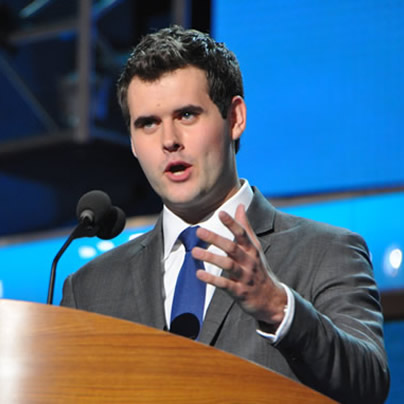
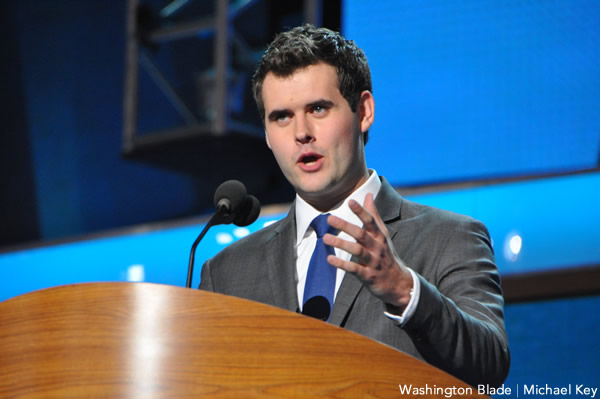
Zach Wahls, pictured here speaking at the 2012 Democratic National Convention, presented a keynote address at B’MORE Proud. (Washington Blade file photo by Michael Key)
It may have been a cold rainy on March 30, but inside Levering Hall on the campus of Johns Hopkins University, the energy and enthusiasm coming from the students attending the B’MORE Proud LGBTIA Leadership Summit warmed things up.
More than 200 LGBTQ students and allies registered for the conference, which took place at Johns Hopkins for the second time since this summit began in 2010. Previous hosts have been Towson University and the University of Maryland Baltimore County. The theme for this year’s installment was “Breaking Boundaries.”
Three potent speakers fired up the crowd throughout the 10-hour summit. Oakland, California-based author, performer and trans-bi activist Julia Serano, best known for her 2007 book, “Whipping Girl: A Transsexual Woman on Sexism and the Scapegoating of Femininity,” delivered the morning keynote with a high-tempo PowerPoint presentation on gender and associated stereotypes.
The afternoon keynote address was presented by activist Zach Wahls, who in 2011 at the age of 19, testified before the Iowa Legislature on behalf of marriage equality in support of his two moms. His speech then was captured on YouTube where it went viral with some 18 million views. During his presentation at the summit, Wahls replicated his speech to a loud ovation.
The evening’s entertainment was provided by comedian Julie Goldman who irreverently delivered a roaring monologue on her life as a Jewish lesbian, receiving roars from the crowd.
In between these presentations were three breakout sessions covering a wide range of issues including: “B’More You! Intersecting Identities,” “Advocating Through the Media,” “Safe Dating: Identifying Abusers and Sexual Predators,” “Health Concerns for LGBTQ People of Color,” “Queering Reproductive Justice,” “Coming Out in the Digital Age,” and “Realities of Young Black Gay Men in Baltimore.”
“Personally, I think what contributed most to the success of this year’s B’More Proud Summit was the sheer energy and enthusiasm of our participants,” said Brandon Fiksel, a member of the B’MORE Proud planning committee. “Everyone was passionate, they wanted to be there, and that was because we all recognized how important of an opportunity this was — a rare opportunity for the whole Baltimore queer community, but especially the college-aged generation, to come together and learn from each other.”





Baltimore
Popular Mount Vernon gay bar Leon’s to temporarily close after owner’s death
Ron Singer passed away on July 7
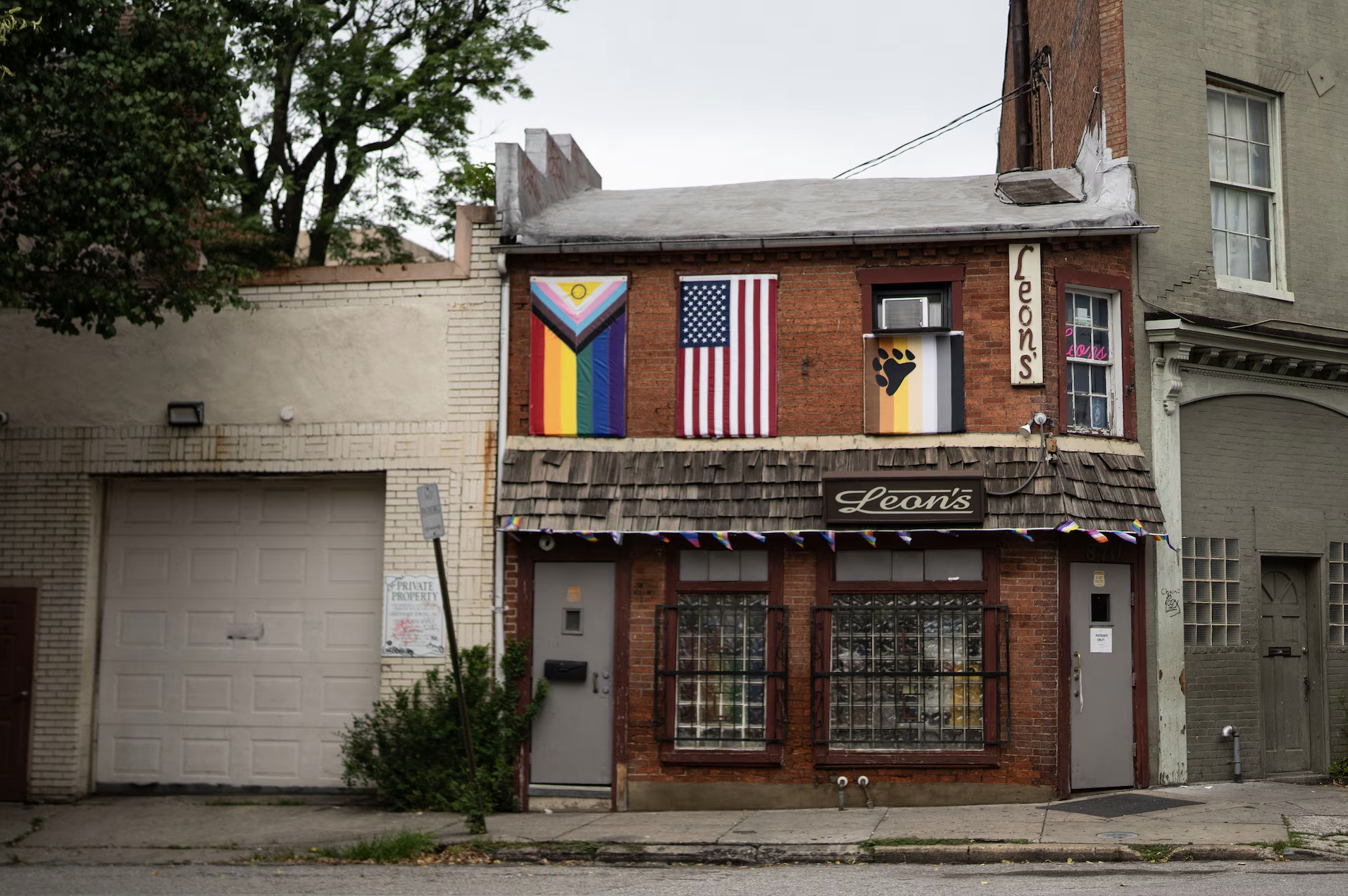
By WESLEY CASE | Leon’s Backroom, Baltimore’s oldest gay bar, temporarily shut down after service on Wednesday night, according to a post on the business’s Instagram page.
The announcement comes a little more than a week after the death of the Mount Vernon bar’s owner, Ron Singer, who died at 66 on July 7.
The rest of this article can be found on the Baltimore Banner’s website.

The Comings & Goings column is about sharing the professional successes of our community. We want to recognize those landing new jobs, new clients for their business, joining boards of organizations and other achievements. Please share your successes with us at [email protected].
Congratulations to Stuart Ortel and Scott Marker, and Dave Lyons and Rick Hardy, on the recent opening of their garden center on Route 1 in Rehoboth Beach, in the former Farmer Girl site. It is called Bay Laurel Home and Garden and debuted earlier this year. The four owners are all well known to the denizens of Rehoboth Beach.
Stuart and Scott have been active members of the Rehoboth Beach community since 1999. Stuart is a landscape architect, and has established relationships with many local folks in the building and landscape industry. When this opportunity for Bay Laurel Home & Garden presented itself, and they had the perfect team of people in place, he and Scott were committed to making it a reality. So, when Scott and Stuart introduced this opportunity to create a new garden center to Dave and Rick, they embraced the chance to cultivate a business where beautiful plants, inspiring home and garden products, and outstanding customer service come together. Dave and Rick knew about owning a business in Rehoboth as they previously owned Coho’s Market, where they discovered firsthand the value of serving their community, and the rewards of running a locally owned business.
The garden center launched with a refreshed brand identity, updated merchandising, and expanded product lines, all designed to create an inspiring and welcoming environment for your home. Bay Laurel Home & Garden offers a beautifully appointed garden center and curated home and gift shop.
The new center features a full nursery with annuals, perennials, shrubs, trees, and seasonal selections; a garden center offering pottery, fountains, and garden ornamentation, and essential tools and garden supplies. It has a garden shop featuring unique indoor/outdoor furnishings and accessories, and a gift shop featuring botanical and coastal style items for home and entertaining.
Rehoboth Beach
Celebrate Pride in Rehoboth Beach this weekend
‘A vital space for community, healing, and connection’
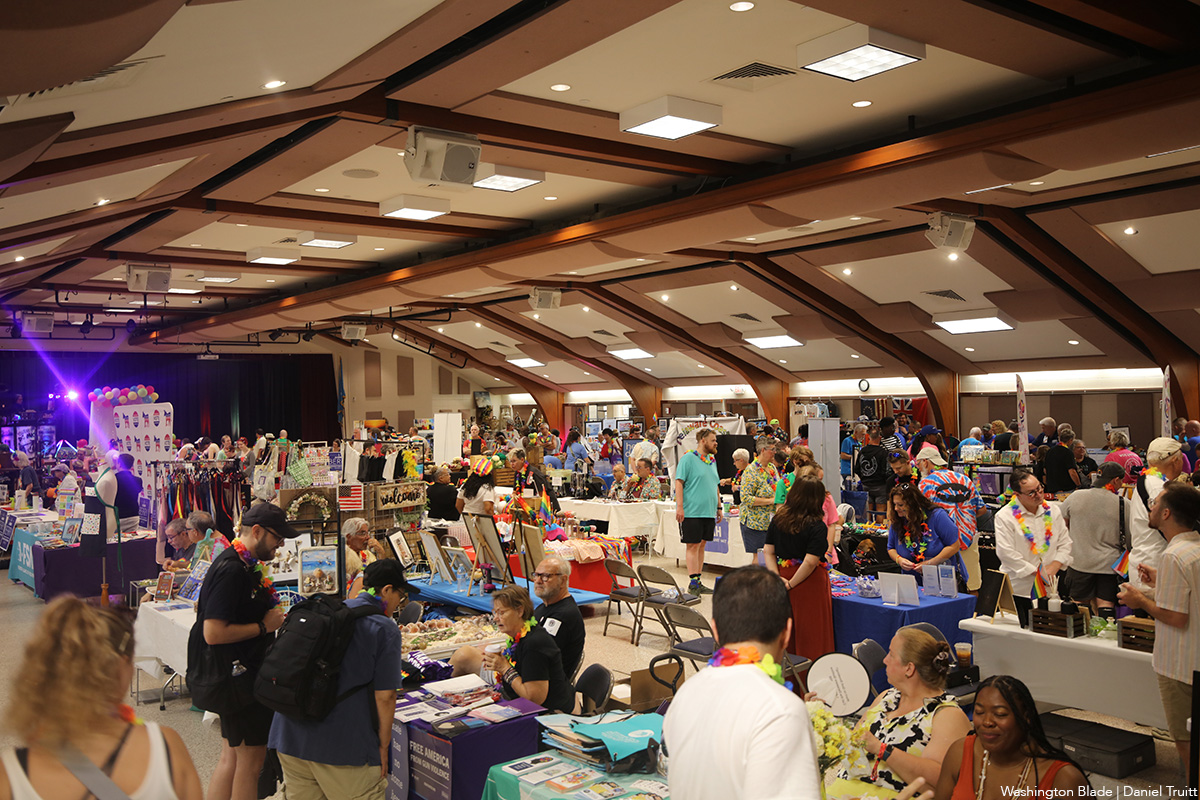
Pride in Rehoboth Beach is kicking off this week on Friday, July 17, with events happening throughout the weekend.
“Rehoboth Beach Pride is more than a festival — it is a vital space for community, healing, and connection,” said David Mariner, director of Sussex Pride, which organizes many of the events.
The weekend will begin with the Grand Opening & Community Preview from 1-4 p.m. on Friday, July 17, celebrating the opening of Novus Medical Services and the new Sussex Pride Community Center.
This will be followed by an Interfaith Pride Service at 6 p.m. at the Metropolitan Community Church Rehoboth to gather for healing and the affirmation of queer spirituality with Rev. Carla Christopher, chair of Sussex Pride Faith.
Members of the community are then invited to head over to join the Rehoboth Beach Bears at the Pines to have dinner, mingle, and give back to local initiatives.
End the first night of Pride in Rehoboth at Diego’s Bar & Nightclub with music by DJ Joey P from 9 p.m.-1 a.m.
Rehoboth Beach Pride Festival will take place on Saturday, July 18, 2026, from 9 a.m.- 3 p.m. inside the Rehoboth Beach Convention Center. A full list of events is available at rehobothbeachpride.org.
Roxy Overbrooke will host on the main stage as live performances take place throughout the day, featuring music from DJ MK and Tribe 9 Entertainment.
The festival will include educational workshops, community meetups, and a raffle dedicated to raising funds for unhoused LGBTQ+ youth across Delaware.
Feature workshops include panels discussing topics such as unhoused LGBTQ+ youth in Delaware, the needs of trans and non-binary youth, as well as the increase in HIV and syphilis diagnoses amid federal budget cuts, in a panel moderated by Blade Editor Kevin Naff.
Saturday night will also feature an evening comedy and entertainment show at the Convention Center presented by the Gay Women of Rehoboth. Performers will include comedians Suzanne Westenhoefer and Karen Mills as well as musician Kristen Merlin. Tickets are available at gaywomenofrehoboth.org.
The Rehoboth Beach Pride Ride will take place at 10 a.m. on Sunday, July 19, hosted by the Dykes on Bikes Rehoboth Beach Women’s Motorcycle Club, starting at Lefty’s.
Goolee’s Drag Brunch will also take place on Sunday from 12-2 p.m at Goolee’s Grille. This is a family-friendly event hosted by Regina Cox and Ruby, featuring Aurora Sterling, Michelle Leigh Sterling, Scarlet St. Cartier, and Joanna Blue. Tickets can be purchased online.
Pride in Rehoboth will conclude at 2 p.m. with the official Rehoboth Beach Pride Closing Party at Aqua Bar & Grill, celebrating the venue’s landmark 20th anniversary with DJ Biff until 7 p.m.
Due to an influx of visitors for the summer season, those coming from out-of-town are encouraged to use the Park & Ride.

Authorities investigate officer-involved shooting outside Asheville gay bar

Popular Mount Vernon gay bar Leon’s to temporarily close after owner’s death

30 years on, ‘The Birdcage’ remains a landmark

Comings & Goings

Whitman-Walker to host legal services workshop

Democrats are trying to disqualify trans candidates. Here’s how

Political drama in Angie Craig’s Minn. Senate race heats up

Aparna Raj expected to become second LGBTQ member of D.C. Council

Suzanne Goode wants efficient spending, better infrastructure for Rehoboth

Mexico’s first openly gay mayor killed
-

 National5 days ago
Democrats are trying to disqualify trans candidates. Here’s how
-
Congress5 days ago
Political drama in Angie Craig’s Minn. Senate race heats up
-
District of Columbia5 days ago
Aparna Raj expected to become second LGBTQ member of D.C. Council
-
Rehoboth Beach5 days ago
Suzanne Goode wants efficient spending, better infrastructure for Rehoboth