Arts & Entertainment
Best of Gay D.C. 2017: NIGHTLIFE
Winners from the Washington Blade’s annual poll
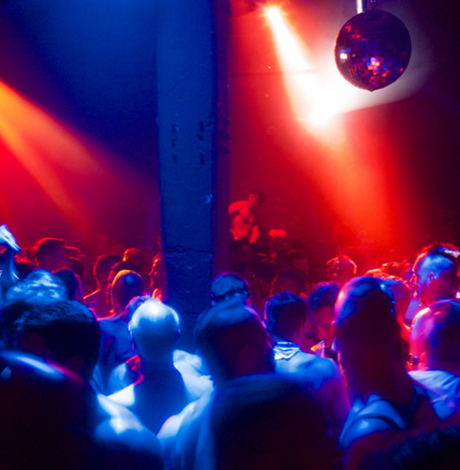
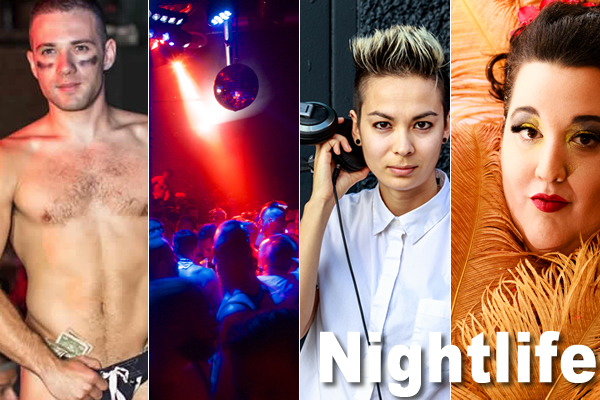
(Photo of Dylan Knight by David Claypool; Washington Blade photo of Distrkt C by Ben Keller; Washington Blade photos of DJ Tezrah and Ophelia Heart by Tom Hausman)
Best Dance Party
Distrkt C
D.C. Eagle
Second Saturday of the month
D.C. Eagle
3701 Benning Rd., N.E.
Editor’s choice: Gay Bash, Trade
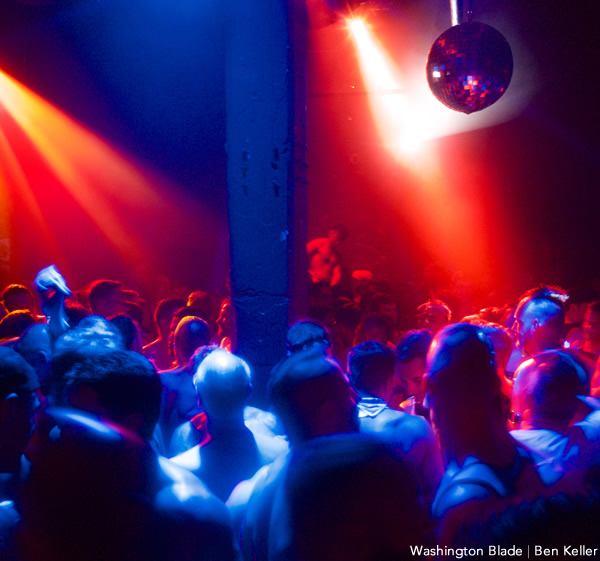
Distrkt C (Washington Blade photo by Ben Keller)
Best Bartender
Dusty Martinez, Trade
Also won in 2014; last year’s runner-up.
1410 14th St., N.W.
Runner-up: Tommy Honeycutt, Nellie’s
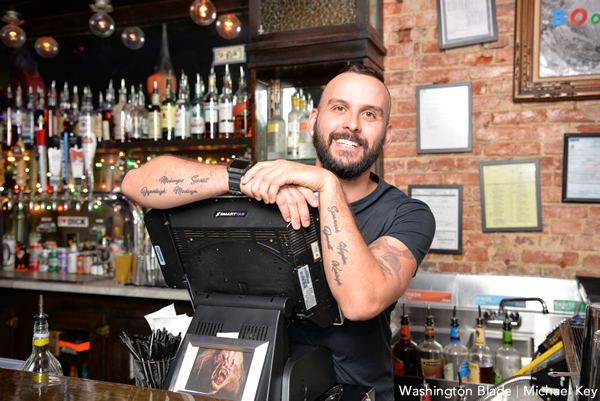
Dusty Martinez (Washington Blade photo by Michael Key)
Best Burlesque Dancer
Ophelia Hart
Runner-up: GiGi Holliday
Ophelia Zayna Hartis a belly dancer and drag and burlesque performer hailing from Washington.
“I am thunder thighs, sinful curves, and fiery spirit,” she says.
She made her debut at Washington’s 2015 Burlypicks, where she won the title of Master of Lip-sync, and she has been shimmying and shaking across the East Coast since then. Always true to her Arab roots, Hart celebrates the fusion of classic and neo-burlesque and her homeland’s cultural riches.
Hart, who is known for dancing with grace, seducing with elegance and jiggling with abandon, has some advice for performers working on a new act: “When you’re crafting a number — brainstorming a concept, working on your choreography, creating a costume and rehearsing your act — ask yourself, what story am I telling, and is it mine to tell?” (BTC)
facebook.com/opheliahartburlesque
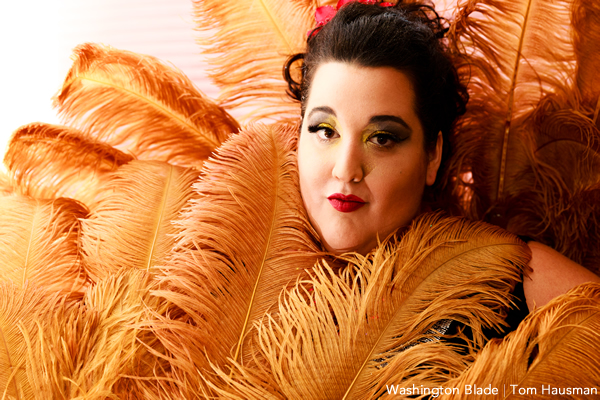
Ophelia Hart (Washington Blade photo by Tom Hausman)
Best Avion Tequila Margarita
Winner: Lauriol Plaza
1835 18th St., N.W.
Editor’s pick: Rito Loco
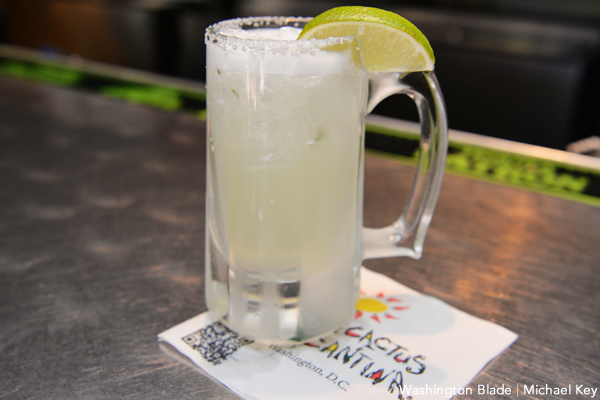
Avion Tequila Margarita at Lauriol Plaza (Washington Blade photo by Michael Key)
Best DJ
DJ Tezrah
Runner-up: The Barber Streisand
Tezrah has a delightfully eclectic background and an amazing sound.
A native of Fairfax, Va., Tezrah says she “learned to play classical piano at age 5, which laid the foundation for future investigation into computer music programs.” She graduated with a pre-medical degree in Neuroscience from William & Mary, attended the Harvard School of Design Summer Program, and was accepted into the Graduate Architecture Program at Catholic University.
She also played semi-pro soccer.
Then, she says, “on a whim I tried turning my musical hobby into a profession.”
Now Tezrah reigns in her fourth year of DJing in the D.C. area, specializing in Top 40, electronic dance music, hip hop and other genres. Formerly known as DJ Deedub, she is hailed as one of D.C.’s and the LGBT community’s brightest stars. Her sound is eclectic, combining the newest music seamlessly with older classic songs. Winner of the DJ Battle for Her HRC for 2014 and 2015, headliner at the 9:30 Club, and headliner for a crowd of about 5,000 at Hampton Roads Pride 2016, she has garnered a solid local following. (BTC)
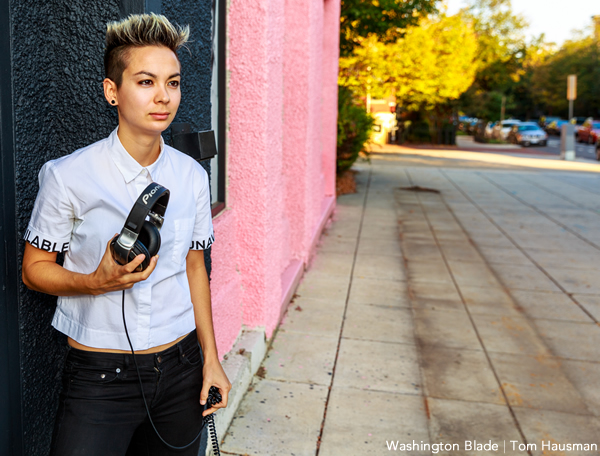
DJ Tezrah (Washington Blade photo by Tom Hausman)
Best Drag King
Roman Noodle
Runner-up: Avery Austin
Roman Noodle, real name Shay, first started doing drag in May 2016 as a way to escape being herself.
“Roman was created so I could kind of be myself without people judging me for being myself. Because they think I’m just being Roman. It turned into an avenue where in doing drag it made me completely myself,” Noodle, a dog walker by day, says.
The D.C. native kicked off her drag career as a choir boy for Pretty Boi Drag’s Sunday Service shows. At first she was unsure how to craft her drag persona and experimented with different genres and concepts. Eventually she settled on Roman, “a basic dude, no gimmicks.”
Even though Noodle has performed for other groups including D.C. Gurly Show and Girl Power in Baltimore, she still considers Pretty Boi Drag her family.
She also credits the art of drag with giving her, and countless others, a safe space to be who they are.
“I love that it gives everyone a place to be themselves, to feel safe, to express themselves creatively. Whether they are male-bodied or female-bodied, they’re able to present themselves the way they want without any issues or questions,” Noodle says. (PF)
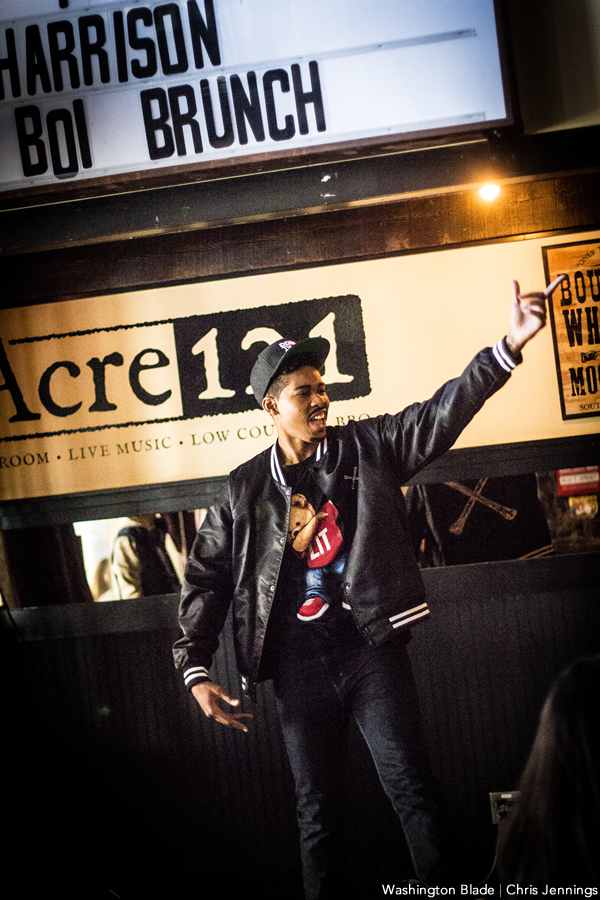
Roman Noodle (Washington Blade photo by Chris Jennings)
Best Drag Queen
Sasha Adams
Runner-up: Tatianna
Drag performer Sasha Adams, whose real name is Richard Christmas, says “I’m the Clydesdale of D.C. drag. I’m plus sized but I dance. You’ll get the kicks, the splits, the hair flips and all that. Clydesdale are big, graceful, beautiful but most importantly, they’re work horses.”
Though he maintains a day job as a contractor with the federal government, Christmas performs as Sasha four or five times a week. His drag career is two-pronged: performing at clubs and brunches and competing in national drag pageants. “Sasha isn’t modeled after anyone in particular,” Christmas says. “I lip sync R&B and hip-hop. I like old school Janet, Missy and Mariah. And Donna Summer if the venue calls for it. I do contemporary top 20 artists too.”
Christmas grew up in a small-town outside of Charlottesville, Va. He did choir in high school but not a lot of acting. He graduated from James Madison University where he majored in finance and minored in dance and music. The Eagle Scout’s foray into drag began when he won amateur drag night at Freddie’s Beach Bar in 2010. Gigs and bookings followed.
When the wig is off and he’s untucked, Christmas can be found at home in Columbia Heights lying on the couch watching “Law & Order.” As a performer, he finds relationships difficult. He’s single but likes a guy who has his shit together.
Town Danceboutique
2009 8th St., N.W.
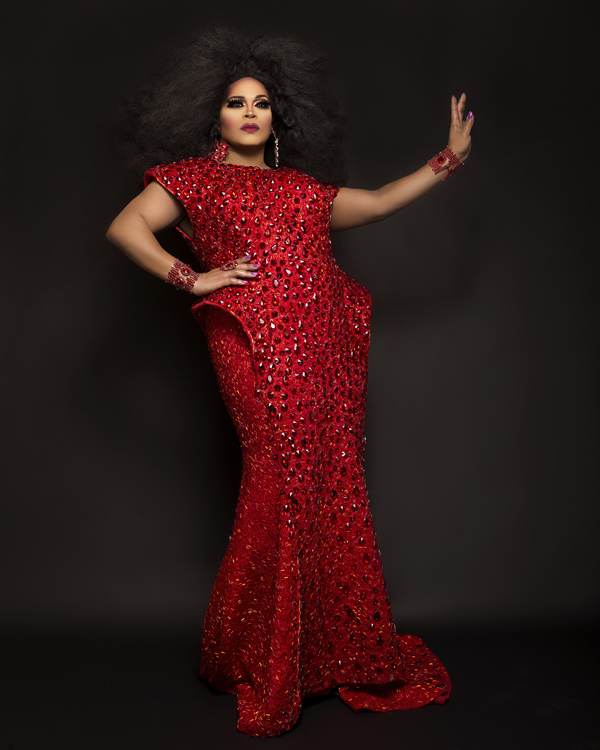
Sasha Adams (Photo by Bobby DeCanio)
Best Drag Show
Ladies of Town
Fridays and Saturdays at 10:30 p.m. Sixth win in this category!
Town Danceboutique
2009 8th St., N.W.
A perennial favorite in this category!
Editor’s choice: Pretty Boi Drag
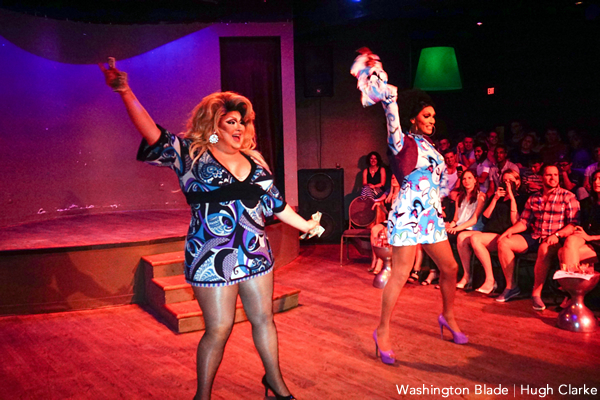
Ba’Naka and Tatianna perform at Town. (Washington Blade photo by Hugh Clarke)
Best Singer or Band
Wicked Jezabel
Also won this award in 2013!
Runner-up: Homo Superior
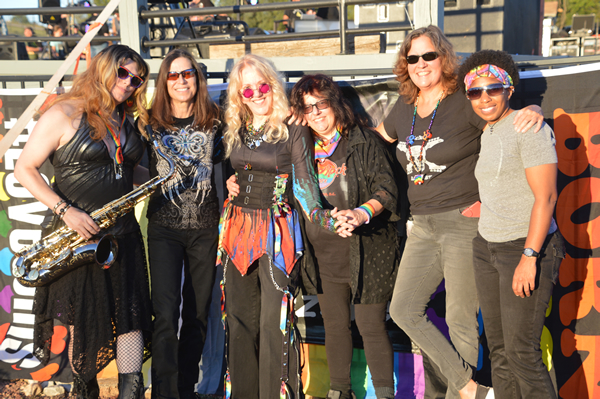
Wicked Jezebel at NOVA Pride (Photo by Bobbie English)
Best Transgender Performer
Phoenix King
Runner-up: Salvadora Dali
Performer Phoenix King, real name Benny Rodriguez, identifies as trans.
“I’ve been a drag king in Washington for about four years,” he says. “Entertaining has translated into different kinds of performance art including burlesque. Being trans is a big part of my life but it’s not my entire performance persona.”
Rodriquez got into drag performance in 2013 while working at the now-defunct lesbian hot spot Phase 1 in Dupont Circle. “They had a drag show with drag kings and queens and I asked if I could perform,” he says. “The experience was totally exhilarating and ties into my trans identity. To see myself as a masculine-presenting person for the first time was shocking and exciting to me.”
By all accounts, Rodriguez’s drag debut was a resounding success. Over the last two years, he’s attracted an enthusiastic following and for the last two year he has been performing mostly at Bier Baron Tavern in D.C. He’s also performed in clubs and burlesque.
“Initially I perceived drag as a hobby but increasingly I’ve come to see it as a money-making venture,” says Rodriguez, 26. “Over this year, I’ve become increasingly focused on where I perform and for whom I perform. This experience has opened doors all over town. There’s no telling where it might lead.” (PF)
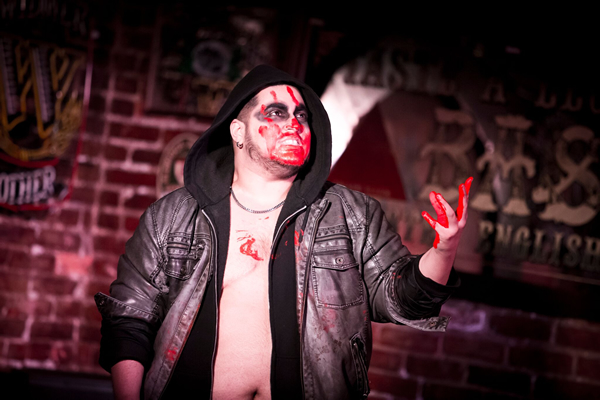
Phoenix King (Photo courtesy of Benicio Rodriguez)
Best Gay-Friendly Straight Bar
Dacha Beer Garden
Third consecutive win in this category!
1600 7th St., N.W.
202-524-8790
Editor’s choice: DC9
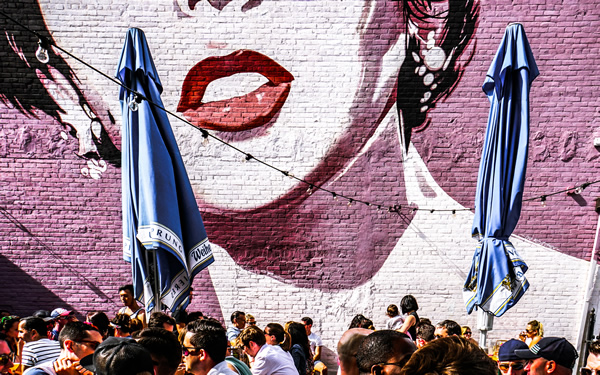
Dacha Beer Garden (Photo by Ted Eytan; courtesy Flickr)
Best Go-Go Dancer/Stripper
Dylan Knight
Runner-up: Eddie Danger
Dylan Knight started gyrating lasciviously at Town about 2010 after seeing other go-go dancers there. This is his second consecutive win in this category.
He’s a regular at Town and performs there and elsewhere, never taking himself too seriously.
“I just try to be entertaining and cute,” the 26-year-old D.C. resident, who also does gay porn, says. (JD)
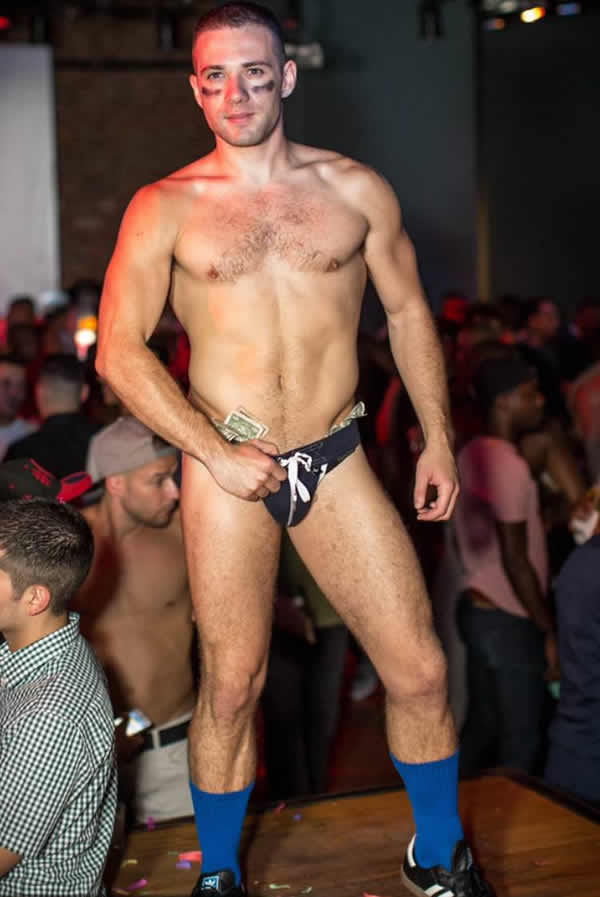
Dylan Knight (Photo by David Claypool; courtesy Knight)
Best Absolut Happy Hour
Number Nine
Two-for-one happy hour is 5-9 p.m. Monday-Thursday and 2-9 p.m. on weekends. This is Nine’s fifth Best Of award.
1435 P St., N.W.
Editor’s choice: Trade
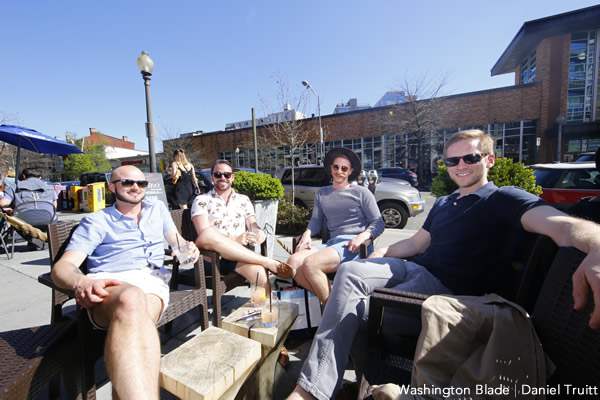
Number 9 happy hour (Washington Blade photo by Daniel Truitt)
Hottest Bar Staff
The Dirty Goose
913 U St., N.W.
Editor’s choice: Trade
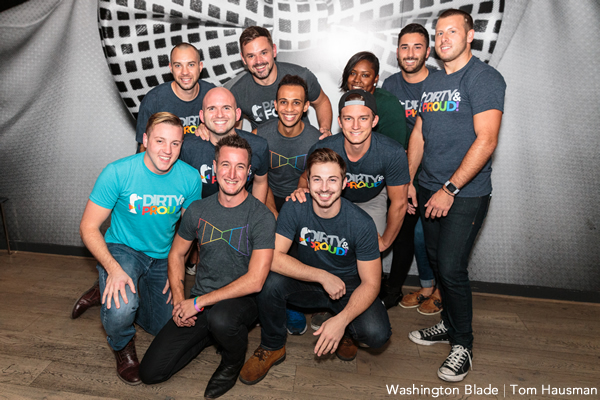
The Dirty Goose bar staff (Washington Blade photo by Tom Hausman)
Best Live Music
9:30 Club
A perennial favorite in this category!
815 V St., N.W.
Editor’s Choice: Wolf Trap
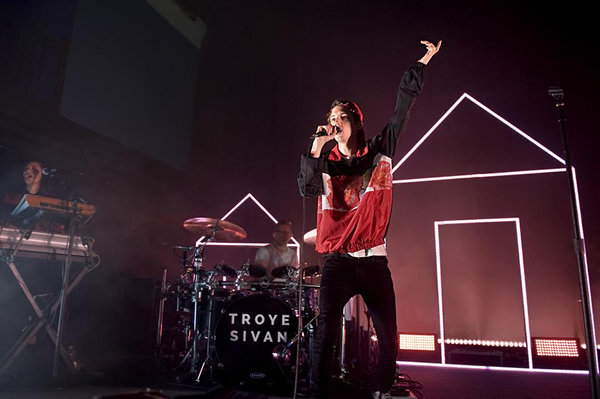
Troye Sivan performs at the 9:30 Club (Photo by Katherine Gaines)
Best Neighborhood Bar
Trade
1410 14th St., N.W.
Editor’s choice: JR.’s
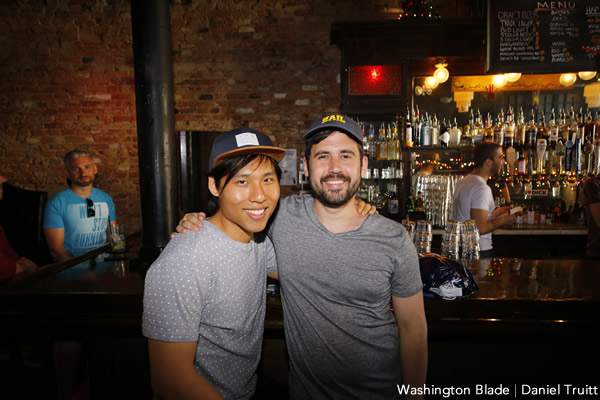
Trade (Washington Blade photo by Daniel Truitt)
Best Outside-the-District Bar
Freddie’s Beach Bar
This is Freddie’s 20th Best Of win, a Washington Blade record. Freddie’s has won this award every year since 2002 in addition to several others.
555 S. 23rd St.
Arlington, Va.
Editor’s choice: Baltimore Eagle
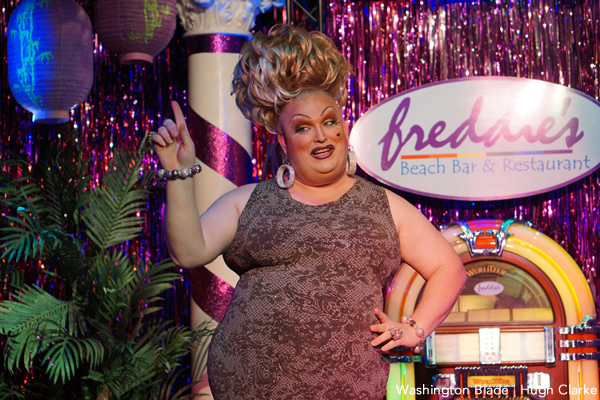
Freddie’s Beach Bar (Washington Blade photo by Hugh Clarke)
Best Outdoor Drinking
Town Patio
Third consecutive win in this category!
Town Danceboutique
2009 8th St., N.W.
Editor’s choice: Dascha Beer Garden
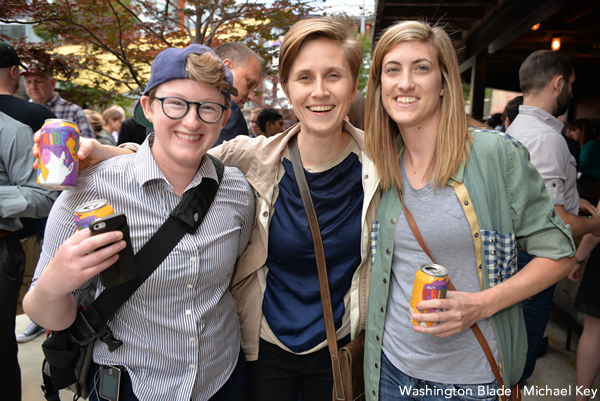
Town Patio (Washington Blade photo by Michael Key)
Best Place for Guys Night Out
Crew Club
1321 14th St., N.W.
Editor’s choice: DC Bear Crue: Bear Happy Hour
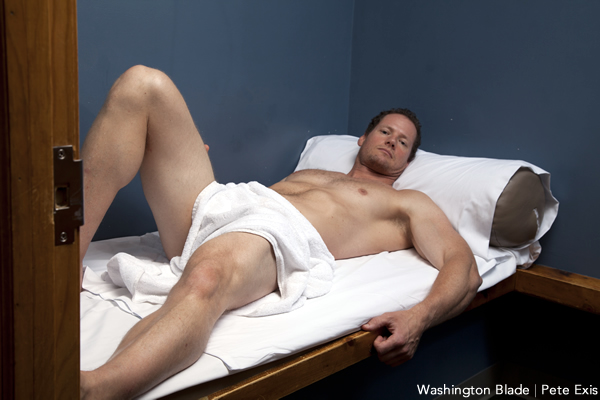
Crew Club (Washington Blade photo by Pete Exis)
Best Place for Girls Night Out
Pretty Boi Drag
Editor’s choice: BARE by LURe
Take a break from the numerous drag queen brunches and parties to have fun with the boys.
Pretty Boi Drag is D.C.’s newest drag king troupe that features daytime and nighttime parties and events throughout the city. The troupe started in 2016 and since then has expanded into a staple in the D.C. drag community.
Perhaps their best known event is Pretty Boi Sunday Service at the Bier Baron Tavern (1523 22nd St., N.W.). Described as “a parody drag church for the non-religious,” the kings entertain with heavy influences of hip-hop and R&B. The event is hosted by the troupe’s co-producer, Pretty Rik E.
Other events include happy hours, brunches and variety shows at different locales around town. Their performers are a diverse mix of characters and acts including Best Drag King winner, Roman Noodle.
“Pretty Boi Drag creates a fun, safe and unique atmosphere for queer women to see drag kings like they’ve never seen them before,” their website states. “Our events are drag show meets dance party meets a queer woman’s version of ‘Magic Mike.’ Our audience isn’t there to just watch what happens on stage, they also get to be a part of the show.” (MC)
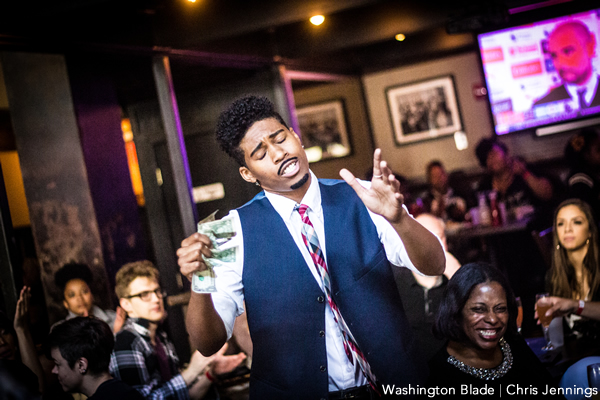
(Washington Blade photo by Chris Jennings)
Best Rehoboth Bar
Purple Parrot
134 Rehoboth Ave.
Rehoboth Beach, Del.
Editor’s choice: Blue Moon
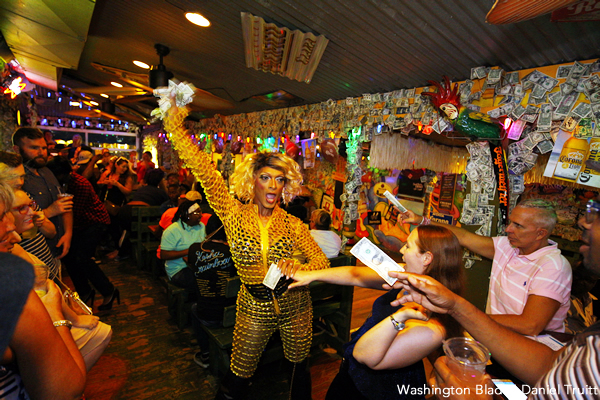
Purple Parrot (Washington Blade photo by Daniel Truitt)
Best Rehoboth Bartender
Holly Lane, Cafe Azafran
18 Baltimore Ave.
Rehoboth Beach, Del.
Runner-up: Jamie Romano, Purple Parrot
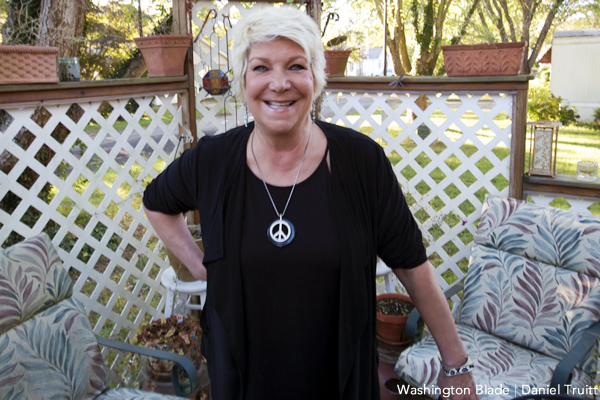
Holly Lane (Washington Blade photo by Daniel Truitt)
Best Rooftop
Uproar Lounge & Restaurant
Second consecutive win in this category!
639 Florida Ave., N.W.
Editor’s choice: Nellie’s
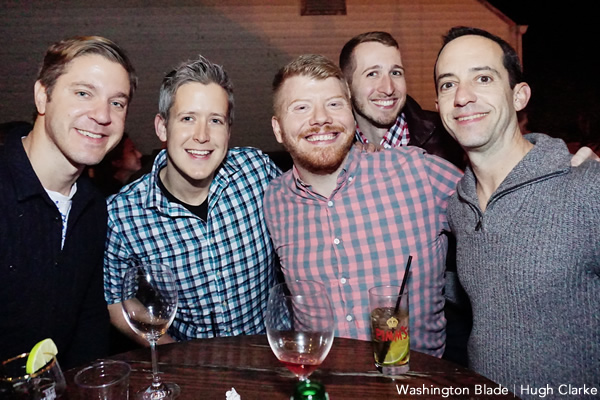
UpRoar Lounge (Washington Blade photo by Hugh Clarke)
To see winners in other categories in the Washington Blade’s Best of Gay D.C. 2017 Awards, click here.





Books
New book reveals what we can learn from animal sex
‘Poking the Squid’ on homosexuality, gender swapping, and more
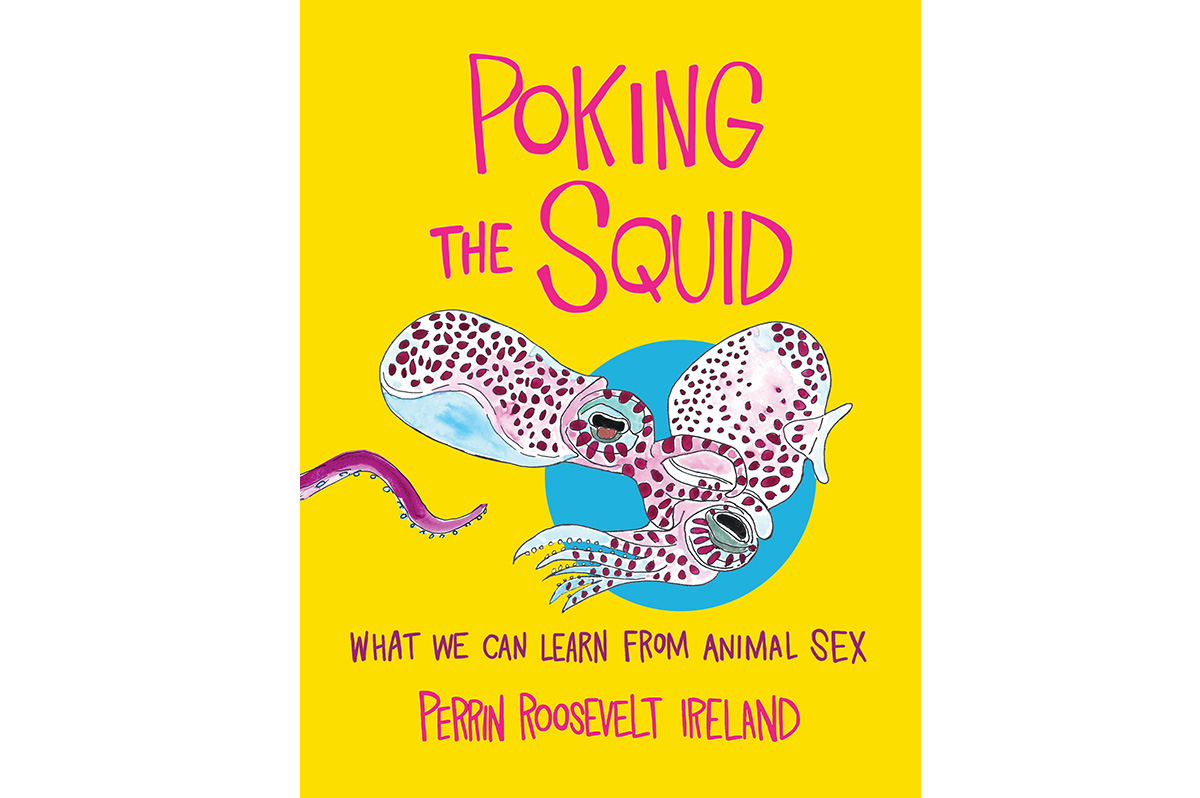
‘Poking the Squid: What We Can Learn from Animal Sex’
By Perrin Roosevelt Ireland
c.2026, W.W. Norton
$29.99 241 pages
Birds do it.
According to Cole Porter, bees do, too, but it’s not exactly what he imagined. Wild and tame, avians, insects, and mammals all have sex – although not always as you’ve been told or for reasons you might think. Even educated fleas do it and, as in the new book, “Poking the Squid” by Perrin Roosevelt Ireland, humans can learn from them all.

If you read through scientific papers on animal reproduction, you might notice something unusual: for scientists, the word “sex” means a lot of different things.
Says Ireland, “It’s used to describe behaviors, biology, life histories, and more.”
That might be because animals are not simply binary.
Take, for instance, hyenas. It’s easy for the casual observer to mistake a male hyena for a female and vice versa because of stereotypes of anatomy. Mating, for hyenas, requires subordination for the male and a nifty trick on the part of the female’s body to get things done.
Our feathered friends are no birdbrains, either: black-browed albatrosses were once thought to be monogamous but global warming seems to have changed their nesting habits sometimes. Male flamingos have sex with one another, as a territorial thing; other birds and animals form same-sex pairs for other reasons.
The Chinese mantis eats her mate after fertilization. Female snakes, alpacas, guinea pigs, and monkeys are anatomically able to enjoy sex. Genitalia between species varies quite a bit; in fact, the vaginas of ducks “are highly complex.” Lionesses will mate up to 100 times when in heat. Female damselflies will change into a “third sex” to avoid overly aggressive mating males. Bearded dragons can change their sex, if needed, as can yellow clown goby fish. And seahorse pregnancy and birth sparked a book banning in Tennessee.
So, asks Ireland, if animals, including us, vary so much in biology and life, “… why are we using the word sex like it means something, anything, consistent?!”
Pick up “Poking the Squid,” page through it a few seconds, and you’ll see that the information here is largely told through cartoon-like drawings mixed with captions. It seems to be something on the lighter side, but don’t let that artwork fool you.
Author Perrin Roosevelt Ireland offers readers solid information that cozies up to the scholarly, with hard science, philosophy, feminism, and quotations from researchers to support it, thus furthering the narrative and hitting the points squarely. If you see the art and expect something lighthearted, comic, and small-talk-worthy, you could be disappointed.
On the other hand, if you want solid, wryly serious facts, you’re in for a treat.
There’s lots of learning to be gleaned here, and some slight nudge-wink whimsy to emphasize the absurdity of wrong-headed thinking. This can make readers feel like they’re in-the-know on the jokes, and the playfulness balances the seriousness of the information well.
So, serious, scholarly, or slightly silly, none of these are negative but you’re going to know what you want from a book like this. For the right reader, someone in the mood, “Poking the Squid” is wild.
The Blade may receive commissions from qualifying purchases made via this post.

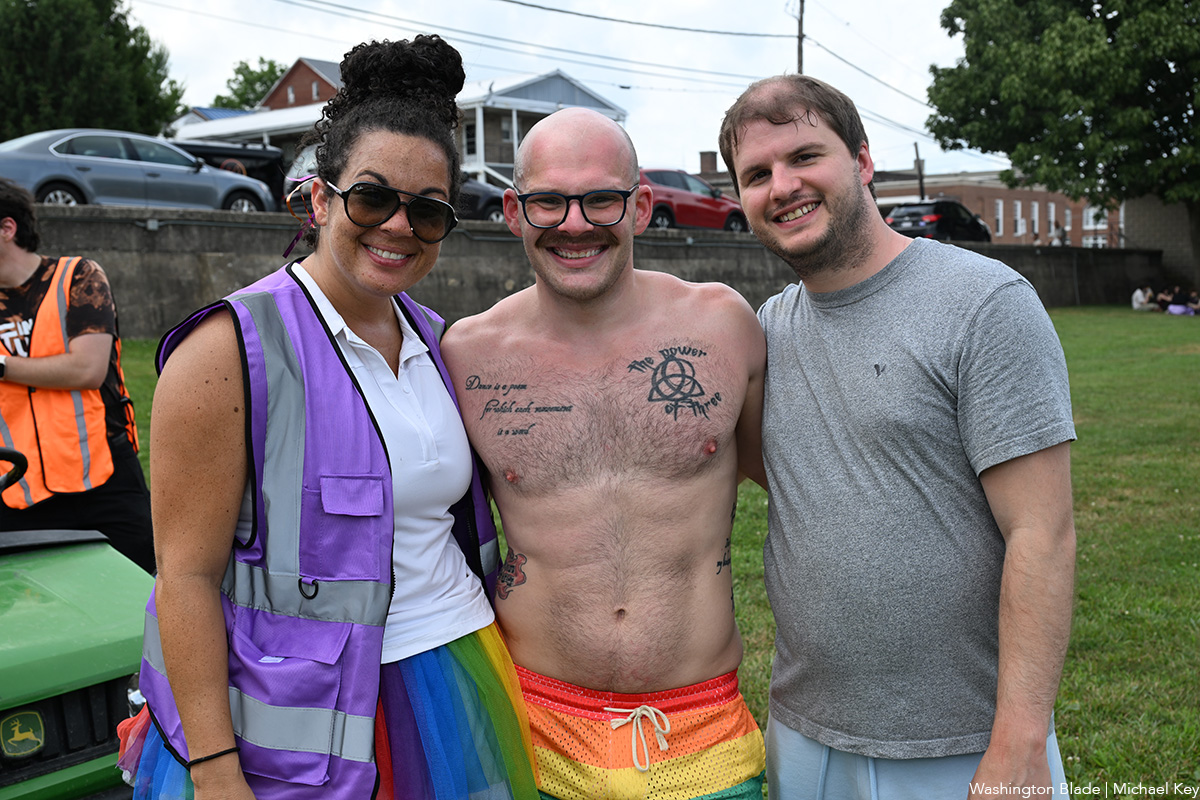
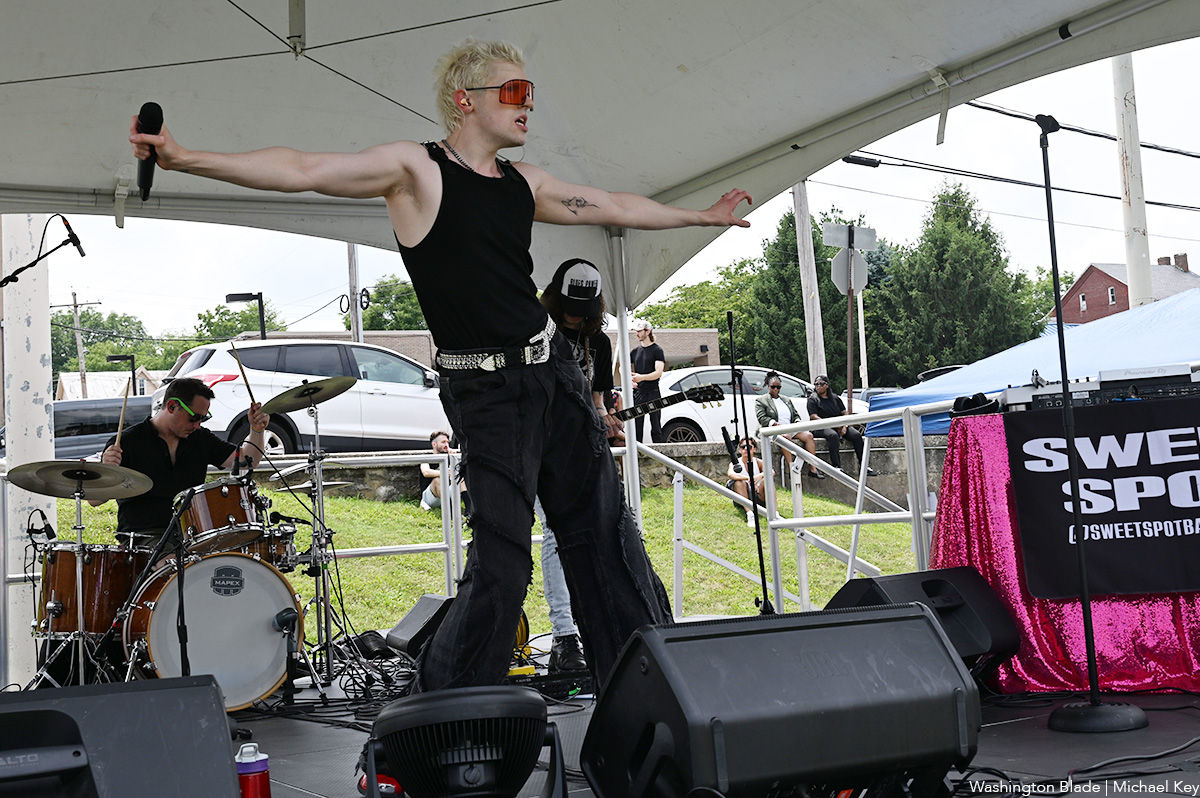
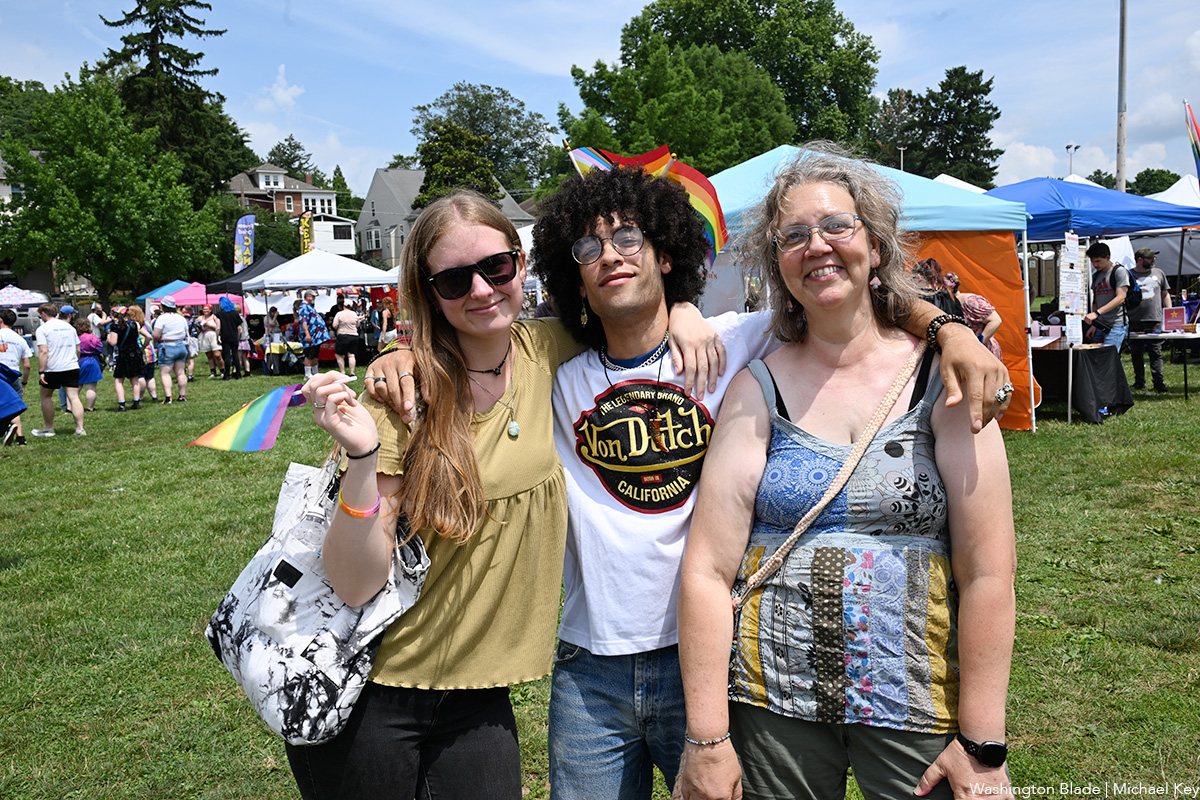
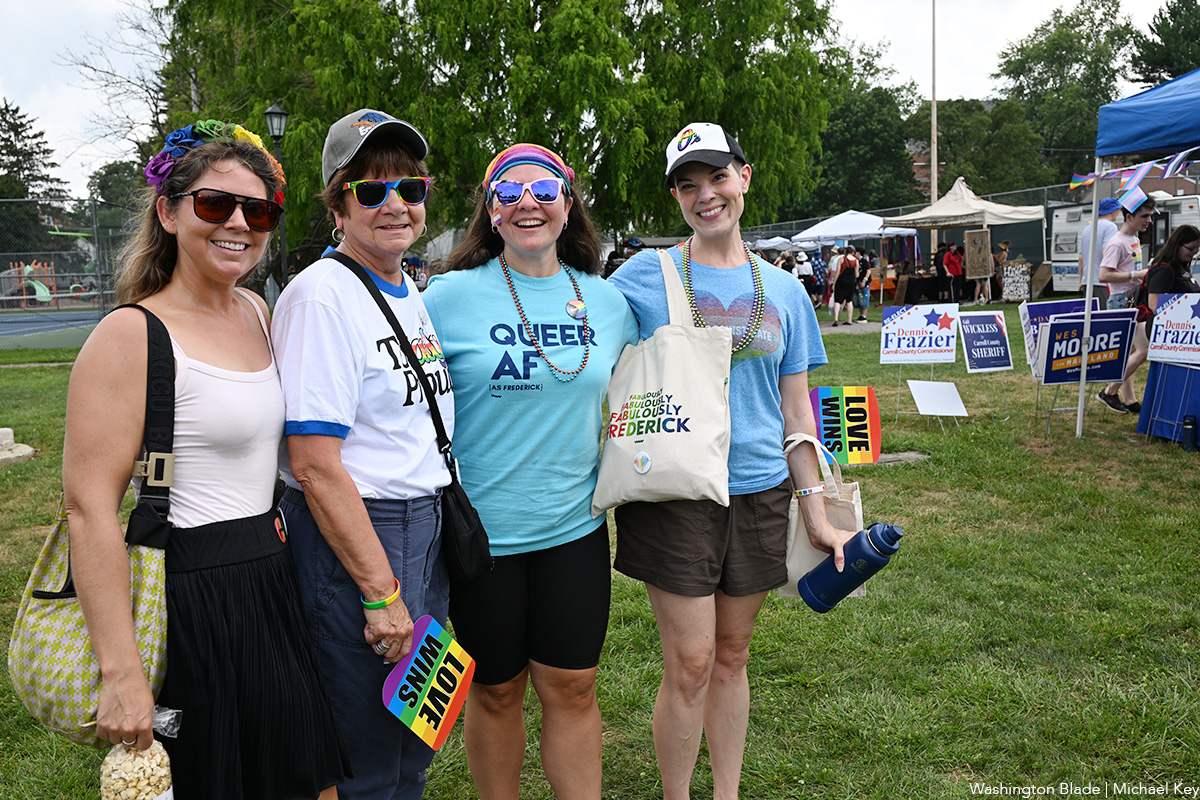
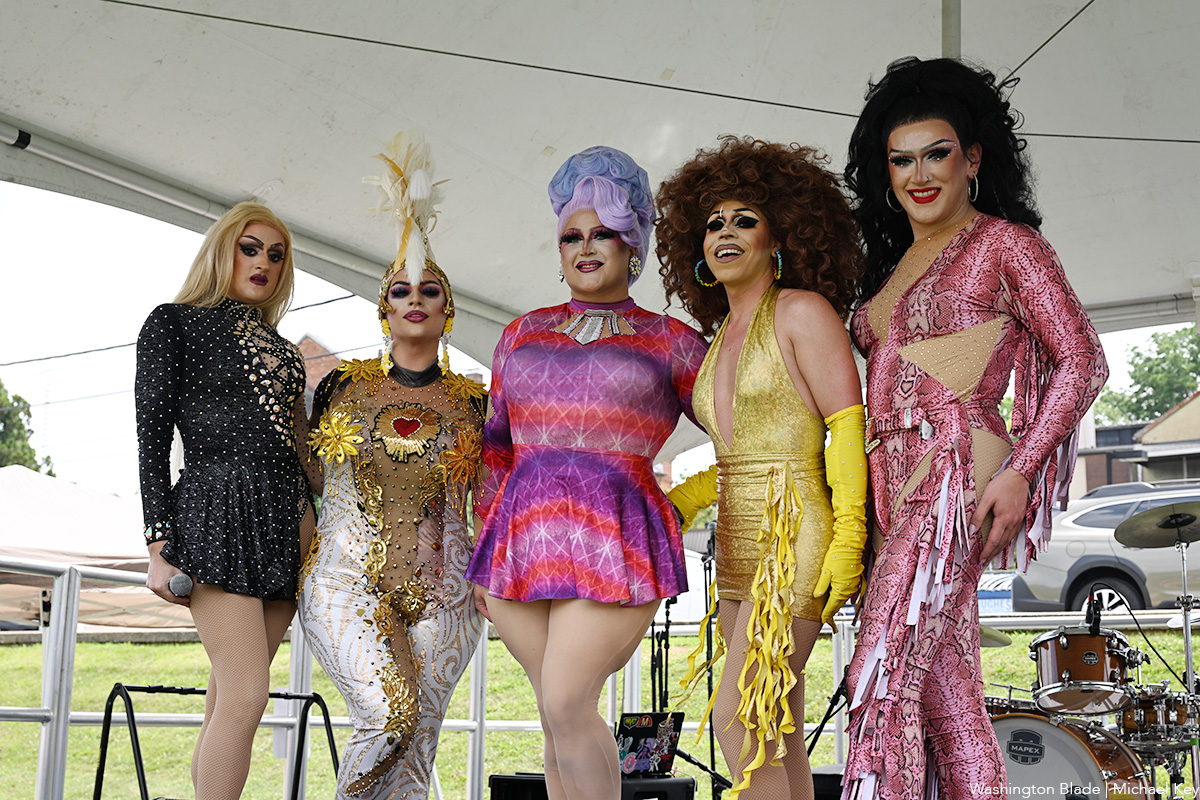
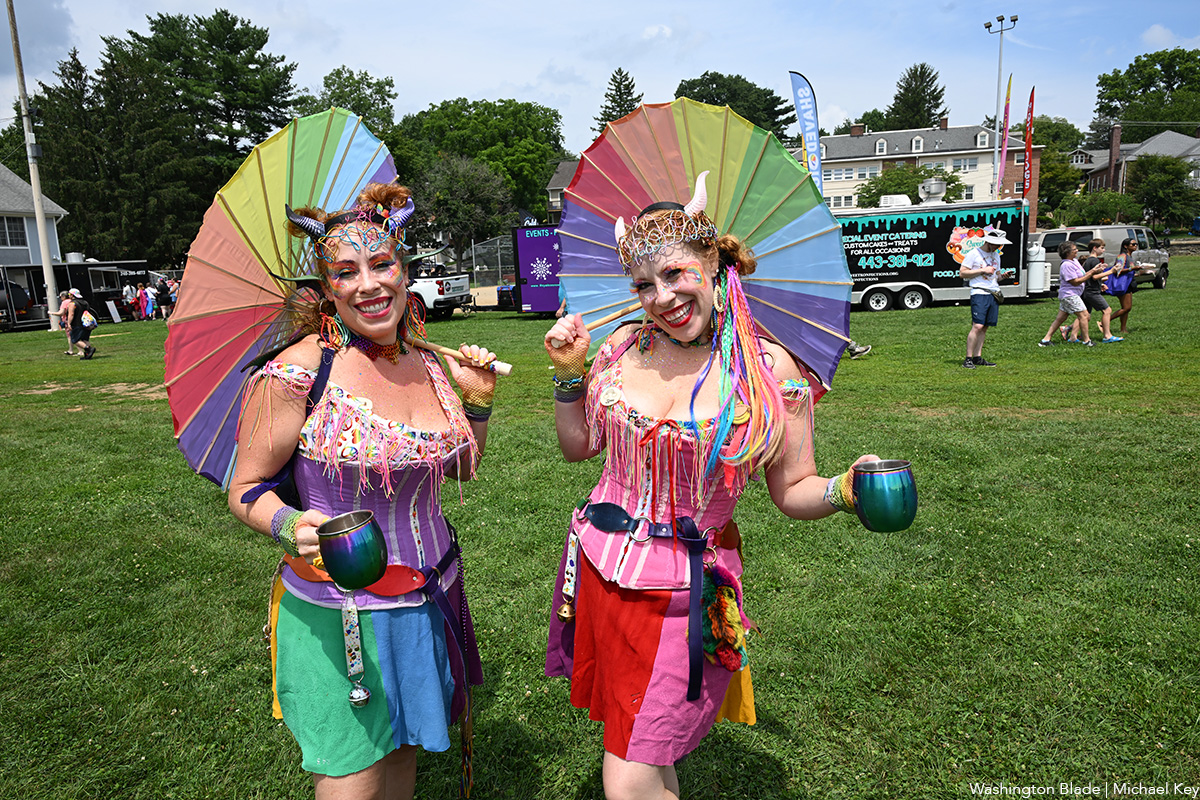
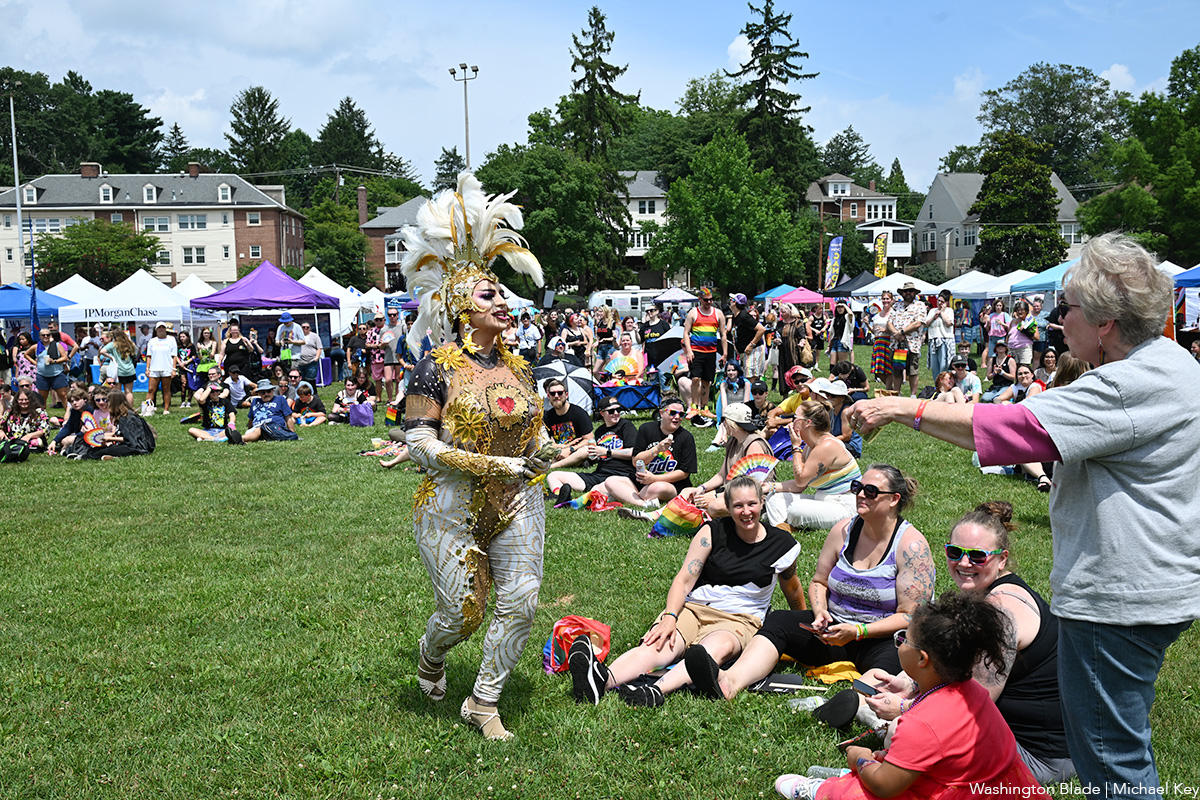
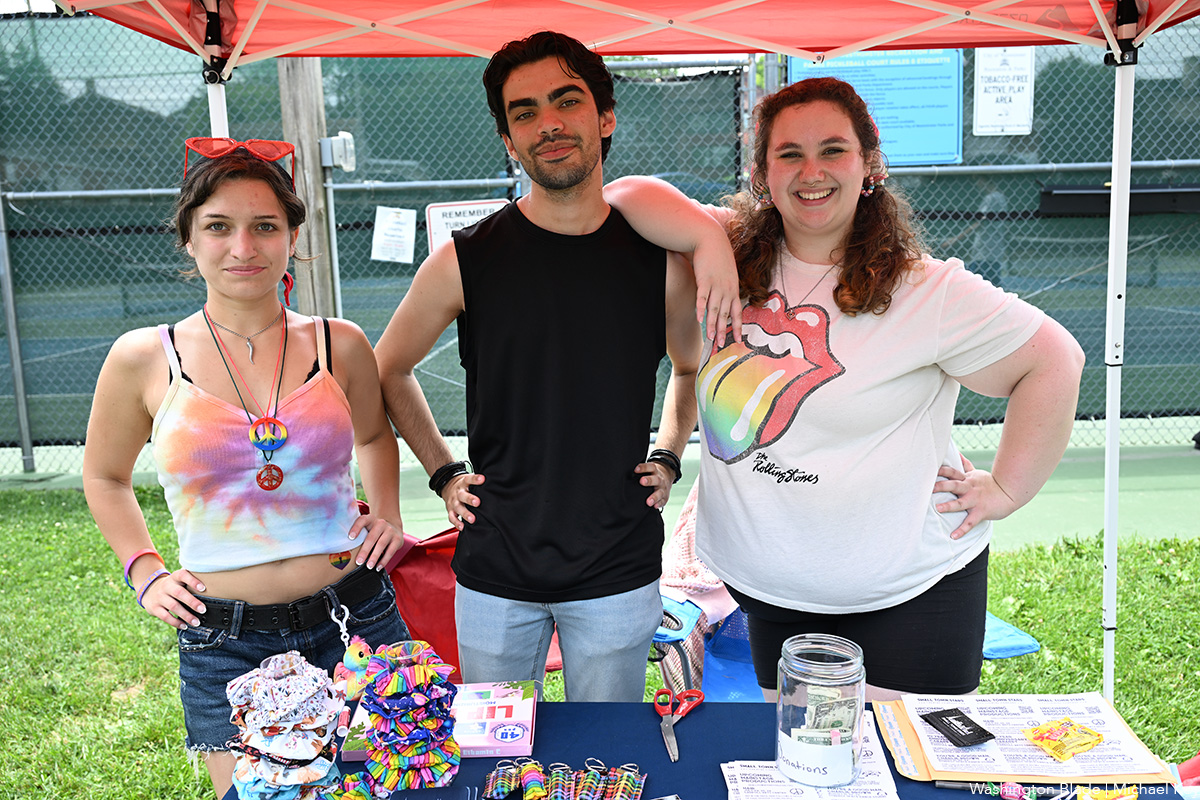
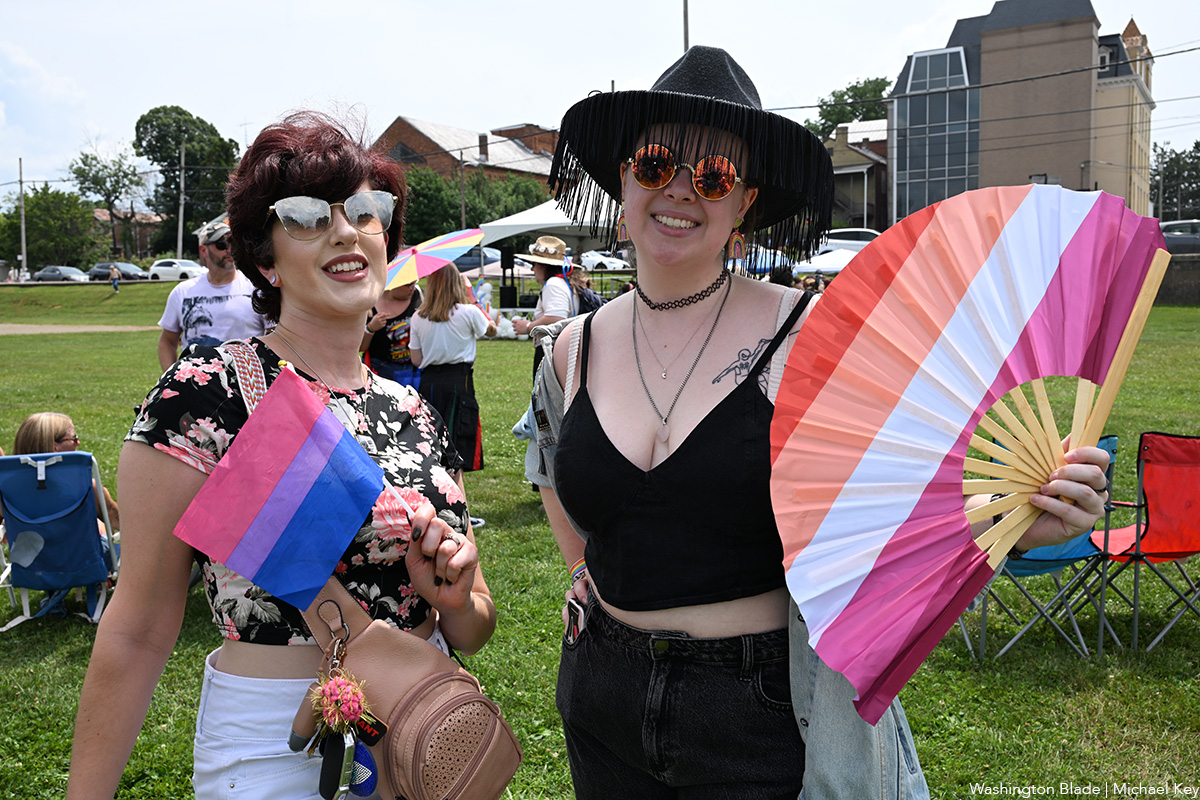
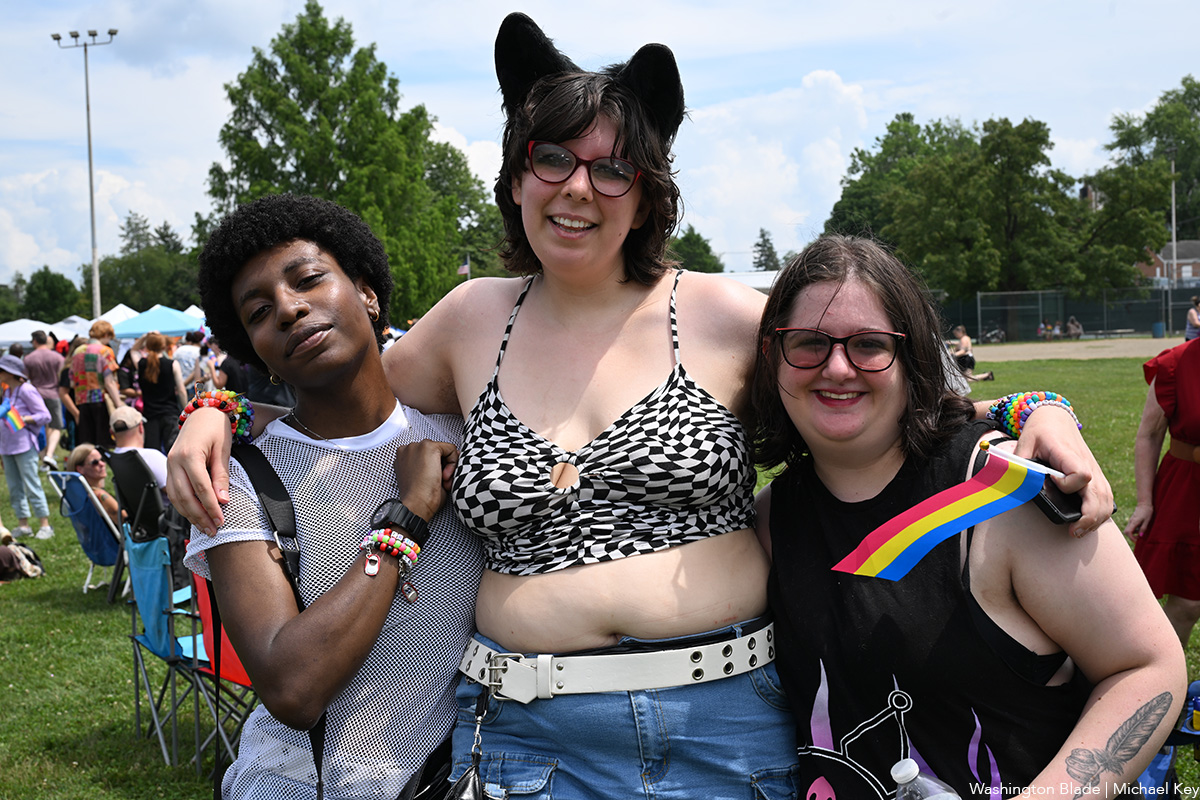
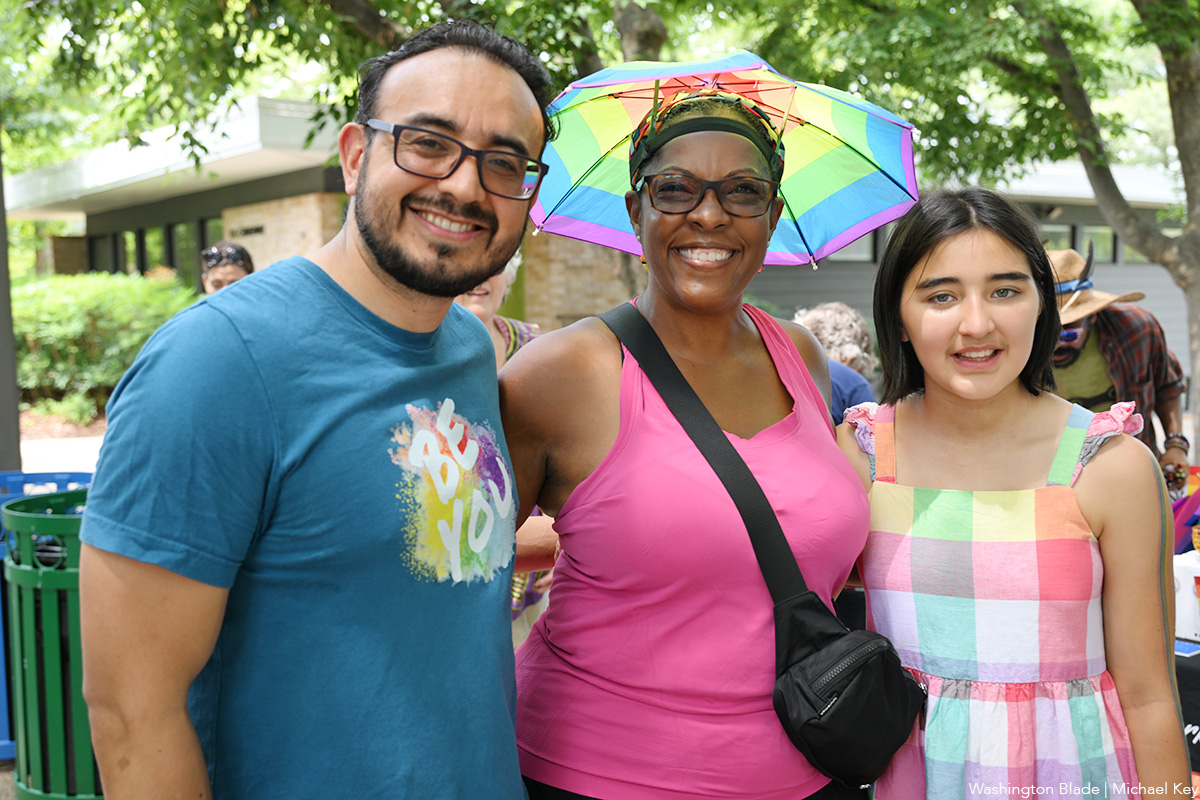
The eighth annual Westminster Pride Festival was held at Westminster City Park in Westminster, Md. on Saturday, July 11.
(Washington Blade photos by Michael Key)

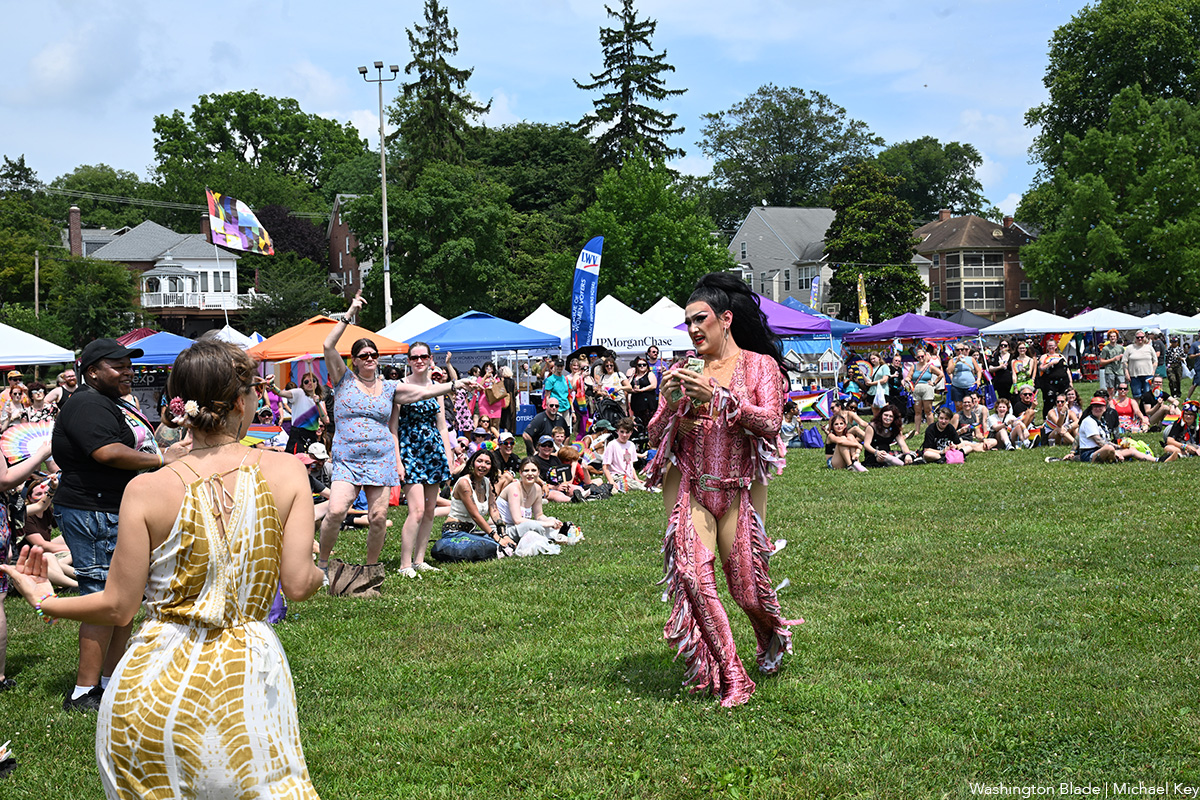
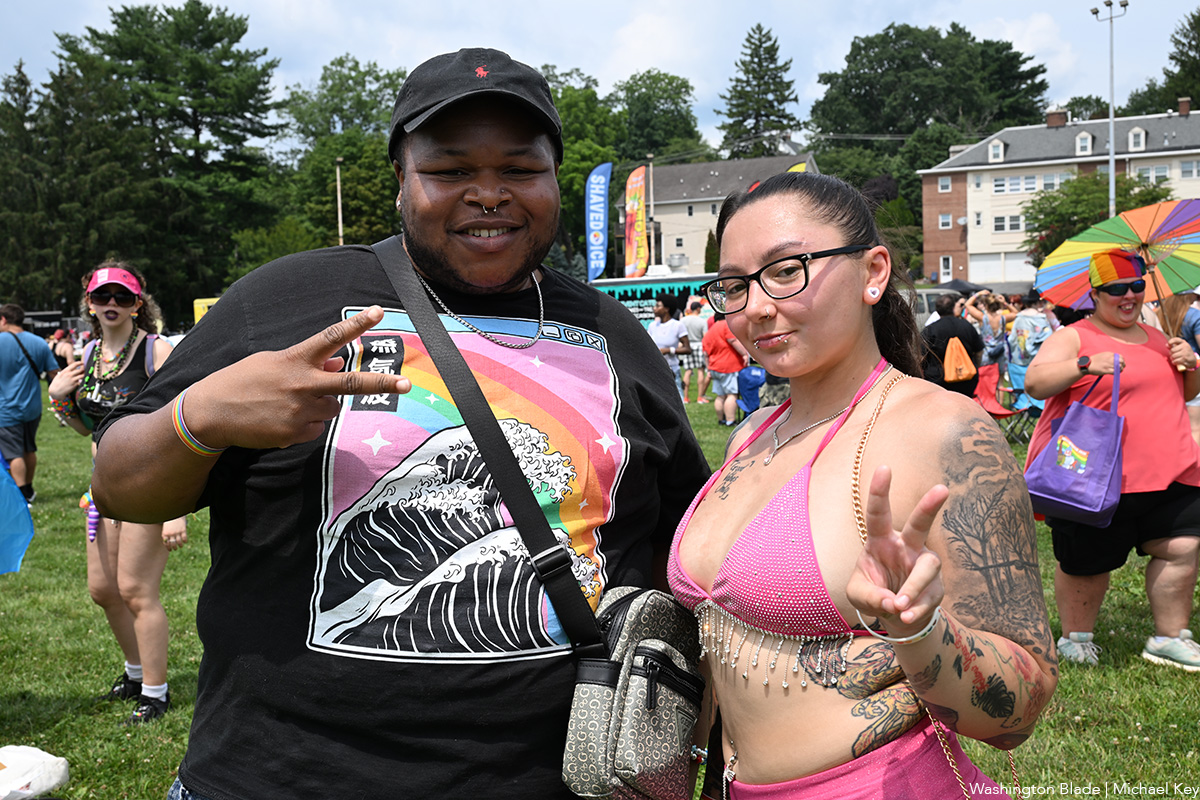


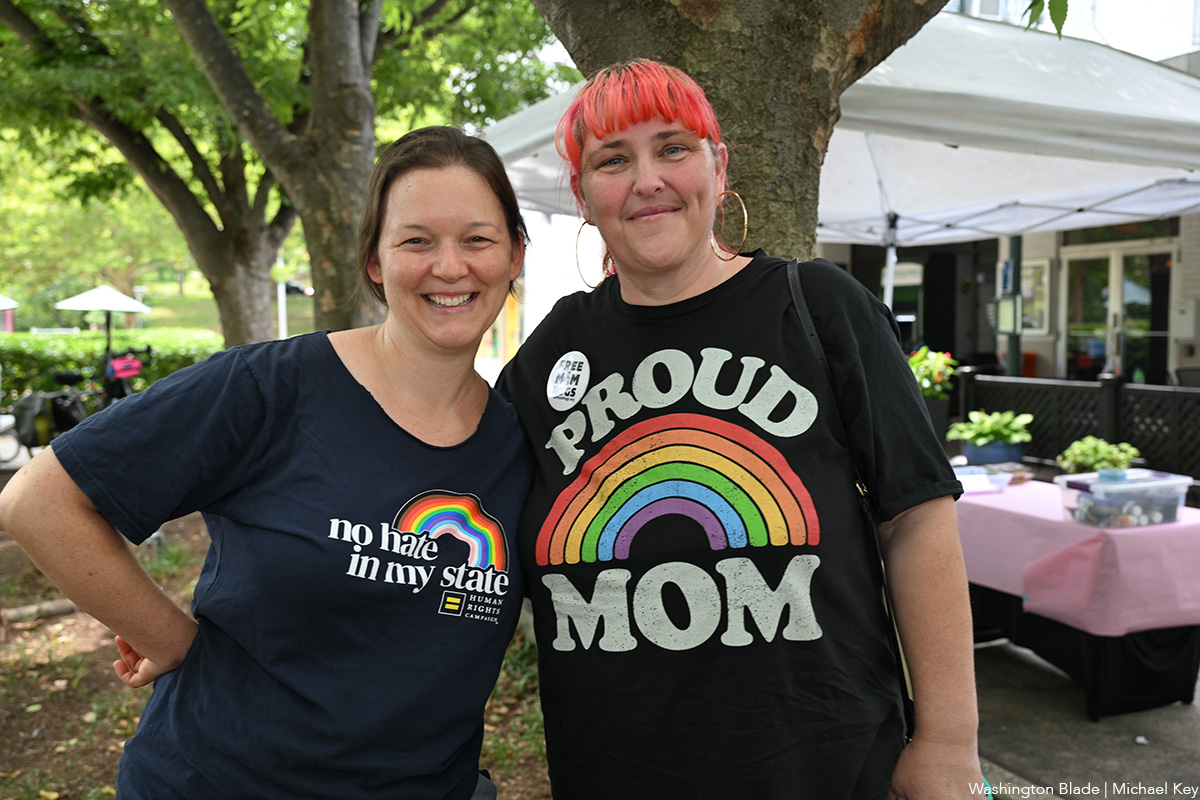
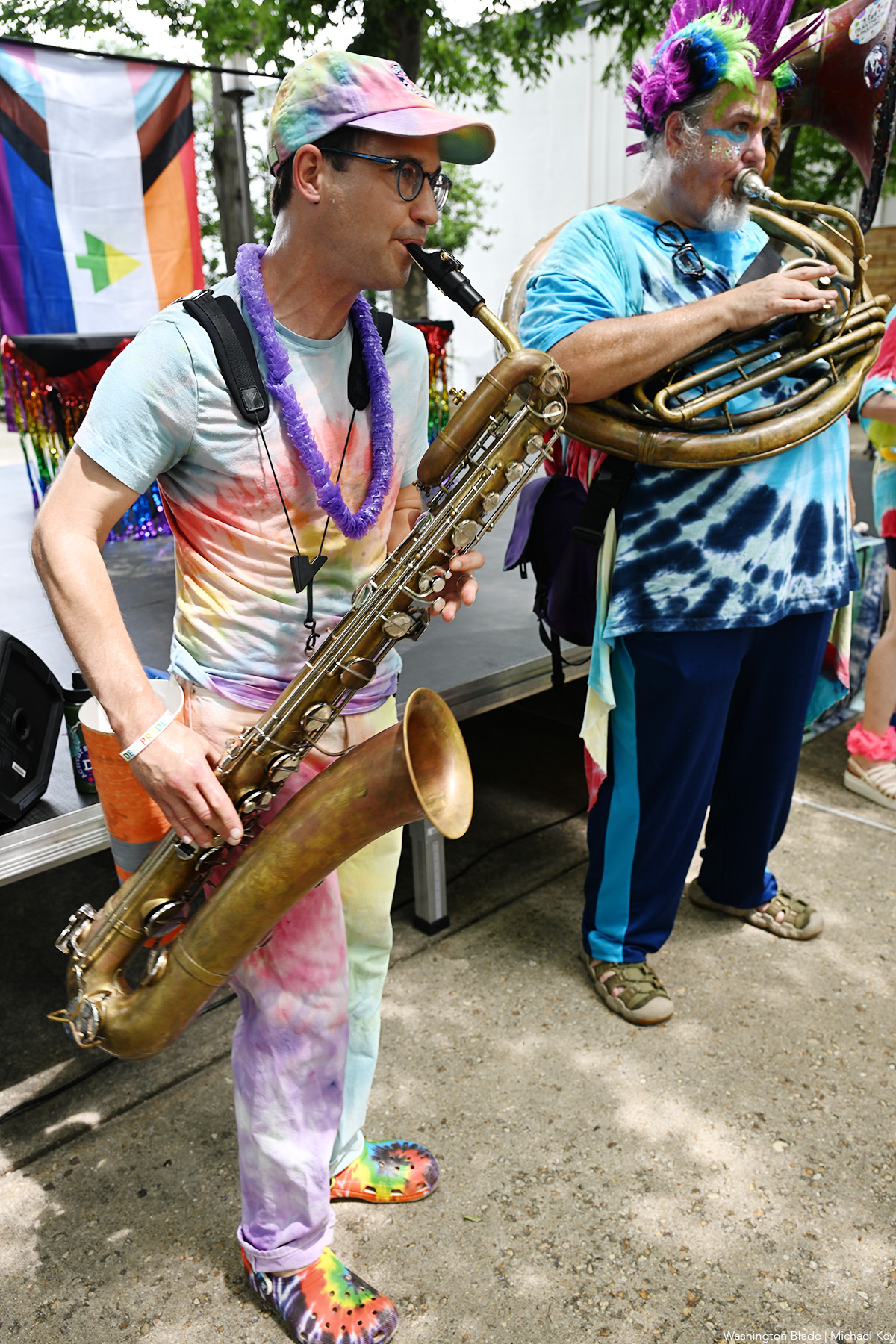
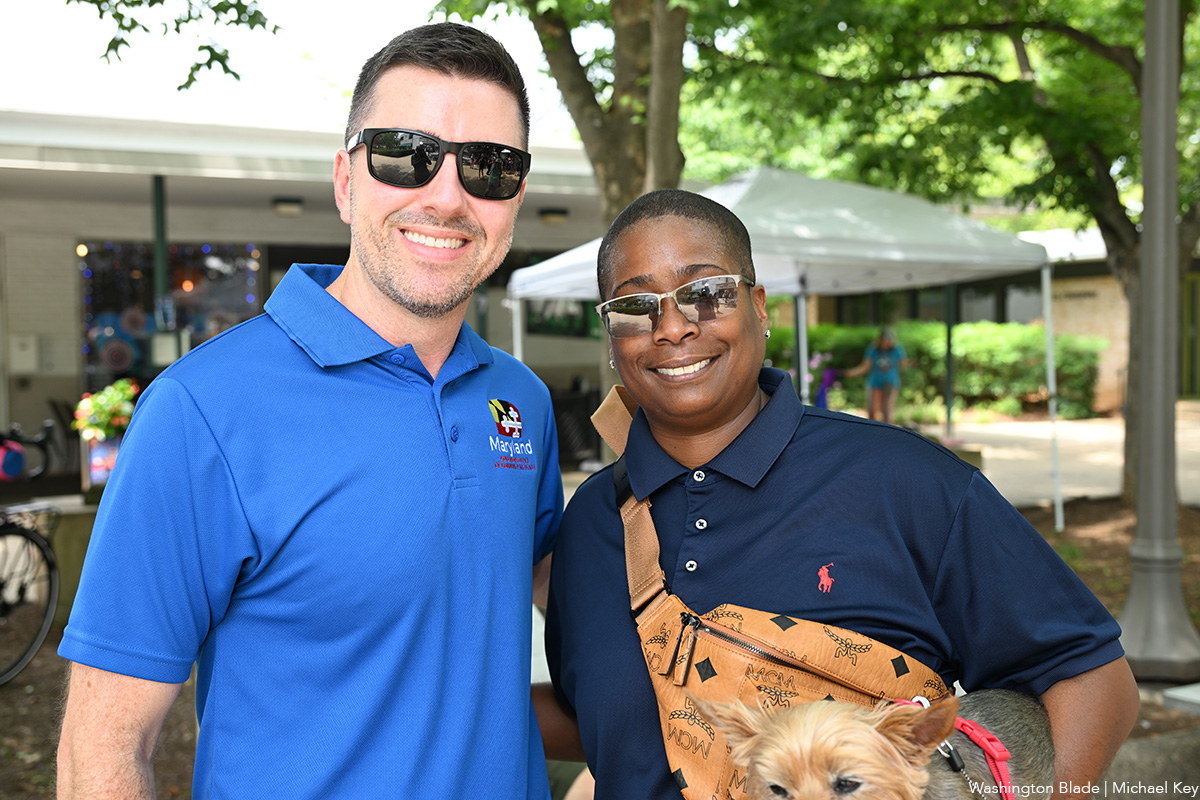
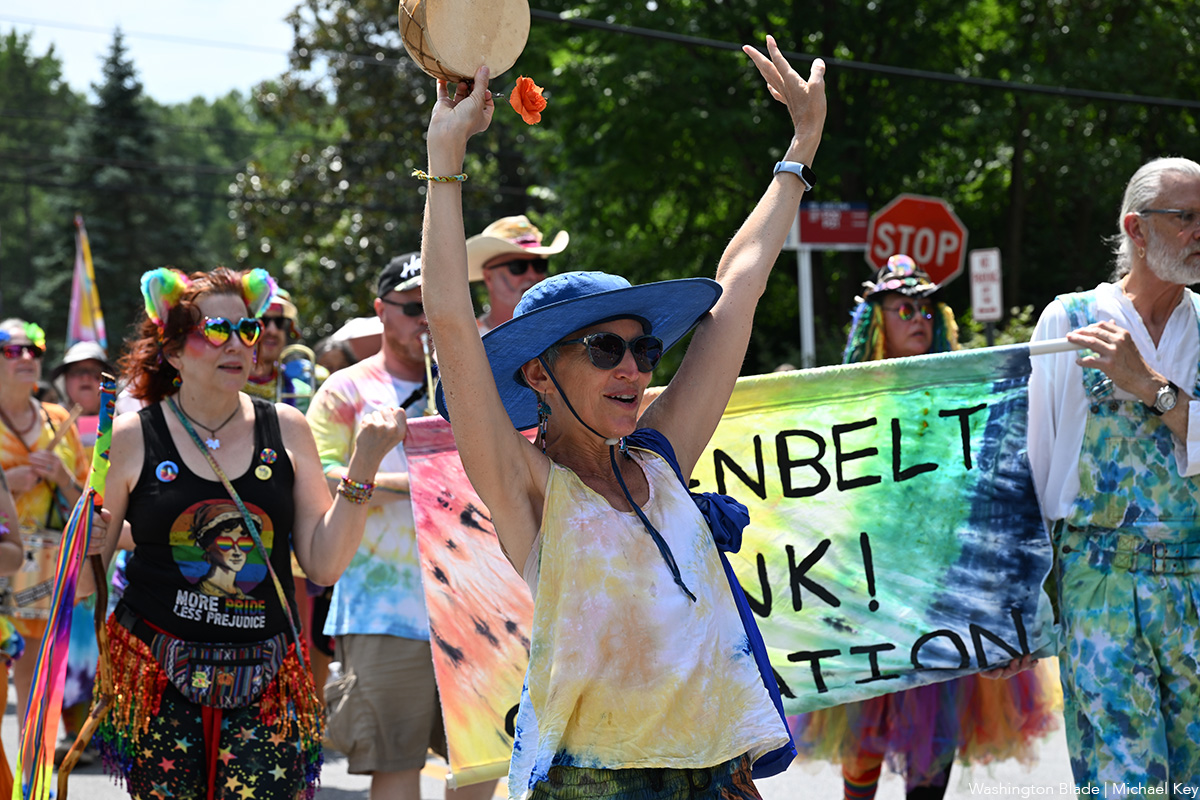
The fifth annual Emerald City Pride was held in Greenbelt, Md. on Saturday, July 11.
(Washignton Blade photos by Michael Key)





View on Threads

New book reveals what we can learn from animal sex

Who might replace Lindsey Graham? The contenders and their LGBTQ records

PHOTOS: Westminster Pride

Un terremoto también se vive desde el exilio

PHOTOS: Emerald City Pride

Mr. Henry’s celebrates 60 years of proud inclusivity

It’s good to see some justices standing up to Trump

Egyptian authorities refuse to allow gay cruise to dock in country

Queer media dominates 2026 Emmy nominations