Arts & Entertainment
Grammy noms 2018: Brandi Carlile, Janelle Monáe and more LGBT artists
More women were nominated than ever before this year
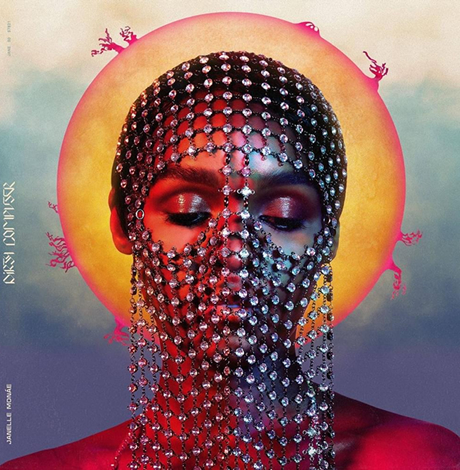
Janelle Monáe’s album ‘Dirty Computer.’ (Photo courtesy Atlantic)
The Recording Academy announced the nominees for the 61st Grammy Awards on Friday with women and LGBT artists dominating the list.
Out Americana singer Brandi Carlile received six nominations including for Album (“By The Way, I Forgive You”) and Record of the Year (“The Joke”). This makes her the most nominated woman at the Grammys this year. Carlile is up against pansexual artist Janelle Monáe’s “Dirty Computer” which was also nominated for Album of the Year.
Monáe’s music video for“Pynk” was also nominated for Best Music Video.
Queer artist St. Vincent was nominated for Best Alternative Album (“Masseduction”) and Best Rock Song.
Transgender representation was included among the nominees. Songwriter Teddy Geiger was nominated for co-writing “In My Blood” by Shawn Mendes. Transgender musician Sophie’s album “Oil of Every Pearl’s Un-Insides” was nominated for Best Dance/Electronic Album.
Other notable mentions include the “Call Me By Your Name” soundtrack which was nominated for Best Compilation Soundtrack for Visual Media. Sufjan Stevens’ song “Mystery of Love” from the soundtrack was nominated for Best Song Written For Visual Media.
The nominations kept on rolling in for “A Star is Born,” which received three nominations for the song “Shallow,” performed by Lady Gaga and Bradley Cooper, including for Record of the Year.
Kendrick Lamar earned the most recognition with eight nominations for his work on the “Black Panther” soundtrack.
Overall, this year’ s Grammy’s saw more women getting nominated as the categories expanded its lists from five to eight nominees.
The Grammys air on Feb. 10 at 8 p.m. on CBS. For a complete list of nominees, visit here.
Record of the Year
“I Like It” — Cardi B, Bad Bunny & J Balvin
“The Joke” — Brandi Carlile
“This Is America” — Childish Gambino
“God’s Plan” — Drake
“Shallow” — Lady Gaga & Bradley Cooper
“All the Stars” — Kendrick Lamar & SZA
“Rockstar” — Post Malone featuring 21 Savage
“The Middle” — Zedd, Maren Morris & Grey
Album of the Year
“Invasion Of Privacy” — Cardi B
“By The Way, I Forgive You” — Brandi Carlile
“Scorpion” — Drake
“H.E.R.” — H.E.R.
“Beerbongs & Bentleys” — Post Malone
“Dirty Computer” — Janelle Monáe
“Golden Hour” — Kacey Musgraves
“Black Panther: The Album”— Various artists
Song of the Year
“All The Stars” — Kendrick Duckworth, Solána Rowe, Al Shuckburgh, Mark Spears & Anthony Tiffith (Kendrick Lamar & SZA)
“Boo’d Up” — Larrance Dopson, Joelle James, Ella Mai & Dijon McFarlane (Ella Mai)
“God’s Plan” — Aubrey Graham, Daveon Jackson, Brock Korsan, Ron LaTour, Matthew Samuels & Noah Shebib, songwriters (Drake)
“In My Blood” — Teddy Geiger, Scott Harris, Shawn Mendes & Geoffrey Warburton (Shawn Mendes)
“The Joke” — Brandi Carlile, Dave Cobb, Phil Hanseroth & Tim Hanseroth (Brandi Carlile)
“The Middle” — Sarah Aarons, Jordan K. Johnson, Stefan Johnson, Marcus Lomax, Kyle Trewartha, Michael Trewartha & Anton Zaslavski (Zedd, Maren Morris & Grey)
“Shallow” — Lady Gaga, Mark Ronson, Anthony Rossomando & Andrew Wyatt (Lady Gaga & Bradley Cooper)
“This Is America” — Donald Glover & Ludwig Goransson (Childish Gambino)
Best New Artist
Chloe x Halle
Luke Combs
Greta Van Fleet
H.E.R.
Dua Lipa
Margo Price
Bebe Rexha
Jorja Smith
Best Pop Solo Performance
“Colors” — Beck
“Havana (Live)” — Camila Cabello
“God Is A Woman” — Ariana Grande
“Joanne (Where Do You Think You’re Goin’?)” — Lady Gaga
“Better Now” — Post Malone
Best Pop Vocal Album
“Camila” — Camila Cabello
“Meaning Of Life” — Kelly Clarkson
“Sweetener” — Ariana Grande
“Shawn Mendes” — Shawn Mendes
“Beautiful Trauma” — P!nk
“Reputation” — Taylor Swift
Best Dance Recording
“Northern Soul” — Above & Beyond featuring Richard Bedford
“Ultimatum” — Disclosure featuring Fatoumata Diawara
“Losing It” — Fisher
“Electricity” — Silk City & Dua Lipa featuring Diplo & Mark Ronson
“Ghost Voices” — Virtual Self
Best Rock Song
“Black Smoke Rising” — Jacob Thomas Kiszka, Joshua Michael Kiszka, Samuel Francis Kiszka & Daniel Robert Wagner, songwriters (Greta Van Fleet)
“Jumpsuit” — Tyler Joseph, songwriter (Twenty One Pilots)
“MANTRA” — Jordan Fish, Matthew Kean, Lee Malia, Matthew Nicholls & Oliver Sykes, songwriters (Bring Me The Horizon) “Masseduction” — Jack Antonoff & Annie Clark, songwriters (St. Vincent)
“Rats” — Tom Dalgety & A Ghoul Writer, songwriters (Ghost)
Best Rock Album
“Rainier Fog”— Alice in Chains
“M A N I A”— Fall Out Boy
“Prequelle“ — Ghost
“From the Fires” — Greta Van Fleet
“Pacific Daydream” —Weezer
Best Urban Contemporary Album
“Everything Is Love” — The Carters
“The Kids Are Alright” — Chloe x Halle
“Chris Dave And The Drumhedz” — Chris Dave And The Drumhedz
“War & Leisure” — Miguel
“Ventriloquism” — Meshell Ndegeocello
Best Rap Album
“Invasion Of Privacy” — Cardi B
“Swimming” — Mac Miller
“Victory Lap” — Nipsey Hussle
“Daytona” — Pusha T
“Astroworld” — Travis Scott
Best Country Album
“Unapologetically” — Kelsea Ballerini
“Port Saint Joe” — Brothers Osborne
“Girl Going Nowhere”— Ashley McBride
“Golden Hour” — Kacey Musgraves
“From A Room: Volume 2″— Chris Stapleton
Best Jazz Vocal Album
“My Mood Is You” — Freddy Cole
“The Questions” — Kurt Elling
“The Subject Tonight Is Love” — Kate McGarry with Keith Ganz & Gary Versace
“If You Really Want” — Raul Midón with The Metropole Orkest, conducted by Vince Mendoza
“The Window” — Cécile McLorin Salvant
Best Gospel Album
“One Nation Under God” — Jekalyn Carr
“Hiding Place” — Tori Kelly
“Make Room” — Jonathan McReynolds
“The Other Side” — The Walls Group
“A Great Work” — Brian Courtney Wilson
Best Latin Pop Album
“Prometo” — Pablo Alboran
“Sincera” — Claudia Brant Musas
“(Un Homenaje al Folclore Latinoamericano en Manos de los Macorinos), Vol. 2” — Natalia Lafourcade
“2:00 AM” — Raquel Sofía
“Vives” — Carlos Vives
Best Americana Album
“By The Way, I Forgive You” — Brandi Carlile
“Things Have Changed” — Bettye LaVette
“The Tree Of Forgiveness” — John Prine
“The Lonely, The Lonesome & The Gone” — Lee Ann Womack
“One Drop Of Truth” — The Wood Brothers
Best Comedy Album
“Annihilation” — Patton Oswalt
“Equanimity & The Bird Revelation” — Dave Chappelle
“Noble Ape” — Jim Gaffigan
“Standup for Drummers” — Fred Armisen
“Tamborine” — Chris Rock
Best Song Written For Visual Media
“All The Stars” — Kendrick Duckworth, Solána Rowe, Alexander William Shuckburgh, Mark Anthony Spears & Anthony Tiffith (Kendrick Lamar & SZA), “Black Panther”
“Mystery Of Love” — Sufjan Stevens (Sufjan Stevens), “Call Me By Your Name”
“Remember Me” — Kristen Anderson-Lopez & Robert Lopez (Miguel, featuring Natalia Lafourcade), “Coco”
“Shallow” — Lady Gaga, Mark Ronson, Anthony Rossomando & Andrew Wyatt (Lady Gaga & Bradley Cooper), “A Star Is Born”
“This Is Me” — Benj Pasek & Justin Paul, songwriters (Keala Settle & The Greatest Showman Ensemble), “The Greatest Showman”
Producer Of The Year, Non-Classical
Boi-1da
Larry Klein
Linda Perry
Kanye West
Pharrell Williams





Books
In ‘The Lost Brontë,’ a complicated lie can lead to danger
New book features sweetly romantic girl-meets-girl twist
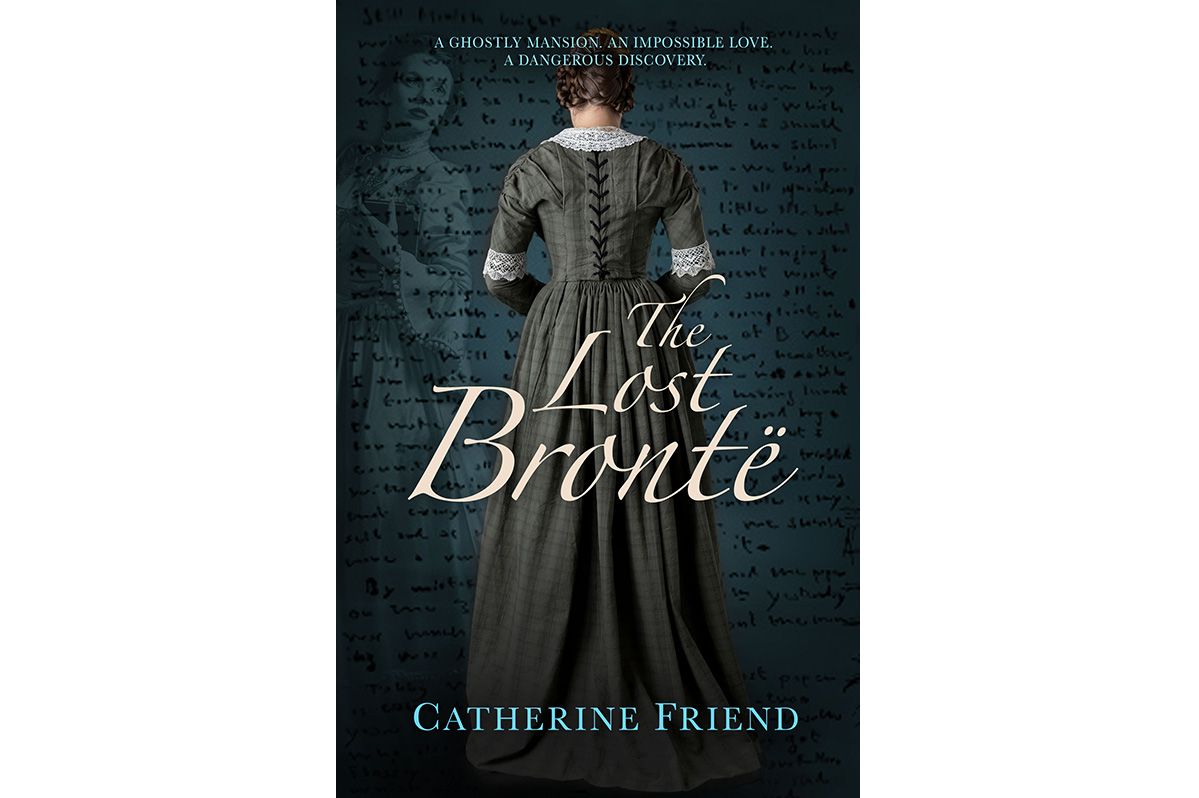
‘The Lost Brontë’
By Catherine Friend
c.2026, Bywater Books
$22.95/335 pages
Mom always said to tell the truth.
One lie leads to another and another and you have to remember them all until pretty soon, you’re caught. Fibs are hard, mistruths are messy, even little white social lies can destroy trust. Worst of all, as in the new novel, “The Lost Brontë” by Catherine Friend, a complicated lie can lead to danger.

Though Lilianne Loxley was very young when she lost her parents, she understood that her uncle didn’t really want her. As time passed, though, Lily made herself useful to Uncle, writing and signing letters for him and she became a good companion, helping him with his collection of Brontë memorabilia. Uncle was a keen enthusiast.
She had no idea that his obsession was out of control and he was deeply in arrears. The day Lily learned of his debt was the day she learned that he’d agreed to send her to his debtor’s home to work off the money owed.
It was so sudden. One minute, Lily was at Loxley House, happy and loved by Uncle’s staff … and five hours later, she was at Crag Thorn Manor, home of Lord Bexton, who informed her that she’d be working on his ledgers – work that seemed routine, but Lily tackled it.
Uncle always did say she was headstrong.
But would headstrong be enough to survive, when she was restricted from most of the Manor, when she was forced to dine with Brexton and his slimy friend, or – the worst! – when Brexton told Lily that her next task was to forge a letter from Emily Brontë? And then an entire manuscript?
Lily struggled to do what was right. She had to get Uncle out of debt but this last order horrified her. Did she dare refuse Brexton’s orders and commit a crime? It was unthinkable!
The only brightness in the whole situation was Wren, the ladies’ maid assigned to Lily’s room. Wren was adorable with freckles and the sweetest smile. But with everything else happening at Crag Thorn Manner, could Lily act upon her feelings?
This time of year, you may come to crave dark, spooky stories, and “The Last Brontë” fits those needs perfectly with its Gothic deliciousness. Think: Daphne du Maurier-type, stormy-night squirms with a dangerously chaste, sweetly romantic girl-meets-girl twist for fun.
If it’s been awhile since you’ve read a Gothic novel, you’re in for a nice reminder of why you love them here. You can almost tick off the must-haves: a novel like this is nothing without a foreboding stone manor with damp walls; stone steps to a dank basement; a mysterious portrait; and a nearby bog, and author Catherine Friend gives readers every one of them. You’d be disappointed if there was no ghost, wouldn’t you? Ha. You can practically feel the cold blow through the attic, right? Yeah, it’s that kind of book.
If you’re a fan of the Brontës, you’ll like this novel. If you love Gothic mysteries or Victorian romances, ditto. “The Lost Brontë” is good, no lie.
The Blade may receive commissions from qualifying purchases made via this post.
Out & About
CAMP Rehoboth Block Party returns Oct. 18
Expect performances, vendors and more at annual celebration

CAMP Rehoboth will host its annual Block Party celebration on Sunday, Oct.18 at 11 a.m. on the second block of Baltimore Avenue in downtown Rehoboth Beach.
CAMP Rehoboth invites all community members to join in the festivities and to expect magnificent performances and dozens of vendors, including artists, craftspeople, non-profits, businesses, and more.
The event started in 2015 in celebration of CAMP Rehoboth’s 25th anniversary. This year, attendees can expect to shop sea glass art, pottery, jewelry, Pride merch, body care, clothing, and learn more about local non-profit causes and businesses.
Attendance is free. For more details, visit CAMP Rehoboth’s website.
Movies
Essential queer horror classics for Halloween
‘Bride of Frankenstein,’ Bowie in ‘The Hunger,’ and more
Sure, this spooky season has blessed us with a lot of new horror on TV and at the movies, but when it comes to Halloween, you can never have too much horror to watch. With that in mind, we’ve put together a list of celebrated queer chillers that queer horror fans may know about but might not have seen, especially if you’re part of a younger generation of movie buffs looking to expand your experience with the genre beyond the contemporary crop that has turned the early 2000s into a renaissance of horror cinema.
Bride of Frankenstein (1935)
Yes, we know subtextualized queerness in horror feels like a cop-out in this day and age, but in the early days of Hollywood, it was the only way to sneak it past the censors – and that’s exactly what English expat director James Whale did as a defining force behind the success of Universal Studios’s classic horror “franchise” of the 1930s. More-or-less openly gay with a background in theater, he put those sensibilities to good use on film, and reached his queer pinnacle with “Bride of Frankenstein,” a sequel that expanded on the original with a wicked sense of humor and a “lavender” touch that was obvious to anyone who was in the know.
Skewering “monster movie” tropes and satirizing the conventional mentality of all those angry villagers, Whale also delivered a story of two men – Doctors Frankenstein and Pretorius (Colin Clive and Ernest Thesiger, respectively) – whose clandestine efforts to create a mate for Boris Karloff’s lonely monster read like a gay couple drawn together by “unnatural” obsessions. Thesiger’s unapologetically queer persona would likely dominate the entire film if not for Elsa Lanchester’s turn as the hissing, electrified title character, but the film’s true greatness lies in transforming Karloff’s “monster” into a full-fledged tragic hero, a primal avatar for “otherness” that emerges as the most sympathetic figure on the screen; and while it might not be that “scary” by modern standards, as one of the most boldly transgressive films of the Hollywood “golden era” it still packs a wickedly savage punch.
The Haunting (1963)
Based on Shirley Jackson’s novel of the same name and helmed by veteran director Robert Wise in the wake of his Oscar-winning screen adaptation of “West Side Story,” “The Haunting” is a film that looms large in the history of queer representation in American cinema, simply for the fact that it included an openly lesbian character during a time when anything beyond a subtle implication of non-heterosexual alignment was still very much considered taboo.
The character in question is a psychic named Theodora (Claire Bloom), one of a group of individuals invited by a paranormal researcher (Richard Johnson) to investigate an old New England house, which is reputed to be haunted in the wake of a long string of tragedies that have befallen the family that owns it. Although she’s something of a thorny personality, she’s framed as neither villain not victim, but her presence provides queer overtones that impact the rest of the story, particularly through the growing psychological agitation of its painfully repressed central character (Julie Harris) and the history of the house itself.
A classic “old, dark house” ghost story that deliberately avoids depicting anything definitively supernatural, it focuses instead on psychological tension and the power of suggestion to ramp up scares, which it does quite effectively, utilizing innovative camera and sound techniques to suggest, but never reveal, the dark forces that drive the story. Audiences of the time wanted more concrete thrills, so it was not a major hit; nevertheless, it has been consistently ranked as one of the best horror films of all time – and while it might not offer the blood-curdling terror modern viewers expect, its moody sense of dread and doom is enough to keep you on edge for the duration.
The Hunger (1983)
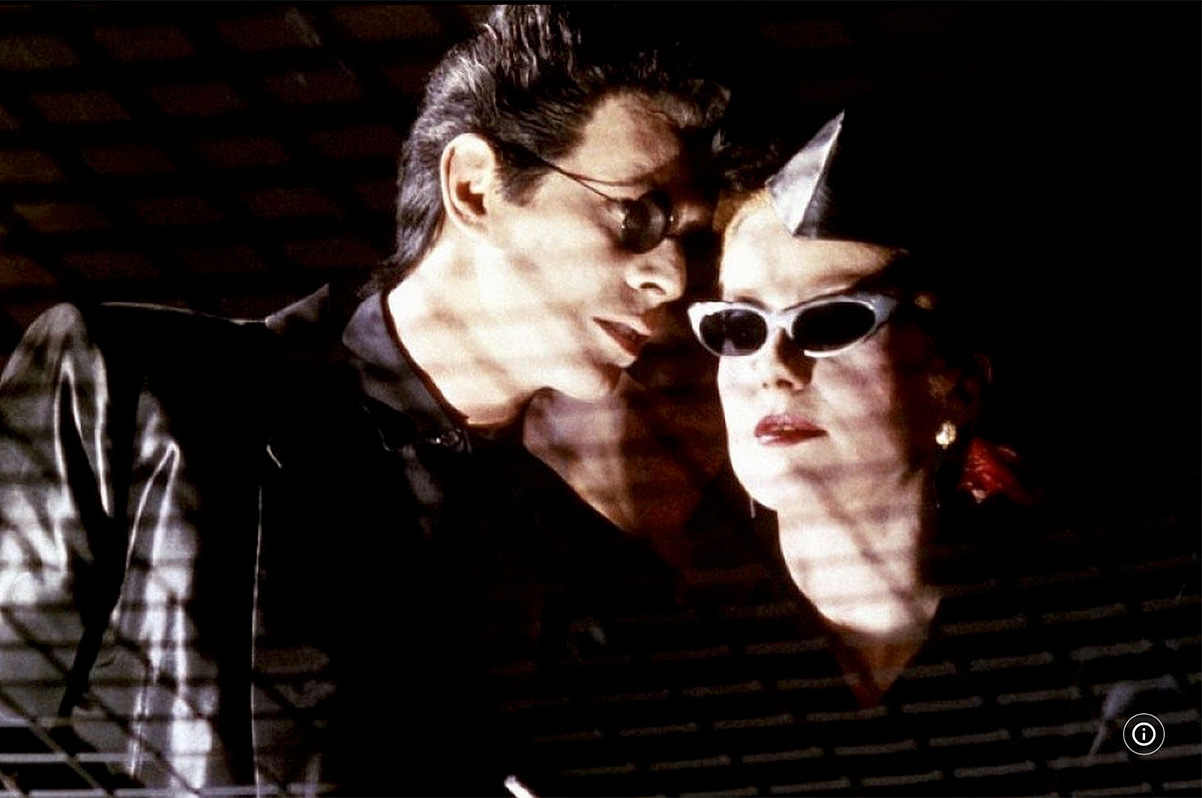
It’s hard to think of a horror film as openly sexy as this classic from director Tony Scott, which turns Whitley Streiber’s book about an ancient vampire (Catherine Deneuve) in modern New York, who grooms a scientist (Susan Sarandon) to be her new sexual companion for the ages as the old one (David Bowie) begins to rapidly age and decline. Dripping with 1980s cool (it opens with Bauhaus singing “Bela Lugosi’s Dead” in a nightclub) and leaning hard into the open eroticism of a more sexually permissive era, it doesn’t hide its sapphic supernatural love story in the subtext; instead, it gives us one of the steamiest love scenes between two women ever put on film. Critics of the time praised it for its style and its mood, but lamented what they perceived as an ultimately shallow story – but in retrospect, its pervading air of melancholy doom despite the glamorous elegance of its presentation serves as a fitting reminder that an eternal life of meaningless beauty and pleasure might not be as great an idea as we think it is.
Stranger by the Lake (2013)
French filmmaker Alan Giraudie delivers one of the sexiest – and scariest – gay thrillers – of all time – in this tale of a young man (Pierre Deladonchamps) who frequents a lakeside nude beach, which is a popular hook-up spot despite a recent series of unsolved killings in the area. He becomes infatuated with an attractive man (Christophe Paou) he meets there and they connect; later, he witnesses an incident that makes him suspect his new flame might be the murderer – but that doesn’t stop him from continuing to pursue their relationship, despite an increasing likelihood that he might end up as the next victim. It’s an obvious essay on the power of lust to pull us into danger, but it doesn’t moralize; instead it entices us deeper with scenes of graphic un-simulated sex and sparks nostalgic fantasies of a pre-Grindr era when the threat of encountering a serial killer was never enough to keep us away from our favorite cruising spot. Transgressive? Yes, and also terrifying.
We’re All Going to the World’s Fair (2021)
If you’re a horror fan in 2026, it’s likely you’ve already seen trans filmmaker Jane Schoenbrun’s critically lauded “I Saw the TV Glow,” as well as “Teenage Sex and Death and Camp Miasma,” which has emerged as one of the year’s most acclaimed movies so far. You might not, however, be familiar with their first feature film, in which a teenage girl (Anna Cobb), living an isolated life with an abusive single father, finds escape and connection on the internet; she participates in a “viral challenge” that requires her to post a video of herself performing a ritual chant, and then follow up with updates documenting the transformation she goes through as a result. Inspired by Schoenbrun’s own experience navigating the online world while struggling with gender dysphoria and other issues around their identity, it’s an unsettling and disorienting ride that keeps us wondering what will happen next – but the real horror comes from its observations about the way living our lives online can transform us all.

In ‘The Lost Brontë,’ a complicated lie can lead to danger

CAMP Rehoboth Block Party returns Oct. 18

Essential queer horror classics for Halloween

Solidarity beyond the parade: the actual cost of Pride

Physician: addiction doesn’t always look the way you think it does

10 years later, we still can’t shake Barry Jenkins’s ‘Moonlight’

Bessent says Trump chose him for his qualifications, not his sexuality

‘Some Like It Hot’ a wild ride at renovated Bernard Family Theatre

D.C.’s LGBTQ homeless facilities face possible hit from Trump funding cuts

Trump uses anti-trans slur against Democratic Senate candidate
-

 Movies4 days ago
10 years later, we still can’t shake Barry Jenkins’s ‘Moonlight’
-
Federal Government5 days ago
Bessent says Trump chose him for his qualifications, not his sexuality
-
Theater4 days ago
‘Some Like It Hot’ a wild ride at renovated Bernard Family Theatre
-
District of Columbia4 days ago
D.C.’s LGBTQ homeless facilities face possible hit from Trump funding cuts