Arts & Entertainment
Watch: Madonna delivers emotional speech at GLAAD Media Awards
The ‘I Rise’ singer reflected on losing her friends in the AIDS crisis
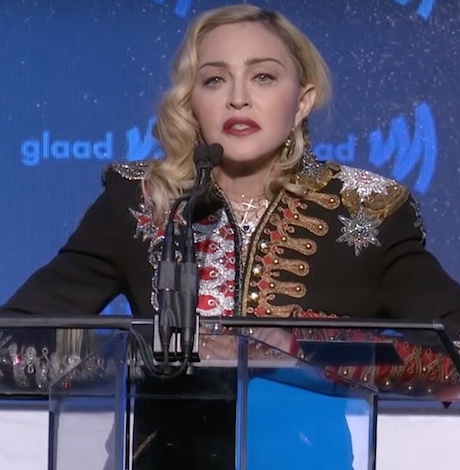
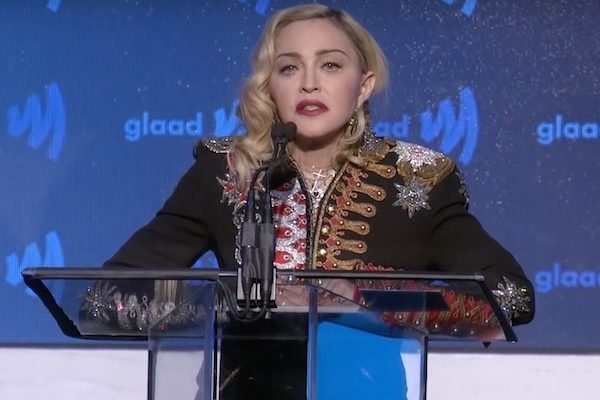
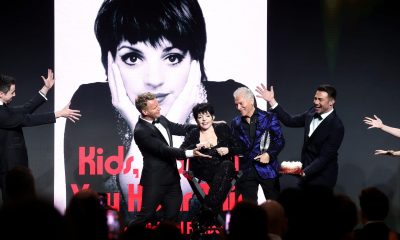
Madonna delivered an emotional speech while accepting the Advocate for Change Award at the 2019 GLAAD Media Awards in New York City on Saturday.
Anderson Cooper, Mykki Blanco and Rosie O’Donnell presented the “I Rise” singer with the award.
“Why have I always fought for change? That’s a hard question to answer. It’s like trying to explain the importance of reading or the need to love. Growing up I always felt like an outsider, like I didn’t fit in. It wasn’t because I didn’t shave under my armpits, I just didn’t fit in, OK. The first gay man I ever met was named Christopher Flynn. He was my ballet teacher in high school and he was the first person that believed in me, that made me feel special as a dancer, as an artist and as a human being. I know this sounds trivial and superficial, but he was the first man to tell me I was beautiful,” Madonna told the crowd.
She continued on that Flynn took her to her first gay club in Detroit and that’s where she first felt truly comfortable.
“For the first time I saw men kissing men, girls dressed like boys, boys wearing hot pants, insane, incredible dancing and a kind of freedom and joy and happiness that I had never seen before,” she said. “I finally felt like I was not alone, that it was OK to be different and to not be like everybody else. And that after all, I was not a freak. I felt at home, and it gave me hope.”
Madonna credits Flynn with encouraging her to move to New York City in 1977. While there she recounted witnessing the AIDS crisis’ effects on the LGBTQ community.
“The plague that moved in like a black cloud over New York City and in a blink of an eye, took out all of my friends,” Madonna says.”After I lost my best friend and roommate Martin Burgoyne and then Keith Haring – happy birthday Keith – I decided to take up the bull horn and really fight back.”
The GLAAD Media Awards airs on Sunday, May 8 at 8 p.m. on Logo.
Watch part of Madonna’s speech below.




a&e features
Writing a play about Lincoln leads down a rabbit hole to a closet
As LGBT History Month arrives, new hints that our greatest president was gay
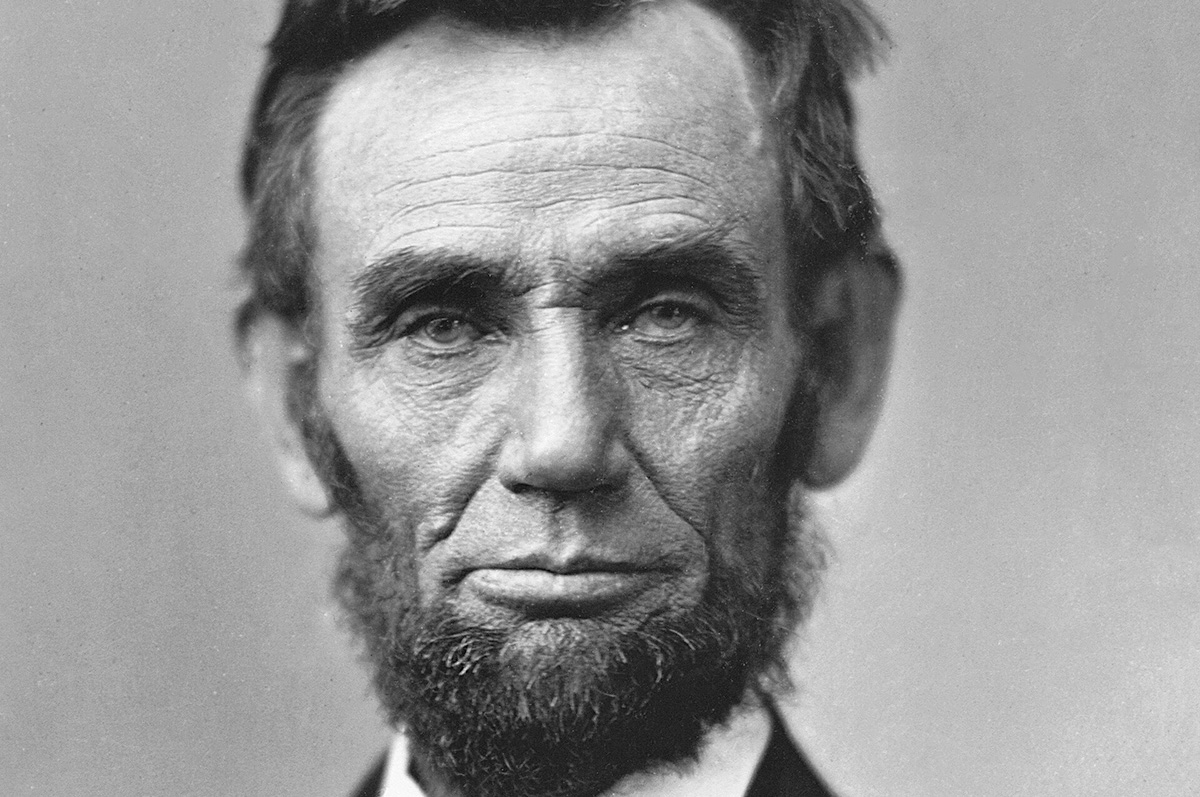
Abraham Lincoln treasured poetry and it turns out his particular favorites were pretty queer, but I never would have detected that if I hadn’t decided to write a stage comedy about his sex life. In my research for the play, I stumbled across what I believe is new evidence that Lincoln and Joshua Speed were lovers. The remarkable thing is that the evidence has been sitting in plain sight for more than 150 years.
The rabbit hole swallowed me in 2019, when C.A. Tripp’s revolutionary biography “The Intimate World of Abraham Lincoln” somehow fell into my hands. I was embarrassingly late to the Lincoln-was-gay party—Tripp’s book had come out 14 years earlier—and the wonderful-to-me news that Lincoln played for my team started me plotting out a play, because I was pretty sure if I didn’t know this, lots of people didn’t and inquiring minds want to know, and the young queers of America should be told that they have yet another genius over whom to kvell.
Historians and myth makers alike—often it’s hard to tell the difference—have always painted Abe straight, and now that it’s in question they’ve gotten peevish and insistent because, c’mon, bro, everybody knows that in the 19th century all the guys were writing each other gushingly romantic letters and sharing a bed every night for four years. Meanwhile, the Queer Studies crowd assures us that they, the inventors of homosexuality, had not yet invented it, so it couldn’t be that.
But what kind of play to write? I wanted to put at least two of his lovers into it, and no playwright with any sense of drama would omit Abe’s mad, physically abusive, spendthrift wife Mary. To get all of them in the same place at the same time meant bedroom farce. Keeping one’s lovers from knowing about each other is the keystone of bedroom farce and why the sets have so many doors. Speed, the great love of Lincoln’s life, who often visited the White House during the Civil War, would arrive while Lincoln’s wartime lover Army Captain David Derickson was there, too, and Abe would conceal them from each other and from Mary, who is suspicious and dangerous and prone to striking her husband. I also folded in Lincoln’s writing of the Emancipation Proclamation, which in the play is helped along by an invented Black housekeeper, who has suspiciously 20th-century opinions and a shiny new invention: the animatronic steampunk Lincoln robot. “The Loves of Lincoln” finally had its world premiere on June 19 of this year in Memphis, Tenn., where it was nominated for the best new original play of the 2025–26 season, and lost. Now we’re getting to the part about Lord Byron. Wait for it. It’s coming. We’re still setting the scene.
A cute, redheaded, gay Broadway producer told me the play would be stronger with a different kind of ending and for once a producer’s note was spot on—the play needed a final confrontation between Lincoln and Speed over love and slavery. The Speeds had dozens of slaves—lots more than Mary Todd Lincoln’s family, who had a few themselves. To write the scene I needed to know more than I did about the Speed-Lincoln relationship during the war. Speed was helping Lincoln keep the border state of Kentucky in line, but on the other hand his great wealth depended on slavery.
Time for some research. Enter “Your Friend Forever, A. Lincoln: The Enduring Friendship of Abraham Lincoln and Joshua Speed” (2016, Columbia University Press) by Charles B. Strozier, a “psychobiographer” who does the usual somersaults to explain away Lincoln’s behavior as straight because writing gushingly romantic letters to other guys and sleeping in the same bed for four years was absolutely not gay in the 19th century, which is proved by the fact that all the guys were doing it. Which kind of made me want to build a time machine and stop off in 19th-century Illinois on my way to ancient Greece. And then, suddenly, sitting there quietly on page 45, like a dangling thread on a cardigan begging to be pulled, was the interesting datum that Joshua lent his gangly, athletic bedmate books, among them Joshua’s “favorite”: Lord Byron.
The same Lord Byron who cut a swath a kilometer wide across the comely young men of Greece? The notorious libertine and sodomite—that Lord Byron? Well, yes, and it’s not hard to draw a line straight from there to Lincoln’s closet (coincidentally, one of the doors in The Loves of Lincoln leads into a closet—“Why is my husband always in the closet?”), but for some reason, up to now, no one I know of has drawn that line.
Understand, just reading Byron does not make Josh and Abe homosexuals. Byron was a big seller and lots of straight men read him, though perhaps not while gazing dreamily into each other’s eyes (Joshua’s wide and blue, Abe’s a melancholy gray), and OK we don’t know that’s exactly how it went down, but we do know other interesting things thanks to William Herndon.
Bill was a clerk in Speed’s general store, the store Speed and Lincoln slept above, and later the junior partner in Lincoln’s Springfield law practice. Herndon worshipped Lincoln. After the assassination he interviewed pretty much every significant person in Lincoln’s life, in what Strozier called one of the first oral history projects in America. Naturally, he interviewed Speed, who reported Lincoln’s passion for the poetry of Byron. The sexual significance of the connection between Speed, Byron, and Lincoln has up to now been ignored by all biographers—even the queer ones, like Tripp, who tried and did make the case for Lincoln’s homosexuality. Speed told Herndon he had introduced Lincoln to Byron: “I don’t think he had ever read much of Byron previous to my acquaintance with him.” Lord Byron’s poetry was a stew of intense male friendship, forbidden sexuality, secrecy, alienation, and erotic misbehavior, and in the wake of his scandalous divorce his name had for years been a transatlantic byword for transgressive sexuality. Byron also became, alongside Burns, Milton and Shakespeare, one of Lincoln’s four favorite writers.
Here’s where things get juicy. Speed said that, in particular, “Lincoln loved The Bride of Abydos.” Byron wrote the poem in the wake of his travels through the Ottoman Empire, which was partly what we today would call sex tourism. The poem’s beautiful young hero Selim is extremely feminized, conceals his true identity from his girlfriend (whom everyone thinks is his sister but they’re cousins), and only later reveals that he has a secret double life—in the case of the poem, as the leader of a band of pirates. Now there’s a secret life with an All-Male Cast. We’ll let you supply the pirate joke that goes right here.
It gets better. Herndon’s admittedly fragmentary notes from the Speed interview also specifically bring up Byron’s “To Inez,” the extraordinary lyric in “Childe Harold” in which a man tells a woman that her beauty gives him no pleasure, that her eyes scarcely charm him, and that she must not attempt to discover his “secret woe” or “unmask” his heart. The subtext that leaps off the page, given that Byron was, as the actor Michael Redgrave described himself to his son, “to say the least of it, bisexual,” is that the speaker is in the closet. In the last stanza, he begs her not to pry:
What is that worst? Nay, do not ask—
In pity from the search forbear:
Smile on—nor venture to unmask Man’s heart,
and view the Hell that’s there.
So, queer-coded Byronic poetry formed an important part of Lincoln’s imaginative world, and Speed remembered that fact nearly 30 years later, and told it to Herndon almost as if leaving literary breadcrumbs for posterity. As far as I have been able to determine, no previous Lincoln biographer or scholar of Lincoln’s sexuality has examined the queer implications of the Byron poems Speed specifically remembered Lincoln reading. Why has this been missed?
All of this would be meaningless if Speed and Lincoln didn’t understand that Byron was a lover of men, but I assert that they would have. Lincoln was a discerning reader with a famously penetrating, tenacious mind that wouldn’t let go of a thing until he understood it thoroughly—and a huge fund of worldly knowledge. He was by this time in the Illinois Legislature, had campaigned all over the state, and lawyers often encounter the seamy side of life, whether they seek it out or not. Furthermore, although Byron’s indisputable affairs with men weren’t explicitly documented in 19th century biographies and periodicals as they are today (the conventions and laws of the time all but guaranteed euphemism), rumors of Byron’s “unnatural” conduct crossed the Atlantic even during his lifetime. Articles repeatedly referred to an unnamed, horrifying, or “unnatural” offense, a “peculiar enormity,” and conduct violating the “ban of nature.” In 19th century usage, “unnatural crime” was a familiar euphemism for sodomy, while phrases like “peculiar enormity” and “ban of nature” invited readers to imagine sexual offenses too scandalous to name. Why use the words at all if readers weren’t going to get the point? American readers had easy access to Byron biographies and memoirs, including Thomas Medwin’s “Conversations of Lord Byron” and Thomas Moore’s enormously influential “Letters and Journals of Lord Byron,” while American periodicals discussed the Byron memoir burned by his friends and the salacious suspicions around its contents. Lincoln and Speed would certainly have understood that one of the unmentionable sexual accusations surrounding Byron was man-on-man action.
Lincoln’s love of Byron’s queer-coded writings, fostered by Speed, “proves” little on its own, but a lot when added to the rest of the evidence. And it’s part of an even bigger story: reversing the erasure of queerness from history and documenting that many of humankind’s greatest achievements are thanks to queer individuals. Both Lincoln and Speed had beards, literal and metaphorical—they didn’t want their secret spilled while they were alive. But then again, I like to think that when Joshua Speed told William Herndon of Lincoln’s love for those poems, he imagined a day when their love could be decoded and celebrated. Come to think of it, that day is today.
Online Culture
Clavicular charged in alleged rape of teenage influencer
Online personality’s real name is Braden Peters
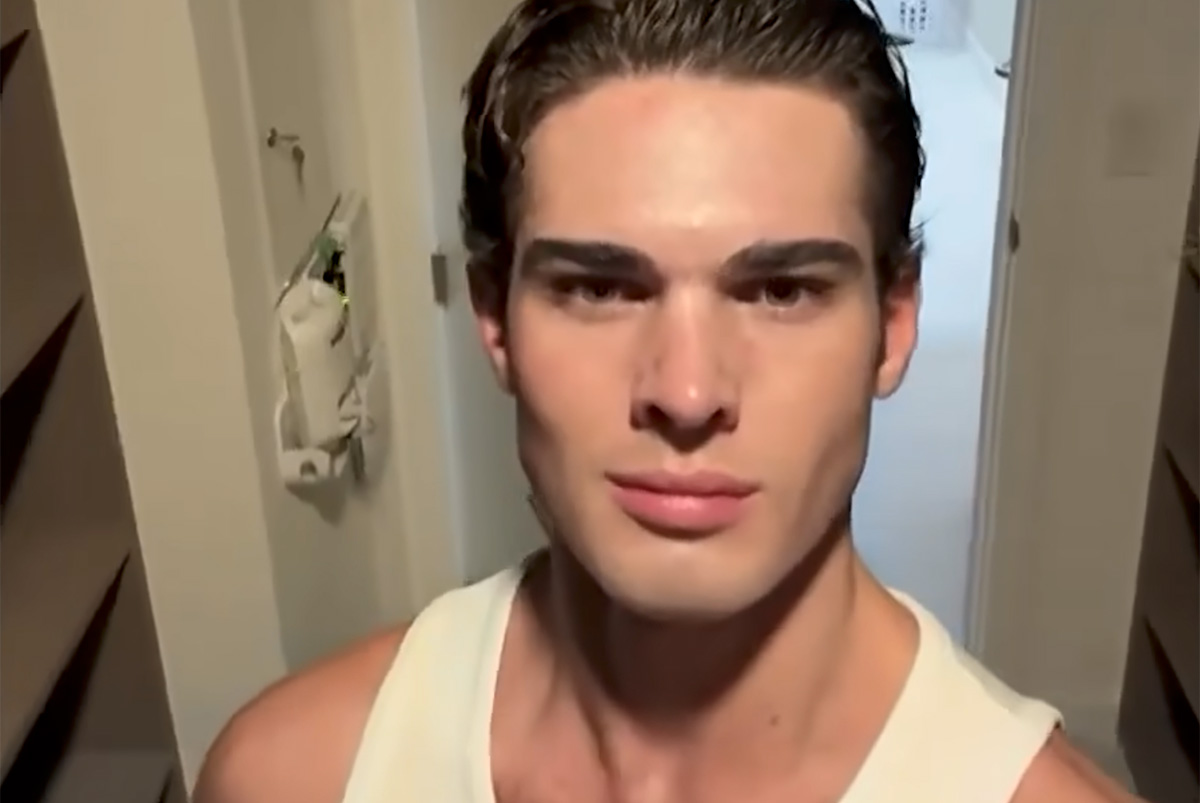
Online personality Clavicular, whose real name is Braden Peters, has been accused of rape.
According to NBC, Aleksandra Vasilevna Mendoza, an 18-year-old influencer known online as Alorah or Alorah Ziva, accused Peters of sexual assault, and the case is making its way through the court system.
The alleged incident occurred on May 23, 2025, when Mendoza was 17.
According to a criminal complaint from the Chatham (Mass.) Police Department, Peters called her an Uber to his family’s home. Once there, he allegedly got her drunk on vodka while they livestreamed on Twitch and then raped her. His mother and grandmother were allegedly in the house.
The documents allege Clavicular committed rape, drugging a person for sexual intercourse, and procuring and providing liquor to a person under 21.
According to court documents acquired by NPR, Mendoza began communicating with Peters on Instagram, where he paid her to appear on his livestreams to help her “make her name known on social media.”
According to those documents, Peters arranged for the minor to come to Cape Cod home to participate in a videostream for his 437,000 followers on Kick, 1.2 million followers on TikTok, and more than 1 million followers on Instagram.
At his home, Peters allegedly instructed Mendoza to say she was 18 on his videostream and to claim the alcohol on camera was water instead of vodka. Mendoza said she felt peer-pressured to drink the spirit and that she became noticeably intoxicated after a couple of drinks.
The allegations go on to state that after stopping the stream, Peters and Mendoza kissed on a couch and then had sex in his bed without her consent. Mendoza said she did not receive a sexual assault forensic exam after the incident. NPR does not name alleged victims of sexual assault.
The charges come months after Mendoza sued Peters in Miami, accusing him of sexual battery in connection with the events of May 2025. The civil lawsuit also separately alleges that he injected her face with a non-FDA-approved fat-dissolving substance during a November livestream in Florida.
Peters is known for his “looksmaxxing” concept of vanity, which is at the core of his online presence. The “looksmaxxing” culture he has helped cultivate combines elements of incel culture and heterosexuality, with the stated goal of attracting the opposite sex. He has gone as far as to say he has undergone “bonesmashing,” or hitting his own face with a hammer; taken anabolic steroids to more rapidly grow muscle; and used crystal meth as an appetite suppressant.
At the same time, looksmaxxing has been described as having elements of homoeroticism, with “looksmaxxers” appearing more concerned with impressing other men than women. Peters has multiple times pointed to openly gay actor Matt Bomer as the gold standard for male facial aesthetics.
Peters’s arraignment is scheduled for Oct. 14.
Photos
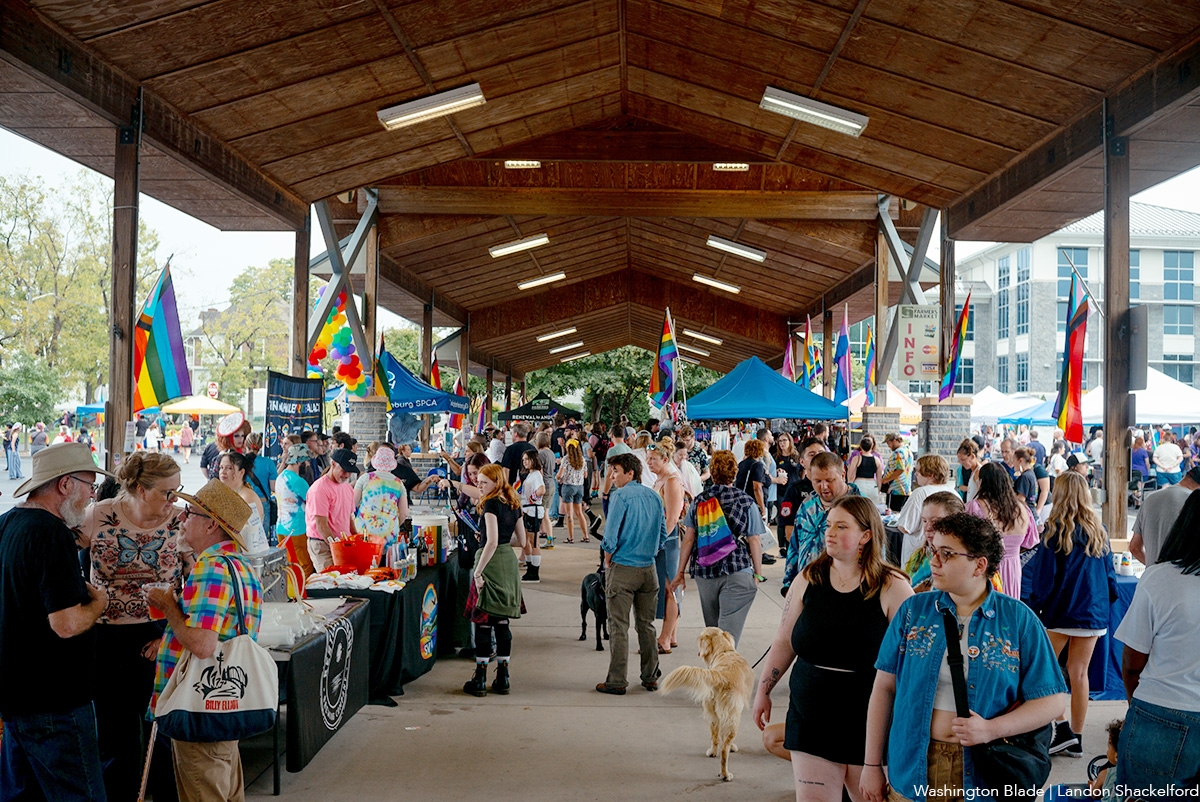
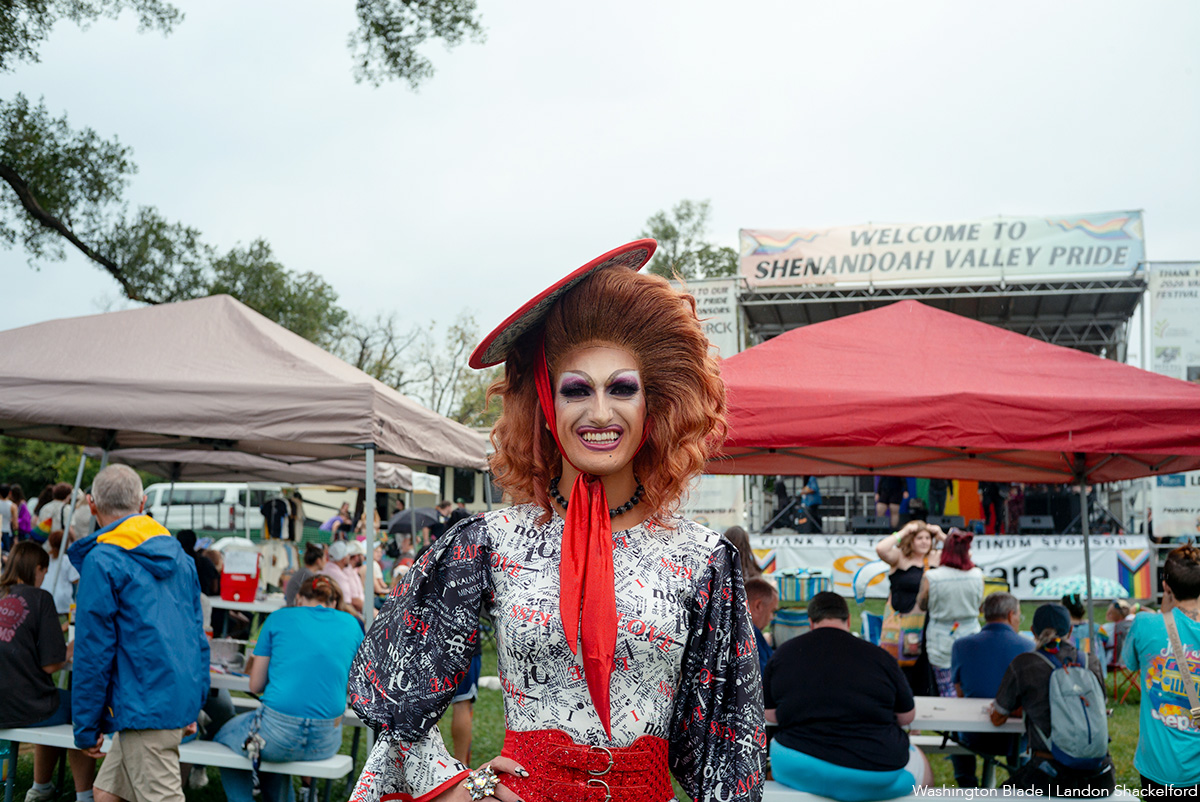
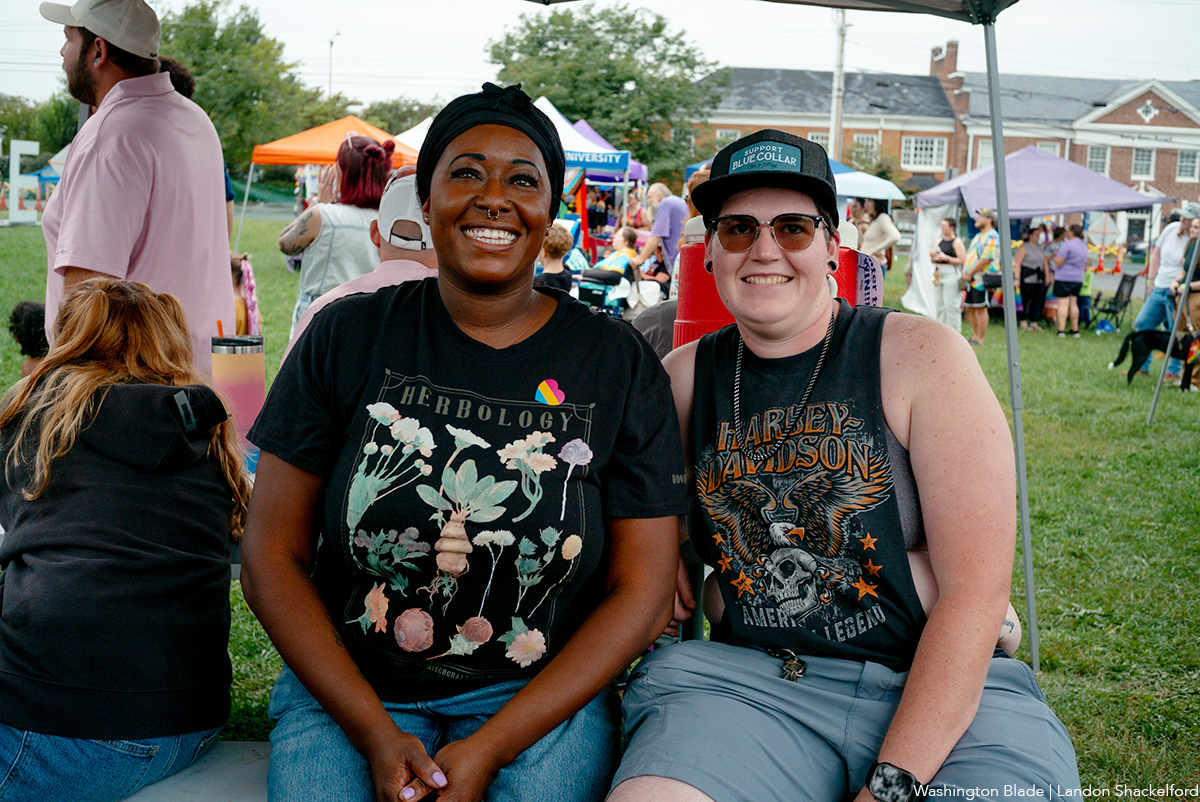
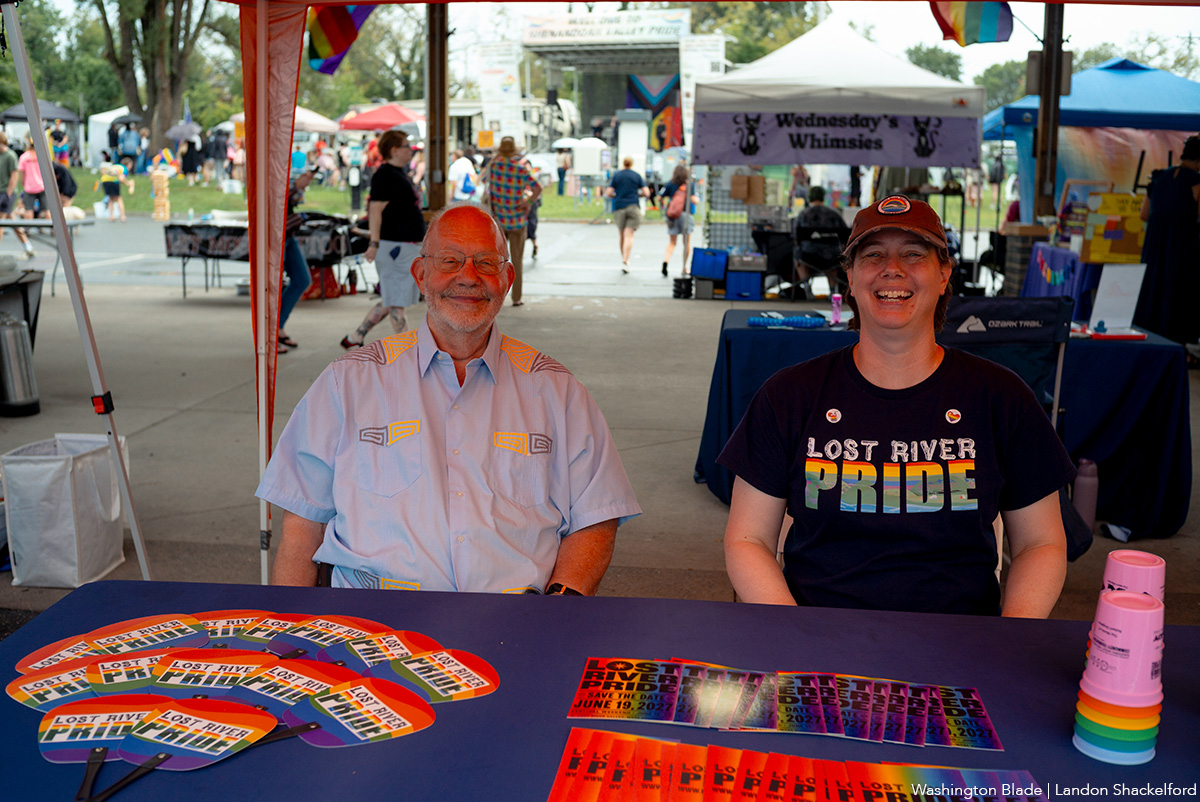
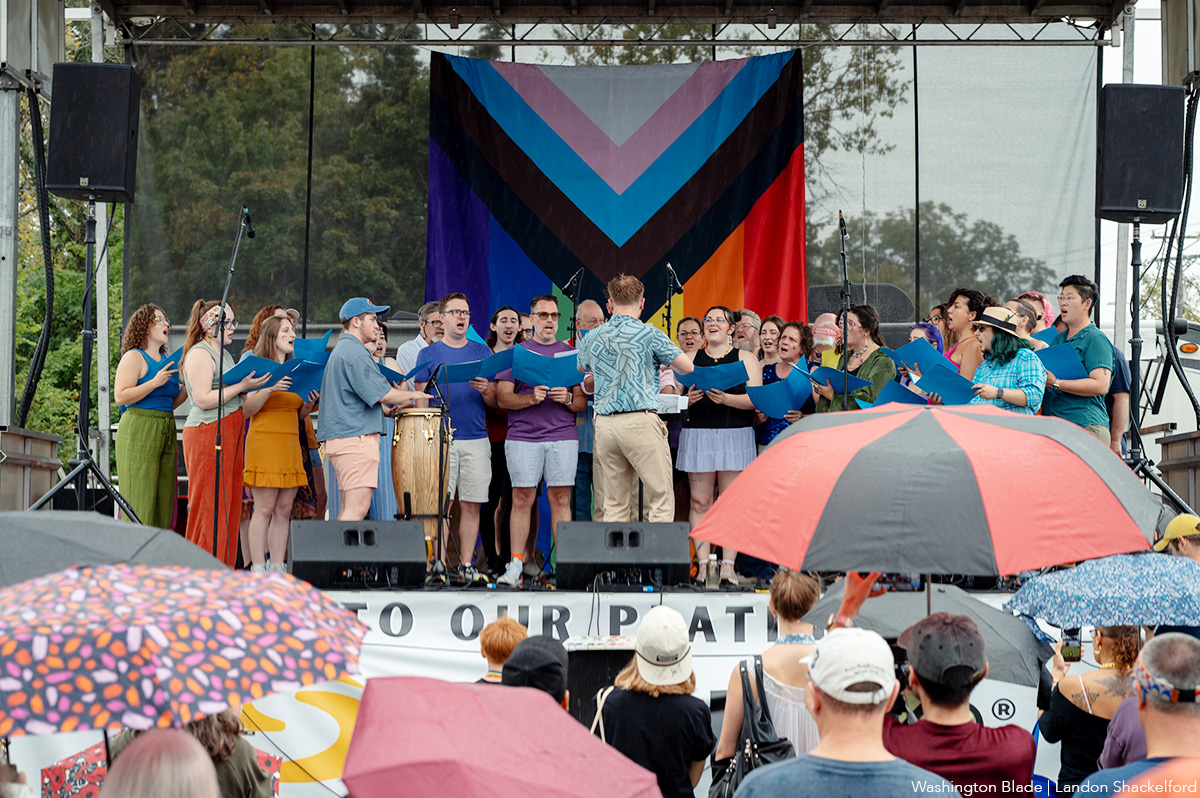
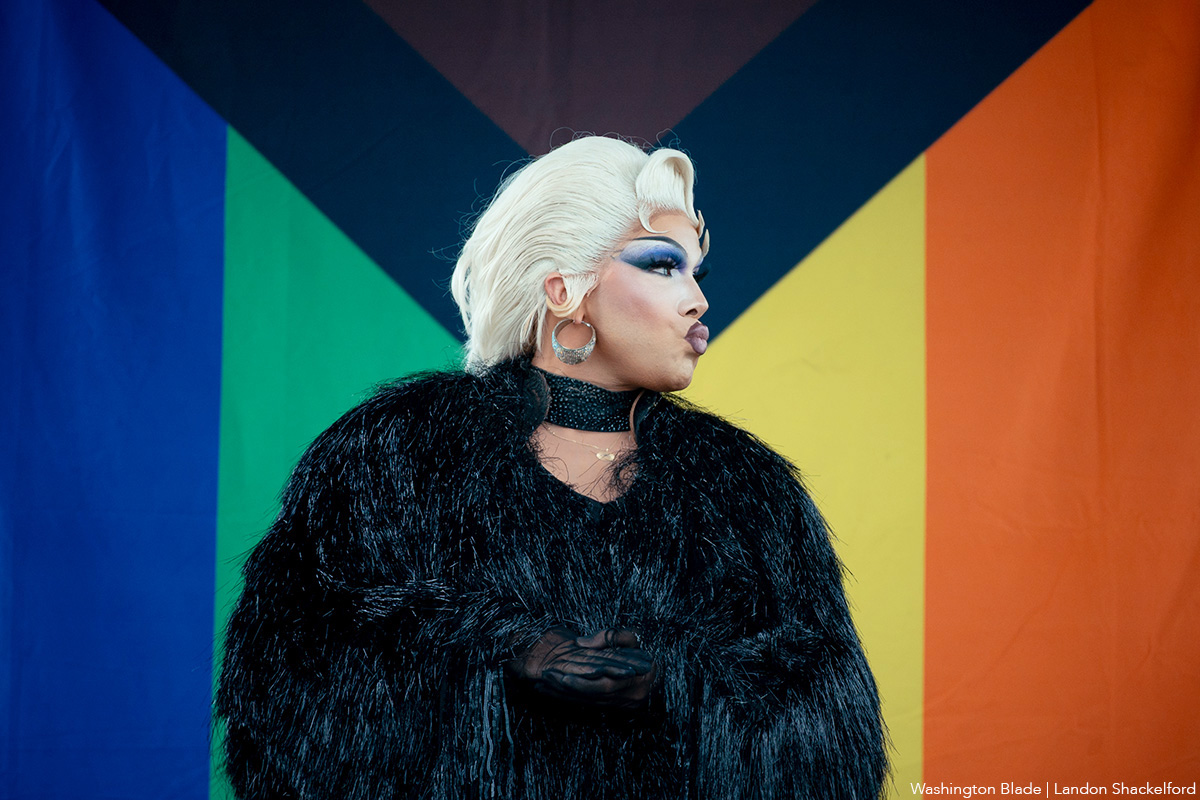
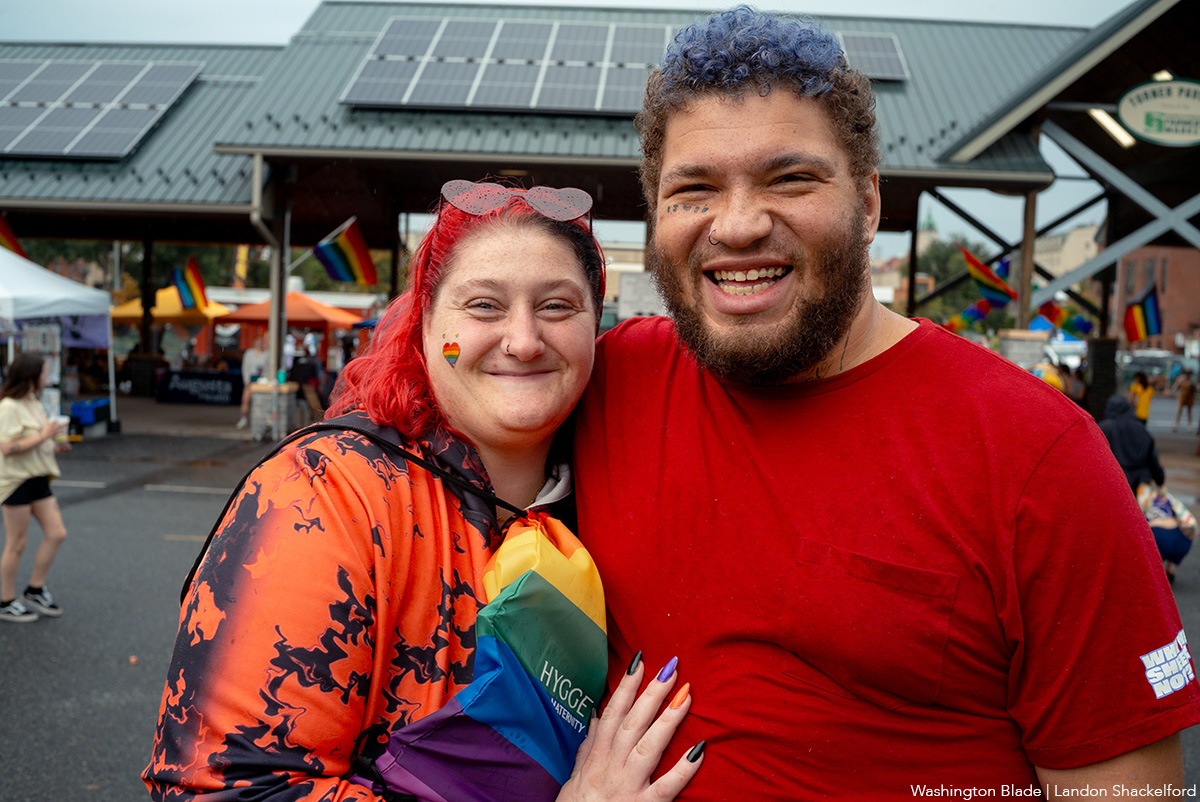
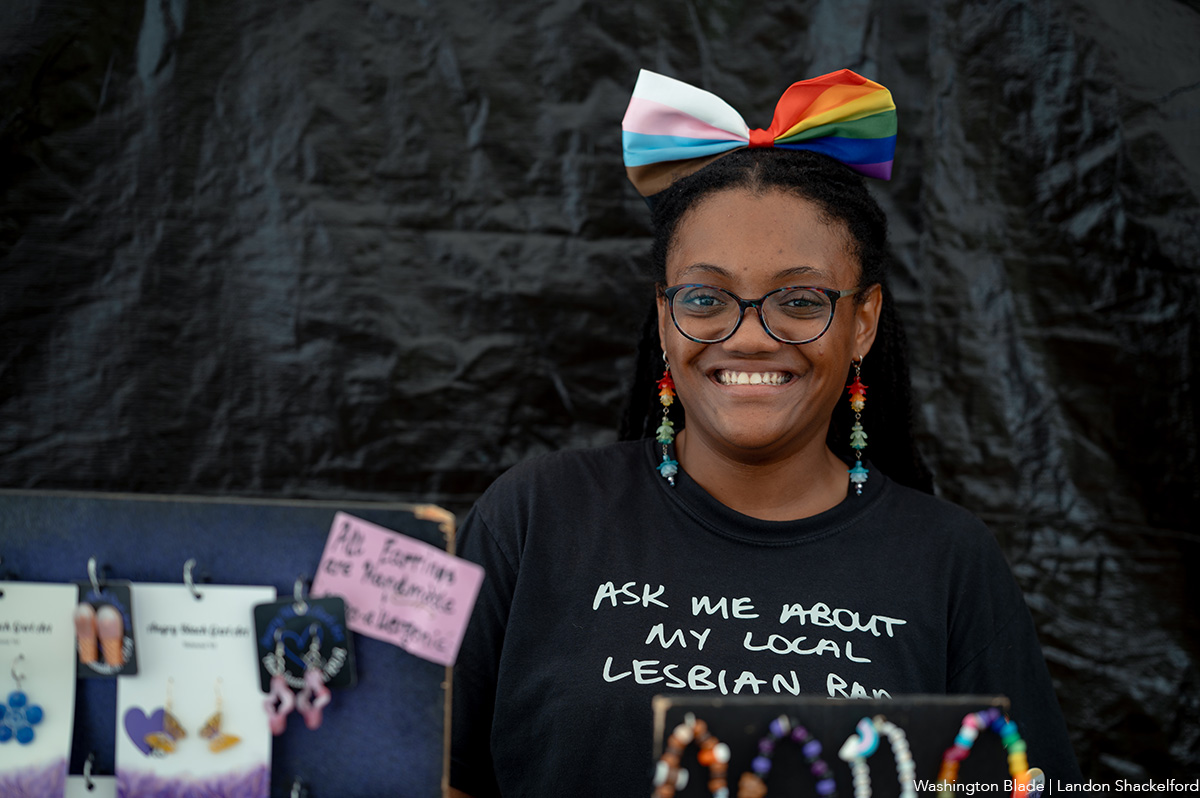
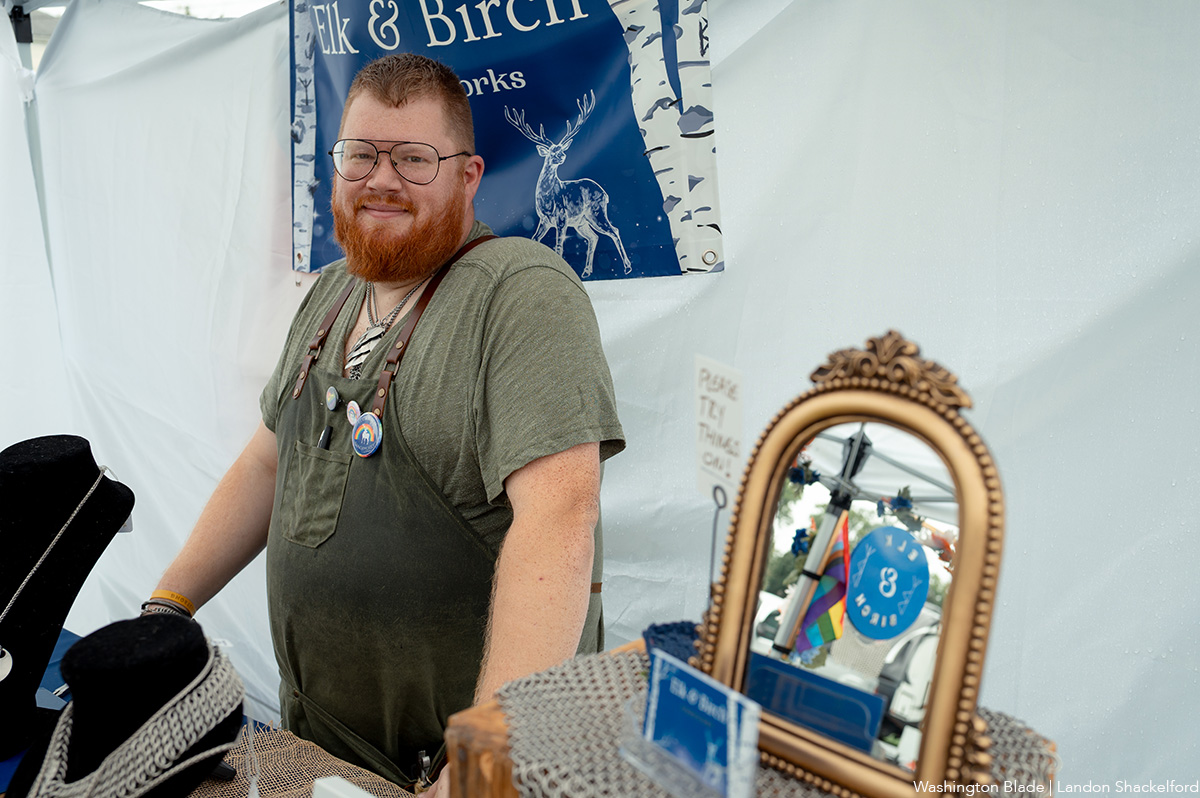
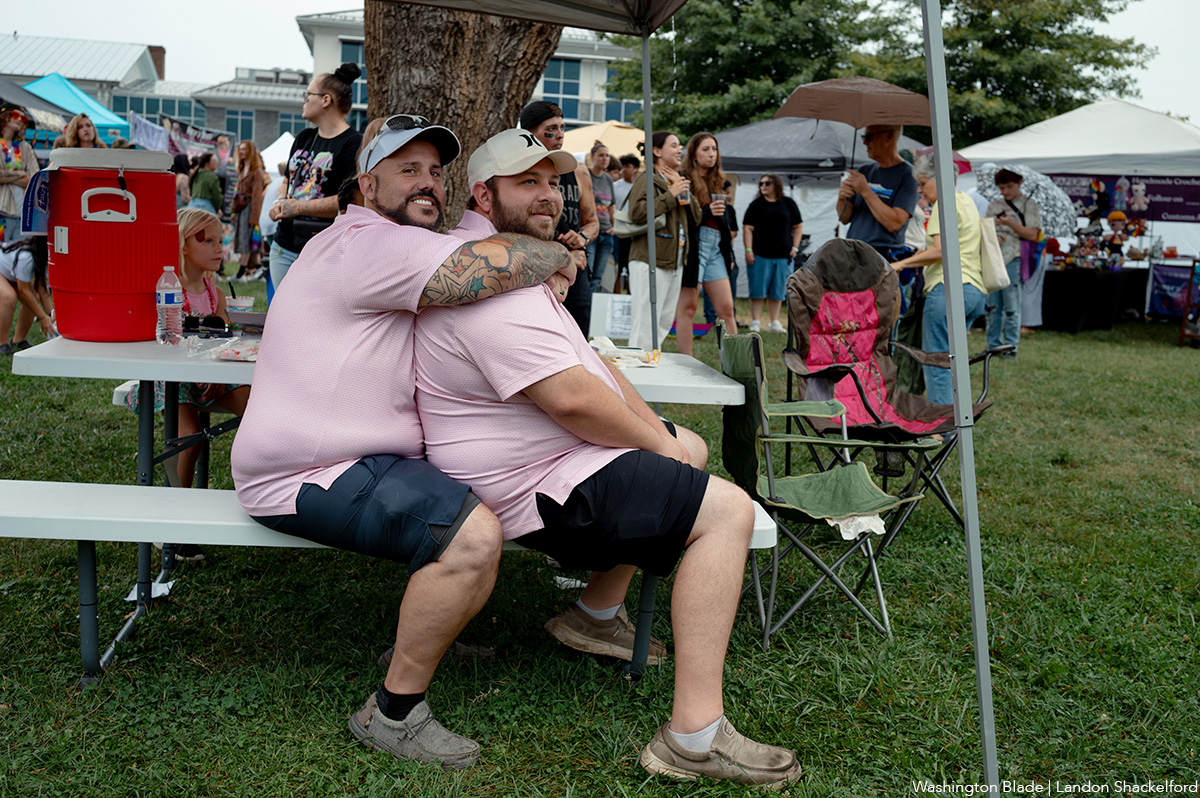
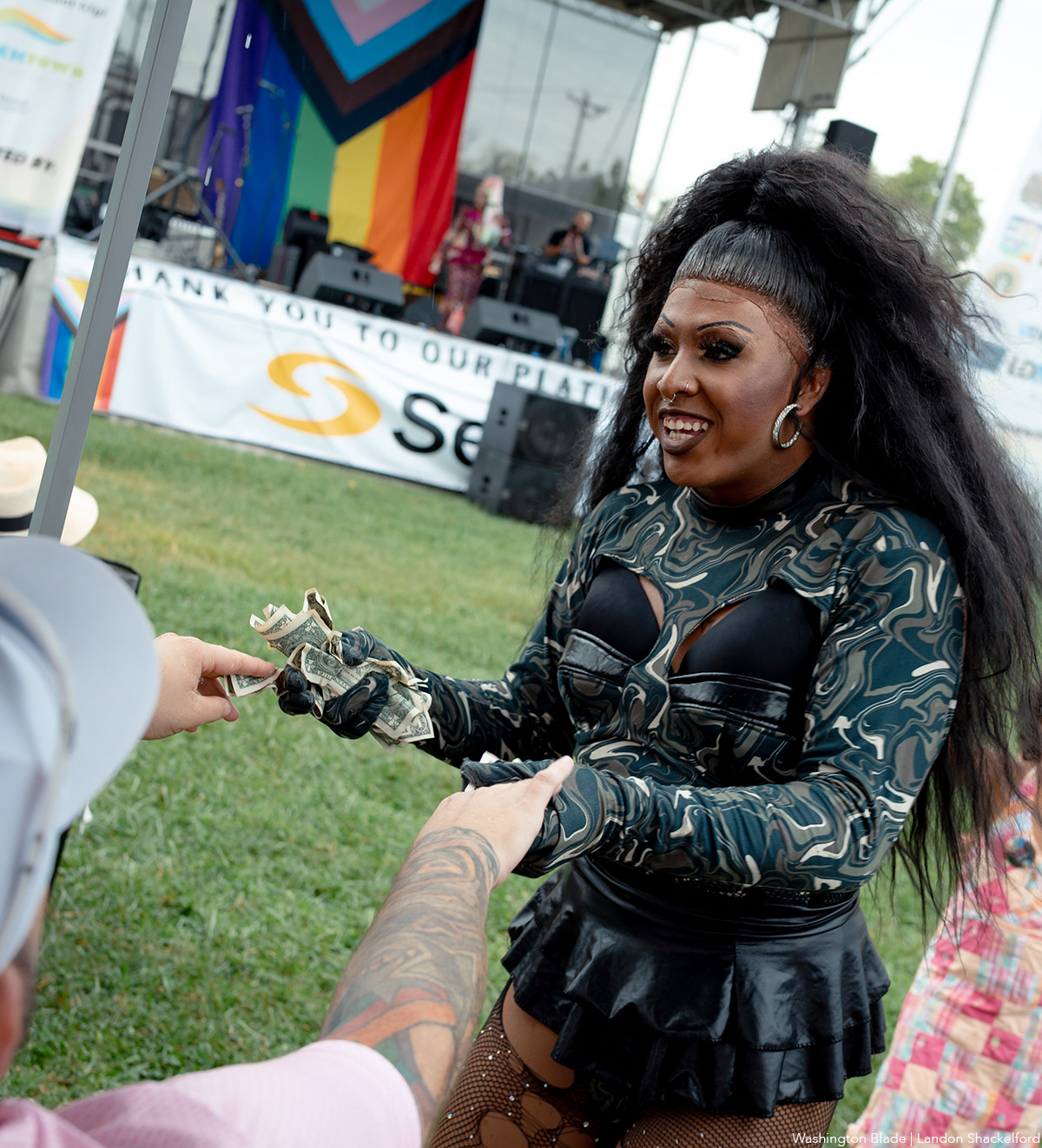
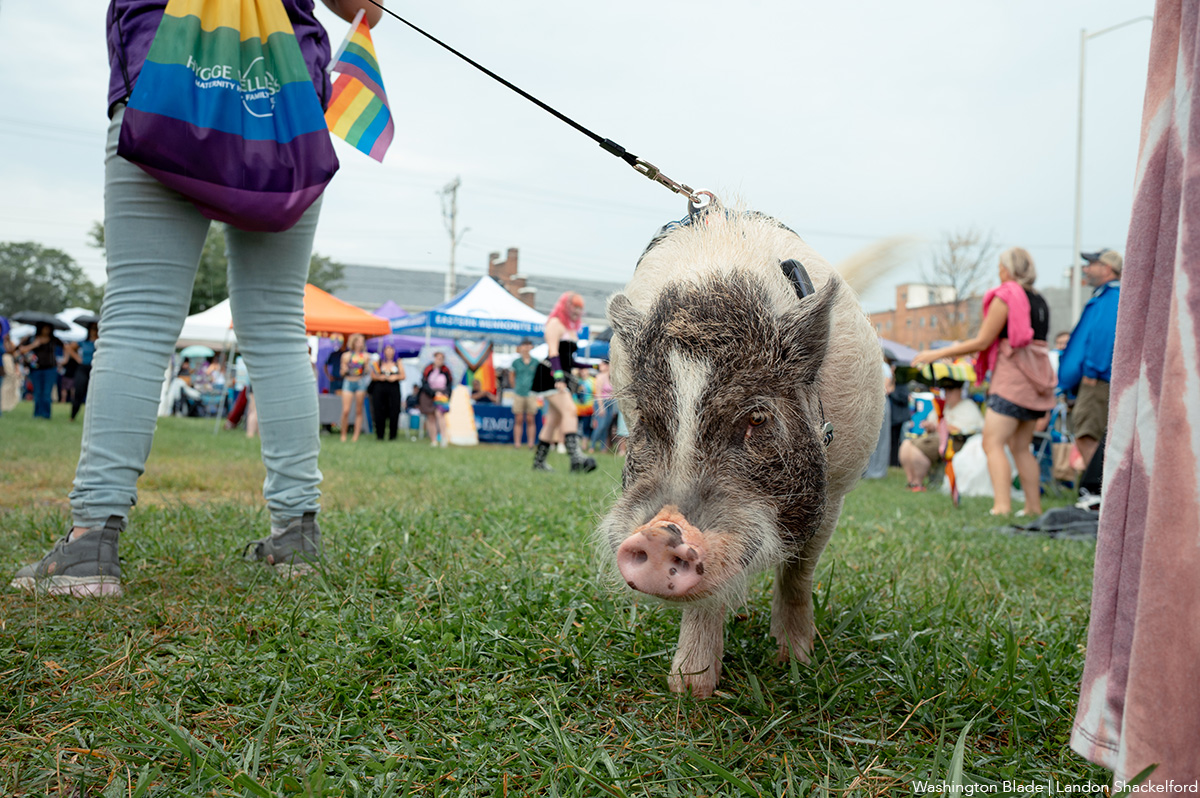
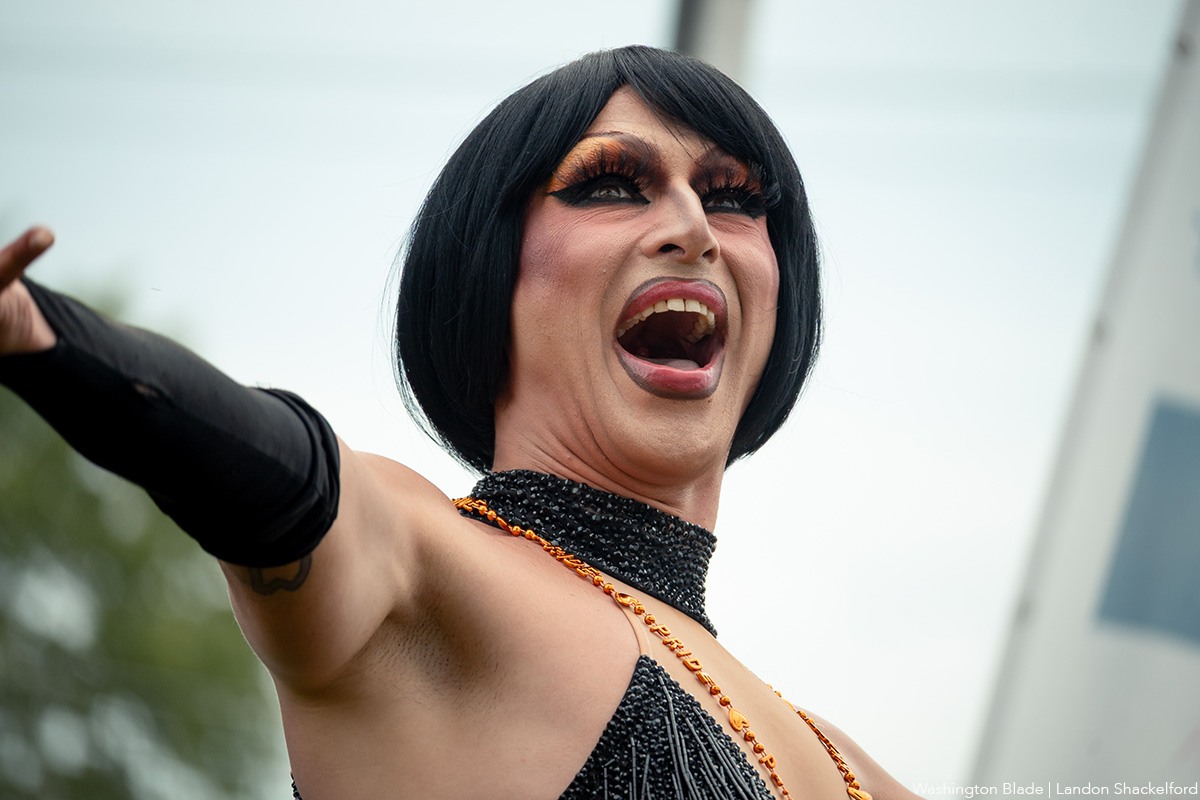
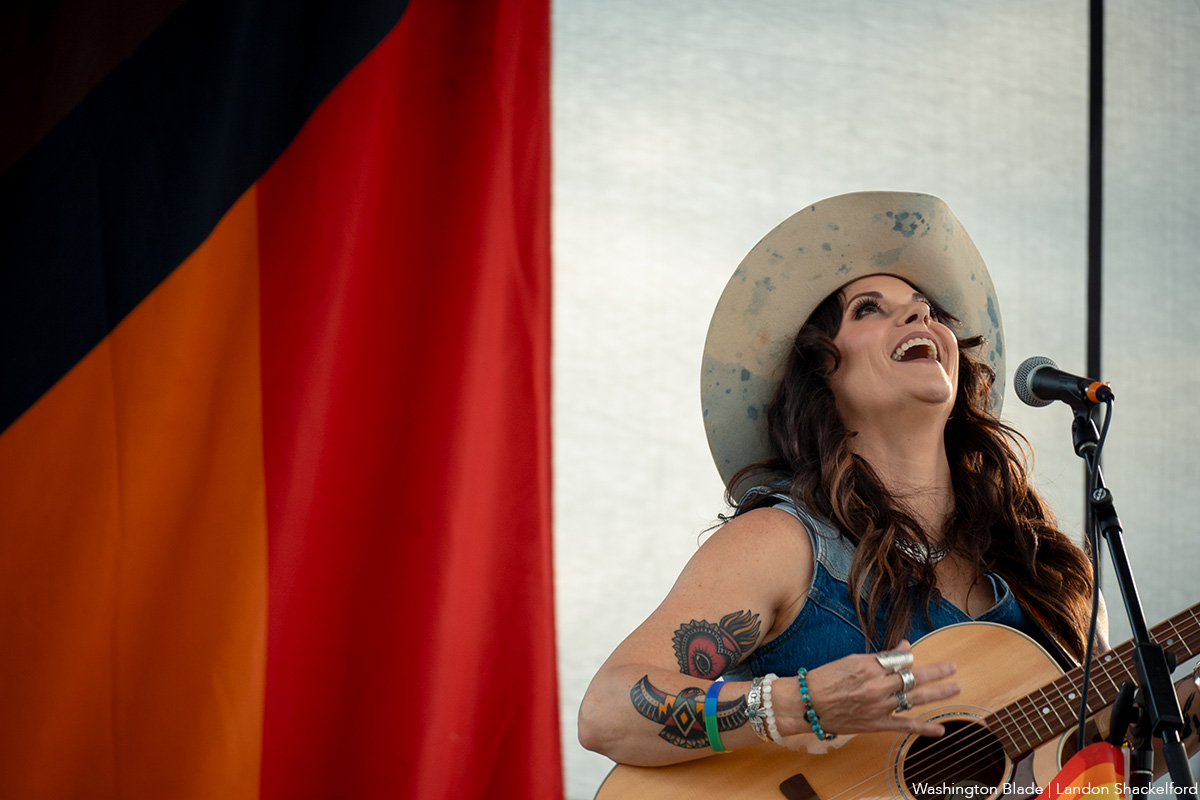
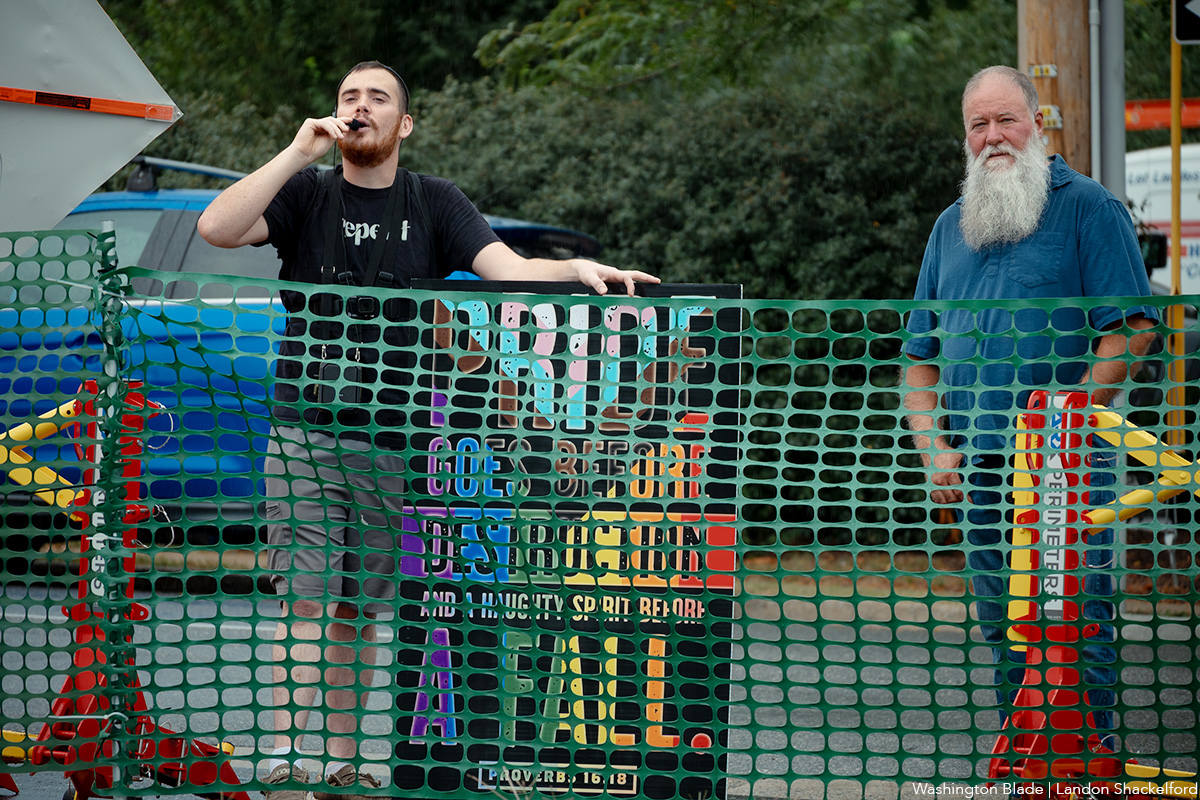
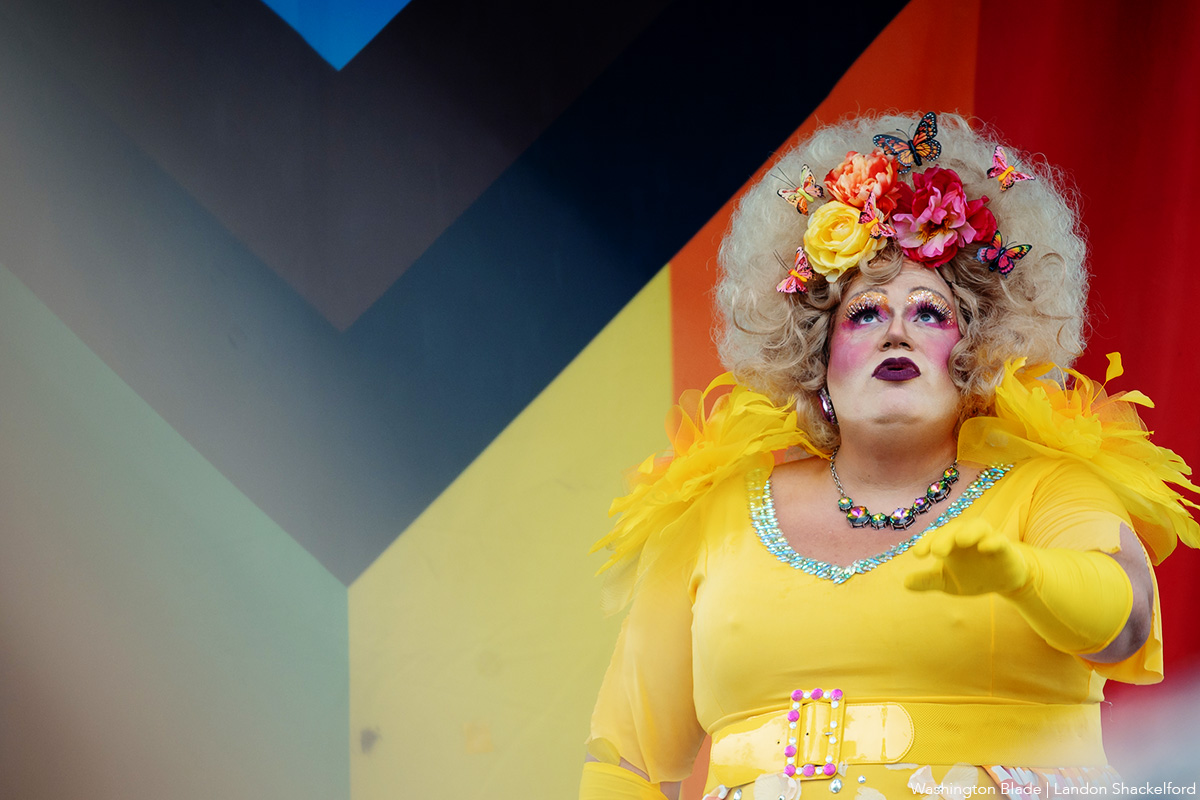
PHOTOS: Shenandoah Valley Pride
LGBTQ celebration held at Turner Pavilion in Harrisonburg, Va.
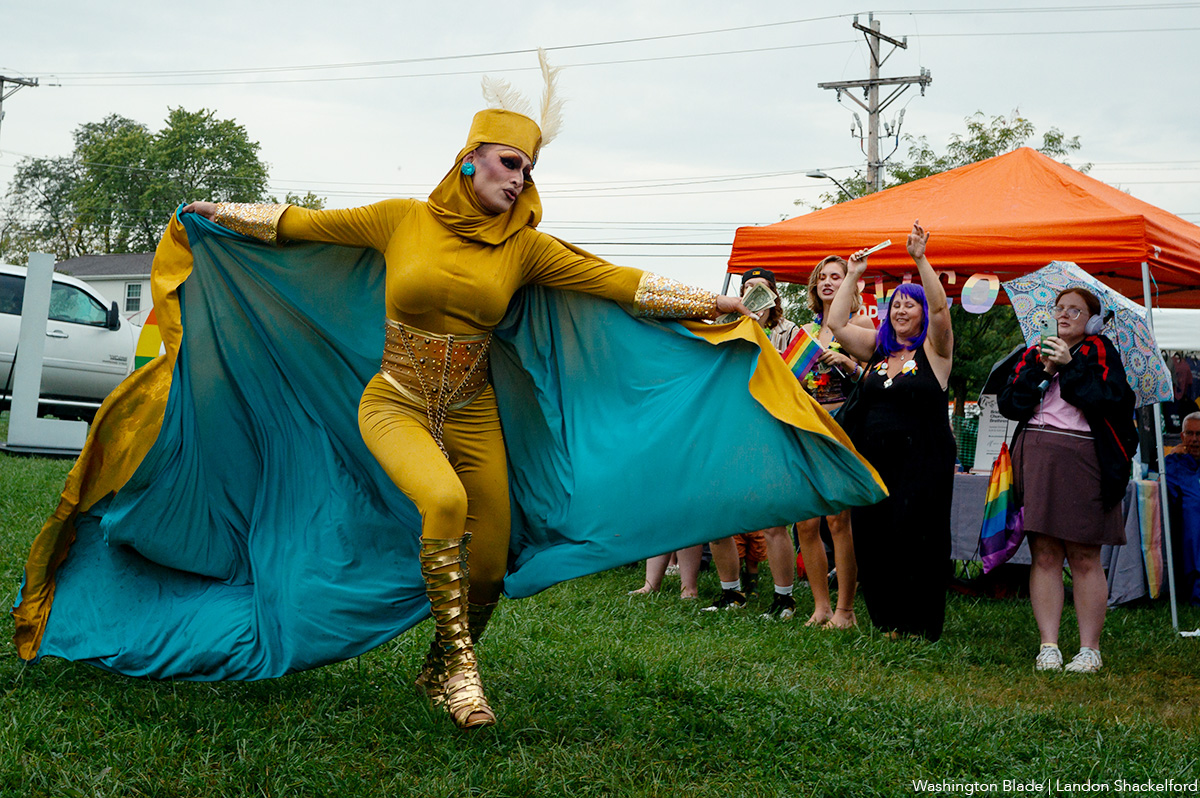
The 2026 Shenandoah Valley Pride Festival was held at Turner Pavilion in Harrisonburg, Va. on Sunday, Sept. 20.
(Washington Blade photos by Landon Shackelford)

Charles Bowers, former owner of Baltimore gay bar the Hippo, dies

Being a female firefighter comes with unique risks, and rewards

Writing a play about Lincoln leads down a rabbit hole to a closet

Trump-appointed judge restores White House TV pool access