Arts & Entertainment
Gift Guide 2019 part 3: hot this year
Vice Wines, Budsies Selfie among hot items

Editor’s note: This is part three of four Blade holiday gift guides. Last week’s installment (home gifts) is here if you missed it. Look for“last minute” in next week’s edition. (Dec. 13).
Category is: hot this year! Gifts galore for him, her, they and them — because secular Santa doesn’t discriminate like hypocrite “Christians” do.
Less is Bore!
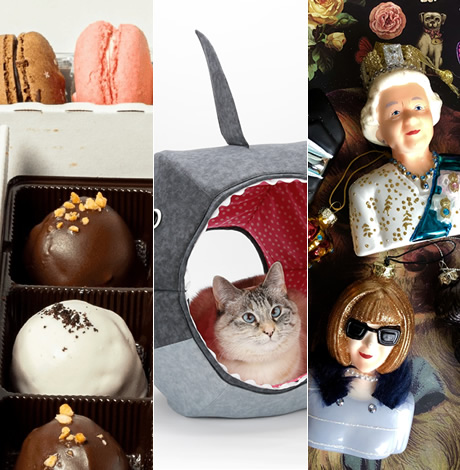
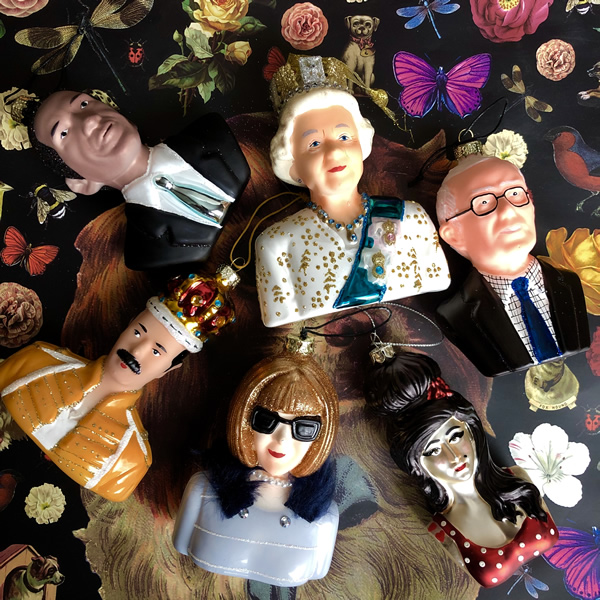
Life’s too short! Why settle for traditional ornaments? Celebrity collection: from the queen, politicians to fashion icons. From $19.95. Available at nakeddecor.com or at Naked Decor Pop Up store at Downtown Holiday Market in Washington.
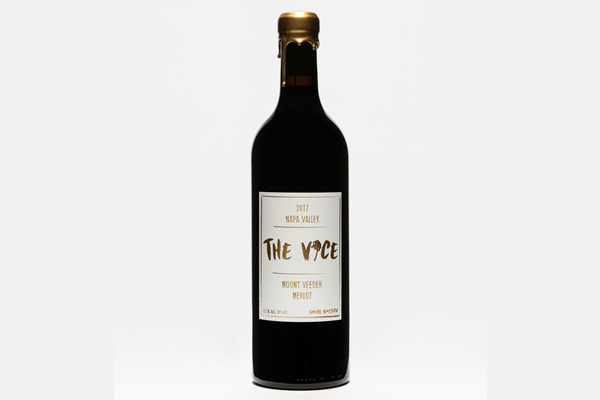
The Vice Wines
If any of your vices include a 2017 Mount Veeder Merlot, 2017 Spring Mountain District Cabernet Sauvignon, or 2018 Carneros Pinot Noir, stock up and save with these aptly named vinos handcrafted to make you feel naughty and nice. $28-695, thevicewine.com.
Budsies Selfie and Petsies Dolls
Lookalike dolls made to order from submitted photographs of your human and pet pals are stuffed with so much holiday cheer that this thoughtful treasure will be cherished for years to come. Ideal for drag queens that have everything but this. $99, budsies.com; $59-199, mypetsies.com.
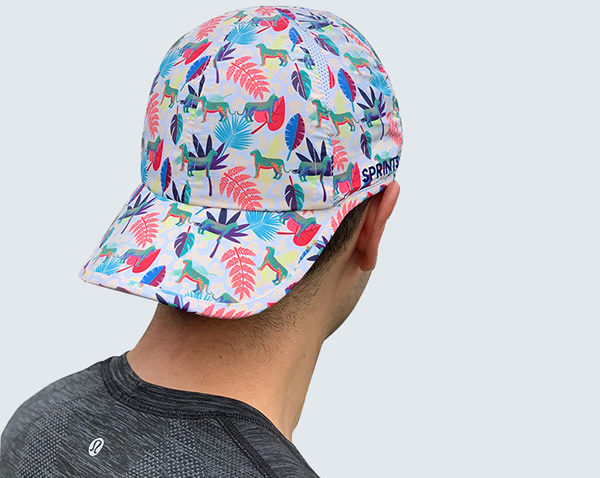
Sprints Running Hat
The super-light, moisture-wicking Tropical Jaguars hat (unisex) protects athletes and outdoor enthusiasts from noggin burn and wet eyes whenever they feel like running wild. $29, getsprints.com.
Bluprint Subscription
Kick-start your secret Santa’s side hustle with Bluprint — NBCUniversal’s digital subscription service that offers classes, projects and supplies across 20-plus crafting hobbies, like quilting, knitting, embroidery and crochet, that can easily transform a creative procrastinator into a weekend money maker. $8-200, mybluprint.com.
OurShelves Children’s Book Box
Guncles and lesbi-aunts will be bedtime-story superstars when they deliver this quarterly subscription box filled with racially and ethically diverse children’s books featuring LGBTQ, feminist and other traditionally under-represented characters and families. $20-70, ourshelves.com.
Kimball Quero Boots
Step up your partner’s foot-fashion game with these ruggedly constructed wingtip boots featuring mixed leather and rubber for a no-slip stride that are as dapper as they are “damn, boy – you lookin’ fiiine!” $245-255, querohms.com.
Dessert Gallery Party in a Box
A successful holiday potluck requires two staples: free-flowing booze and plenty of sweet treats. You’ll find the latter in this Party in a Box available in Southern Pecan Pie, Tres Leches, To-Die-For Fudge Pecan Pie or a customizable tasting box. $40-89, dessertgallery.com.
Cat Ball Bed
Cats lick their plates clean when there’s fish on the menu, but roles are reversed when cute kitties become shark bait in this killer-cozy bed that’s totally fin-tastic. $85, thecatball.com.
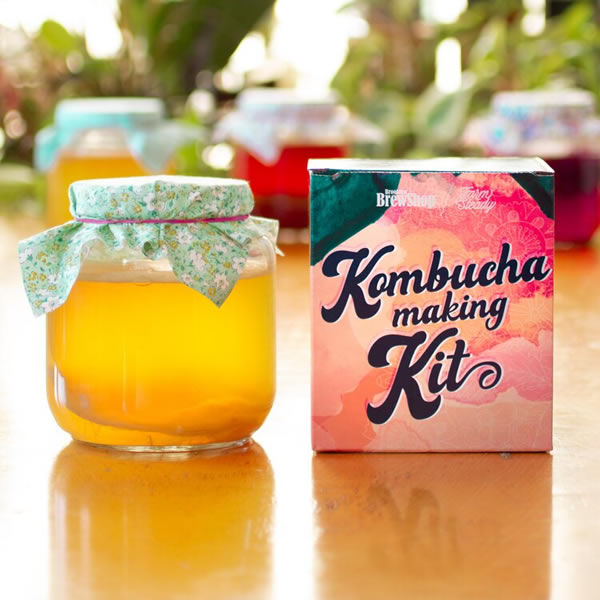
Kombucha Making Kit
Whether you guzzle it or gag on it, kombucha has proven it has staying power and now the most health-conscious homos in your squad can whip up a fresh batch of their favorite fermented fizz without forking over a bundle per bottle. $45, farmsteady.com.
Rory Rockmore Pronoun Necklace
Using proper pronouns in the LGBTQ world can be confusing — you’ll stand corrected if you accidentally misgender — but these 14K gold or white gold nameplate necklaces (also available in HE/him and SHE/her) remove all the guesswork so you can save face. $240, roryrockmore.com.
The 5 O’Clock Box & Tom of Finland Vodka
In these three-step kits — available in sparkling rosé, spiced Old Fashioned, smoky margarita, and Moscow mule — all 5-o’clock-somewhere-ers have to do is add alcohol (like Tom of Finland vodka), shake or stir, and garnish to get tipsier than a freshly cut Tannenbaum. $30, twistyourspirits.com; $35, tomoffinlandvodka.com.
Quartz Collective Healing Crystals
You don’t have to believe in magic to reap the benefits of this collection of curated stones and crystals (which is backed by scientific research, btw) that can help facilitate healing, luck, confidence and calm and soothe negative nervous energy like anxiety. Rub ’em hard enough and you might even conjure up a top who can host. $29, quartzcollective.com.
Succulentsbox.com
The best gift for friends in tiny apartments is even tinier plants that don’t require a ton of care. Live-and-let-live succulents and minis are the perfect present — because who the hell wants to attend another ficus funeral? $5-228, succulentsbox.com.
STOCKING STUFFERS
Mokuyobi Wallets
This color-blocked, couldn’t-be-queerer-if-it-tried collection of clothing and accessories pop so hard Crayola is blue-green with envy. Wallets so bright they’ll make a bish swish harder. $12-156, mokuyobi.com.
CBD Under $20
Pop a literal chill pill when your in-laws start their shit at Christmas supper with CBD hemp capsules or gummies clocking in at under $20 for more than a week’s worth of you-don’t-give-a-fuckness. $7-20, cbdfx.com.
Axol & Friends
These cute plush critters with a purpose have companion storybooks. Axol is gender neutral, using only the pronoun “they/them” in the books, which teach children about rare endangered species and advocate for sustainable, ethical production and consumerism while donating a portion of proceeds to youth empowerment programs around the world. $19, axolandfriends.com.
Socks That Save LGBTQ Lives
Take a cue from today’s black-sock-showing youth and don this out-and-proud rainbow-stripe pair, the proceeds from each will benefit The Trevor Project to provide crisis intervention and suicide prevention for LGBTQ youth. $17, fairtradewinds.net.
HipDot Pressed Glitter Palette
Hey Sis!, Big Boss Miss Ross and Royal Riot are just a few of the names in HipDot’s 15-shade pressed glitter palette designed for all genders to beat their faces like Ziggy Stardust. Proceeds will be donated to the Anti-Violence Project. $30, hipdot.com.
Tighty Whities Ornament
Baby, it’s really cold outside with these festive, glass-assed skivvies that add some bulge to your bulbs. $18, alwaysfits.com.
felixSEBASTIAN Earrings
Burl Ives sang the praises of silver and gold in 1964’s “Rudolph the Red-Nosed Reindeer,” but you can accessorize all the same with the very-now Nascence Collection Studs available in three shapes and metal tones. $50, iamfelixsebastian.com.
Mikey Rox is an award-winning journalist and LGBT lifestyle expert whose work has been published in more than 100 outlets across the world. He spends his time writing from the beach with his dog Jaxon. Connect with Mikey on Instagram @mikeyroxtravels.

Celebrity News
Silky Nutmeg Ganache talks sex and dating, gender, politics, weight loss journey
‘RuPaul’s Drag Race All Stars’ semifinalist grew up in Bible Belt
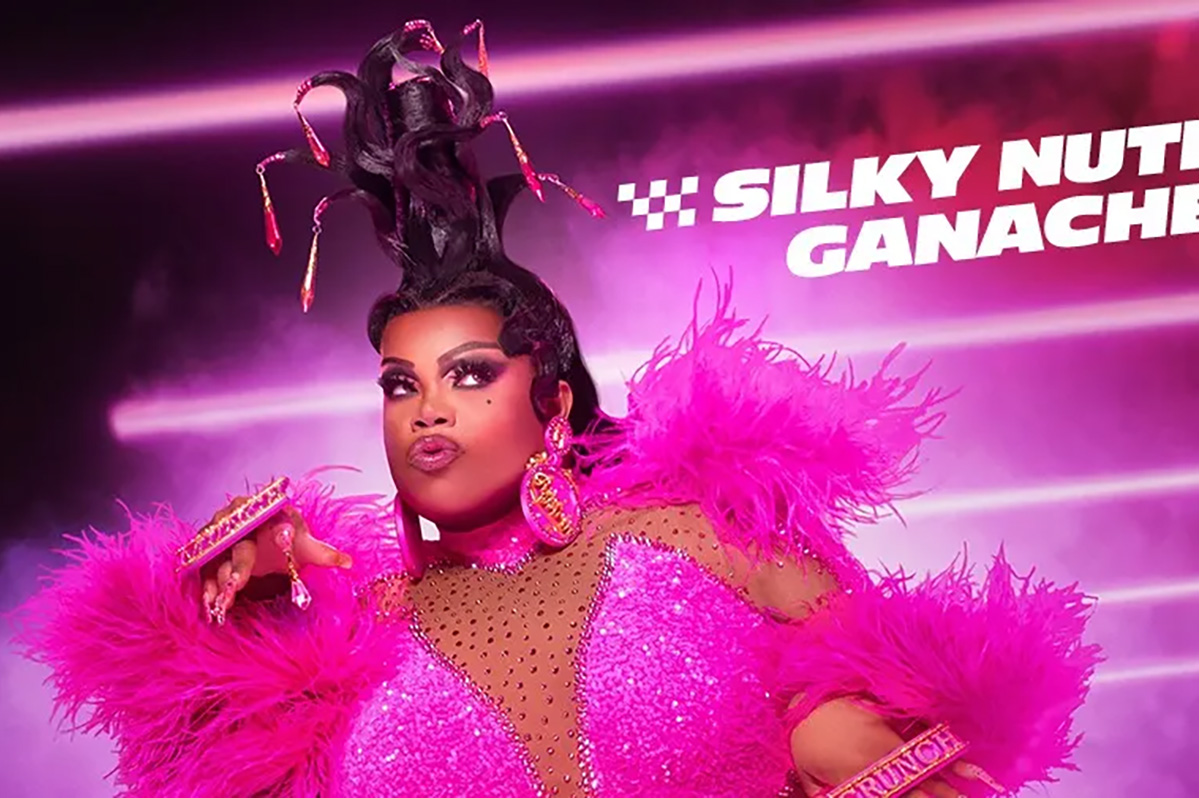
Uncloseted Media published this interview on July 7.
By SPENCER MACNAUGHTON, ISABEL STOKES, and BELLA SAYEGH | After appearing on the 11th season of “RuPaul’s Drag Race,” the first season of “Canada’s Drag Race: Canada vs. the World,” the sixth season of “RuPaul’s All Stars” and now the 11th season of “All Stars,” Silky Nutmeg Ganache, known by many as the Reverend, is undoubtedly a legend.
Born and raised in Moss Point, Miss., Ganache bears all in this episode of “UNCLOSETED with Spencer Macnaughton.” She speaks about her relationship with gender, her 100-pound weight loss, what it’s like living as a queer person of color in a red state and why she’s calling on allies to stand up for the trans community.

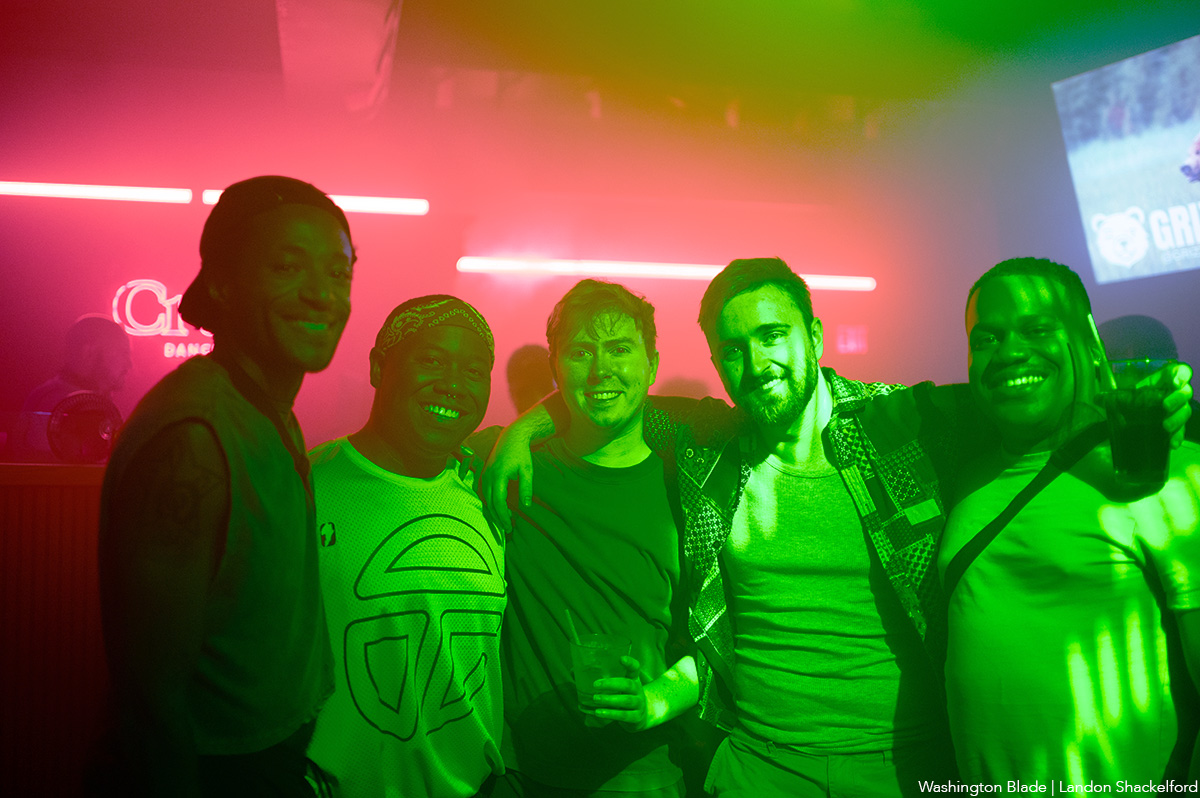
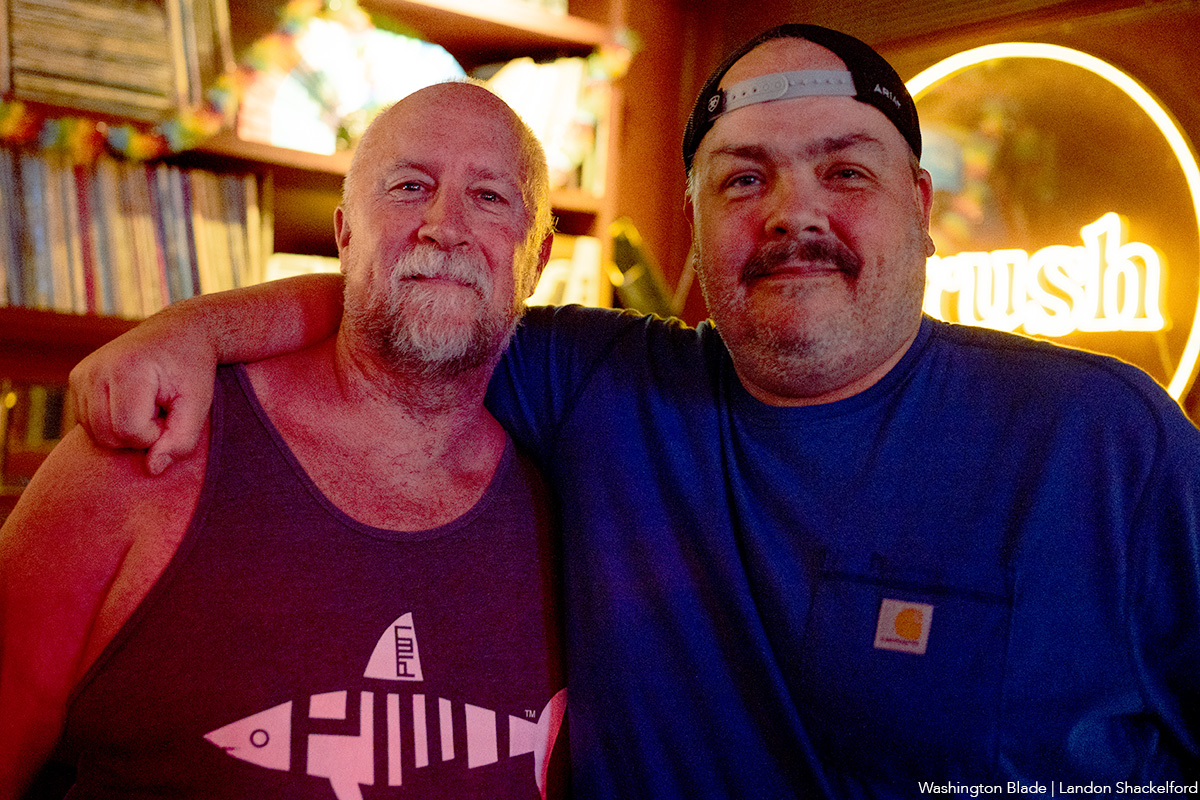
Patrons enjoyed a night out at the popular LGBTQ venue Crush Dance Bar on Friday, July 3.
(Washington Blade photos by Landon Shackelford)





Theater
‘My Favorite Sociopath’ debuts at Shepherdstown’s CATF
Gay playwright Aurin Squire’s take on D.C. journalism in the ‘90s
‘My Favorite Sociopath’
Contemporary American Theater Festival
July 10-Aug. 2
Shepherdstown, W.Va.
Catf.org
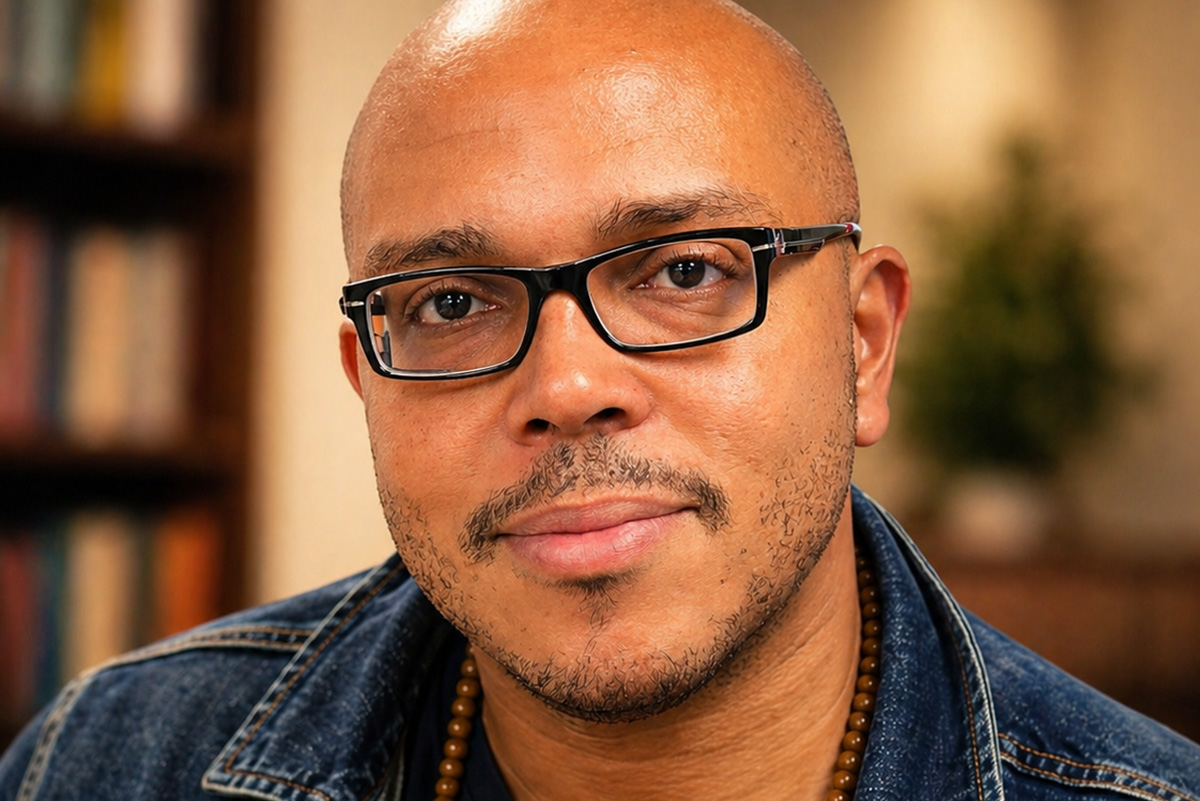
Discernment. It’s a thing some people have, explains playwright Aurin Squire, especially when you’re gay or Black in America (Squire is both).
“You instinctively know when the mob is teaming up for the best interests of the powers that be. You can feel it in the air.”
In his sharp new satire “My Favorite Sociopath,” Squire writes about life experiences but set in a different time and place: It’s the 1990s, early days of the 24-hour news cycle, and three ambitious journalism students are pursuing success in D.C.
And now, Squire’s play, along with other new works, are making their world premieres at the annual Contemporary American Theater Festival (CATF) at Shepherd University in historic, queer-friendly Shepherdstown, W.Va. (just a 90-minute drive from D.C.).
“All of my plays are queer in some way,” says Squire, 46. “This one touches on harmless and dangerous lies. The characters are on the spectrum sexually, and it’s interesting how all that falls out.”
And he’s given it a lot of thought.
“Already as a kid, it seemed to me that the rage against rap music and sex was coming from closeted people resisting their own urges and temptations. For me, it was interesting to see a witch hunt led by witches. Queer people can always call out a lie.”
Since September, Squire has also been working with a TV show about the tech industry set in Silicon Valley. He says, “It seems the general flow of the tech industry is that humanity and civilization is finished and it’s just about accumulating as many goods as possible before everything collapses. In fact, those who are profiting actually agree. But for those who disagree, they believe the solution is to build bigger gates, but activists believe we can stop this”
Yet, he’s learned from folks associated with the show. “Many say the quickest way to divorce yourself from any responsibility or regulations — smash and grab. Otherwise, you have to stop and think and regulate your desires for greed and power”
Squire possesses a penchant for pithy titles. He laughs, explaining the first thing he wrote as a student at Juilliard was “Obama-ology,” the comedy with contemporary message. While a lot of people liked the name, it didn’t necessarily vibe with the author. He concedes that he chooses names based on “easy to remember” and titles that won’t be easy to lose as a file.
Another is “Defacing Michael Jackson,” a coming-of-age dramedy set in rural Florida in 1984, specifically Squire’s native town Opa-locka, Miami, a fantastical place famed for its fanciful Moorish revival architecture.
Living in the shadow of exotic structures, he wasn’t particularly fazed. Squire says “It wasn’t until returning to visit after my freshman year at Northwestern University in Chicago that I realized how weird it was: When you grow up in a place, you take surroundings for granted no matter how over the top.”
Now based in New York (where for two happy years, 2017-2019, he shared digs with drag king Murry Hill), Squire returns frequently to Miami to be with family, but this summer has been filled with both work and travel.
Currently, he’s in Shepherdstown with CATF shaping up “My Favorite Sociopath.” Later this summer he will travel to South Africa for research, followed by a silent writing retreat in Santa Fe, N.M.
Much of Squire’s work reflects the Latino, African, Caribbean, African-American, and Jewish cultures he grew up around in South Florida.
When asked if today’s winds of anti-multiculturalism worry him, he replies, “No, because that’s going to pass. Most people don’t like, people are seeing the negative results of it, and the young people coming up despise it. White male gamers were tricked momentarily through the algorithms into voting against their own interests and they’re now seeing how it’s not working out for them.
“Conservatives always try to stop progress and eventually they always lose. It’s just a question of where we’ll be in the middle of the end of civilization before that happens. I’d like to hope we can turn the ship around before then.”
In addition to “My Favorite Sociopath,” CATF summer season features three other world premieres (Lisa D’Amour’s comedy “The Smoker,” “Refugee Rhapsody” by Yussef El Guindi, “Best Line Wins: A Play Inspired by the Improvised Lives of Elaine May & Mike Nichols” by Beth Kander) and “¡VOS!” by Christina Pumariega.
CATF runs from July 10-Aug. 2 in three venues on the Shepherd University campus: Frank Center, Marinoff Theater, and Studio 112.

As Washington shifts right, Democratic Socialists gain ground

Susan Stewart could make history as Rehoboth’s first openly gay mayor

Silky Nutmeg Ganache talks sex and dating, gender, politics, weight loss journey

Madonna roundup: Reviews, sales, and love for ‘Danceteria’

Three overlooked court rulings limited White House anti-trans policies

‘Transcendent’ a tough but important read

‘My Favorite Sociopath’ debuts at Shepherdstown’s CATF

Under-the-radar Delaware beach towns smart buyers are targeting

In Trump’s divided America, Michael Weinstein’s AHF responds