Arts & Entertainment
New CEO rebuffs homophobia, doubles down on inclusion at Disney shareholder meeting
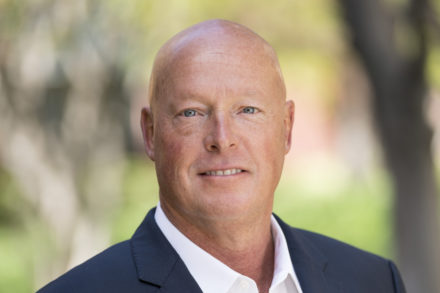
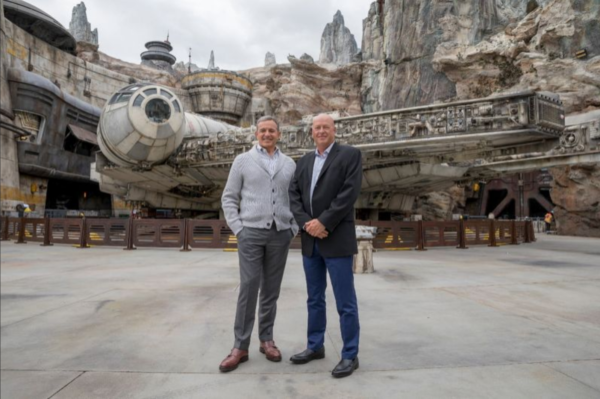
An anti-LGBTQ activist got shut down at Disney’s annual shareholder meeting by none other than the company’s new CEO himself.
Caroline Farrow, who was representing the British conservative advocacy group CitizenGo, came to the March 11 event to pressure the entertainment giant over its promotion of “LGBT ideology” in its films and television programming. It was the first shareholder meeting to be presided over by Bob Chapek, a 27-year Disney veteran who replaced former company CEO Bob Iger at the end of February.
Farrow is an outspoken anti-LGBTQ propogandist who has described rainbow lanyards as a “hostile political symbol,” written an article claiming that LGBTQ parenting “threatens to eliminate the concept of motherhood and rides roughshod over children’s needs,” and has a history of making transphobic statements – even receiving an injunction to desist her tweets about a transgender lawyer.
At the Raleigh, North Carolina meeting, she spoke up to suggest that decline in the value of the company’ stock was due to its inclusion of LGBTQ representation in its content.
Directing her remarks at Chapek, she said, “At a time when your stock is down by 20 percent, is it perhaps time to reconsider what you can do to make Disney more family friendly… and also, what would you say to those 700,000 people who signed our petition saying, please let’s not have the gay prides in the Disneyland parks?”
She added that many families “no longer feel safe” engaging with Disney over its embrace of LGBTQ characters.
Chapek didn’t take the bait.
The fledgling company chair instead doubled down on Disney’s commitment to inclusion, before countering Farrow’s analysis of the falling stock value with the more likely suggestion that the declining numbers were related to the global outbreak of COVID-19.
“At Disney we strongly believe we should reflect in our creative content the diversity that we find in our fanbase and our audience,” Chapek said. “I believe that will continue with an increased commitment as we move forward. We want to represent our audience. We believe we want to tell stories that our audience wants to hear that reflects their lives.”
“In terms of the stock price, there’s a lot of reasons why the stock price might be down 20 per cent that has nothing to do with the issue you raised,” he continued. “It might have more to do with coronavirus and the worldwide pandemic that we’re facing.”
His response was greeted with enthusiastic applause from the crowd of shareholders in attendance.
Disney has been increasing LGBTQ representation in its contents in recent years, introducing the Disney Channel’s first recurring LGBTQ storyline on the show “Andi Mack” in 2017, and featuring same-sex couples on the cartoons “Doc McStuffins” and “Star vs. The Forces of Evil.” It raised the ire of conservatives and challenged censors in foreign markets with anti-LGBTQ guidelines by including a character that was strongly implied to be LGBTQ in its live-action remake of “Beauty and the Beast,” and has included LGBTQ moments and characters in its Marvel and “Star Wars” films and shows. The current Disney/Pixar release “Onward” features an out lesbian character voiced by Lena Waithe, and there are reportedly out gay characters coming in the upcoming releases “Jungle Cruise” and Marvel’s “The Eternals.”
Conservative critics have continued to express homophobic outrage at even the slightest suggestion of LGBTQ inclusion from Disney, with anti-LGBTQ groups petitioning the company to stop hosting Pride events at their parks and a call for a boycott from the misleadingly-named One Million Moms.
Despite its efforts toward inclusion, the company has also taken fire from critics and LGBTQ advocates for lagging behind, by providing characters with LGBTQ identities that are hidden, subtle, or token and failing to embrace the fan-fueled LGBTQ identification of characters such as Elsa in “Frozen” or Finn and Poe in the rebooted “Star Wars” franchise.
Chapek’s unequivocal response to Farrow at last Wednesday’s meeting is being interpreted as a signal of the company’s commitment to more representation.


Out & About
CAMP Rehoboth Block Party returns Oct. 18
Expect performances, vendors and more at annual celebration

CAMP Rehoboth will host its annual Block Party celebration on Sunday, Oct.18 at 11 a.m. on the second block of Baltimore Avenue in downtown Rehoboth Beach.
CAMP Rehoboth invites all community members to join in the festivities and to expect magnificent performances and dozens of vendors, including artists, craftspeople, non-profits, businesses, and more.
The event started in 2015 in celebration of CAMP Rehoboth’s 25th anniversary. This year, attendees can expect to shop sea glass art, pottery, jewelry, Pride merch, body care, clothing, and learn more about local non-profit causes and businesses.
Attendance is free. For more details, visit CAMP Rehoboth’s website.
Movies
Essential queer horror classics for Halloween
‘Bride of Frankenstein,’ Bowie in ‘The Hunger,’ and more
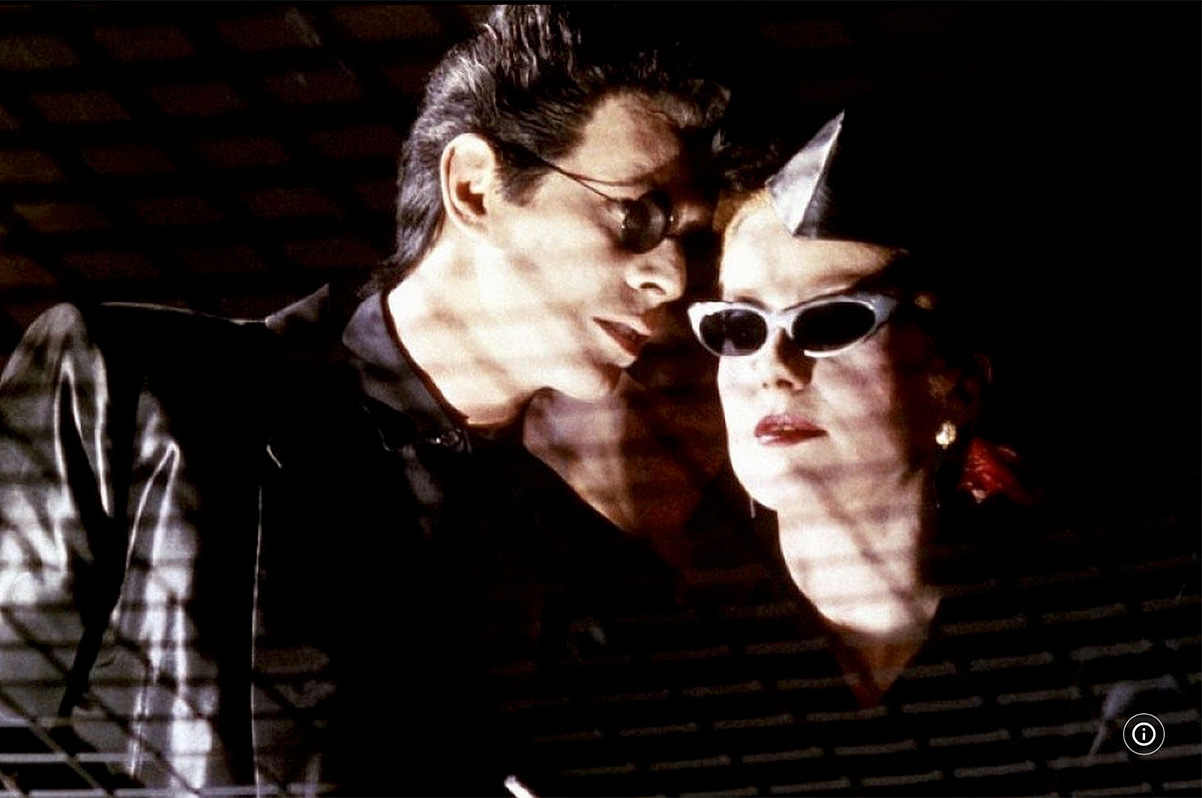
Sure, this spooky season has blessed us with a lot of new horror on TV and at the movies, but when it comes to Halloween, you can never have too much horror to watch. With that in mind, we’ve put together a list of celebrated queer chillers that queer horror fans may know about but might not have seen, especially if you’re part of a younger generation of movie buffs looking to expand your experience with the genre beyond the contemporary crop that has turned the early 2000s into a renaissance of horror cinema.
Bride of Frankenstein (1935)
Yes, we know subtextualized queerness in horror feels like a cop-out in this day and age, but in the early days of Hollywood, it was the only way to sneak it past the censors – and that’s exactly what English expat director James Whale did as a defining force behind the success of Universal Studios’s classic horror “franchise” of the 1930s. More-or-less openly gay with a background in theater, he put those sensibilities to good use on film, and reached his queer pinnacle with “Bride of Frankenstein,” a sequel that expanded on the original with a wicked sense of humor and a “lavender” touch that was obvious to anyone who was in the know.
Skewering “monster movie” tropes and satirizing the conventional mentality of all those angry villagers, Whale also delivered a story of two men – Doctors Frankenstein and Pretorius (Colin Clive and Ernest Thesiger, respectively) – whose clandestine efforts to create a mate for Boris Karloff’s lonely monster read like a gay couple drawn together by “unnatural” obsessions. Thesiger’s unapologetically queer persona would likely dominate the entire film if not for Elsa Lanchester’s turn as the hissing, electrified title character, but the film’s true greatness lies in transforming Karloff’s “monster” into a full-fledged tragic hero, a primal avatar for “otherness” that emerges as the most sympathetic figure on the screen; and while it might not be that “scary” by modern standards, as one of the most boldly transgressive films of the Hollywood “golden era” it still packs a wickedly savage punch.
The Haunting (1963)
Based on Shirley Jackson’s novel of the same name and helmed by veteran director Robert Wise in the wake of his Oscar-winning screen adaptation of “West Side Story,” “The Haunting” is a film that looms large in the history of queer representation in American cinema, simply for the fact that it included an openly lesbian character during a time when anything beyond a subtle implication of non-heterosexual alignment was still very much considered taboo.
The character in question is a psychic named Theodora (Claire Bloom), one of a group of individuals invited by a paranormal researcher (Richard Johnson) to investigate an old New England house, which is reputed to be haunted in the wake of a long string of tragedies that have befallen the family that owns it. Although she’s something of a thorny personality, she’s framed as neither villain not victim, but her presence provides queer overtones that impact the rest of the story, particularly through the growing psychological agitation of its painfully repressed central character (Julie Harris) and the history of the house itself.
A classic “old, dark house” ghost story that deliberately avoids depicting anything definitively supernatural, it focuses instead on psychological tension and the power of suggestion to ramp up scares, which it does quite effectively, utilizing innovative camera and sound techniques to suggest, but never reveal, the dark forces that drive the story. Audiences of the time wanted more concrete thrills, so it was not a major hit; nevertheless, it has been consistently ranked as one of the best horror films of all time – and while it might not offer the blood-curdling terror modern viewers expect, its moody sense of dread and doom is enough to keep you on edge for the duration.
The Hunger (1983)
It’s hard to think of a horror film as openly sexy as this classic from director Tony Scott, which turns Whitley Streiber’s book about an ancient vampire (Catherine Deneuve) in modern New York, who grooms a scientist (Susan Sarandon) to be her new sexual companion for the ages as the old one (David Bowie) begins to rapidly age and decline. Dripping with 1980s cool (it opens with Bauhaus singing “Bela Lugosi’s Dead” in a nightclub) and leaning hard into the open eroticism of a more sexually permissive era, it doesn’t hide its sapphic supernatural love story in the subtext; instead, it gives us one of the steamiest love scenes between two women ever put on film. Critics of the time praised it for its style and its mood, but lamented what they perceived as an ultimately shallow story – but in retrospect, its pervading air of melancholy doom despite the glamorous elegance of its presentation serves as a fitting reminder that an eternal life of meaningless beauty and pleasure might not be as great an idea as we think it is.
Stranger by the Lake (2013)
French filmmaker Alan Giraudie delivers one of the sexiest – and scariest – gay thrillers – of all time – in this tale of a young man (Pierre Deladonchamps) who frequents a lakeside nude beach, which is a popular hook-up spot despite a recent series of unsolved killings in the area. He becomes infatuated with an attractive man (Christophe Paou) he meets there and they connect; later, he witnesses an incident that makes him suspect his new flame might be the murderer – but that doesn’t stop him from continuing to pursue their relationship, despite an increasing likelihood that he might end up as the next victim. It’s an obvious essay on the power of lust to pull us into danger, but it doesn’t moralize; instead it entices us deeper with scenes of graphic un-simulated sex and sparks nostalgic fantasies of a pre-Grindr era when the threat of encountering a serial killer was never enough to keep us away from our favorite cruising spot. Transgressive? Yes, and also terrifying.
We’re All Going to the World’s Fair (2021)
If you’re a horror fan in 2026, it’s likely you’ve already seen trans filmmaker Jane Schoenbrun’s critically lauded “I Saw the TV Glow,” as well as “Teenage Sex and Death and Camp Miasma,” which has emerged as one of the year’s most acclaimed movies so far. You might not, however, be familiar with their first feature film, in which a teenage girl (Anna Cobb), living an isolated life with an abusive single father, finds escape and connection on the internet; she participates in a “viral challenge” that requires her to post a video of herself performing a ritual chant, and then follow up with updates documenting the transformation she goes through as a result. Inspired by Schoenbrun’s own experience navigating the online world while struggling with gender dysphoria and other issues around their identity, it’s an unsettling and disorienting ride that keeps us wondering what will happen next – but the real horror comes from its observations about the way living our lives online can transform us all.
Friday, October 9
Go Gay DC will host “Out in DC LGBTQ+ Community Social” at 7 p.m. at Hotel Zena. This is a chance to relax, new friends, and enjoy happy hour specials at this classic retro venue. Attendance is free and more details are available on Eventbrite.
Saturday, October 10
Go Gay DC will host “LGBTQ+ Community Brunch” at 11 a.m. at Freddie’s Beach Bar & Restaurant. This fun weekly event brings the DMV area LGBTQ+ community, including allies, together for delicious food and conversation. Attendance is free and more details are available on Eventbrite.
“Nellie’s DC Drag Brunch” will be at 12 p.m. at Nellie’s Sports Bar. Come get served like a queen by a queen. Join Sapphire Blue, Deja Diamond and their team of amazing drag performers for the most fun you’ll have all weekend. Tickets cost $58.51 and are available on Eventbrite.
Sunday, October 11
Spark Coffee Club will be at 12 p.m. at Spark Social. This is a laid-back daytime hangout built entirely around making new connections. Whether you’re new to the city, new to the community, or just looking to expand your social circle, this is an easy, low-pressure way to spark up a conversation with the person next to you. Come solo or with a friend — you never know who you might meet. For more details, visit Eventbrite.
Tuesday, October 13
Trans Discussion Group will be at 7 p.m. on Zoom. This event is intended to provide an emotionally and physically safe space for trans people and those who may be questioning their gender identity/expression to join together in community and learn from one another. For more details, email [email protected].
Coming Out Discussion Group will be at 7 p.m. on Zoom. This is a safe space to share experiences about coming out and discuss topics as it relates to doing so — by sharing struggles and victories the group allows those newly coming out and who have been out for a while to learn from others. For more details, visit the group’s Facebook.
Wednesday, October 14
Job Club will be at 6 p.m. on Zoom upon request. This is a weekly job support program to help job entrants and seekers, including the long-term unemployed, improve self-confidence, motivation, resilience and productivity for effective job searches and networking — allowing participants to move away from being merely “applicants” toward being “candidates.” For more information, email [email protected] or visit www.thedccenter.org/careers.
The DC LGBTQ+ Community Center will host “Movement for Healing” at 3 p.m. This trauma- and yoga therapy–informed class is designed to help guests gently reconnect with their body and their breath. Through mindful movement, somatic awareness, and grounding practices, guests will explore how to release tension, increase mobility, and cultivate a deeper sense of safety and ease within. For more details, visit the DC Center’s website.
Thursday, October 15
The DC LGBTQ+ Community Center’s Fresh Produce Program will be held all day at the Center. People will be informed on Wednesday at 5 p.m. if they are picked to receive a produce box. No proof of residency or income is required. For more information, email [email protected] or call 202-682-2245.

CAMP Rehoboth Block Party returns Oct. 18

Essential queer horror classics for Halloween

Solidarity beyond the parade: the actual cost of Pride

Physician: addiction doesn’t always look the way you think it does

Calendar: October 9-15

Bessent says Trump chose him for his qualifications, not his sexuality

10 years later, we still can’t shake Barry Jenkins’s ‘Moonlight’

‘Some Like It Hot’ a wild ride at renovated Bernard Family Theatre

D.C.’s LGBTQ homeless facilities face possible hit from Trump funding cuts

Trump uses anti-trans slur against Democratic Senate candidate
-

 Federal Government5 days ago
Bessent says Trump chose him for his qualifications, not his sexuality
-
Movies4 days ago
10 years later, we still can’t shake Barry Jenkins’s ‘Moonlight’
-
Theater4 days ago
‘Some Like It Hot’ a wild ride at renovated Bernard Family Theatre
-
District of Columbia4 days ago
D.C.’s LGBTQ homeless facilities face possible hit from Trump funding cuts