News
Biden names lesbian Hispanic immigrant to serve on federal judiciary
Ana Reyes born in Uruguary, came U.S. in 1974
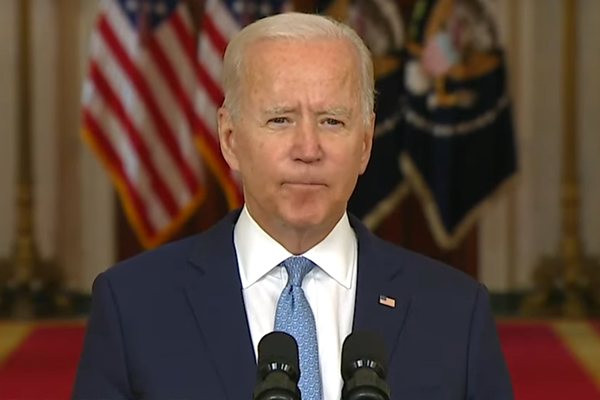
President Biden has nominated Ana Reyes, an attorney at the D.C-based law firm Williams & Connolly LLP, for a seat on federal court in D.C., making her the first Hispanic woman and the first out lesbian who would ever serve on the court, the White House announced Wednesday.
Reyes was among the five picks in the latest round of judicial nominees announced by the White House, which brings the total number of announced federal judicial nominees in the Biden Administration to 95. Reyes publicly identifies as a lesbian, a White House official said.
Reyes, who immigrated to the United States as a child, has worked as an attorney at Williams & Connolly LLP since 2001 and has been partner at the law firm since 2009, according to her White House bio. Reyes served as a law clerk for Judge Amalya Kearse on the U.S. Court of Appeals for the Second Circuit from 2000 to 2001, her bio says.
A Washington Post profile on Reyes in 2020 reports she was born in Uruguay and shortly after moved to Spain, before her family came to Louisville in 1979 for her father to pursue a job as a civil engineer. Much of Reyes’s work is pro bono as she represents refugee organizations and challenges anti-asylum regulations, the Post reported.
“I often wonder whether this career would have been possible if I had not had someone spend her extra time to help me learn English and not fall behind or through the cracks,” Reyes was quoted as saying in the profile. “I would very much love to say thank you, and my life very likely wouldn’t have been possible, without you.”
Reyes obtained law degree in 2000 from Harvard Law School, where she graduated magna cum laude, and obtained her master’s degree in International Public Policy from the Johns Hopkins School of International Studies, with honors, in 2014. Reyes obtained her bachelor’s degree from Transylvania University in 1996.



The Comings & Goings column is about sharing the professional successes of our community. We want to recognize those landing new jobs, new clients for their business, joining boards of organizations and other achievements. Please share your successes with us at [email protected].
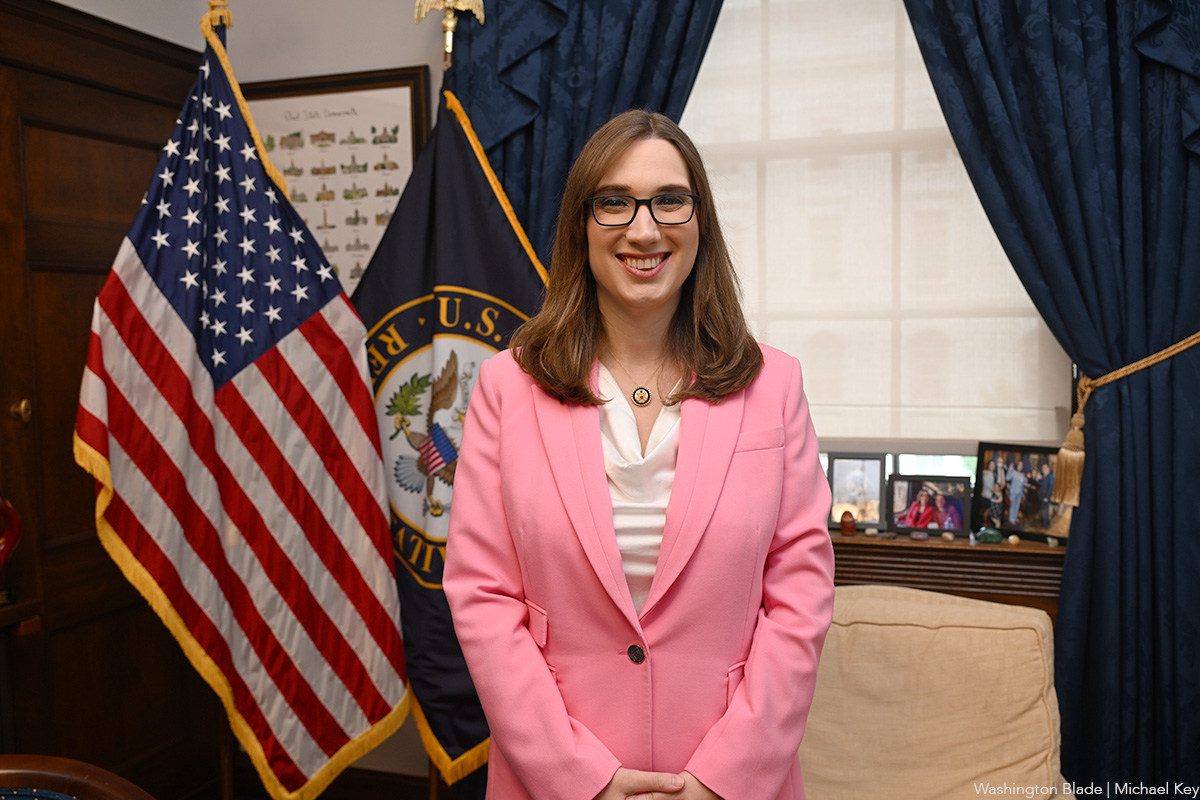
Congratulations to Congresswoman Sarah McBride (D-Del.) on being honored with this year’s Stonewall Award from Whitman-Walker Health. Amy Nelson, senior director of Legal Services, said, “Congresswoman Sarah McBride is working to make healthcare accessible to all, and this award recognizes her support of healthcare as a human right. Our legal program supports families facing unprecedented challenges to stay healthy and safe – families that Congresswoman McBride champions with a deep understanding of the issues they face and the legislative expertise of how to support them.”
McBride, in a press release, said, “I am honored to accept this year’s Stonewall Award from Whitman-Walker Health — an organization that has spent 40 years doing vital work to ensure every person can access the dignity of care. In the wealthiest and most developed nation on earth, the ability to receive care should not be a matter of luck—it should be the law of the land. I am proud to be recognized as a partner in this work and to support Whitman-Walker Health in their mission to build a healthier society for all.”
Congratulations also to Wes Drummond who will join Clear Space Theatre Company in Rehoboth Beach, Del., as its third artistic director. Managing Director Joe Gfaller said, “This is an exciting moment of growth for Clear Space as we welcome Wes to join our remarkable team. I am confident he will be an excellent partner as we work with our entire staff, board, and committed team of volunteers, to ensure Clear Space can achieve its full potential in pursuit of our mission to unite and enrich our community through every production on stage, and every arts-based learning program we offer throughout our community.”
On accepting the position Drummond said, “I’m honored to join Clear Space Theatre Company as artistic director, and beyond excited for what we’re about to create together. Clear Space has established itself as a vital and vibrant part of the cultural life of coastal Delaware, and I feel incredibly fortunate to step into this next chapter alongside such a passionate and dedicated team. Rehoboth Beach is a place defined by creativity and community, and I look forward to listening, learning, and building meaningful relationships across the region in the months ahead. My vision is to help Clear Space continue to grow as a bold, forward-thinking, cultural force, that champions fearless storytelling.”
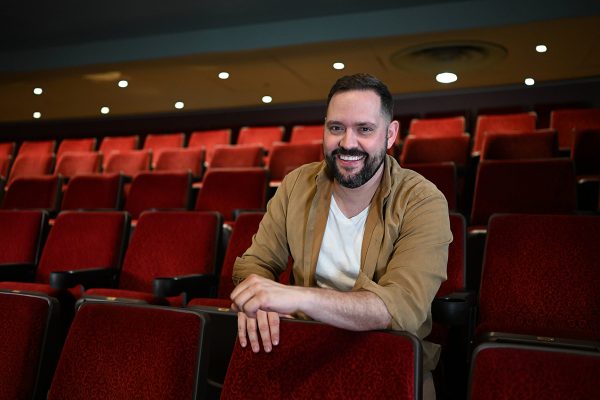
Drummond served in leadership roles at Duluth Playhouse in Duluth, Minn., from 2021 to 2026, including four years as executive director followed by one year as executive producing artistic director, guiding the organization through a period of significant transformation and stability in the wake of the COVID-19 pandemic. As a director, he has worked extensively in New York City, Chicago, and at regional theaters across the country, directing both musical theater and plays with a focus on storytelling that bridges classical works with contemporary perspectives. He has collaborated with leading figures in the industry, including Tony Award-winning director Matthew Warchus, and Tony-nominated director Michael Greif. He is an associate member of the Stage Directors and Choreographers Society.
Wes earned his MFA in directing, Penn State University, where he studied under Tony-nominated director, Susan H. Schulman.
Virginia
Va. Supreme Court invalidates Democrat-backed redistricting plan
Voters narrowly approved new congressional districts last month
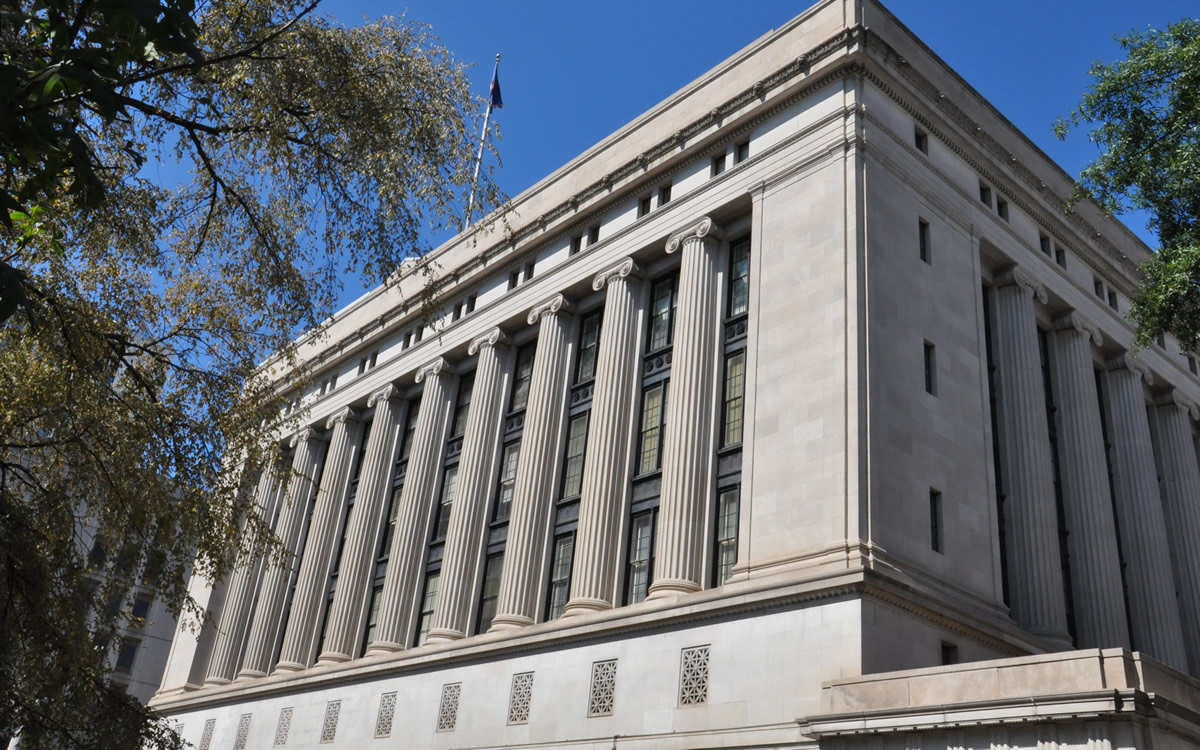
The Virginia Supreme Court on Friday struck down a Democrat-backed redistricting plan that voters approved last month.
Ten of 11 of Virginia’s congressional districts favor Democrats in the plan that passed by a 51-48 vote margin in last month’s referendum.
The Human Rights Campaign PAC is among the groups that support it. The court by a 4-3 majority invalidated the referendum results.
District of Columbia
Maren Morris to headline Capital Pride Concert
Grammy award-winning singer/songwriter came out as bisexual in 2024

Capital Pride Alliance, the group that organizes D.C.’s annual LGBTQ Pride events, announced on May 7 that nationally acclaimed singer-songwriter Maren Morris, who identifies as bisexual, will be the headline performer at this year’s Capital Pride Concert scheduled for June 21.
The concert takes place as part of the annual Capital Pride Festival held on Pennsylvania Avenue, N.W., usually between 3rd Street near the U.S. Capitol and 9th Street.
“Morris, known for her genre-blending sound and outspoken support of LGBTQ+ rights, will be joined by a standout lineup, including acclaimed queer rapper Leikeli47, pop icon Lisa Lisa, Juno-nominated producer and DJ from the ‘Heated Rivalry’ soundtrack, Harrison, and ‘RuPaul’s Drag Race’ Season 18 winner Myki Meeks,” according to a statement released by Capital Pride.
“In a moment when LGBTQ+ people are being challenged across the country, the Capital Pride Concert is a space where our community is fully seen and heard,” Ryan Bos, the Capital Pride Alliance CEO and president, said in the statement. “Bringing Maren Morris to the stage reflects this year’s theme: Exist, Resist, Have the Audacity,” Bos said.
The statement notes that the concert takes place as part of the annual D.C. Pride Festival, which is open to the public free of charge, with tickets available for purchase for specific areas listed as the Capital Stage Pit Zone and the VIP Concert Zone.
It says the festival takes place from 12 –10 p.m. and points out that in addition to the music performed by multiple other performers on several stages, festival attendees “can explore hundreds of exhibitors, community organizations, and artisans, along with multiple food courts and beverage gardens throughout the festival footprint.”
Information on the Capital Pride Alliance website shows that the festival takes place one day after the annual Capital Pride Parade, scheduled for June 20 and which is expected to travel from 14th and T Streets, N.W., to Pennsylvania Ave., N.W., where it is expected to end at 9th Street.
The statement adds that following the stage performances during the June 21 festival, which are expected to conclude around 8 p.m., “the celebration will continue with the Capitol Sunset Dance Party, closing out the evening against the backdrop of the U.S. Capitol.”
The online publication Today, which is part of the NBC “Today” television show, reported that Morris came out as bisexual in a 2024 during Pride. It reports Morris “shared several images of herself holding a Pride flag to mark the occasion, writing, ‘Happy to be the B in LGBTQ+’”

Comings & Goings

Learn more about queer love

Calendar: May 8-14

Va. Supreme Court invalidates Democrat-backed redistricting plan

Maren Morris to headline Capital Pride Concert

Diverse cast tackles ‘Aguardiente’ at GALA Hispanic Theatre

Under new extremism laws, LGBTQ Russians must fight to survive

New books reveal style trends for a more enlightened century

How do you vote a child out of their future?

Gay ICE detainee freed after 150 days in detention
-

 Theater5 days ago
Diverse cast tackles ‘Aguardiente’ at GALA Hispanic Theatre
-
Russia4 days ago
Under new extremism laws, LGBTQ Russians must fight to survive
-
Books5 days ago
New books reveal style trends for a more enlightened century
-
Commentary4 days ago
How do you vote a child out of their future?