European Union
100+ confirmed cases of monkeypox in 12 countries & spreading
A notable proportion of cases in the UK and across Europe have been found in gay & bisexual men health officials say

Dr. Hans Henri P. Kluge, the Regional Director of Europe for the World Health Organization (WHO) is warning that confirmed cases of monkeypox, which is most often seen in West and Central Africa, has escalated in Europe and elsewhere globally.
The United Kingdom, Spain, Portugal, Germany, Belgium, France, the Netherlands, Italy and Sweden – as well as the U.S., Canada and Australia are all reporting cases.
“The situation is evolving and WHO expects there will be more cases of monkeypox identified as surveillance expands in non-endemic countries,” Kluge said.
In Britain, the UK Health Security Agency’s Chief Medical Adviser Dr. Susan Hopkins noted in a statement released this past weekend:
“We anticipated that further cases would be detected through our active case finding with NHS services and heightened vigilance among healthcare professionals. We expect this increase to continue in the coming days and for more cases to be identified in the wider community. Alongside this we are receiving reports of further cases being identified in other countries globally.
Because the virus spreads through close contact, we are urging everyone to be aware of any unusual rashes or lesions and to contact National Health Service or a sexual health service if they have any concerns. Please contact clinics ahead of your visit and avoid close contact with others until you have been seen by a clinician.
A notable proportion of recent cases in the UK and Europe have been found in gay and bisexual men so we are particularly encouraging them to be alert to the symptoms and seek help if concerned.
Clinicians should be alert to any individual presenting with unusual rashes without a clear alternative diagnosis and should contact specialist services for advice,” she added.
Monkeypox, which can be transmitted by droplets and by close contact with infected skin lesions or contaminated materials, usually incubates in people for 6 to 13 days before symptoms appear.
UKHSA notes that this rare virus, in the same family as smallpox, has not previously been described as a sexually transmitted infection, but it it can be passed on through very close human contact, such as touching blood or body fluids or prolonged exposure to the respiratory droplets of an infected person. It can also been transmitted with clothing or linens used by an infected person.
In Washington D.C., Dr. Ashish Jha, the White House Covid-19 response coordinator, told ABC he wouldn’t be surprised if the US saw “a few more” cases of monkeypox in the coming days.
“But I feel like this is a virus we understand, we have vaccines against it, we have treatments against it, and it’s spread very differently than SARS-CoV-2” — the virus that causes Covid-19, Jha told ABC’s Martha Raddatz on Sunday.
Traveling in Asia, President Joe Biden told CNN’s Kaitlan Collins as he was preparing board Air Force One to depart South Korea on Sunday; “They haven’t told me the level of exposure yet, but it is something that everybody should be concerned about,” he said.
“We’re working on it hard to figure out what we do and what vaccine, if any, might be available for it. It is a concern in that if it were to spread it would be consequential. That’s all they told me,” the president added.
CNN reported that the US Centers for Disease Control and Prevention is evaluating whether a smallpox vaccine should be offered to health care workers treating monkeypox patients and other people who may be at “high risk” for exposure to monkeypox.
UK Health Security Agency’s Hopkins cautions that people should be aware of monkeypox — but that the risk to the general population “remains extremely low at the moment.”
“I think people need to be alert to it,” said Hopkins. “We really want clinicians to be alert to it and send the test if they’re concerned.”
Hopkins also said based on reports from Africa, the UKHSA knows certain people are “much more at risk of severe disease, particularly immunosuppressed individuals or young children.
“While there is “no direct vaccine for monkeypox,” she said, “we are using a form of smallpox vaccine or third-generation smallpox vaccine that’s safe on individuals who are contacts of cases.”
Symptoms
Initial symptoms of monkeypox include fever, headache, muscle aches, backache, swollen lymph nodes, chills and exhaustion. A rash can develop, often beginning on the face, then spreading to other parts of the body including the genitals.
The rash changes and goes through different stages, and can look like chickenpox or syphilis, before finally forming a scab, which later falls off.
“A feature that distinguishes infection with monkeypox from that of smallpox is the development of swollen lymph nodes,” the CDC said.
Biden Comments On Monkeypox As He Leaves South Korea:





European Union
Poland’s top court rejects recognition of same-sex marriages from other EU countries
Ruling sets up potential clash with bloc

Poland’s top court this week rejected the recognition of same-sex marriages legally performed in other EU countries.
The EU Court of Justice in Luxembourg last November ruled in favor of a same-sex couple who challenged Poland’s refusal to recognize their German marriage. Poland’s Supreme Administrative Court in March reaffirmed the decision.
The couple, who lives in Poland, brought their case to Polish courts in 2019. The Supreme Administrative Court referred it to the EU Court of Justice.
The Polish government in May announced it will recognize same-sex marriages legally performed in other EU countries. Polish President Karol Nawrocki on July 17 vetoed bills that would have extended rights to same-sex couples.
The Constitutional Tribunal ruling, which it issued on July 28, was unanimous and final. It also sets up a potential clash between it and the EU Court of Justice.
European Union
European Commission says all EU countries should ban conversion therapy
Recommendation ‘an important step forward for LGBTI rights across Europe’
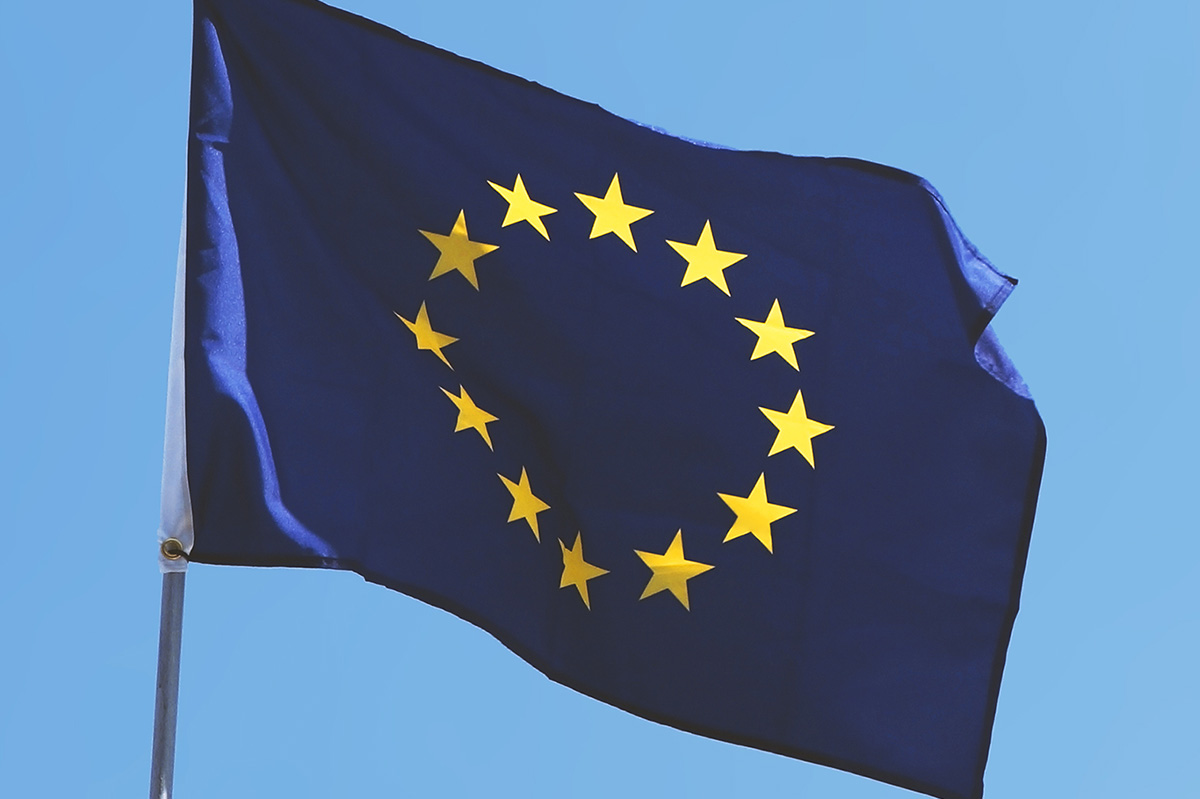
The European Commission on Wednesday said all European Union countries should ban so-called conversion therapy.
The recommendation comes weeks after the European Parliament voted in favor of prohibiting the widely discredited practice across the EU. More than 1.2 million people signed a campaign in support of the ban that ACT (Against Conversion Therapy) LGBT launched in 2024 through the EU’s European Citizens Initiative framework.
“We warmly welcome today’s commitment from the European Commission to a recommendation on ending conversion practices, an important step forward for LGBTI rights across Europe,” said ILGA Europe in a statement.
Seven EU countries — Belgium, Cyprus, France, Malta, Norway, Portugal, and Spain — have banned conversion therapy outright.
Greece in 2022 banned the practice for minors. German lawmakers in 2020 passed a law that prohibits conversion therapy for minors and for adults who have not consented to undergoing the widely discredited practice.
ILGA Europe said the European Commission’s recommendation “highlights how much work remains to be done.”
“Ending conversion practices cannot stop at symbolic commitments or fragmented national approaches,” stressed the advocacy group. “We need coordinated EU action, proper training for professionals, and survivor-centered support systems that recognize the serious harm these practices cause.”
“More than one million people supported the European Citizens’ Initiative calling for change,” added ILGA Europe. “The message is clear: conversion practices are not therapy or belief, they are a form of violence that Europe can and should end.”
European Union
European Parliament backs EU-wide conversion therapy ban
More than 1.2 million people backed campaign
The European Parliament on Wednesday voted in favor of banning so-called conversion therapy across the European Union.
ACT (Against Conversion Therapy) LGBT in 2024 launched a campaign in support of the ban through the EU’s European Citizens Initiative framework. More than 1.2 million people ultimately signed it.
The proposed ban had the support of 405 MEPs. The European Commission is expected to formally respond to it by May 18.
Seven EU countries — Belgium, Cyprus, France, Malta, Norway, Portugal, and Spain — have banned conversion therapy outright.
Greece in 2022 banned the practice for minors. German lawmakers in 2020 passed a law that prohibits conversion therapy for minors and for adults who have not consented to undergoing the widely discredited practice.

Physician: addiction doesn’t always look the way you think it does

Calendar: October 9-15

ICC unseals arrest warrants for Taliban officials accused of persecuting LGBTQ people, women

Bet Mishpachah participates in D.C. Oct. 7 commemoration ceremony

Man charged in Mall of America shooting plot inspired by Pulse massacre: report

PHOTOS: Winchester Pride

Evan Low is not the leader the Victory Fund needs at this moment

Transgender woman elected to Brazilian Chamber of Deputies

Bowser, Office of LGBTQ Affairs announce LGBTQ+ History Month events

Alianza para la Inclusión fortalece la defensa de derechos LGBTQ en Centroamérica
-

 Photos5 days ago
PHOTOS: Winchester Pride
-
Opinions5 days ago
Evan Low is not the leader the Victory Fund needs at this moment
-
Brazil5 days ago
Transgender woman elected to Brazilian Chamber of Deputies
-
District of Columbia5 days ago
Bowser, Office of LGBTQ Affairs announce LGBTQ+ History Month events