World
This year’s IDAHOBiT to highlight democracy
Criminalization laws, US funding cuts among global movement’s challenges
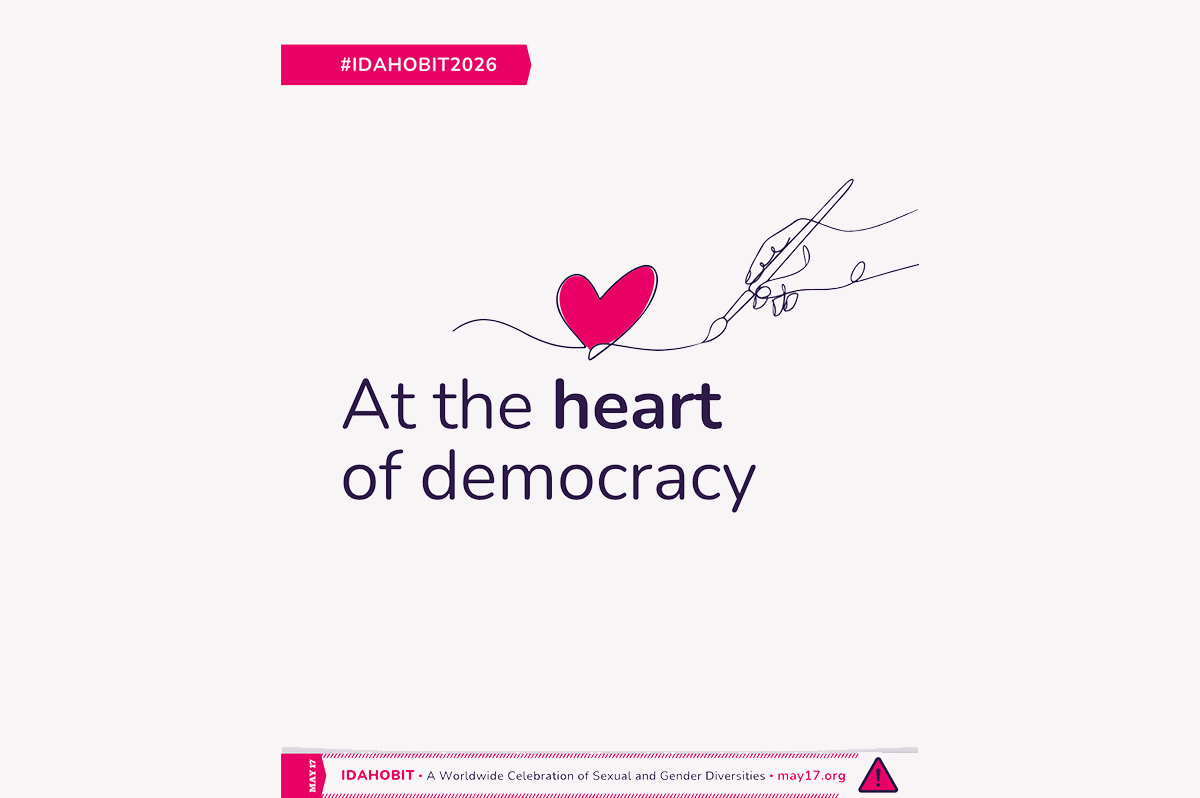
Activists around the world on Sunday will mark the International Day Against Homophobia, Transphobia, and Biphobia.
The IDAHOBiT Advisory Group — which includes 18 LGBTQ and intersex rights organizations around the world — in a press release notes IDAHOBiT events are expected to take place in more than 60 countries. Advocacy groups are also using IDAHOBiT to highlight discrimination and violence based on sexual orientation and gender identity and other LGBTQ-specific issues.
Caribe Afirmativo, a Colombian advocacy group, on May 8 released a report that notes one LGBTQ person was reported murdered in the country every 32 hours in 2025. Caribe Afirmativo also said the Colombian government has not done enough to address anti-LGBTQ violence.
“The evidence is clear: violence against LGBTIQ+ persons in Colombia does not begin with homicide, but with tolerated prejudice and ignored threats,” reads Caribe Afirmativo’s report. “In 2025, the State not only failed to protect — it also failed to count, investigate, and sanction. The crisis is not invisible. It is structural. And it requires an urgent, comprehensive, and sustained response.”
The Initiative for Equality and Discrimination, a Kenyan group known by the acronym INEND, issued a report that details how the country’s law enforcement treats LGBTQ and intersex people. “A widespread pattern of arbitrary arrests, extortion, and both physical and sexual violence” are among the abuses the INEND report notes.
“These abuses not only inflict severe physical and psychological trauma but also foster a widespread distrust of the law enforcement, further marginalizing the community and hindering its ability to seek justice, access essential services such as healthcare, and fully enjoy fundamental freedoms,” it reads.
IDAHOBiT commemorates the World Health Organization’s declassification of homosexuality as a mental disorder on May 17, 1990. This year’s IDAHOBiT theme is “At the Heart of Democracy.”
This year’s IDAHOBiT will take place against the continued impact that the lack of U.S. funding is having on the global LGBTQ and intersex rights movement.
The IDAHOBiT Advisory Group notes consensual same-sex sexual relations remain criminalized in 65 U.N. member states, and the number of countries with criminalization laws increased in 2025. The IDAHOBiT Advisory Group also indicates more than 60 countries have laws that restrict “freedom of expression related to sexual and gender diversity issues.”
“No matter where we live, who we are, or the faiths that drive us, most people want to nurture neighborhoods and communities where every life can bloom,” said the IDAHOBiT Advisory Group. “But today, reactionary governments worldwide are poisoning our gardens with the invasive weeds of their authoritarian policies and exclusionary legislations.”
‘Progress is still happening’
Activists around the world since last year’s IDAHOBiT have seen several legal and political victories.
New Hungarian Prime Minister Péter Magyar on April 12 defeated his predecessor, Viktor Orbán, whose government faced widespread criticism over its anti-LGBTQ crackdown.
The Eastern Caribbean Supreme Court last July struck down St. Lucia’s colonial-era laws. The Dominican Republic’s Constitutional Court a few months later ruled the country’s National Police and Armed Forces cannot criminalize consensual same-sex sexual relations among its members. Botswana late last month repealed a provision of its colonial-era penal code that criminalized homosexuality.
A Hong Kong judge last September ruled in favor of a lesbian couple who sought parental recognition for their son. The European Union Court of Justice over the last year issued two landmark decisions: one said EU countries must recognize same-sex marriages legally performed in other member states and another directed member states to allow transgender people to legally change their name and gender on ID documents.
“Time and again, LGBTQIA+ people have resisted, rolled up their sleeves together with all the good people caring about their communities, and sowed the seeds of change,” said the IDAHOBiT Advisory Group in its press release.


Ghana
Ghanaian lawmakers approve anti-LGBTQ bill
Measure that would criminalize allyship awaits president’s signature
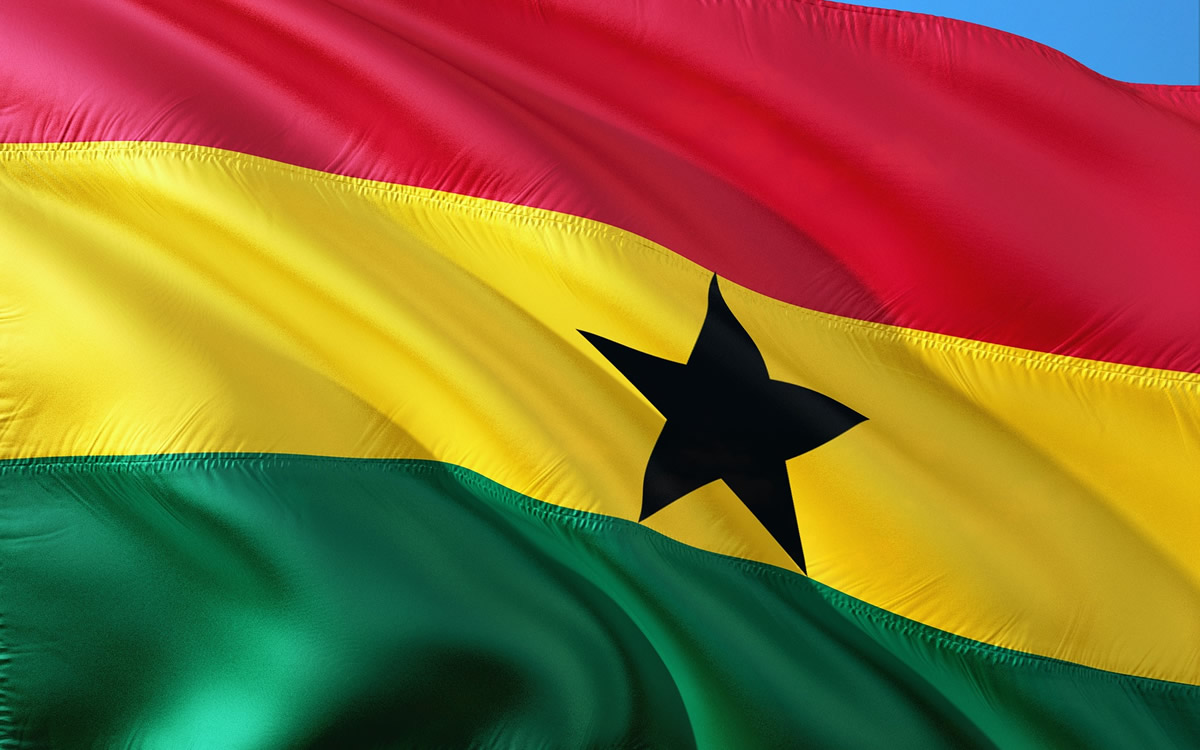
Ghanaian lawmakers on Friday approved a bill that would, among other things, criminalize LGBTQ allyship.
Reuters reported MPs approved the Human Sexual Rights and Family Values Bill, 2025, in a voice vote after parliament’s Constitutional and Legal Affairs Committee backed it.
MPs in 2024 approved a similar bill, but it faced legal challenges and then-President Nana Akufo-Addo didn’t sign it. Lawmakers last year reintroduced the measure after President John Dramani Mahama took office.
The bill awaits his signature.
Rightify Ghana, a Ghanaian LGBTQ advocacy group, in a series of social media posts notes MPs passed the bill days before the 4th African Inter-Parliamentary Conference on Family Values and Sovereignty will take place in Accra, the country’s capital.
Russia
Nine Russian LGBTQ groups deemed ‘extremist’ banned
Human Rights Watch: authorities ‘intensifying their criminalization’ of queer people
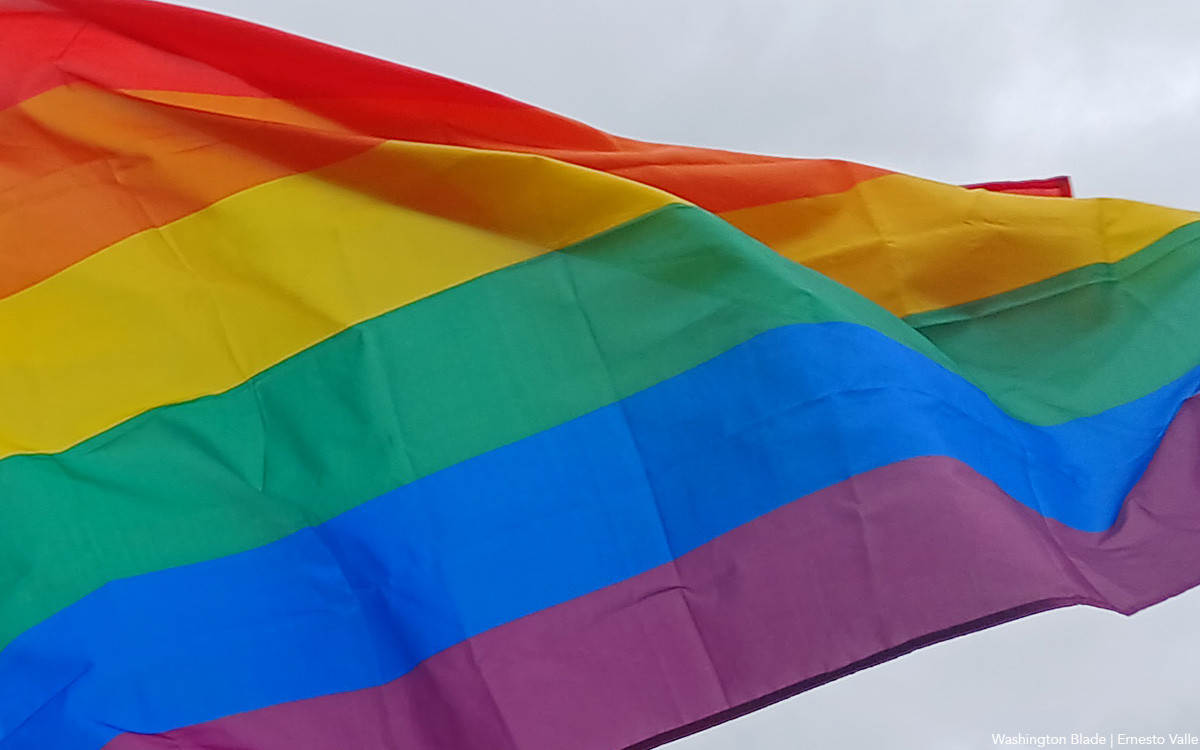
Nine LGBTQ groups in Russia have been banned so far this year after authorities deemed them as “extremist.”
Human Rights Watch on Thursday noted courts in seven regions between March and May banned Coming Out, the LGBT Resource Center, Parni Plus, the Moscow Community Center for LGBT+ Initiatives, Irida, the Russian LGBT Network, the Kallisto movement, T9 NSK, and Center T. Human Rights Watch also pointed out a lawsuit has been filed against the Alliance of Straights and LGBT for Equality.
Parni Plus is an LGBTQ media outlet.
“Russian authorities are intensifying their criminalization of those who provide critical support to the very LGBT people they have systematically persecuted,” said Human Rights Watch Europe and Central Asia Director Hugh Williamson in a press release. “Authorities should vacate all court decisions and criminal convictions based on these spurious ‘extremism’ charges.”
The Kremlin over the last decade has faced global criticism over its crackdown on LGBTQ rights.
The Russian Supreme Court in 2023 ruled the “international LGBT movement” is an extremist organization and banned it.
The country in January designated ILGA World, a global LGBTQ and intersex rights group, as an “undesirable” organization. ILGA World in response to the designation noted Russians who are found guilty of engaging with “undesirable” groups face up to six years in prison.
China
China’s top court acknowledges anti-LGBTQ discrimination
Postgraduate student petitioned for legal clarification
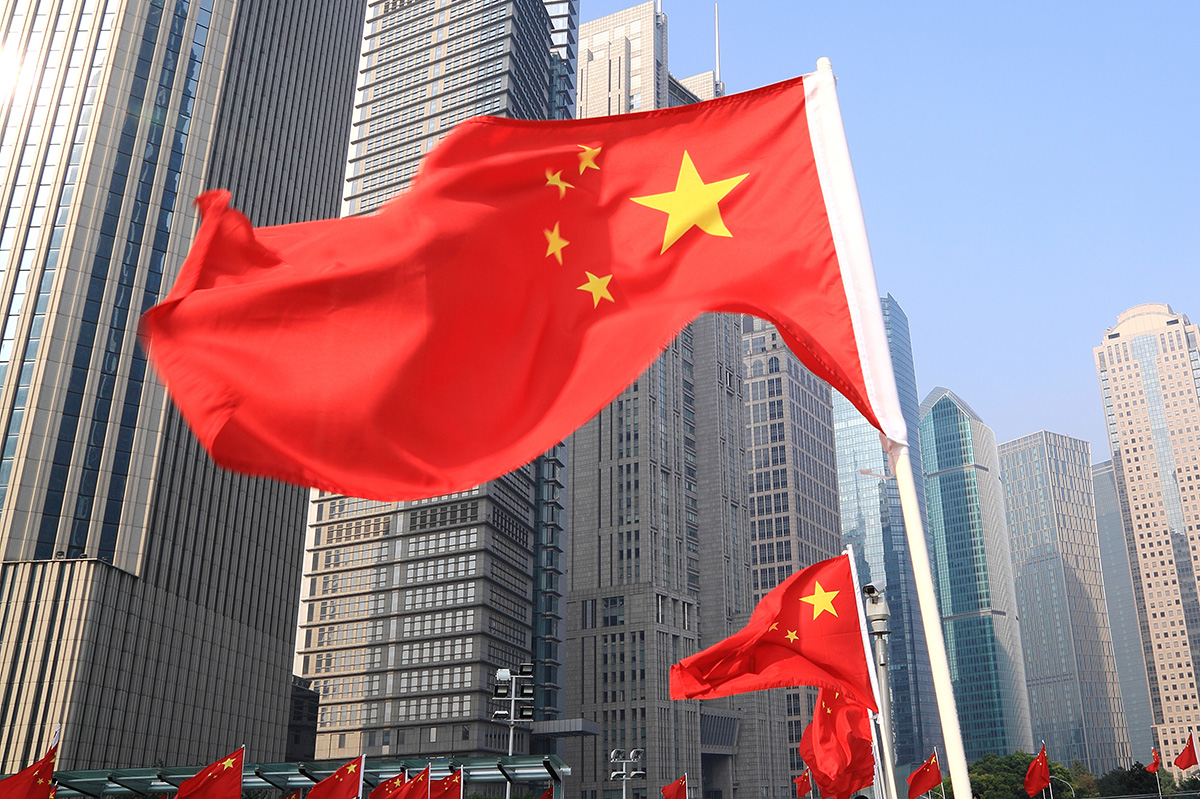
China’s Supreme People’s Court on May 8 issued a rare response to a petition involving LGBTQ discrimination.
In a surprising response; it discussed sexual orientation, gender identity, and gender expression. The response also mentioned workplace discrimination, public humiliation, and school bullying, language considered uncommon from China’s legal system.
The response stemmed from a proposal submitted by a postgraduate student in Qingdao through China’s xinfang petition system on March 25, urging the court to establish clearer judicial standards against discrimination based on sexual orientation and gender identity. Six weeks later, the Supreme People’s Court Research Office issued a written reply.
The Research Office is an internal legal and policy body within the Supreme People’s Court. It studies legal issues, drafts judicial guidance, and responds to legal inquiries submitted through official channels. Its responses do not carry the same legal weight as a judicial interpretation or court ruling.
“The opinions and suggestions you raised are of great value,” reads a translated version of the Supreme People’s Court Research Office response. “In order to thoroughly implement the Constitution, Civil Code, Employment Promotion Law and other legal provisions, and effectively protect citizens’ personality rights from infringement, the Supreme People’s Court has guided local courts at all levels to handle a number of related cases, and through typical cases and other forms has clarified adjudication rules.”
The response stated that courts may determine public insults, defamation and, discriminatory conduct targeting sexual orientation, gender identity and gender expression as infringement of personality rights. It also said employers treating individuals differently in hiring, employment, transfer or dismissal based on those characteristics could face employment discrimination claims. Schools could also bear legal responsibility for improper discipline or bullying involving students based on sexual orientation, gender identity and gender expression, according to the response.
“It’s not a systematic change from the authorities recognizing LGBTQ rights,” said Renn Hao, an LGBTQ activist in China. “However, it’s an informal statement from the Supreme Court. According to a scholar researching LGBTQ legal cases in China, courts are recognizing more cases involving LGBTQ discrimination and same-sex partners through their verdicts.”
China decriminalized consensual same-sex sexual relations in 1997 and removed homosexuality from the country’s list of mental disorders four years later. Chinese law, however, does not recognize same-sex relationships.
Public advocacy involving LGBTQ issues also remains tightly controlled. Authorities in recent years have continued restricting community organizing, public events, and online expression involving sexual minorities.
Discussions involving LGBTQ issues are also frequently censored on Chinese social media platforms.
Activists and advocacy groups say Chinese authorities in recent years have removed online content, shut down LGBTQ student group accounts and restricted public discussion involving sexual minority issues. After the Supreme People’s Court response began circulating online, related posts and articles were also removed from some Chinese platforms.
“It may still be too early to fully assess the long-term impact, as this development has only just happened and the situation is still unfolding,” said Xiaogang Wei, a Beijing-based LGBTQ rights activist, filmmaker, and founder of the China Rainbow Collective Foundation. “Although the reply is not legally binding, it represents a rare form of institutional acknowledgment of SOGIE-related discrimination in China. For Chinese LGBTQ people and advocates, this could become a meaningful reference point for future legal advocacy, public communication, and community awareness.”
Wei said the rapid removal of related posts and articles limited the development’s broader public impact and underscored how fragile LGBTQ visibility remains in China.
“This is why we believe it is important to continue sharing verified information and ensuring that this development is not erased from public understanding,” Wei said.
Chinese courts in recent years have also heard a number of LGBTQ-related employment discrimination cases, despite the absence of explicit nationwide protections based on sexual orientation or gender identity. In one notable case, the Supreme People’s Court in 2018 formally recognized “equal employment rights disputes” as a legal cause of action, allowing some discrimination-related cases to proceed through the courts.
Chinese courts have previously handled several LGBTQ-related disputes involving employment discrimination, custody, and so-called conversion therapy. In 2024, a Beijing court drew attention after recognizing visitation rights for a child involving a same sex couple, a decision activists described as a milestone for LGBTQ families in China.

Time travelers from the AIDS era

Ghanaian lawmakers approve anti-LGBTQ bill

‘The Stranger’ queers an existentialist classic

Nine Russian LGBTQ groups deemed ‘extremist’ banned

D.C. Pride flag raising ceremony set for June 1

Peppermint made her mark on ‘Drag Race.’ Now, her advocacy is front and center

Bree Fram’s congressional campaign ends but her fight continues

From Media Matters to massive queer ragers: the rise of Tara Dikhof

Why this Black Pride, I ranked Janeese Lewis George #1 for D.C. mayor

Kenyan High Court issues landmark transgender rights ruling
-

 Celebrity News4 days ago
Peppermint made her mark on ‘Drag Race.’ Now, her advocacy is front and center
-
2026 Midterm Elections4 days ago
Bree Fram’s congressional campaign ends but her fight continues
-
a&e features4 days ago
From Media Matters to massive queer ragers: the rise of Tara Dikhof
-
Opinions5 days ago
Why this Black Pride, I ranked Janeese Lewis George #1 for D.C. mayor