KASPER’S LIVERY SERVICE

Since 1987. Gay & Veteran Owner/Operator.
Your Personal Limo/Uber Service
WHERE DO YOU WANT TO GO? LET ME TAKE YOU THERE!
Proper DC License & Livery Insured.
http://www.KasperLivery.com.
202-554-2471

Brazil
2026 International AIDS Conference to take place in Rio
US funding cuts have significantly impacted global HIV/AIDS fight
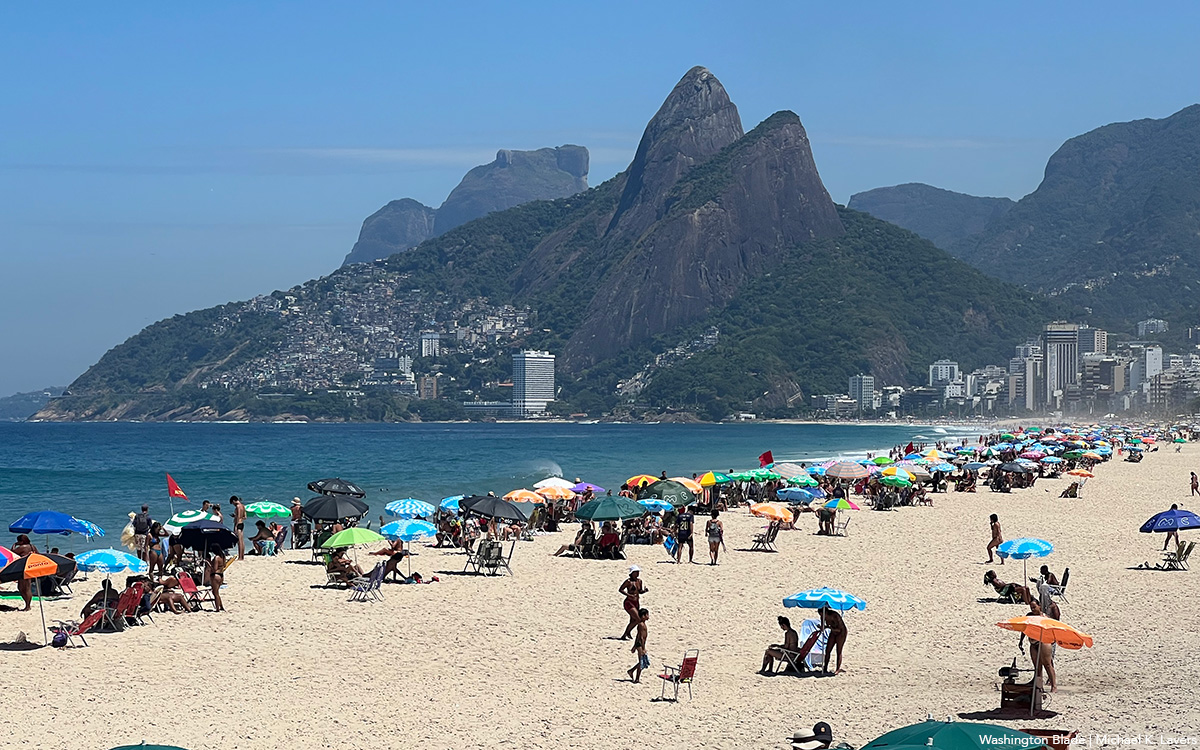
The 2026 International AIDS Conference will take place next week in Rio de Janeiro.
Francisco Ruiz, the former director of the White House Office of National AIDS Policy, and UNAIDS Executive Director Winnie Byanyima are among those scheduled to speak at the conference that will take place in the Brazilian city from July 26-31. Other scheduled speakers include Spanish Health Secretary Javier Padilla, World Health Organization Director-General Tedros Adhanom Ghebreyesus, South African Deputy Health Minister Mathume Joseph “Joe” Phaahla, and Alexus D’Marco of the United Caribbean Trans Network.
The International AIDS Society-organized AIDS 2026’s theme is “Rethink. Rebuild. Rise.”
AIDS 2026 will take place against the backdrop of U.S. funding cuts that have significantly impacted the global HIV/AIDS fight.
Secretary of State Marco Rubio shortly after the Trump-Vance administration took office issued a waiver that allowed PEPFAR and other “life-saving humanitarian assistance” programs to continue to operate during a freeze on nearly all U.S. foreign aid spending. HIV/AIDS service providers around the world with whom the Washington Blade has spoken say PEPFAR cuts and the loss of funding from the U.S. Agency for International Development, which officially closed on July 1, 2025, has severely impacted their work.
The International AIDS Society in a press release it issued on Tuesday noted PEPFAR “has saved more than 26 million lives” since President George W. Bush implemented it in 2003, “and changed the trajectory of the HIV pandemic.”
“PEPFAR was a success under the first Trump administration, with major progress toward the 95-95-95 goals,” it said.
The UNAIDS’s 95-95-95 goals are 95 percent of people with HIV knowing their status, 95 percent of people with HIV having access to antiretroviral therapy, and 95 percent of those receiving ART having suppressed viral loads by 2030.
“Since the start of the second Trump administration, however, it has undergone major disruptions,” added the International AIDS Society.
Eswatini is among the African countries that have received doses of lenacapavir, a groundbreaking HIV prevention drug that users inject twice a year, through PEPFAR since the Trump-Vance administration took office.
The White House last month announced it will end PEPFAR funding for South Africa.
President Ronald Reagan in 1985 implemented the global gag rule, also known as the “Mexico City” policy, that banned U.S. foreign aid for groups that support abortion and/or offer abortion-related services. The Trump-Vance administration earlier this year expanded the prohibition to include groups that promote “gender ideology” and support gender-affirming care and diversity, equity, and inclusion programs.
The International AIDS Society in its press release notes 52 percent of “all implementing partners had at least once terminated award,” while 77 percent of them “had been asked to restrict their work to comply with an additional U.S. policy.” The International AIDS Society notes 1,010 public health facilities, 325 “access points” and 126 “drop-in centers” around the world have closed because of U.S. funding cuts.
“Science is moving fast, giving us more powerful HIV prevention and treatment tools. But these advances cannot save lives if they never reach the people who need them,” said International AIDS Society President Beatriz Grinsztejn, who co-chairs AIDS 2026 and is the director of Rio de Janeiro’s Evandro Chagas National Institute of Infection Diseases’ HIV/AIDS Clinical Research Unit. “That requires robust, stable financing and steadfast political commitment.”
a&e features
Summer in D.C. brings sports, Restaurant Week, festivals, and more
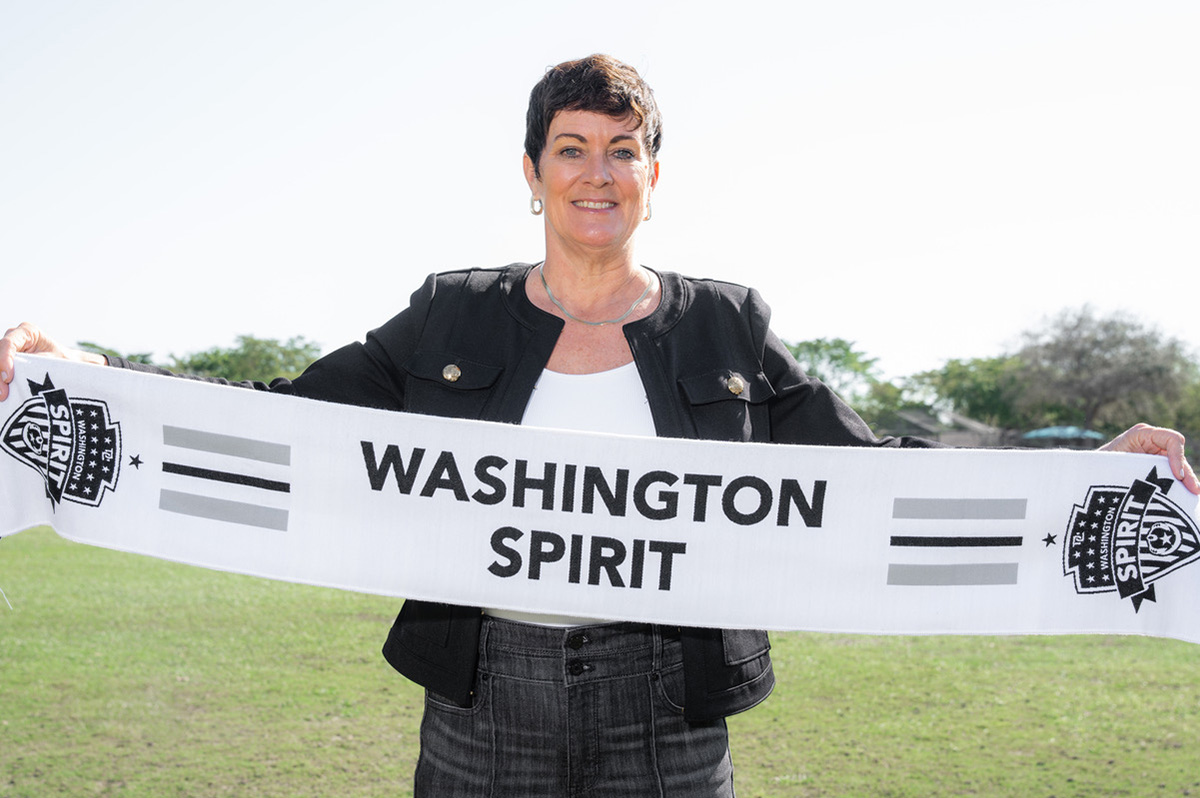
Summer in D.C. just hits different. Congress is out, school is out, the sun is out, thighs are out. With the skies clearing from Canadian smoke, here are a few ways to stay entertained.
Dining
Summer restaurant week: The Restaurant Association of Metropolitan Washington (RAMW) is once again hosting Summer Restaurant Week, Aug. 18-24. This weeklong dining experience showcases the dynamic dining scene of the DMV, including 2026 RAMMY Award-winning favorites (the annual D.C. food awards show that took place June 29). Participating restaurants will offer three-course brunch and lunch selections for $25 or $35 per person, and three-course dinners for $40, $55 and $65 per person.
New Restaurants: A handful of new spots have opened, so the summer is a great time to check them out:
- Oribu: A new Mediterranean-Japanese restaurant in the Grand Hyatt hotel, which just underwent a remodeling effort. The sleek restaurant brings upscale charm, with dishes like Wagyu beef tartare with potato pavé and caviar.
- The Oak Room: A snazzy old-school American grill has just opened in Georgetown, alongside its sister upstairs supper club (Bernadette’s) restaurant, in the old El Centro space.
- Uchi: This showy Japanese sushi-forward chain has landed in Dupont with a chef’s tasting menu of favorites like fatty tuna.
- Kathmandu: Recalling the capital of Nepal, this warm, buzzy subterranean restaurant right in the heart of U Street brings spice, flair, and rare ingredients to its dishes (see: buffalo burgers) and drinks.
Sports
- Washington Spirit Pride Night OUT: On Sunday, Aug. 23, head to Audi Field for a massive, high-energy game following the exciting month of World Cup. The designated Pride Night OUT game promises boisterous crowds plus pre- and post-game community engagements.
- Washington Tennis Open – Now called the Mubadala DC Open, this annual tournament is only combined mens’ and womens’ 500-level tennis tournament in the world. The open is one of D.C.’s longest-standing sports traditions, and will take place at the Rock Creek Park Tennis Center July 25-Aug. 2. Naomi Osaka, Venus Williams, Ben Shelton, Frances Tiafoe, and others are expected to play.
Festivals
- Afro Plus Fest: This huge, three-day Afro-Caribbean Hip-Hop Festival brings together headliners Davido, Alkaline, and Wizkid, plus Tems and Ayra Starr. The event moves from RFK to the Northwest Stadium Complex for three days, Sept. 4-6.
- Capital Fringe Festival: Running from July 11-21, this massive celebration features dozens of live theater, comedy, dance, and boundary-pushing nighttime performances across multiple DC neighborhoods.
- The National Book Festival returns, with headliners like Cynthia Erivo, and Martin Scorsese. The one-day festival, Saturday, Aug. 22, brings together bookworms and word nerds under the theme “America 250: It’s Your Story.” There are talks, workshops, musical sessions and more.
- All Things Go: A three-day festival Sept. 25-27 at Merriweather Post Pavilion featuring Mitski, Hayley Williams, Brandi Carlile, MUNA, Zara Larsson, Ethel Cain, and many, many more artists. There are single-day and three-day tickets. Featuring and highlighting female artists, the festival has turned into a must-see for many LGBTQ audience members.
- Fuchsia Fest: The inaugural Fuchsia Fest is a new multi-day celebration created to celebrate LGBTQ community and expression, bringing together a mix of community gatherings, entertainment, and nightlife. The event takes place Sept. 18-20 and is hosted by Capital Pride.
Art and Music
- United We Dance: A high-energy rave with house, techno, bass, and festival music, on Aug. 1 at the 9:30 Club.
- The Fray. On Aug. 14, this American rock band famous for How To Save A Life is at Merriweather Post Pavilion.
- Kesha: Kesha’s high-energy The Freedom Tour comes to the D.C. area on Aug. 14 at Jiffy Lube Live.
- ALOK: On Sept. 3 at Lincoln Theater, ALOK (they/them) performs. The poet, comedian, and actor is putting on a new comedy show.
- 2charm, the emerging Australian electronic club-pop duo popular with the queer community, which blends hyperpop and dance music, comes to the Atlantis.
- Sapphic Dance Party: a vibrant, inclusive nightlife and social event designed specifically for queer women, lesbians, bisexuals, trans individuals, and nonbinary folks, at Atlantis on Aug. 21.
- Jazz in the Garden: The most quintessential of D.C. activities returns Friday evenings through Aug. 14. This season’s theme, “American Sounds,” is a nod to the nation’s 250th anniversary. Tunes themes range from Appalachian and Americana to Creole jazz, Hill Country blues, contemporary jazz, and more. Tickets are available through a lottery system a week before each event.
Opinions
Trump tries to scare Americans into not voting
Will he deploy military to the polls in November?
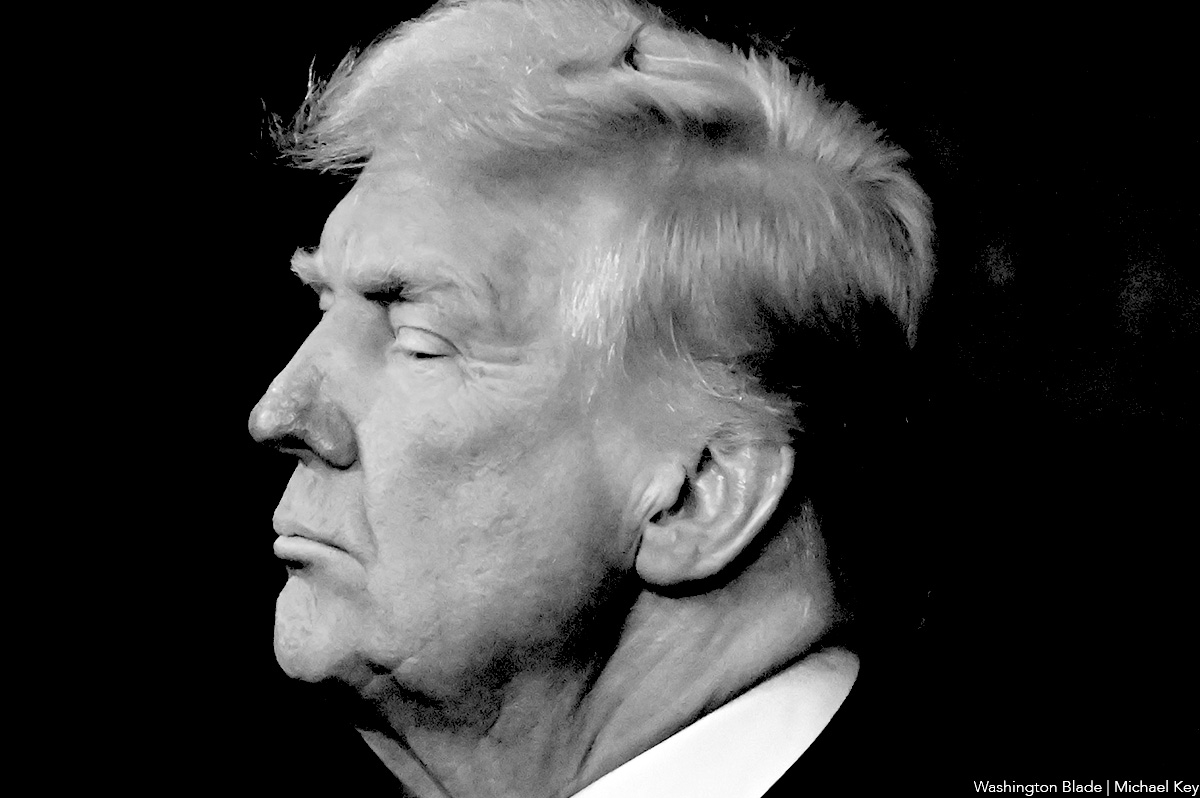
By saying we cannot trust our elections, the sick, old, demented, felon, in the White House is trying to scare Americans into not voting. He, and his faithful fascist appointees, dragged out old documents, already proven to be false, to scare people. He revisited claims that threats, and interference from China and Venezuela, impacted our elections in 2020, all of which have already been shown were not implemented effectively in any way.
Even a few Republicans are saying this is nonsense, reminding people the felon is making claims the only elections we can’t trust, are the ones that he lost. Those Republicans who dare to speak up, and are running for office, have said he is making it harder for them by focusing on this BS, and doing nothing about the future. We must remember the only election he lost, was when he was president during the election. He won when Democrats were in office in 2016 under Obama, and in 2024 when Biden was president.
We can only hope if he moves further with this, which some think he will, the courts will tell him no. There are some who believe he will try to call a ‘national emergency’ and deploy the military to the polls.
The only effective response to his lies is very clear. Democrats and independents must come out in huge numbers in November, and vote for Democrats, up and down the ballot. By doing this they say to the felon, we believe our elections are fair, we trust the process, and we will win big enough so there is no question about the results.
All anyone has to do to hear the felon lie, is to watch his mouth move. Every time he opens it, another lie comes out. He promised the nation, among other things, he would lower gas prices, lower grocery prices, lower rent prices, lower inflation, and even more important to the world, he promised the United States would not go to war. So, what we got instead, from him and his fascist cohorts, and sycophants in Congress, are higher gas prices, higher grocery prices, higher rents, higher inflation, and an expensive, in terms of both money, and human life and suffering, an illegal war with no end in sight. Even his own Secretary of State recently said, “the initial U.S. operation in Iran, Epic Fury, is over. The U.S. was now focused on Project Freedom. This is the name of the operation to get ships moving through the Strait of Hormuz again.” Something that was the case before Trump began this absurd and illegal war.
I applaud those media outlets that didn’t give Trump free air time to lie to the American people, despite the threats he made to have the FCC punish them for it. Kudos to those who had the guts to say we will not be a party to this, and went further, debunking the lies he told in the speech. The felon can continue to threaten those who call him out, but I believe they will win in the end, because the American people will not let him silence all the ‘free’ press. His fellow billionaires might take over some of it, like has been done with CBS, but the truth will come out.
In his continuing efforts to control elections, Trump has ousted members of a bipartisan federal election commission, the Election Assistance Commission, that resisted his efforts to require would-be voters to have extra documentation of their U.S. citizenship before registering. The commission distributes federal grants to states, oversees the testing of voting systems, and maintains the national voter registration form. He did this to get the Congress to pass his ‘Save Act’ which would make it harder for legal voters to vote. But congress once again voted against this after his speech, and there aren’t the votes to pass it. But the felon has shown fairness is not in his quiver when he plays any game. He cheats, and screws, as many people as possible in his business dealings, as long as he can make money. He is now doing the same to the American people.
Again, it is my belief in the end, the American people will win. Trump will be shown to be the loser he is, and our democracy will survive.
Peter Rosenstein is a longtime LGBTQ rights and Democratic Party activist.

2026 International AIDS Conference to take place in Rio

Summer in D.C. brings sports, Restaurant Week, festivals, and more

Trump tries to scare Americans into not voting

No Pride without Disability Pride

House blocks effort to codify transgender servicemember ban into law

DOJ seeks to dismiss some claims in gay FBI employee’s bias lawsuit

PHOTOS: Vitamin C at JR.’s

Hot hatchbacks: Honda Civic, Subaru Impreza

PHOTOS: Rehoboth Beach Pride Festival