Arts & Entertainment
Out & Equal Conference comes to Baltimore
LGBT workplace advocacy group has bevy of events planned
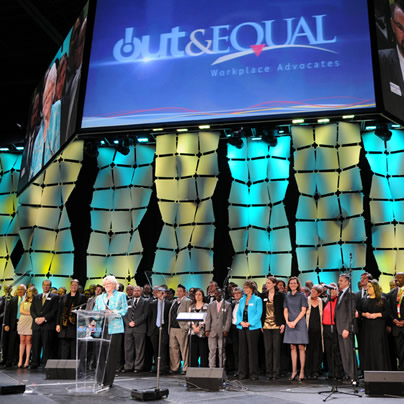
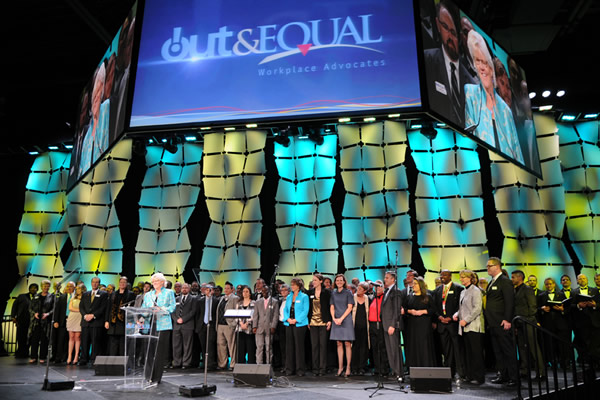
Last year’s Out & Equal Conference was held in Dallas. It’s in Baltimore this year. (Photo courtesy Out & Equal)
Many U.S. residents — even in the LGBT world — forget there are 29 states where it’s perfectly legal to fire an employee based solely on his or her sexual orientation.
For those at Out & Equal Workplace Advocates, that’s a major concern.
Issues of workplace equality for gays are again on the table at this year’s Out & Equal Workplace Summit, an annual event that comes this year to Baltimore from Oct. 29-Nov. 1.
The purpose of the Summit, organizers say, is to draw thousands of professionals from across the country and around the world to discuss strategies to create workplace equality. From there, attendees are encouraged to take what they learned and improve the working conditions for LGBT employees of their respective companies.
“The Summit is an opportunity to learn, teach, network and have fun with kindred spirits,” lesbian Selisse Berry, Out & Equal’s founding executive director, said in a prepared statement. “Together, we will move out from Baltimore, creating the ripples that will build respectful and inclusive workplaces around the globe.”
The Summit, which started in 1999, will take place at the Baltimore Convention Center. Registration is available onsite (online registration was available but is now closed). Registration includes a welcome reception, six workshop sessions featuring about120 program options, leadership seminars, a ticket to the Gala Awards Plenary Reception and Dinner with Sister Sledge member Kathy Sledge, and access to the “Night Out!” events on Oct. 31. About 2,600 attended last year’s conference in Dallas.
Onsite non-sponsor rates start at $1,350 for the full conference but day rates, student discounts and other packages are available in different price brackets.
The “Night Out!” event options include a screening of the film “Codebreaker,” based on the tragic life of gay computer scientist Alan Turing, and a Halloween party in Baltimore’s Power Plant Live.
Speakers at the Summit include Judy Shepard, mother of the late Matthew Shepard, and Zach Wahls, whose speech before the Iowa House Judiciary Committee in favor of marriage equality became an internet sensation and who recently spoke at the Democratic National Convention. Beth Brooke, global vice chair of public policy at Ernst & Young, is the keynote speaker. Brooke is also a member of the International Council on Women’s Business Leadership, led by Secretary of State Hillary Clinton.
The Summit also features the presentation of the “Outie Awards.” Out & Equal gives the awards annually to individuals and corporations who are leaders in promoting workplace equality for the LGBT community around the world. Categories include outstanding work done by both members of the LGBT community as well as allies. Finalists for the corporate award include, among others, Google and Whirlpool.
In addition to looking for an opportunity to bring the conference to the eastern corridor and the progress being done for the LGBT community in downtown Baltimore, Kevin Jones, deputy director of Out & Equal Workplace Advocates, is excited about the Summit’s location, as Maryland is fighting for same-sex marriage rights this November.
While Out & Equal Workplace Advocates works year-round to create safe and equitable environments for LGBT professionals, the Summit is the organization’s most influential event. Jones, who is openly gay, stresses the importance of the event in relation to the function of the organization.
“The Summit is the single largest program that we do and also the source of almost 90 percent of the resources that run Out & Equal and our other programs — training, consulting, regional affiliate activities — throughout the course of the year.”
According to Jones, a major focus of the 2012 Summit includes federal employees, given the Summit’s proximity to Washington. The Summit is recognized as officially approved training for federal employees.
“The other thing I would say that we’re really hoping to focus on is trying to make sure that voices from historically under-represented communities, particularly in the LGBT corporate world, are visible,” Jones says. “We are spending time trying to make the content accessible to local members of the transgender, bisexual and people of color communities.”
Many workshops and leadership seminars throughout the Summit focus on those issues.
Support for the Summit comes from registration fees as well as scores of corporate sponsors, particularly presenting sponsors Hewlett-Packard and IBM.
Out & Equal Workplace Advocates also held their first Global LGBT Workplace Summit in London this past July, which included a keynote speech by openly gay tennis champion Martina Navratilova.
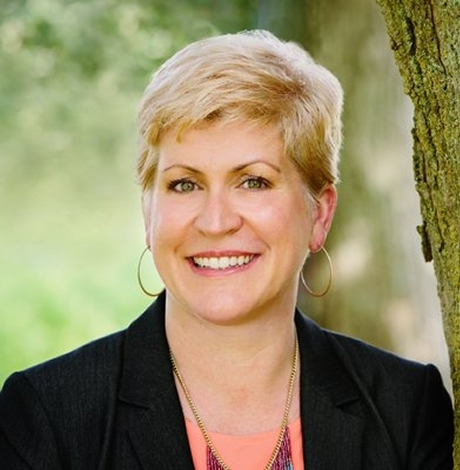
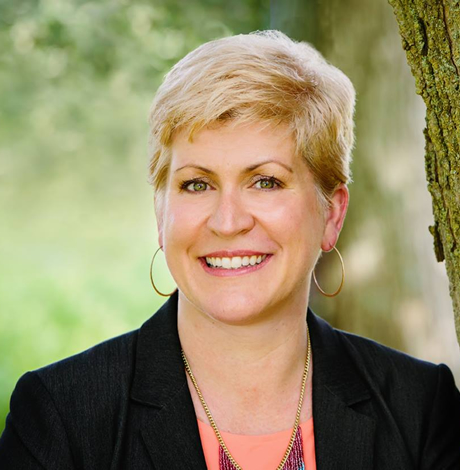
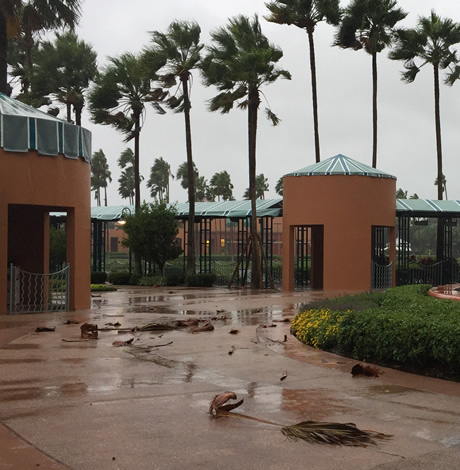

Fairfax City Pride was held at the Sherwood Center (3740 Blenheim Blvd., Fairfax, Va.) on Saturday, June 6.
(Washington Blade photos by Michael Key)


a&e features
D.C. prepares to party as Pride celebrations kick off Saturday
Bars, clubs have busy lineups; Pride on the Pier returns

Capital Pride’s date change isn’t slowing down the festivities. Back in December, the Capital Pride Alliance shifted the calendar for Pride celebrations in the nation’s capital from the second weekend of June to two weeks later to the weekend of June 20-21 to not conflict with President Trump’s birthday and 250th anniversary of America celebrations, with the aim that “our community can gather safely and without unnecessary barriers… We are protecting our space and preserving Pride as a powerful act of visibility, solidarity, and resistance.”
On the heels of WorldPride last year, the city shows no sign of slowing down. Instead, restaurants, bars, clubs, and neighborhoods are taking the opportunity to be even more visible. The Blade has put together a (non-comprehensive) list of parties, activations, and activities across town:
Pride on the Pier returns on Saturday, June 13 to the Wharf on the Southwest waterfront. The event, sponsored and hosted by the Washington Blade, is free and runs from 4-9 p.m. There will be vendors, DJs, and drag performances all day. VIP tickets are $25 and come with air conditioned party room, private bathrooms, and free cocktail. More details at prideonthepierdc.com.
Capital Pride Official Opening Party: RIOT! is the official opening dance party of Capital Pride, taking place Friday June 19, 9 PM-3AM. The 2026 edition headlining performer is Myki Meeks, a finalist of “RuPaul’s Drag Race” season 18; Bob The Drag Queen will perform a special set. DMV-area DJs and performers include: Bambi, Baphomette, Bumper, Cake Pop!, Connor, DJ Ed Bailey, DJ Diyanna Monet, Evry Pleasure, Jakknife Complex, Mari Con Carne, Pussy Noir, WessTheDJ. Trade owner Ed Bailey is producing the event.
Kinetic Presents brings the heat across the entirety of Pride weekend as well. It again is partnering with Capital Pride Alliance to produce four events over four days this Pride, including the Official Main Event on Saturday (the Friday official event is at Echostage). Kinetic’s parties are splayed across various D.C. venues, with special performances, massive productions, shirtless dancers, play zones, dance-forward audio and visuals, and international DJ talent. Thursday, June 18 at 10 PM at District Eagle is Lust, with music by Dan Slater and TOMI. Friday, June 19 at 10 PM is UNCUT XXL Heavy Load, at A.i. Warehouse in Union Market District, with music by Alex Acosta, Felipe Lira & Mitch Ferrino; the party is a “high-octane night of muscular house and tribal rhythms.” Saturday, June 20 at 10 PM brings that official main event, Kinetic Toy Land, at Echostage, with music by GSP & Matt Suave. Alaska Thunderfuck headlines. Sunday evening June 21 at 10 PM closes with discoVERS at SAX. A portion of tickets supports the DC LGBTQ+ community through Capital Pride Alliance.
9:30 Club always comes in clutch for the LGBTQ community. Already in June, it produced Kitty Kat Ball on June 7, and Kiesza performed on June 8. On June 20 at 10 PM, the famed Mixtape party hits the stage, care of gay DJs Shea van Horn and Matt Bailer, who have spun together for coming up on two decades. Mixtape has been held at several venues across the city over those years, and now settled on 9:30 Club for Pride. On June 25 at 7 PM, Big Freedia – the bounce artist from New Orleans – hits the 9:30 Club scene for the eighth time, as part of the Big Freedom Tour.
Crush: New this year from the 14th Street bar is the Pride Pop-Up, sitting pretty in the parking lot at 1820 14th St., N.W., at the corner of Swann Street by the start of the Pride Parade route. Hours are Friday from 2-10 PM and Saturday from 12-10 PM. Friday evening features Grizzly Bear Happy Hour, a DJ will set up shop on Saturday, and for those needing another layer, there’s a Crush merch store. Co-owner Mark Rutstein “has always wanted to throw a party in that parking lot, so he did,” said co-owner Stephen Rutgers. Note that Crush (the bar) will have a cover on Friday and Saturday.
Kiki: Over at Kiki, there’s a full slate of Pride-themed programming all week. Tuesday, June 16 at 9 PM brings karaoke; Wednesday, June 17 at 7:30 PM is trivia; Thursday June 18 at 9PM is “Night of 1000 Tatianna’s Drag Show”, and Friday June 19 at 9 PM brings the Juneteenth Serve Drag Show. Saturday, June 20 at 10 PM, post-parade, is a Pride Dance Party with DJ Lemz. Sunday daytime at 5 PM is the Father Figures Daddy Issues Special Drag Show; and after the festival at 8 PM, DJ Tezrah hits the tapes.
Jane Jane: Right along the parade route, gay-owned Jane Jane has transformed its space into a “No Kings, Yas Queens” activation in a direct response to the America 250th commemorations happening downtown, from the colorful window installation, to merch (including a custom bandana and tank) to disco wig installations. Events include industry night on Mondays, donations to LGBTQ charities, and to-go cocktails during the Pride Parade.
Shaw’s Tavern: Gay-owned Shaw’s Tavern on Florida Avenue celebrates Pride week with a full lineup of themed events, entertainment, and specials, including Pride trivia on Monday, June 15 at 7:30 PM, bingo on Tuesday, June 16 at 8 PM, a cabaret on Thursday, June 18 at 9 PM, Juneteenth Drag Brunch on Friday, June 19 at 12:30 PM, and both a pre-parade brunch (10 AM-4 PM) and post-parade party (5-9 PM) on Saturday, June 20. Sunday, June 21 at 7 PM brings Mama’s Sunday Supper & Drag Pride Show in the evening for anyone who is still awake.
Trade: This classic has a weekend of events, starting on Thursday, with Tiburon Pride Edition, a Latin Dance party in the Shark Tank. On Friday, the bar opens early (at 2 PM), with all-day happy hour and the Jx&Evry Show. On Saturday, the bar opens at noon, offering a prime parade viewing spot from its windows. There will be the CLASH drag show hosted by Tatianna and Crimsyn, and Sweet Spot party that night. On Sunday, the bar opens for normal hours at 2 PM, with DJs Adam K, Alex Love, and WESSTHEDJ.
Pitchers: The multi-level bar in Adams Morgan is hosting a Pride-themed show on Thursday, June 18 at 10 PM, with drawstring bag giveaways – the only kind of bag that will be allowed into the bar during Pride weekend. The show features drag queen Kyle Sonique Love.
Barrel House Cafe and Bar: Also by the parade route on 14th Street, Barrel House Cafe takes advantage of its large patio to have a slate of events during Pride week, including Schism, a drag and burlesque show on June 18 at 10 PM, as well as an all-day Pride party coinciding on parade day.
Bunker: Bunker again plays host to a series of afters. Friday night (Saturday 3:30 AM) is Unhinged, and Saturday night (Sunday 3:30AM) is Unholy. The regular Saturday night party (10 PM) brings in Venetian and Tiara Missou. All parties have cover charges.
District Eagle: Beyond the Kinetic party on Friday, June 19 brings Gear Night at 10 PM; Saturday, June 20 at 10 PM is LOBO presents PRISM, and Sunday, June 21 is Sundaze wit Papi at 6 PM.
African Art Museum: On Thursday, June 18 at 5 PM, this Smithsonian museum is hosting a free event with artists and curators celebrating its exhibit, “Here: Pride and Belonging in African Art,” “based on years of close collaboration and dialogue with African visual art practitioners who claim belonging in the LGBTQ+ community, however they define those terms,” according to the museum.
KNEAD Hospitality & Design: The gay-owned KNEAD restaurant group (including spots like Gatsby, Mi Vida, Succotash The Grill) is featuring the GLITTERATI cocktail, made with Tito’s, St-Germain Elderflower, Butterfly Flower, ginger, and yes, glitter. A portion of proceeds from every Glitterati cocktail sold will benefit The Trevor Project. The cocktail will be sold throughout June.
The Fountain Inn is partnering with Rhodium spirits (Rhode Island’s first LGBTQ+ owned distillery) all month, making cocktails like gimlets and espresso martinis featuring Rhodium’s liquors. Proceeds benefit SMYAL, an organization dedicated to empowering LGBTQ+ youth.
Hard Rock Cafe: Hard Rock DC is taking part in the chain’s annual “LOVE OUT LOUD” campaign, with Pride merch, specials on June 20, and a donation to The Trevor Project.
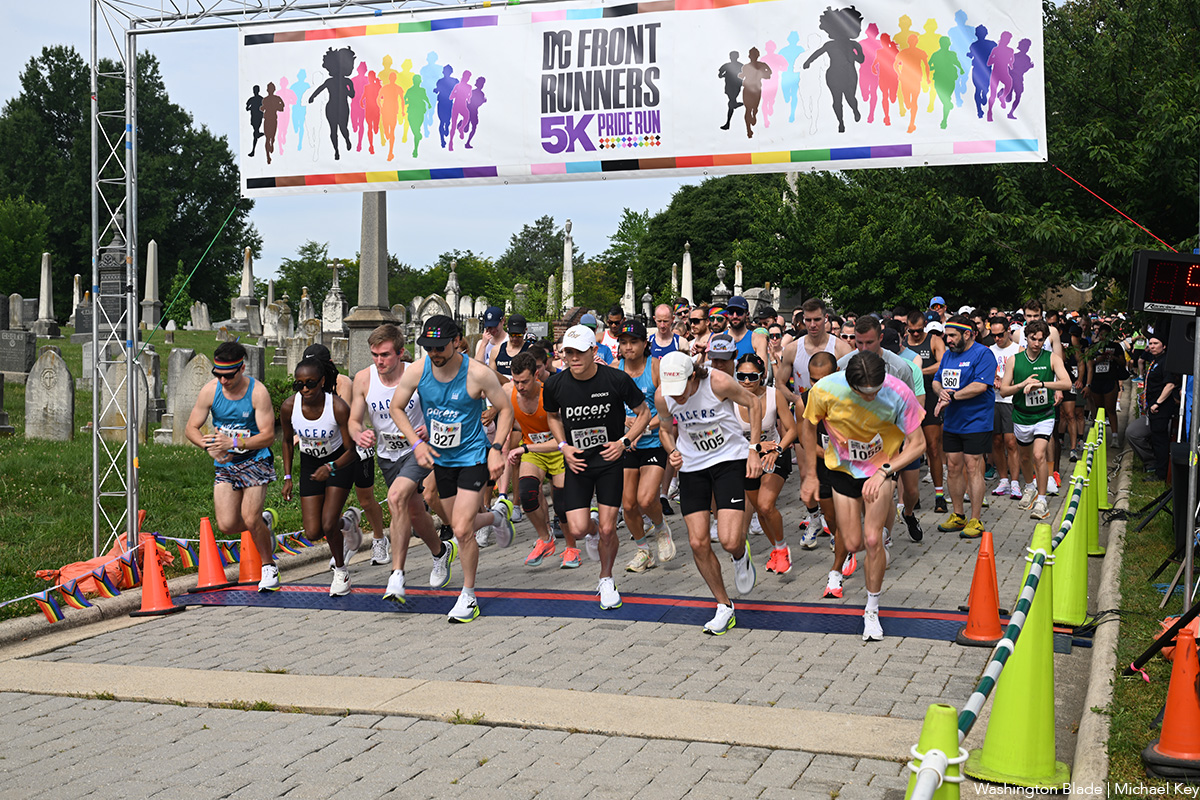
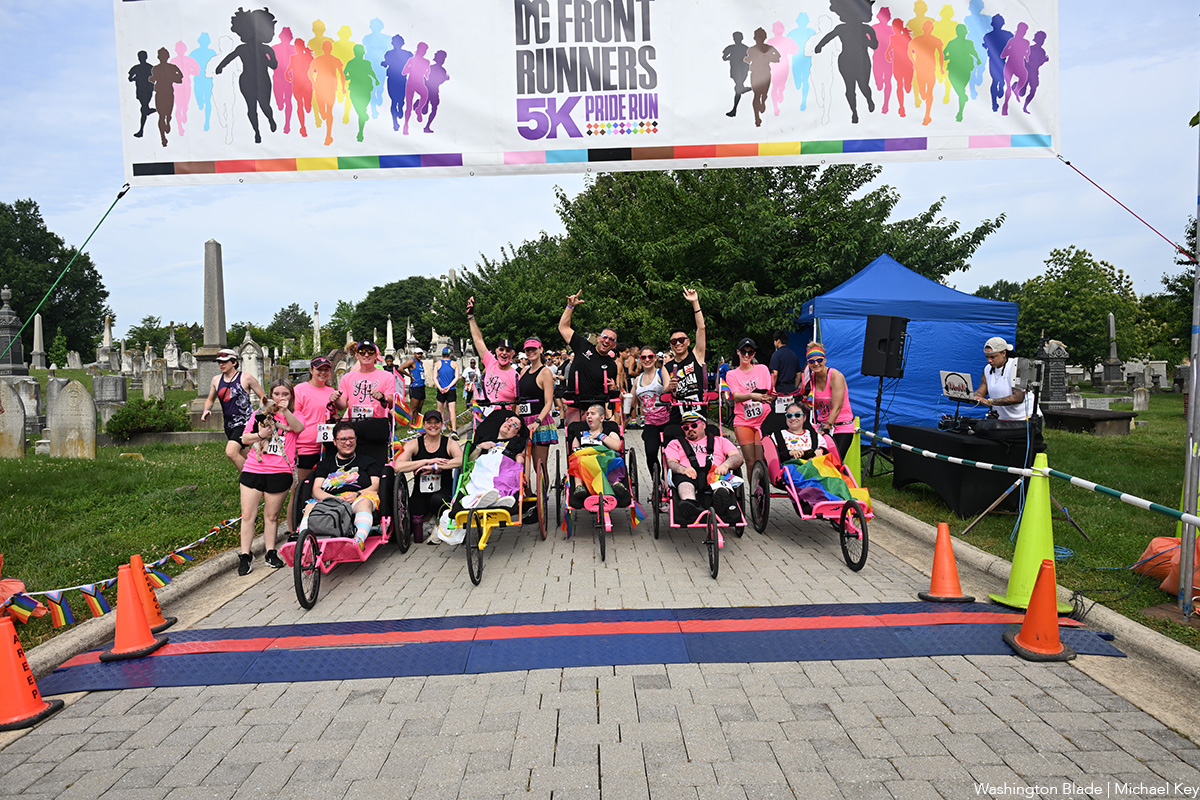
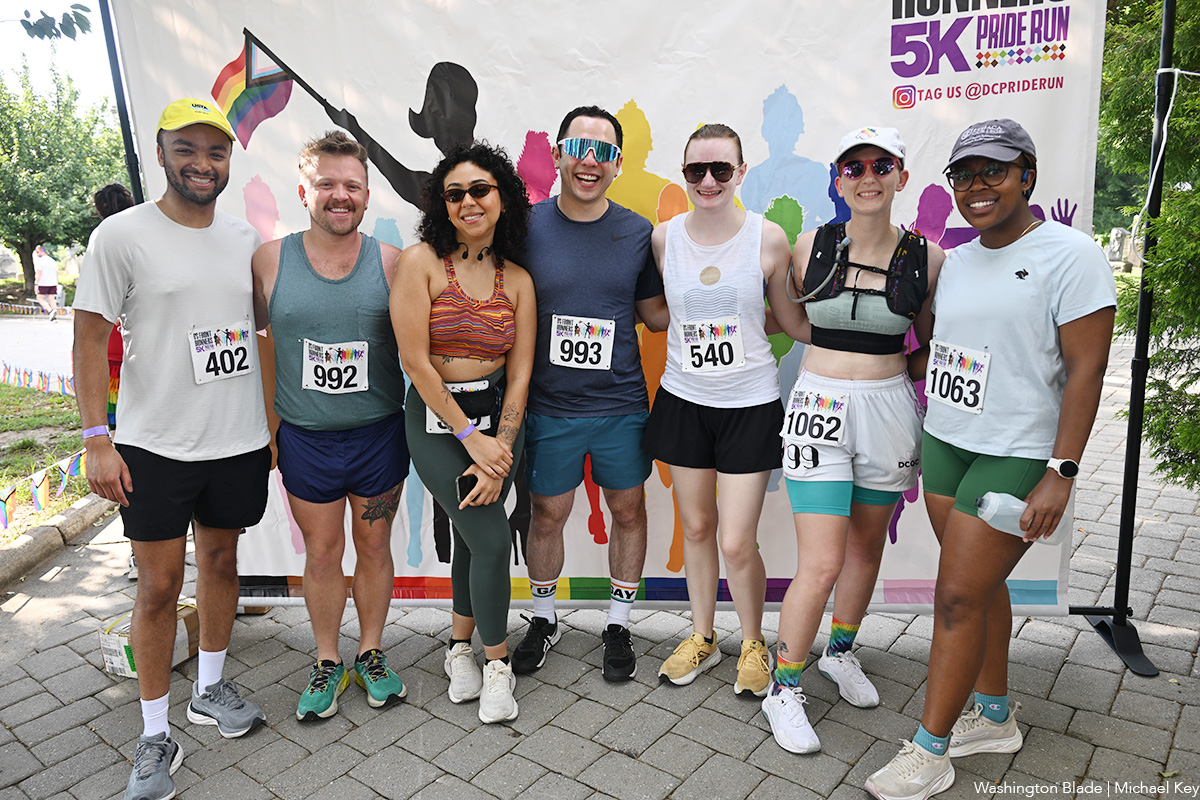
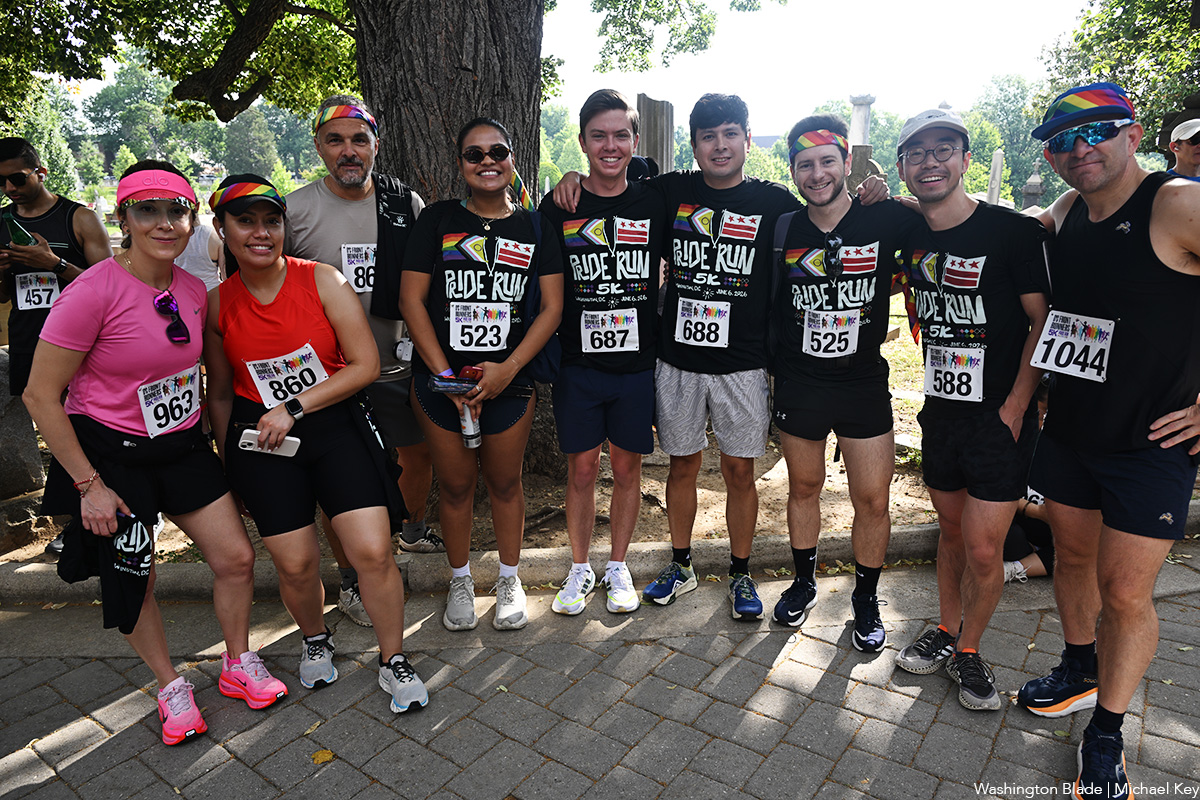
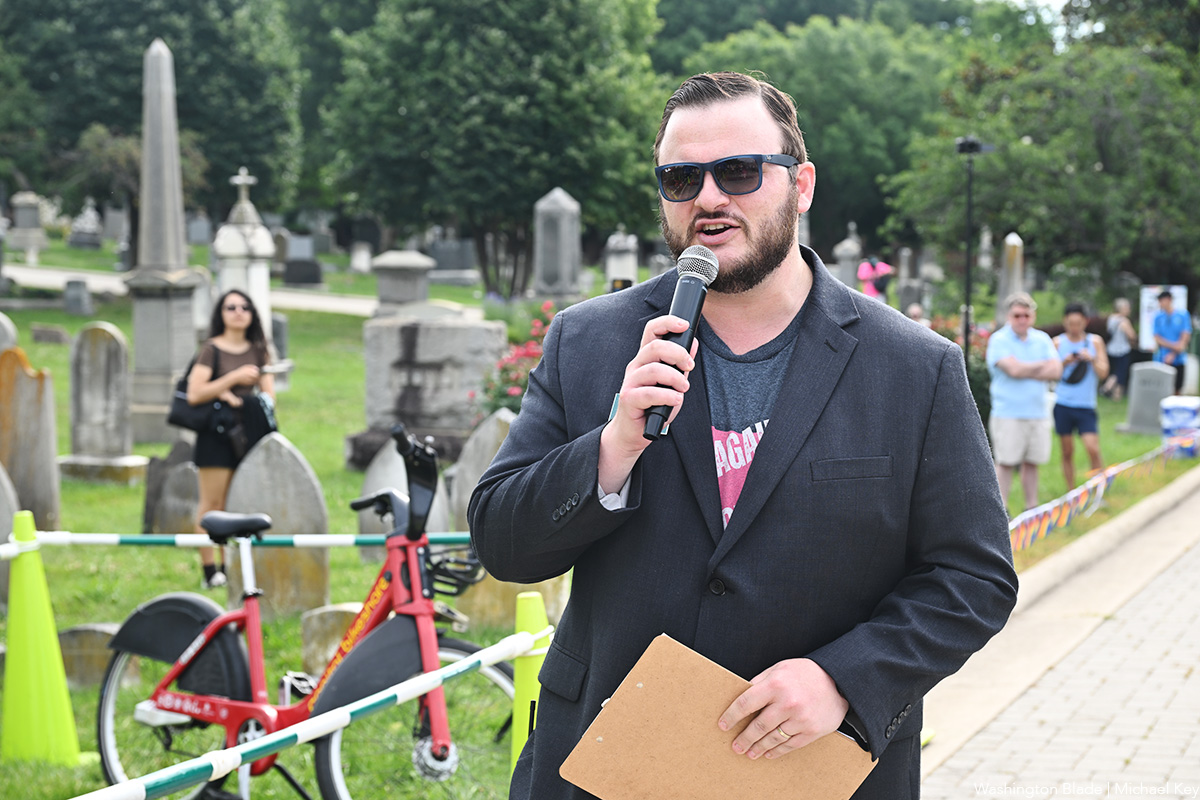
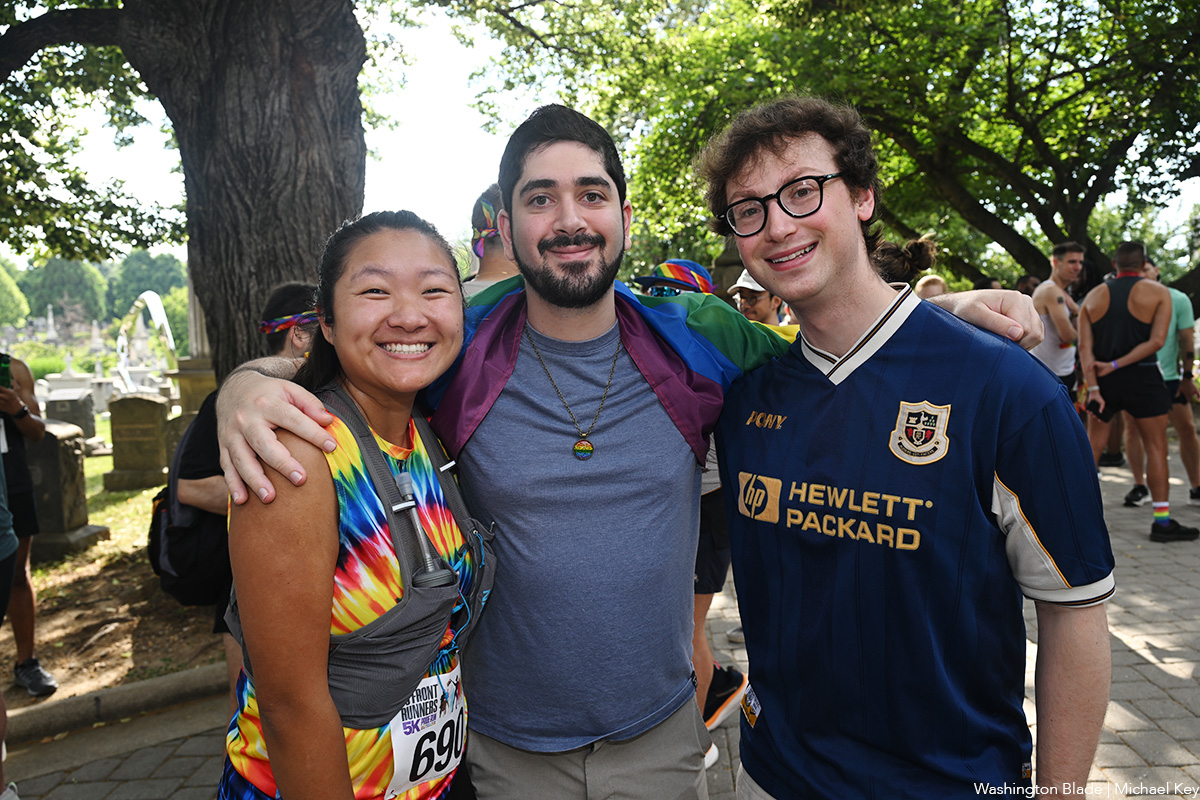
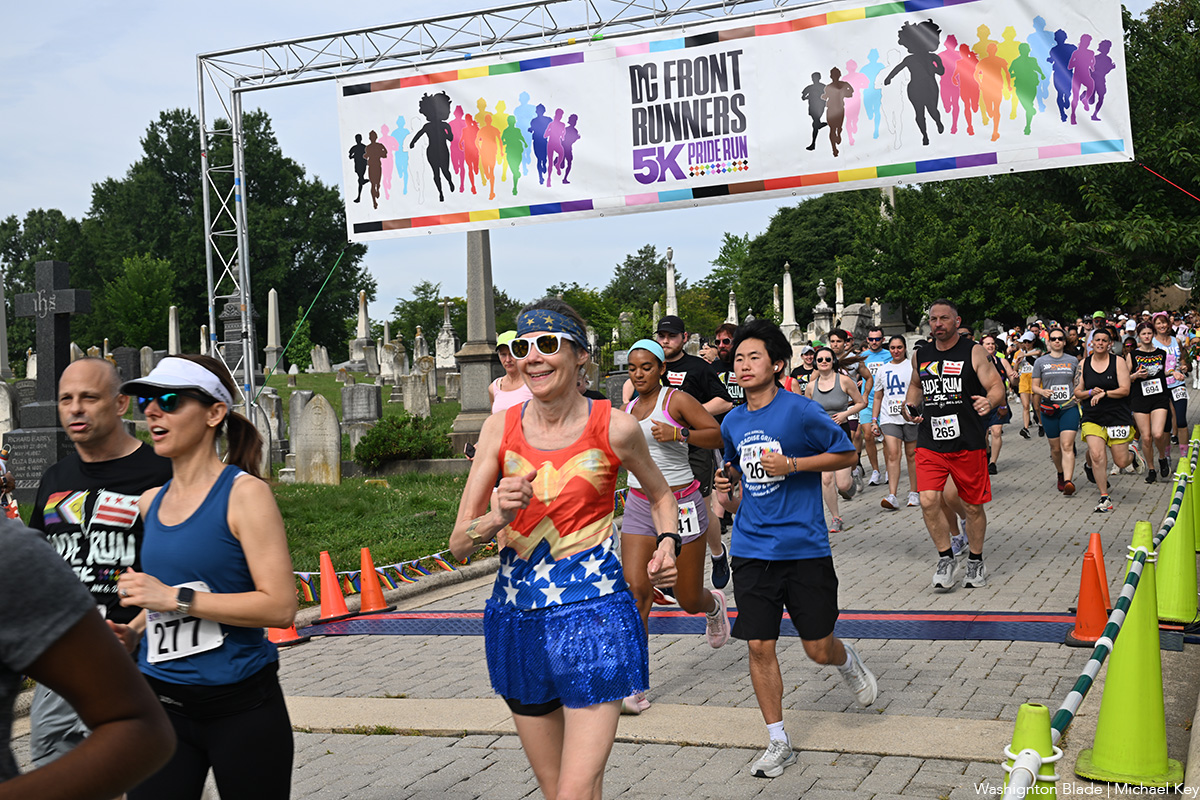
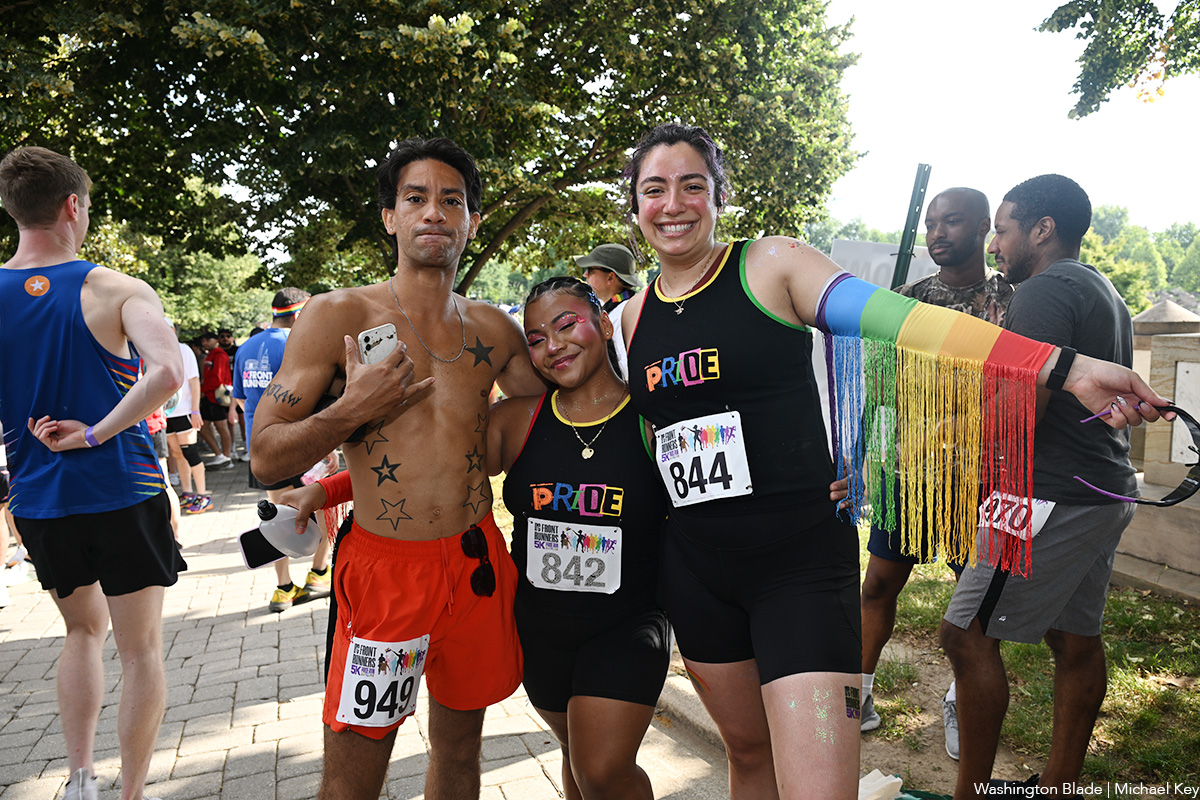
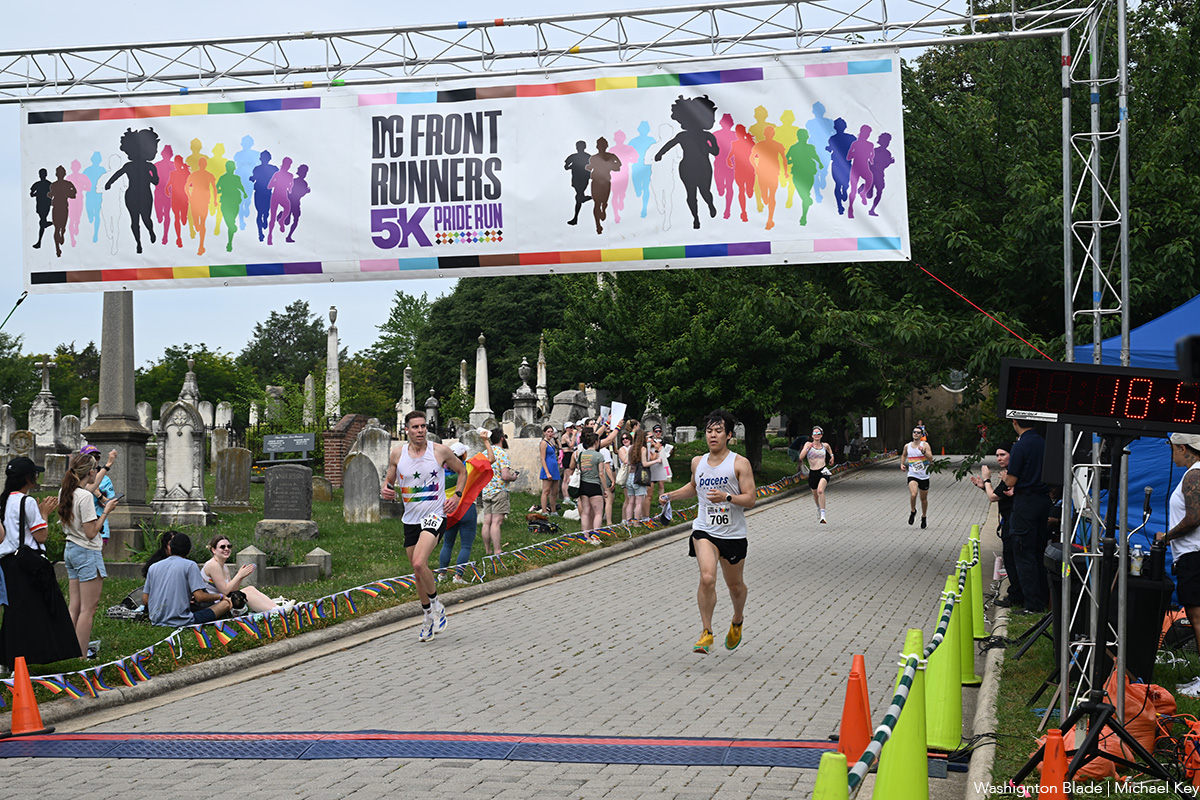
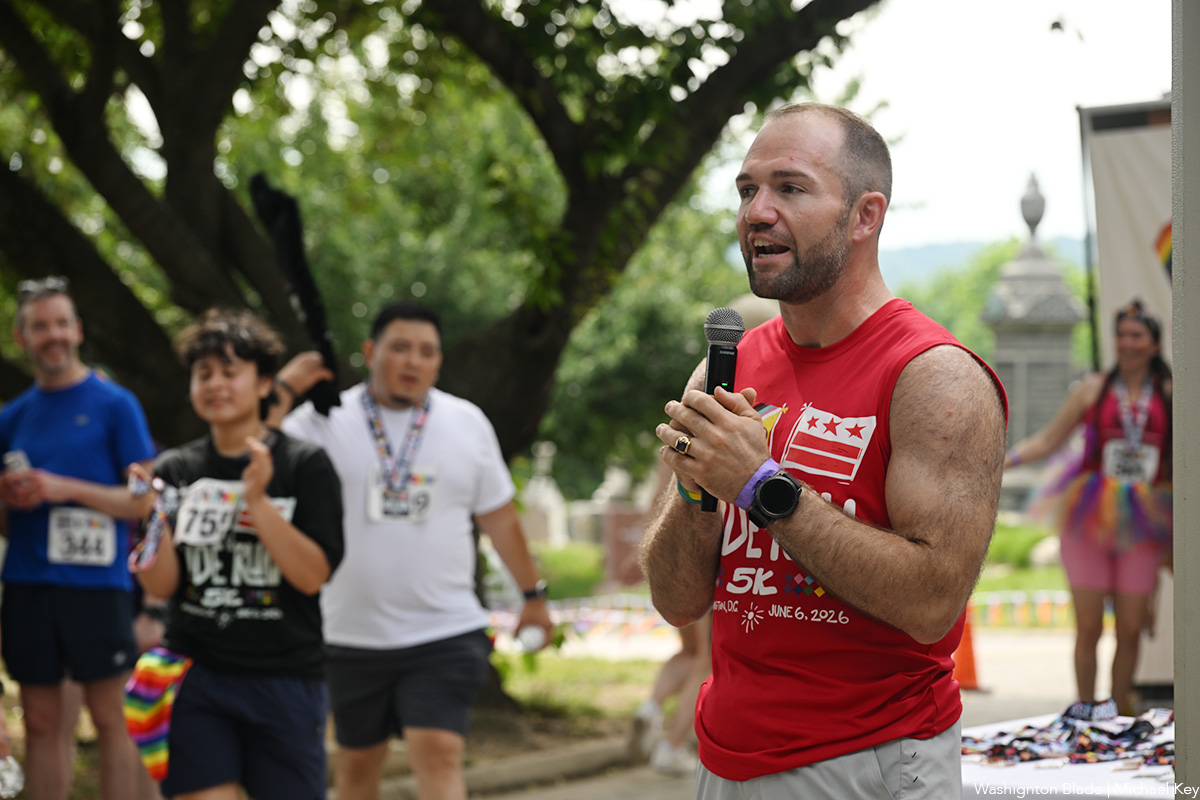
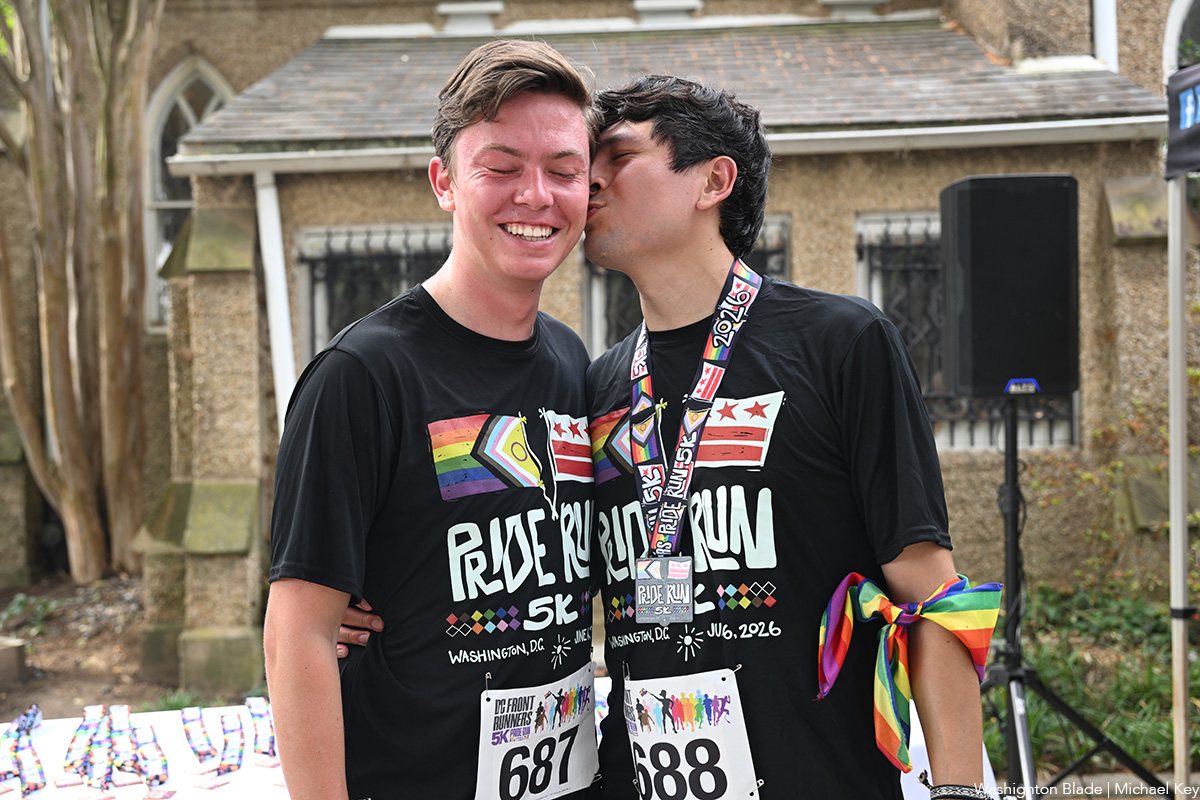
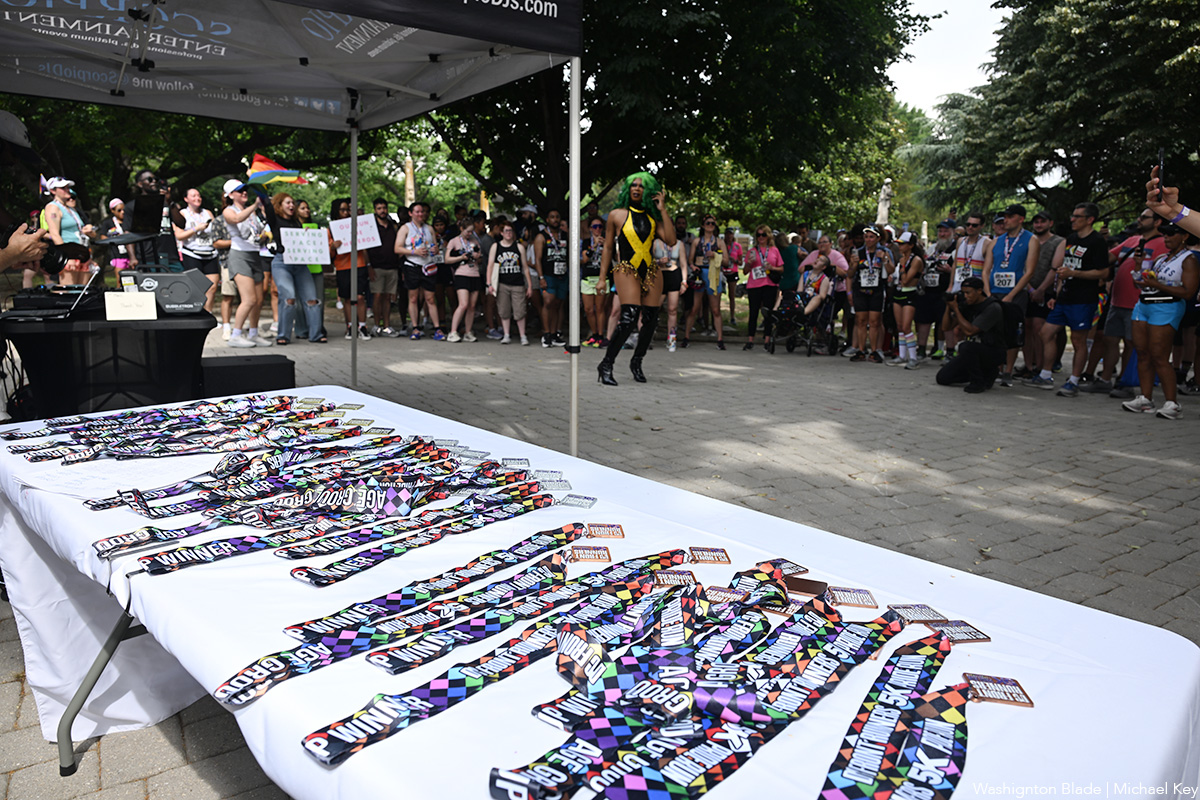
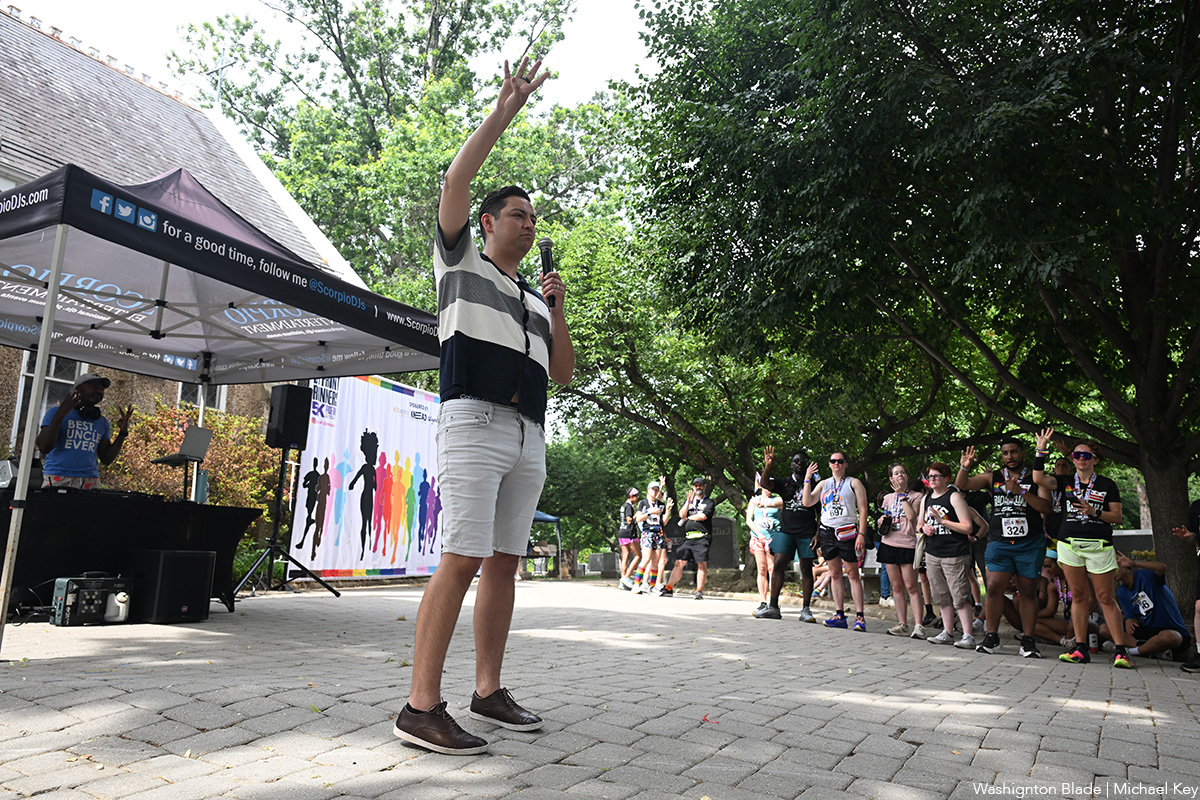
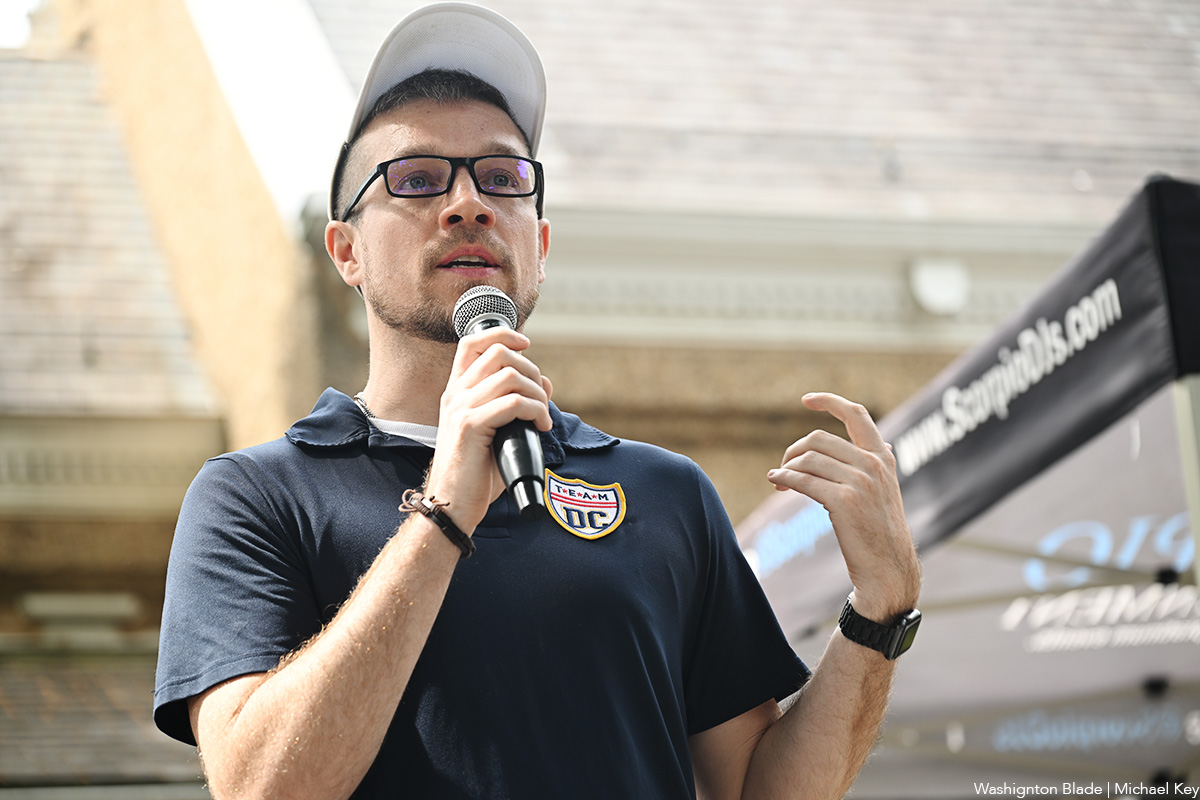
The D.C. Front Runners held the 14th annual 5K Pride Run at Congressional Cemetery on Saturday, June 6.
(Washington Blade photos by Michael Key)








View on Threads

German group slams White House’s LGBTQ rights record ahead of World Cup

Gay 1920s-era Hollywood star to be honored in Staunton, Va.

Why I’m supporting Gary Goodweather for D.C. mayor

Don’t just vote for change — vote for Hope Solomon for mayor

Vote Kenyan McDuffie for D.C. mayor

PHOTOS: ‘Soul Divas’

‘Mighty Real’ explores history of LGBTQ music

D.C.’s housing reality: Cautious optimism meets landlord strain

Hundreds of thousands expected to attend D.C. Pride events