Arts & Entertainment
Skating into Signature
Gay-helmed musical ‘Xanadu’ gets regional premiere
‘Xanadu’
May 8-July 1
Signature Theatre
4200 Campbell Ave., Arlington
$62-$86
703-820-9771
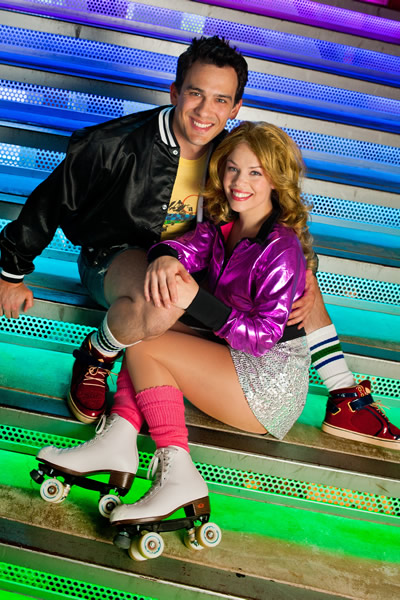
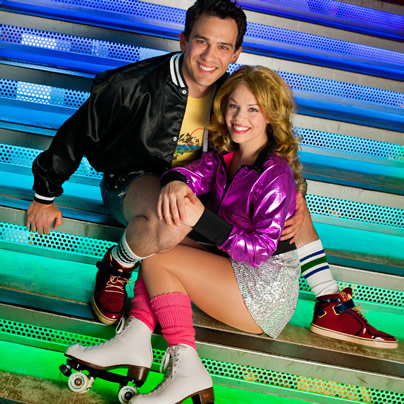
Charlie Brady and Erin Weaver in ‘Xanadu.’ (Photo by Christopher Mueller; courtesy of Signature)
Had the 1980 roller disco flick “Xanadu” never been made into the same-titled Broadway musical comedy, the clunky Olivia Newton-John vehicle would most likely have been relegated to the narrow shelf reserved for similar cult films.
A mostly awkward paean to mythology and passing fads, the movie’s saving distinctions include an ear worm-y pop score split between Newton-John’s personal composer John Farrar and Electric Light Orchestra’s Jeff Lynne, a parade of curiously hideous disco-era costumes and the fact that it features MGM’s dance legend Gene Kelly on skates in his final movie role.
Happily, the movie has been hilariously reimagined as “Xanadu,” the hit musical that’s poised to make its Washington premier at Signature Theatre this week. What’s most striking about the show is the way it pairs a sugary screen score (“Xanadu,” “Magic,” “Have You Ever Been Mellow,” etc.) with the sophisticated wit of gay playwright Douglas Carter Beane who’s also written librettos for “Sister Act” and “Lysistrata Jones.” He also wrote “To Wong Foo, Thanks for Everything! Julie Newmar,” “The Little Dog Laughed” and “As Bees in Honey Drown.”
Via phone from Manhattan, he describes “Xanadu’s” leap from screen to stage as the brainchild of the movie’s primary producer Rob Ahrens. After being let go by one of the major studios, Beane explains, Ahrens took a surfing trip to Central America. While lying on his board waiting for a wave, Ahrens formulated his next move — he needed to bring “Xanadu” to Broadway. Through mutual friends Ahrens was advised that Beane was the right man to pen the adaptation. Beane was skeptical.
“I knew the film,” he says. “In the early days of HBO, I think they played ‘Xanadu’ and ‘Clash of the Titans’ on an endless loop. Anyone who ever skipped school in those days knew them well. They’re not good. I remember telling my agent that the job sounded like a real résumé stopper. But Ahrens was relentless. He said I could do whatever I wanted, so I took another look at the film. It was still bad — it had become all nostalgia without the cumbersome taste.”
The plot is simple: Greek muse Clio leaves Mount Olympus for early 1980s Venice Beach, Calif., where, disguised as an Australian roller girl named Kira, she hopes to inspire artist Sonny in creating his decisive achievement, a roller disco. When Clio falls into forbidden love with Sonny, her jealous sisters see it as an opportunity to make trouble.
“Greek muses. Inspiration,” Beane says. “That’s the beginning of theater — everything we hold to be good, pure and beautiful. On the other hand, putting a bad movie on stage is the absolute butt hole end of theater. What would happen if I put classic Greek and ‘80s trashiness together? What would Aristophanes say? And I just started writing. I’d found my way in as they say. … I wrote the dialogue as if it were a good Edith Hamilton translation of the classics, but set in the 1980s. In turn, the set designer created a Greek amphitheater that was a really a disco roller rink. The choreographer fused Solid Gold with Martha Graham. The actors pulled out their best classical voices. Everything fell into place quickly; it all worked.”
Xanadu opened on Broadway May of 2007, ran for more than 500 performances and garnered Beane a Drama Desk Award for Best Book. Gay actor Cheyenne Jackson played Sonny.
Signature’s “Xanadu” is directed and choreographed by Matthew Gardiner, the company’s associate artistic director, and stars Helen Hayes Award-winner Erin Weaver and handsome Charlie Brady (“South Pacific” on Broadway) as Clio and Sonny. Local favorites Sherri L. Edelen and Harry A. Winter, and big-voiced recent Helen Hayes Award-winner Nova Y. Payton are also featured.
Gardiner, 28, first saw “Xanadu” with Signature’s artistic director Eric Schaeffer during its New York run.
“As we left the theater, I remember thinking it was the most joyous, funny smart work I’d seen in a long time. I said to Eric that I had to direct this show sometime, someplace,” Gardiner says. “Time passed and he [Schaeffer] randomly told me that we were putting ‘Xanadu’ in this season. He thought it would be a good fit and that I’d be directing.”
He says the show works for reasons that aren’t obvious.
“Audiences love it because it’s funny, but they probably won’t see — and I wouldn’t expect them to see — what a well-crafted piece of theater it is. With its satyr play and party at the end, it’s like a Greek drama. I noticed that when I saw the New York production.”
Gardiner admits a weird fondness for the film version. When they were about 5, Gardiner and his twin brother James Gardiner (a talented local actor) spent a lot of time watching it and “Grease,” also with Olivia Newton-John. Gardiner says to enjoy “Xanadu,” the musical, it’s not mandatory to know the movie, but a cursory knowledge of its leading lady and her music, and a sense of what the ‘80s were, certainly helps.
Native to the D.C. area, Gardiner grew up in the arts. He played Tiny Tim at Ford’s Theatre and danced in the “Nutcracker” for 10 years at the Washington School of Ballet. He successfully co-directed and choreographed the terrifically fun and campy “Reefer Madness” and “Jerry Springer: The Opera” at Studio 2ndstage. He was named Signature’s associate artistic director just prior to this year’s season. Most recently he staged Signature’s hit premier “Really Really,” Paul Downs Colaizzo’s play about self-serving young adults and an alleged date rape.
After “Really Really,” Gardiner, who’s gay, says he was ready for something fun. With “Xanadu,” a brisk 90-minute zany sendup of a really bad ‘80s movie, he found his antidote. “It’s been great finding beats, punch lines and gags, but I’ve also enjoyed exploring the show’s real intentions underneath — love and joy and real life emotions. The process has been joyous.”
Young actor Mark Chandler, a pop tenor whose voice is perfect for the score, is thrilled to be cast in the production. As part of the ensemble, he plays assorted characters including one of the Greek muses. And while he’s been singing, acting and dancing professionally for some time, this is his first time on skates before an audience. Luckily, a skating instructor (Gregory VanderPloeg) was brought to bring the actors up to speed.
“Before ‘Xanadu,’ the last time I skated was at a birthday party in L.A. a couple years ago, and nobody was entirely sober,” says Chandler, also gay. “I can tell you, learning to skate has been a bonding experience for the cast. Falling and embarrassing yourself repeatedly does that.”
He and the cast, says Chandler, have a come a long way in little time. Now he’s performing all sorts of tricks — jumps, leaps and cartwheels on skates — and he does them all in gold sequined and lamé booty shorts no less.
“I didn’t know much about the movie. I first watched it after I was cast. It’s interesting,” he says diplomatically. “But the musical is another story. It’s a good time. I promise you’ll walk out of the theater laughing, and you’ll probably have a little glitter on you too.”




Online Culture
Clavicular charged in alleged rape of teenage influencer
Online personality’s real name is Braden Peters
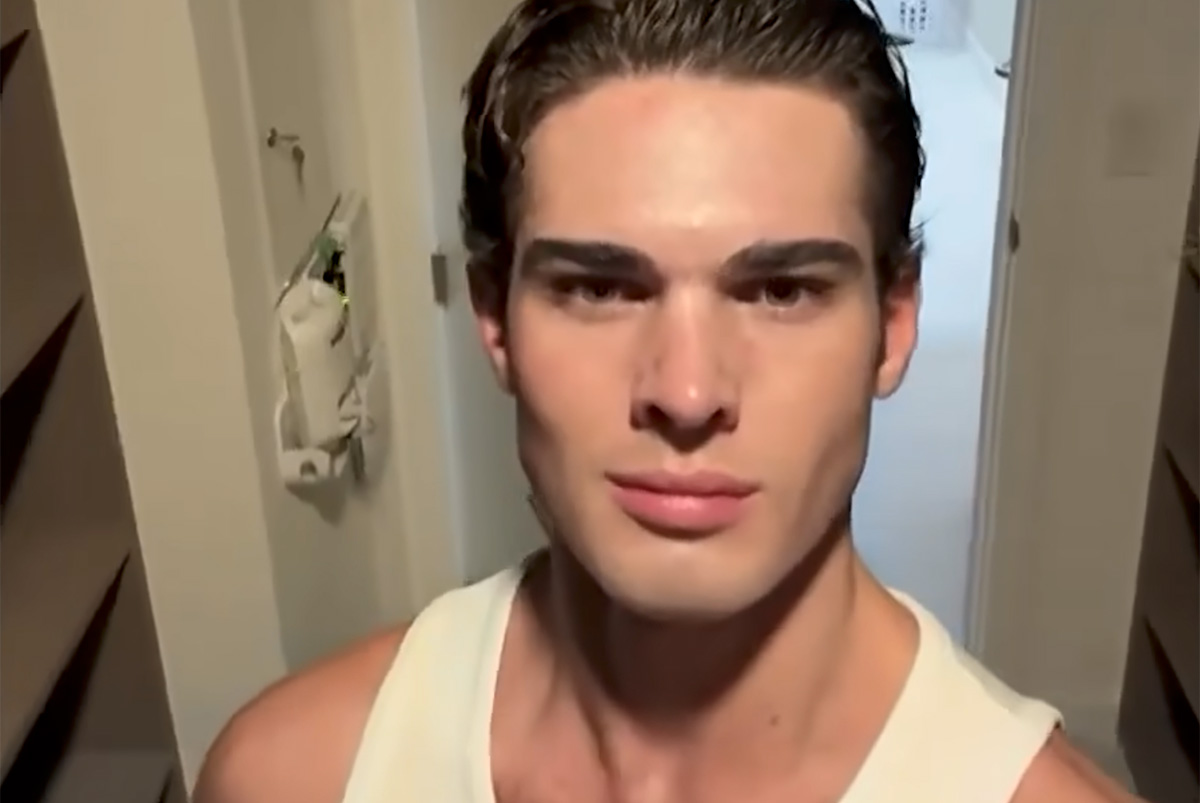
Online personality Clavicular, whose real name is Braden Peters, has been accused of rape.
According to NBC, Aleksandra Vasilevna Mendoza, an 18-year-old influencer known online as Alorah or Alorah Ziva, accused Peters of sexual assault, and the case is making its way through the court system.
The alleged incident occurred on May 23, 2025, when Mendoza was 17.
According to a criminal complaint from the Chatham (Mass.) Police Department, Peters called her an Uber to his family’s home. Once there, he allegedly got her drunk on vodka while they livestreamed on Twitch and then raped her. His mother and grandmother were allegedly in the house.
The documents allege Clavicular committed rape, drugging a person for sexual intercourse, and procuring and providing liquor to a person under 21.
According to court documents acquired by NPR, Mendoza began communicating with Peters on Instagram, where he paid her to appear on his livestreams to help her “make her name known on social media.”
According to those documents, Peters arranged for the minor to come to Cape Cod home to participate in a videostream for his 437,000 followers on Kick, 1.2 million followers on TikTok, and more than 1 million followers on Instagram.
At his home, Peters allegedly instructed Mendoza to say she was 18 on his videostream and to claim the alcohol on camera was water instead of vodka. Mendoza said she felt peer-pressured to drink the spirit and that she became noticeably intoxicated after a couple of drinks.
The allegations go on to state that after stopping the stream, Peters and Mendoza kissed on a couch and then had sex in his bed without her consent. Mendoza said she did not receive a sexual assault forensic exam after the incident. NPR does not name alleged victims of sexual assault.
The charges come months after Mendoza sued Peters in Miami, accusing him of sexual battery in connection with the events of May 2025. The civil lawsuit also separately alleges that he injected her face with a non-FDA-approved fat-dissolving substance during a November livestream in Florida.
Peters is known for his “looksmaxxing” concept of vanity, which is at the core of his online presence. The “looksmaxxing” culture he has helped cultivate combines elements of incel culture and heterosexuality, with the stated goal of attracting the opposite sex. He has gone as far as to say he has undergone “bonesmashing,” or hitting his own face with a hammer; taken anabolic steroids to more rapidly grow muscle; and used crystal meth as an appetite suppressant.
At the same time, looksmaxxing has been described as having elements of homoeroticism, with “looksmaxxers” appearing more concerned with impressing other men than women. Peters has multiple times pointed to openly gay actor Matt Bomer as the gold standard for male facial aesthetics.
Peters’s arraignment is scheduled for Oct. 14.
Photos
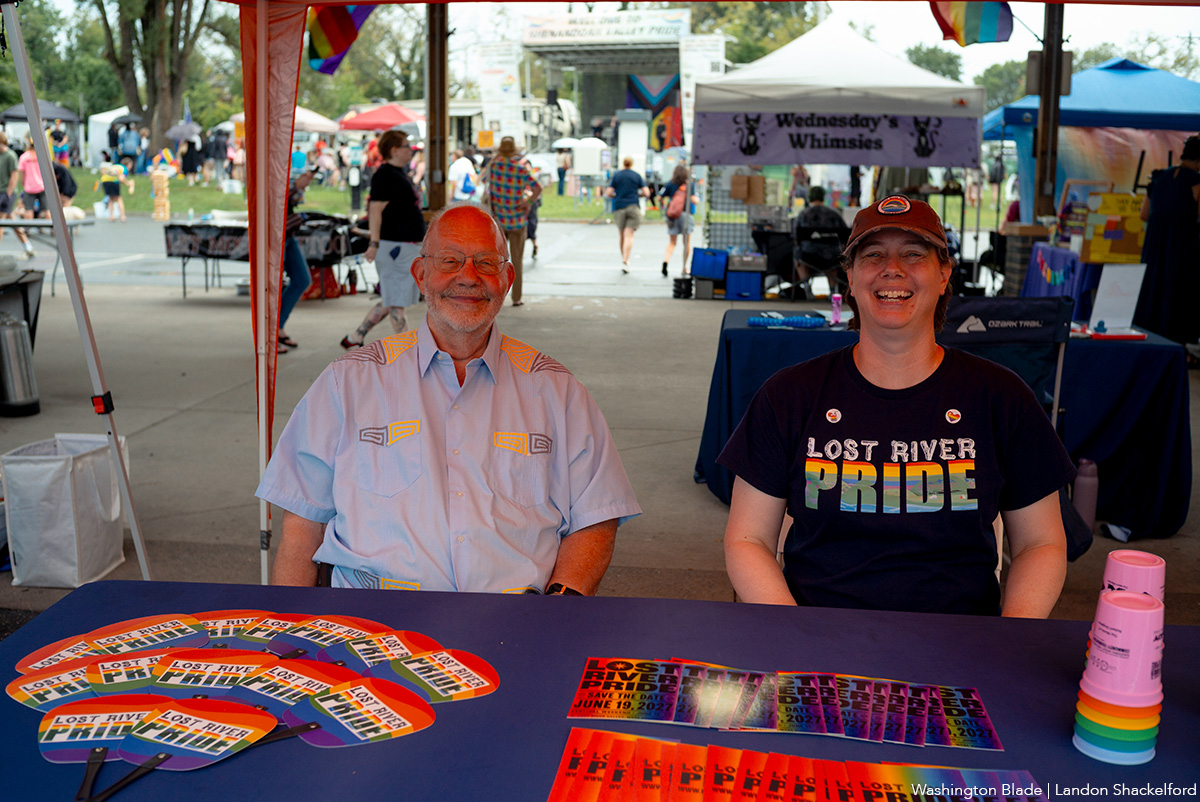
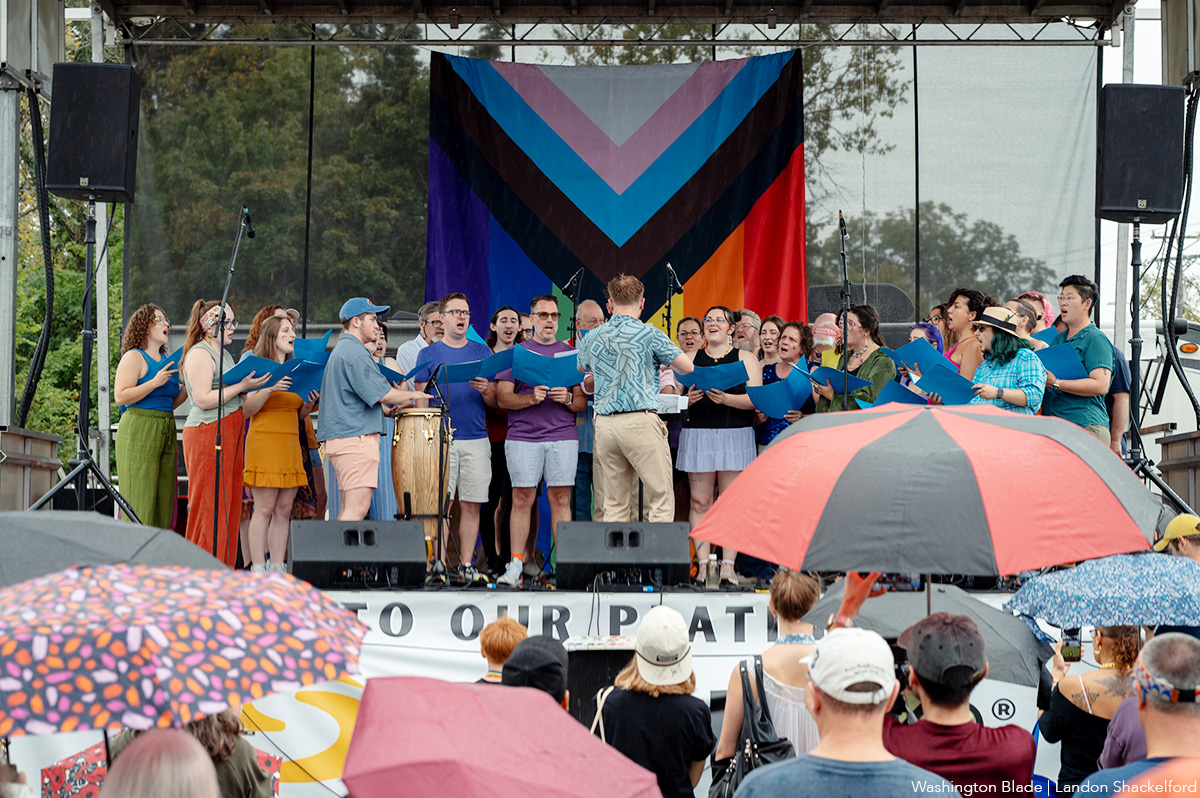
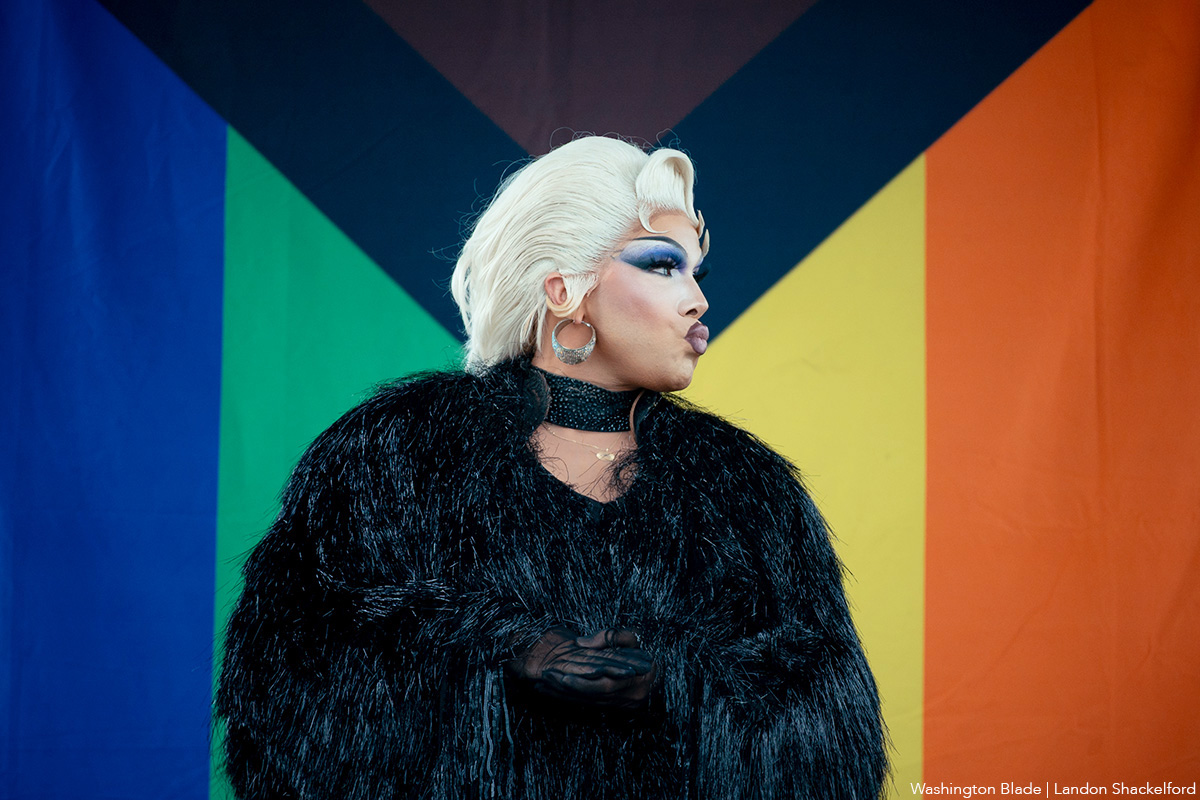
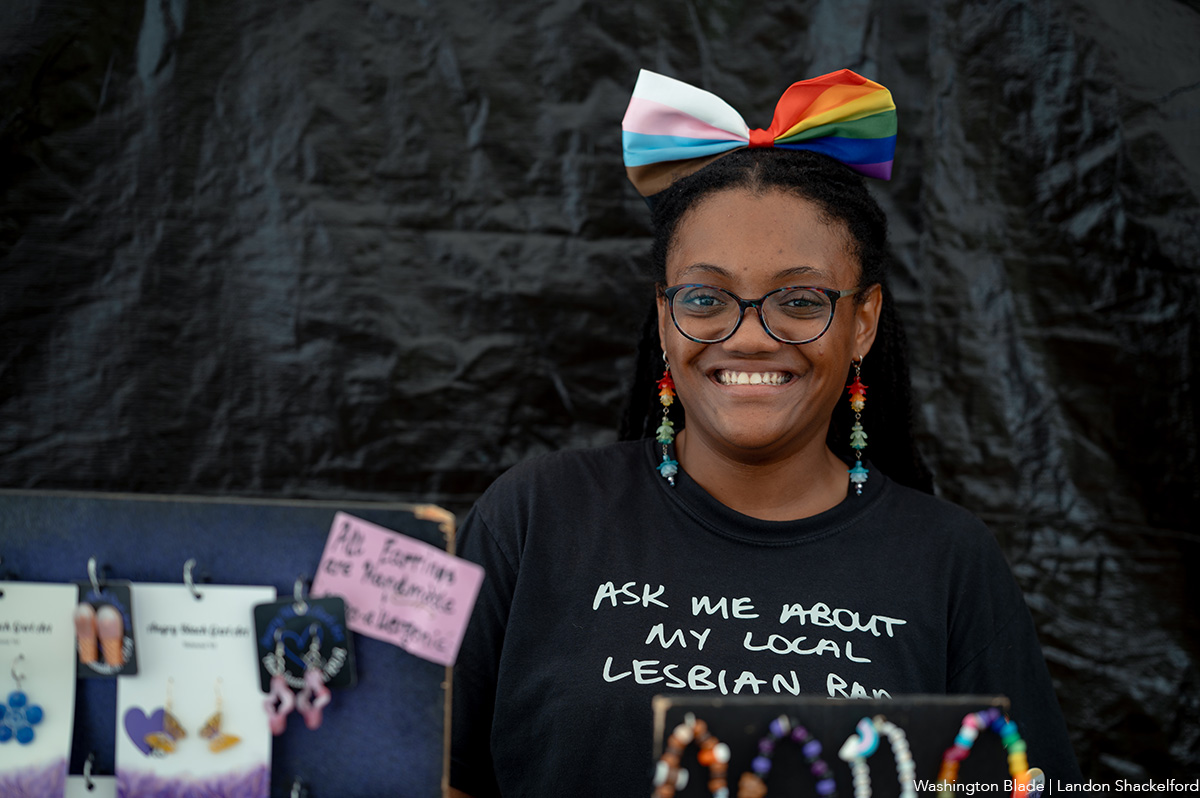
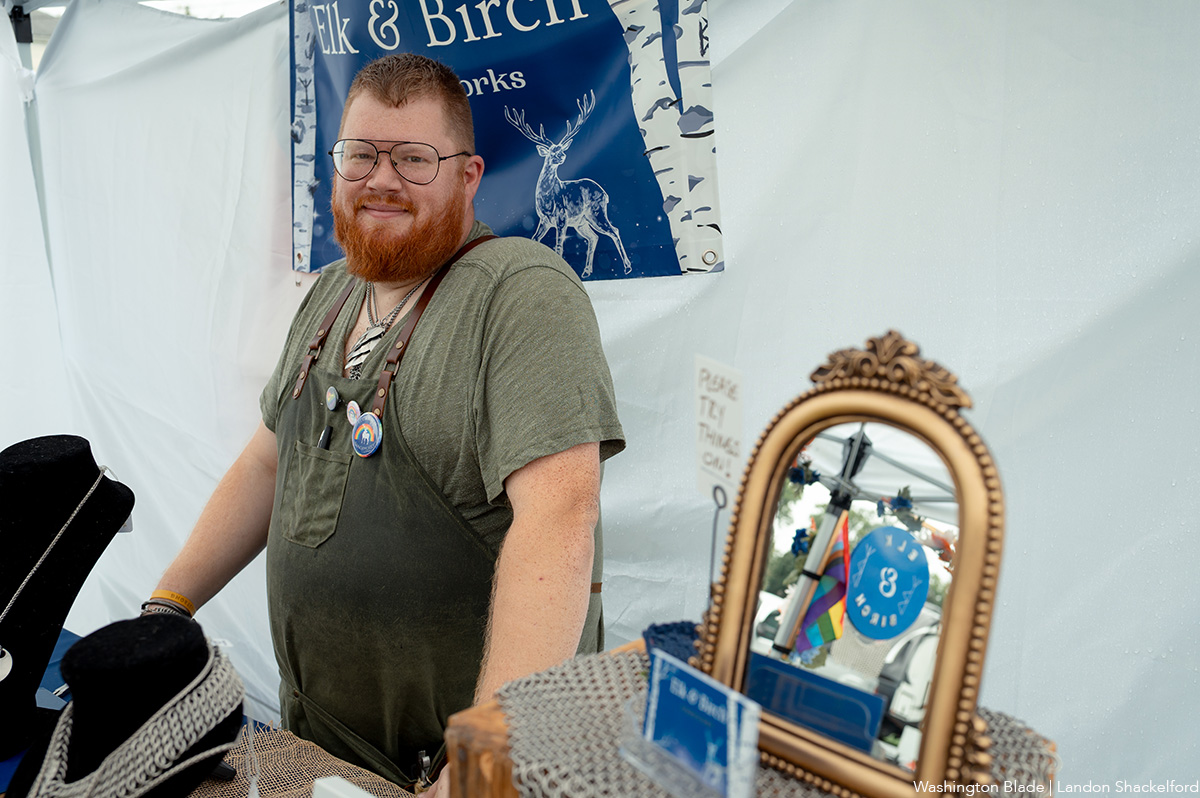
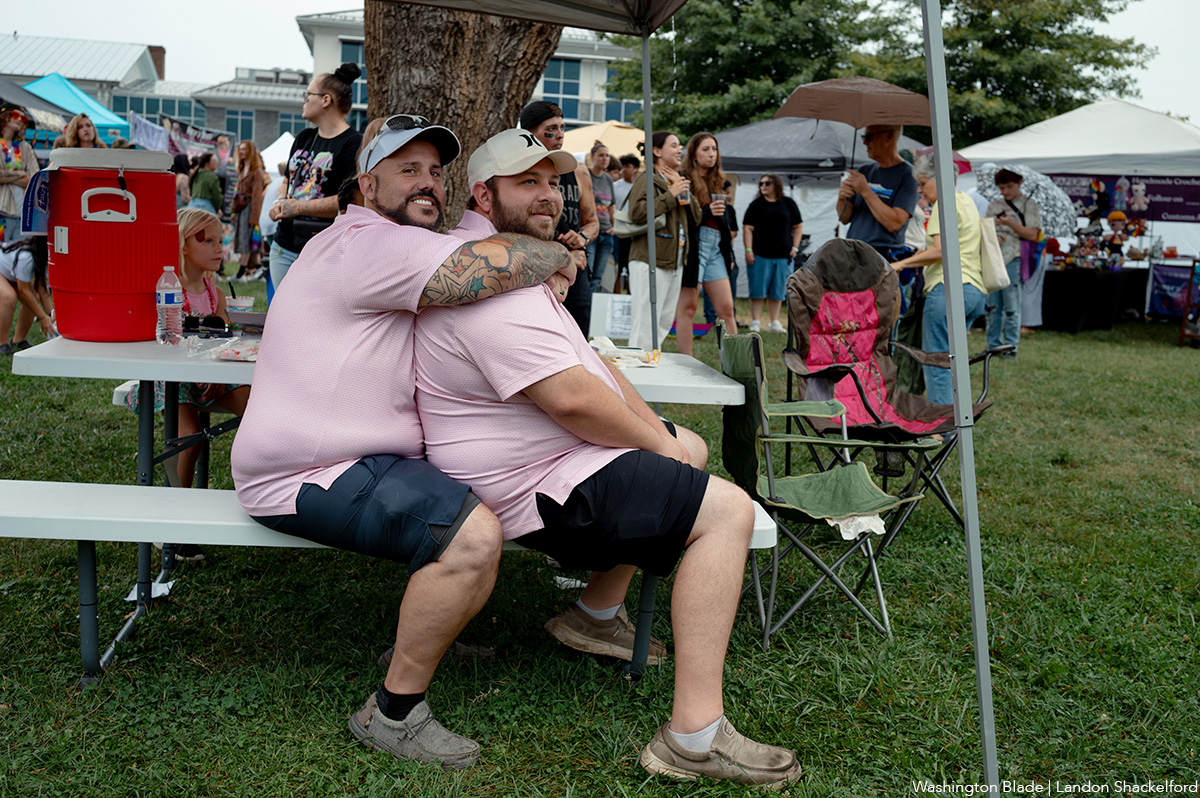
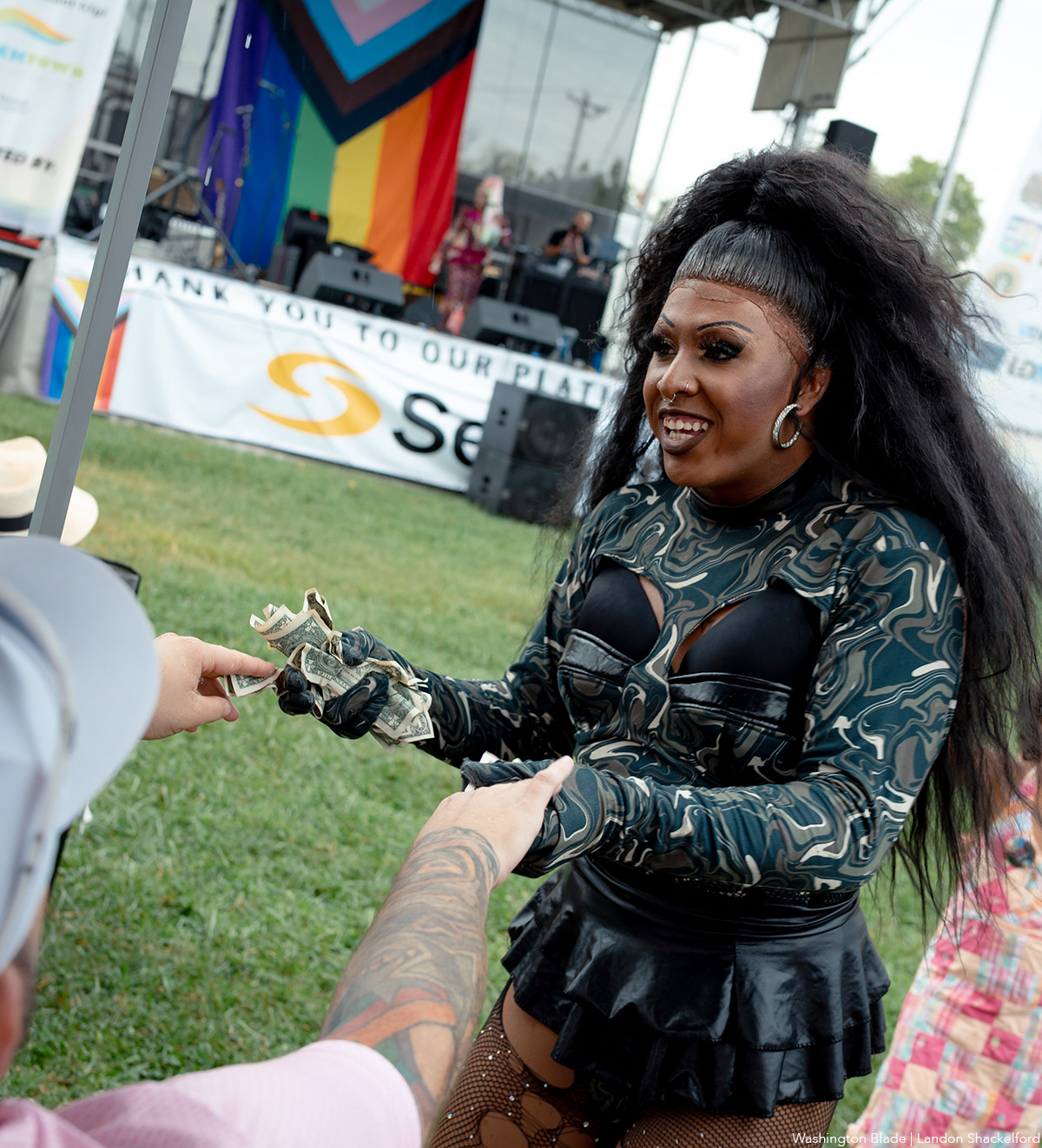
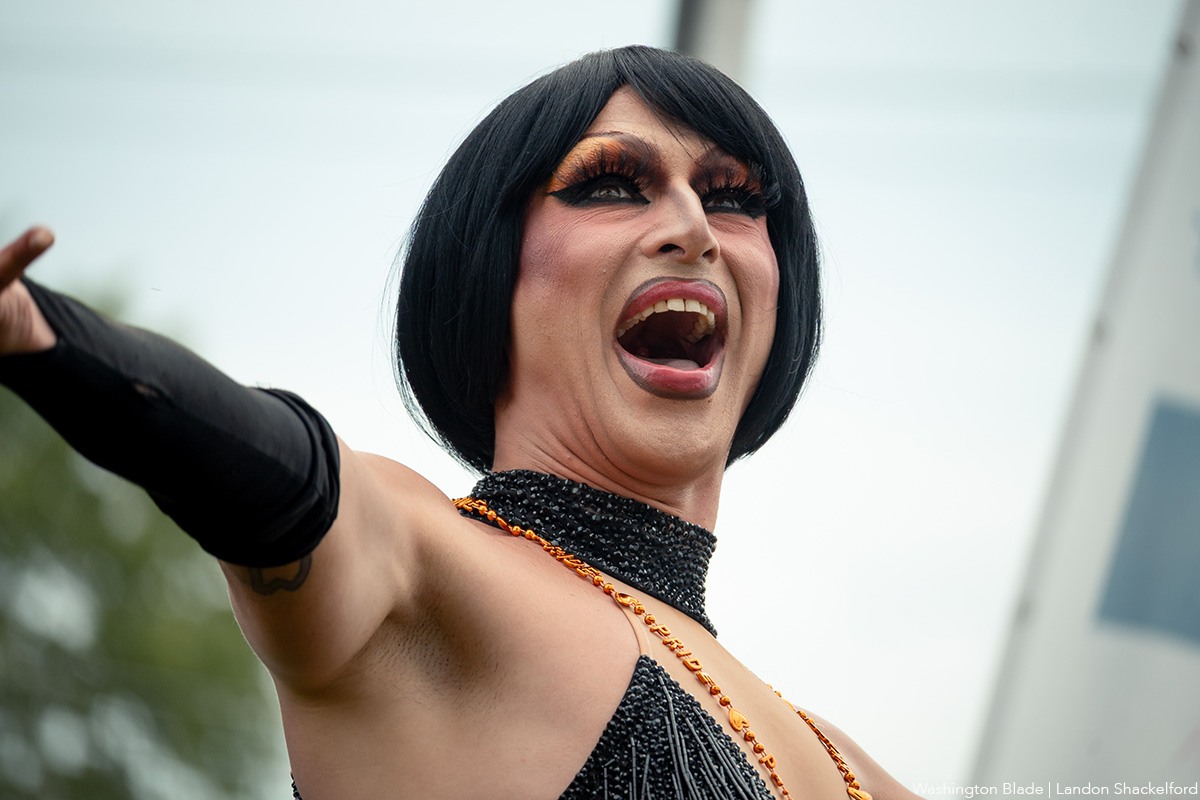
PHOTOS: Shenandoah Valley Pride
LGBTQ celebration held at Turner Pavilion in Harrisonburg, Va.
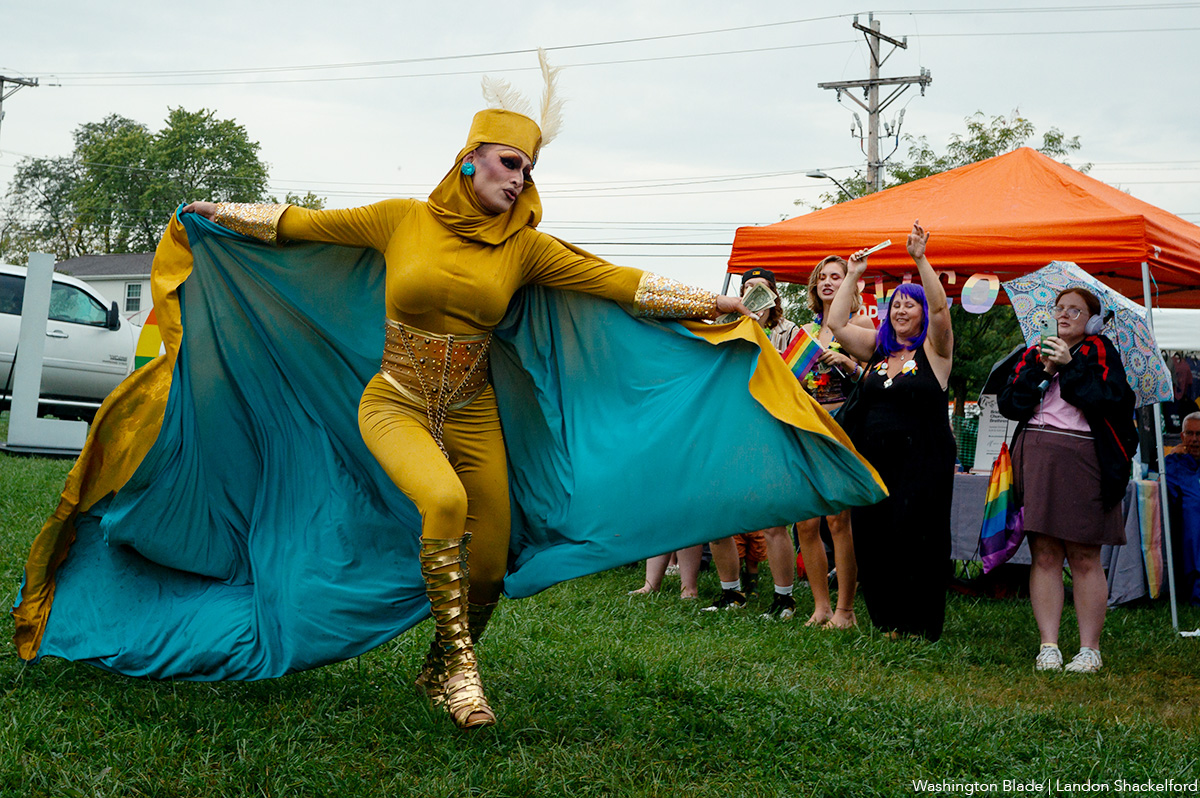
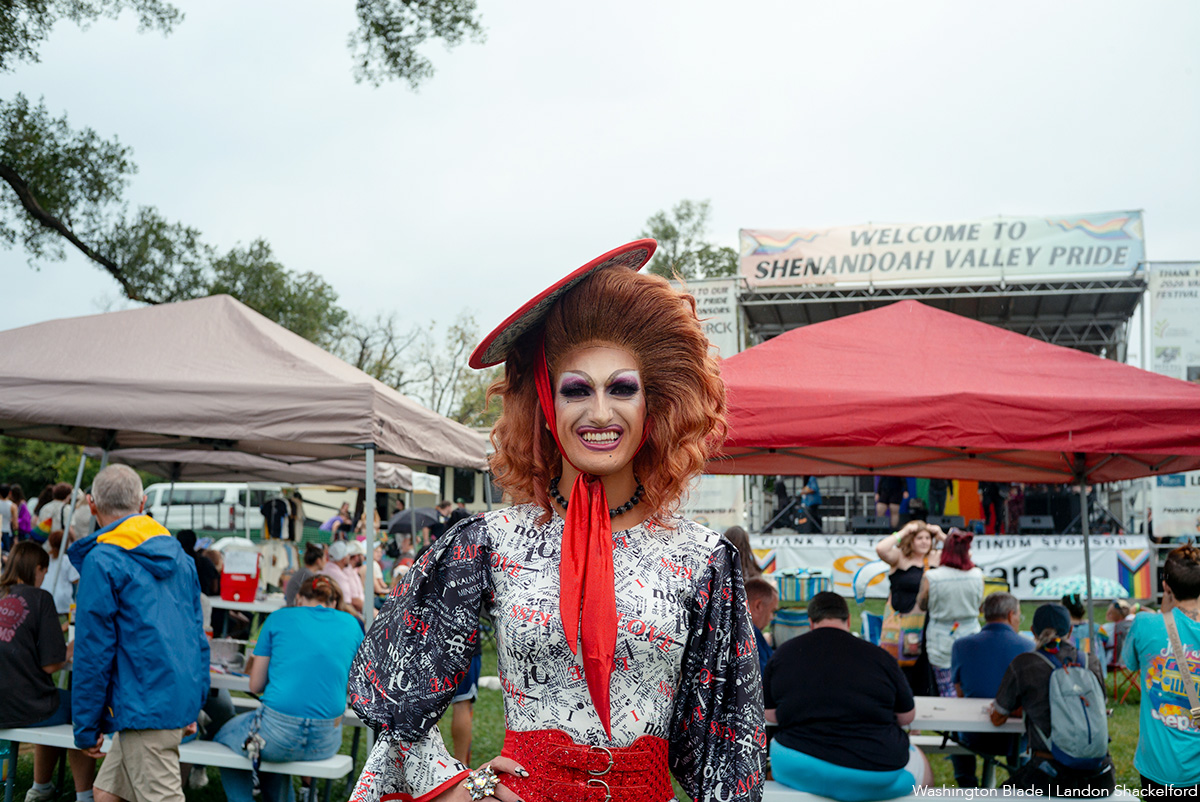
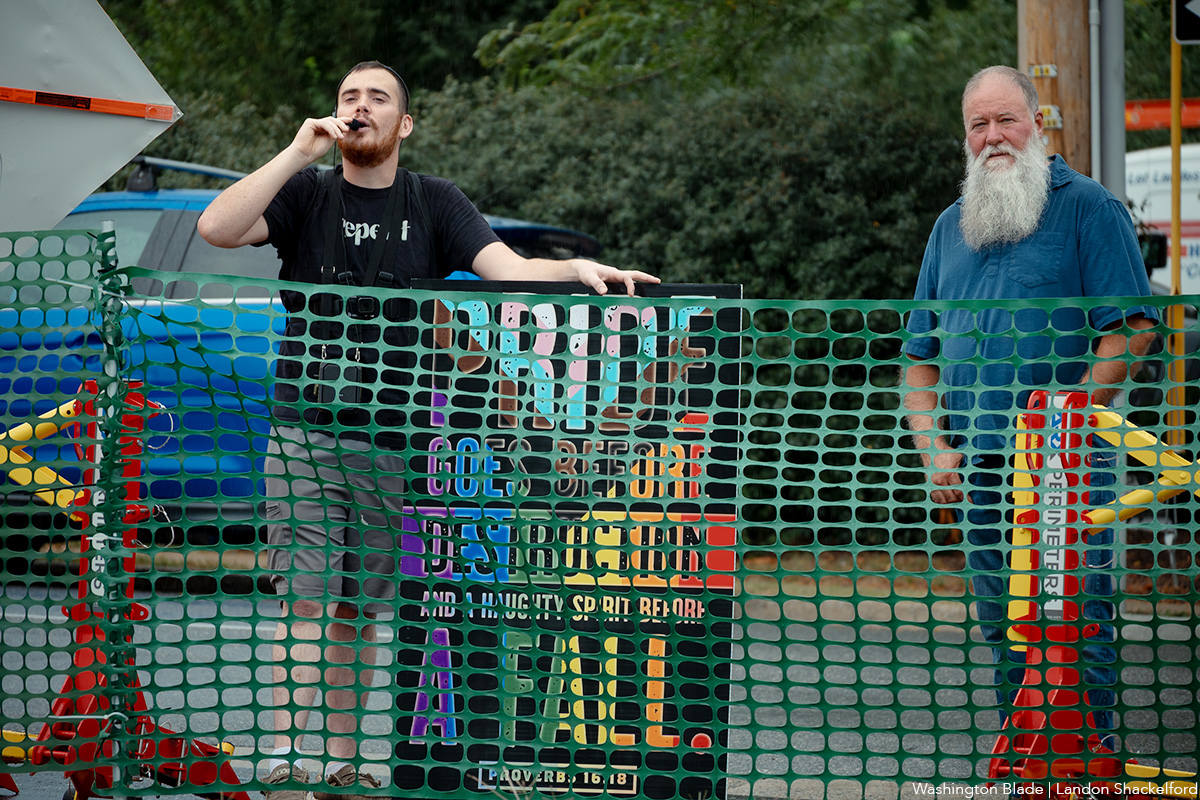
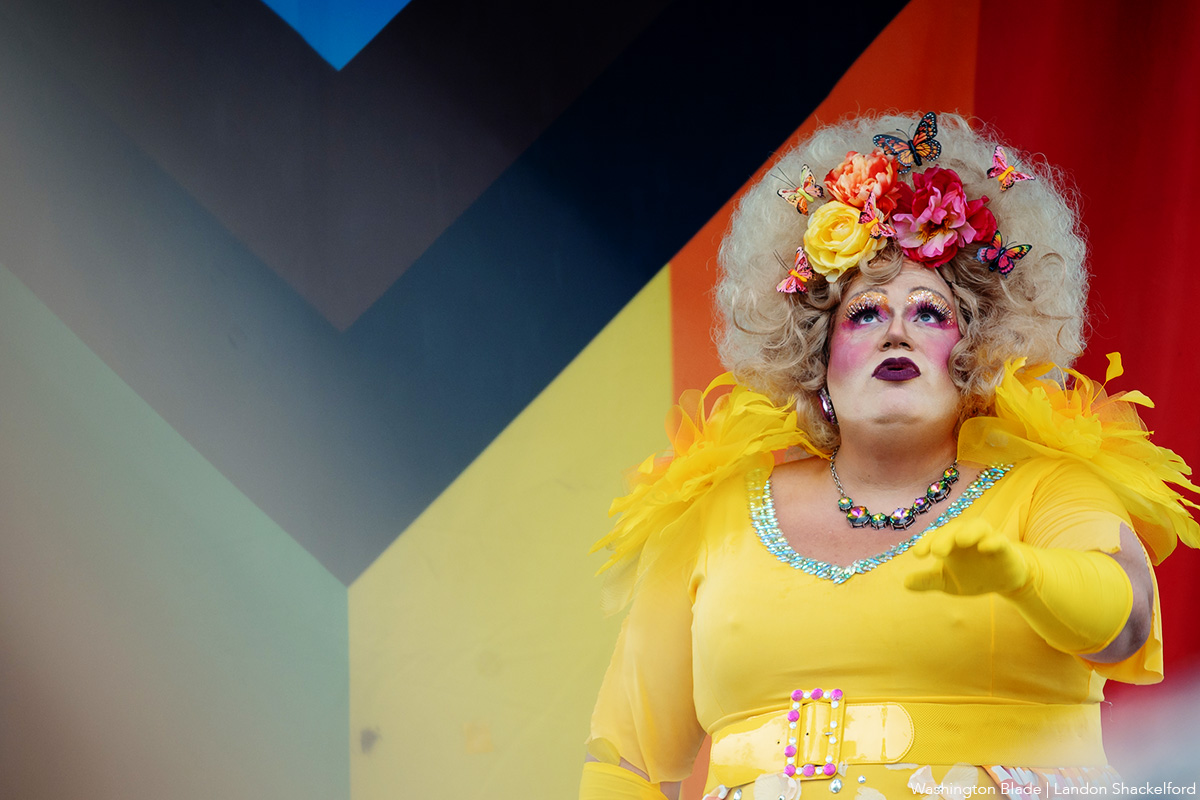
The 2026 Shenandoah Valley Pride Festival was held at Turner Pavilion in Harrisonburg, Va. on Sunday, Sept. 20.
(Washington Blade photos by Landon Shackelford)






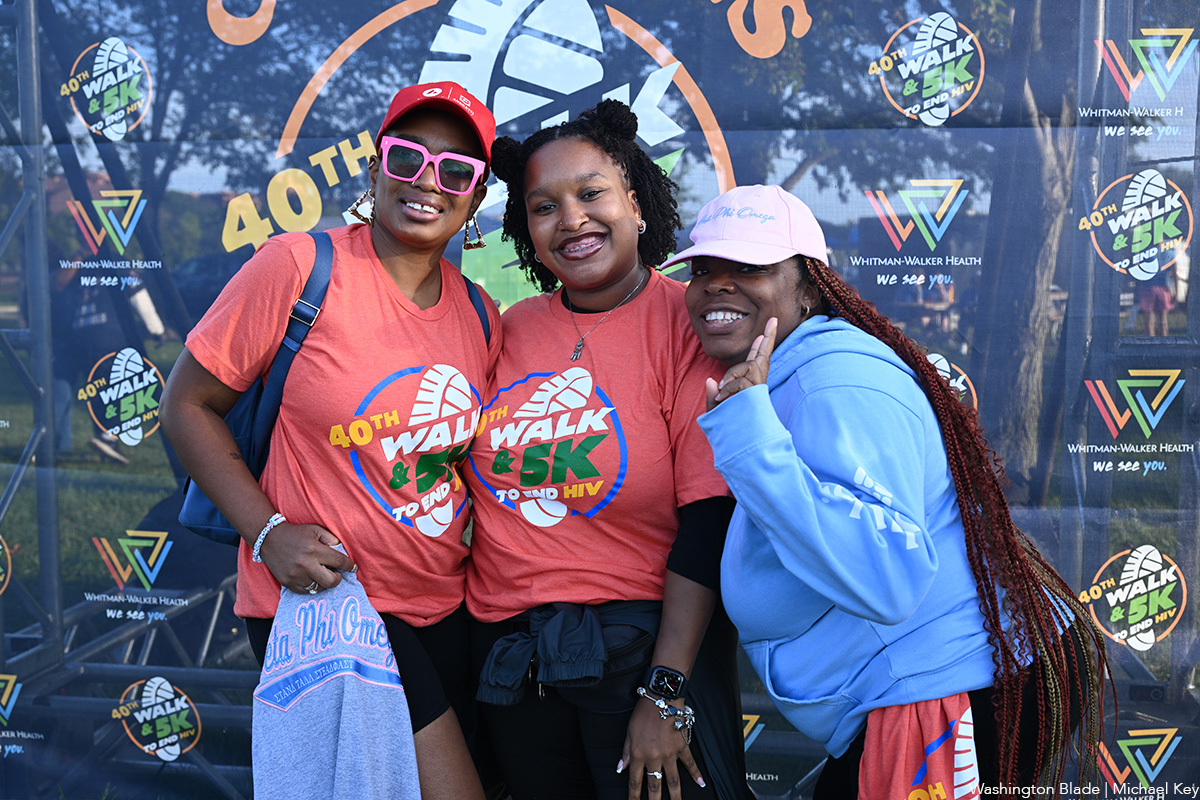
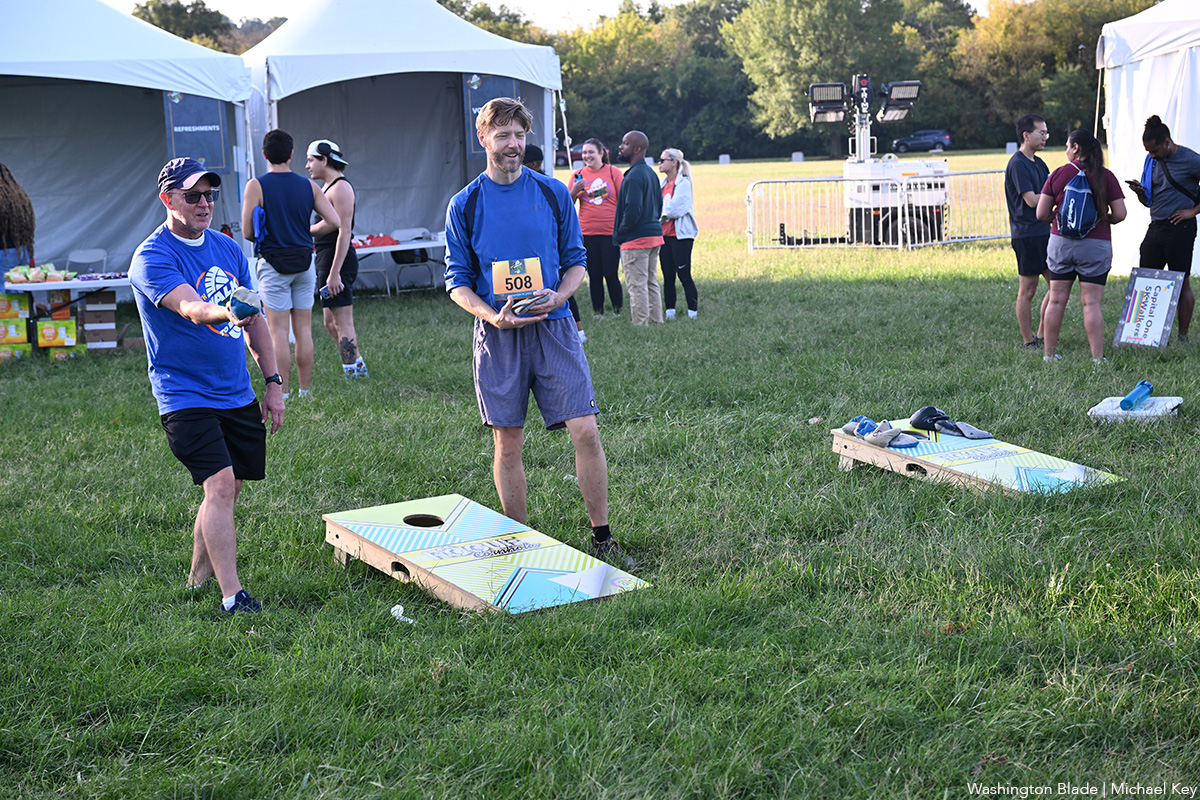
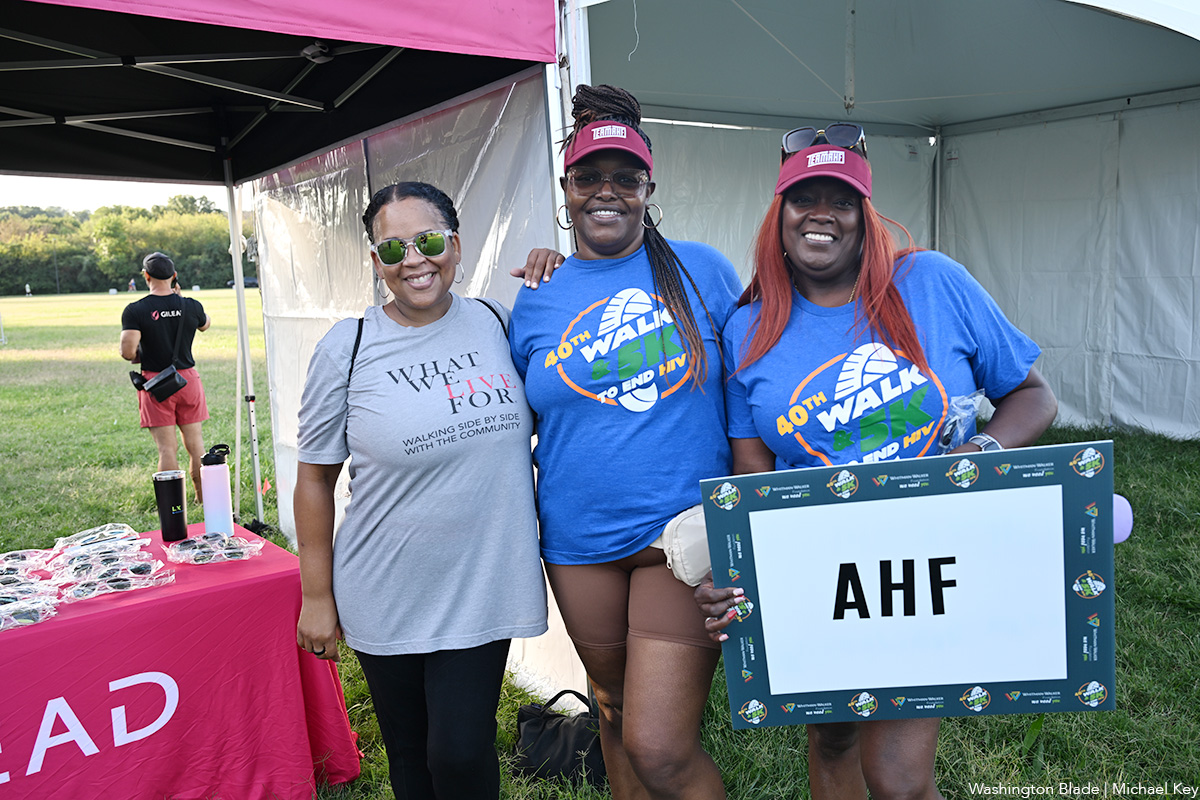
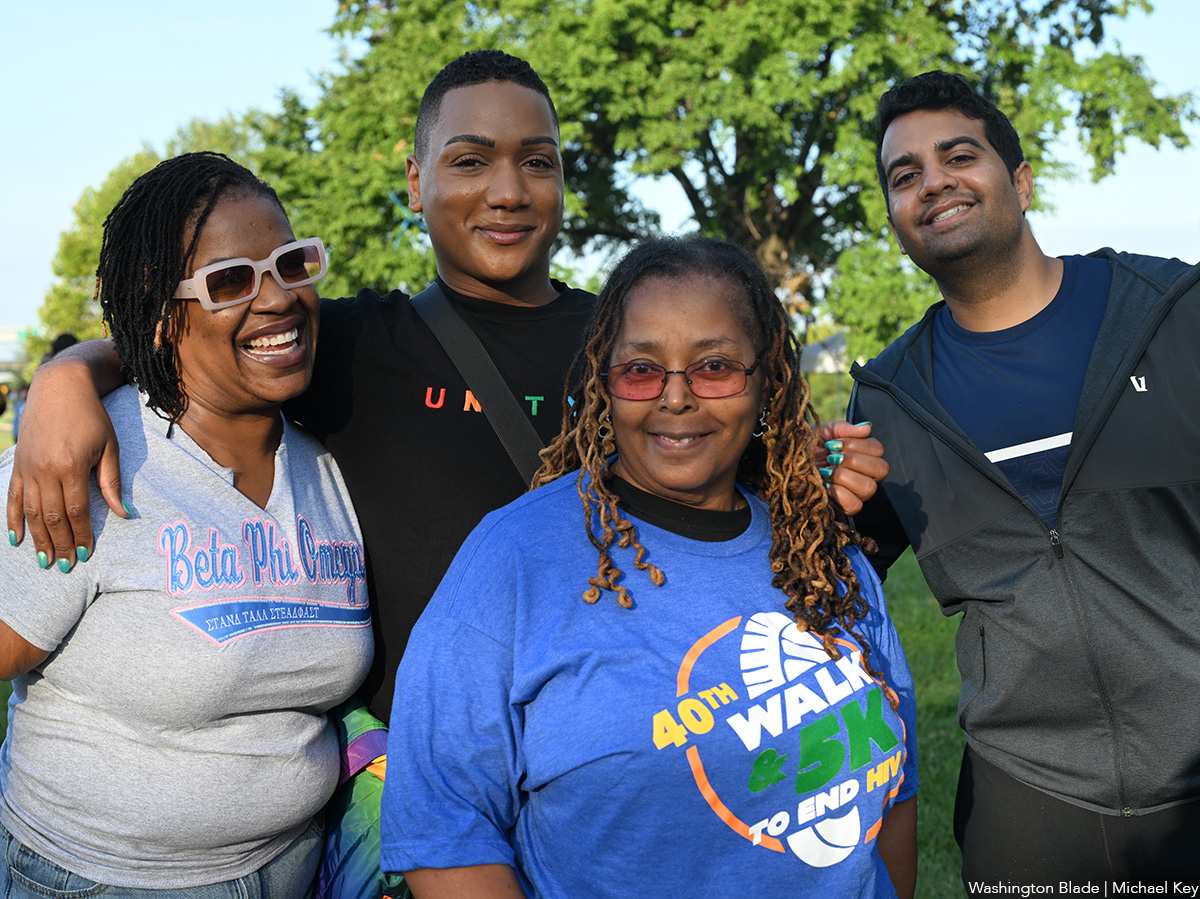
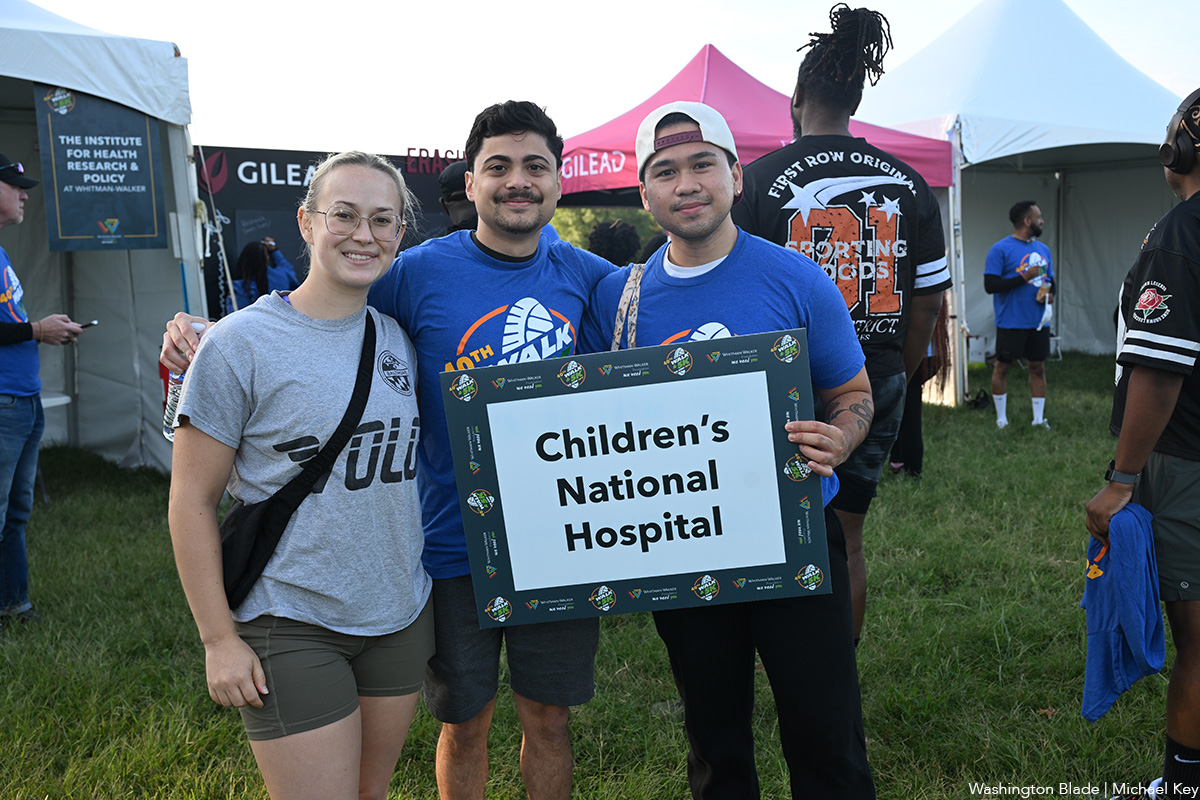
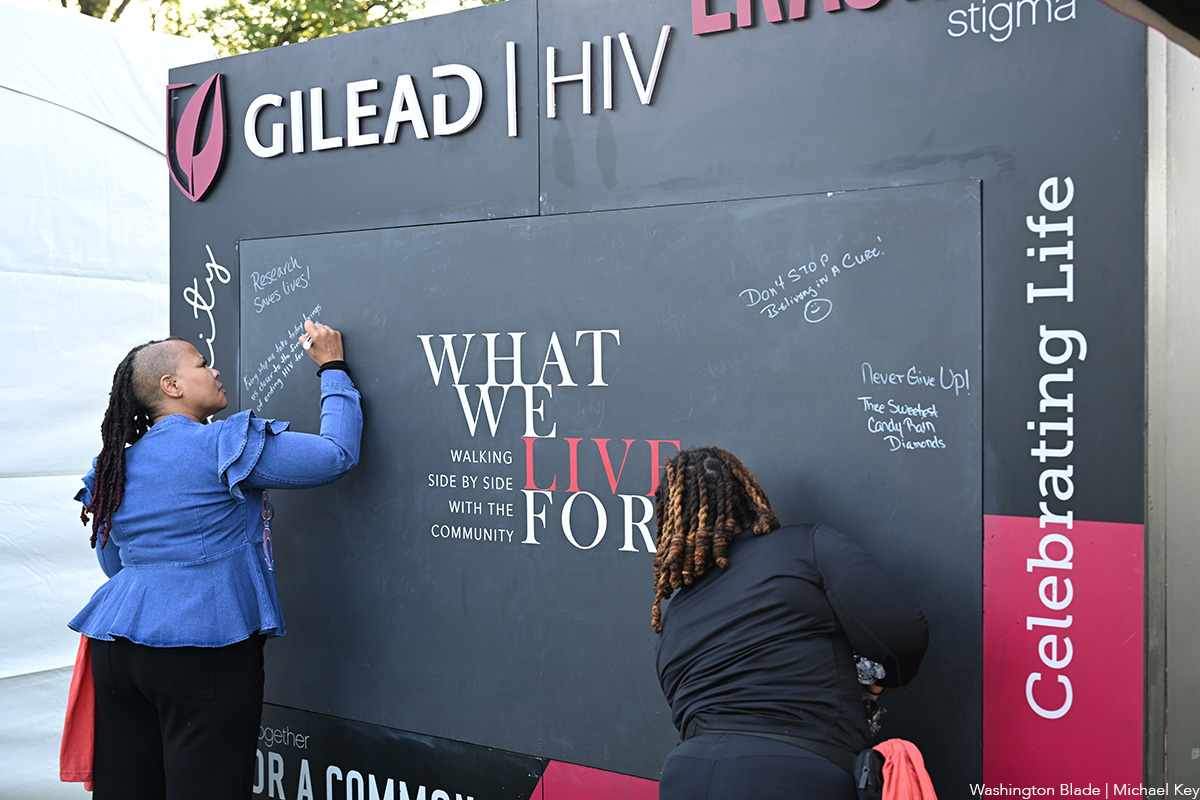
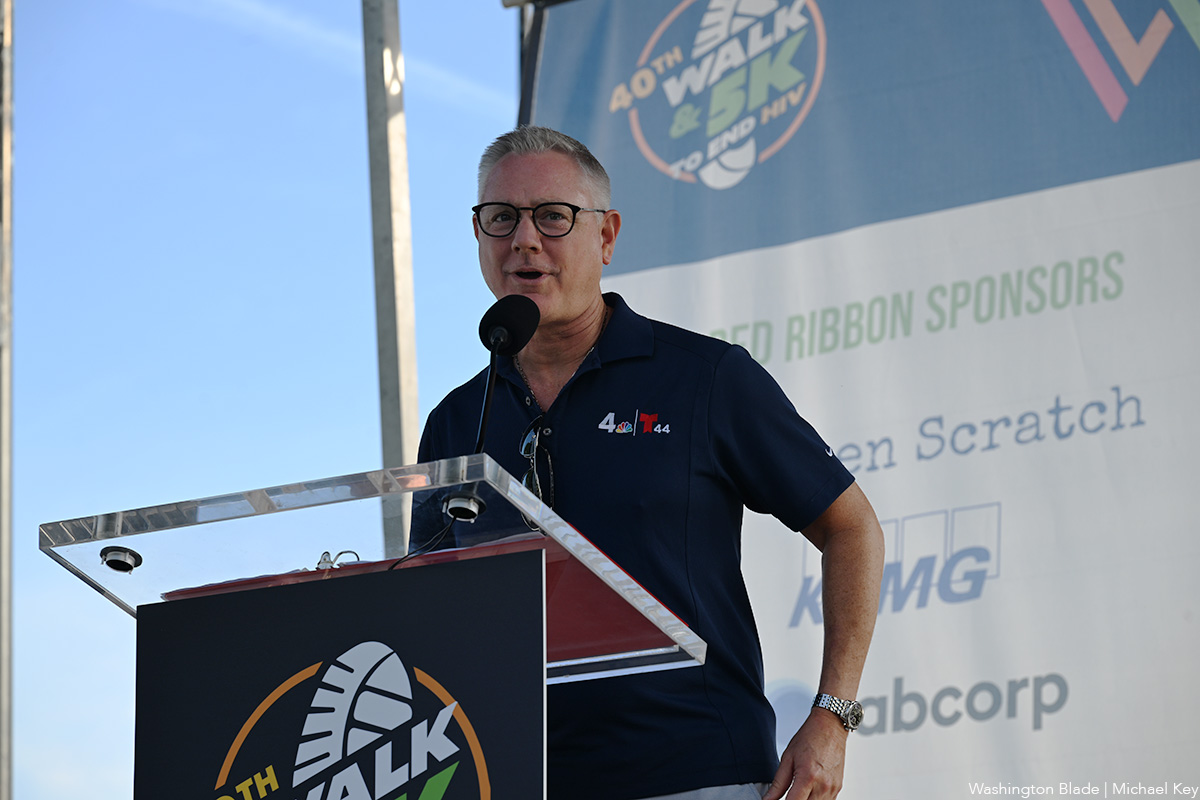
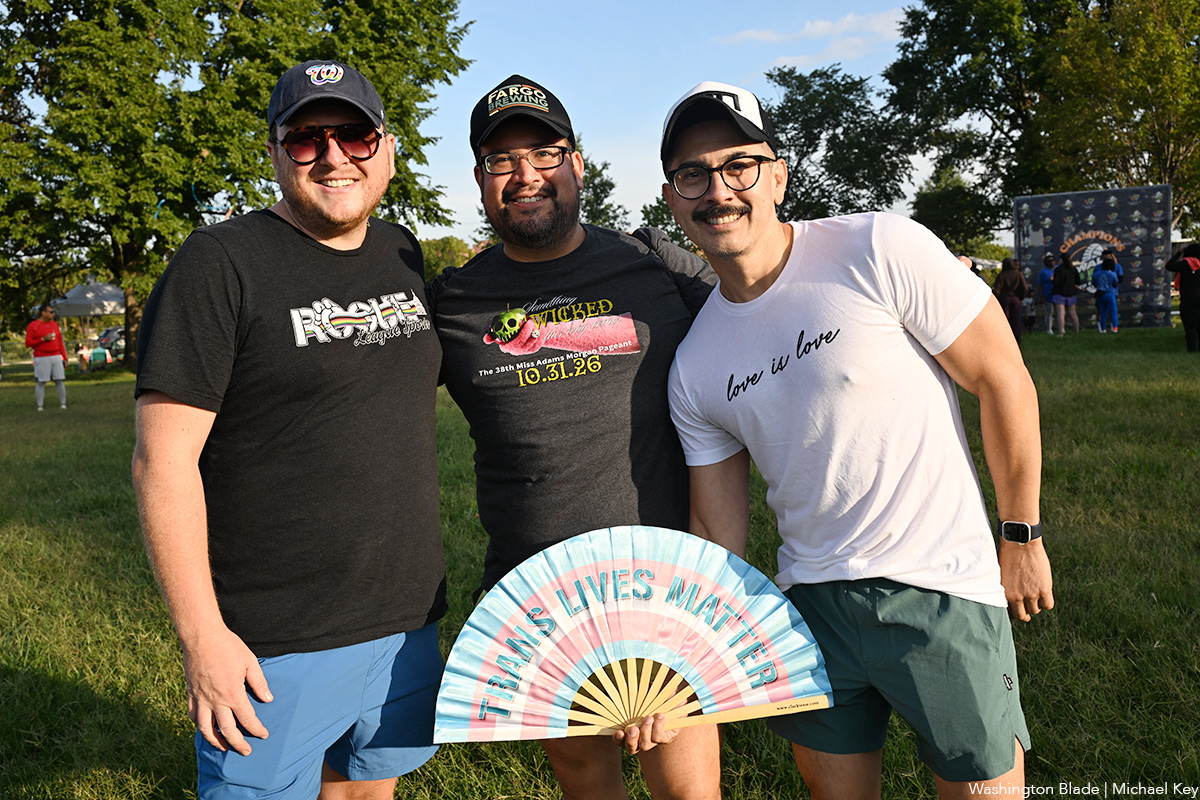
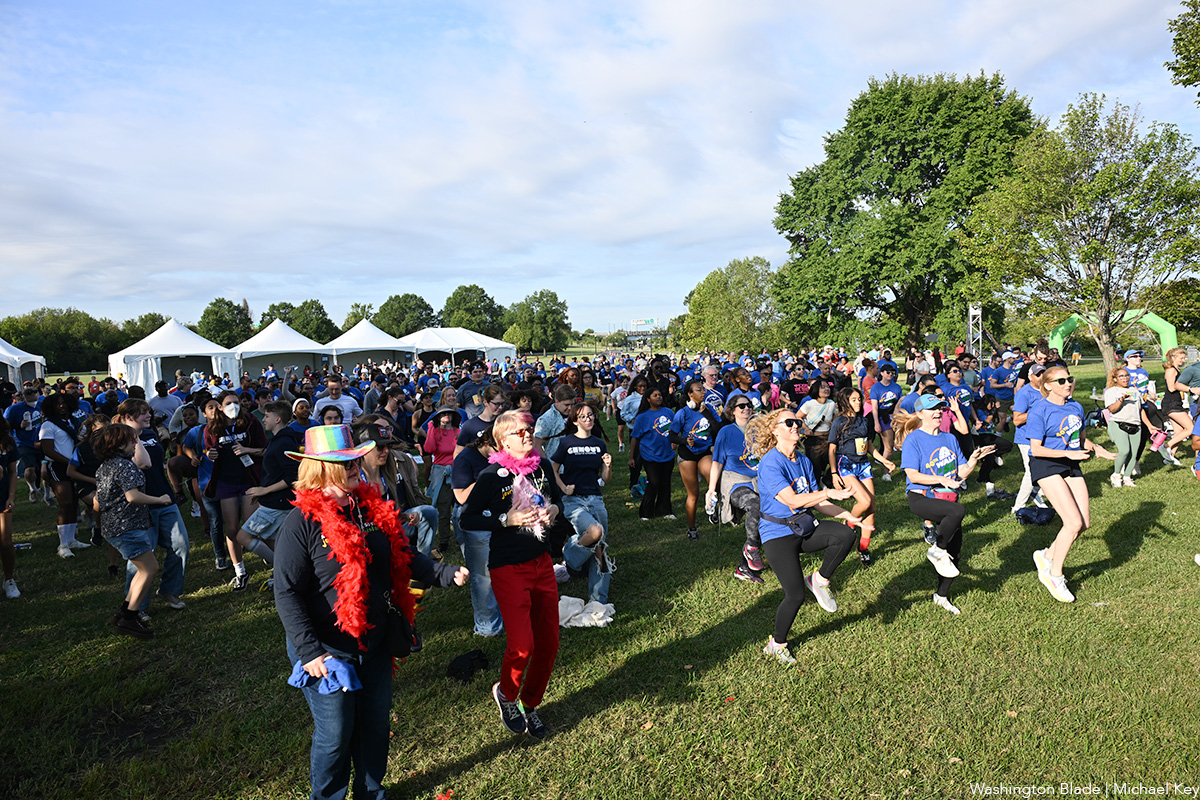
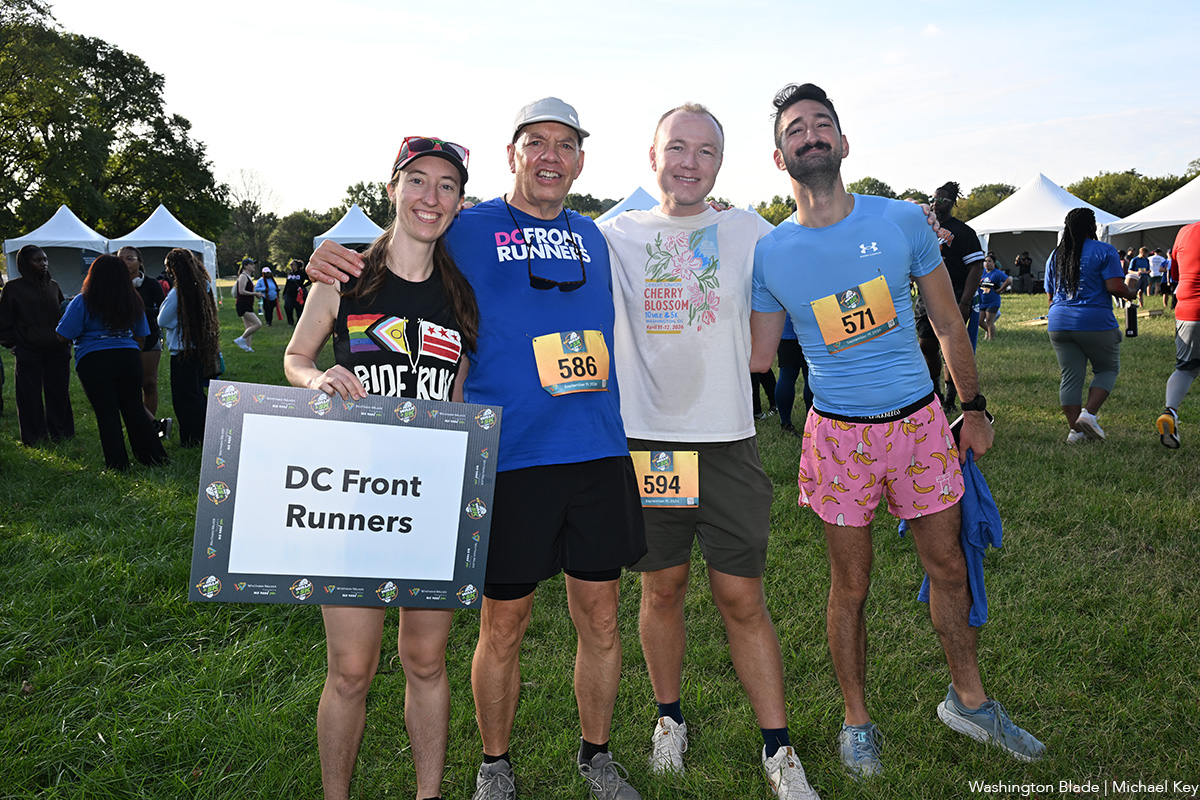
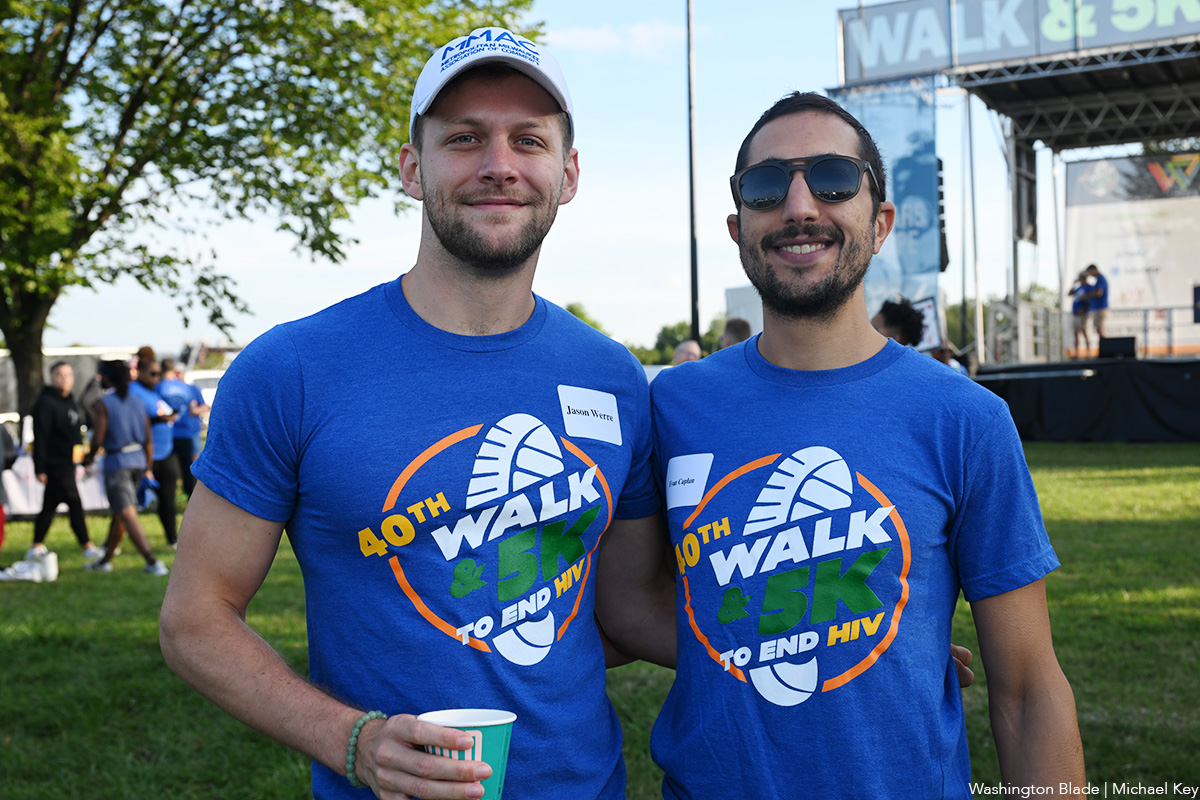
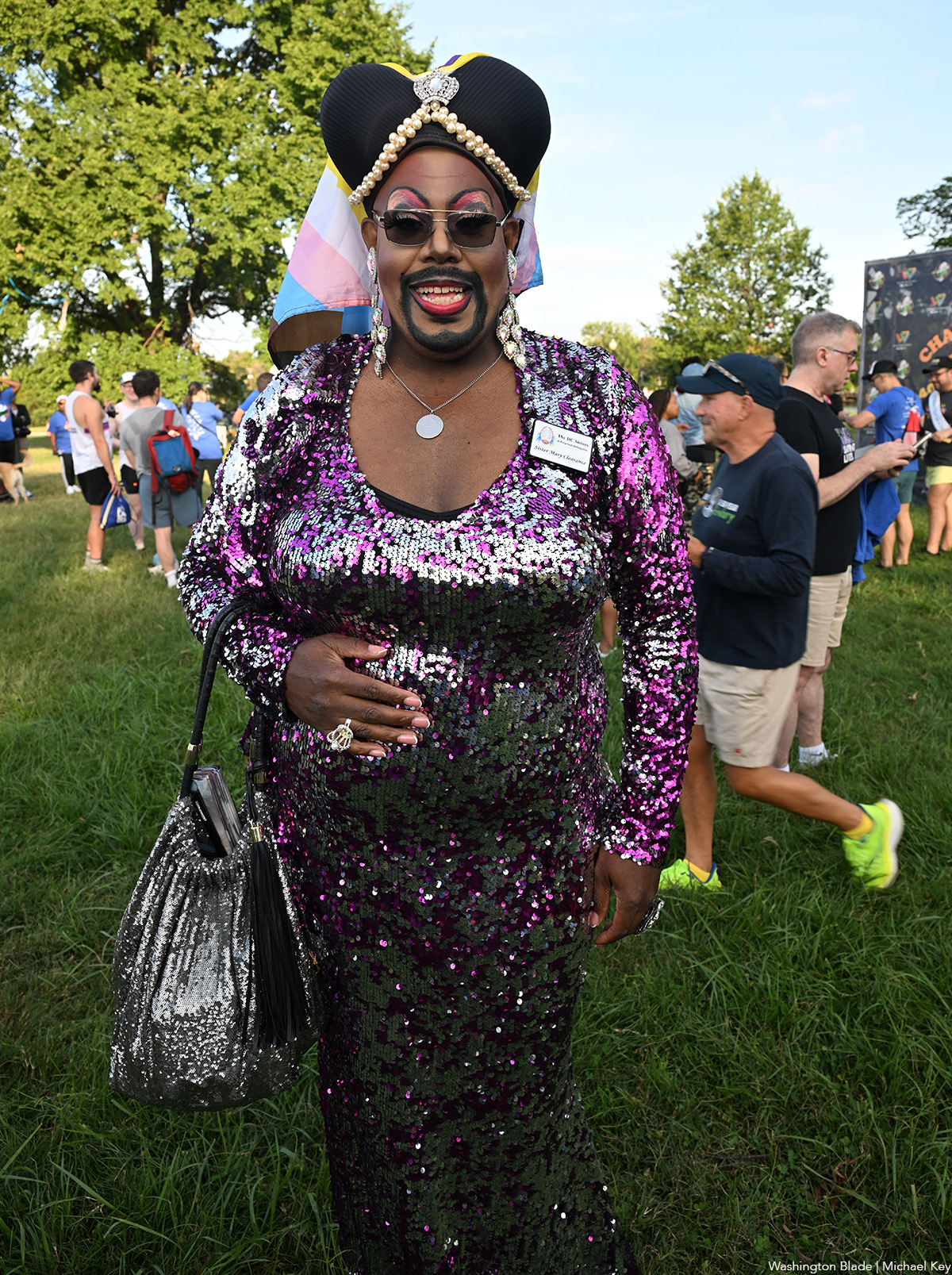
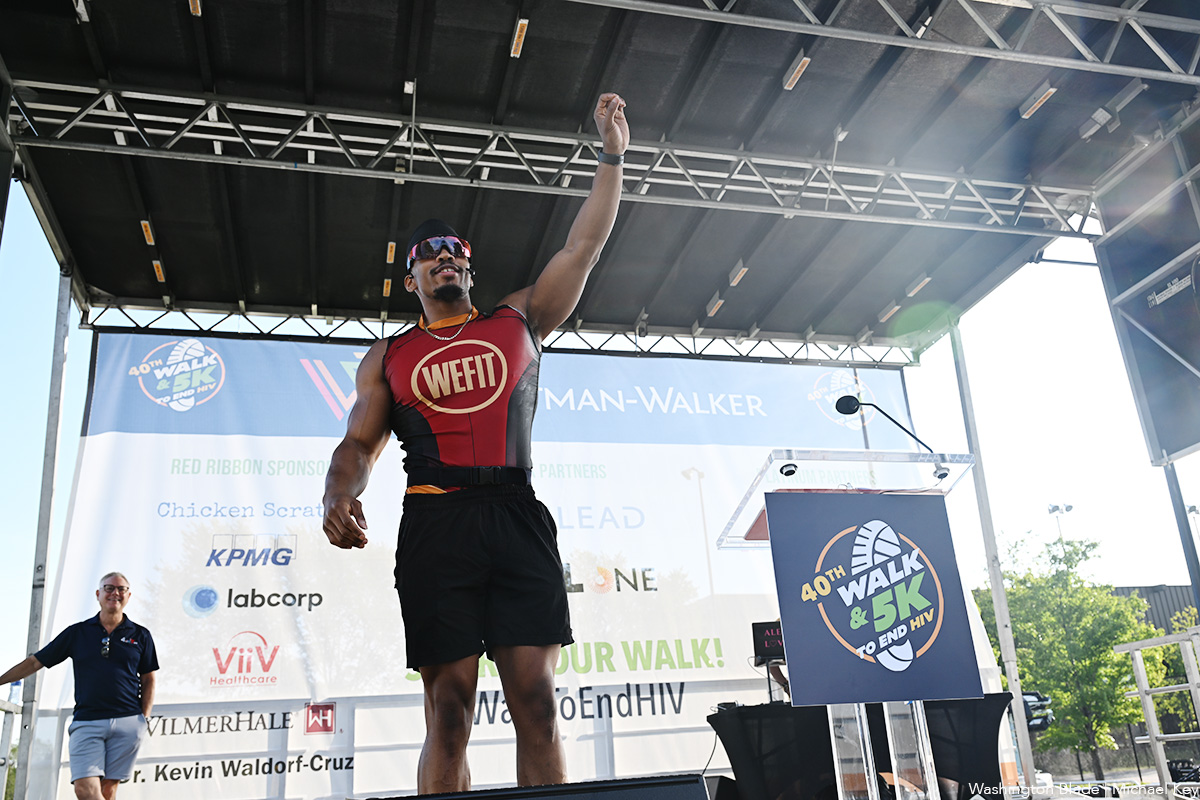
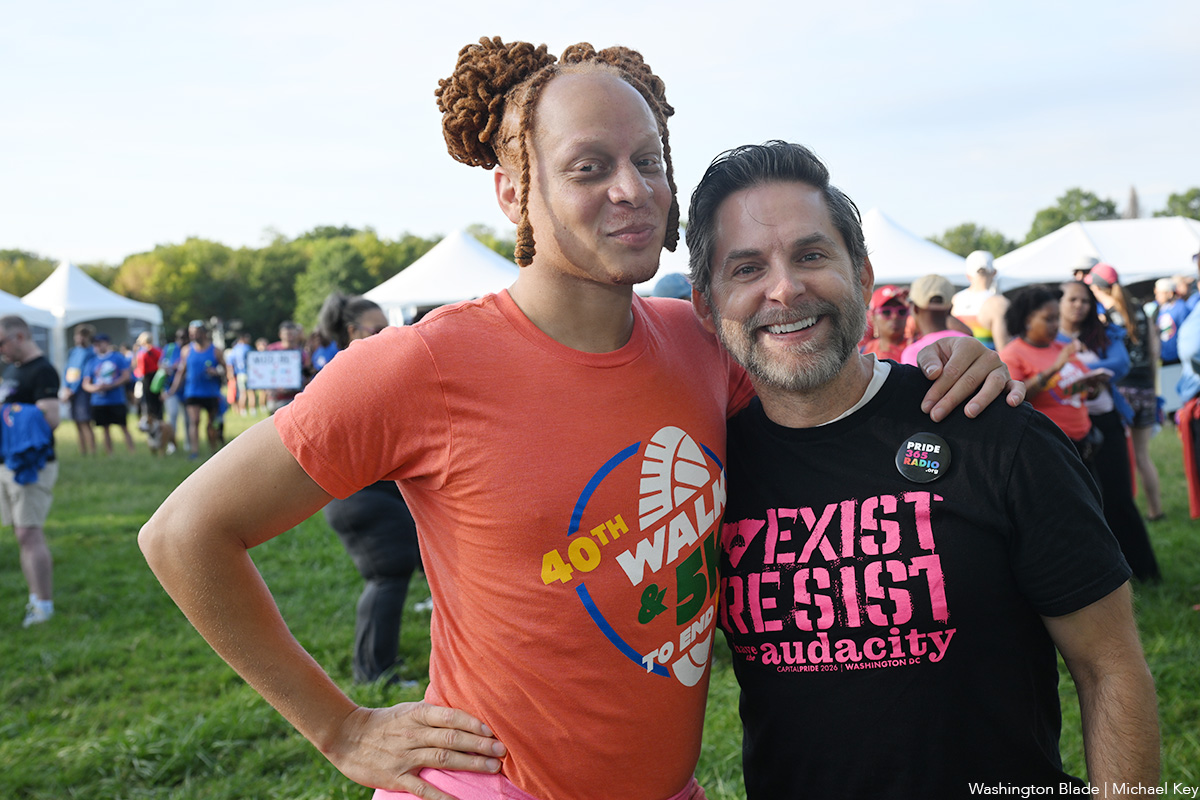
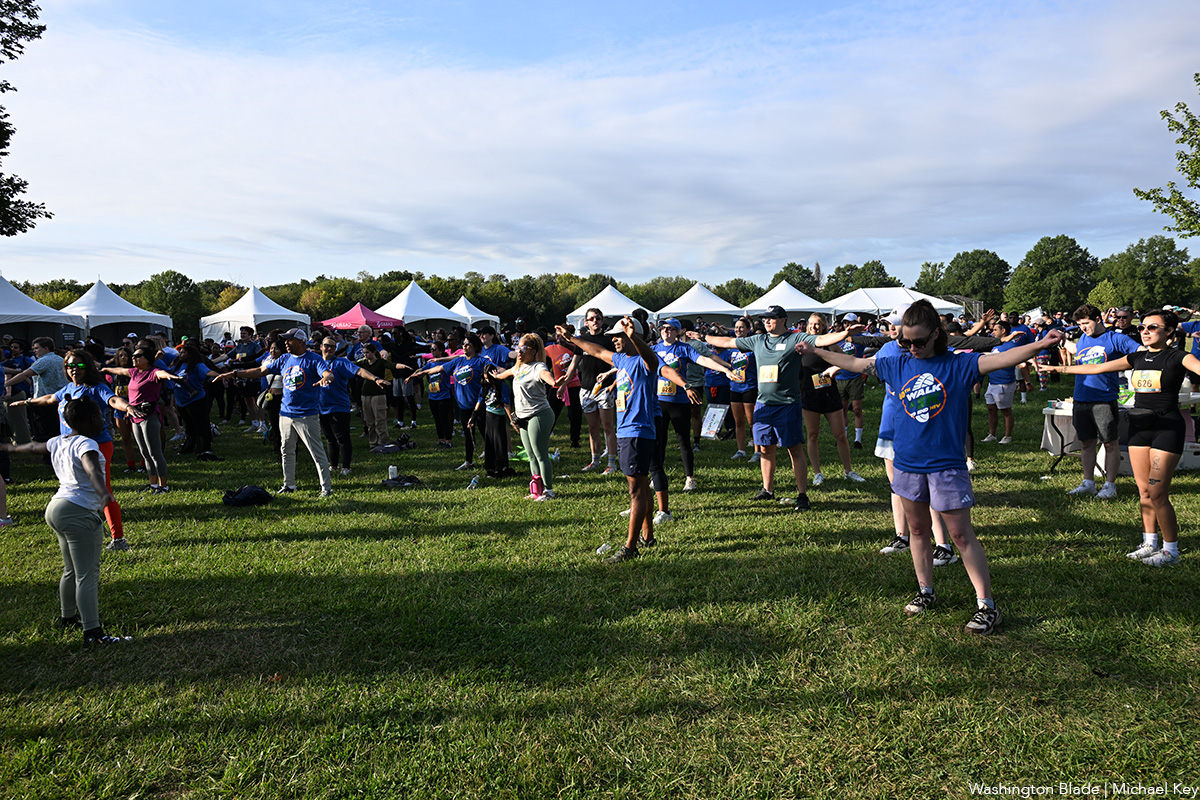
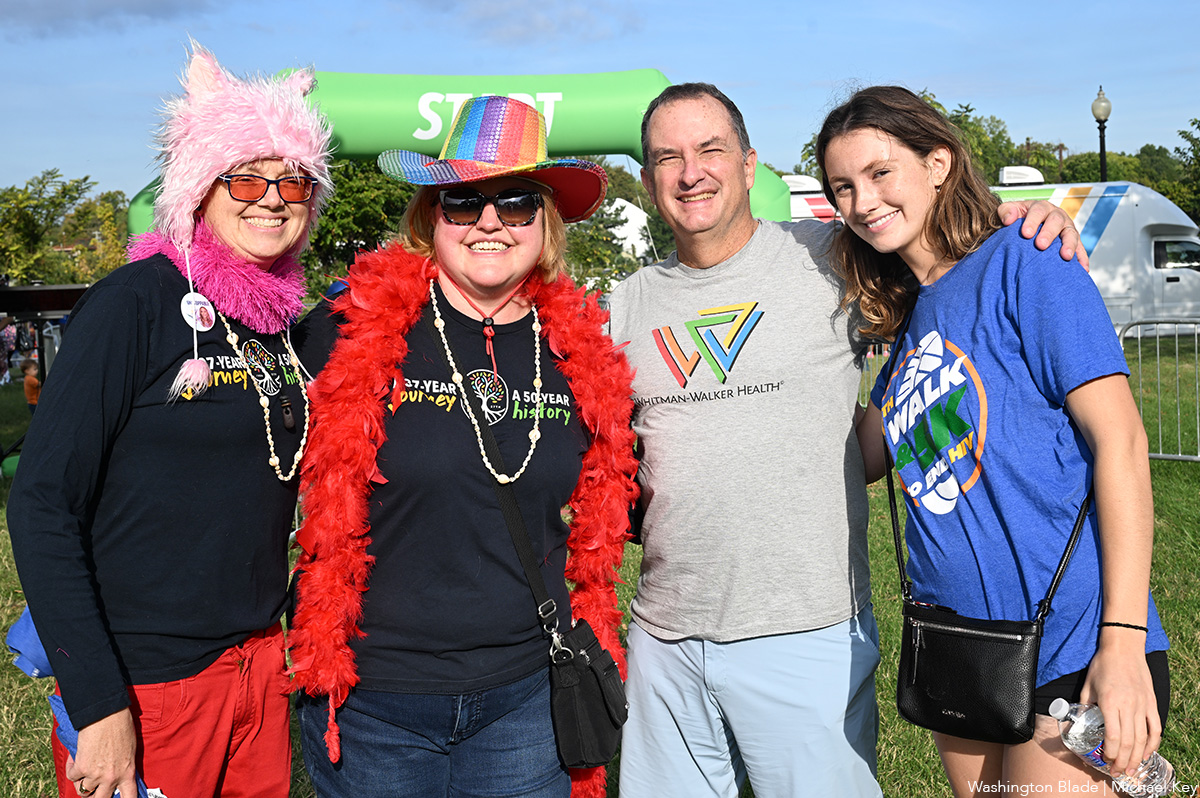
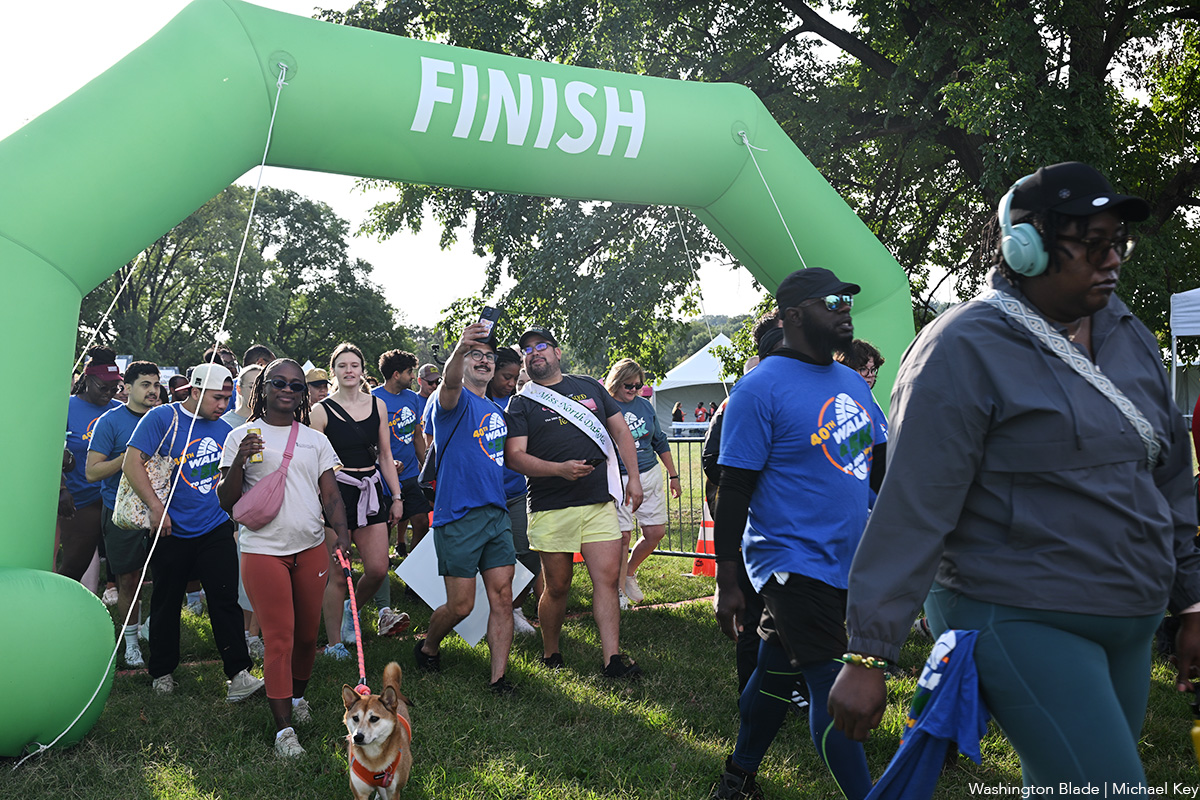
Whitman-Walker Health held the 40th annual Walk and 5K to End HIV at Anacostia Park on Saturday, Sept. 19.
(Washington Blade photos by Michael Key)



Trump-appointed judge restores White House TV pool access

Philadelphia event to launch 2026 LGBT History Month

Colombia withdraws from Equal Rights Coalition

Caso Karlina: Una sentencia histórica contra las terapias de «conversión»

Washington Blade responds to concerns over White House pool duties

Over 2,000 turn out for Hands Around the Kennedy Center protest

PHOTOS: Wanda Alston Foundation Fall Reception

PHOTOS: Walk and 5K to End HIV

What LGBTQ veterans are building after ‘Don’t Ask, Don’t Tell’