Arts & Entertainment
Queery: Dan Roth
The new Alexandria Gay and Lesbian Community Association president answers 20 gay questions
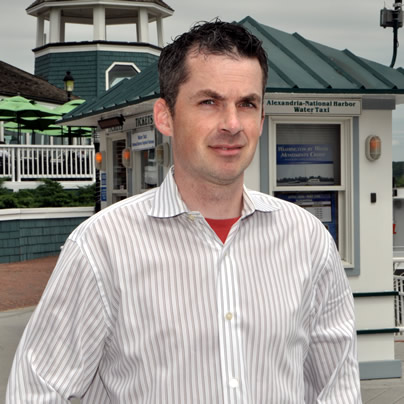
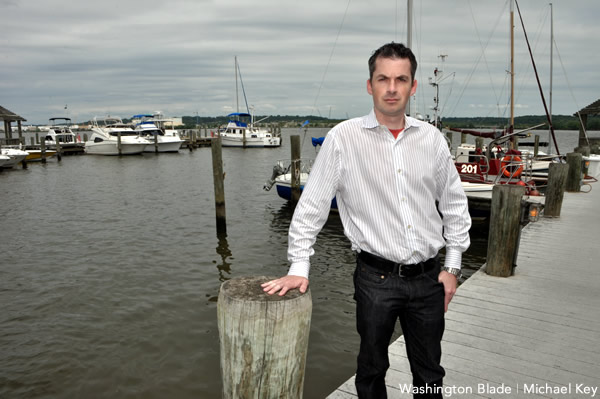
Dan Roth (Blade photo by Michael Key)
Dan Roth has only been in the area since December but already he’s president — sworn in last week — of the Alexandria Gay and Lesbian Community Association (aglca.org).
He says the group does great work and being involved is a natural outgrowth of his LGBT activism in his native Sacramento, Calif.
“I like the fact that it’s very focused on community and is very pragmatic,” he says. “They’re doing necessary work on the ground to improve the lives of the LGBT community here and also working to educate the community as a whole. It’s been around for 30 years and has a proven track record. Alexandria is as progressive as the state of Virginia will allow … a lot of that is because of the work the AGLCA has done.”
Roth works by day as communication director for the Democratic Legislative Campaign Committee. In California he worked for an environmental non-profit and was chief of staff for an elected official there prior to that. He met his partner, Jesse Wuertz, while visiting Washington in 2010 and after two years of cross-country dating, decided to move east. They live together in Alexandria’s Del Ray neighborhood.
“I love it here so far,” he says. “I’m a big history buff, so it’s amazing seeing all these things I’ve read about and to be here where things are taking place. It’s really an international city with fascinating people.”
Roth spent a year in France after high school and went to college in Oregon but has lived most of his life in or near Sacramento. He enjoys cooking, writing and traveling in his free time. (Blade photo by Michael Key)
How long have you been out and who was the hardest person to tell?
Fourteen years and my parents were the hardest people to tell.
Who’s your LGBT hero?
Rachel Maddow. Every night people get to see an intelligent and passionate lesbian who has achieved her dream. She is a constant reminder to young people that you can be LGBT and be successful.
What’s Washington’s best nightspot, past or present?
Secrets/Ziegfeld’s
Describe your dream wedding.
An elegant affair. The ceremony would take place in an intimate church or chapel with family and close friends, followed by an amazing dinner and drinking good wine late into the night.
What non-LGBT issue are you most passionate about?
I had a stutter as a child, which led to a deep fear of public speaking. In high school a teacher forced me to join the speech and debate team and it enabled me to discover my voice. I want to see as many students as possible participate in this program so they can learn to think, research, form an opinion and use the art of persuasion to change minds.
What historical outcome would you change?
In 2000 I would have redrawn the presidential ballot in Palm Beach County and fought to make sure the people whose names were close to convicted felons would have been allowed to legally vote in the presidential election. The “election” of George W. Bush as president of the United States set the country back several decades on many levels.
What’s been the most memorable pop culture moment of your lifetime?
When the brief flash of Janet Jackson’s nipple at the Super Bowl caused the entire country to come to a standstill for a week.
On what do you insist?
Sending a hand-written thank you note after receiving a gift or being hosted for a meal.
What was your last Facebook post or Tweet?
I tweeted about Secretary Arne Duncan coming out in support of equal marriage rights for gay and lesbian couples.
If your life were a book, what would the title be?
“The Road Less Traveled”
If science discovered a way to change sexual orientation, what would you do?
Toast all the new fabulous gays with a cosmo.
What do you believe in beyond the physical world?
I believe in a God that is greater than which I know not what.
What’s your advice for LGBT movement leaders?
Be patient, authentic and pragmatic. This is a movement that will not take place by a person giving a speech in front of thousands of people but with millions of people having billions of conversations. It will take time, but we are successful and will be in the end.
What would you walk across hot coals for?
My partner’s homemade cookies.
What LGBT stereotype annoys you most?
That you cannot be both gay and have a belief in God. As an elder in my church and as someone who actually reads the Bible, I find the message to be one of a challenge to be strong enough to love and not fall into homophobia and discrimination.
What’s your favorite LGBT movie?
“Broken Heart’s Club”
What’s the most overrated social custom?
That you should not take the last cookie on the plate. If the dessert was good, go for it.
What trophy or prize do you most covet?
Olympic medal, although at this point it will probably be in curling.
What do you wish you’d known at 18?
I wish I had known that patience and gratitude pay huge dividends in the long run.
Why Washington?
I have worked in politics since graduating from college, so I have been drawn to move here for a long time. When I met my partner here in 2010, all the stars aligned for me to take the leap (and make the drive) to the Washington area.

Online Culture
Clavicular charged in alleged rape of teenage influencer
Online personality’s real name is Braden Peters
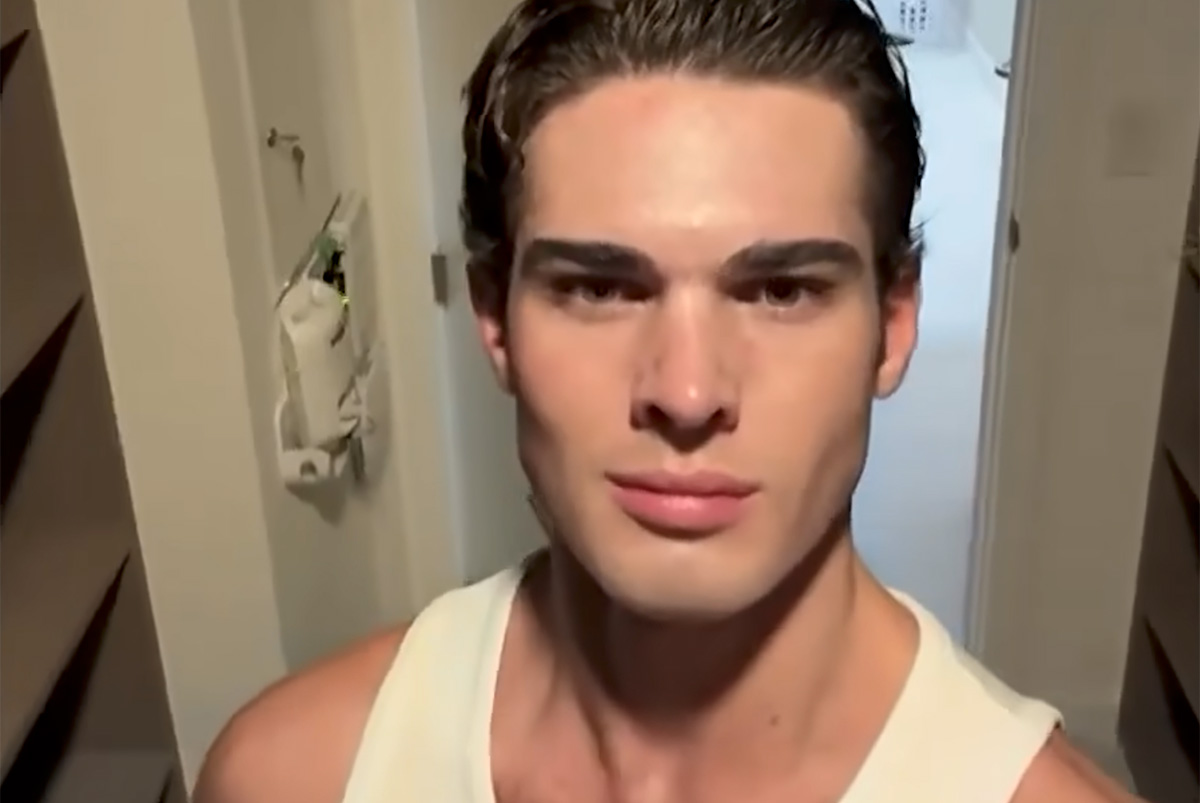
Online personality Clavicular, whose real name is Braden Peters, has been accused of rape.
According to NBC, Aleksandra Vasilevna Mendoza, an 18-year-old influencer known online as Alorah or Alorah Ziva, accused Peters of sexual assault, and the case is making its way through the court system.
The alleged incident occurred on May 23, 2025, when Mendoza was 17.
According to a criminal complaint from the Chatham (Mass.) Police Department, Peters called her an Uber to his family’s home. Once there, he allegedly got her drunk on vodka while they livestreamed on Twitch and then raped her. His mother and grandmother were allegedly in the house.
The documents allege Clavicular committed rape, drugging a person for sexual intercourse, and procuring and providing liquor to a person under 21.
According to court documents acquired by NPR, Mendoza began communicating with Peters on Instagram, where he paid her to appear on his livestreams to help her “make her name known on social media.”
According to those documents, Peters arranged for the minor to come to Cape Cod home to participate in a videostream for his 437,000 followers on Kick, 1.2 million followers on TikTok, and more than 1 million followers on Instagram.
At his home, Peters allegedly instructed Mendoza to say she was 18 on his videostream and to claim the alcohol on camera was water instead of vodka. Mendoza said she felt peer-pressured to drink the spirit and that she became noticeably intoxicated after a couple of drinks.
The allegations go on to state that after stopping the stream, Peters and Mendoza kissed on a couch and then had sex in his bed without her consent. Mendoza said she did not receive a sexual assault forensic exam after the incident. NPR does not name alleged victims of sexual assault.
The charges come months after Mendoza sued Peters in Miami, accusing him of sexual battery in connection with the events of May 2025. The civil lawsuit also separately alleges that he injected her face with a non-FDA-approved fat-dissolving substance during a November livestream in Florida.
Peters is known for his “looksmaxxing” concept of vanity, which is at the core of his online presence. The “looksmaxxing” culture he has helped cultivate combines elements of incel culture and heterosexuality, with the stated goal of attracting the opposite sex. He has gone as far as to say he has undergone “bonesmashing,” or hitting his own face with a hammer; taken anabolic steroids to more rapidly grow muscle; and used crystal meth as an appetite suppressant.
At the same time, looksmaxxing has been described as having elements of homoeroticism, with “looksmaxxers” appearing more concerned with impressing other men than women. Peters has multiple times pointed to openly gay actor Matt Bomer as the gold standard for male facial aesthetics.
Peters’s arraignment is scheduled for Oct. 14.
Photos
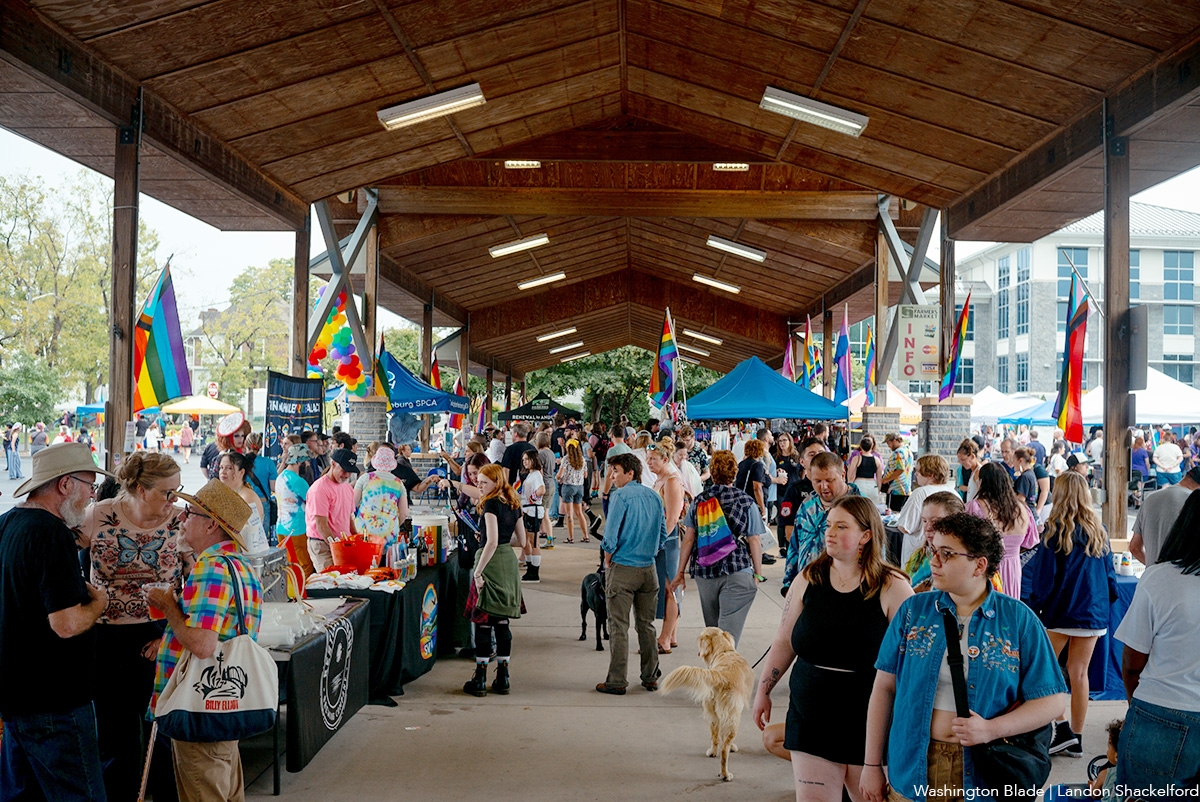
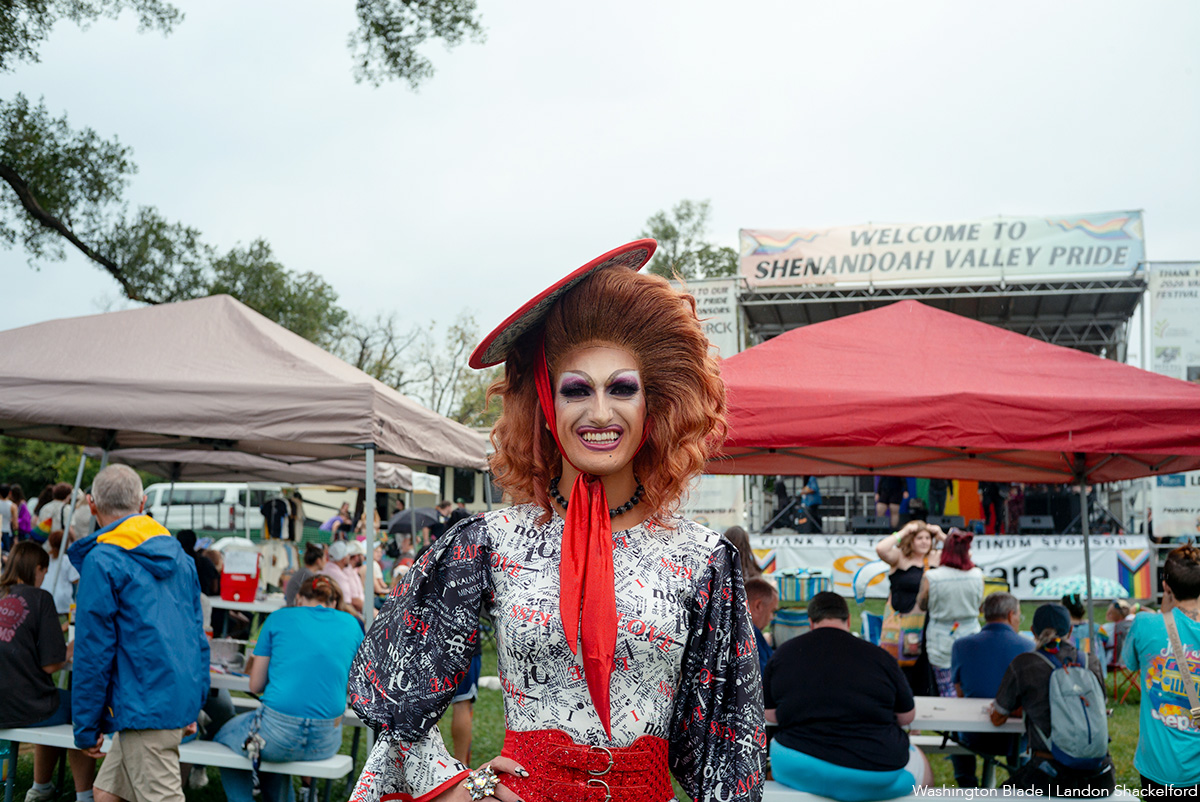
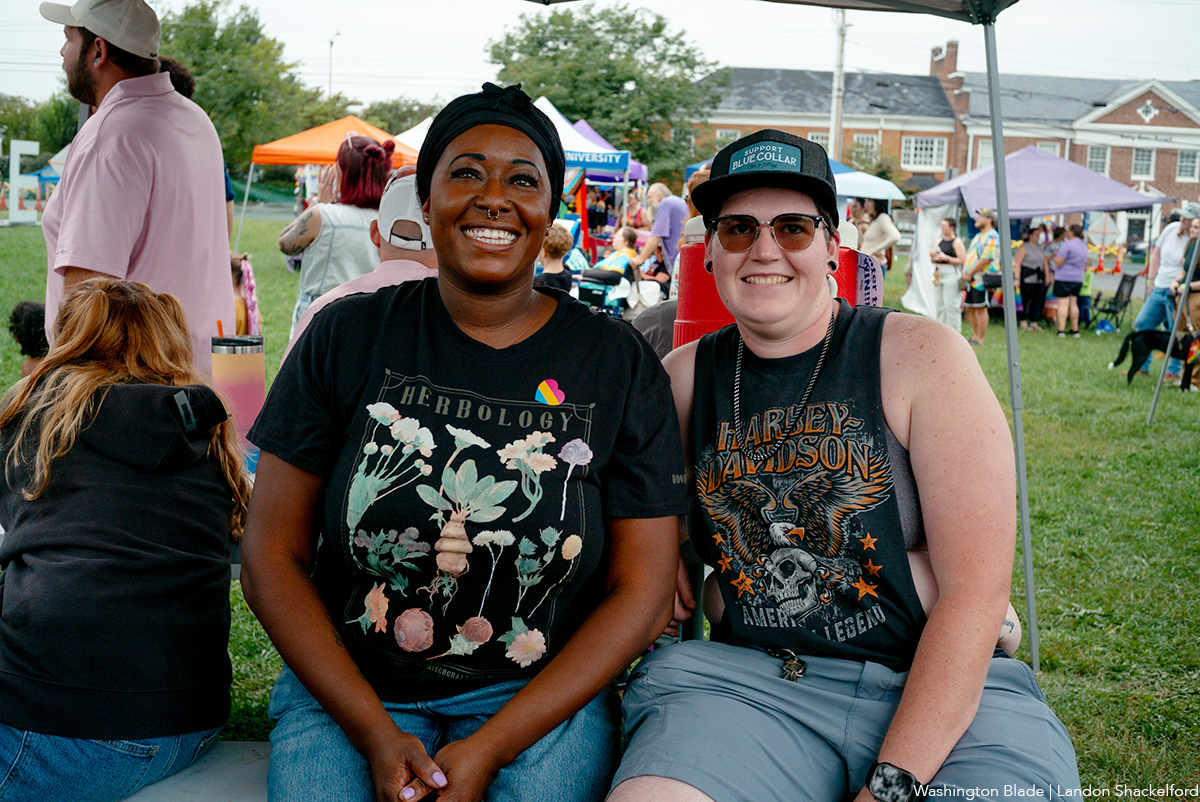
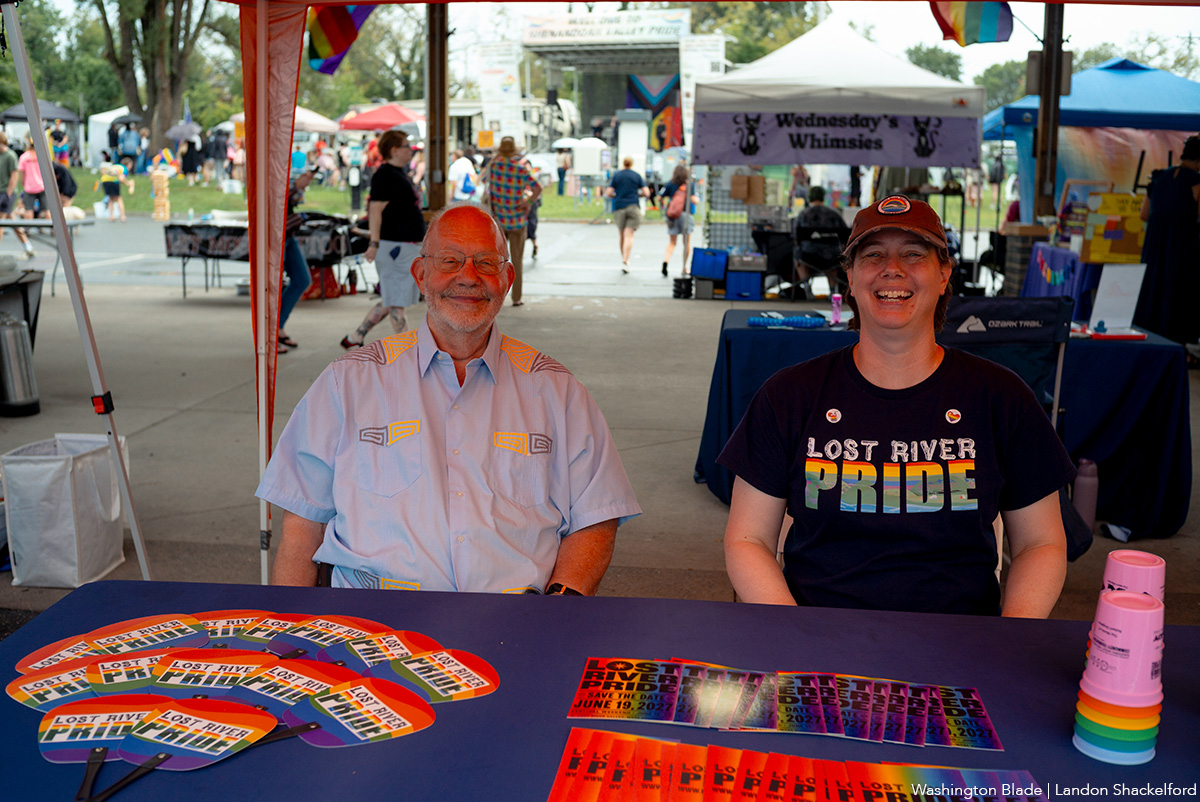
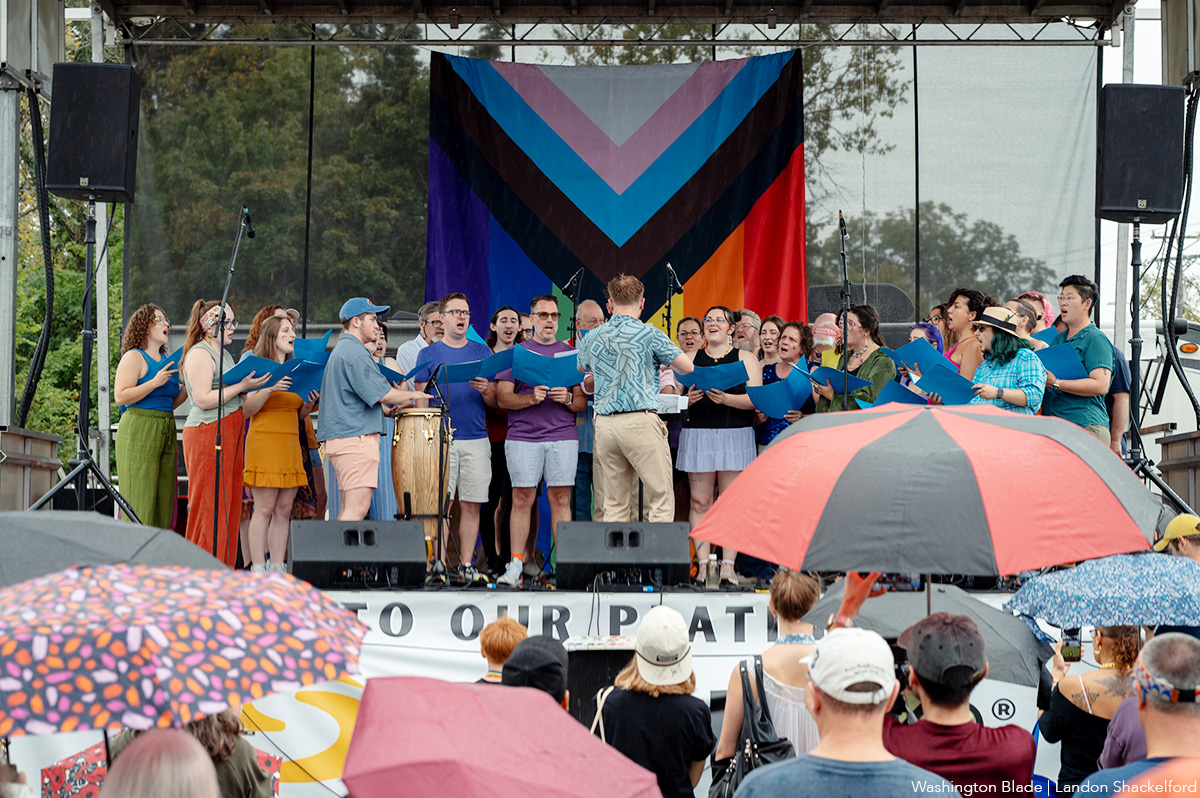
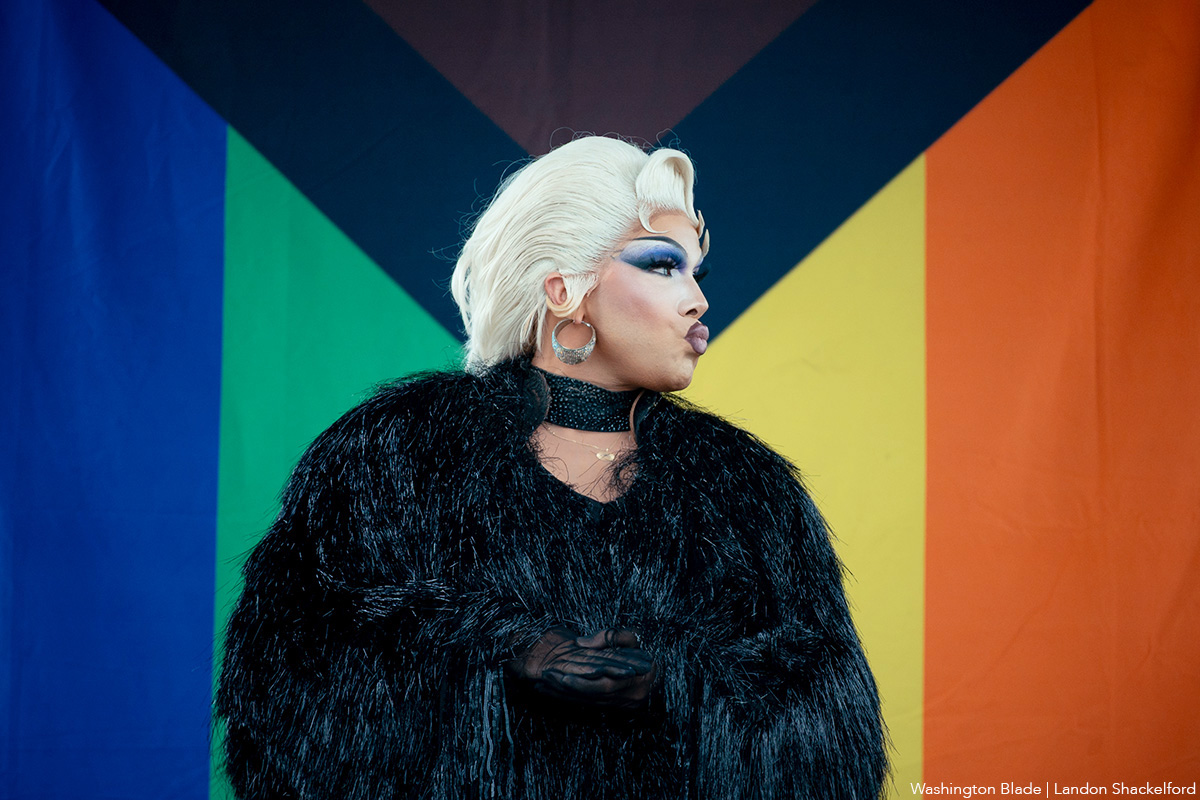
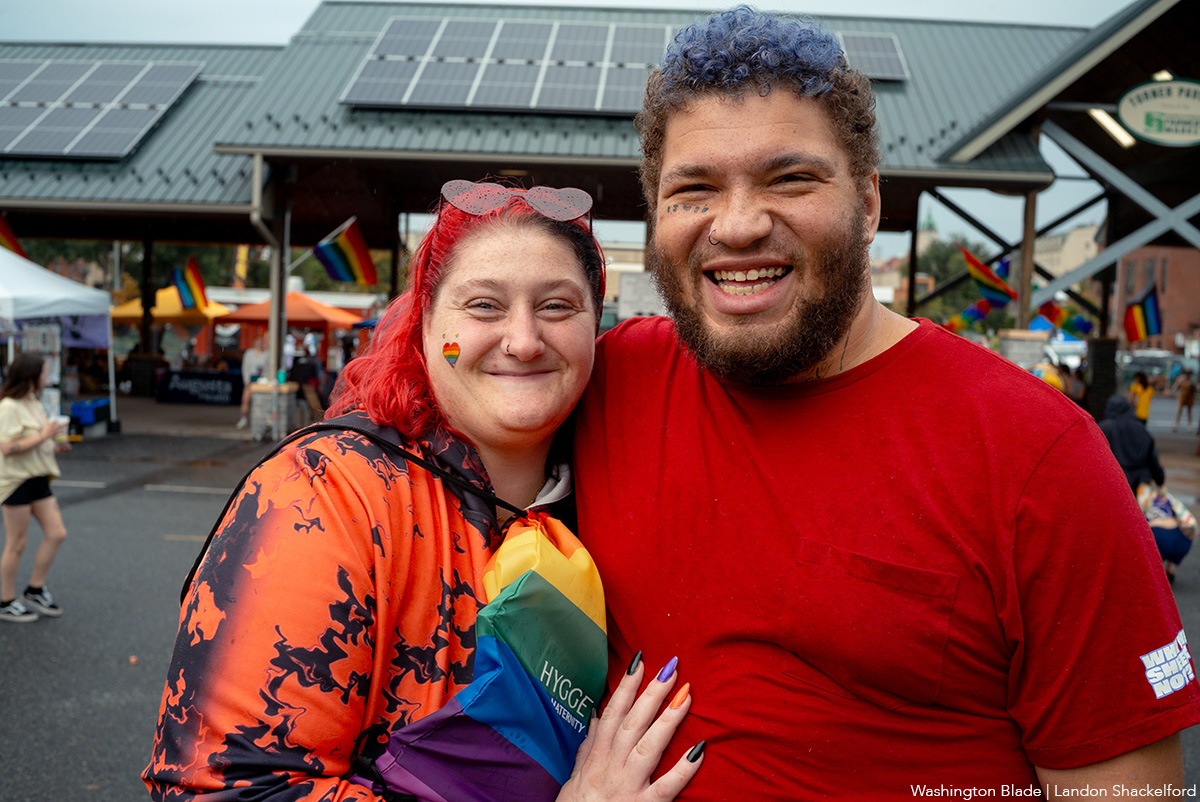
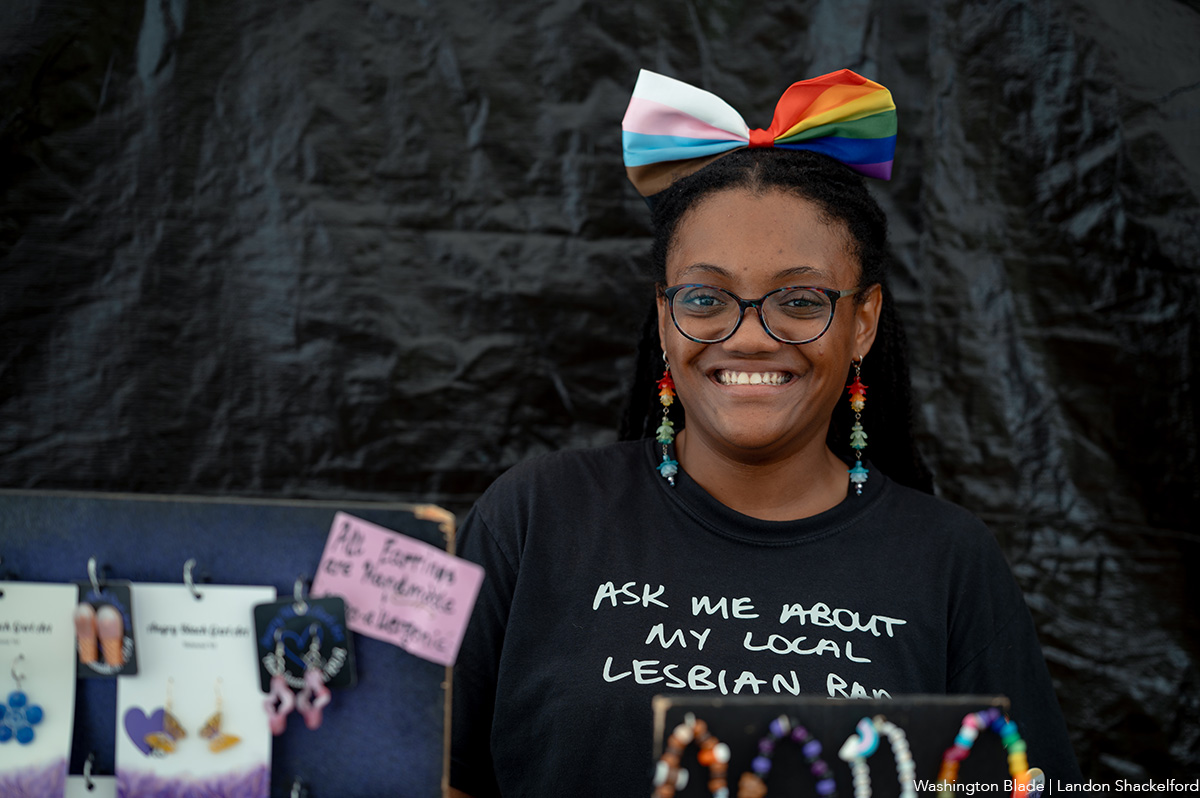
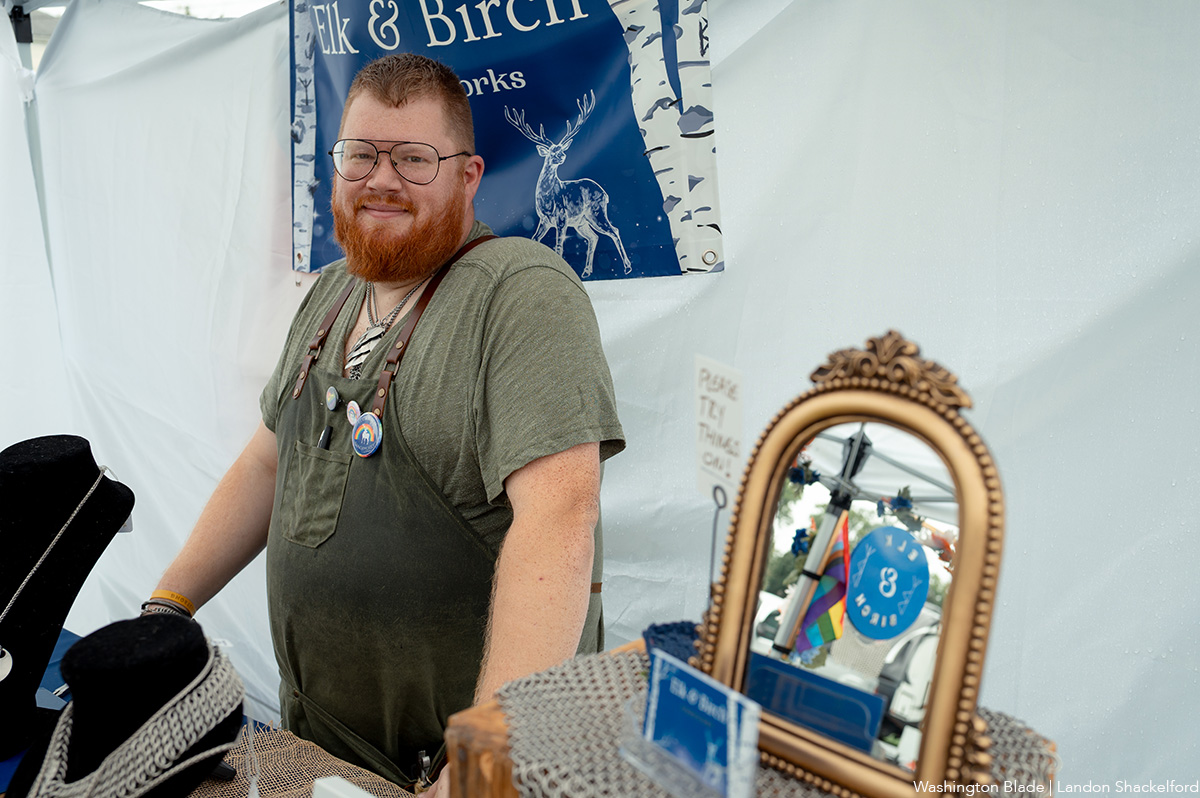
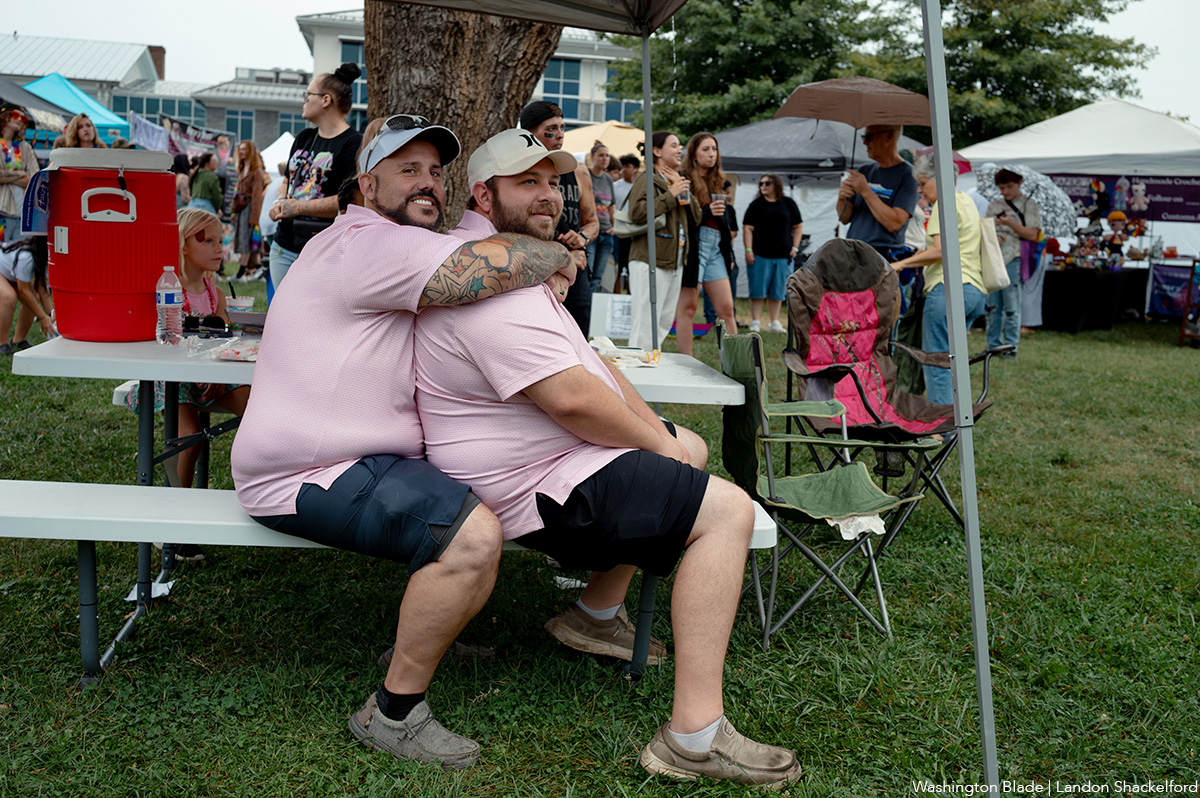
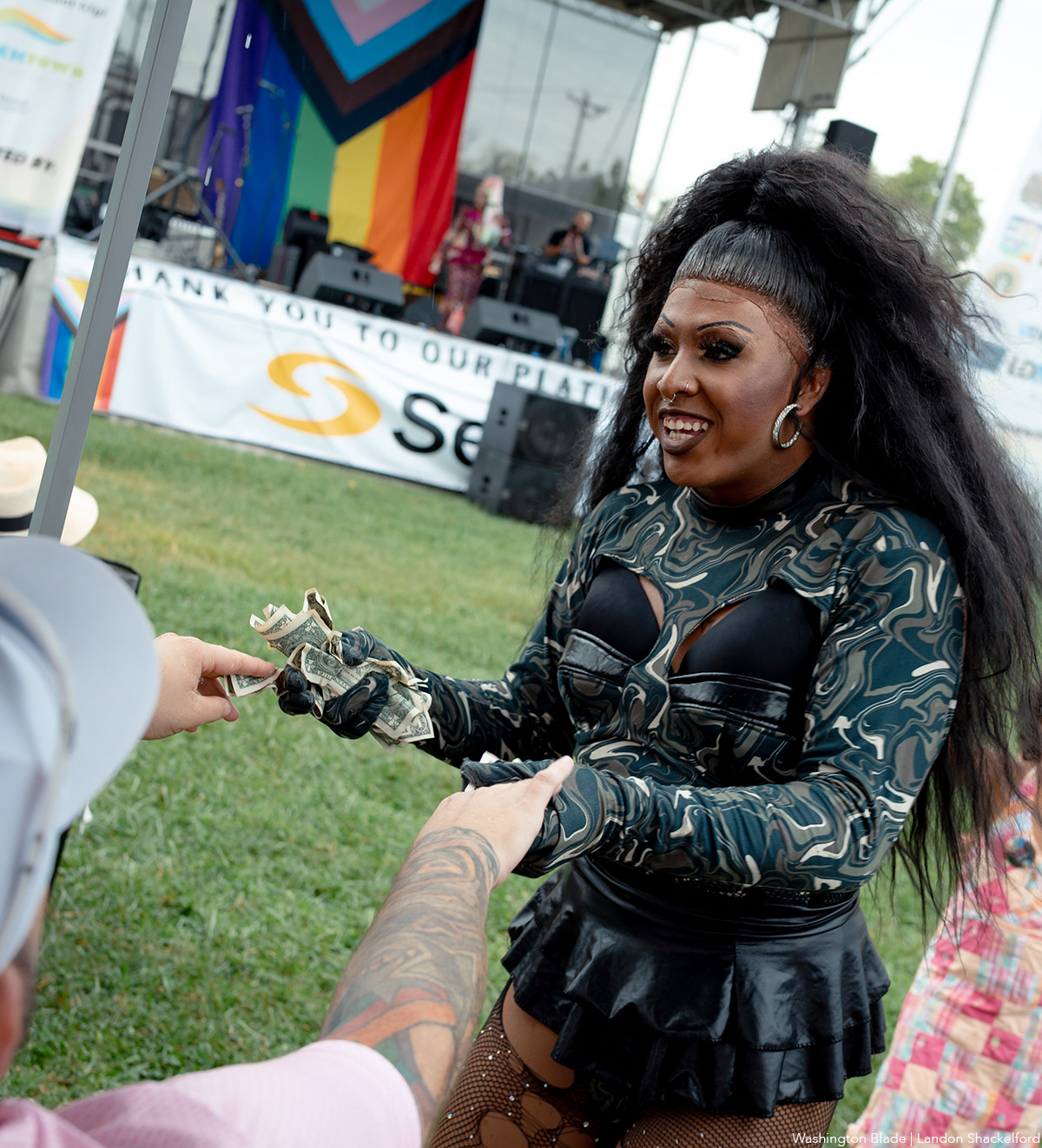
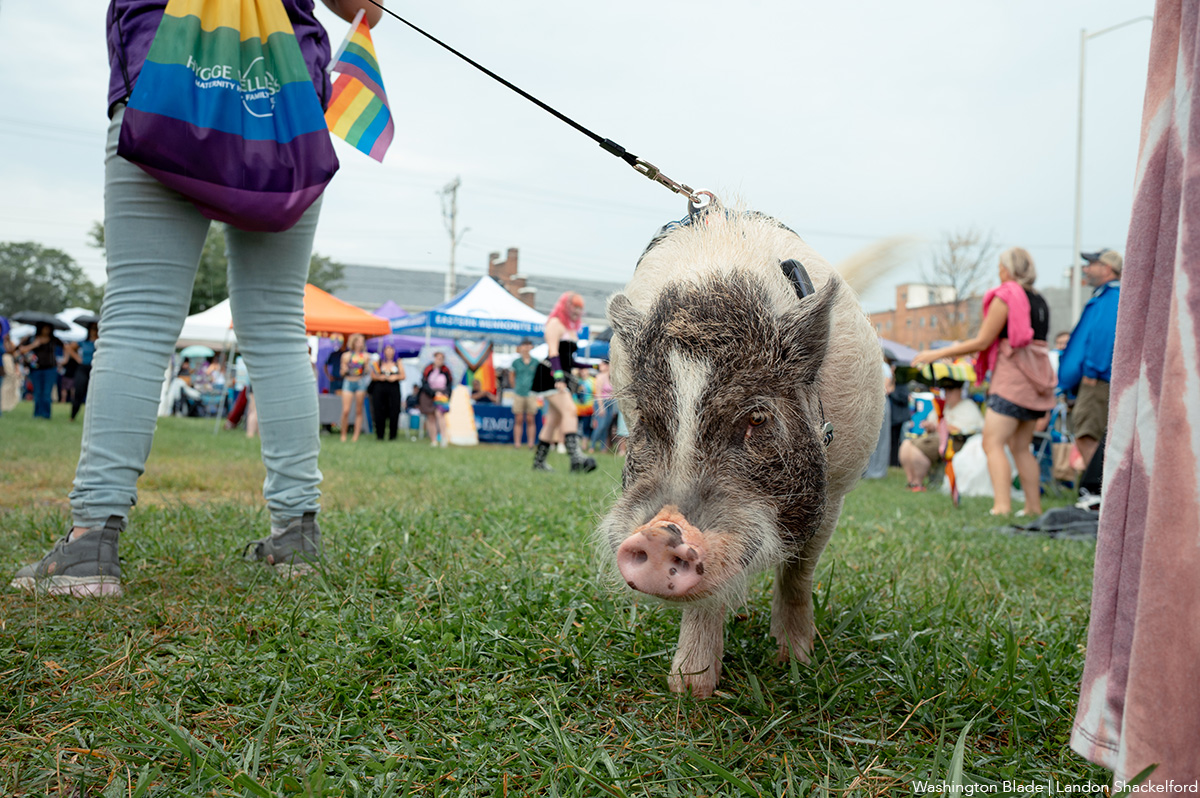
PHOTOS: Shenandoah Valley Pride
LGBTQ celebration held at Turner Pavilion in Harrisonburg, Va.
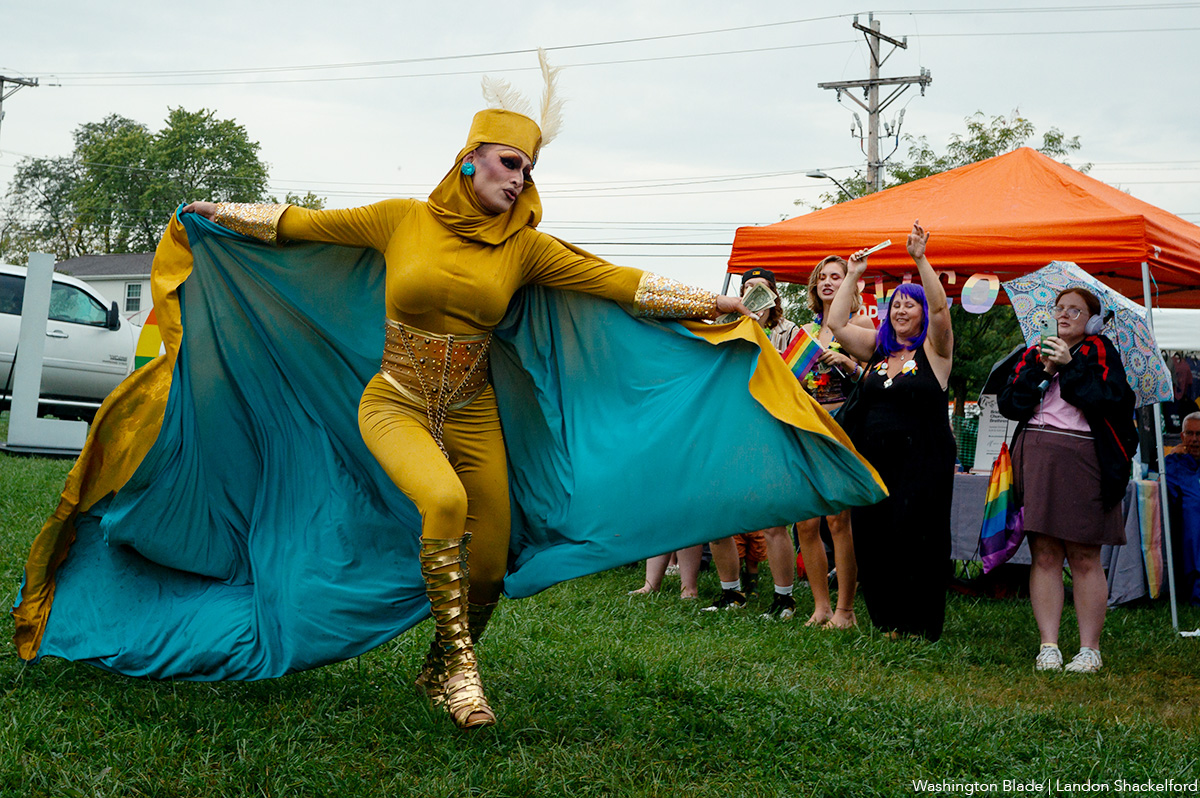
The 2026 Shenandoah Valley Pride Festival was held at Turner Pavilion in Harrisonburg, Va. on Sunday, Sept. 20.
(Washington Blade photos by Landon Shackelford)
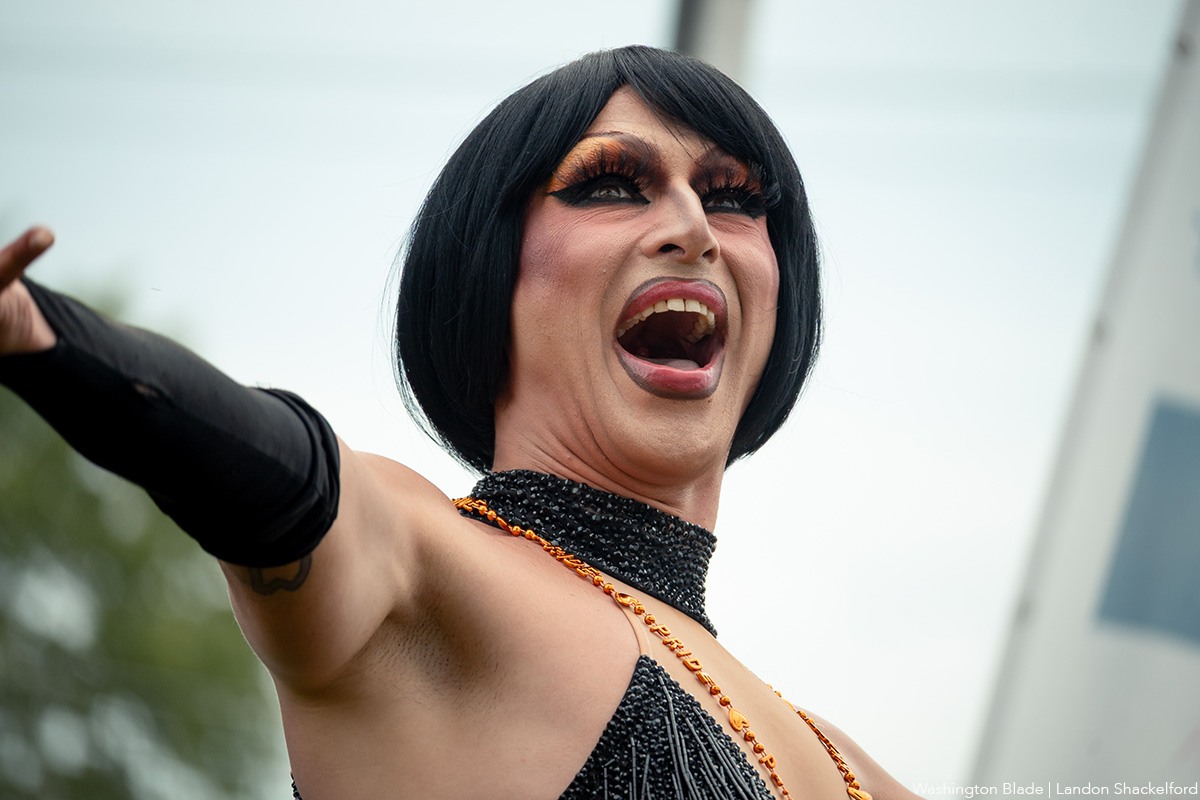
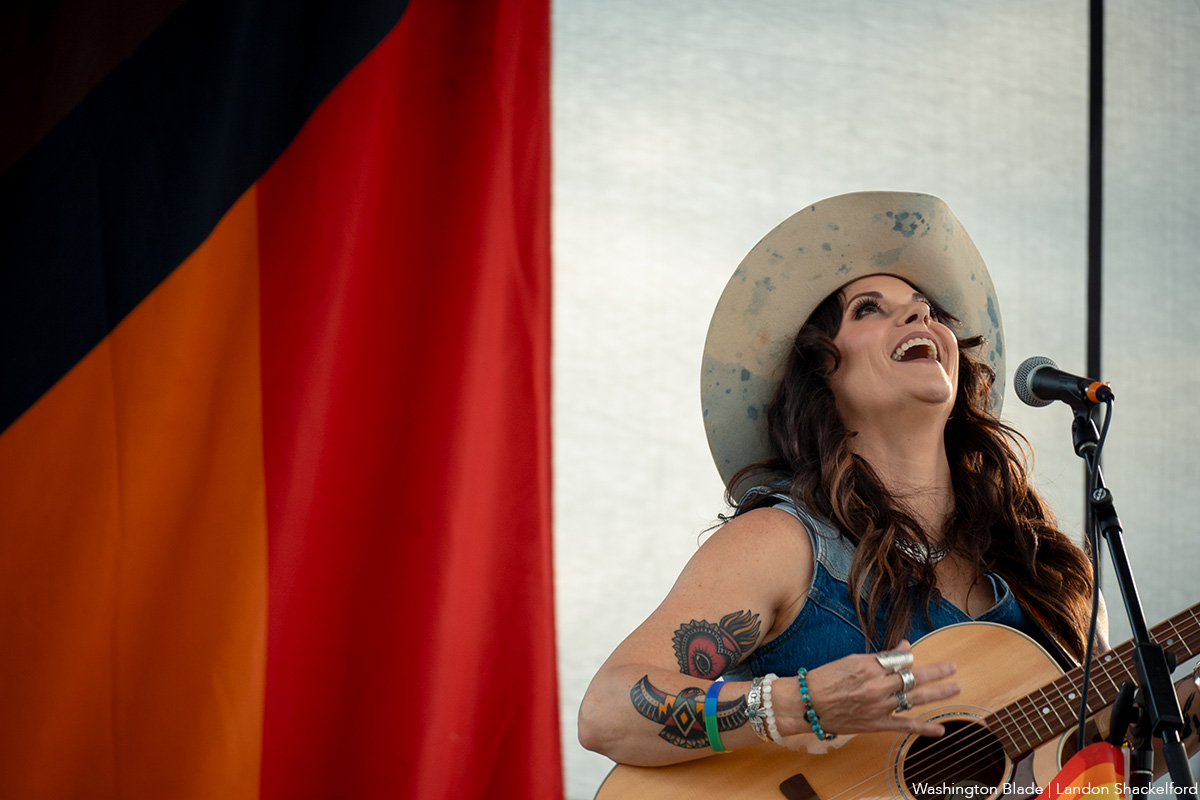
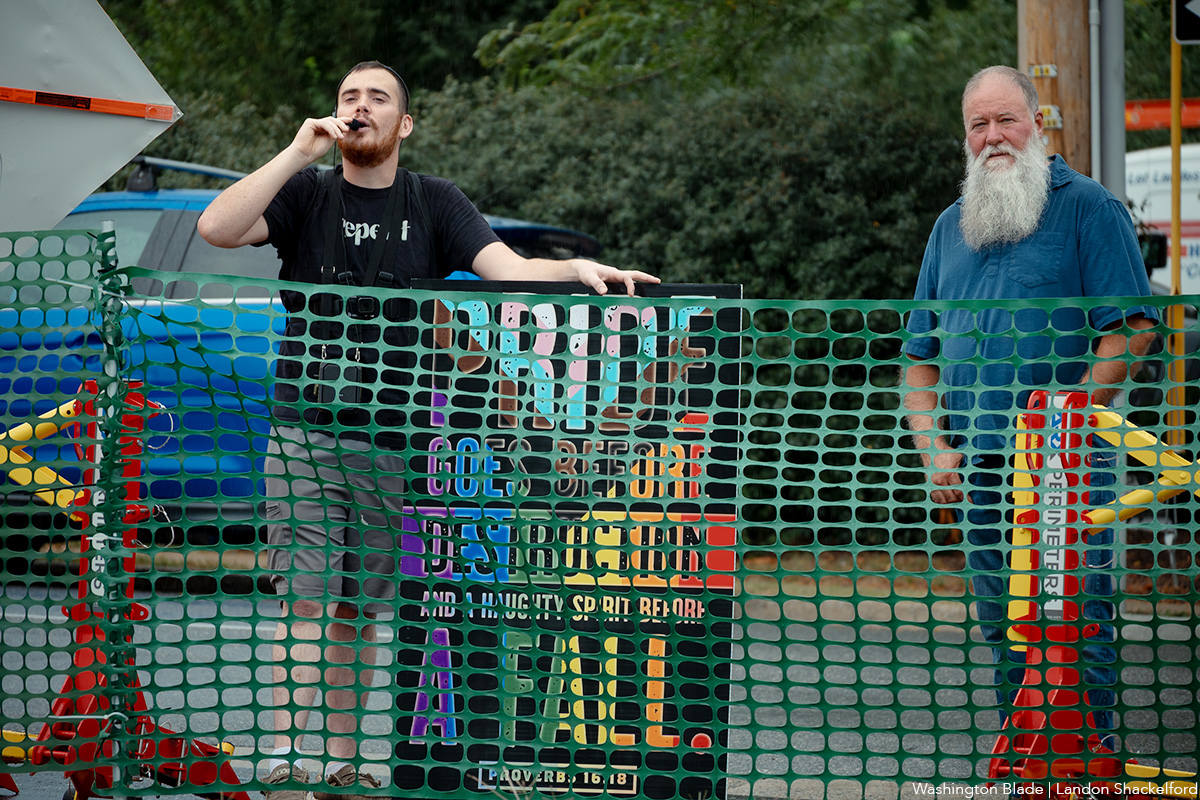
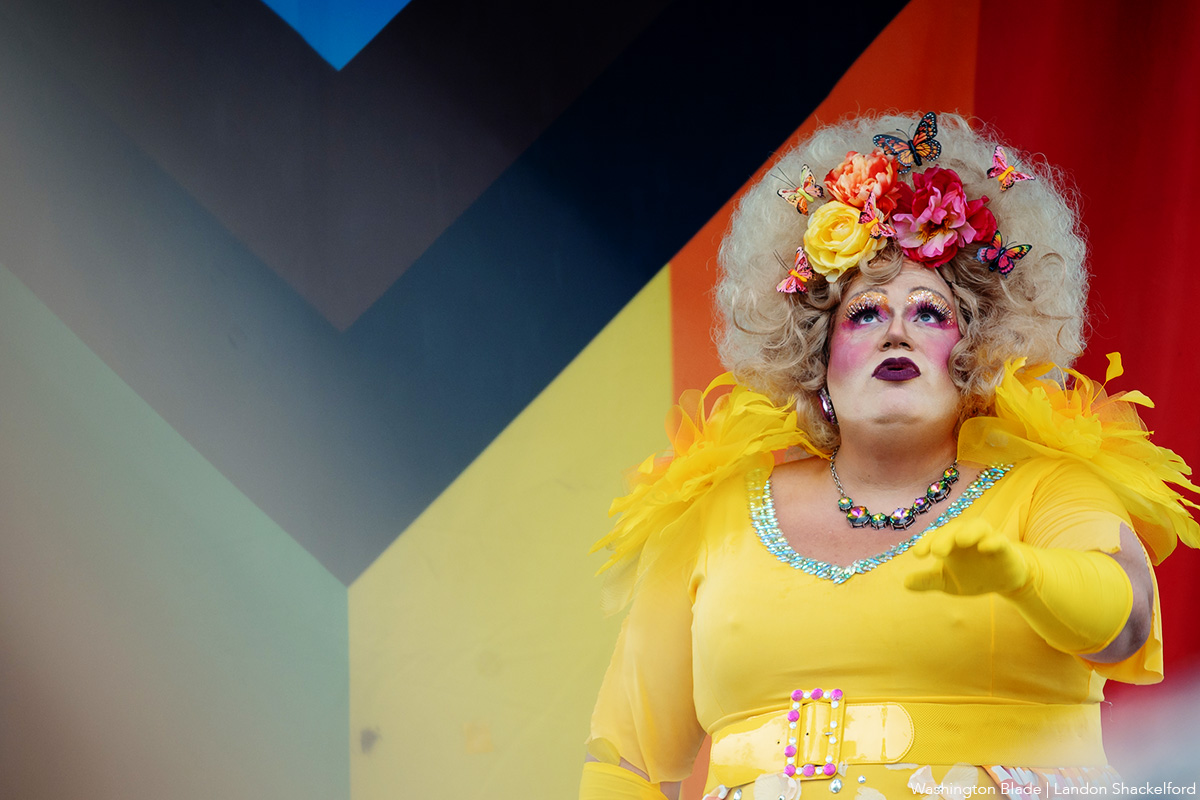
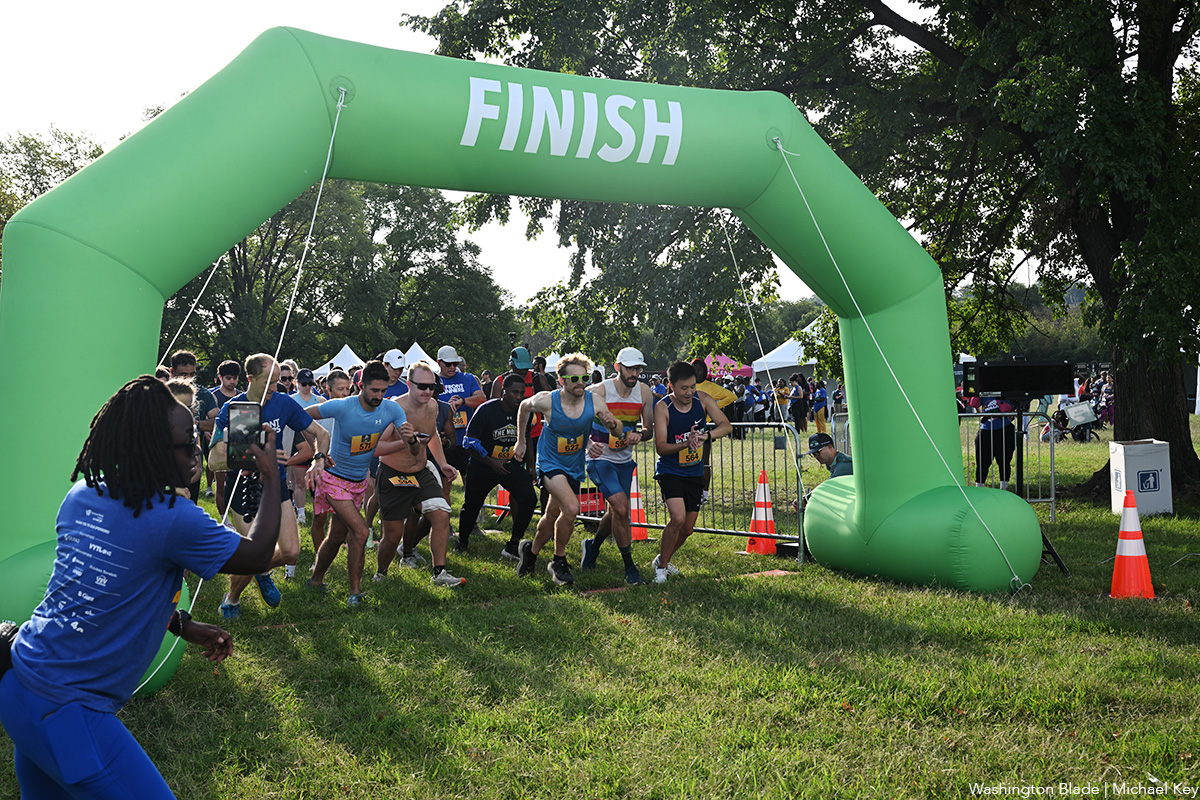
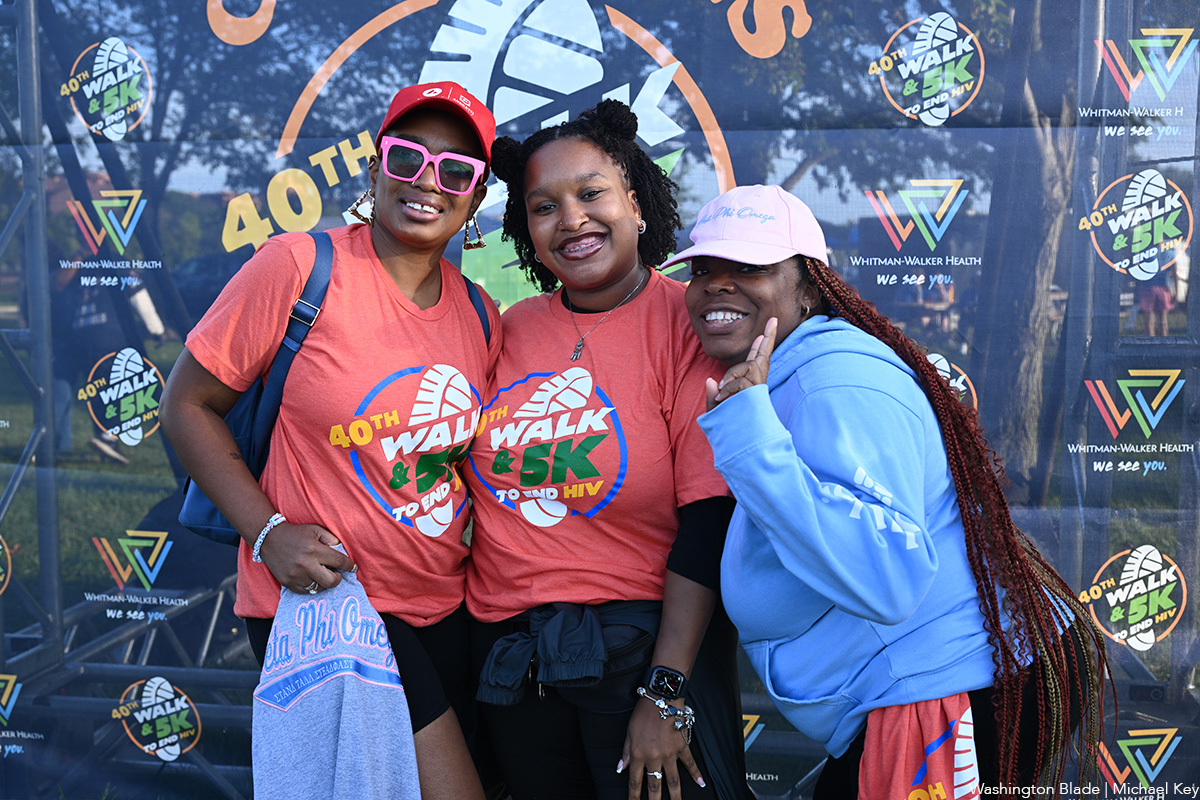
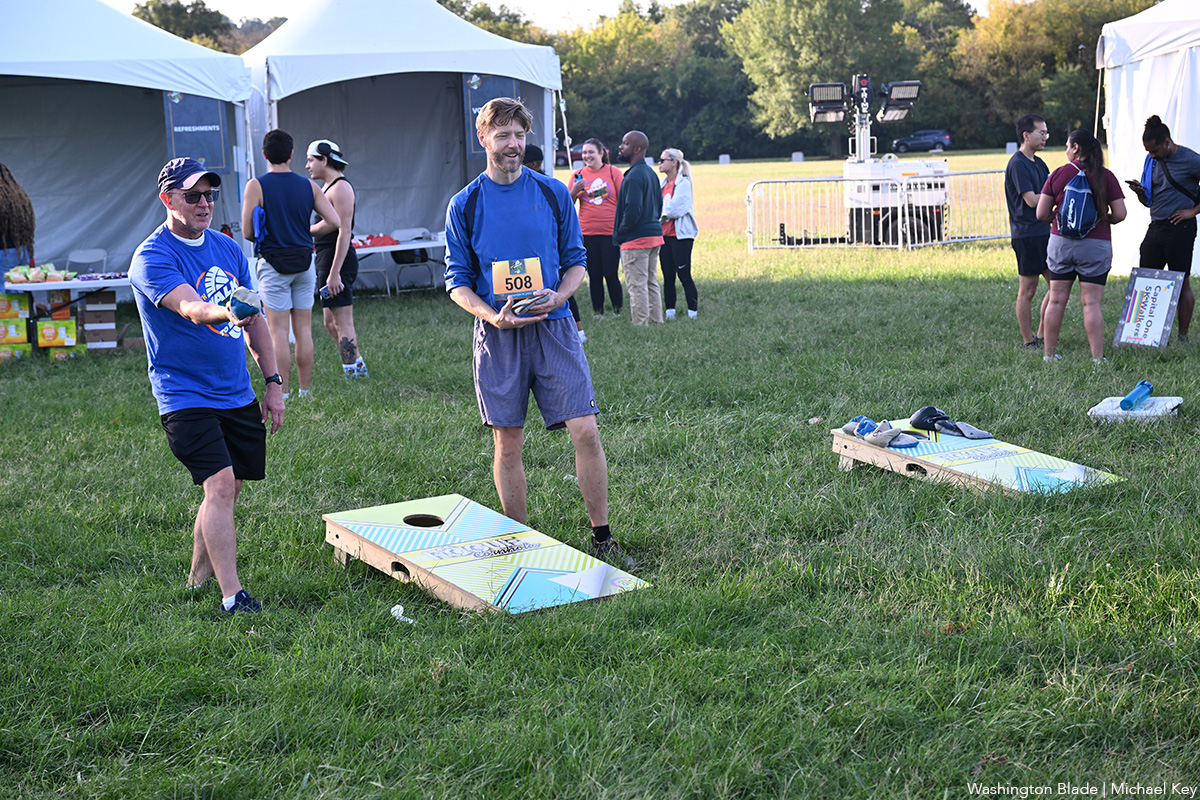
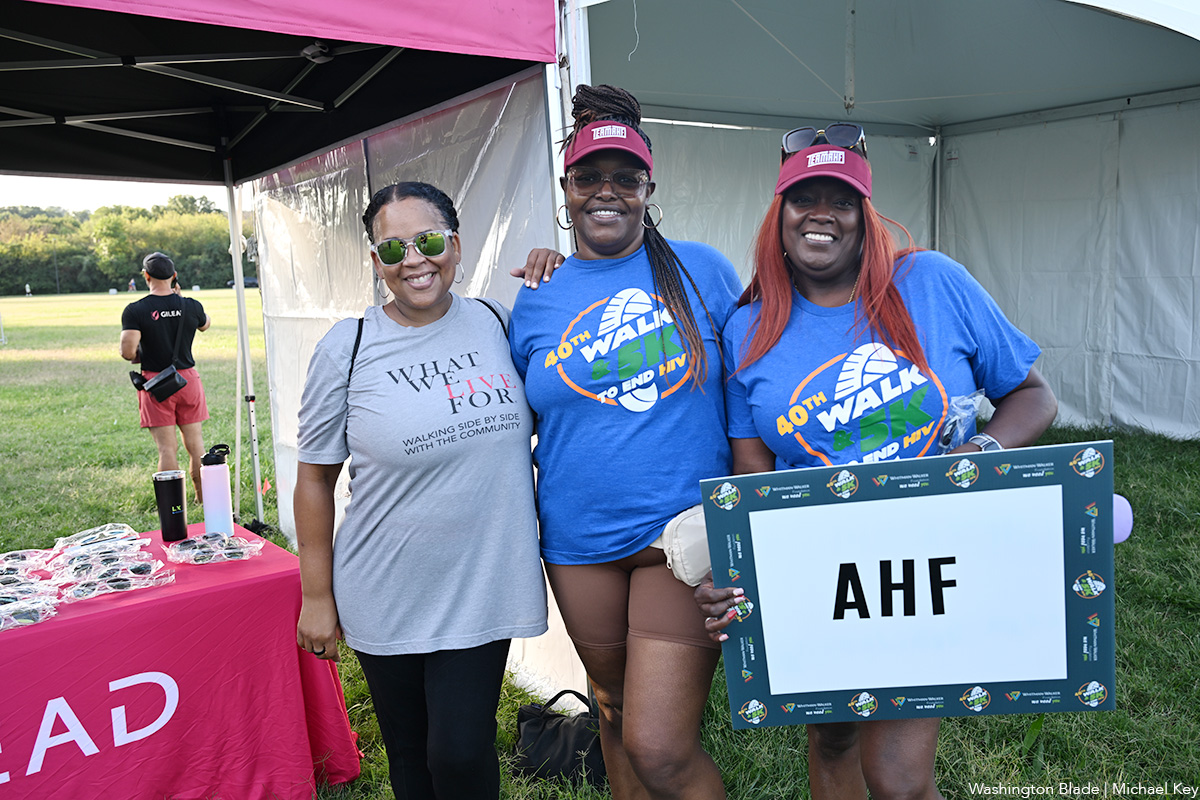
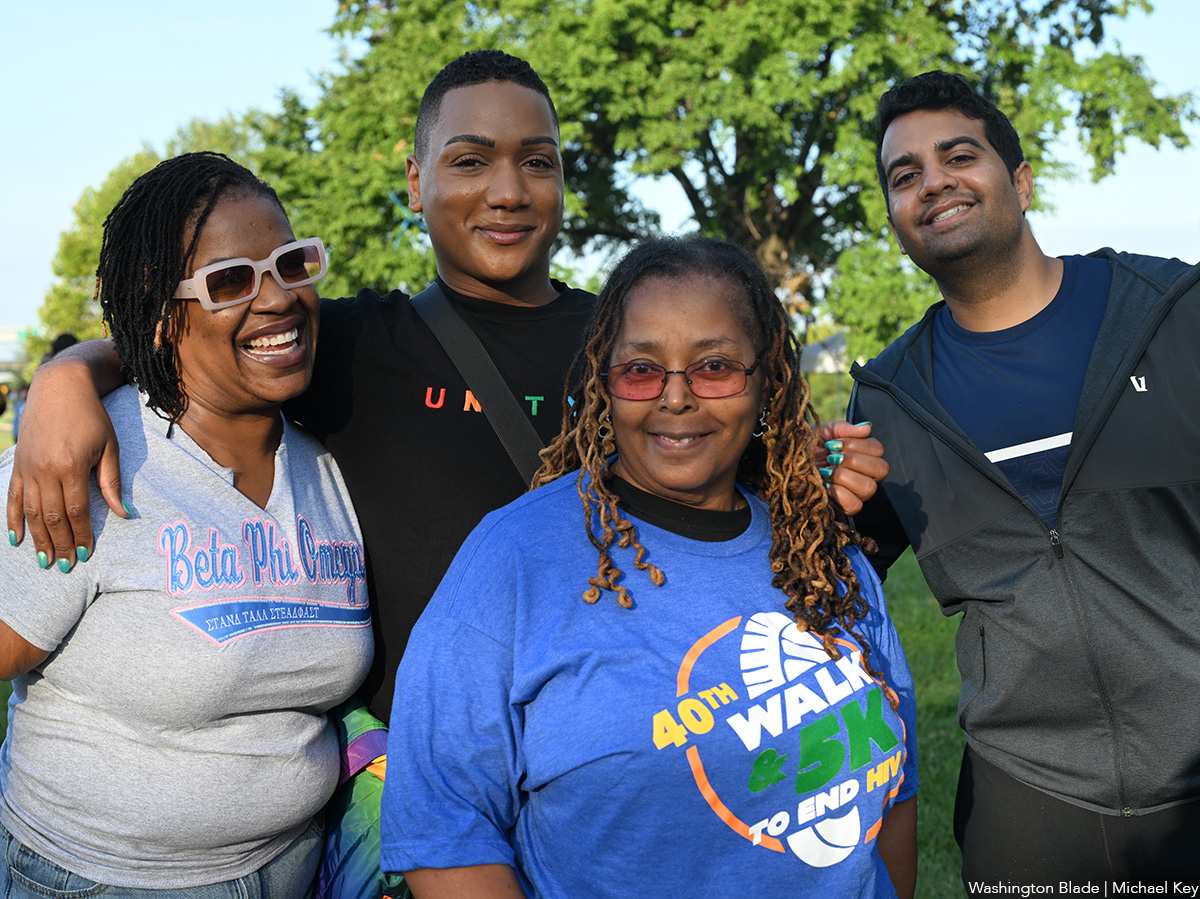
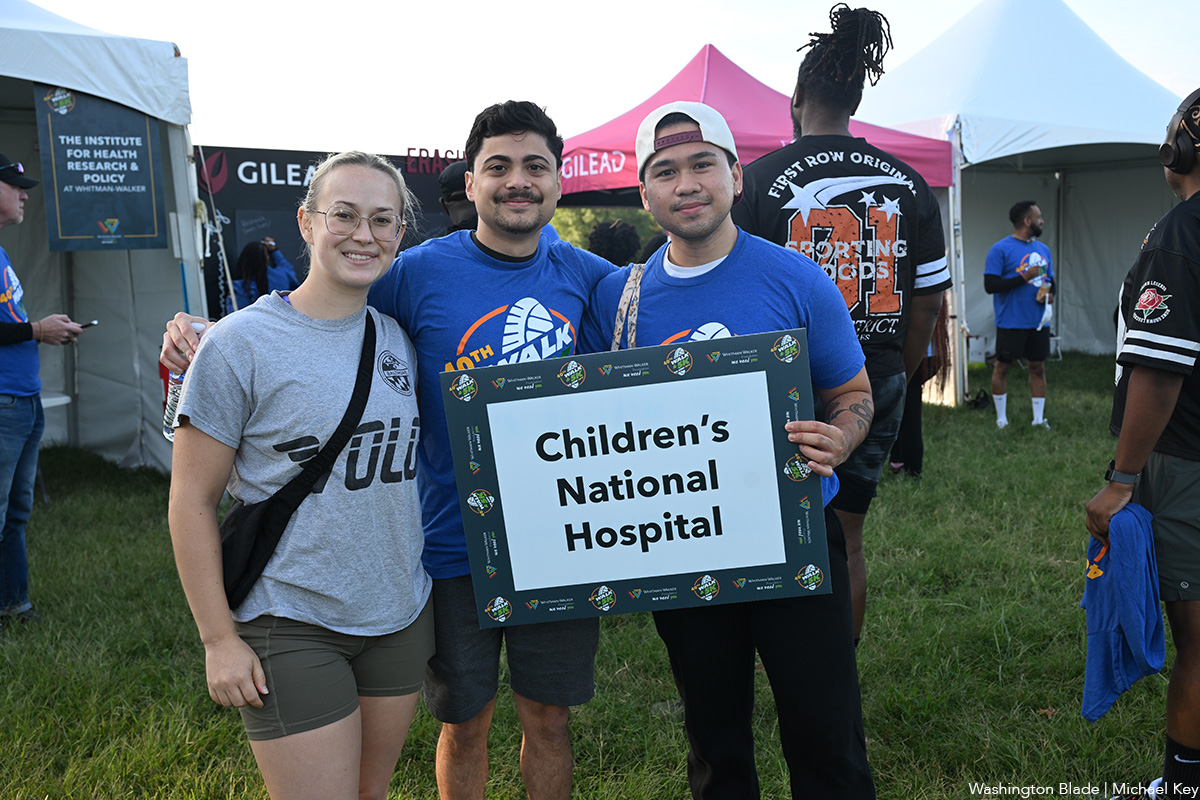
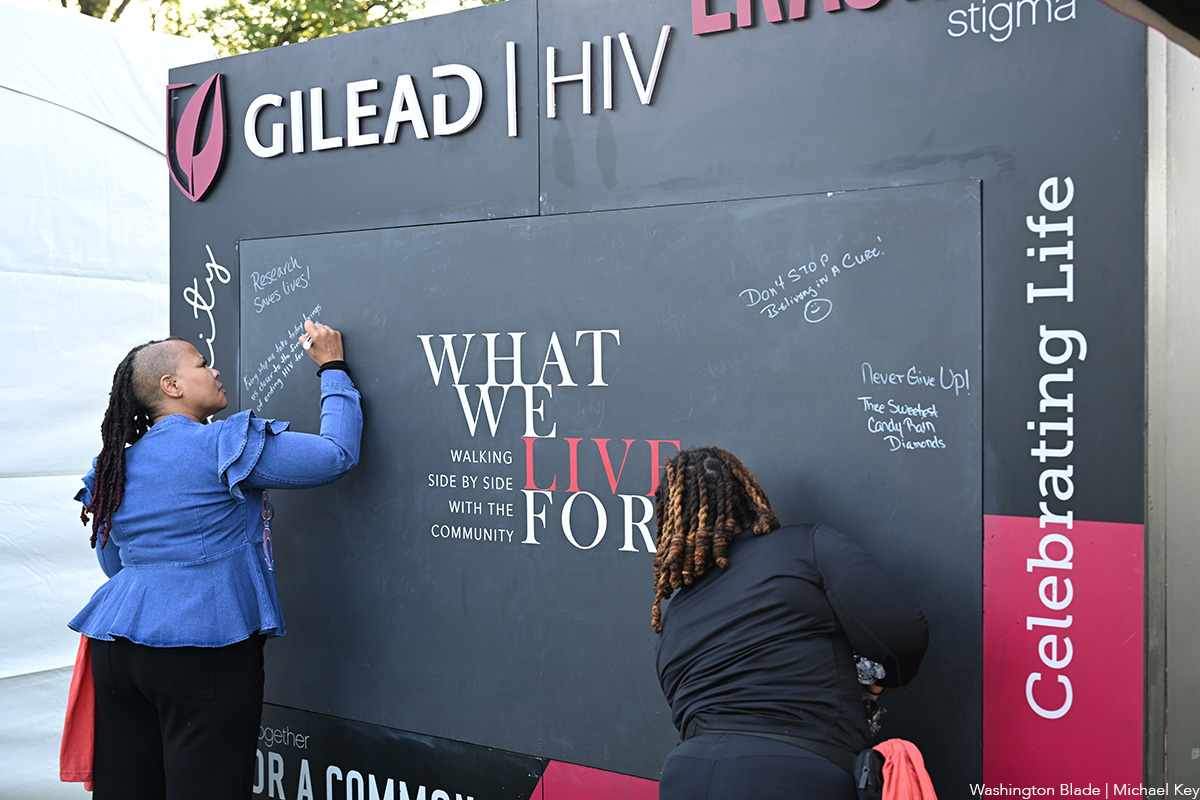
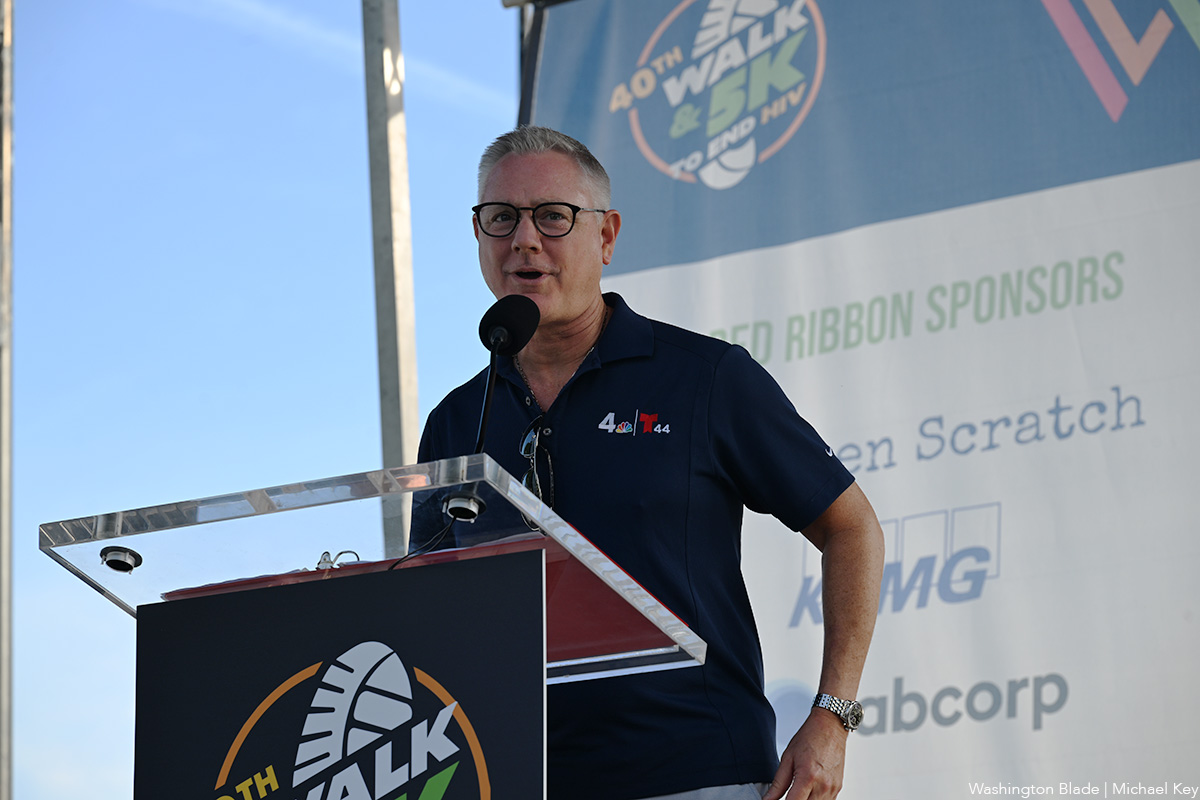
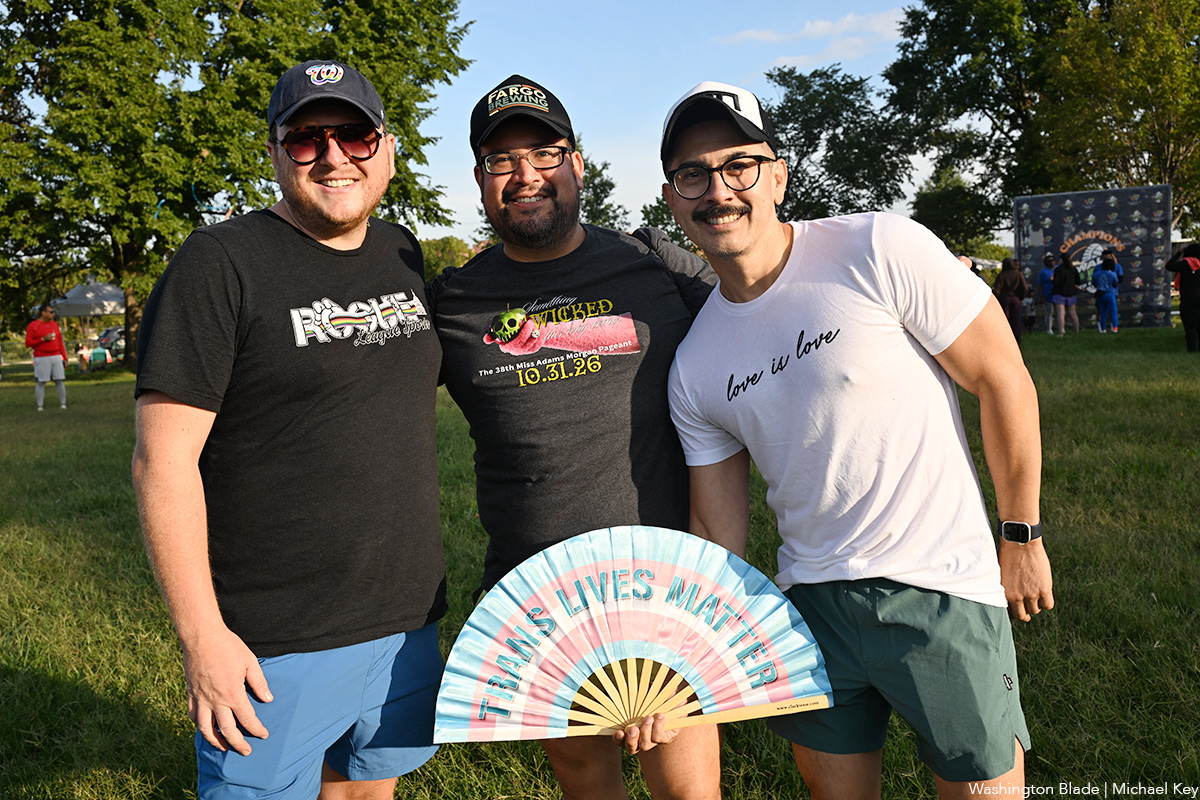
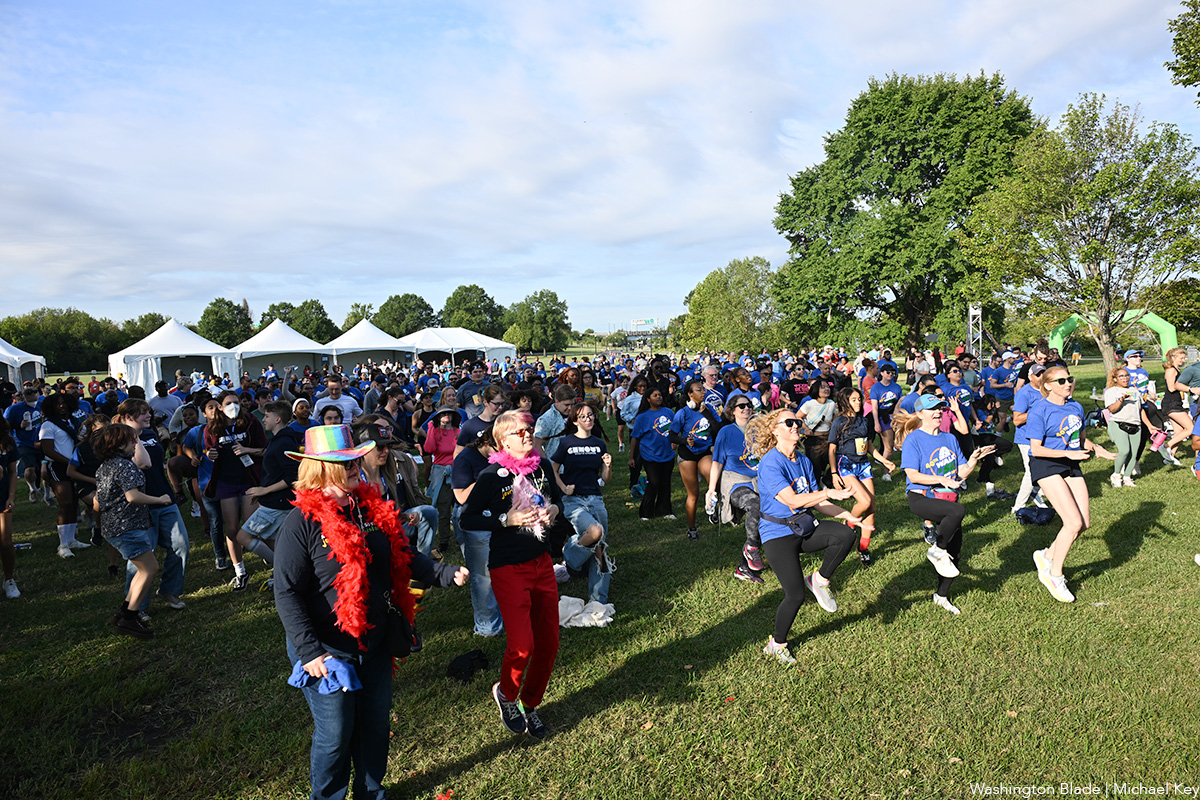
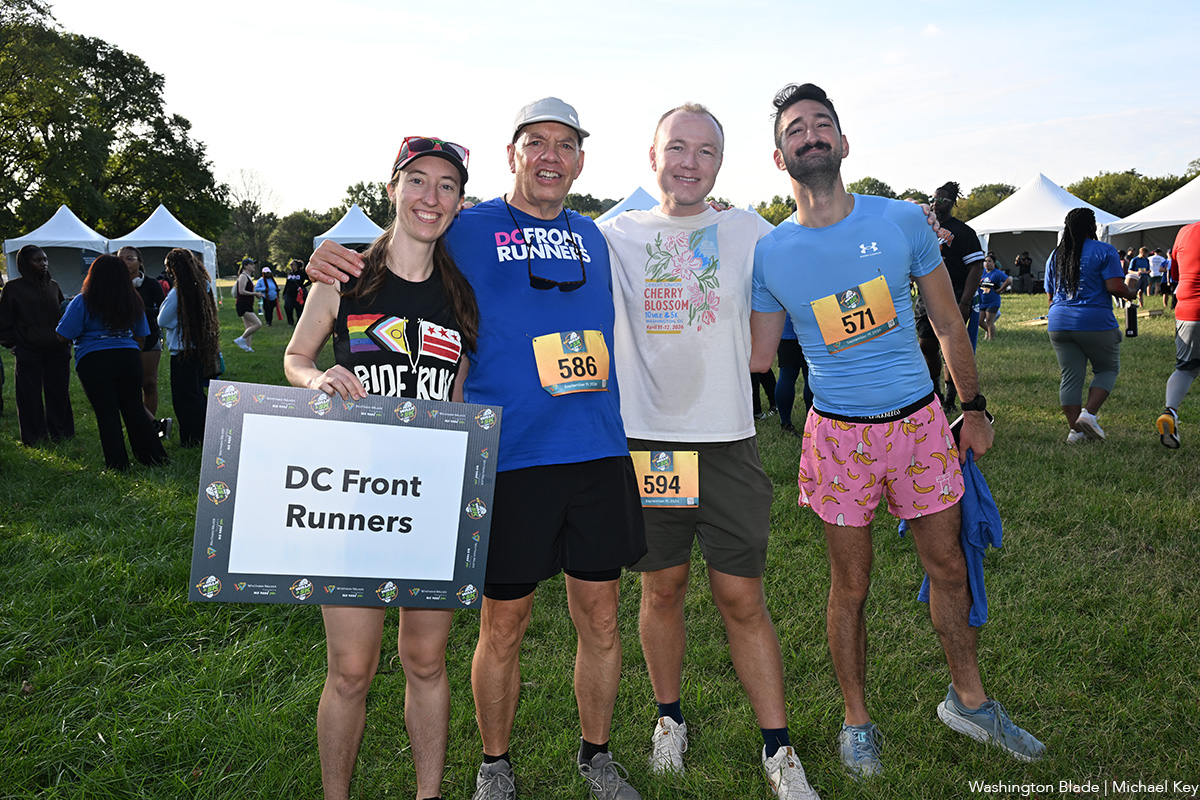
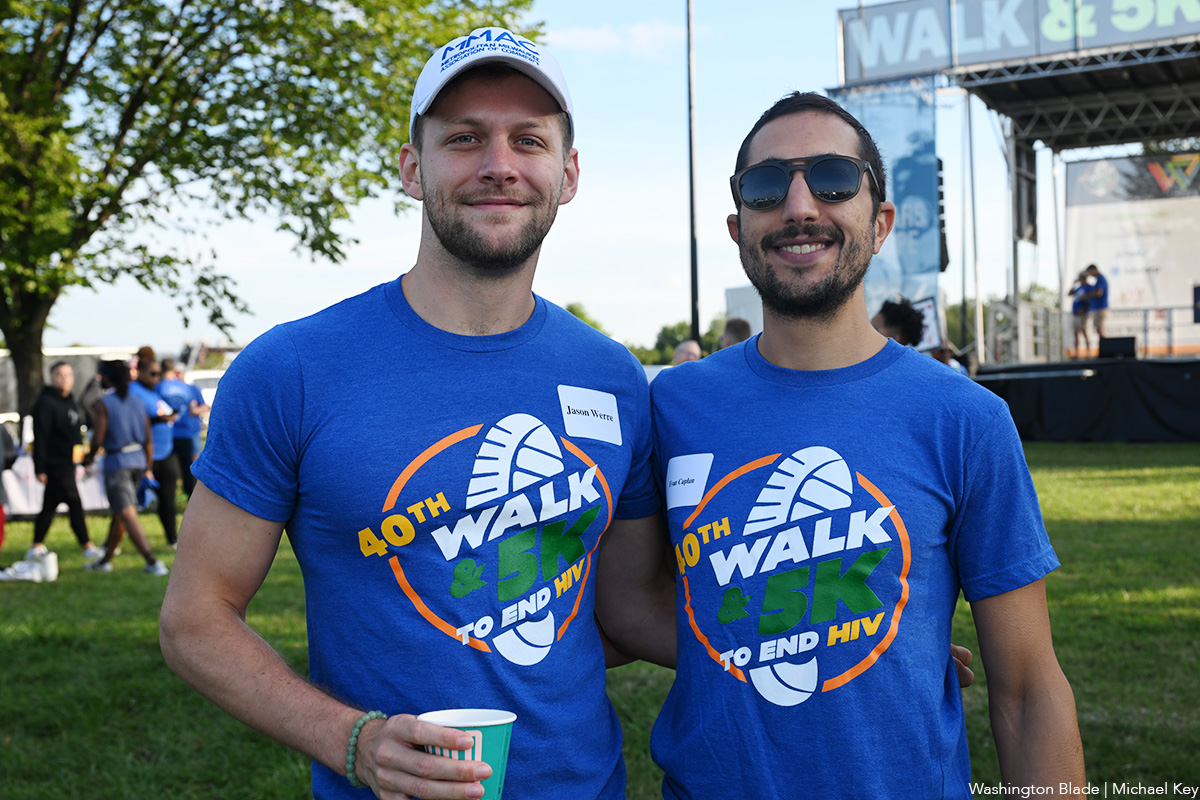
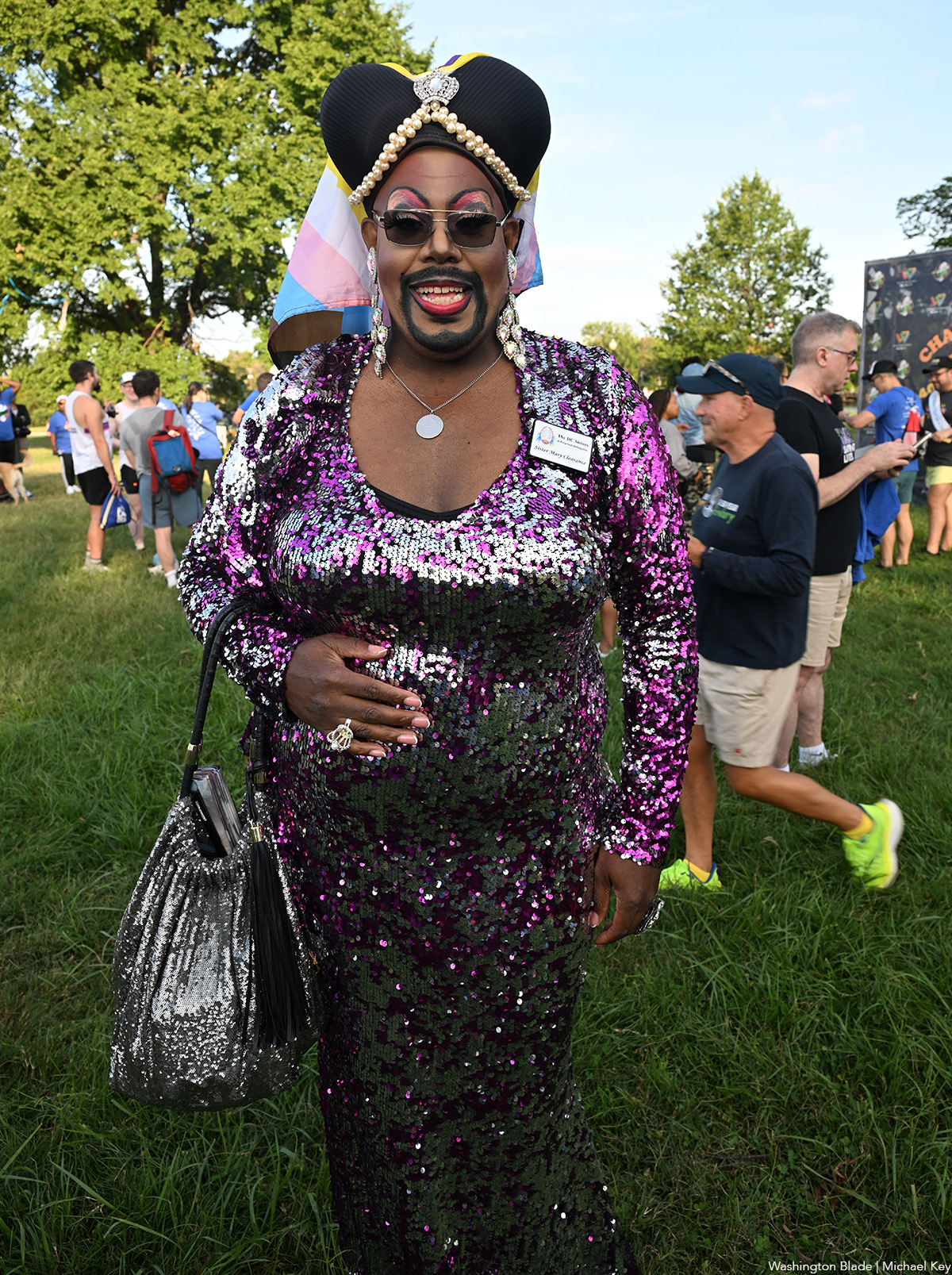
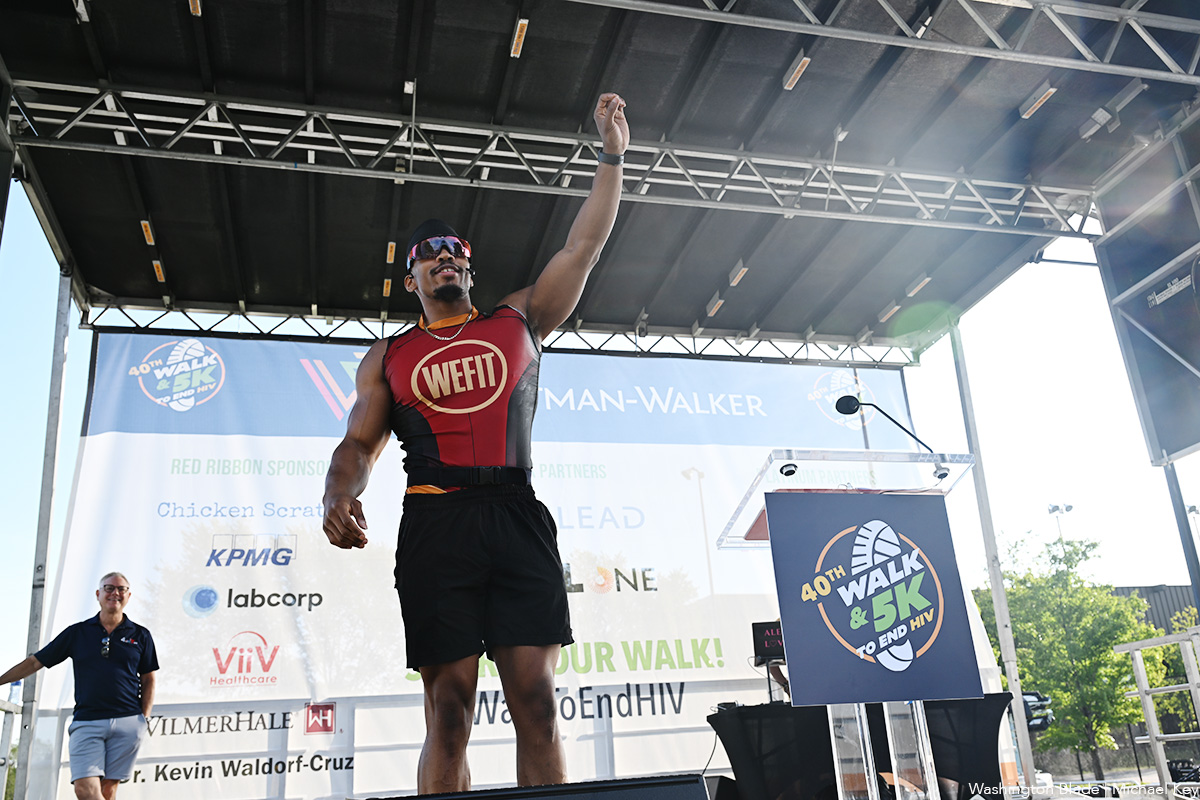
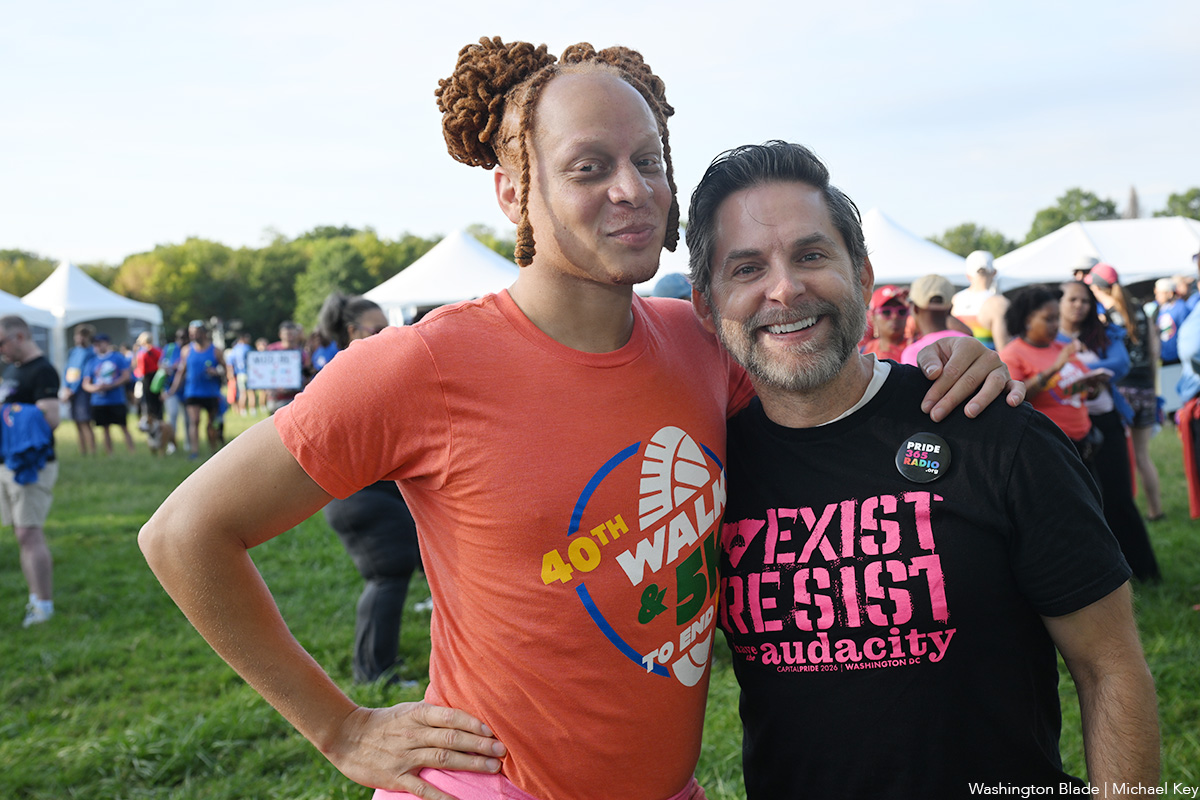
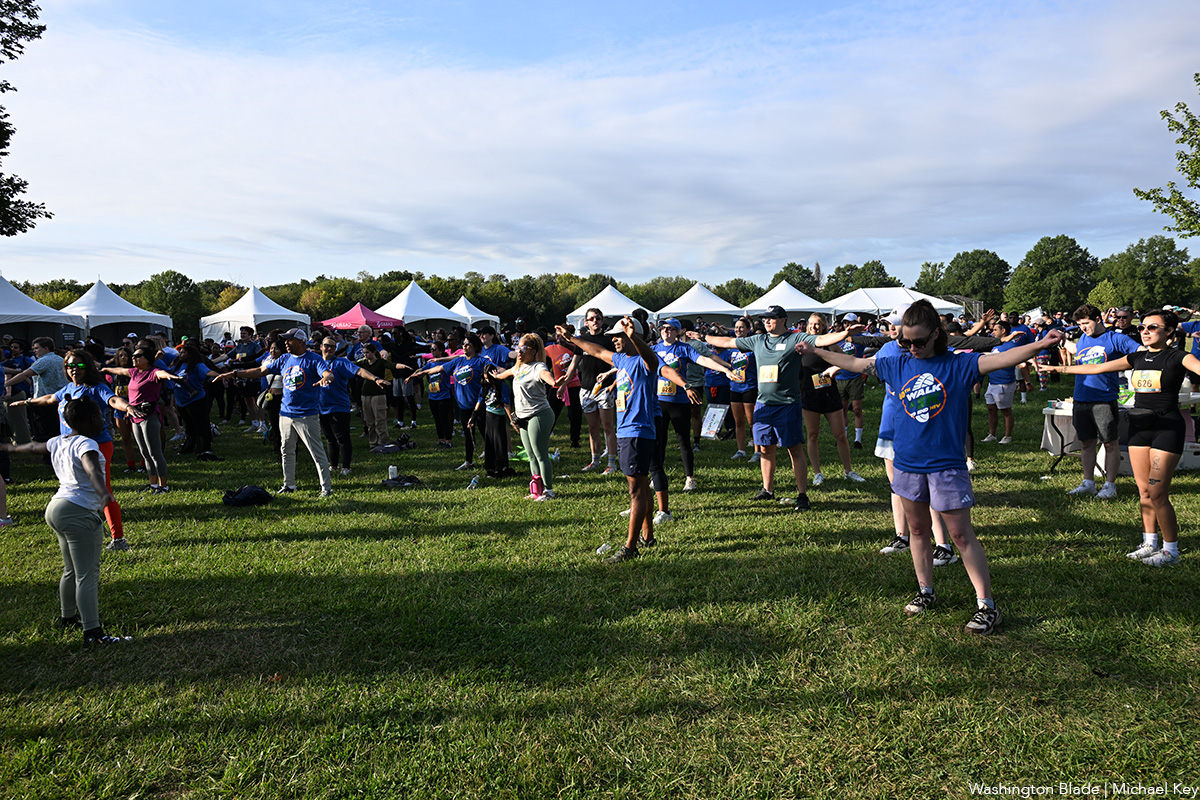
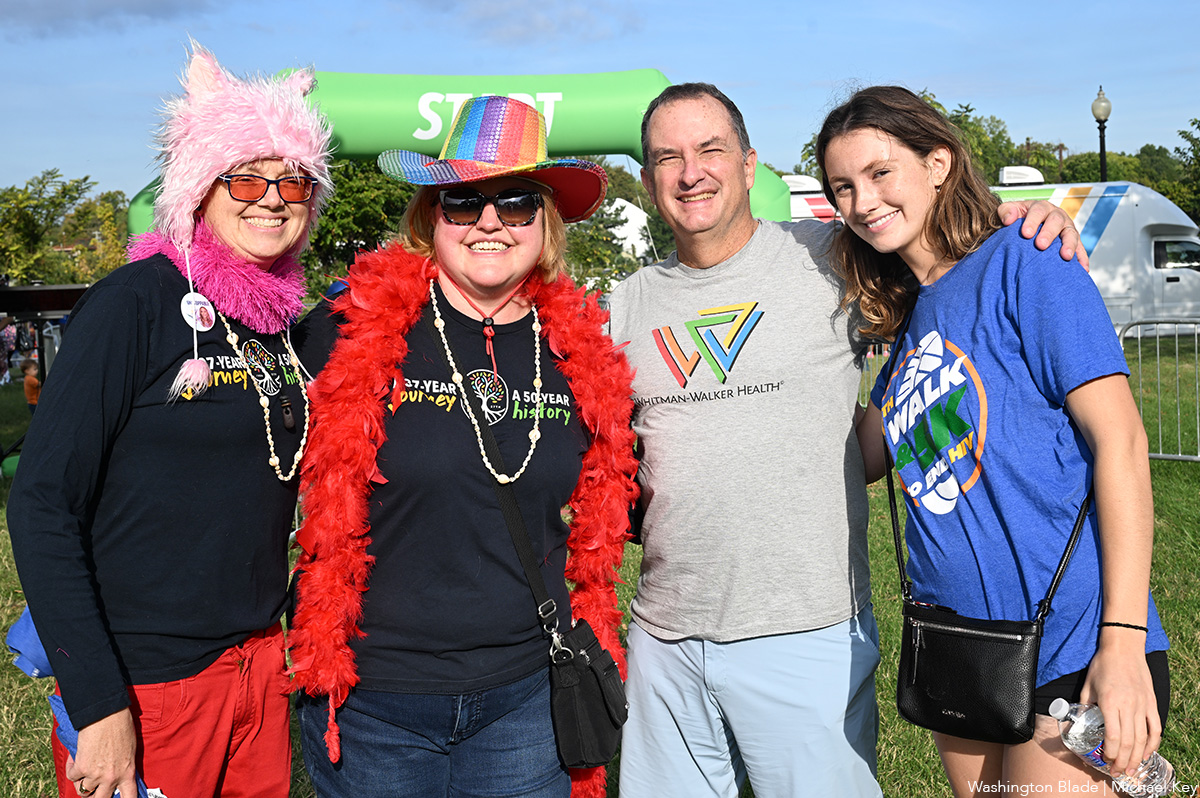
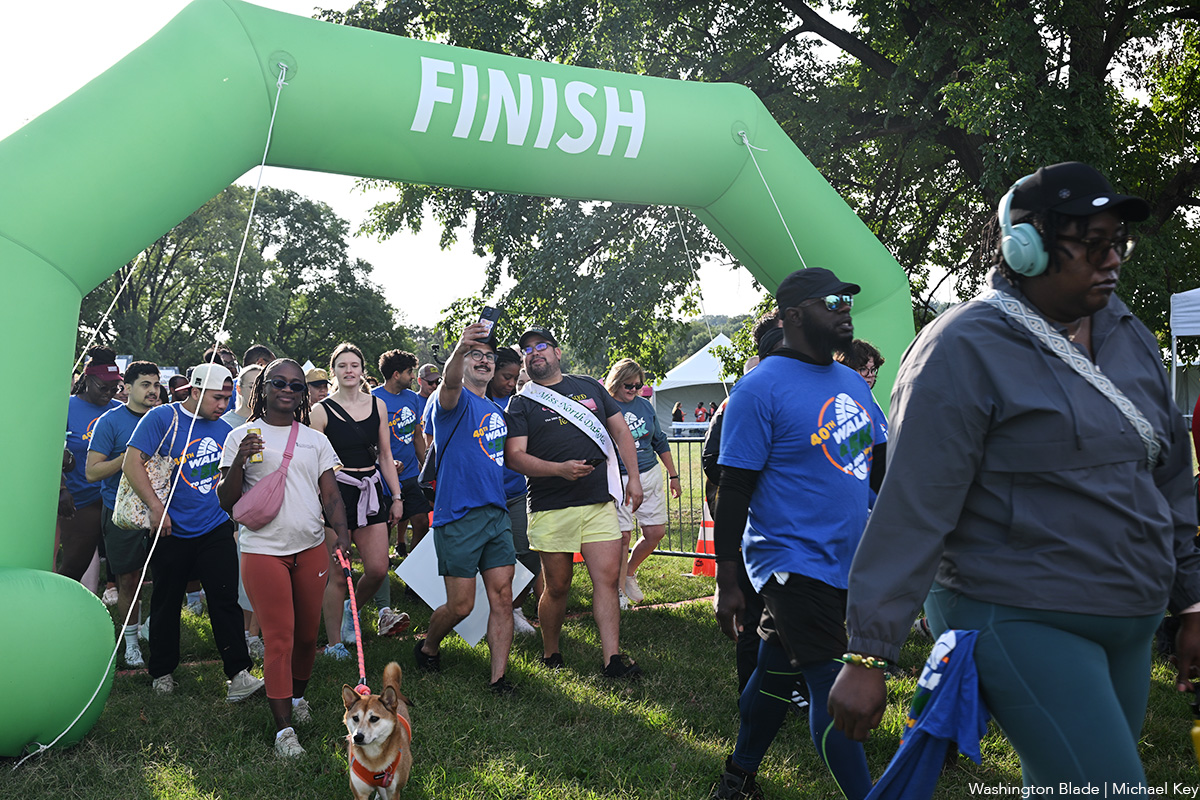
Whitman-Walker Health held the 40th annual Walk and 5K to End HIV at Anacostia Park on Saturday, Sept. 19.
(Washington Blade photos by Michael Key)



Colombia withdraws from Equal Rights Coalition

Caso Karlina: Una sentencia histórica contra las terapias de «conversión»

Washington Blade responds to concerns over White House pool duties

Young people should know history of the fight for human rights

Dutch prime minister visits Stonewall Inn

Over 2,000 turn out for Hands Around the Kennedy Center protest

PHOTOS: Wanda Alston Foundation Fall Reception

PHOTOS: Walk and 5K to End HIV

What LGBTQ veterans are building after ‘Don’t Ask, Don’t Tell’