Arts & Entertainment
Interrogating circumstances
British-penned satire takes over-the-top look at corporate tactics

‘Contractions’
Through Jan. 27
The Studio Theatre (Studio 2ndstage)
1501 14th Street, NW
$30-$35
202-332-3300
studiotheatre.org

Holly Twyford (left) and Alyssa Wilmoth Keegan in ‘Contractions.’ (Photo by Scott Suchmann; courtesy of Studio Theatre)
With “Contractions,” British playwright Mike Bartlett takes the horrors of corporate servitude to the nth degree.
Now making its American premiere at Studio 2ndStage, Bartlett’s workplace satire is laugh-out-loud funny and menacingly dark at once. It unfolds through a series of increasingly uncomfortable meetings in which Emma (Alyssa Wilmoth Keegan), a newly hired sales professional at an unnamed corporation, is relentlessly and methodically questioned by a bizarrely inquisitive manager (Holly Twyford). Both clad in sleek black suits (pants for the manager and skirts for Emma) and super-high heels, the pair review employee regulations giving special attention to the sections pertaining to romantic and sexual relationships among employees.
Any suspicions that the manager’s obsessive inquiry into the most minute details of Emma’s sex life is driven by prurient interests or perhaps her lustful designs on the new, younger employee are rather quickly put to rest when it becomes abundantly clear that her every move — even the most perverse — are done to benefit the company’s bottom line.
More and more, the manager’s inquiries and directives grow ludicrously outrageous. Initially Emma is her superior’s match, but not for long. Volleys build into one-sided brutal attacks and it’s soon evident that Emma can’t compete with a company-backed opponent. After being frequently reminded about the sluggish job market and that there are more than a hundred applicants ready and willing to fill her corporate position, Emma surrenders to HR’s demands. She devolves from confident and sexy to broken and bereft. At one point, Emma asks the heartless boss if she bleeds. And while we never get that answer, we do become acquainted with some of Emma’s bodily fluids. And no wonder with the battering she goes through.
British director Duncan Macmillan ably helms the top-notch production and Twyford and Wilmoth Keegan both deliver knockout performances. With a frozen smile, glazed eyes and hilariously placed pauses, Twyford (who is gay) is at the top of her game as the corporate automaton. Wilmoth Keegan is equally terrific and wonderfully natural as Emma.
“Contractions” is not the first time Twyford and Wilmoth Keegan have successfully joined forces. In the fall of 2011, Wilmoth Keegan played the victim of a brutal gay bashing in “Stop Kiss,” Diane Son’s play about women friends turned lovers. The well-received No Rules Theatre Company production marked Twyford’s directorial debut.
Bartlett, the playwright, is best known for “Cock,” his hit play (in London and New York) about a happily partnered gay man who falls in love with a woman.
“Contractions” is set entirely in the manager’s stark office. Designed by Luciana Stecconi, it’s a minimalist’s wet dream: white walls, white floors, white light (compliments of Colin K. Bills), and two white office chairs positioned at opposite ends of a long, white conference table. Discreetly built-in cabinets contain scarily detailed personnel files. No clutter. No art. No signs of life at all really. It’s a sterile space, perfectly suited for surgically excising what makes an employee human.






Photos
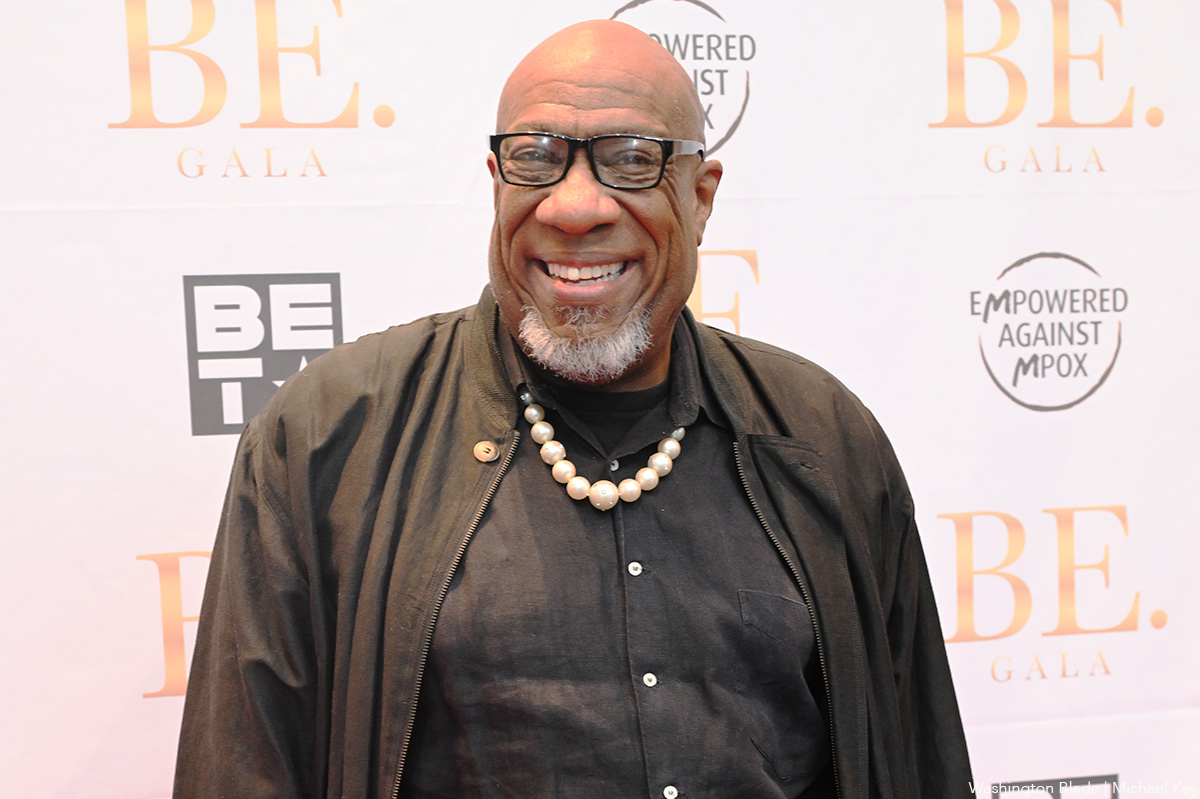
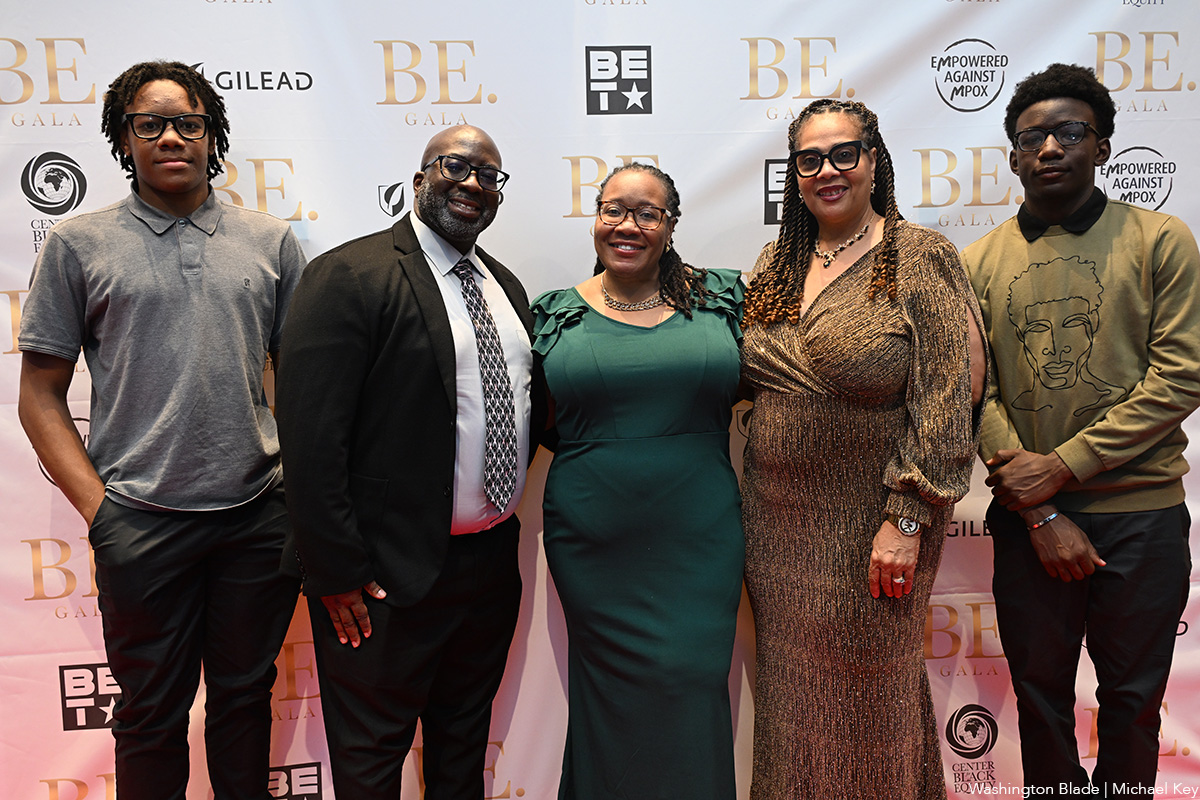
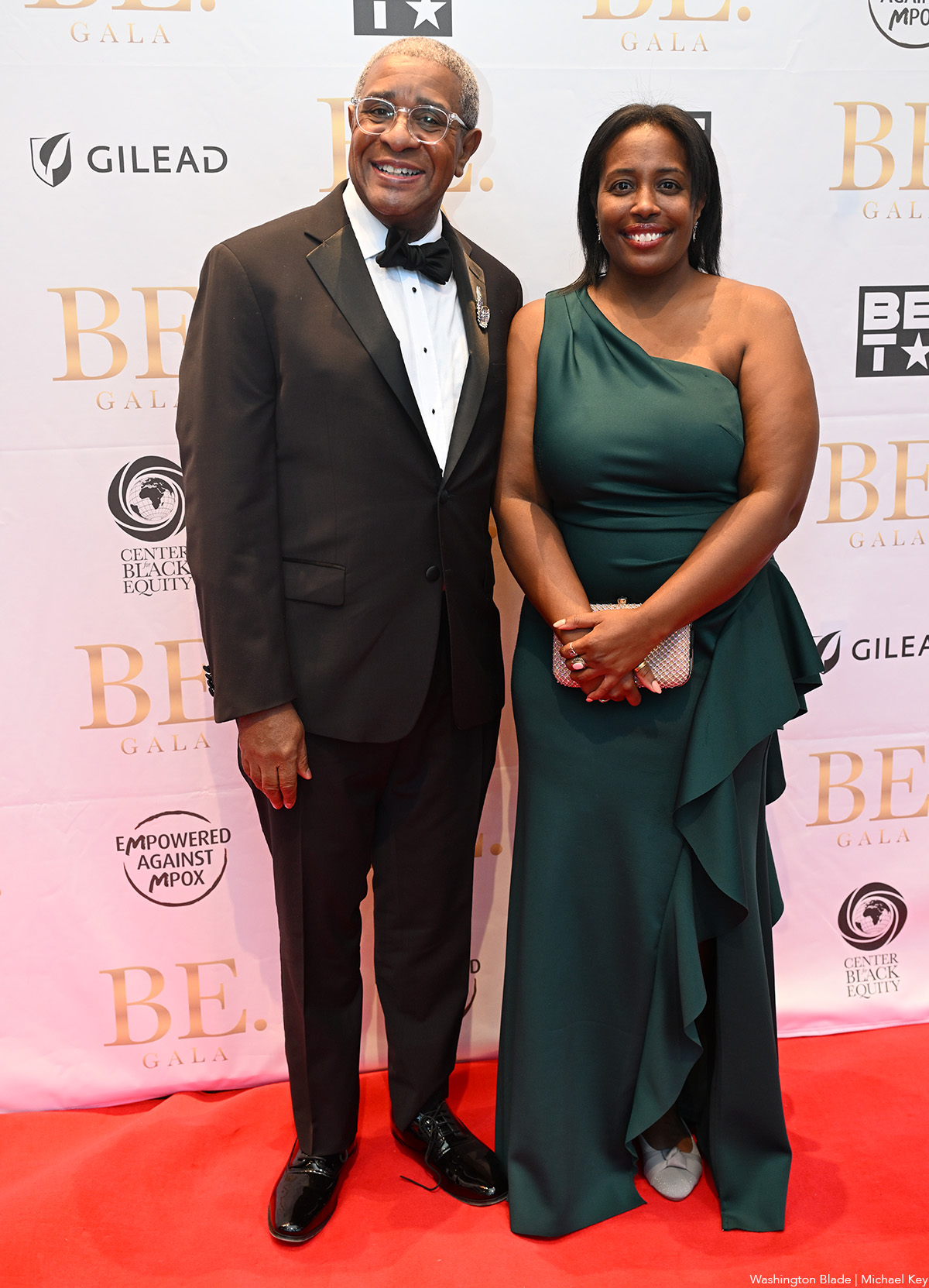
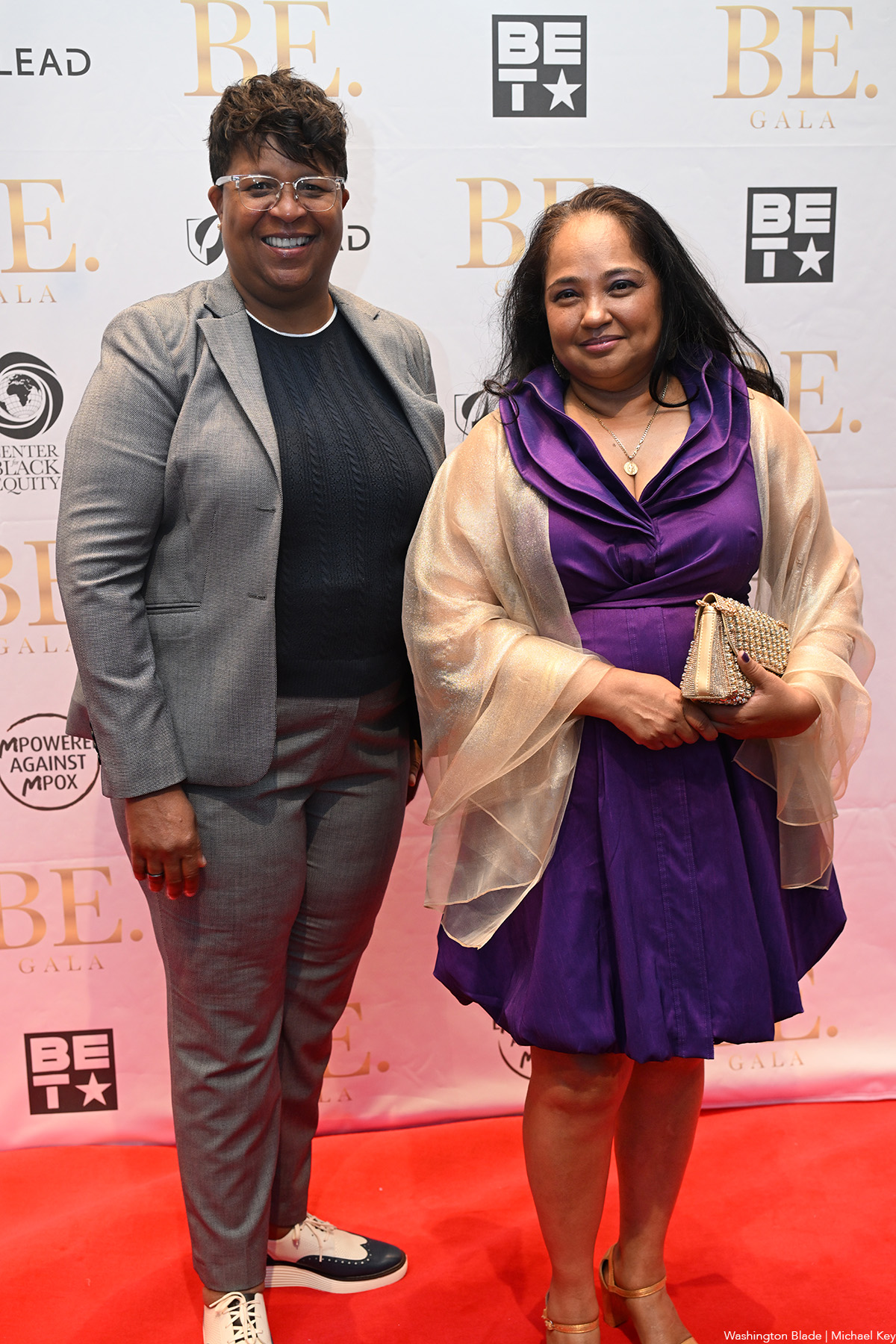
Center for Black Equity honors leaders, activists at BE. Gala
Miyake-Mugler, Oakes co-host annual awards ceremony

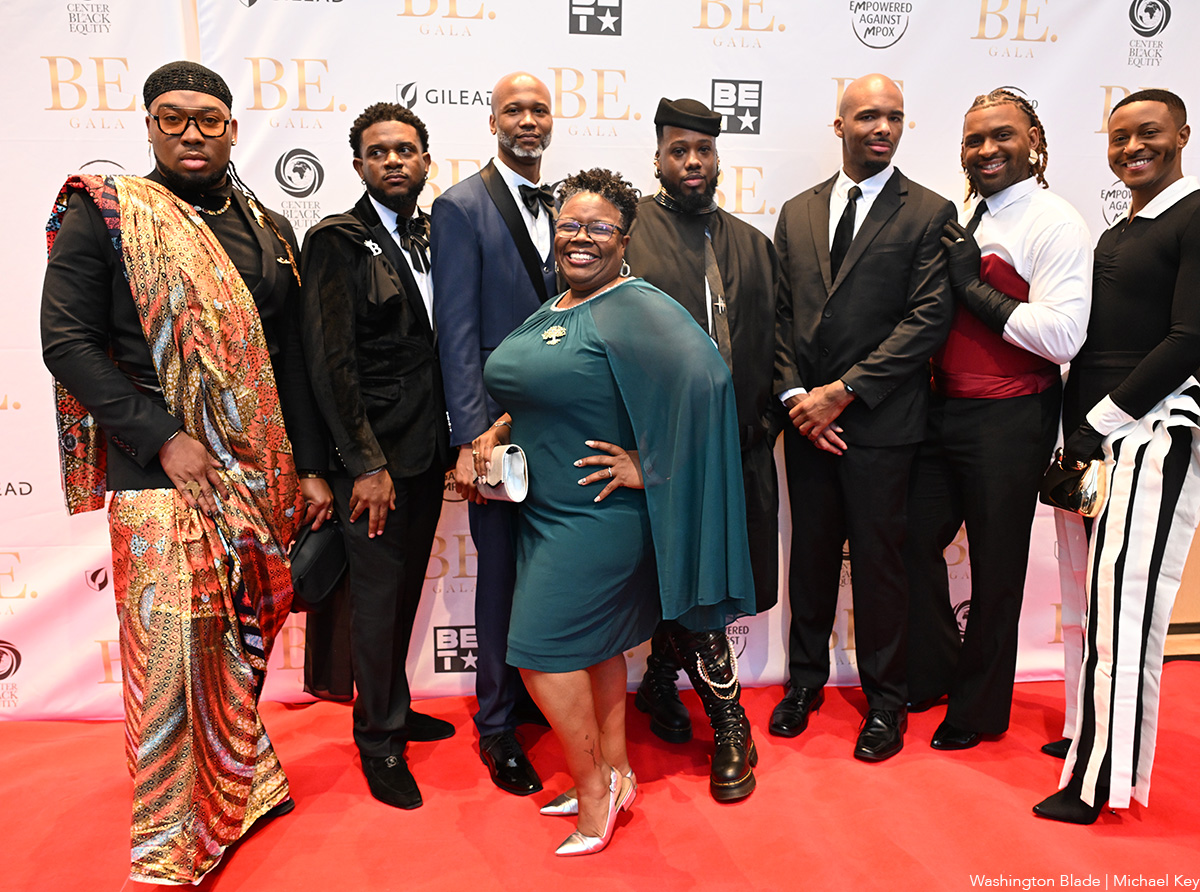
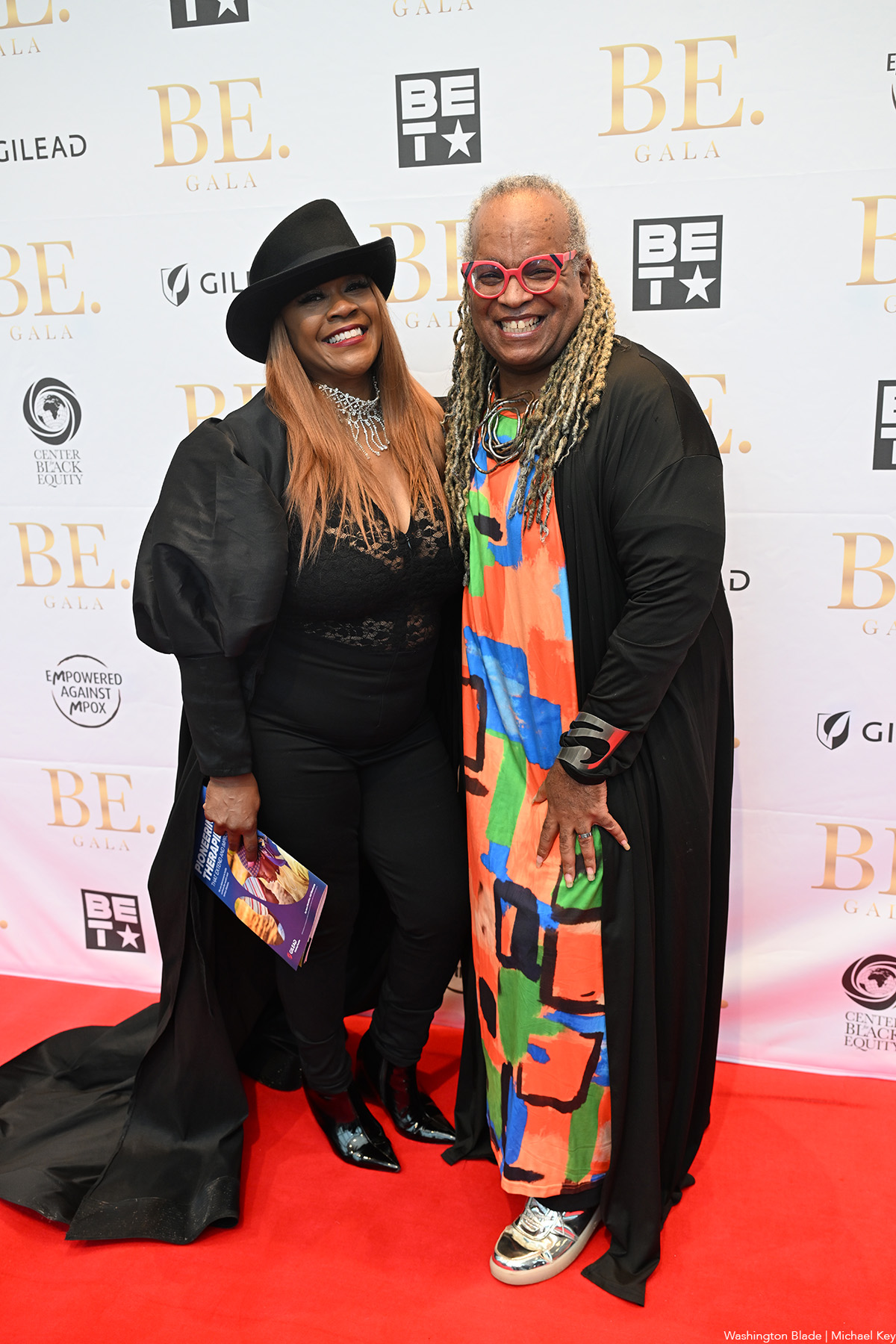
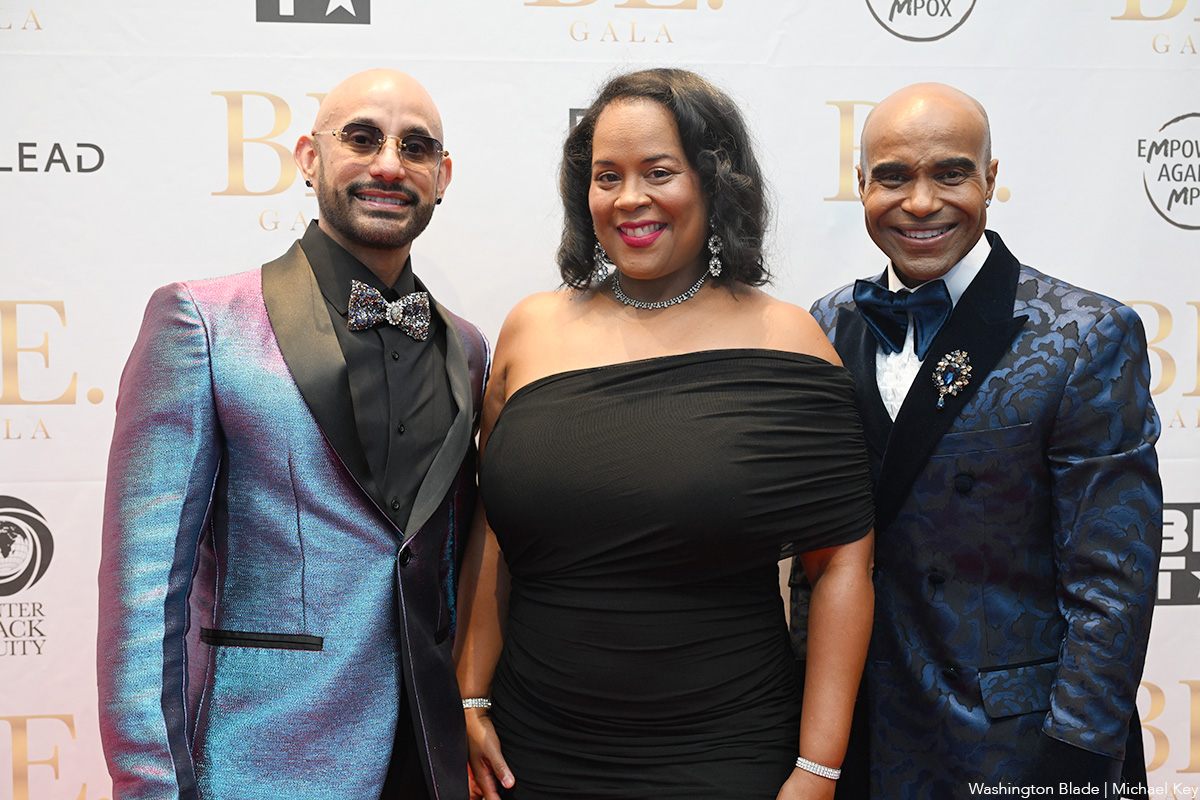
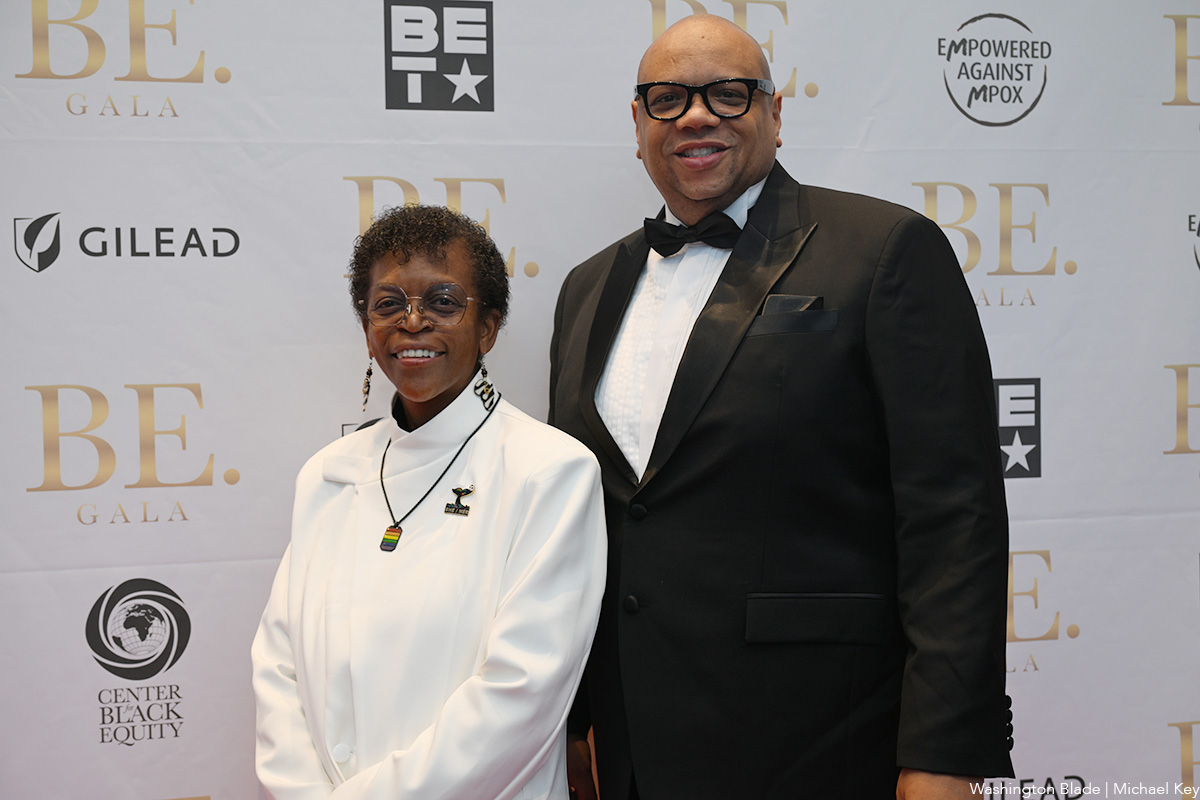
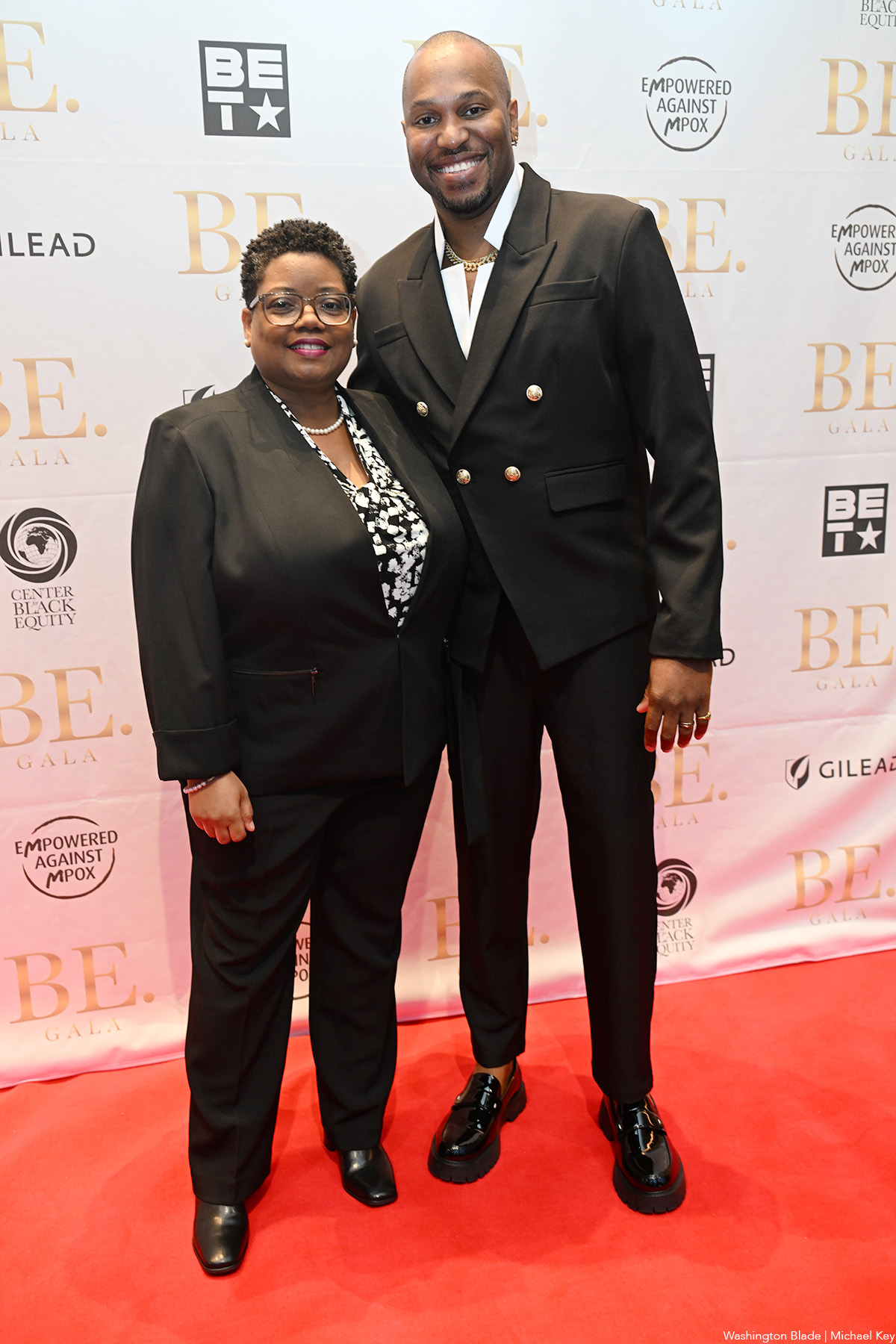
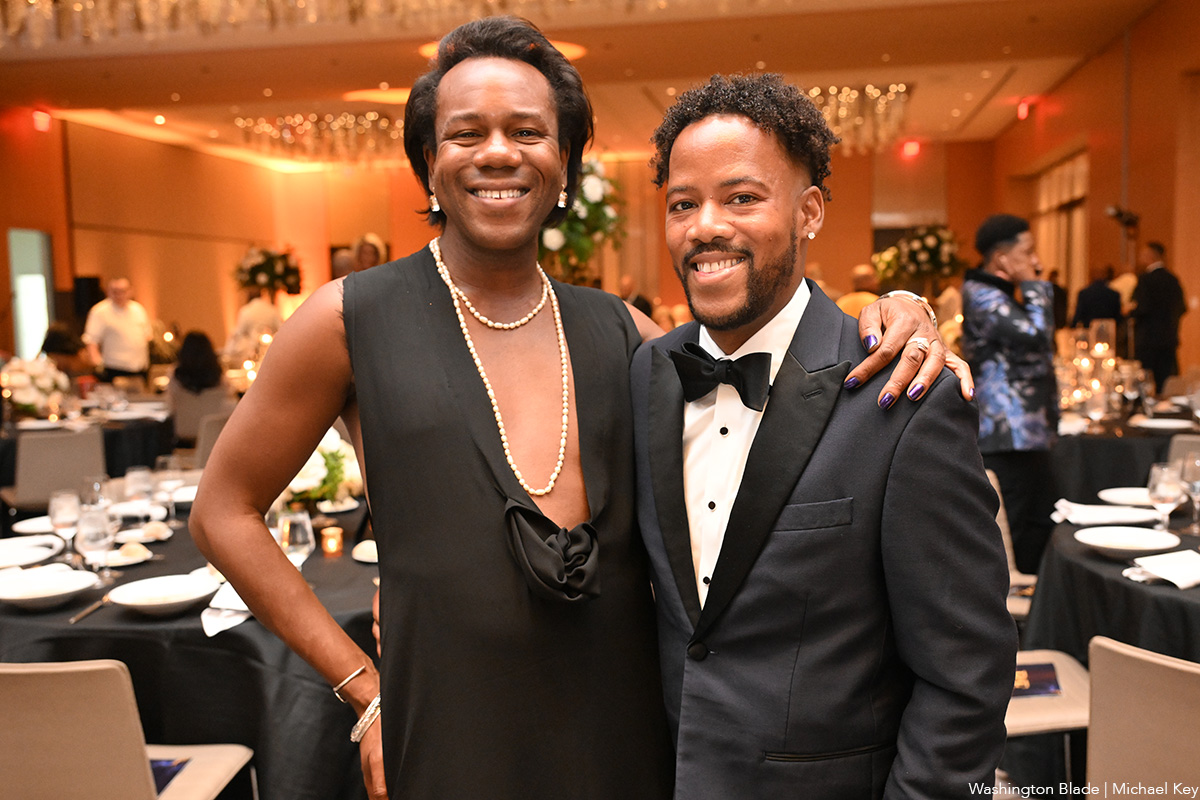
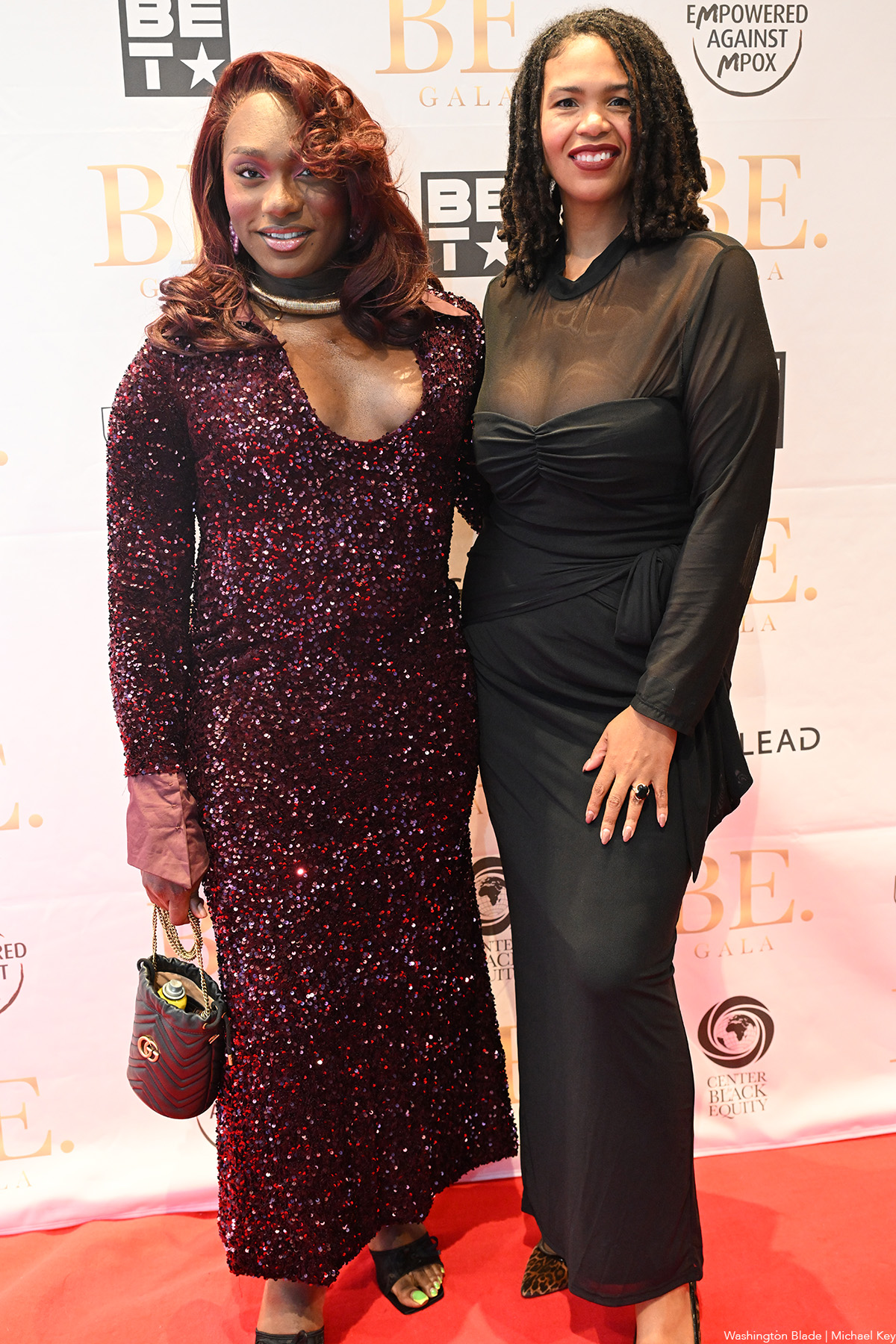
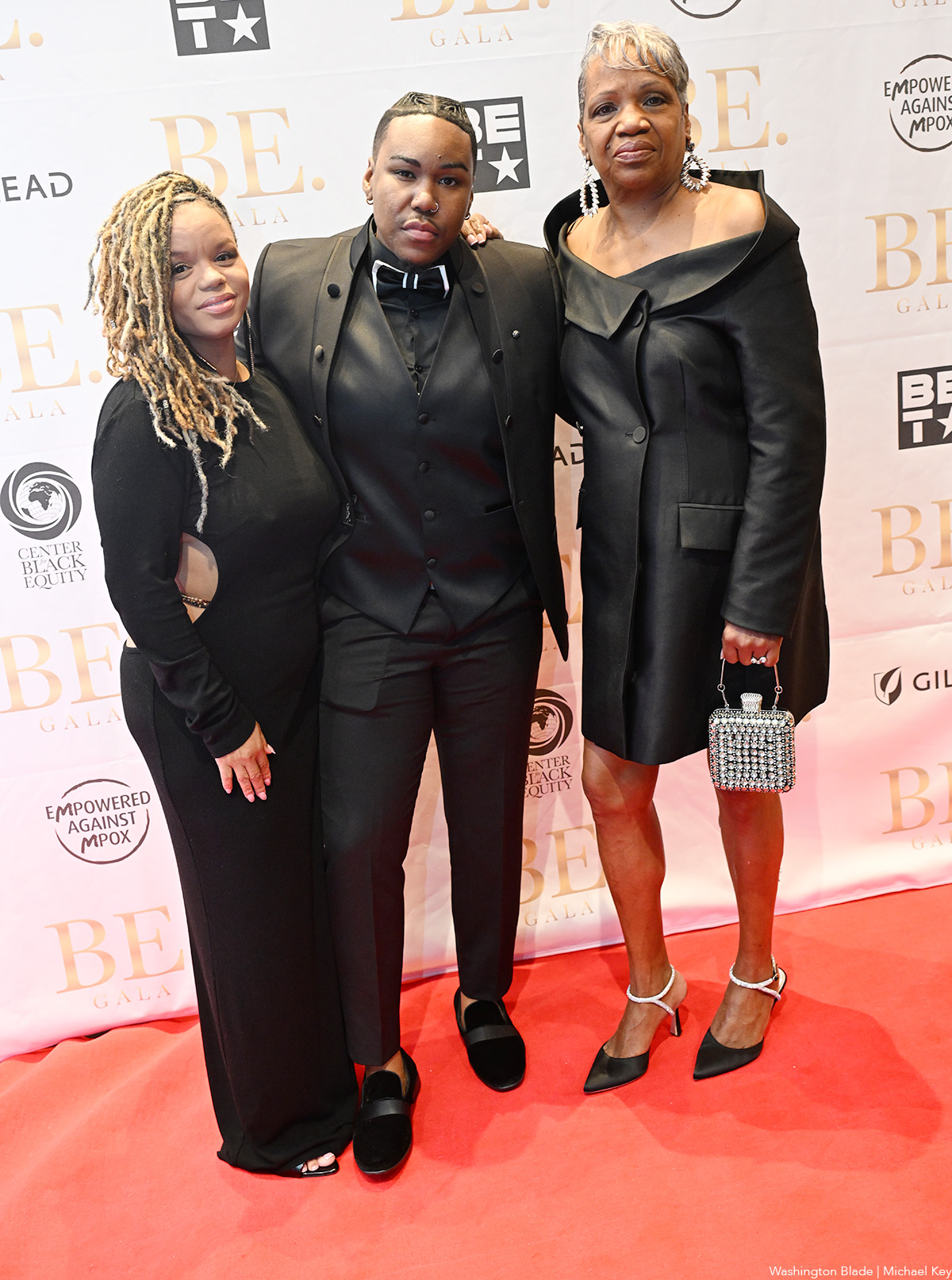
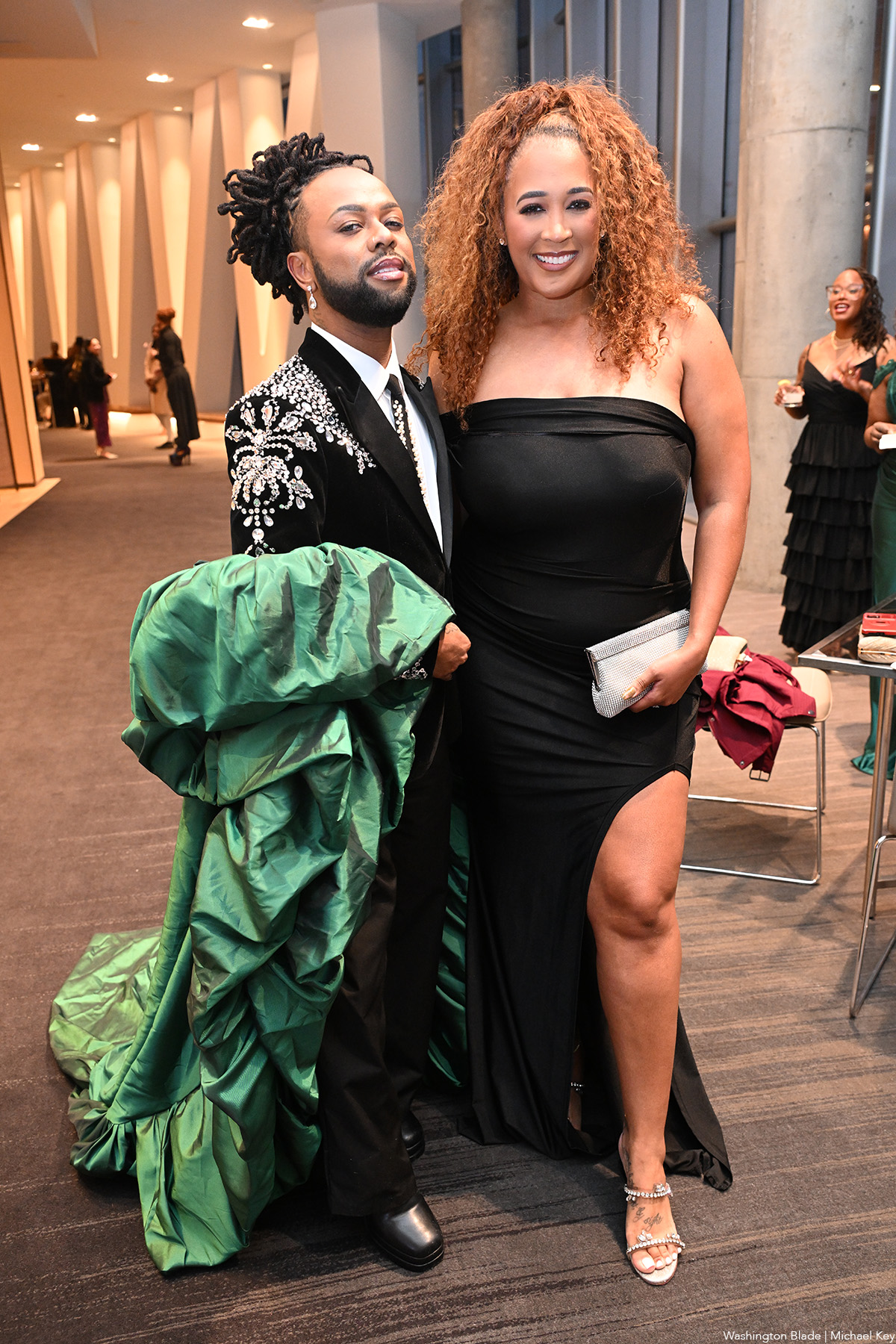
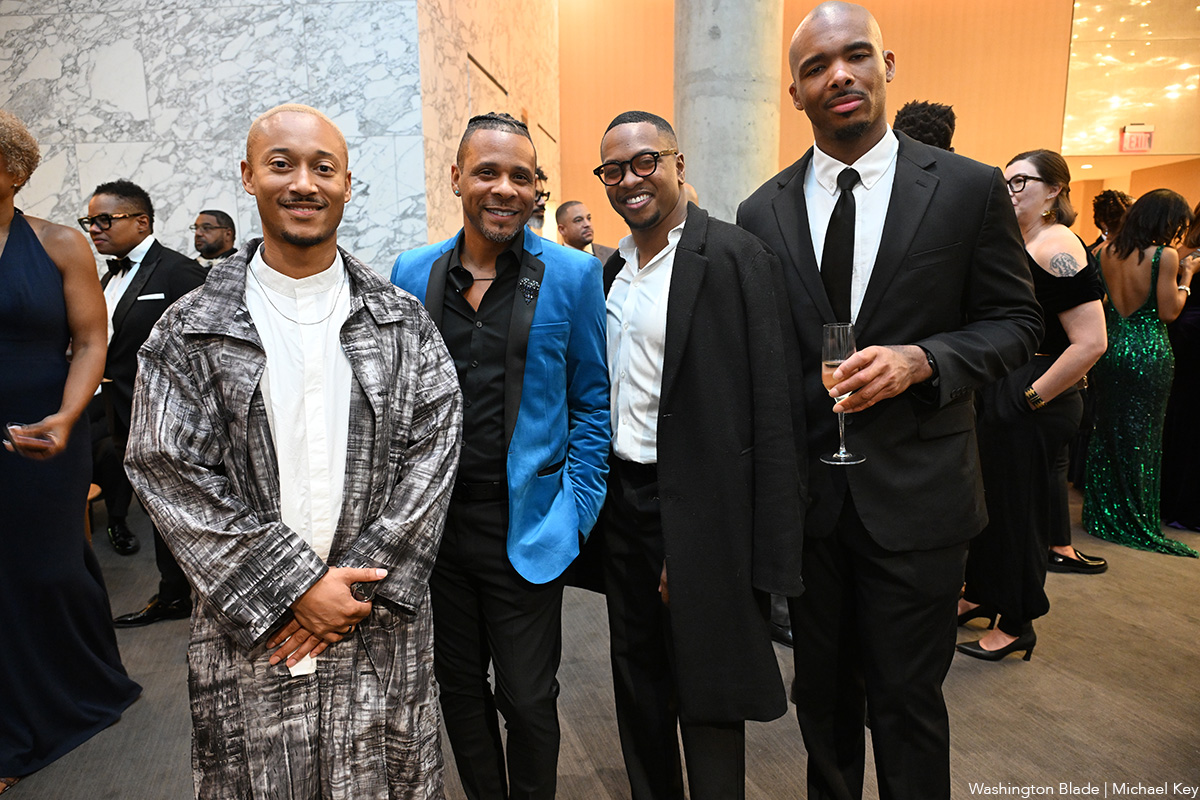
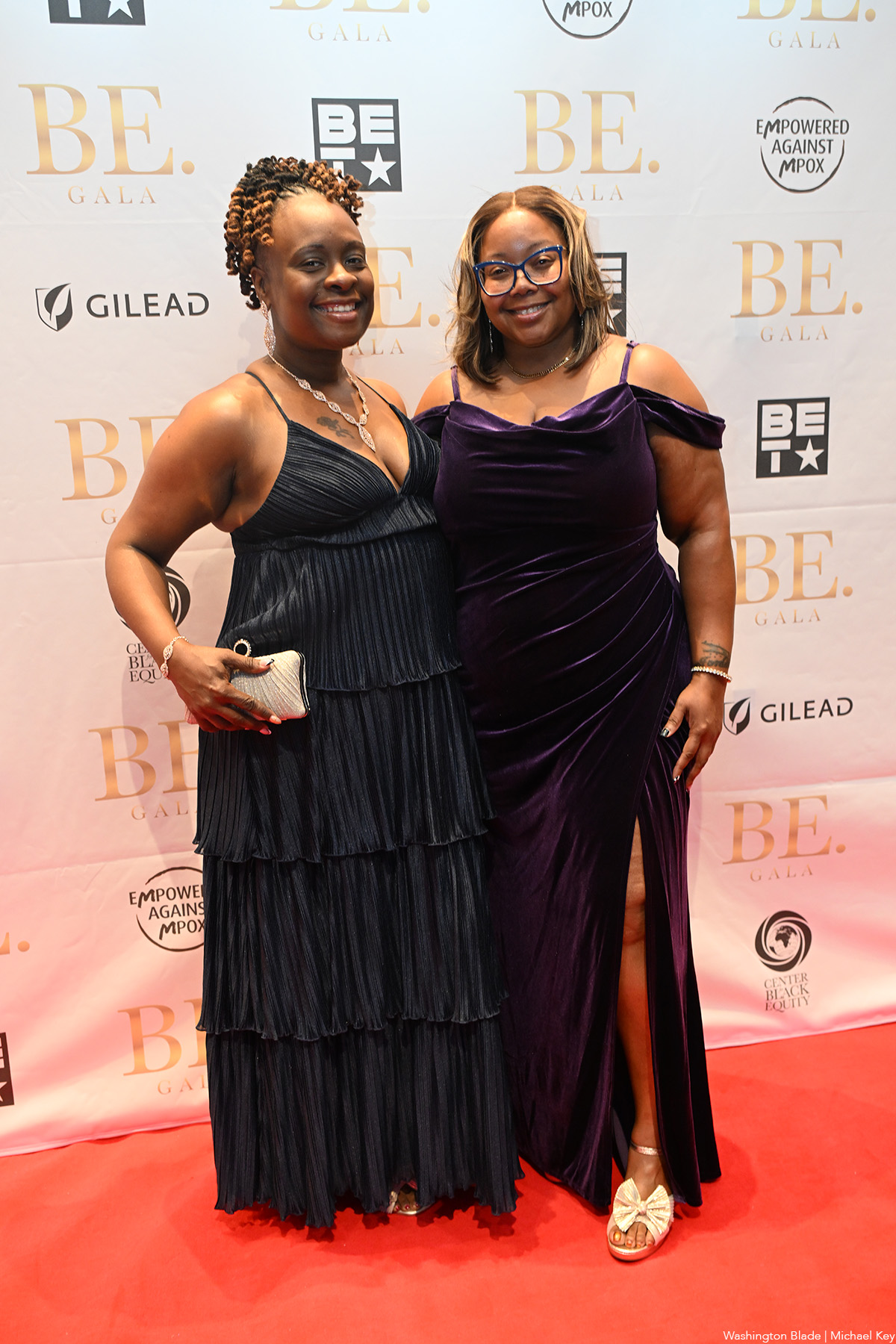
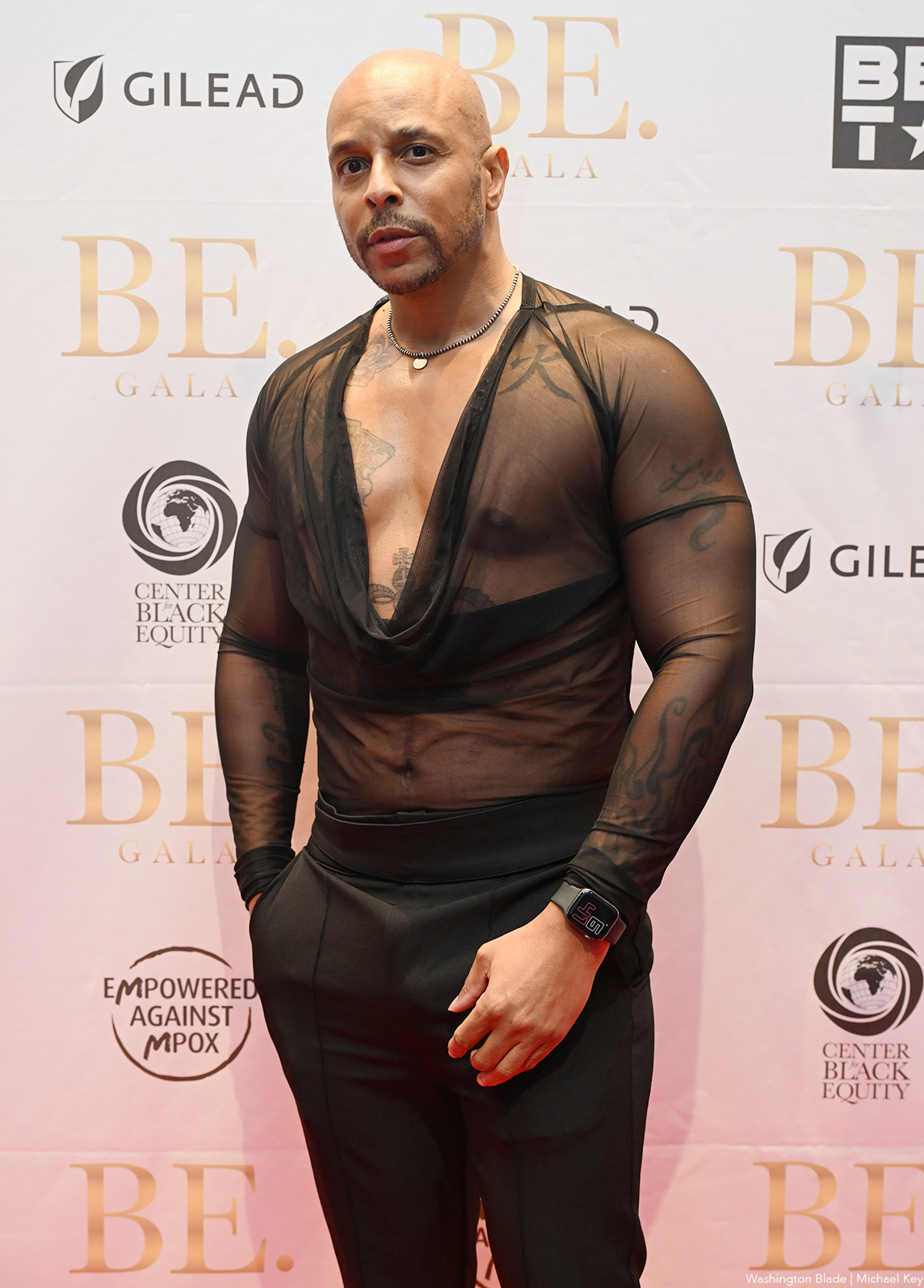
The Center for Black Equity held its annual BE. Gala at Conrad Washington, D.C. on Saturday, Oct. 5. Lolita Leopard Miyake-Mugler and Anthony Oakes co-hosted the awards ceremony.
Honorees included journalist and producer Justin Stewart; nonprofit leader Nikki Alexander; HIV advocate Marlene McNeese; the nonprofit organization FreeLux Project; actress Monroe Alise; public health advocate Tori Cooper; Manassas Park Vice Mayor Darryl G. Moore; Rev. Dr. Carmarion D. Anderson; Bishop Steven Sawyer; government relations professional Courtney Snowden; Senior Deputy Director of HAHSTA at D.C. Health, Clover Barnes; and Texas state Rep. Venton C. Jones.
The event was sponsored by Gilead.
(Washington Blade photos by Michael Key)














Books
In ‘The Lost Brontë,’ a complicated lie can lead to danger
New book features sweetly romantic girl-meets-girl twist
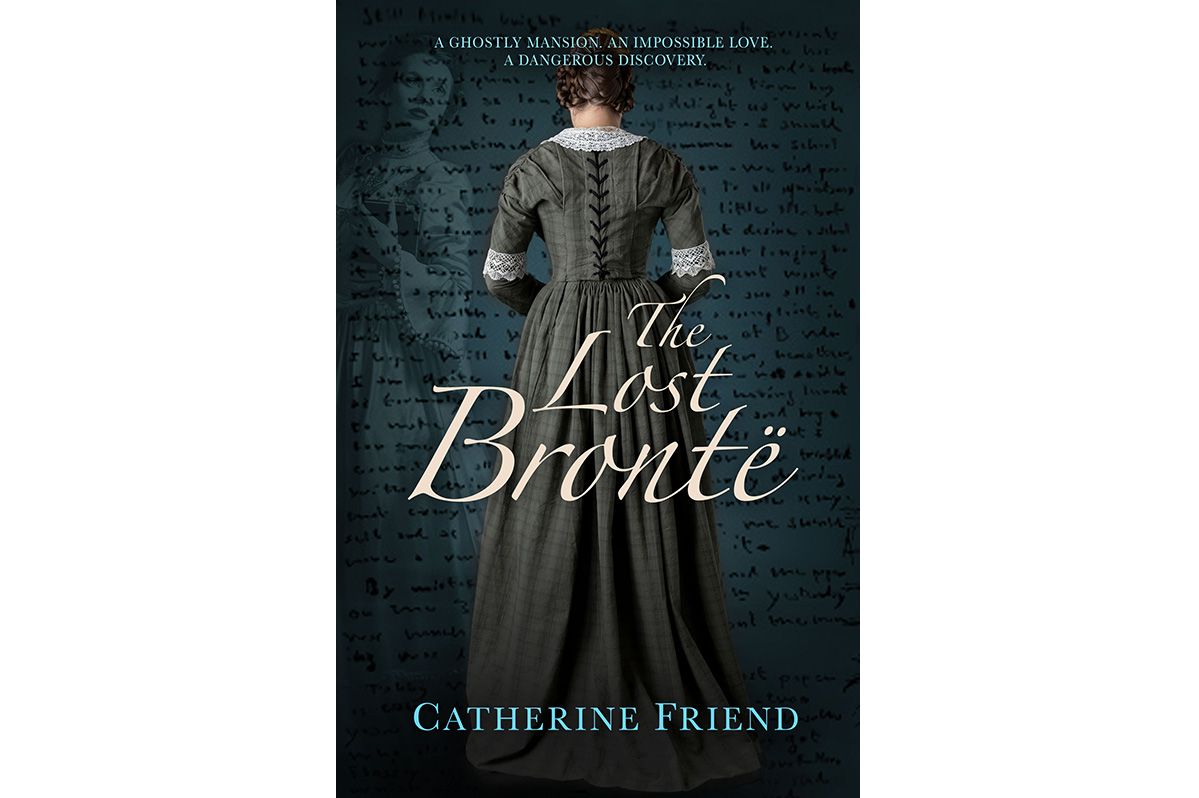
‘The Lost Brontë’
By Catherine Friend
c.2026, Bywater Books
$22.95/335 pages
Mom always said to tell the truth.
One lie leads to another and another and you have to remember them all until pretty soon, you’re caught. Fibs are hard, mistruths are messy, even little white social lies can destroy trust. Worst of all, as in the new novel, “The Lost Brontë” by Catherine Friend, a complicated lie can lead to danger.

Though Lilianne Loxley was very young when she lost her parents, she understood that her uncle didn’t really want her. As time passed, though, Lily made herself useful to Uncle, writing and signing letters for him and she became a good companion, helping him with his collection of Brontë memorabilia. Uncle was a keen enthusiast.
She had no idea that his obsession was out of control and he was deeply in arrears. The day Lily learned of his debt was the day she learned that he’d agreed to send her to his debtor’s home to work off the money owed.
It was so sudden. One minute, Lily was at Loxley House, happy and loved by Uncle’s staff … and five hours later, she was at Crag Thorn Manor, home of Lord Bexton, who informed her that she’d be working on his ledgers – work that seemed routine, but Lily tackled it.
Uncle always did say she was headstrong.
But would headstrong be enough to survive, when she was restricted from most of the Manor, when she was forced to dine with Brexton and his slimy friend, or – the worst! – when Brexton told Lily that her next task was to forge a letter from Emily Brontë? And then an entire manuscript?
Lily struggled to do what was right. She had to get Uncle out of debt but this last order horrified her. Did she dare refuse Brexton’s orders and commit a crime? It was unthinkable!
The only brightness in the whole situation was Wren, the ladies’ maid assigned to Lily’s room. Wren was adorable with freckles and the sweetest smile. But with everything else happening at Crag Thorn Manner, could Lily act upon her feelings?
This time of year, you may come to crave dark, spooky stories, and “The Last Brontë” fits those needs perfectly with its Gothic deliciousness. Think: Daphne du Maurier-type, stormy-night squirms with a dangerously chaste, sweetly romantic girl-meets-girl twist for fun.
If it’s been awhile since you’ve read a Gothic novel, you’re in for a nice reminder of why you love them here. You can almost tick off the must-haves: a novel like this is nothing without a foreboding stone manor with damp walls; stone steps to a dank basement; a mysterious portrait; and a nearby bog, and author Catherine Friend gives readers every one of them. You’d be disappointed if there was no ghost, wouldn’t you? Ha. You can practically feel the cold blow through the attic, right? Yeah, it’s that kind of book.
If you’re a fan of the Brontës, you’ll like this novel. If you love Gothic mysteries or Victorian romances, ditto. “The Lost Brontë” is good, no lie.
The Blade may receive commissions from qualifying purchases made via this post.
Out & About
CAMP Rehoboth Block Party returns Oct. 18
Expect performances, vendors and more at annual celebration

CAMP Rehoboth will host its annual Block Party celebration on Sunday, Oct.18 at 11 a.m. on the second block of Baltimore Avenue in downtown Rehoboth Beach.
CAMP Rehoboth invites all community members to join in the festivities and to expect magnificent performances and dozens of vendors, including artists, craftspeople, non-profits, businesses, and more.
The event started in 2015 in celebration of CAMP Rehoboth’s 25th anniversary. This year, attendees can expect to shop sea glass art, pottery, jewelry, Pride merch, body care, clothing, and learn more about local non-profit causes and businesses.
Attendance is free. For more details, visit CAMP Rehoboth’s website.

Annie Andrews denounces trans athletes after Trump targets her

On Republican Long Island, gay Democrat Chris Gallant bets on public service over politics

Report: LGBTQ exclusion costs Japanese economy billions a year

Center for Black Equity honors leaders, activists at BE. Gala

In ‘The Lost Brontë,’ a complicated lie can lead to danger

U.S. int’l trade negotiator, consultant James Bedore dies at 82

Campaign urges Virginia High School League to reverse stance on trans athletes

Calif. GOP gubernatorial candidate ad ‘disgusting attempt to exploit lesbian intimacy’

Center Arts Gallery celebrates 10 years with reception, auction

Trump, Netanyahu, and Putin are all war criminals
-

 Obituary5 days ago
U.S. int’l trade negotiator, consultant James Bedore dies at 82
-
Virginia5 days ago
Campaign urges Virginia High School League to reverse stance on trans athletes
-
California5 days ago
Calif. GOP gubernatorial candidate ad ‘disgusting attempt to exploit lesbian intimacy’
-
Commentary5 days ago
Center Arts Gallery celebrates 10 years with reception, auction