Financial
Meet Duplex Diner’s new owners
Successful Rehoboth restaurateurs take the helm at 18th & U mainstay

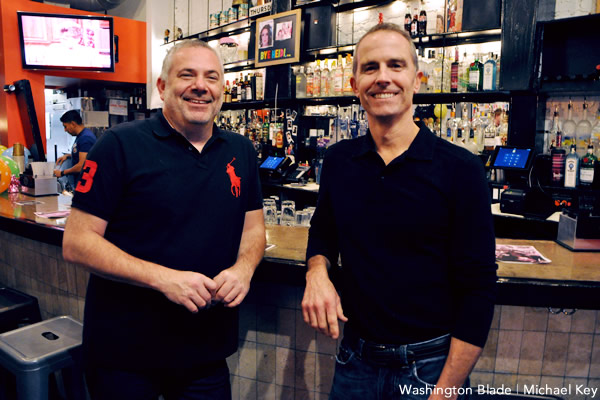
Duplex Diner’s new owners Mark Hunker and Jeff McCrackensay not to expect drastic changes at the popular bar and restaurant.
New 18th & U Duplex Diner owners Jeff McCracken and Mark Hunker didn’t win the long popular Northwest D.C. bar and restaurant at a poker table, but that’s where their friendship and eventual hospitality business partnership originated.
“We first met at a poker game 17 years ago,” Hunker recounts, “and we immediately became fast friends.” They began hanging out, drove across the country, vacationed with friends in Key West and bought a Rehoboth beach house together.
They would later work together at a Washington-area IT firm specializing in government contracting. “We saw each other more often than we saw our partners,” jokes Hunker, a former presidential appointments director and OPM chief of staff during the Clinton administration.
The duo is now betting on utilizing nearly 10 years of shared Rehoboth restaurant ownership and operational experience, Hunker says, to “carry on the tradition of a community and neighborhood institution” in D.C. Hunker, who also lives in Adams Morgan with his now husband of four years, Jeff Shields Hunker, says both he and McCracken have been Duplex Diner customers “since the second or third day after it opened.”
In fact, the couple held their marriage ceremony there, later celebrating the union at the Rehoboth restaurants Eden and Jam Bistro that Hunker co-owns and operates with McCracken. A Rehoboth resident, Hunker married Shields in D.C. before same-sex nuptials became legal in Delaware.
McCracken, also a Rehoboth resident who has a D.C. home in the developing H Street, N.E., area, similarly splits his time between locales overseeing operations at both beach town establishments that he and Hunker oversee together. McCracken shares his life with Ron Niemann; the couple has been together for seven years.
A decade ago, McCracken and Hunker jumped at the opportunity to purchase Rehoboth restaurant Eden when the family owners decided to sell. A favorite dining spot for both, located on Baltimore Avenue near the beach, they relied on McCracken’s penchant for, and professional experience in, building rehabilitation and renovation redesign to transform the space and create a second level additionally booked for private and catered events.
It wasn’t long afterwards, in 2010, that they opened the more casual and café-style Jam Bistro, adjacent to Eden. Eden is distinguished by a warmly inviting and romantic ambience, as well as featuring extensive wine offerings and noteworthy fine-dining fare. Both businesses have become popular and well-respected Rehoboth dining destinations.
Duplex Diner devotees needn’t worry about drastic alterations at the hotspot straddling Dupont Circle and Adams Morgan at the intersection of namesake 18th and U streets at Florida Avenue. Opened by original owner Eric Hirshfield in 1998 and subsequently purchased by former manager Kevin Lee in 2011, it has remained popular, with Thursday nights a longstanding gay party tradition.
“When we were approached about buying, we couldn’t imagine it being sold to someone who hadn’t ‘lived it’ and ‘loved it’ as much as we have,” Hunker says.
“We bought Duplex Diner because it is a successful business,” says McCracken. “We prefer the word ‘evolve’ in describing our contribution,” Hunker is quick to point out, “rather than sudden change. Expect our influence in adding an expanded range of wines to the menu, and a more consistent service approach in the dining room.”
“We focus on strategic management and the customer experience,” Hunker explains, “We entered this business as diners.”
Duplex Diner has a “neighborhood feel,” notes McCracken, as Hunker adds, “with a welcoming staff and a diverse crowd. We love being part of a place that is a part of our lives.”
Information about the trio of venues is available online: DuplexDiner.com, EdenRestaurant.com and JamBistro.com.
Mark Lee is a long-time entrepreneur and community business advocate. Follow on Twitter: @MarkLeeDC. Reach him at [email protected].





Real Estate
D.C.’s housing reality: Cautious optimism meets landlord strain
Cost of living remains a major problem
Washington has long prided itself on stability. Anchored by the federal government and buoyed by a highly educated workforce, the District has historically weathered economic uncertainty better than most cities.
But beneath that stability, cracks have been showing since January 2025.
I was having a conversation with a prospective client the other day and offered him a candid assessment of the District’s economic outlook. Simply put, structural challenges have been shaping the city’s future, a new mayoral election, and more that blends cautious optimism with clear concern about the changes ahead.
For one, the long-term shift toward remote and hybrid work continues to reshape the city in ways many people still underestimate. There has been a change in the rhythm of downtown D.C., reduced daytime foot traffic for local businesses, and created uncertainty for commercial real estate owners and the neighborhoods that depended on those workers every day.
At the same time, the cost of living in the District continues to rise at a pace that many residents are struggling to absorb. Even residents with strong incomes are becoming more cautious about spending and relocation decisions.
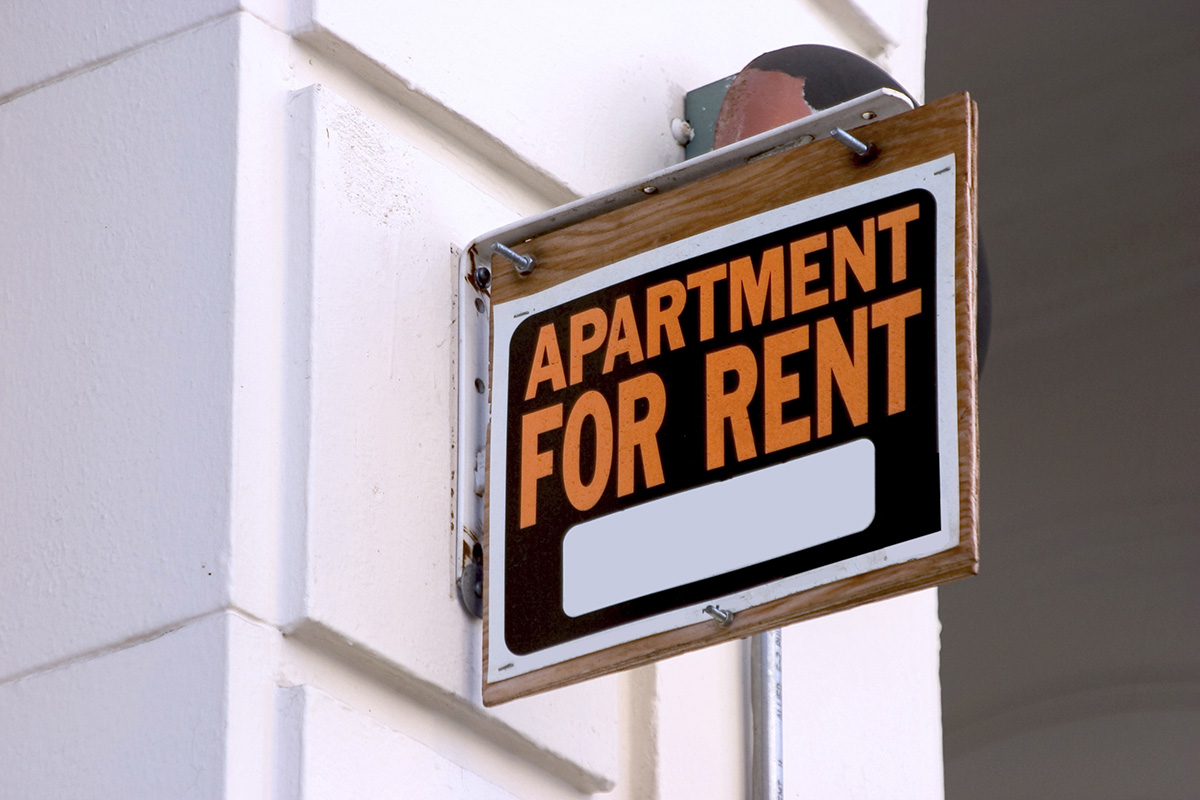
Landlords are feeling those pressures as well. Many smaller housing providers are operating in an environment where expenses continue to rise faster than revenue while the regulatory environment has grown increasingly complex. For some rental owners, especially those with older buildings or only a few rental units, the math is making it harder to cover costs, much less generate passive income.
There is also growing concern about the District government’s own financial outlook. Significant budget pressures and spending cuts are being had in a more serious way than many Washingtonians are used to hearing. As uncertainty in federal employment affects local tax revenue and consumer confidence, how will the city fund services, infrastructure, housing programs, and public safety priorities in the years ahead?
At the same time, consumer confidence feels noticeably down than it did even a few years ago. People are taking longer to make decisions, whether that means signing a lease, purchasing a home, renovating a property, or expanding a business. That hesitation creates a slower-moving marketplace where caution often replaces momentum.
Despite all this, Washington has proven remarkably resilient over time. The city continues to attract talented professionals, international investment, universities, healthcare institutions, and industries tied to government, law, technology, and public policy. Neighborhoods continue to evolve, and demand for well-managed rental housing remains strong in the core areas of the city.
Unlike other major cities driven by private industry, federal employment and contracting are two of the main pillars of Washington’s economy. That reliance has long insulated the region from deep recessions. But it also creates vulnerability when federal activity slows.
D.C.’s economy is far more interconnected and interdependent than many people fully appreciate. Between significant federal layoffs, the District’s high unemployment rate, and broader economic uncertainty, there are a number of warning signs that property owners should be paying close attention to. When federal hiring slows or contracts tighten, the impact extends well beyond government workers themselves. It affects restaurants, retail, housing, and countless other sectors tied to the District’s economic activity.
Brookings Institution has documented how job losses in higher-income sectors can disproportionately impact urban economies—precisely because those workers drive local spending.
Research from the Urban Institute supports this view, noting that federal workforce disruptions can quickly ripple through the region’s economy. For landlords and renters alike, those ripples are already being felt. Renters see many more properties on the market which gives them leverage on negotiating discounts in rent or special incentives. Housing providers, already squeezed by the reality of a weak economy and strong regulations face lowering rents and income.
For years, affordability has been one of D.C.’s most persistent challenges. Much of that pressure has been driven by strong job growth and sustained demand for housing at a pace that new housing inventory has struggled to match. That imbalance has steadily pushed rents and home prices higher, leaving many residents financially stretched.
Recent multifamily housing data suggests the market is already beginning to adjust. Developers delivered more than 15,000 apartment units across the Washington metropolitan area over the past year, and several industry reports have noted that elevated supply levels, combined with slower demand growth, have contributed to softer occupancy levels and downward pressure on rents in portions of the region. CoStar, CBRE, and Northmarq have all reported rising vacancy rates across segments of the D.C. multifamily market as newly delivered Class A inventory continues entering the pipeline at a time when hiring growth has moderated and federal workforce uncertainty has increased.
At the same time, several economists and housing analysts have cautioned that the District’s affordability challenges are deeply structural and unlikely to disappear quickly. The Joint Center for Housing Studies of Harvard University has repeatedly identified Washington among the nation’s more cost-burdened metropolitan areas, particularly for renters, while Zillow data continues to show housing costs consuming a substantial percentage of household income for many residents.
From my own perspective as a property manager working directly in the market every day, I believe we are beginning to see the early stages of a market recalibration rather than a collapse. Anecdotally, there appears to be more competition among larger apartment buildings than there was several years ago, particularly in neighborhoods where substantial new inventory has recently delivered. That does not necessarily mean dramatic rent declines are coming, but it does suggest that the imbalance between supply and demand may be moderating somewhat after years of sustained upward pressure on pricing.
Even if prices soften, affordability will remain a long-term challenge.
Regulation and the Realities of Tenant Turnover
The same rental owner I spoke with pointed to regulatory hurdles as a major source of hesitation to continue renting out his property, given past bad experiences with tenants and excessive costs to prepare the rental for a new tenant.
For many small property owners, the cumulative weight of regulation, maintenance costs, and market uncertainty is becoming harder to bear. Clients of mine have described feeling overwhelmed, not just financially, but emotionally. What was once a source of pride has, in some cases, become a source of stress.
We’re seeing more small landlords sell their rental homes, questioning whether it’s worth staying in the market. That’s a significant shift from even five or ten years ago. The National Multifamily Housing Council has noted that regulatory complexity often disproportionately impacts smaller landlords, who lack the resources of larger firms.
Some are choosing to sell. Others are simply trying to hold on. The result is the same – less rental housing for DC residents.
A Shift From Pride to Disillusionment
Perhaps the most striking theme is the emotional shift described by the property owner. For some, owning property in D.C., once a milestone achievement, has become a source of disillusionment. They cited financial losses, regulatory frustration, and a growing sense of political alienation.
There are also broader concerns about:
- The decline of small multifamily ownership
- Rising foreclosures in certain segments
- Increased consolidation by larger institutional landlords
If small landlords continue to exit the market, it changes the entire housing ecosystem. You lose diversity in housing options, and that can have long-term consequences for affordability. It also robs families of having homes large enough to live in.
Politics and Policy: A System at a Standstill?
The political environment has obviously been a key factor shaping the city’s housing future. Following the 2026 elections, a lack of significant leadership change may result in continued policy stagnation.
Without meaningful policy shifts, we’re likely to see more of the same: continued and increasing pressure on landlords and not enough study and focus on policies to increase housing supply by first stopping those property owners fleeing the District’s extreme tenant friendliness. The D.C. City Council remains central to these decisions, with advocacy groups continuing to push for expanded tenant protections. The importance of balance cannot be understated: ensuring protections for renters while maintaining a viable environment for housing providers.
Taken together, these dynamics point to a housing system at a crossroads.
D.C. must find a way to balance:
- Tenant protections
- Housing affordability
- Landlord sustainability
- Long-term investment in housing supply
What’s Next?
D.C. isn’t going anywhere. The question is how it adapts. If we can find the right balance, there’s a path forward, but it’s going to take time and thoughtful policy decisions. For landlords, that path will require adaptability and engagement. For renters, it may mean gradual rather than immediate relief. For policymakers, it presents a clear challenge: create a system that works for everyone.
Scott Bloom is owner and senior property manager of Columbia Property Management. Contact him via ColumbiaPM.com.
Real Estate
Introducing Next-Generation Assisted Living & Memory Support.
Now Available in Tysons: Kokua at The Mather

We have good news for those seeking assisted living or memory support for a loved one: a fresh, hospitality-driven approach to care is now available in the heart of Tysons, Virginia. Kokua at The Mather opened in fall 2025 and provides residents with collaborative care as well as everyday possibilities for creativity, purpose, and connection.
For a limited time, Kokua is welcoming new residents with exclusive move-in incentives.
“Kokua is a Hawaiian word meaning ‘To extend help to others without expecting anything in return,’” explains Brandon Davidson, Administrator. “If you’re seeking support for a loved one, Kokua is worth a closer look. We take an individualized approach to care, with evidence-based practices provided by a dedicated, interdisciplinary team.”

LIMITED-TIME OPPORTUNITY
“At Kokua, we focus on the individual. We blend care with our research-driven approach to deliver personalized wellness tailored to residents’ needs and preferences,” says Davidson.
Residents enjoy the freedom to choose from enriching programs, meaningful social opportunities with experiences such as sensory walks, meditation, acupuncture, Reiki, songwriting workshops, poetry readings, Sensory Symphony Swim, and more.
Assisted Living in Ādar
Ādar means “respect”, and Kokua delivers. Comfortable residential living is combined with caring assisted living services, enabling residents to remain as independent as possible. Each one-bedroom apartment home (ranging in size up to nearly 900 square feet) offers generous space and thoughtful design, complemented by assistance with daily living tasks and emergency response systems for peace of mind.
Memory Support in Miran
Miran means “peaceful”—another pillar in the Kokua way of life. Private suites are designed for those with mild to moderate Alzheimer’s disease, dementia, or similar cognitive conditions. “Our person-centered approach embraces individual strengths and needs, with an interdisciplinary team that includes a staff member in attendance 24 hours a day to assist with event reminders and activities of daily living,” says Davidson. “Residents have access to a variety of opportunities to connect, express, and explore their potential through social events, wellness programs, creative arts, and more.”
Kokua offers the next generation of care in these areas, with a commitment to highly personalized service.

INSPIRED AMENITIES & BOUTIQUE SERVICE
Nestled in a lively urban neighborhood, Kokua incorporates biophilic design that brings the outside in to enhance health and wellbeing.
Throughout Kokua, residents enjoy a collection of thoughtfully designed spaces and top-shelf hospitality in an upscale community. Beautifully appointed gathering spaces create flexible opportunities for wellness, connection, and everyday enjoyment. A spacious outdoor terrace, demonstration kitchens, art and music studios, and more are used for an array of programs and are available to residents and their visitors. Multiple restaurants offer chef-prepared cuisine with flexible, open-hour service.
“Here at Kokua, we’re offering the next generation of care in Ādar and Miran, and it’s available to the public for a limited time,” says Davidson. Now is an ideal time to explore the personalized care and quiet luxury that Kokua at The Mather has to offer.
For more information, download a brochure at www.themathertysons.com/kokua. To schedule a visit or for additional details, contact Kokua at [email protected] or (571) 282.3650.
Real Estate
Honey, have we been priced out of gay paradise?
Rehoboth remains more accessible than many queer beach destinations
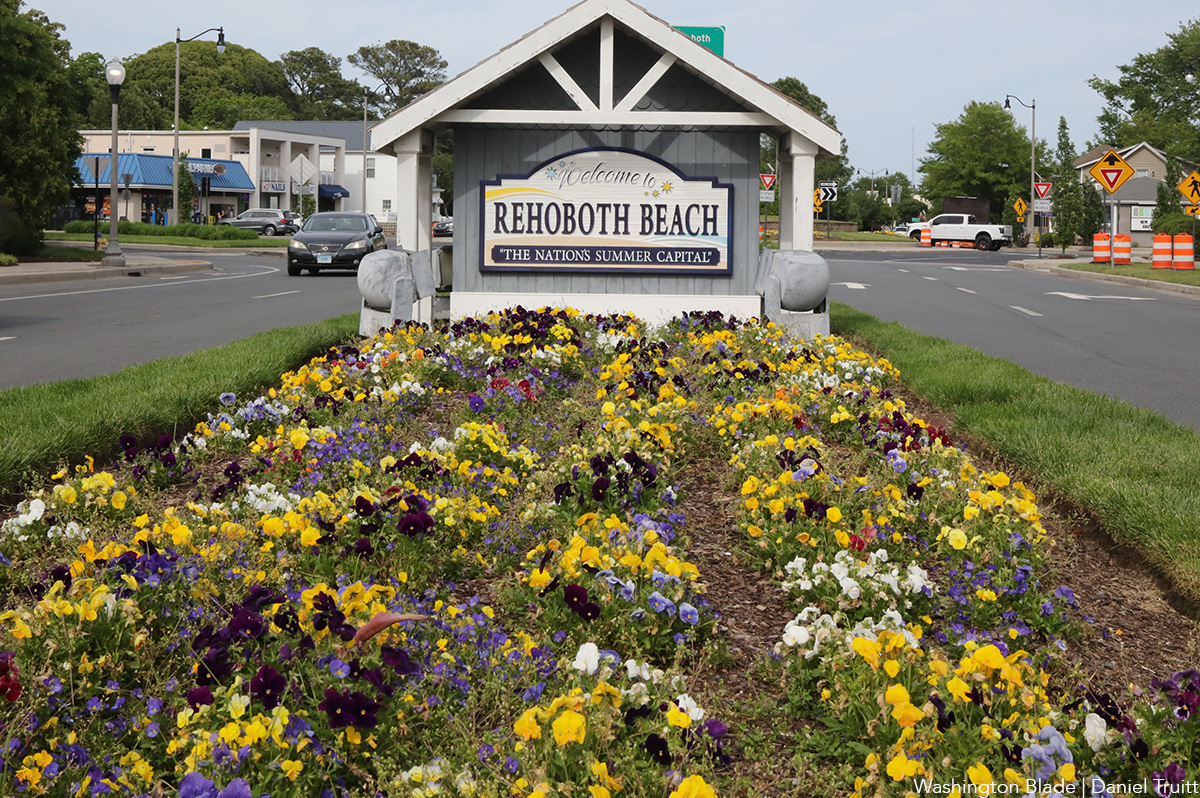
Let’s set the scene, darlings. It’s a scorching July Saturday. You’ve got a trunk full of rosé, a playlist that slaps harder than a “RuPaul’s Drag Race” elimination, and a group chat blowing up with your people en route to Rehoboth Beach — the Delaware beach town that has been the LGBTQ community’s summer headquarters for decades. Sun, sand, Poodle Beach, drag shows, and the kind of easy, breezy freedom that only comes from being surrounded by your tribe.
Now imagine pulling up to a “FOR SALE” sign on that charming two-bedroom cottage two blocks from the boardwalk — the one you’ve been eyeing for years — and seeing the price tag: $1.97 million. Honey, put the rosé down. We need to talk.
Nation’s Summer Capital Has a Spending Problem
Rehoboth Beach has long worn the nickname “The Nation’s Summer Capital” like a crown, owing to the annual migration of Washingtonians — and increasingly, Philadelphians and New Yorkers — who descend on its 27 miles of Atlantic coastline every summer. For the LGBTQ community in particular, Rehoboth has never been just a beach town. It has been a sanctuary, a second home, a place where you can hold your partner’s hand on the boardwalk without a second thought. But the real estate market? She is not reading the room.
According to Redfin data, the median sale price of a home in Rehoboth Beach recently hit $1.96 million — a jaw-dropping 106% increase year over year, and a figure that sits 127% above the national median. The price per square foot has climbed to $1,160, up nearly 27% in the same period. Gag.
So Who IS Buying Right Now?
Let’s not be dramatic — people are still buying in Rehoboth. They’re just a specific kind of people. According to neighborhood data, the per capita income in Rehoboth Beach runs around $118,239, equating to a household income of nearly $473,000 for a family of four. About a third of the workforce telecommutes, many in high-earning, white-collar professions. And more than 68% of residents hold a college degree, compared to a national average of under 22%.
If you want to buy a median-priced home in Rehoboth today with a standard 25% down payment, you’d need to bring nearly half a million dollars to closing — and then cover about $4,000 a month in ongoing expenses.
Still, the market isn’t quite the frenzy it was at peak pandemic frenzy. Homes are sitting on the market for an average of 88 days as of early 2026 — up significantly from the frantic bidding wars of a few years ago, when a listing might vanish before you could refresh Zillow a second time. Sellers are (slowly) getting the memo that buyers have limits.
Have Your Beach House (and Airbnb It, Too)
Many LGBTQ buyers have discovered a savvy workaround to Rehoboth’s sticker shock: buy a property, rent it during peak season, and let your summer visitors essentially pay your mortgage.
The numbers surprisingly support this strategy. The Rehoboth Beach short-term rental market currently has around 928 active listings, with hosts averaging $400 per night and annual revenues of approximately $39,689. The busiest month, predictably, is July — when guests book an average of 96 days in advance (so yes, those summer reservations your friends keep missing out on are being snapped up in April).
The key is making your property stand out in a crowded market. Properties accommodating eight or more guests dominate the Rehoboth STR market (nearly half of all listings), so that five-bedroom house with a game room suddenly starts to look like a business plan. At the same time – keep in mind that location, location, location honey – that is also so valuable. Even a two-bedroom condo close to the beach will also rent favorably well and get those numbers needed to make the most sense to your pockets.
This method allows you to have a second home, enjoy it, have friends enjoy it, and also helps recoup some of the overhead so the overhead and increase in overall purchase price is a bit more manageable.
What It All Means for Our Community
Rehoboth has always been more than real estate. It is one of the few places on the East Coast where LGBTQ people have, for decades, built an actual physical community — businesses, organizations, gathering spaces, neighborhoods — not just a social scene. CAMP Rehoboth, Poodle Beach, the Blue Moon (which, after some drama, was recently sold to new owners who pledged to keep it a queer-affirming space — phew), and countless gay-owned restaurants and shops form an ecosystem that attracts our community every summer precisely because the roots run deep.
But ecosystems require people — year-round residents, small business owners, artists, service workers — not just wealthy second-home owners. When prices rise to the degree they have in Rehoboth, the people who sustain that community can no longer afford to stay. It’s a pattern playing out in LGBTQ neighborhoods from San Francisco’s Castro to New York’s Chelsea, and it’s worth watching closely here.
The good news? Rehoboth remains more accessible than many comparable queer beach destinations. Provincetown, Mass. — the other iconic LGBTQ beach town on the Eastern seaboard — regularly sees median home prices north of $1.5 million with far less inventory and a significantly smaller footprint.
And Delaware’s tax structure does the community a quiet but important favor: no state sales tax, among the lowest property tax rates in the country, and relatively favorable income tax treatment for retirees. These aren’t glamorous talking points, but they matter when you’re running the numbers on whether your beach house dream can actually pencil out.
The Bottom Line, Babe
Can our community still afford Rehoboth? The honest answer is: it depends on what you mean by Rehoboth.
If you mean a single-family home within walking distance of Poodle Beach with an ocean view and a wraparound porch — prepare to spend north of $1.5 million, need a household income pushing six figures annually, and move fast when something comes to market.
If you mean a condo or townhome in the greater Rehoboth area – or a property you plan to rent out in peak season to offset costs — there are still real pathways in.
And if you mean belonging to a community, showing up every summer, taking up space on that beach, supporting LGBTQ-owned businesses, and making sure Rehoboth’s queer identity doesn’t get washed away by the luxury market tide — well, that part doesn’t have a price tag.
It just requires showing up. So pack the car. Bring the rosé. The beach is still ours.
Have a real estate question or Rehoboth market tip? Reach out to [email protected] for LGBTQ-friendly real estate resources in the Rehoboth area.

PHOTOS: The Audacity Brunch

D.C. Council approves expanded grant funding for Mayor’s Office of LGBTQ Affairs

Congressional Cemetery hosts Gays & Graves

Baltimore Pride is here

Calendar: June 12-18

Hundreds of thousands expected to attend D.C. Pride events

PHOTOS: Pride Run

Queen Jean is Tony’s first transgender winner

EXCLUSIVE: Pelosi reflects on four decades of LGBTQ advocacy