Books
Whatever happened to Baby ‘Jane’?
Coming-of-age novel is tender, alluring
(Image courtesy W.W. Norton)
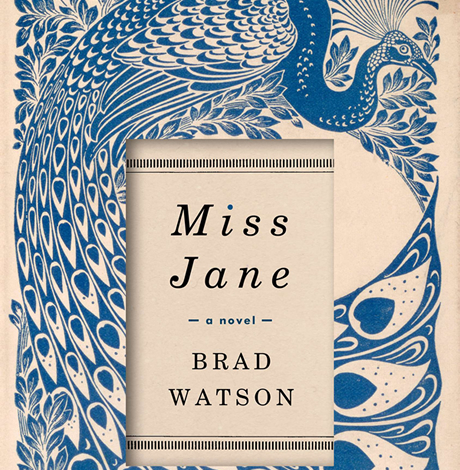
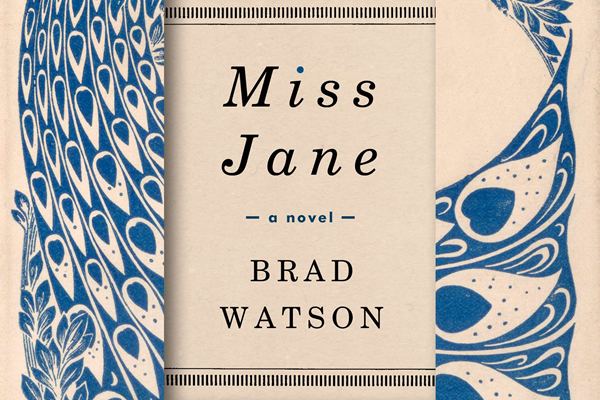
‘Miss Jane: A Novel’
By Brad Watson
W.W. Norton
$25.95
284 pages
Your mother called it an “angel’s kiss.”
Ugh. Lots of people are born with birthmarks but you saw yours as a flaw and you hated it for years. Slowly, though, you came to embrace it, to see it as something that sets you apart, and now you wouldn’t erase it for the world. As in the new novel, “Miss Jane” by Brad Watson, it’s a part of who you are.
In her later years, Jane wasn’t afraid of anything. Oh, sure, she didn’t care much for horses or bodies of water until her father taught her differently, years ago, but grown up, she was fearless. She just lived her life by her Mississippi garden, unafraid, and vexed by but accustomed to the incontinence she’d endured since the day she was born.
Jane’s mother was too old to be having another baby back then and everybody knew it, especially Ida Chisolm. It was 1915, and Ida had already lost enough children so she wasn’t putting too much stock in the life of this’un. When Jane was born with something wrong “down there,” Ida blamed herself for a good long time, and never really did cozy up to her youngest daughter.
Because of that, Grace, the oldest daughter and the only Chisolm child left at home, was saddled with babysitting. It rankled her; everything did, in fact, and even though she was barely old enough to be in school, she knew right then that motherhood was not for her. Even at that tender age, Grace couldn’t wait to get away.
When Jane was born, Sylvester Chisolm was unsure what to call his child. Clearly, she was a daughter but something was wrong. Still, though men of his day never fussed much about babies, Chisolm took particular delight in his youngest. He taught her about trees and birds, how to fish and how to be self-sufficient. She’d need that.
For many years after Dr. Thompson helped Jane into the world, he kept an eye on her. He advised her, taught her about her body and counseled her when she started noticing boys. He was her friend.
And when Jane was old enough for the truth, he told her.
Here’s a challenge for you this fall: find a book that’s as beautiful as “Miss Jane.” Wait, don’t bother. It’s impossible.
From almost the first page of this story of a hard-scrabble life, you’ll find yourself basking in words that set difficulty awash in lushness. Based on a real person, author Brad Watson’s Jane is a dutiful daughter, smart and a little too nosy, and remarkably unabashed about her physical anomaly, at least, at first. Watson wisely allows his character to mature, both in body and in mind, which inevitably leads to the sweetest, loveliest bust-your-heart-in-tiny-pieces passages you may ever read.
Be aware that parts of this book may make you squirm, but mostly, you’ll just float on the sentences inside this book. Start “Miss Jane” and kiss your afternoon goodbye.
Books
‘Mighty Real’ explores history of LGBTQ music
From Judas Priest to Whitney, something for every taste
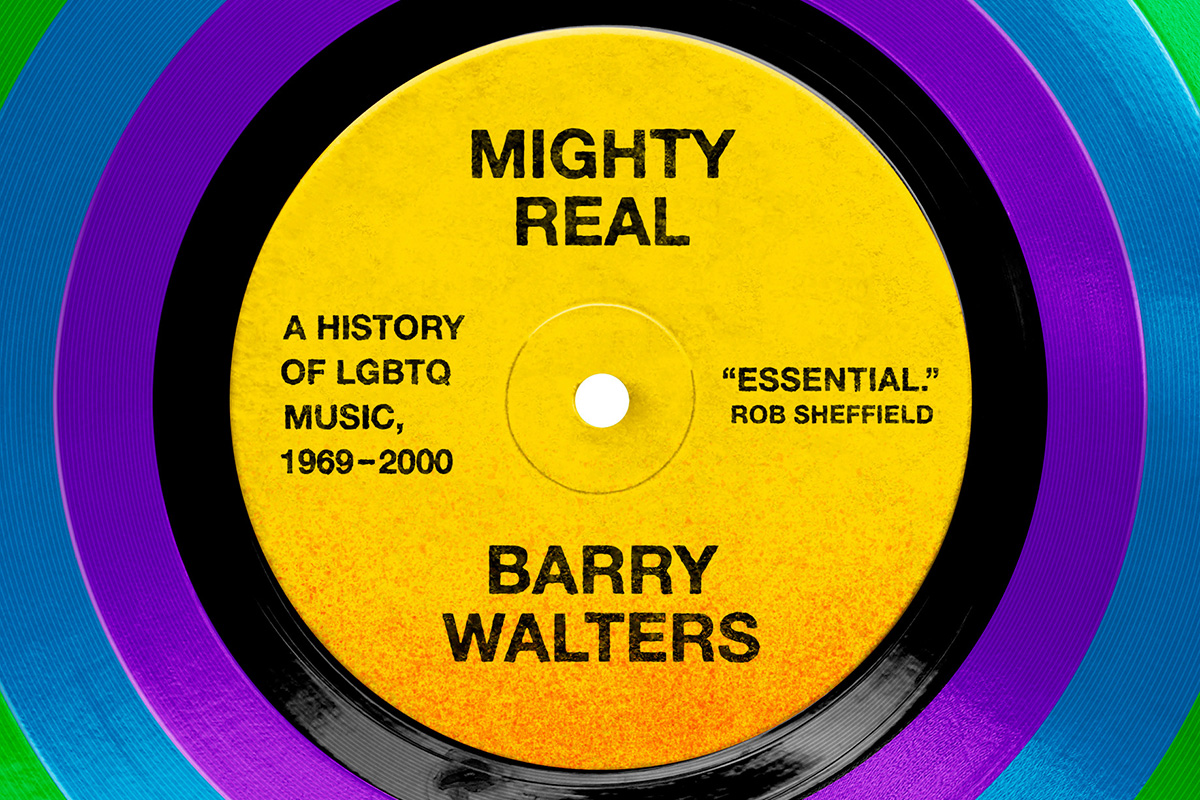
‘Mighty Real: A History of LGBTQ Music, 1969-2000’
By Barry Walters
c.2026, Viking
$35/496 pages
Step, step, tap, back step.
Shimmy in a circle, left hand waving over your head, shake your tail feathers, repeat to the beat. Once there was a time when you could do any dance in your sleep, but it’s been a while. So read “Mighty Real” by Barry Walters, and see if your toes don’t tap.

Fifty-seven years after Stonewall, and here we are: LGBTQ musicians still face scrutiny for their sexuality because, says Walters, music isn’t created for gay listeners. No problem: LGBTQ artists and writers have often penned lyrics carefully in order to say what can’t be said, “coding” songs for gay audiences that straight (and ignorant) listeners can dance to and enjoy with apparent obliviousness.
Walters offers “just a few” examples.
Lou Reed sang about trans people in the late ‘60s and offered a rallying song for the Gay Liberation Front in 1972, the latter of which felt like a message to a then-11-year-old Walters. Janis Joplin claimed she was straight, but she had several girlfriends. Motown singers often offered sometimes-ambiguous lyrics.
John Lennon’s hand placement on the back cover of Sgt. Pepper’s Lonely Hearts Club Band made Walters begin to understand that he was different from other boys.
David Bowie is on his list, of course, as is Bette Midler, Elton John, Donna Summer, and Queen. You’ll find Judas Priest here, Green Day, and punk music. The Village People are included in this book, also Grace Jones, Duran Duran, and Cher, Whitney, Melissa, Latifah, and the lyrics from several blockbuster movies.
Two of Prince’s band members were lesbians, and they heavily influenced his albums. Diana Ross’s “I’m Coming Out” cemented her position in LGBTQ culture, and Michael Jackson’s inclusion here takes much careful consideration.
Read about Olivia Newton-John and the B52s. And then there’s Sylvester, for whom Walters has a soft spot in his heart. Sylvester’s death still makes Walters cry.
In his preface, author and music writer Barry Walters points out that music is what you make it and that it’s interpreted differently by each individual. To that end, this book naturally consists of preferential history and personal opinions about singers, bands, albums, and songs.
Agree or disagree. That’s where much of the appeal lies in “Mighty Real.”
Here, Walters wraps his memories around his choices, giving readers room for their own views, memories, and list making. Music-loving readers might also be surprised to note who’s not on Walters’ list – there aren’t many country performers here, for example, and the overall list focuses entirely on music from roughly 1968 to the year 2000, mostly on the kinds of songs you’ll want at the club or party. Again, discuss, and curate your own playlist.
This is a hefty book, but the chapters are browse-able and generally short enough to read in under five minutes. It’s nostalgic, yet also serious in the history it presents. This is the kind of book you want to leave near your album collection, or wherever you get your tunes. But finding “Mighty Real” is your first step.
The Blade may receive commissions from qualifying purchases made via this post.
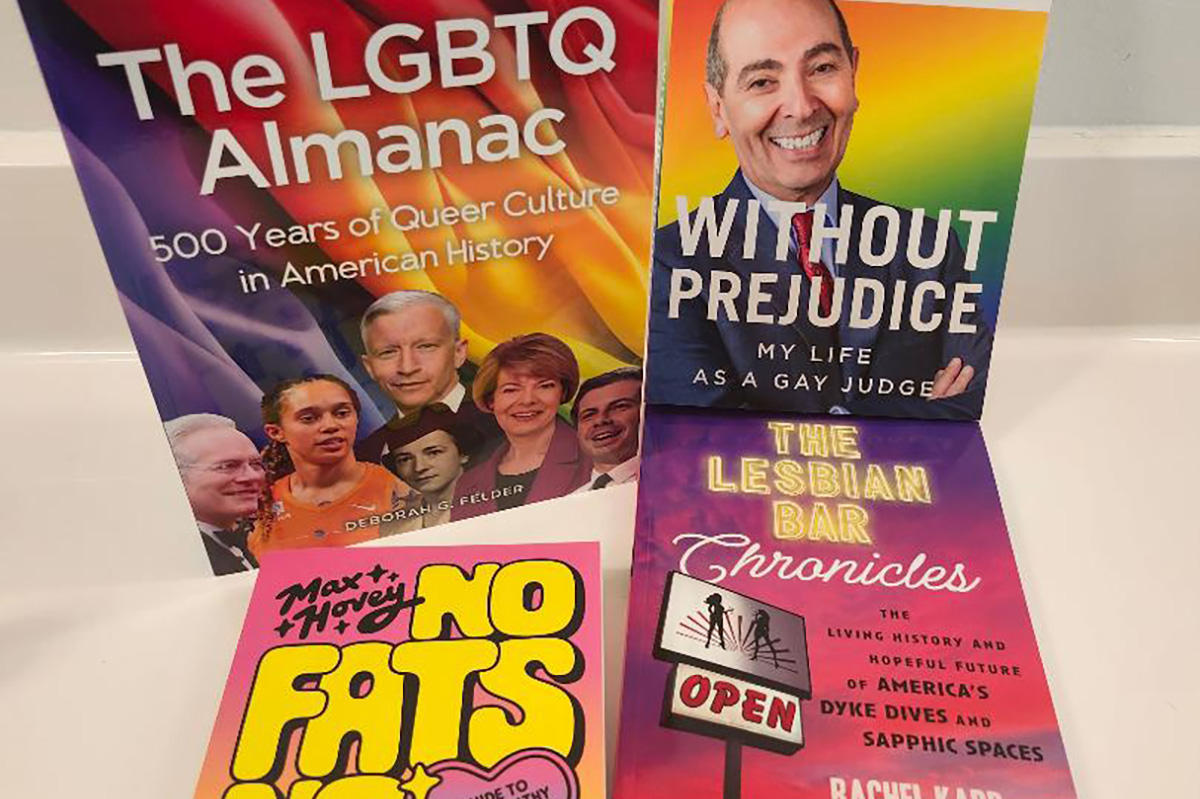
You’re all geared up.
You’ve got your best parade-walking shoes, your coolest tee, your most-comfortable shorts, and a rainbow flag to carry. You’re set for Pride, but before you go, try one of these great new books about LGBTQ life and history.
After the parade, where will you end up? A place to talk your experience over, to re-hash things for the next parade? Then you may need “The Lesbian Bar Chronicles: The Living History and Hopeful Future of America’s Dyke Dives and Sapphic Spaces” by Rachel Karp (Beacon Press, $29.95).
Lesbian bars, says Karp, are more than just places to drink. They’re also places to find community, and to organize. For many, she says, they are “sanctuaries,” as they have been for at least a century, and this book introduces you to some of the people who run the establishments, the things they do to support their patrons, and the 100-year-plus bravery that it took to own, run, and enter a lesbian bar.
If you had to name a gay icon, there are probably quite a few who come to mind. So read “Without Prejudice: My Life as a Gay Judge” by Harvey Brownstone (ECW Press, $21.95) and add another name to your list.
This memoir, written by Canada’s first openly gay judge, takes readers from Brownstone’s childhood to his life as a lawyer, then to his work within the justice system in Ontario, and beyond, to his current career. This is a surprising, informative book that gives you an idea what gay life is like, north of our uppermost borders, then and now.
Pride is a celebration, an event, but it also demands a peek backwards, and in “The LGBTQ Almanac: 500 Years of Queer Culture in American History” by Deborah G. Felder (Visible Ink Press, $39.95), you’ll get a wide look at the pioneers, allies, policy, and gay life over the course of the last five centuries. Want to know more about religion in the gay community? It’s in here, along with celebrities, presidents, science, business, and more. This is the kind of book that settles bets. It’s one you want to have in any room of your home because it’s comprehensive and perfectly browse-able for all of its 600-plus pages.
And finally, here’s a book to read and think about: “No Fats No Fems: A Guide to Queer Empathy and Unpacking Prejudice” by Max Hovey (HarperOne, $19.99). How do you eliminate hateful, hurtful words, aimed at gay people – by gay people? What kind of stereotypes do we carry, unintentionally? This book takes those things out into the daylight by talking honestly and thoughtfully about them, as well as other issues. It’s a book to have when doubts creep in, when you need a new way of thinking or a different direction, or when you just want something different to read.
And if these great books aren’t enough, head to your favorite bookstore or library and ask for books that you can read before Pride or after. And happy Pride!
Books
New books reveal style trends for a more enlightened century
Guidelines that hint about gendering clothing are out
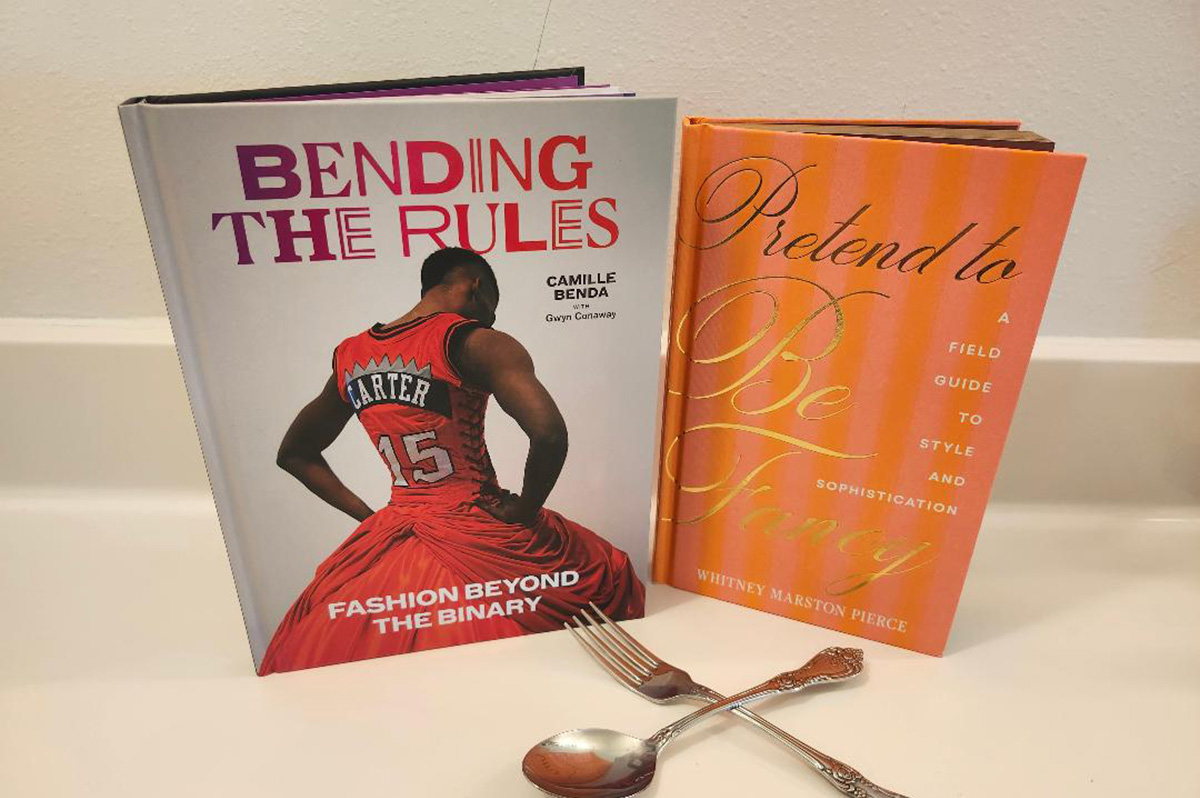
Books about Fashion and Style
By various authors
c.2026, various publishers
$19.95 – $29.95
Don’t look now, but your legs are showing.
It’s OK, it’s almost summertime and you want to show both skin and style. So how about a few hints for looking your best? Check out these great books and get stylin’.
Who says there are rules about fashion? Wearing white before Memorial Day is OK; socks with sandals not so much? Fine, but in “Bending the Rules: Fashion Beyond the Binary” by Camille Benda with Gwyn Conaway (Princeton Architectural Press, $29.95), you’ll see that any guidelines that hint about gendering clothing are oh-so-last century.
Along with lively, fun narrative, there are lots of photos in this book, ads for how clothing used to be worn along male-female lines, and short biographies of some of today’s best designers. Here, you can check out prom dresses from the 1950s and new haute couture gowns practically right off the runway – and see how one parallels with the other. The timeline reaches back centuries, so you get a nice idea of where certain kinds of clothing originated and how it’s relevant today – making what’s inside here perfect for browsing.
Pick up this book, in fact, and you might also pick up some ideas for filling your closet and creating your very own style.
The fashion you wear on your body isn’t all you’ll find in “Pretend to Be Fancy: A Field Guide to Style and Sophistication” by Whitney Marston Pierce (Chronicle Books, $19.95). You’ll also read about other nice things you can have.
So you’re not a pinky-in-the-air kind of person, whatever. You can easily hang with those who are, once you read and absorb this book.
Tongue-tied at fancy soirees? Not anymore, there are tips for talking here. What do you know about canapes, hors d’oeuvres, and the kind of foods you don’t get at the corner c-store? How do you make a charcuterie that everyone will Ooooooh over? And how do you give a gift for the person whose taste seems scads better than yours? That’s all in here, along with what to drink, how to dress, and how to make every corner of your home look like something right out of a high-end magazine.
Will this book make you chic? Possibly, yes. Will it help you get invited to all the best parties? Maybe, but for sure, it’ll make you laugh, it’ll make you feel fabulous, look fabulous, and live your best life with the surroundings you deserve. Out May 5, so put it on your list.
But let’s say you need more ideas. You have questions or thorny issues with fashion that you really need answering. That’s when you ask for a talented fashionista at your local bookstore or library, that knowledgeable someone knows books and knows how to get what you need to be your most dazzling, best-dressed, finest-appointed self in a home you can be proud of, with comfortable furniture that will be the envy of everyone who sees it.
In the meantime, grab the above titles, because these books got legs.

Rehoboth’s Pride on the Bay set for June 27

Blade editor inducted into D.C. Society of Professional Journalists Hall of Fame

Pride in a new world order

McDuffie on LGBTQ support and standing up to Trump

PHOTOS: Fairfax City Pride

Controversial ‘Blue Film’ pushes past taboos for gripping drama

Timothy Nelson on the premiere of his opera ‘Song of Sakuntala’

PHOTOS: ‘Soul Divas’

‘Mighty Real’ explores history of LGBTQ music